


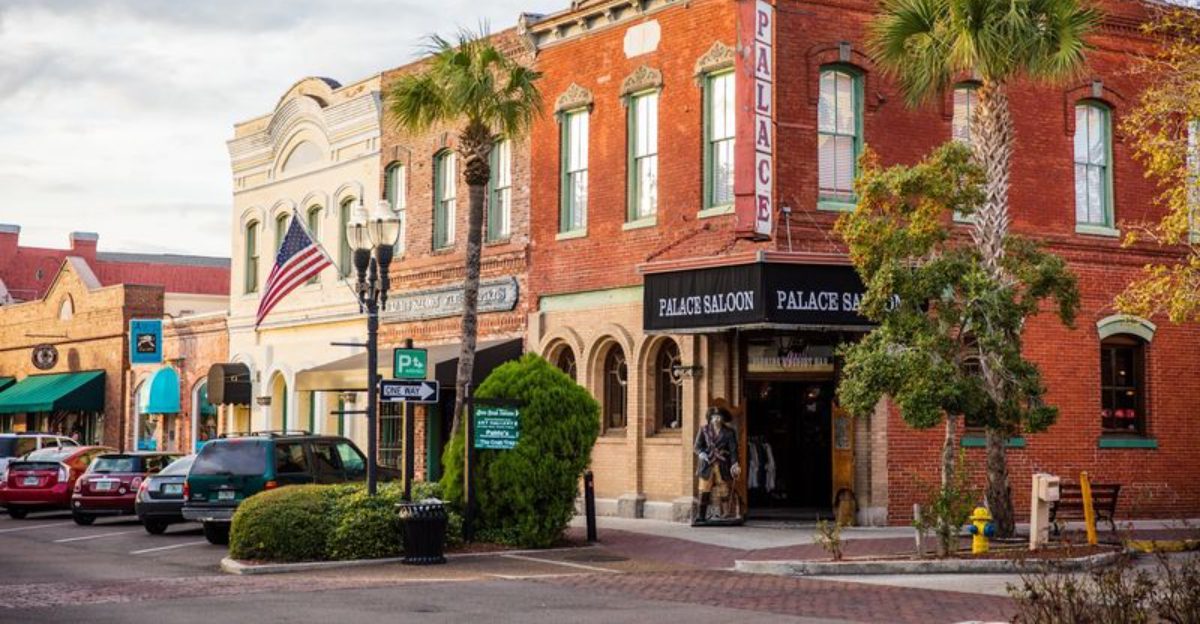
Tucked away on Amelia Island in Florida’s northeastern corner, Fernandina Beach is the kind of place that makes you slow down and actually look around. While so many coastal towns have traded their soul for souvenir shops and chain restaurants, this city has managed to hold onto something rare — real history, real charm, and real community.
From Victorian architecture to fresh-off-the-boat shrimp, Fernandina Beach tells a story that stretches back centuries. If you have never visited, here are 13 reasons why this town deserves a spot on your must-see list.
Centre Street: The Heartbeat of Historic Downtown
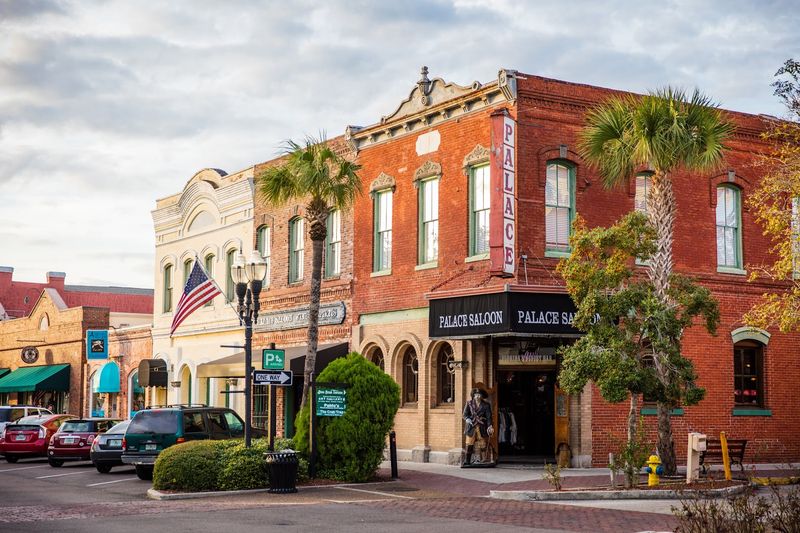
Walk down Centre Street on any given afternoon and you will feel like you have stepped into a postcard from a better era. The buildings lining this main drag date back to the 1800s, and locals have worked hard to keep them looking exactly as they should.
Unlike so many downtowns that have been hollowed out by big-box stores, Centre Street buzzes with independent shops, cozy restaurants, and art galleries. Street musicians sometimes play on the corners, giving the whole stretch an effortless, lived-in energy.
Whether you are browsing handmade jewelry or grabbing a scoop of ice cream on a warm evening, this street delivers the kind of experience that feels genuinely human. It is not curated for tourists — it just happens to be wonderful.
That authenticity is exactly what makes Fernandina Beach so hard to forget.
Amelia Island’s Victorian Architecture That Still Stands Proud
Few Florida towns can boast an entire neighborhood of Victorian homes still standing in their original glory. Fernandina Beach has one, and it is absolutely worth a slow walk or a bike ride through its shaded streets.
During the late 1800s, the town experienced a boom thanks to the railroad and the shrimping industry. Wealthy residents built elaborate homes with decorative woodwork, steeply pitched roofs, and wide porches — and many of those homes are still standing today.
The Silk Stocking District, as locals affectionately call it, is a living museum of that prosperous era. Each house seems to have its own personality and story.
Spend an hour wandering through this neighborhood and you will quickly understand why Fernandina Beach earned a spot on the National Register of Historic Places. History does not get more walkable than this.
Fort Clinch State Park: Where Civil War History Meets Wild Nature
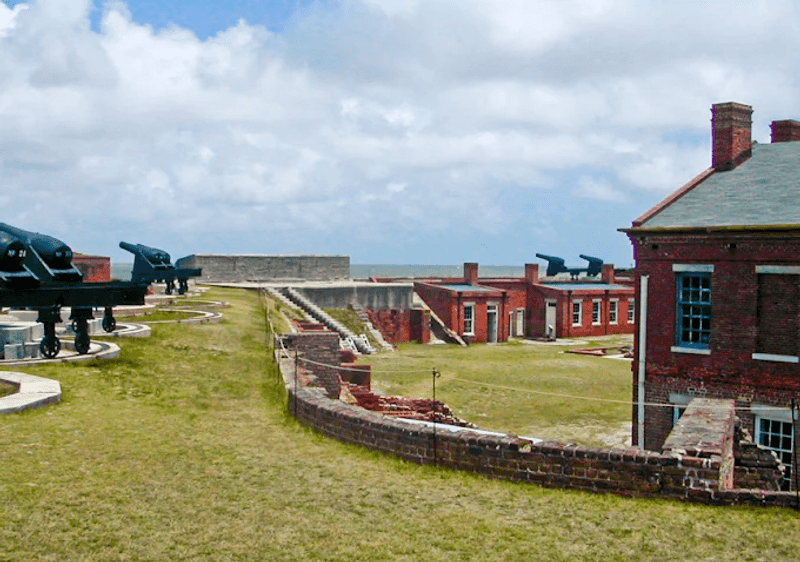
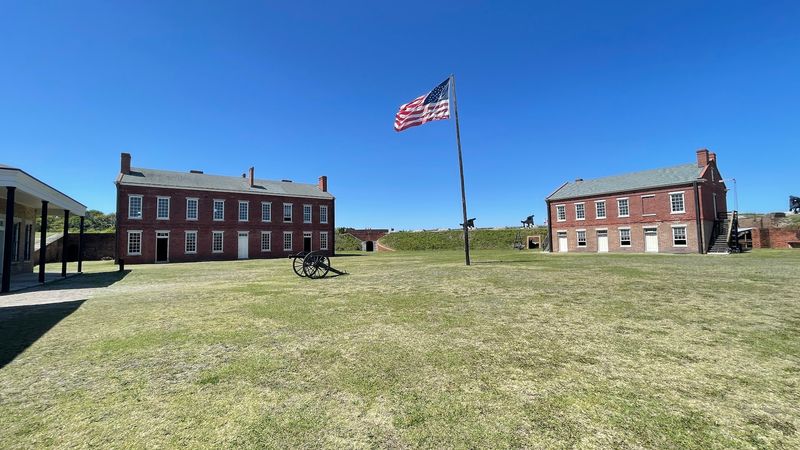
Sitting at the northern tip of Amelia Island, Fort Clinch is one of Florida’s best-preserved 19th-century forts — and it doubles as a stunning natural park. The fort itself was used during the Civil War, and on certain weekends, costumed re-enactors bring that history back to life in a way that no textbook ever could.
Beyond the history, the park offers miles of trails winding through maritime hammock forests, plus a gorgeous stretch of beach where you can sometimes spot dolphins just offshore. Anglers love the fishing pier, and campers come back year after year for the peaceful, shaded campsites.
Fort Clinch manages to be both an educational experience and an outdoor adventure at the same time. Families, history buffs, and nature lovers all find something to love here.
It is the kind of place that reminds you why Florida was worth fighting over in the first place.
Fernandina’s Shrimping Heritage: A Tradition That Refuses to Quit
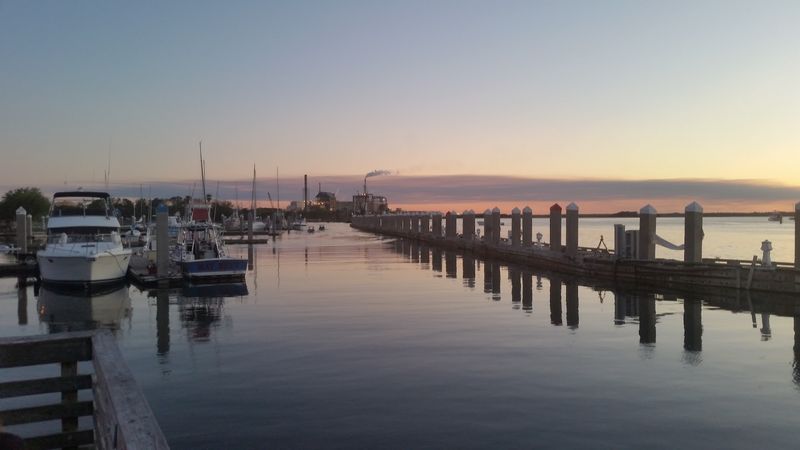
Did you know that Fernandina Beach is considered the birthplace of the modern American shrimping industry? Back in the early 1900s, a Greek immigrant named Mike Vickers helped develop the otter trawl method right here, and the rest is delicious history.
The shrimp boats you see docked along the waterfront are not decorations — they are working vessels that still bring in fresh catches regularly. Local restaurants proudly serve shrimp pulled straight from those very boats, and the difference in flavor compared to frozen, imported seafood is absolutely unmistakable.
Every year, the Isle of Eight Flags Shrimp Festival celebrates this proud heritage with food, music, and crafts that draw visitors from across the country. But you do not need a festival to enjoy fresh shrimp here.
Any given Tuesday at a local waterfront restaurant will do just fine.
The Palace Saloon: Florida’s Oldest Bar Still Pouring Stories
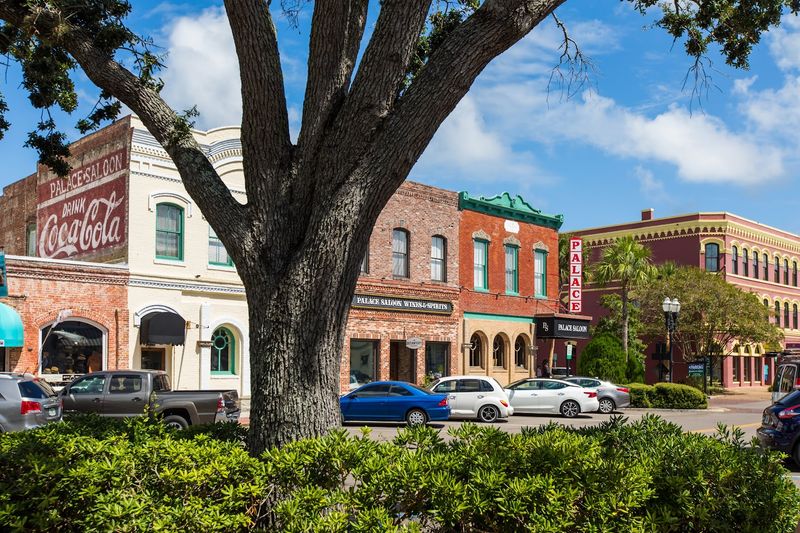
Opened in 1903, the Palace Saloon holds the title of Florida’s oldest continuously operating bar — and it wears that title with pride. The moment you walk through the door, the hand-carved mahogany bar, pressed tin ceilings, and antique murals make it clear that this place has seen some things.
Legend has it that the bar once served sailors, railroad workers, and even a few notorious characters during its early years. Today, it welcomes locals and travelers alike with cold drinks and a warm, storytelling atmosphere that most bars simply cannot manufacture.
Live music fills the space on weekends, and the crowd is always a lively mix of regulars and first-timers comparing notes on what to see next. Stopping in for a drink at the Palace Saloon is not just a pit stop — it is a genuine piece of Florida history that you can sit down inside and enjoy.
Amelia Island’s Beaches: Uncrowded, Natural, and Surprisingly Wild
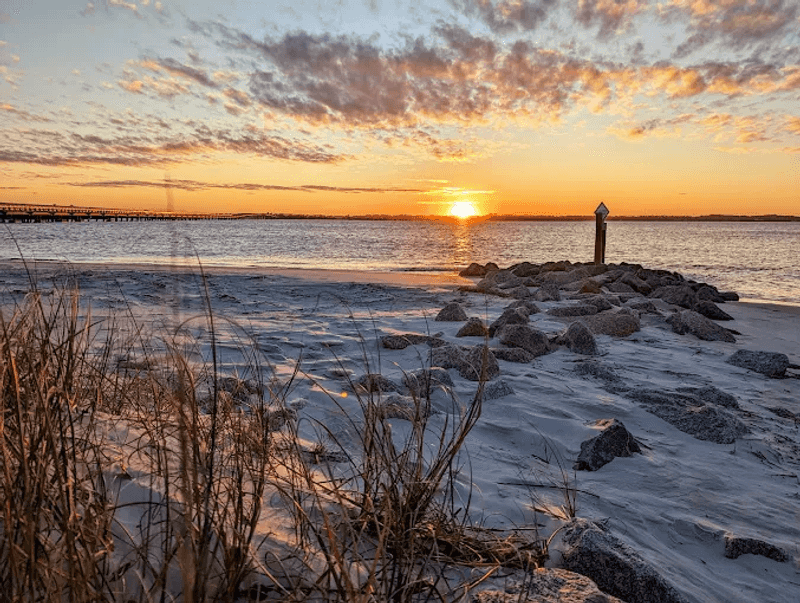
Amelia Island’s beaches have a different personality than the packed, commercialized strips you find farther south. Here, the shoreline feels wide open and unhurried, with sea oats swaying in the breeze and very few umbrellas blocking your view of the Atlantic.
Main Beach Park near downtown is a local favorite, offering calm waters, picnic areas, and a playground that makes it great for families. Meanwhile, the beaches near Fort Clinch tend to attract shellers and nature lovers who want something even more secluded and raw.
Loggerhead sea turtles nest along these shores every summer, which tells you something about how clean and undisturbed the coastline remains. Lifeguard stations, beach volleyball nets, and a relaxed vibe round out the experience nicely.
These are beaches where you can actually hear yourself think — and that is rarer than it sounds in Florida these days.
The Isle of Eight Flags Shrimp Festival: One of Florida’s Best Street Fairs
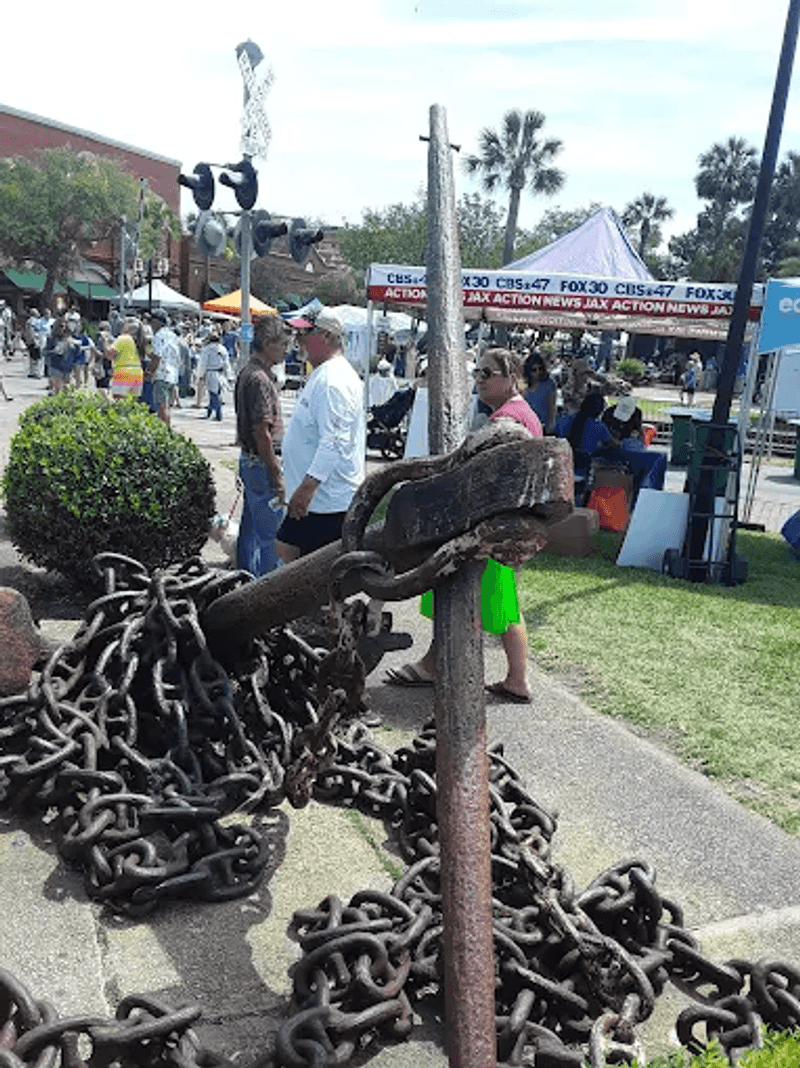
Every May, Fernandina Beach transforms into one big celebration of shrimp, arts, and community spirit. The Isle of Eight Flags Shrimp Festival has been running since 1963, making it one of Florida’s longest-running annual events — and it still feels fresh every single year.
The festival name refers to the eight different flags that have flown over Amelia Island throughout its colorful history, including Spanish, French, British, and American banners. That layered history gives the whole event a deeper sense of meaning beyond just the food.
Hundreds of arts and crafts vendors line the streets, live bands keep the energy high, and the aroma of freshly cooked shrimp floats through every block. Locals dress up in pirate costumes, kids run through the crowds with shrimp on sticks, and everyone seems genuinely happy to be there.
It is the kind of community event that reminds you what small-town life is really about.
Kayaking and Paddleboarding Through Amelia Island’s Salt Marshes
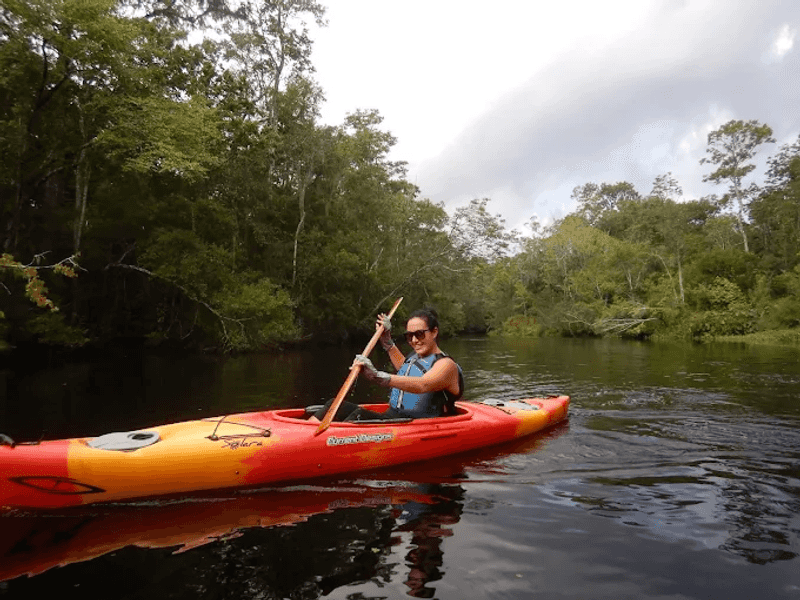
Some of the most breathtaking scenery around Fernandina Beach is not on the beach at all — it is tucked inside the vast salt marshes that wrap around Amelia Island’s western edge. Paddling through these quiet waterways feels like exploring a secret world that most visitors never find.
Great blue herons stand motionless in the shallows, dolphins occasionally surface nearby, and the grasses shift from gold to vivid green depending on the season. Several local outfitters offer kayak and paddleboard rentals, along with guided tours for those who want a knowledgeable companion pointing out the wildlife.
Even beginners can handle most of the marsh routes since the water stays calm and shallow. Sunrise paddles are especially popular because the light on the water at that hour is genuinely spectacular.
Pack a snack, bring sunscreen, and plan to spend at least two hours out there — you will not want to rush back.
Local Restaurants That Actually Cook What the Island Grows and Catches
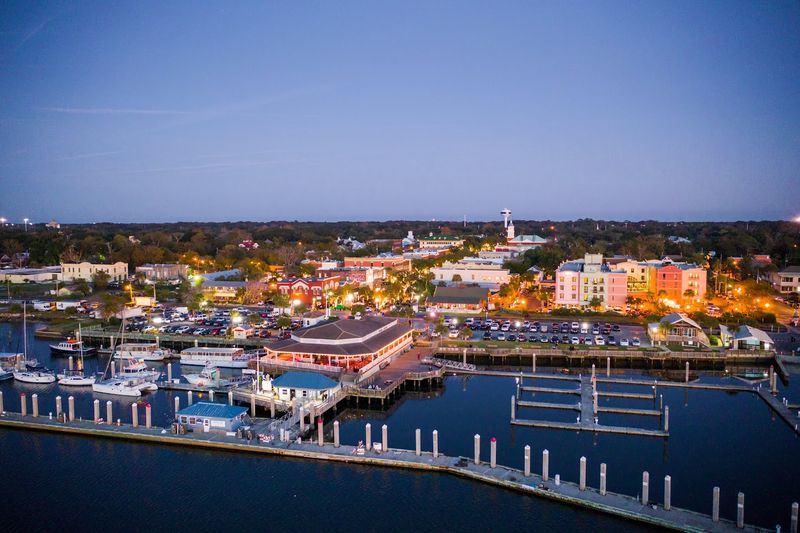
Fernandina Beach has a food scene that punches well above its size. Because local fishermen are still actively working the waters around Amelia Island, restaurants here have access to ingredients that most places can only dream about putting on their menus.
Restaurants like Timoti’s Seafood Shak, the Crab Trap, and Sliders Seaside Grill have built loyal followings by keeping things simple and fresh. Shrimp, blue crab, and local fish prepared without a lot of fuss tend to taste better than anything fancier you will find in a bigger city.
Beyond seafood, the town also supports farm-to-table spots that source produce from nearby growers, reflecting a community that genuinely cares about where its food comes from. Eating your way through Fernandina Beach is one of the most satisfying ways to understand the culture here.
Every meal tells a small story about this island and its people.
The Ritz Theatre: Where Community Arts Have Thrived Since 1935
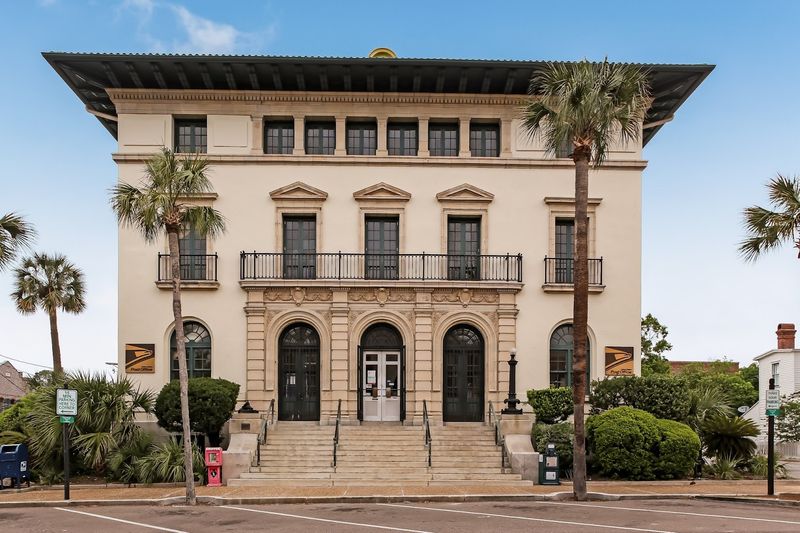
The Ritz Theatre has been a cultural anchor in Fernandina Beach since it first opened its doors in 1935. Originally a movie house, it has evolved over the decades into a vibrant community performance space that showcases local talent, traveling productions, and everything in between.
Walking up to the Ritz feels like stepping into another era — the vintage marquee still glows above the entrance, and the interior retains just enough of its original character to feel special. Locals pack the house for musicals, concerts, film screenings, and comedy shows throughout the year.
The theatre is managed by the Amelia Community Theatre, one of Florida’s oldest community theater organizations, which speaks volumes about how deeply the arts are woven into this town’s identity. Supporting the Ritz is something residents do with genuine pride.
For visitors, catching a show here offers a window into the soul of Fernandina Beach that no museum exhibit could replicate.
Biking Through Town: A Slow and Rewarding Way to See Everything
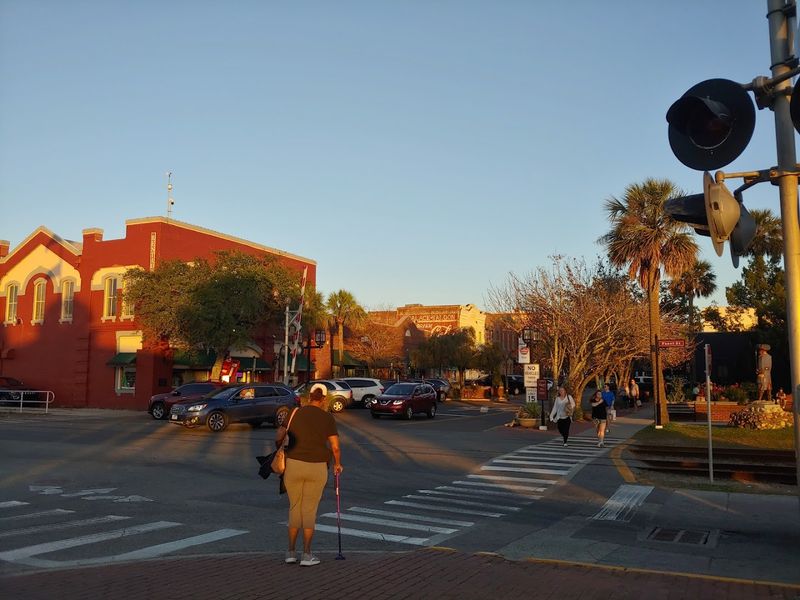
Fernandina Beach is one of those rare places where biking around town actually feels like a reward rather than a chore. The streets are relatively flat, the neighborhoods are beautiful, and the distances between most points of interest are short enough to cover without breaking a sweat.
Rent a cruiser from one of the local bike shops and spend a morning winding through the historic district, then head out toward the beach for a breezy afternoon ride along the shore. The shaded canopy roads lined with live oaks draped in Spanish moss make even the transit between destinations feel memorable.
Families especially love exploring Amelia Island by bike because it slows everything down just enough to notice the details — the painted shutters on a Victorian porch, the smell of salt air turning into pine as you enter the park, the way a pelican dips low over the road. Slow travel suits this town perfectly.
Amelia Island Museum of History: Eight Flags and Centuries of Stories
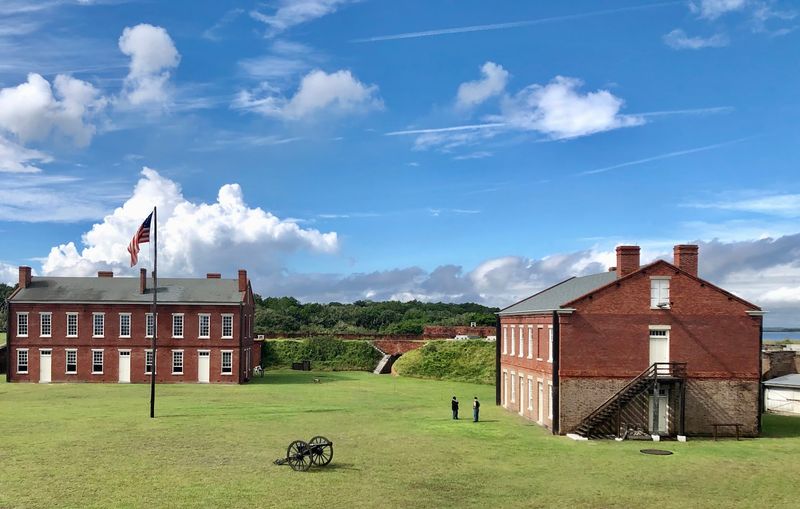
Amelia Island has one of the most layered histories of any spot in North America. It is the only place in the United States to have flown eight different national flags — French, Spanish, British, Patriot, Green Cross of Florida, Mexican, Confederate, and American — and the Amelia Island Museum of History tells every chapter of that remarkable story.
Housed in the former Nassau County Jail, the museum is itself a historic building worth seeing. Knowledgeable docents lead guided tours that bring the island’s complicated past to life with energy and detail that makes even the dry parts feel gripping.
Native American history, the colonial era, the Civil War, and the rise of the shrimping industry all get their due here. Plan to spend at least an hour and a half — the stories stack up quickly.
This museum is one of the most underrated history stops in all of Florida, and locals will tell you so freely.
Sunrise at the Fernandina Beach Pier: A Ritual Worth Waking Up For
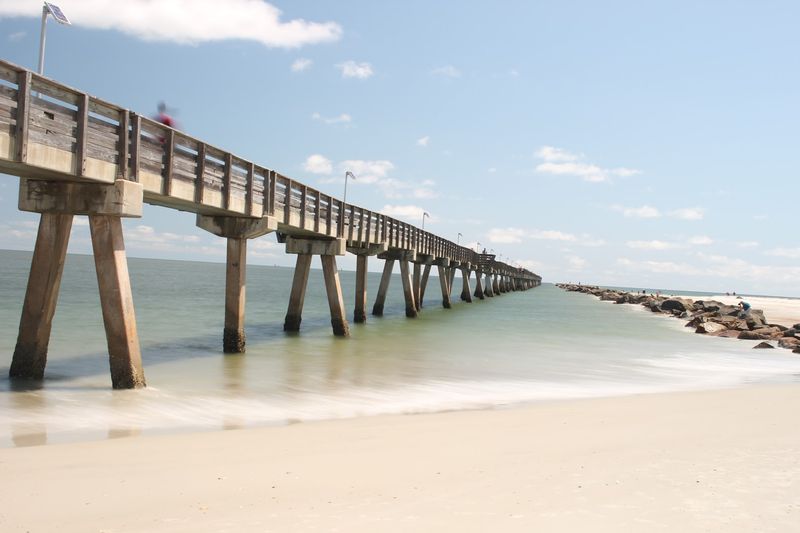
Ask any local what their favorite morning ritual is and a good number of them will point you toward the pier just as the sun starts climbing over the Atlantic. There is something about watching a Florida sunrise from a wooden pier, coffee in hand, that resets the entire day before it even begins.
Fishermen arrive early with their gear, casting lines into waters that have been feeding this community for generations. Walkers and joggers pass by on the boardwalk, exchanging easy nods with strangers in the way that only happens in smaller towns.
Pelicans circle overhead, occasionally dive-bombing the water with dramatic flair.
The pier is free to visit and open early, making it an accessible pleasure that does not require a reservation or a budget. Whether you are a visitor or a longtime resident, mornings at the pier offer a quiet, grounding reminder of why people choose to build their lives in Fernandina Beach.
Enjoyed this story?
Add Fast Food Club as a preferred source to see more of our reporting on Google.