


Prices crept up, sizes shrank, and now even simple staples feel like tiny budget negotiations. You still need the basics, but every aisle asks you to pause and reconsider.
Here are the everyday items that turned into double check purchases and the smart ways to shop them without sacrificing quality. Let this list help you choose what to grab, what to swap, and what to skip until the deal is right.
Butter
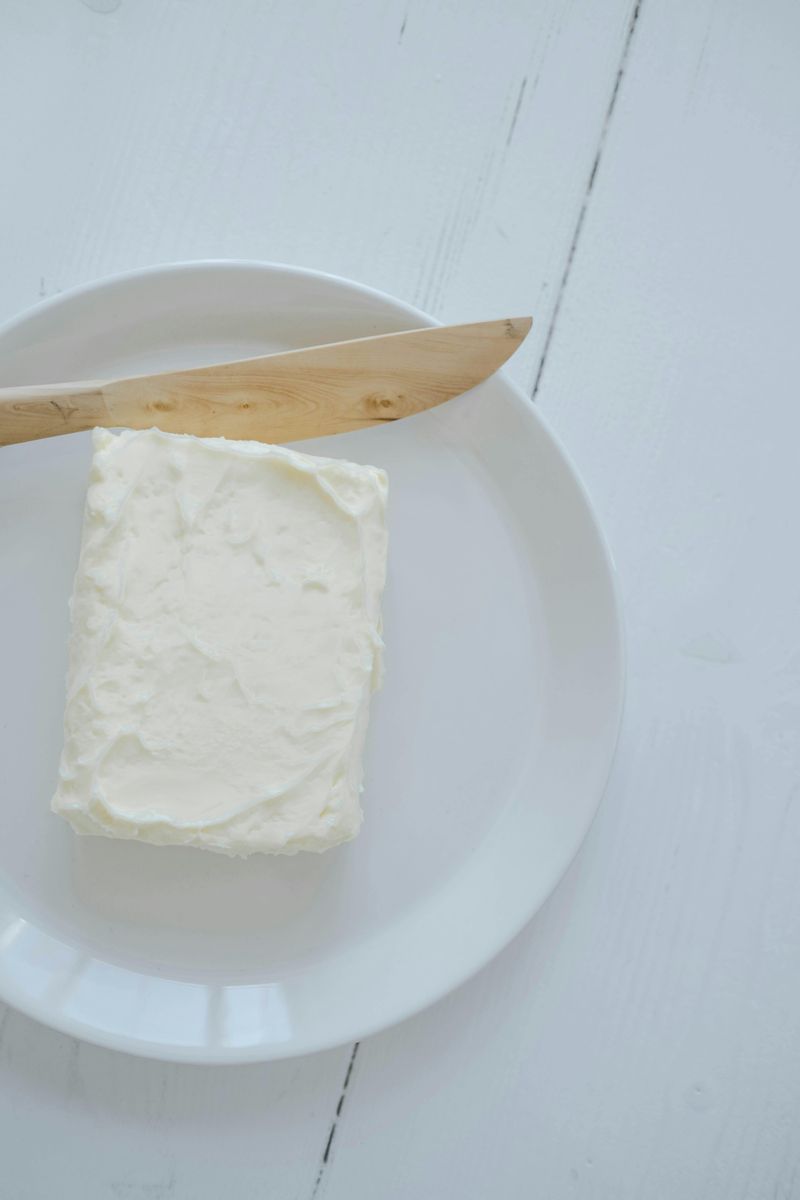
Butter turned into a think twice buy thanks to baking booms and dairy swings. Compare per ounce across single sticks, four packs, and store brands.
Unsalted is more versatile, but salted can replace table butter, so one box might do double duty when money is tight.
Freeze extra sticks to capture sale prices without waste. For cooking, blend half butter with oil to stretch flavor while keeping browning.
If a recipe showcases butter, splurge selectively. Otherwise, keep a frugal standby for weekdays and save premium European butter for special bakes.
Olive oil

Extra virgin olive oil feels pricier, so split uses. Keep a small bottle of good peppery oil for finishing and salads, and a larger affordable bottle for cooking.
Check harvest dates and dark glass, not just branding. Imported does not always mean better, but freshness usually wins.
Per ounce, warehouse sizes look tempting, yet quality declines if it sits months. Buy what fits your usage.
For high heat, switch to canola or avocado oil and save olive oil for medium heat and flavor. Taste tests often crown store brands, so sample fearlessly.
Coffee
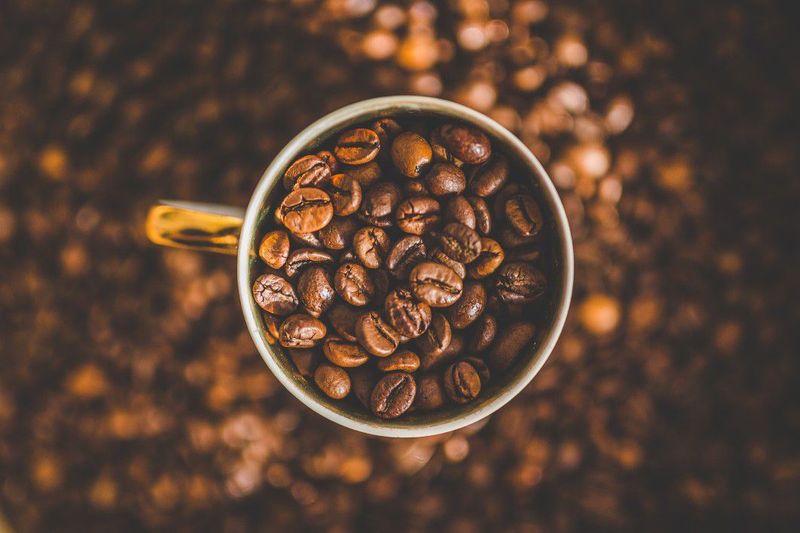
Coffee inflation taught you to do the math. Calculate cost per cup across beans, ground, pods, and instant.
Whole beans often win on flavor and value if you brew at home. Pods trade convenience for price, so reserve them for rushed mornings or guests.
Buy smaller bags more frequently to keep freshness up, unless you freeze portions. Shop house blends, regional roasters, and store-brand single origins when they go on promotion.
A reusable filter or pour-over cone helps stretch quality beans. If café trips add up, invest in a reliable grinder and dial in your daily ritual.
Bacon
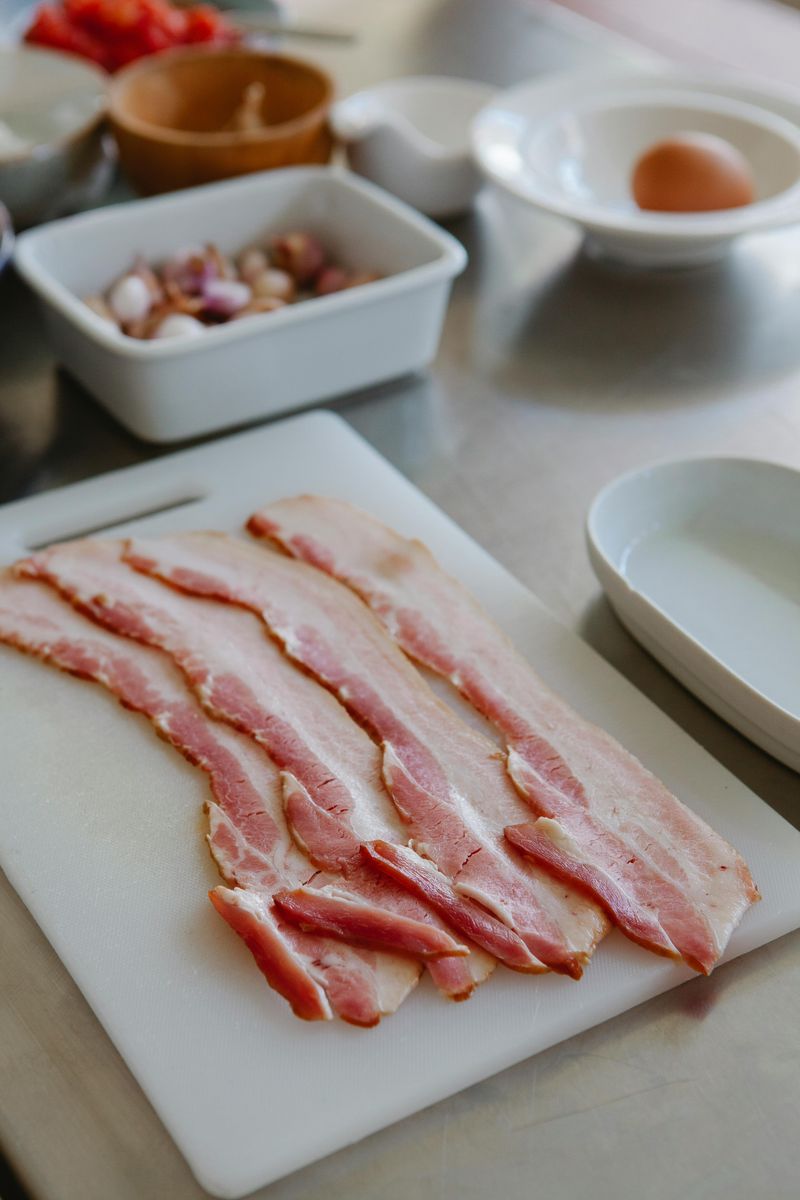
Bacon became a pause purchase as packages shrank and prices jumped. Check ounces, not just strip counts.
Thick cut may satisfy with less, while regular cut suits crumbling and recipes. Store brands often match name brands once crisped.
Render and save bacon fat for cooking greens, cornbread, or potatoes, stretching flavor across meals. Consider turkey bacon or pancetta ends for certain dishes.
Buy during BOGO sales and freeze portions flat. If breakfast habits slowed, grab smaller packs so each slice still feels worth it rather than a stale afterthought.
Cheddar cheese
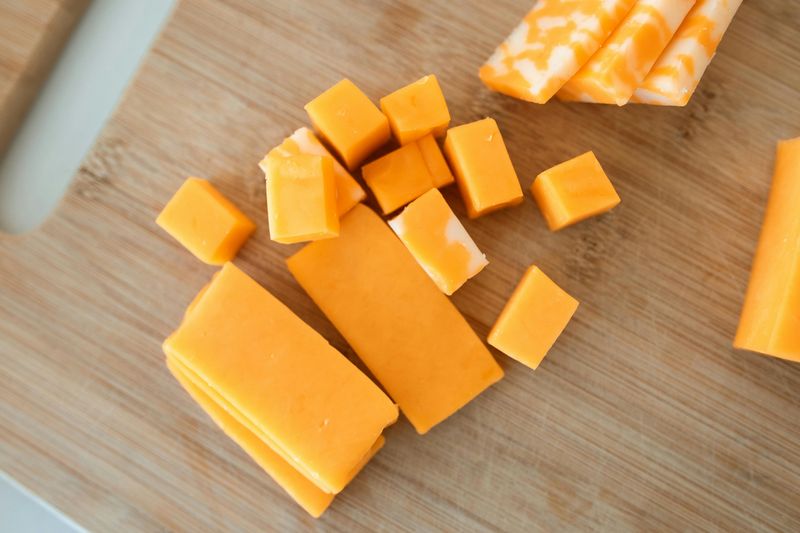
Cheddar prices nudged you into slicing the math. Blocks usually beat pre-shredded on price and melt, since bagged shreds include anti-caking starch.
Buy a medium or sharp block, grate what you need, and freeze extra shredded by the cup.
Store brands can taste great, especially aged varieties. If you entertain, splurge on a small premium wedge for a board, then cook with the economical block.
Watch unit prices closely, since some eight ounce bags masquerade as ten. A microplane lets you stretch flavor with superfine shreds that cover more surface with less cheese.
Ground beef
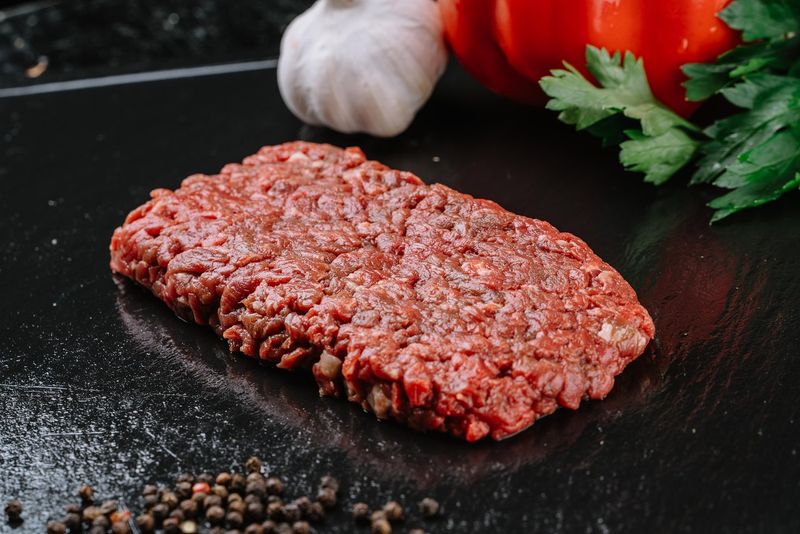
Ground beef swings in price, so choose fat percentage by use. For tacos, sauces, and sloppy joes, 80 or 85 percent works and drains well.
For burgers, buy the best you can afford when on sale and freeze patties. Compare family packs to smaller trays, but portion and freeze immediately.
Consider a mix with beans, mushrooms, or lentils to stretch meals without sacrificing texture. Watch unit prices on grass fed labels, and read weights carefully.
If markdowns appear, cook or freeze same day. A flexible plan saves money without losing weeknight speed.
Chicken breast
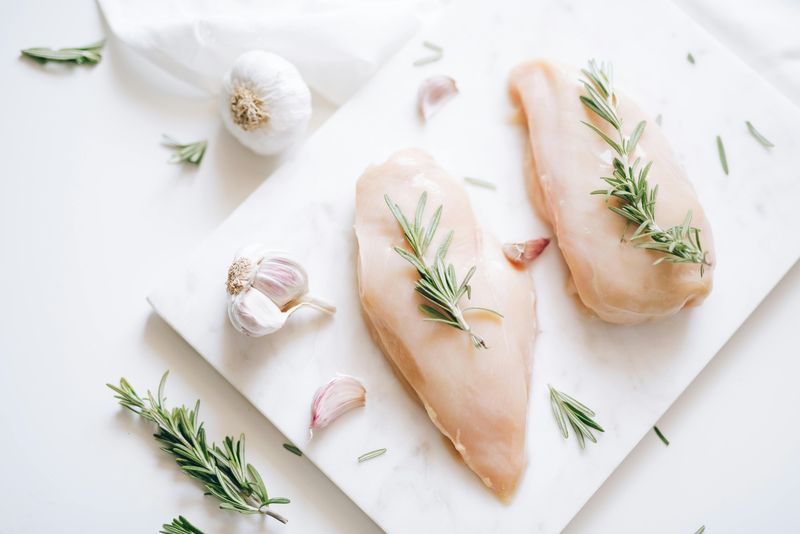
Chicken breast used to be automatic, but value shifted. Family packs look cheap, yet tend to be giant, uneven pieces that need trimming.
Consider thighs for better flavor and cost, or buy breasts on sale and portion for freezer marinades.
Check whether the package is water enhanced, which dilutes value. Pound thickness for even cooking so none dries out.
If rotisserie chickens are cheaper per pound cooked, pivot dinner plans. Keep a stash of quick brines and spice rubs to make budget cuts feel special without extra spending.
Salmon
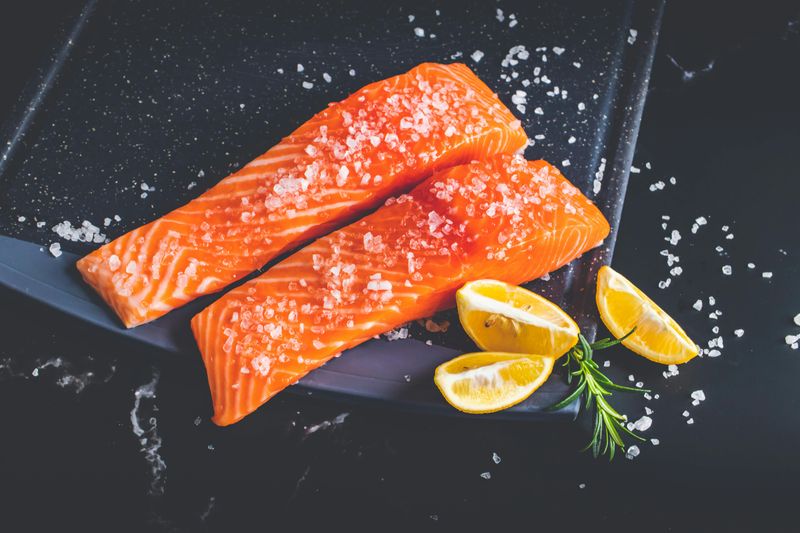
Salmon became a consider purchase as wild seasons, farming, and freight move prices around. Buy frozen fillets when fresh looks tired or overpriced.
Skin on often costs less and crisps beautifully in a pan. Check country of origin and look for certifications if that matters to you.
Canned salmon is a budget sleeper for salads and patties. If you only need a small portion, ask the fishmonger to cut to weight.
Use bold sauces and citrus to elevate mid tier fish. Waste nothing by saving cooked leftovers for fried rice or grain bowls.
Shrimp
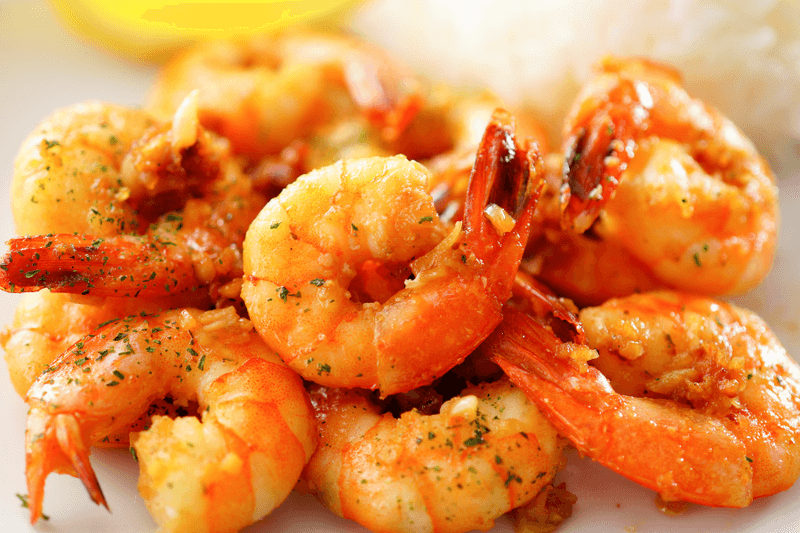
Shrimp prices vary wildly by size and whether they are peeled, deveined, or raw. Frozen often beats the so called fresh, which was likely previously frozen anyway.
Choose a size that matches recipes so you do not pay for oversized showpieces in a quick pasta.
Buy deveined to save time if prep frustrates you. Thaw gently in the fridge, then pat dry for better sear.
Stretch a bag with veggies and noodles. When numbers do not add up, canned tuna or mussels can scratch the seafood itch for far less.
Avocados
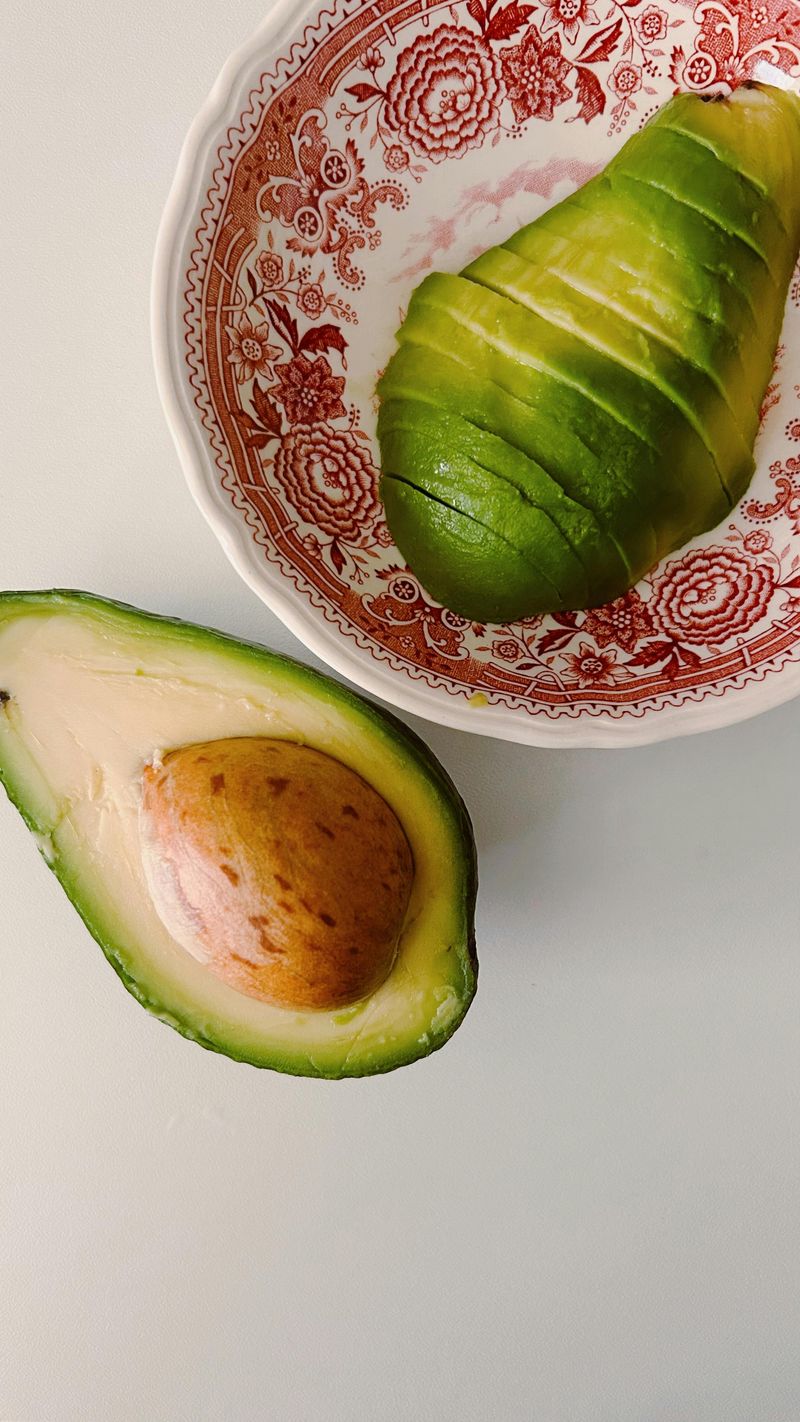
Avocados turned into little gambles. Prices jump, and ripeness windows feel tiny.
Buy varying stages of ripeness and store the ripe ones in the fridge to slow them. If two for deals push you to overbuy, pivot to single purchases from the bin, picking gently to avoid bruises.
Consider mini avocados that reduce waste for solo meals. If they spike in price, swap in hummus or tahini for creamy toast vibes.
Freeze mashed avocado with lime for emergency guac. Track which stores handle them best, because quality control beats any sale that ends in compost.
Berries
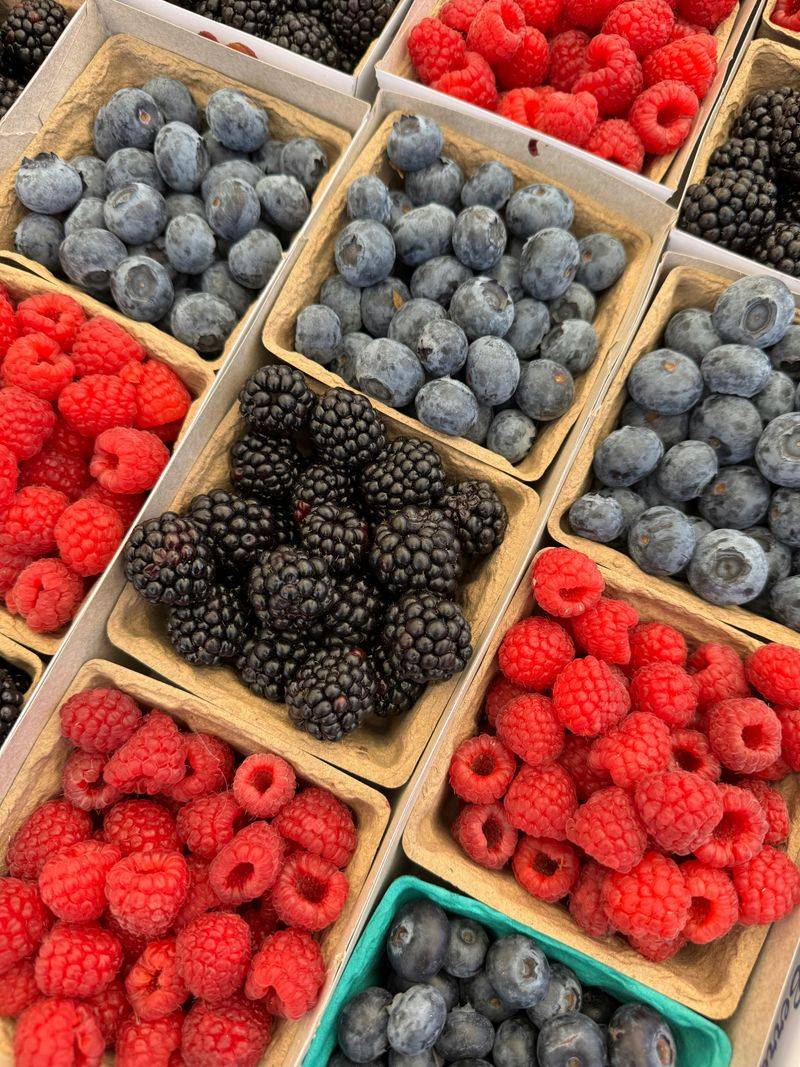
Berries look irresistible but punish impulse buyers. Check the bottom of clamshells for hidden mold or leaks.
Compare sizes carefully, since sale pints can outvalue big family packs. If flavor disappoints out of season, buy frozen for smoothies and baking, where texture matters less.
Rinse only before eating to slow spoilage. Line containers with paper towels and vent lids to keep them longer.
When prices soar, lean on bananas, apples, and seasonal fruit. A quick maceration with sugar and lemon transforms lackluster berries into dessert worthy toppings without wasting money.
Orange juice

Orange juice quietly shrank while prices climbed, so read ounces and compare not from concentrate to concentrate. If you mostly sip on weekends, buy smaller cartons to avoid waste.
For daily drinkers, a larger jug might make sense, but only if you truly finish it.
Frozen concentrate can be a sneaky value and lets you control strength. Consider citrus fruit instead when sales are good.
If a splash is all you need for smoothies, switch to shelf stable concentrates or vitamin C powder. Do not pay premium prices for cartoon sunshine and pulp marketing.
Yogurt tubs

Yogurt tubs used to be slam dunks, but prices and waste made them think first buys. Compare per ounce against singles, especially during promotions.
If consistency matters, tubs can weep or separate unless you stir before scooping.
Plain yogurt offers versatility for savory sauces, baking, and parfaits, then sweeten to taste. Strained or Greek styles should be weighed by protein per dollar, not branding.
Decant into small containers for grab and go convenience. If flavors tempt you, buy plain and swirl in jam, honey, or frozen fruit to control cost and sugar.
Snack packs
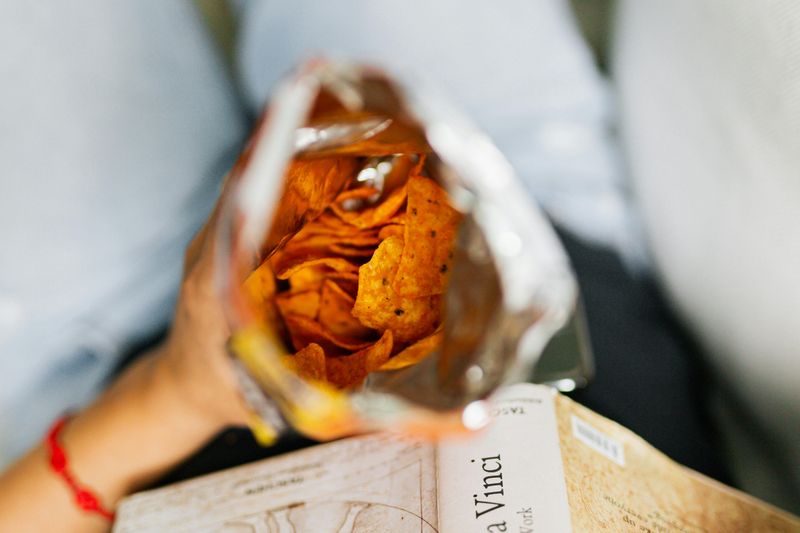
Snack packs turned into sneaky budget drains. Convenience costs more than you think.
Compare per ounce with full size bags and portion into reusable containers. If single serves help with overeating or kids’ lunches, keep them, but buy only when promotions stack.
Mix your own trail mix from nuts, pretzels, and chocolate chips for cheaper variety. Watch added sugar on fruit snacks posing as health food.
For crunchy cravings, popcorn kernels deliver huge value. Let convenience serve your routine, not run it.
Cereal boxes
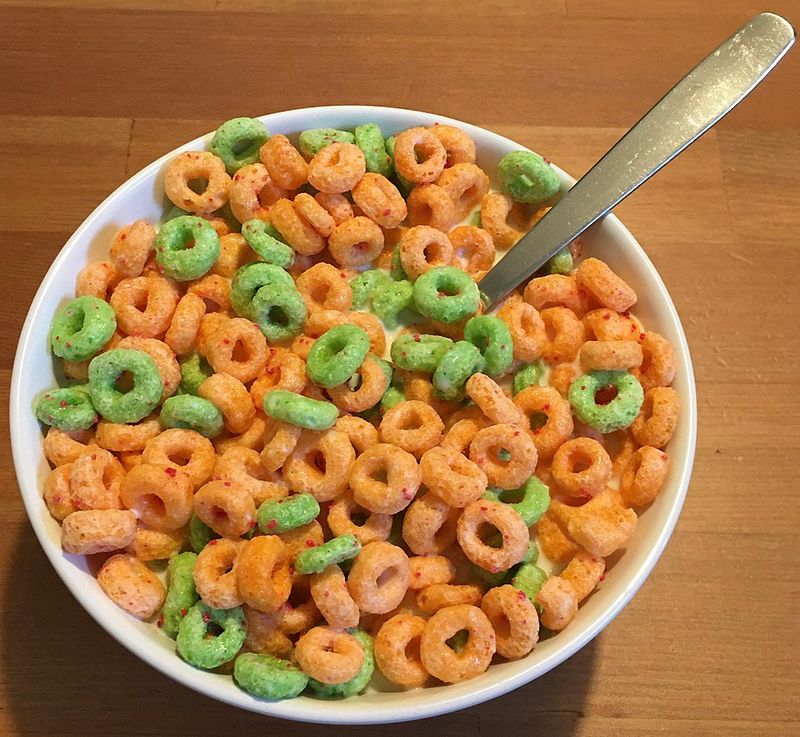
Cereal boxes keep slimming down while prices creep upward. Always check net weight and unit price.
Store brands often taste similar once milk hits. Rotate with oats or homemade granola to cut weekly costs without losing a quick breakfast option.
Clip digital coupons and watch for buy two get discounts that actually help. If the box size encourages overpouring, measure once to relearn portions.
Keep cereal sealed in airtight containers so every bowl stays worth the spend. When boxes are inflated hype, walk away and buy toast.
Frozen dinners
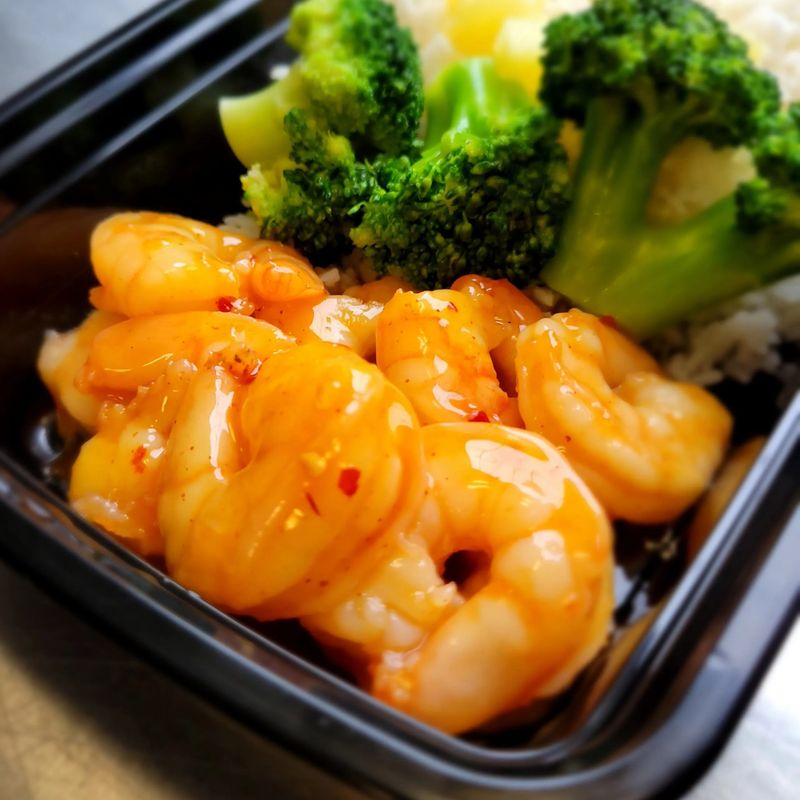
Frozen dinners are weekday lifelines but costly per serving. Compare calories and protein to judge real value, not just photo appeal.
Family size trays can beat singles if you portion thoughtfully. Sales cycle often, so keep one or two on hand and wait for deals before restocking.
If sodium or portion sizes disappoint, assemble quick freezer kits yourself: cooked grains, roasted veggies, pre-portioned proteins. A simple sauce rotation transforms repeats.
Frozen does not mean failure, but it should never blindside your budget.
Bread loaves
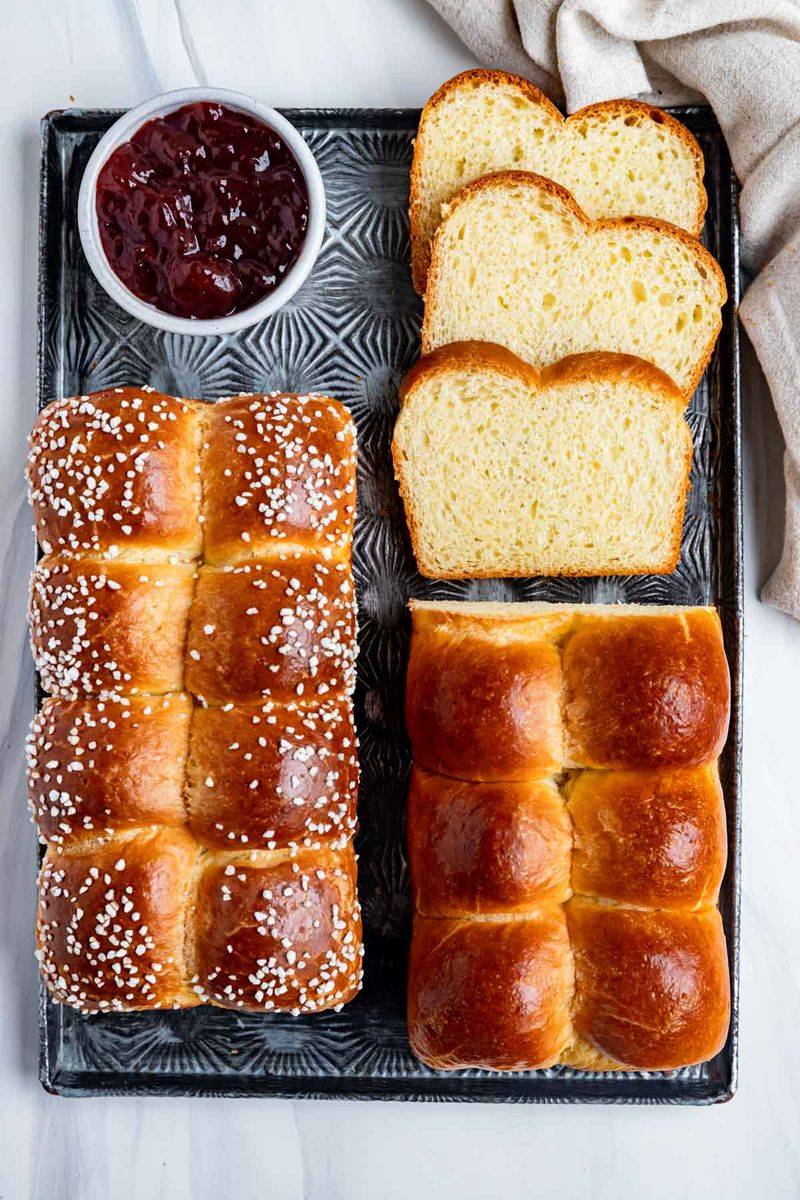
Bread prices nudged upward, making loaves pause worthy. If you only eat a few slices weekly, freeze half right away to avoid moldy waste.
Store brands often rival name brands for sandwich duty. Bakery loaves are special, but buy them for weekends, not background toast.
Check slice counts and ounces. Consider whole grain store brands for value plus nutrition.
Stale ends become croutons or breadcrumbs instead of trash. If prices look wild, tortillas or pitas might fill the gap cheaply until the next sale lands.
Potatoes
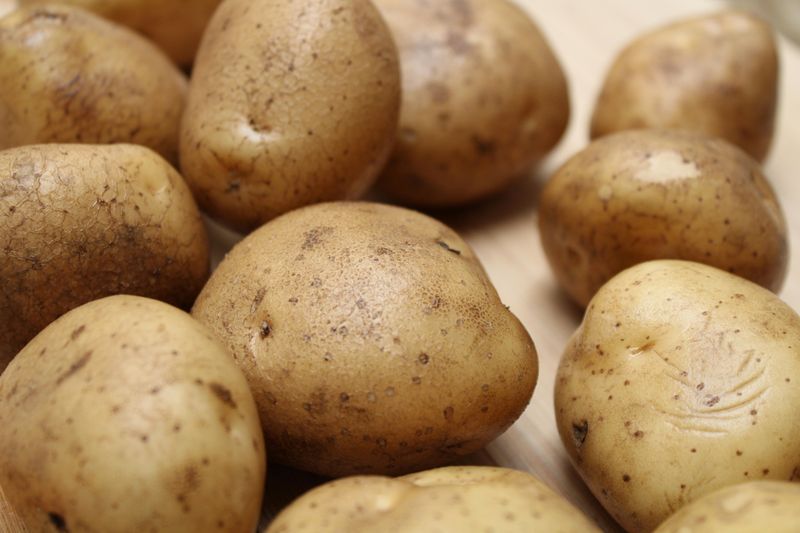
Potatoes remain budget heroes, but bag sizes and quality vary. Inspect for sprouts and soft spots.
Five pound bags can be deals if you cook broadly. Otherwise, buy loose to avoid waste.
Choose russets for baking and mashing, golds for roasting, and reds for salads.
Store in a cool, dark spot away from onions. If price spikes, swap to rice or pasta for a week.
Turn extras into hash, soup, or wedges to keep enthusiasm alive. A simple spice blend makes cheap potatoes taste like a treat.
Deli turkey
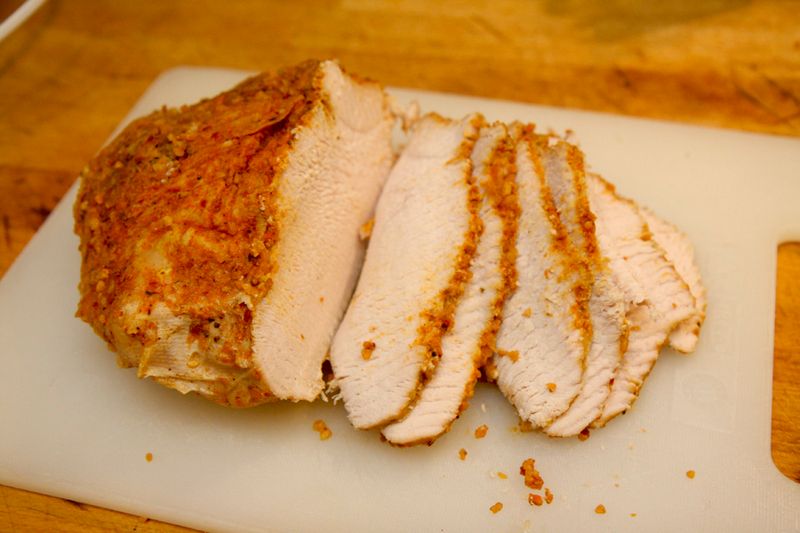
Deli turkey feels premium now, especially at the counter. Compare per pound with prepackaged slices, and watch for watery brines that bloat weight.
Ask for a sample slice to check texture and saltiness. Thicker slices can satisfy with fewer layers, saving money without losing satisfaction.
Buy half pounds to stay fresh through the week. Rotate with egg salad, chickpea salad, or roasted chicken to keep costs balanced.
Freeze small stacks with parchment if you catch a great sale. Sandwiches can stay indulgent without draining your budget.
Ice cream tubs

Ice cream turned into a treat you plan for. Pints vary wildly in overrun and mix ins, so value is not just ounces.
Store brands often crush it on classic flavors. When prices climb, buy cones and portion at home to stretch indulgence.
Watch seasonal promos and loyalty deals. Keep one reliable flavor and rotate a fun pick when sales align.
If dairy upsets your budget or stomach, try simple sorbets or frozen bananas as a stand in. Dessert should delight, not derail your cart.
Cooking oil

Generic cooking oils climbed too, so pick by function. For frying and baking, canola or vegetable oil usually wins on price.
For searing, avocado oil handles heat but costs more, so reserve it for specific tasks. Always check unit prices across bottle sizes, because huge jugs can go rancid before you finish them.
Store oils in a cool dark place with caps tight. If you only shallow fry occasionally, buy smaller bottles.
Reuse fry oil after straining when appropriate. Balance your pantry like tools, not trophies.
Eggs
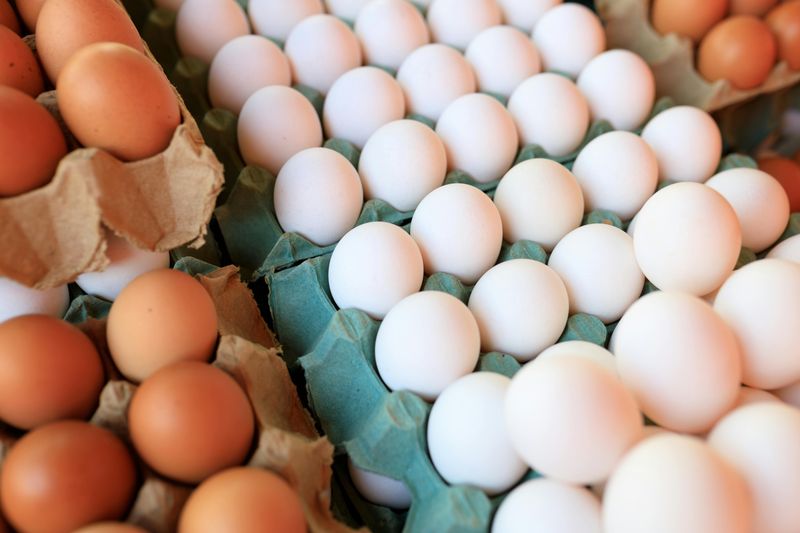
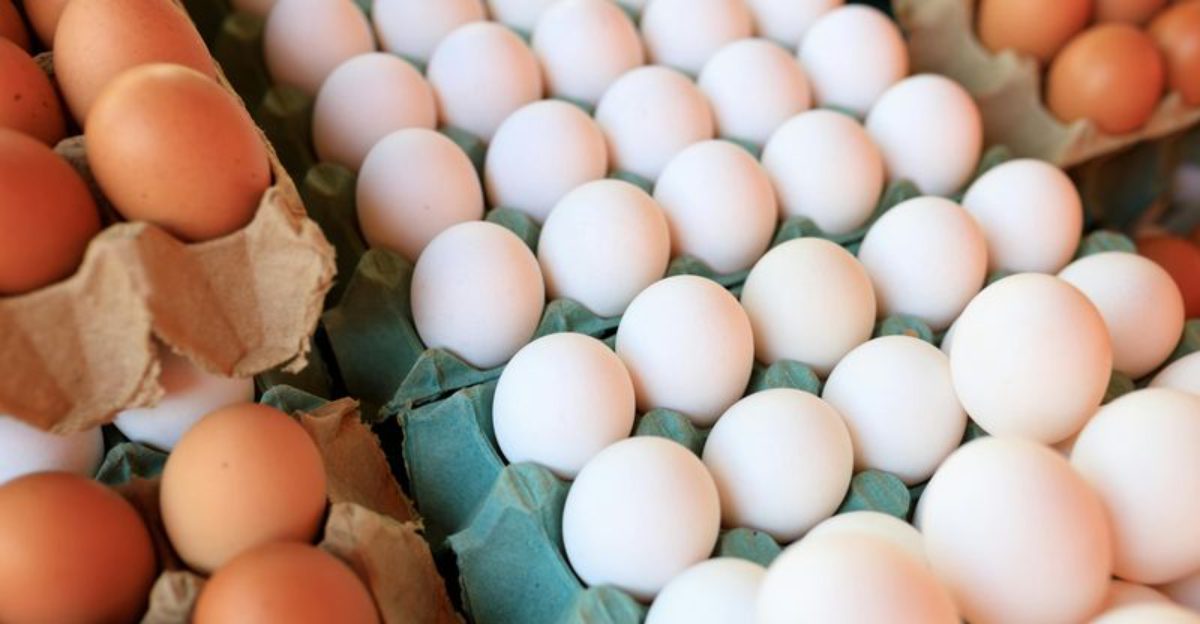
Egg prices have calmed, but they still swing enough to make you hesitate. Compare per egg cost across carton sizes and brands, since large family packs can disappoint if you do not cook often.
Store brands often taste identical when scrambled or baked, so try a swap and pocket the difference.
When sales hit, eggs last weeks if refrigerated properly, and hard boiling extends usefulness. If you bake, track weekly circulars and stock up smartly.
Otherwise, buy what you will actually use, not the cheapest-per-egg fantasy that winds up wasted.
Enjoyed this story?
Add Fast Food Club as a preferred source to see more of our reporting on Google.