


The 1980s were a golden era for fast food, with chains constantly rolling out bold, creative sandwiches that made lunchtime feel like an adventure. From sizzling burger creations to hearty sub-style stacks, these menu items had a way of sticking in our memories long after the last bite.
Some of these sandwiches disappeared without warning, leaving fans heartbroken and hungry for just one more taste. Whether you grew up in that decade or just love a good food history story, these 17 classics are worth celebrating.
Arby’s Arby-Q
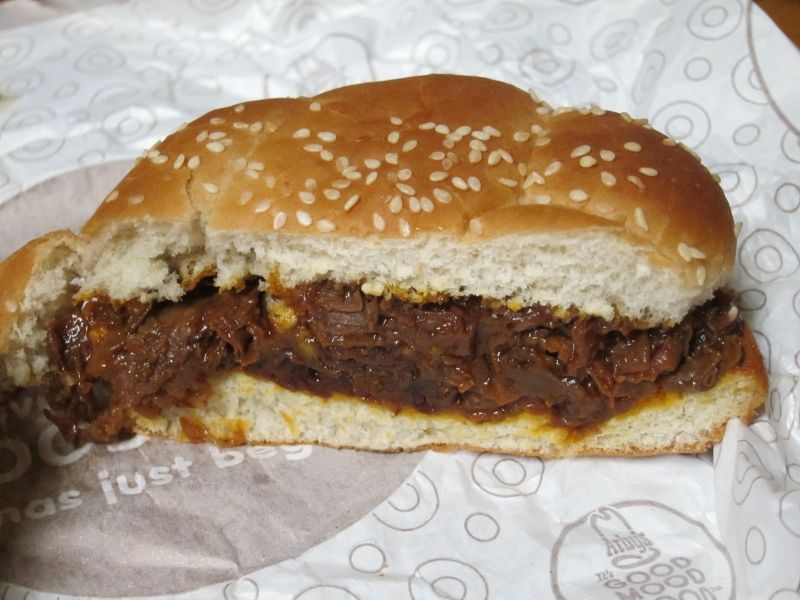
Smoky, sweet, and completely satisfying, the Arby-Q was one of those sandwiches that made Arby’s feel like more than just a roast beef stop. It took the classic shredded roast beef and drenched it in a tangy barbecue sauce that gave the whole thing a backyard cookout kind of energy.
It became a cult favorite, especially around summer months when barbecue flavors felt just right. Arby’s has brought it back periodically as a limited-time offer, which keeps the fan base from ever fully letting go.
If you ever spot it on the menu during one of its comeback runs, do yourself a favor and order two.
Wendy’s Chicken Cordon Bleu
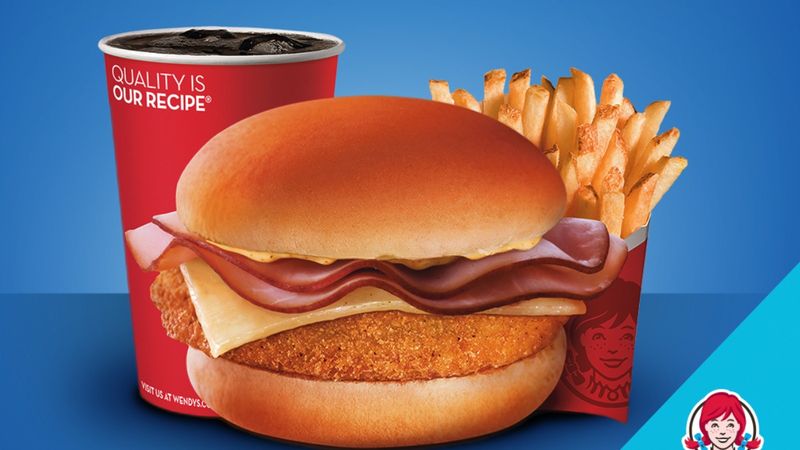
Wendy’s put their own spin on the Chicken Cordon Bleu and, by most accounts, nailed it. The sandwich featured a breaded chicken breast layered with ham and a smooth, creamy Swiss cheese sauce that hit all the right notes without feeling too heavy.
Wendy’s has always positioned itself as the slightly more upscale fast-food option, and this sandwich fit that image perfectly. It showed up on the menu during a period when the chain was experimenting heavily with chicken items, trying to build a reputation beyond the square burger.
Fans of this one still bring it up on food nostalgia forums with a kind of reverence usually reserved for home cooking.
McDonald’s Cheddar Melt
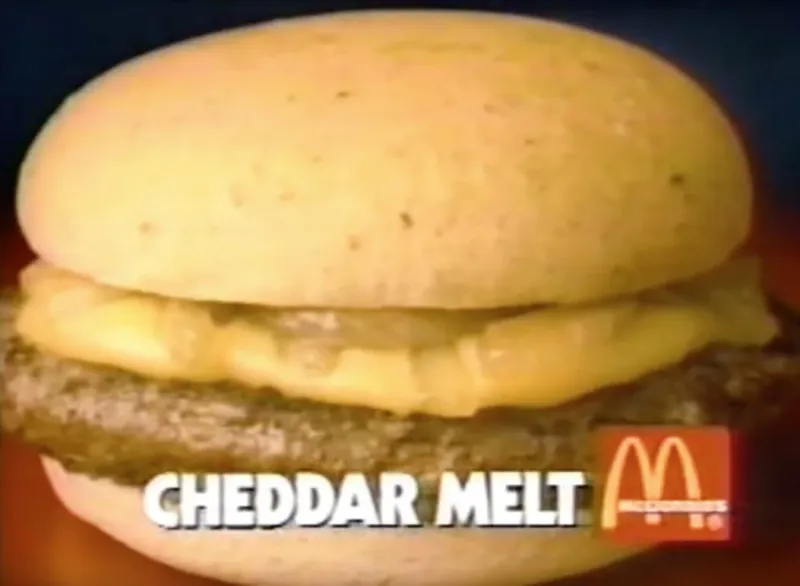
Melted cheddar sauce, grilled onions, and a beef patty all piled onto a toasted rye bun — the Cheddar Melt was not your average McDonald’s order. It had a smokier, more grown-up flavor profile than the classic Big Mac, and fans absolutely loved it for that reason.
McDonald’s brought it back a couple of times over the years due to popular demand, which says a lot about how well it connected with customers. The rye bun gave it a slightly tangy bite that set it apart from every other sandwich on the menu.
Honestly, it deserved a permanent spot.
Burger King Long Fish
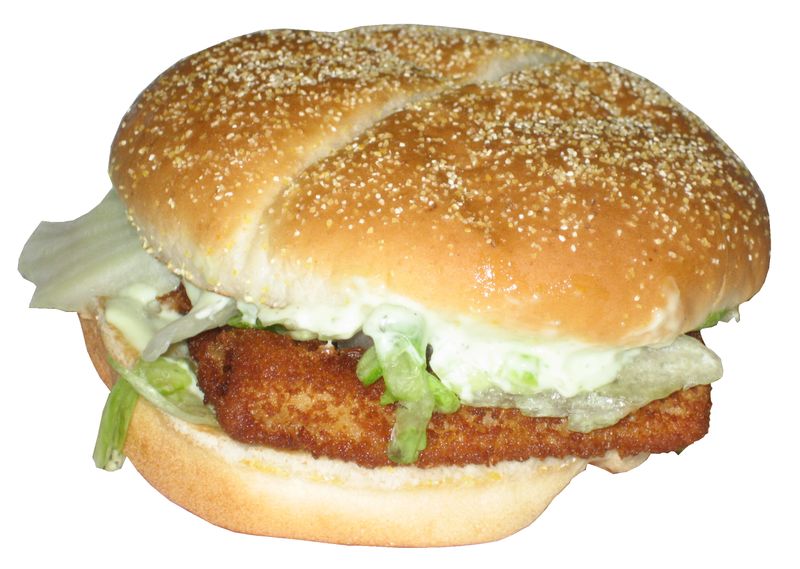
Not everyone remembers the Long Fish, but those who do tend to get a little nostalgic talking about it. Burger King introduced this elongated fish sandwich as a way to offer something a bit more substantial than the Whaler, giving it a sub-style shape that felt more like a meal and less like a snack.
The hoagie-style bun made it stand out visually from everything else in the Burger King lineup. It came loaded with tartar sauce and was a popular choice during Lent, when fish sandwiches always see a big sales spike.
Regional availability meant not everyone got to try it, which only adds to its legendary status.
Burger King Steak Burger
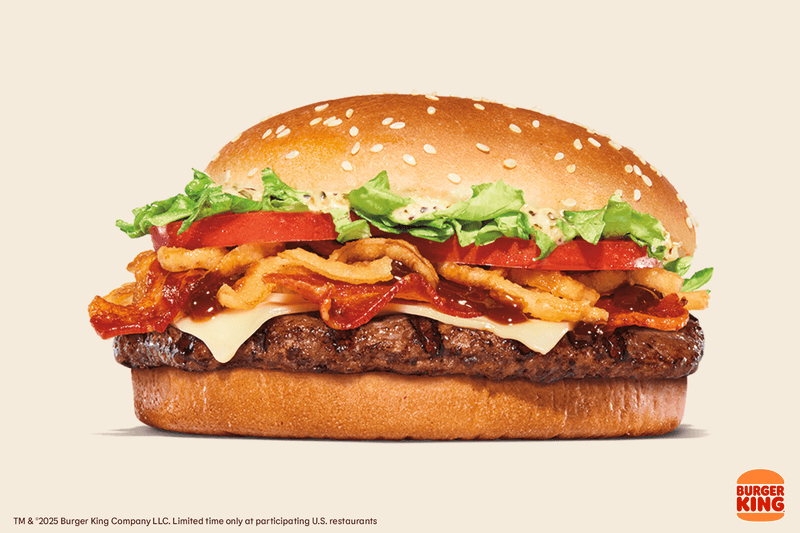
Burger King’s whole identity has always been built around flame-broiling, so it made perfect sense for the chain to try a steak-style sandwich at some point. The Steak Burger leaned into that identity hard, offering a thicker, chewier beef patty that was meant to evoke the feeling of eating an actual steak between two buns.
It was a bold move for a fast-food chain in the ’80s, when burgers were still pretty straightforward across the board. Customers who wanted something heartier and more filling had a reason to get excited.
The sandwich did not stick around permanently, but it left a mark on people who tried it.
McDonald’s McLean Deluxe
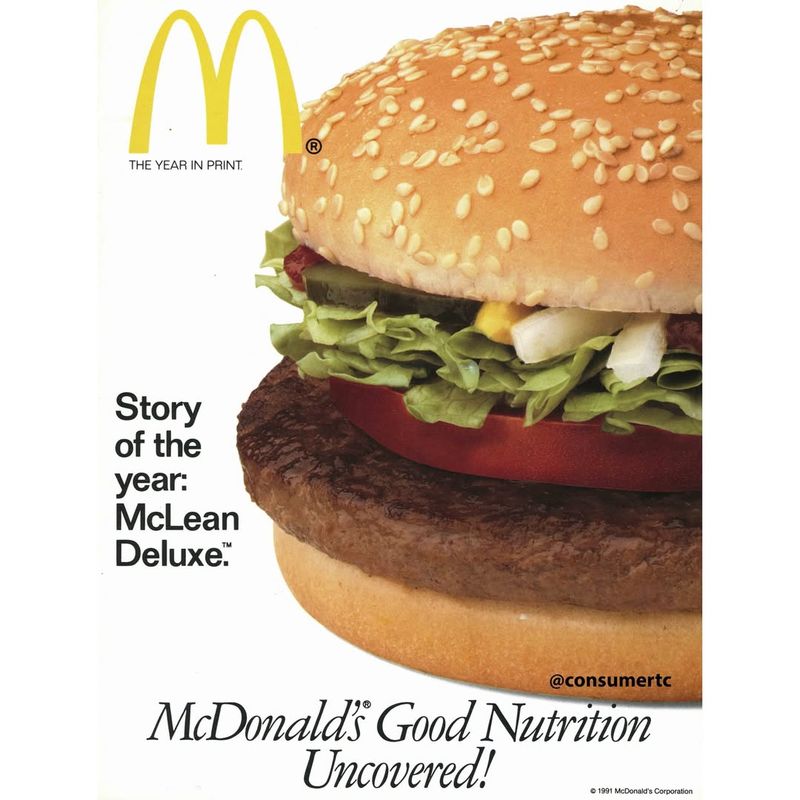
McDonald’s tried hard to win over health-conscious customers in the late ’80s and early ’90s with the McLean Deluxe. The patty was made with extra-lean beef and had carrageenan added to it to retain moisture, which kept the fat content significantly lower than a regular burger.
It sounds like a great idea on paper, but customers were not exactly lining up for a diet-friendly fast food burger. Many complained the patty tasted noticeably different from what they expected.
The sandwich was pulled from the menu in 1996 after sluggish sales. Still, it stands as one of the boldest experiments McDonald’s ever attempted.
McDonald’s Arch Deluxe
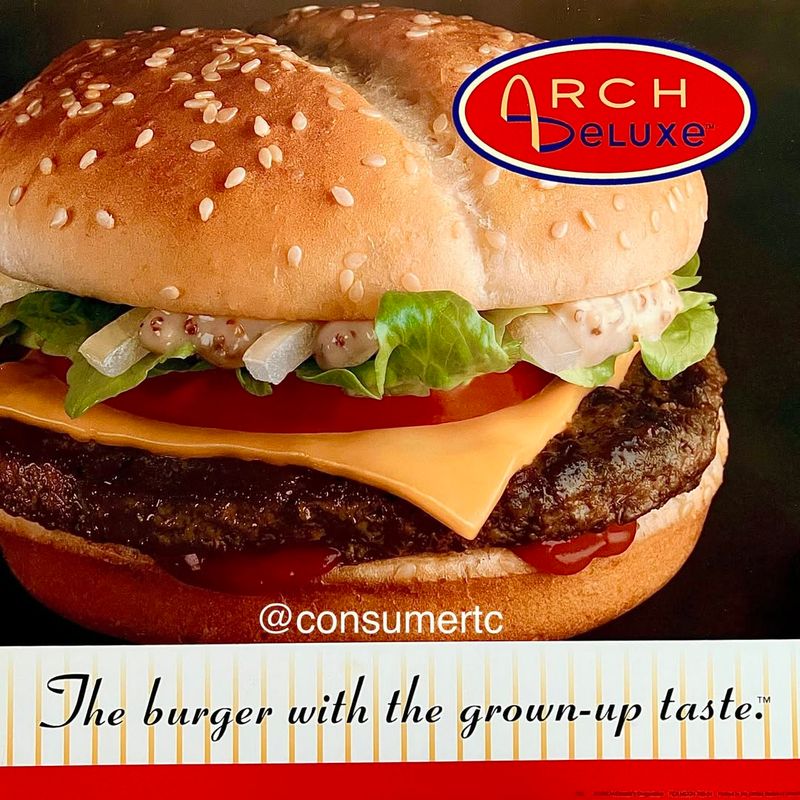
McDonald’s spent around $300 million marketing the Arch Deluxe as a burger built for adult tastes, and that campaign became one of the most talked-about flops in fast-food advertising history. The sandwich itself was actually pretty solid — a quarter-pound beef patty with a tangy mustard-mayo sauce, peppered bacon, and a soft potato roll.
The problem was that McDonald’s customers were not looking to be told their usual order was too childish. The positioning rubbed people the wrong way.
It launched in 1996 and was gone within a few years. Food historians still bring it up as a cautionary tale about overthinking your audience.
McDonald’s McDLT
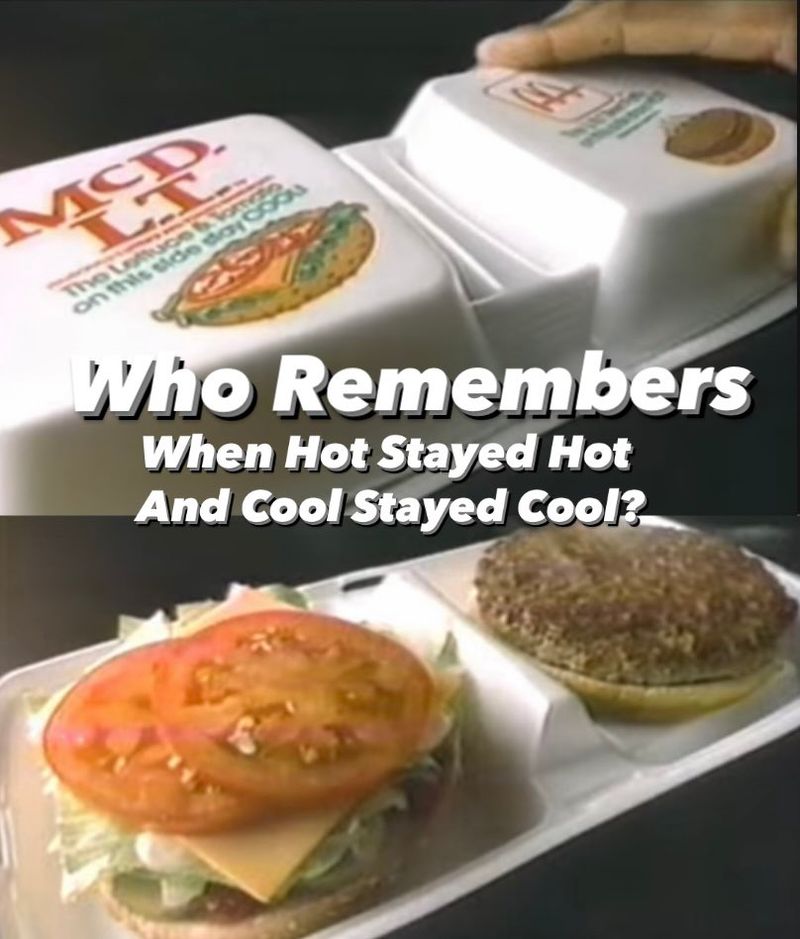
Few fast-food sandwiches ever came with their own packaging gimmick, but the McDLT pulled it off with style. Introduced in 1984, it arrived in a split styrofoam container that kept the hot side hot and the cool side cool.
You assembled it yourself right at the table, which made eating it feel like a little event.
The beef patty, bun, and mustard sat on one side, while crisp lettuce, tomato, and American cheese chilled on the other. Jason Alexander, before his Seinfeld fame, even starred in a musical commercial for it.
McDonald’s quietly dropped it in 1991 when styrofoam packaging fell out of favor.
Burger King Whaler
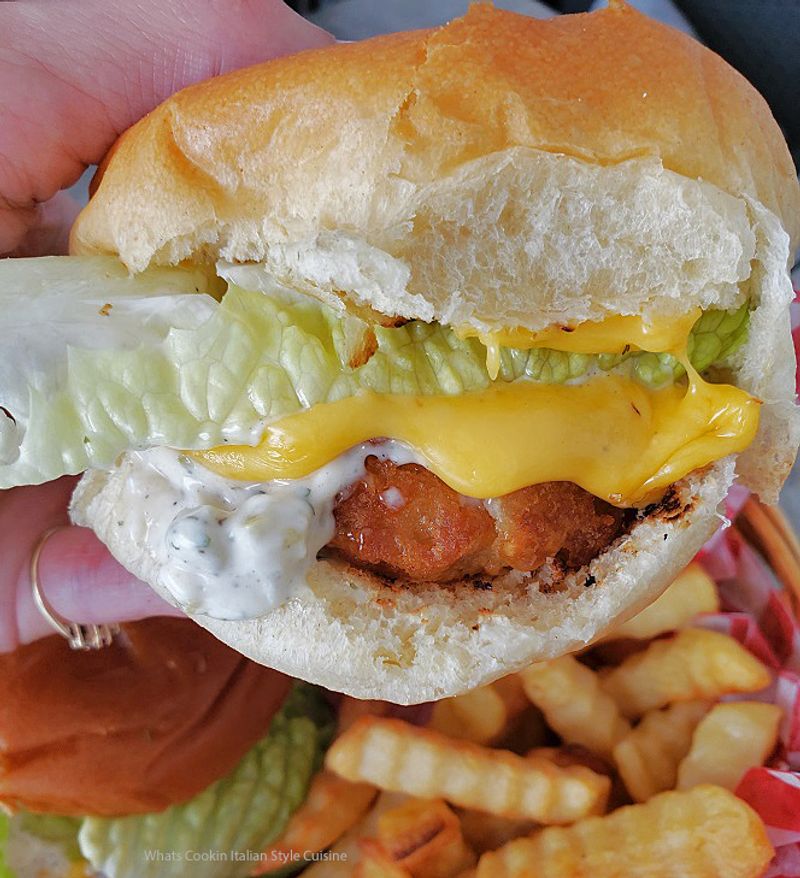
Before the BK Big Fish took over, Burger King had the Whaler holding down the seafood spot on the menu for years. This rectangular fried fish sandwich was a real staple throughout the 1970s and well into the 1980s, and it built up a loyal following among fish sandwich fans everywhere.
Topped with creamy tartar sauce and a leaf of lettuce, it was simple but satisfying. The Whaler eventually got rebranded as the BK Big Fish in 1998, but longtime fans insist the original had its own character that the newer version never quite matched.
Some fast-food sandwiches just carry a certain era with them.
Arby’s Chicken Cordon Bleu
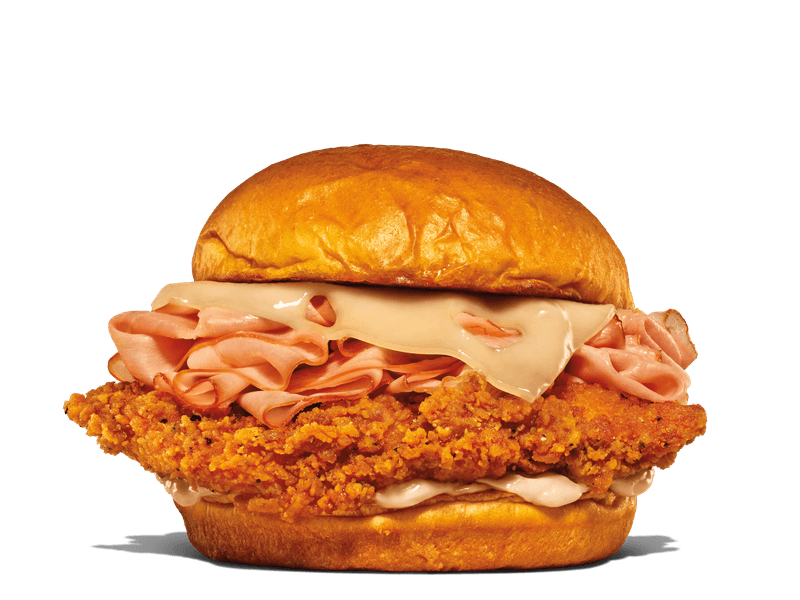
Taking a classic French dish and turning it into a fast-food sandwich takes some confidence, and Arby’s had plenty of it when they launched the Chicken Cordon Bleu. Breaded chicken, sliced ham, and a creamy Swiss cheese sauce came together in a way that felt genuinely elevated for a drive-through order.
It tapped into the decade’s love of anything that felt a little fancy without requiring a reservation. Customers who ordered it often came back specifically for this sandwich, passing over the roast beef entirely.
It is a great reminder that Arby’s has always been willing to experiment beyond its comfort zone in ways other chains simply would not.
Burger King Veal Parmesan Sandwich
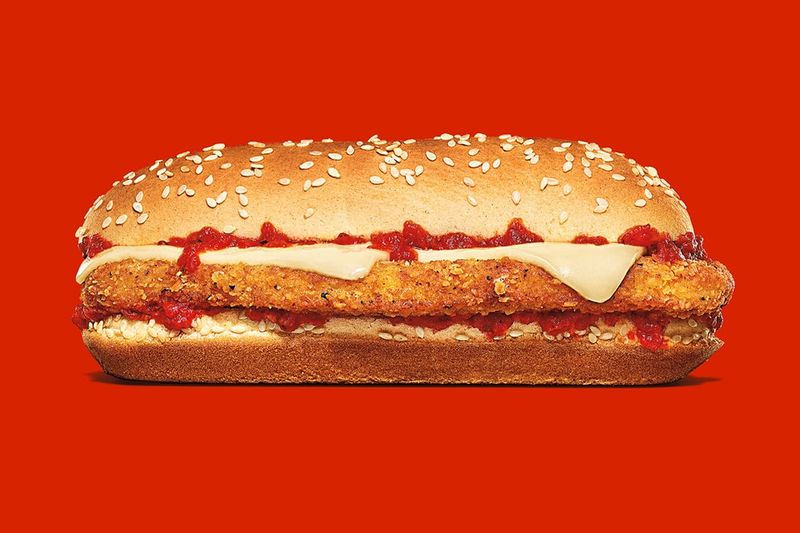
Here is one that truly sounds like it came from a different era of fast food entirely. Burger King actually sold a Veal Parmesan Sandwich, and yes, it was exactly what it sounds like — a breaded veal patty topped with marinara sauce and melted cheese on a roll.
It was a surprisingly ambitious menu item for a burger chain, drawing inspiration from Italian-American comfort food that was hugely popular in the 1980s. The sandwich never became a mainstream hit, but it earned serious respect from customers who appreciated something different.
It is the kind of menu item that makes you wonder why fast food stopped taking these kinds of creative swings.
Arby’s Italian Sub
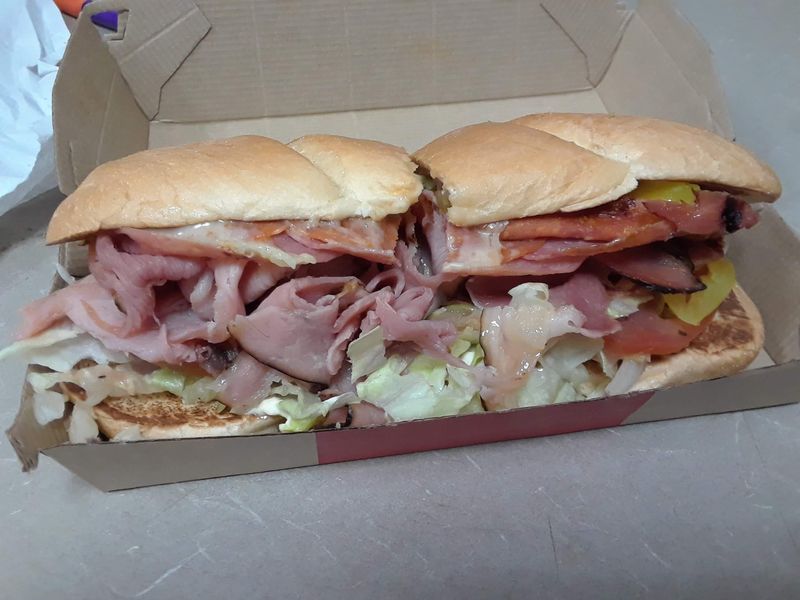
Arby’s has never been a one-trick pony, and the Italian Sub from the ’80s proved that in the most delicious way possible. Stacked with salami, ham, pepperoni, and all the classic sub fixings, it brought real deli energy to the fast-food world at a time when that was still a pretty rare thing.
The hoagie roll held everything together without getting soggy, which is always the mark of a well-constructed sub. Italian dressing tied all the flavors into something cohesive and punchy.
For customers who wanted something other than roast beef, this was the answer. It deserves far more recognition than it typically gets in fast-food history conversations.
Arby’s Ham Slider
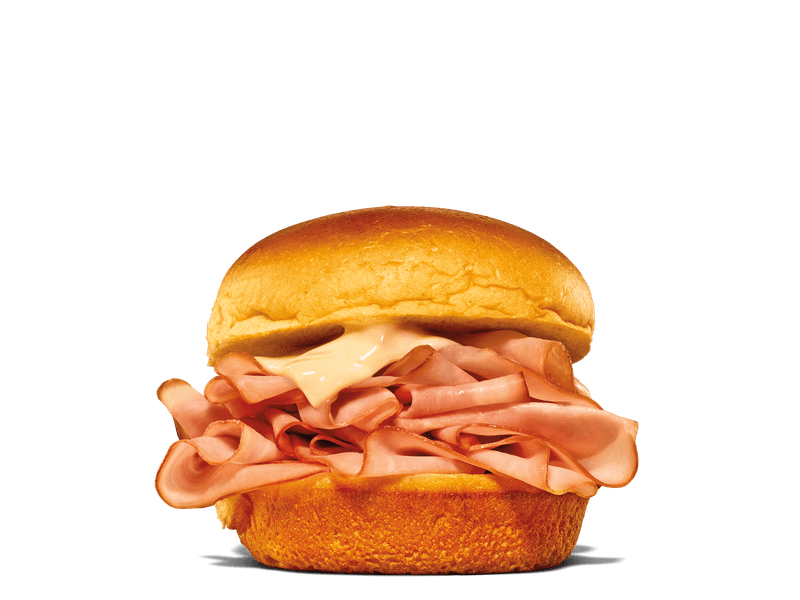
Sliders were not always a trendy menu item, but Arby’s was ahead of the curve with the Ham Slider back in the day. Small, sweet, and perfectly portioned, it featured thin-sliced ham with a honey glaze tucked into a soft little bun that made it dangerously easy to eat more than one.
It was the kind of item that worked great as a snack or as part of a bigger combo order. Kids especially loved the smaller size, and parents appreciated the lower price point.
While it never became an iconic menu staple the way some Arby’s items did, it holds a warm spot in the memories of those who tried it.
Wendy’s Fresh Stuffed Pitas
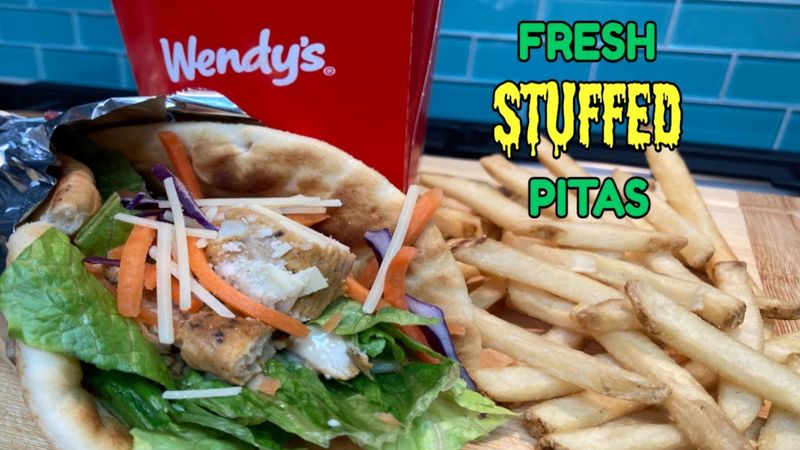
Wendy’s made a genuinely exciting move when they introduced Fresh Stuffed Pitas, offering customers something that felt closer to a wrap shop than a burger joint. Grilled chicken, crisp vegetables, and flavorful sauces packed into warm pita bread gave health-minded customers a real reason to get excited about a fast-food lunch.
The Garden Ranch Chicken variety became especially popular, earning loyal fans who would go out of their way to visit Wendy’s specifically for it. When the pitas were discontinued in 2000, the outcry was real and surprisingly passionate.
They remain one of the most-requested discontinued items in Wendy’s history, popping up in online petitions even decades later.
Hardee’s Big Twin
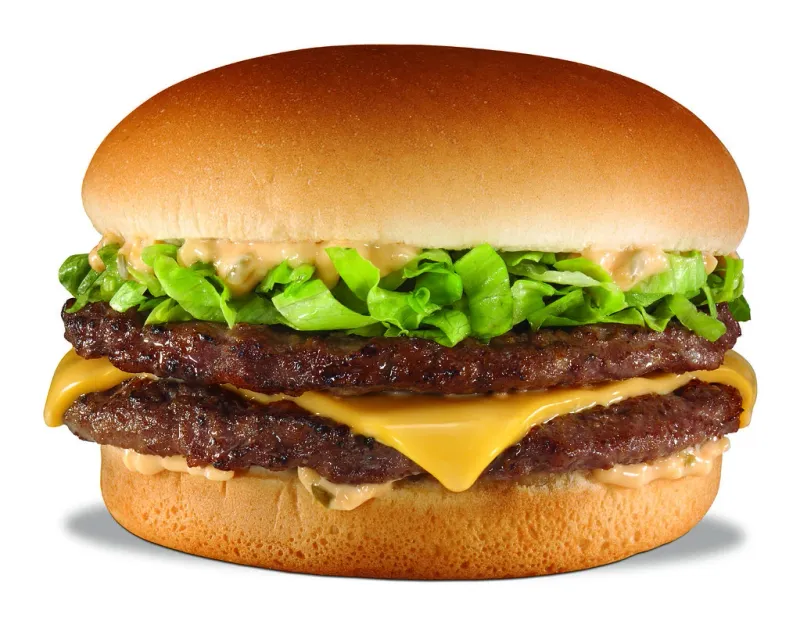
If the Big Twin sounds familiar, that is because it wore its inspiration pretty openly on its sleeve. Hardee’s created this double-patty burger as a direct competitor to the Big Mac, and it held its own surprisingly well in taste tests and customer satisfaction scores throughout the ’80s.
Special sauce, shredded lettuce, American cheese, and pickles on a sesame seed bun — the formula was classic for a reason. Hardee’s fans who grew up with the Big Twin tend to argue passionately that it had a better beef-to-bun ratio than its famous rival.
It was eventually phased out as Hardee’s shifted its identity toward thicker, more premium burgers in later years.
Burger Chef Big Shef
Burger Chef was once the second-largest fast-food chain in America, and the Big Shef was its crown jewel. This double-patty burger went head-to-head with the Big Mac during the height of the fast-food burger wars, and it gave McDonald’s a real run for its money in the Midwest and beyond.
The Big Shef had a slightly different sauce profile and a more generous meat-to-topping ratio that earned it fierce loyalty. When Hardee’s acquired Burger Chef in 1982 and gradually converted the locations, many customers mourned the loss of this sandwich specifically.
The Big Shef represents an entire chain that history nearly forgot, and it absolutely deserves to be remembered.
Hardee’s Big Deluxe
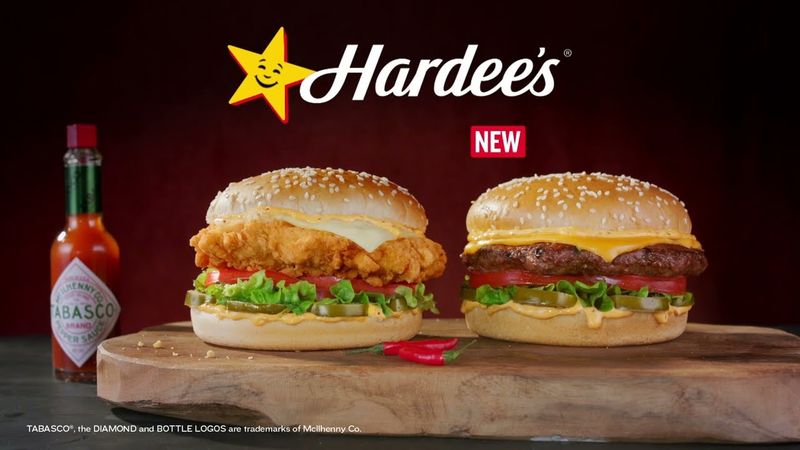
The Big Deluxe was Hardee’s answer to the question of what a truly loaded fast-food burger should look like. A thick, juicy beef patty topped with fresh lettuce, ripe tomato, onion, pickles, and mayo on a toasted bun — it was hearty, straightforward, and deeply satisfying in a way that did not need any gimmicks.
Throughout the 1980s, it was one of Hardee’s best-selling items and a point of pride for the chain. Customers in the Southeast, where Hardee’s had its strongest presence, grew up treating the Big Deluxe as their go-to burger order.
It helped establish Hardee’s reputation as a chain that took its beef seriously long before the Thickburger era began.
Enjoyed this story?
Add Fast Food Club as a preferred source to see more of our reporting on Google.