


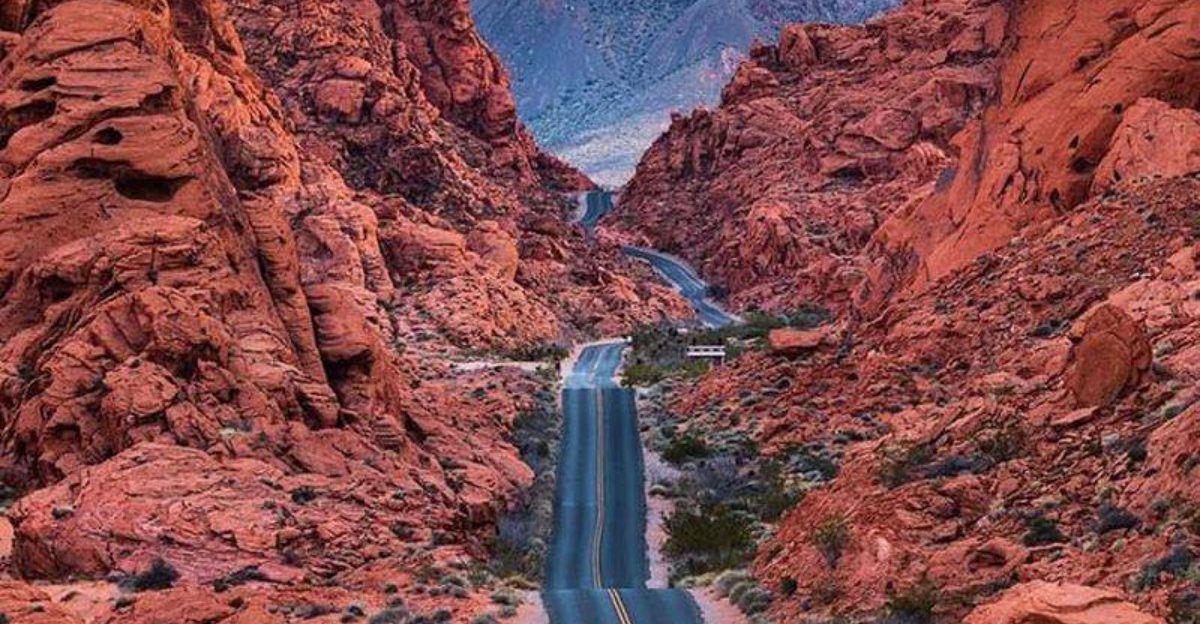
Valley of Fire State Park in Overton, Nevada is the kind of place that stops you in your tracks the second you arrive. Nevada’s oldest and largest state park is packed with blazing red sandstone formations, ancient petroglyphs, and landscapes so dramatic they look like something out of a science fiction movie.
Just about an hour from Las Vegas, this hidden gem offers hiking, camping, and jaw-dropping scenery that will make you forget the casino lights ever existed. Whether you are a seasoned hiker or just looking for an unforgettable road trip stop, Valley of Fire delivers on every level.
The Fiery Red Sandstone Formations That Give the Park Its Name
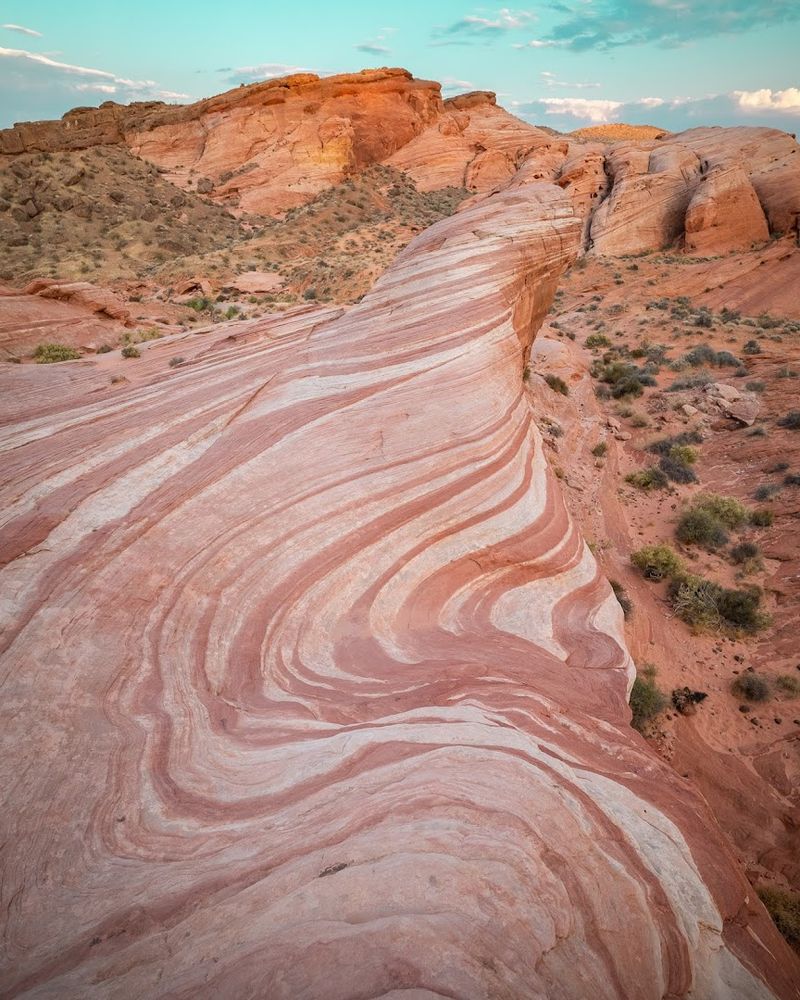
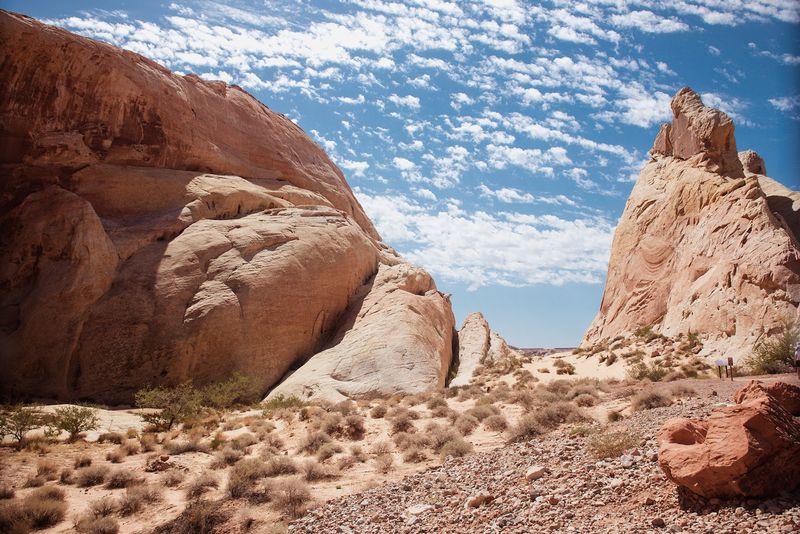
Standing in front of Valley of Fire’s iconic red sandstone formations feels like the earth itself is showing off. These massive rocks are made of 150-million-year-old Aztec sandstone, shaped by ancient sand dunes that slowly turned to stone over millions of years.
The vivid shades of red, orange, and pink are absolutely stunning in person.
When the sun hits these formations at just the right angle, they appear to glow like fire — which is exactly how the park got its name. Photographers and casual visitors alike find themselves stopping every few minutes just to stare.
No filter needed when the landscape already looks this dramatic.
Morning and late afternoon light make the colors even more intense, so timing your visit around sunrise or sunset pays off big. Bring your camera and plenty of storage space, because you will want to capture every single angle.
Ancient Petroglyphs Left Behind by the Ancestral Puebloans
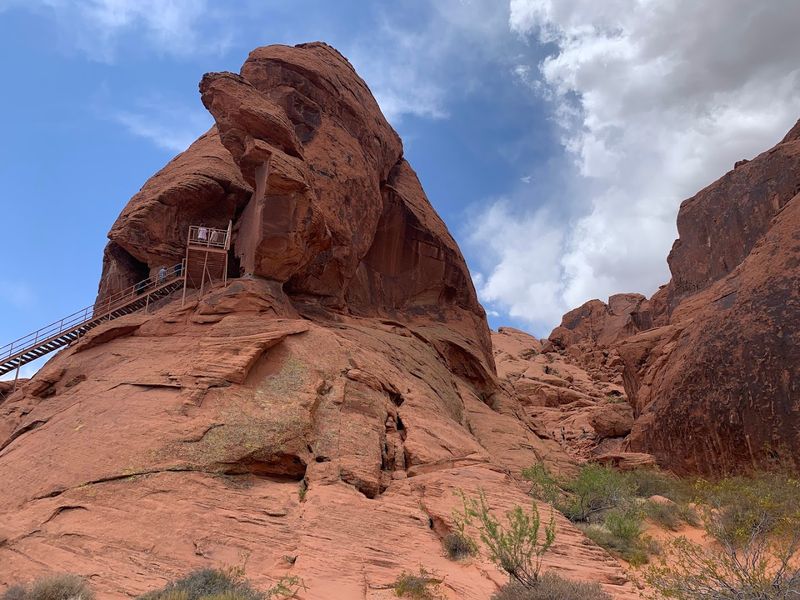
Imagine walking up to a canyon wall and realizing that someone carved symbols into it over 3,000 years ago. That is exactly what happens when you visit the petroglyph sites at Valley of Fire State Park.
The Ancestral Puebloans, also known as the Anasazi, left behind hundreds of rock carvings that researchers are still working to fully understand.
The carvings show animals, people, and geometric shapes that tell stories of a civilization that thrived in this desert long before modern times. Atlatl Rock is one of the most popular spots, featuring a carved image of an atlatl — a spear-throwing tool used by ancient hunters.
A metal staircase leads you right up close for a better look.
These petroglyphs are a reminder that humans have always been drawn to this wild, beautiful landscape. Treat every site with respect by looking without touching to help preserve them for future generations.
The Fire Wave Trail and Its Swirling Sandstone Canvas
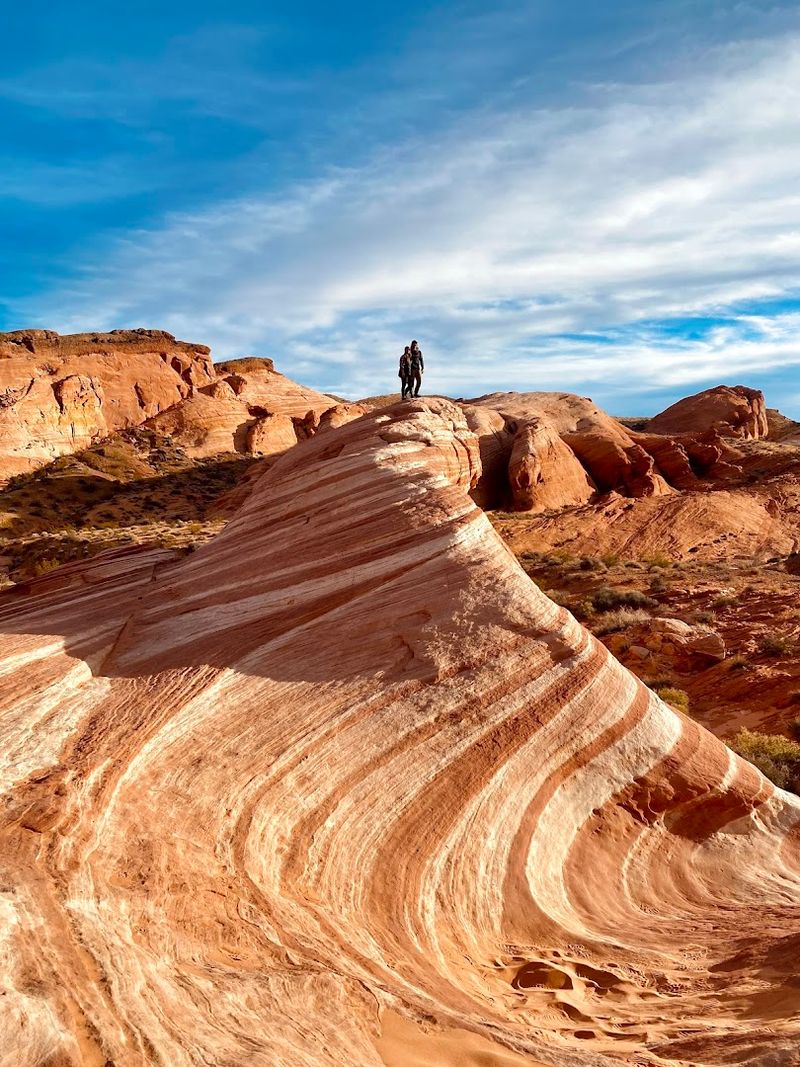
Few natural formations in the American Southwest match the visual drama of the Fire Wave. This stunning stretch of swirling red, pink, and white sandstone looks like a frozen ocean wave made entirely of colorful rock.
The patterns were created over thousands of years as wind and water slowly carved through layers of sandstone.
The trail to the Fire Wave is about 1.5 miles round trip, making it manageable for most visitors. The path winds across open desert terrain, so the lack of shade means you should bring plenty of water and wear sunscreen.
Early morning visits are especially magical when the light is soft and the crowds are thin.
Kids and adults both love climbing and exploring the wave-shaped rocks, though you should stay on the rock surface and avoid the fragile surrounding areas. This spot is consistently rated as one of the most photogenic locations in all of Nevada.
White Domes Loop Trail and Its Slot Canyon Surprise
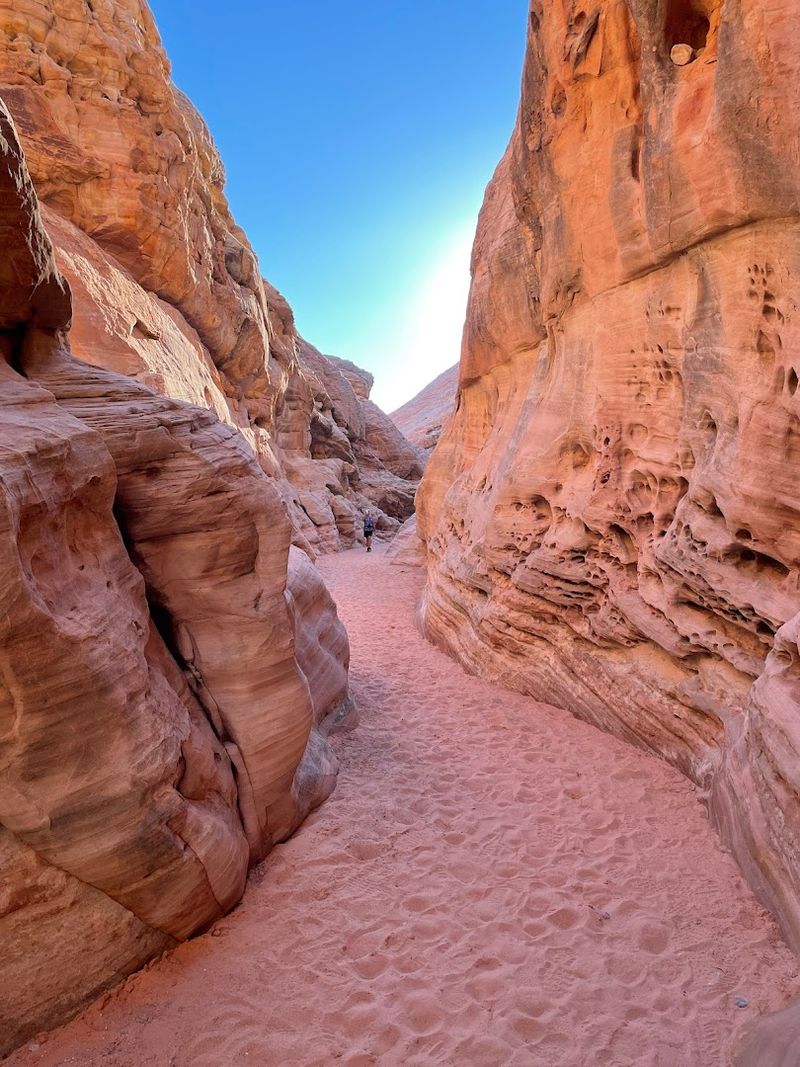
The White Domes Loop Trail is widely considered one of the best hikes in the entire park, and once you walk it, the reason becomes obvious. Stretching about 1.25 miles, this loop takes you through a fascinating mix of terrain including a narrow slot canyon that feels almost like a secret passageway carved into the earth.
The slot canyon section is one of the most exciting parts, where the rock walls close in just enough to make you feel completely surrounded by ancient stone. Beyond the canyon, the trail opens up to reveal creamy white and deep red formations that contrast beautifully against the desert sky.
The changing landscape keeps every step interesting.
Hikers often spend about an hour on this trail, though stopping for photos will stretch that time considerably. Comfortable walking shoes with decent grip are a must since some sections are sandy and slightly uneven.
Pack water and a light snack to make the most of the experience.
Wildlife Encounters That Remind You This Desert Is Very Much Alive
Valley of Fire is not just about rocks and trails — the park is teeming with wildlife that calls this rugged desert home. Desert bighorn sheep are among the most exciting animals to spot, and visitors regularly encounter small herds grazing along the canyon walls or scrambling down rocky cliffs with impressive agility.
Seeing them in person is genuinely thrilling.
Lizards dart across sun-warmed rocks at nearly every stop, and if you keep your eyes open, you might catch a glimpse of a roadrunner, a hawk, or even a coyote. Early morning visits give you the best chance of spotting animals before the heat of the day sends them into the shade.
Prairie dogs, small birds, and the occasional desert tortoise round out the cast of characters you might encounter on any given visit. Always keep a respectful distance from wildlife and never feed the animals, as it disrupts their natural behavior and can cause real harm.
Camping Under the Stars in One of Nevada’s Most Dramatic Settings
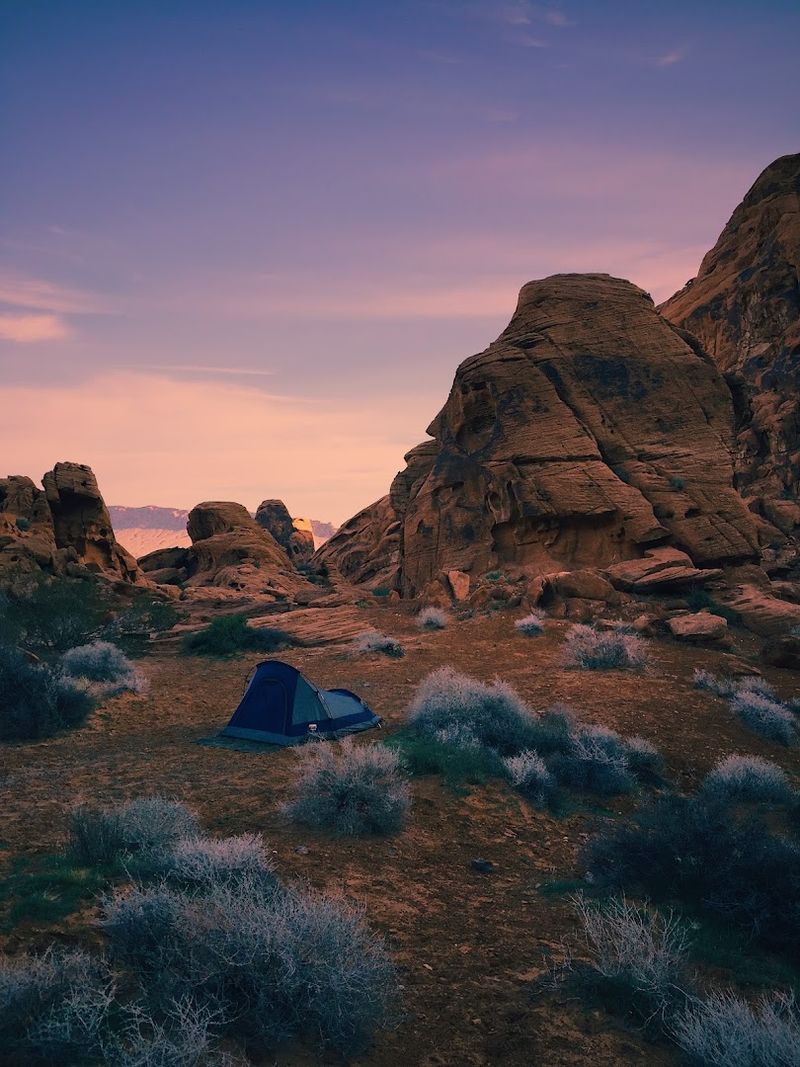
Spending a night at Valley of Fire is an experience that is hard to top anywhere in the American West. The park has two campgrounds, Atlatl Rock and Arch Rock, both of which place you right up against the dramatic red rock landscape.
Some campsites are literally tucked into the canyon walls, making you feel like part of the scenery itself.
Camping here means waking up to golden light washing over the rock formations before most day visitors even leave Las Vegas. Evenings are equally spectacular as the rocks shift through shades of orange and purple before the stars take over a sky that is remarkably clear and dark.
Each campsite comes with a picnic table and fire ring, and restrooms are available nearby. Sites fill up quickly on weekends and during spring and fall, so booking in advance is strongly recommended.
Bring layers because desert nights get surprisingly cool even when daytime temperatures are warm.
The Scenic Drive That Turns the Whole Park Into a Moving Postcard
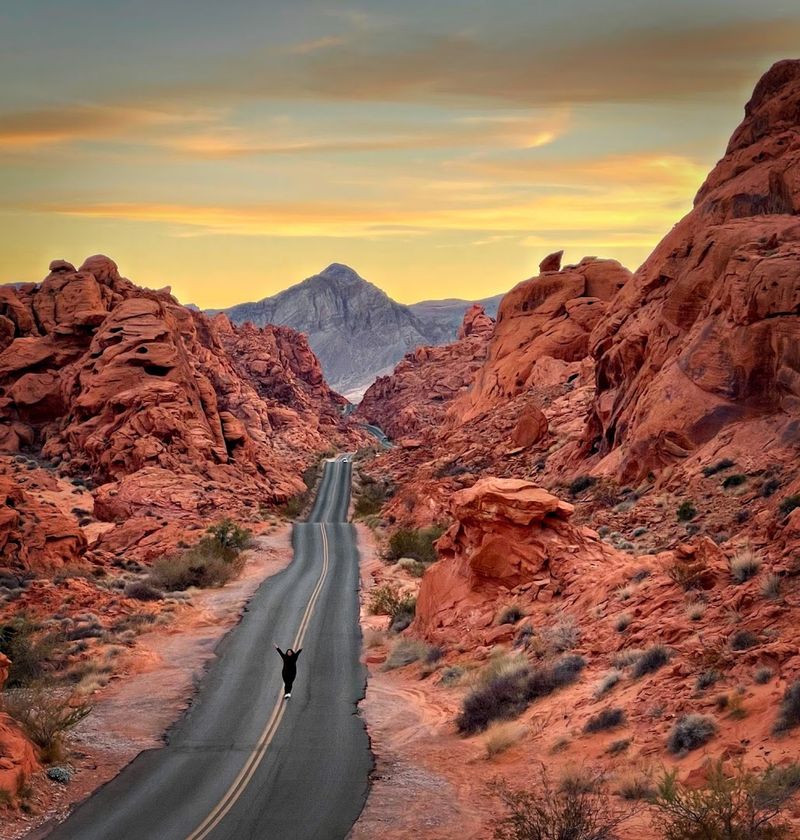
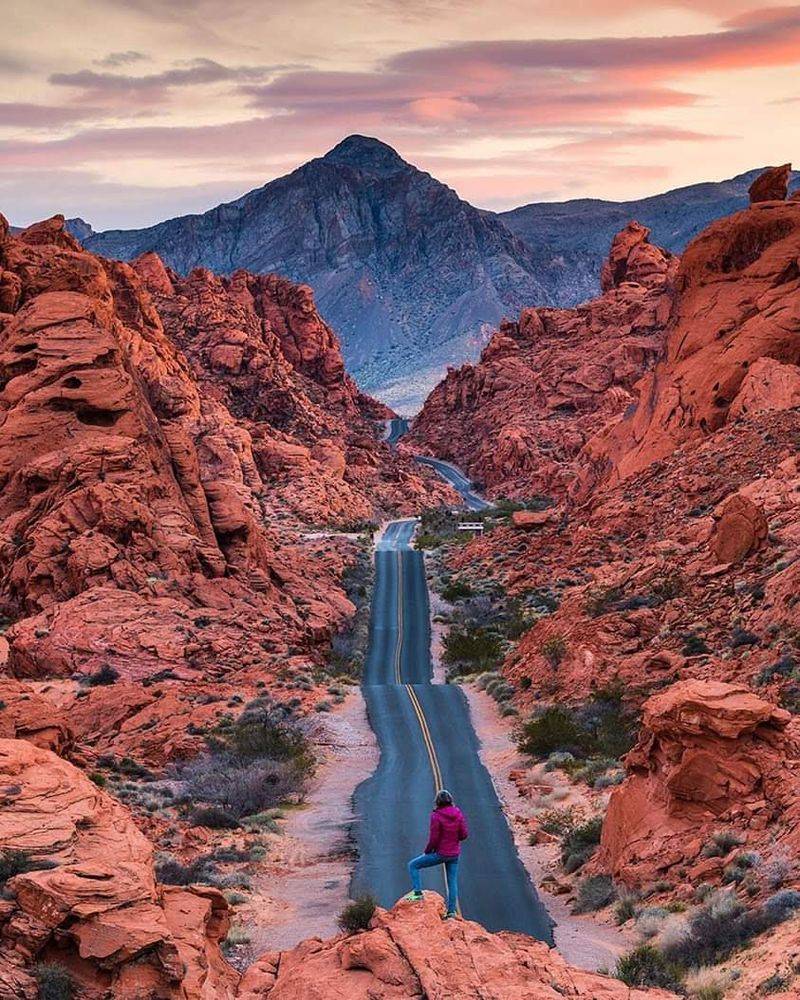
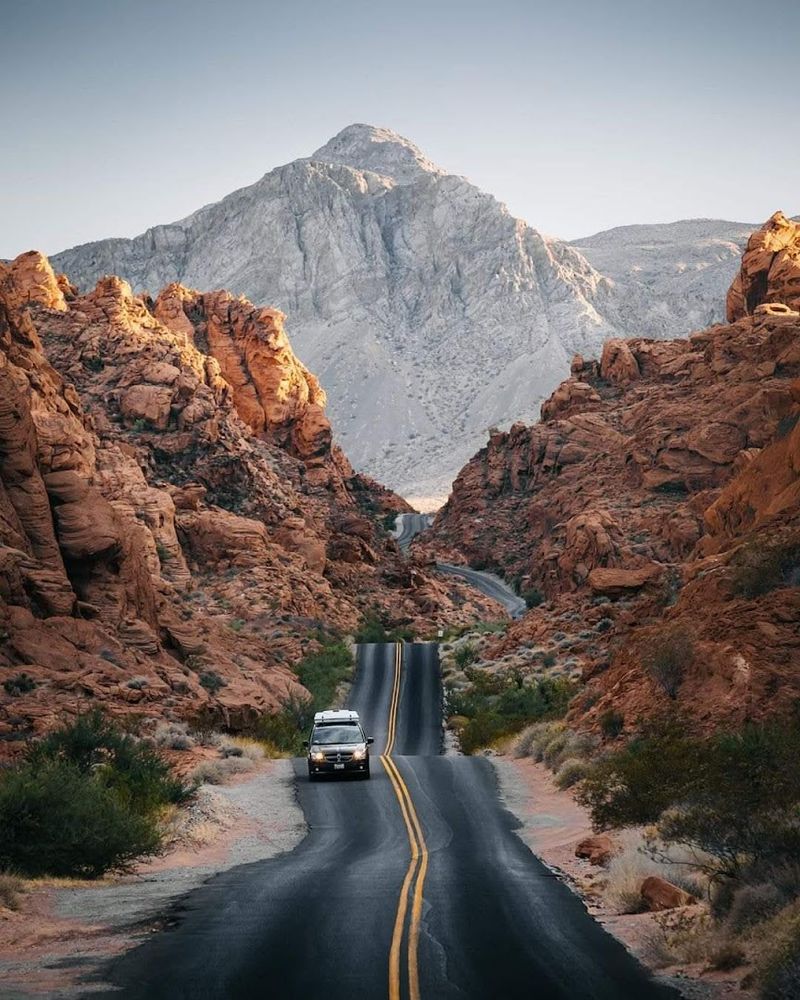
Not everyone wants to lace up hiking boots, and the good news is that Valley of Fire is completely worth visiting even if you stick entirely to the car. The main scenic drive through the park stretches several miles and passes through some of the most jaw-dropping desert scenery in the entire country.
Pull-off spots are plentiful, so you can stop whenever something catches your eye.
The road weaves between towering red formations, past canyon overlooks, and alongside sweeping desert vistas that change with every turn. Even a slow, relaxed drive through the park takes at least an hour if you stop at the main viewpoints.
The colorful layers of rock are impossible to ignore from inside the car.
Families with young children, older adults, or anyone who prefers a more relaxed pace will find this approach deeply satisfying. Maps are available at the entrance station, and signs throughout the park are clear and easy to follow no matter which direction you travel.
Petrified Wood That Tells a 225-Million-Year-Old Story
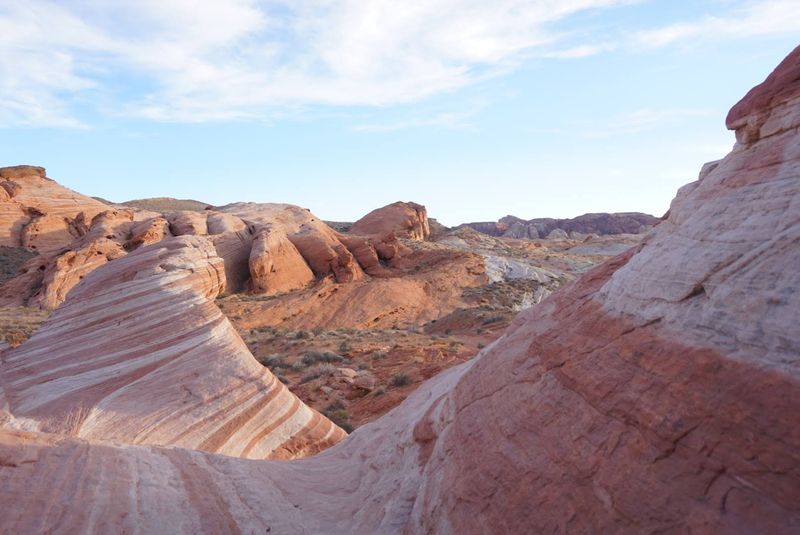
Hidden among the fiery red rocks of Valley of Fire is a quieter wonder that many visitors overlook entirely. The park contains petrified wood that dates back roughly 225 million years, when this region was a lush, forested landscape very different from the desert you see today.
Over millions of years, minerals slowly replaced the wood fibers, turning entire logs into colorful stone.
The Petrified Logs site is one of the park’s designated stops, where you can see these ancient specimens up close without disturbing them. The detail preserved in the stone is remarkable — you can still make out the grain and texture of the original wood, which makes the whole thing feel almost unbelievable.
This is a fantastic stop for kids who are curious about science and natural history. It sparks genuine questions about how the earth changes over time.
As with everything in the park, the rule is simple: look, photograph, and appreciate, but never remove or damage anything.
Stunning Sunsets That Transform the Landscape Into Pure Gold
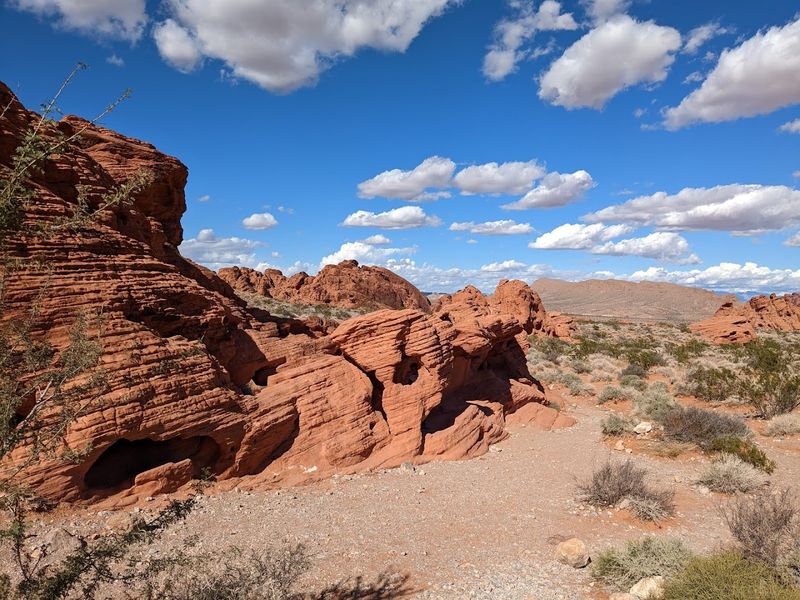
Watching the sun go down at Valley of Fire is the kind of experience that people talk about for years. As the light shifts from bright white to warm gold and finally deep amber, the red rock formations seem to catch fire all over again.
The colors are so vivid and so layered that even seasoned travelers stop and stare in disbelief.
The Fire Canyon Overlook parking area is a particularly popular sunset spot, offering wide open views across the canyon with minimal crowds compared to other park areas. Arriving about 45 minutes before sunset gives you enough time to find a good spot and settle in before the show begins.
Bring a light jacket because temperatures drop noticeably once the sun disappears.
Sunrise works equally well if you prefer fewer people and softer light. Either way, planning your visit around golden hour is one of the single best pieces of advice anyone can offer a first-time visitor to this remarkable park.
The Visitor Center Where the Park’s Story Really Comes Together
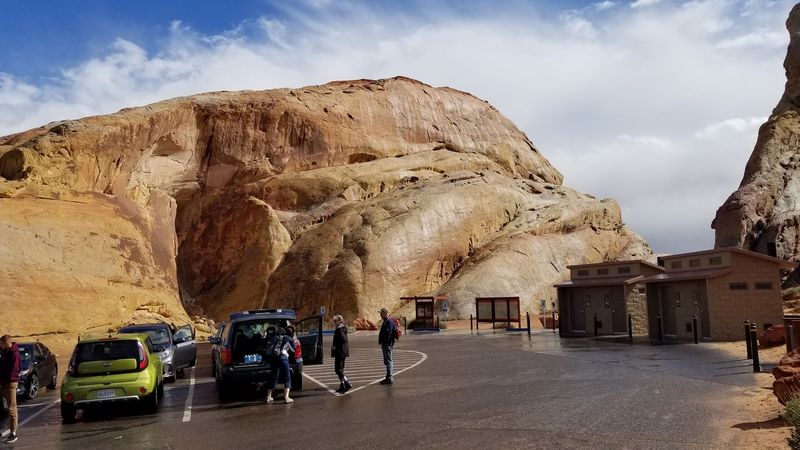
Before heading out on any trail, a stop at the Valley of Fire Visitor Center is genuinely worth your time. The newly updated facility is packed with exhibits covering the park’s geology, natural history, and the ancient cultures that once called this desert home.
It gives you important context that makes every rock formation and petroglyph you encounter afterward much more meaningful.
Rangers and staff at the center are known for being friendly, knowledgeable, and happy to answer questions about trail conditions, wildlife activity, and the best spots to visit depending on your interests. They can also point you toward lesser-known areas of the park that do not show up in typical travel guides.
Free park maps are available here, and the air-conditioned interior is a welcome break during hotter months. If you are visiting with kids, the exhibits are engaging enough to hold their attention and spark curiosity about the natural world.
Plan to spend about 20 to 30 minutes inside before exploring.
Elephant Rock and the Natural Arch Formations You Have to See to Believe
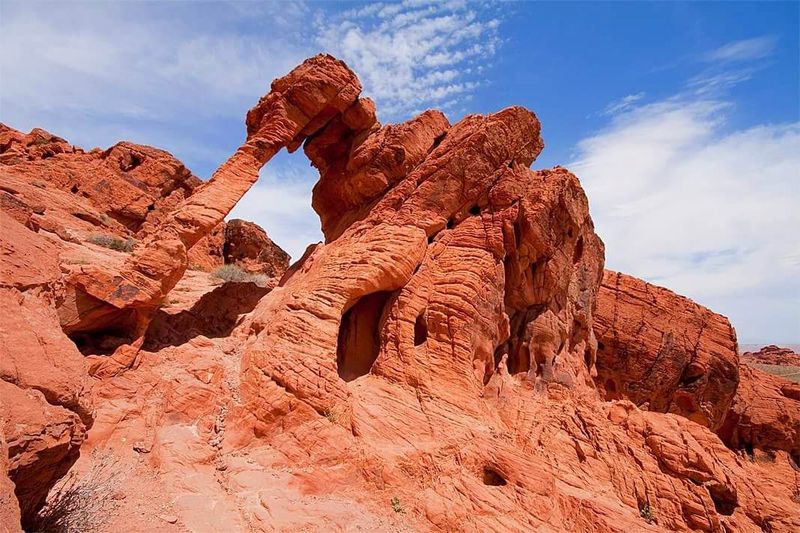
One of the most charming stops in the park requires almost no effort at all. Elephant Rock sits right near the east entrance and is shaped almost perfectly like a giant elephant, complete with a trunk-like extension reaching toward the ground.
It is one of those formations that makes you do a double take the first time you see it.
The short walk to get a close-up view takes only a few minutes, making it an ideal stop for visitors who want to experience the park’s personality without committing to a long hike. Kids absolutely love it, and it is one of the most photographed spots in the entire park for good reason.
Beyond Elephant Rock, the park contains several natural arches and uniquely shaped formations scattered throughout its landscape. Each one has its own character and backstory shaped by millions of years of erosion.
Spotting these formations along the scenic drive turns the whole trip into a fun, low-key treasure hunt.
Spring Wildflowers That Bring Unexpected Color to the Desert Floor
Most people do not associate deserts with flowers, but spring at Valley of Fire tells a completely different story. After winter rains soak into the dry soil, the desert floor erupts with wildflowers in shades of yellow, purple, and white that create a striking contrast against the red rocks.
Visiting in late February through April gives you the best chance of catching this colorful surprise.
The blooms are not guaranteed every year since they depend on rainfall amounts, but when conditions are right, the transformation is genuinely breathtaking. Photographers and nature lovers who time their trip around a good wildflower season often describe it as one of the most rewarding experiences the park has to offer.
Even in years with lighter blooms, the desert vegetation including creosote bushes, Joshua trees, and various cacti adds texture and life to the landscape. Spring also brings mild temperatures that make hiking far more comfortable than the intense heat of summer, which is another strong reason to visit during this season.
A Budget-Friendly Day Trip That Outshines Many Famous National Parks
Here is something that surprises a lot of first-time visitors: getting into Valley of Fire costs just $10 to $15 per vehicle, which is a remarkable deal considering the sheer scale and beauty of what you get. For a fraction of the cost and a fraction of the travel time compared to places like the Grand Canyon, you get an equally jaw-dropping desert experience just an hour from Las Vegas.
The park is accessible, well-maintained, and packed with enough variety to keep any group entertained for a full day. From short roadside stops to multi-hour hikes, there is genuinely something for every age and fitness level.
Picnic areas and BBQ spots throughout the park make it easy to pack lunch and spend a relaxed afternoon without spending extra money.
For travelers visiting Las Vegas on a budget who want a truly memorable experience outside the Strip, this park is a no-brainer. Affordable, stunning, and endlessly rewarding, Valley of Fire proves that some of the best things in Nevada cost almost nothing at all.
Enjoyed this story?
Add Fast Food Club as a preferred source to see more of our reporting on Google.