


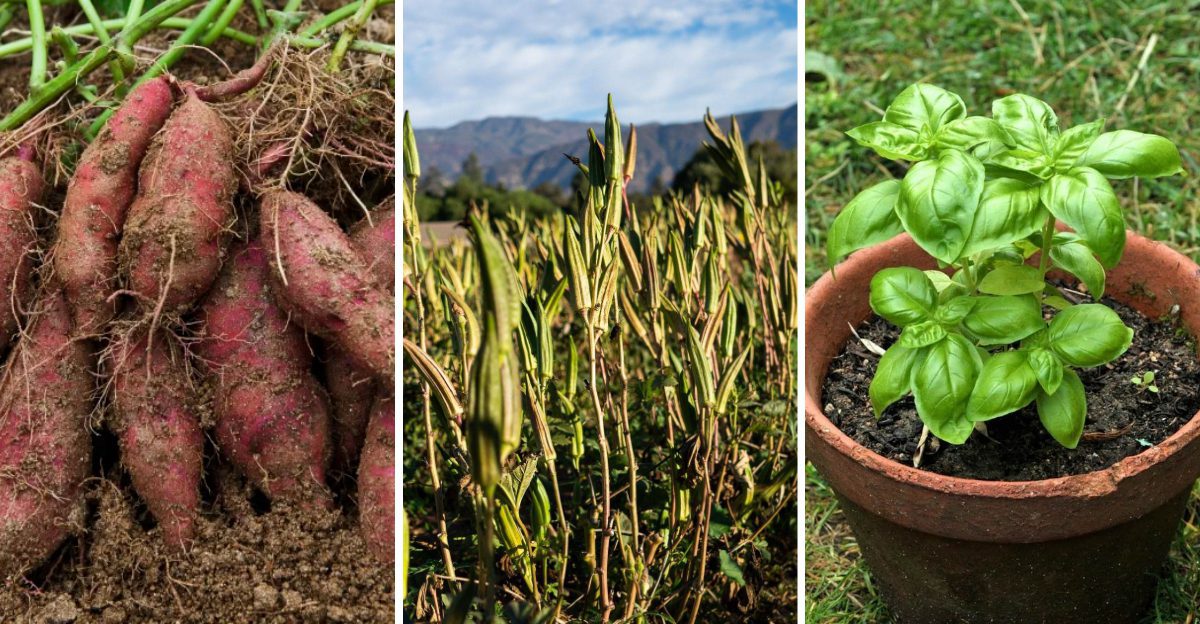
April in Florida is one of the most exciting times to get your hands in the dirt. The weather is warm but not yet blazing hot, making it perfect for planting a wide variety of vegetables, herbs, and flowers.
Whether you have a big backyard or a few pots on a balcony, there are plants that will thrive right now. Here are the best plants to grow in April in Florida so your garden gets off to a strong, healthy start.
Sweet Potatoes
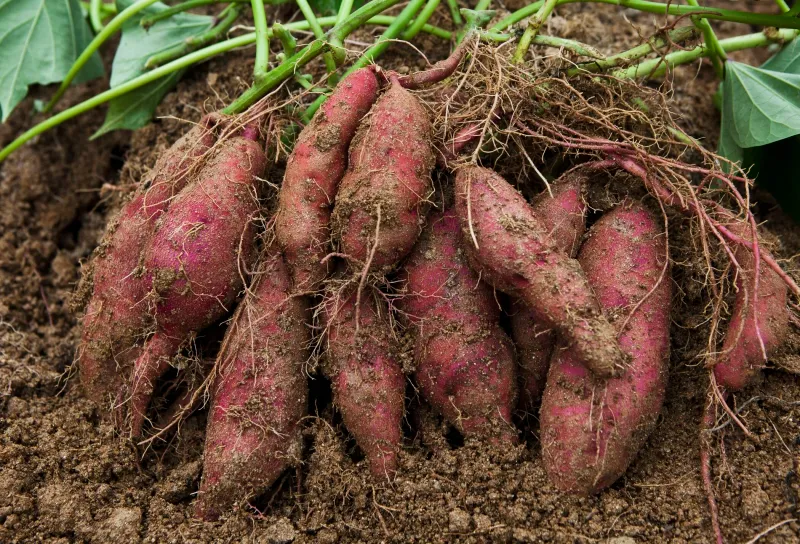
Sweet potatoes were practically made for Florida soil. They love the heat, grow fast in sandy ground, and April gives them a long growing season before summer peaks.
Plant slips about 12 inches apart and watch the vines spread out like a leafy carpet.
They need very little fuss once established. Just water regularly and keep the weeds down.
In about 100 days, you will have a delicious harvest packed with vitamins and flavor.
Okra
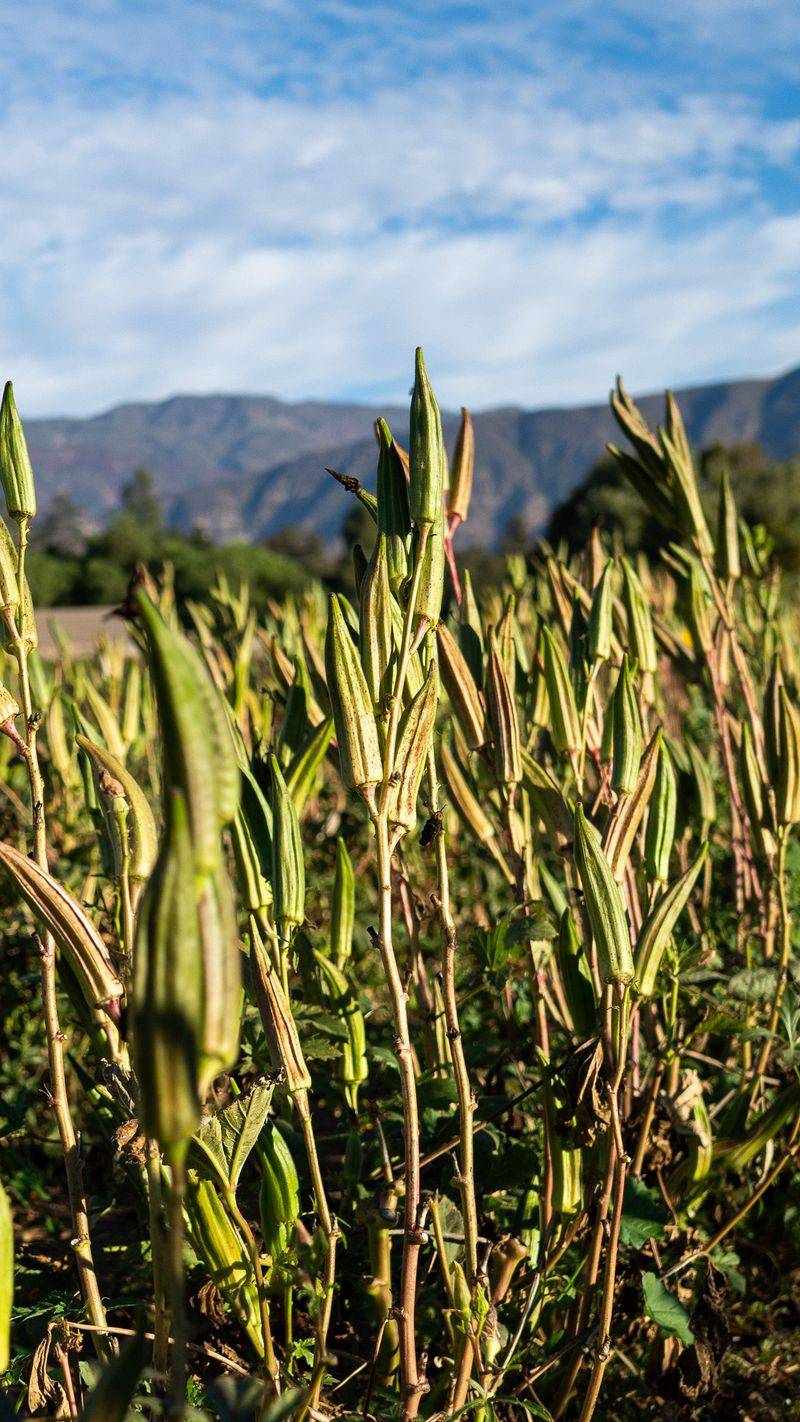
Okra is practically a Florida garden legend. This heat-loving vegetable thrives when temperatures climb, and April is the ideal window to get seeds in the ground before the intense summer humidity sets in.
It grows tall, bold, and fast.
Direct sow seeds about an inch deep and keep the soil moist until they sprout. Harvest pods when they are 3 to 4 inches long for the best tenderness.
Leave them too long and they turn tough and stringy.
Basil
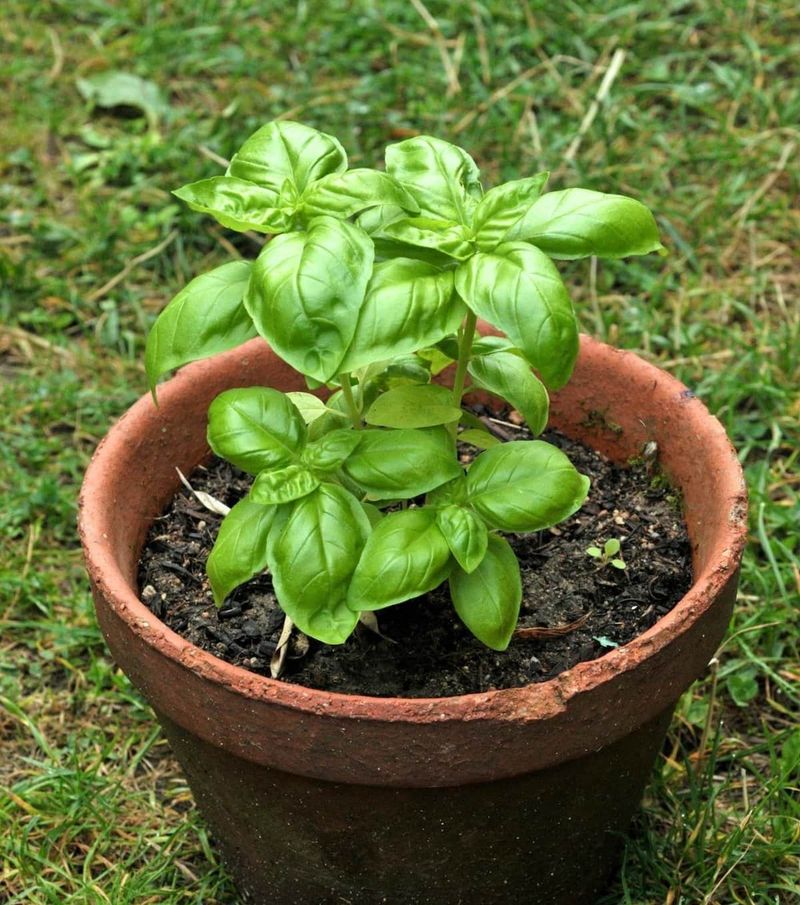
Few herbs smell as amazing as fresh basil on a warm Florida morning. It absolutely loves the heat and sunshine that April brings, making it one of the easiest and most rewarding herbs to grow this time of year.
Plant it in a pot or a raised bed with well-drained soil.
Pinch off the flower buds as soon as they appear to keep leaves coming all season long. Regular harvesting actually encourages the plant to grow fuller and bushier over time.
Southern Peas (Black-Eyed Peas)
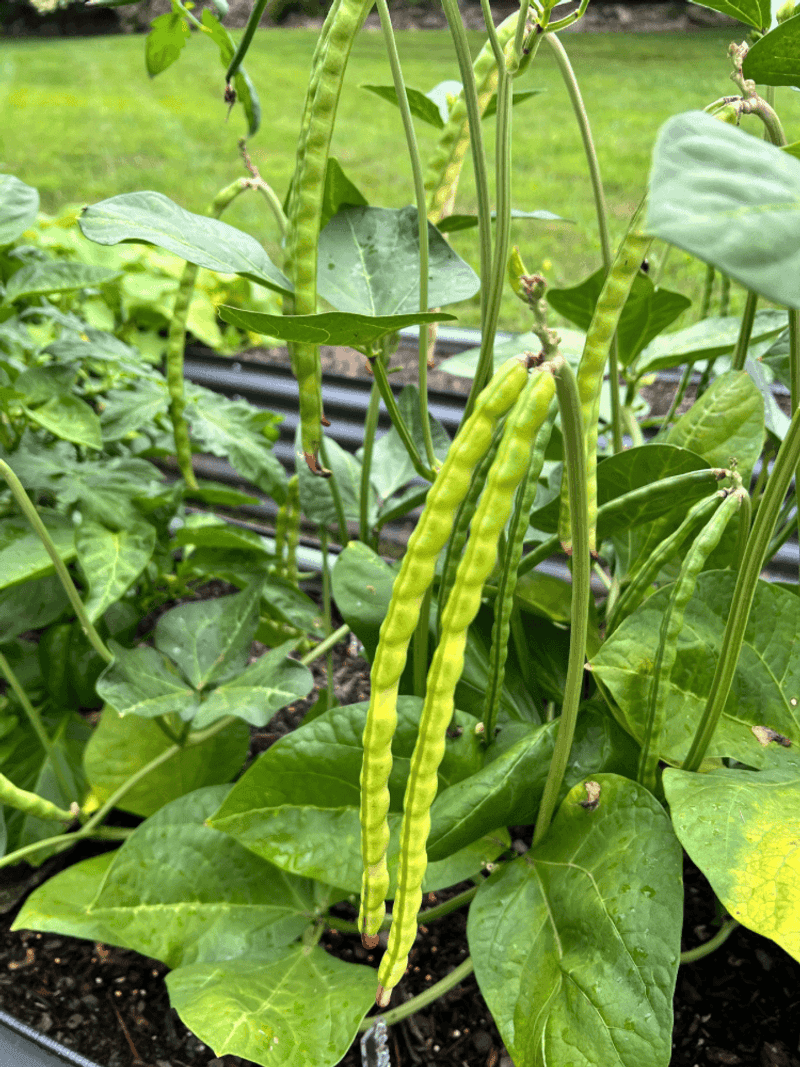
Southern peas, including the beloved black-eyed pea, are a staple in Florida gardens for good reason. They are incredibly heat tolerant, grow quickly in poor soil, and produce a generous harvest with minimal effort.
April planting gives them a strong head start before the rainy season kicks in.
Sow seeds directly in the ground about an inch deep. These plants also fix nitrogen in the soil, which means they actually improve your garden bed for future crops.
Cucumbers
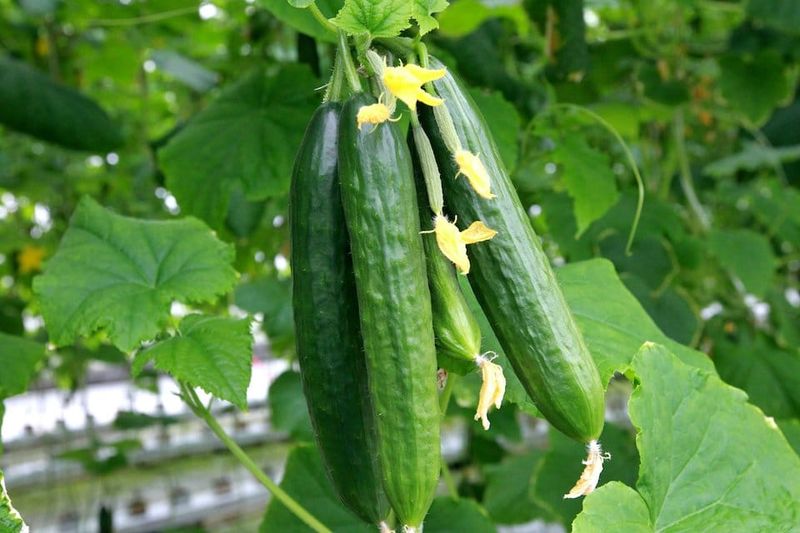
Cucumbers grow like crazy in April in Florida. Warm soil temperatures and plenty of sunshine push these vines into overdrive.
Set up a simple trellis and they will climb right up, saving ground space while producing loads of crisp, refreshing fruit.
Water consistently to prevent bitterness in the fruit. They are ready to pick in as little as 50 days from planting.
Fun fact: cucumbers are technically a fruit, even though most people always treat them like a vegetable.
Sunflowers
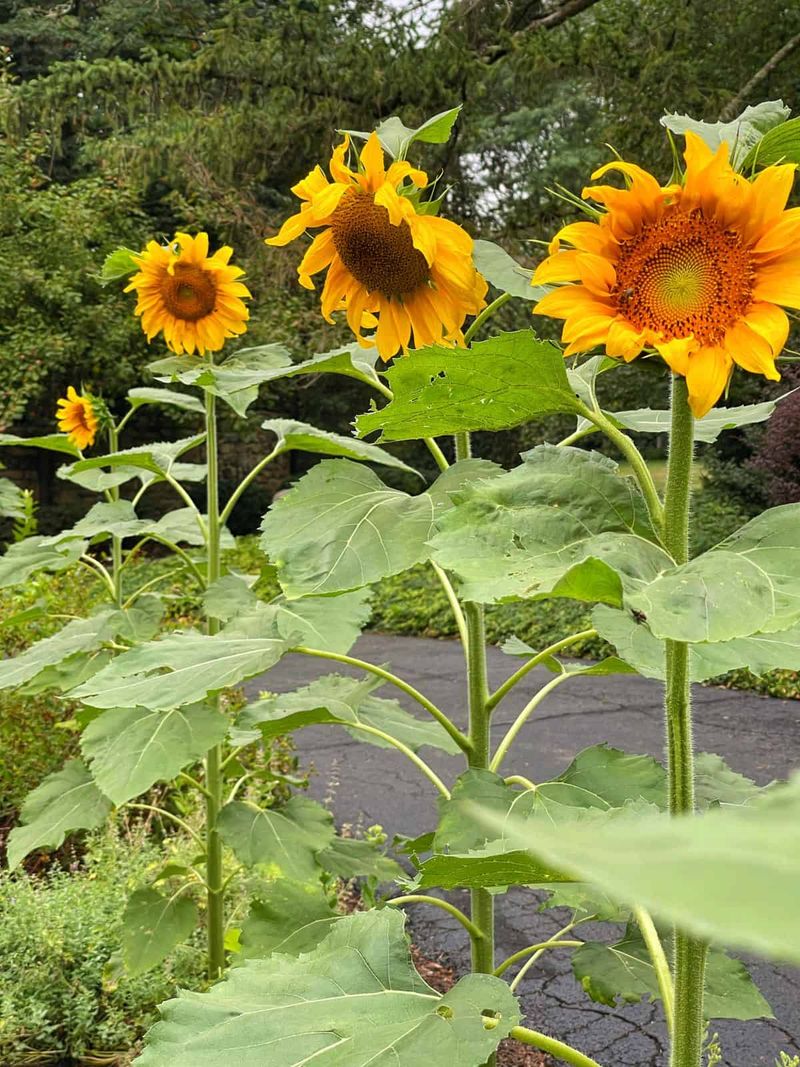
Nothing brightens up a Florida yard quite like a row of towering sunflowers. April is a fantastic time to direct sow seeds because the warm soil helps them germinate fast, sometimes in as little as a week.
They grow quickly and reward you with stunning blooms in about 70 to 80 days.
Plant them in a sunny spot with well-drained soil and stand back. Birds love the seeds, so sunflowers do double duty as a natural bird feeder once they mature.
Peppers
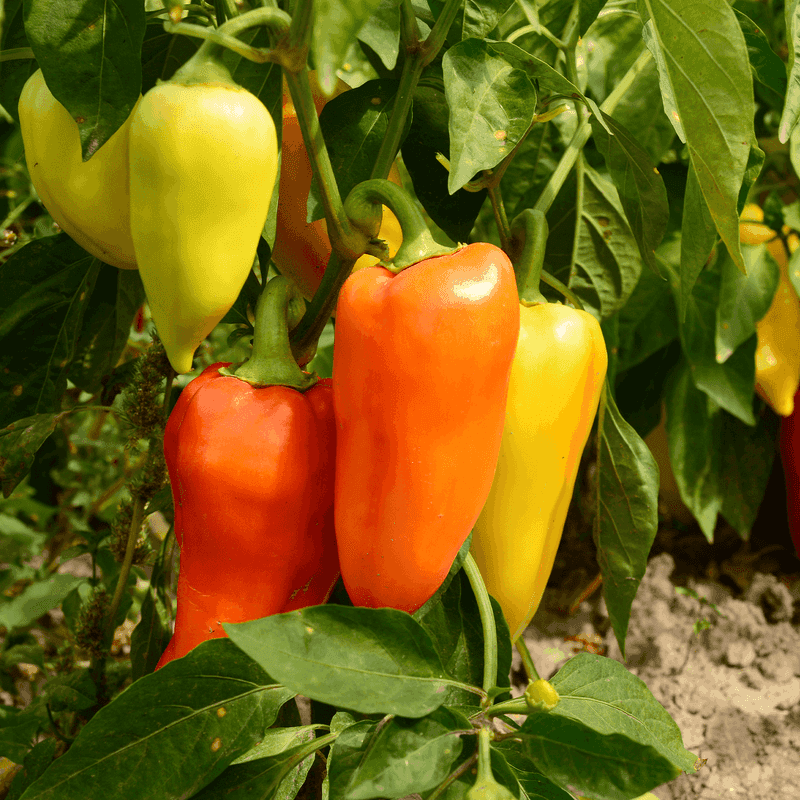
Peppers are one of the most reliable warm-season crops for Florida gardeners. Whether you prefer sweet bell peppers or fiery habaneros, April is your prime planting window.
The warm nights and sunny days give transplants exactly what they need to settle in and start producing.
Space plants about 18 inches apart and mulch around the base to hold moisture. They can take a little longer to produce than some vegetables, but the harvest is absolutely worth the wait.
Watermelon
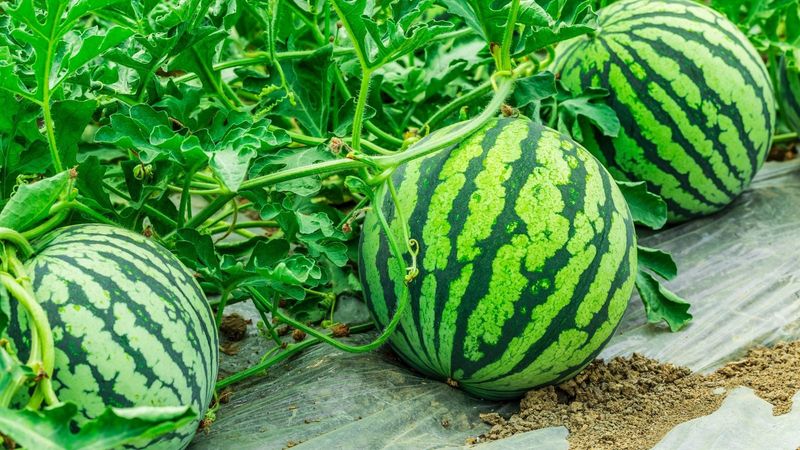
Growing your own watermelon in Florida feels like winning a prize every single summer. April is the sweet spot for planting because the soil is warm and the long growing season stretches ahead.
Give vines plenty of room to roam, at least 6 feet in each direction.
Amend the soil with compost before planting for best results. Watermelons are ready to harvest in about 80 days.
Tap the melon and listen for a deep, hollow thump to know it is ripe.
Marigolds
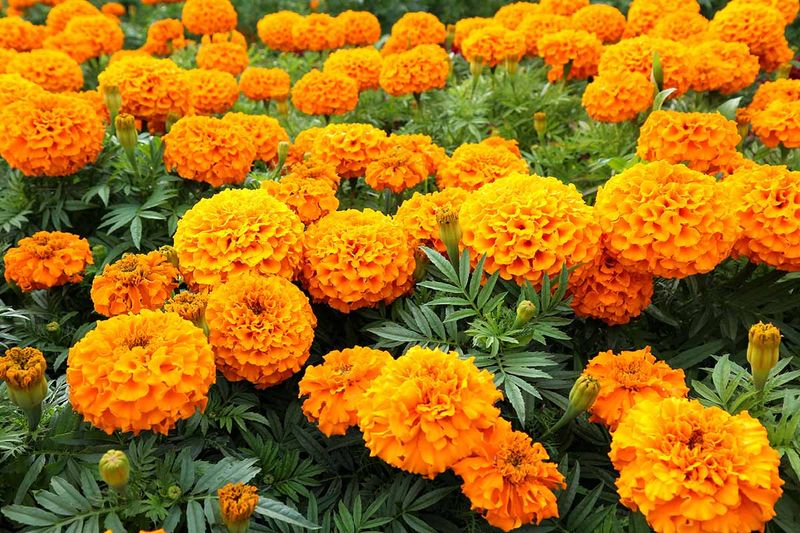
Marigolds are the hardworking multitaskers of the Florida garden. Their bold orange and yellow blooms are beautiful, but they also do something practical: the strong scent naturally repels pests like aphids and whiteflies.
Plant them around vegetable beds to act as a natural protective border.
They thrive in full sun and handle the Florida heat with ease. Deadhead spent blooms regularly to keep new flowers coming all season.
Marigolds are also one of the most beginner-friendly flowers you can grow.
Eggplant
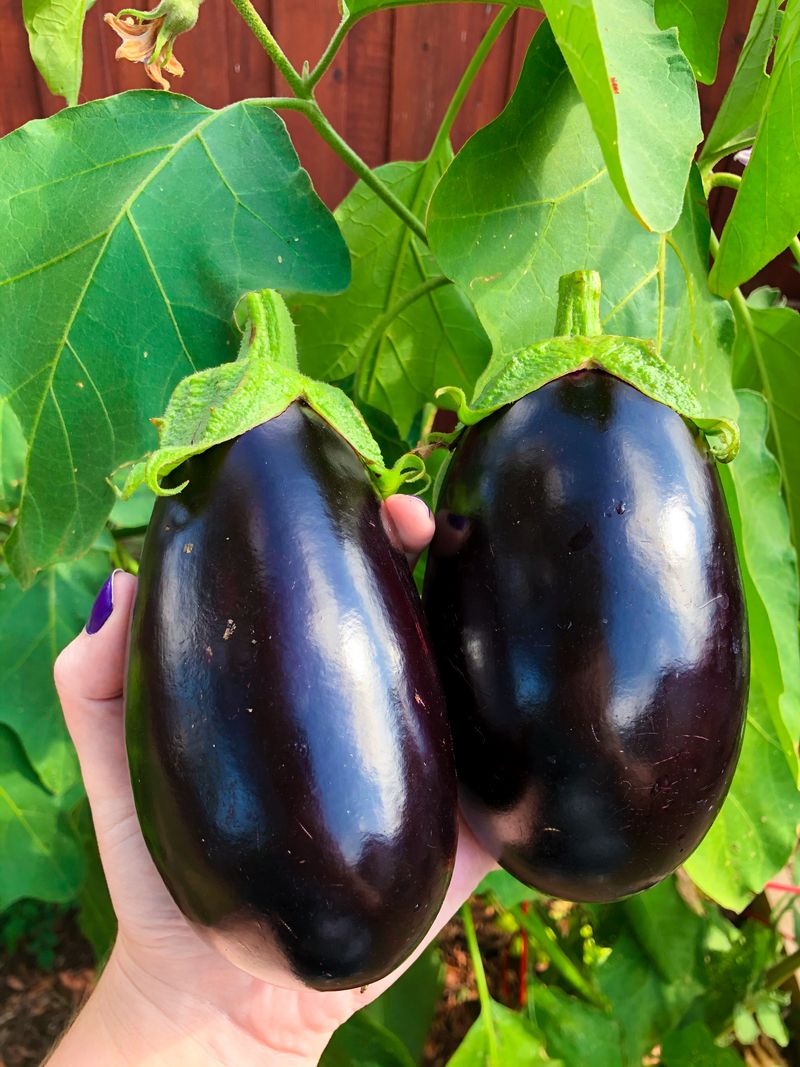
Eggplant is one of those vegetables that truly shines in Florida’s warm April climate. It craves heat, hates frost, and produces heavily when given full sun and consistent watering.
Transplant seedlings into rich, well-drained soil and give each plant about 24 inches of space to grow.
Expect your first harvest in roughly 65 to 80 days. Eggplant is incredibly versatile in the kitchen, from grilling to stir-fries.
Its glossy purple skin also makes it one of the most striking plants in any garden.
Portulaca (Moss Rose)
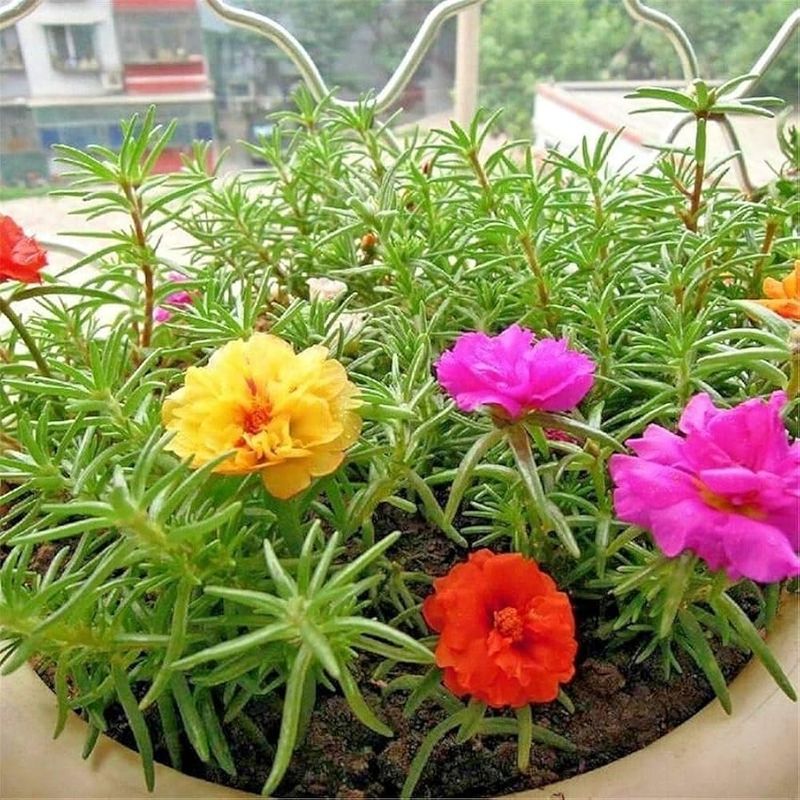
Portulaca, also called moss rose, is basically built for Florida summers. Its thick, succulent-like leaves store water, making it incredibly drought tolerant once established.
The flowers close at night and pop back open each morning in a cheerful burst of pink, orange, red, and yellow.
Plant it in sandy or poor soil where other flowers struggle, and it will thrive. April planting means you will have blooms for months.
It spreads naturally, filling in bare spots with almost no effort on your part.
Green Beans
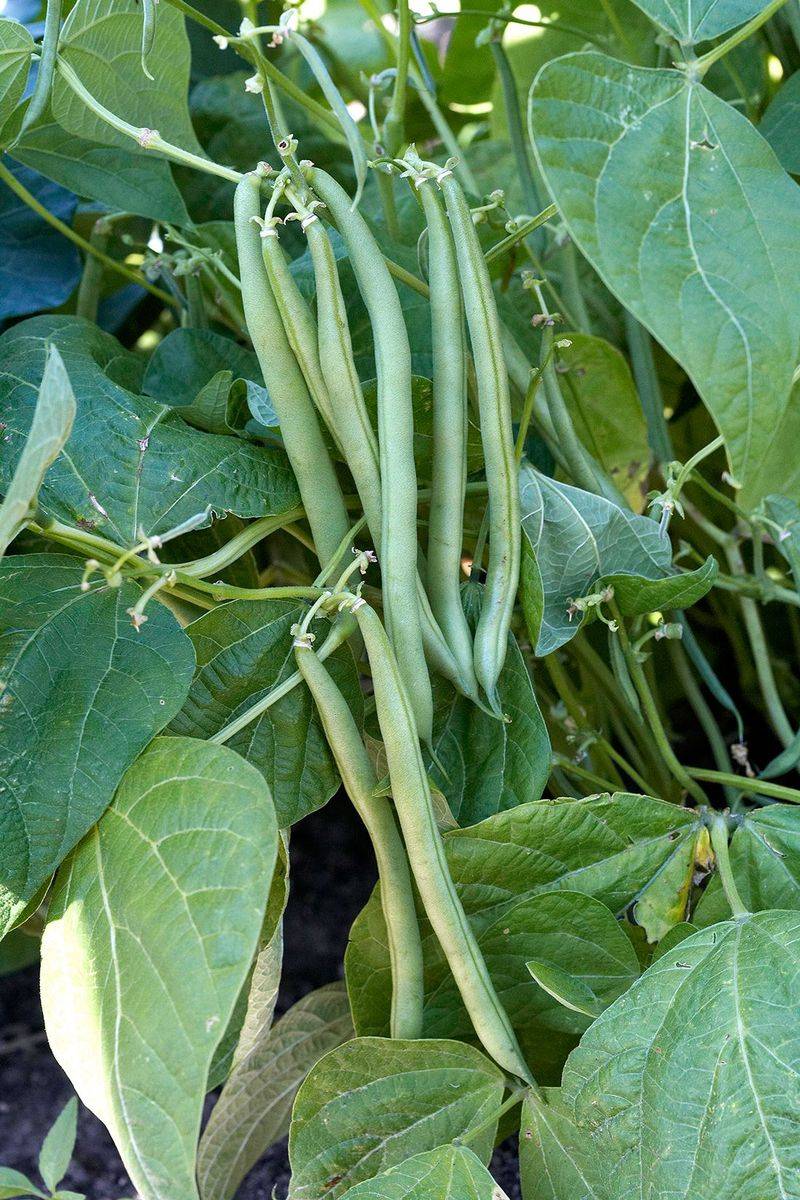
Green beans are a satisfying quick-win crop for Florida gardeners. Bush varieties are especially great because they do not need staking or trellising, and they produce a full harvest in just 50 to 60 days.
Sow seeds directly in the ground since beans do not transplant well.
Keep the soil evenly moist and avoid overhead watering to prevent disease. April is one of the last good chances to plant green beans before Florida heat becomes too intense.
A second planting in fall is also possible.
Enjoyed this story?
Add Fast Food Club as a preferred source to see more of our reporting on Google.