


Florida’s sticky, sweltering summers can feel like a challenge for any gardener. The good news is that plenty of plants actually thrive in all that muggy air and warm soil.
Whether you’re a seasoned green thumb or just getting started, knowing which plants love Florida’s humidity can save you a lot of frustration. Here are 11 surprisingly tough garden plants that not only survive the heat and moisture but genuinely flourish in it.
Firebush (Hamelia patens)
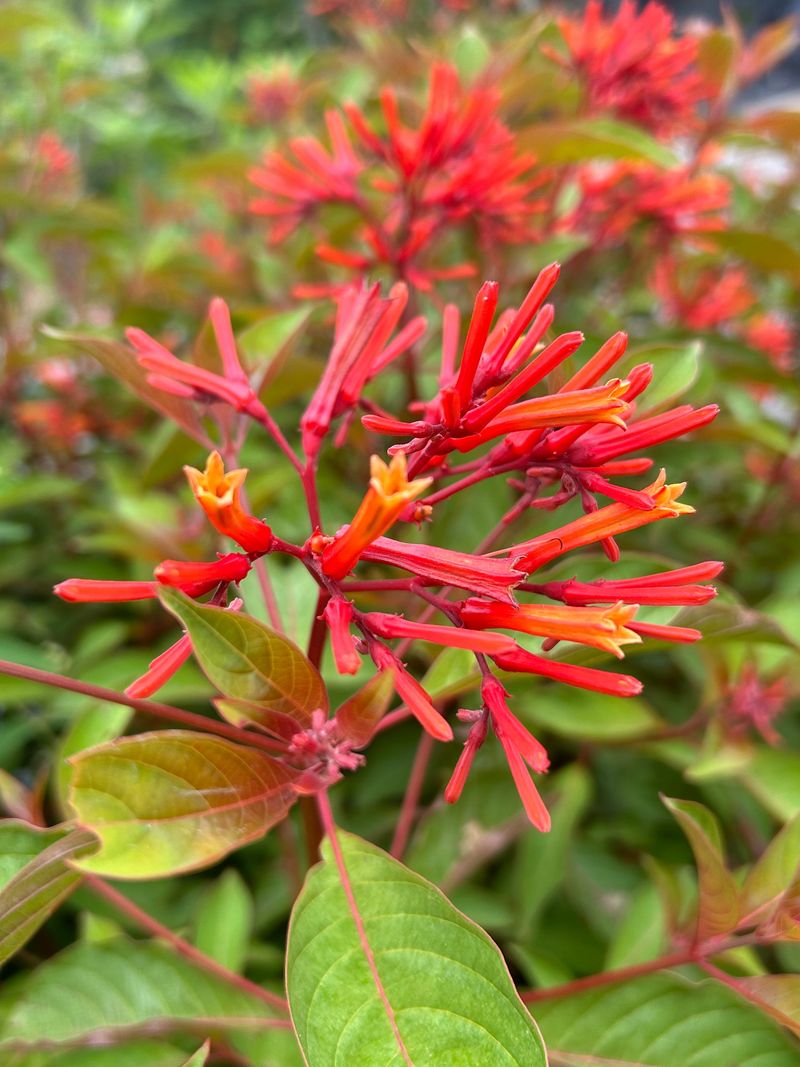
Firebush earns its name with a blaze of orange-red flowers that pop up all summer long. Native to Florida and the tropics, this shrub was practically built for thick, humid air.
It rarely complains about wet soil either, making it a reliable choice for tricky spots in your yard.
Butterflies and hummingbirds absolutely love it. Plant it in full sun or partial shade and watch it take off without much fuss from you.
Coontie Palm (Zamia integrifolia)
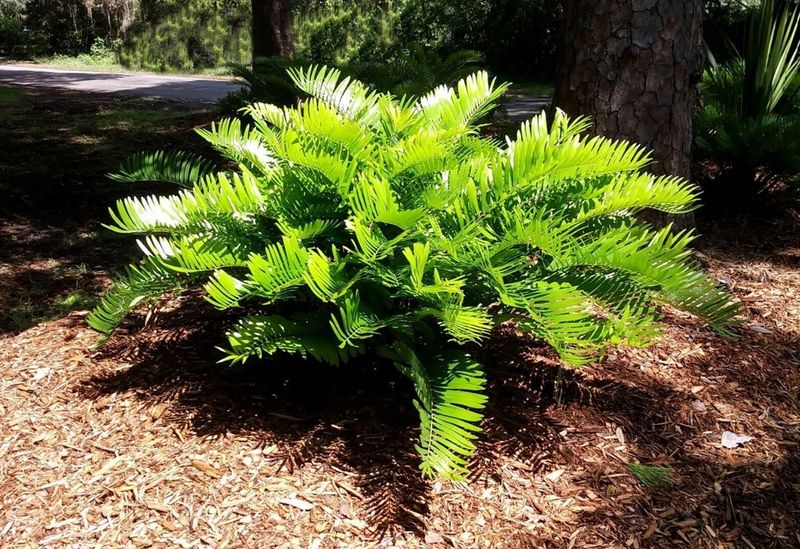
Long before Florida had gardens, the Coontie Palm was already thriving here. This ancient cycad is Florida’s only native cycad, and it has been handling heat and humidity for thousands of years.
That kind of track record speaks for itself.
It grows slowly but stays compact and tidy, making it perfect for borders or ground cover. Deer tend to leave it alone, and it handles drought once it settles in.
Low maintenance does not get better than this.
Ginger Lily (Hedychium coronarium)
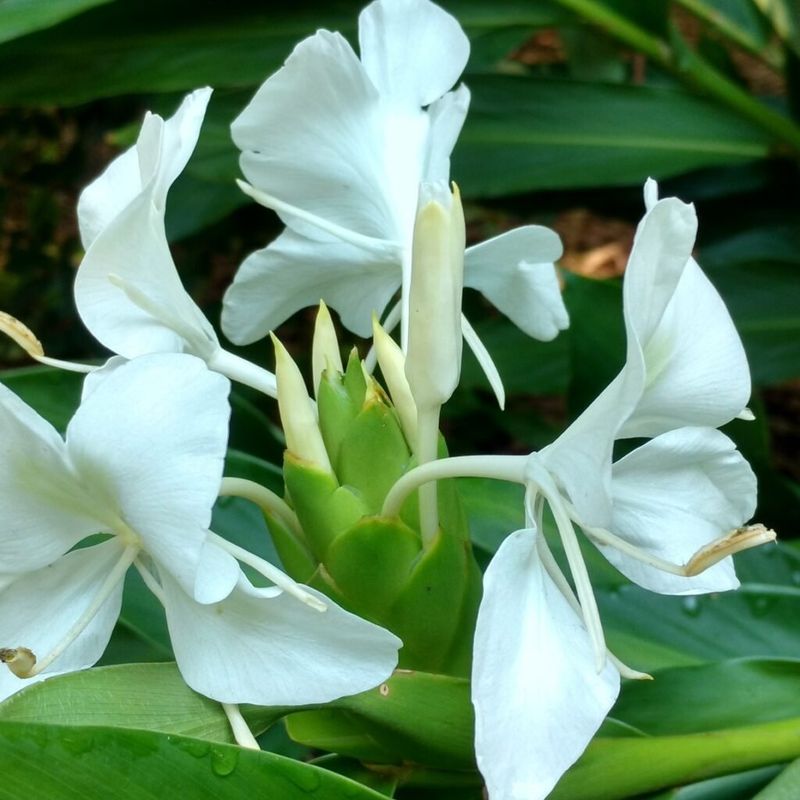
Few plants smell as amazing as the Ginger Lily after a Florida afternoon rainstorm. The white blooms release a sweet, tropical fragrance that carries through the whole yard.
Humidity does not slow this plant down one bit — it actually seems to encourage bigger, bolder blooms.
Ginger Lily grows tall and dramatic, reaching up to six feet in the right conditions. Plant it near a patio or walkway so you can enjoy the scent up close on warm evenings.
Beautyberry (Callicarpa americana)
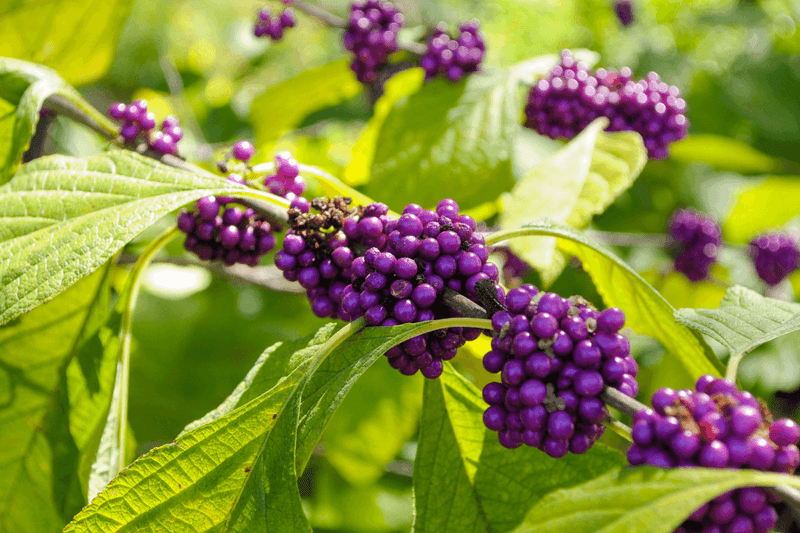
Beautyberry might just be the most eye-catching native shrub in Florida’s woodland gardens. Come late summer, its branches are loaded with clusters of neon-purple berries that almost look fake.
Surprisingly, humidity is no problem at all for this tough native plant.
It thrives in partial shade, which makes it ideal for planting under taller trees. Birds go wild for the berries in fall and winter.
Once established, it pretty much takes care of itself through Florida’s rainy season without skipping a beat.
Elephant Ear (Alocasia and Colocasia species)
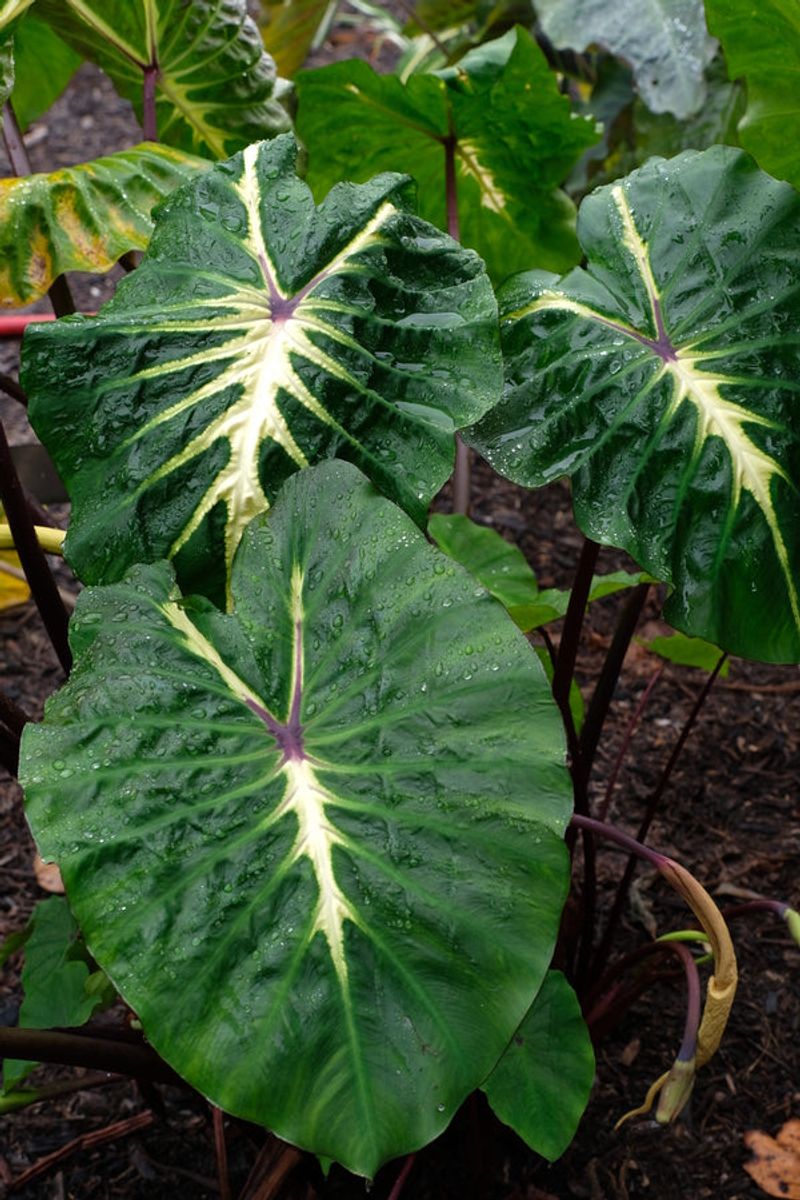
Elephant Ears are basically humidity’s best friend. Their enormous leaves collect rainwater and morning dew like natural funnels, and they seem to grow faster the wetter and muggier it gets.
Some varieties even tolerate standing water, which is a huge plus in Florida’s flood-prone yards.
These plants make a bold tropical statement with very little effort. Mix different varieties for a layered, jungle-like effect.
Just keep in mind they can spread quickly, so give them room to roam.
Blue Daze (Evolvulus glomeratus)
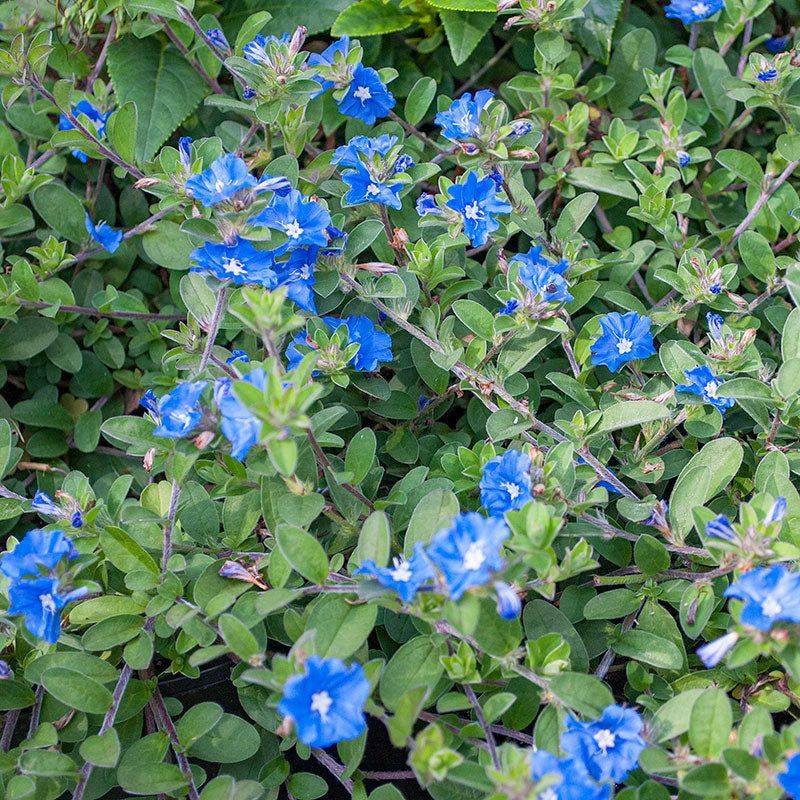
Here is a fun fact: Blue Daze is one of the few small flowering plants that actually performs better in Florida’s humidity than in drier climates. Its sky-blue blooms are petite but plentiful, covering the plant from spring through fall.
The silvery-green foliage adds a soft texture that looks great even when it is not flowering.
It stays low and spreading, which makes it a smart choice for borders and hanging baskets. Full sun brings out the best bloom count.
Plumbago (Plumbago auriculata)
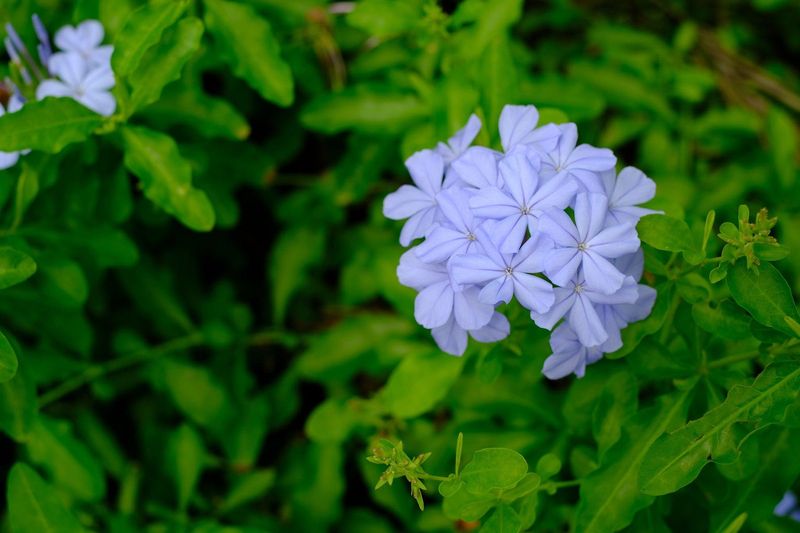
Plumbago is the kind of plant that makes neighbors stop and ask questions. Its clusters of powder-blue flowers bloom almost nonstop in Florida’s warm, humid climate.
Unlike many flowering shrubs, it does not sulk during the rainy season — it just keeps blooming right through the downpours.
It grows fast and can spread wide, so it works beautifully as a hedge or sprawling accent plant. Butterflies visit it constantly.
Trim it back occasionally and it rewards you with even more flowers.
Swamp Fern (Blechnum serrulatum)
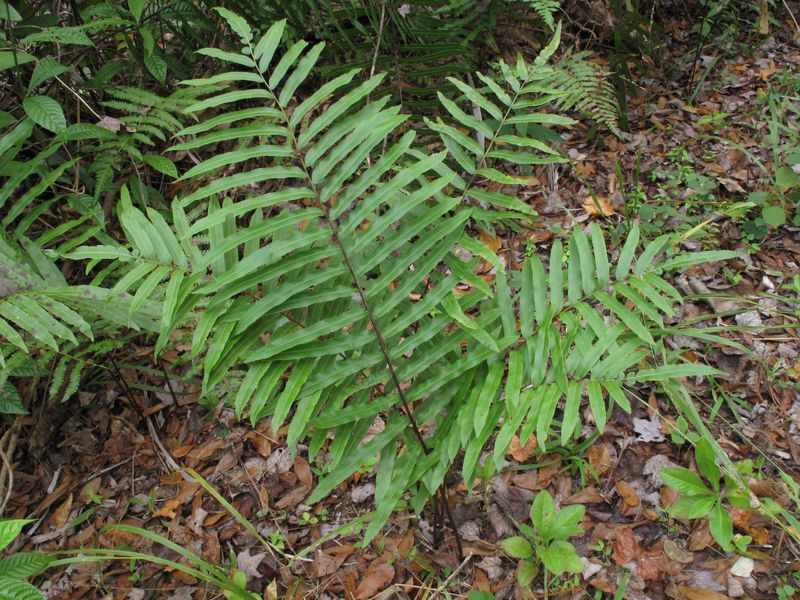
Swamp Fern lives up to its name in the best way possible. This native Florida fern loves wet, humid conditions and thrives in spots where most plants would rot and give up.
It spreads naturally along pond edges, drainage areas, and shaded garden beds that stay consistently moist.
The arching fronds create a soft, feathery texture that adds movement to the landscape. It grows in colonies, so you get a lush, layered look without planting dozens of individual plants.
Pentas (Pentas lanceolata)
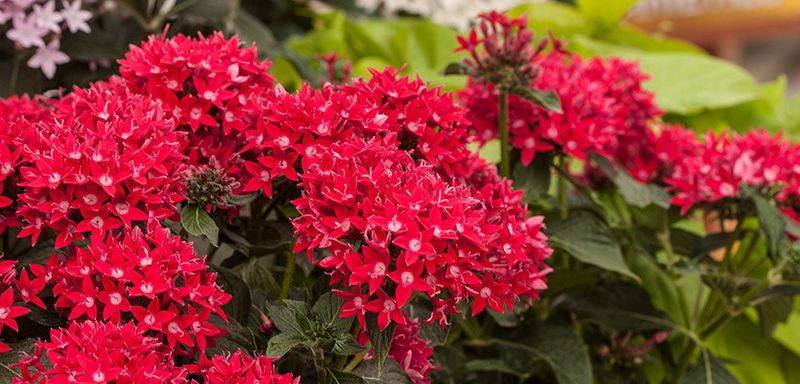
Pentas is a pollinator magnet that refuses to quit, even when Florida’s summer heat and humidity are at their worst. Clusters of star-shaped flowers bloom in shades of red, pink, white, and lavender from spring all the way through fall.
The more sun and warmth it gets, the happier it seems to be.
Butterflies and bees treat it like a favorite diner. It works well in containers, garden beds, or mixed borders.
Regular deadheading keeps the blooms coming fast and fresh.
Liriope (Liriope muscari)
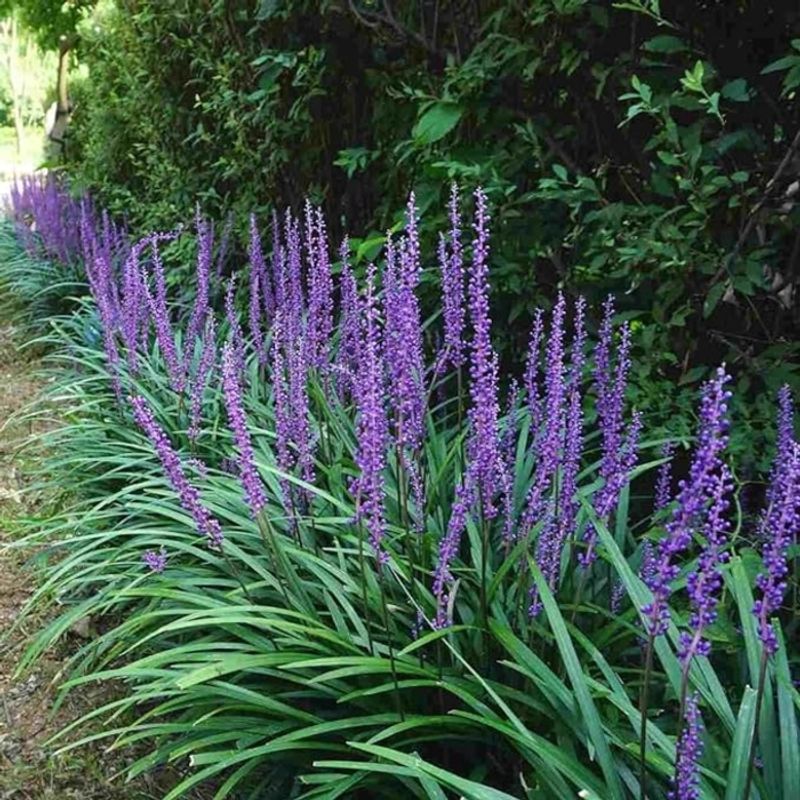
Liriope has quietly become one of Florida’s most dependable garden workhorses. Its grass-like clumps hold their shape through heat, heavy rain, and thick humidity without missing a beat.
The purple flower spikes that appear in late summer add a nice surprise to what might otherwise look like plain edging grass.
It handles shade better than most ground covers, making it ideal under trees where little else survives. Divide clumps every few years to keep it looking full and fresh.
Bougainvillea (Bougainvillea spectabilis)
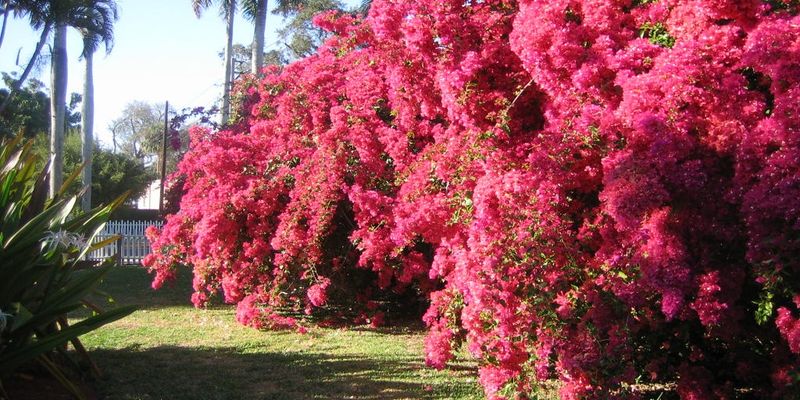
Bougainvillea thrives on neglect and sunshine, which makes it oddly perfect for Florida. While it is best known for needing dry spells to trigger blooming, it handles Florida’s humid summers with surprising resilience once it is well established.
The trick is to avoid overwatering — let the rain do its job and step back.
The papery bracts come in electric shades of magenta, orange, red, and white. Train it up a fence or trellis and it becomes an absolute showstopper in any yard.
Enjoyed this story?
Add Fast Food Club as a preferred source to see more of our reporting on Google.