


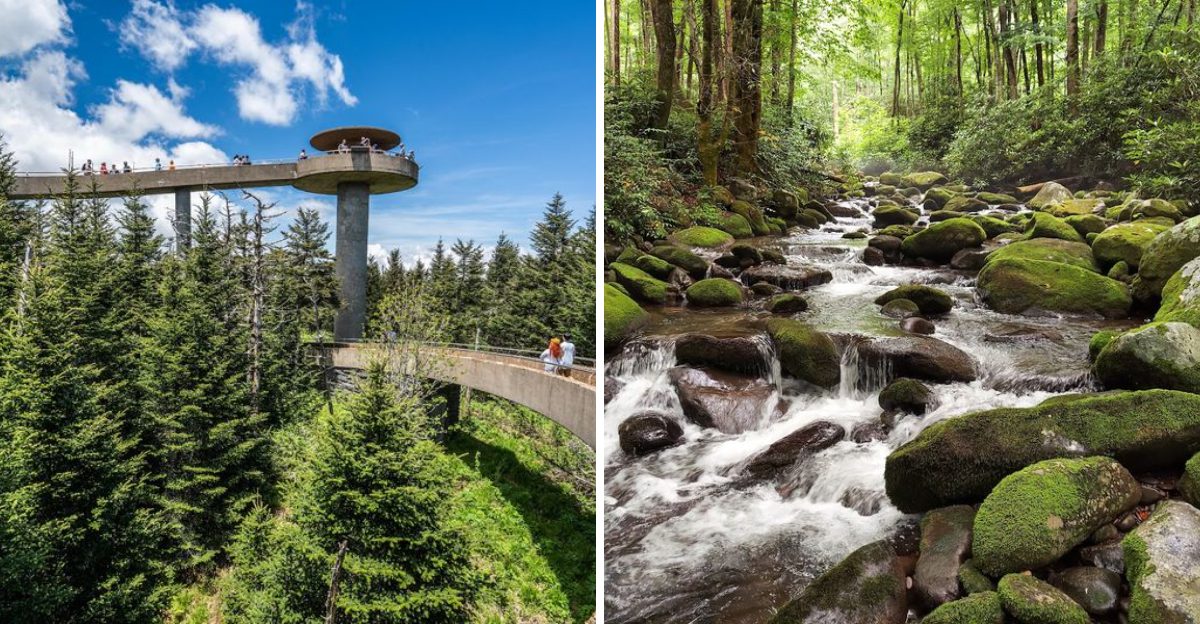
Tucked along the Tennessee-North Carolina border, Great Smoky Mountains National Park is one of America’s most awe-inspiring natural treasures. With misty blue ridges, ancient forests, roaring waterfalls, and abundant wildlife, this park offers something truly unforgettable for every type of visitor.
It draws millions of people each year, yet somehow still feels wild, peaceful, and magical. Whether you are a first-time visitor or a seasoned explorer, there are countless reasons why this place deserves a top spot on your bucket list.
The Signature Smoky Mist That Gives the Park Its Name
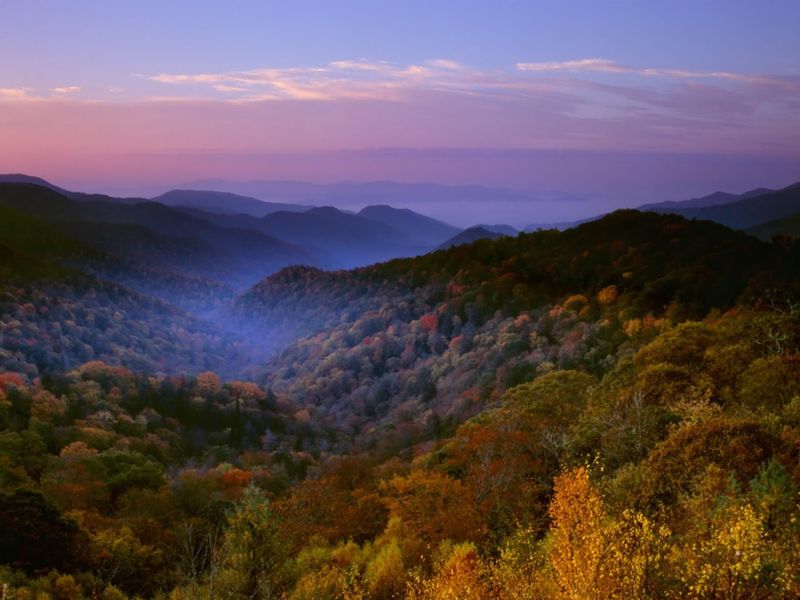
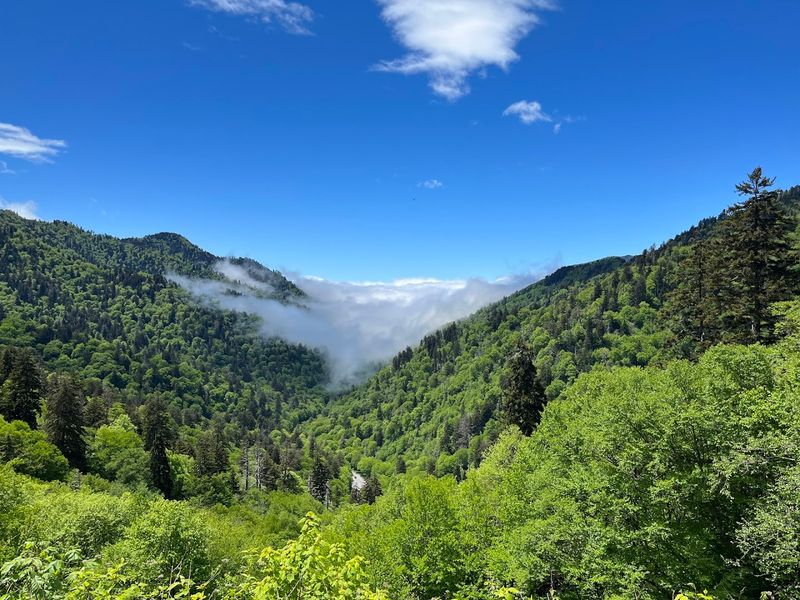
Long before tourists arrived, the Cherokee people called these mountains “Shaconage,” meaning “place of blue smoke.” That poetic name still holds true today. The haze you see drifting over the ridgelines is not actually smoke — it is a natural phenomenon caused by trees releasing organic compounds into the air, which scatter sunlight and create that dreamy, blueish glow.
Standing at any overlook and watching layers of mist roll across the mountains feels almost surreal, like staring into a living painting. Early mornings offer the most dramatic views, when the valleys fill with fog and the peaks rise above the clouds.
Visitors consistently describe the mist as calming and magical. It transforms even a simple drive through the park into something deeply memorable.
Pack a camera, wake up early, and head to Newfound Gap Road for one of the most breathtaking misty mountain views you will ever witness.
Clingmans Dome: Standing on Top of Tennessee
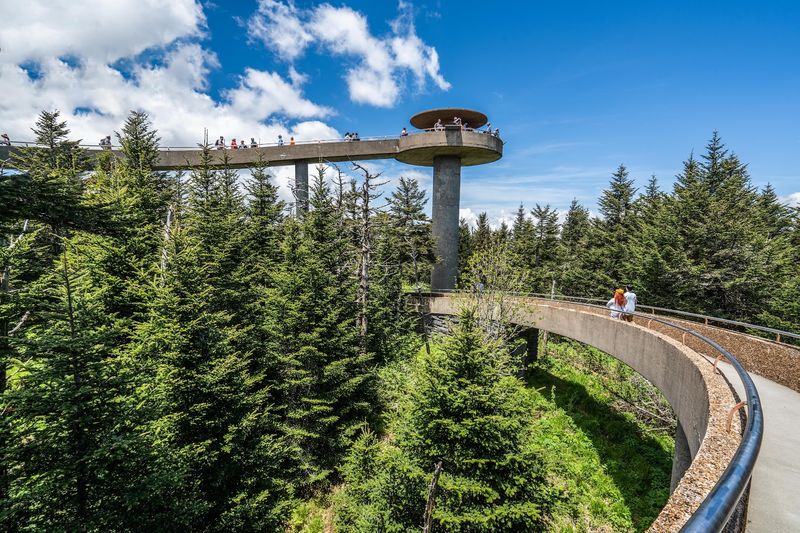
At 6,643 feet above sea level, Clingmans Dome is the highest point in the entire state of Tennessee and the highest peak along the Appalachian Trail. Reaching the top requires a half-mile paved walkway that is steep enough to leave even fit hikers catching their breath, but the reward waiting at the summit is absolutely worth every step.
The futuristic-looking observation tower at the top offers a full 360-degree view of the surrounding mountains. On clear days, visibility can stretch up to 100 miles.
Even on hazy days, the swirling clouds below the tower create a jaw-dropping scene that feels like standing above the world.
Temperatures at the summit run significantly cooler than in the valleys below, so bring a jacket even during summer. The road to Clingmans Dome closes in winter, making spring through fall the best window to experience this remarkable spot.
Wildlife Encounters That Will Leave You Speechless
Spotting a black bear in the wild is one of those experiences that stays with you forever. Great Smoky Mountains National Park is home to roughly 1,500 black bears, making it one of the best places in the eastern United States to observe them in their natural habitat.
Seeing one cross the road or forage along a hillside is both thrilling and humbling.
Bears are not the only residents worth watching for. White-tailed deer, wild turkeys, elk in the Cataloochee Valley, and over 200 species of birds call this park home.
The diversity of wildlife here is genuinely staggering compared to most other parks.
Always maintain a safe distance of at least 50 yards from bears and 25 yards from other wildlife. Never feed animals, and store food properly at campsites.
Responsible wildlife watching keeps both visitors and animals safe while preserving the park’s natural ecosystem for future generations.
Waterfall Wonders Hidden Throughout the Forest
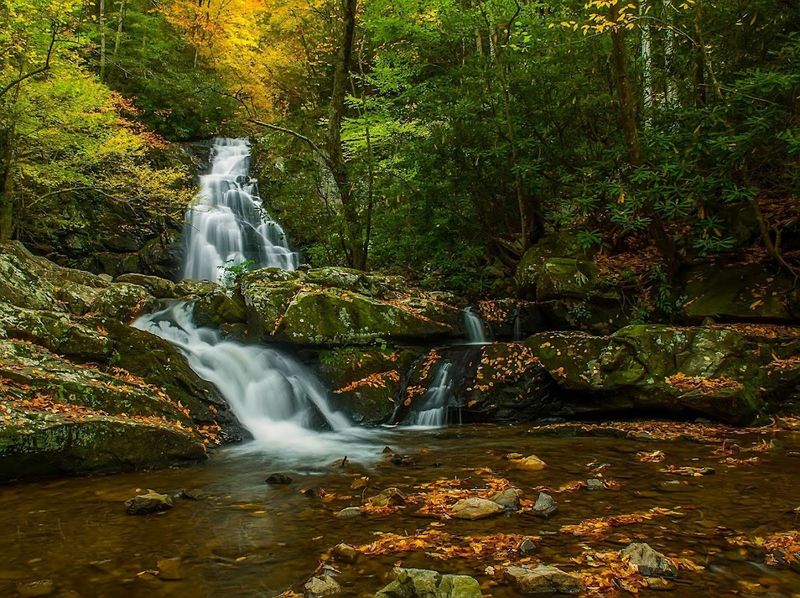
Few things in nature match the refreshing sight and sound of a waterfall tucked deep inside a forested mountain. Great Smoky Mountains National Park is packed with them.
Laurel Falls is one of the most popular, featuring a beautiful two-tiered drop accessible via a paved 2.6-mile round-trip trail that works well for families with young children.
Abrams Falls offers a different vibe entirely — a powerful 20-foot drop into a wide, emerald-colored pool surrounded by rugged terrain. The hike in is about five miles round trip and involves some rocky scrambling, but seasoned hikers rave about the payoff.
Rainbow Falls, Grotto Falls, and Hen Wallow Falls are other stunning options scattered throughout the park. Each waterfall has its own personality and setting, meaning you could spend an entire week visiting different ones without repeating the experience.
Waterfall season peaks in spring when snowmelt and rainfall send water rushing at full force.
The Appalachian Trail Passes Right Through the Park
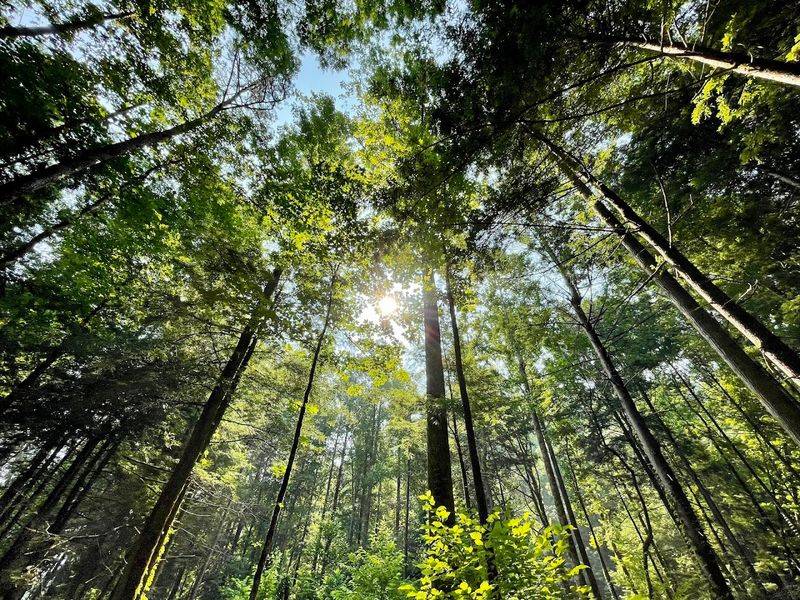
Roughly 71 miles of the legendary Appalachian Trail wind directly through Great Smoky Mountains National Park, making this one of the most iconic sections of the entire 2,190-mile footpath. Thru-hikers, day-trippers, and weekend backpackers all share this historic trail, and the energy along it feels electric with purpose and adventure.
The Charles Bunion hike is widely considered one of the best day hikes in the park, following the AT to a rocky outcropping with sweeping views of the surrounding ridges. It covers about eight miles round trip and offers a genuinely rewarding challenge for those with moderate hiking experience.
Even walking just a mile or two of the Appalachian Trail inside the park gives you a tangible sense of its history and scale. The trail cuts through ancient forests, crosses mountain streams, and passes through tunnels of rhododendron that bloom brilliantly in late spring and early summer.
Scenic Drives That Feel Like Moving Through a Painting
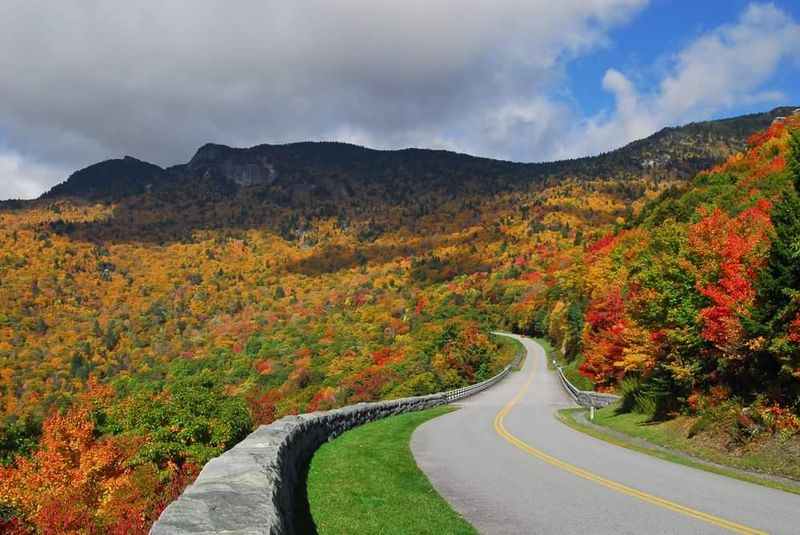
Not everyone wants to lace up hiking boots, and that is perfectly fine — Great Smoky Mountains National Park delivers jaw-dropping scenery right from your car window. Newfound Gap Road, also known as US-441, is the main scenic corridor through the park and stretches 33 miles from Gatlinburg, Tennessee, to Cherokee, North Carolina.
Little River Gorge Road hugs the banks of the Little River through a canopy of towering trees, offering one of the most peaceful and visually stunning drives in the entire region. Pull-offs along the way let you step out, listen to the rushing water, and soak in the surroundings at your own pace.
Fall transforms these roads into something almost otherworldly, with fiery reds, oranges, and golds blanketing every hillside. Even winter drives have their own quiet charm, especially after a light snowfall dusts the branches and rooftops in white.
Scenic driving here truly never gets old.
Ancient Forests That Have Stood for Thousands of Years
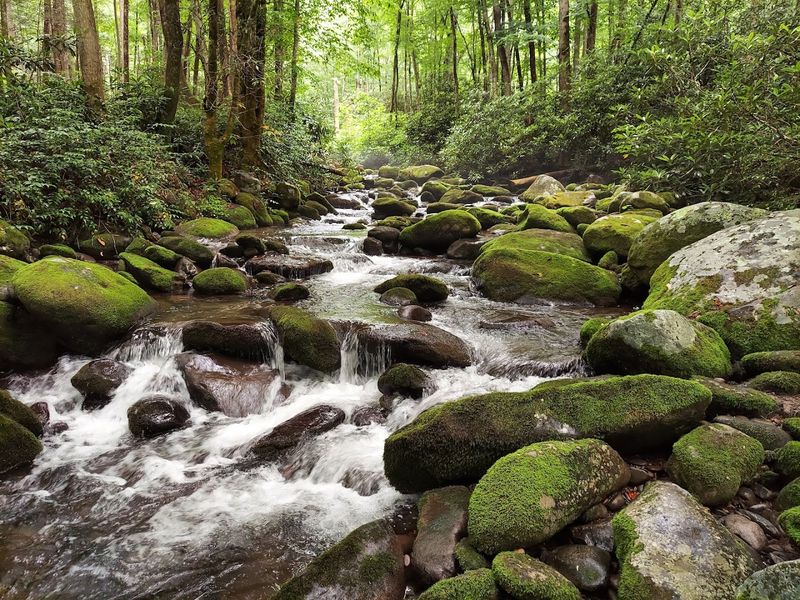
Walking through the old-growth forests of Great Smoky Mountains National Park feels like stepping into a world that time forgot. Some of the trees here are hundreds of years old, their massive trunks draped in moss and surrounded by carpets of ferns and wildflowers.
The park protects one of the largest areas of old-growth temperate forest remaining in North America.
The biodiversity inside these forests is extraordinary. The park is home to over 100 native tree species, more than 1,500 flowering plant species, and hundreds of mosses and lichens.
Scientists have nicknamed it the “Salamander Capital of the World” because over 30 species of salamanders thrive in its cool, moist forest floors.
The Albright Grove Loop Trail is one of the best places to experience truly ancient trees up close. Walking quietly through these giants inspires a deep respect for the natural world and a genuine appreciation for the importance of conservation efforts.
Wildflower Season: A Bloom That Rivals Any Garden
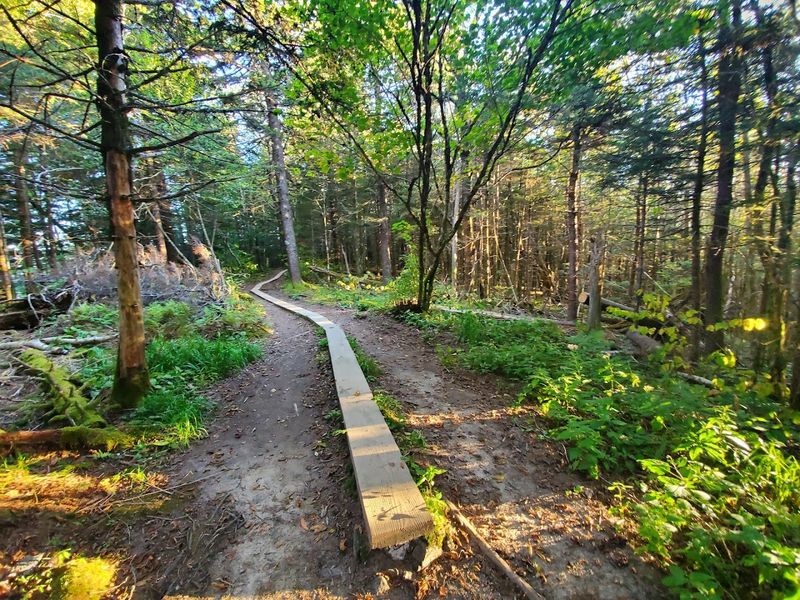
Every spring, Great Smoky Mountains National Park transforms into one of the most spectacular wildflower displays anywhere in the country. The park is often called the “Wildflower National Park” by those who know it best, and for good reason.
Over 1,500 species of flowering plants burst into color from late March through early June, painting the forest floors and mountain slopes in breathtaking hues.
Trilliums, wild azaleas, mountain laurels, and flame azaleas are just a handful of the showstoppers you can expect to encounter along the trails. The synchronous fireflies event in late spring and early summer adds yet another layer of magic to the season, drawing visitors from across the country to witness thousands of fireflies flashing in perfect unison.
Porters Creek Trail and the Boogerman Loop are excellent choices for wildflower viewing. Visiting on a weekday during peak bloom reduces crowds significantly, letting you enjoy this remarkable natural spectacle in relative peace and quiet.
Fall Foliage That Stops You in Your Tracks
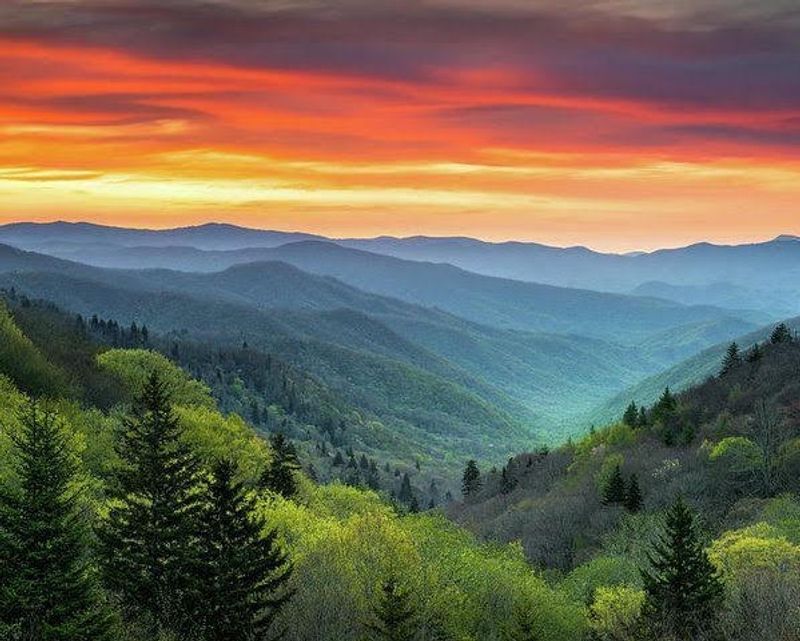
Ask any regular visitor when to come, and most will say the same thing without hesitation: mid to late October. That is when the fall foliage in Great Smoky Mountains National Park reaches its peak, and the results are nothing short of extraordinary.
The mountains transform into a mosaic of crimson, amber, gold, and rust that seems almost too vibrant to be real.
The elevation range of the park means that leaf color change happens at different times on different parts of the mountain, extending the viewing window for several weeks. Higher elevations like Clingmans Dome begin changing in late September, while lower valleys hold their color well into November.
Overlooks along Newfound Gap Road fill up quickly during peak season, so arriving early in the morning is strongly recommended. The combination of fall color and morning mist at the higher elevations creates a visual experience that many visitors describe as the most beautiful thing they have ever seen.
Camping Under the Stars in True Wilderness
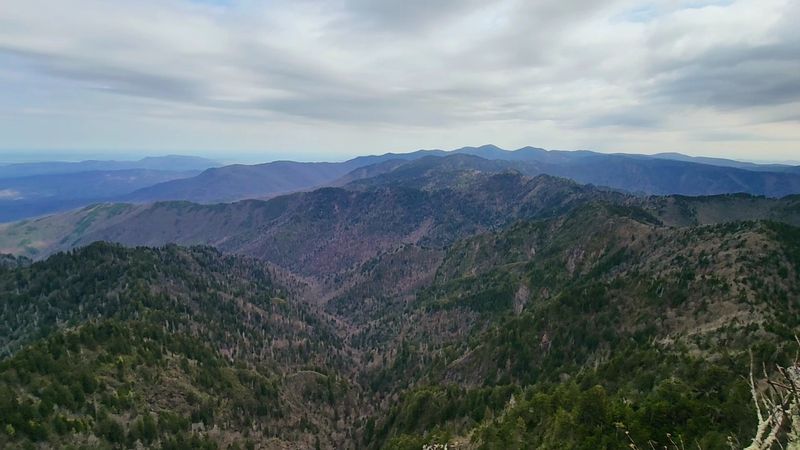
Spending a night inside Great Smoky Mountains National Park is a completely different experience from visiting for the day. Once the day crowds thin out and darkness settles over the mountains, the park takes on a whole new character — quieter, wilder, and deeply peaceful.
The sounds of rushing creeks, rustling leaves, and distant owls create a natural soundtrack that no playlist can replicate.
The park has ten developed campgrounds, including popular sites at Elkmont, Smokemont, and Cosby. Cosby Campground, in particular, is beloved by those seeking a quieter, more secluded experience away from the heavier tourist traffic near Gatlinburg.
Facilities are seasonal, so checking availability before visiting is essential.
Backcountry camping is also available for those craving a more immersive wilderness experience, though permits are required. Waking up surrounded by ancient forest with a cool mountain breeze drifting through your campsite is the kind of morning that reminds you exactly why camping exists.
Fishing in Crystal-Clear Mountain Streams
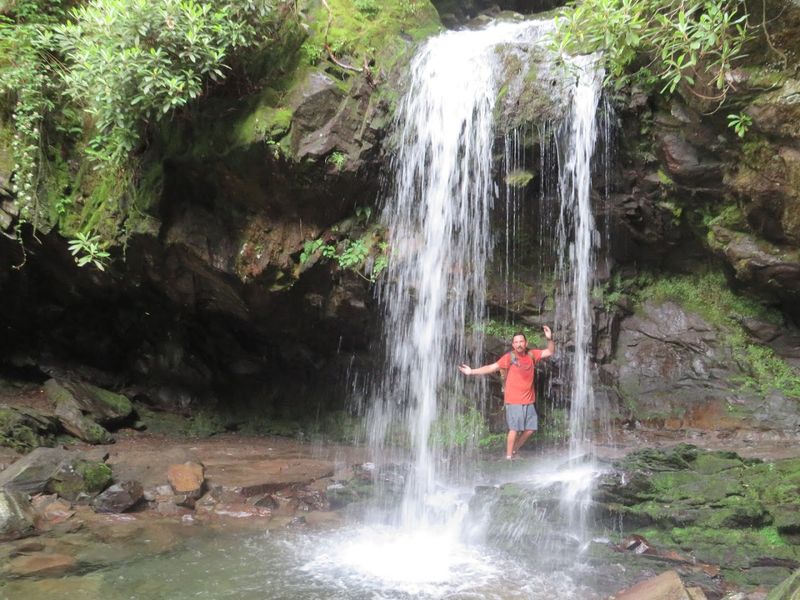
With over 2,900 miles of streams flowing through the park, anglers have access to some of the finest mountain trout fishing in the entire eastern United States. The cold, clear waters of the Smokies support healthy populations of rainbow, brown, and brook trout, drawing fishing enthusiasts from across the country year after year.
Little River and Abrams Creek are two of the most popular fishing destinations within the park. The scenery along these waterways is stunning on its own, but catching a wild trout in such a pristine setting elevates the experience to something genuinely special.
Brook trout, in particular, are native to these mountains and hold a cultural significance that connects anglers to the park’s deep natural history.
A valid Tennessee or North Carolina fishing license is required, depending on which side of the park you are fishing. The park enforces catch-and-release rules in certain areas to protect native fish populations and maintain the ecological balance of these remarkable waterways.
Historic Homesteads That Tell Stories of Mountain Life
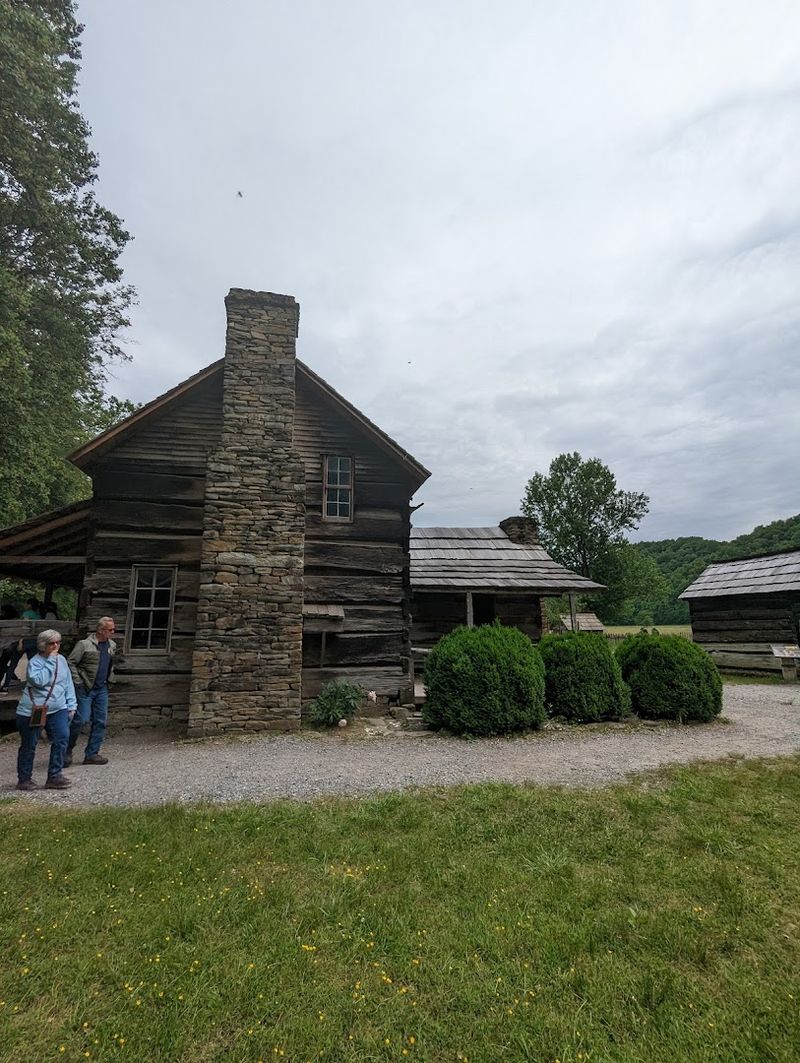
Before it became a national park, the Smoky Mountains were home to generations of Appalachian families who carved out a living from the rugged land. Their legacy lives on through dozens of preserved homesteads, grist mills, churches, and barns scattered throughout the park, offering visitors a tangible connection to a way of life that has largely disappeared from the modern world.
Cades Cove is the crown jewel of historic preservation in the park. This broad, open valley is dotted with restored 19th-century structures and is also one of the best spots for wildlife viewing, particularly at dawn and dusk when deer and bears frequently emerge into the meadow.
The 11-mile Cades Cove Loop Road makes it easy to explore at a leisurely pace.
The Roaring Fork Motor Nature Trail offers another window into mountain history, passing several well-preserved log cabins and a working tub mill beside a rushing stream. History and nature blend seamlessly throughout every mile.
A Free Park That Gives Back More Than You Expect
Here is a fact that surprises many first-time visitors: Great Smoky Mountains National Park charges no entrance fee. That is right — one of the most visited national parks in the entire United States is completely free to enter, making it one of the greatest outdoor bargains anywhere in the country.
The only cost is a parking tag, which can be purchased at visitor centers or online in advance.
This accessibility is a huge part of why the park welcomes over 12 million visitors annually, more than any other national park in the system. Families, solo travelers, retirees, and school groups all show up knowing that a world-class natural experience awaits without breaking the budget.
Rangers at the visitor centers are known for going above and beyond to help guests plan their trips. Whether you have one hour or one week, the staff genuinely want every visitor to leave with a full heart and a deep appreciation for this irreplaceable American landscape.
Enjoyed this story?
Add Fast Food Club as a preferred source to see more of our reporting on Google.