


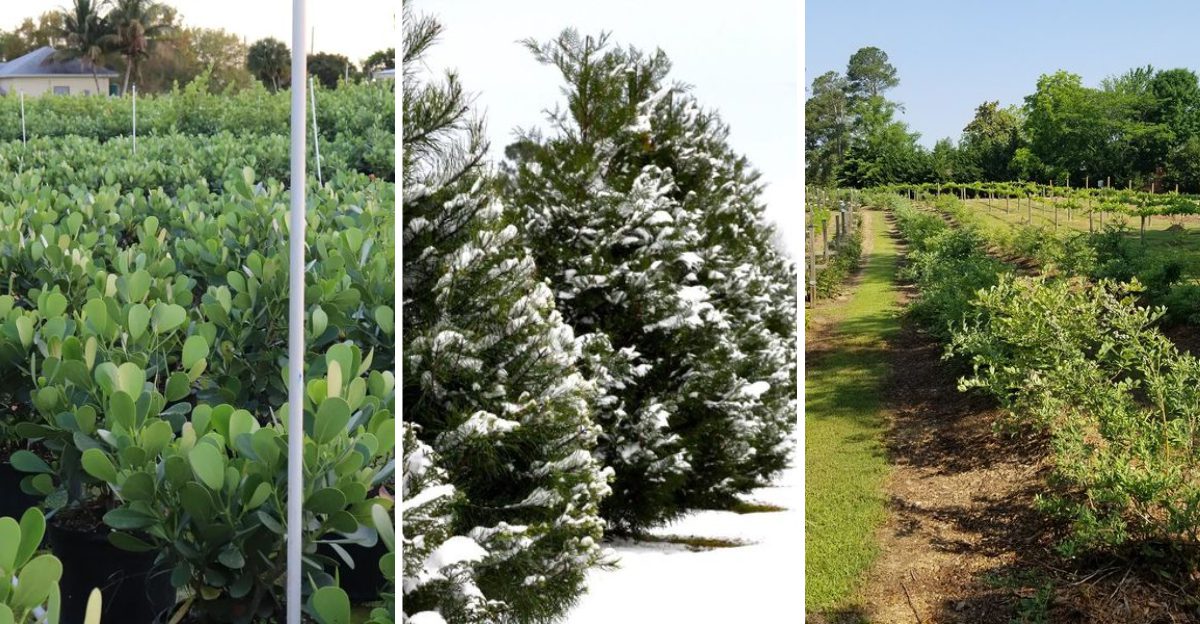
Nobody wants to feel like they’re living in a fishbowl, especially in a busy Florida neighborhood. The good news is that the Sunshine State’s warm climate and long growing season make it one of the best places in the country to grow a lush, natural privacy screen.
Whether you want to block a neighbor’s view, muffle street noise, or just create a peaceful backyard retreat, the right plants can do the job fast. Here are seven fantastic options that grow quickly and look gorgeous doing it.
Clusia (Clusia rosea)
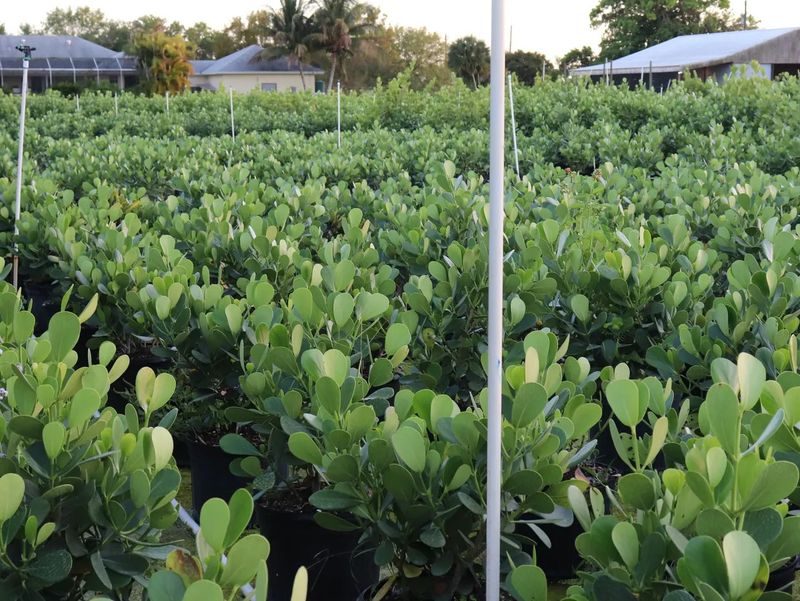
Clusia is practically the celebrity of Florida privacy hedges, and for good reason. This tough, salt-tolerant shrub grows fast, shrugs off drought, and produces thick, waxy leaves that form an almost impenetrable green wall.
Plant them about three feet apart and watch them knit together into a solid screen within a couple of seasons. Clusia thrives in full sun or partial shade and rarely needs much fussing.
Homeowners across South Florida absolutely swear by it.
Green Giant Arborvitae (Thuja standishii x plicata)
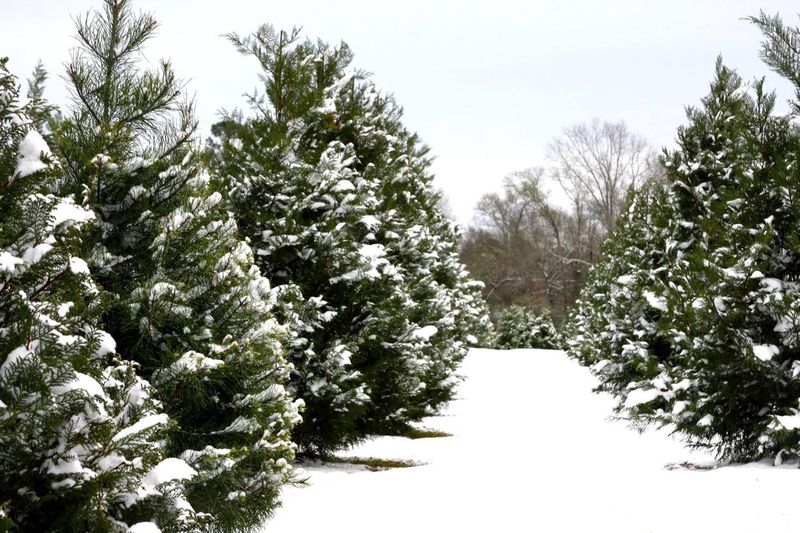
Few plants deliver the wow factor quite like Green Giant Arborvitae. These towering, pyramid-shaped evergreens can shoot up three to five feet per year under the right conditions, quickly creating a dramatic, year-round privacy wall.
They handle Florida’s heat better than most arborvitae varieties and stay beautifully dense from top to bottom. Did you know a mature Green Giant can reach 60 feet tall?
Plant them in a row and you have an instant forest vibe.
Podocarpus (Podocarpus macrophyllus)
Podocarpus is the go-to choice for Florida homeowners who want a polished, formal look without constant maintenance headaches. Sometimes called “Japanese yew,” this elegant shrub responds beautifully to shearing, making it easy to shape into a clean, tailored hedge.
It grows steadily in full sun to partial shade and tolerates both heat and occasional drought. The dense, fine-textured foliage blocks sightlines extremely well.
Bonus: deer tend to leave it alone, which is always a welcome surprise.
Bamboo (Clumping varieties like Bambusa multiplex)
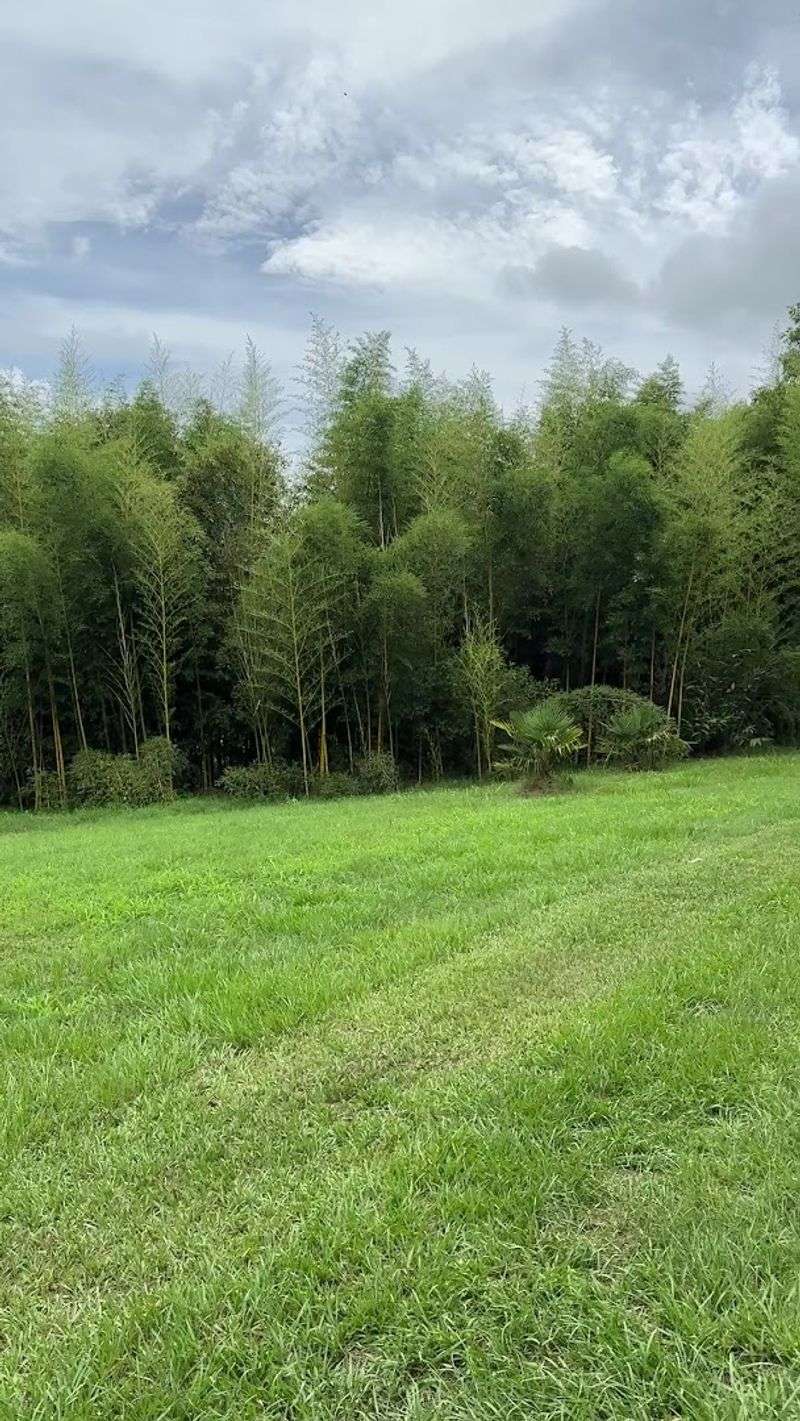
Bamboo has a reputation for growing like crazy, and honestly, that reputation is well earned. Clumping varieties like Bambusa multiplex are the smart choice for Florida yards because they spread in neat, manageable clusters instead of running wild across the lawn.
They can gain several feet of height in a single growing season, creating a tropical, swaying privacy screen that also adds serious curb appeal. Just make sure you choose a clumping type to avoid future headaches.
Viburnum (Viburnum odoratissimum)
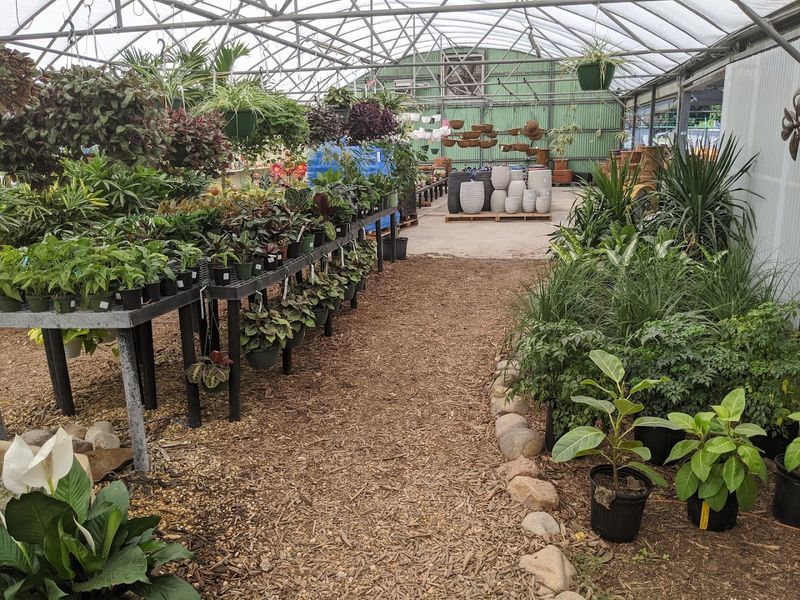
Sweet Viburnum earns its name in more ways than one. In spring, it bursts into clusters of tiny white flowers that smell absolutely wonderful, turning your privacy hedge into something that actually makes the neighbors jealous.
Beyond the fragrance, this shrub grows at an impressive pace, putting on two to three feet of new growth each year in Florida’s climate. It tolerates a range of soil types and handles light frost without drama.
A truly hardworking and charming plant.
Wax Myrtle (Morella cerifera)
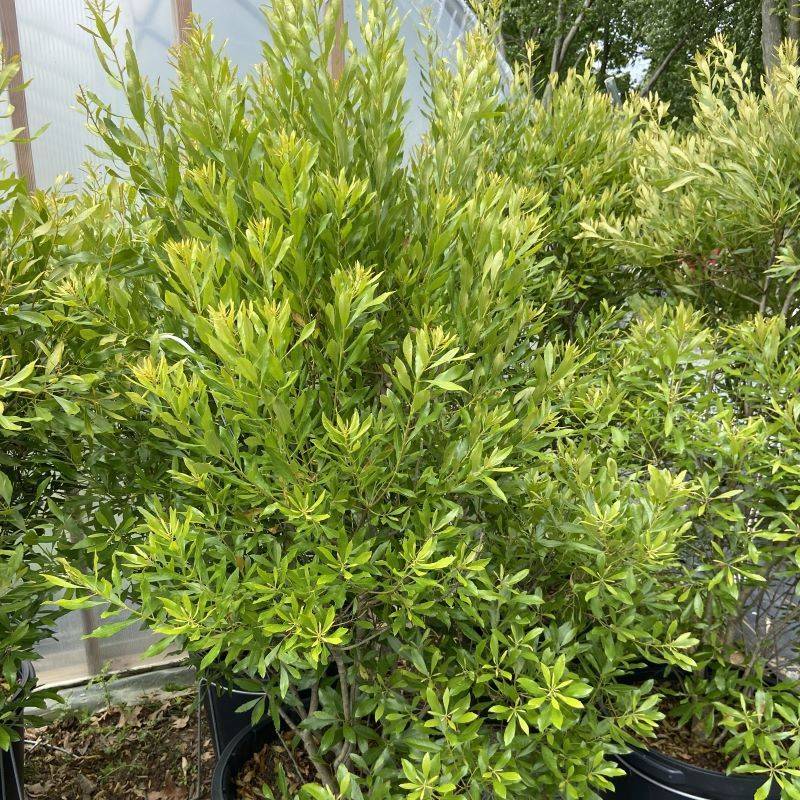
Want a privacy plant that practically takes care of itself? Wax Myrtle is a Florida native that was literally built for this climate.
It grows quickly, tolerates wet or dry soils, and even fixes nitrogen in the ground, which means it improves your yard while it grows.
Birds absolutely flock to its small berries, so you get a privacy screen and a wildlife habitat in one shot. It has a loose, airy look that feels natural and relaxed rather than stiff or formal.
Leyland Cypress (Cupressocyparis leylandii)
Leyland Cypress is the sprinter of the privacy plant world. Under ideal conditions, it can grow an astonishing four feet or more in a single year, making it one of the fastest ways to build a tall green screen around your property.
The feathery, blue-green foliage stays dense and attractive year-round. It performs best in North and Central Florida where summers are slightly cooler.
Give it good drainage and plenty of sun, and it will reward you quickly with impressive height.
Enjoyed this story?
Add Fast Food Club as a preferred source to see more of our reporting on Google.