


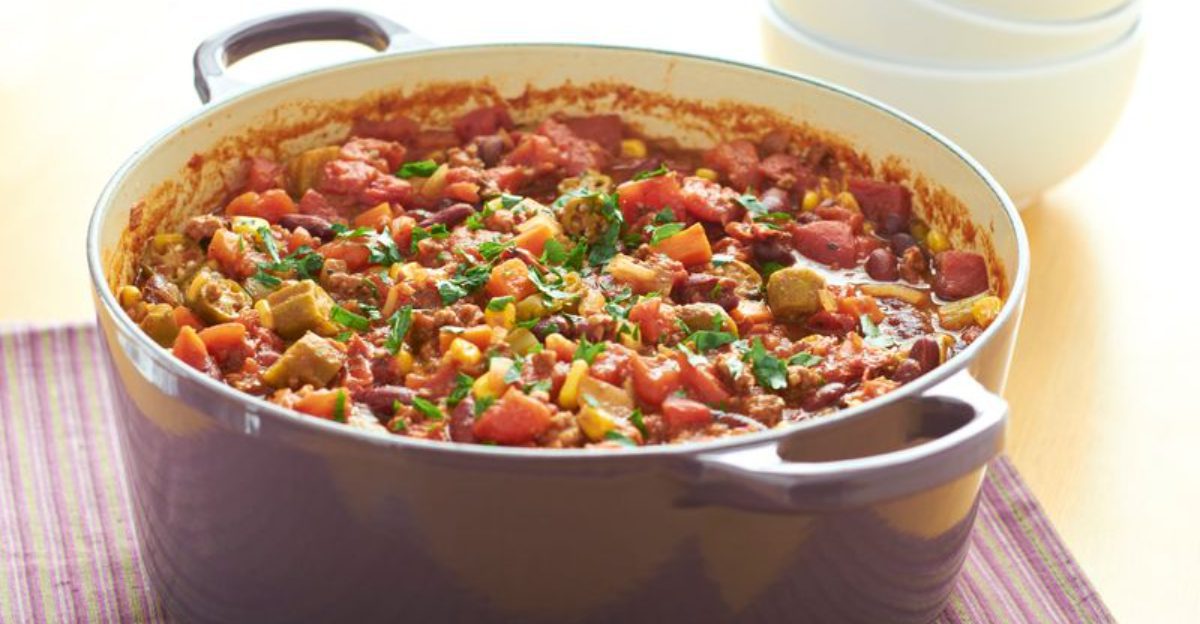
Some meals whisper where they came from, and you can hear the voices of the people who taught them. You taste patient weekends, frayed recipe cards, and quiet advice said over simmering pots.
If an older relative ever guided your hand, these dishes will feel like home. Let them nudge your memory and your hunger at the same time.
Pot roast
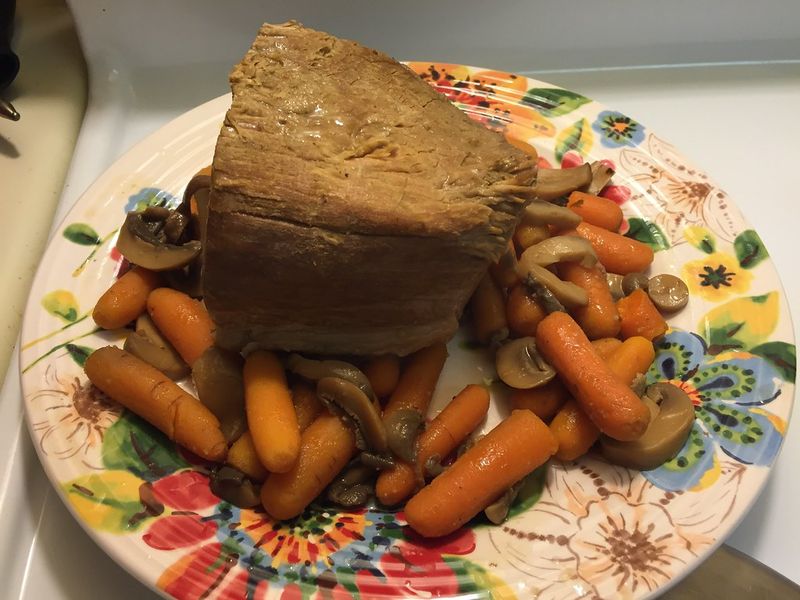
Pot roast is the Sunday hug you can taste. You brown the chuck, scrape up the fond, then let onions, carrots, and potatoes melt into the broth.
Time and patience do the seasoning that store mixes only promise.
If you learned this from older relatives, you know the quiet ritual. Rest the meat, slice against the grain, spoon glossy gravy like a benediction.
It turns a tight budget into warm plates and second helpings, no timer needed. You set the table, breathe in the steam, and the room feels kinder, like elders pulling up chairs to make sure you eat.
Meatloaf
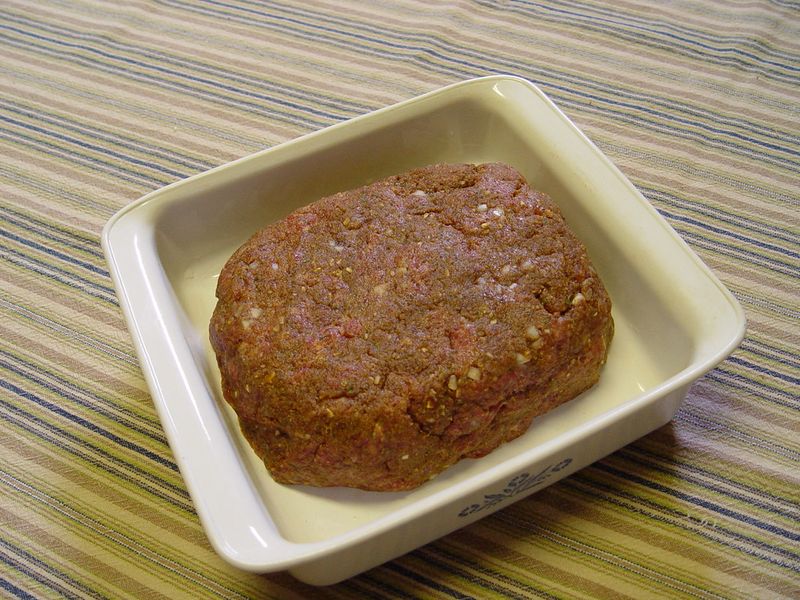
Meatloaf tells on you in the best way. You shape it gently, never packed tight, and save the last mix with your hands because that is how the texture stays tender.
Breadcrumbs soak in milk, onions soften in butter, and ketchup becomes a shiny promise.
Older relatives teach the loaf pan trick or the free-form mound for better crust. You let it rest so the slices hold together, then serve with mashed potatoes.
Leftovers are a gift for sandwiches tomorrow. Every slice tastes like patience, thrift, and the belief that small comforts can feed a whole table well.
Chicken noodle soup
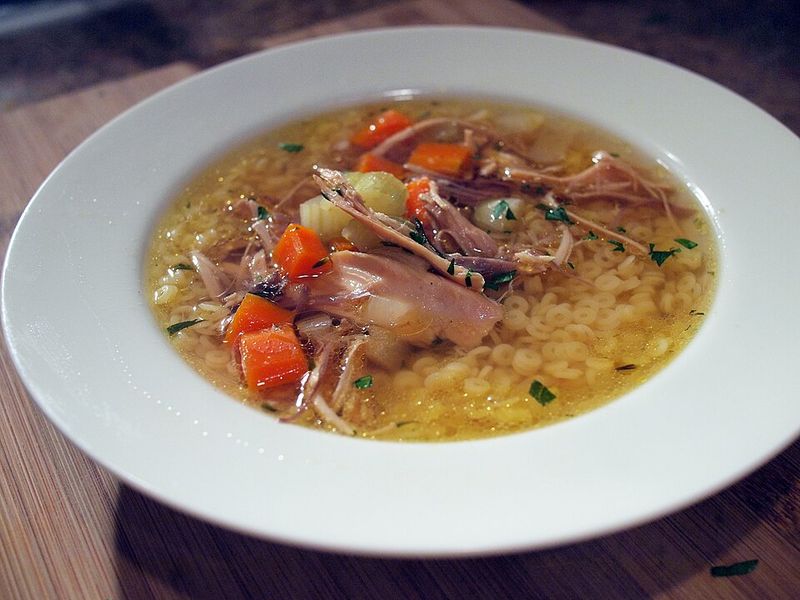
Chicken noodle soup is the remedy you learned before you could pronounce mirepoix. Bones get a long simmer, not rushed, so the broth turns golden and honest.
You skim gently, add vegetables at the right moment, and save the noodles for last so they do not bloat.
There is always extra dill or parsley, and a squeeze of lemon if someone taught you that trick. Salt is added with feeling, tasting as you go.
You bring it to a friend with a cold, and suddenly the kitchen feels like a clinic for the soul, practiced by gentle hands.
Chicken and dumplings
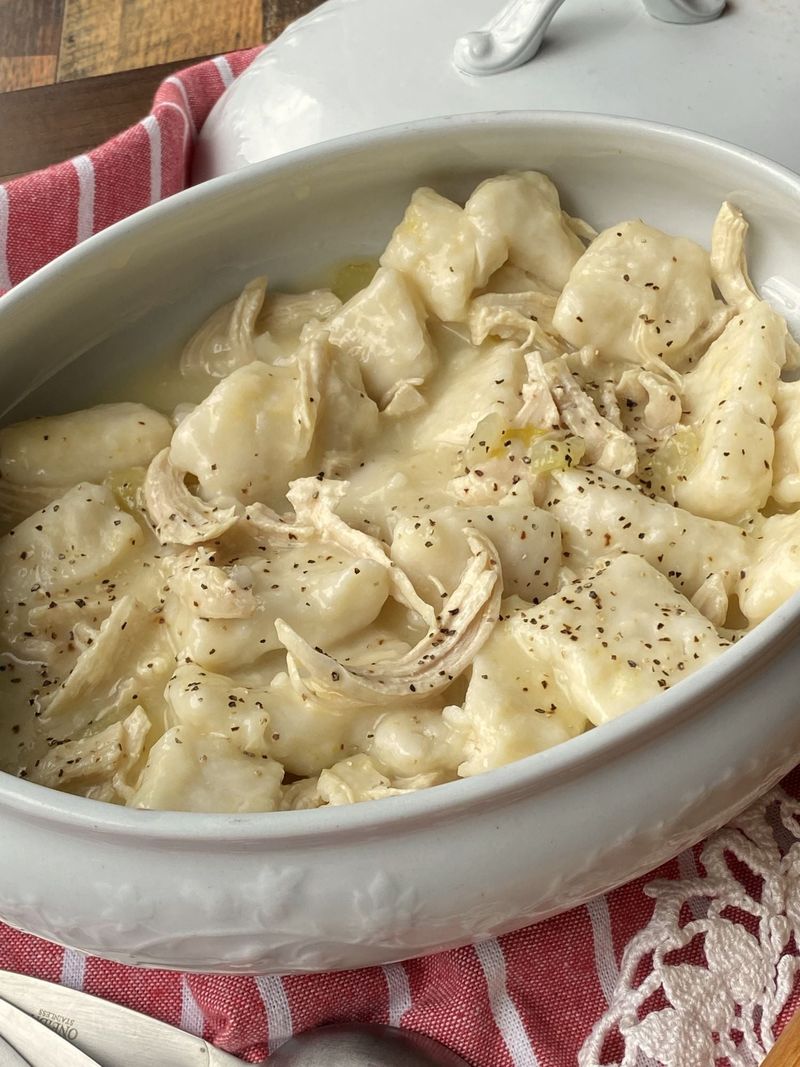
Chicken and dumplings float like soft promises on a cozy pot. You start with a flavorful base, maybe a roux, maybe just rich stock, but always a slow simmer.
The dumplings are tender because you barely mix and you never lift the lid while they steam.
Older relatives taught the difference between drop and rolled, and when to nudge the pot, not stir. You shred the chicken, not cube it, so the broth clings.
Pepper is generous, parsley fresh. When bowls hit the table, the room goes quiet, and every sigh says someone showed you how to comfort without words.
Chicken pot pie
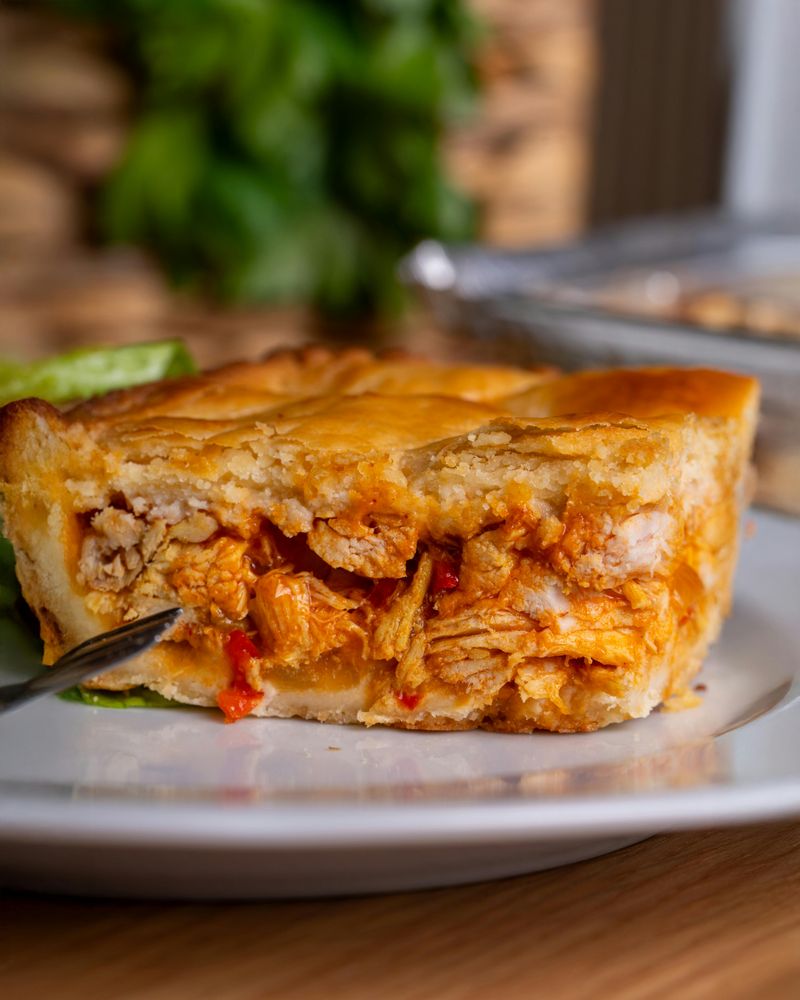
Chicken pot pie is a flaky lesson in thrift and tenderness. You poach or roast the chicken, whisk a creamy sauce, and fold in humble vegetables like peas and carrots.
The crust matters, whether homemade or a careful store-bought sheet, brushed with egg for shine.
Cut little vents so steam escapes and the filling sets. Let it rest, even if everyone hovers, because patience keeps slices neat.
A relative probably taught you to save scraps for patching and to season the sauce like soup. When you crack that crust, you can hear their voice reminding you to serve big, generous wedges.
Shepherd’s pie
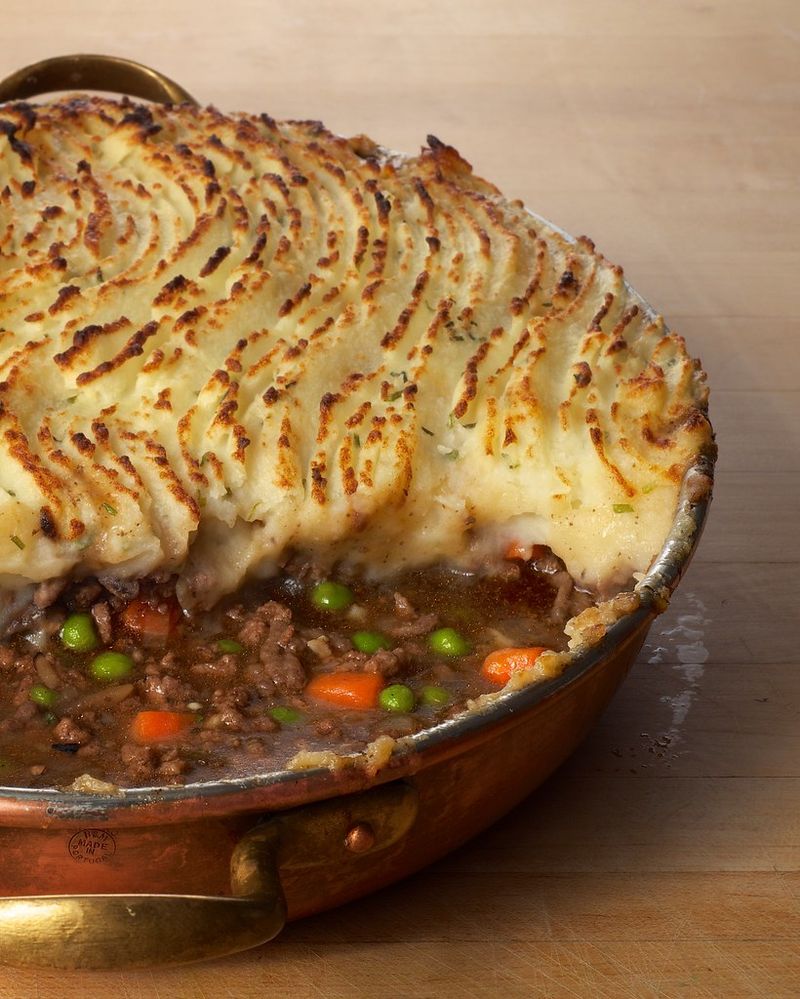
Shepherd’s pie wears its comfort proudly, ridge-marked potatoes browned just right. You cook the lamb with onions, carrots, and maybe a splash of Worcestershire, letting everything glaze.
Mashed potatoes go on fluffy, not gluey, because someone once warned you about overmixing.
Fork tines make peaks that crisp in the oven. The filling is glossy, never soupy, and rests before serving so it holds.
You scoop generous portions, catching a little of everything in each spoon. Eating it feels like sitting near a hearth, listening to stories you will retell, grateful for the quiet training that taught you thrift and warmth.
Stuffed peppers
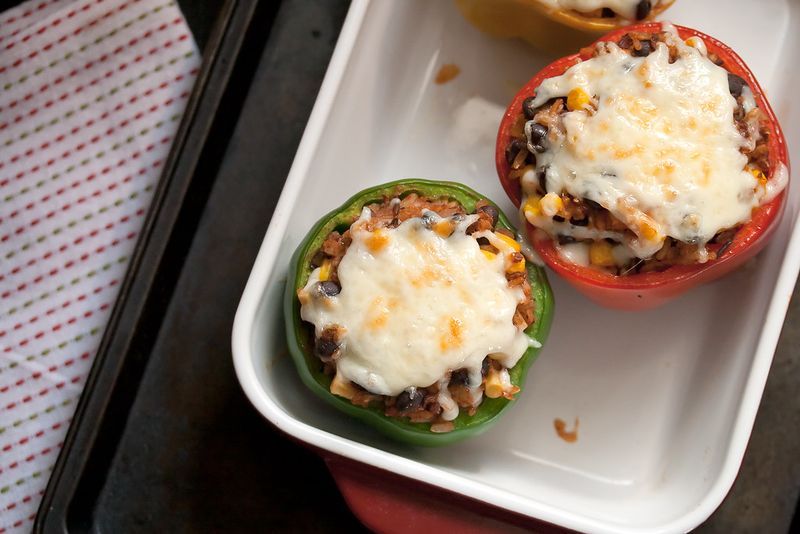
Stuffed peppers are tidy little lessons in stretching a pound of meat. You sauté onions and garlic, fold in cooked rice, and season like you mean it.
Tomatoes keep everything juicy, and a handful of cheese turns practical into celebratory.
Older relatives taught par-cooking peppers so they are tender, not squeaky. You tuck the filling in without packing, then spoon sauce around so the edges baste.
The kitchen smells like a friendly handshake. When you lift one onto a plate, it sits proud and colorful, proof that careful hands and patient instructions can make a humble supper feel special.
Cabbage rolls
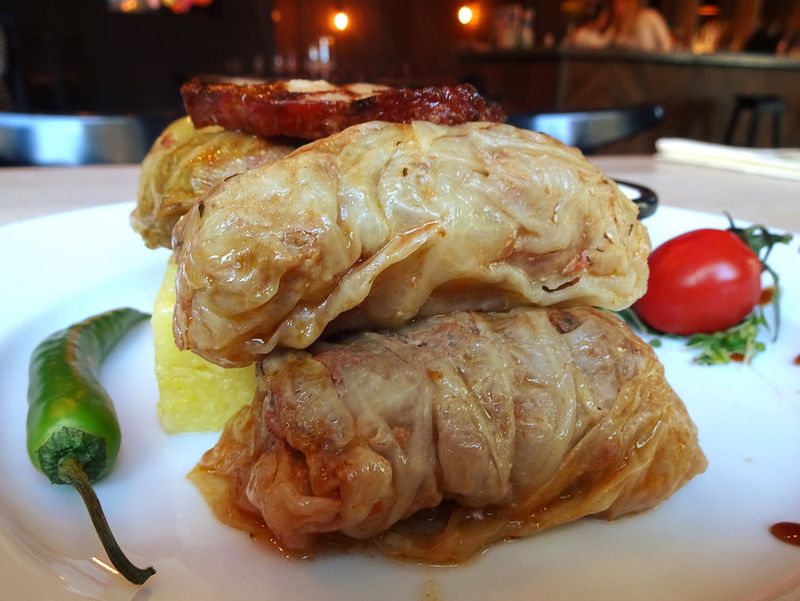
Cabbage rolls are proof that comfort can be wrapped like a letter from home. You blanch the leaves until they bend, then tuck in meat, rice, and herbs.
The seam always goes down, because someone showed you with patient hands.
They simmer low in tomato sauce, sweetened just enough, sometimes kissed with vinegar. You do not rush them, and you do not skimp on sauce.
Lifting the lid is like opening mail that smells like memory. When you eat, you remember the rhythm of rolling, the gentle squeeze that holds everything together, and the soft gratitude that follows every warm bite.
Ham and beans
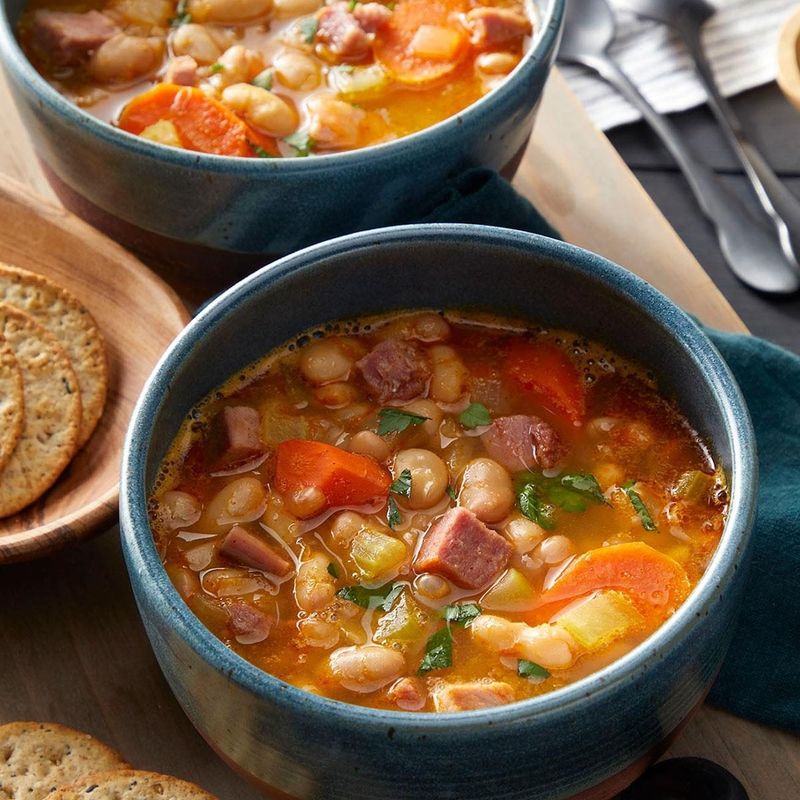
Ham and beans taste like making the most of what you have. You start with a meaty ham hock, soak your beans, and let time work until everything turns creamy.
Onion, bay leaf, maybe a pinch of chili flake, and suddenly simple feels complete.
Older relatives taught the difference between salted early and salted late. You serve it in deep bowls with cornbread ready to crumble.
The broth clings, the beans hold their shape, and the ham gives smoky kindness. It is a bowl that says waste nothing, share everything, and come back for more when the pot says yes.
Split pea soup
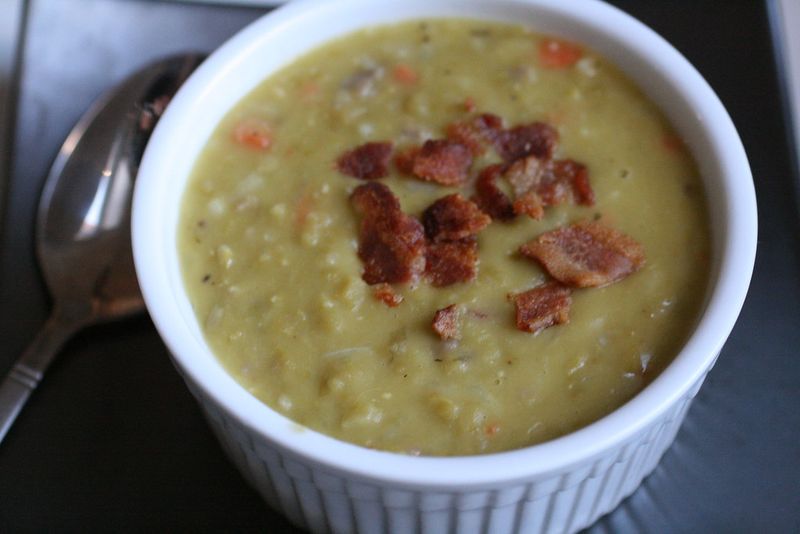
Split pea soup is the quiet alchemy of leftovers and patience. Dried peas transform into velvet with low heat and steady stirring.
A ham bone gives body, carrots bring sweetness, and black pepper wakes everything up.
Someone older showed you how to keep it moving so it does not scorch. You blend partially for texture, or leave it rustic, both fine.
A drizzle of cream is optional, but the ladle must be generous. You serve it when the weather scowls, and the table relaxes, grateful that frugality can wear a rich, savory coat without apology.
Roast chicken
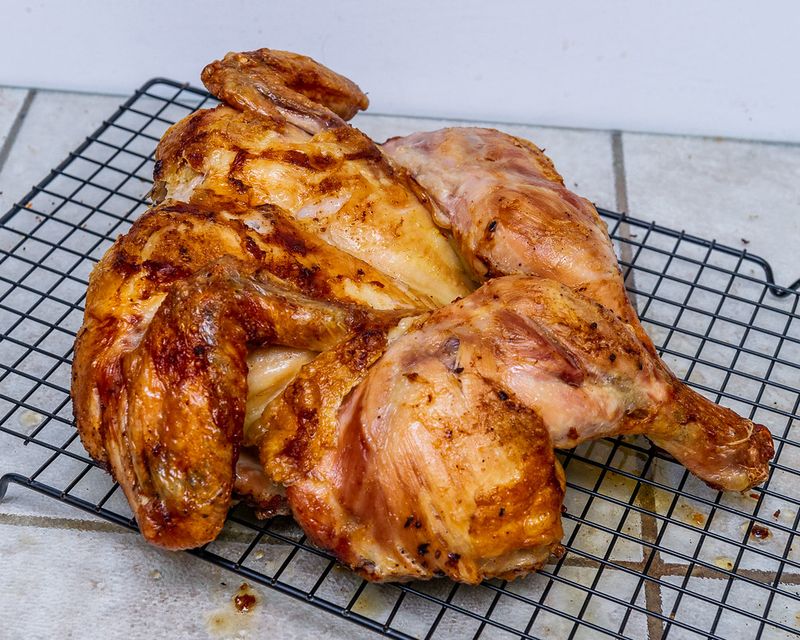
Roast chicken is the diploma of home cooking. You salt early, let air dry if you can, and trust high heat to crisp the skin.
A lemon in the cavity and thyme under the skin are little secrets someone passed along at the sink.
You baste with pan juices, or you do not, but you always rest before carving. The crackle tells you it worked.
Then you stretch leftovers into sandwiches, broth, and little victories. Every slice announces a lineage of cooks who taught that simple, well-salted food can gather people faster than any message ever could.
Mashed potatoes and gravy
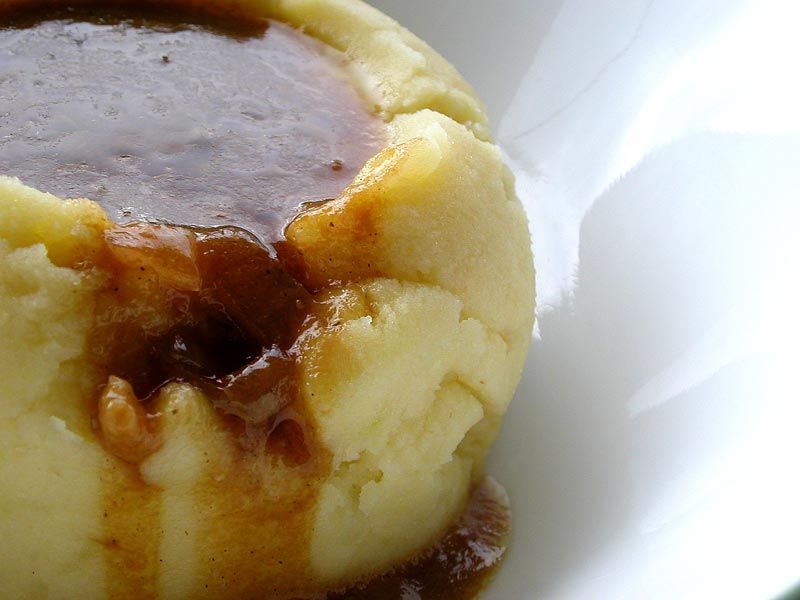
Mashed potatoes and gravy are a handshake between texture and taste. You boil potatoes in salted water, steam them dry, then mash with warm milk and butter.
Someone taught you not to overwork them, so they stay fluffy, never gluey.
Gravy starts with drippings and a simple roux, whisked until glossy. Seasoning is adjusted by feel, not measuring spoons.
You carve a little well and pour slow, watching it pool. This is the side that steals the show, the soft cushion under everything else, and the sure sign that you listened closely when an older voice explained the whisk.
Biscuits and gravy
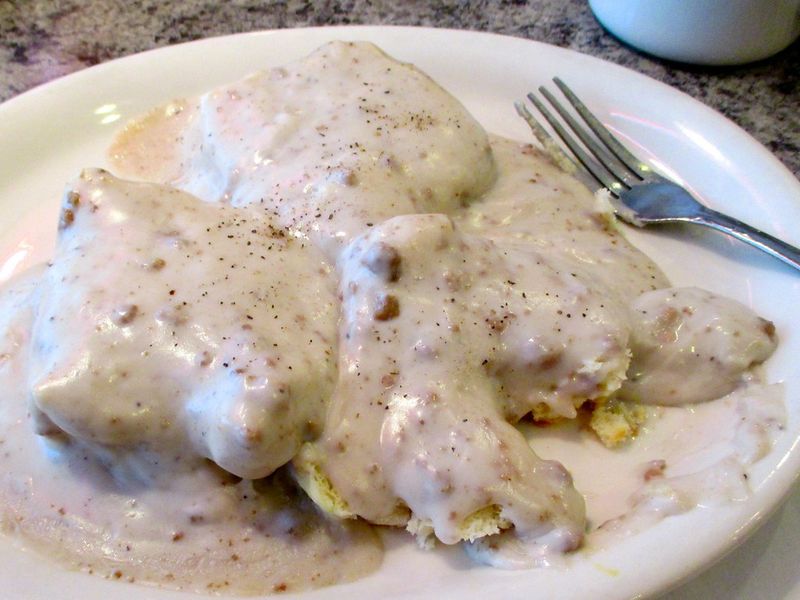
Biscuits and gravy are a morning lesson in gentleness and boldness. You cut cold butter into flour, barely bring it together, and let the oven lift every layer.
The gravy is unapologetic, sausage browned well and milk whisked into a peppery blanket.
Someone once showed you how to fold the dough for height and how to season the gravy till it wakes you up. Split the biscuits, pour with confidence, and pass extra pepper.
It is the breakfast that forgives late nights and celebrates slow Saturdays. You sit down and remember why second helpings exist.
Beef stew
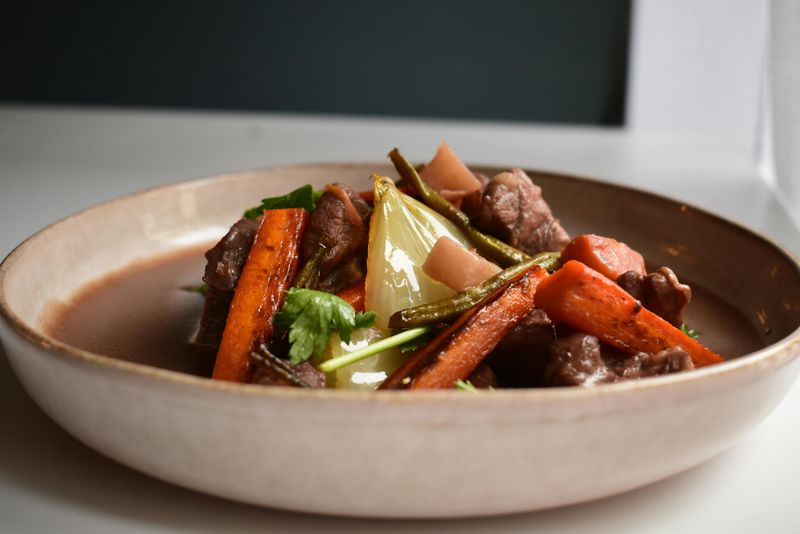
Beef stew rewards every unhurried minute. You brown the meat hard, deglaze with something tasty, and let onions and carrots relax into the base.
Potatoes join later so they stay firm, and the broth thickens just enough to coat a spoon.
Older relatives insisted on patience and a good simmer, not a boil. You taste, adjust salt, maybe add a splash of vinegar for balance.
The house smells like weatherproofing. Bowls arrive, bread follows, and you feel the camaraderie of shared spoons and slow stories, proof that steady heat and careful hands can turn tough cuts into tender company.
Spaghetti and meatballs
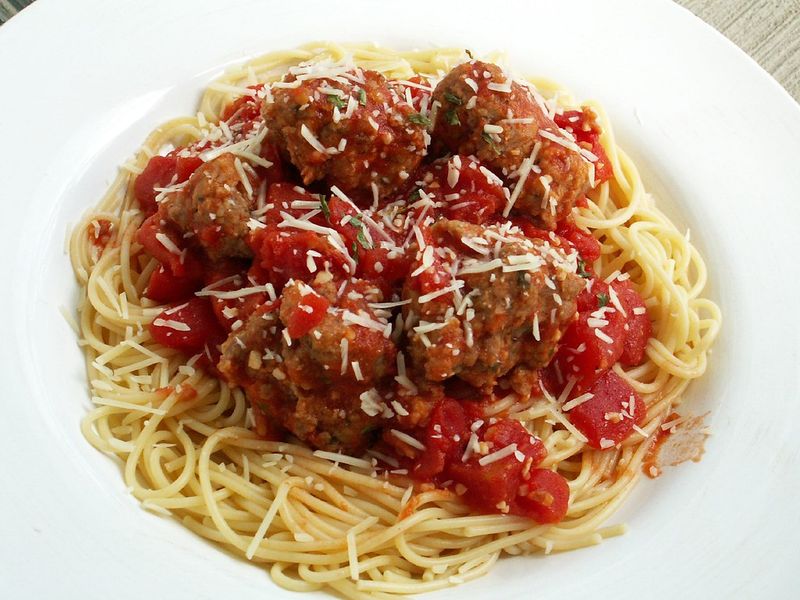
Spaghetti and meatballs are a conversation between sauce and Sunday. You simmer tomatoes with garlic and patience until the house smells like a promise kept.
Meatballs stay tender because you soaked breadcrumbs in milk and browned them gently before they finished in sauce.
Someone taught you to salt pasta water like the sea and save a ladle of it to marry sauce and noodles. You pass parmesan with a smile.
Twirling a generous forkful feels cinematic and familiar. Every bite says you learned with your ears and your hands, standing close to the stove while stories braided into the steam.
Rice pudding
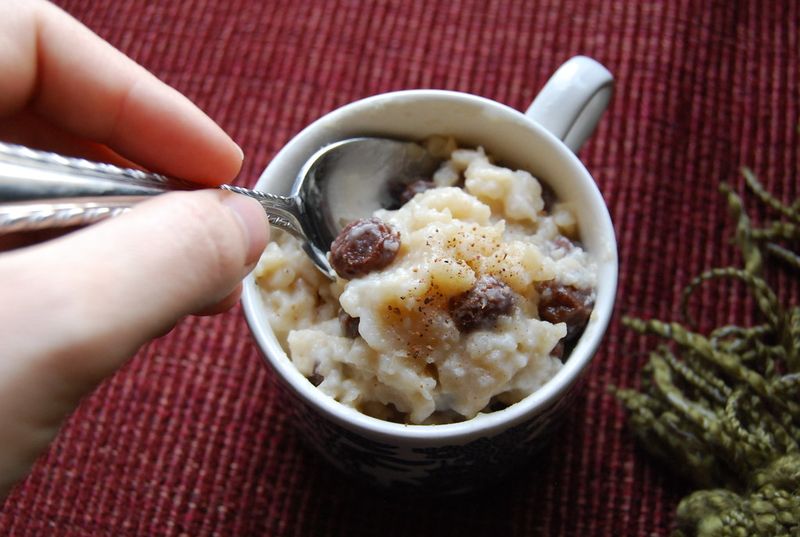
Rice pudding tastes like lullabies. You simmer short-grain rice in milk until it goes from stubborn to silky, stirring so it will not catch.
Sugar, vanilla, and a dusting of cinnamon make it feel like a secret reward after dishes are done.
Raisins or not, the texture matters most, and someone taught you how to read the spoon. It thickens as it cools, so patience is part of the recipe.
Serve warm or chilled, both honest. Each spoonful softens the edges of the day, the way a familiar voice can lower the lights and calm your shoulders.
Bread pudding
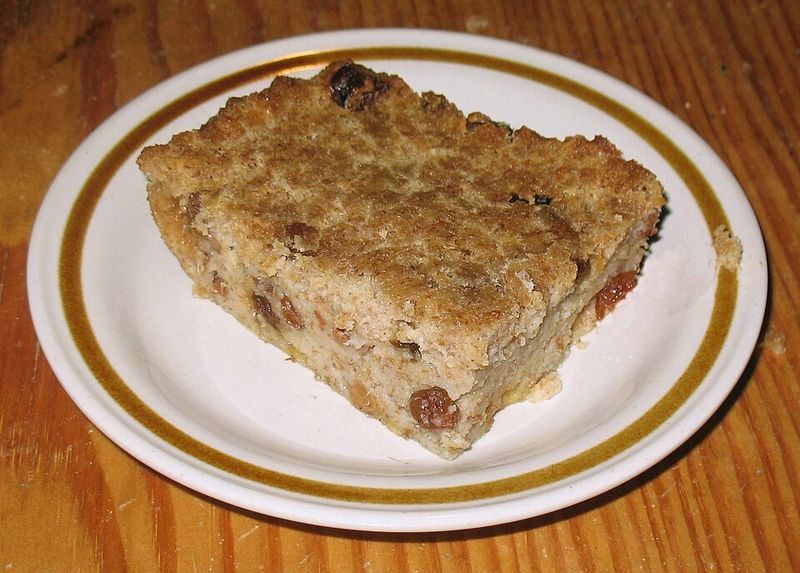
Bread pudding proves leftovers can turn elegant with a gentle custard. You whisk eggs, milk, sugar, and vanilla, then soak stale bread until it sighs.
The top crisps while the center stays tender, and the kitchen smells like caramel and memory.
Older relatives saved scraps and made desserts without fuss. A drizzle of sauce feels luxurious, but the soul is in the humble bake.
You serve squares warm, corners especially prized. Every bite says waste less, love more, and trust the oven to make something beautiful from what yesterday left behind.
Apple pie
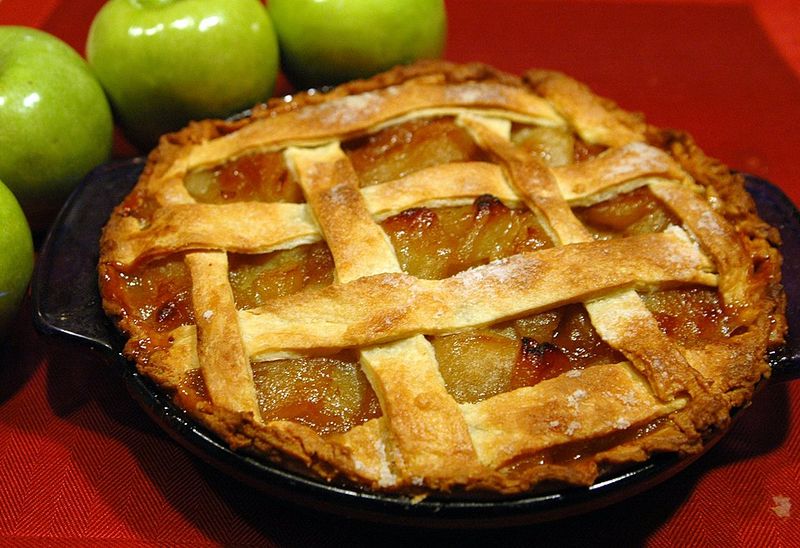
Apple pie is a tutorial in touch. You chill the butter, cut it in fast, and let the dough rest so it rolls like a dream.
Apples are sliced, never mushy, tossed with sugar, cinnamon, and a squeeze of lemon to keep them bright.
Vent the top, brush with egg, and listen for that slow bubble at the edges. The room smells like holidays and quiet pride.
You wait before slicing so the juices settle. That first wedge carries stories of careful hands and shared forks, proof that simple fruit wrapped in flaky armor can feel like home.
Cornbread
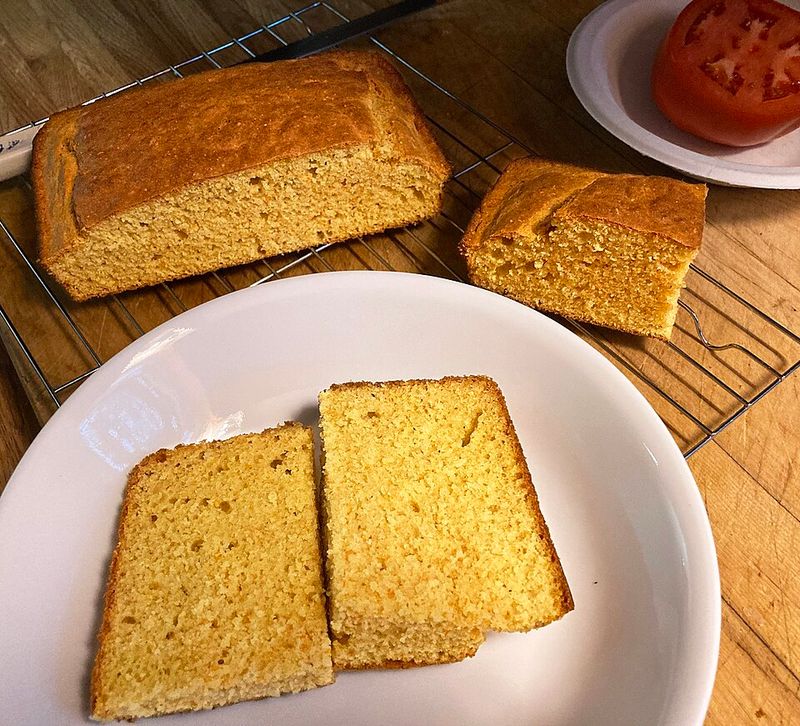
Cornbread tells you the pan matters. A ripping hot cast iron skillet and a little bacon fat make the crust sing.
You whisk quickly, do not overmix, and slide it into the oven while it is still airy.
Older relatives debated sugar or no sugar, and you respect both camps. Serve it warm, with butter that melts fast and honey if that is your habit.
Crumble it into beans or chili, or eat it plain and proud. Every square tastes like porch weather, good company, and the kind of advice that came with a wink and a refill.
Chili
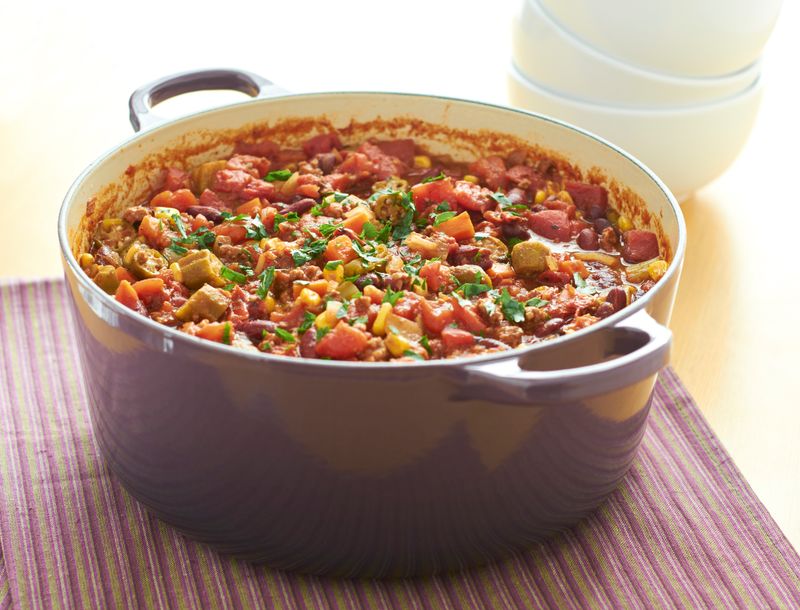
Chili carries the confidence of seasoned hands. You bloom spices in fat so the flavors wake up and wander.
Tomatoes, beans if your people allow them, and a long simmer make the pot deepen from good to unforgettable.
Older relatives taught you that chili tastes better tomorrow and that salt needs time to find its balance. You set out fixings so everyone tinkers.
A square of cornbread or a pile of chips turns it into a party. The warmth builds slow, friendly, and certain, like advice that arrives exactly when you need it and lingers helpfully.
Enjoyed this story?
Add Fast Food Club as a preferred source to see more of our reporting on Google.