


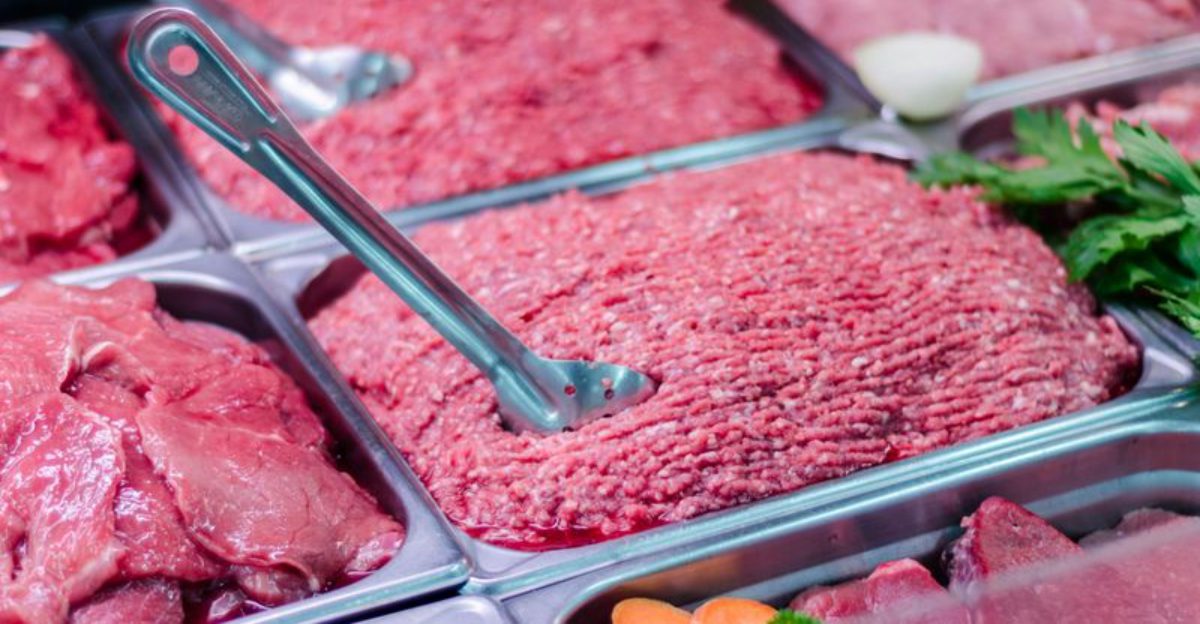
Remember when certain staples were so cheap you barely glanced at the tag? Now a simple grocery run can feel like a budgeting showdown with strangers peeking into your cart.
You compare sizes, argue with yourself about brands, and wonder if the sale is actually a trick. Let’s walk aisle by aisle and make sense of what changed and how to push back.
Eggs
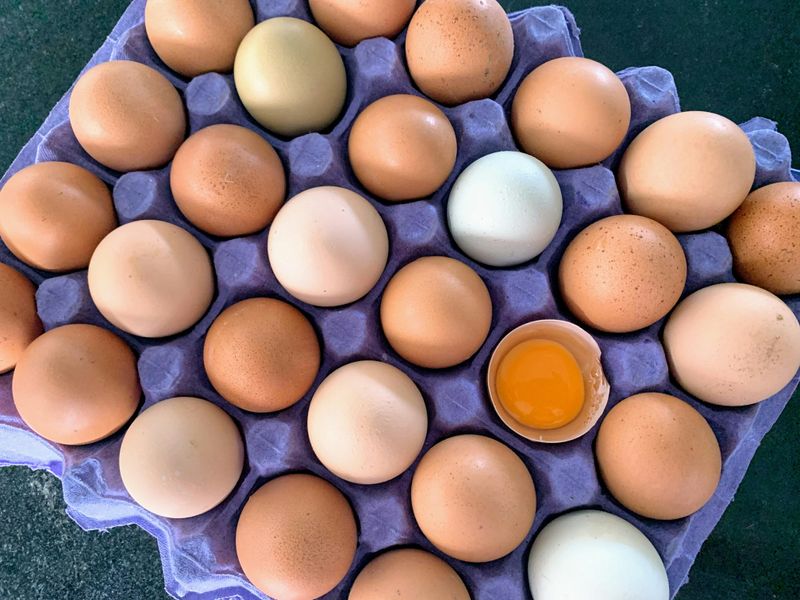
Remember when a carton felt like pocket change? Lately, egg prices swing wildly, and you can feel the tension in the dairy aisle.
You reach for a dozen, someone else compares unit costs, and suddenly a polite debate sparks.
I get it. Eggs touch breakfast, baking, and weeknight dinners, so a jump hits everywhere.
Try buying store brands, timing sales after holidays, and freezing beaten eggs in silicone trays so nothing spoils while you wait for deals. Consider splitting warehouse packs with neighbors to lower risk and cost.
If yolks matter, compare large versus extra large for value per gram.
Butter
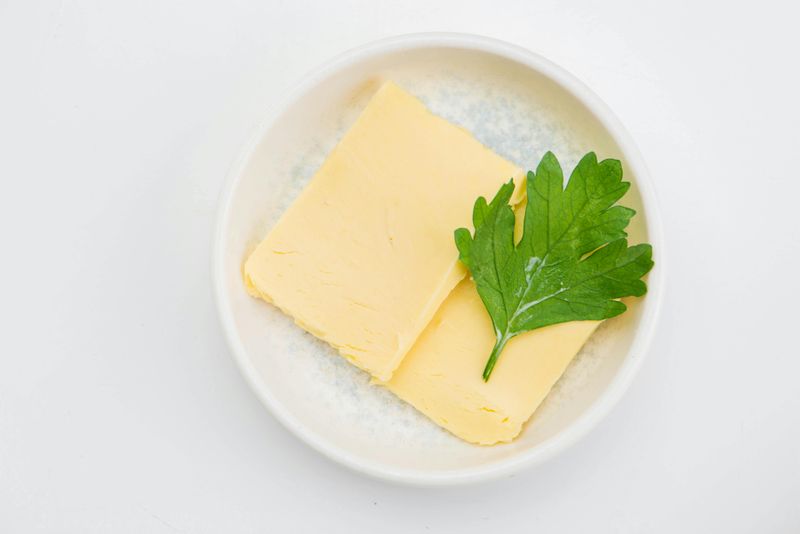
Butter used to slide into the cart without a thought. Now every recipe has you calculating tablespoons like they are gold.
You weigh store brand versus European style while someone mutters about holiday baking wrecking prices.
Stretch it by mixing half butter with olive oil for sautéing. For baking, swap in oil for some recipes and keep butter for flavor-critical moments.
Freeze sticks when a sale hits and portion slices for weekday toast. Browning butter intensifies taste, letting you use less without losing richness.
Keep an eye on package shrinkage, and compare price per ounce instead of sticker shock.
Bread loaf
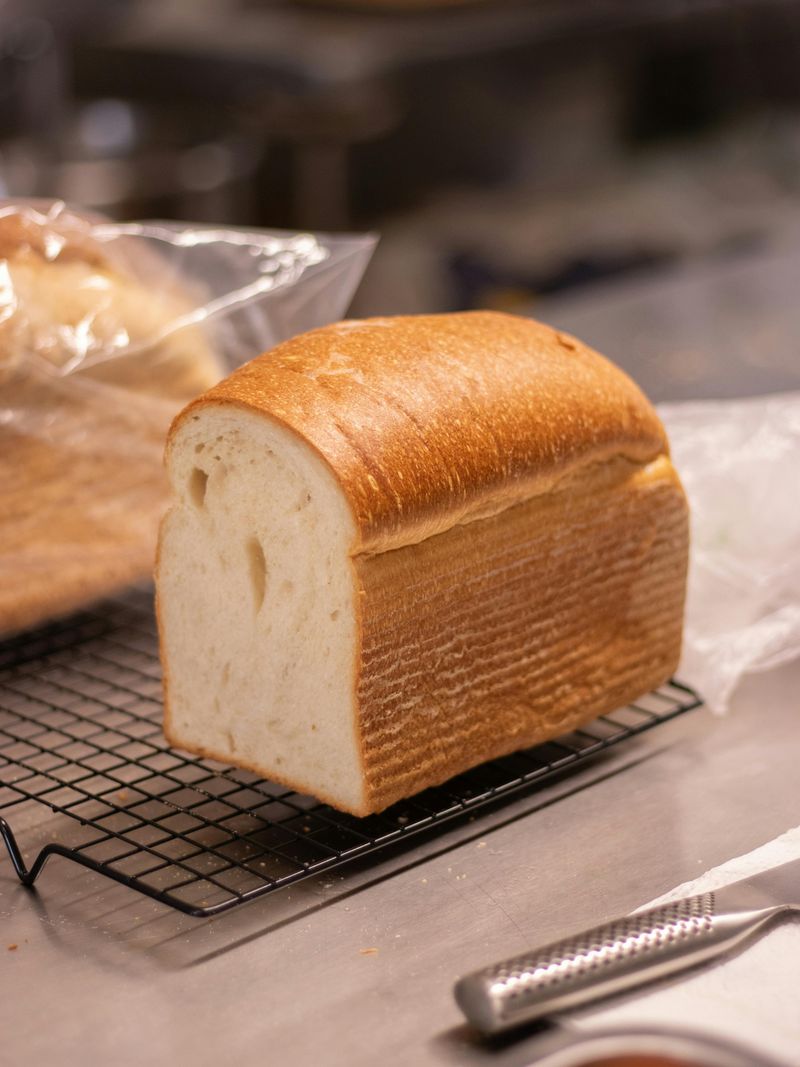
That humble loaf used to be background noise in the budget. Now you are counting slices, comparing crumb, and wondering if the fancy crust is worth it.
Someone argues whole wheat keeps you full longer, and suddenly brand loyalty feels expensive.
Buy one for fresh sandwiches and freeze the second for later, separating slices with parchment. Revive day-old bread with a quick toast or spritz and oven warm.
Consider bakery outlet stores for surprising deals. If you bake, a no-knead recipe saves time and money while tasting like a splurge.
Check unit price, because loaf weights quietly shrink between rebrands.
Milk

Milk prices once felt steady, like gravity in the fridge. Lately, you debate fat percentages and jug sizes like a spreadsheet warrior.
Someone swears by shelf-stable cartons for backup, and you wonder if that math tracks.
Try switching to half gallons if waste is the real cost. Compare unit prices across lactose-free, organic, and store brand, because marketing can blur value.
Freeze small portions for cooking and baking to avoid last-minute runs. If you rarely finish a jug, use milk powder for smoothies and sauces.
That keeps pancakes happy and budgets calmer on unpredictable weeks.
Coffee
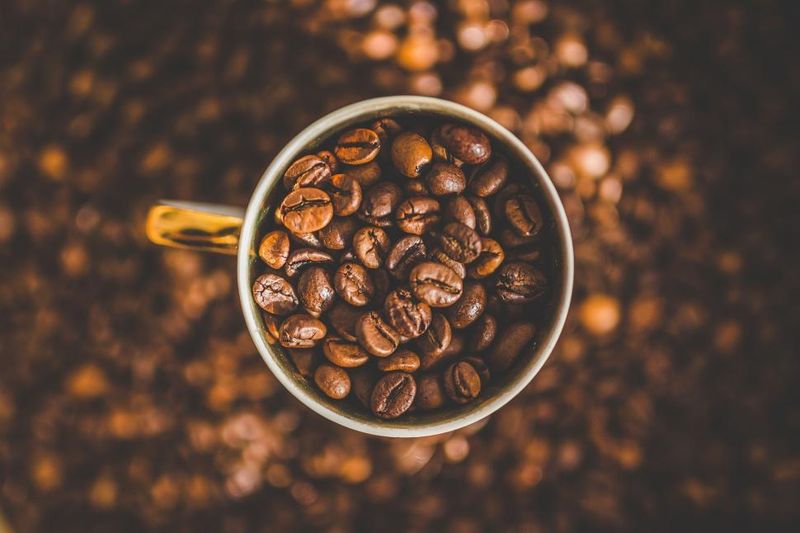
Coffee used to be a comfort buy, not a negotiation. Now every bag sparks debate about grind, roast, and price per cup.
You hover between bulk bins and sleek boutique tins, trying to predict freshness against budget.
Calculate cost per brew and store beans in airtight containers away from light. A reusable filter and a scale cut waste and improve consistency.
Cold brew concentrates stretch flavor for iced drinks all week. If café trips drain cash, set a treat schedule and upgrade at home instead.
Shop rotating store promos, and use loyalty points ruthlessly for your favorite beans.
Olive oil
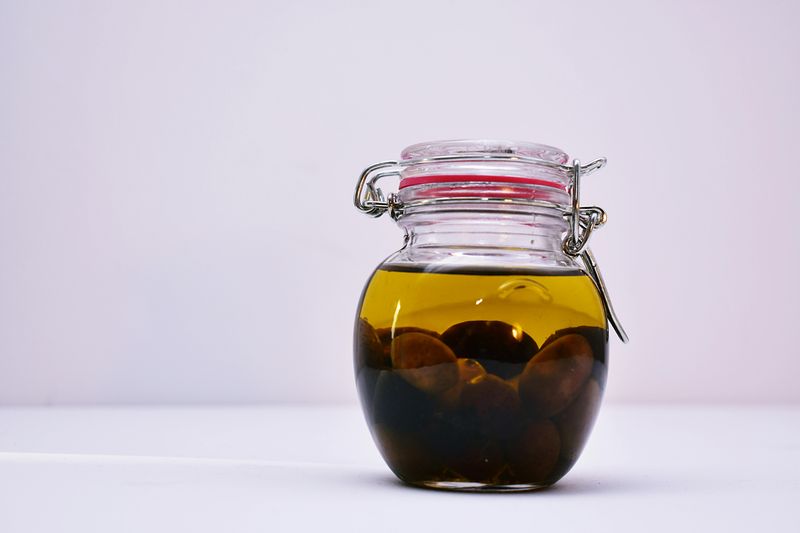
Olive oil pricing bounced enough to make you second-guess every drizzle. A simple salad dressing suddenly feels fancy.
Shoppers whisper about harvests and regions like sports stats, and the nicest bottle starts a mini debate.
Keep two bottles: a robust finishing oil and a neutral cooking option. Use squeeze-top dispensers to control pours, saving flavor and money.
For high heat, switch to canola or avocado oil, keeping olive oil for roasting and dressings. Buy mid-size bottles to maintain freshness.
If labels confuse, check harvest date and country of origin, then compare price per liter to avoid branding traps.
Chicken thighs
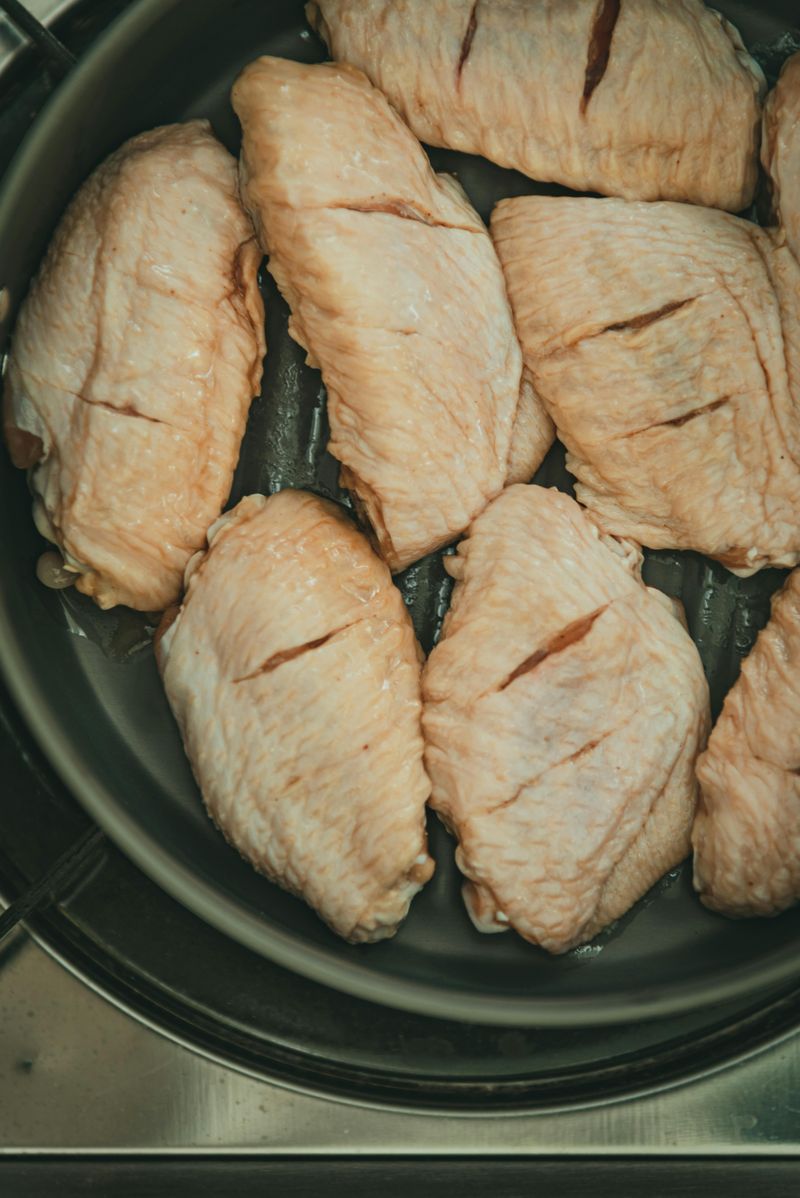
Chicken thighs were the quiet hero of weeknights. Then prices crept up and boneless packs started flirting with premium territory.
You juggle bone-in value against prep time while another shopper defends skin-on for flavor.
Buy bone-in, debone at home, and freeze bones for stock. Marinate in bulk and cook sheet-pan style to save energy.
Shred leftovers for salads, tacos, and fried rice. Air fryers crisp skin fast, reducing oil and time.
Check frozen sections too, because quality can match fresh at lower costs. Keep spice blends handy, turning one pack into multiple cuisines without extra spending.
Bacon
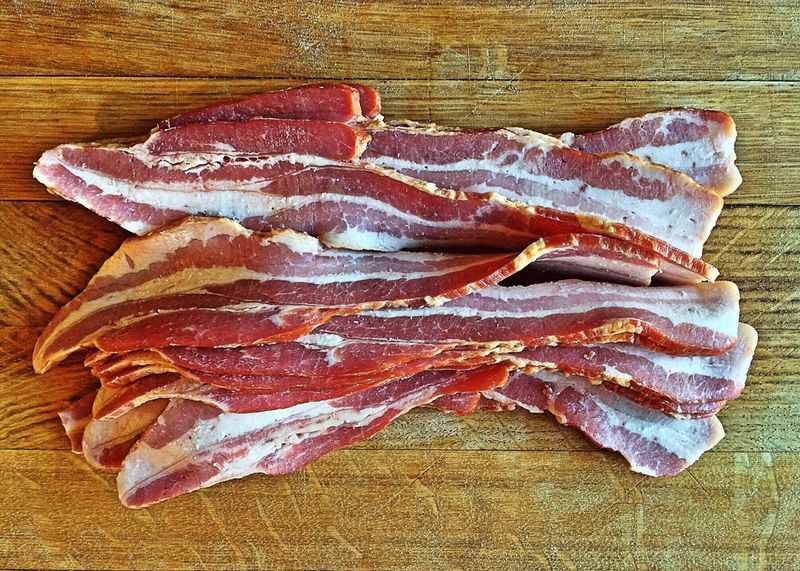
Bacon used to be an easy yes. Now you squint at ounces, realizing the package got slimmer while the price grew louder.
Someone declares thick-cut stretches farther, and the debate practically sizzles.
Cook strips in the oven on racks, then save rendered fat for vegetables and eggs. Freeze portions between parchment, pulling exactly what you need.
Consider ends and pieces for soups and beans, where flavor matters more than perfect slices. Compare price per ounce, since flavored varieties hide premiums.
If breakfast is sacred, plan a weekly bacon day and savor it intentionally instead of buying impulsively.
Cheese
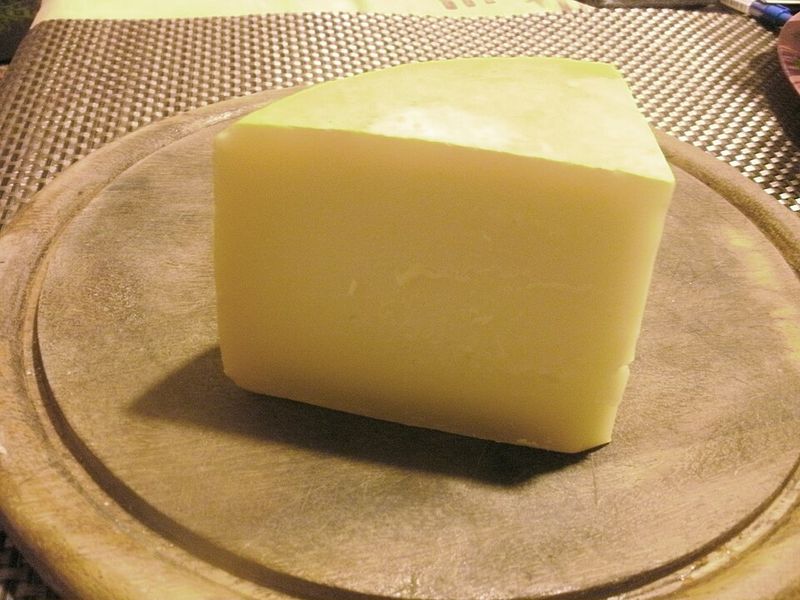
Cheese started as a small splurge that still felt affordable. Lately even basic blocks cause cart hesitation.
You weigh pre-shredded convenience against blocks that grate cheaper and melt better, while someone else defends fancy wedges.
Buy blocks, grate at home, and freeze portions to prevent waste. A microplane stretches flavor because finer shreds cover more surface.
Use bold cheeses like aged cheddar or parmesan to season dishes without massive amounts. Shop near best-by dates for markdowns.
Rotate between value workhorses and one treat wedge, keeping meals exciting while staying realistic about cost.
Rice

Rice used to anchor meals without fuss. Now bag sizes shift, prices jump, and the dependable staple starts conversations in the aisle.
You compare jasmine, basmati, and long grain, trying to protect both texture and budget.
Buy in bulk if storage is dry and pest-proof, or split a sack with friends. Rinse well to improve fluff and avoid gummy disappointments that waste leftovers.
Turn extras into fried rice, congee, or rice pudding. An inexpensive rice cooker prevents scorched pots and saves energy.
Keep a small premium bag for special dishes and a large everyday bag for volume.
Pasta
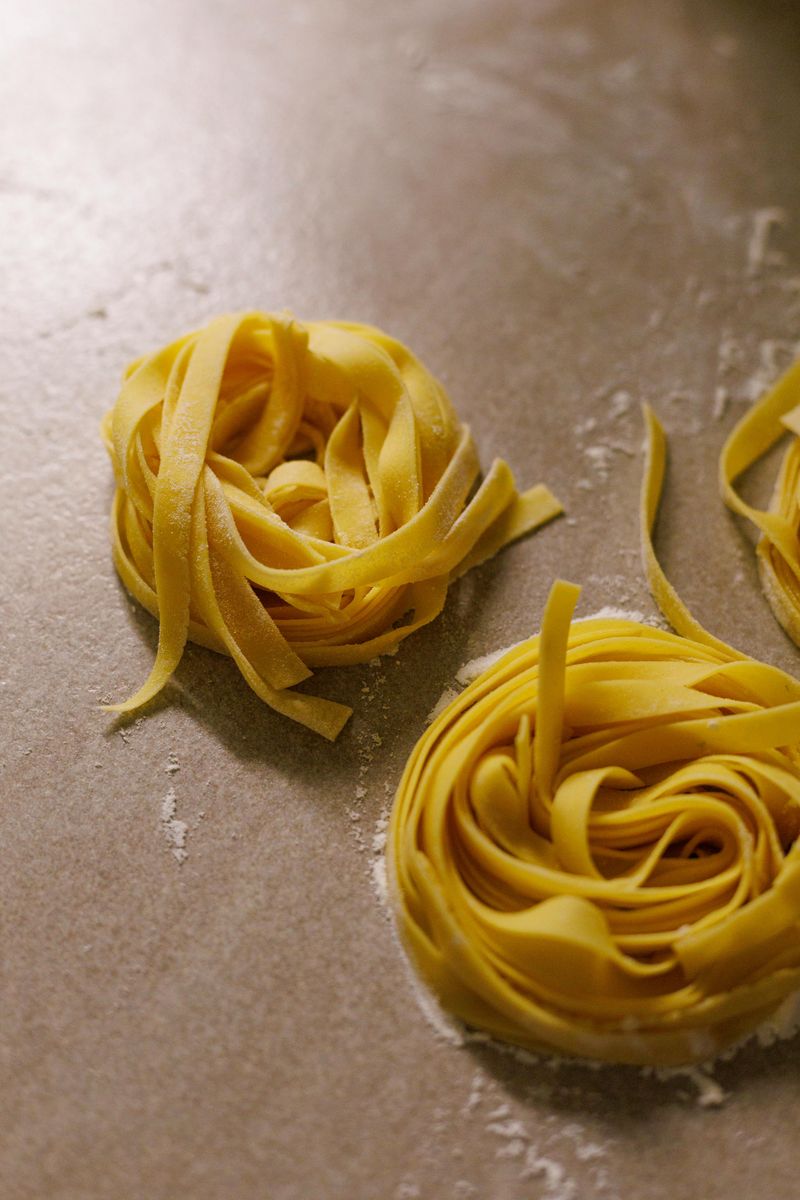
Pasta once meant dinner on autopilot and change to spare. Now premium boxes tempt while store brands quietly keep you solvent.
Someone argues bronze-cut sauce cling is worth it, and suddenly you are negotiating texture premiums.
Keep everyday spaghetti or penne for bulk meals, and save fancy shapes for special nights. Cook one minute under al dente and finish in sauce to stretch flavor.
Reserve pasta water for silky emulsions, using less cheese and butter. Buy multipacks during promotions and store in airtight bins.
Pair with beans and vegetables to build substantial meals without leaning on pricey protein.
Potatoes
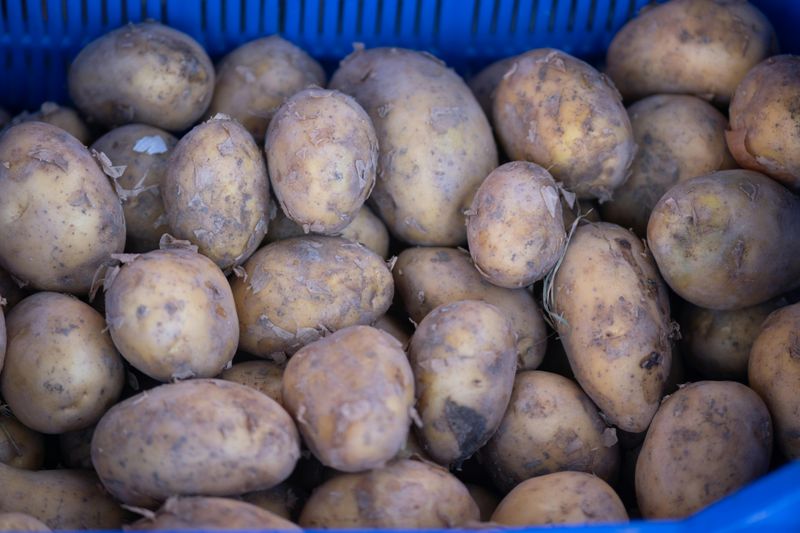
Potatoes used to be the unbeatable value. Now bag sizes shrink and specials feel less special.
You debate russet versus yellow, and someone claims small creamer potatoes roast better even if they cost more.
Buy loose when bags look tired, choosing firm, unblemished spuds. Store in a cool, dark place away from onions to prevent sprouting.
Parboil and batch roast for quick weeknight sides. Leftovers transform into hash, patties, or soup thickeners.
Compare price per pound carefully because some sacks include sneaky weight reductions. A mandoline and microwave can speed chips and gratins without expensive prepared versions.
Onions
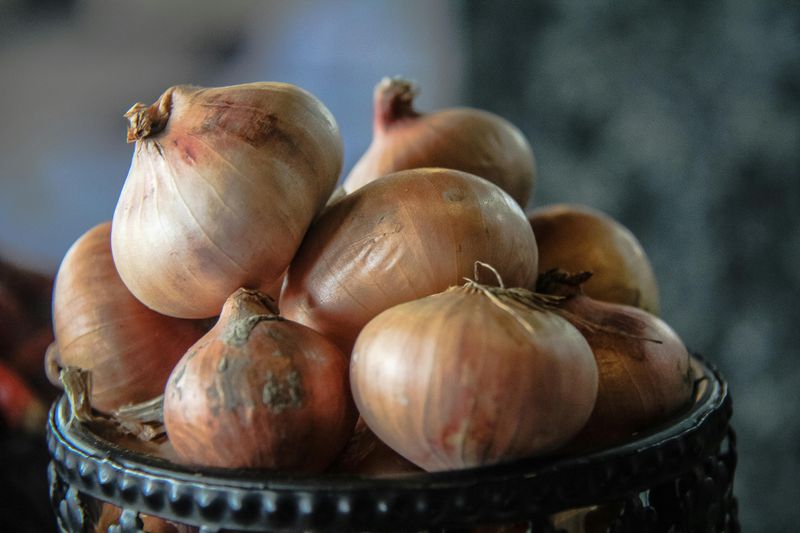
Onions used to ride along unnoticed. Now a bag costs enough to make you check each bulb.
You hear debates about sweetness versus storage life, and the produce aisle suddenly feels like a test.
Choose heavy, tight-skinned onions and avoid soft spots. Buy big bags only if you cook often, or split with a neighbor.
Dice and freeze extras for quick sautés without waste. Caramelize large batches to amplify flavor in simple meals.
Keep them cool and dry with airflow, never beside potatoes. When recipes allow, trade half onion for celery and carrots, keeping aroma strong while stretching the bag.
Peanut butter

Peanut butter used to be the fallback protein that pleased everyone. Now jars feel pricier and lids look bigger than the contents.
You debate natural versus stabilized while someone praises grind-your-own.
Compare price per ounce across sizes, because giant jars can hide poor value. Flip the jar upside down to pre-mix separated oils, reducing messy stirs.
For sandwiches, spread thinner and add sliced bananas for satisfaction. Stir into noodles or oatmeal to stretch meals with flavor.
Store brands often rival name brands in blind tastes, so try small jars first. Watch for sugar and palm oil fillers.
Yogurt
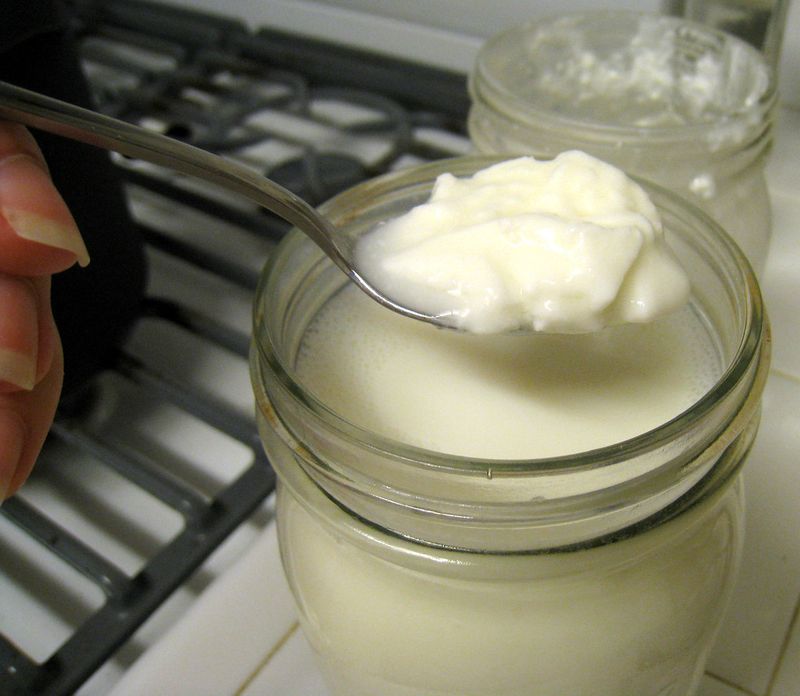
Yogurt prices climbed while cups shrank, and suddenly breakfast math got complicated. You juggle protein, sugar, and probiotics with a budget staring back.
Someone claims Greek is worth it, and you weigh thickness against cost.
Buy large tubs and portion into reusable cups with fruit and granola. Strain regular yogurt through cheesecloth to mimic Greek texture.
Use plain yogurt as a sour cream swap, stretching its role at dinner. Watch for manager specials near best-by dates.
A homemade batch with a simple starter can slash costs and taste fresher than store shelves.
Cooking oil

Generic cooking oil once felt invisible on receipts. Now the sticker stops you mid-aisle.
You wrestle with smoke points, health claims, and giant jugs that may go rancid before you finish.
Match oil to method: canola for frying, sunflower for baking, avocado for higher heat splurges. Store in a cool, dark cabinet and buy sizes you can finish within months.
A squeeze bottle reduces overpouring. Reuse fry oil carefully, straining between batches.
Keep one neutral and one flavorful oil, skipping the rest of the rainbow unless a recipe truly demands it.
Cereal
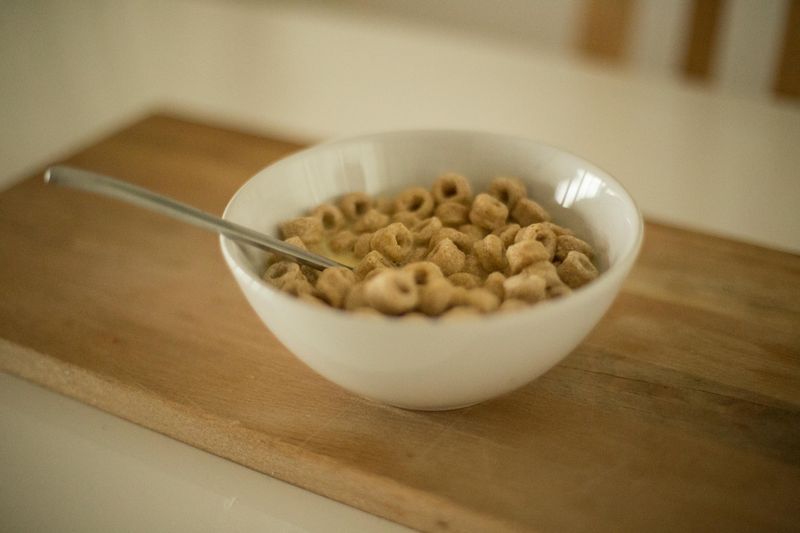
Cereal used to be the easy kid-pleaser that kept mornings calm. Now boxes feel lighter, prices feel heavier, and the aisle turns into strategy hour.
You compare sugar, fiber, and cost while a sale tag blinks temptingly.
Price by ounce, not by box height. Mix a sweet cereal with a high-fiber option to balance taste and budget.
Store in airtight bins to keep crunch longer. Consider hot oats on weekdays and cereal as a weekend treat.
Loyalty apps often stack with manufacturer coupons, so screenshot and combine wisely.
Frozen pizza
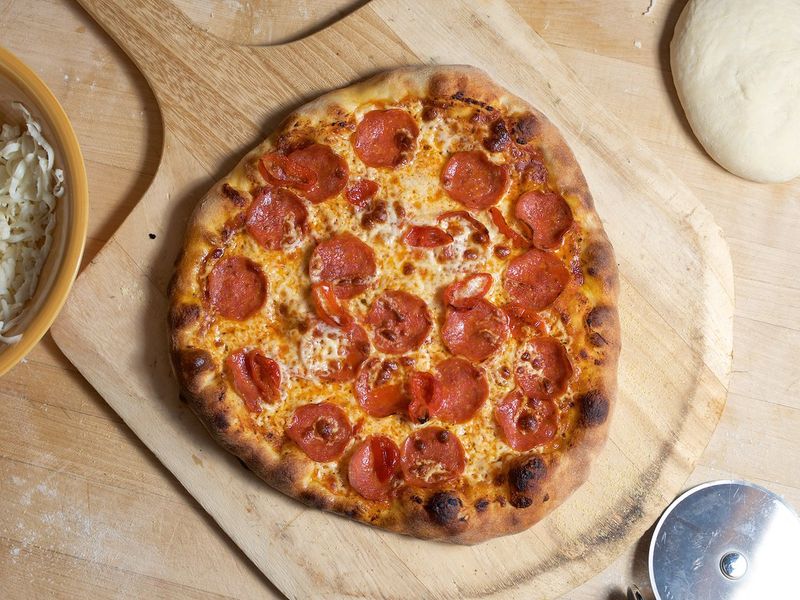
Frozen pizza used to be the emergency dinner you did not overthink. Now sizes shrink while cheese coverage gets stingy.
You stare through frosty doors trying to decode whether two mediums beat one so-called family size.
Boost value by adding your own vegetables and extra shredded cheese. Bake directly on a preheated steel or stone to crisp even budget pies.
When sales hit, buy a variety and rotate brands to avoid palate fatigue. Or keep dough balls in the freezer and top with leftover sauce and veggies.
That turns convenience night into savings without sacrificing the ritual.
Chocolate bars

Chocolate breaks went from small luxury to budget debate. Bars got slimmer, cocoa percentages got louder, and prices followed.
You hold a single-origin bar and wonder if the square-per-night plan is the new normal.
Buy multipacks for baking and snack squares, then portion thoughtfully. Darker chocolate delivers stronger flavor, letting smaller pieces satisfy.
Look for house-brand premium lines that rival boutique bars. For gifting, wait for seasonal clearances.
If ingredients matter, scan for cocoa butter over vegetable oils. Keep bars cool and sealed to preserve snap, so you never waste a treat to bloom.
Avocados
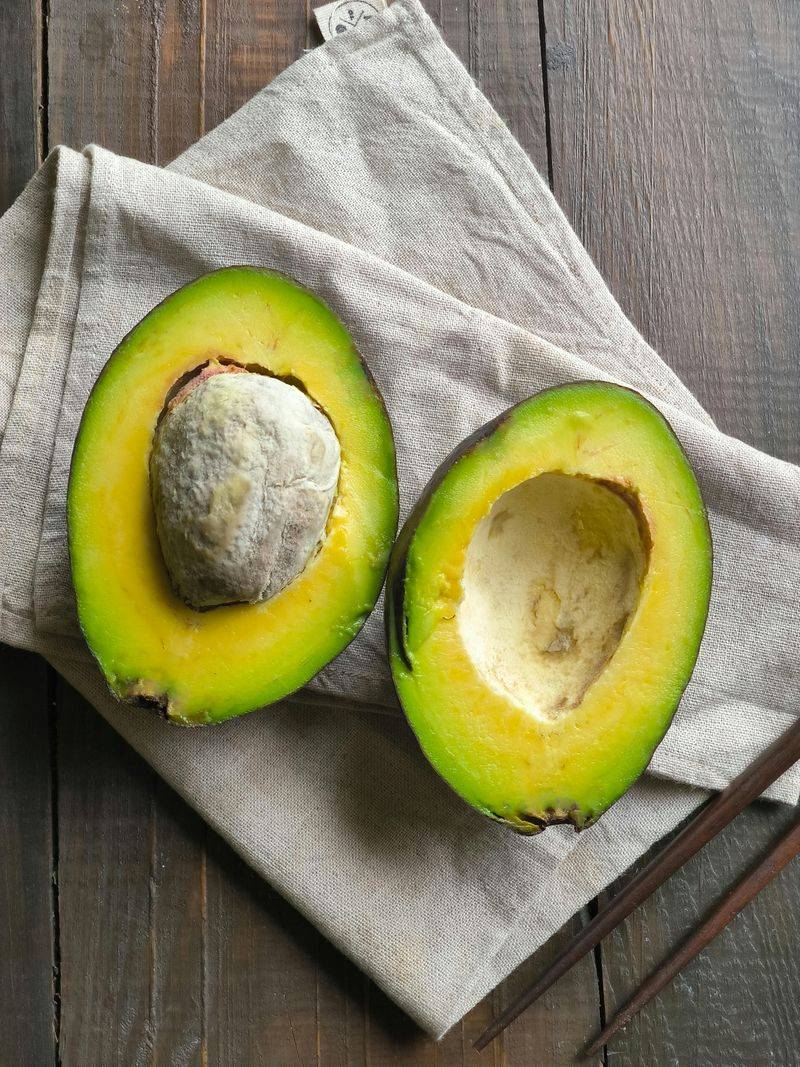
Avocados used to cycle between affordable and occasional splurge, but recent spikes spark cart debates. You weigh bag deals against bruised singles while imagining tomorrow’s guacamole.
Someone swears storage tricks beat the price swings.
Buy at varied ripeness, then stagger use through the week. Ripen in a paper bag with bananas, and chill once barely soft.
Mash with lemon, salt, and a splash of oil to slow browning. For sandwiches, spread thinly and layer with cucumber for crunch.
Consider frozen avocado chunks for smoothies and sauces when fresh prices climb beyond reason.
Berries
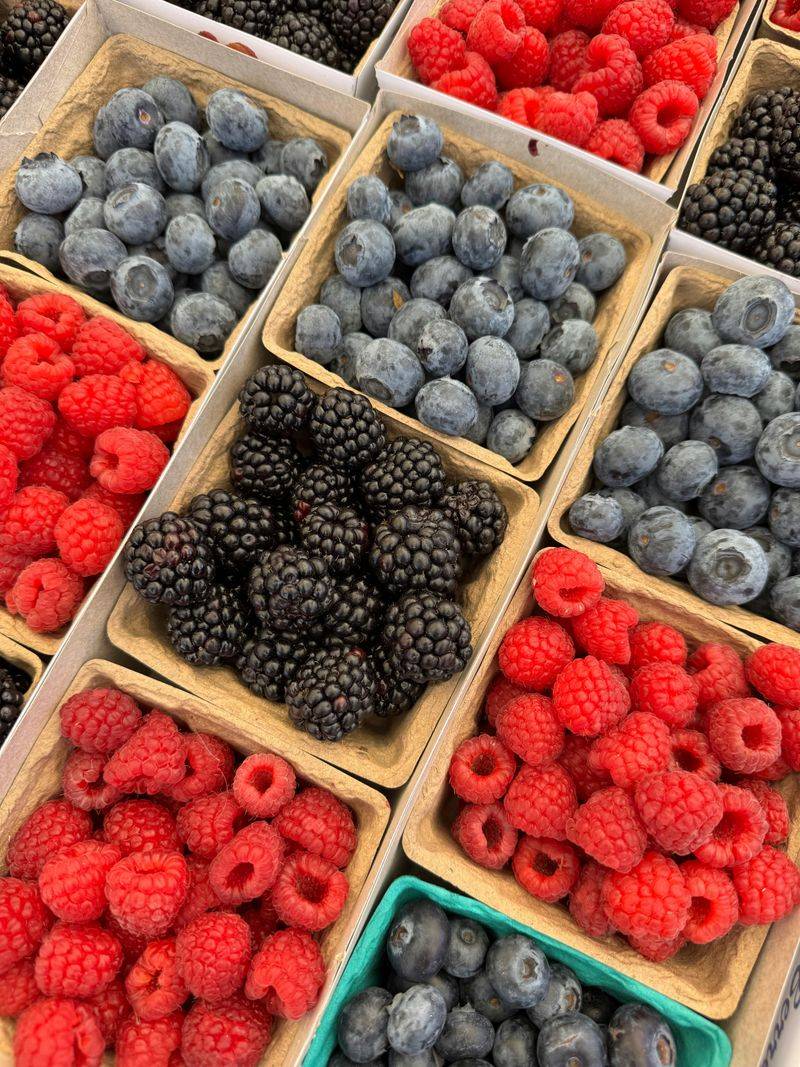
Berries bring joy and sticker shock in equal measure lately. Clamshells look generous until you pay, then spoil quickly if you blink.
Shoppers whisper about hidden mold spots, and that turns the display into a scavenger hunt.
Inspect bottoms for leaks, then wash right before eating, not sooner. Store on paper towels in breathable containers to extend life.
Buy frozen for smoothies and baking where texture matters less. During peak season, batch-cook jam or compote and freeze portions.
Mix with bananas or apples to stretch servings, keeping the berry sparkle without draining your budget.
Ground beef
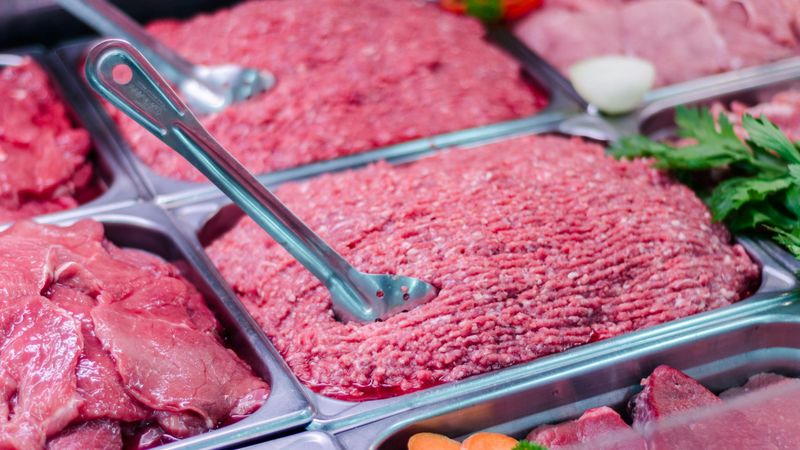
Burgers, chili, tacos used to mean easy savings. Now ground beef makes you do math on fat percentages and family packs.
Someone nearby claims 80 percent tastes better, while you eye the lean option for health and price.
Buy larger packs, portion with a scale, and freeze flat for quick thawing. Blend in mushrooms or lentils to stretch meat without losing texture.
Brown once, season, and split across multiple meals to cut energy costs. Watch for manager specials before restocks.
If labels shrink, calculate price per pound after cooking loss, so the lean choice does not trick your budget.
Enjoyed this story?
Add Fast Food Club as a preferred source to see more of our reporting on Google.