


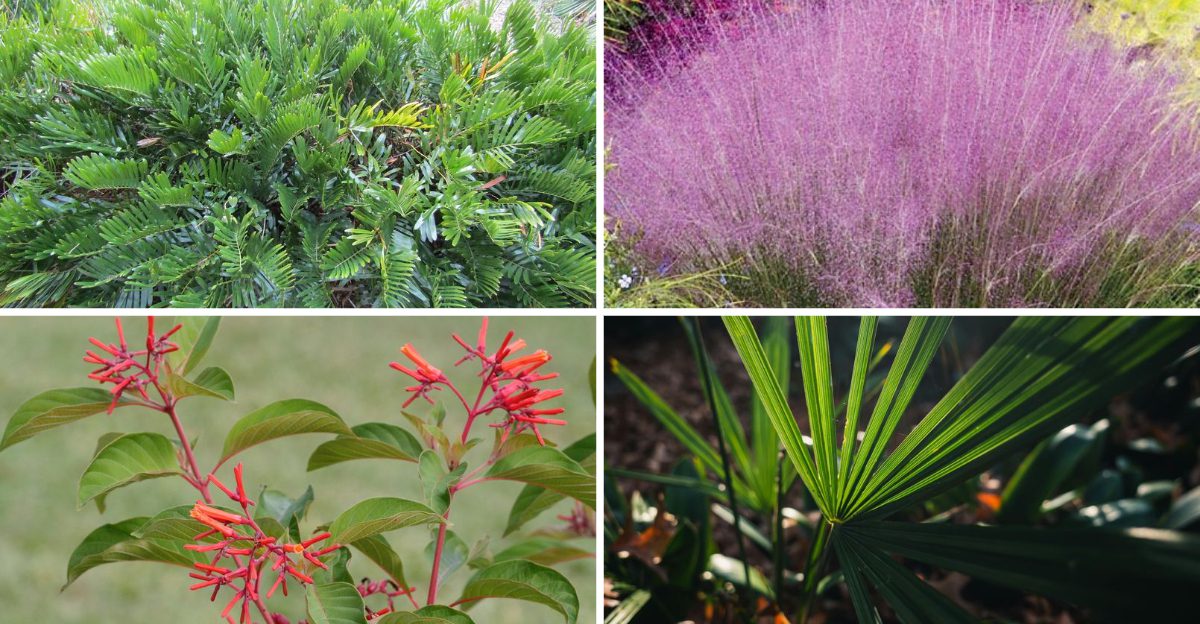
Tired of dragging hoses around and watching your water bill climb every summer? Florida’s native plants are built for sun, sand, salt, and long dry spells, so your yard can look incredible with far less effort.
Choose the right species and you will get color, wildlife, and easy care landscaping that still feels lush. Let’s build a resilient yard that thrives while your sprinklers take a break.
Coontie (Zamia integrifolia)
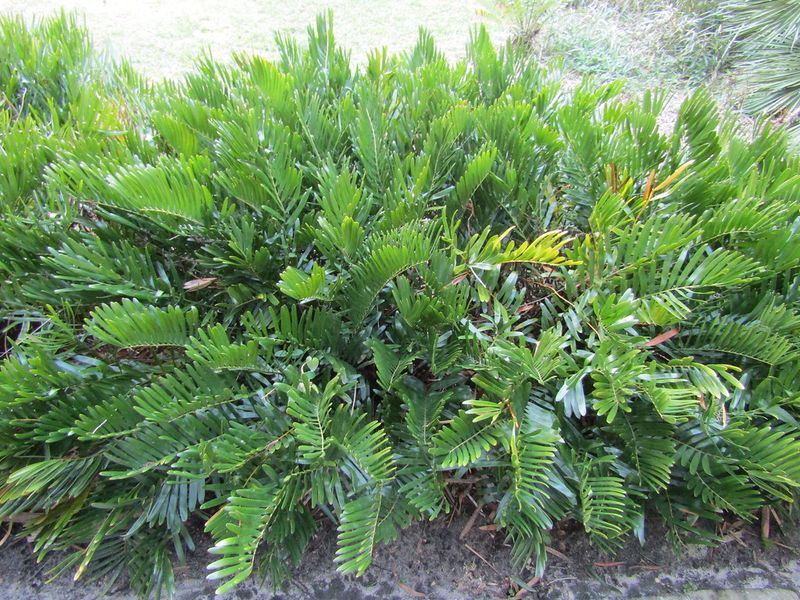
Coontie is a rugged Florida native that thrives on neglect and needs remarkably little water. Once established, its feathery fronds stay glossy through heat, sandy soils, and salty breezes.
It is a slow grower, but the tidy clumps fit beautifully along paths, under windows, or around palms.
You will also love that coontie feeds the rare atala butterfly, whose caterpillars rely on it. Plant in filtered sun to bright shade, water weekly for the first season, then mostly let rainfall handle it.
For a lush look, mass three to five plants, add pine straw mulch, and avoid heavy fertilizer. Coontie shrugs off pests, deer, and storms, giving you evergreen structure with almost no fuss.
It pairs well with muhly grass.
Muhly Grass (Muhlenbergia capillaris)
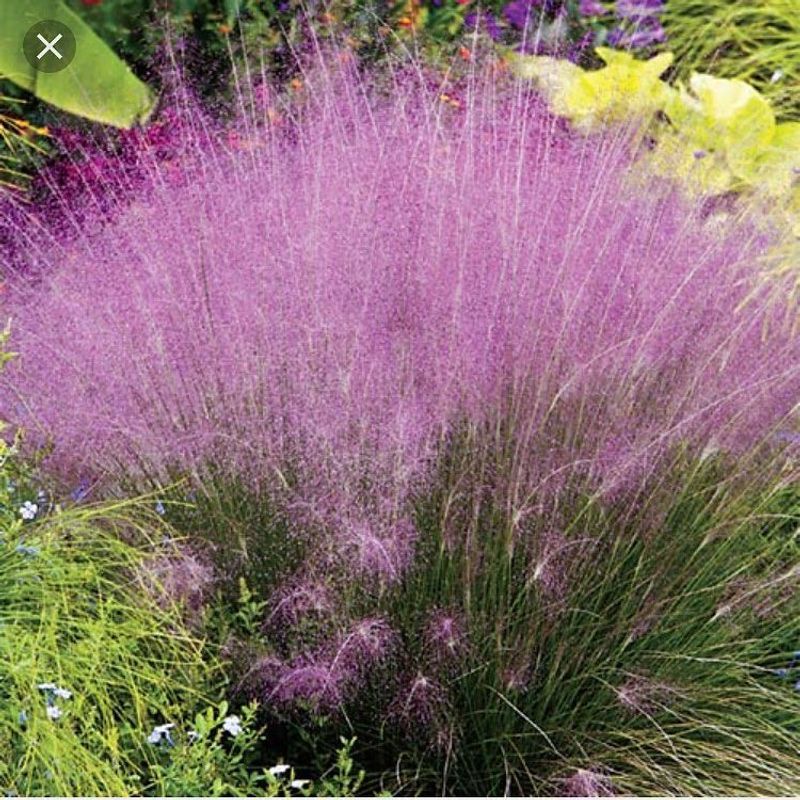
Muhly grass delivers those airy pink plumes that look like cotton candy at sunset. It is a native workhorse, thriving in sand, heat, drought, and coastal winds.
Even when not blooming, the fine blue green foliage gives your beds texture and movement.
Plant clumps in full sun for the best color, and water lightly the first season while roots establish. After that, this grass is almost hands off, needing only an annual late winter trim.
It pairs beautifully with coontie, yucca, blanketflower, and boulders, creating a breezy, Florida friendly vibe. You will appreciate how it attracts pollinators, tolerates salt spray, and keeps weeds down when planted in generous drifts.
Skip rich soil and heavy irrigation, because stress actually improves the show.
Firebush (Hamelia patens)
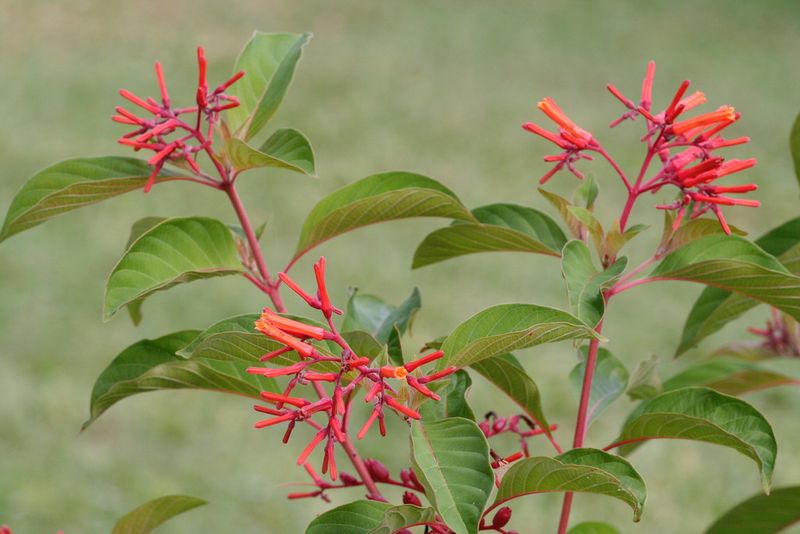
Firebush is the undefeated hummingbird magnet for Florida yards that do not want fussy care. Its tubular orange red blooms appear nearly year round in South Florida and spring through frost up north.
Once established, it needs little watering and shrugs off heat, sandy soils, and reflected sun.
Cut it back in late winter to keep a tidy shape, or let it sprawl into an informal hedge. You will enjoy butterflies, bees, and birds visiting daily, plus attractive berries later in the season.
Pair with muhly grass, dune sunflower, and coontie for a colorful, low water pollinator corridor. Choose the native form over dwarf hybrids, give full sun, and mulch lightly to conserve moisture and suppress weeds.
Prune after flowering.
Saw Palmetto (Serenoa repens)
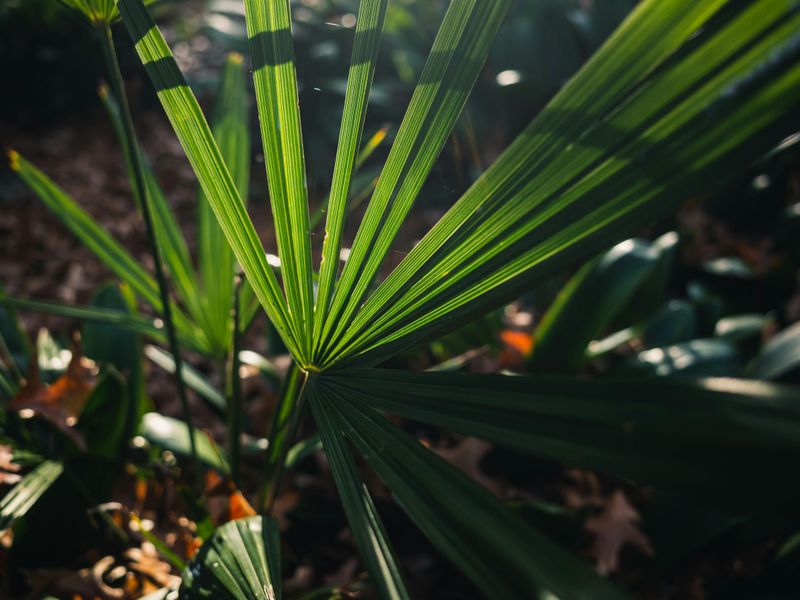
Saw palmetto brings instant Florida character while asking for almost no irrigation once rooted. Its fan shaped fronds create bold texture, and the clumping trunks form wildlife friendly thickets over time.
Choose silver blue forms for coastal drama, or green forms for woodland edges and sunny medians.
Give it room, because palmettos expand, and those leaf margins are spiny. Plant in full sun to partial shade, water lightly the first months, then rely on seasonal rains.
You will get berries for wildlife, hurricane toughness, and sculptural bones that anchor your xeric design. Underplant with blanketflower, dune sunflower, and railroad vine for a bright groundcover that suppresses weeds.
Skip fertilizers, prune sparingly, and allow leaf litter to build moisture holding mulch around the base.
American Beautyberry (Callicarpa americana)
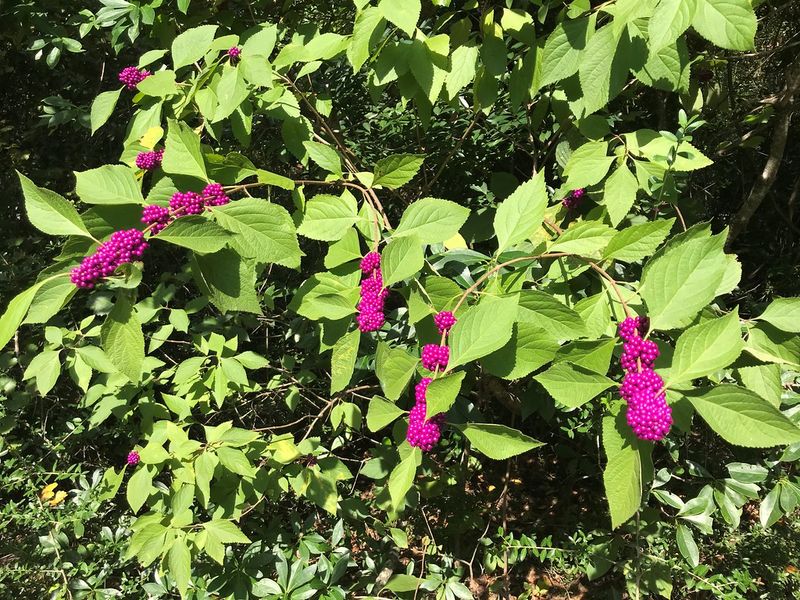
American beautyberry lights up fall with electric purple berries that birds adore and you will too. This native shrub is easygoing, handles drought after establishment, and thrives in sun or bright shade.
Spring brings delicate flowers, summer offers lush leaves, and winter exposes the striking fruit clusters.
Prune in late winter to keep it compact, or let it arch naturally for a woodland feel. Water weekly the first season, then let rainfall do most of the work.
Pair with coontie, yaupon holly, and muhly grass for a carefree, wildlife friendly hedge that needs minimal irrigation. You will enjoy cut branches indoors, and the berries make great backyard photography subjects.
Skip rich fertilizers, add leaf mulch, and watch pollinators and songbirds return every season.
Blanketflower (Gaillardia pulchella)
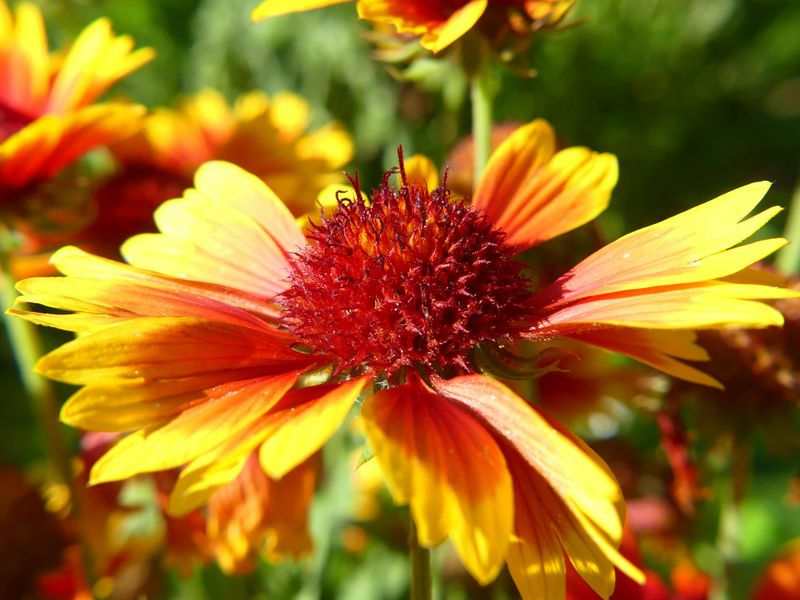
Blanketflower blankets poor sandy soil with nonstop red and gold daisies that laugh at drought. It thrives in blistering sun, lean conditions, and coastal exposure, making it a perfect front border filler.
Deadhead occasionally to extend bloom, or let it reseed for a cheerful, natural meadow look.
Water lightly while establishing, then step aside and enjoy the show. Pollinators flock to the nectar, and seed heads feed finches later in the season.
Pair with dune sunflower, railroad vine, and muhly grass to stitch sunny spaces together with color. You will appreciate how it stays low, survives neglect, and forgives missed waterings.
Avoid rich soil and frequent irrigation, because those encourage floppy growth and fewer blooms.
Dune Sunflower (Helianthus debilis)
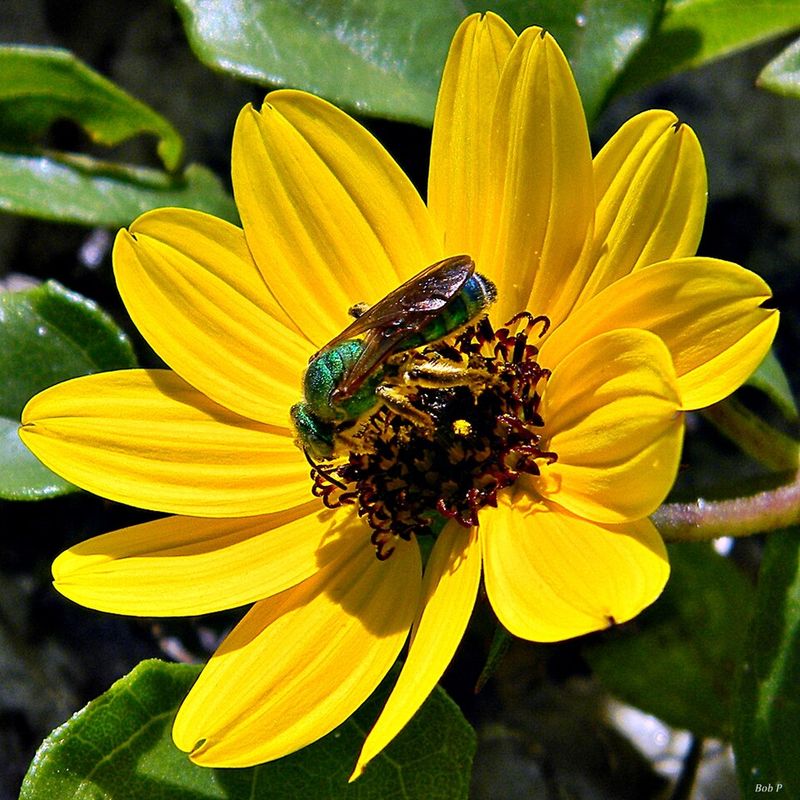
Dune sunflower spreads a sunny carpet that thrives on salty breezes, sand, and sharp drainage. This native groundcover blooms almost year round in warm zones, drawing bees and butterflies relentlessly.
It is perfect along driveways, around mailboxes, and over swales where sprinklers cannot reach.
Give full sun, trim occasionally to refresh, and water sparingly after the first months. You will love the nonstop daisies and the way it suppresses weeds with thick, cheerful growth.
Avoid rich soil or heavy mulch, which reduce flowering and invite leggy, storm sensitive plants. Pair with sea grape, saw palmetto, and railroad vine for a coastal palette that handles neglect.
Replace thirsty turf on hellstrips and save on watering bills without sacrificing color.
Simpson’s Stopper (Myrcianthes fragrans)
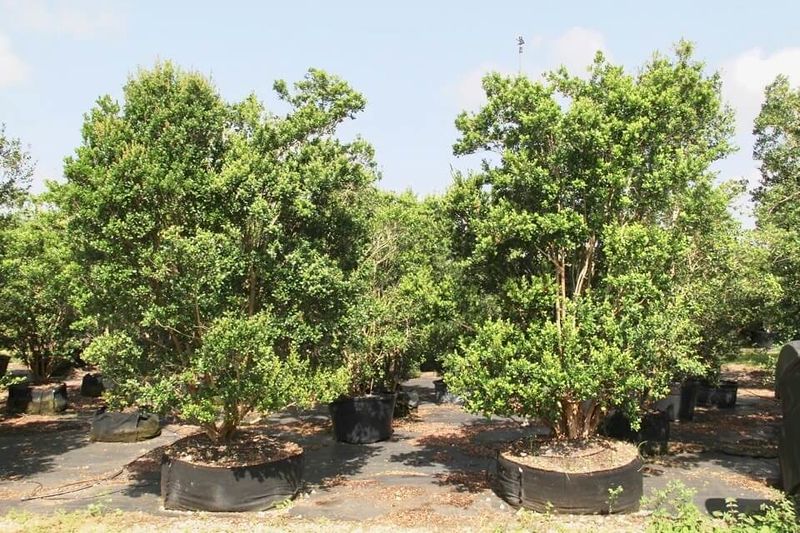
Simpson’s stopper is a refined native shrub or small tree that handles drought with grace. Glossy leaves, fragrant white flowers, and showy orange berries keep interest moving through the seasons.
It makes a stellar hedge or specimen, staying dense without constant clipping or extra irrigation.
Plant in sun or bright shade, water weekly the first months, and then mostly let rains handle it. You will notice birds flocking to the fruit and pollinators working the blossoms.
For structure, pair with coontie underplantings, muhly accents, and a pine straw mulch that conserves moisture. Skip heavy fertilizer, prune after flowering, and enjoy the naturally elegant form.
It tolerates salt spray and urban conditions, which helps if your yard faces busy streets. Everywhere.
Yaupon Holly (Ilex vomitoria)
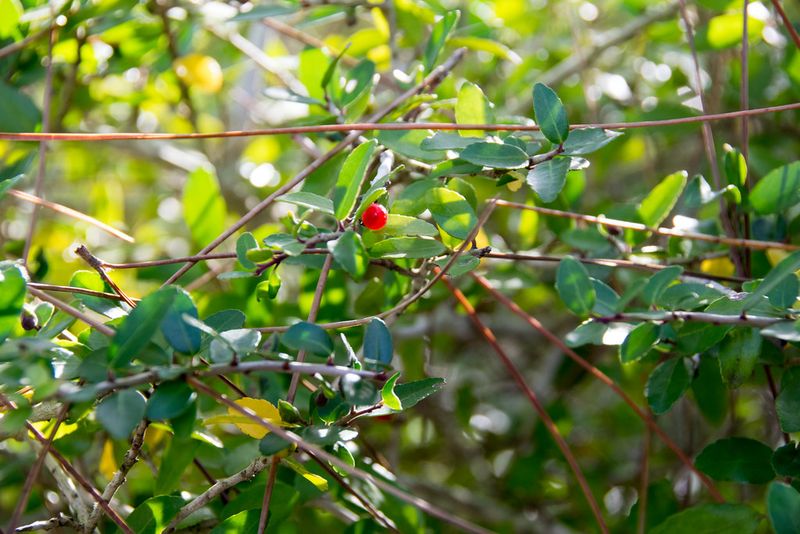
Yaupon holly is a resilient evergreen that sips water once established and takes heat in stride. Native to Florida, it tolerates pruning, wind, and salt, yet looks polished in formal or natural designs.
Small white flowers feed pollinators, and red berries brighten winter while feeding birds.
Choose standard, weeping, or dwarf forms to fit entries, hedges, or containers. Water weekly the first season, then reduce irrigation to deep, occasional soakings during long droughts.
You will appreciate how tough, tidy, and long lived this plant is when others wilt. Pair with beautyberry for seasonal color, and underplant with coontie or muhly grass for texture.
Avoid soggy spots, provide decent drainage, and let leaf mulch conserve moisture naturally.
Coral Bean (Erythrina herbacea)
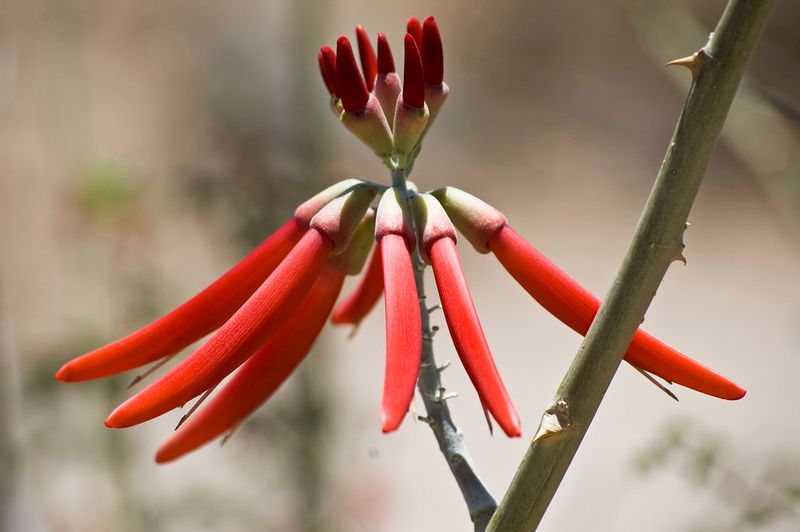
Coral bean adds bold spikes of scarlet flowers that hummingbirds cannot resist, followed by showy pods. This Florida native thrives in sandy soils, bright sun, and drought once its deep taproot settles.
The open habit suits naturalistic beds and pollinator gardens where low watering is the goal.
Prune lightly after flowering to shape, wear gloves for the small spines, and give good drainage. You will get a dramatic spring show, then tidy foliage through summer, and sculptural winter branches.
Seeds are toxic if eaten, so site thoughtfully where curious pets will not snack. Combine with muhly grass, blanketflower, and dune sunflower for a vibrant, water wise mix.
Skip fertilizer, mulch lightly, and let the plant toughen up in the sun.
Sea Grape (Coccoloba uvifera)
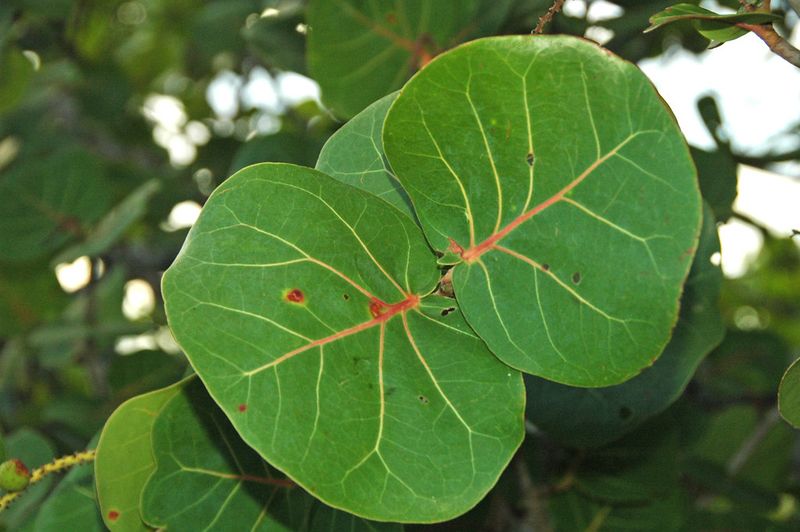
Sea grape brings big, round, leathery leaves that handle wind, salt, and drought like a champ. It is an iconic coastal native that can be pruned into a hedge or trained as a sculptural tree.
Once established, irrigation is rarely needed, and the cinnamon bark peels attractively for year round interest.
Give full sun, sharp drainage, and room to expand, then enjoy effortless shade and privacy. You will also get edible grapes if multiple plants are nearby for pollination.
Pair with dune sunflower and saw palmetto for a resilient, beachy backbone that conserves water. Avoid overwatering and heavy fertilizer, which encourage weak growth.
Prune after fruiting, and use leaf litter as free mulch that locks in moisture through dry spells.
Railroad Vine (Ipomoea pes-caprae)
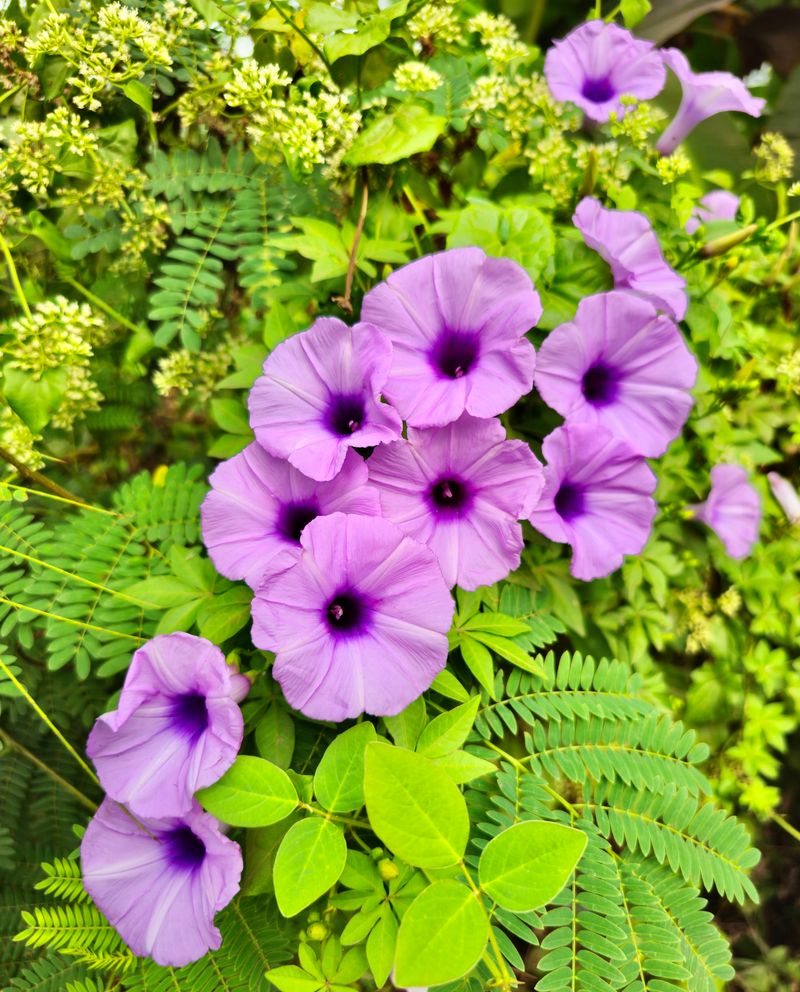
Railroad vine races across sand with glossy leaves and large lavender trumpets, thriving where sprinklers fail. This salt loving native stabilizes dunes, tolerates blazing heat, and asks for almost no irrigation once established.
It is excellent for banks, swales, and coastal edges that need quick coverage and erosion control.
Give full sun, space to roam, and very sharp drainage. You will love the fast growth, drought tolerance, and steady blooms that feed beach pollinators.
Pair with dune sunflower and sea grape for a layered, coastal, low water tapestry. Trim runners to direct growth, and repeg stems with sand after storms to encourage rerooting.
Skip fertilizers, allow leaf mulch, and enjoy an easy, living groundcover that saves serious irrigation. Every dryspell.
Enjoyed this story?
Add Fast Food Club as a preferred source to see more of our reporting on Google.