


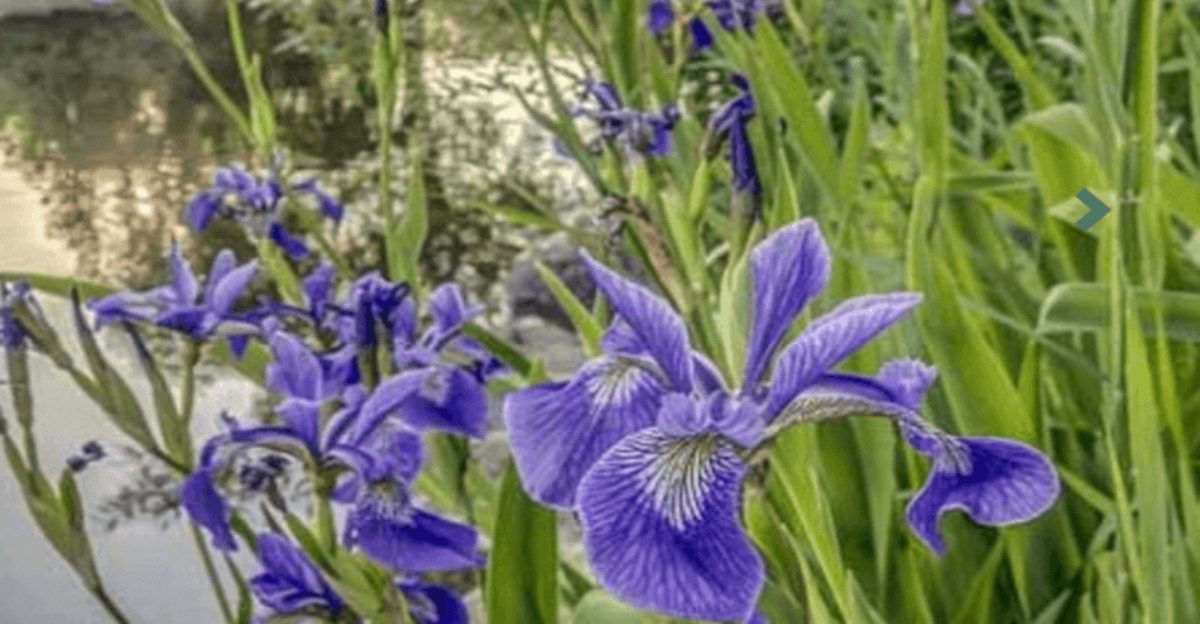
Florida gardeners know the struggle: one afternoon storm can drop inches of rain in a matter of hours, turning a beautiful yard into a soggy mess. Choosing plants that can handle those heavy downpours and still look great is the key to a thriving Florida garden.
Luckily, nature has plenty of tough, beautiful options that are built for exactly this kind of weather. Here are 11 Florida garden favorites that laugh in the face of heavy rain and keep on growing.
Blue Flag Iris
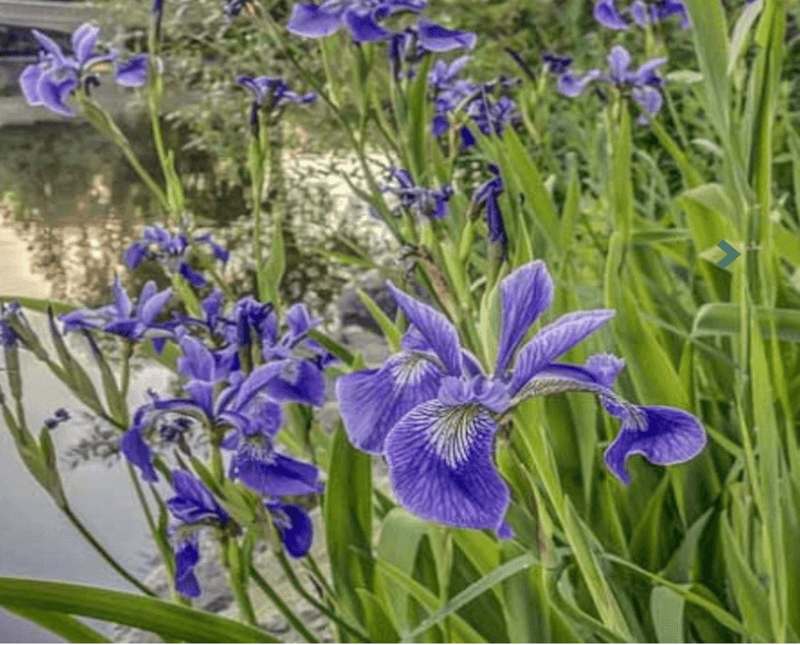
Few flowers can match the electric beauty of blue flag iris when it bursts into bloom after a heavy rain. Native to Florida’s wetlands, this plant practically thrives in waterlogged soil that would kill most other garden flowers.
Plant it near a pond edge or low-lying area and watch it reward you season after season. Its deep purple-blue blooms attract pollinators and add a dramatic splash of color to any wet garden spot.
Spider Lily
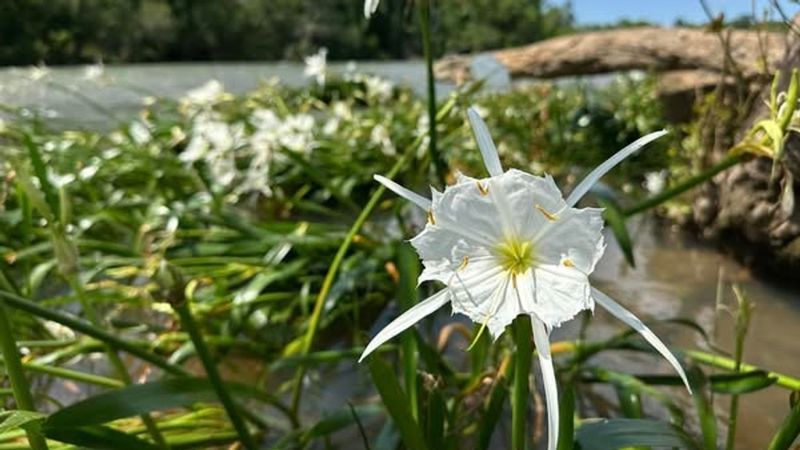
With its wild, spidery white blooms, spider lily looks like something straight out of a fairy tale. What makes it truly special is how it seems to bloom even more enthusiastically after a serious downpour.
It grows naturally along Florida’s riverbanks and swampy areas, so heavy rain feels like home to this plant. Spider lily is also surprisingly low-maintenance, making it a smart pick for gardeners who want drama without the fuss.
Swamp Sunflower
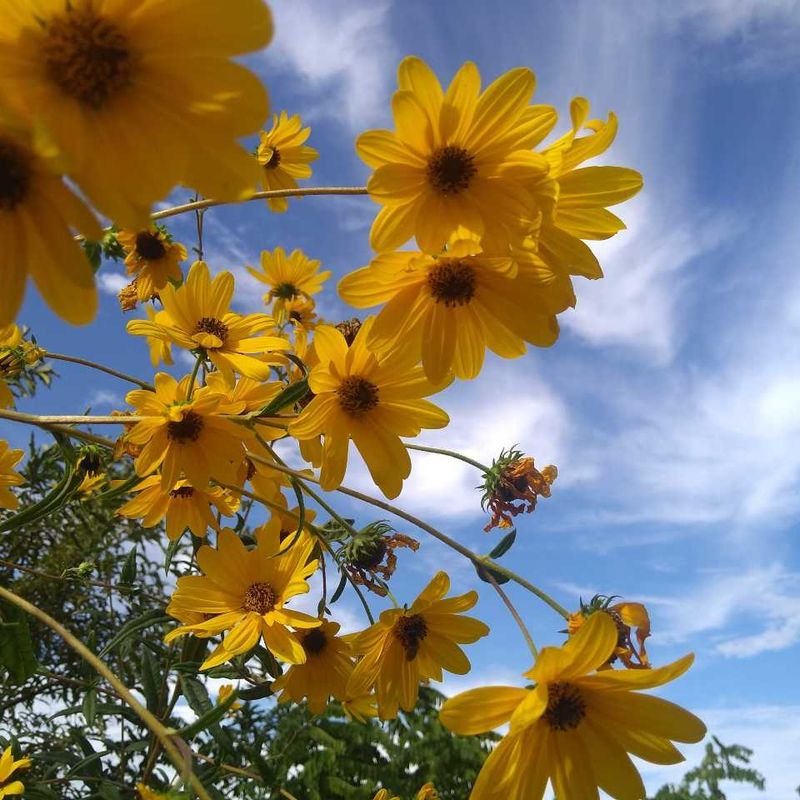
Swamp sunflower is the overachiever of the Florida garden world. It can grow six to eight feet tall, produce hundreds of cheerful yellow blooms, and handle standing water without breaking a sweat.
This native wildflower lights up fall gardens just when many other plants are winding down. Bees and butterflies absolutely love it.
Plant it in a low spot in your yard and let it do its thing. You will not be disappointed by the show it puts on.
Milkweed
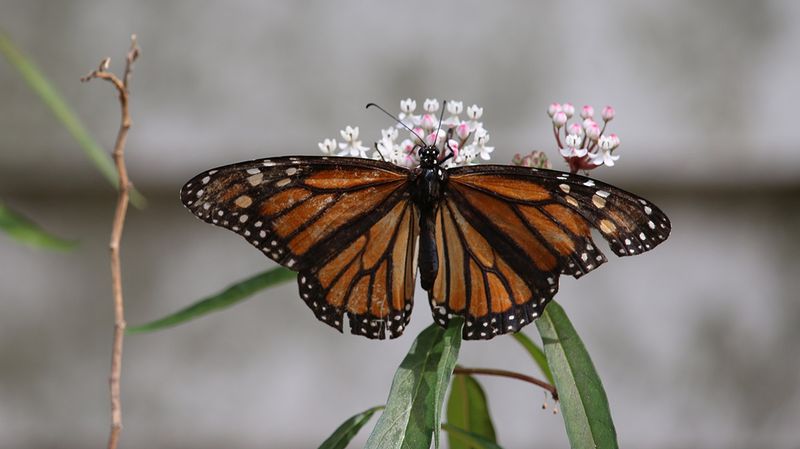
Milkweed is not just a plant; it is a lifeline for monarch butterflies, which depend on it to complete their life cycle. Florida gardeners love it because it handles both drought and heavy rain with equal ease.
After a big storm, milkweed bounces right back and keeps producing the nectar-rich blooms that butterflies crave. Planting milkweed is one of the most rewarding things you can do for your yard and for the environment at the same time.
Muhly Grass
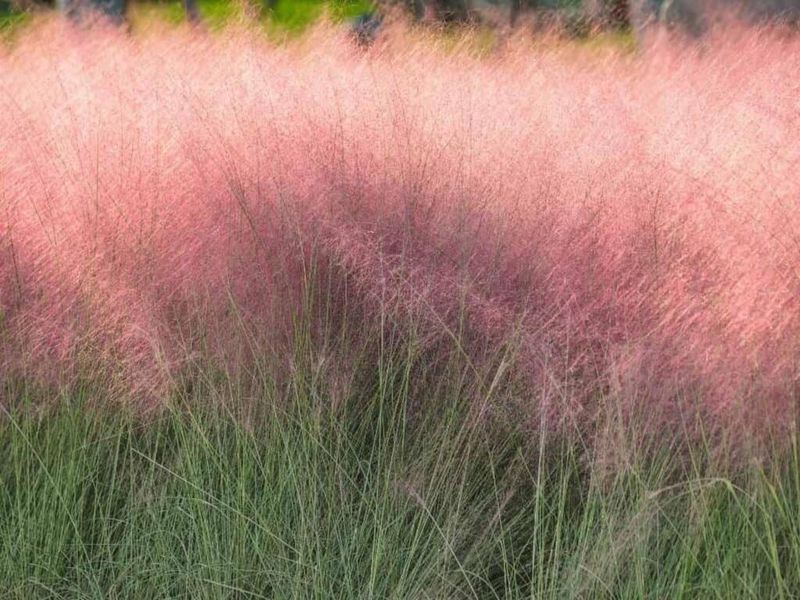
Every October, muhly grass puts on one of Florida’s most breathtaking shows, turning rosy pink and purple almost overnight. Heavy rains in summer do not slow it down one bit; in fact, the moisture seems to fuel its dramatic fall display.
This native ornamental grass is incredibly tough and requires almost no care once established. Use it in masses along a fence line or driveway for a cloud of color that stops people in their tracks.
Wiregrass
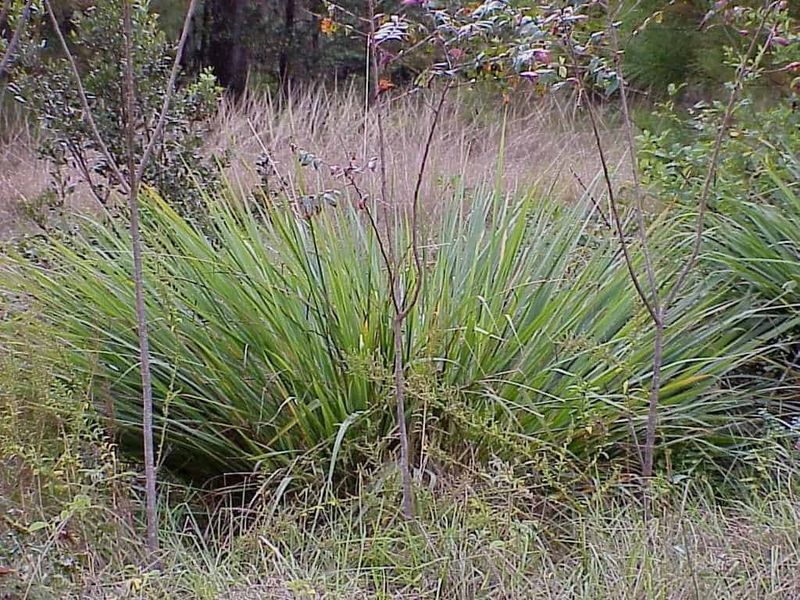
Wiregrass is the unsung hero of Florida’s native plant world. It has been covering the state’s sandy flatwoods and longleaf pine forests for thousands of years, surviving everything from summer floods to wildfires.
Heavy rain? No problem.
This tough little grass drains quickly and keeps growing without missing a beat. It works beautifully as a ground cover in naturalistic garden designs and supports a wide range of native wildlife, including gopher tortoises and ground-nesting birds.
Buttonbush
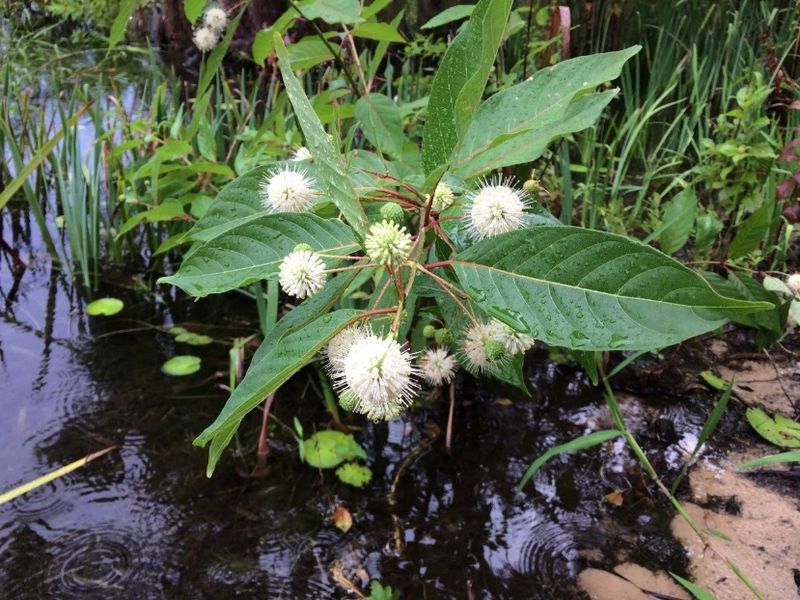
Buttonbush earns its place in any Florida garden by doing something most shrubs refuse to do: growing happily in standing water. Its quirky round white flowers look like tiny pincushions and are irresistible to bees, butterflies, and hummingbirds.
After a heavy storm floods the yard, buttonbush just shrugs it off and keeps blooming. Plant it near a pond, drainage swale, or any low area that regularly collects water.
It will turn a problem spot into a wildlife hotspot.
Wax Myrtle
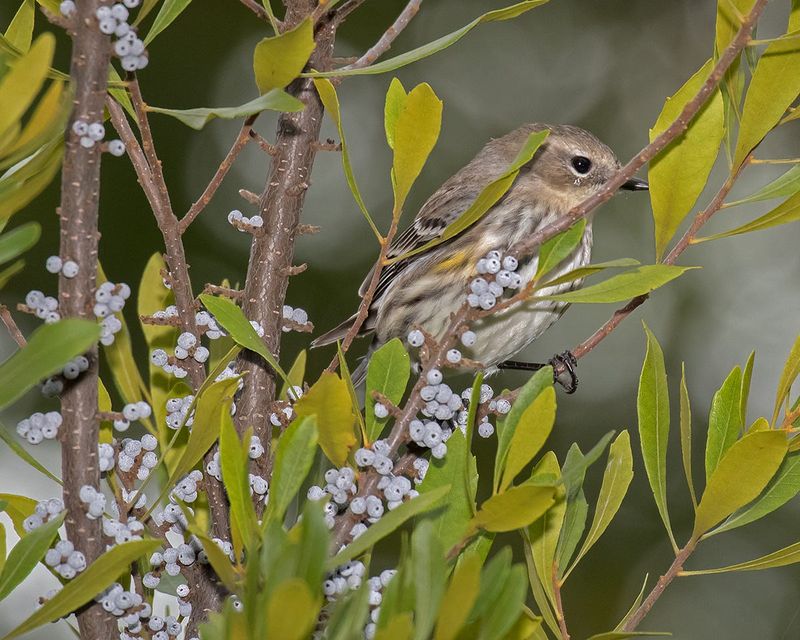
Wax myrtle is one of those plants that Florida gardeners keep coming back to because it simply never gives up. It grows fast, tolerates flooding, and provides excellent privacy screening even in spots where other shrubs struggle.
Birds go crazy for its small waxy berries, especially yellow-rumped warblers during winter migration. It smells wonderful when you brush against the leaves, too.
Whether your yard is wet or dry, wax myrtle adapts without complaint and keeps looking sharp.
Virginia Willow
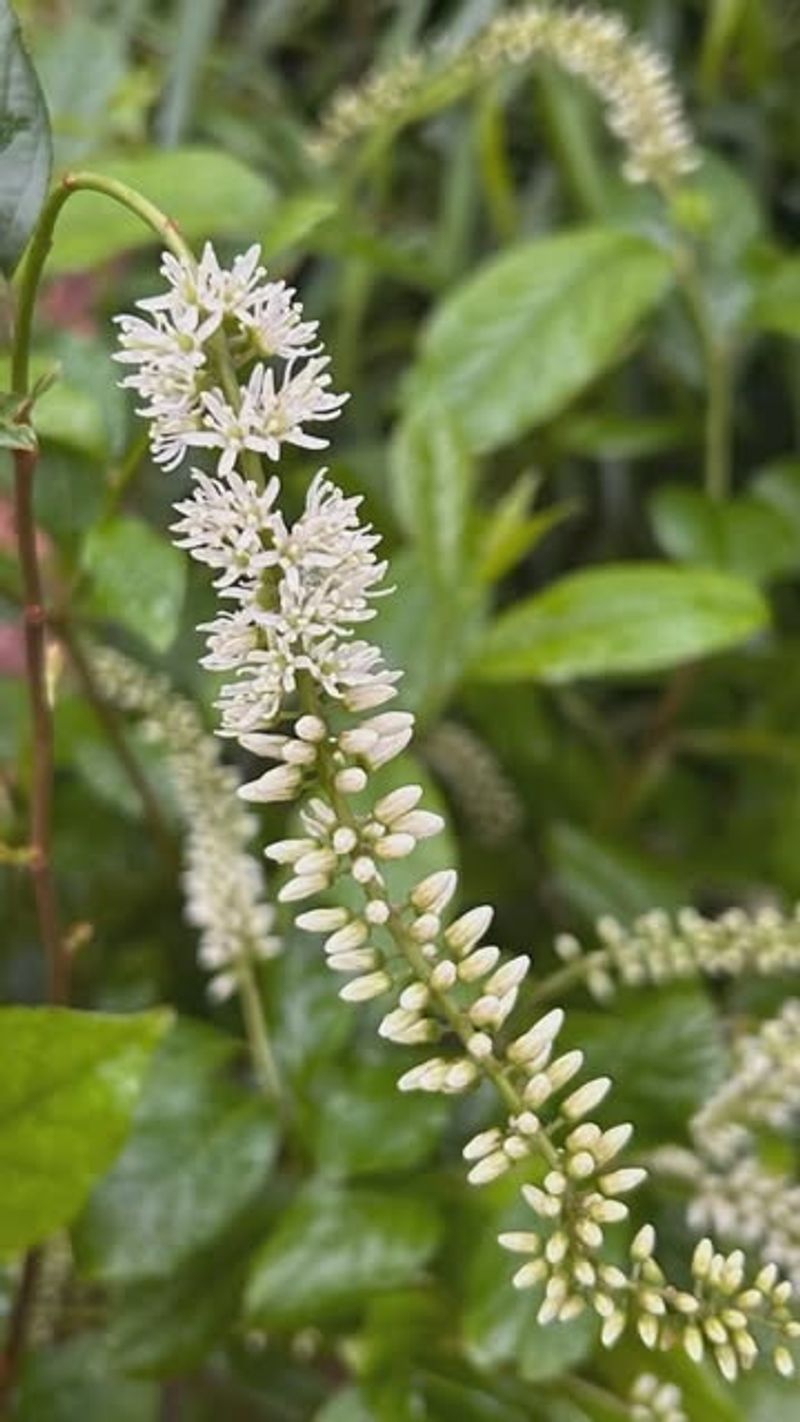
Virginia willow has an old-fashioned charm that feels right at home along a shady Florida stream bank or pond edge. Its arching branches drip with clusters of tiny white flowers each spring, attracting all kinds of pollinators to the garden.
Heavy rains and wet feet are exactly what this shrub loves. It spreads gradually over time, forming a lush, natural-looking thicket that provides shelter for birds and small wildlife.
It is a great choice for restoring a wet or shady area.
Florida Gamma Grass
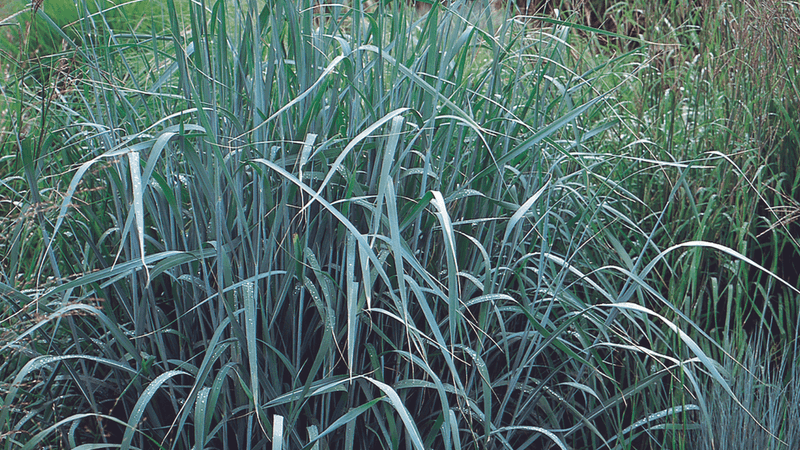
Florida gamma grass is a powerhouse native grass that can handle everything the Florida rainy season throws at it. Its broad, lush leaves arch gracefully and stay green even after extended periods of flooding or heavy downpours.
Wildlife experts love it because it provides excellent cover and food for birds and small mammals. It works well planted in groups along a pond edge or in a rain garden.
Once established, it grows vigorously and rarely needs any attention from the gardener.
African Iris
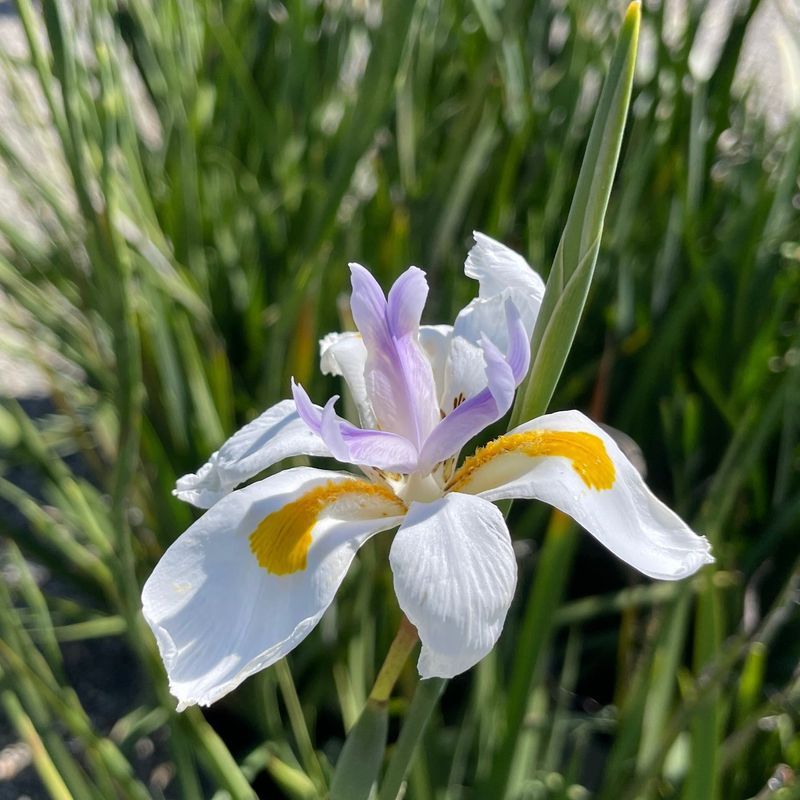
African iris brings a refined, elegant look to Florida gardens without demanding much in return. Its upright, sword-like leaves stay green and tidy year-round, and its white and yellow blooms pop up repeatedly throughout the warm months.
Heavy rain does not phase this tough plant at all. It handles both wet and dry conditions like a seasoned pro, making it one of the most versatile choices for Florida landscapes.
Use it as a border plant, in mass plantings, or tucked into a rain garden.
Enjoyed this story?
Add Fast Food Club as a preferred source to see more of our reporting on Google.