


Arizona is home to some of the most jaw-dropping landscapes on Earth, and many of them look like they belong in a fantasy movie. From towering red rock formations to hidden waterfalls tucked deep in canyon walls, the state never runs out of ways to amaze.
Whether you love hiking, photography, or simply soaking in stunning views, Arizona has something that will leave you speechless. Get ready to explore 13 natural wonders that truly feel too incredible to be real.
Grand Canyon National Park – Arizona
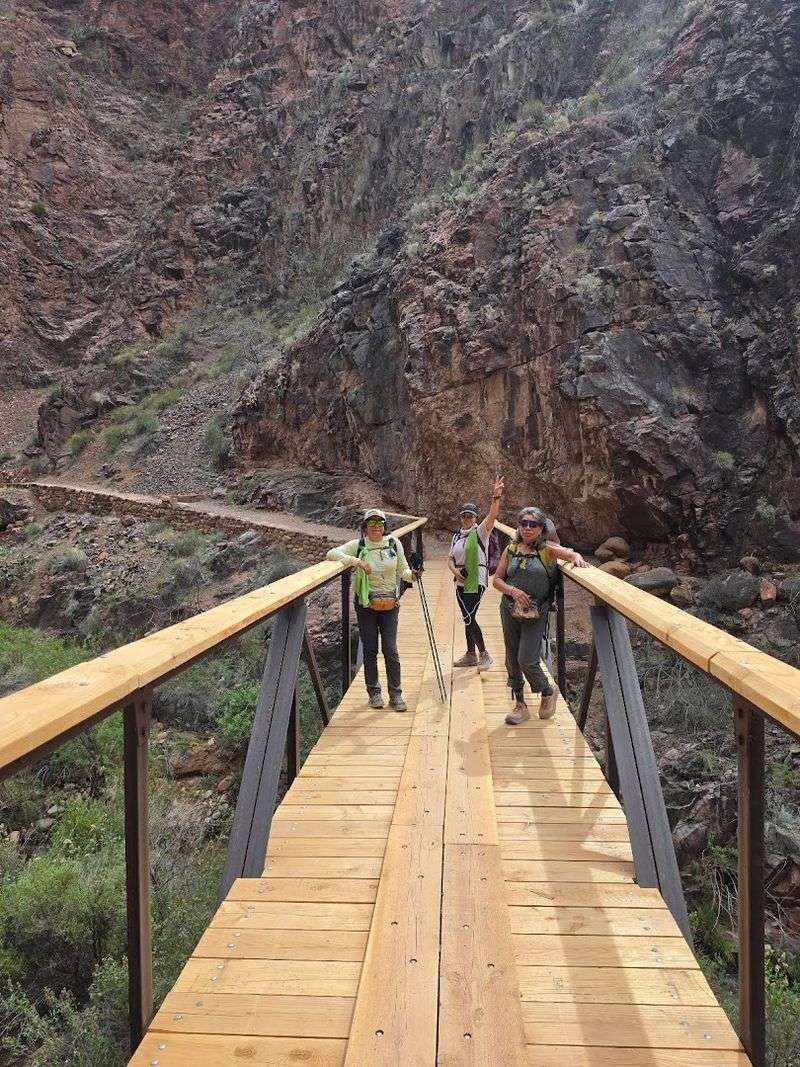
One mile deep and 277 miles long, the Grand Canyon is a place that makes you feel wonderfully small. Standing at the rim and looking out at those ancient layers of rock is something no photo can fully capture.
The canyon was carved by the Colorado River over millions of years, and geologists say its walls tell the story of nearly two billion years of Earth’s history.
Visiting the South Rim is ideal for first-timers, with easy overlooks and ranger-led programs available year-round.
Antelope Canyon Navajo Tours – Page, Arizona
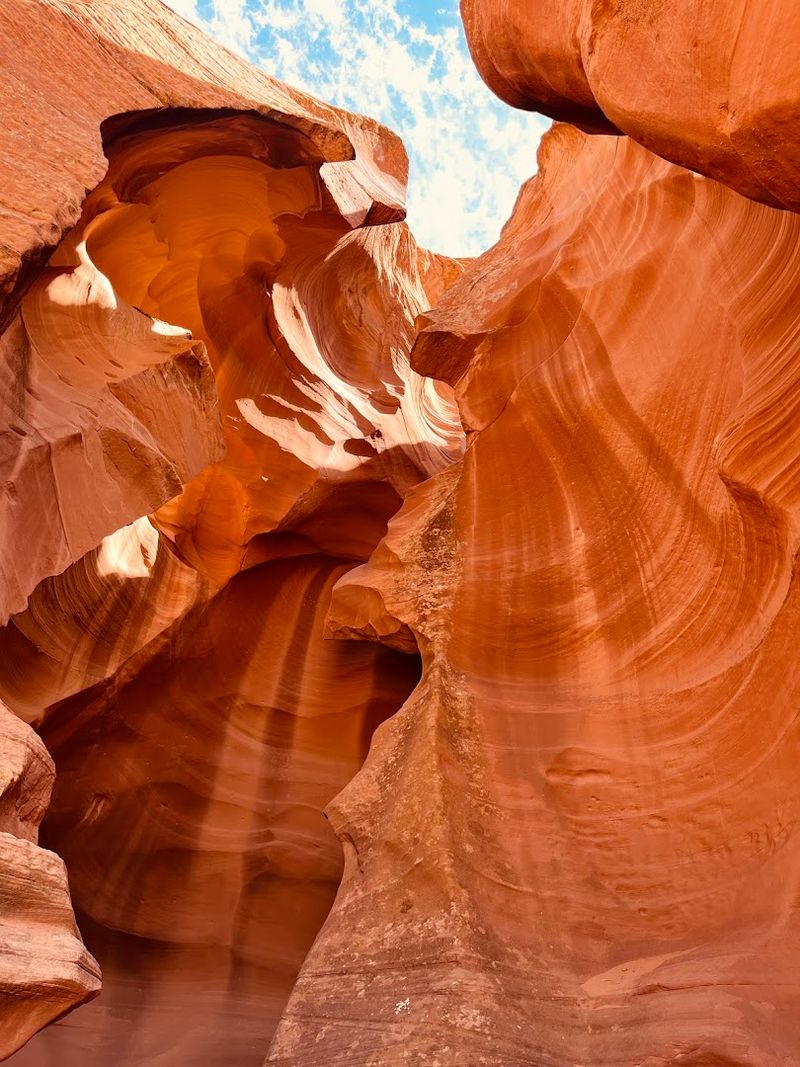
Sunlight pours through the narrow cracks of Antelope Canyon like something out of a dream, painting the sandstone walls in shades of gold, orange, and deep red. Located on Navajo land near Page, this slot canyon is one of the most photographed places in the American Southwest.
You can only visit with a Navajo-guided tour, which makes the experience feel even more special and respectful of the land.
Upper Antelope Canyon is best for photography, while Lower Antelope Canyon offers a more adventurous climb.
Horseshoe Bend – Page, Arizona
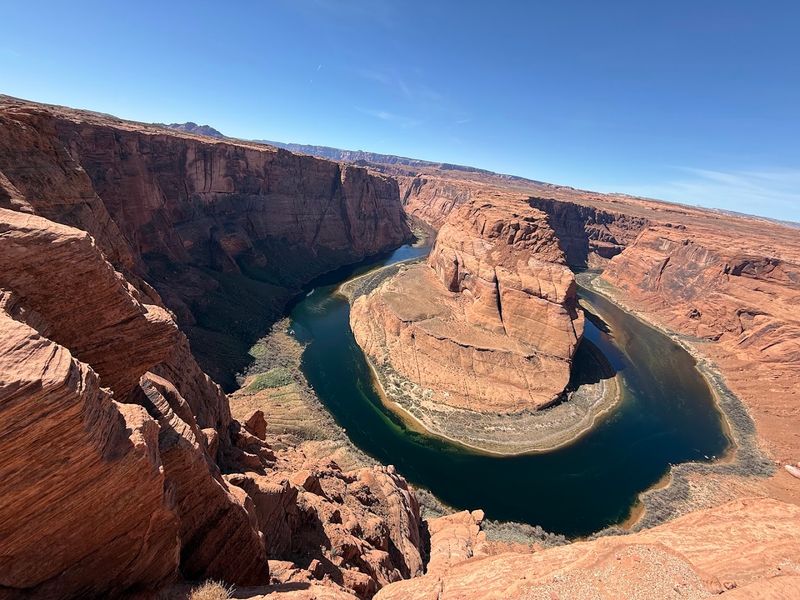
Few sights in the world match the dramatic curve of the Colorado River as it wraps around a massive sandstone cliff at Horseshoe Bend. Standing at the overlook, you are looking straight down nearly 1,000 feet, which is both thrilling and humbling.
The short 1.5-mile round-trip hike from the parking area makes it accessible for most visitors, including families with older kids.
Sunrise and sunset are the best times to visit for softer light and fewer crowds on the trail.
Oljato-Monument Valley – Arizona
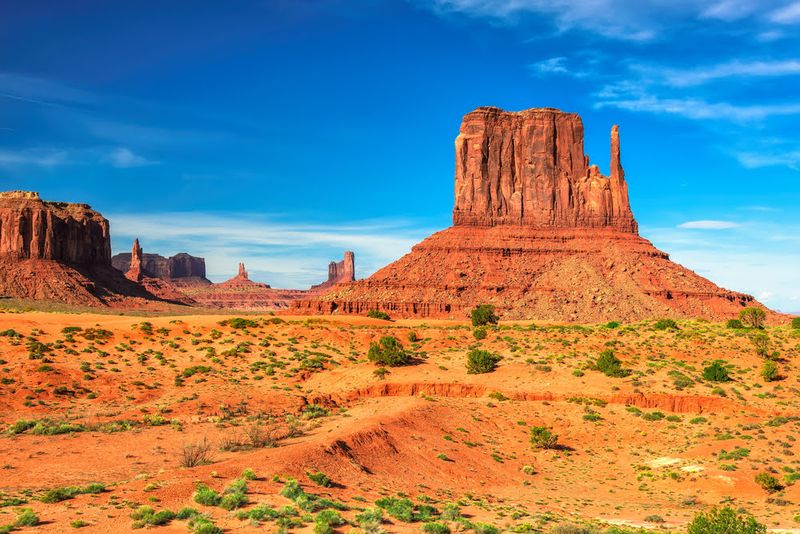
Rising from the flat desert like ancient guardians, the sandstone buttes of Monument Valley have become one of the most iconic landscapes in the world. You have almost certainly seen them in movies, car commercials, or road trip photos, but nothing compares to seeing them in person.
The Navajo Nation manages this sacred land, and guided jeep tours offer a chance to explore areas that are off-limits to solo visitors.
The 17-mile Valley Drive lets you experience the landscape at your own pace by car.
Red Rock State Park – Sedona, Arizona
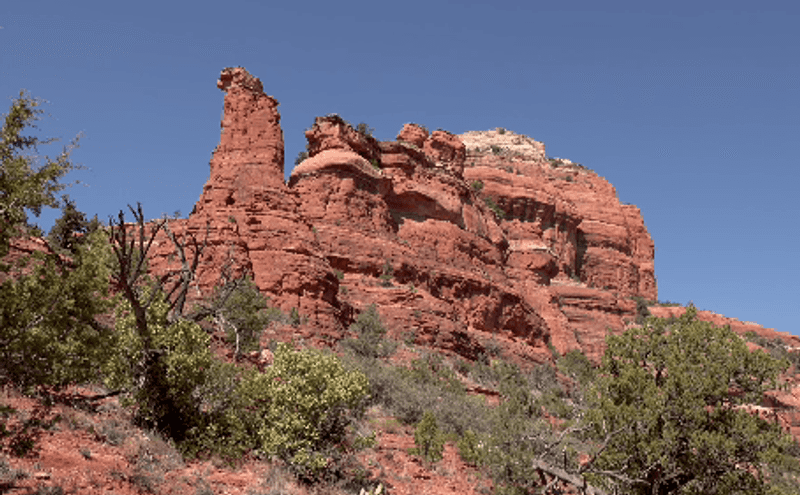
Sedona is famous for its fiery red rock scenery, and Red Rock State Park puts you right in the middle of it all. The park sits along Oak Creek, creating a rare mix of riparian habitat and towering sandstone formations that feels almost magical.
Birdwatchers love it here because more than 150 species have been spotted within the park boundaries.
Well-marked trails ranging from easy to moderate make it a great spot for families and casual hikers looking for a stunning outdoor escape.
Havasu Falls Trail – Arizona
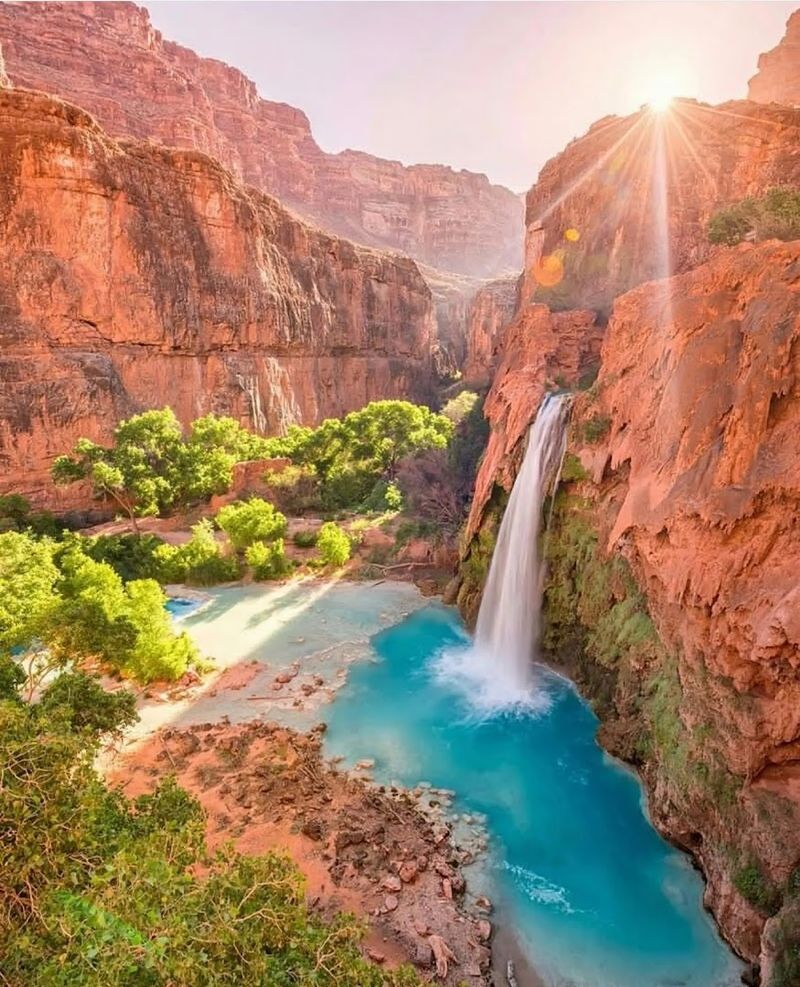
Turquoise water crashing over red rock cliffs into a glittering pool sounds like something from a tropical paradise, but Havasu Falls is tucked deep inside the Grand Canyon in Arizona. Reaching the falls requires a 10-mile hike into the Havasupai tribal lands, which makes it feel like a true adventure.
The stunning blue-green color comes from high levels of calcium carbonate and magnesium in the water.
Permits are required and sell out quickly, so planning months in advance is absolutely necessary for this bucket-list experience.
Petrified Forest National Park – Arizona
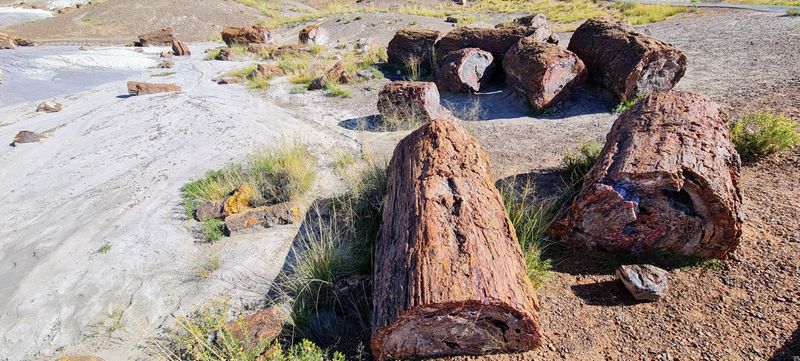
Imagine walking through a forest where every single tree has turned to stone over 225 million years, and you have Petrified Forest National Park. Ancient logs made of quartz crystal sparkle in the sunlight, splashed with colors of purple, red, yellow, and white.
The park also includes the Painted Desert, a sweeping landscape of colorful badlands that shifts in hue depending on the time of day.
Collecting petrified wood is strictly prohibited, so leave everything exactly as you find it to preserve this prehistoric treasure.
Canyon de Chelly National Monument – Arizona
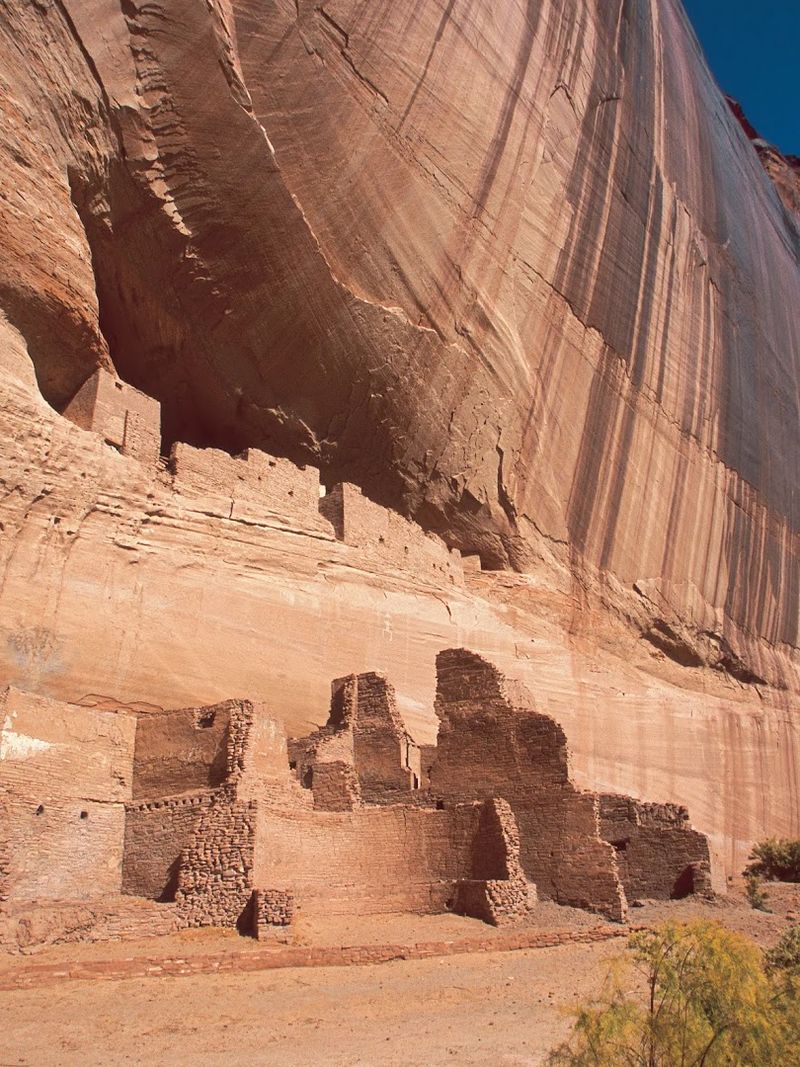
Canyon de Chelly holds layers of history that go back thousands of years, making it one of the most culturally rich places in the entire country. Ancient Ancestral Puebloan cliff dwellings are built right into the canyon walls, and Navajo families still live and farm in the canyon today.
That living connection to the land makes this monument unlike any other national park site you will visit.
Guided tours led by Navajo rangers are the best way to learn about the canyon’s deep spiritual and historical significance.
Saguaro National Park – Arizona
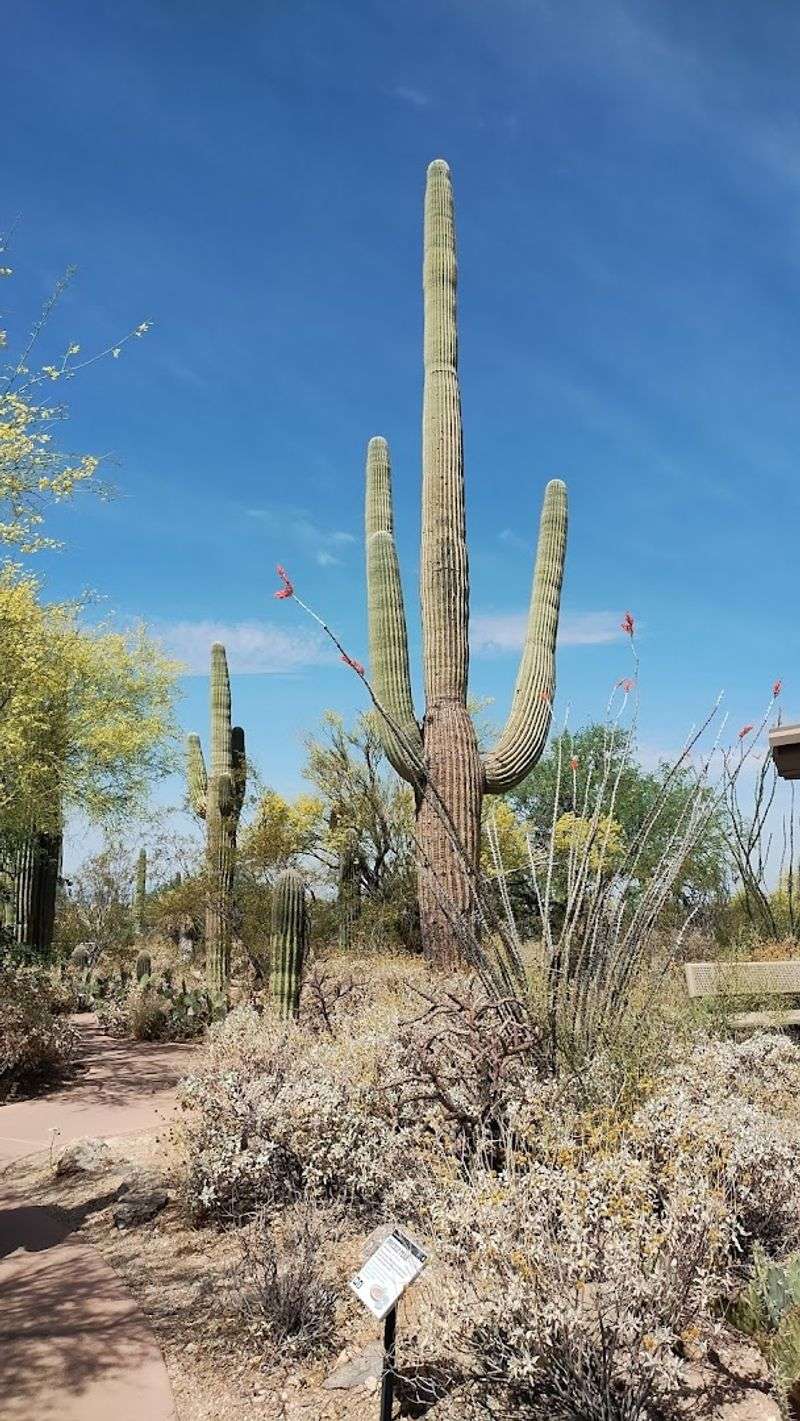
Standing up to 40 feet tall and living for over 150 years, the saguaro cactus is the undisputed giant of the Sonoran Desert, and this park was created just to protect it. Split into two districts on either side of Tucson, Saguaro National Park gives visitors a front-row seat to one of the most unique ecosystems on the planet.
Seeing thousands of these towering cacti lit up by a desert sunset is a genuinely unforgettable sight.
Spring brings beautiful wildflower blooms that carpet the desert floor around the base of the cacti.
Vermilion Cliffs National Monument – Marble Canyon, Arizona
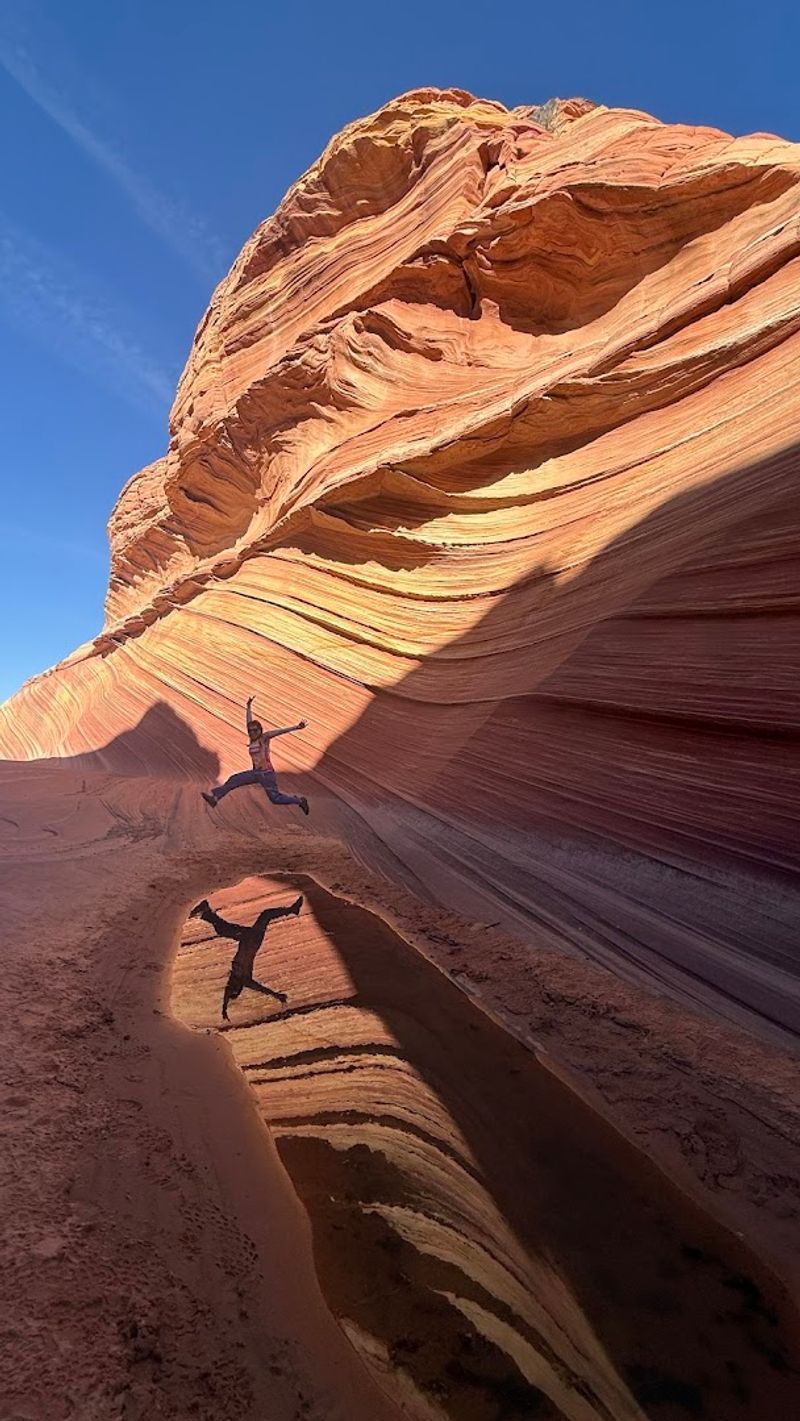
The Vermilion Cliffs look like someone turned the volume all the way up on color, with deep red, orange, and cream-colored sandstone walls stretching for miles across the remote Arizona landscape. This monument is also home to The Wave, one of the most visually stunning rock formations on Earth, with swirling patterns that look computer-generated.
Access to The Wave requires a lottery permit, adding a little suspense to the adventure.
California condors, one of the rarest birds in the world, were reintroduced here and can sometimes be spotted soaring overhead.
Chiricahua National Monument – Willcox, Arizona
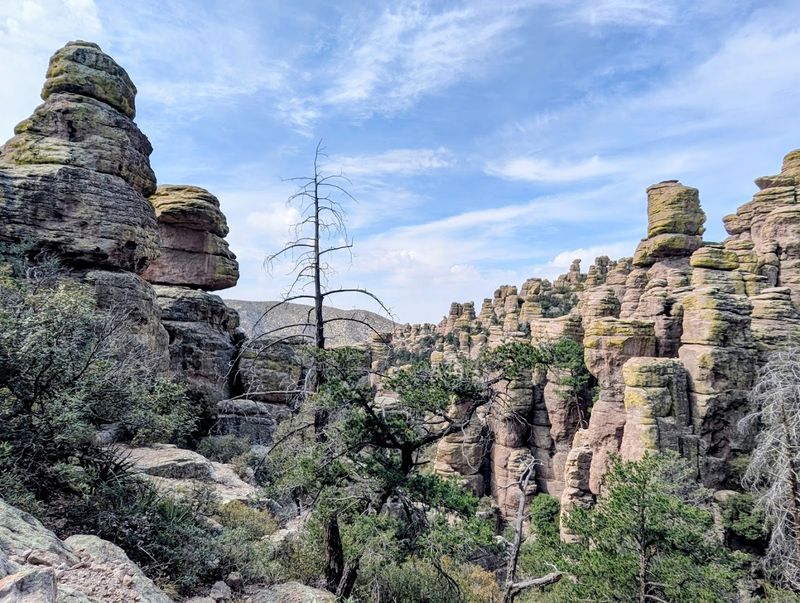
Nicknamed the Land of Standing-Up Rocks by the Chiricahua Apache, this monument is packed with thousands of towering rock columns that seem to defy gravity. Volcanic eruptions 27 million years ago created these formations, and erosion slowly sculpted them into the wild, spire-filled landscape you see today.
Because it sits in a remote corner of southeastern Arizona, Chiricahua sees far fewer visitors than other monuments, giving it a quiet, almost secret feel.
The Echo Canyon Loop Trail is considered one of the most scenic hikes in all of Arizona.
Tonto Natural Bridge State Park – Pine, Arizona
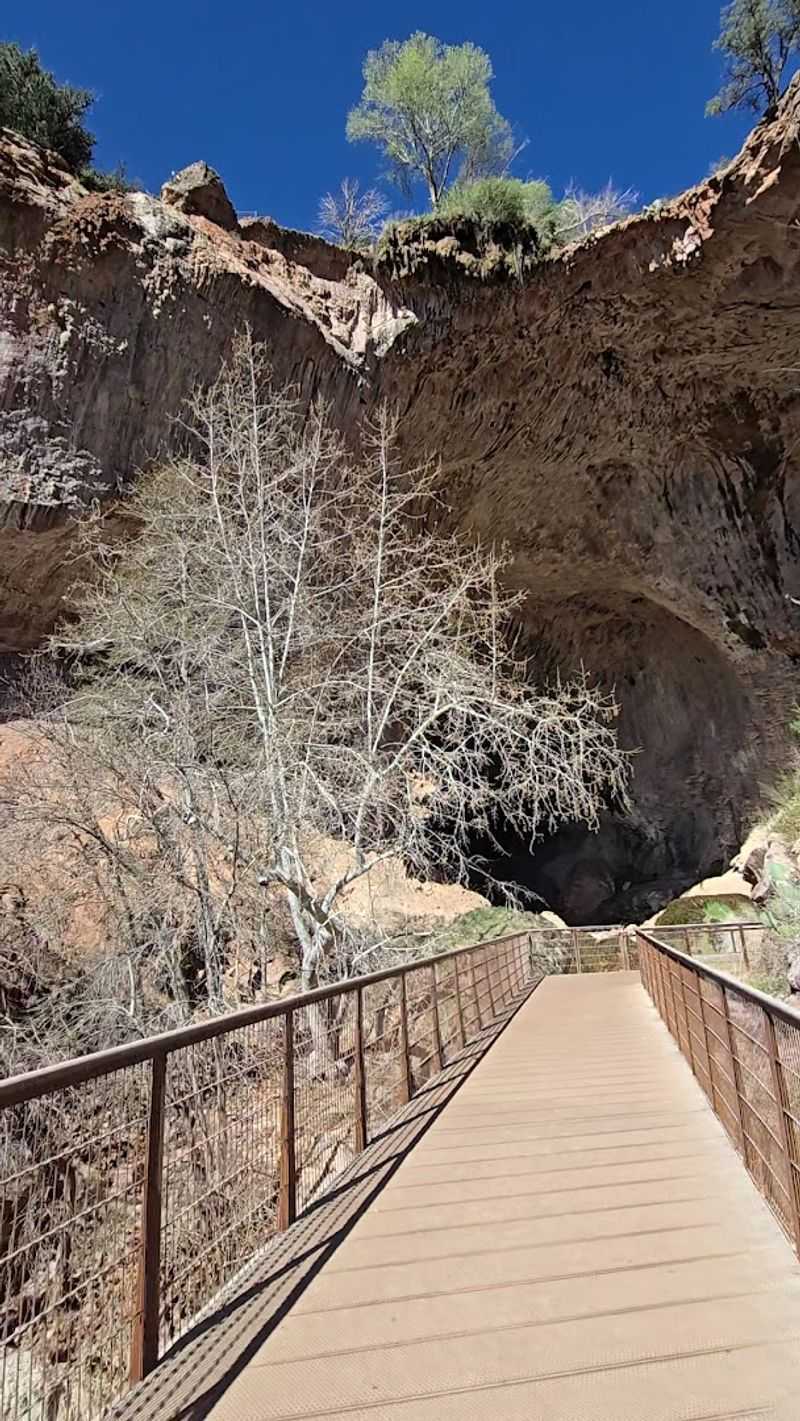
Tonto Natural Bridge is believed to be the largest natural travertine bridge in the world, and it sits quietly above a gorgeous green pool in the pine-covered hills near the town of Pine. Water has been flowing through and over this 183-foot-wide arch for thousands of years, slowly building it up with mineral deposits.
Brave visitors can actually swim in the pool beneath the bridge during warmer months, which makes the visit extra memorable.
The short but steep trails down to the bridge require sturdy shoes and a good sense of balance.
Organ Pipe Cactus National Monument – Ajo, Arizona
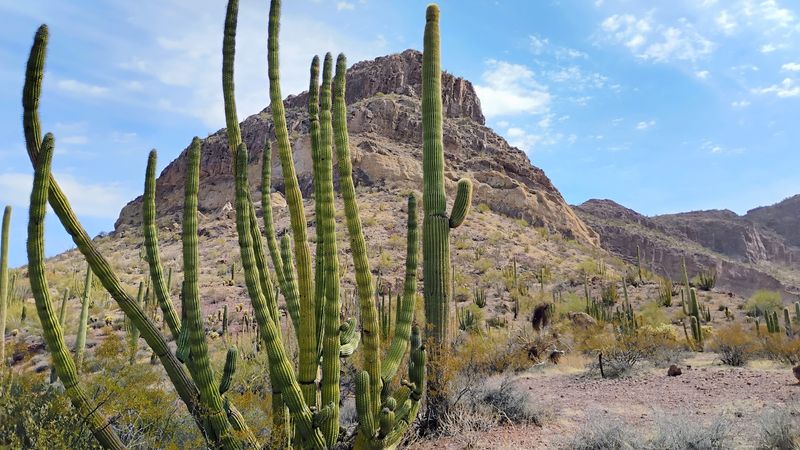
The organ pipe cactus grows in the United States in only one place, and that is right here in this remote corner of southern Arizona near the Mexican border. Each plant can have dozens of arms reaching toward the sky, creating a silhouette that looks like a giant pipe organ, which is exactly how it got its name.
The monument also protects an incredible variety of desert wildlife, including the endangered lesser long-nosed bat.
Night sky viewing here is outstanding because the monument is designated as an International Dark Sky Park.
Enjoyed this story?
Add Fast Food Club as a preferred source to see more of our reporting on Google.