


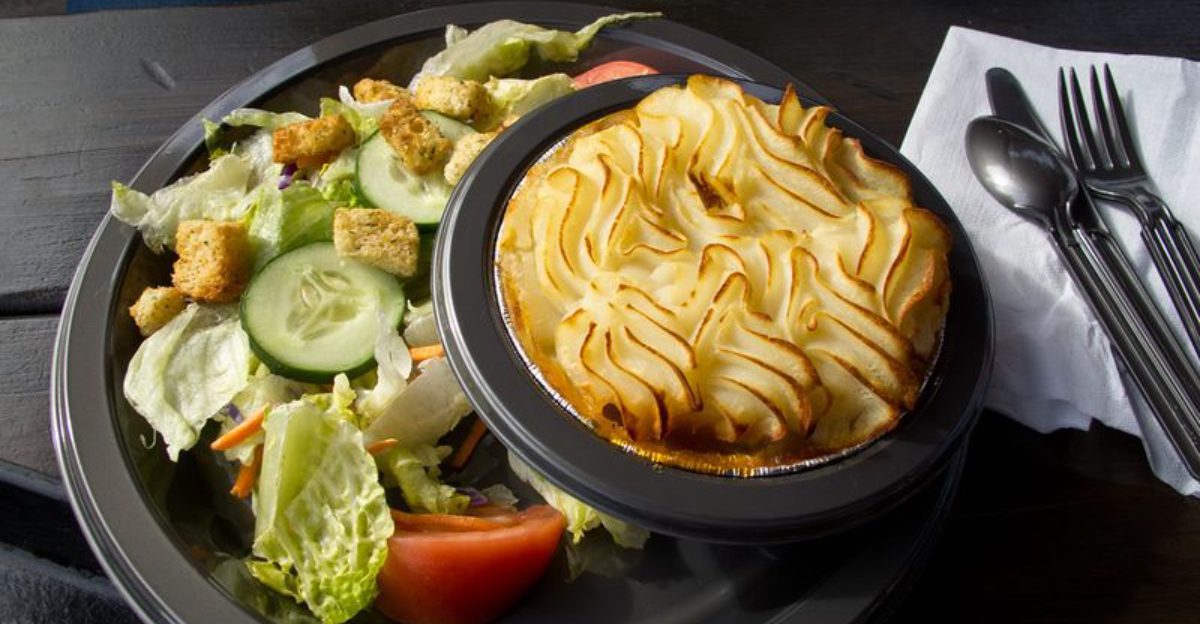
Some meals seem easy until you are the one juggling timing, texture, and seasoning. You learn fast that patience, rest time, and heat control can make or break comfort food.
Try cooking these classics and you will respect every quiet detail that holds them together. By the end, you will taste the difference your hands made.
Lasagna
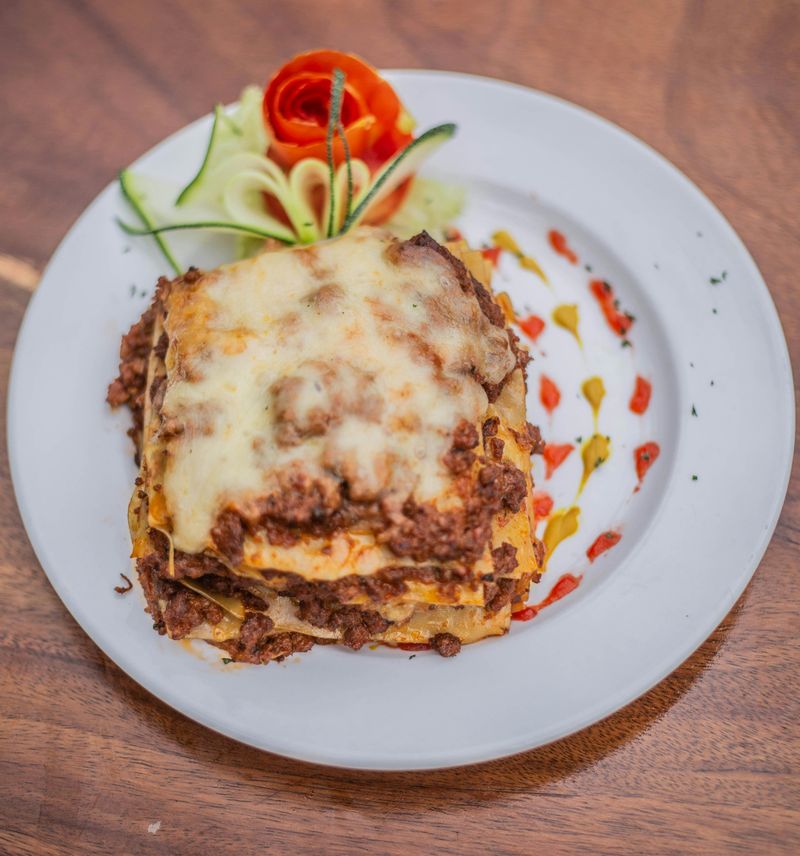
You think lasagna is easy until noodles tear, sauces split, and corners burn while the middle slumps. Getting béchamel velvety, ragù balanced, and pasta seasoned takes patience and heat control.
Layering evenly matters, or you end up with dry edges and soggy centers.
Then comes the hardest step you skip the first time: the rest. Letting it settle gives clean slices, distinct strata, and flavors that finally marry.
Season each component, taste constantly, and do not rush the oven timer. When you nail it, forks go quiet and respect shows up quickly.
Pot roast
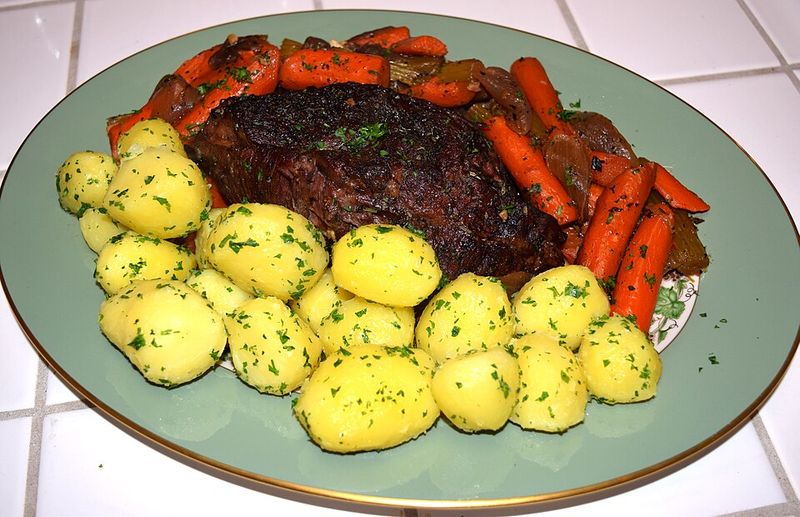
Pot roast humbles you with patience. Browning deeply without burning feels nerve wracking, but that fond is flavor gold.
Add stock, aromatics, and a tight lid, then wait while connective tissue melts into buttery tenderness.
Rushing leaves the meat stringy and the vegetables mushy or underdone. Skim fat, reduce the jus, and adjust salt at the end for a glossy, spoonable sauce.
Rest the roast before slicing, letting juices reabsorb. When it finally yields to a fork and perfumes the kitchen, you realize slow care built every bite.
Beef stew
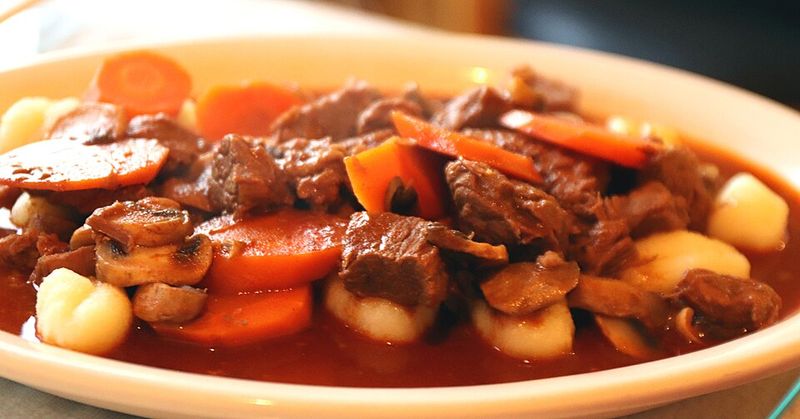
Beef stew seems straightforward until you juggle browning, deglazing, and simmering without clouding the sauce. If you crowd the pot, meat steams instead of sears, and flavor disappears.
Deglaze properly, then build layers with tomato paste, stock, and herbs.
Timing vegetables is the real trick. Add roots early, tender greens late, and keep the simmer low so collagen transforms gently.
Skim, taste, salt, and thicken only if needed. After hours, the broth turns silky, the meat yields, and you finally respect why grandma guarded her method.
Chicken and dumplings
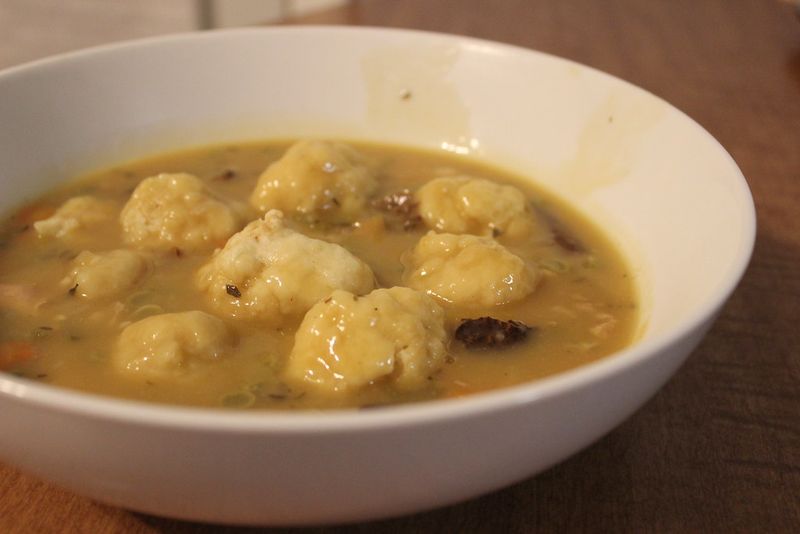
Chicken and dumplings looks cozy but tests finesse. Poach gently for juicy chicken, then build a creamy base without curdling.
Dumplings demand a light touch, minimal mixing, and careful dropping onto simmering stew, not boiling chaos.
Lift the lid too often and they collapse. Make them too dense and you get gummy dough bombs.
Season the broth boldly because dumplings steal salt, and finish with fresh herbs for brightness. When the spoon breaks a cloudlike dumpling and the broth coats it silkily, you finally get why simple comfort takes skill.
Chicken pot pie
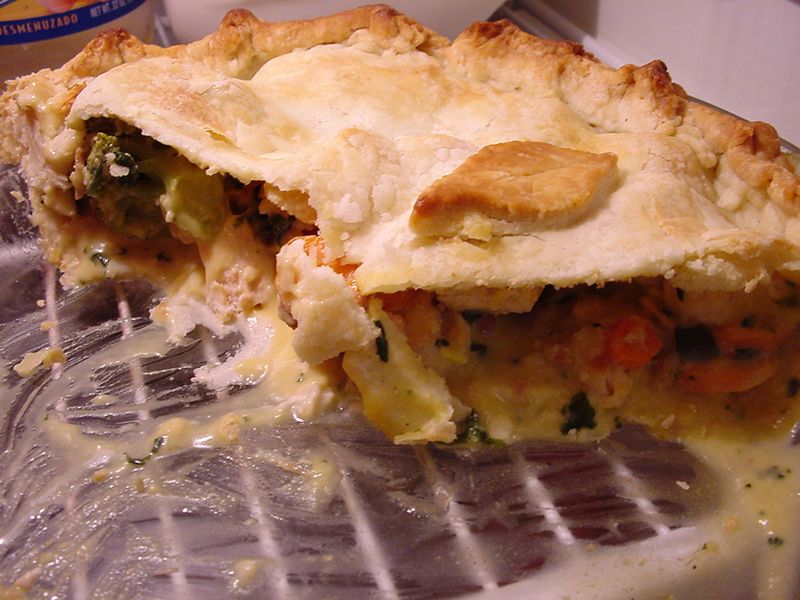
Chicken pot pie rewards patience and punishes shortcuts. The crust must be cold, flaky, and seasoned, or it sogs under creamy filling.
Poach chicken gently, sweat aromatics, then build a velvety sauce that clings without turning gluey.
Vent the crust, chill the assembled pie, and bake on a hot sheet to prevent soggy bottoms. Timing the bake so the filling bubbles while the top browns takes attention.
Rest before slicing so rivers do not spill. When you hear the first crisp crackle and see silky stew beneath, you finally understand.
Stuffed peppers
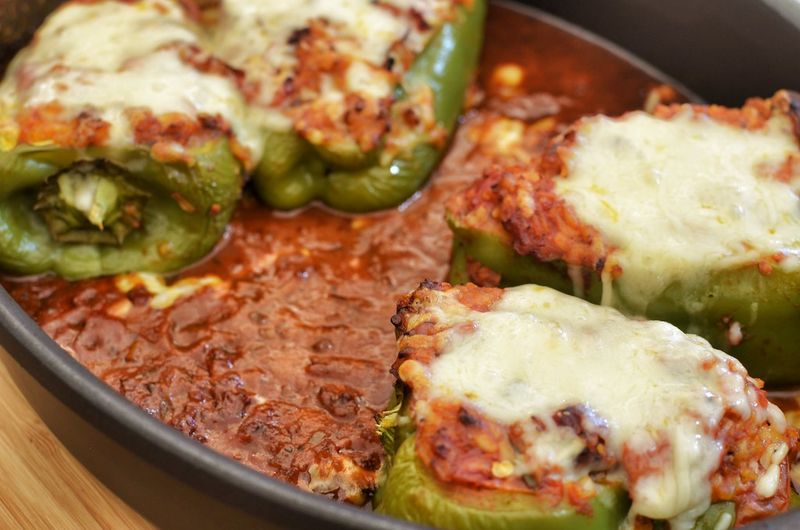
Stuffed peppers challenge your seasoning instincts. Parboil or roast peppers first for tenderness, but keep structure.
The filling needs cooked rice, browned meat, aromatics, and enough sauce to stay moist without turning soupy.
Packing too tight makes dense, dry cores. Too loose, and everything spills after the first cut.
Tent with foil, bake gently, then uncover for a light char and bubbling cheese. Rest and baste with pan juices before serving.
When steam escapes and grains stay separate yet saucy, you realize restraint and timing make this weeknight hero shine.
Cabbage rolls
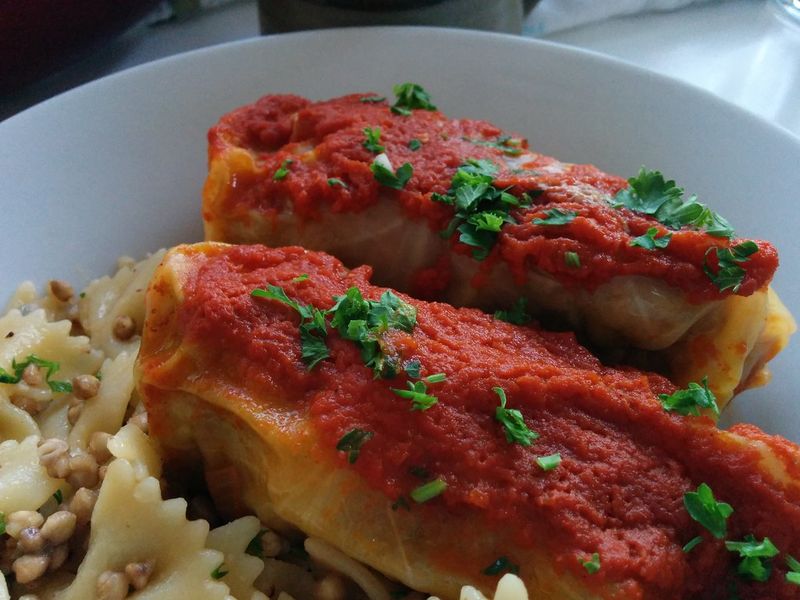
Cabbage rolls teach patience from the first blanch. Leaves must go pliable without tearing, then get trimmed so thick ribs do not split seams.
The filling needs seasoned meat, rice, and onion balanced with herbs and acidity.
Roll too tight and they burst. Too loose and they unravel in sauce.
Nest them snug in a pot, pour tomato sauce, and braise gently until tender and fragrant. Resting lets flavors meld and seams set.
When they slice cleanly and the sauce tastes bright yet rich, you finally respect the craft.
Roast chicken
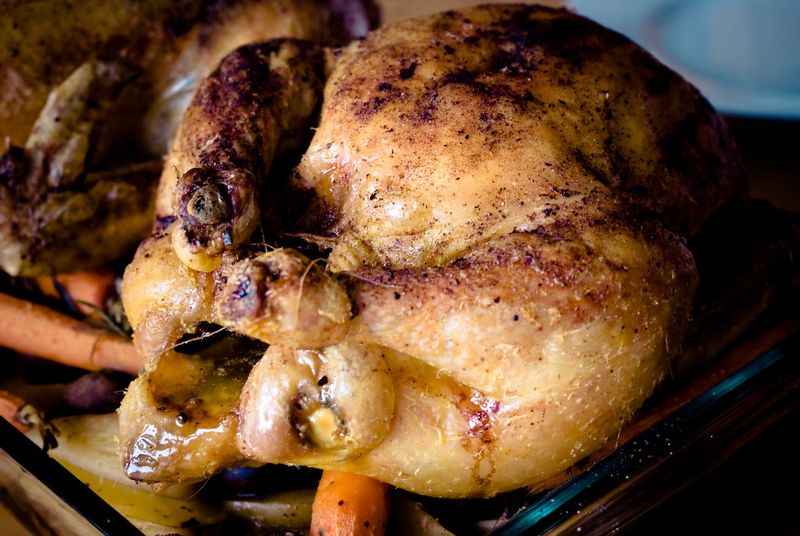
Roast chicken looks simple until you chase crispy skin and juicy thighs at the same time. Dry the bird, salt early, and air chill if possible.
High heat to start, then moderate to finish, or vice versa depending on your oven.
Truss or not is a choice, but temperature spots matter. Baste with fat, not liquid, and let carryover finish the job.
Rest before carving so juices stay put. When the skin shatters and the breast stays succulent, you finally acknowledge the quiet technique behind this classic.
Mashed potatoes and gravy
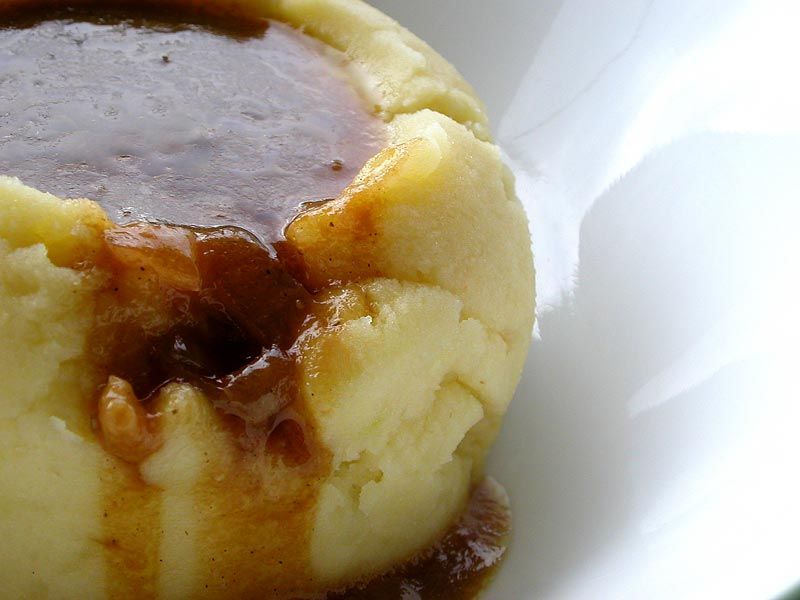
Mashed potatoes and gravy sound basic but expose every shortcut. Choose starchy potatoes, cook in salted water, and keep them hot while ricing.
Warm dairy prevents gluey mash, and butter goes first so starch absorbs fat before liquid.
Gravy needs a proper roux or reduction, careful deglazing, and seasoning beyond salt. Strain for silk, then pour into a buttered well.
Overwork the mash and you get paste. Nail the sequence and you get cloudlike scoops with glossy sauce that clings.
Simple, yes, but earned.
Biscuits
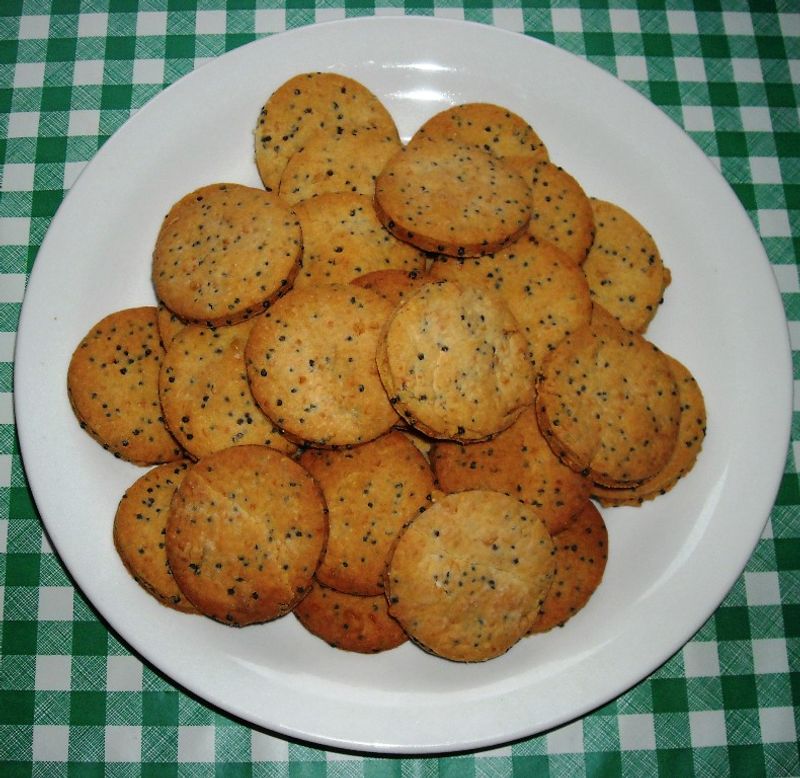
Biscuits punish warm hands and impatience. Keep butter cold, handle dough minimally, and fold for layers.
The dough should look rough, not smooth, and the oven must be ripping hot for dramatic lift.
Twisting the cutter seals edges and kills rise. Overmixing turns tender crumbs into hockey pucks.
Brush with buttermilk, crowd the pan slightly so they help each other climb, then bake until tops brown and bottoms singe. When you crack one open and steam billows from tall layers, you finally understand why technique matters.
Cornbread
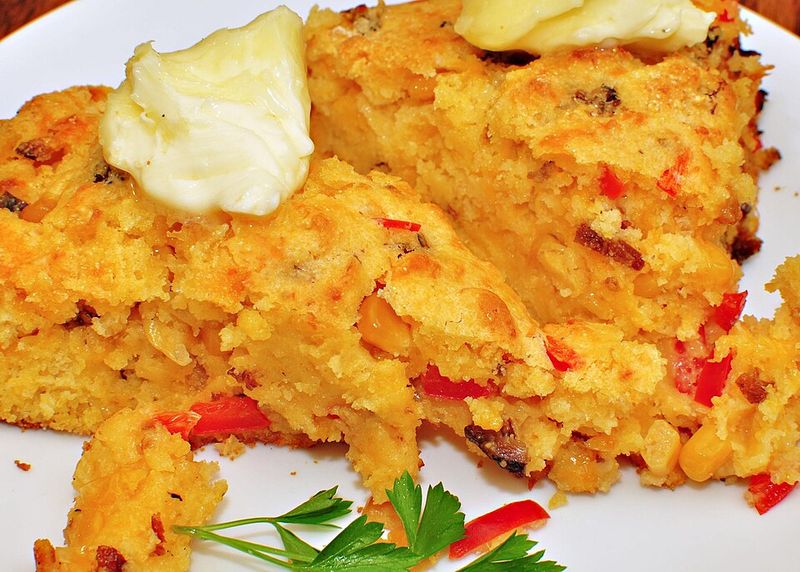
Cornbread seems foolproof until it dries out or crumbles badly. Choose the right cornmeal grind, preheat the skillet with fat, and mix wet into dry swiftly.
Do not overwork the batter or sweetness will not save the texture.
Buttermilk for tang, a touch of sugar if you like, and enough salt to wake the corn. Let the edges fry in the hot pan for that coveted crunch.
Bake just until set, then rest a minute. When a wedge holds together yet stays tender, respect replaces assumptions.
Spaghetti and meatballs
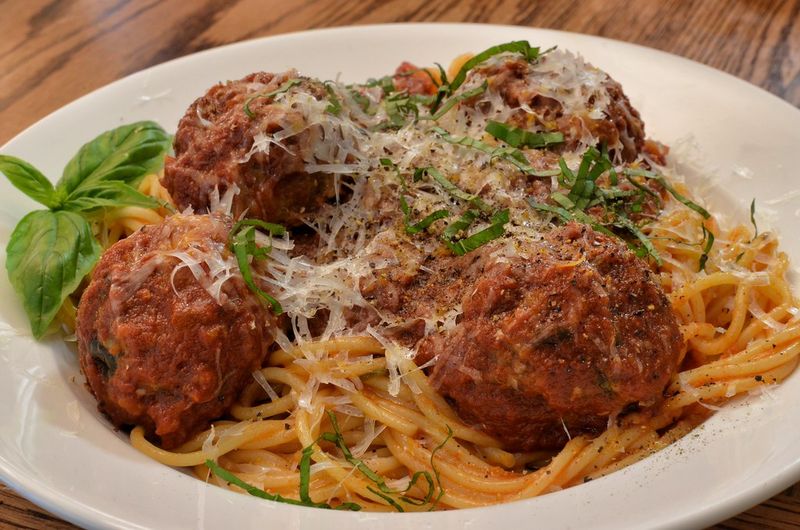
Spaghetti and meatballs demand balance. Meatballs need a tender crumb from panade, light mixing, and patient browning.
Simmer them in sauce to share flavors, but avoid overcooking into rubbery pucks.
Sauce should be bright and silky, with emulsified olive oil and properly salted pasta water. Stop the pasta early and finish in the sauce so it absorbs, not just wears, flavor.
Toss vigorously, add starchy water as needed, and taste repeatedly. When twirls shine and meatballs cut like cake, you realize how technique makes comfort magical.
Meatloaf
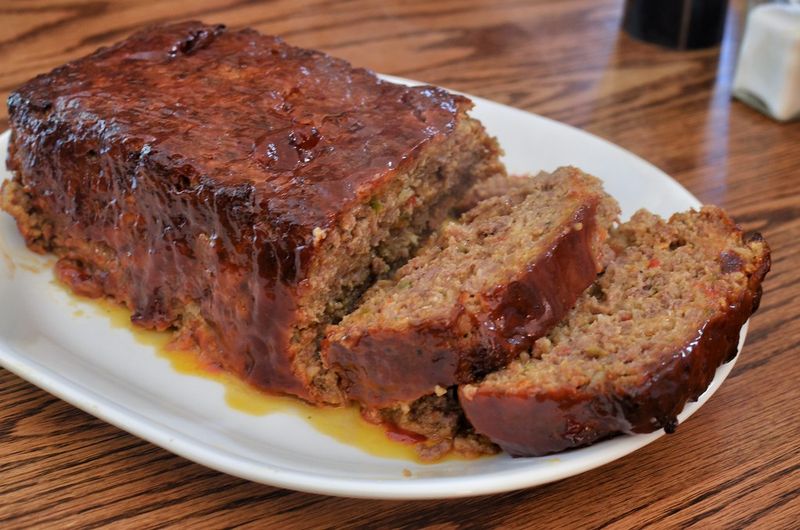
Meatloaf is forgiving until it is not. The panade ratio, vegetable moisture, and gentle mixing determine tenderness.
Pack it too tightly and you build a brick that weeps grease.
Sauté aromatics to drive off water, shape a loaf with space around it, and glaze in layers for shine. A probe thermometer saves the day.
Rest before slicing so juices settle. When slices hold together yet remain juicy, and the glaze sticks with sweet tang, you finally respect this diner classic.
Apple pie
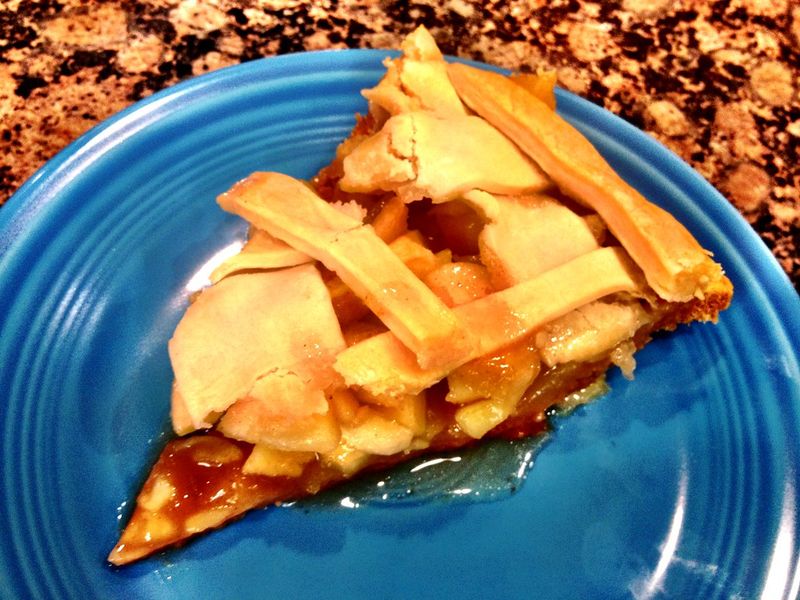
Apple pie reveals every corner you cut. Cold dough, visible butter, and minimal handling build flakes.
The filling needs the right apples, sugar, spice, and enough thickener to set without turning gummy.
Pre-cook or macerate to avoid gaps, vent generously, and bake boldly until juices bubble like lava. Shield edges to prevent scorching.
Let it cool completely so the slice stands tall. When the knife crunches through glassy crust and meets tender fruit, you finally see why patience makes perfection.
Bread pudding
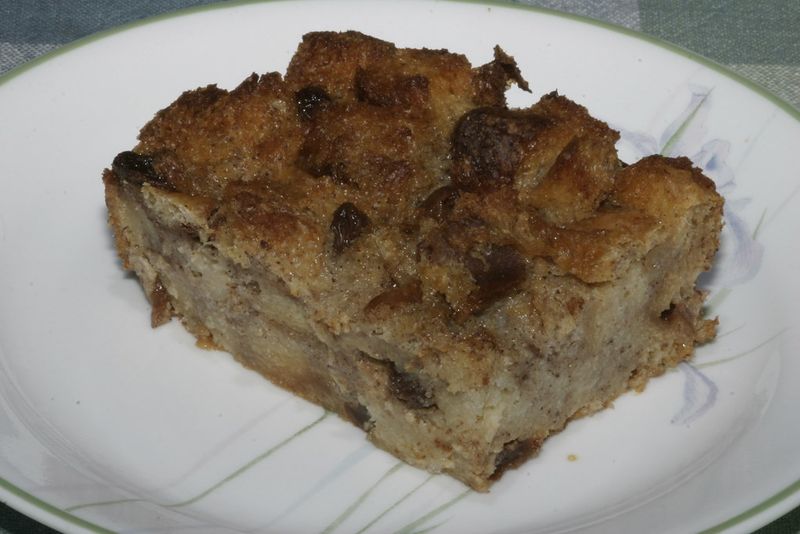
Bread pudding rewards stale bread and good custard technique. Dry cubes soak better, but not to mush.
Temper eggs with warm dairy, season with vanilla and salt, and rest so custard penetrates.
Bake in a water bath for silk or go uncovered for caramel edges, depending on your mood. The center should wobble slightly, not slosh.
Sauce matters too, whether bourbon, vanilla, or caramel. When a spoon reveals creamy custard and toasty tops in one bite, you appreciate how thrift becomes luxury.
Rice pudding
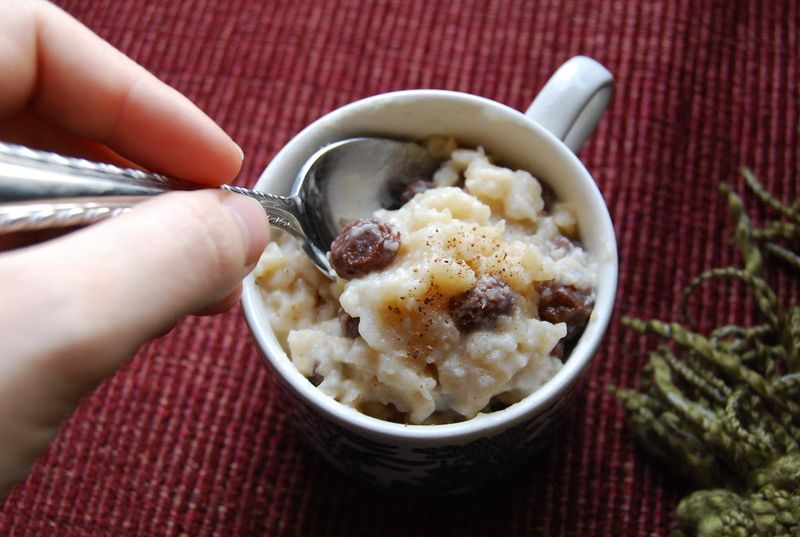
Rice pudding looks gentle but punishes inattention. Choose the right rice, rinse or not intentionally, then simmer low so starch releases gradually.
Scorch the pot once and bitterness lingers through every spoonful.
Sweetness must be balanced with salt and a whisper of vanilla or citrus. Stir often near the end, watching for that moment it thickens but still flows.
Off heat, it continues to set. Chill or serve warm with spice on top.
Nail the texture and you will finally respect its quiet difficulty.
Tuna casserole
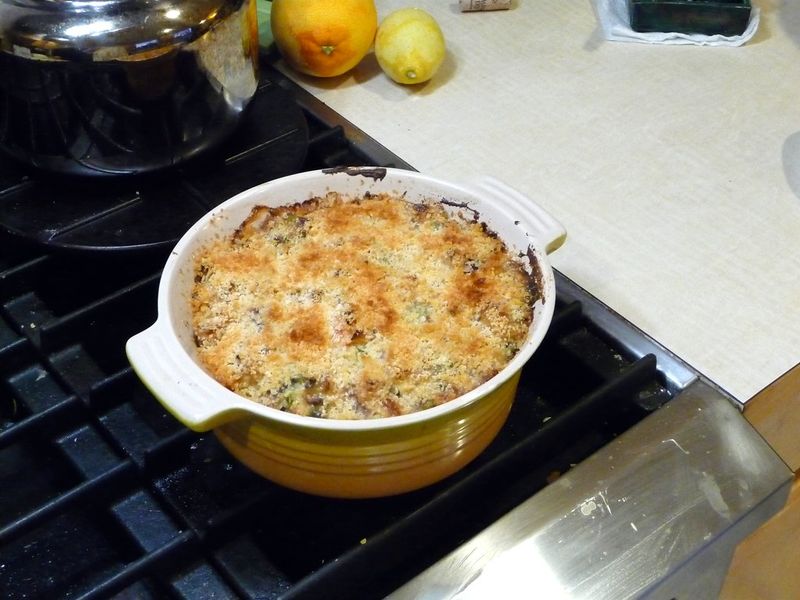
Tuna casserole exposes shortcuts quickly. The sauce needs real roux, not just canned soup, if you want silk instead of paste.
Cook noodles shy of done, or they bloat and break.
Season assertively because tuna and pasta mute flavors. Fold in peas at the end to keep color bright.
Top with buttered crumbs for crunch, then bake until bubbling at the edges. Let it rest so slices hold.
When comfort meets contrast in every bite, you realize this pantry classic earns respect.
Chili
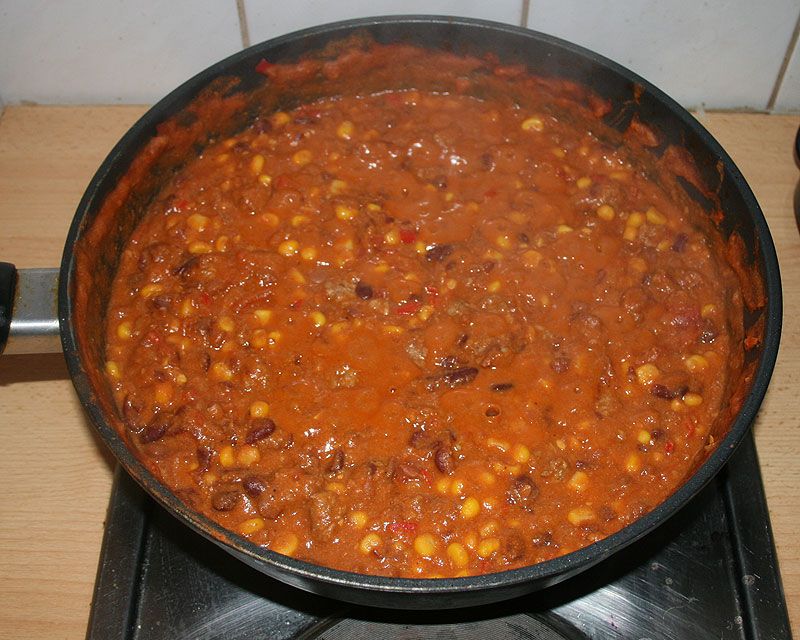
Chili invites fierce opinions, then humbles you at the stove. Browning meat properly, blooming spices in fat, and reducing to a glossy body take time.
Add beans at the right moment or they blow out and muddy everything.
Balance heat with acidity and a hint of sweetness, maybe from tomatoes or onions. Salt in layers, not at the end.
Let it rest overnight if you can, because flavors knit tighter by morning. When the spoon trails a path and the heat blooms slowly, you finally respect the craft.
Homemade soup
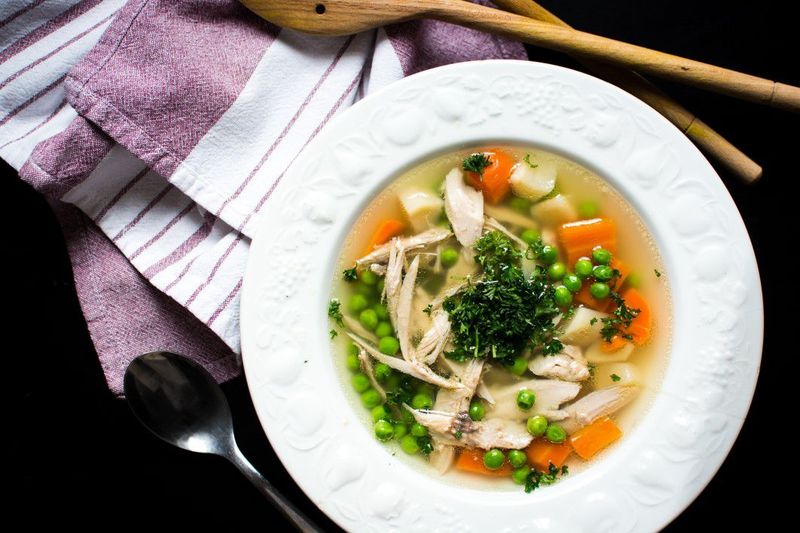
Homemade soup is simple only if your stock sings. Start with bones or good vegetables, skim carefully, and keep the simmer lazy for clarity.
Sweat aromatics, season gradually, and hold acidity until the end.
Add tender vegetables last so they do not dissolve. Pasta or rice should finish in the broth, but not steal all the salt.
A squeeze of lemon or splash of vinegar brightens everything. When the bowl feels restorative rather than heavy, you realize finesse made a humble soup feel special.
Shepherd’s pie
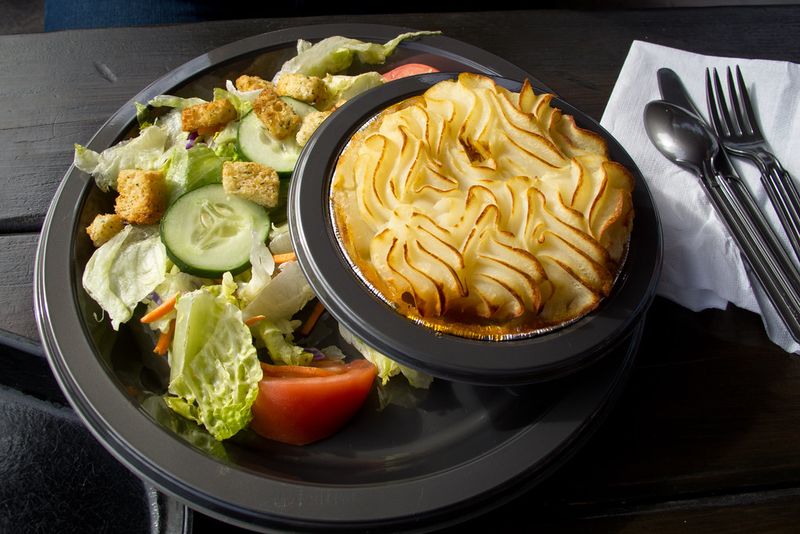
Shepherd’s pie looks rustic but reveals technique. The mash must be fluffy yet sturdy, enriched and seasoned, then raked so ridges crisp.
The lamb mixture needs deep browning, tomato paste, Worcestershire, and reduced stock for savor.
If the filling is watery, the mash sinks. If the mash is stiff, it cracks and dries.
Pipe or spread gently, bake until bubbling, and broil briefly for color. Let it rest to set layers.
When your spoon glides through crackly potato into glossy gravy, you appreciate the balance of comfort and craft.
Enjoyed this story?
Add Fast Food Club as a preferred source to see more of our reporting on Google.