


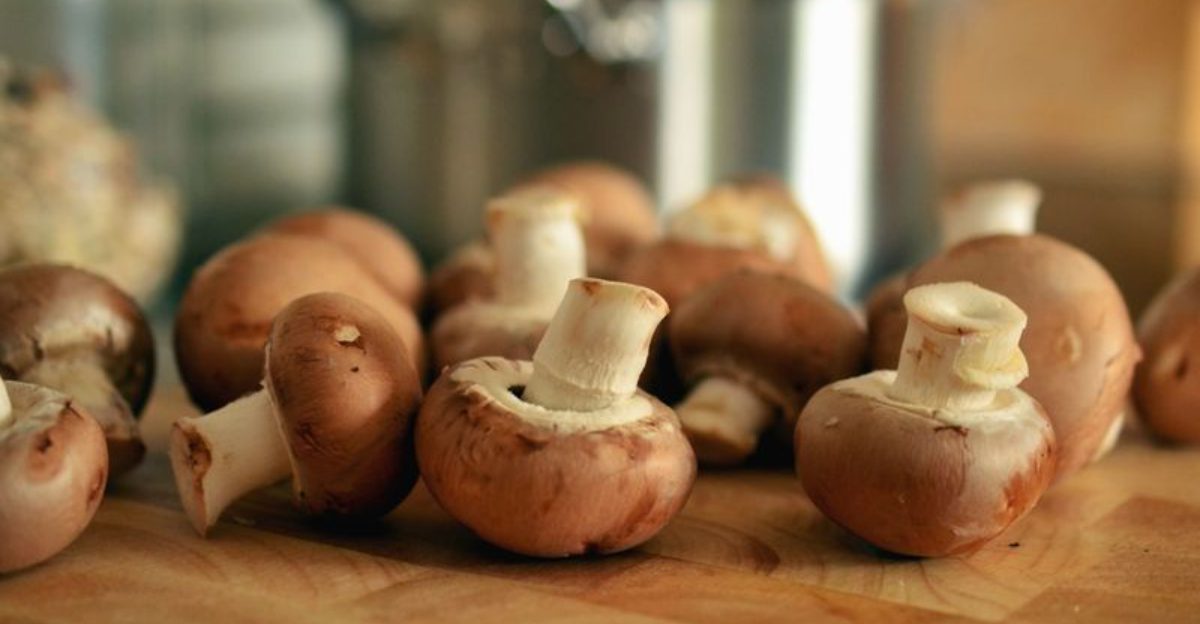
Some foods get an unfair reputation until you try them prepared with a little know how. A bitter bite becomes balanced, a funky aroma turns intriguing, and textures suddenly click when cooked right.
Consider this your friendly nudge to give these underloved eats another chance. By the end, you might discover new favorites hiding in plain sight.
Brussels sprouts
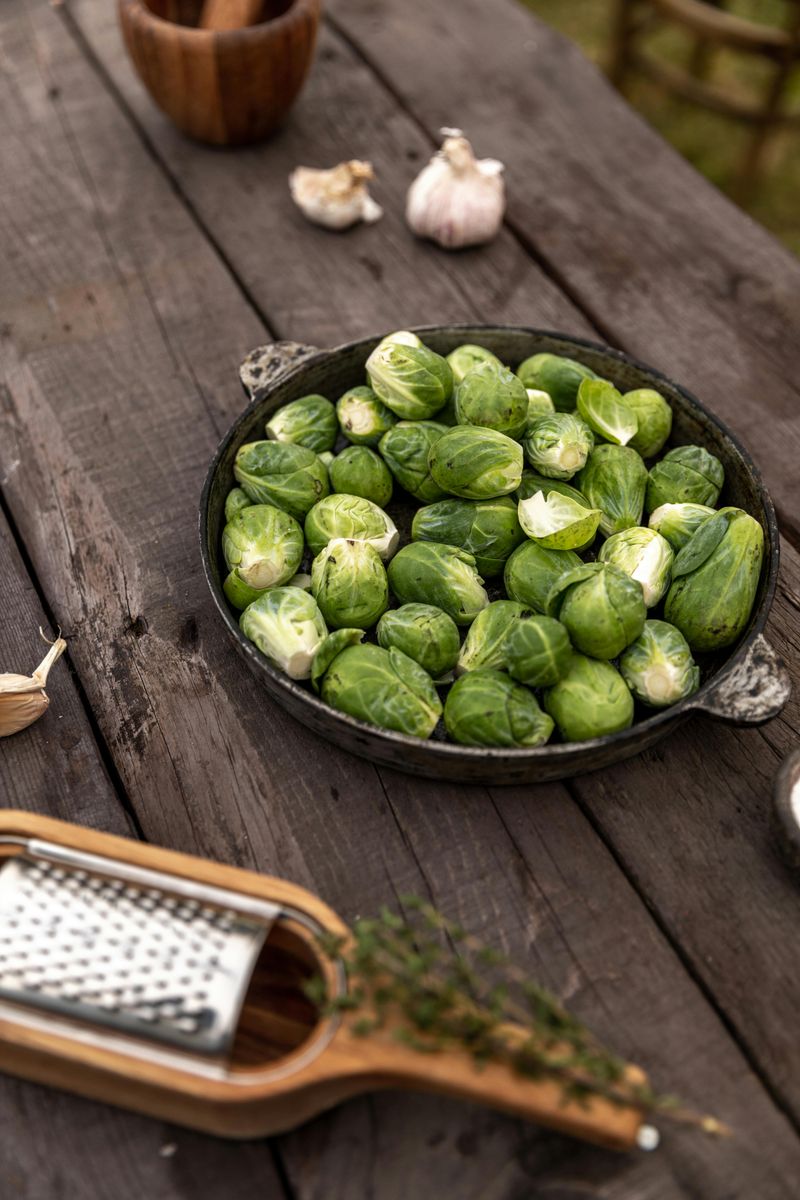
Roasted, not boiled, is the turning point. High heat transforms Brussels sprouts from sulfurous to sweet, with caramelized edges and tender centers.
Toss with olive oil, a big pinch of salt, cracked pepper, and roast until deeply browned. A squeeze of lemon brightens everything.
Additions help skeptics convert. Crisp bacon, maple drizzle, or balsamic glaze bring contrast and depth.
Finish with shaved Parmesan and crushed red pepper for a gentle kick. If you want maximum crunch, halve small sprouts.
For softer bites, choose larger ones and roast longer, stirring once. Suddenly, these little cabbages become irresistible.
Beets
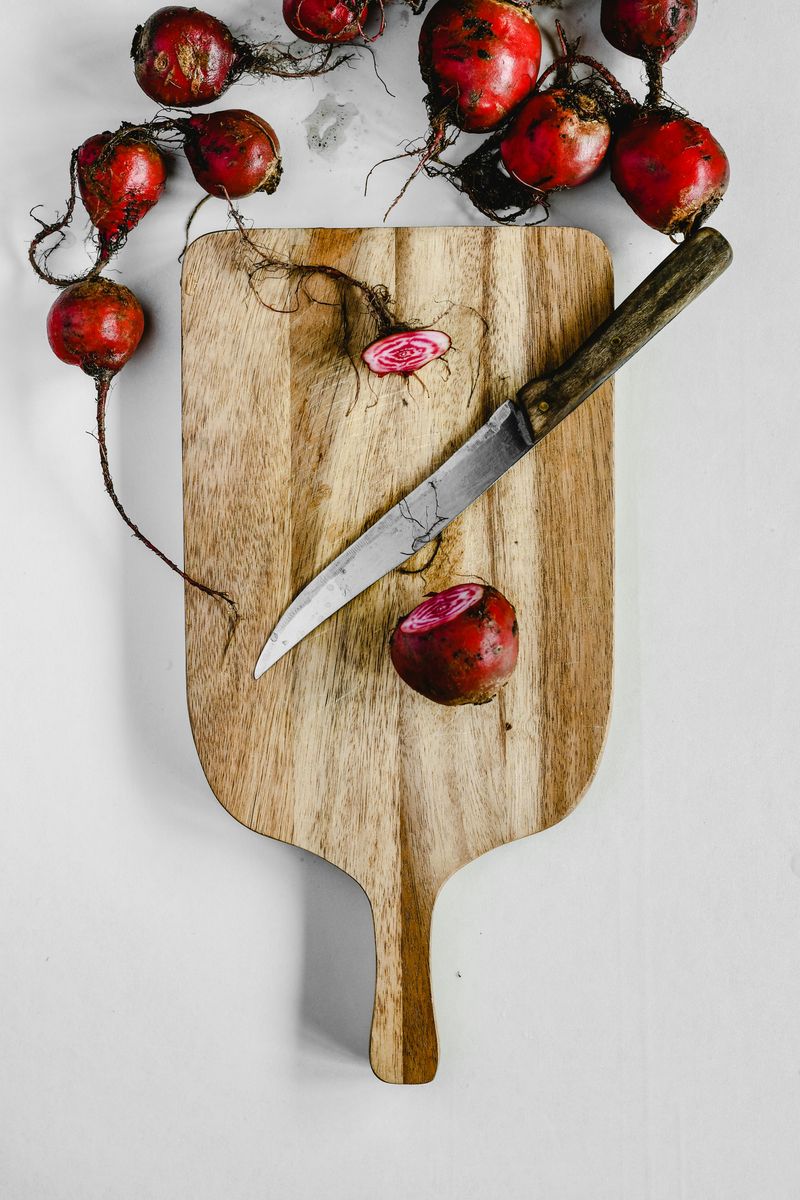
If beets tasted like dirt to you, try roasting them. Wrap in foil, bake until fork tender, then peel.
The sweetness deepens, and earthiness mellows. Slice and pair with citrus, goat cheese, and pistachios.
Acidity and creaminess cancel out any lingering funk.
Dress warmly with balsamic and olive oil. For quicker prep, steam then marinate in orange juice, red wine vinegar, and a pinch of salt.
Golden beets are milder for beginners. Shave raw into salads with lemony dressing for crunch.
Roast leftovers become velvety soup when blended with broth, a touch of yogurt, and dill.
Cabbage stew

Cabbage stew can taste flat if underseasoned. Start with a flavorful base: onion, garlic, and carrots sweated in olive oil until sweet.
Add paprika, bay leaf, and a splash of vinegar to spark brightness. Tomatoes and stock build body.
Simmer until cabbage turns silky, not mushy.
Balance is key. Salt gradually, add pepper generously, and finish with fresh dill or parsley.
A squeeze of lemon at the end sharpens flavors. For richness, stir in a spoon of sour cream.
Crusty bread on the side seals the deal. Suddenly, humble cabbage becomes cozy and satisfying, perfect for cold evenings.
Sauerkraut
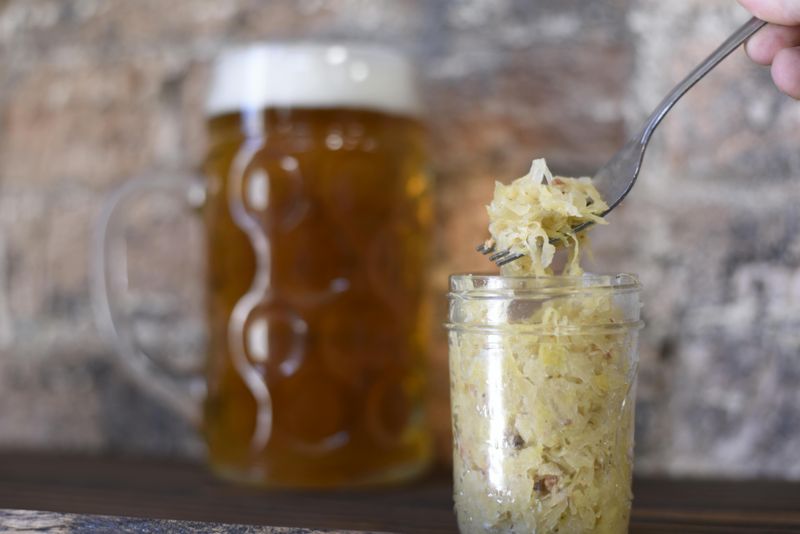
Too sharp or funky? Rinse sauerkraut lightly, then warm it gently with butter and caraway.
A splash of apple juice softens acidity without dulling the tang. Pile onto sausages or layered Reubens for contrast.
The savory fat tames the bite and showcases its crunch.
Try braising with onions and a bay leaf. Low heat coaxes sweetness from cabbage while keeping that lively zing.
Finish with black pepper and a dab of mustard. Homemade kraut can be milder, so sample before seasoning.
When balanced right, sauerkraut becomes bright, crunchy, and unexpectedly addictive.
Kimchi
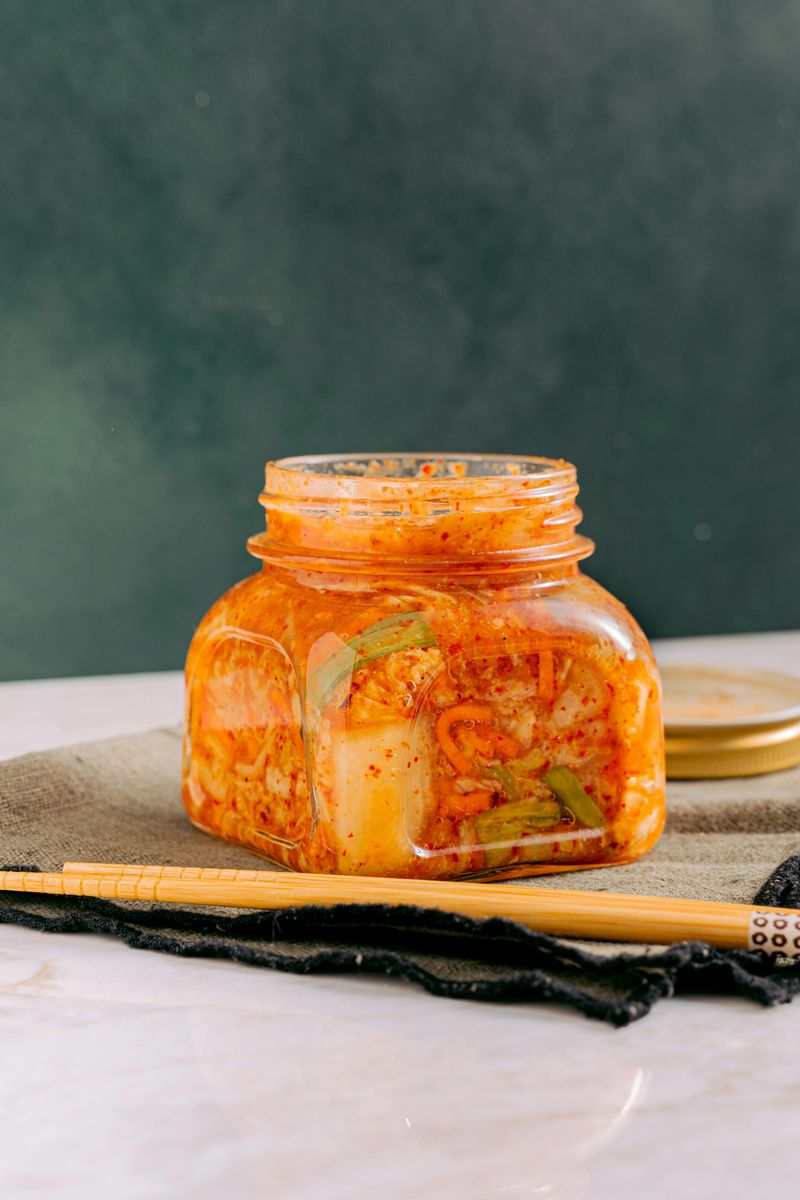
Kimchi’s funk can overwhelm if eaten alone at first. Start by chopping it and sautéing briefly to mellow edges.
Stir into fried rice with eggs, scallions, and a drizzle of sesame oil. The heat and starch round out acidity.
Add a little sugar if needed.
Kimchi pancakes are another gateway. Mix kimchi with batter, pan fry until crisp, and serve with soy dipping sauce.
In stews, its briney depth becomes comforting. Pair with fatty meats like pork belly for balance.
Over time, that bold tang shifts from alarming to addictive, turning into your favorite fridge staple.
Olives
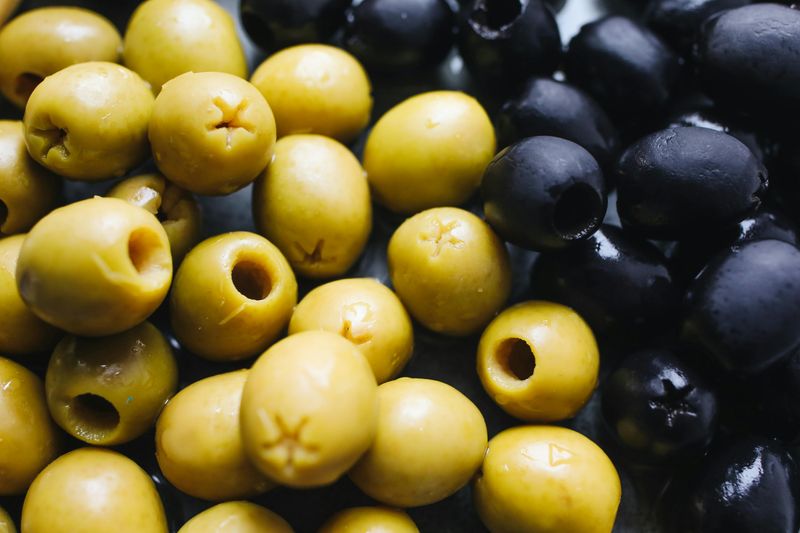
If olives taste too bitter, try milder varieties like Castelvetrano. Marinate with orange zest, crushed garlic, rosemary, and olive oil to soften edges.
Warm them briefly to bloom aromas. Serve alongside almonds, cheese, and crusty bread for contrast that flatters their briny snap.
Chopping olives into tapenade with capers and lemon makes them friendlier. Spread on toast or spoon over grilled fish.
Start small, then build up to punchier types like Kalamata. Rinsing brine and patting dry can help.
Over time, you will crave that pleasant bitterness and silky bite.
Blue cheese
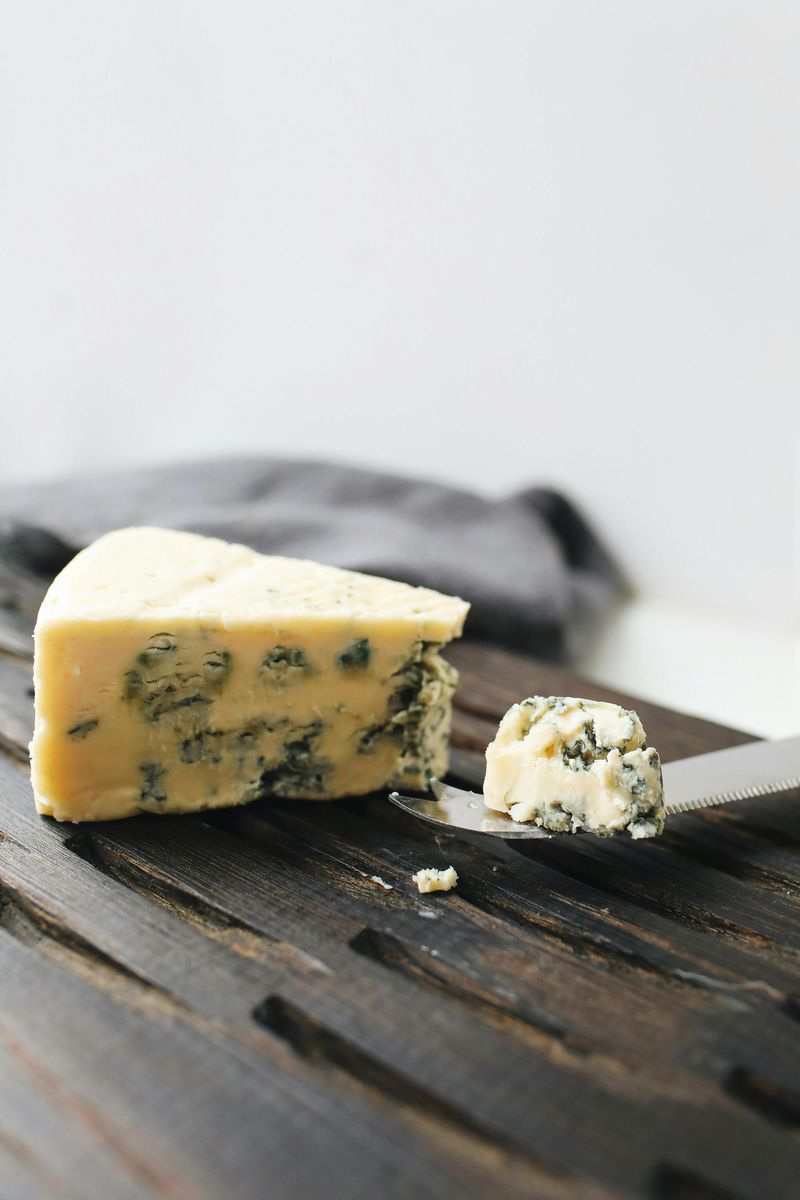
Blue cheese can feel too funky straight. Try it as a whisper, not a shout.
Crumble a little onto honey drizzled crostini with pear slices and walnuts. Sweetness and crunch tame the blue’s intensity while keeping that creamy, savory depth.
Salted butter underneath adds luxury.
In salads, pair with apples, bacon, and a sharp vinaigrette. Melt into burgers for a balanced bite.
Stir a spoonful into cream for steak sauce so it’s present but polite. Start with milder styles like Gorgonzola dolce, then graduate bolder.
Suddenly, blue moves from scary to sophisticated.
Anchovies
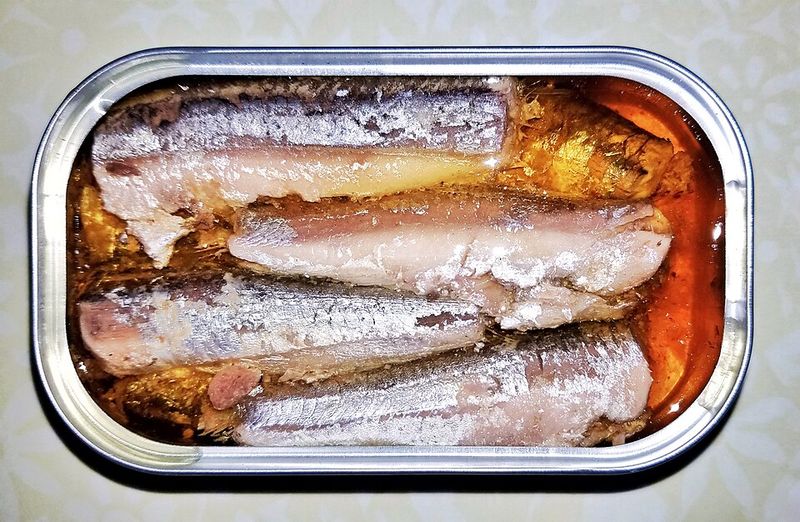
Skip the pizza stereotype. Melt anchovies in hot olive oil with garlic until they dissolve.
You will not taste fishiness, just deep savory backbone. Toss with spaghetti, lemon zest, and parsley.
Finish with breadcrumbs for crunch. It becomes quietly addictive, not aggressive.
In dressings like Caesar, anchovies provide umami and salt, no fishy aftertaste. Choose fillets packed in olive oil, and pat dry.
A squeeze of lemon lifts everything. If hesitant, start with half a fillet.
Soon you will appreciate their magic trick: disappearing into dishes while making them sing.
Sardines
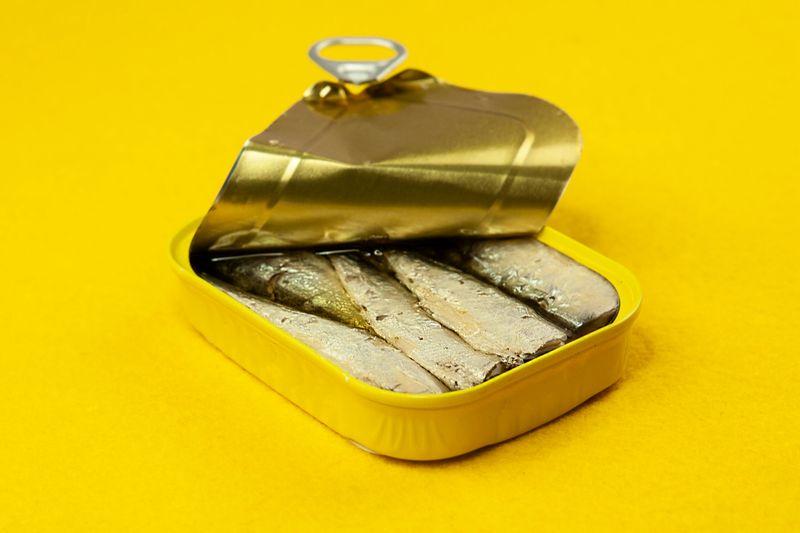
Sardines shine when super fresh or high quality tinned. Grill quickly until skins blister, then douse with lemon and olive oil.
The smoke and acid balance richness. For tins, use in toast: mash with Dijon, capers, and chopped herbs.
Add crunchy cucumber to refresh.
If bones worry you, choose boneless filets or mash thoroughly. Pair with roasted peppers or tomatoes for sweetness.
Avoid overcooking to keep them moist. Their omega-rich savor becomes pleasantly bold rather than overpowering.
With the right prep, sardines deliver clean, coastal flavors that feel both rustic and refined.
Oysters
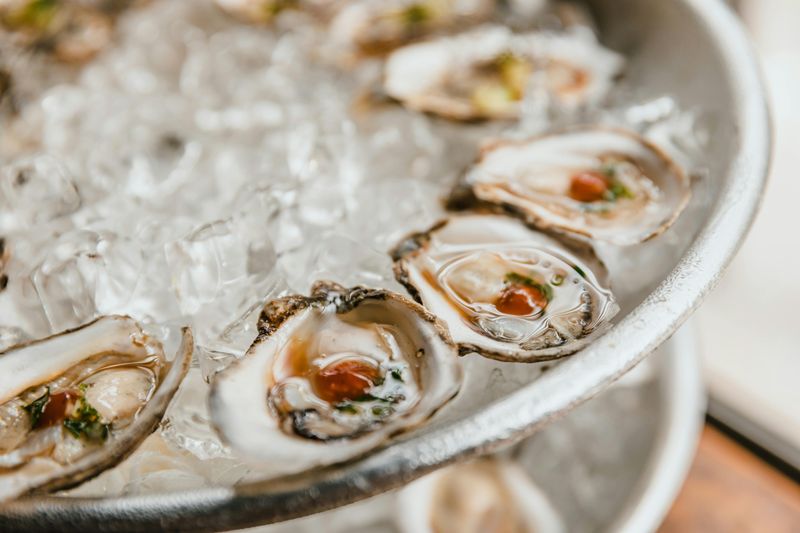
Bad first oyster? Try impeccably fresh, cold ones on ice.
Choose smaller, sweeter varieties. Add lemon or classic mignonette for brightness.
The brine should taste like clean ocean, not funk. Slurp gently to savor texture and snap.
Avoid oversized, warm, or poorly shucked shells.
Grilled or broiled oysters are a great bridge. Butter, garlic, and herbs help newcomers relax.
Cook until barely set so they stay tender. Quality and temperature matter most.
With the right producer and simple condiments, oysters turn from scary to celebratory, perfect with crisp bubbles or a light beer.
Pickles
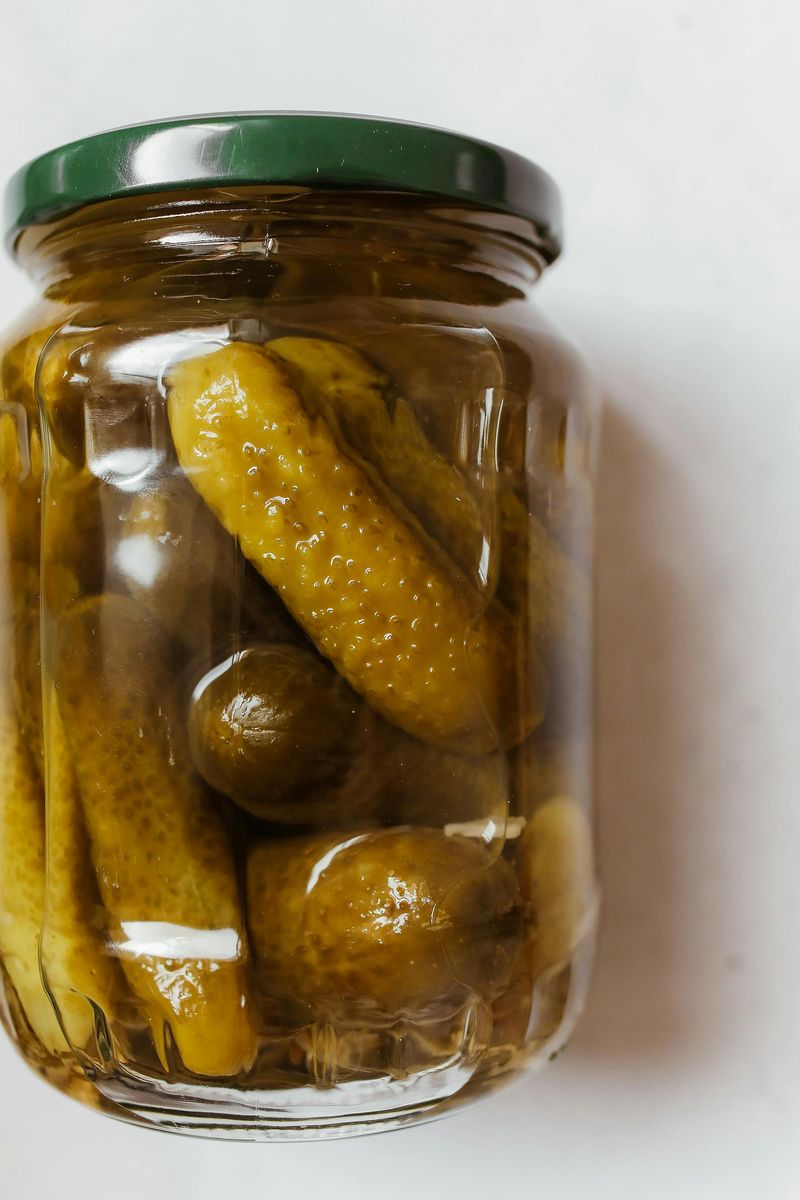
If pickles seem harsh, try quick pickles. Slice cucumbers thin, pour warm brine with vinegar, sugar, salt, and spices, then chill.
They stay crisp yet balanced. Add fresh dill and garlic for familiar deli vibes.
A little sweetness keeps the pucker friendly.
Use pickles smartly: tuck into sandwiches, chop into salad dressings, or pair with rich meats. Not all pickles are created equal, so sample different vinegars and spice blends.
Bread and butter chips are sweeter, dills sharper. Find your lane, and suddenly that crunch becomes the star you crave.
Cilantro
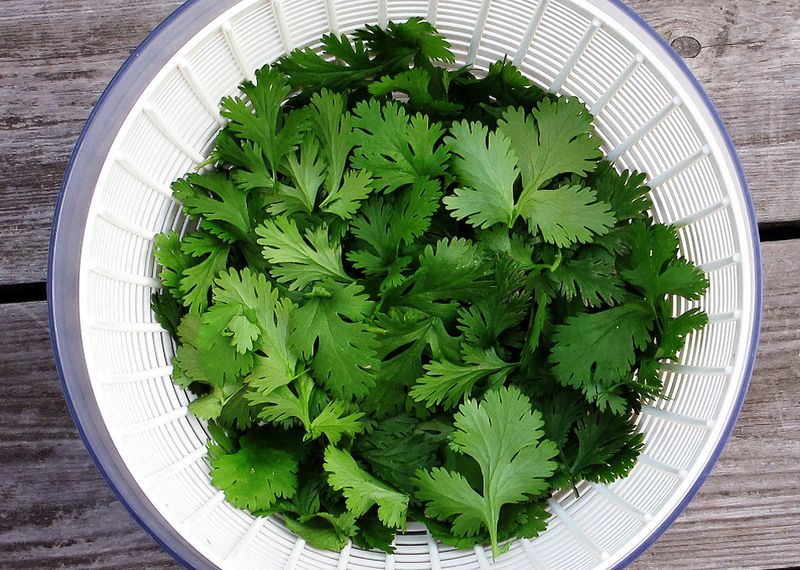
If cilantro tastes soapy, mince it finely and use sparingly at first. Stir into salsa with lots of lime, jalapeño, and onion.
The acidity and heat mute the soap note. Use tender leaves, not thick stems.
Add at the end so it stays bright and gentle.
Try mixing with parsley for a softer blend. In guacamole, balance with creamy avocado and salt.
Over grilled meats, a light sprinkle adds freshness without overwhelm. Personal sensitivity varies, so start small.
Many discover the right ratio turns cilantro from dealbreaker to secret weapon.
Tofu
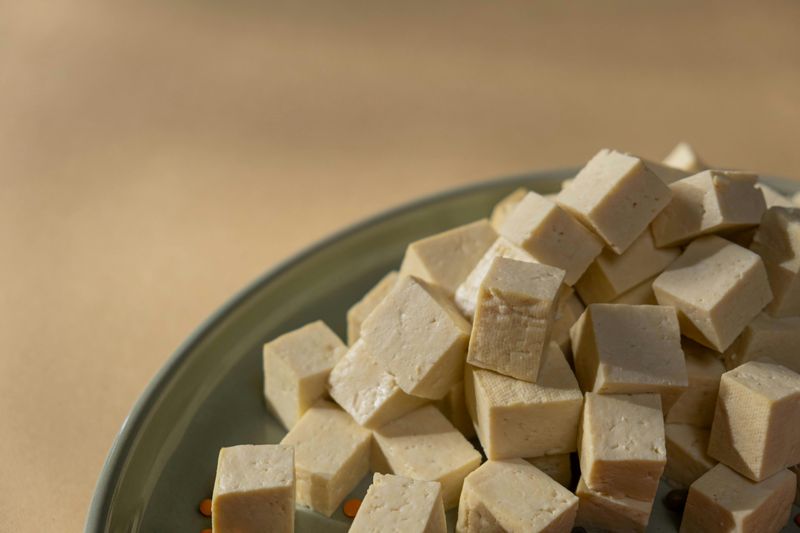
Tofu needs preparation. Press extra firm blocks to remove water, then season assertively.
Cornstarch and a hot pan yield shatter crisp edges. Toss with a soy, garlic, ginger glaze and finish with sesame oil.
Suddenly, texture snaps and flavor sings. Do not fear browning deeply.
Marinating helps, but pat dry before cooking. Bake for hands off ease, or crumble and fry for taco filling.
Silken tofu shines in soups or puddings. Choose the right style for the job.
When treated right, tofu becomes a versatile, satisfying protein you will happily crave.
Cottage cheese
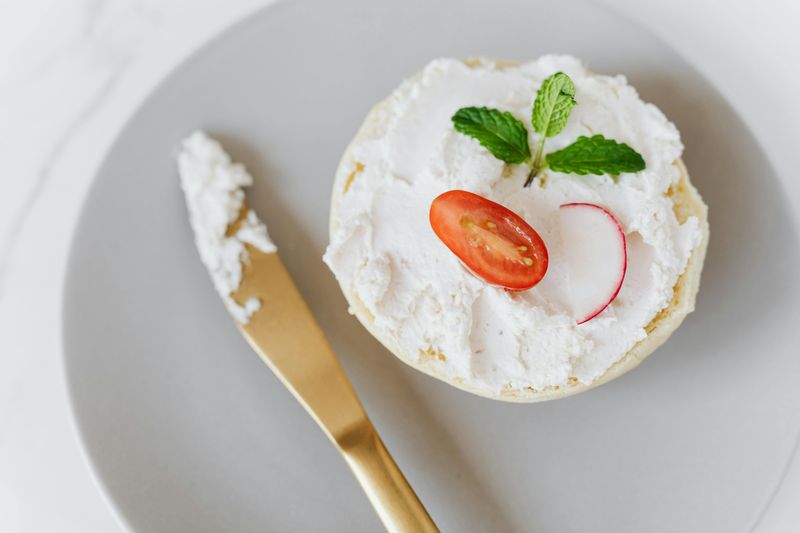
Cottage cheese can seem lumpy and bland. Stir until creamy, then top with fruit, honey, and nuts for texture and sweetness.
A pinch of salt surprisingly elevates it. Or go savory: cherry tomatoes, olive oil, pepper, and everything bagel seasoning transform the bowl completely.
Blend it into smoothies for extra protein without chalkiness. Whisk into pancakes for tenderness.
Spread on toast with cucumbers and herbs. Choose small curd for a gentler texture.
When you treat it like ricotta’s cousin, cottage cheese stops being an afterthought and becomes a flexible, craveable staple.
Grapefruit
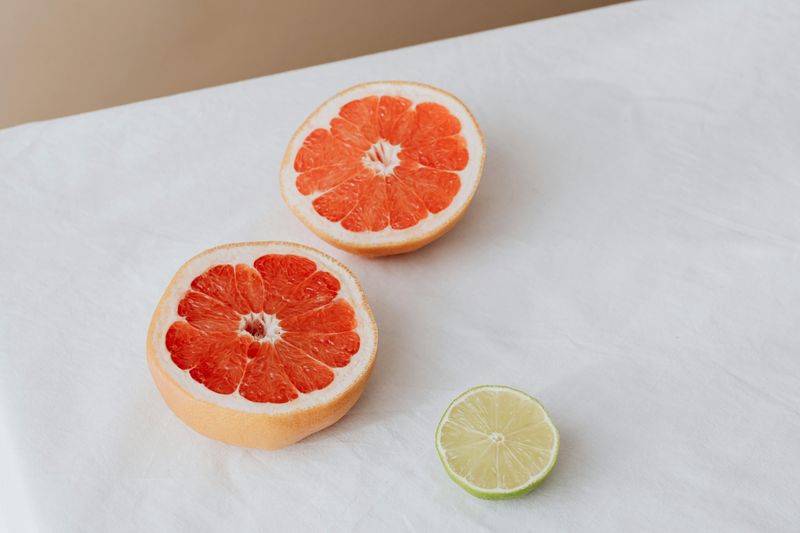
Grapefruit’s bitterness softens with sugar, salt, and heat. Broil or torch the top after a light sprinkle of sugar for brûléed bliss.
A pinch of salt heightens sweetness. Segment carefully to remove pithy membranes.
Drizzle with honey and add mint for fragrance.
For drinks, mix juice with sparkling water and a squeeze of lime. In salads, pair with avocado, shrimp, and fennel.
Choose ruby red varieties for a gentler bite. Once balanced, grapefruit shifts from harsh to refreshing, bright, and incredibly satisfying at breakfast or cocktail hour.
Dark chocolate
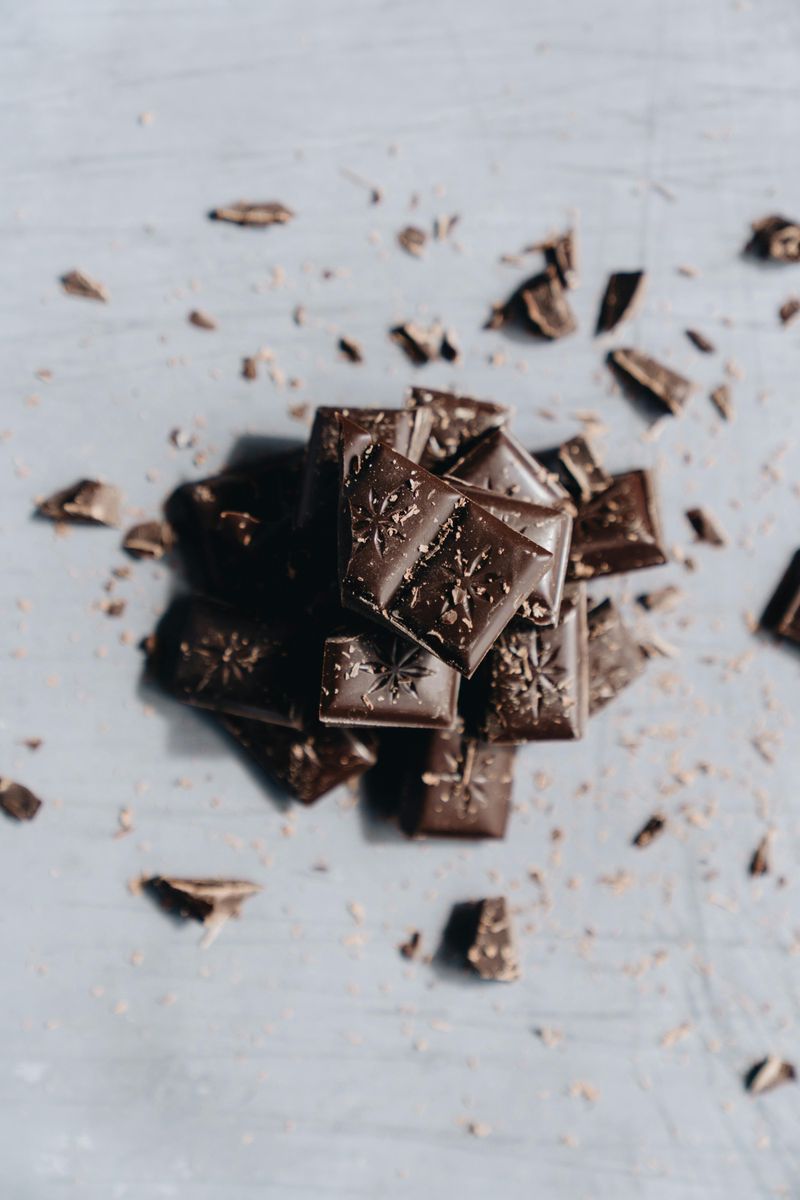
Jumping straight to super dark bars can be jarring. Start around 60 to 70 percent cacao for a smoother entry.
Let it melt slowly on your tongue to catch floral and nutty notes. A few flakes of sea salt amplify sweetness and complexity.
Avoid chewing fast.
Pair with orange peel, almonds, or coffee. Quality matters, so try different origins.
Melt into hot chocolate with milk for creamier comfort, then climb darker over time. Once your palate adjusts, that initial bitterness becomes depth, and sugary bars feel flat.
Seaweed snacks
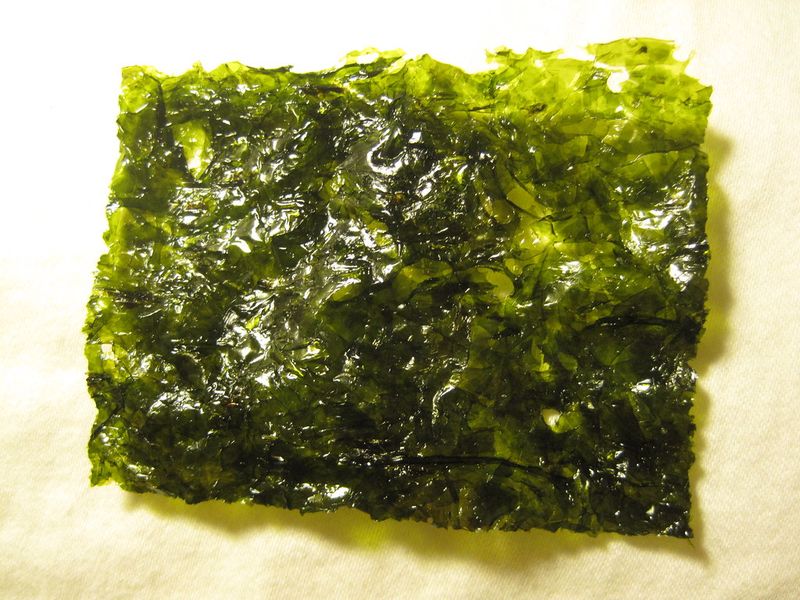
Seaweed can smell intense. Start with roasted nori snacks lightly salted and sesame kissed.
Their crisp texture and delicate umami are friendly and fun. Eat with rice or wrap around avocado to mellow marine notes.
A squeeze of lemon helps if the flavor feels strong.
For soups, drop a small piece into miso rather than a full sheet. Toasting boosts aroma while reducing fishy edges.
Choose flavored packs like wasabi or teriyaki if plain feels too briny. Over time, that ocean whisper becomes a craveable crunch that satisfies salty snacking urges.
Liver and onions
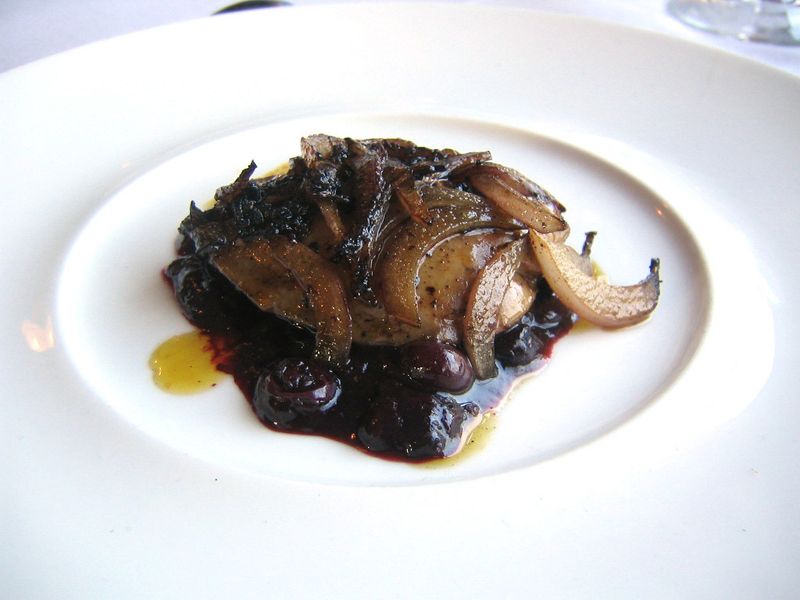
Liver divides crowds, mostly due to overcooking. Slice thin, soak briefly in milk, then pat dry.
Sear quickly in a hot pan so centers stay pink and tender. Caramelized onions add sweetness that balances minerality.
Deglaze with sherry or balsamic for brightness.
Season confidently with salt and pepper. A little butter at the end adds silk.
Serve with creamy mash or polenta. If beefy flavor intimidates, try chicken livers first and make pâté.
Texture turns velvety, not grainy, when handled gently. Proper technique converts skeptics fast.
Split pea soup
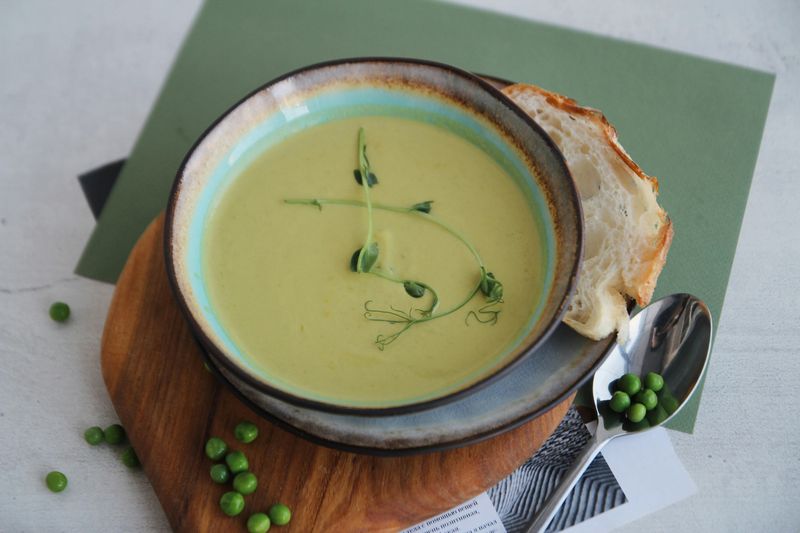
Split pea soup can taste dull if you skip aromatics. Start with onion, celery, carrot, and garlic.
Toast the peas briefly in the pot to deepen flavor. Add bay leaf, thyme, and a smoked ham hock or smoked paprika for backbone.
Simmer gently until peas collapse creamy.
Finish with vinegar or lemon to brighten. Season in layers, then add a glug of olive oil.
Blitz part of the soup for silky body while keeping some texture. Croutons and pepper wake up each spoonful.
Suddenly, comfort food becomes layered, smoky, and deeply satisfying.
Cornbread
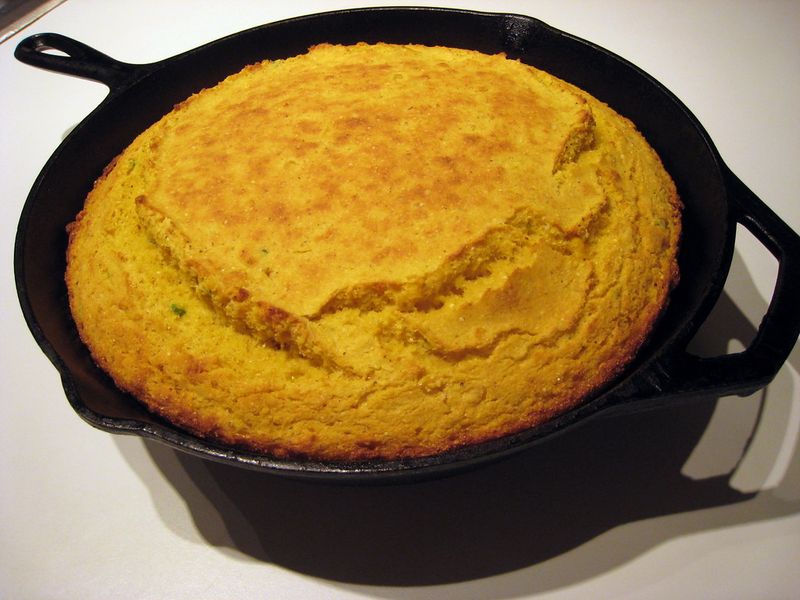
Dry, crumbly cornbread ruins the party. Use buttermilk, melted butter, and a hot cast iron for crisp edges and tender crumb.
Do not overmix. Let the batter rest so cornmeal hydrates.
A touch of honey adds balance without turning it into cake. Preheating the pan ensures sizzle.
For savory lovers, add jalapeños and sharp cheddar. Serve warm with salted honey butter.
Pair with chili or barbecue to showcase contrasts. Leftovers make excellent breakfast when griddled.
When moisture, texture, and heat align, cornbread becomes golden, fragrant, and completely irresistible.
Rice pudding
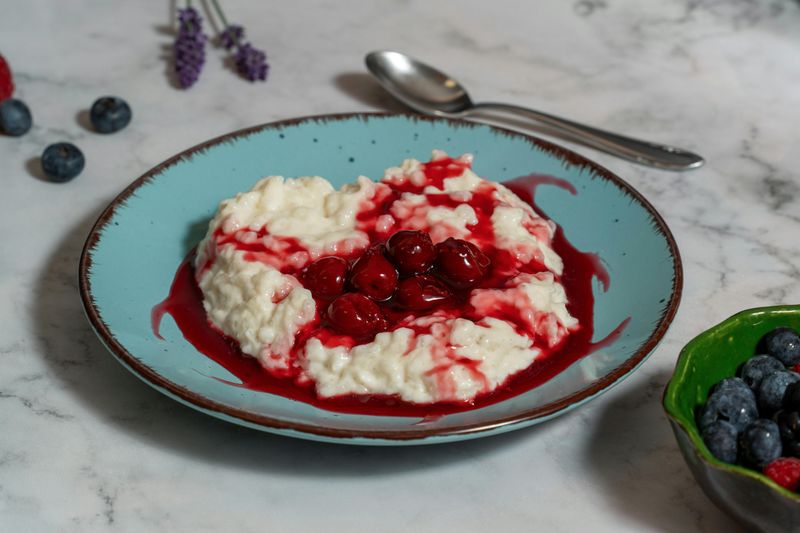
Bland rice pudding needs technique. Use arborio or another starchy rice for natural creaminess.
Simmer slowly with milk, a pinch of salt, vanilla, and a strip of citrus peel. Stir often to prevent sticking.
Sweeten gradually to taste. The result should be silky, not gluey.
Finish with cinnamon, raisins plumped in warm milk, and a knob of butter. Chill for thicker texture or enjoy warm and soothing.
A splash of rum or orange blossom water adds flair. When seasoned and stirred with care, rice pudding becomes nostalgic comfort done right.
Mushrooms
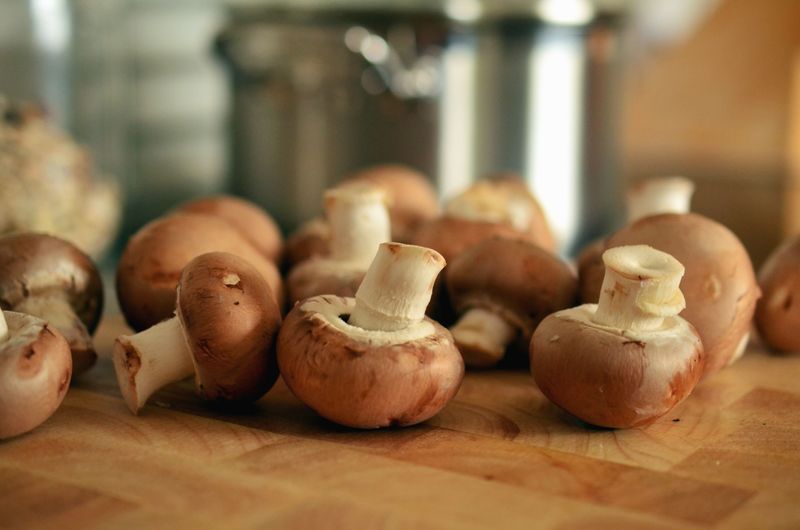
Skip the soggy, pale slices and go for hard sear. Heat a skillet until it whispers, add oil, then mushrooms in a single layer.
Do not stir too soon. Let them brown until edges turn mahogany and water cooks off.
Finish with butter, smashed garlic, and thyme.
Season generously at the end. A splash of sherry or soy adds umami and balance.
Toss over toast, fold into omelets, or spoon onto polenta. Texture becomes meaty, not squeaky.
If earthy flavor felt too intense before, lemon or parsley lightens it beautifully, inviting another bite.
Enjoyed this story?
Add Fast Food Club as a preferred source to see more of our reporting on Google.