


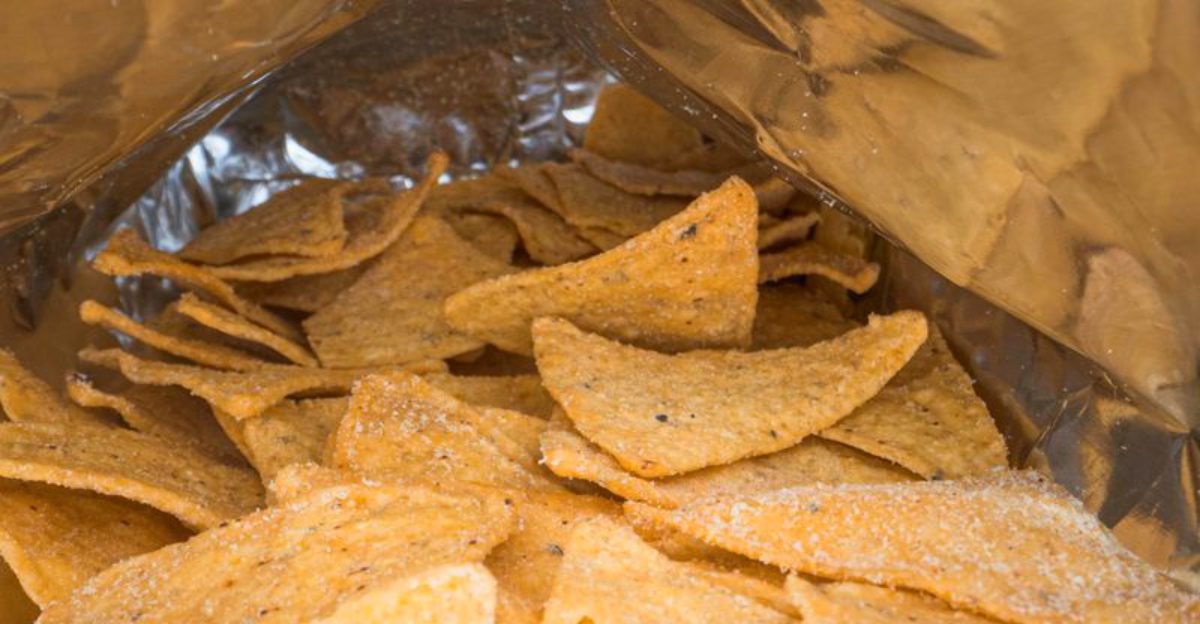
Ever notice how your favorite groceries seem to shrink while your receipt keeps growing? You are not imagining it.
Shrinkflation quietly trims portions, tweaks packaging, and bets you will not check the ounces. Let us unpack the sneaky changes so you can shop smarter and keep more value in your cart.
Candy bar
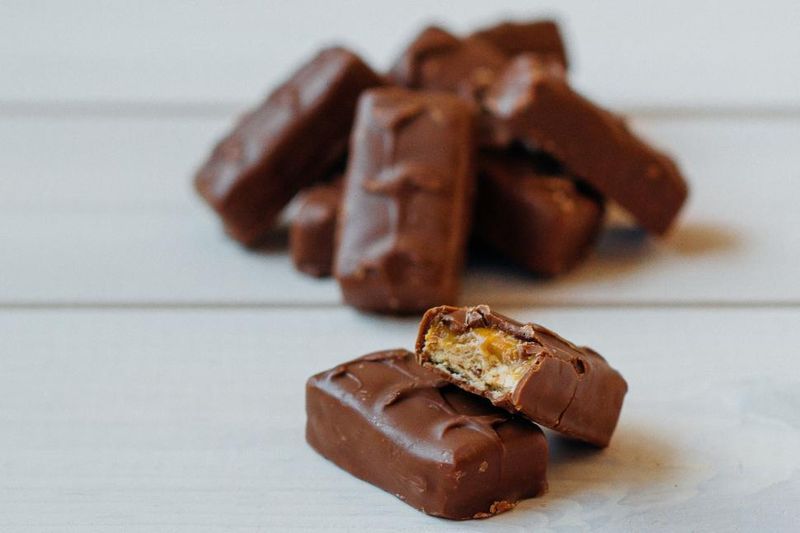
The candy bar you grew up with might be slimmer now, with lighter layers or more aerated fillings. Brands sometimes retool molds to trim grams while keeping the bar length similar.
It looks familiar, but that bite evaporates faster.
Check the weight printed near the nutrition panel. Multipacks can mask reductions by shrinking each bar.
Consider dark chocolate blocks you break yourself for better value, and use price-per-ounce to compare fairly.
Snack cakes

Snack cakes often shrink a touch while boxes keep the same cheerful design. Fewer cakes per box or smaller portions inside can both happen.
Individually wrapped pieces make it harder to notice until you unwrap one and feel the lighter heft.
Scan the count and total ounces before tossing into your cart. Warehouse packs may offer better per-cake value, but still compare weights.
If cravings hit, consider baking a simple batch at home for quantity control and fresher flavor.
Cookies pack
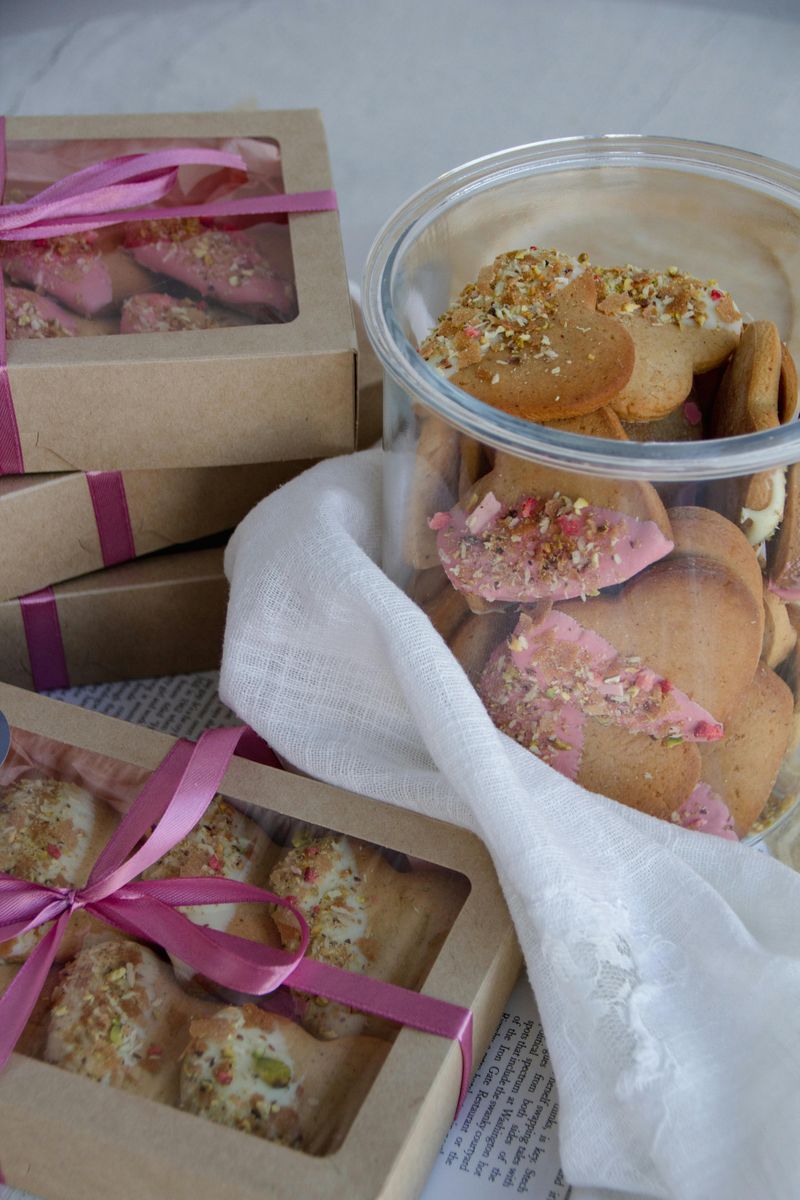
Cookie trays sometimes widen the gaps between sleeves, hiding a few missing rounds. The package looks identical, yet the count dips or the diameter slims.
Specialty flavors can arrive in smaller boxes at premium prices.
Flip to serving size and servings per container, then multiply to confirm the real count. Compare store brands with nearly identical ingredients.
If dunking is a ritual, consider bulk buys or bakery cases where you can see exact quantities.
Cereal box
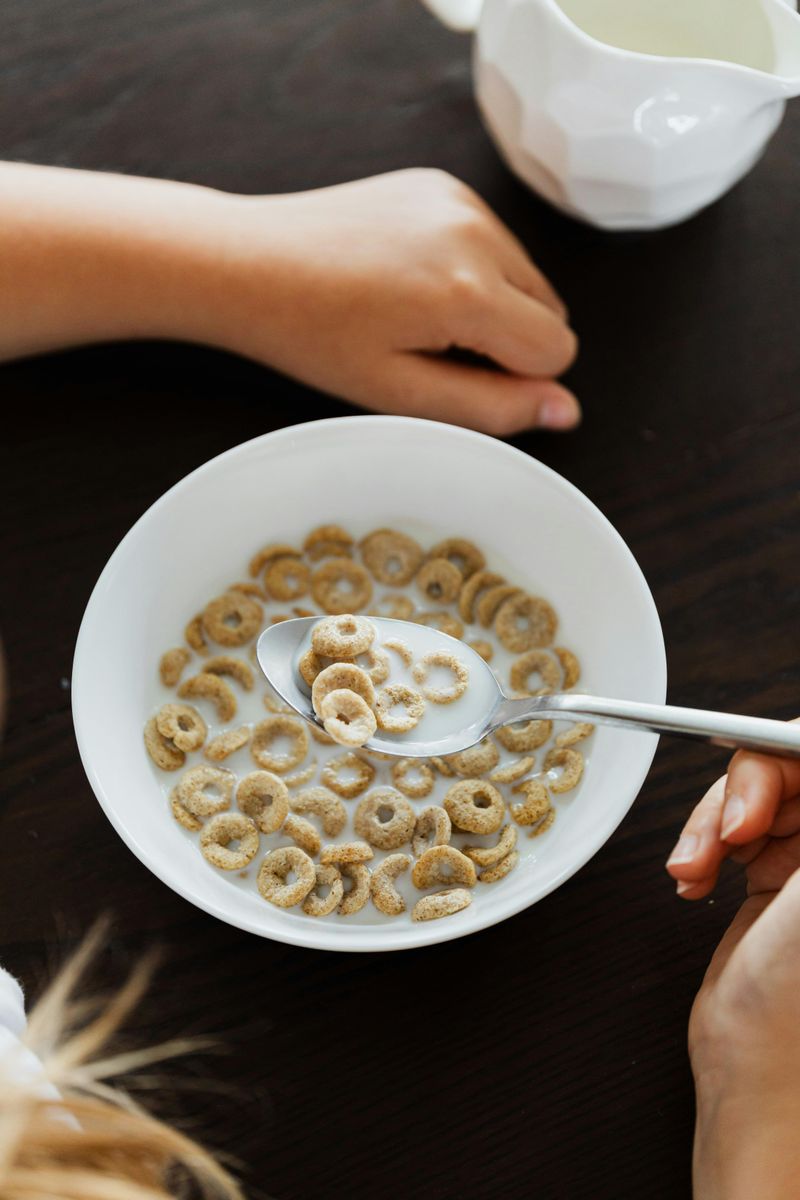
Cereal boxes may stand tall but shave depth, quietly reducing ounces. Some add puffier shapes that fill space without adding heft.
You notice only when mornings feel emptier, and the box runs out days sooner.
Unit price tags on shelves are your best defense. Compare bagged cereal and store brands for better weight-to-dollar ratios.
Rotating sales can make premium boxes worthwhile, but outside promos, bulk dispensers and oats often win.
Ice cream tub

Remember when a standard ice cream tub was a true half gallon? Many brands quietly stepped down to 1.5 quarts, then 1.4 or similar.
Containers keep the same footprint, so changes feel subtle until your scoops vanish faster.
Check fluid ounces and compare price per ounce. Simple flavors in store brands can taste great and stretch dollars further.
If premium pints tempt you, wait for buy one get one sales and stash extras.
Yogurt cups

Yogurt shifted from 6 ounces to 5.3 or even smaller in many lines. Sleek cups and trendy flavors distract from the missing spoonful.
Multipacks may hold fewer cups too, while prices creep upward.
Compare protein per ounce, not just per serving. Large tubs often win on value, and you can portion into reusable jars.
Add your own fruit or honey to keep costs down without sacrificing flavor.
Cheese slices
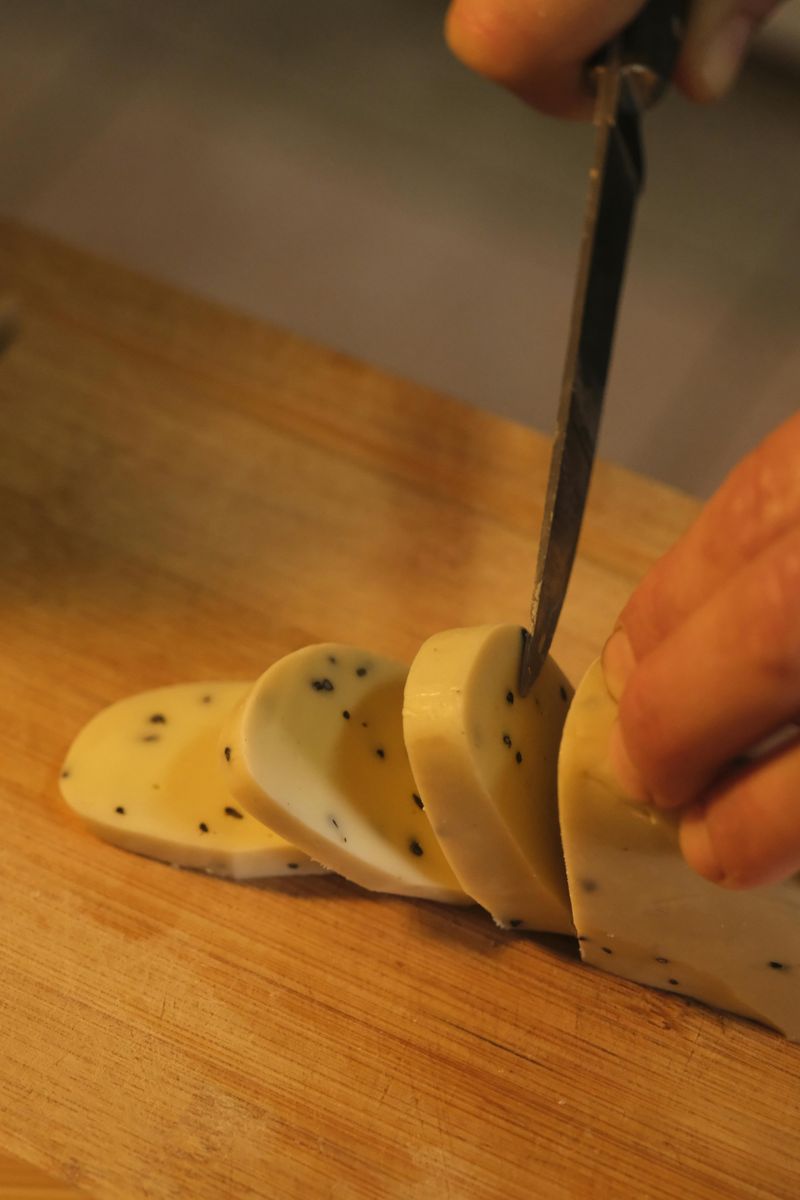
Cheese slice packs sometimes drop from, say, 24 to 22 slices with the same wrapper style. The stack looks identical until the sandwich count no longer matches the week.
Some brands also thin each slice slightly.
Count slices and check ounces. Buying blocks and slicing at home usually delivers better melt and value.
If convenience matters, compare deli counter prices during specials, and freeze extra slices separated by parchment.
Coffee pods

Single-serve coffee pods are ripe for shrinkflation. A familiar box might quietly shift from 12 pods to 10, or reduce grounds per pod, yielding a weaker brew.
You notice when you need two pods for the usual strength.
Check count, grams per pod, and roast level. Buying whole beans and using a reusable pod or drip setup slashes cost per cup.
Warehouse club bulk packs can help, but still compare grams and unit price.
Soda cans
Soda multipacks sometimes squeeze in fewer cans or swap to slim international sizes. The outer box stays flashy, but your party runs short earlier.
Per-ounce costs jump, especially on name brands outside promotions.
Watch for true 12-packs on sale and compare store brands in full sizes. Consider seltzer makers if bubbles are a habit.
Chilled water with citrus slices can scratch the itch without the markup.
Frozen pizza
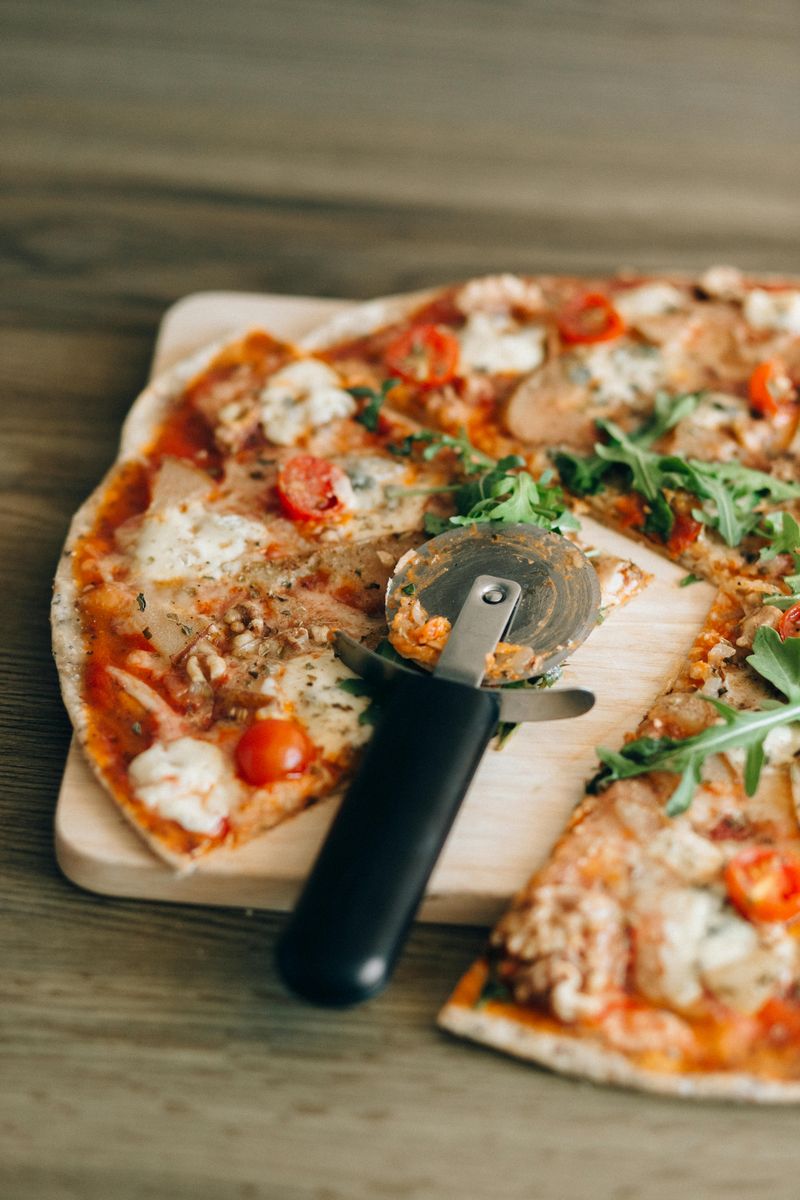
Frozen pizzas can slim down in diameter, crust thickness, or topping density. Boxes rarely brag about fewer pepperoni slices.
You notice when dinner feels more like a snack than a meal.
Check weight in ounces and the serving count. Add a salad and extra cheese at home to stretch value.
Store brands and larger family sizes often deliver better price-per-pound, especially during weekend promotions.
Frozen dinners
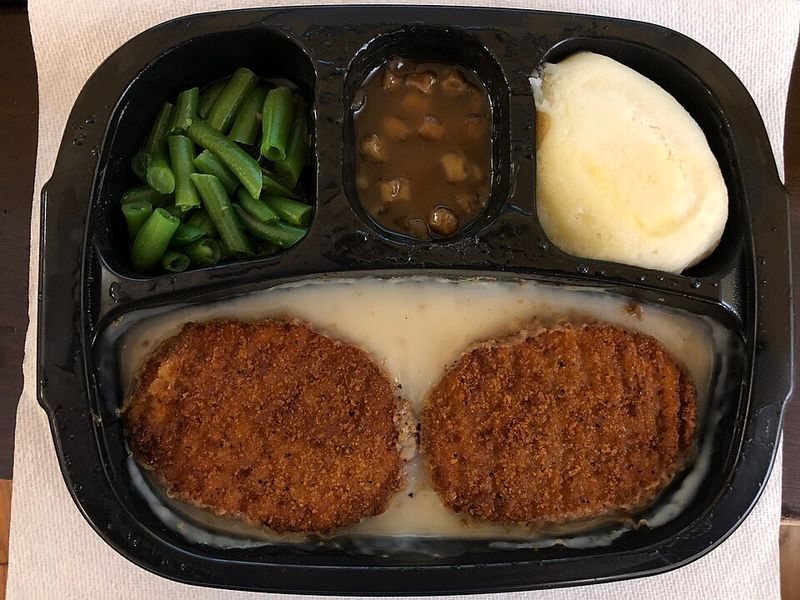
Frozen dinners are masters of portion tweaks. Proteins slim down while starches or sauces swell to fill the tray.
The photo stays generous, but reality feels lighter after three minutes in the microwave.
Compare protein grams and total weight. Family-size trays can be portioned into lunches for better value.
Consider cooking extra grains or veggies at home and combining with a sale entree for a heartier plate.
Microwave meals
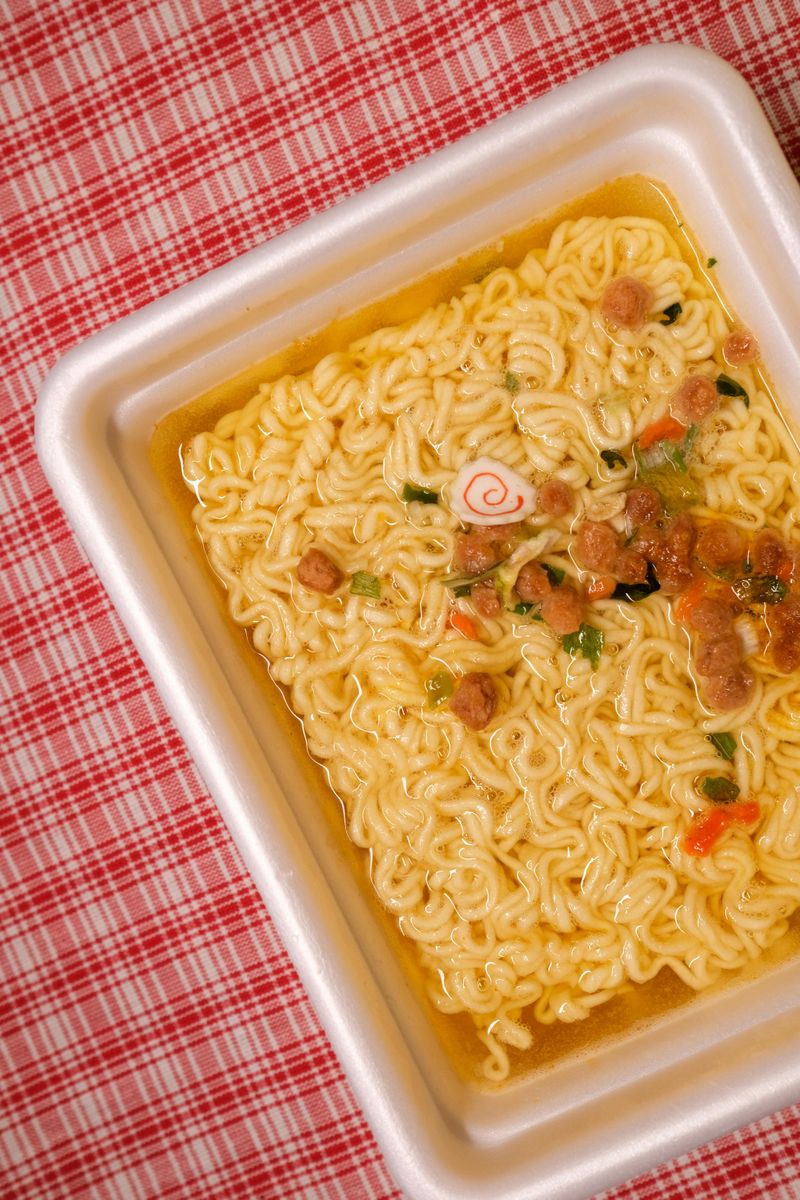
Microwave meals often drift downward by an ounce here and there. Packaging touts new recipes, yet the calories and weight tell the truth.
You might feel hungry again sooner, pushing you to buy more.
Read the net weight and compare across brands. Add frozen vegetables or a quick salad to stretch satiety.
If time allows, batch cook a favorite dish and portion it in reusable containers for grab-and-go value.
Instant noodles

Instant noodles may keep the same cup height but thin the noodle block or shrink the seasoning packet. The result is a milder, lighter bowl that invites add-ons.
Prices still climb as convenience reigns.
Boost with eggs, veggies, or leftover protein to reclaim value. Compare grams per package, not just the calorie count.
Multipacks from international markets can offer better heft and flavor for similar money.
Granola bars
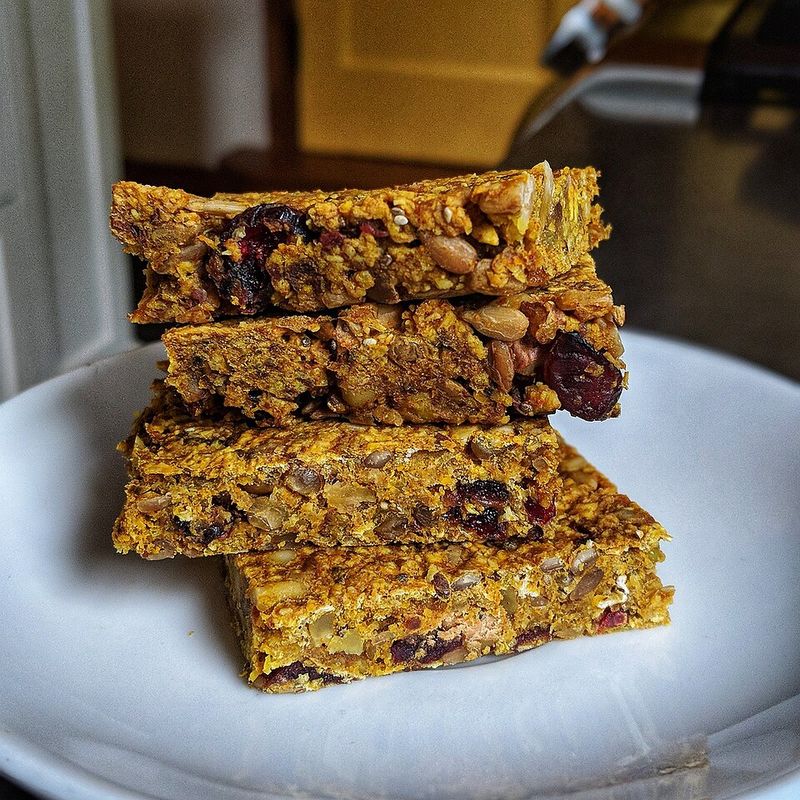
Granola bars are prime targets for slimming. Bars get narrower or shorter, and boxes sometimes lose one bar while keeping price steady.
It is easy to miss until your snack no longer tames hunger.
Check total ounces per box and fiber or protein per bar. Bulk boxes at clubs may help, but compare carefully.
Consider making sheet-pan granola bars at home, cutting generous squares to match your appetite.
Protein bars
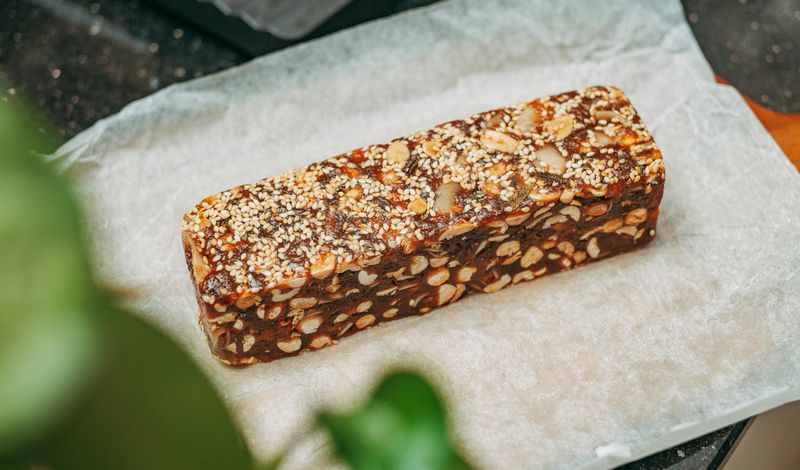
Protein bars often lean on premium pricing while shaving grams. You might see the same calories due to denser formulas, but overall size shrinks.
Wrapper designs and claims distract from the missing bite.
Compare grams, protein percentage by weight, and price per ounce. Look for store brands with clean ingredients.
Mixing your own whey, oats, and nut butter can create bigger, cheaper bars that satisfy post workout cravings.
Crackers box
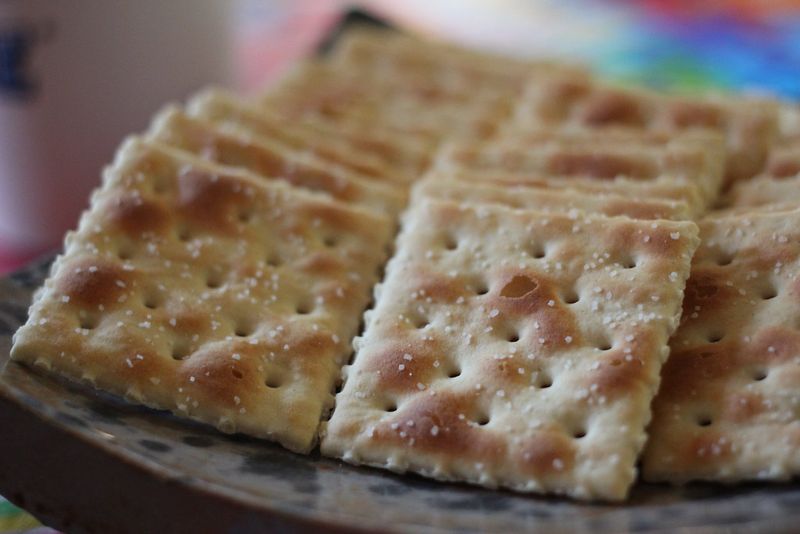
Cracker boxes can keep the same height while inner sleeves hold fewer squares. Shapes might change to look larger without adding weight.
Entertaining suddenly needs two boxes instead of one.
Count servings and note grams per serving. Store brands often mirror recipes at a lower cost.
For parties, choose bulk warehouse sleeves and keep leftovers sealed in airtight containers to maintain crispness.
Bread loaf
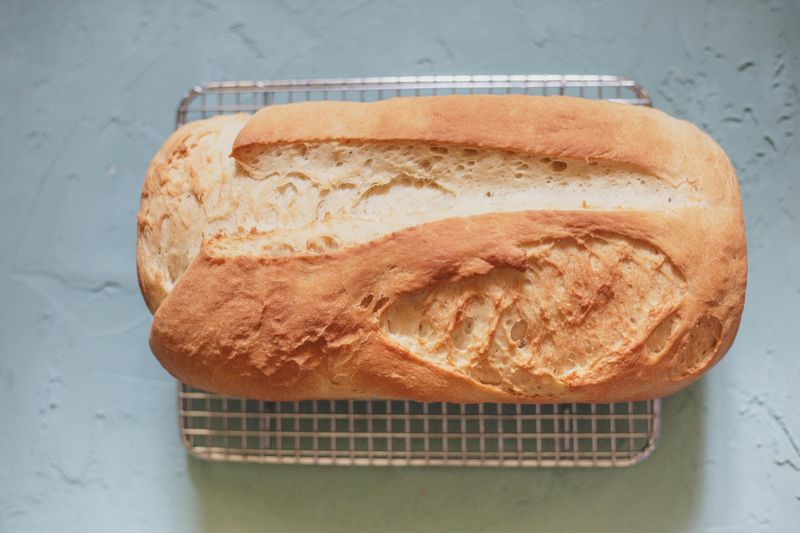
Sandwich bread sometimes slims each slice or narrows the loaf. The bag looks identical, but toast feels daintier and sandwiches underfill.
Specialty grains and seeds push prices higher while the net weight dips.
Check ounces and slice count per loaf. Bakery clearance racks can offer full-size loaves for less.
Consider freezing half to prevent waste, and choose square pan loaves for better sandwich coverage.
Butter sticks
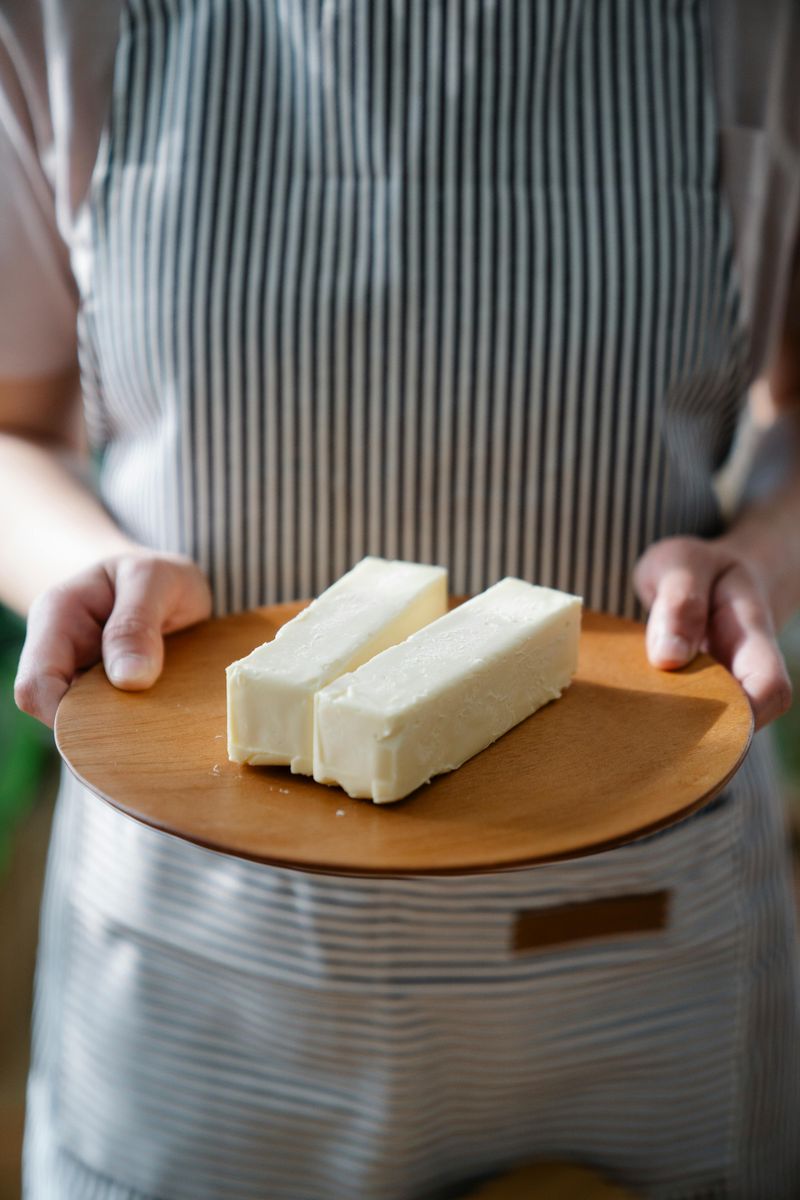
Butter used to reliably come as four sticks totaling a pound. Some brands trial 14-ounce boxes with slightly shorter sticks while keeping similar packaging.
Baking measurements become trickier if you do not notice.
Always check total weight and use a kitchen scale for accuracy. Store brands generally keep full pounds at better prices.
When on sale, buy extra and freeze to lock in value for cooking and baking.
Chocolate bar
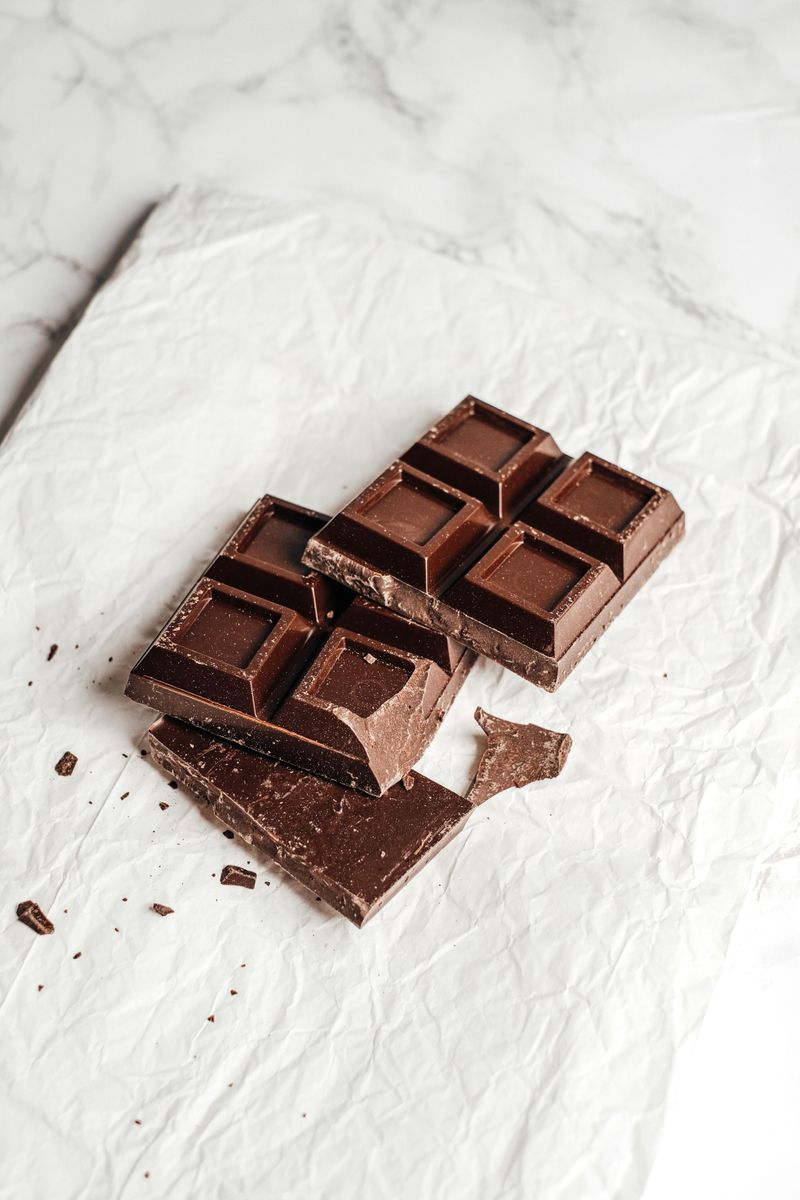
Big chocolate bars sometimes gain wider grooves and fewer squares, making each snap look generous while grams slip. Limited editions often cost more for less.
It still feels indulgent, but value melts fast.
Compare gram weight across brands and buy during seasonal sales. Break larger bakery blocks yourself for the best price per ounce.
If gifting, pair a smaller premium bar with fruit or nuts to stretch delight without overspending.
Chips bag
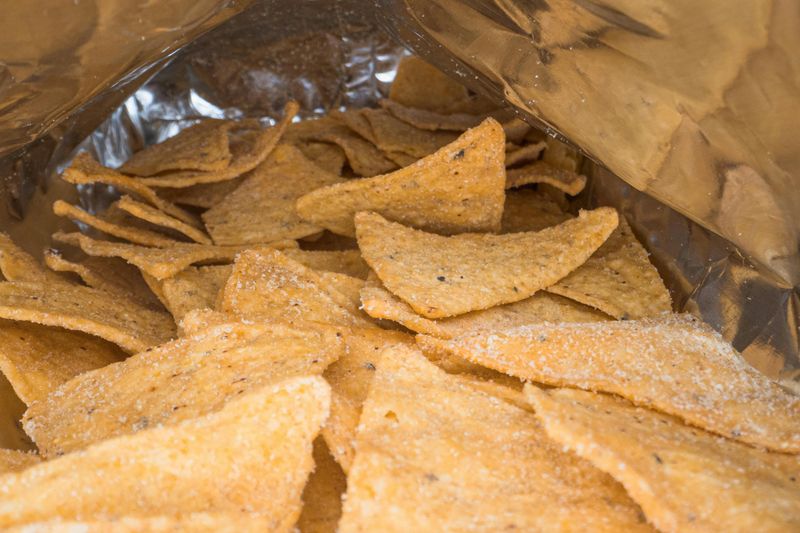
You grab a family-size chips bag, pop it open, and half the space is air. That cushion helps prevent breakage, sure, but net weight often inches downward while price tags inch up.
Watch for subtle ounce changes and confusing new names like party or value.
Compare unit prices instead of sticker prices. Store brands can match crunch without the premium markup.
If you love a particular flavor, stock up during true sales and skip smaller convenience bags that amplify shrinkflation.
Enjoyed this story?
Add Fast Food Club as a preferred source to see more of our reporting on Google.