


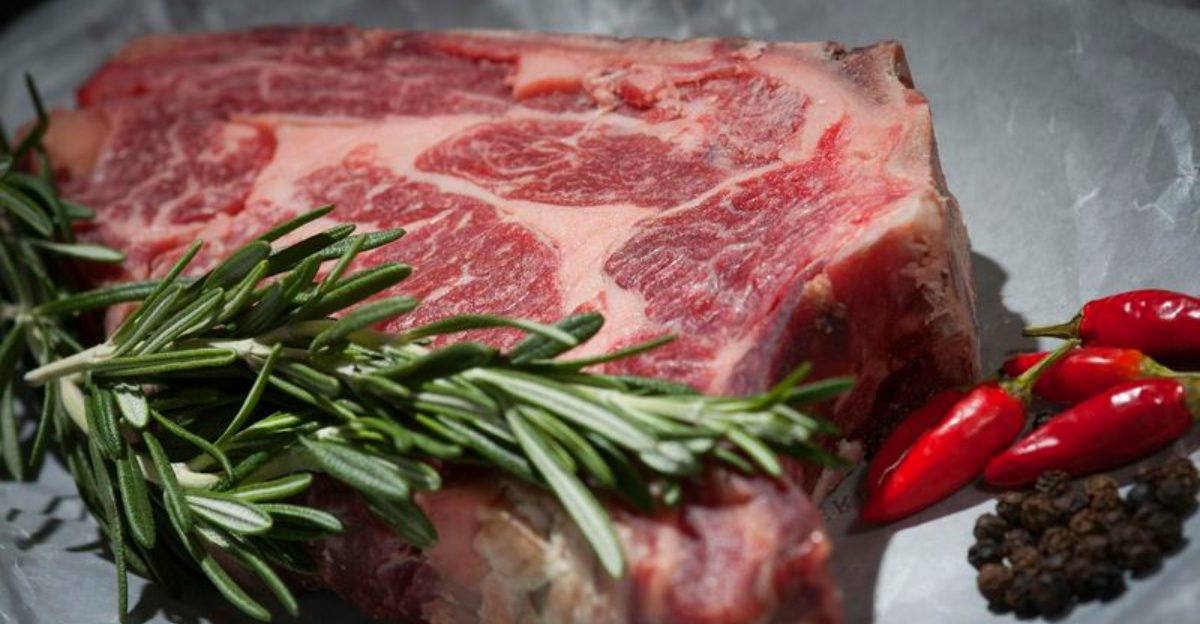
Some foods come with more baggage than flavor, and suddenly everyone turns into a nutrition philosopher. You grab a snack, and a debate about virtue, self control, and longevity erupts out of nowhere.
It is not just what you eat, it is what people think it says about you. Let’s unpack the foods that mysteriously invite judgment, and figure out what actually matters for you.
Sugar
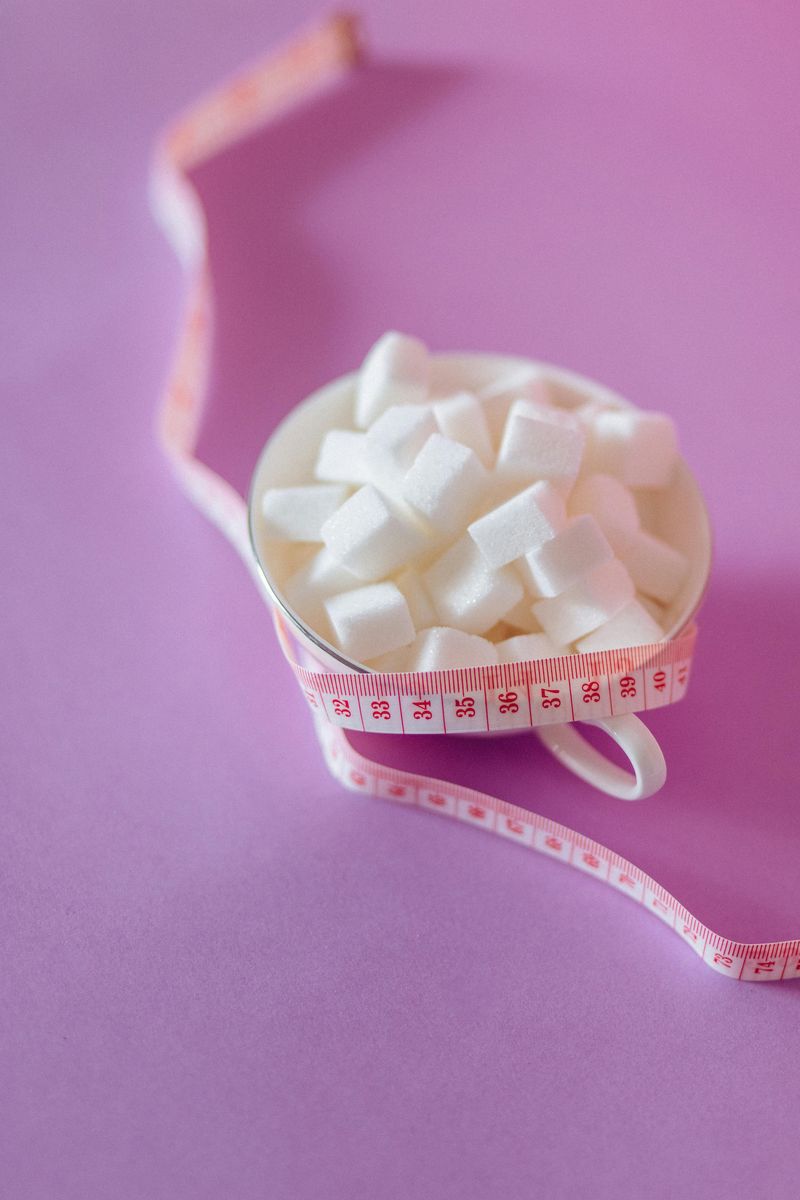
Sugar sparks instant sermons. One spoonful and people treat it like a confession, whispering about addiction, insulin spikes, and moral weakness.
You hear claims that a cookie says something about character, not cravings. It is exhausting.
Truth is, sugar is energy, pleasure, and context. Dose and frequency matter more than dramatic labels.
You can enjoy sweetness without surrendering your identity to it. Instead of purity tests, try curiosity and portion awareness.
Your body listens to patterns, not isolated bites.
Salt

Salt gets vilified like it is a deliberate attack on blood pressure. Someone sees a shaker and suddenly becomes your cardiologist, lecturing about water retention and silent risks.
But the story is larger than table shakes.
Sodium needs vary, sweat rates differ, and processed foods hide the real load. Home cooks often use salt to unlock flavor, which can encourage eating more vegetables.
Instead of moral panic, consider the total picture and your doctor’s advice. Taste, test, and adjust.
You deserve flavor without a guilt badge.
Butter
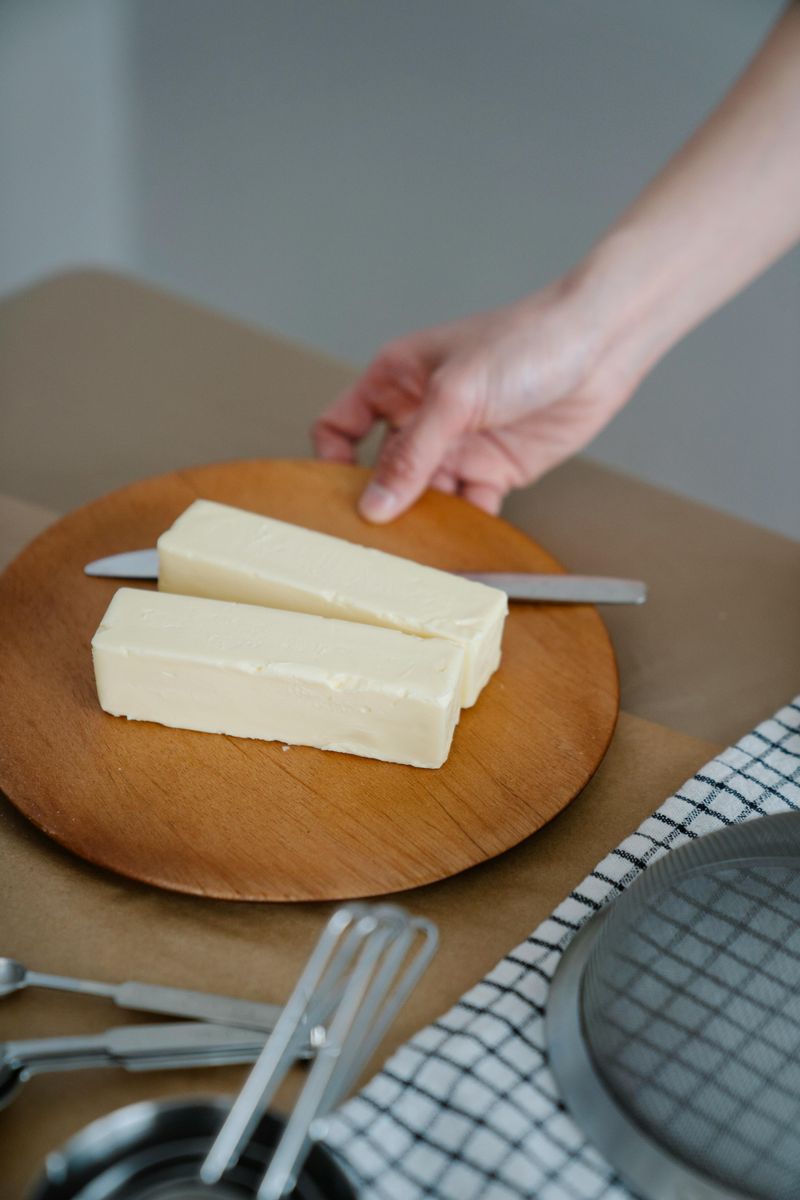
Butter becomes a character study in virtue versus indulgence. One smear and people quote cholesterol numbers, while others praise “real food” authenticity.
You stand there, toast in hand, trapped between purity and pleasure arguments.
Context again decides the story. Total saturated fat, overall diet, and your health markers matter more than a single spread.
Butter can be a mindful accent rather than a moral crisis. Savor it, measure it, and let your bloodwork guide the rhetoric.
Food is not a confessional booth.
Bacon
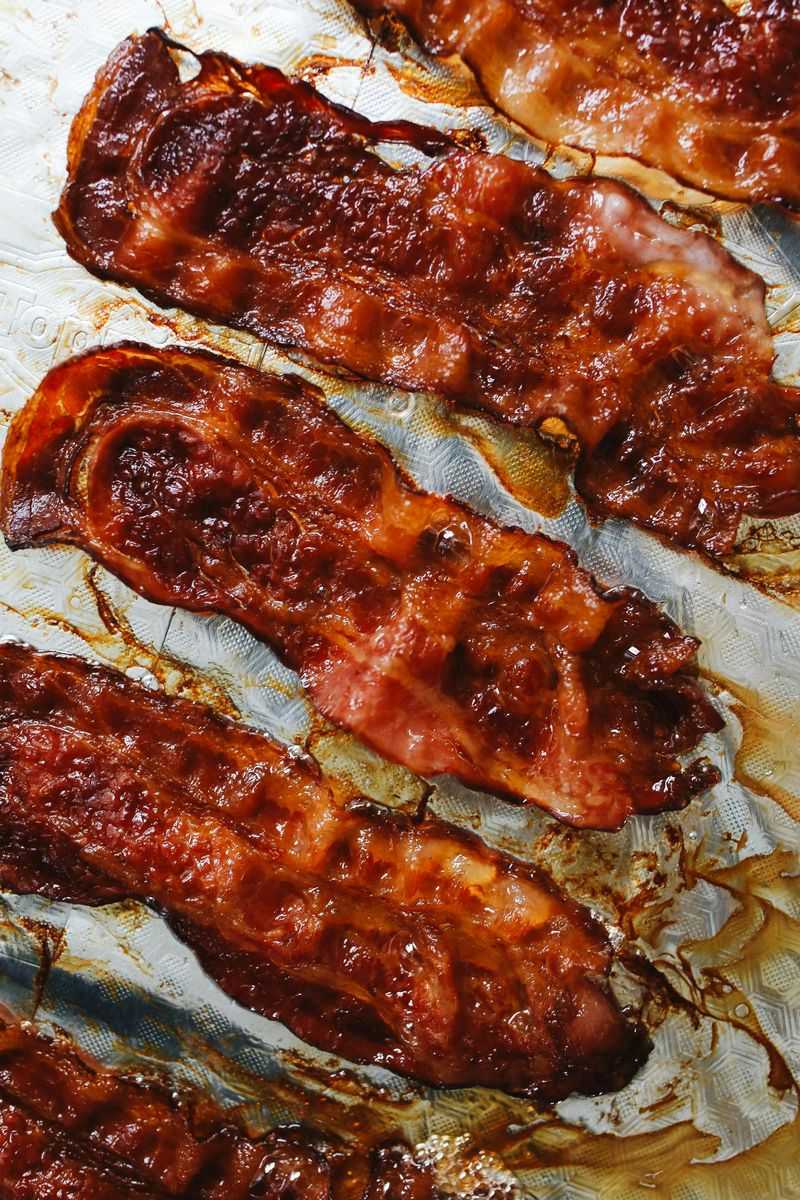
Bacon carries cultural weight, from brunch hero to dietary villain. People praise its flavor while warning of nitrates, cancer risk, and processed fat overload.
Every bite seems to invite a debate about identity and discipline.
Still, it is a concentrated treat, not a daily requirement. If you choose bacon, keep portions small and frequency thoughtful.
Seek quality, cook gently, and balance your plate with fiber rich sides. Health lives in patterns, not slogans.
Enjoy the crunch, skip the shame, and let variety protect you.
Processed meat

Processed meat gets instant finger wagging, and not without reason. Cured, smoked, and preserved options often correlate with higher risk in studies.
But scolding rarely helps you make better choices.
Look for portion control, less frequent use, and higher quality brands with clearer ingredients. Build sandwiches around vegetables and whole grains, letting meat play a smaller role.
Celebrate flavor without defaulting to daily deli. You can care about convenience and health simultaneously.
Nuance beats absolutism, every time.
Fast food
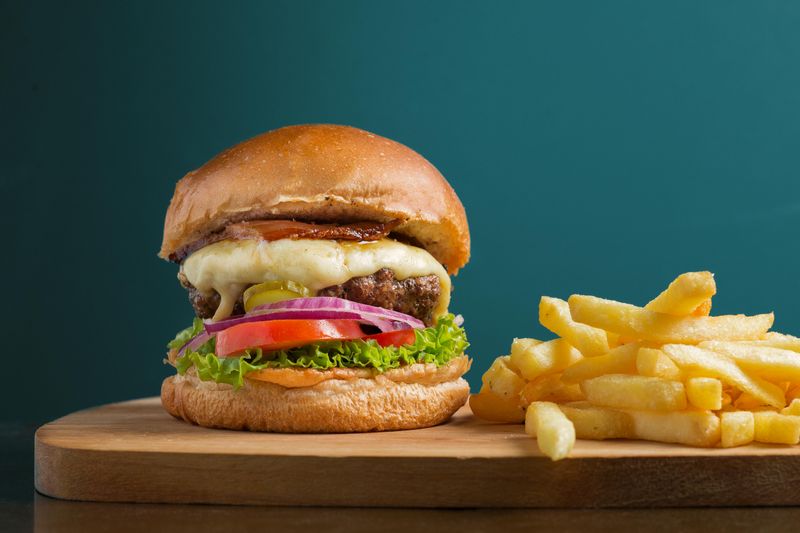
Fast food triggers morality plays about laziness, class, and willpower. People judge the bag before they know your day.
Sometimes it is budget, time, or simply comfort.
You can navigate smarter without moralizing. Choose grilled over fried, add fiber, skip automatic upsizes, and drink water.
Use fast food as a tool, not a habit. Consistency of overall meals matters more than a single drive thru.
Respect your reality, then shape it gently. You are allowed convenience and care.
Frozen meals
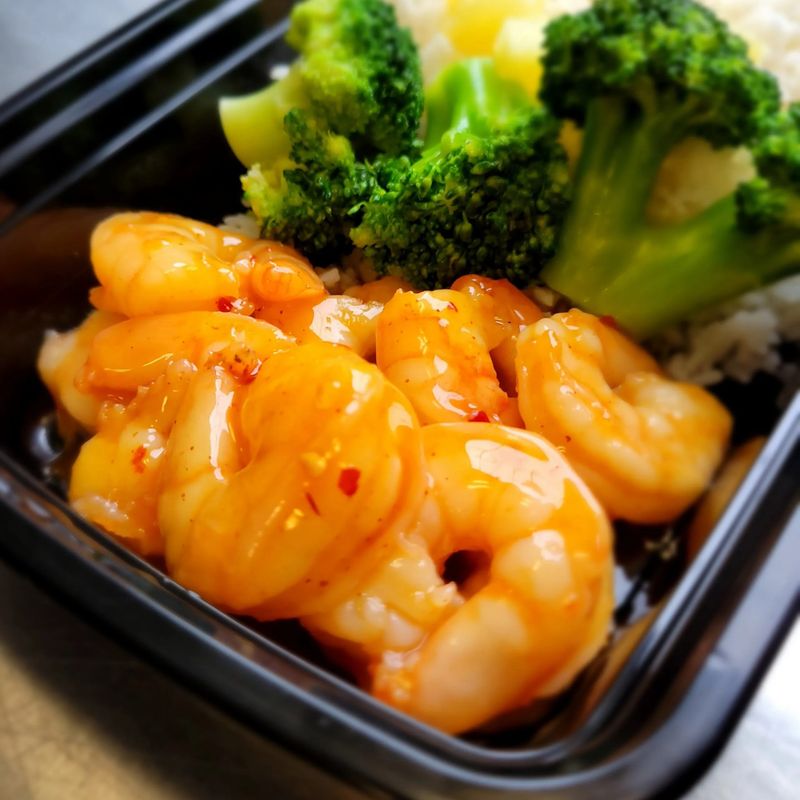
Frozen meals inspire side eye like you gave up on cooking. But freezing preserves nutrition, and portion labels can help.
The issue is often sodium and added sugars, not the freezer itself.
Read labels, prioritize fiber, protein, and recognizable ingredients. Add a quick side salad or frozen veggies to round it out.
Think of frozen meals as scaffolding for a balanced plate, not failure. Life gets busy; nourishment should still be reachable.
Practical beats perfect when the alternative is skipping meals.
Diet soda
Diet soda ignites arguments about artificial sweeteners, hunger, and “cheating.” Some swear it helps reduce sugar, others fear metabolic tricks. The truth is mixed and personal.
Evidence suggests diet drinks can assist when replacing sugary soda, especially short term. But they may keep a sweet preference alive.
If you use them, keep them as a bridge while building habits like water, tea, or sparkling water. Notice your cravings and appetite.
You are steering, not submitting.
Regular soda
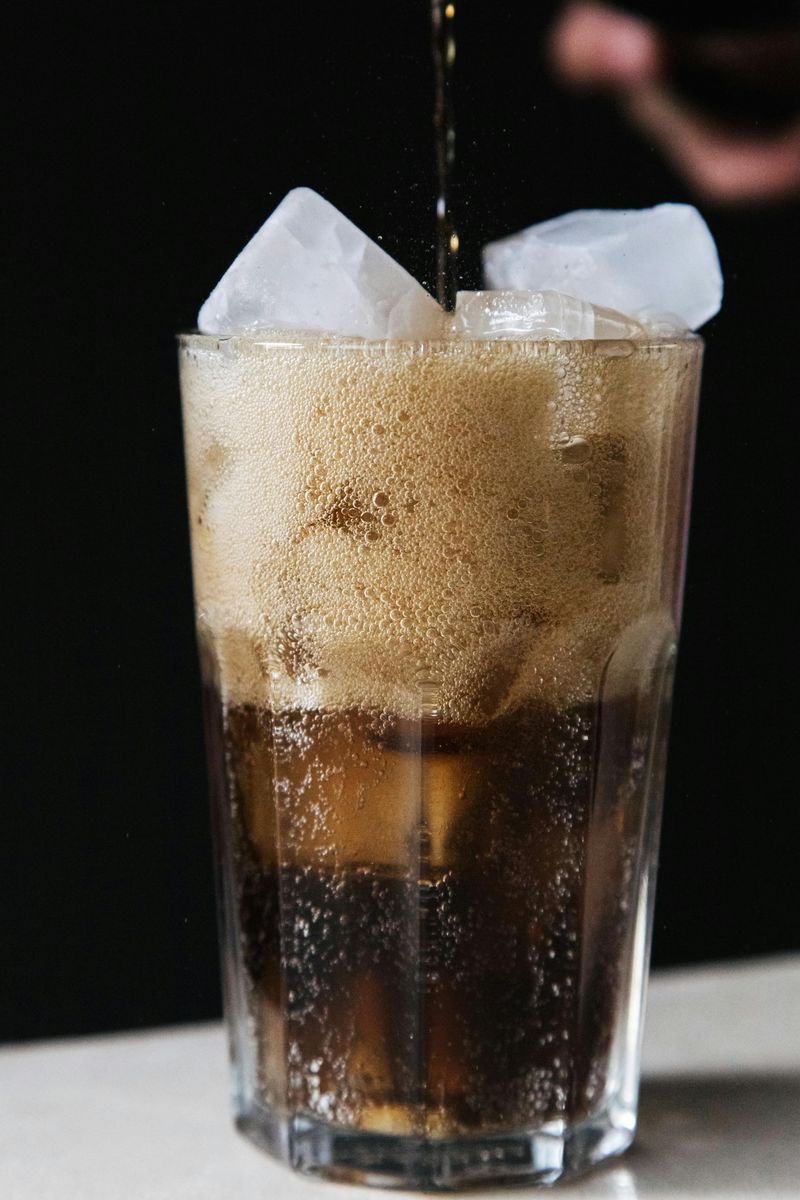
Regular soda is the poster child for nutrition scolding. It is liquid sugar, yes, and easy to overdo without feeling full.
That does not make you a villain for wanting the fizz.
Use it intentionally. Choose smaller sizes, savor slowly, and pair with meals to blunt spikes.
Swap some servings for sparkling water or tea when you can. Make it an occasional treat instead of a daily drip.
Your choices add up, but your worth is not measured in ounces.
Energy drinks

Energy drinks get the side eye for caffeine, sugar, and edgy branding. People assume recklessness, not fatigue management.
But sometimes you just need a boost.
Check the label for total caffeine, added sugars, and extra stimulants. Consider coffee or tea as gentler alternatives.
Hydrate, eat protein, and sleep whenever possible. If you keep them, use them strategically, not as a baseline.
Your nervous system will thank you, and no sermon is required.
Gluten
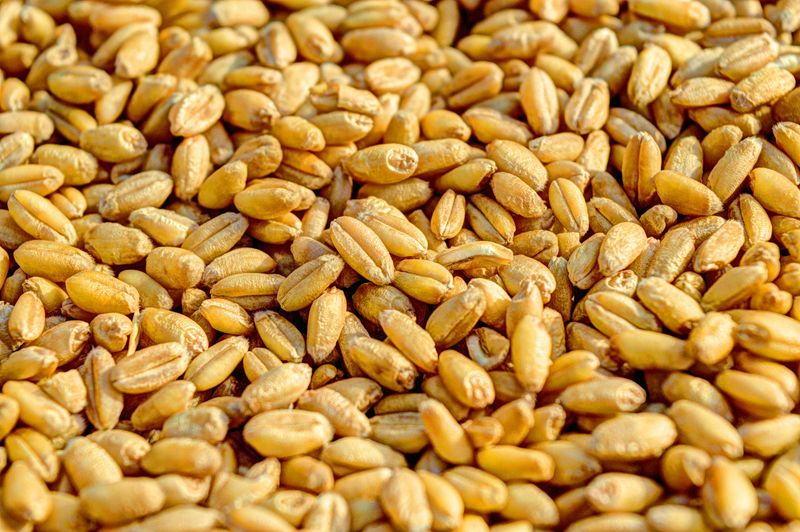
Say “gluten” and watch the room divide. For some, it is medical reality.
For others, a symbol of purity and trend chasing. Judging people’s plates does not heal anyone’s gut.
Celiac disease and true sensitivity deserve respect. If you feel better without gluten, that experience matters.
If you enjoy bread comfortably, that matters too. Choose what supports your body and life.
Food rules are tools, not identities.
Dairy
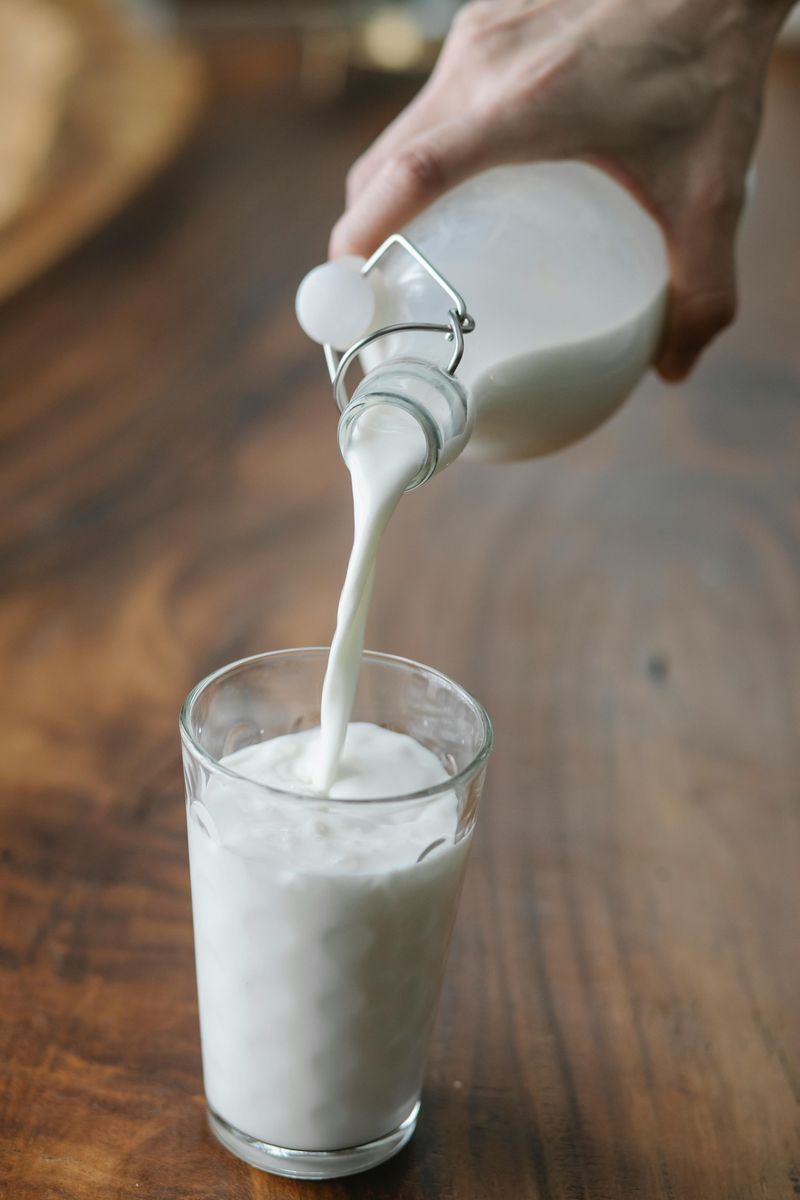
Dairy becomes a referendum on ethics, digestion, and tradition. Some thrive on yogurt and cheese, others struggle with lactose or prefer animal welfare priorities.
The moral heat often outshines the personal reality.
Test your tolerance. Try lactose free options or fermented dairy.
Consider plant alternatives that fit your taste and nutrition goals. Protein, calcium, and comfort can come from many sources.
Choose what helps you feel good and aligned with your values, minus the judgment chorus.
Carbs
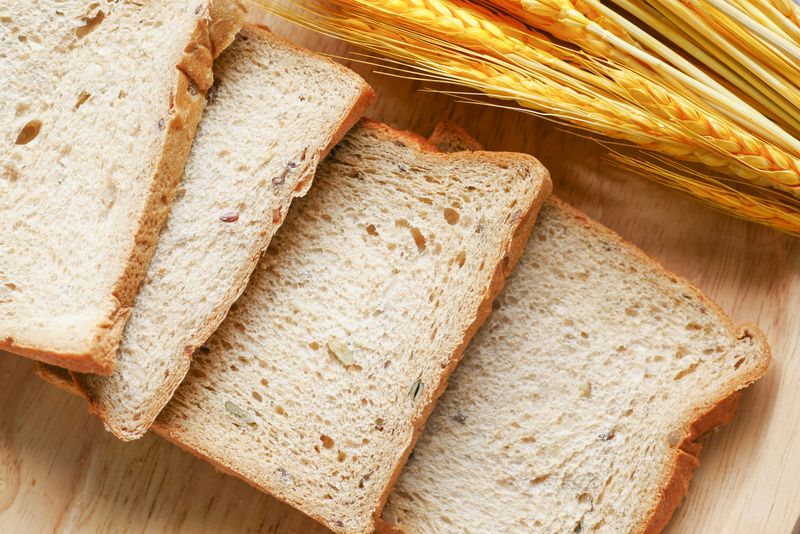
Carbs get blamed for everything from fatigue to moral failure. But carbohydrates span fruit to pastries, marathon fuel to mindless munching.
Lumping them together creates fear, not clarity.
Focus on fiber, variety, and portion. Whole grains, beans, and starchy vegetables carry nutrients and staying power.
Sweets can fit as intentional treats. Watch how your energy and hunger respond.
You are allowed balance without pledging allegiance to a camp.
White bread
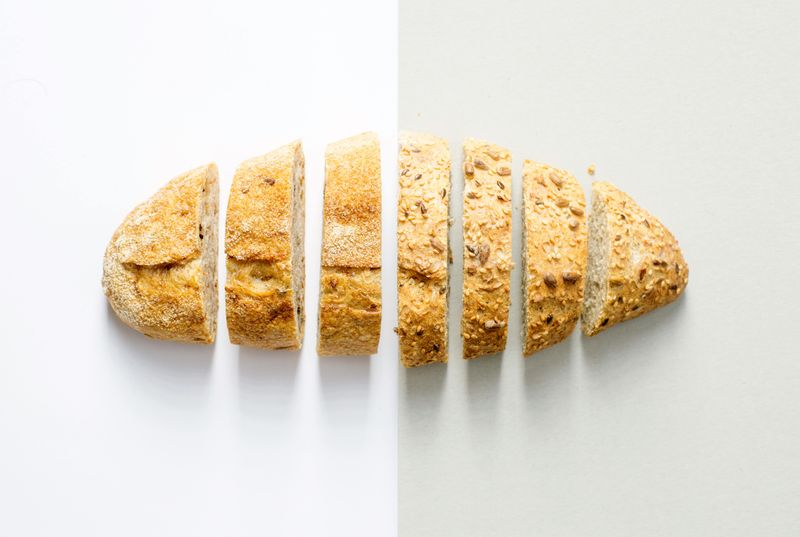
White bread often signals “bad choice” to onlookers. It is softer, lower in fiber, and easier to overeat.
But it can also be nostalgic, gentle on sensitive stomachs, and fine in moderation.
Balance your loaf life. Use white bread when texture matters, then stack the sandwich with protein and vegetables.
Rotate with whole grain options for everyday meals. No halo or horns necessary.
Your plate can carry both comfort and nutrients.
Fried food
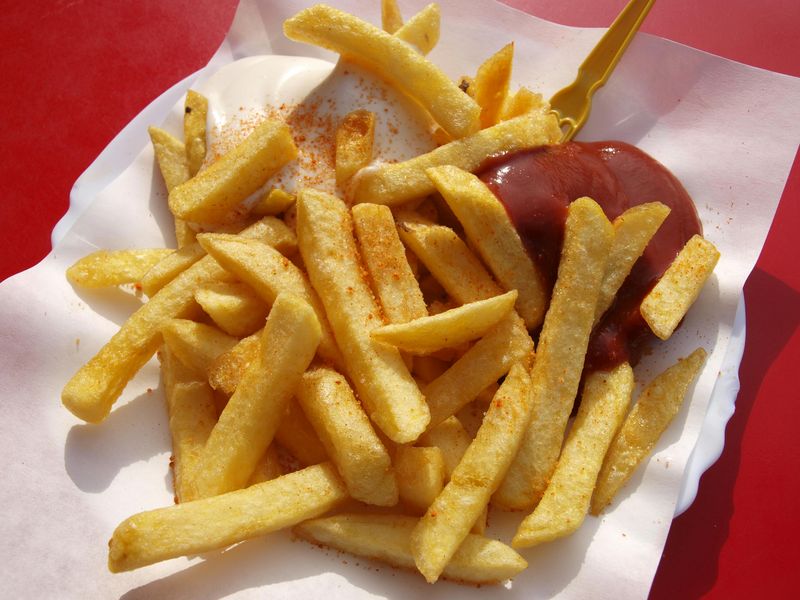
Fried food wears the scarlet letter of indulgence. It is crunchy, salty, and easy to crave, so it attracts lectures about oil, inflammation, and discipline.
But joy counts too.
Choose good oil, hot temperatures, and small portions. Pair with fresh sides to balance richness.
Save it for moments worth savoring, not background snacking. Air fryers can nudge texture with less oil.
You can honor health and pleasure without moral math.
Dessert

Dessert turns dinner into a character assessment. Order it and some assume weakness.
Skip it and others call you joyless. Either way, someone narrates your soul via cake.
Reclaim dessert as a choice, not a confession. Share, savor, or save for later.
Choose quality over quantity and eat slowly. Let sweetness end a meal without starting a spiral.
You are more than your fork’s final act.
Snacks
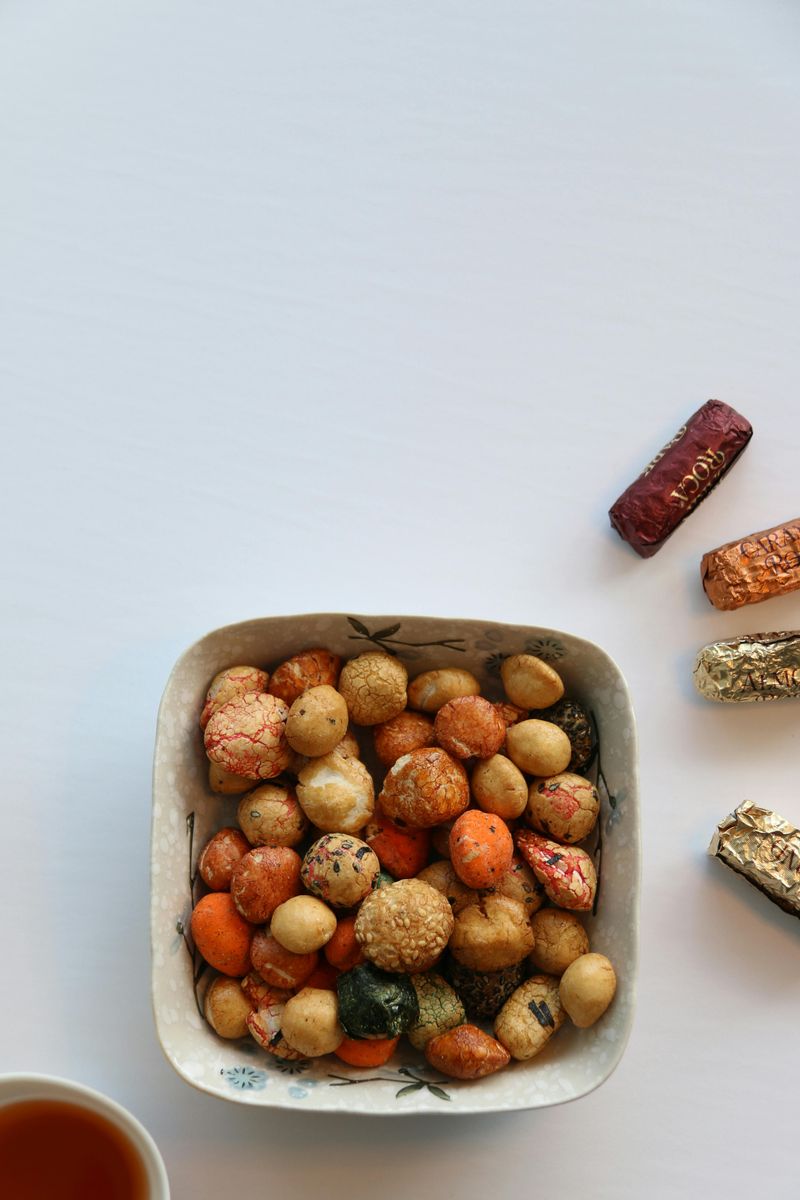
Snacks become moral shorthand for self control. Chips are “bad,” nuts are “good,” and the story ends.
But the most helpful question is: does this snack help you feel steady until the next meal?
Match snacks to your day. Aim for protein, fiber, and satisfaction.
Sometimes that is hummus and veggies. Sometimes it is popcorn or a cookie.
Plan a little, enjoy a little, and move on. Perfection is not required to be nourished.
Late night eating
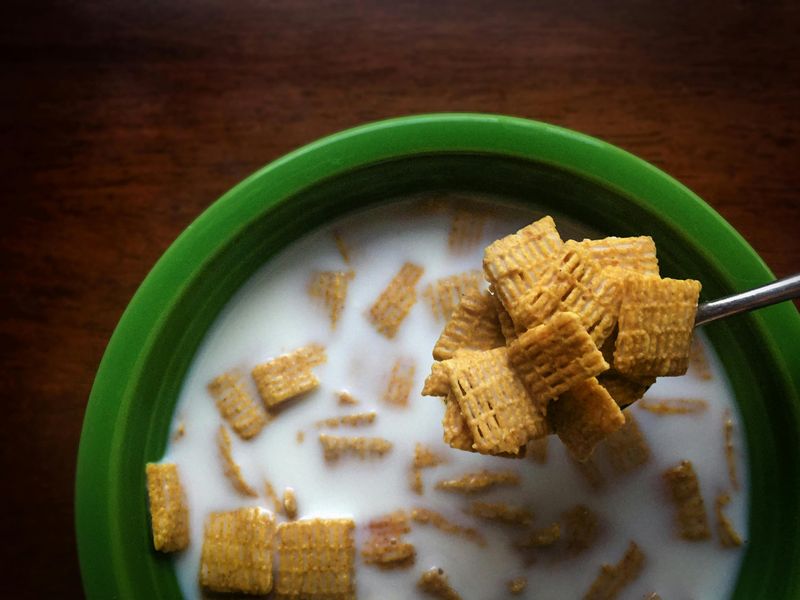
Late night eating gets framed as failure, but life is not a schedule contest. Shift work, stress, and training can push meals later.
The clock does not digest food; your body does.
What you eat matters more than when. Choose balanced options with protein and fiber, and watch portions if sleep is soon.
If reflux or poor sleep follows, adjust timing gently. Compassion beats curfews.
Build a routine that fits your reality and supports recovery.
Red meat
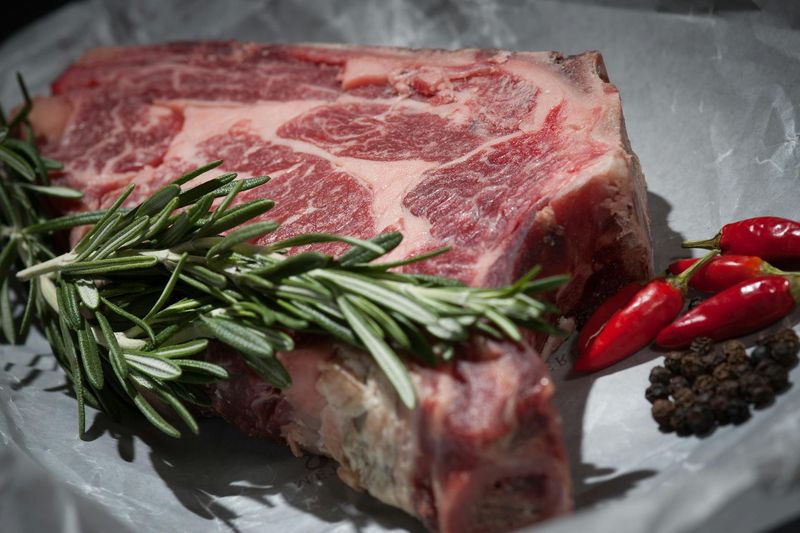
Red meat stirs debate faster than a sizzling pan. Climate concerns, heart health, and cultural traditions collide in one steak.
When you order it, people project values, not just preferences.
Evidence suggests portion size, cut, and frequency matter. Leaner options, plant sides, and mindful cooking methods help.
If you eat it, let it be occasional, well portioned, and supported by colorful vegetables. If you skip it, that is valid too.
You are not a morality tale; you are a person making trade offs.
Enjoyed this story?
Add Fast Food Club as a preferred source to see more of our reporting on Google.