


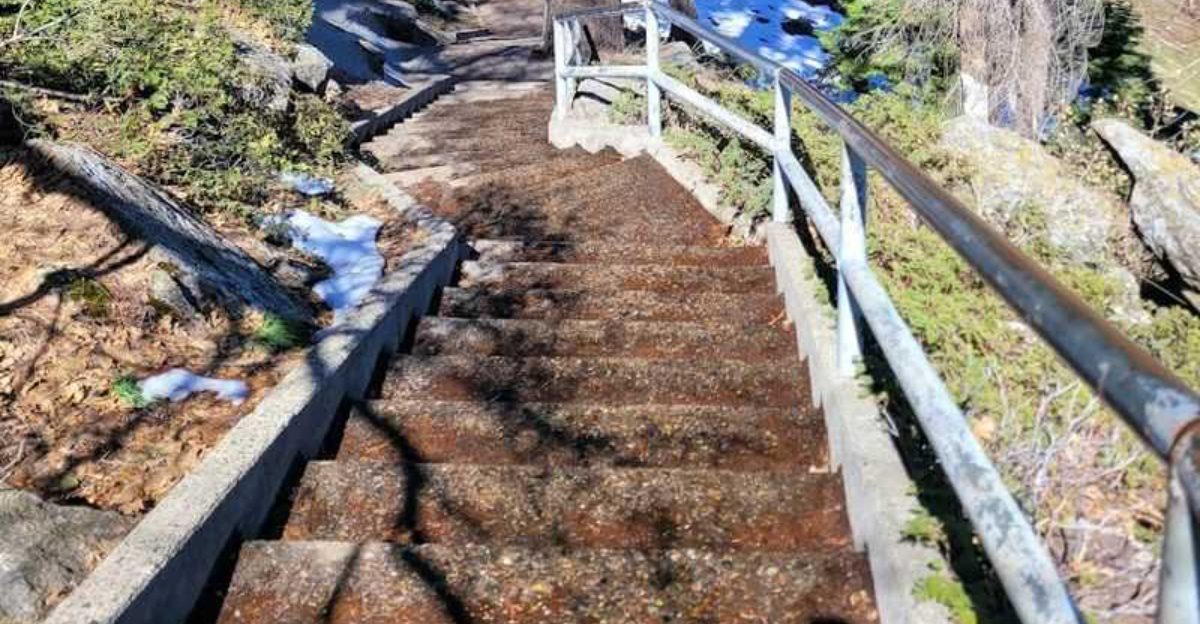
Perched high in Sequoia National Park, Moro Rock Trail is one of California’s most jaw-dropping short hikes. This granite dome rises dramatically from the forest, offering 360-degree views that feel almost too stunning to be real.
At just about half a mile round trip, it packs more wow factor per step than almost any other trail in the state. Whether you are a seasoned hiker or a first-timer, this surreal climb is absolutely worth the trip.
The Granite Dome That Looks Like Another Planet
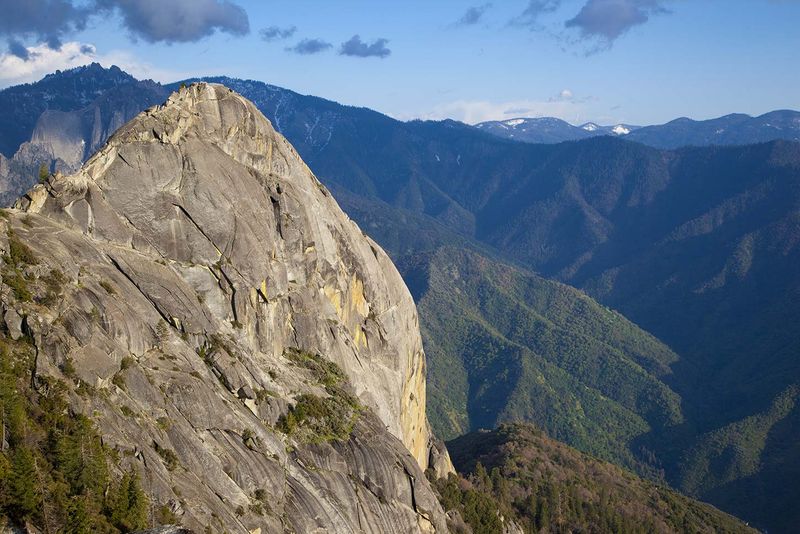
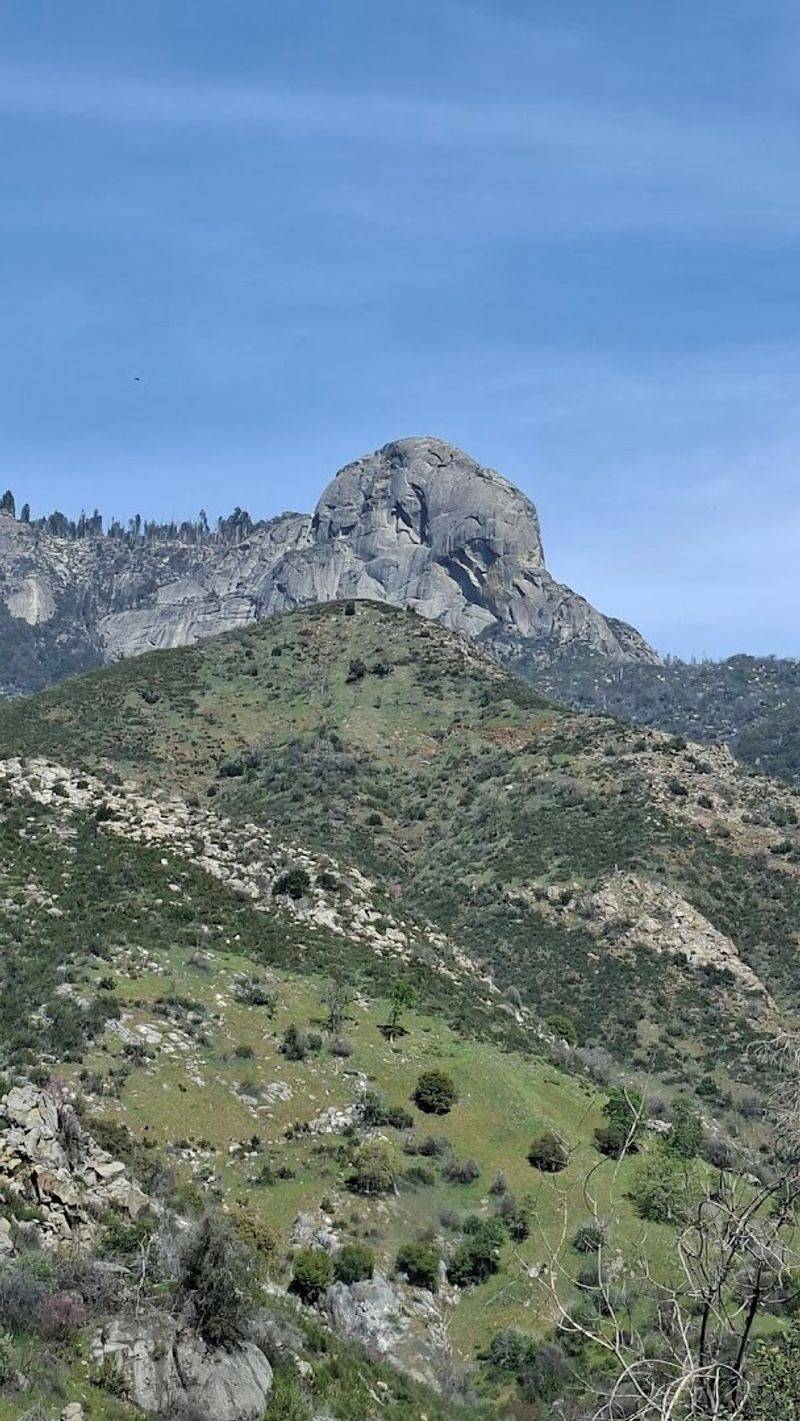
Nothing quite prepares you for your first glimpse of Moro Rock. This massive, isolated granite dome juts out of the forest like something dropped from outer space, its smooth curved surface gleaming in the California sun.
Geologists say formations like this are called exfoliation domes, shaped over millions of years as layers of rock peeled away like an onion. The result is a surface so clean and rounded it almost looks sculpted by hand.
Standing at the base and looking up, the dome feels impossibly tall. Yet that otherworldly quality is exactly what draws thousands of visitors every year.
Moro Rock sits at 6,725 feet above sea level, and even before you climb a single step, the sheer visual drama of this place makes you feel like you have landed somewhere far beyond ordinary California.
Over 350 Steps Carved Right Into the Rock
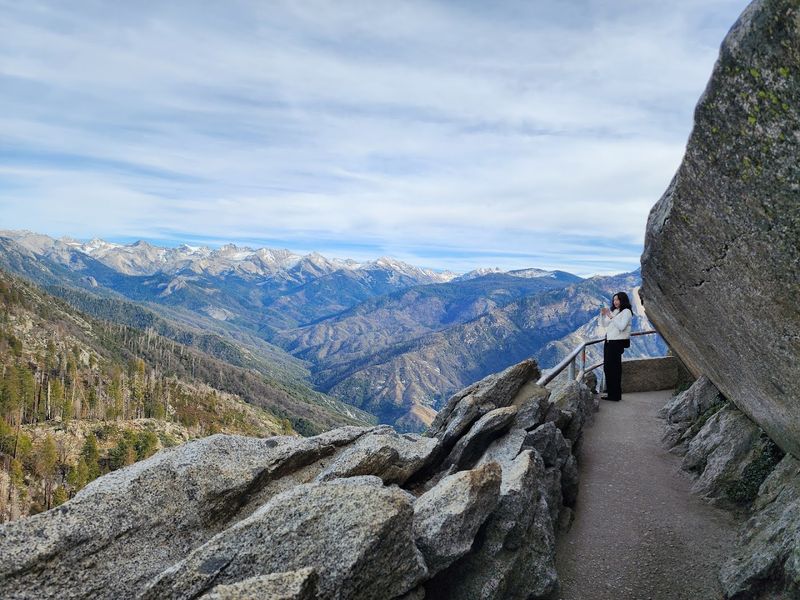
Forget a dirt path through the woods — this trail is literally a staircase cut into solid granite. Around 350 to 360 concrete and stone steps wind their way up the face of Moro Rock in a series of switchbacks, making the climb feel both ancient and adventurous.
The steps are well maintained and lined with sturdy metal handrails along the steeper sections. Even so, the narrow passages mean hikers going up and down must take turns, so patience is part of the experience.
Most visitors find the climb manageable if they set a steady pace and stop at the viewing platforms along the way. Kids, older adults, and people of all fitness levels make it to the top every single day.
Just wear shoes with good grip, because the granite can get slippery when wet from rain or morning dew.
Panoramic Summit Views That Steal Your Breath Away
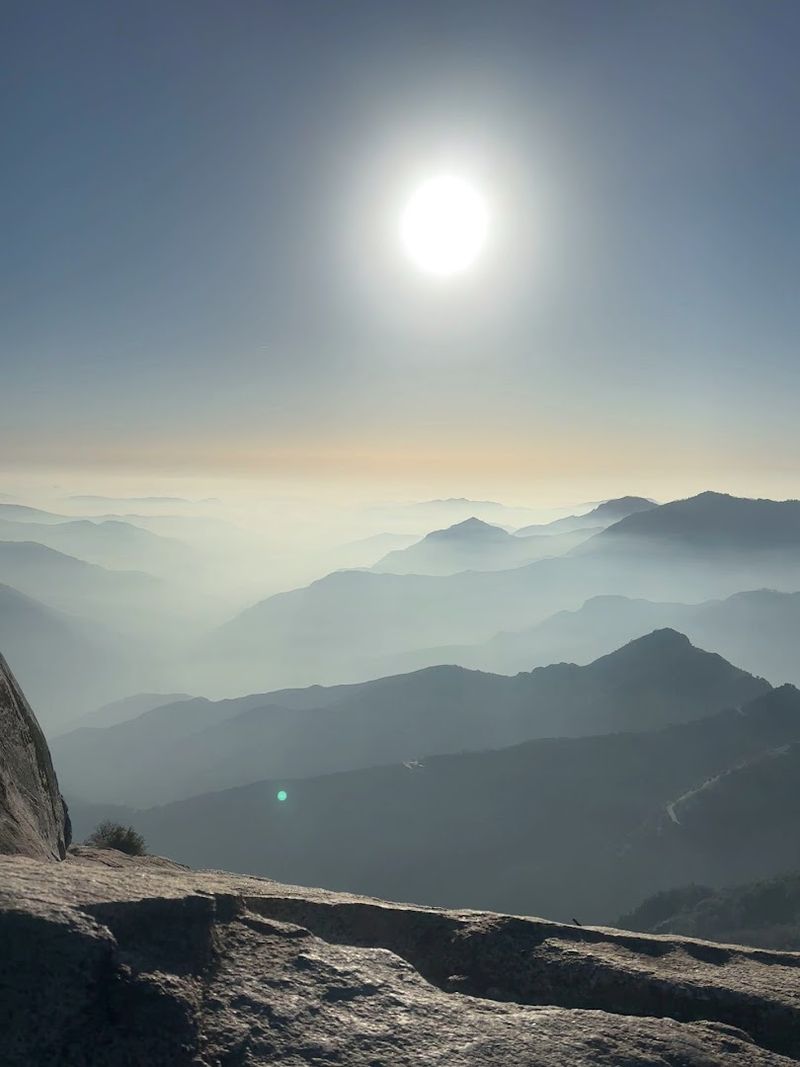
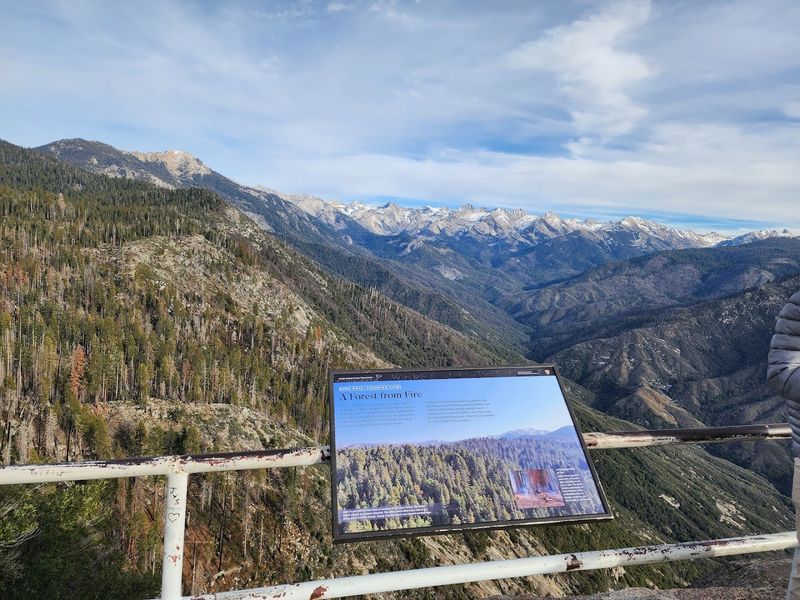
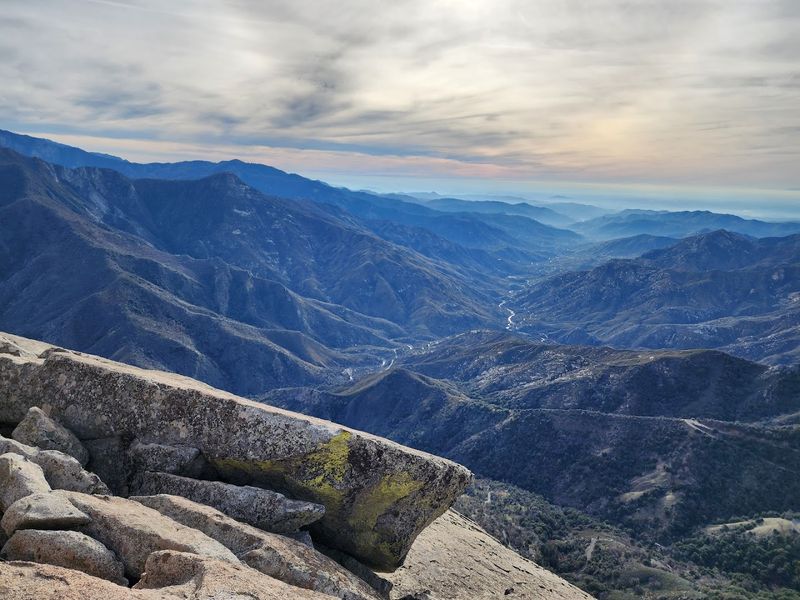
Reaching the top of Moro Rock feels like unlocking a secret level of the world. The summit offers full 360-degree views that sweep across the Great Western Divide, the San Joaquin Valley, and layers of mountain ridges disappearing into the distance.
On a crystal-clear day, you can even spot the summit of Mount Whitney, the tallest peak in the contiguous United States, standing proudly to the east. That kind of view makes the burning legs feel completely worth it.
Sunsets from the top are legendary among regular visitors. Golden light pours across the valleys below while the sky shifts through shades of orange, pink, and purple.
Many hikers time their climb to arrive just before the sun dips below the horizon. Bring your camera fully charged, because the photo opportunities at the summit are genuinely world-class and nearly impossible to capture in just one shot.
The Trail Is Short But the Elevation Is Real
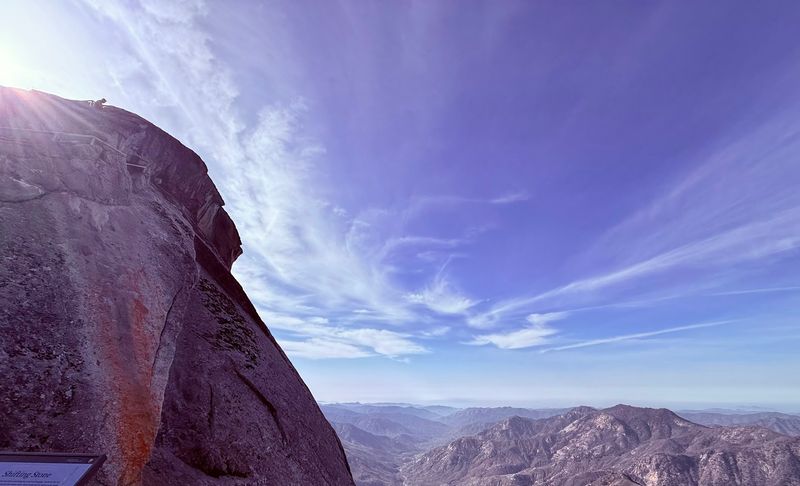
At roughly 0.5 miles round trip, Moro Rock Trail sounds like a casual afternoon stroll. But the rapid elevation gain of around 250 to 300 feet combined with the high-altitude starting point means your lungs will definitely notice the effort.
The park sits well above 6,000 feet, and if you are coming from sea level, altitude can sneak up on you faster than expected. Shortness of breath, a slightly faster heartbeat, and the need to pause more often than usual are all completely normal responses.
Taking breaks is not a sign of weakness here — it is actually smart hiking. The viewing platforms along the staircase give you a perfect excuse to stop, catch your breath, and soak in the scenery.
Hydration matters a lot at this elevation too, so carry water even for this short climb and sip regularly as you go up.
Sunrise Visits Offer a Quieter, More Magical Experience
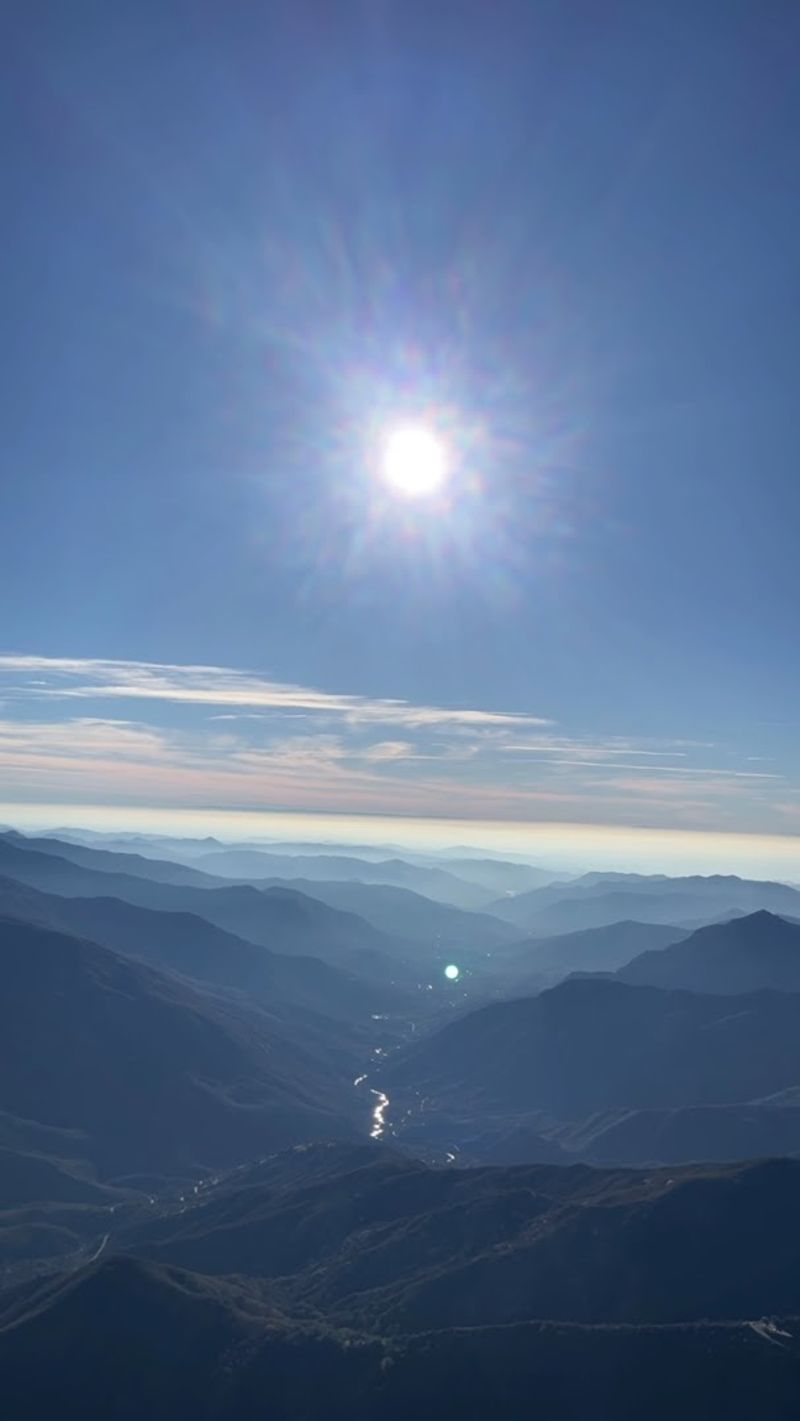
Early birds get something truly special at Moro Rock. Arriving around sunrise means the staircase traffic flows mostly in one direction — upward — since crowds have not yet built up.
The light at that hour is soft, warm, and absolutely gorgeous on the granite.
Several seasoned visitors specifically recommend sunrise over sunset for one practical reason: parking. The lot fills up fast during peak hours, especially on summer weekends when the road to Moro Rock closes to private vehicles and a free shuttle runs from the Giant Forest Museum instead.
Sunrise also brings a peaceful stillness to the summit that midday simply cannot match. The air is cooler, the sky often glows in shades of peach and lavender, and you might have the top nearly to yourself for a few quiet minutes.
That combination of solitude and spectacular light makes an early alarm clock feel like a very worthwhile sacrifice.
Wildlife You Might Spot Along the Way
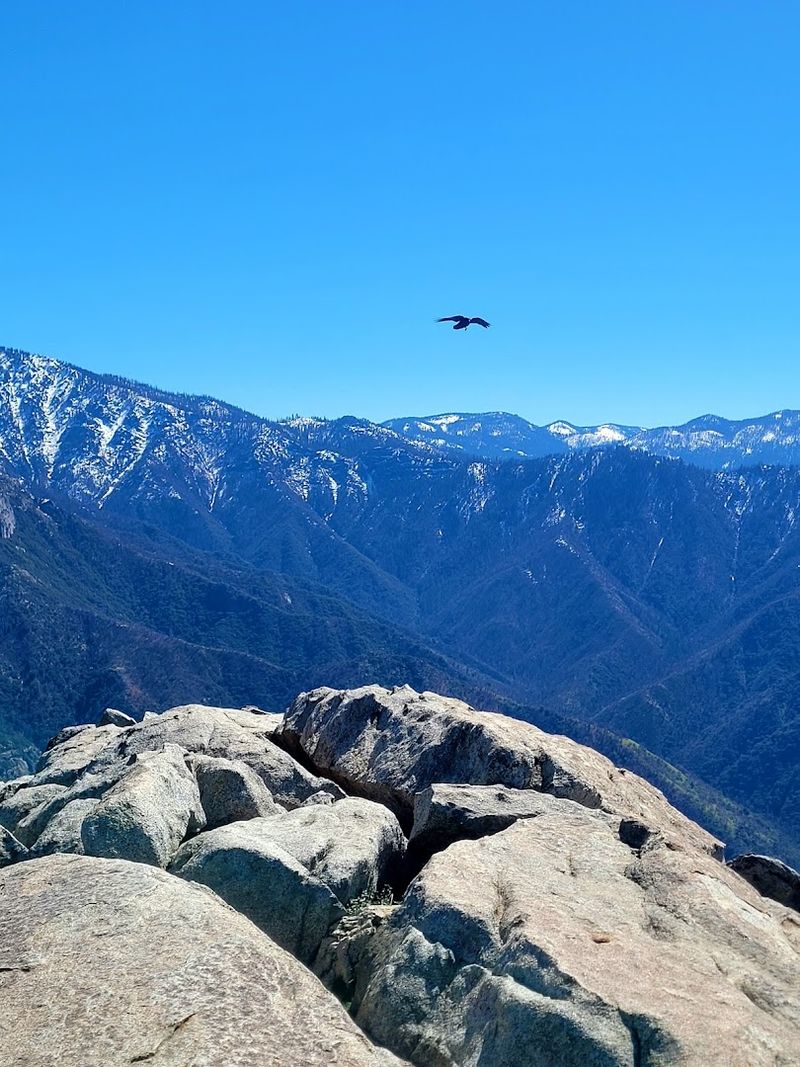
Moro Rock is not just about the views from the top — the journey up offers its own wildlife surprises. Peregrine falcons are known to nest on the rock itself, and lucky hikers sometimes catch a glimpse of these incredible birds soaring on the thermals rising off the granite.
Hawks and eagles also circle the area regularly, riding the same air currents with effortless grace. Down in the forest surrounding the base, gray foxes, black bears, and bobcats all call this region home, though they tend to stay out of sight during busy visitor hours.
Smaller creatures like ground squirrels are far less shy and often appear near the trailhead, cheerfully ignoring hikers. Resist the urge to feed them — it is both illegal in the park and genuinely bad for their health.
Spotting wildlife here feels like a bonus reward on top of an already extraordinary hike.
What to Wear and Pack for the Climb
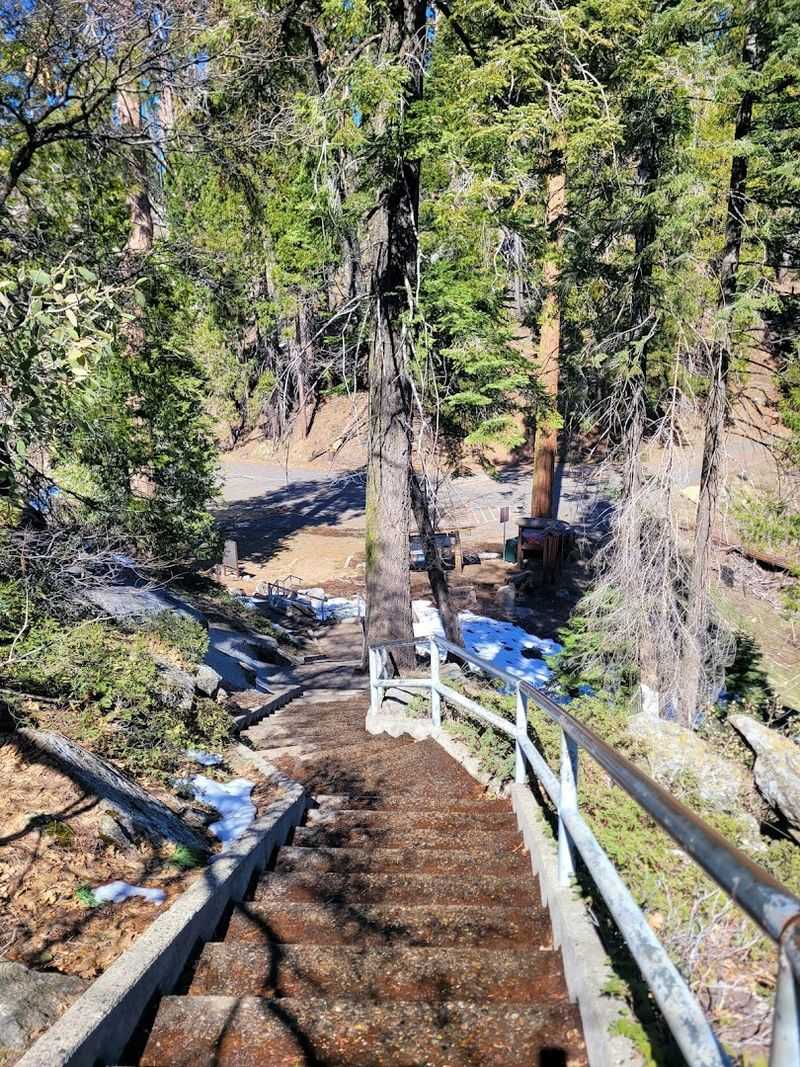
Packing smart makes a big difference on Moro Rock Trail. The most important item is footwear — solid hiking shoes or trail runners with good grip are essential since the granite steps can become slick when wet.
Flip flops and sandals are a recipe for a rough time.
Layering your clothing is a clever move here. The base of the trail can feel cool and shaded, but the exposed upper sections catch full sun and wind, so temperatures shift noticeably as you climb.
A light jacket stuffed in a small backpack handles both situations perfectly.
Water is non-negotiable even on a half-mile hike at altitude. Sunscreen and sunglasses protect against the intense mountain UV exposure, especially on the open granite near the summit.
A fully charged phone or camera ensures you capture the views. Travel light but smart, and the climb becomes genuinely enjoyable from the very first step.
Parking Tips and How to Get There Without the Headache
Parking at Moro Rock is famously tricky during peak season. The lot near the trailhead is small and fills up quickly, especially on summer weekends and holidays.
Many visitors arrive to find it completely full, which is frustrating after a long drive through the park.
During busy periods, the National Park Service closes the Moro Rock road to private vehicles and runs a free shuttle from the Giant Forest Museum. Hopping on that shuttle is honestly the stress-free option and takes the parking puzzle completely out of the equation.
Coming from Fresno through the park entrance takes roughly an hour to reach Moro Rock. The road leading up to the trailhead is narrow in spots, wide enough for just one car at times, so drive slowly and pull over when meeting oncoming traffic.
An America the Beautiful pass or a $35 weekly vehicle pass covers your park entry fee for the visit.
The Nearby Giant Forest Museum Is Worth a Stop
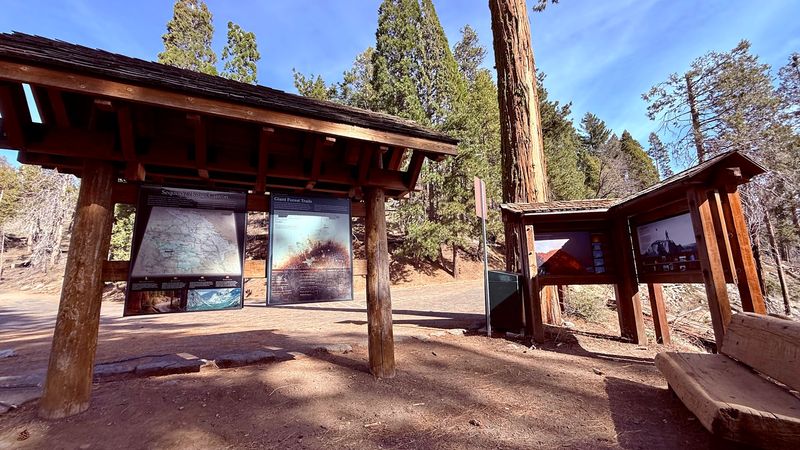
Right on the way to Moro Rock sits the Giant Forest Museum, and skipping it would be a genuine missed opportunity. Reviewers who stopped in on their way up described it as surprisingly cool inside, packed with exhibits about the giant sequoias and the history of the park.
The museum explains how these ancient trees survive for thousands of years, why fire is actually essential to their life cycle, and what makes Sequoia National Park one of the most ecologically unique places on Earth. Interactive displays make the information accessible and fun for all ages.
Spending 20 to 30 minutes here before the hike gives the whole experience extra context. When you eventually stand at the Moro Rock summit looking out over the Giant Forest below, you appreciate what you are seeing on a completely different level.
Knowledge genuinely deepens wonder, and this museum delivers both in an easy, engaging package.
Winter and Rainy Season Considerations
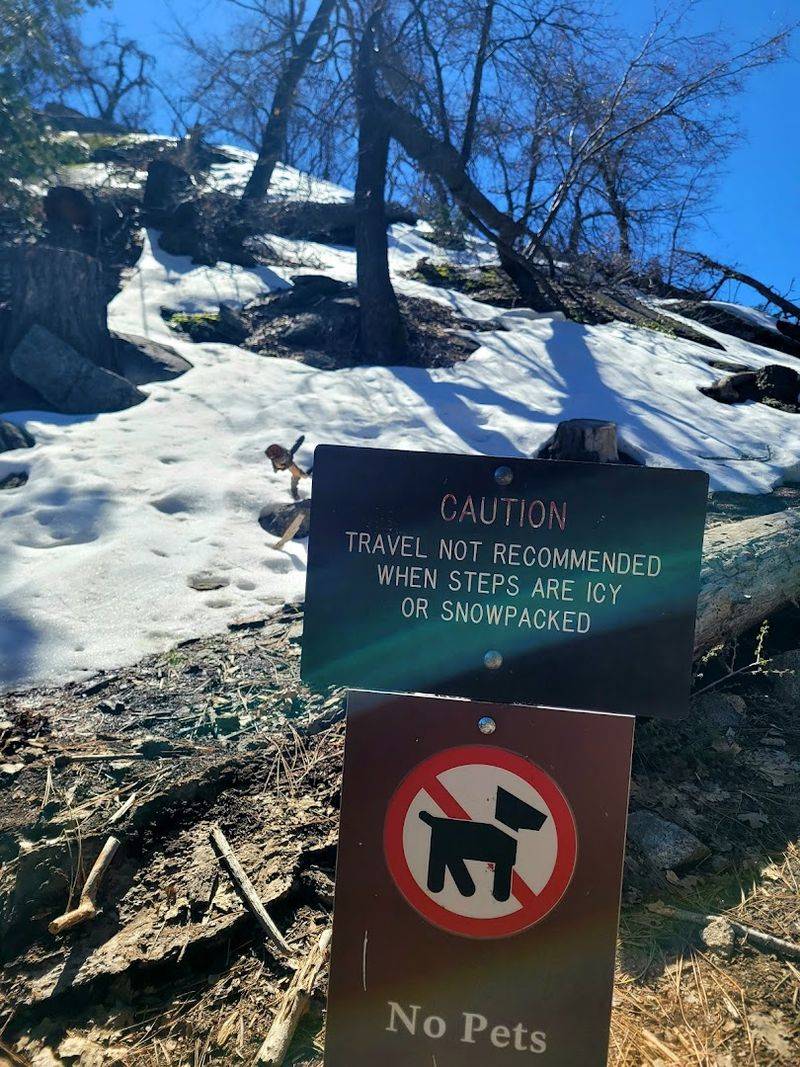
Visiting Moro Rock in winter is a completely different adventure. Snow transforms the granite dome and surrounding forest into a scene straight out of a holiday postcard, with white-dusted pines and ice-glazed steps creating a dramatic, hushed atmosphere.
However, the trail closes during winter due to snow and ice hazards, so always check conditions before making the drive. The National Park Service website and park phone line provide up-to-date trail status information.
One visitor who came in mid-January found the road blocked but still enjoyed a scenic hike up through the snow to reach the rock.
Even in late spring and fall, afternoon rain showers can make the granite steps dangerously slippery. The park phone number is 559-565-3341 for current conditions.
Snow chains or all-wheel drive may be required on park roads during winter months, so check vehicle requirements before heading up into the Sierra Nevada.
Height Anxiety and the Moro Rock Experience
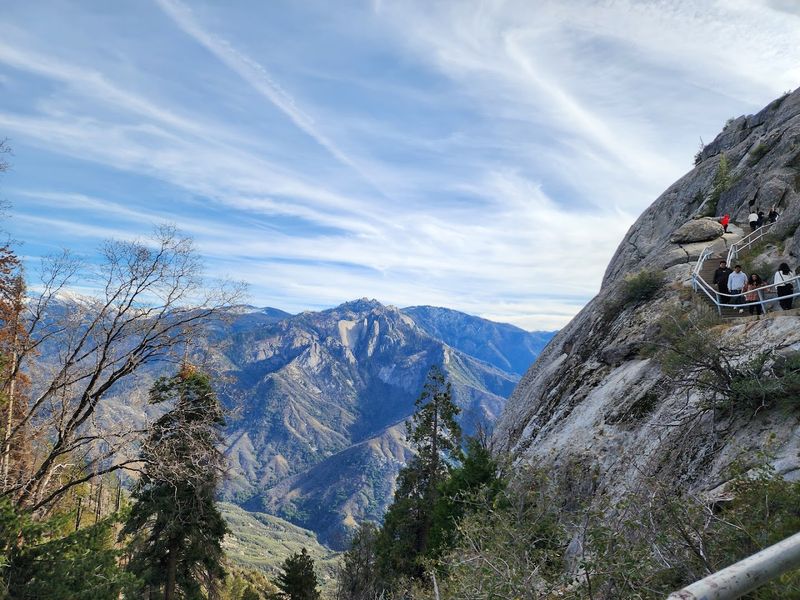
For anyone who gets nervous around heights, Moro Rock Trail deserves some honest advance notice. The upper sections of the staircase are fully exposed, with steep drop-offs visible on both sides and nothing but open air stretching hundreds of feet below.
Handrails and rock walls border most of the route, but some sections have barriers that feel shorter than others. The summit itself sits right at the edge of the dome with views plunging dramatically in every direction — genuinely spectacular, but intense for height-sensitive visitors.
Many people with mild height anxiety find that focusing on the steps directly in front of them rather than looking down makes the climb manageable. Others discover that the adrenaline actually adds to the thrill.
Only you know your own comfort level, so read honest reviews and make the call that feels right. There is no shame in turning back at any point along the way.
Fun Facts About Moro Rock You Probably Did Not Know
History buffs will love knowing that the stone stairway up Moro Rock was built by the Civilian Conservation Corps during the 1930s as part of Franklin Roosevelt’s New Deal program. Young men from across the country came to Sequoia to carve these very steps out of living granite, leaving behind a lasting legacy that millions of hikers still enjoy today.
The name Moro Rock has uncertain origins, but some historians believe it may derive from the Spanish word for dark or moorish, possibly referencing the rock’s shadowy appearance in certain light conditions. Along the trail, small plaques and informational signs share geological facts and natural history tidbits that make the climb educational as well as physical.
One more quirky detail: peregrine falcons, among the fastest animals on Earth, nest directly on Moro Rock. These birds can dive at over 200 miles per hour, making your breathless climb up 350 steps feel suddenly quite modest by comparison.
Why Moro Rock Trail Belongs on Your California Bucket List
Some hikes are scenic. Moro Rock Trail is genuinely unforgettable.
The combination of ancient granite, carved stone stairs, towering sequoias visible from above, and jaw-dropping Sierra Nevada panoramas creates an experience that feels unlike anything else in California.
The trail earns a remarkable 4.9-star rating from over 3,300 reviews on Google, which is practically unheard of for any attraction, let alone a hiking trail. Visitors consistently describe the summit views as breathtaking, life-changing, and worth every single step of the climb.
At just half a mile round trip, the time investment is minimal while the payoff is enormous. Families, solo adventurers, couples, and groups of friends all find something meaningful here.
The trail is open daily from 9 AM to 5 PM and can be reached at the official NPS page: nps.gov/seki/planyourvisit/moro.htm. Put Moro Rock on your list and then actually go — you will not regret it.
Enjoyed this story?
Add Fast Food Club as a preferred source to see more of our reporting on Google.