


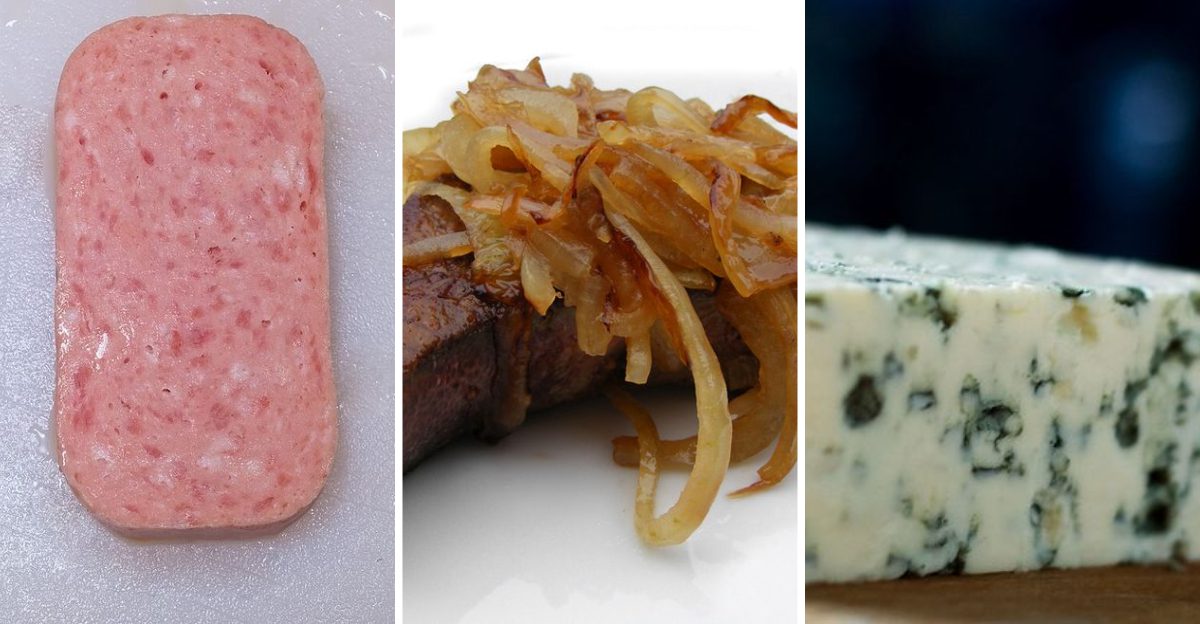
Some foods just have a way of making people scrunch up their noses and push their plates away. Whether it’s a weird texture, a strong smell, or a flavor that hits differently than expected, certain dishes have earned a seriously bad reputation across the country.
From childhood dinners gone wrong to holiday table disasters, these foods have sparked arguments, strong opinions, and plenty of drama. Get ready, because this list covers the most hated foods in America — and a few might surprise you.
Black Licorice
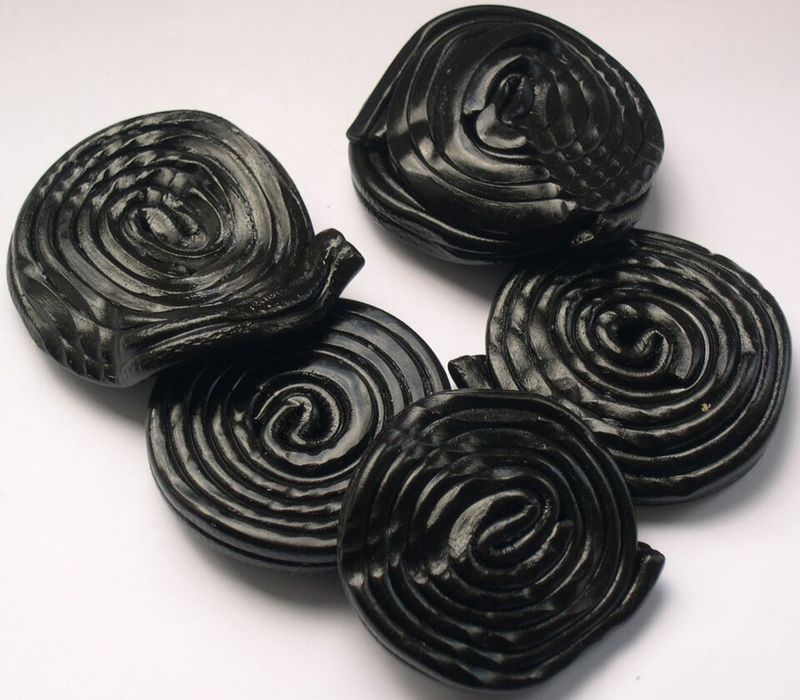
Few candies divide people quite like black licorice. While some folks reach for it happily, many Americans treat it like a Halloween trick, not a treat.
The bold, bitter anise flavor is genuinely polarizing — you either love it or strongly dislike it.
Interestingly, black licorice has been used as a natural remedy for centuries in other cultures. But in the U.S., it remains one of the most consistently rejected sweets on the shelf.
Anchovies
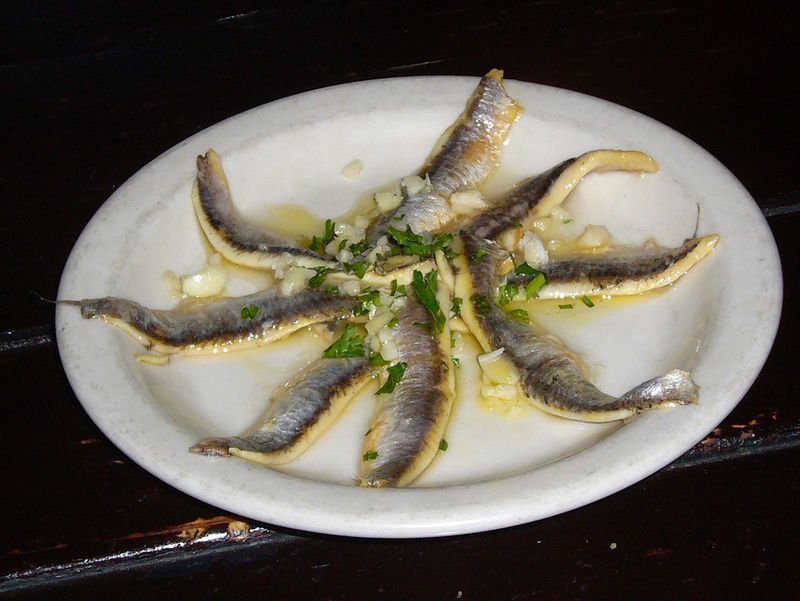
Anchovies have a PR problem in America, and it mostly starts with pizza. Tiny, intensely salty, and pungent, these little fish get removed from more orders than almost any other topping.
Their strong umami punch is just too much for a lot of people.
Here is the twist though — chefs actually use anchovies to secretly boost flavor in sauces and dressings all the time. Many people unknowingly enjoy their flavor without ever realizing it is there.
Blue Cheese
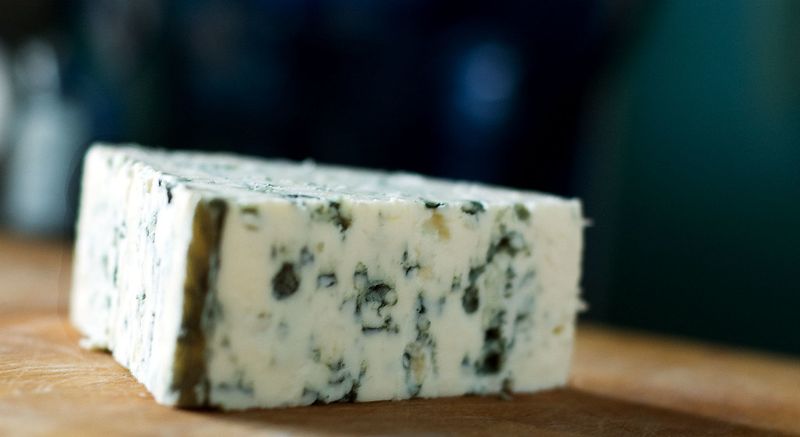
Moldy cheese sounds like the last thing anyone would want to eat, and for millions of Americans, that instinct is completely valid. Blue cheese carries a sharp, funky aroma and a crumbly texture that sends many people straight to the nearest exit.
The mold running through it is intentional, but that does not make it easier to accept.
Fans swear it pairs beautifully with steak or buffalo wings. Everyone else is just happy to grab the ranch dressing instead.
Brussels Sprouts
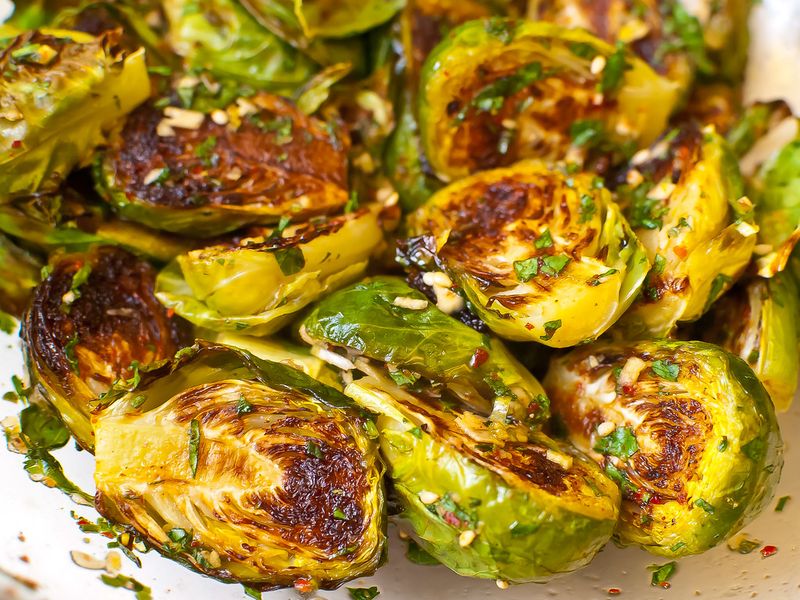
Ask any kid what they hate most at dinner, and Brussels sprouts will almost always make the list. For years, these little cabbages earned a terrible reputation — mostly because they were boiled into a mushy, sulfur-smelling mess that nobody wanted near their plate.
Science actually explains the hate: some people have a gene that makes Brussels sprouts taste extremely bitter. Roasting them with olive oil and garlic does help, but that does not erase decades of bad memories for many Americans.
Liver and Onions
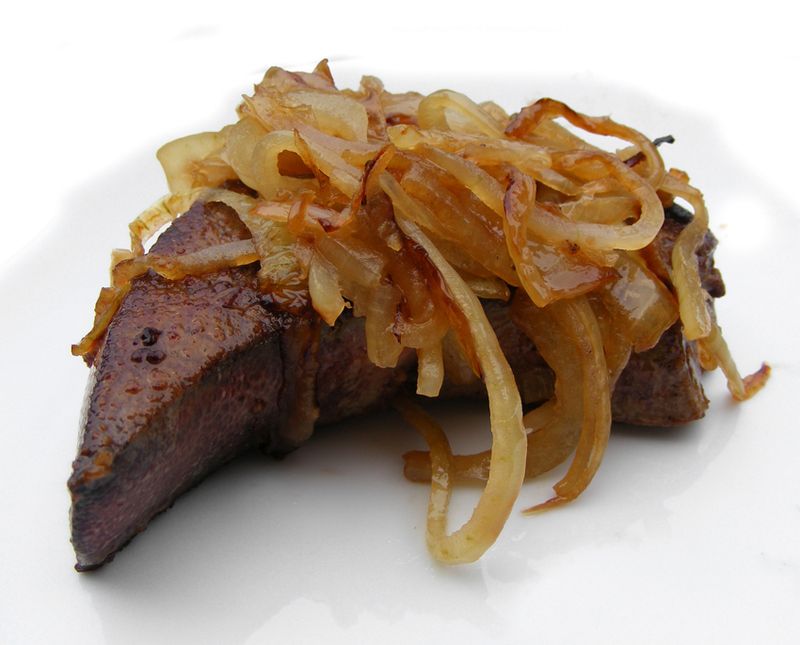
Liver and onions might be the ultimate generational food fight. Older Americans often grew up eating it as a budget-friendly, protein-packed dinner.
Younger generations, however, tend to describe its dense, metallic taste and grainy texture as genuinely unpleasant.
Liver is actually loaded with iron and vitamins, making it one of the most nutritious foods available. But nutrition alone cannot win over people who remember being forced to finish every bite at the dinner table as a kid.
Sardines
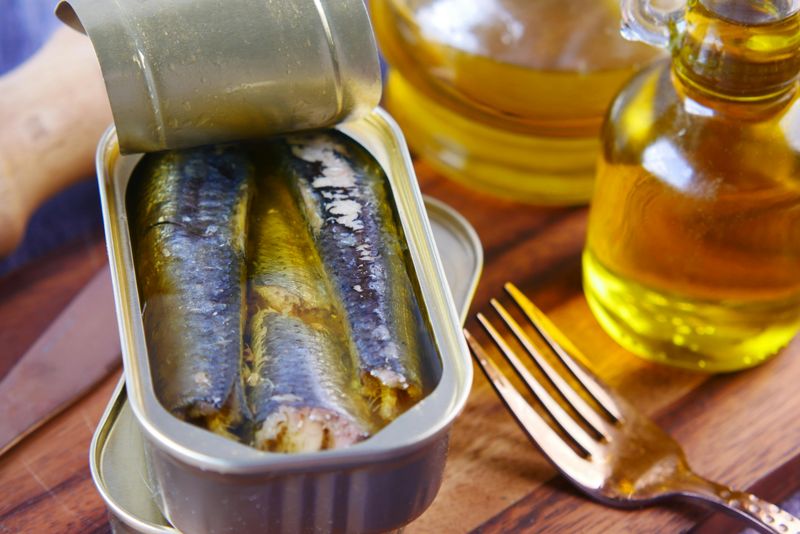
Sardines have a reputation that walks into the room before they do — and that reputation smells strongly of fish. Canned sardines are packed with omega-3 fatty acids and are incredibly nutritious, but their intense aroma and soft, oily texture turn most Americans completely off.
In parts of Europe and Asia, sardines are a beloved staple. In the U.S., though, cracking open a tin at lunch is practically considered a social offense, especially in a shared office space.
Cottage Cheese
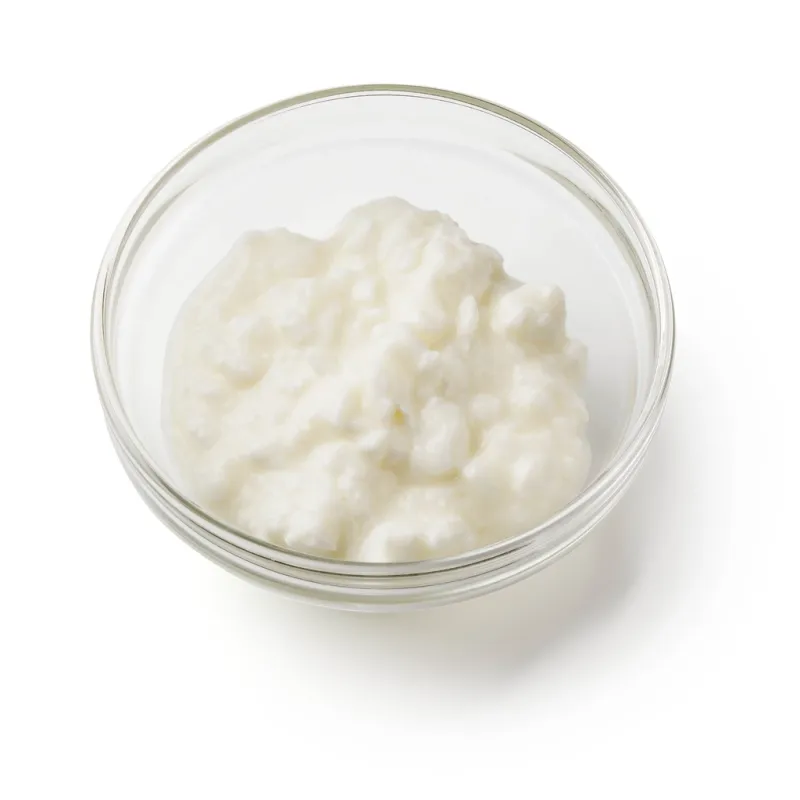
Lumpy, wet, and weirdly jiggly — cottage cheese has a texture problem that no amount of fruit toppings seems to fix for its haters. Many Americans associate it with diet food from the 1980s, which does not exactly help its image among younger eaters today.
Cottage cheese is actually high in protein and calcium, making it a solid health food choice. Still, convincing someone to enjoy its curdy, slightly sour consistency is an uphill battle that even nutritionists sometimes struggle to win.
Beets
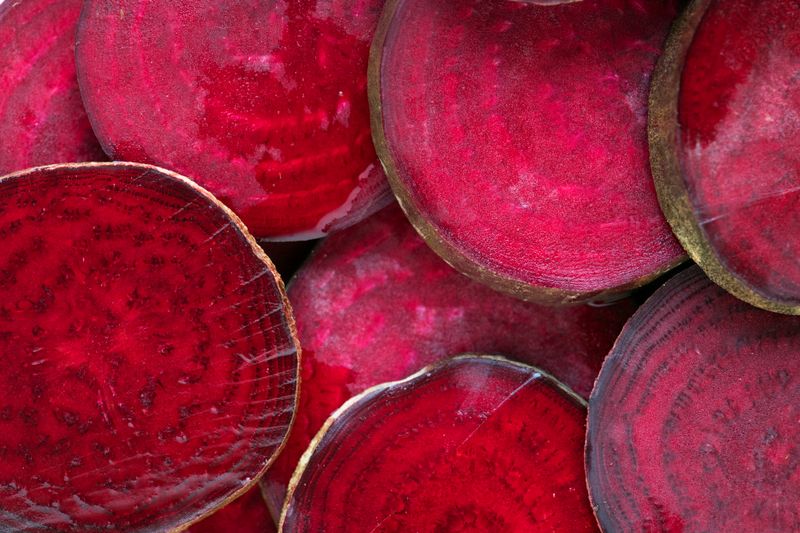
Beets stain everything they touch — your fingers, your plate, and apparently your opinion of dinner. Their deep earthy flavor, which many describe as tasting like dirt, has earned them a permanent spot on America’s most disliked vegetable list year after year.
Beet lovers point to their impressive health benefits, including heart support and natural energy. But for the skeptics, no amount of roasting or pairing with goat cheese changes the fact that beets taste like they came straight from the ground — because they did.
Olives
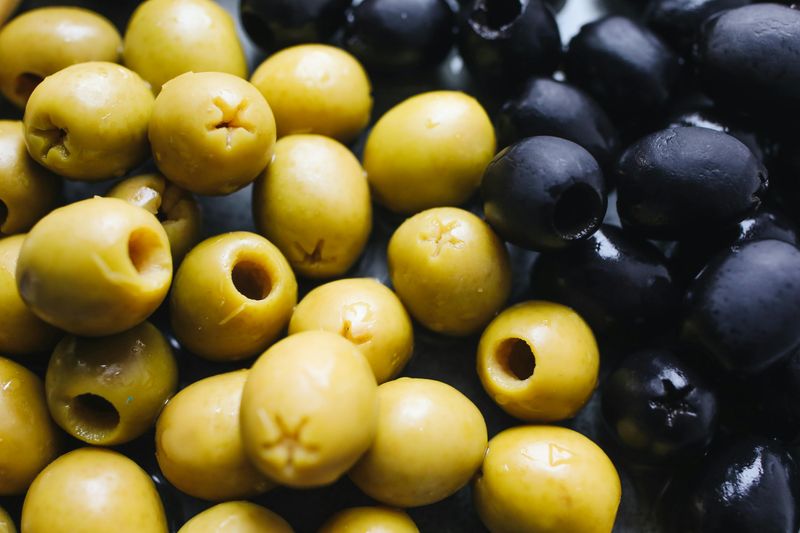
Olives are one of those foods that people seem to either obsess over or despise completely — there is rarely a middle ground. Their briny, bitter flavor and slippery texture make them a dealbreaker for a huge chunk of the American population, especially kids who encounter them on a pizza for the first time.
Despite being a Mediterranean staple packed with healthy fats, olives consistently land near the top of food hate lists. Even olive oil fans sometimes refuse to eat the actual fruit.
Mayonnaise-Heavy Salads
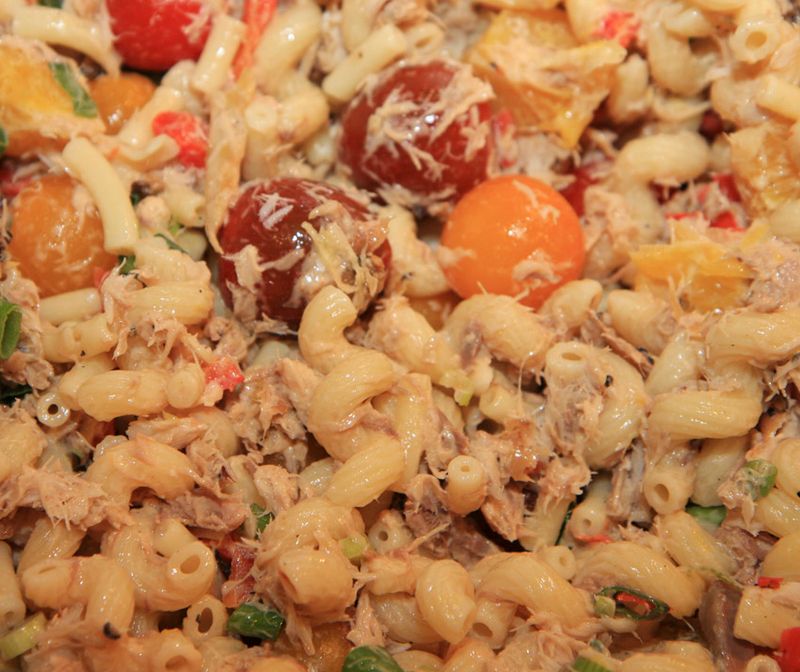
Nothing clears a picnic buffet line faster than a bowl absolutely drowning in mayonnaise. Whether it is potato salad, macaroni salad, or coleslaw, the moment that thick white dressing takes over, half the crowd quietly walks away.
The heavy, rich coating can feel suffocating to people who prefer lighter foods.
Mayonnaise itself has a passionate group of haters in America. When you combine it with cold pasta or starchy vegetables in large quantities, the reaction tends to go from mild dislike straight to genuine disgust.
Fast Food Fish Sandwiches
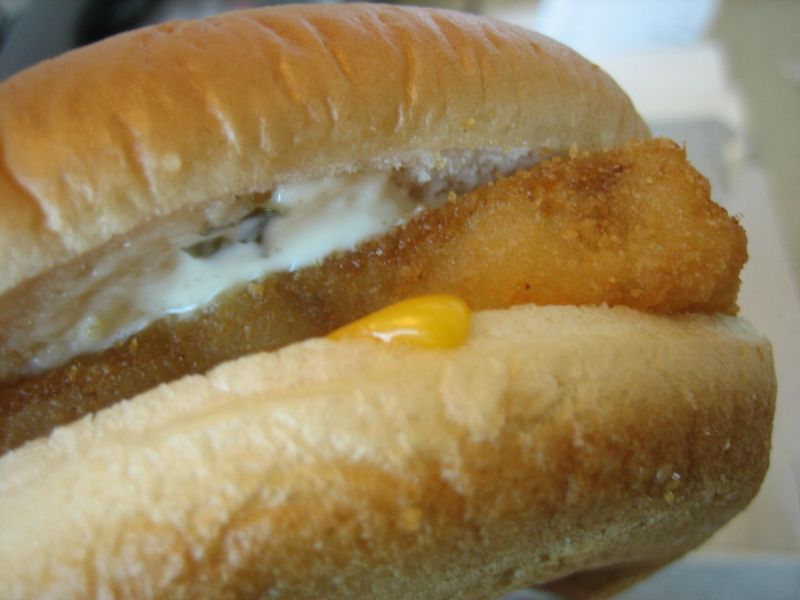
Fast food fish sandwiches occupy a strange corner of the menu — ordered mostly out of obligation during Lent and forgotten the rest of the year. The rubbery, processed fish patty paired with gummy bread and a flood of tartar sauce does not exactly inspire enthusiasm in most drive-through customers.
Many people admit they only order them when nothing else seems appealing. That is not exactly a glowing endorsement for a menu item that has existed for decades at nearly every major fast food chain in the country.
Overcooked Steak
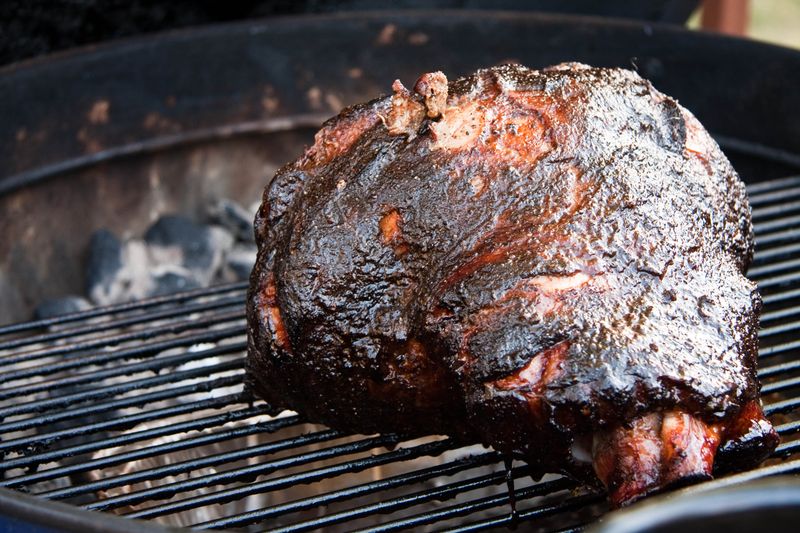
Ordering a steak well-done is practically a culinary crime in the eyes of many Americans — and professional chefs will not hide their disappointment when you request it. Overcooked steak loses its natural juices, turning what could be a tender, flavorful meal into something chewy, dry, and honestly kind of sad.
Steak lovers argue that medium-rare is the only way to truly enjoy a quality cut. Once the internal temperature climbs too high, even the best piece of meat becomes a tough, flavorless disappointment that no sauce can rescue.
Plain Tofu
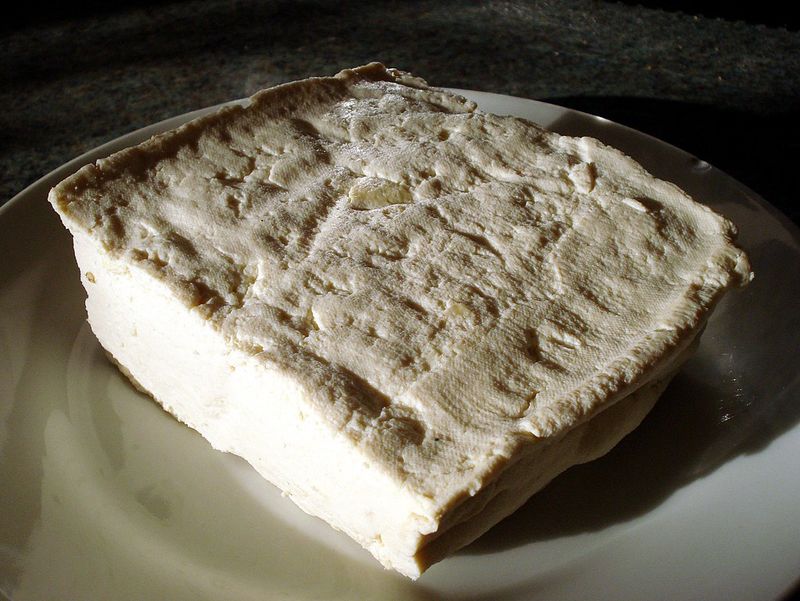
Plain tofu might be the most misunderstood food on this entire list. Eaten straight from the package without seasoning, it is essentially a flavorless, wobbly white block with a soft, spongy texture that confuses and repels most first-time tasters.
It does not taste like much of anything — and somehow that makes it worse.
Tofu is actually incredibly versatile when prepared correctly. Marinated, fried, or baked with bold spices, it transforms completely.
But plain? Even many tofu fans agree that eating it unseasoned is a genuinely unpleasant experience.
Artificial Cheese Slices
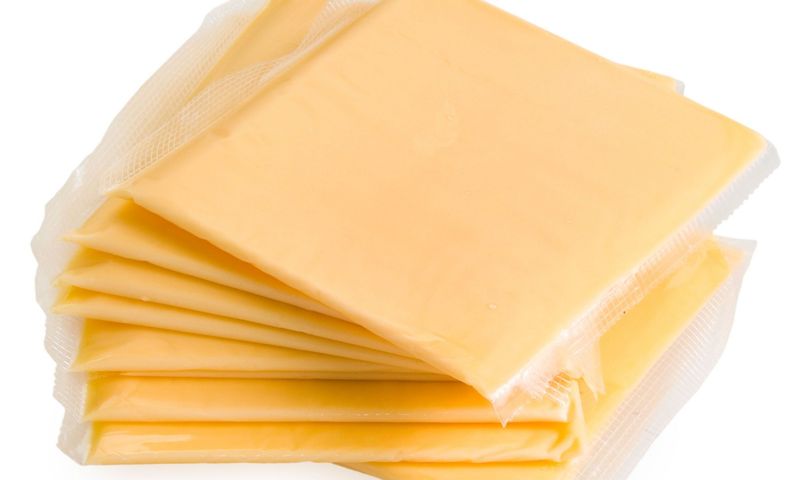
Peel back that little plastic wrapper and you are greeted by something that barely qualifies as cheese. Artificial processed cheese slices are a strange food — rubbery, oddly shiny, and made from a combination of real cheese and various additives that give them an almost plastic-like quality when you think about it too hard.
Kids tend to tolerate them on grilled cheese sandwiches, but adults increasingly find them off-putting. The ingredient list alone is enough to make anyone reach for a block of real cheddar instead.
Instant Mashed Potatoes
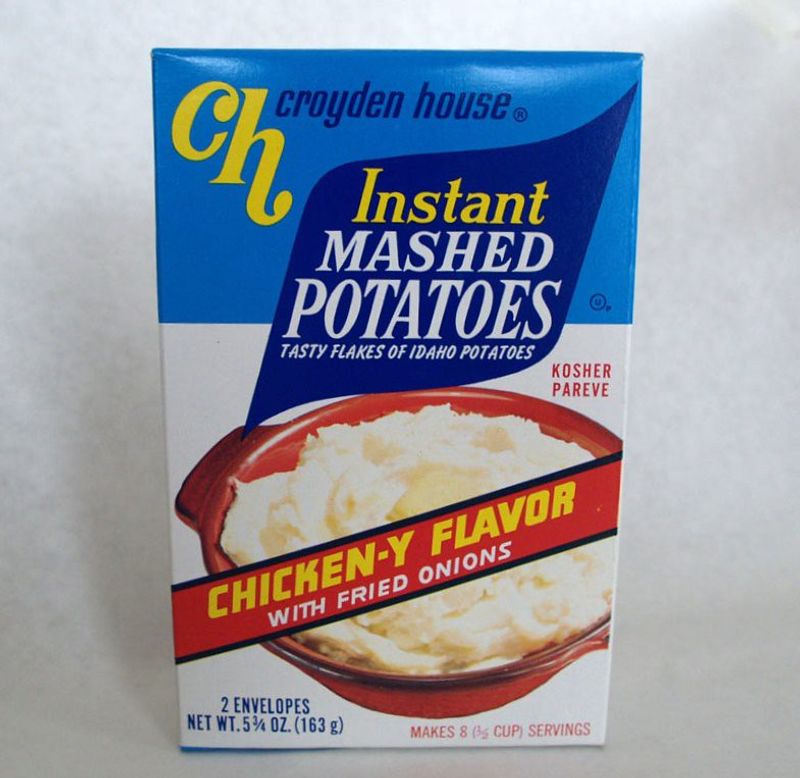
Real mashed potatoes are creamy, buttery, and comforting. Instant mashed potatoes are their sad, powdery cousin that nobody actually asked for.
Made from dehydrated potato flakes mixed with hot water, they tend to turn out gluey, gummy, and oddly flavorless — a far cry from the homemade version most people grew up loving.
The convenience factor keeps them on grocery store shelves, but taste tests consistently show that people can tell the difference immediately. When given a choice, almost everyone picks the real thing without hesitation.
Bologna Sandwiches
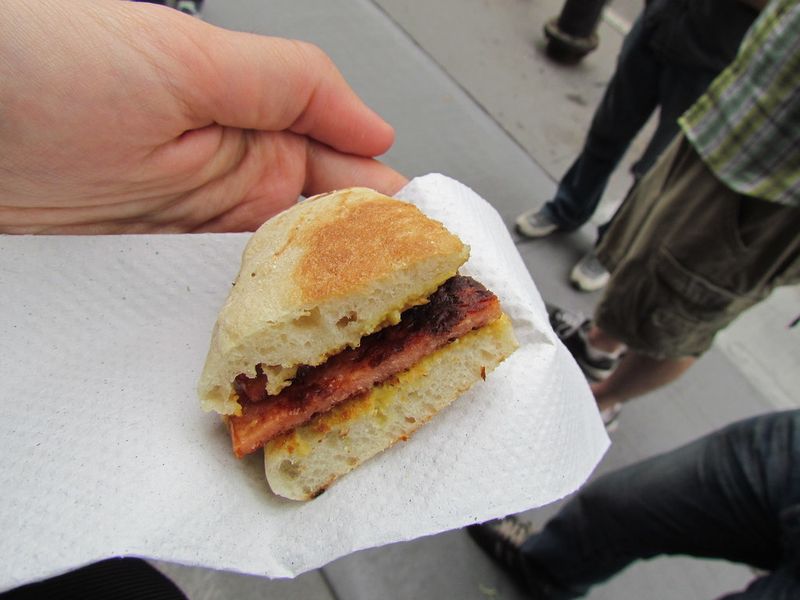
Bologna sandwiches carry the heavy weight of childhood lunch regret for many Americans. That pink, rubbery processed meat slapped between two pieces of white bread was a lunchbox staple for decades — but not necessarily a beloved one.
The mystery of what actually goes into bologna has always been a bit unsettling, even for kids who ate it daily.
Adults who grew up eating bologna often look back on it with more cringe than nostalgia. It is the kind of food people ate because it was cheap and available, not because it was genuinely enjoyable.
Canned Green Beans
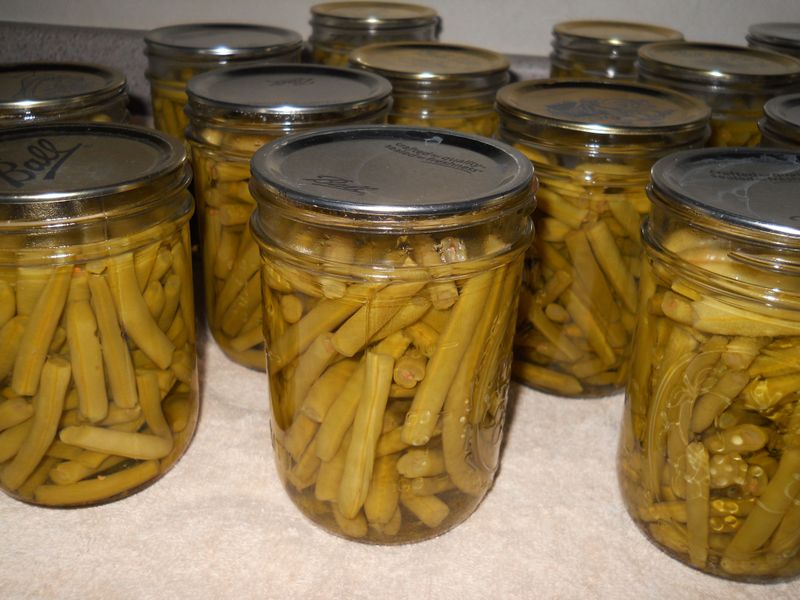
Fresh green beans are crisp, vibrant, and genuinely tasty. Canned green beans are something else entirely — pale, mushy, and swimming in a salty, metallic-tasting liquid that drains the life out of every bite.
They are a Thanksgiving side dish that appears out of obligation rather than genuine enthusiasm from anyone at the table.
The iconic green bean casserole does its best to dress them up with cream of mushroom soup and fried onions. But many people agree that no amount of toppings can fully hide the sad, soggy reality of what is underneath.
Fruitcake
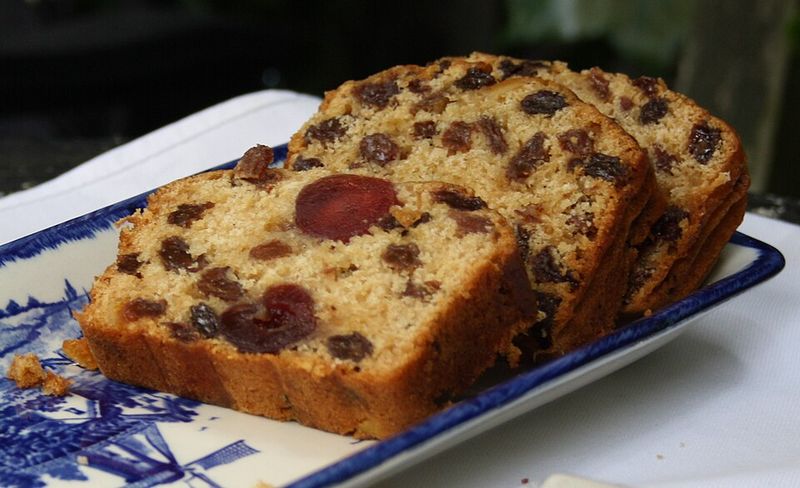
Fruitcake is basically the punchline of every holiday food joke in America — and honestly, it has earned that reputation. Dense, sticky, and loaded with neon-colored candied fruit that no one seems to enjoy eating, fruitcakes show up every December and get quietly regifted, avoided, or used as doorstops by people who receive them.
Fruitcake actually has a long history dating back centuries in Europe, where it was considered a luxury item. Somewhere along the way, American fruitcake became its own strange tradition — one that most people participate in without actually enjoying.
Pineapple on Pizza
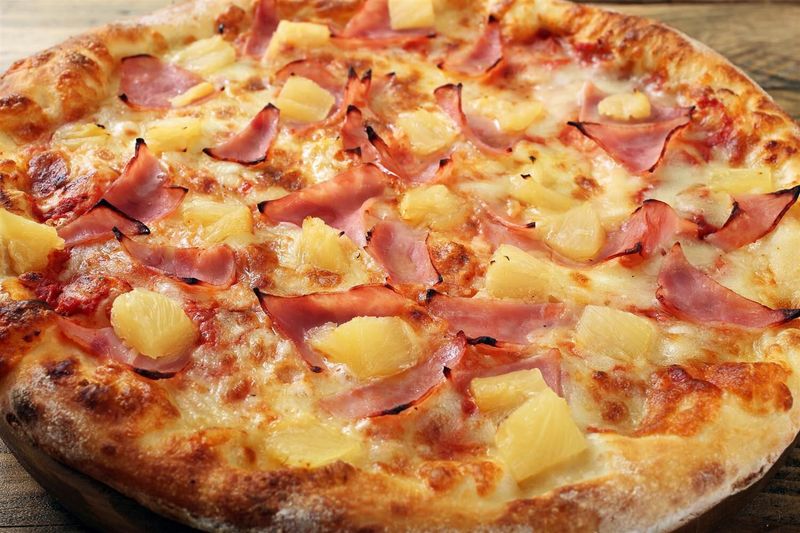
No food debate in America gets louder or more passionate than pineapple on pizza. The sweet, juicy fruit sitting on top of hot, savory cheese and tomato sauce has been sparking arguments at dinner tables, in group chats, and across social media for years.
Pizza purists treat it like an insult to Italian cuisine.
Hawaiian pizza was actually invented in Canada in the 1960s, which surprises most people who assume it has deeper roots. Whether you love it or hate it, this topping has permanently changed how Americans argue about food.
Spam
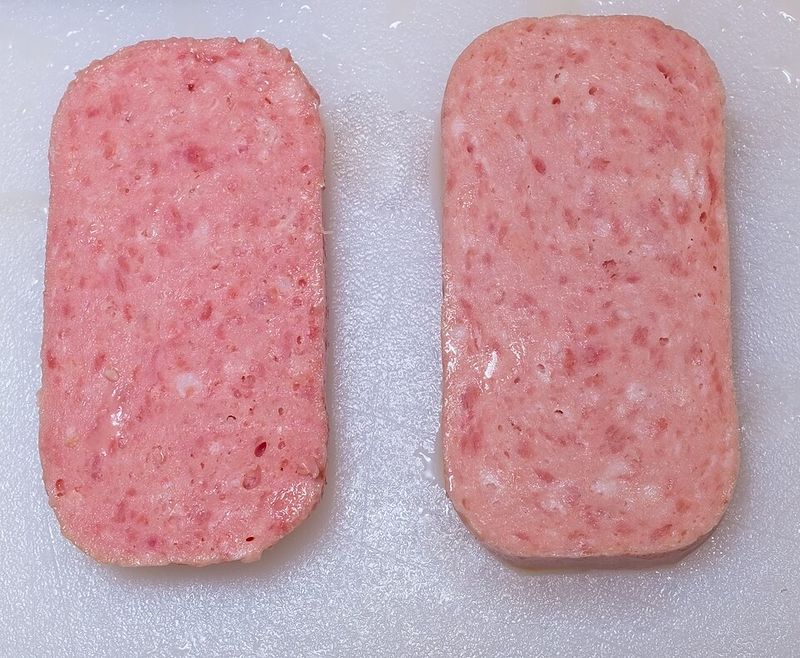
Spam is one of those canned foods that people make jokes about but somehow never disappears from store shelves. This rectangular block of processed pork and ham has been around since 1937 and carries a strong association with wartime rationing and budget eating that modern consumers find hard to shake.
Hawaii actually loves Spam and has built a genuine food culture around it, including Spam musubi. But in most of mainland America, cracking open a can of Spam still gets a reaction that falls somewhere between confusion and mild horror.
Enjoyed this story?
Add Fast Food Club as a preferred source to see more of our reporting on Google.