


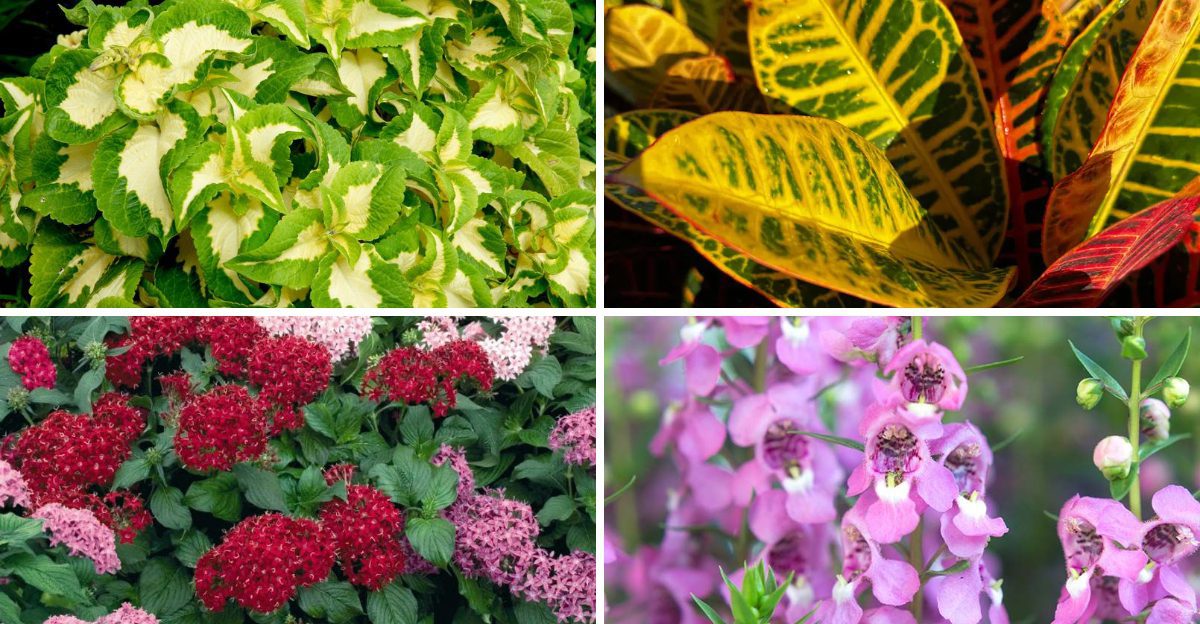
Florida’s warm climate and long growing season make it one of the best places in the country to grow a vibrant, eye-catching garden. Whether you have a small front bed or a sprawling backyard, the right plants can transform a dull space into something truly stunning.
From bold tropical foliage to cheerful blooms that last all season, there are so many options to choose from. These 20 colorful plants are proven favorites that thrive in Florida’s heat and humidity while making your garden beds look fuller and brighter than ever.
Coleus
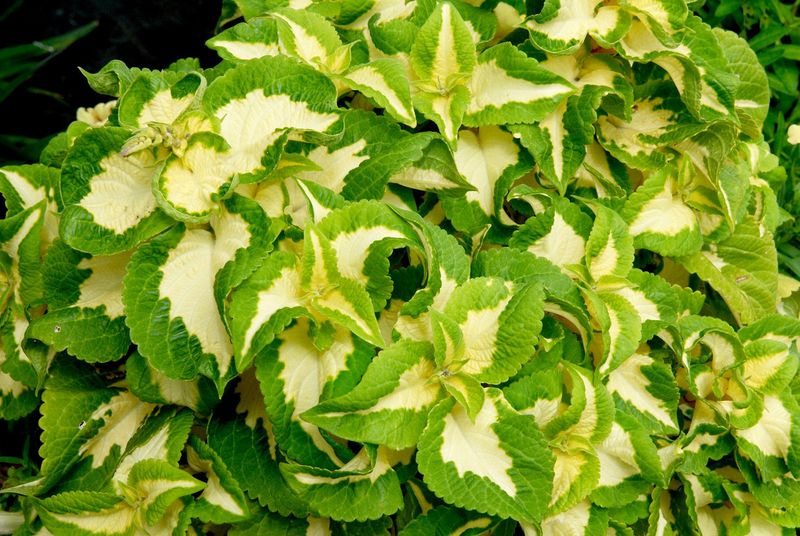
Few plants pack as much color punch as coleus, and it does it all with its leaves rather than flowers. The foliage comes in wild combinations of red, pink, purple, orange, and green that can make any garden bed look like a living painting.
Coleus grows fast and fills in bare spots quickly, making it a go-to choice for gardeners who want results in a hurry. It thrives in both sun and shade, giving you flexibility when planning your layout.
Croton
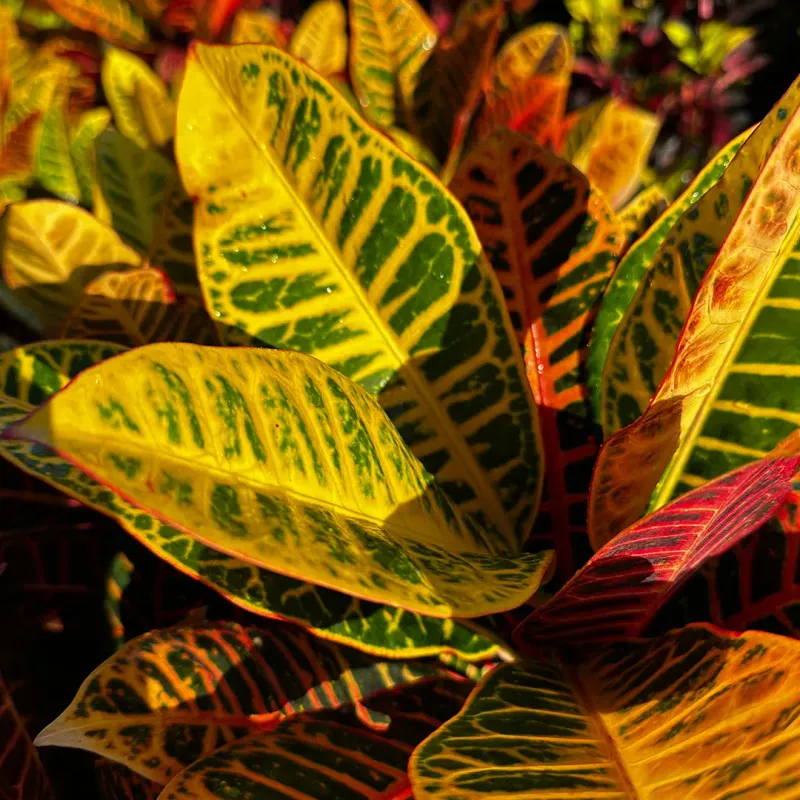
Croton is basically the fireworks show of the plant world. Its glossy leaves burst with shades of yellow, orange, red, and green all at once, creating a tropical display that stops people in their tracks.
This plant loves Florida’s heat and full sun, which actually intensifies its leaf colors the more sunlight it receives. Plant it as a backdrop or border to give your garden bed a bold, structured look that lasts year-round.
Pentas
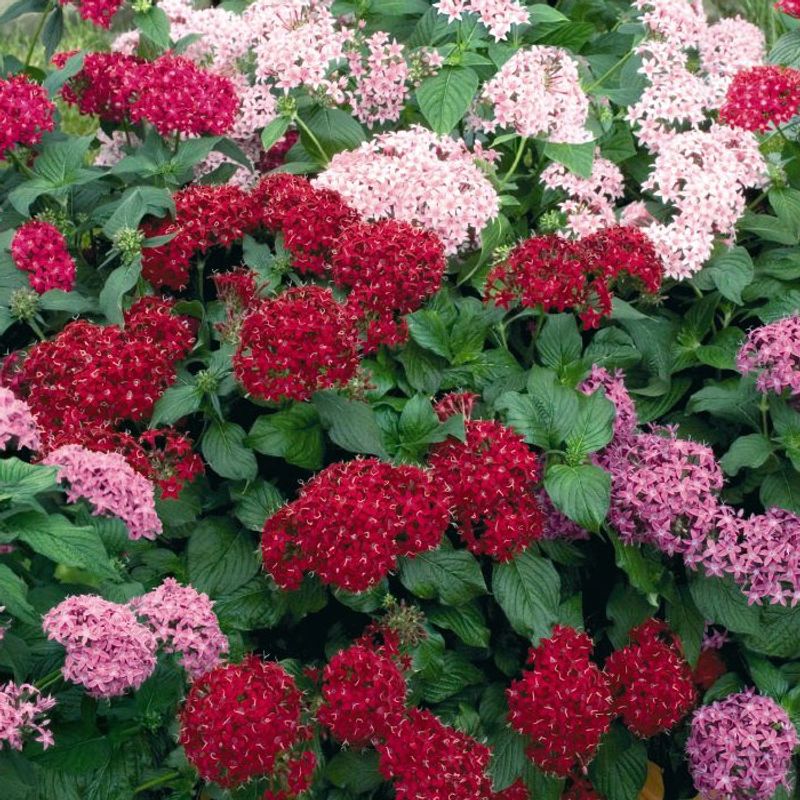
Butterflies absolutely cannot resist pentas, and once you see it in full bloom, you will understand why. Clusters of star-shaped flowers in red, pink, white, or lavender rise above dark green leaves, creating a cheerful display that lasts from spring through fall.
Pentas handles Florida’s heat like a champ and rarely needs much fussing over. It blooms almost nonstop, which means your garden bed stays colorful for months without you having to replant anything.
Angelonia
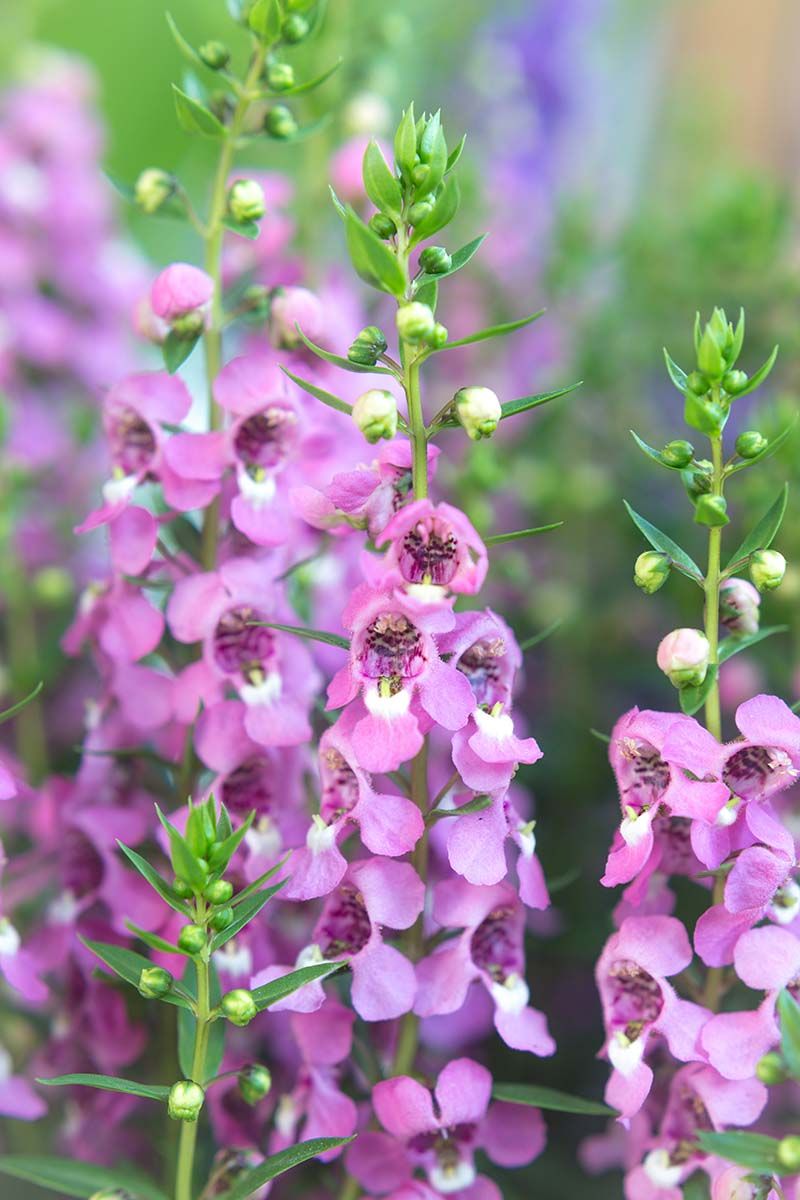
Sometimes called summer snapdragon, angelonia brings a graceful, vertical element to garden beds that other plants simply cannot match. Its slender spikes are lined with small orchid-like blooms in purple, pink, white, or bicolor patterns.
What makes angelonia especially impressive is its toughness. It shrugs off heat, humidity, and even short dry spells without losing a single bloom.
Gardeners in Florida love it because it keeps performing through the hottest months when other plants start to struggle.
Vinca
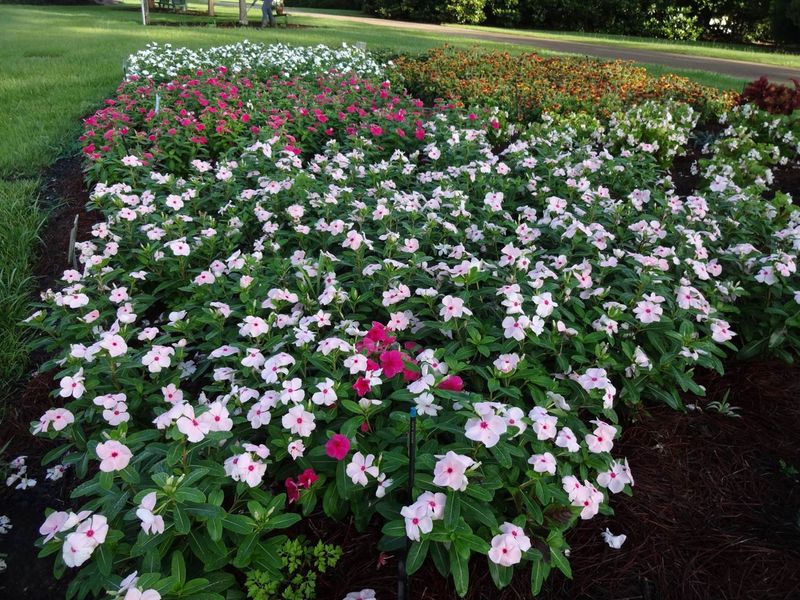
Vinca is the plant that just will not quit. Even in the blazing Florida summer sun, these cheerful little flowers in pink, red, white, and lavender keep on blooming without complaint.
Also known as periwinkle, vinca spreads nicely and fills in garden beds with a thick, lush carpet of color. It is drought-tolerant once established, making it a smart pick for gardeners who want beauty without a demanding watering schedule.
A true Florida garden workhorse.
Lantana
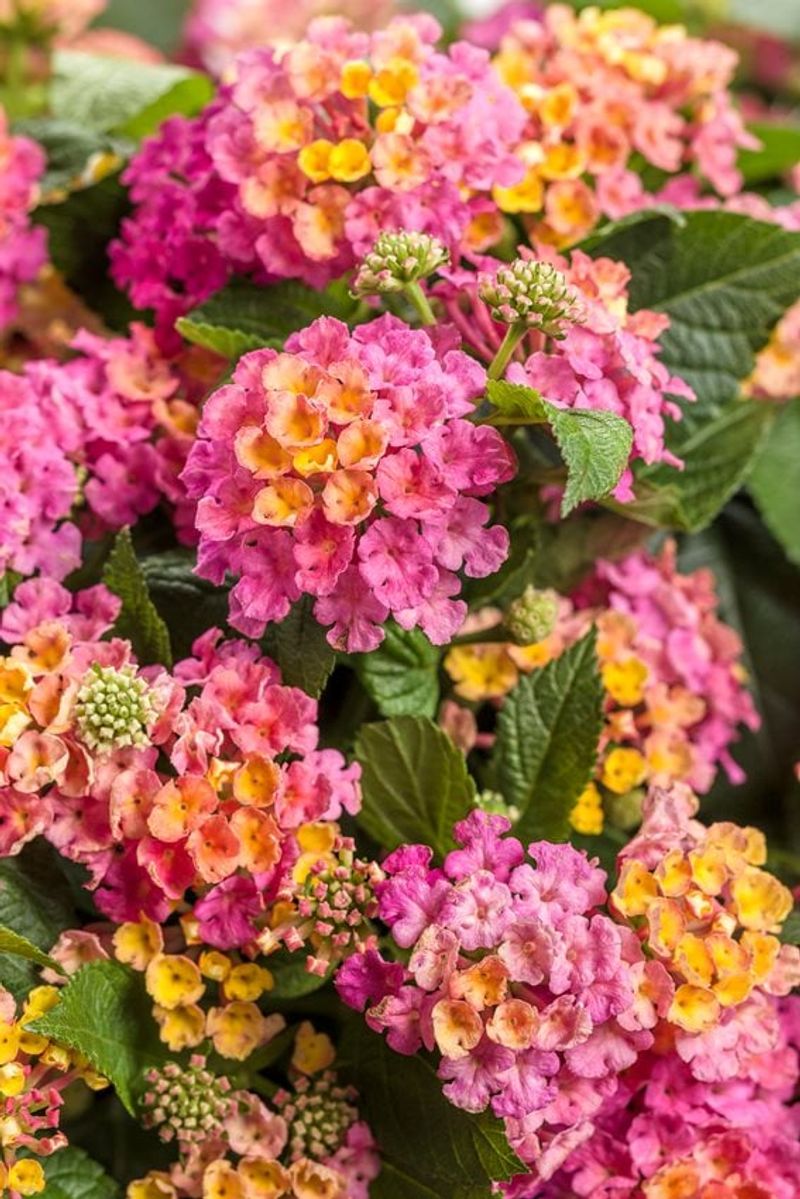
Lantana is practically legendary in Florida gardens, and for good reason. Each tiny flower cluster shifts colors as it ages, so a single plant can display yellow, orange, pink, and red all at the same time.
Beyond the stunning color show, lantana is tough as nails. It handles drought, heat, and poor soil without skipping a beat.
Hummingbirds and butterflies flock to it constantly, turning your garden bed into a lively little wildlife habitat right outside your window.
Blue Daze
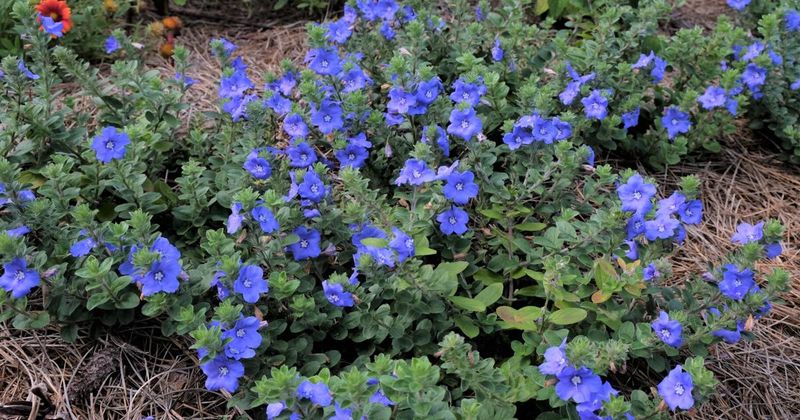
There is something almost magical about the soft sky-blue color of blue daze flowers against Florida’s green landscape. Each bloom is small but produced in such abundance that the plant looks like a blue cloud hugging the ground.
Blue daze is a low-growing spreader that works beautifully as a ground cover or front-of-bed filler. It loves full sun and handles heat without trouble.
The silvery-green leaves add texture even when the flowers close up at night.
Caladium
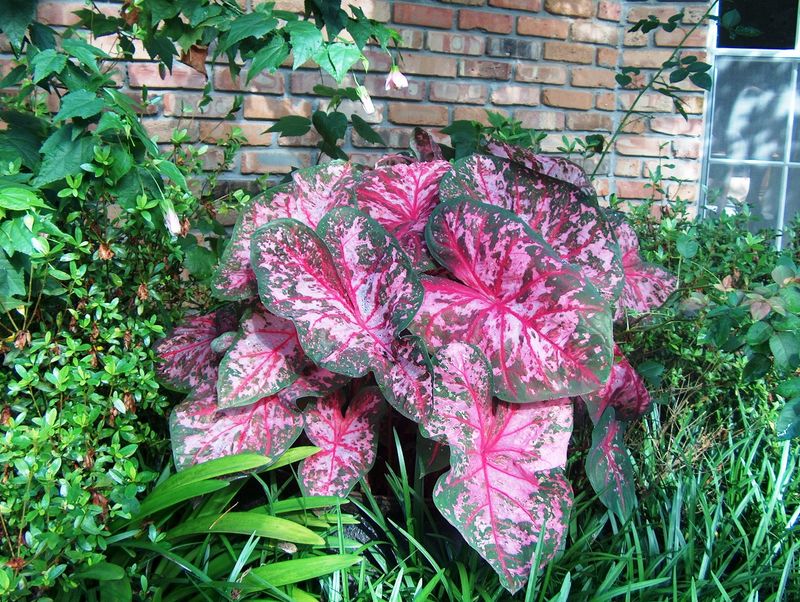
Walk into any shaded Florida garden, and chances are you will spot caladiums showing off their oversized, paper-thin leaves in stunning combinations of white, red, pink, and green. No other plant creates that same bold, tropical feel in a shady spot.
Caladiums grow from bulbs and come back reliably each warm season in Florida. They are perfect for filling in the darker corners of garden beds where flowering plants might struggle.
The variety of patterns available is honestly mind-blowing.
Cordyline
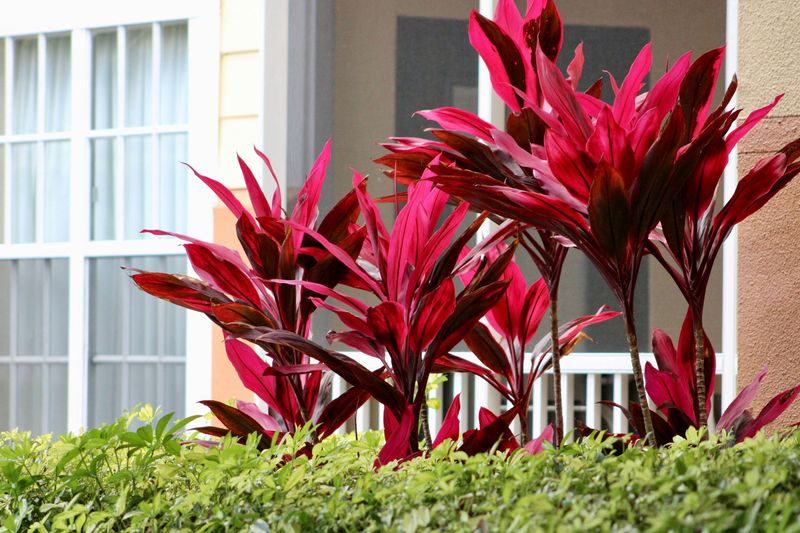
Cordyline earns its place in Florida gardens by doing something most plants cannot: it adds dramatic height and bold color at the same time. Its long, strap-like leaves come in rich shades of red, purple, pink, and bronze that contrast beautifully with lower-growing plants around it.
Use cordyline as a thriller plant in the center of a bed to anchor the whole design. It is surprisingly tough, handling heat, humidity, and occasional drought once it settles into the soil.
Alternanthera
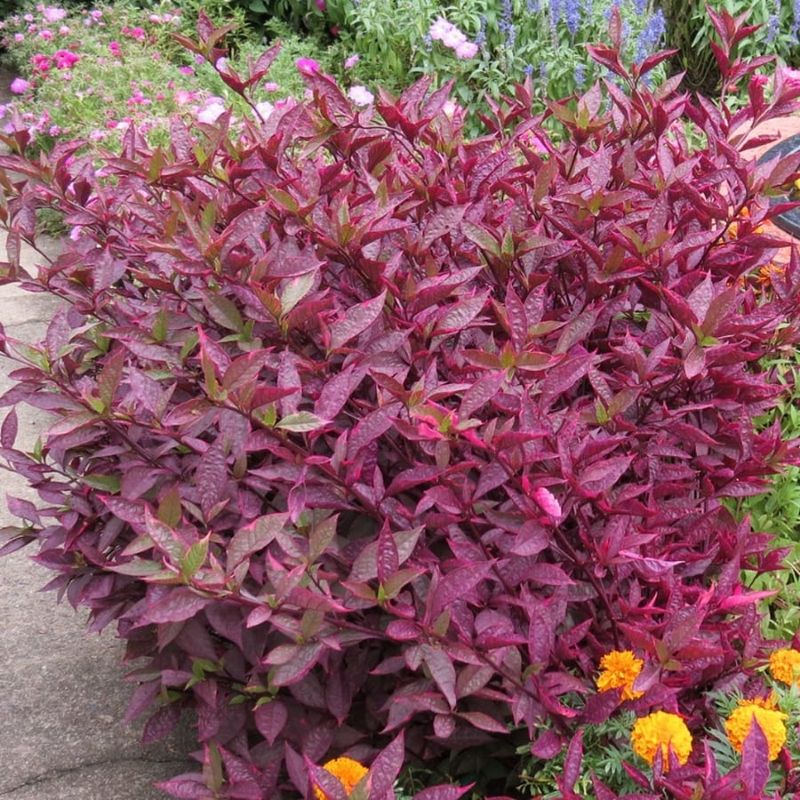
Alternanthera is the secret weapon of Florida garden designers who want crisp, colorful edges without a lot of maintenance. This low-growing plant produces dense, richly colored foliage in shades of red, orange, yellow, and burgundy that stays vibrant all season long.
It is often used to create patterns or borders along the front of garden beds. The more sun it gets, the more intense the leaf color becomes.
Planting it alongside green plants creates a striking contrast that really pops.
Duranta
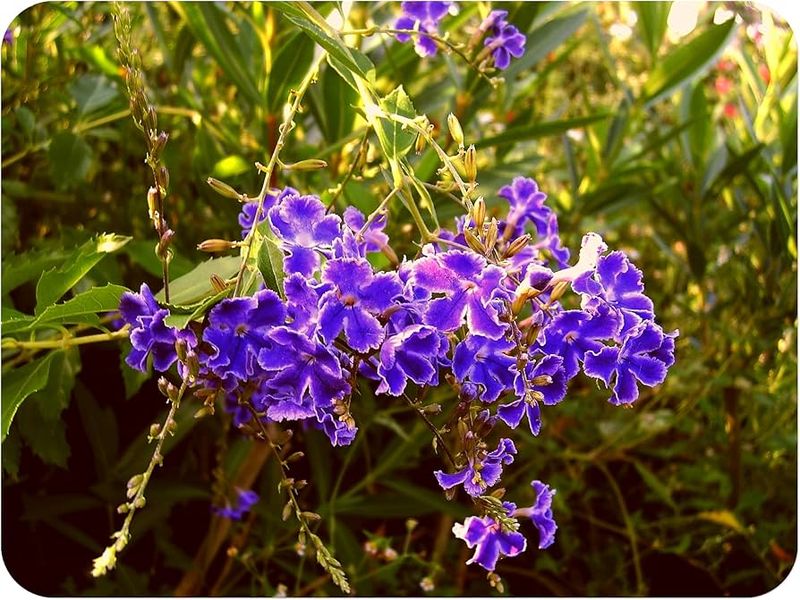
Duranta brings a two-for-one deal to Florida garden beds: clusters of tiny purple or white flowers followed by chains of golden-yellow berries that hang like little ornaments. It is a showstopper from multiple angles and through multiple seasons.
This plant grows vigorously in Florida’s heat and can fill in a large bed quickly. Hummingbirds and butterflies love the flowers, while birds enjoy the berries later in the season.
Trim it regularly to keep it full and bushy rather than leggy.
Firebush
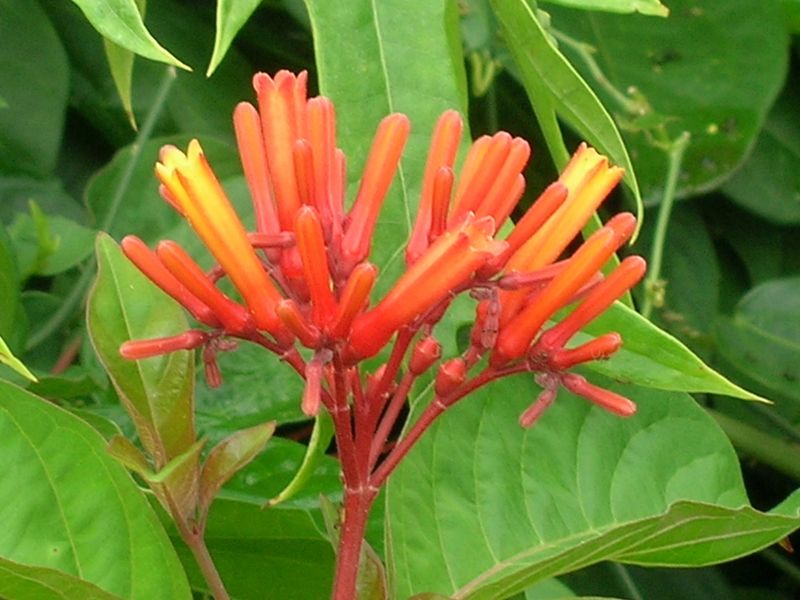
Named for its blazing clusters of orange-red tubular flowers, firebush is one of Florida’s most beloved native plants. It grows with impressive speed, filling garden beds with lush foliage and nonstop blooms that attract hummingbirds like a magnet.
Being a Florida native means firebush is perfectly adapted to the heat, humidity, and occasional dry spells that challenge other plants. Once established, it needs very little care while delivering maximum color.
Plant it in full sun for the most dramatic flower show possible.
Mexican Heather
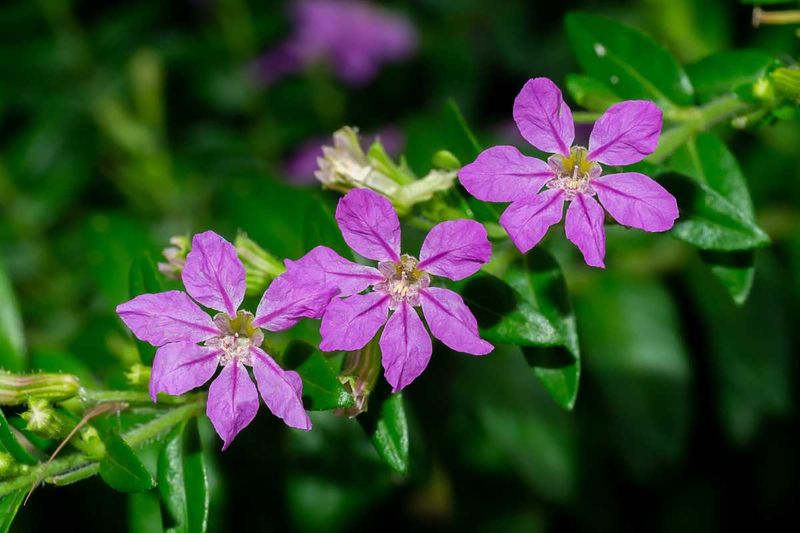
Delicate-looking but surprisingly tough, Mexican heather produces a constant flush of tiny purple or pink flowers that give any garden bed a soft, romantic texture. Up close, the fern-like foliage is just as pretty as the blooms themselves.
This plant is a Florida favorite because it blooms almost year-round in warmer parts of the state. It works wonderfully as a border plant or filler, growing into a tidy mound about one to two feet tall.
Butterflies visit it regularly, adding extra life to the garden.
Purslane
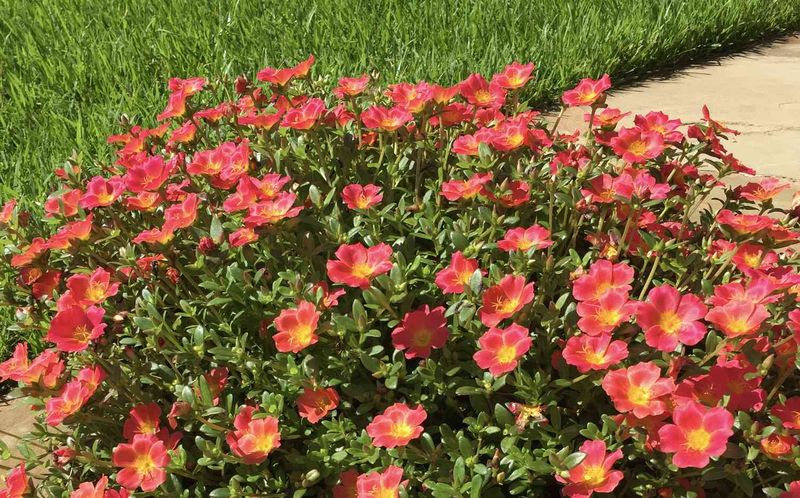
Purslane is the plant that thrives where others give up. In the hottest, driest spots in a Florida garden bed, this tough little plant just keeps producing cheerful flowers in yellow, orange, pink, red, and white without missing a beat.
Its succulent-like leaves store water, making it naturally drought-resistant and easy to care for. Purslane spreads low and wide, filling gaps between taller plants beautifully.
It is a fantastic choice for gardeners who want reliable color in challenging sunny spots all summer long.
Crossandra
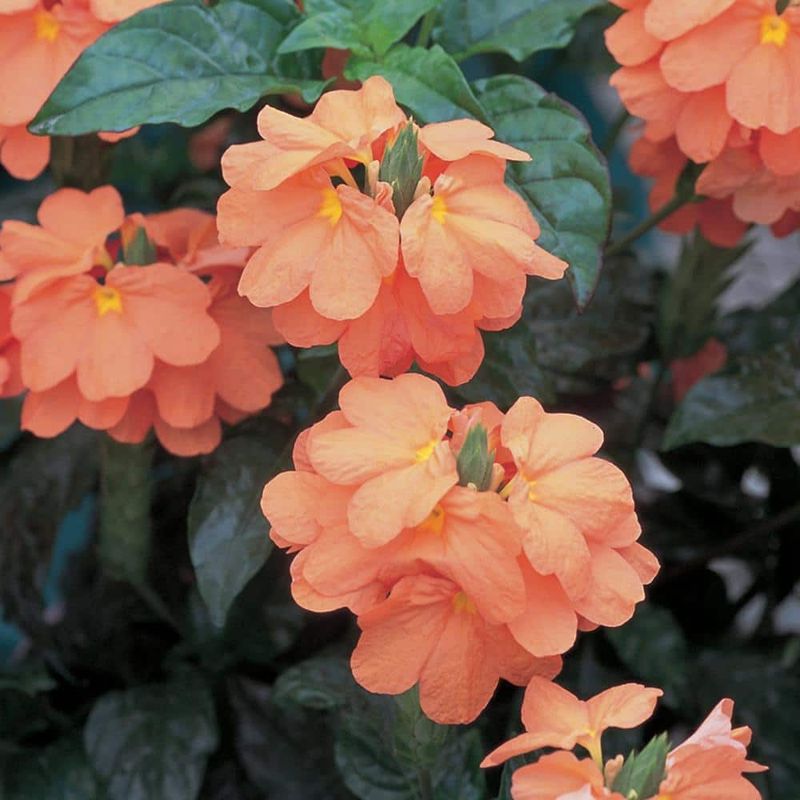
Crossandra might not be the most famous plant on this list, but Florida gardeners who discover it quickly become devoted fans. Its salmon-orange flowers have an almost tropical glow that stands out beautifully against its dark, glossy green leaves.
Unlike many bright bloomers, crossandra actually prefers partial shade, making it ideal for spots under trees or along shaded walls. It blooms reliably through Florida’s warm months and stays tidy without much pruning.
Try pairing it with blue or purple plants for a stunning color contrast.
Salvia
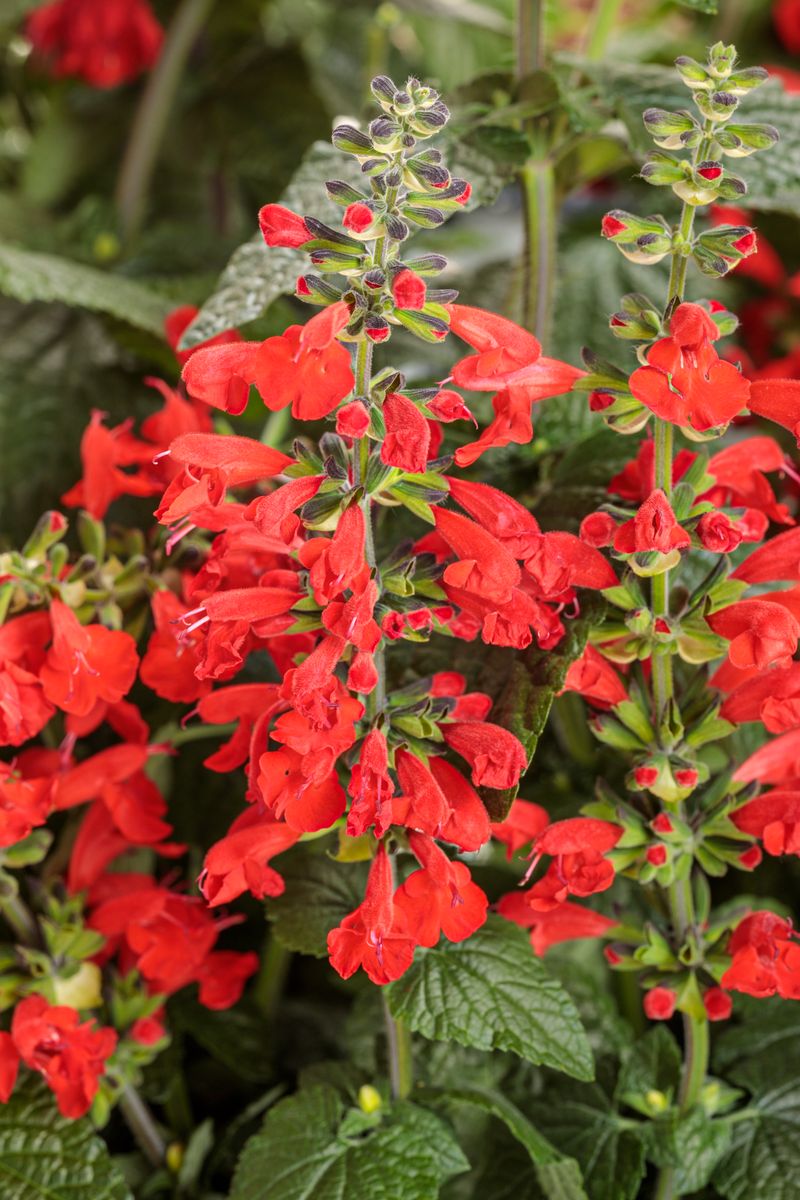
Salvia spikes of red, blue, purple, or coral rise like little torches above the garden bed, catching every eye that passes by. There are dozens of salvia varieties suited to Florida, and most of them bloom for months on end in the summer heat.
Bees and hummingbirds treat salvia like their personal buffet, so planting it means your garden becomes a hub of buzzing, fluttering activity. Red salvia is a classic choice, but the blue and purple varieties are equally stunning and less commonly seen in Florida yards.
Scaevola
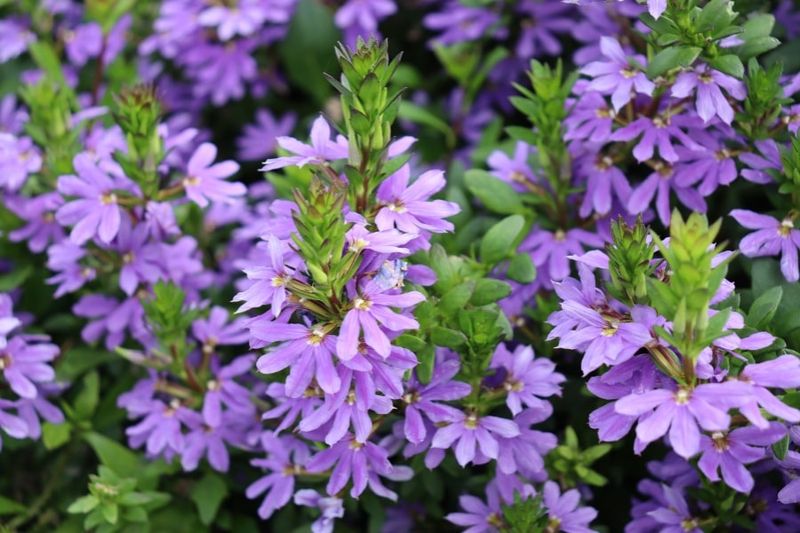
Scaevola, commonly called fan flower, gets its name from the unique half-fan shape of each individual bloom. The effect across the whole plant is a frothy, cascading display of purple or white flowers that spills beautifully over garden edges.
Originally from Australia, scaevola is surprisingly well-adapted to Florida’s coastal conditions, handling salt air, heat, and humidity without complaint. It is a natural choice for seaside gardens or any bed that needs a soft, flowing edge.
Plant it in full sun for the heaviest bloom production.
Plumbago
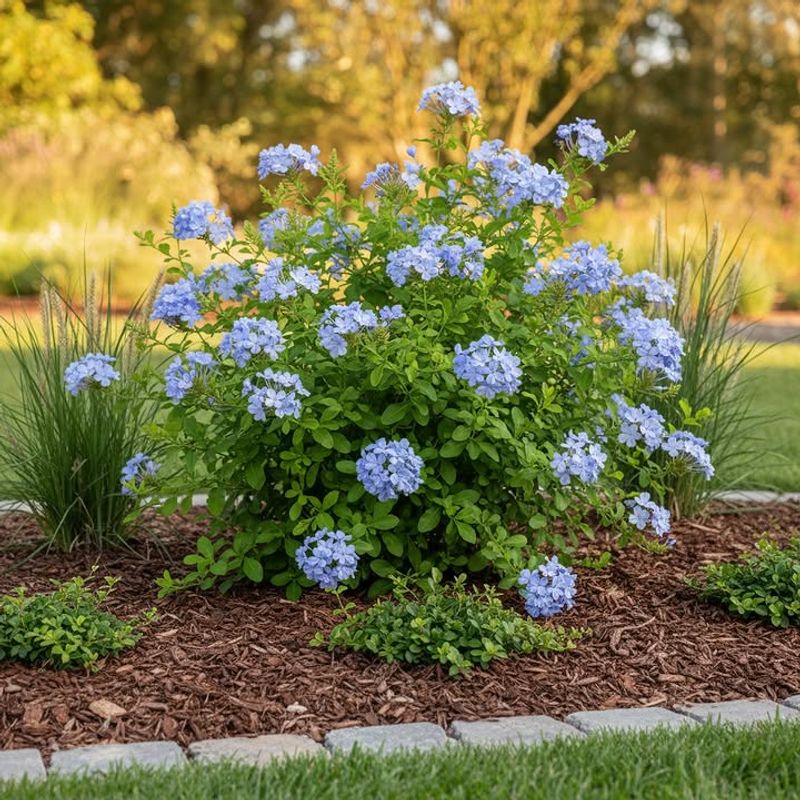
Plumbago brings a cool, breezy feeling to Florida garden beds with its clusters of pale sky-blue flowers that seem almost too pretty for such a tough plant. It grows into a sprawling shrub that can fill a large bed with minimal fuss.
Florida’s heat does not slow it down one bit. In fact, plumbago blooms most heavily during the warm months when the garden really needs that pop of color.
Trim it back occasionally to keep it full and encourage fresh new blooms to emerge on healthy stems.
Impatiens
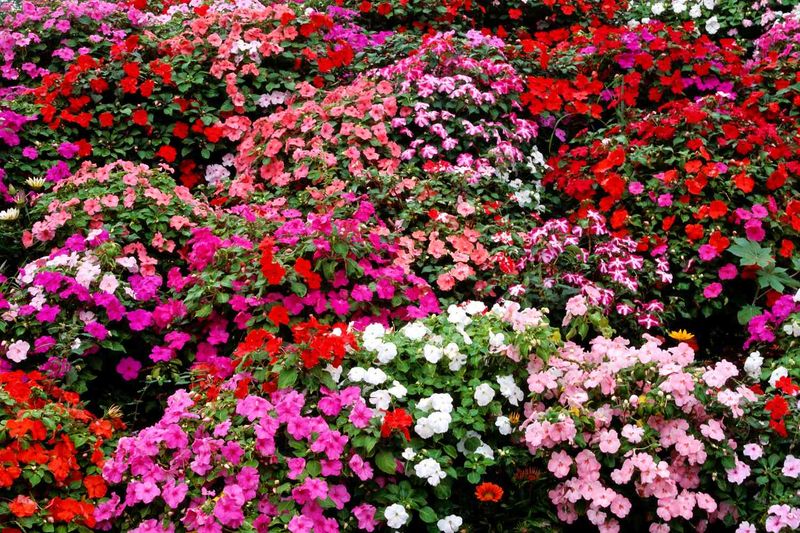
For shady spots in Florida gardens, impatiens have been a trusted solution for generations of gardeners. Their cheerful blooms in pink, red, coral, white, and lavender create a carpet of color even where sunlight barely reaches.
New Guinea impatiens varieties handle more sun and are particularly well-suited to Florida conditions. Both types stay compact and neat, making them easy to arrange in patterns or mix with other shade lovers like caladiums.
Water them consistently and they will reward you with blooms from planting time through fall.
Begonia
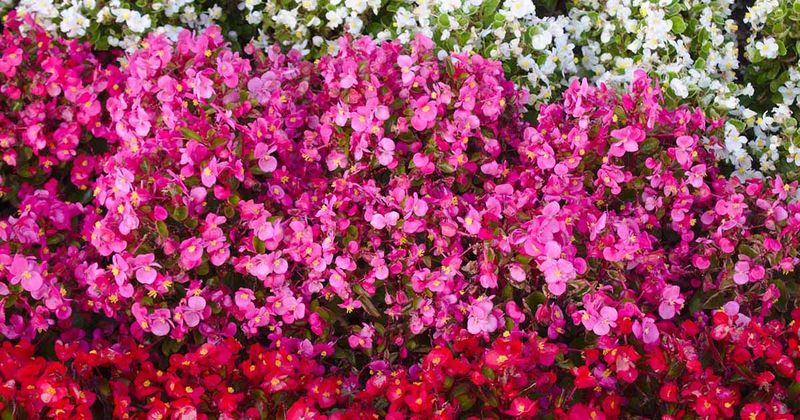
Begonias have a quiet confidence about them. They do not shout for attention, but once you notice how neatly they fill a garden bed with glossy leaves and steady blooms, it is hard to imagine planting without them.
Wax begonias are the most popular type in Florida, thriving in both sun and partial shade while producing flowers in red, pink, or white throughout the warm season. Their bronze-leaved varieties add extra visual interest even between bloom cycles.
They stay tidy, resist pests well, and rarely disappoint.
Enjoyed this story?
Add Fast Food Club as a preferred source to see more of our reporting on Google.