


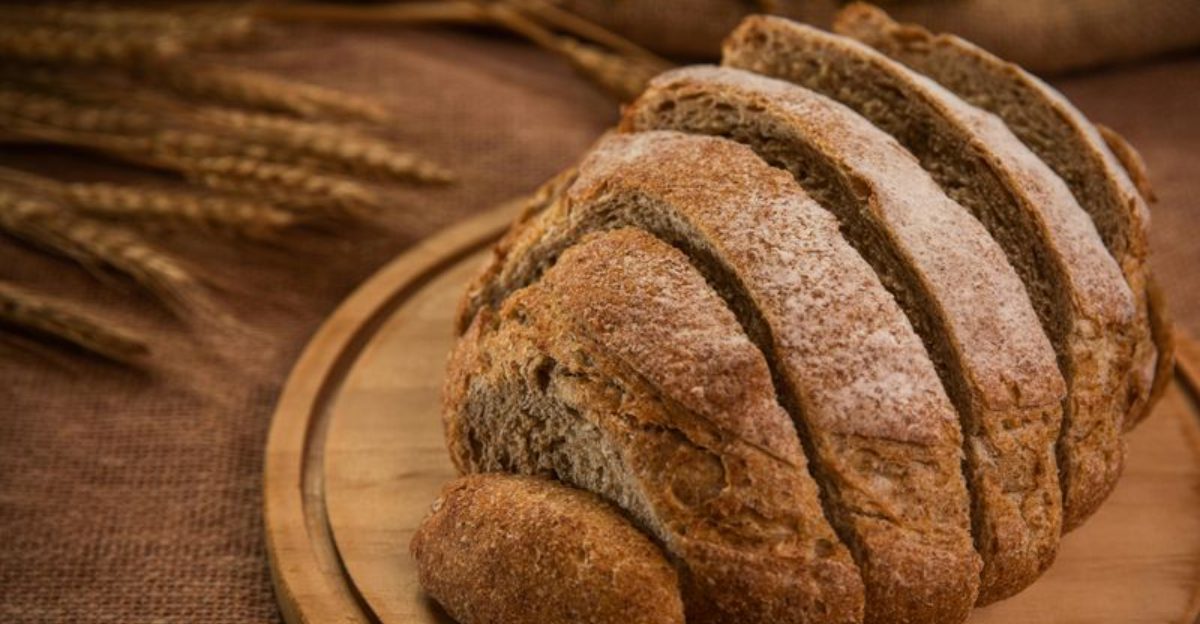
Trying to eat healthier does not mean giving up every convenience you love. In grocery carts across America, certain staples keep showing up because they are practical, affordable, and easy to make taste great.
You will see a mix of old favorites and smarter swaps that fit real life. Let’s look at the foods you still reach for and how to make them work harder for your goals.
Low-fat yogurt
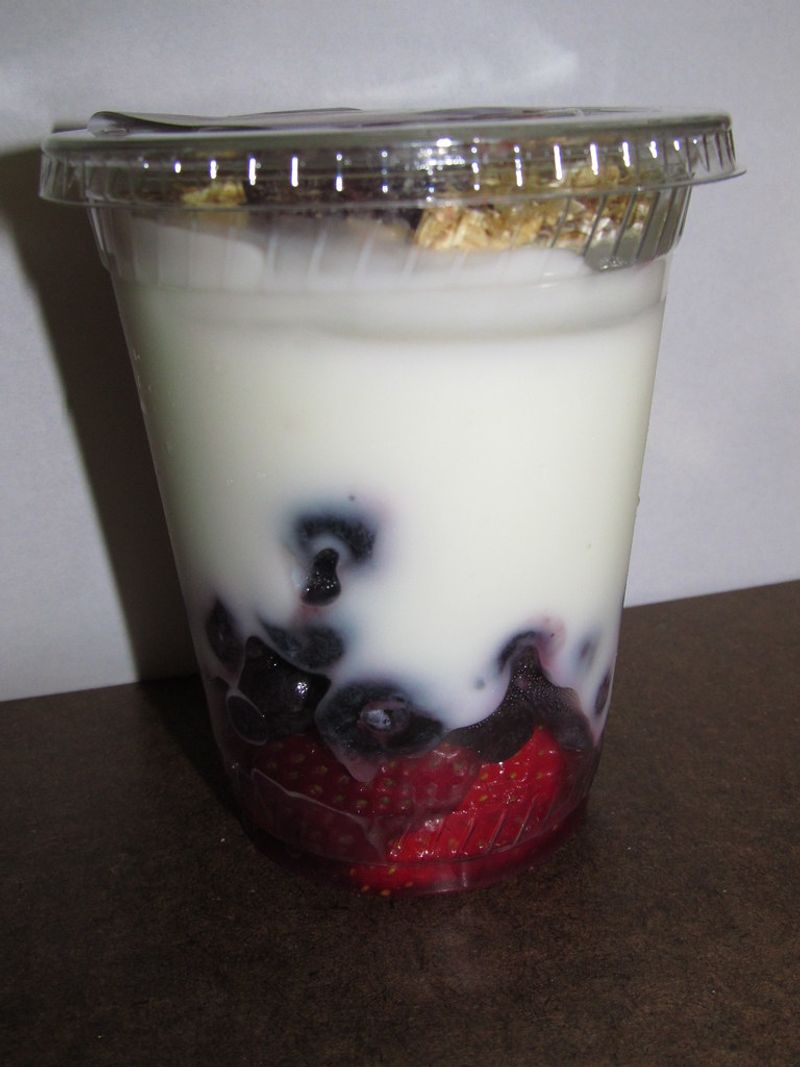
Low-fat yogurt feels like an easy win when you want protein and creaminess without a heavy hit of calories. It works for quick breakfasts, snack breaks, and sauces.
The cultured tang brings probiotics that can support gut health.
Still, you need to watch added sugars in flavored cups. Choose plain or lightly sweetened versions, then add fruit, cinnamon, or a little maple syrup yourself.
If you need more staying power, stir in chia seeds or high fiber cereal. Greek styles raise protein, while skyr gives extra thickness.
Keep a few cups cold, and you will always have a steady, reliable option.
Granola bars
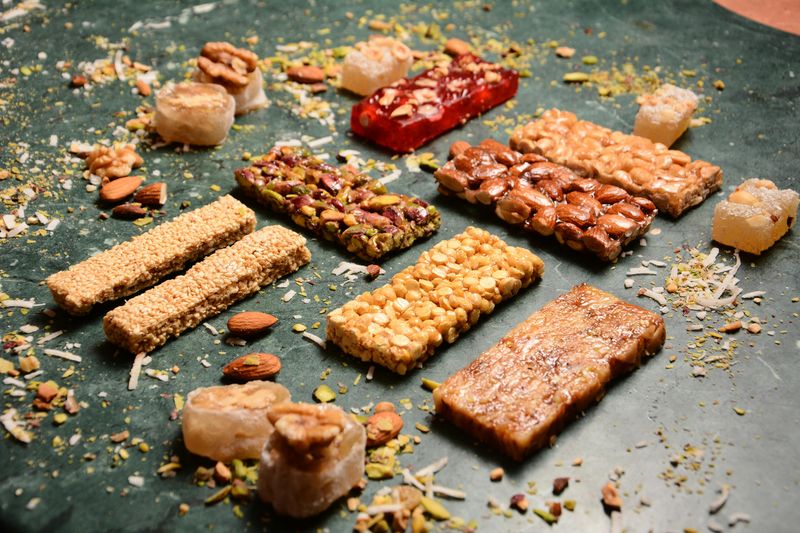
Granola bars promise convenience, portion control, and a quick answer when hunger hits. You can toss them in a bag, leave a few in your desk, and handle traffic or travel without stopping.
They feel wholesome because oats and nuts sound reassuring.
Still, many bars pack syrups and chocolate that slide into dessert territory. Look for short ingredient lists, at least three grams of fiber, and balanced protein.
If sweetness is high, pair the bar with a piece of fruit or a handful of almonds. You get a steadier release of energy and fewer crashes.
Keep them for emergencies, not every snack.
Protein bars
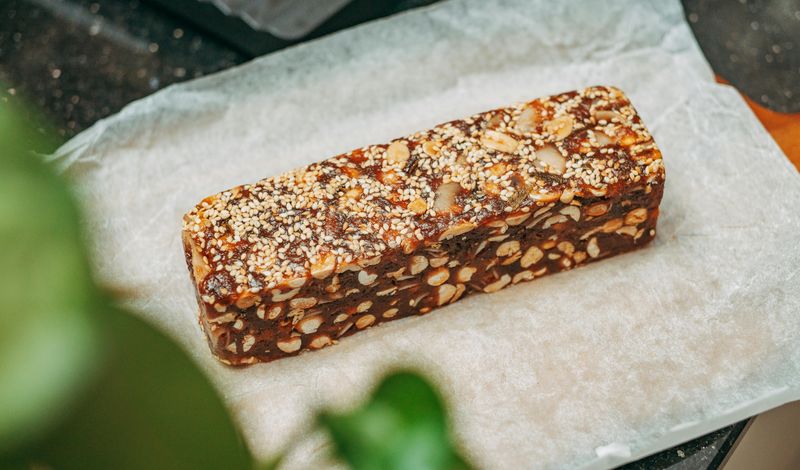
Protein bars stick around because they feel like insurance after workouts or long days. You get a portable hit of protein that buys time until dinner.
They are easy to stash in cars, backpacks, and office drawers.
Still, many bars read like candy with isolated proteins, sugar alcohols, and artificial flavors. Aim for 15 to 20 grams of protein, five or fewer grams of added sugar, and some fiber.
If a bar tastes like frosting, treat it like dessert and adjust the rest of your day. Pair with fruit or yogurt to round out nutrients.
Use thoughtfully, not mindlessly.
Almond milk
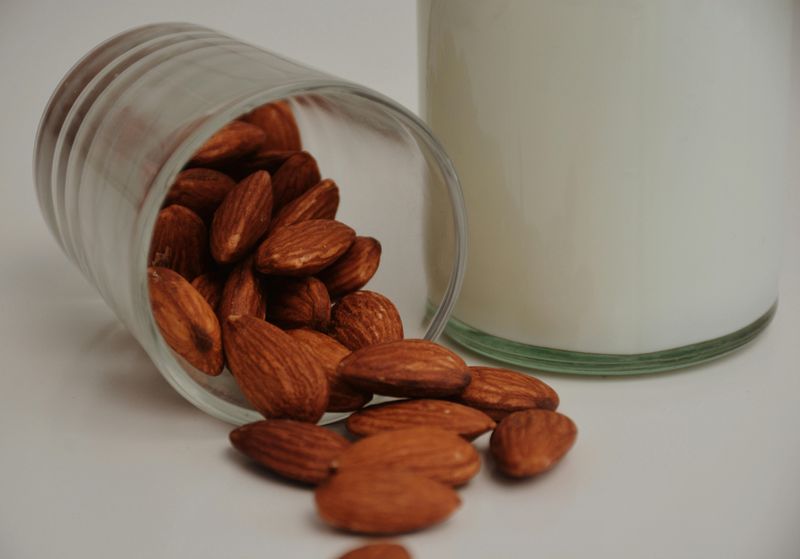
Almond milk stays popular because it is light, dairy free, and easy to use in coffee or cereal. The mild flavor blends into smoothies and sauces without stealing the show.
Shelf stable cartons make stocking up simple.
Still, many versions are mostly water with a little almond. Choose unsweetened to avoid sneaky sugars, and look for calcium and vitamin D fortification.
For more body, barista blends foam better and taste creamier. You can also whisk in protein powder when a recipe needs support.
Keep expectations realistic, and almond milk delivers convenience while you handle the rest of your plate.
Oat milk
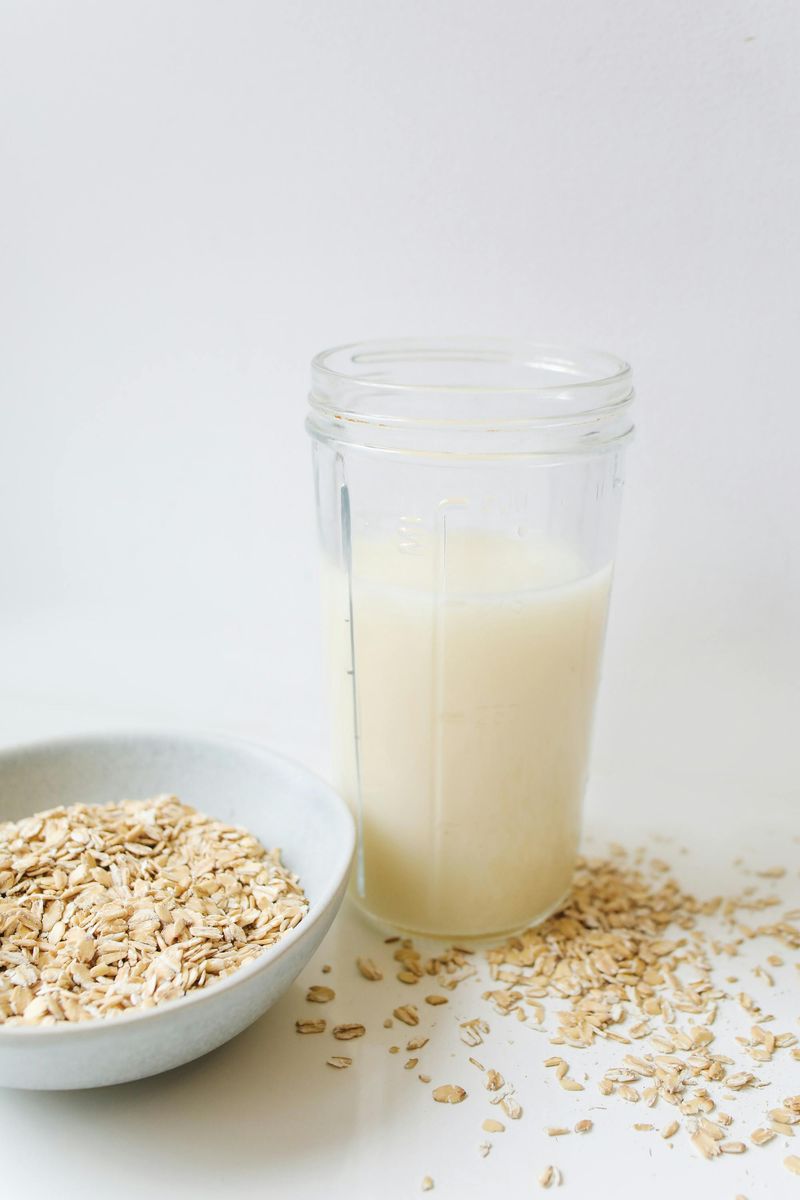
Oat milk wins hearts with creaminess that shines in coffee and baking. It froths beautifully, offers a naturally sweet taste, and feels like a comforting switch from dairy.
Many people appreciate its nut free profile.
Still, check labels for added oils and sugars that boost calories. Choose unsweetened, and consider protein elsewhere if this replaces dairy.
Fortified cartons help cover calcium and vitamin D. For home lattes, barista blends deliver consistent foam.
You can also thin it with water when making smoothies. With small tweaks, oat milk fits into a balanced routine without stealing too many calories from your day.
Peanut butter
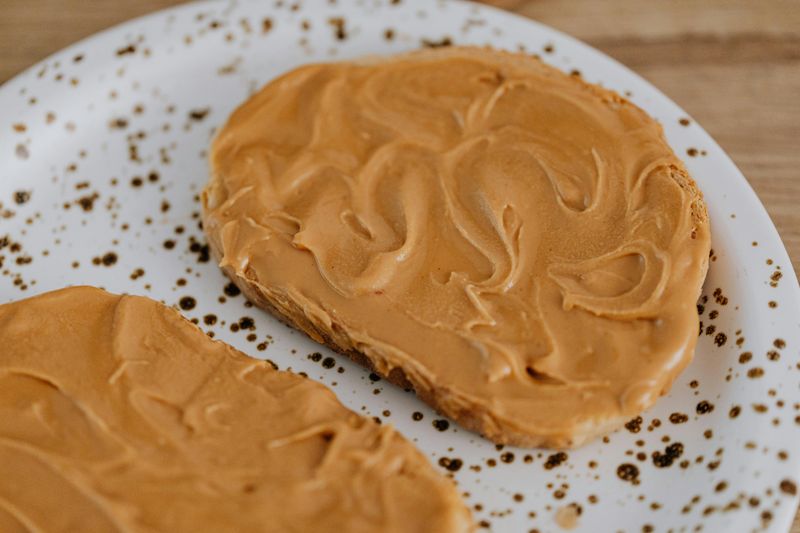
Peanut butter is satisfying, nostalgic, and incredibly versatile. You can swirl it into oatmeal, spread it on toast, or whisk it into a quick satay sauce.
The combination of protein and healthy fats keeps you full and happy.
Still, the jar can surprise you with added sugars and hydrogenated oils. Look for peanuts and salt, nothing more.
Measure portions, because even great peanut butter is calorie dense. Pair with sliced apples or whole grain crackers for balance.
If cravings spike, make a simple peanut butter yogurt dip to stretch volume. Keep it real, and this staple absolutely earns its place.
Salad kits
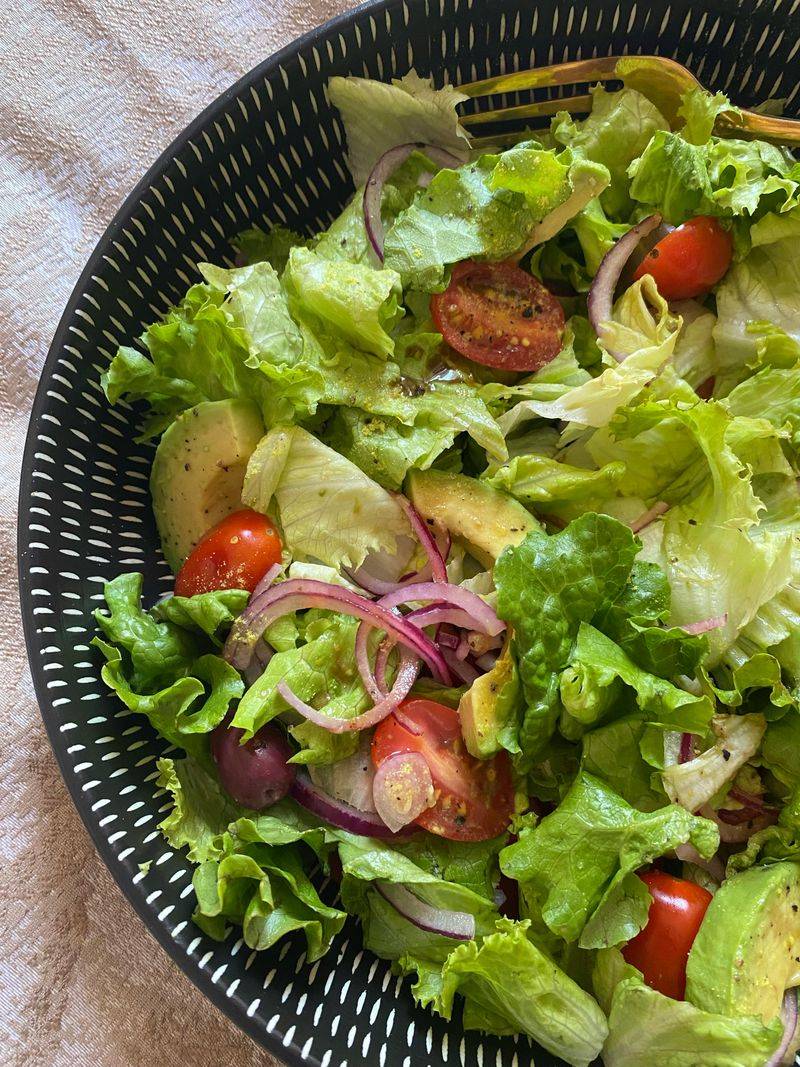
Salad kits make vegetables feel easy and immediate. You open, toss, and eat without washing, chopping, or guessing at combinations.
For busy nights, they transform into full meals with a can of beans or leftover chicken.
Still, the dressings can be sugary and salty, and crunchy toppings add quick calories. Use half the dressing, add extra greens, and mix in lean protein.
Citrus or vinegar can brighten flavors without heavy oils. Keep two kits in your fridge and you will always have a vegetable plan.
The simpler the kit, the more room you have to personalize and lighten it.
Frozen vegetables
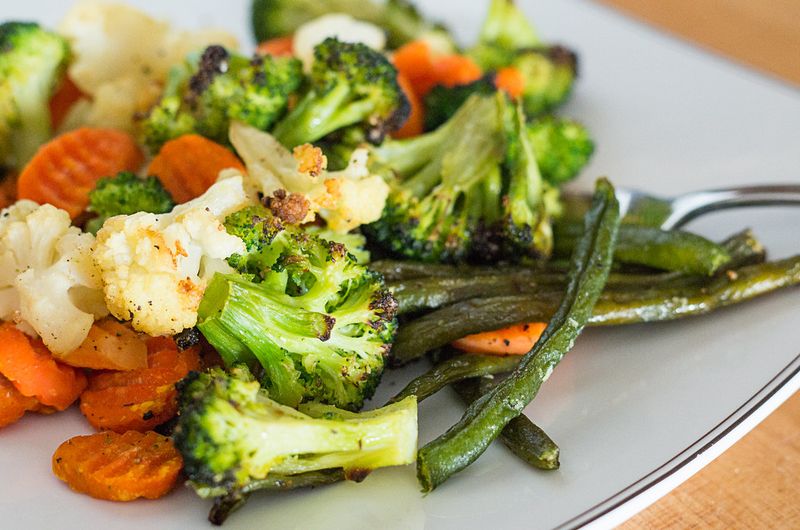
Frozen vegetables are the weekday hero you forget to praise. They are picked at peak ripeness, flash frozen, and ready when the crisper drawer is empty.
You can microwave, roast, or toss straight into soups and stir fries.
Still, watch for sauces and buttery glazes that add sodium and sugar. Choose plain bags, then season with olive oil, garlic, and spices.
Roast to build browning and better texture. Keep a rainbow mix on hand and you will never be cornered by takeout.
With a little heat and salt, frozen vegetables taste fresh enough to anchor a fast, balanced dinner.
Canned tuna

Canned tuna survives every pantry clean out because it is dependable protein. You can build quick salads, stuffed avocados, or simple melts without planning.
It is budget friendly and lasts for months.
Still, choose varieties wisely for mercury and sustainability. Light tuna generally has less mercury than albacore.
Look for tuna packed in water, then add olive oil yourself for control. Stir in Greek yogurt, mustard, celery, and herbs for a lighter salad.
Keep a few cans at work or home, and you will always have a strong, savory base for lunch that does not derail your goals.
Chicken breast
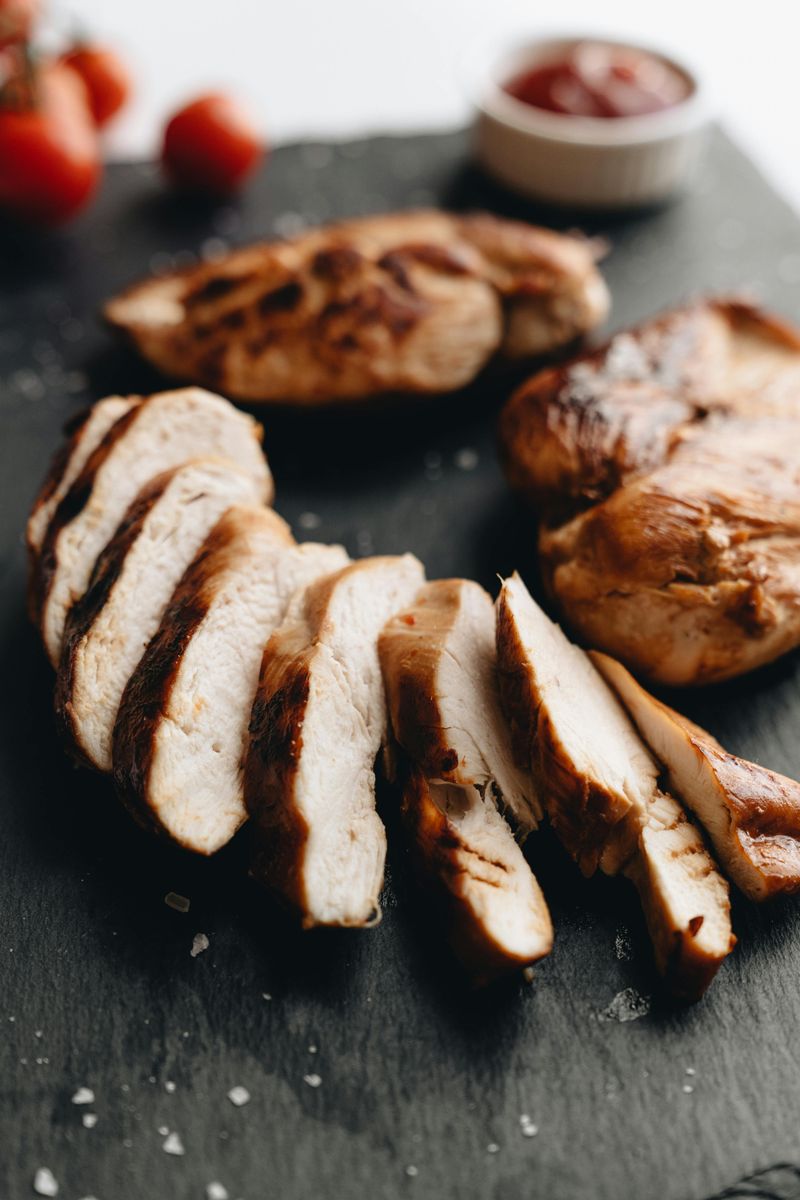
Chicken breast stays on the list because it is lean, adaptable, and fast. You can grill, roast, poach, or shred it for bowls and sandwiches.
Batch cooking saves you money and midweek sanity.
Still, dryness ruins the experience. Try a quick brine, marinade, or yogurt rub for tenderness.
Cook to temperature and rest before slicing. Spice blends, citrus, and fresh herbs keep flavors bright.
Pair with whole grains and vegetables, and you have a solid template you can repeat. Keep freezer portions ready, and weeknight dinners feel automatic without leaning on heavy sauces or takeout.
Ground turkey

Ground turkey is a go to swap for burgers, tacos, and pasta sauces. It brings lean protein and easily takes on whatever flavor you add.
You can stretch it with mushrooms or lentils to lower costs and add fiber.
Still, very lean blends can taste dry. Choose 93 percent lean for better texture, and season generously with onions, garlic, and spices.
Brown it properly to build flavor. A splash of tomato paste or soy sauce adds depth.
With thoughtful seasoning, ground turkey becomes a weekly staple that feels comforting while staying aligned with your healthier intentions.
Eggs
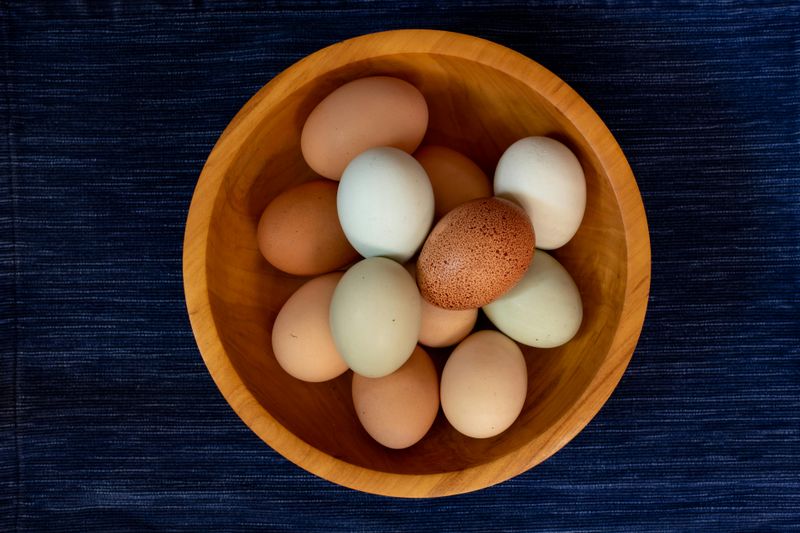
Eggs remain the ultimate flexible food. Breakfast, lunch, or dinner, they scramble, fry, poach, or bake into countless dishes.
You get high quality protein, satisfying fat, and a friendly price per serving.
Still, balance matters. Pair eggs with vegetables and whole grains to round out the plate.
Hard boil a batch for grab and go snacks. If cholesterol worries you, talk with your doctor and mix whole eggs with extra whites.
A well seasoned frittata helps clean the fridge and sets you up for several meals. Keep a dozen handy and decisions feel easier all week.
Apples
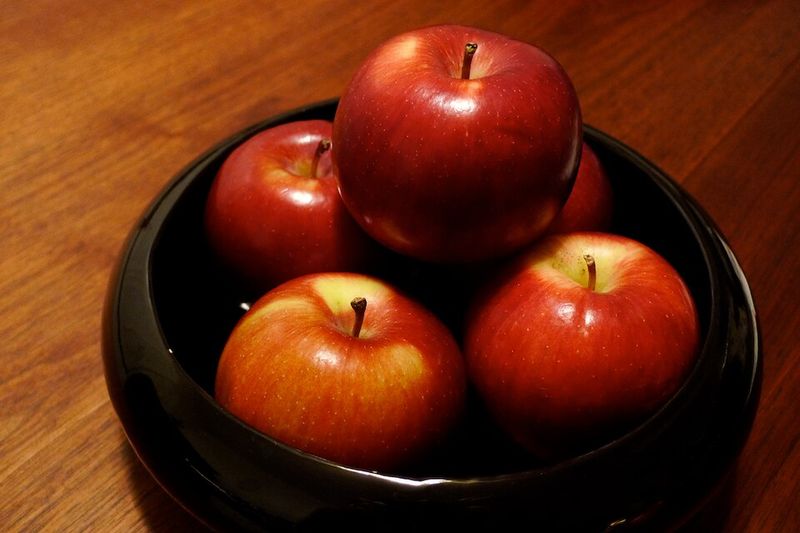
Apples show up year round because they store well, travel easily, and taste refreshing. You can slice one into oatmeal, pair with cheese, or crunch it straight from the fridge.
The fiber and juiciness help tame sweet cravings.
Still, variety matters. Honeycrisp and Pink Lady bring snap, while Granny Smith adds tartness.
Keep a few on your desk to dodge vending machine runs. For dessert, bake slices with cinnamon and a small pat of butter.
Add a spoon of yogurt for creaminess. That simple routine turns a regular apple into a warm, satisfying treat without derailing your momentum.
Bananas
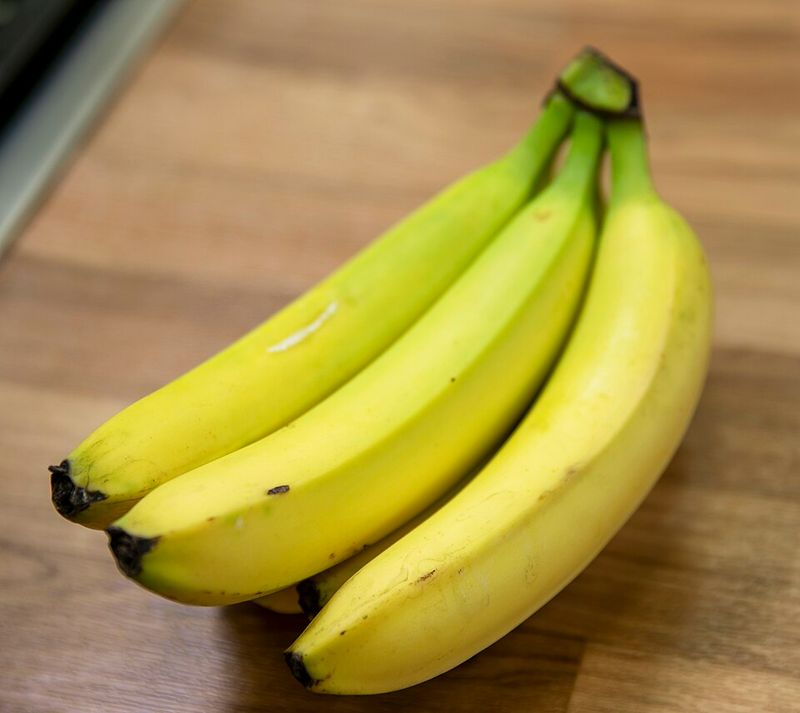
Bananas are the reliable friend of quick breakfasts and post workout snacks. They are portable, naturally sweet, and gentle on the stomach.
You can toss a ripe one into smoothies or mash it into pancake batter.
Still, ripeness changes the experience. Greener bananas lean starchier and slower digesting, while spotty bananas taste sweeter.
Pair with peanut butter or Greek yogurt to add protein and slow the sugar rush. Freeze extras for smoothies or banana bread.
With a little planning, bananas help steady your routine while keeping your sweet tooth happy in a wholesome, budget friendly way.
Avocados
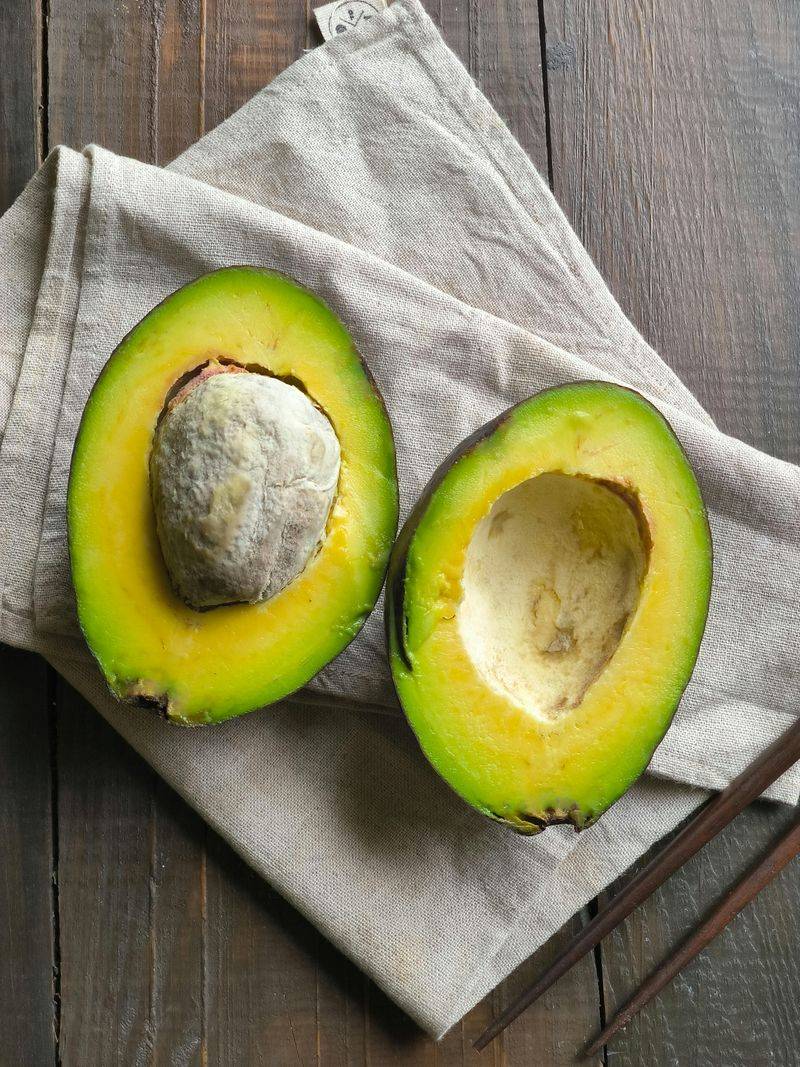
Avocados feel luxurious while still fitting a healthier plan. The creamy texture makes toast, tacos, and salads more satisfying.
Heart healthy fats and fiber help keep you full and steady.
Still, portions matter because calories add up quickly. Aim for a third to half an avocado, and balance with lean protein and crunchy vegetables.
To manage ripeness, buy a mix of firm and soft fruit, then refrigerate the ready ones. Mash with lime, cilantro, and chili flakes for a fast spread.
Used thoughtfully, avocados turn simple meals into something that feels special without much effort.
Rice
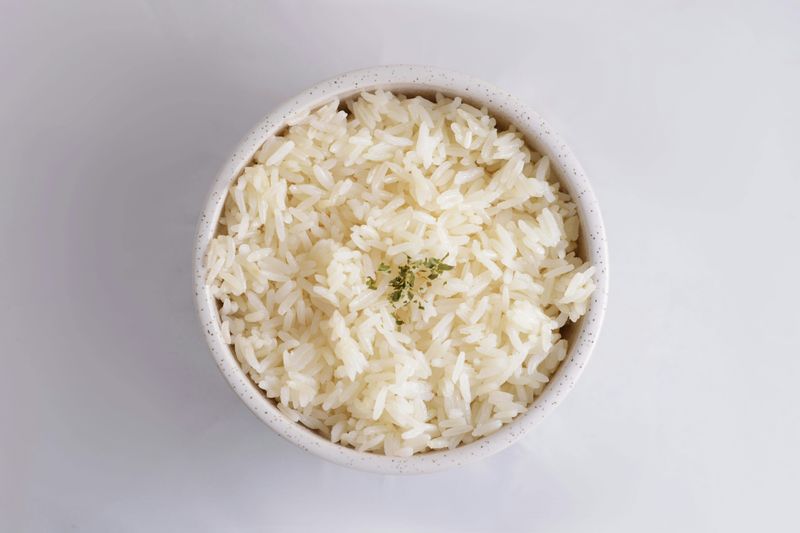
Rice anchors bowls, stir fries, and quick leftovers. It is inexpensive, comforting, and easy to batch cook on Sunday.
Brown and wild rice bring extra fiber and chew, while white rice digests faster and plays nicely with sensitive stomachs.
Still, portions drive results. Use a measuring cup and load the rest of the bowl with vegetables and protein.
Add herbs, scallions, or a splash of vinegar for brightness. Freeze flat bags for easy reheating.
When you control the ratio, rice becomes a steady teammate that soaks up flavor and keeps weeknights calm.
Pasta

Pasta is comfort you can balance. Whole wheat or legume varieties add fiber and protein, while traditional semolina brings that classic bite.
You can build fast dinners with garlic, olive oil, vegetables, and a sprinkle of cheese.
Still, the sauce matters more than the noodle. Keep portions modest and add beans, chicken, or shrimp for staying power.
Save creamy sauces for occasional treats, and lean on tomato, pesto, or brothy finishes. Reserve pasta water to create silkiness without loads of oil.
With mindful portions, pasta absolutely fits a healthier pattern.
Cereal
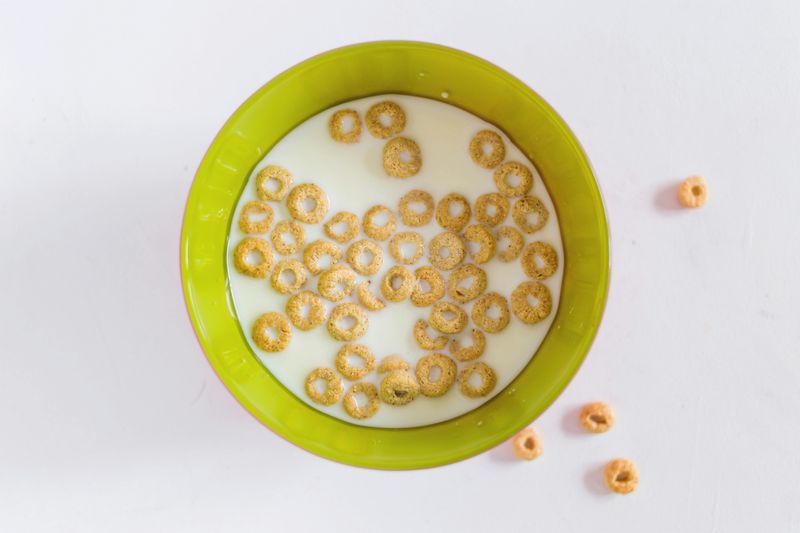
Cereal offers speed, predictability, and nostalgia. On rushed mornings, it is the difference between eating something and skipping entirely.
High fiber boxes can genuinely help you feel full longer.
Still, sugar bombs hide behind healthy looking claims. Scan for at least four grams of fiber, single digit added sugar, and whole grains first on the label.
Pair with milk or yogurt for protein, and add fruit instead of extra sweetener. Keep a small bowl size and go back if truly hungry.
When chosen well, cereal becomes a reliable part of a focused morning routine.
Snack bars
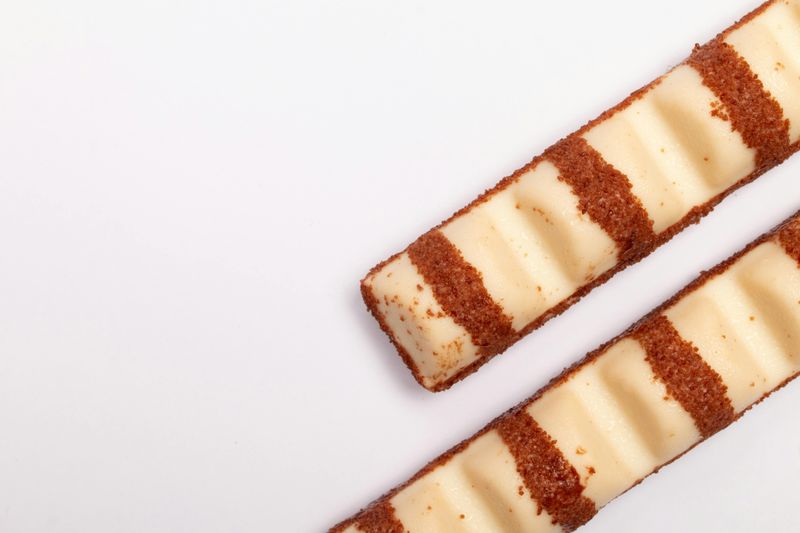
Snack bars bridge the gap between meals when schedules go sideways. You can keep one in every bag and avoid drive thru temptation.
The right bar delivers steady energy without a sugar crash.
Still, marketing can be noisy. Aim for simple ingredients, two to three hundred calories, and fiber plus protein.
If it tastes like candy, count it honestly in your day. Pair with water, fruit, or string cheese to feel satisfied.
Treat snack bars as backups, not anchors, and they will support your healthier rhythm rather than derail it.
Juice

Juice sticks around because it is refreshing and familiar. A small glass can complement breakfast or help you enjoy fruit flavors when produce is limited.
It is easy to store and kid friendly.
Still, juice concentrates calories without fiber. Choose 100 percent juice, keep portions to four to six ounces, and drink water alongside.
Better yet, cut it with sparkling water for a lighter spritz. If you are truly thirsty, eat an orange and drink water.
With a little restraint, juice lives in your kitchen without overwhelming your daily goals.
Smoothies
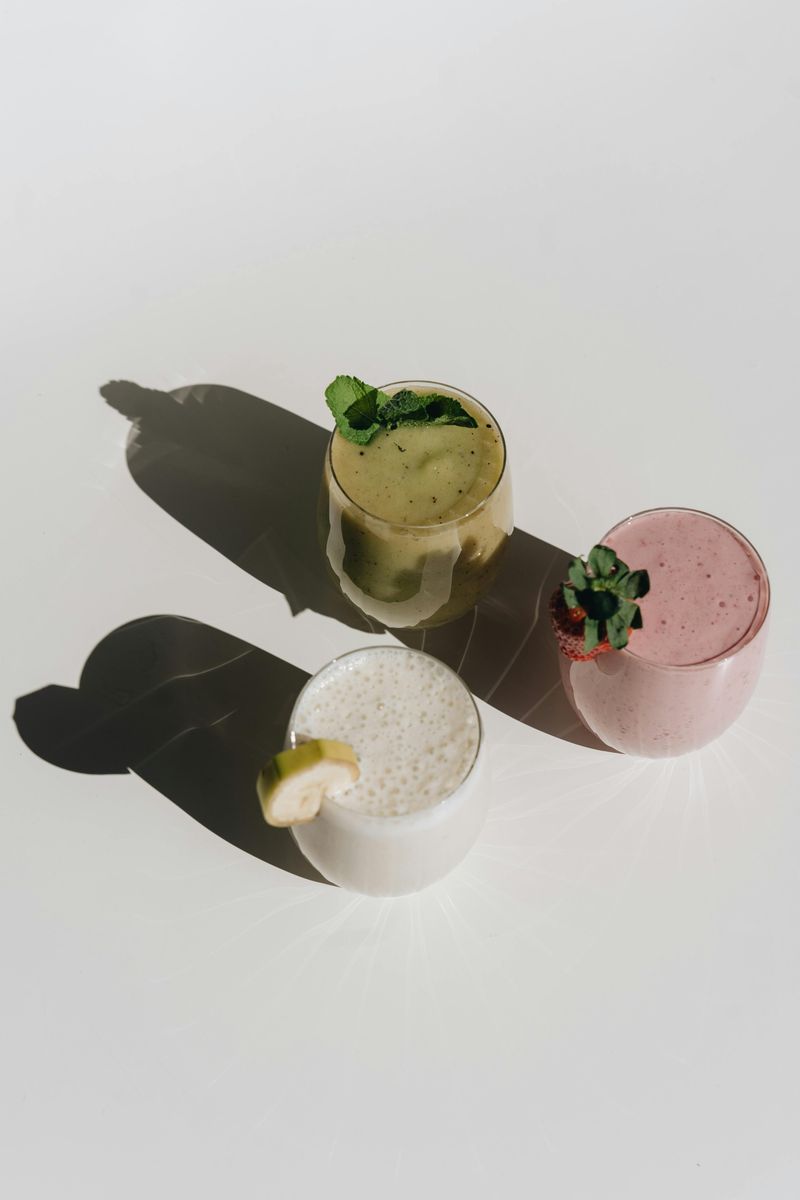
Smoothies feel like a shortcut to nutrition and they can be. You can pack fruit, greens, yogurt, and seeds into something you can sip on the move.
They help you use up produce before it wilts.
Still, portions balloon fast. Build with a protein base, add fiber like flax or chia, and limit sweeteners.
Frozen cauliflower or zucchini boosts creaminess without extra sugar. Keep the serving to one large glass and chew a topping to slow you down.
Treat smoothies like meals, not drinks, and they will carry you confidently through busy mornings.
Whole wheat bread

Whole wheat bread sticks around because it feels familiar and versatile. You can toast it, build sandwiches, or pair it with soups without thinking twice.
Compared with white bread, it brings fiber, a nuttier taste, and longer lasting fullness.
Still, check labels, because some loaves hide added sugar and fluffy textures that act like white flour. Aim for 100 percent whole wheat, at least three grams of fiber per slice, and short ingredient lists.
When you want comfort, avocado toast, peanut butter, or a simple egg sandwich hit the spot. Freeze extra slices to curb waste and always have a better option ready.
Enjoyed this story?
Add Fast Food Club as a preferred source to see more of our reporting on Google.