


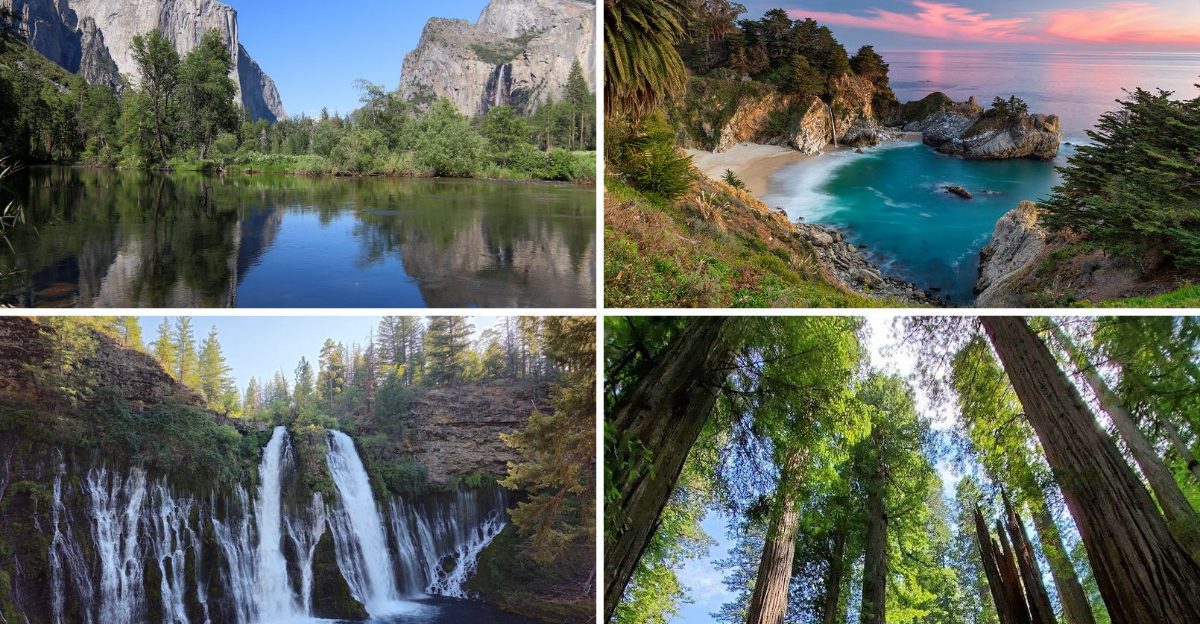
California is home to some of the most jaw-dropping natural scenery on the planet, and its national and state parks are proof of that. From towering waterfalls and ancient trees to otherworldly deserts and rugged coastlines, every corner of this state holds a surprise.
Photos of these places are stunning, but standing there in person? That feeling is something no camera can fully capture.
Yosemite Valley – California
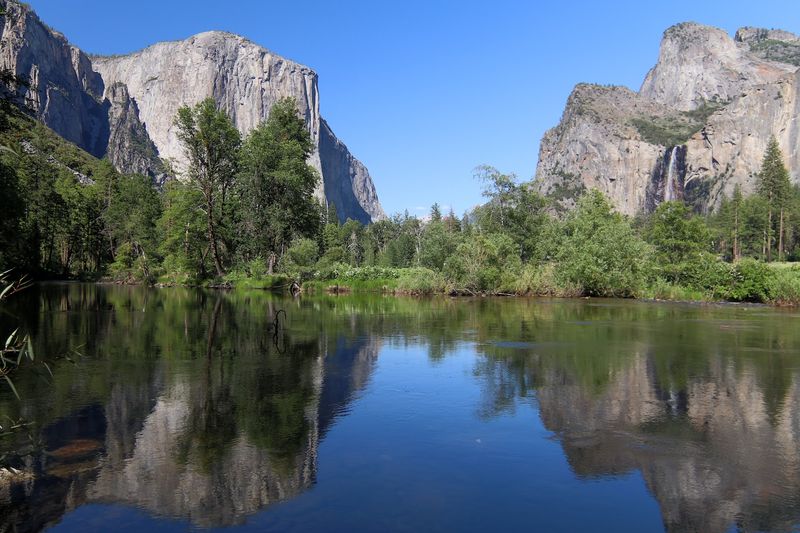
Few places on Earth stop you in your tracks the way Yosemite Valley does. Towering granite walls like El Capitan and Half Dome surround you on all sides, making you feel wonderfully small.
The valley floor is filled with meadows, the Merced River, and trails that lead to iconic waterfalls. Spring is especially magical when snowmelt sends Yosemite Falls roaring.
Plan ahead, because this spot gets busy fast and reservations are often required.
Glacier Point – California
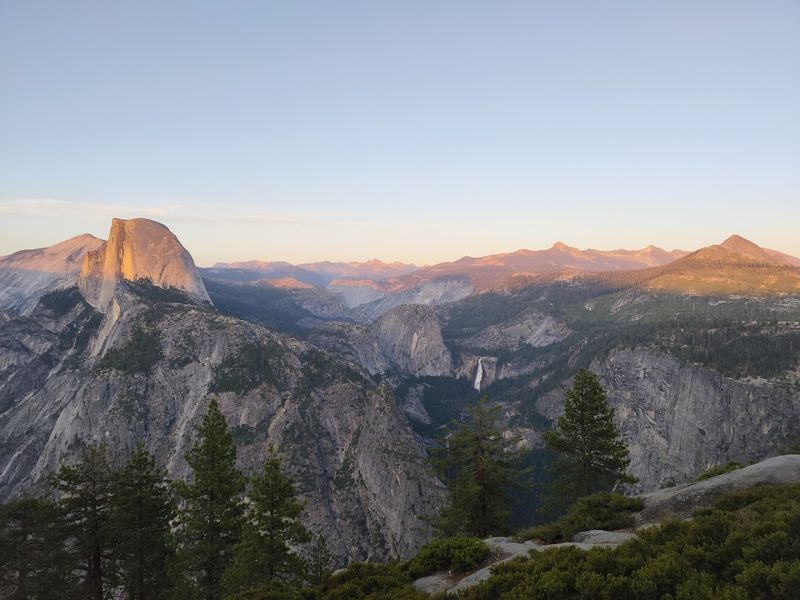
Standing at Glacier Point feels like looking at a painting that someone forgot to frame. At nearly 7,200 feet above sea level, you get a bird’s-eye view of Half Dome, Yosemite Valley, and the High Sierra all at once.
Sunsets here are absolutely legendary among photographers and hikers alike. The road to Glacier Point is typically open from late spring through fall.
Arrive early in the morning to beat the crowds and enjoy the view in peaceful quiet.
Tunnel View – Wawona Rd, California
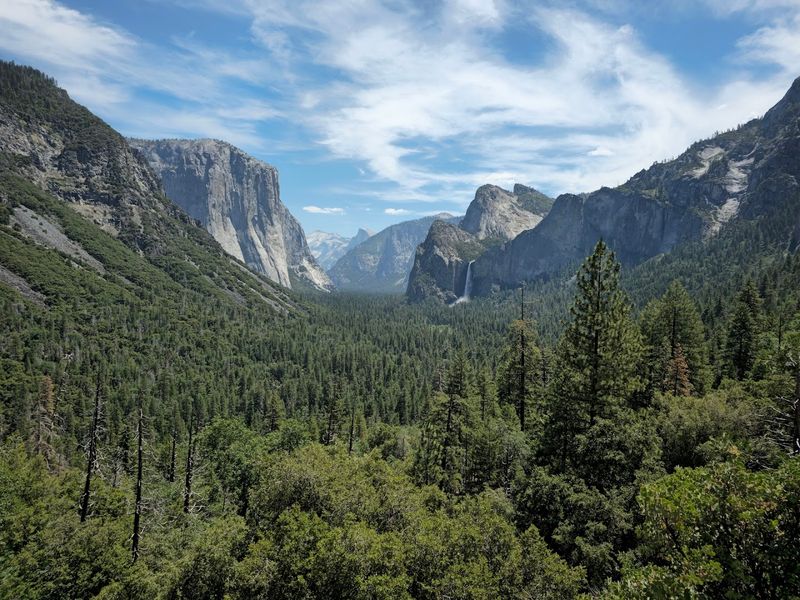
You drive through a tunnel, and then suddenly the whole world opens up. Tunnel View is one of the most photographed spots in all of America, and the moment you step out of your car, you understand why immediately.
El Capitan, Bridalveil Fall, and Half Dome all appear perfectly framed in one sweeping glance. Morning light fills the valley with a golden warmth that photos simply cannot do justice.
Keep a jacket handy since the elevation makes it chillier than expected.
Joshua Tree National Park – California
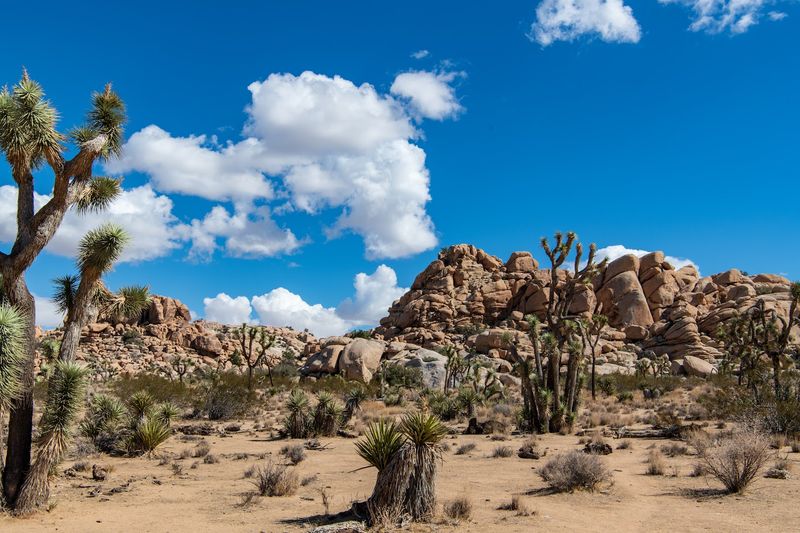
Joshua Tree looks like a scene from another planet, and that is exactly why people fall in love with it. The park sits at the meeting point of two deserts, creating a landscape unlike anything else in the country.
Those twisted, spiky trees paired with enormous rounded boulders make for endlessly fascinating scenery. Stargazing here ranks among the best in California thanks to minimal light pollution.
Bring more water than you think you need since desert heat can sneak up on you quickly.
Death Valley National Park – California
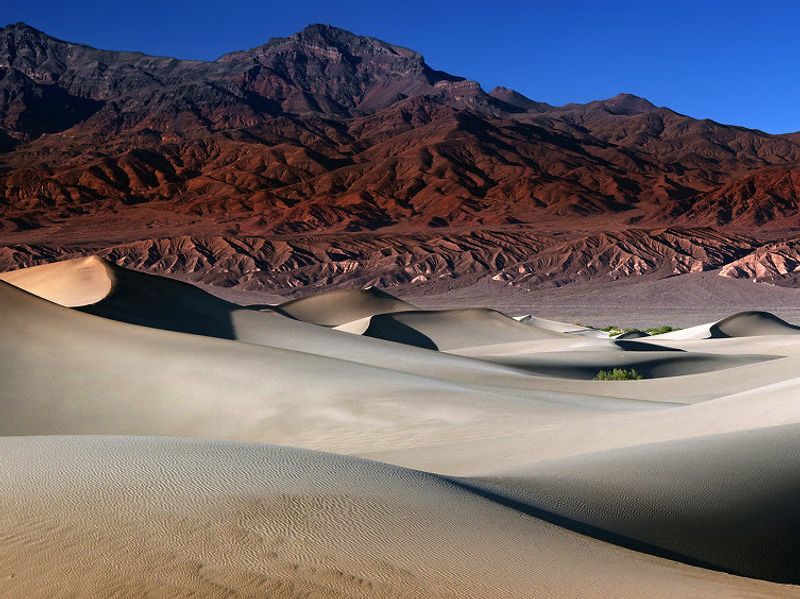
Death Valley holds the record for the hottest air temperature ever recorded on Earth, and yet people travel from all over the world to see it. The landscape is raw, extreme, and hauntingly beautiful in a way that surprises most first-time visitors.
Badwater Basin, the lowest point in North America, looks like a frozen white ocean made of salt crystals. The sand dunes at Mesquite Flat glow brilliantly at sunrise.
Visit between November and March to enjoy the park without dangerous heat.
Zabriskie Point – California
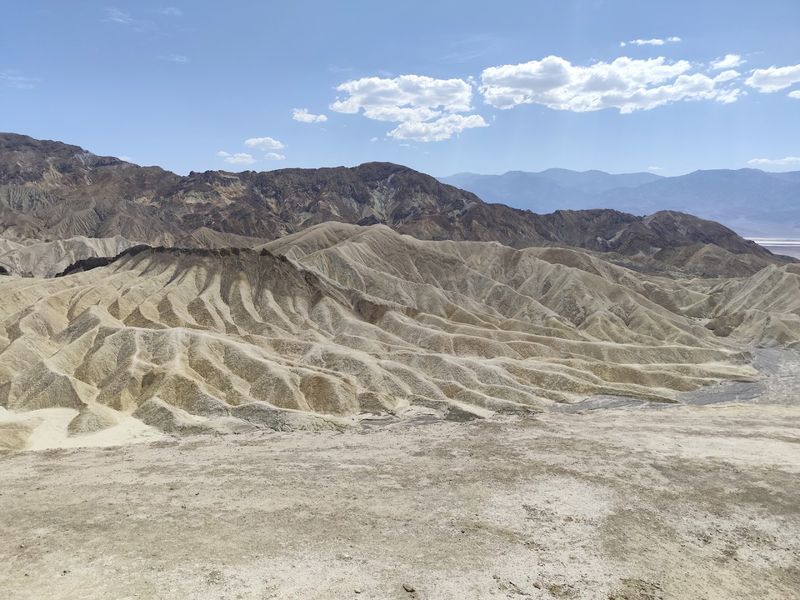
Zabriskie Point looks like the surface of Mars, and that is not an exaggeration. The eroded, golden-brown badlands stretch out in waves of ridges and gullies that glow brilliantly at sunrise and sunset.
Geologists love this spot because the layers tell millions of years of Earth history. Visitors often describe standing here as a humbling, almost meditative experience.
The short walk to the overlook is easy enough for almost anyone, making it one of Death Valley’s most accessible and rewarding stops.
Redwood National and State Parks – California
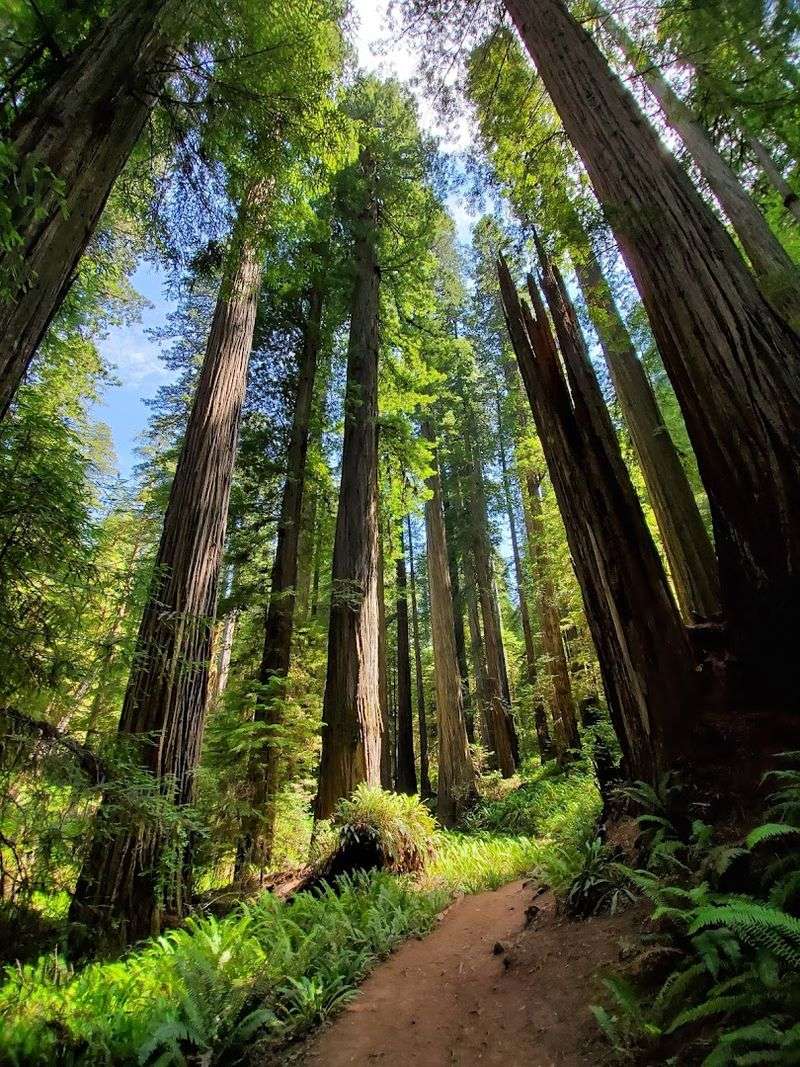
Walking among the world’s tallest trees is one of those experiences that genuinely changes your perspective on life. Coastal redwoods can grow taller than a 35-story building and live for over 2,000 years, which makes you feel like a tiny visitor in a very old world.
The forest floor is lush with ferns, moss, and filtered light that creates an almost dreamlike atmosphere. The Lady Bird Johnson Grove trail is a wonderful starting point for first-time visitors.
Layers of clothing help since coastal fog rolls in unpredictably.
Lassen Volcanic National Park – California
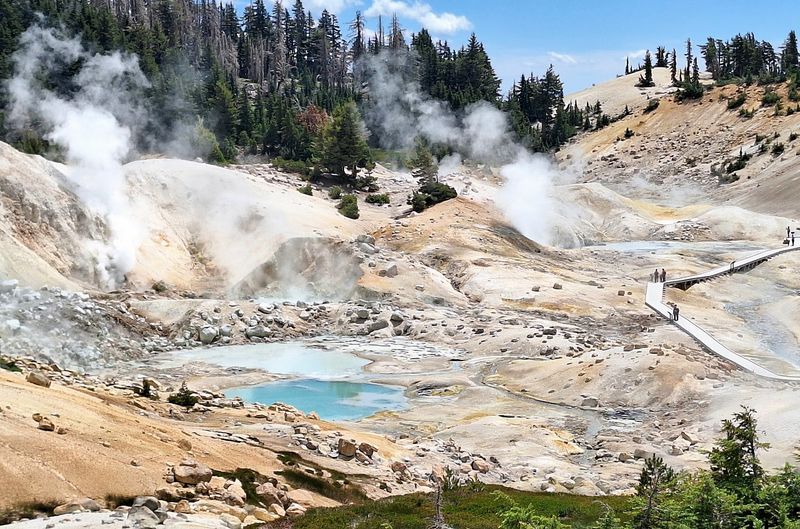
Most people do not realize California has an active volcanic park, and that surprise alone makes Lassen worth the trip. Mount Lassen last erupted between 1914 and 1921, and the geothermal features bubbling throughout the park are a constant reminder that the Earth is still very much alive beneath your feet.
Boiling mud pots, steaming fumaroles, and sulfur-scented vents create a scene that feels prehistoric. The park is far less crowded than Yosemite, making it a hidden gem.
Wildflower meadows and alpine lakes add a softer side to the volcanic drama.
Sequoia National Park – California
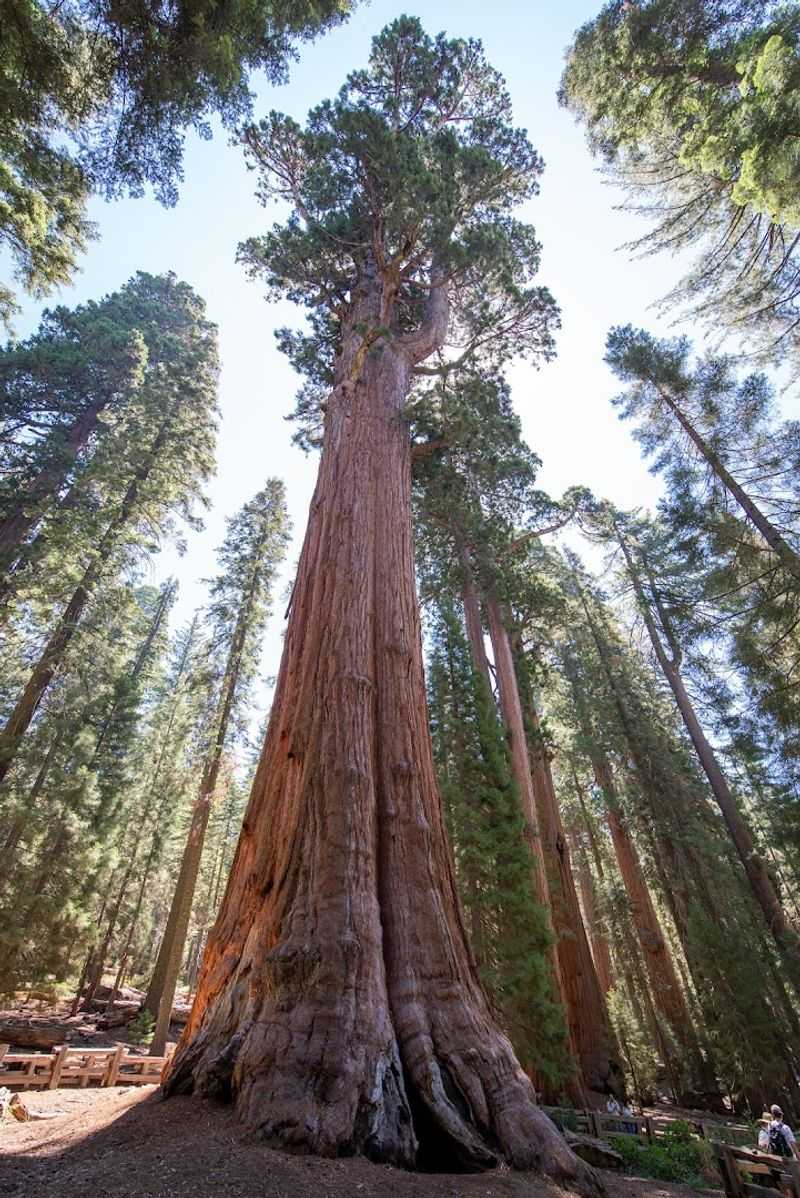
The General Sherman Tree is the largest living thing on Earth by volume, and no photo prepares you for how enormous it actually is. Standing at its base and craning your neck upward is a moment of pure awe that stays with you long after you leave.
Sequoia National Park protects thousands of these giant trees in groves that feel sacred and ancient. The Giant Forest area offers trails for all skill levels.
Snow often blankets the park in winter, turning it into a quiet, magical wonderland worth exploring.
Kings Canyon National Park – California
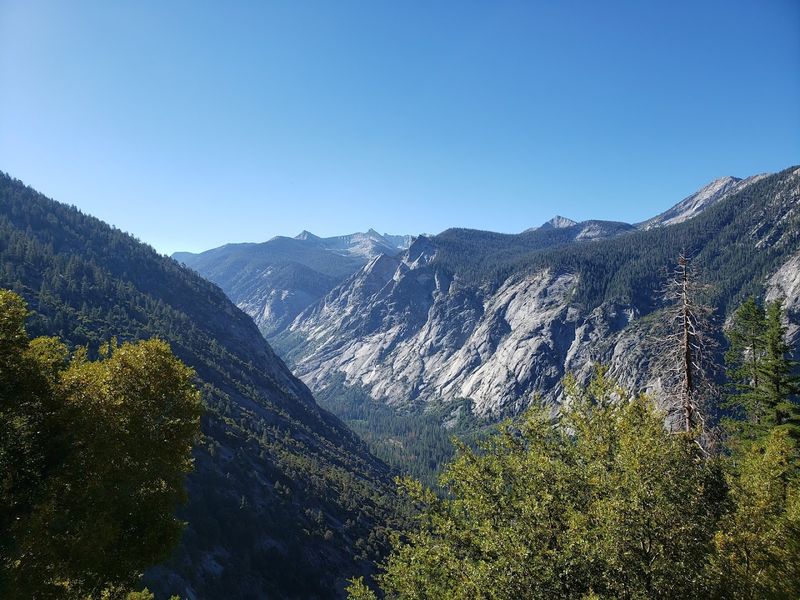
Kings Canyon is one of the deepest canyons in North America, and yet it somehow flies under the radar compared to its famous neighbors. The drive along Kings Canyon Scenic Byway winds through towering granite walls that dwarf even the most seasoned traveler.
The roaring Kings River at the canyon bottom adds a soundtrack to the scenery that feels cinematic. Cedar Grove Village is a great base for exploring the area.
Combine a visit with Sequoia National Park next door for a truly unforgettable California road trip.
Pfeiffer Beach – Big Sur, California
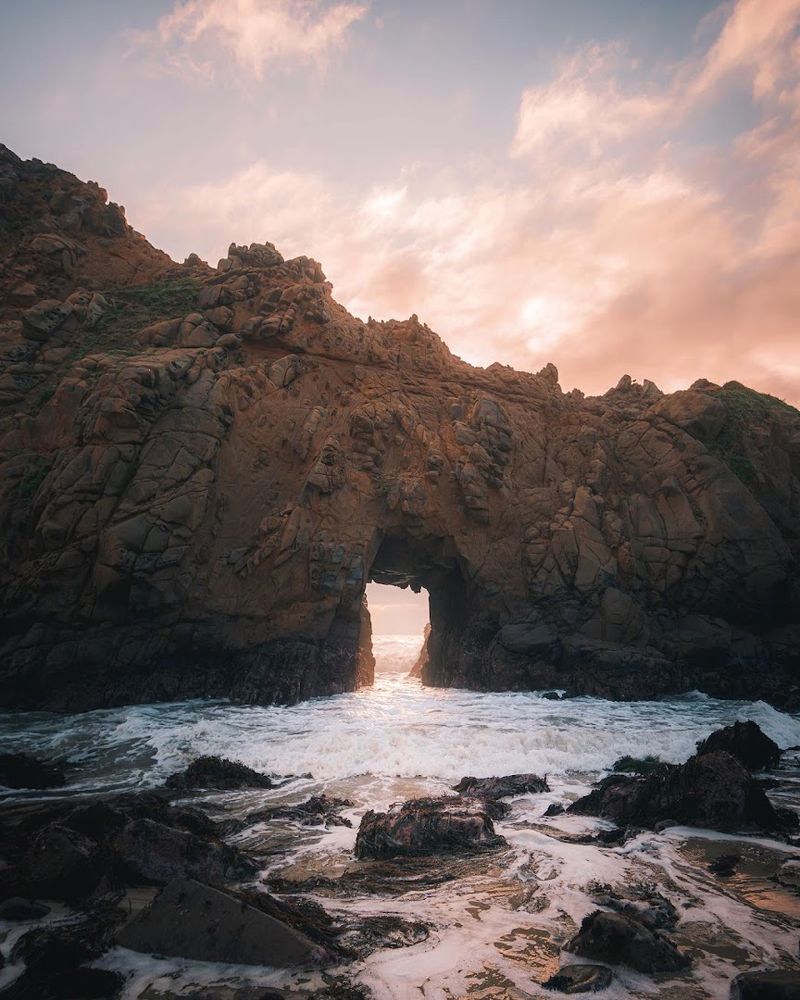
Pfeiffer Beach breaks every rule of what you expect a California beach to look like. The sand here has a purple tint caused by manganese garnet minerals washing down from the surrounding hills, which sounds unbelievable until you see it yourself.
Massive rock formations jut out of the water, and waves crash dramatically through a natural arch in the largest one. The atmosphere is moody, wild, and completely unforgettable.
The access road is narrow and requires a fee, but the experience is absolutely worth the effort.
McWay Falls – California
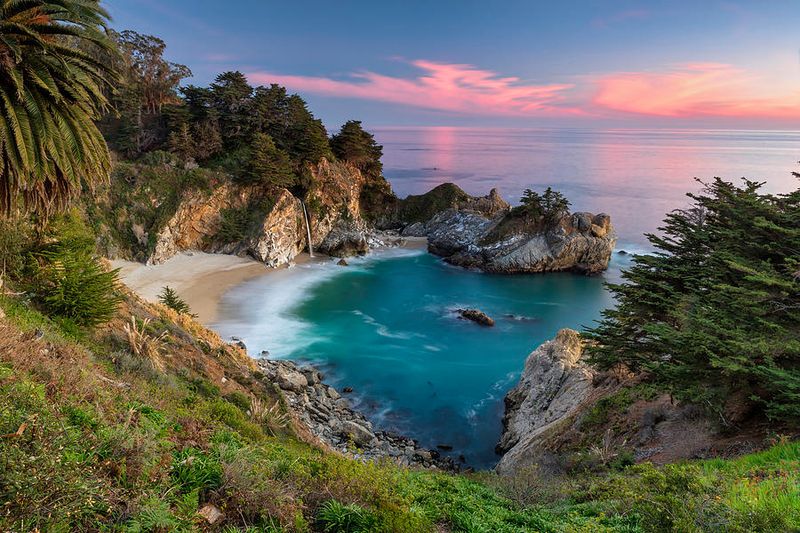
An 80-foot waterfall dropping straight onto a beach sounds like something from a fantasy novel, but McWay Falls is very real. Located in Julia Pfeiffer Burns State Park along Big Sur, this tidefall is one of only a few in the entire world that falls directly onto a beach.
The overlook trail is short and paved, making it easy for all ages to enjoy the view. Swimming is not allowed at the cove, so this remains one of California’s most pristine and untouched-looking spots.
Sunset lighting here is especially dramatic.
Point Lobos State Natural Reserve – Carmel-by-the-Sea, California
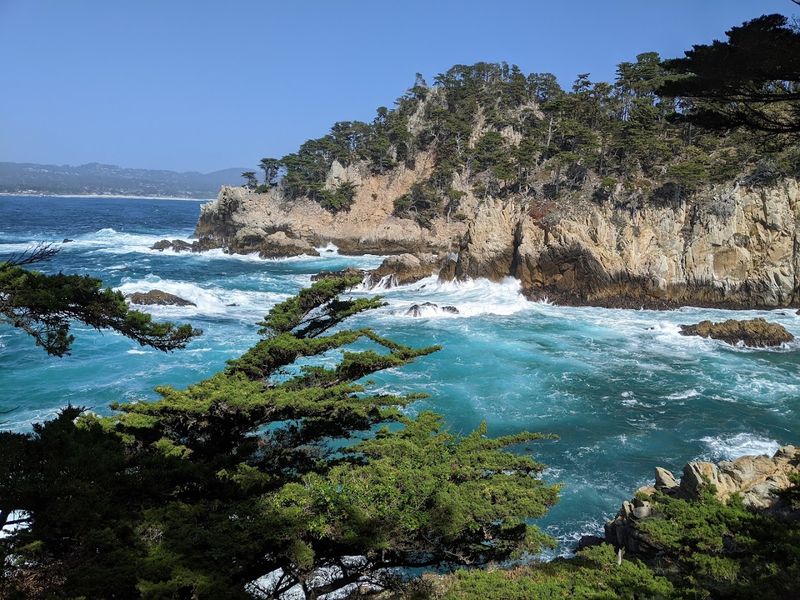
Ansel Adams called Point Lobos the greatest meeting of land and water in the world, and once you visit, it is hard to argue with him. The rocky coves, crashing surf, and ancient cypress trees create a scene of wild, untamed beauty that feels almost theatrical.
Harbor seals, sea otters, and sea lions are commonly spotted just offshore. The reserve has several easy trails that wind along the cliffs with views that keep getting better with each turn.
Arrive early because the parking lot fills up quickly on weekends.
Emerald Bay State Park – California
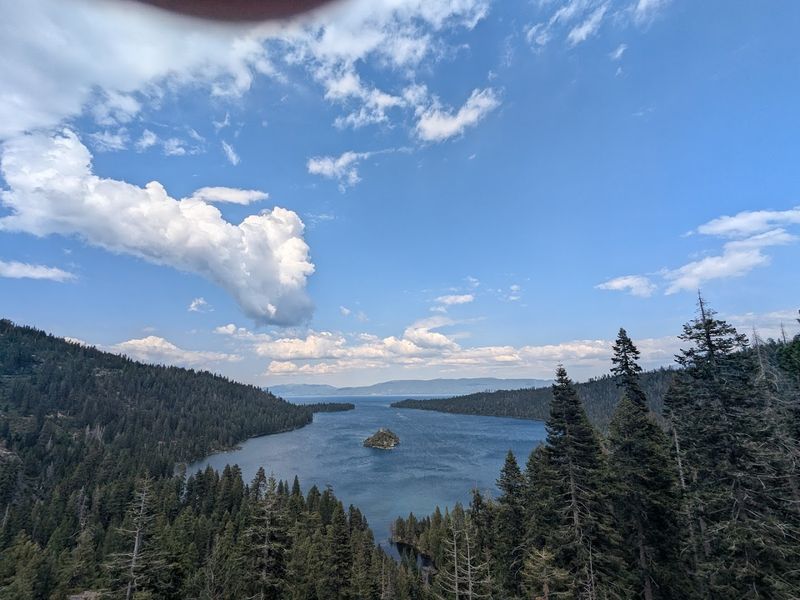
Emerald Bay is the postcard image of Lake Tahoe, and even locals never seem to get tired of looking at it. The water in this sheltered cove turns a surreal shade of turquoise-green that looks digitally enhanced but is completely natural.
Fannette Island sits in the middle of the bay as the only island in all of Lake Tahoe, adding a storybook quality to the scene. A steep trail leads down to the waterfront and a historic Scandinavian-style stone mansion called Vikingsholm.
Winter snowfall transforms the bay into something out of a fairy tale.
McArthur-Burney Falls Memorial State Park – Burney, California
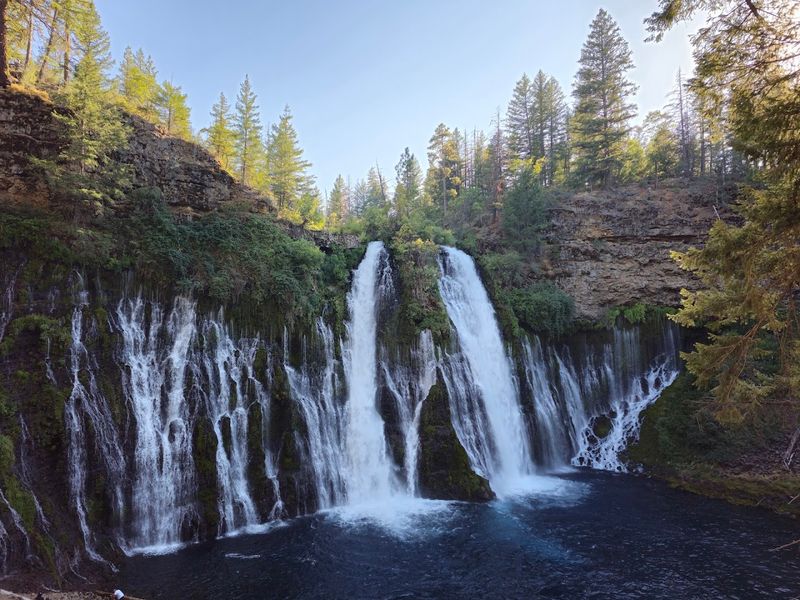
Theodore Roosevelt once called Burney Falls the eighth wonder of the world, and standing in front of it, that title feels completely earned. Unlike most waterfalls that depend on seasonal snowmelt, Burney Falls flows at a consistent rate year-round thanks to underground springs feeding directly through the volcanic rock.
Water seeps and streams from dozens of points along the mossy cliff face, creating a wide, curtain-like effect that is mesmerizing to watch. The falls stay cool and mist-filled even in summer heat.
A short loop trail brings you right to the base for a close-up view.
Anza-Borrego Desert State Park – California
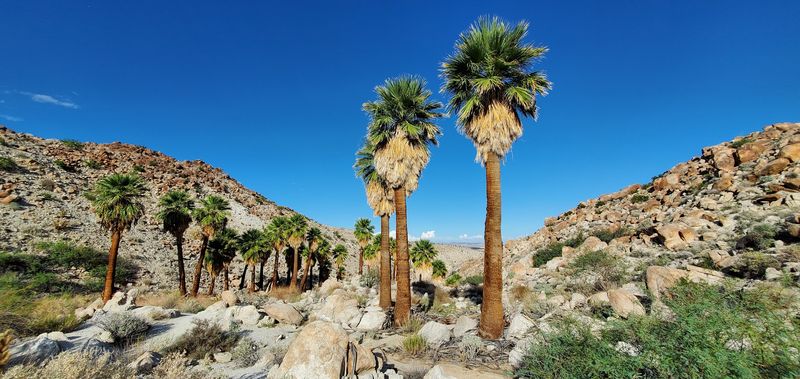
California’s largest state park stretches across more than 600,000 acres of desert, and during a good wildflower season, it transforms into one of the most colorful landscapes you will ever witness. Carpets of yellow, purple, and orange wildflowers spread across the desert floor in a display that draws visitors from around the world.
The park also features slot canyons, ancient palm oases, and life-sized metal sculptures of prehistoric animals scattered across the open landscape. Stargazing ranks among the best in Southern California.
Wildflower blooms typically peak between February and April depending on winter rainfall.
Crystal Cove State Park – California
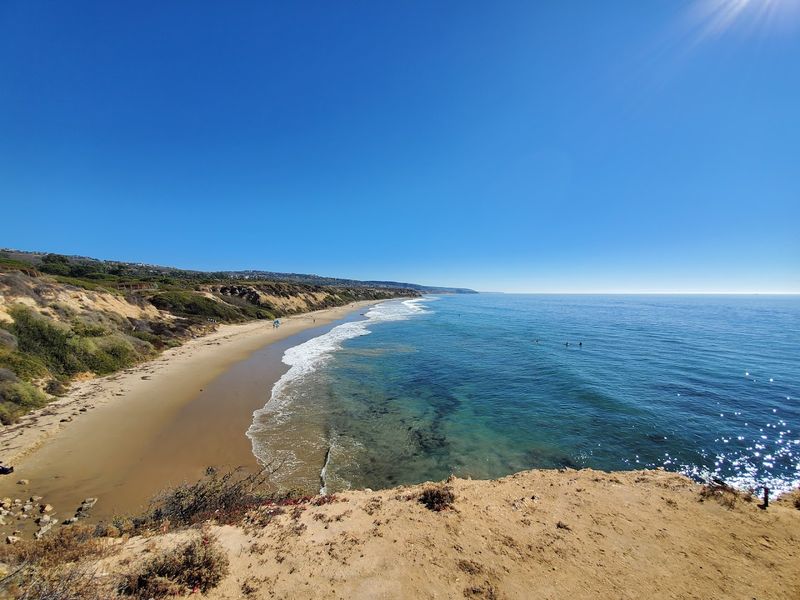
Tucked between Newport Beach and Laguna Beach, Crystal Cove manages to feel like a secret even though it sits in one of the most populated parts of Southern California. The park combines three miles of undeveloped shoreline with a historic beach colony of vintage cottages that take you back to the 1930s.
Tide pools here teem with sea stars, anemones, and small fish that kids absolutely love discovering. Underwater visibility is excellent for snorkeling.
Hiking trails along the bluffs deliver sweeping Pacific views that rival anything you would find further up the coast.
Enjoyed this story?
Add Fast Food Club as a preferred source to see more of our reporting on Google.