


Turning 40 often brings subtle changes to how your body handles everyday foods. What once felt fine can now leave you bloated, sluggish, or running for antacids.
The good news is that a few mindful swaps can make a big difference without feeling deprived. Let’s walk through common culprits so you can enjoy meals with more comfort and confidence.
Smoked sausage
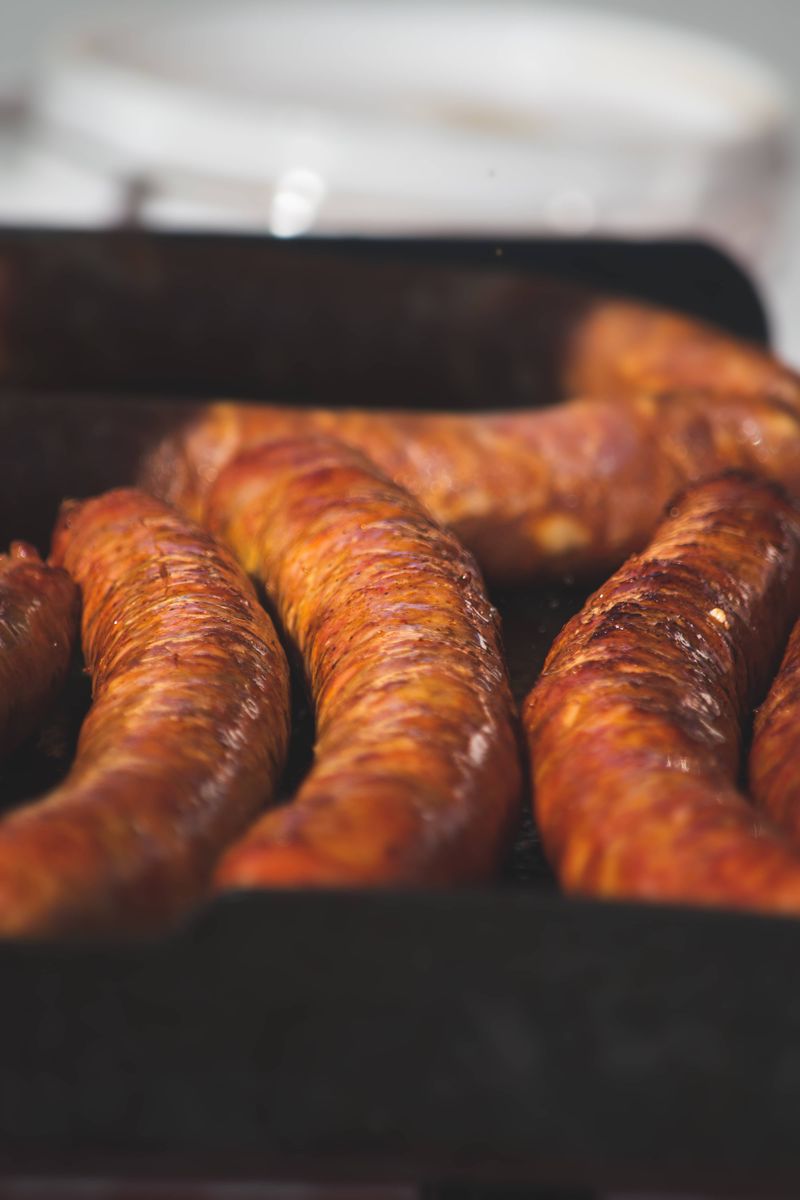
Smoked sausage brings bold flavor, but it is rich in fat, salt, and preservatives that can irritate a sensitive gut. The smoking process adds compounds that may aggravate reflux.
Heavier meats also tend to sit longer in the stomach, which can cause pressure and discomfort as you age.
Try leaner links or turkey sausage, and sauté rather than pan-fry. Pair with fiber-rich sides like roasted vegetables or a vinegar-based slaw to help move things along.
Hydrate well if the sodium load creeps up. You still get that savory bite without the sluggish, weighed-down feeling that sometimes follows a hearty plate.
Bacon
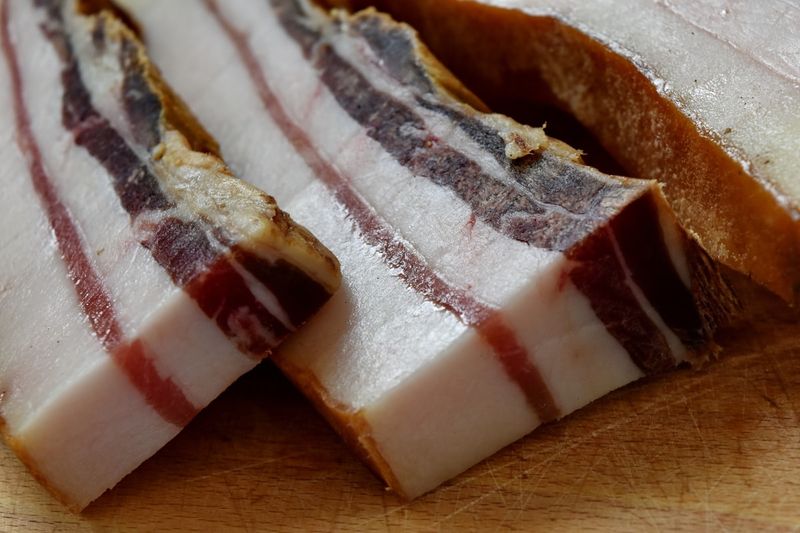
Bacon’s smoky crunch can be tough on midlife digestion because of saturated fat and salt. Fat delays gastric emptying, which can fuel reflux and bloating, especially if eaten with eggs and buttered toast.
Nitrates and nitrites may also irritate some people’s stomachs or trigger headaches.
Consider using a thinner cut, baking it on a rack, or choosing a lean turkey alternative. Balance the plate with fruit or greens to add water and fiber.
If you love the flavor, crumble a smaller amount over avocado toast or salads. You enjoy the taste you crave without the uncomfortable aftermath that lingers.
Cream sauce
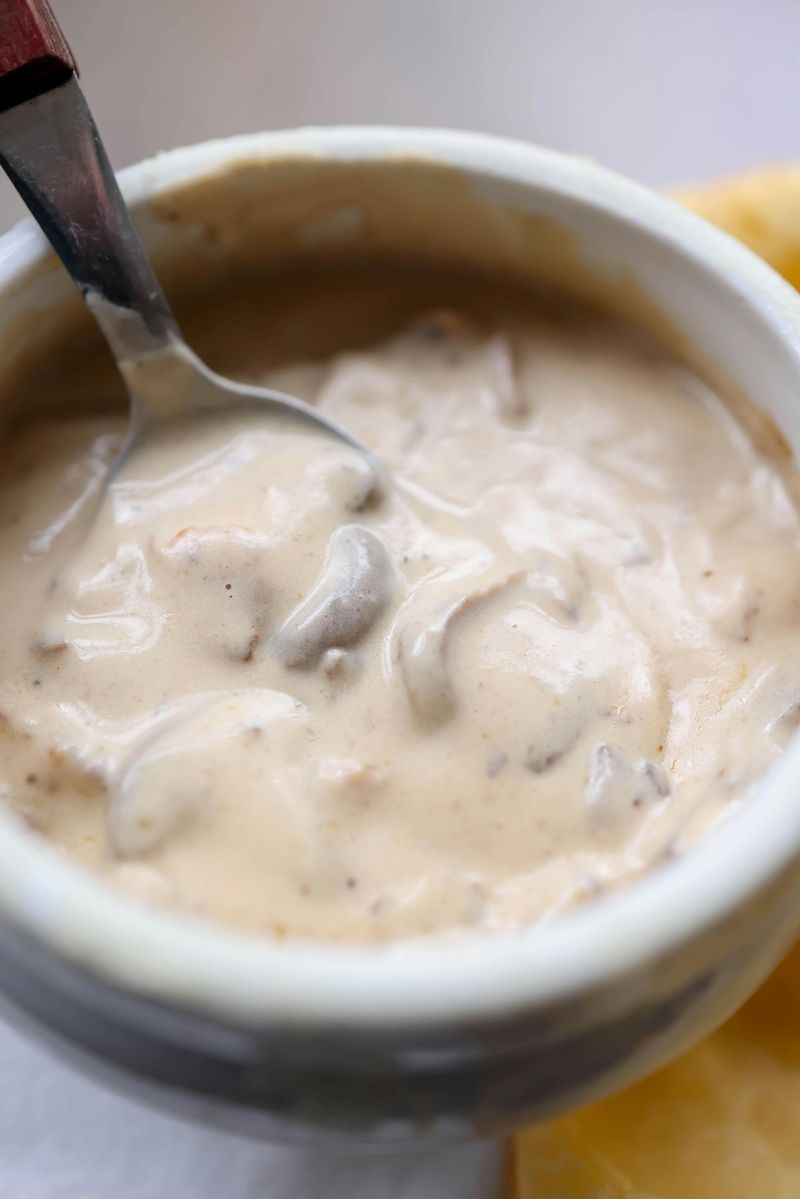
Silky cream sauces feel luxurious, yet the combo of heavy cream and butter can overwhelm digestion. As enzyme production shifts with age, the richness can trigger nausea, reflux, or bloating.
Eating cream-based dishes late at night often makes symptoms louder, leaving you tossing and turning.
Lighten it with half-and-half, a splash of broth, or blended cauliflower for body. Add lemon zest or herbs for brightness instead of extra fat.
Serve smaller portions with a crunchy salad for fiber and contrast. You still enjoy comfort without the post-meal slump that steals energy and makes clothes feel tight by evening.
Spicy peppers
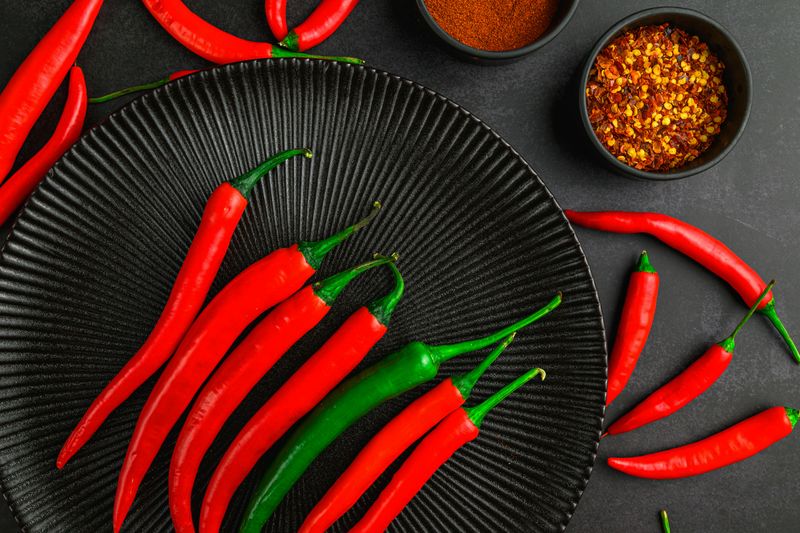
Spicy peppers can rev metabolism, but capsaicin may irritate the esophagus and stomach lining. After 40, reflux can become more common, and extra heat may fan the flames.
The result is burning, hiccups, or that uncomfortable tightness after spicy tacos or stir-fries.
Dial back by deseeding peppers, choosing milder varieties, or adding creamy coolers like yogurt or avocado. Cooking peppers well can soften the blow, and pairing with complex carbs helps buffer irritation.
Keep a food diary to find your comfort zone. You will still enjoy flavor and warmth without paying for it hours later with stubborn heartburn.
Raw onions
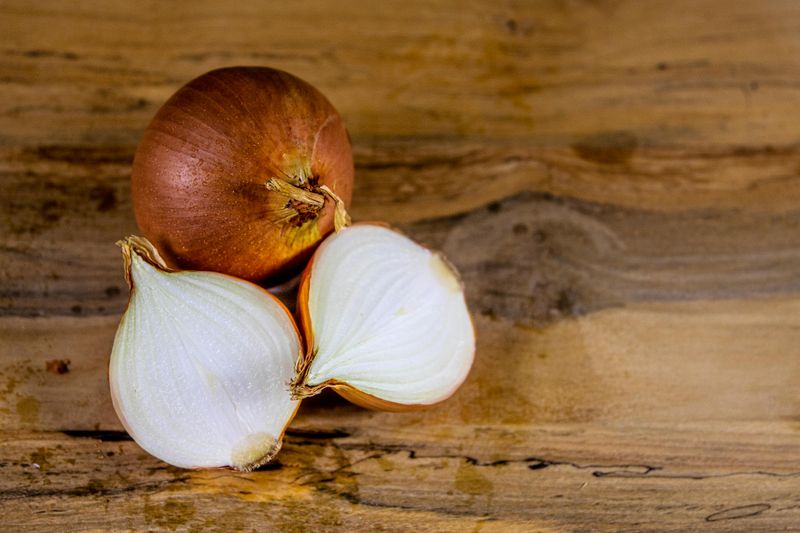
Raw onions can cause gas, bloating, and reflux because of their fermentable carbs and sharp sulfur compounds. As gut sensitivity increases with age, that punch can feel harsher.
Salads and sandwiches loaded with raw onion often taste great going in but feel less friendly later.
Try soaking slices in cold water to mellow them, or switch to pickled or sautéed onions. Cooking reduces bite and can make them easier to tolerate.
If you still struggle, use green onion tops for a gentler flavor. You keep the savory sweetness without the surprise belly balloon that makes jeans feel snug mid-afternoon.
Garlic
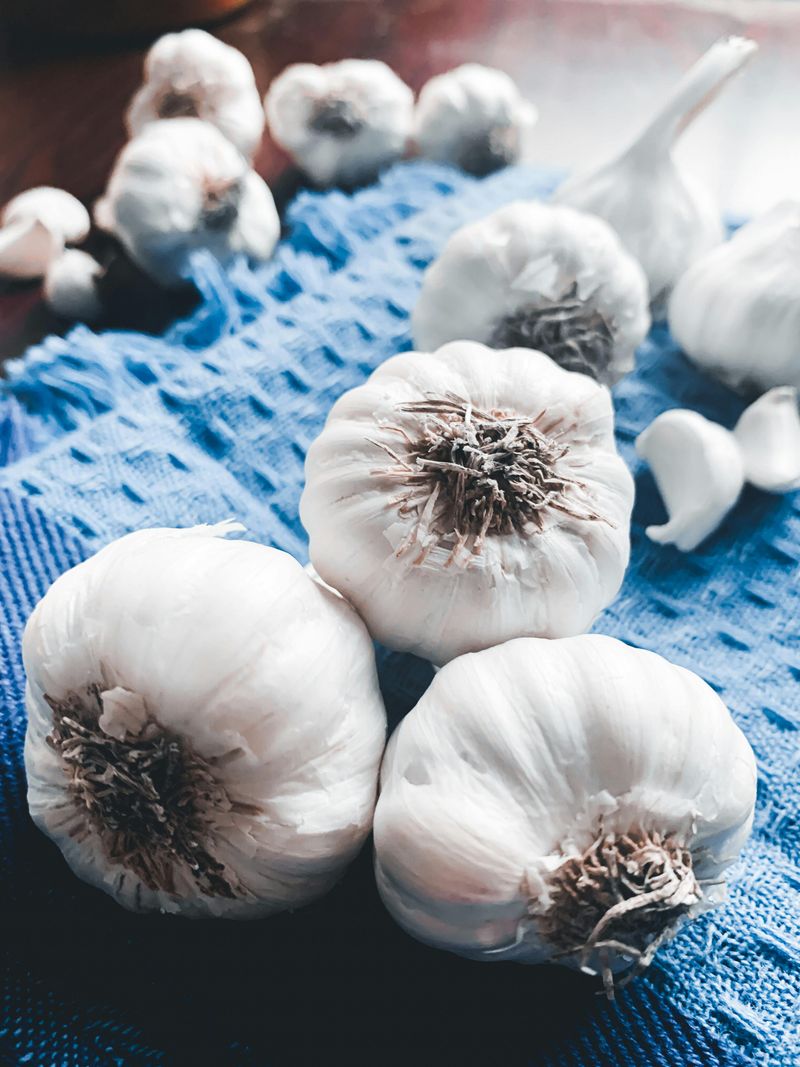
Garlic adds magic to meals, but its fructans can ferment in the gut and create gas. Raw garlic especially can sting, provoking heartburn or stomach upset.
After 40, you might notice that garlicky dressings or bruschetta hit harder than they used to.
Roasting cloves turns them sweet and more digestible, and using garlic-infused oil delivers flavor without the fermentable parts. Keep portions modest, and pair with fiber and lean protein to steady digestion.
If sensitivity persists, reserve garlic for cooked dishes. You still enjoy depth and aroma while reducing the bloating and burn that sometimes shadow a great dinner.
Coleslaw
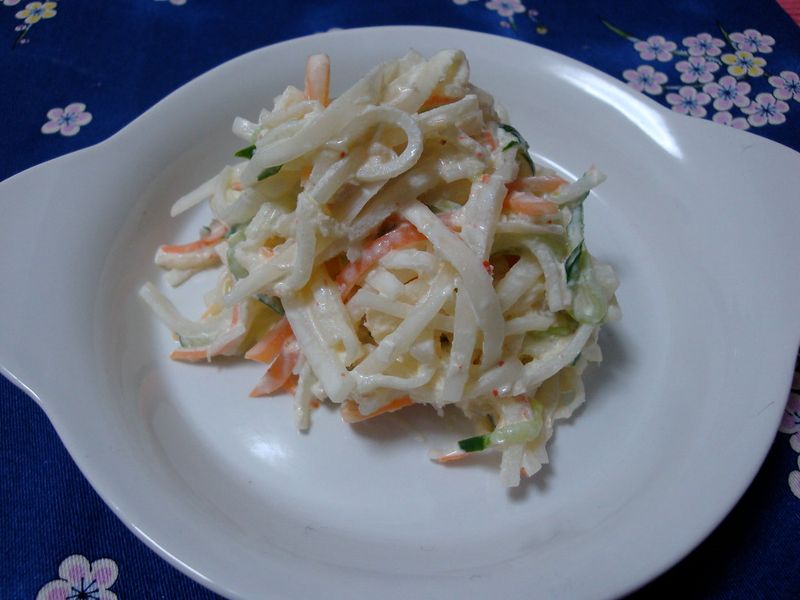
Coleslaw sounds light, yet raw cabbage is high in fiber and sulfur compounds that can cause gas. Creamy dressings add fat that slows digestion, making bloating more likely after 40.
A generous scoop at a cookout might feel fine at first, then turn rumbly later.
Opt for a vinegar-based slaw with a bit of olive oil, and slice cabbage extra thin to make it gentler. Mix in herbs, apples, or fennel for brightness and balance.
Smaller portions also help. You keep the crunch and tang you love without the gassy aftermath that can sneak up on your afternoon plans.
Baked beans
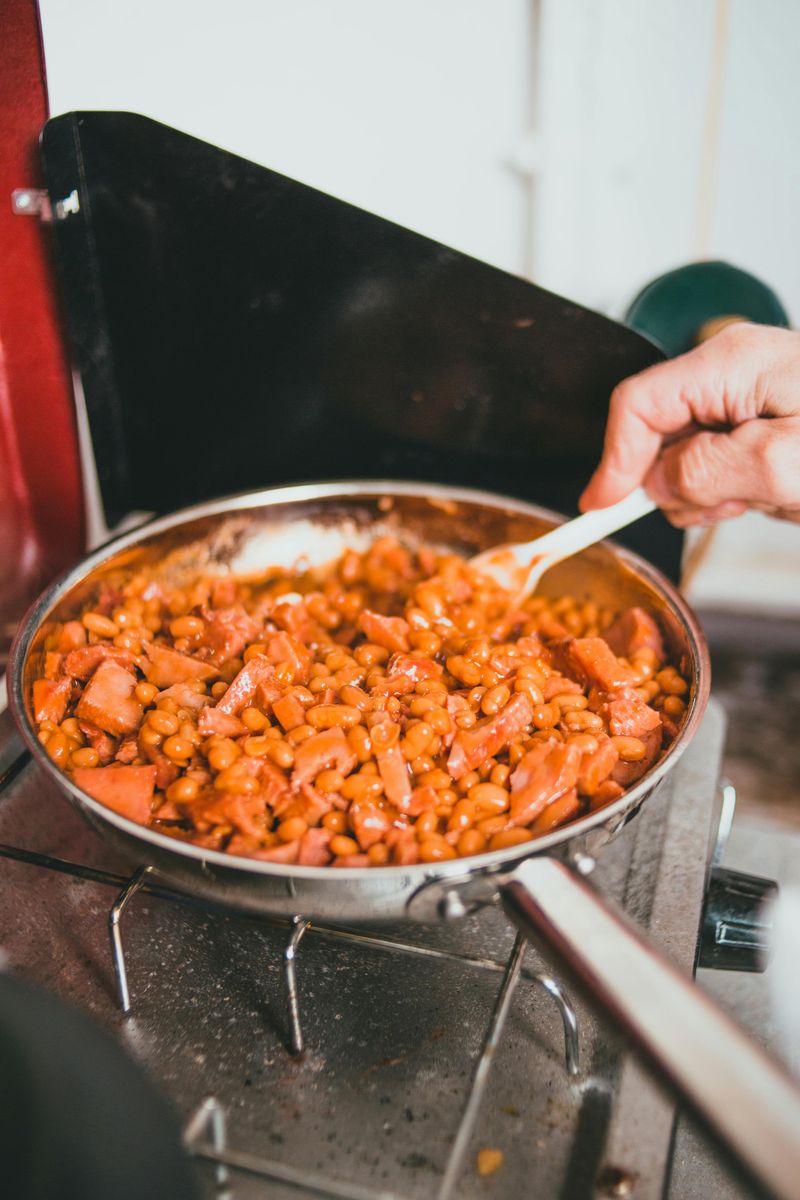
Baked beans offer fiber and plant protein, but their oligosaccharides can ferment and cause gas. Heavily sweetened or molasses-heavy sauces add sugar that may worsen bloating.
As digestion slows a touch with age, a big scoop can feel like a slow-moving freight train.
Soaking and rinsing beans well helps, as does choosing lower-sugar versions. Start with smaller servings and add ginger or cumin to support comfort.
Pairing beans with leafy greens and sipping water can ease things along. You still get hearty comfort and nutrients without the belly chorus that sometimes follows your favorite backyard barbecue plate.
Whole milk
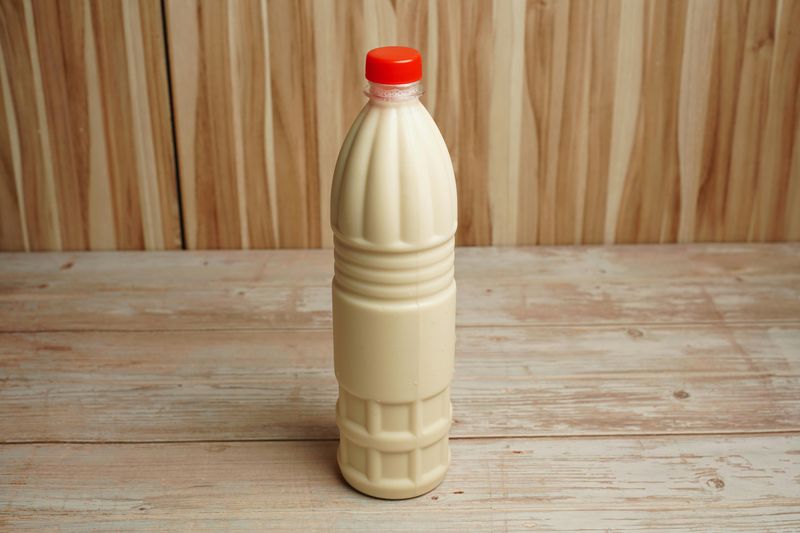
Whole milk’s creamy richness can be challenging if lactose tolerance dips with age. The higher fat content may slow emptying and worsen reflux for some people.
You might notice post-cereal bloating, gurgling, or bathroom urgency that was never an issue before.
Test your tolerance by trying smaller amounts or switching to lactose-free milk. Lower fat options can feel lighter, and pairing dairy with fiber helps.
Non-dairy milks like almond, soy, or oat can be easier on the system depending on additives. You still enjoy smoothies, coffee, and cereal creamy enough to satisfy without that uncomfortable, dragging sensation later.
Soft cheese

Soft cheeses like Brie or Camembert are luscious but often higher in fat, which can provoke reflux. Some contain more lactose than aged hard cheeses, which adds another hurdle.
After 40, your gut may protest that molten baked Brie more than it did before.
Try thin slices, pair with crisp apples, or choose aged Parmesan or cheddar for lower lactose. Enjoy cheese earlier in the day to avoid bedtime heartburn.
Consider lactase tablets if you are sensitive. You still get that indulgent, creamy note without inviting the heavy, lingering fullness that makes you wish you had stopped earlier.
Ice cream

Ice cream blends lactose, fat, and sugar, a trifecta that can challenge digestion after 40. The cold temperature may also trigger cramps in some people.
A few scoops in the evening can lead to bloating or reflux right when you want a restful night.
Consider lactose-free or lower-fat options, or freeze blended banana for a creamy alternative. Add nuts or berries for fiber, and keep scoops modest.
If nighttime is tricky, enjoy it earlier. You still savor a sweet treat without the late-night rumbling that makes you reach for antacids and wonder why dessert turned on you.
Chocolate bars
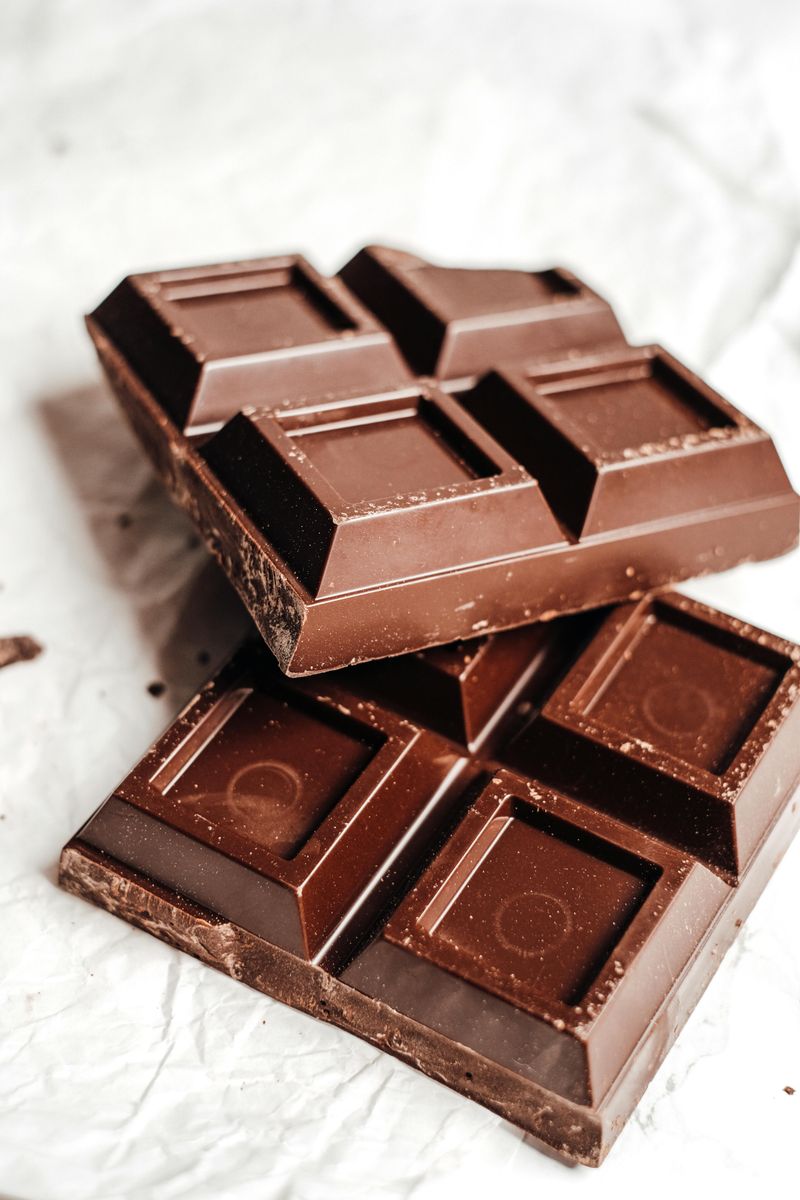
Chocolate bars combine caffeine, fat, and sometimes sugar alcohols, all of which can upset midlife digestion. Caffeine can relax the lower esophageal sphincter, encouraging reflux.
High-fat fillings or nuts may slow emptying, while sweeteners like maltitol can cause gas and urgency.
Choose darker chocolate with simple ingredients and smaller portions. Pair with a handful of berries or a cup of herbal tea to temper intensity.
If nighttime heartburn is a pattern, keep chocolate to earlier hours. You still enjoy that silky snap and cocoa richness without the jittery, heavy aftermath that turns a small treat into a big regret.
Coffee

Coffee can spark joy and also spark reflux by relaxing the esophageal valve and increasing acid. As sensitivity rises with age, multiple cups may trigger burning, nausea, or bathroom sprints.
Additions like cream and sugar can worsen the ride.
Test a smaller mug, switch to medium roasts, or try cold brew, which is often gentler. A splash of lactose-free milk or oat milk may help.
Drink with food to buffer acidity, and stop by early afternoon to protect sleep. You still get your ritual and focus without the roller coaster your stomach keeps complaining about afterward.
Red wine

Red wine’s tannins and acidity can aggravate reflux, especially after 40. Alcohol also relaxes the esophageal sphincter and can disrupt gut motility.
A couple of glasses may feel fine socially, then echo as nighttime burning or restless sleep.
Try smaller pours, sip water between glasses, and choose lower-acid varietals. Enjoy with a protein-rich meal rather than on an empty stomach.
If symptoms persist, limit red and explore lighter options like a wine spritzer. You preserve the ritual and conversation while sidestepping the next-day drag and chest warmth that says your esophagus needed a gentler plan.
Soda

Soda brings carbonation, acidity, and sugar or artificial sweeteners that can all disrupt digestion. Bubbles increase pressure and belching, pushing acid upward.
As your system gets more sensitive after 40, that fizzy lift can feel like a trap.
Choose flat beverages, lightly flavored water, or herbal iced tea. If you crave the kick, pour soda over ice and let it go slightly flat, then sip with a meal.
Keep portions smaller to avoid the belly balloon effect. You still get refreshment and a hint of sweetness without the burpy discomfort that follows you into meetings or bedtime.
Fast food burgers
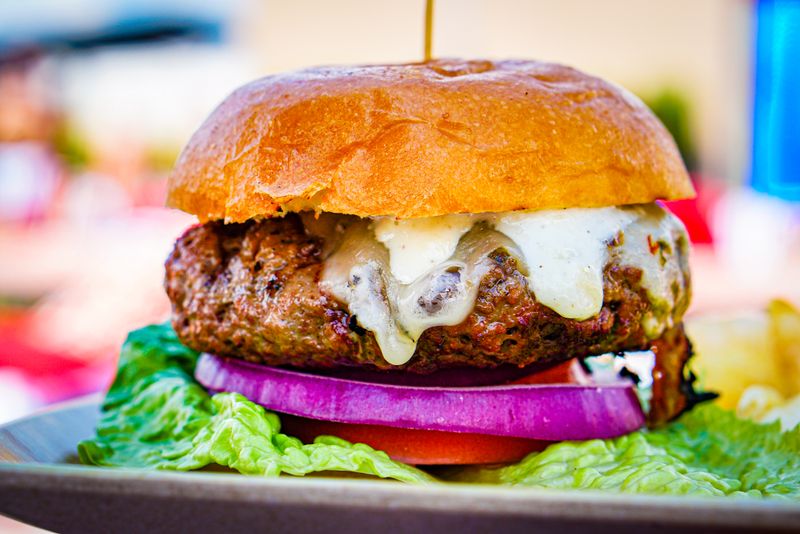
Fast food burgers combine high fat, refined carbs, and often onions or sauces that irritate. Big portions slow digestion, raising chances of reflux and heaviness.
After 40, that combo tends to sit like a rock, even if it hits nostalgic cravings.
Downsize to a single patty, skip heavy sauces, and add extra lettuce or tomato. Choose grilled options and pair with a side salad instead of fries.
Eat slowly and stop at comfortable fullness. You keep the burger experience while reducing the sluggish, bloated aftermath that can derail the rest of your afternoon or evening plans.
French fries
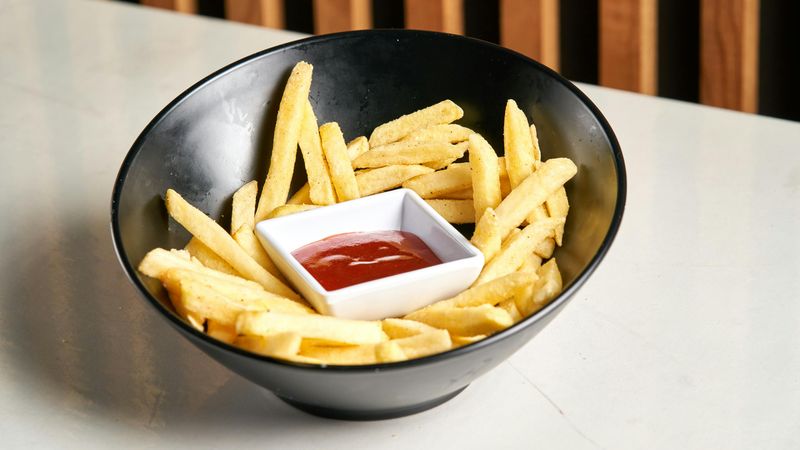
French fries are deliciously salty and crisp, but deep-frying loads them with fat that delays digestion. The starch-fat combo can spike and crash energy, leaving you queasy or sleepy.
After 40, you might feel more reflux or tightness after a large order.
Consider oven-roasted or air-fried potatoes with olive oil and herbs. Pair with a lean protein and greens for balance.
Salt lightly and keep portions mindful. You still get the savory crunch without the greasy coating that your stomach keeps complaining about long after the basket is empty and the check has already arrived.
White bread
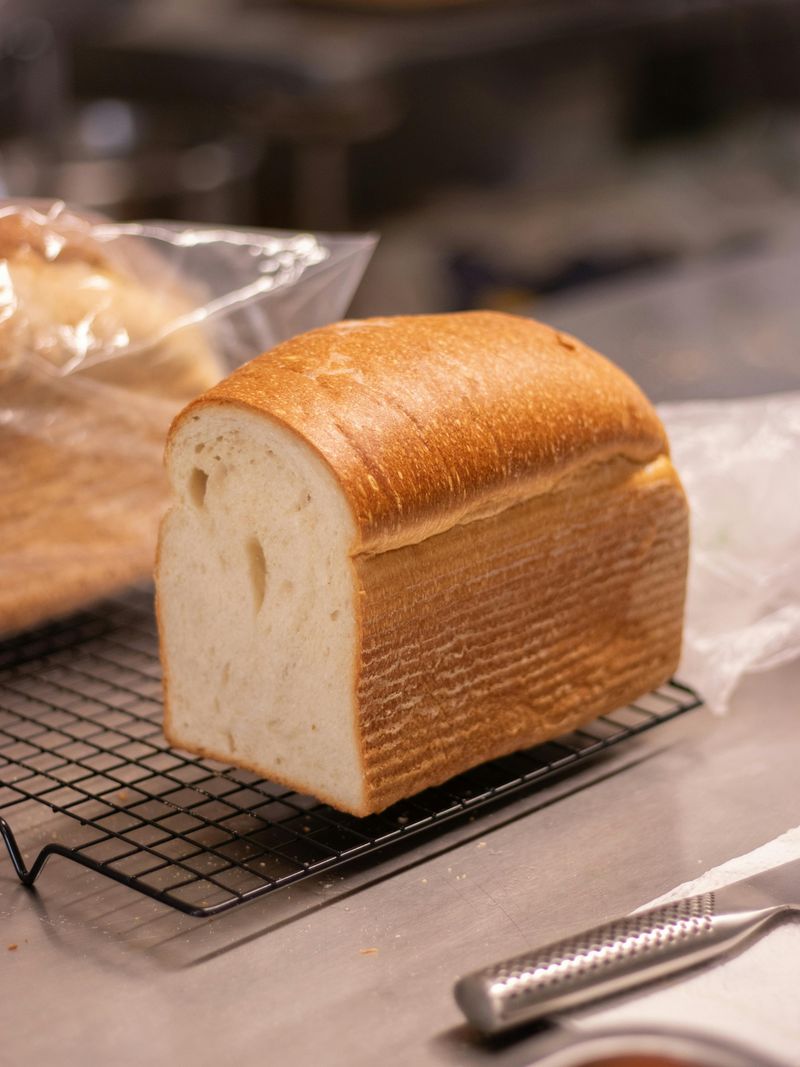
White bread digests quickly and can cause blood sugar spikes followed by crashes, which may worsen nausea or reflux. Lacking fiber, it moves fast but does not support comfortable motility.
After 40, that quick burn can translate to bloating or hunger soon after.
Swap in sourdough or whole grain bread with visible seeds for more fiber and a gentler rise. Toasting can help, too.
Pair with protein and healthy fats to steady digestion. You keep the sandwich game strong while dodging the roller coaster that leaves you uncomfortable, unfocused, and rummaging for snacks an hour later.
Sweet pastries
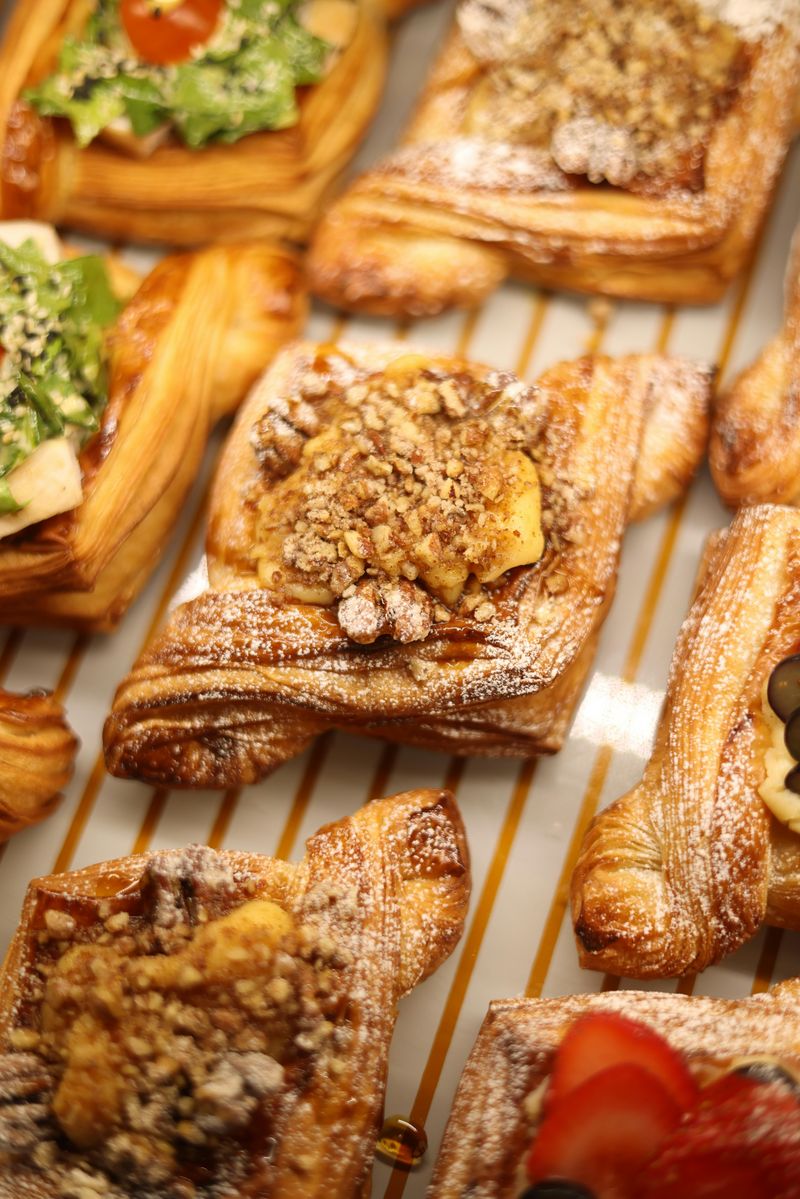
Sweet pastries blend refined flour, sugar, and often butter, a trio that can upset midlife digestion. The quick spike and crash can spark nausea, while the fat slows emptying and fuels reflux.
A danish that seemed harmless at breakfast might echo all morning.
Choose a smaller pastry, share one, or opt for yogurt with fruit and nuts. If you indulge, add protein and a walk to help your system cope.
Save richer treats for earlier hours. You still enjoy flaky layers and sweetness without the lingering heaviness that makes concentration tough and afternoon energy feel miles away.
Fried chicken
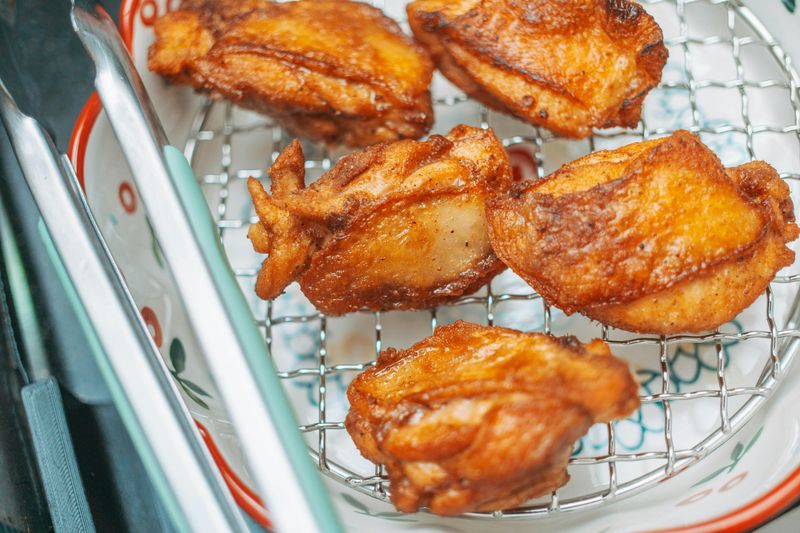
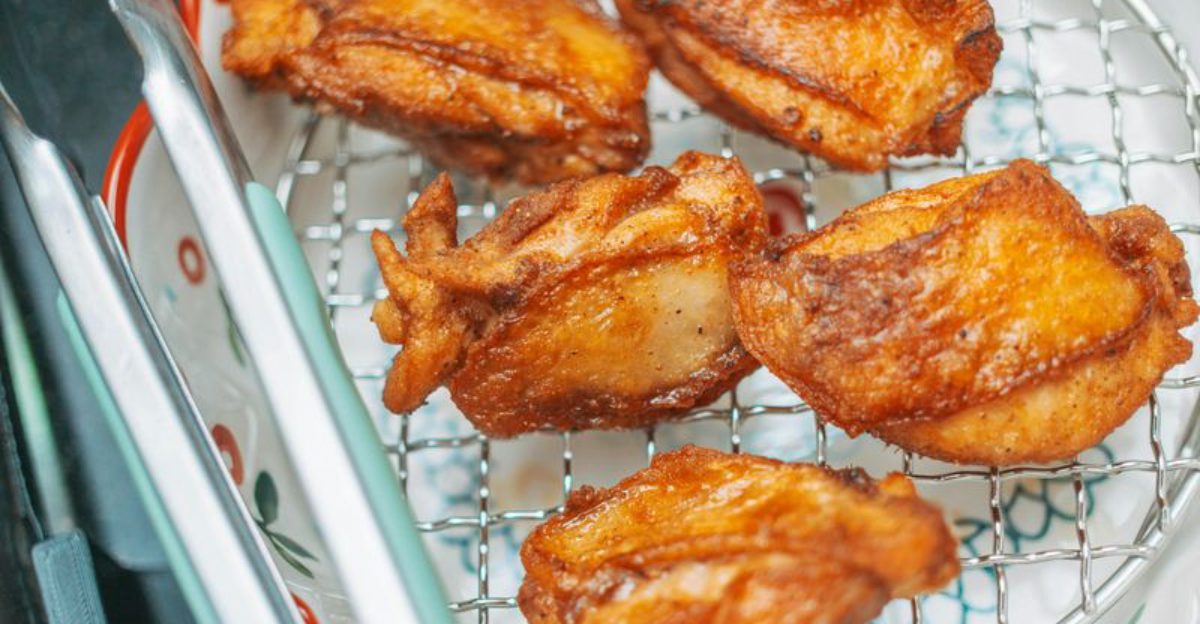
Fried chicken tastes amazing, but the high fat content can slow stomach emptying and trigger reflux. After 40, digestion often gets less efficient, so heavy breading and oil can feel like a brick.
You might notice bloating, belching, or that burning sensation that creeps up after dinner.
If you crave the crunch, try oven-baked or air-fried versions with a lighter coating. Pair them with leafy greens or steamed vegetables to add fiber and balance.
Keeping portions smaller helps, too. You still get flavor and satisfaction without the aftermath that keeps you up at night wondering what went wrong.
Enjoyed this story?
Add Fast Food Club as a preferred source to see more of our reporting on Google.