


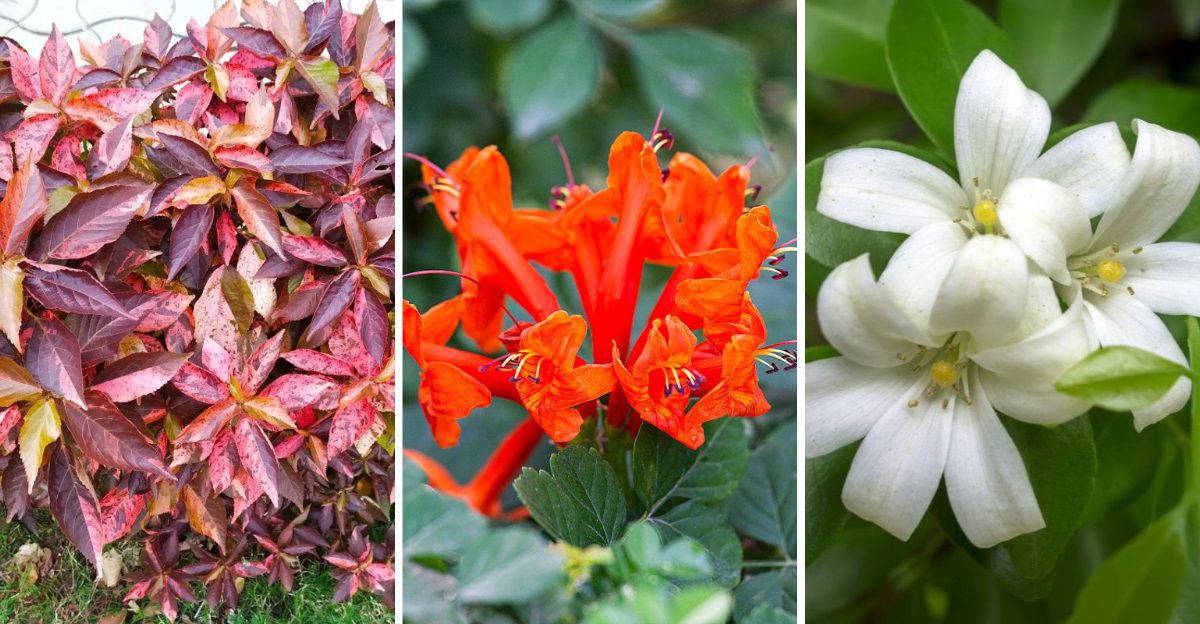
Florida gardeners know the struggle of finding plants that can take the heat and humidity without throwing a fit. The good news is that plenty of flowering shrubs actually thrive in those sticky, swampy conditions that would wilt most plants.
Whether you have a sunny backyard or a shady corner, there is something on this list for every Florida landscape. These tough beauties bring color, fragrance, and life to your yard all year long.
Ixora
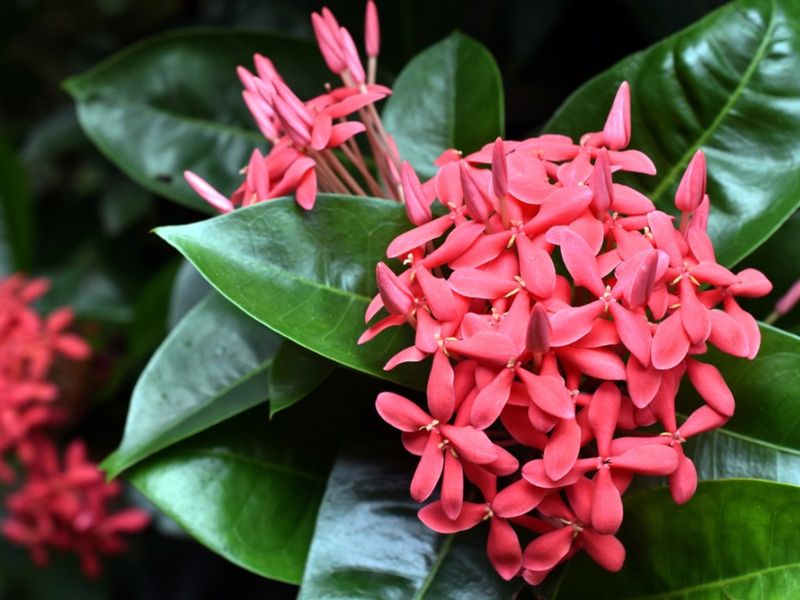
Few shrubs put on a color show quite like Ixora. Those tight, rounded clusters of tiny red, orange, or pink flowers pop against glossy dark green leaves, making it one of the most eye-catching plants in any Florida yard.
Ixora loves the heat and humidity, thriving where other plants struggle. It grows best in acidic soil with good drainage and full to partial sun.
Butterflies and hummingbirds can not resist it either.
Gardenia
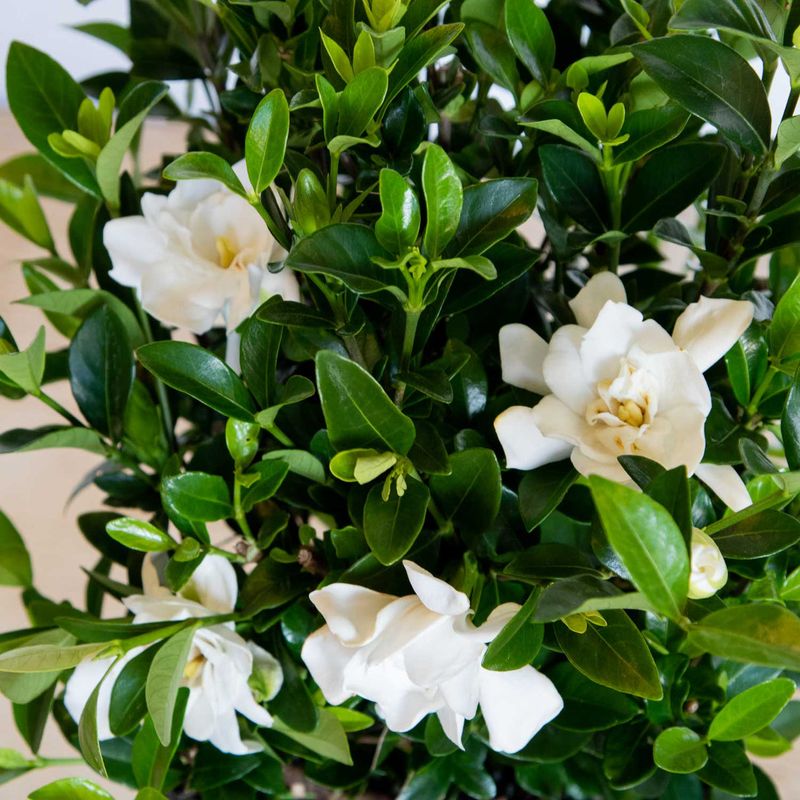
Walk past a gardenia in bloom and you will stop in your tracks. The thick, creamy white flowers release one of the most intoxicating fragrances in the plant world, and Florida’s warm, humid climate is basically gardenia paradise.
Plant it where you spend time outdoors so you can enjoy the scent. Gardenias do best in acidic, well-drained soil with morning sun and afternoon shade.
Watch for whiteflies, but do not let that stop you from growing this classic beauty.
Jatropha
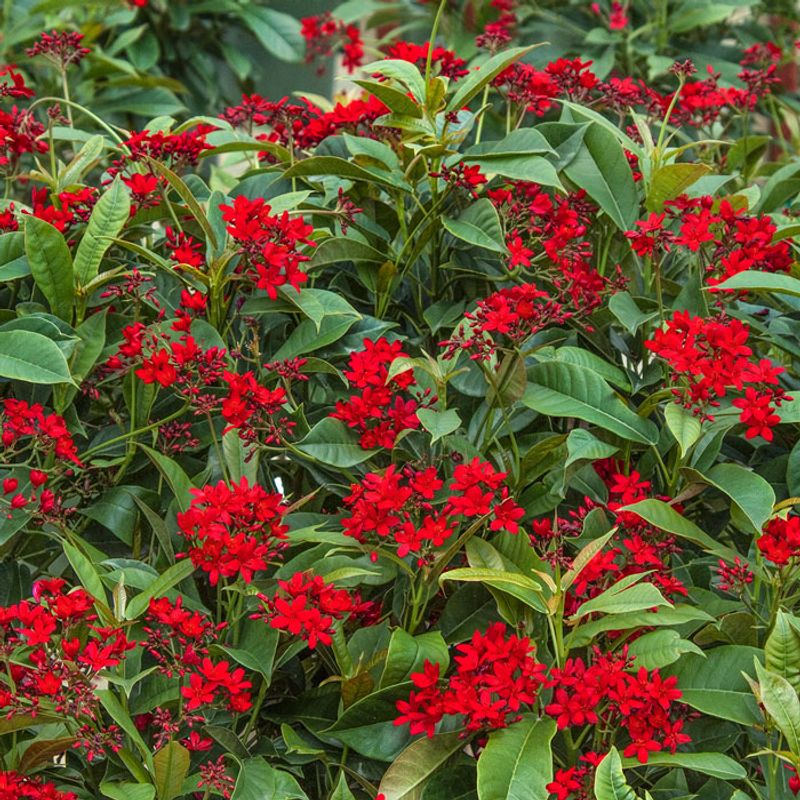
Jatropha is the kind of shrub that looks tropical without trying too hard. Its cheerful clusters of small red or coral flowers bloom nearly year-round in Florida, making it a reliable source of color through every season.
This shrub handles humidity like a champ and is also drought-tolerant once established, so it is pretty low maintenance. Butterflies flock to it constantly.
Just keep it away from pets and kids since all parts of the plant are toxic if eaten.
Hibiscus
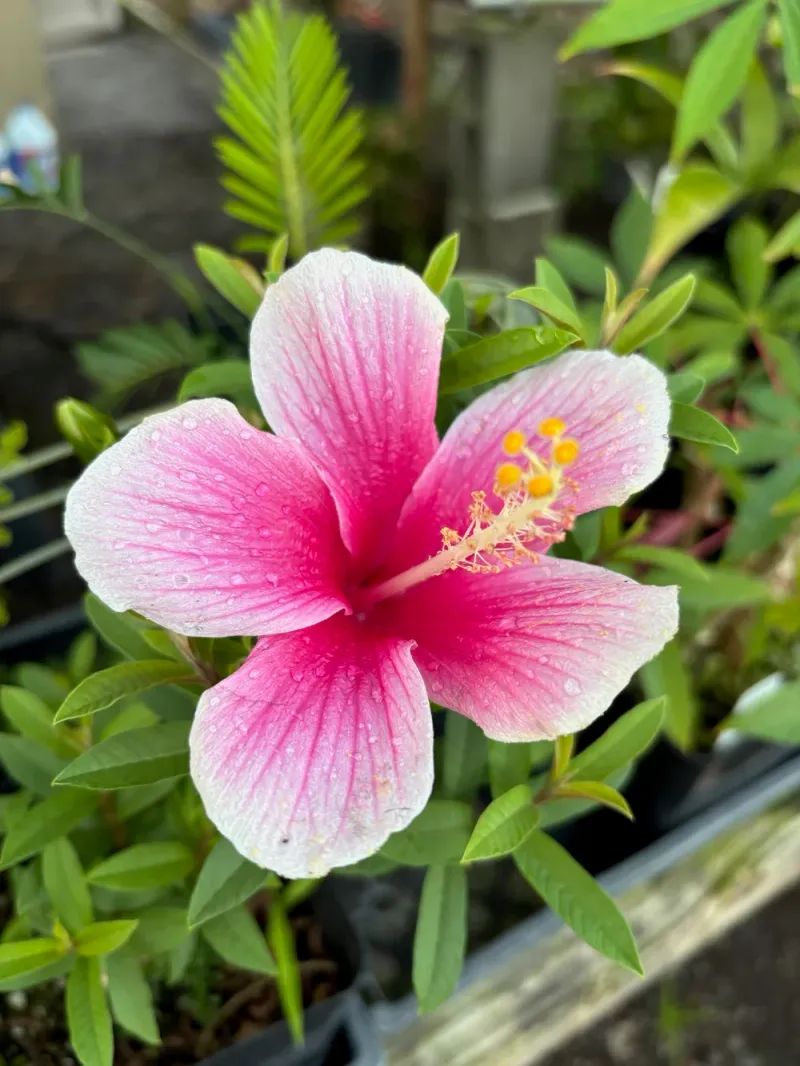
Hibiscus is practically the mascot of Florida gardening. The blooms are enormous, dramatic, and come in every color imaginable, from deep red to cotton candy pink to bright yellow with contrasting centers.
Tropical hibiscus varieties thrive in Florida’s heat and humidity and can flower almost nonstop. They love full sun and regular feeding to keep those blooms coming.
Even beginners find hibiscus easy to grow, and the flowers are edible too, often used in teas and salads.
Firespike
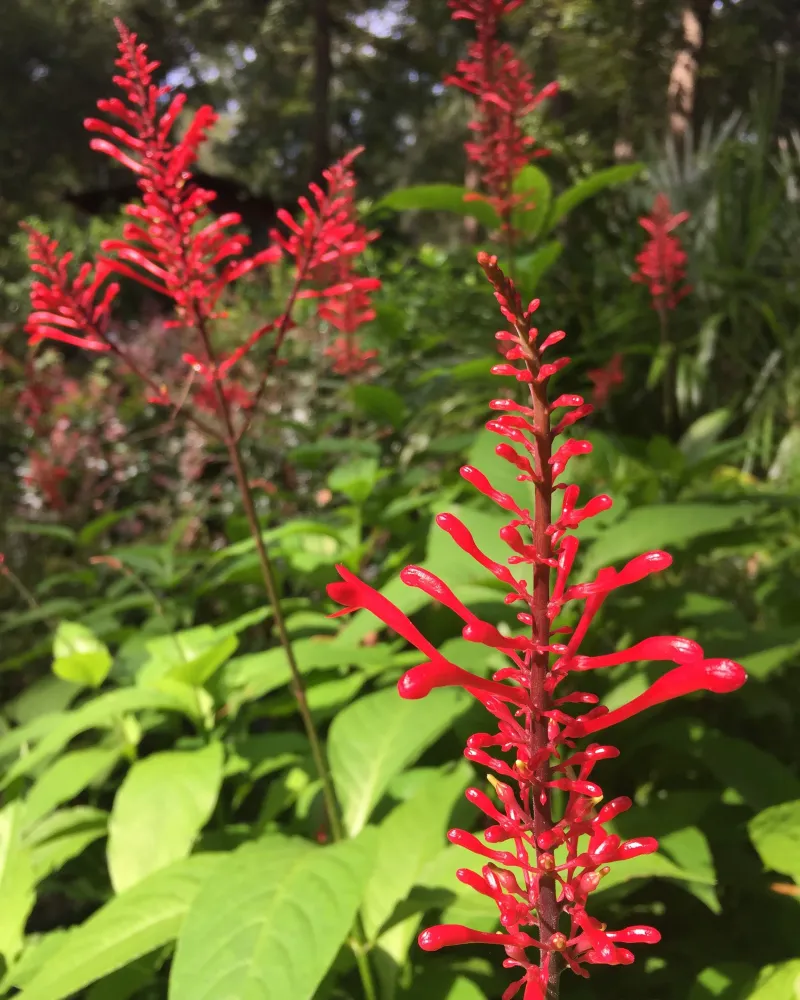
Hummingbirds absolutely lose their minds over firespike. The long, tubular red flowers are perfectly shaped for hummingbird feeding, and a single blooming plant can attract several birds at once during migration season.
What makes firespike especially practical for Florida gardeners is its love of shade. Most flowering shrubs want full sun, but firespike thrives in partial to full shade, making it ideal for tricky spots under trees.
It blooms heavily in fall and winter when little else does.
Thryallis
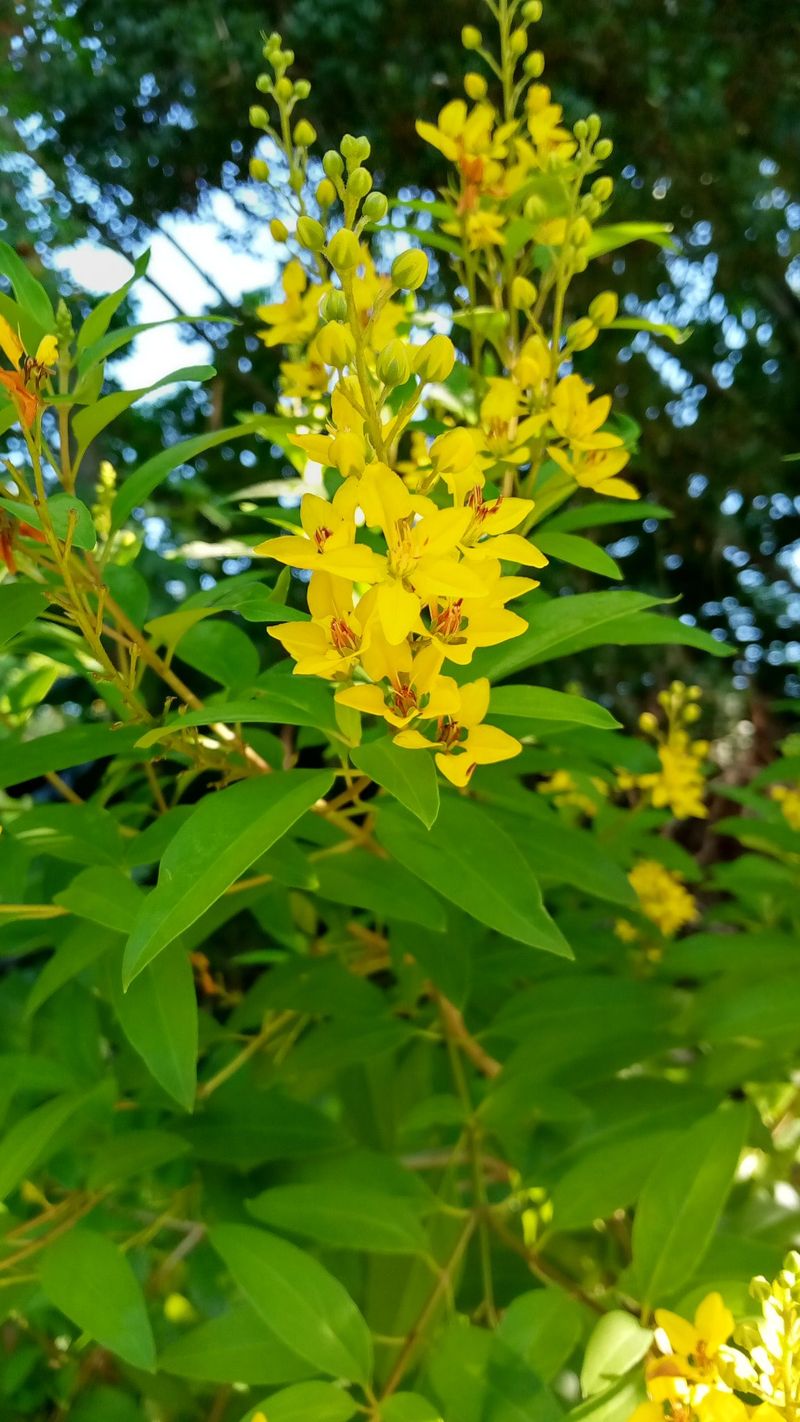
Sunny, cheerful, and almost impossibly easy to grow, thryallis is a Florida gardener’s secret weapon. This shrub produces masses of tiny golden yellow flowers from spring all the way through fall, giving your yard months of warm, sunny color.
It handles heat and humidity without complaint and is even somewhat drought-tolerant once settled in. Thryallis works beautifully as a hedge or a standalone accent plant.
Butterflies love it, and it rarely needs much pruning to stay tidy and attractive.
Dwarf Powderpuff
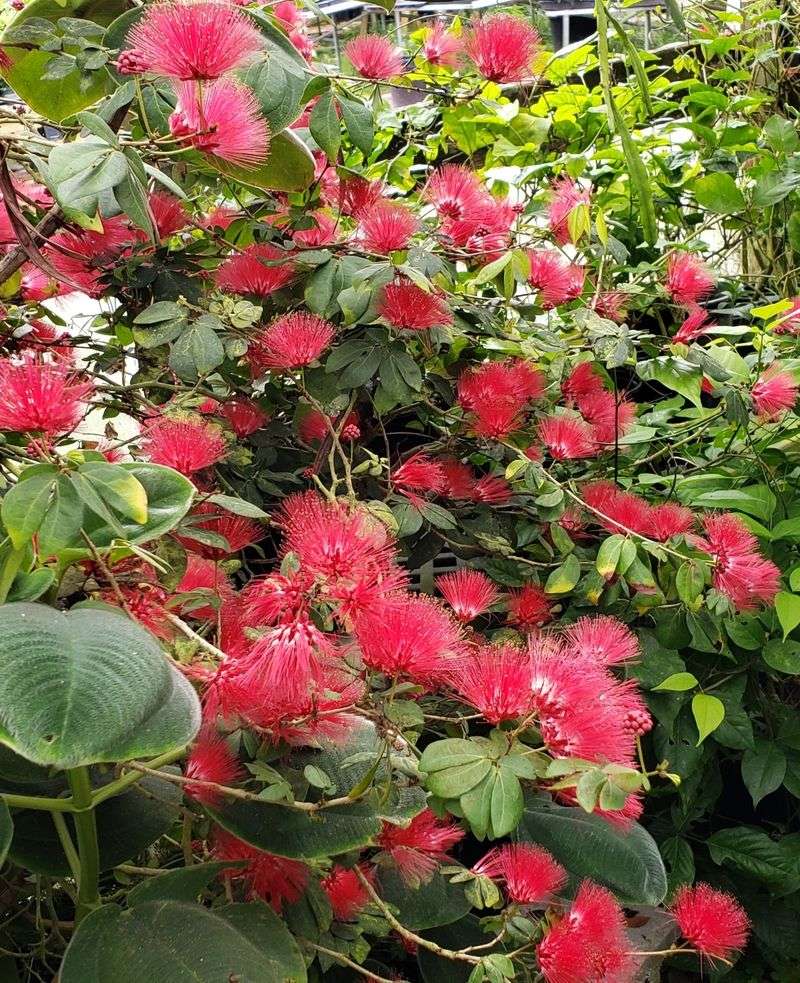
If a plant could be described as whimsical, the dwarf powderpuff is it. Its flowers look exactly like soft pink or red pom-poms, which makes it a conversation starter every single time someone sees it for the first time.
Native to tropical regions, it fits right into Florida’s humid climate and blooms generously throughout the year. It grows well in full sun to partial shade and stays compact enough for smaller yards or container gardens.
Butterflies and bees are regular visitors.
Panama Rose
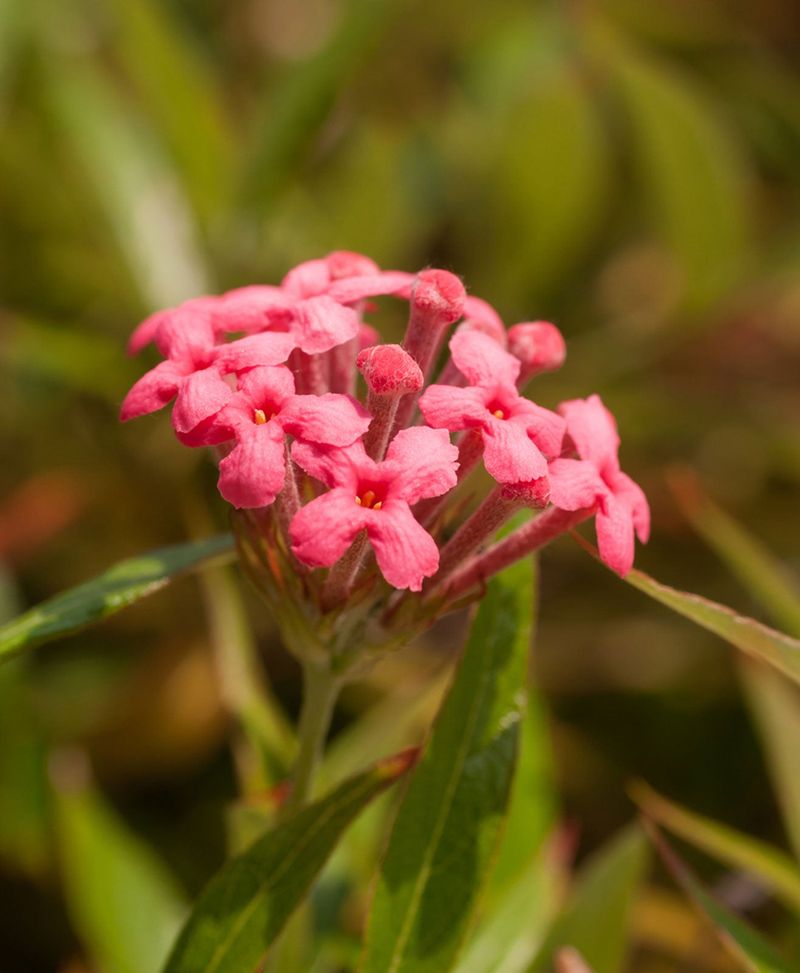
Panama rose earns its place in Florida gardens with practically zero fuss. This tough little shrub produces clusters of tiny red tubular flowers almost year-round, and it handles the heat, humidity, and even occasional drought without skipping a beat.
It is a favorite among gardeners who want continuous color without constant maintenance. Hummingbirds and butterflies are drawn to the blooms regularly.
Panama rose works well as a low hedge, a border plant, or tucked into a mixed tropical planting for layered visual interest.
Blue Plumbago
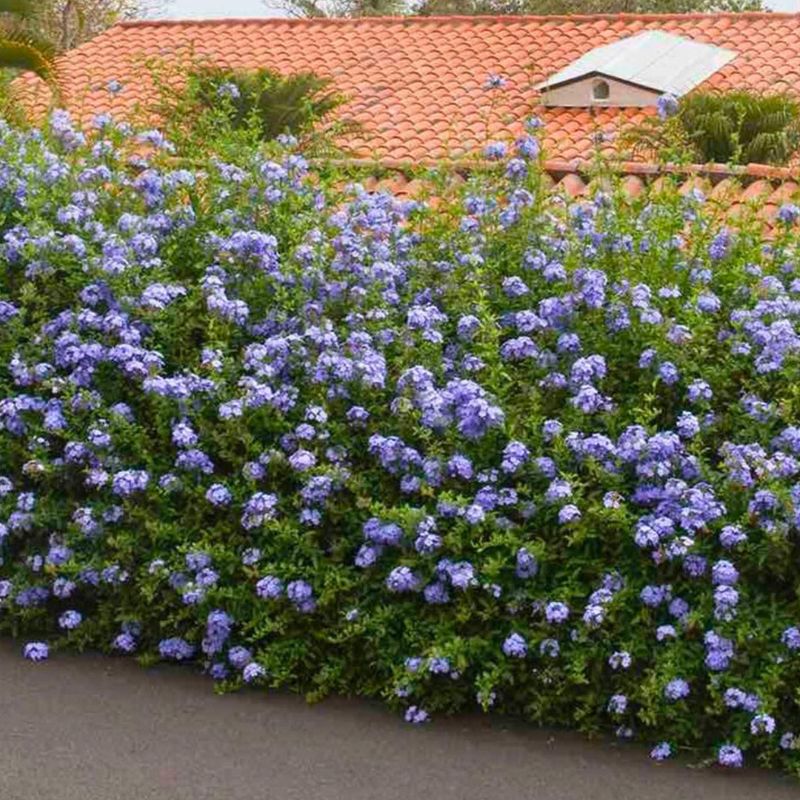
There is something refreshing about blue plumbago, especially in the blazing Florida summer. The soft, sky-blue flower clusters seem to cool down the whole garden just by being there, which is a welcome visual trick when temperatures climb past 90 degrees.
Plumbago is incredibly adaptable, growing well in full sun or partial shade and tolerating both humidity and dry spells. It spreads nicely as a ground cover or cascades beautifully over walls and fences.
Butterflies are especially fond of the blooms.
Firecracker Plant
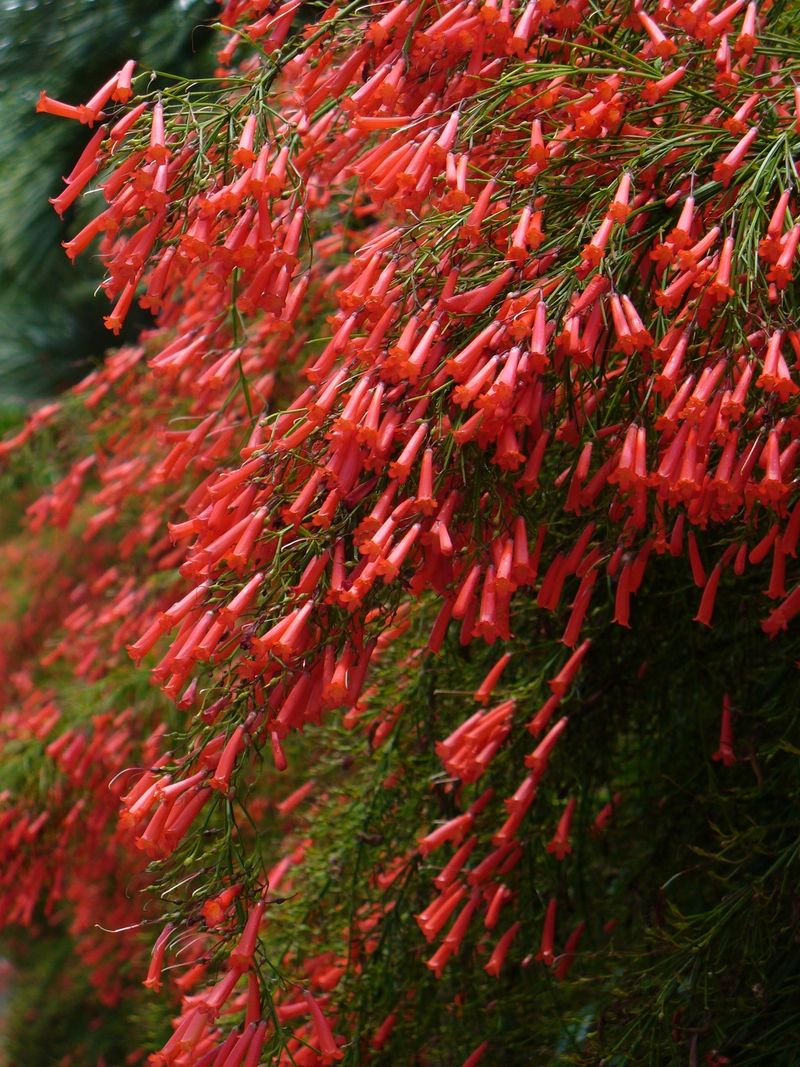
The firecracker plant lives up to its name with explosive color and non-stop blooming. Slender arching branches are lined with tiny tubular flowers in red, orange, or yellow, creating a fireworks effect that lasts most of the year in Florida’s climate.
It thrives in full sun and handles humidity without issue. Hummingbirds treat it like their personal buffet, and butterflies are not far behind.
It is also salt-tolerant, making it a solid choice for coastal Florida gardens near the beach.
Orange Jasmine
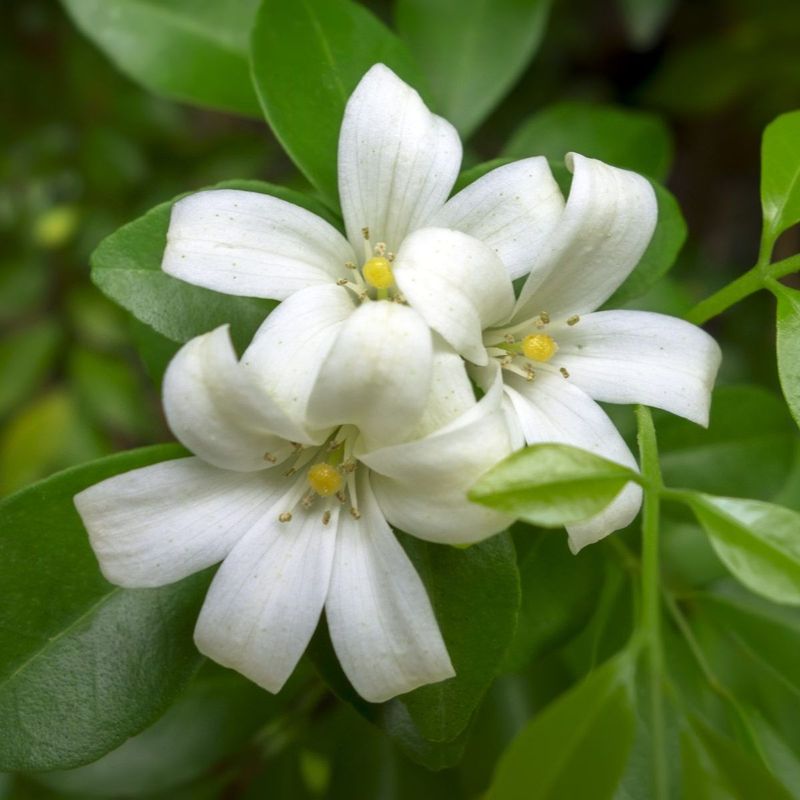
Do not let the name fool you. Orange jasmine does not have orange flowers.
Instead, it produces small clusters of white star-shaped blooms that smell remarkably like orange blossoms, filling the air around it with a sweet, citrusy fragrance that is hard to forget.
It grows quickly into a dense, attractive hedge and handles Florida’s humidity very well. Full sun to partial shade suits it fine.
Use it near entryways, patios, or windows so the scent drifts inside on warm evenings.
Natal Plum
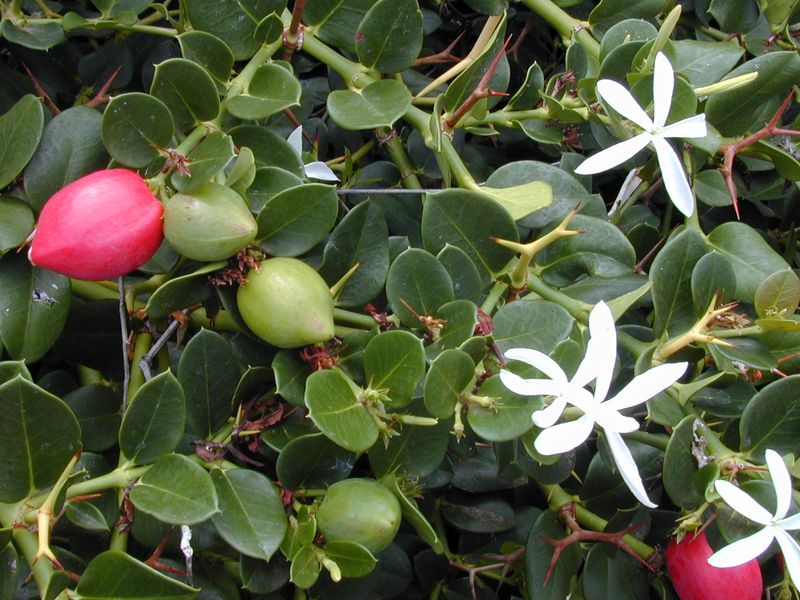
Natal plum is one of the toughest flowering shrubs you can plant in Florida, and it looks great while proving it. The glossy dark green leaves, fragrant white star-shaped flowers, and bright red edible berries make it a triple-threat in the landscape.
Originally from South Africa, it handles heat, humidity, salt spray, and drought like a seasoned Florida native. The thorny branches also make it a natural security hedge.
Just be careful around the plant since the sap can irritate skin.
Azalea
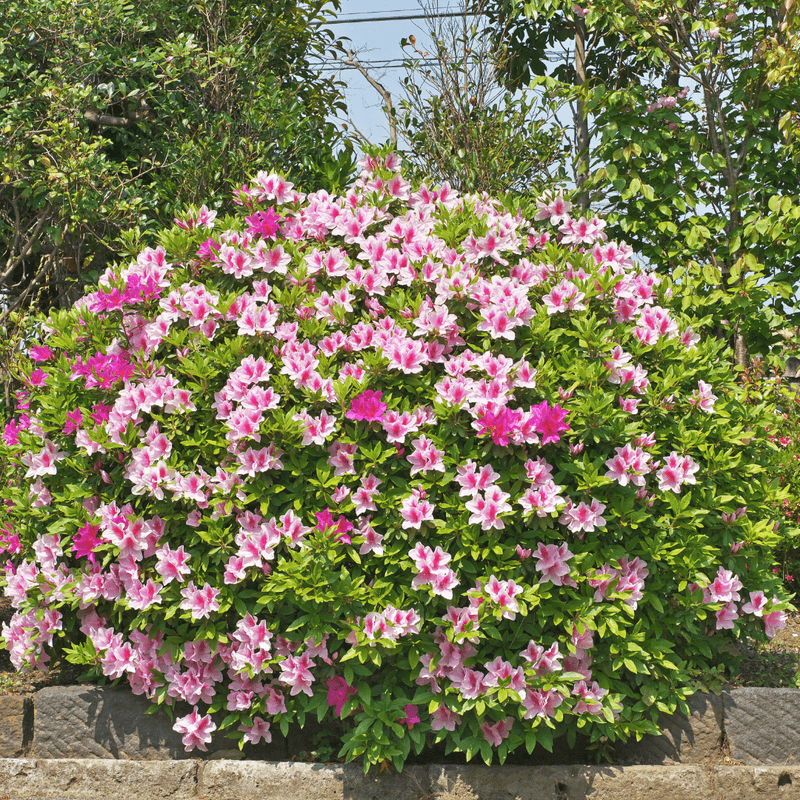
Every spring in North and Central Florida, azaleas put on a show that stops traffic. Entire shrubs disappear under waves of pink, red, white, or purple blooms, creating some of the most dramatic floral displays in any residential landscape.
Florida-friendly varieties like Encore azaleas actually bloom multiple times per year instead of just once in spring. They prefer acidic, well-drained soil and dappled shade.
Once established, azaleas are surprisingly resilient and can handle Florida’s humidity without developing serious disease problems.
Indian Hawthorn
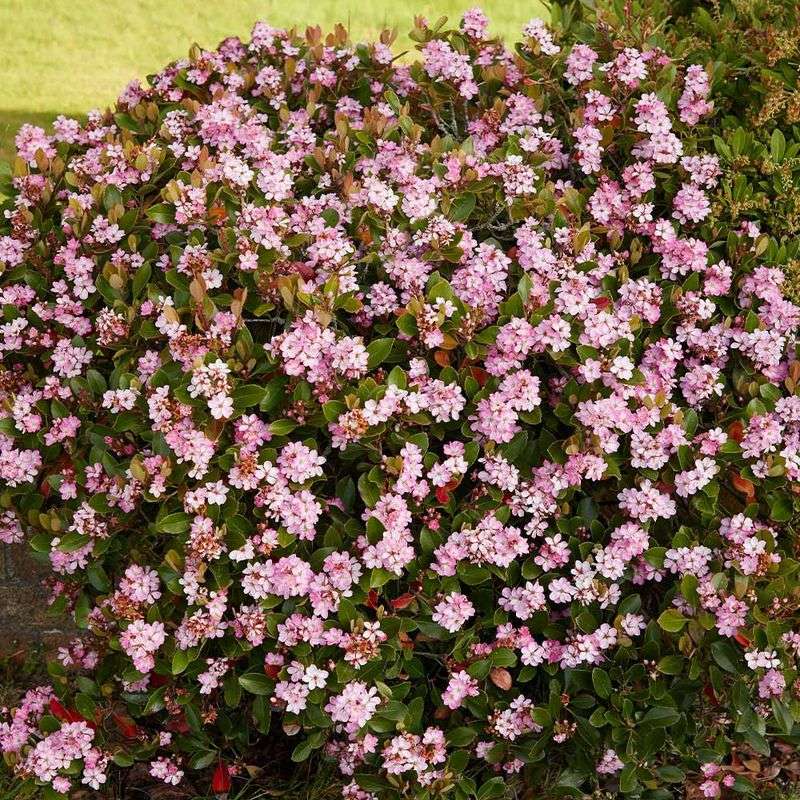
Indian hawthorn is the dependable workhorse of Florida’s flowering shrub world. It blooms reliably in spring with clusters of small pink or white flowers, and the dark, leathery leaves stay attractive and dense all year long even during Florida’s hottest months.
It handles humidity, heat, and salt air without much complaint, making it popular along coastal properties. Indian hawthorn works well as a low border, foundation plant, or mass planting.
It stays fairly compact and rarely needs heavy pruning to maintain a clean shape.
Gold Mound Duranta
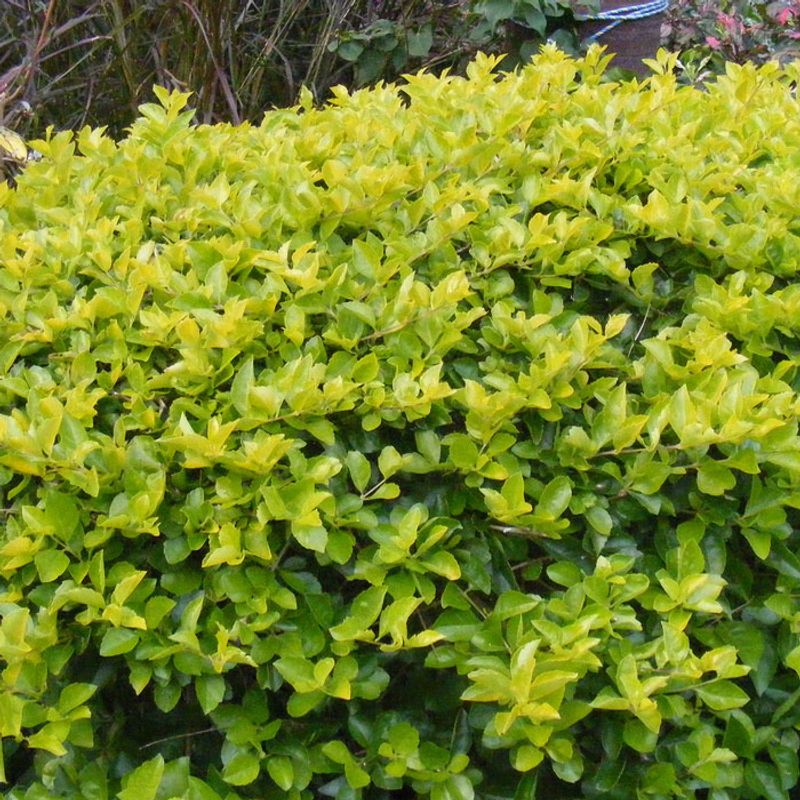
Gold mound duranta is almost more famous for its foliage than its flowers, and that is saying something. The chartreuse to golden-yellow leaves glow in the sun, creating a vivid contrast against darker plants in any Florida landscape design.
Bonus: it also produces delicate clusters of small purple or blue flowers that attract butterflies in droves. It grows vigorously in full sun and handles heat and humidity easily.
Regular trimming keeps it tidy and encourages fresh, brightly colored new growth throughout the season.
Copperleaf
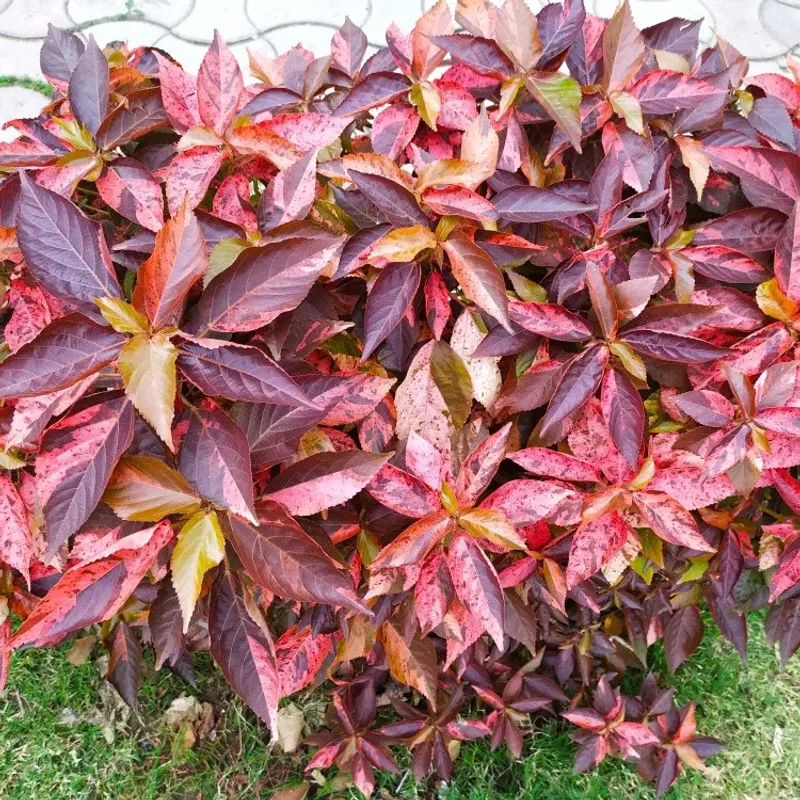
Copperleaf is grown almost entirely for its spectacular foliage, and it earns every bit of the attention it gets. The leaves come in stunning combinations of red, copper, bronze, and green, and they stay vivid all year in Florida’s warm climate without needing much care.
While it does produce small flowers, the foliage is the real star of the show. It grows quickly in full sun, handles humidity well, and works beautifully as a bold accent or colorful hedge in tropical-style landscapes throughout Florida.
Cape Honeysuckle
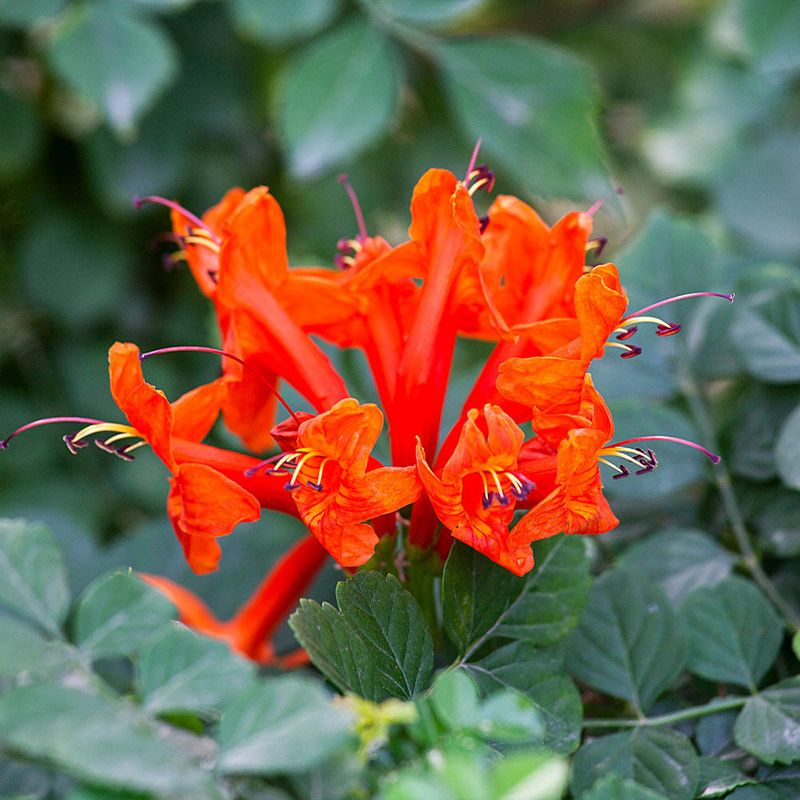
Cape honeysuckle is a showoff, and it knows it. This vigorous shrub produces bold clusters of orange or red tubular flowers that practically glow against its dark green ferny foliage, and it blooms most heavily in fall and winter when many other plants take a break.
It handles Florida’s humidity and heat without any drama and can be trained as a vine, a sprawling shrub, or even a hedge. Hummingbirds are obsessed with the flowers.
It is also salt-tolerant, which is a big plus for coastal gardeners.
Allamanda
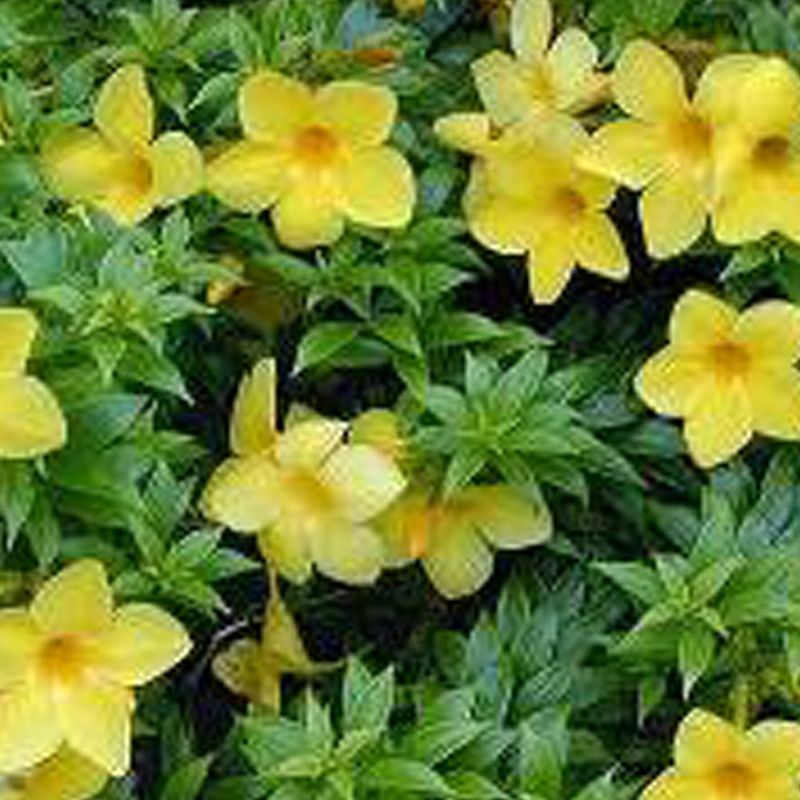
Big, bold, and unapologetically tropical, allamanda announces itself with giant golden-yellow trumpet flowers that seem almost too beautiful to be real. Florida’s heat and humidity are exactly what this plant craves, and it responds with near-constant blooming throughout the warm months.
It thrives in full sun and grows quickly, which means it fills in a space fast. Allamanda works well as a sprawling shrub, a trellis climber, or a container plant on a sunny patio.
All parts are toxic, so keep it away from children and pets.
Dwarf Firebush
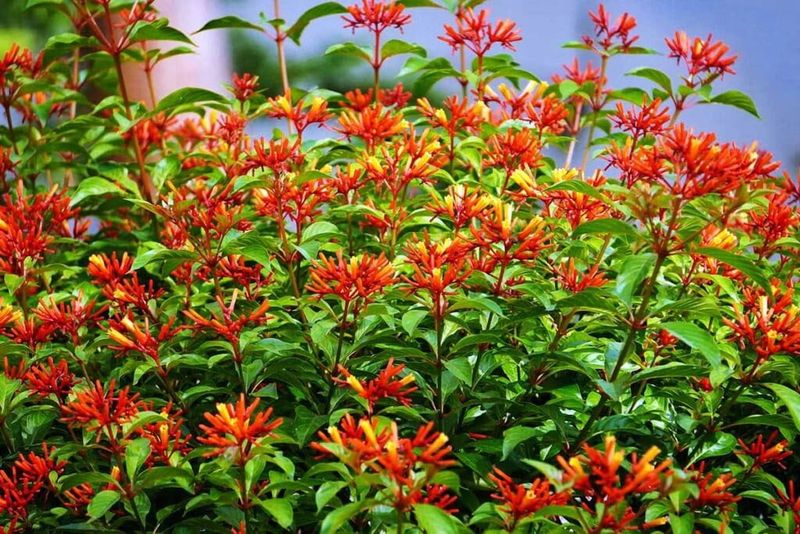
Firebush is a Florida native, and the dwarf variety brings all that wildlife-friendly energy in a more compact package. The tubular orange-red flowers are magnets for hummingbirds, butterflies, and even some songbirds, turning your yard into a little ecosystem all on its own.
It thrives in full sun and handles humidity, heat, and even brief dry spells without a problem. The foliage sometimes turns brilliant red in cooler months, adding a bonus seasonal display.
It is also extremely low maintenance once it gets established in the landscape.
Rose of Sharon
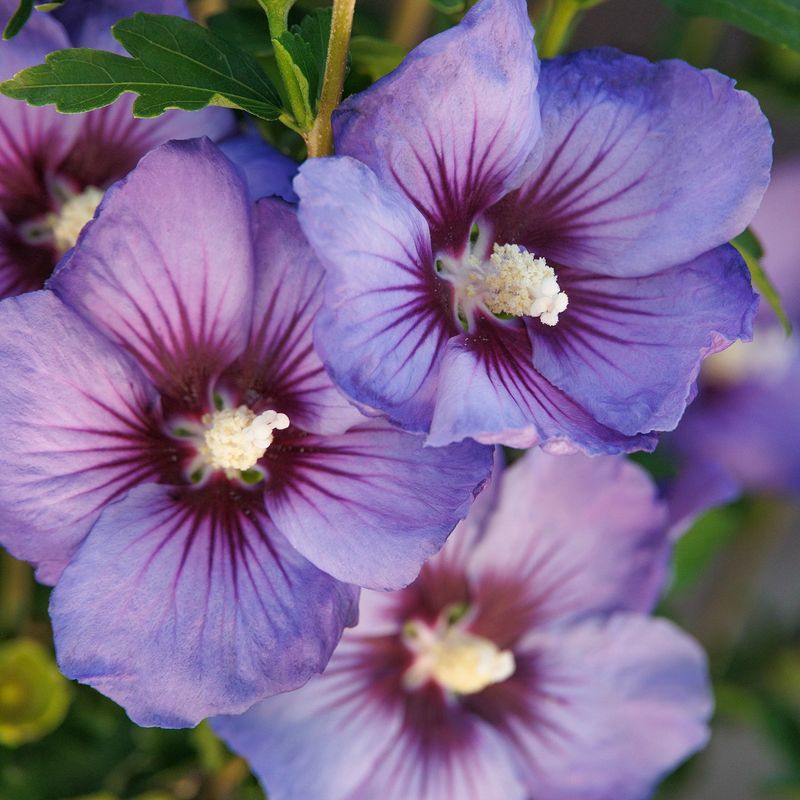
Rose of Sharon brings a cottage-garden charm that feels a little unexpected in Florida’s tropical landscape, and that contrast is exactly what makes it so appealing. The large hibiscus-like flowers in purple, pink, white, or bicolor bloom generously from summer into fall.
It handles humidity better than many people expect and grows well in full sun to partial shade. Unlike its tropical relatives, Rose of Sharon is a deciduous shrub, meaning it drops its leaves in winter.
It bounces back with fresh growth and flowers each spring.
Yesterday-Today-and-Tomorrow
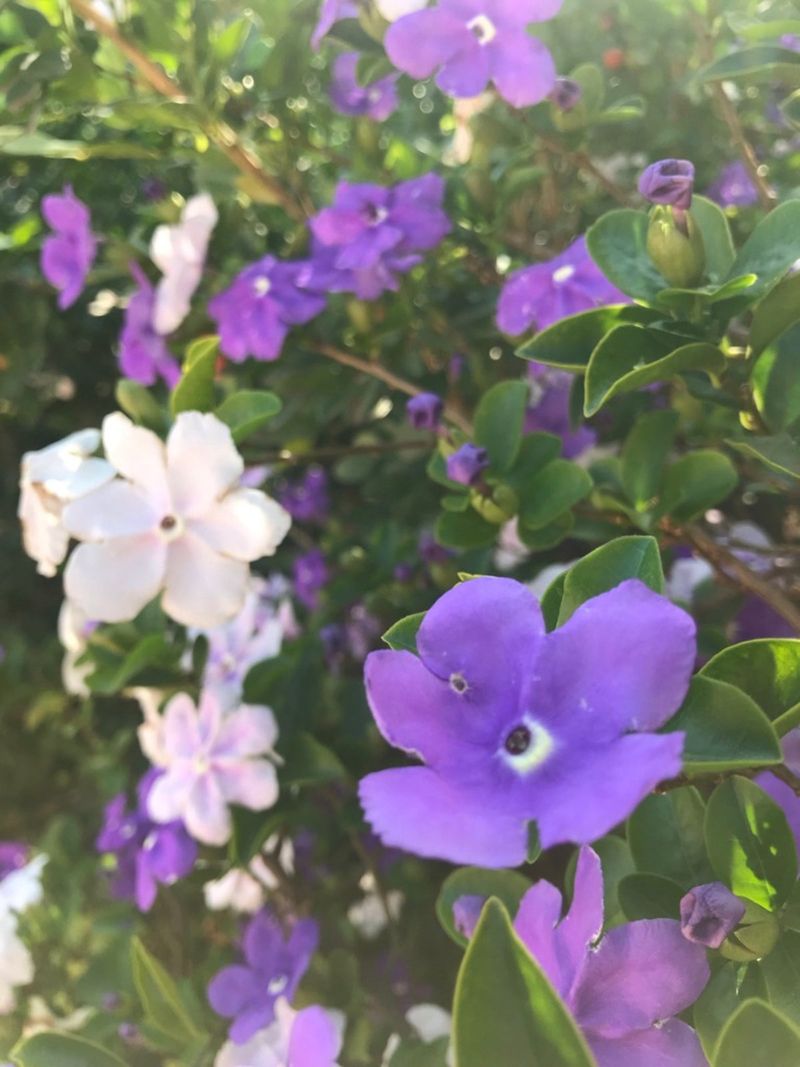
Few plants come with a name as poetic as yesterday-today-and-tomorrow, and it earns every syllable. Each bloom opens deep purple, fades to lavender the next day, then turns white before dropping, so the shrub displays all three colors at once in a stunning natural gradient.
It thrives in Florida’s heat and humidity and produces flowers nearly year-round. The shrub has a pleasant light fragrance and grows well in full sun to partial shade.
It is also low maintenance and rarely troubled by serious pests or diseases in Florida gardens.
Enjoyed this story?
Add Fast Food Club as a preferred source to see more of our reporting on Google.