


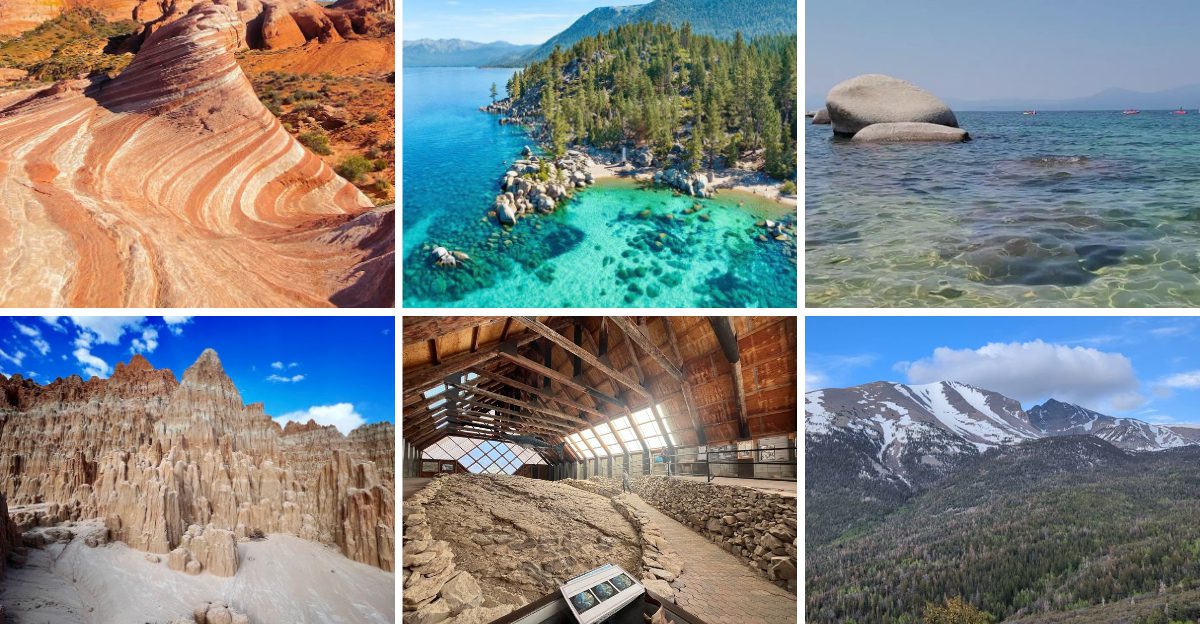
Nevada is full of surprises that go way beyond the Las Vegas Strip. From glowing geysers and ancient caves to turquoise lakes and alien-like rock formations, the Silver State hides some of the most jaw-dropping scenery in the entire country.
Whether you love hiking, history, or just staring at something unbelievably beautiful, Nevada has a spot for you. Get ready to question whether these places are actually real.
Valley of Fire State Park – Moapa Valley, Nevada
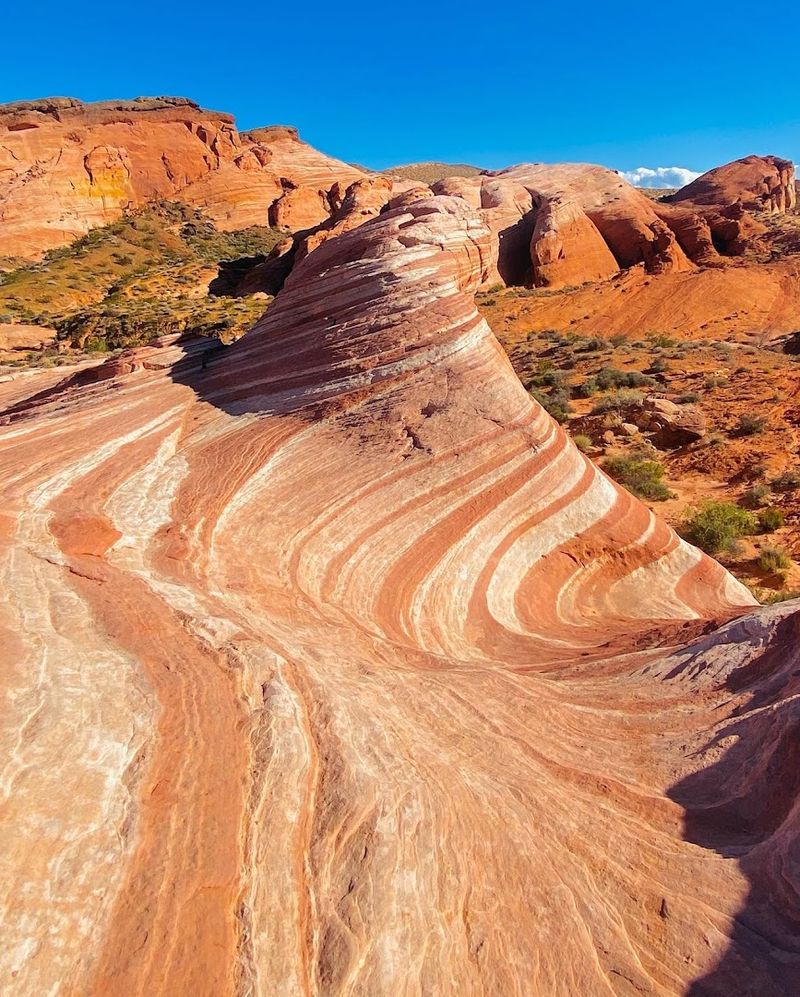
Blazing red rocks that look like they belong on Mars make Valley of Fire one of the most surreal places in the entire Southwest. Nevada’s oldest state park got its name from the way sunlight bounces off the fiery sandstone formations.
Ancient petroglyphs carved by the Ancestral Puebloans are hidden throughout the park. Elephant Rock, Rainbow Vista, and the Wave are just a few of the mind-blowing formations waiting to be explored here.
Lake Tahoe – Nevada State Park – Incline Village, Nevada
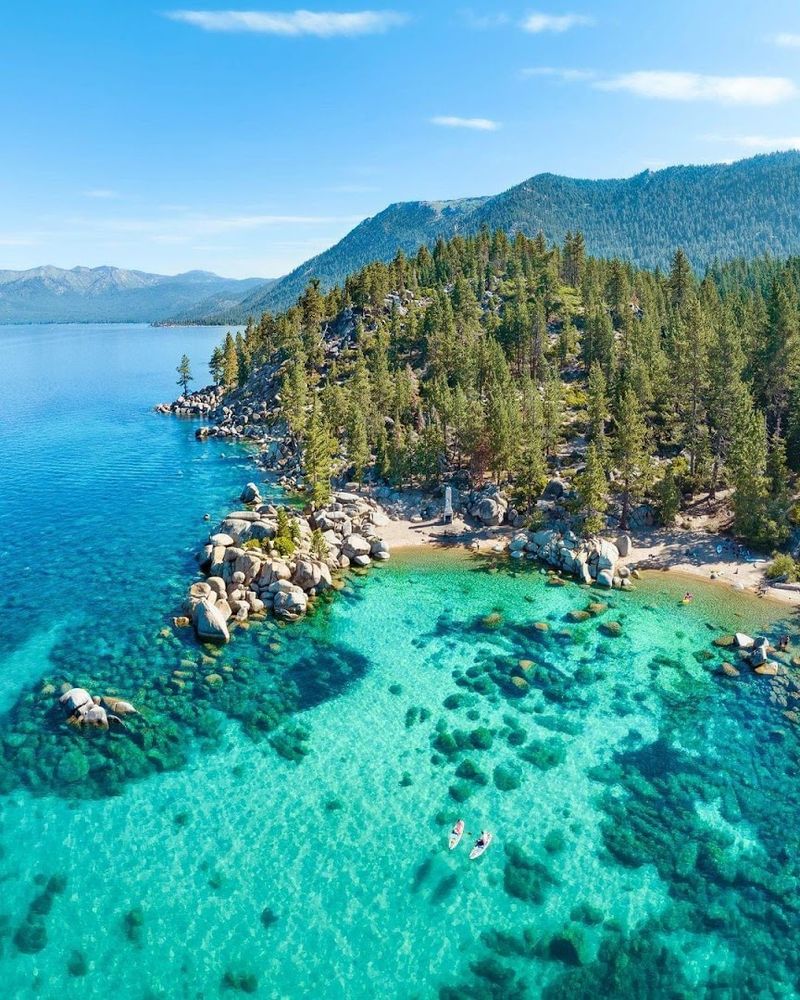
Few lakes on Earth match the clarity of Lake Tahoe, where the water is so blue and transparent it almost looks digitally enhanced. Sitting at over 6,200 feet above sea level, this alpine gem straddles the Nevada-California border in spectacular fashion.
The Nevada side offers quieter beaches and stunning mountain views that feel far removed from the crowds. Sand beaches, kayaking, and crystal-clear snorkeling make this a year-round destination worth every mile of the drive.
Sand Harbor State Park – Incline Village, Nevada
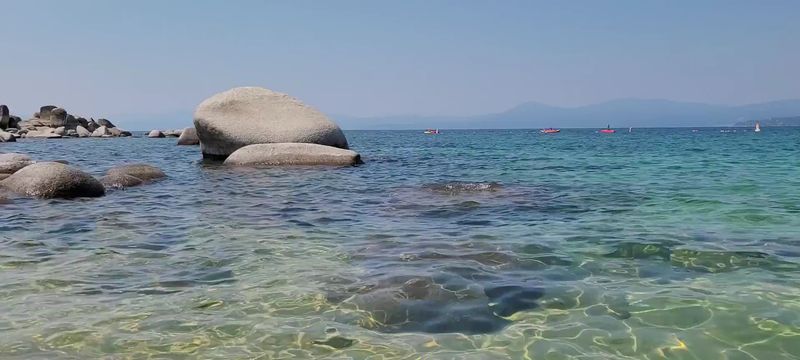
Sand Harbor looks more like a Caribbean cove than a Nevada state park, with giant granite boulders scattered across a beach of powdery white sand. The water here shifts from jade green to deep cobalt depending on the angle of the sunlight.
It hosts the famous Lake Tahoe Shakespeare Festival every summer, combining world-class theater with one of the most breathtaking outdoor settings imaginable. Arrive early on weekends because this spot fills up fast.
Cathedral Gorge State Park – Panaca, Nevada
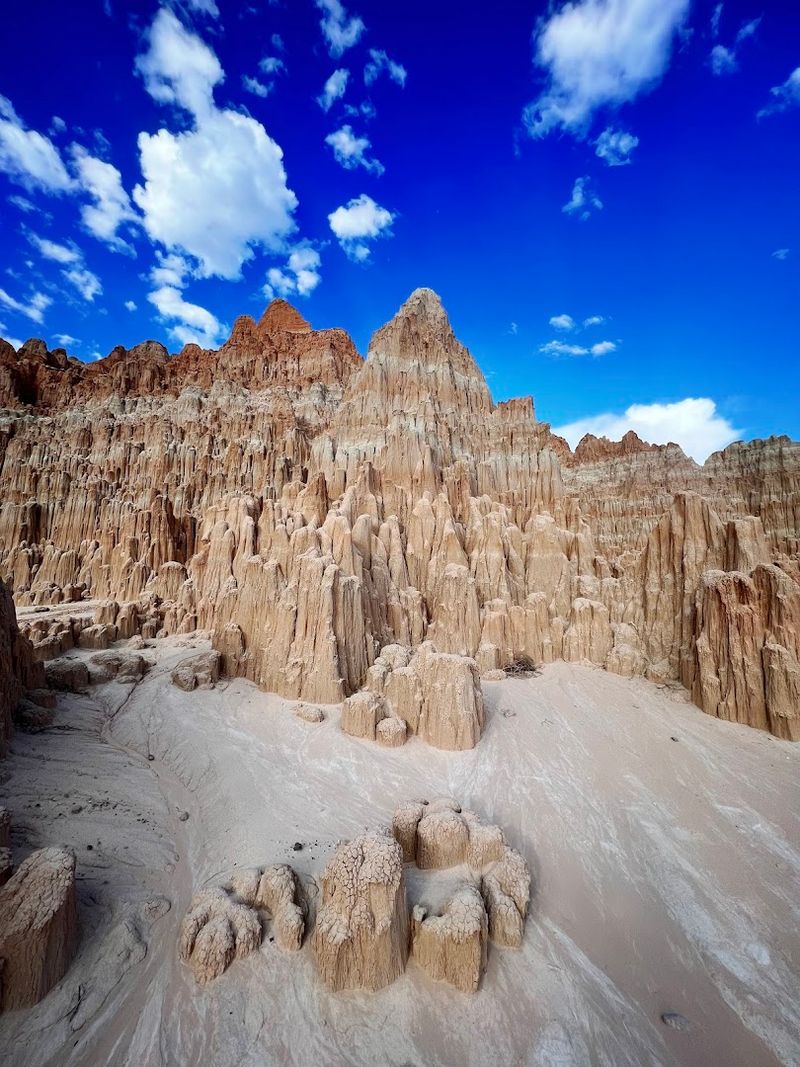
Cathedral Gorge earned its name honestly. The towering spires and maze-like slot canyons carved from bentonite clay look like the ruins of a forgotten civilization built by giants.
This park sits in a long, narrow valley in southeastern Nevada and gets far fewer visitors than it deserves. Hiking through the narrow clay corridors feels genuinely otherworldly, especially at golden hour when the soft cream and tan walls glow with warm light.
Camping here under the stars is unforgettable.
Berlin Ichthyosaur State Park – Austin, Nevada
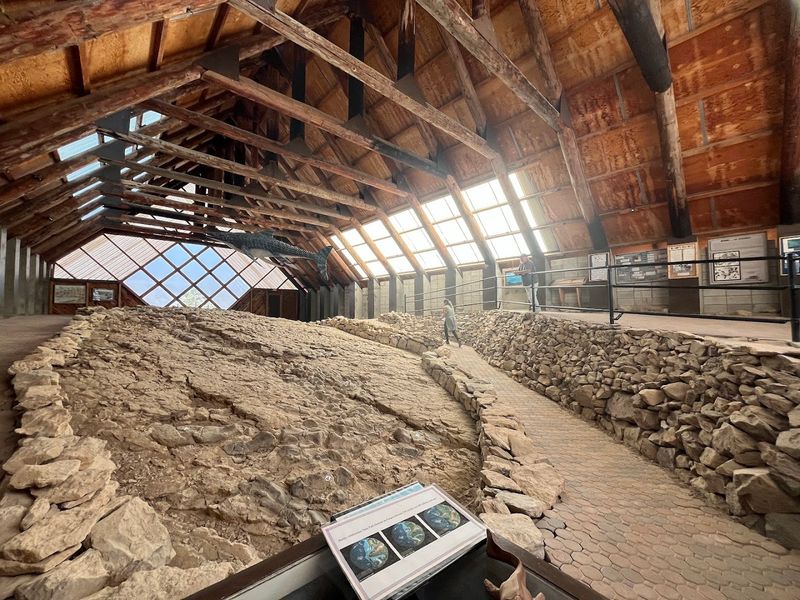
Buried in the remote hills of central Nevada lies a ghost town and a graveyard of ancient sea monsters in the same place. Berlin Ichthyosaur State Park protects the fossils of ichthyosaurs, dolphin-like marine reptiles that once swam through a sea covering Nevada around 225 million years ago.
The preserved ghost town of Berlin adds an eerie, layered history to the visit. You can view actual fossils still embedded in the ground inside a covered shelter on guided tours.
Great Basin National Park – Nevada
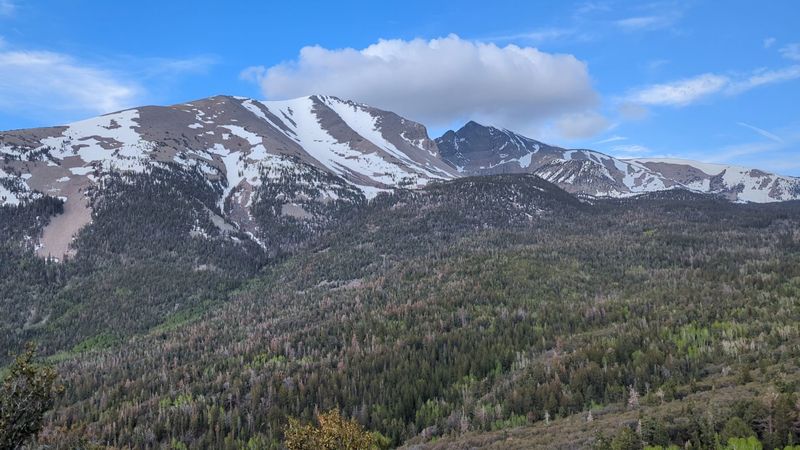
Great Basin National Park is the kind of place that reminds you just how vast and wild Nevada truly is. Wheeler Peak rises to nearly 13,000 feet and shelters a small but surviving glacier, one of the southernmost in the entire United States.
The park is also one of the best spots in the country for stargazing, with almost zero light pollution on clear nights. Ancient bristlecone pine trees, some over 4,000 years old, grow on the upper slopes like twisted sculptures.
Lehman Caves – Baker, Nevada
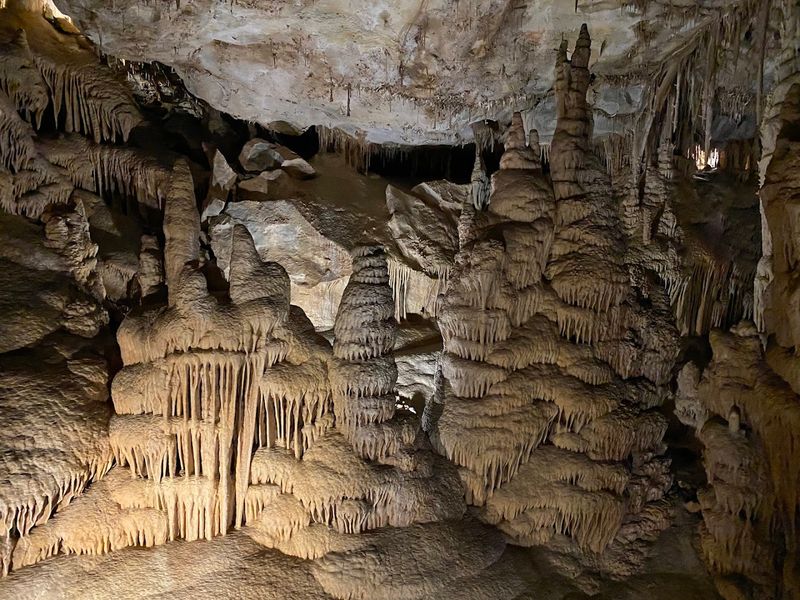
Discovered in the 1880s by rancher Absalom Lehman, these marble and limestone caves beneath Great Basin National Park are jaw-dropping from the first step inside. Rare shield formations, which look like flying saucers stuck to the cave walls, make Lehman Caves unique among American caverns.
The cave maintains a cool 50 degrees year-round, making it a refreshing escape in summer. Guided tours run daily and range from a quick 30-minute walk to a 90-minute deep exploration.
Lamoille Canyon – Nevada
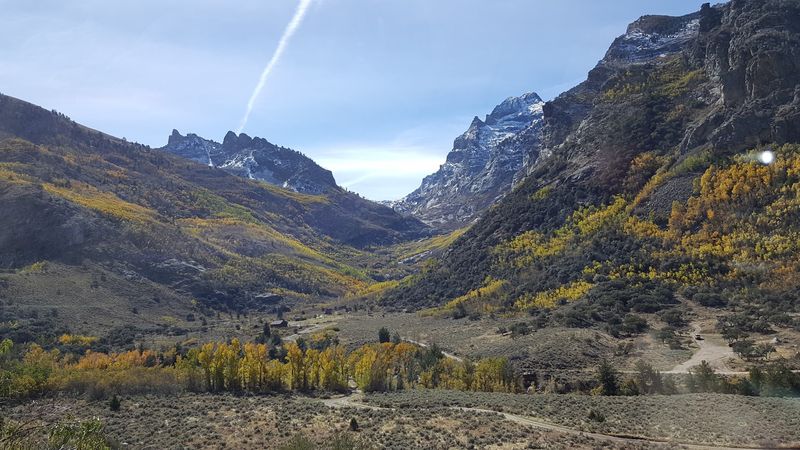
Called the “Yosemite of Nevada,” Lamoille Canyon cuts through the Ruby Mountains with a dramatic beauty that shocks first-time visitors who expected nothing but flat desert. Glaciers carved this U-shaped canyon thousands of years ago, leaving behind sheer granite walls and cascading waterfalls.
Wildflowers explode across the meadows in late spring and summer, painting the valley floor in purple, yellow, and white. The Lamoille Canyon Scenic Byway winds through 12 miles of scenery that rivals any national park.
Red Rock Canyon National Conservation Area – Mountain Springs, Nevada
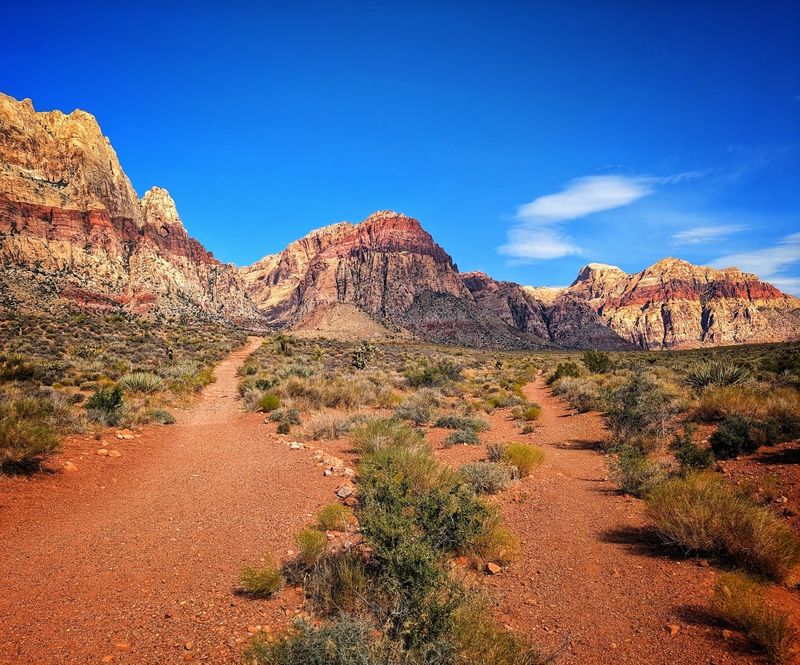
Just 17 miles from the Las Vegas Strip sits one of the most photogenic landscapes in the American West, and most tourists never even make the trip. Red Rock Canyon’s iconic Calico Hills glow in shades of crimson, rust, and cream, especially magical at sunrise and sunset.
Rock climbers from around the world come here for world-class routes on the sandstone walls. A 13-mile scenic loop drive gives casual visitors an easy way to soak in the views without breaking a sweat.
Black Rock Desert – Nevada
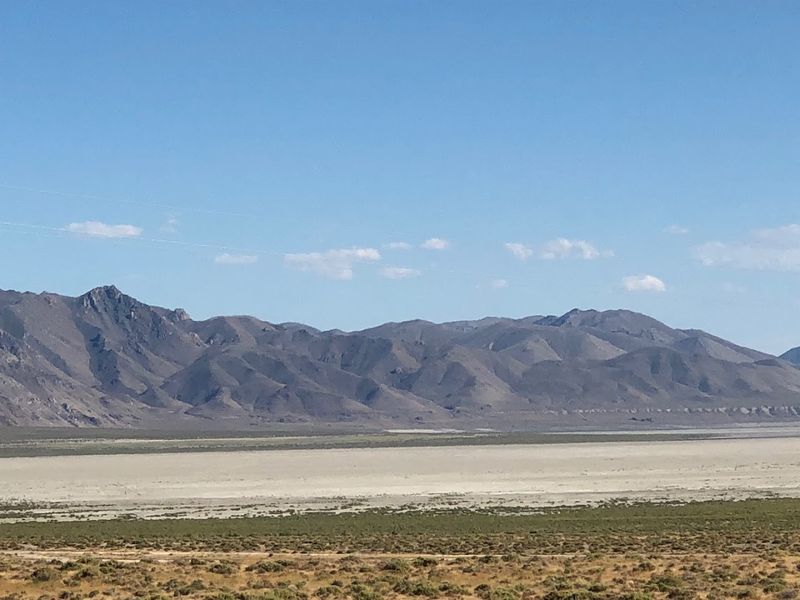
The Black Rock Desert playa is so flat and enormous that you can literally see the curvature of the Earth from its surface. Covering over 400 square miles, this ancient lakebed turns into a mirror after rare rainstorms, reflecting the sky in a way that erases the horizon completely.
Land speed records have been broken here, and Burning Man transforms this empty canvas into a temporary city each year. Outside of events, the silence and scale of the place feel genuinely humbling.
Fly Ranch Geyser – Gerlach, Nevada
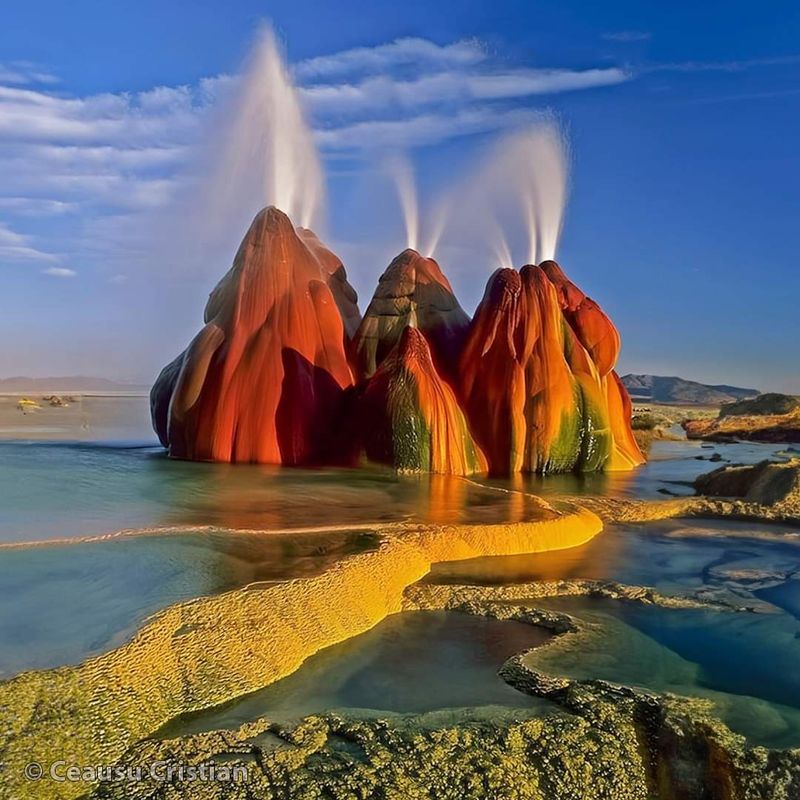
Fly Ranch Geyser looks like it belongs on another planet, and the fact that it was accidentally created by humans in 1964 makes it even stranger. A geothermal well was drilled and never properly capped, allowing scalding mineral-rich water to continuously erupt and build a rainbow-colored mound of calcium carbonate.
Thermophilic algae coat the terraces in neon shades of orange, red, and green. The Burning Man Project now owns the land and offers guided tours to the public.
Lake Mead National Recreation Area – Boulder City, Nevada
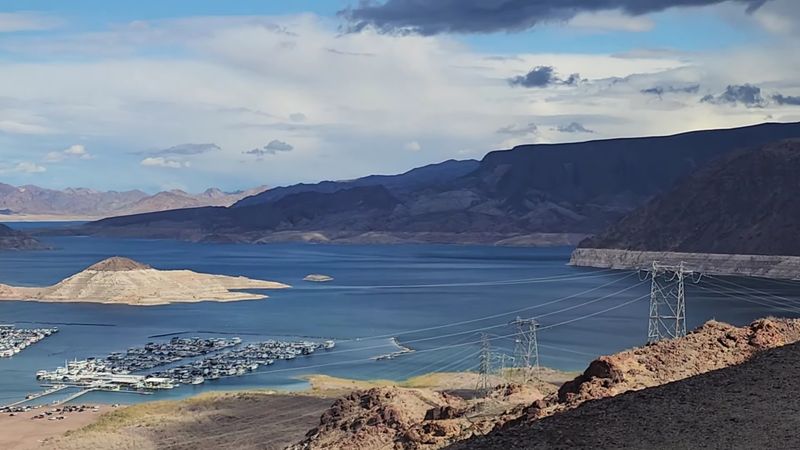
Formed by the Hoover Dam on the Colorado River, Lake Mead is the largest reservoir in the United States by volume when full. The contrast between the deep blue water and the surrounding rust-red canyon walls creates a color combination that photographers chase from every angle.
Houseboating, kayaking, and scuba diving around the submerged ruins of the old town of St. Thomas are all popular activities here. The recently exposed ancient shorelines have also revealed fascinating geological history as water levels have shifted.
Ash Meadows National Wildlife Refuge – Amargosa Valley, Nevada
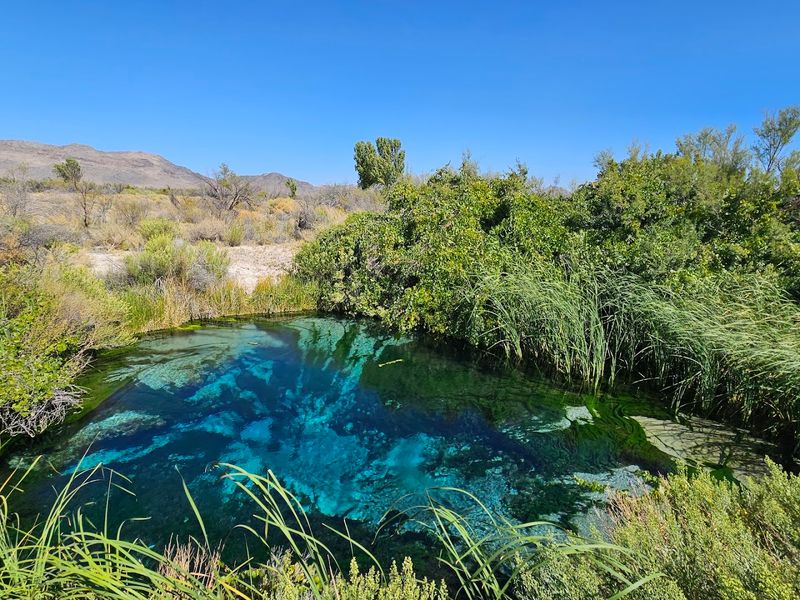
Ash Meadows looks like a mirage. Dozens of natural springs bubble up from the desert floor in Amargosa Valley, creating a lush oasis that supports more unique plant and animal species per acre than almost anywhere else in North America.
The Devils Hole pupfish, one of the rarest fish on Earth, lives only in a single flooded cavern here. Boardwalks wind over crystal-clear spring pools where the water stays a constant 80 to 90 degrees, drawing wildlife year-round to this quietly magical refuge.
Walker Lake – Nevada
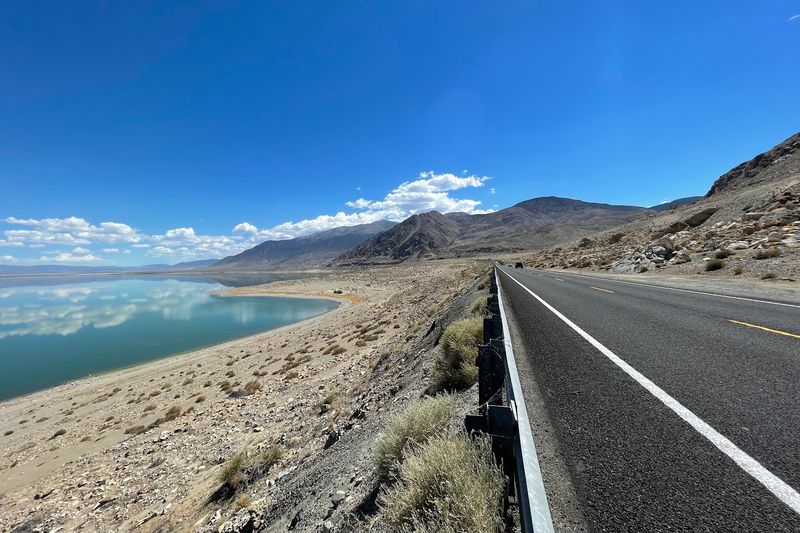
Walker Lake is one of Nevada’s best-kept secrets, a terminal lake sitting in a broad valley flanked by rugged mountain ridges that drop straight to the water’s edge. The lake has no outlet, so minerals concentrate over time, giving the water a striking blue-green tint unlike any typical lake.
Pelicans, bald eagles, and osprey frequent the shoreline, making it a surprisingly rich spot for bird watching. The remote setting and lack of crowds give Walker Lake a raw, undiscovered quality that feels increasingly rare.
Pyramid Lake – Nevada
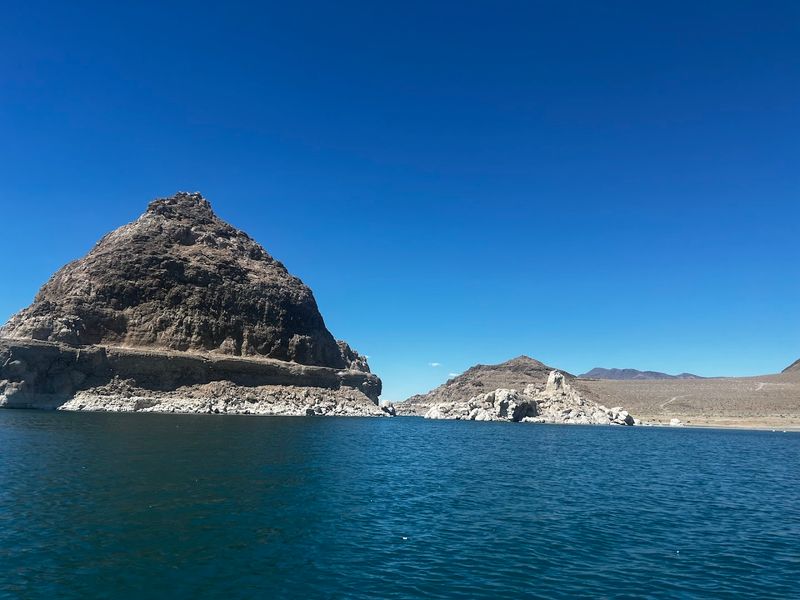
Pyramid Lake sits entirely within the Pyramid Lake Paiute Tribe reservation and has a sacred history stretching back thousands of years. The lake’s signature feature is a massive pyramid-shaped tufa rock formation that rises dramatically from the water near the eastern shore, giving the lake its name.
The water shifts between brilliant turquoise and deep sapphire depending on the sky and season. This is also one of the last habitats of the threatened Lahontan cutthroat trout, a fish that once fed entire communities across the Great Basin.
Cave Lake State Park – Ely, Nevada
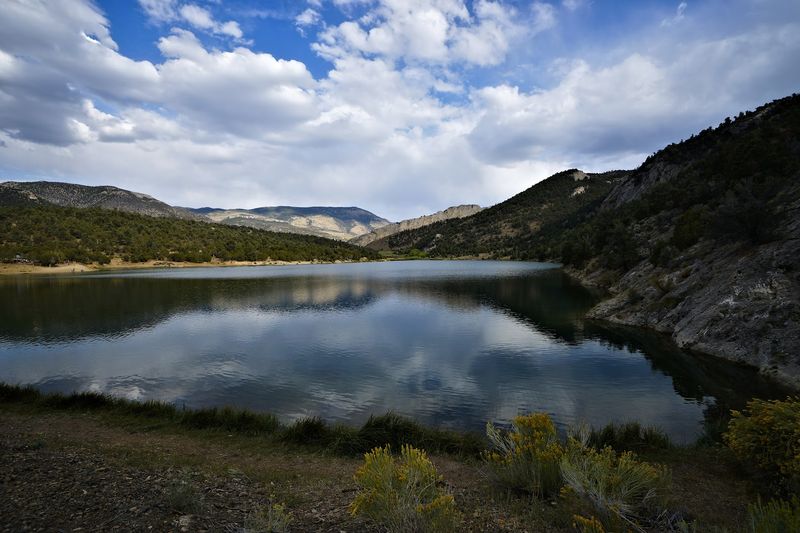
Tucked into the Schell Creek Range outside of Ely, Cave Lake State Park feels like a secret that locals have been keeping to themselves for decades. The reservoir sits at around 7,300 feet elevation, surrounded by pinyon pine and juniper forest with mountain peaks rising above the treeline.
Ice fishing draws hardcore anglers here in winter, while summer brings kayakers and campers looking for cooler temperatures and quiet. The reflections of the surrounding ridgelines on the calm water surface make every photo look professionally edited.
Enjoyed this story?
Add Fast Food Club as a preferred source to see more of our reporting on Google.