


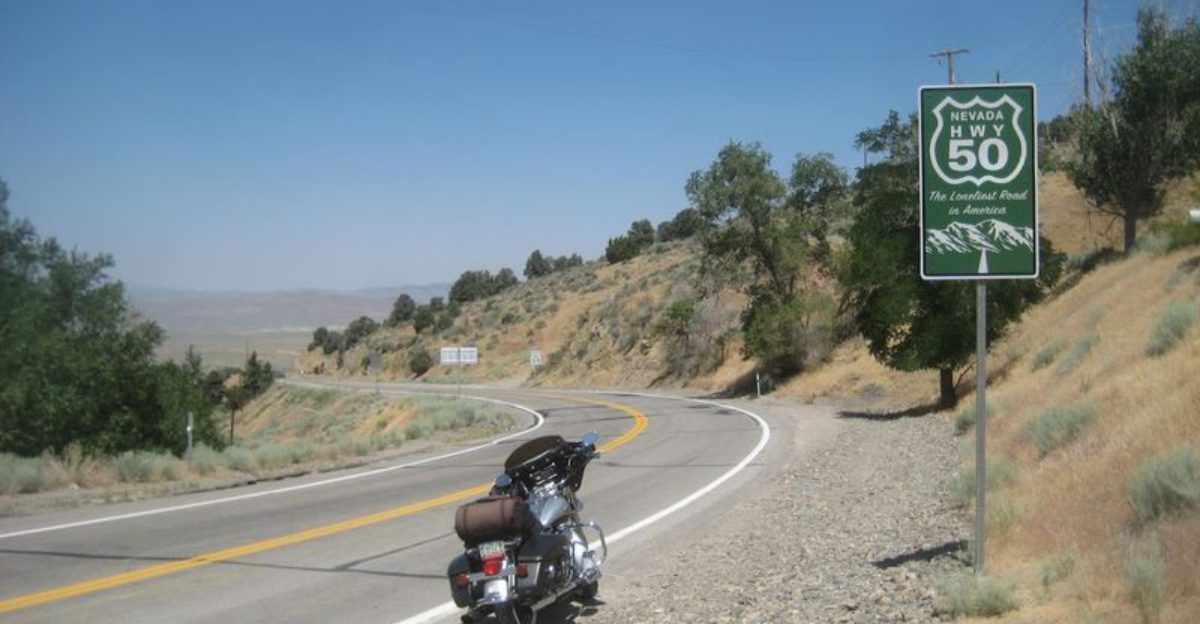
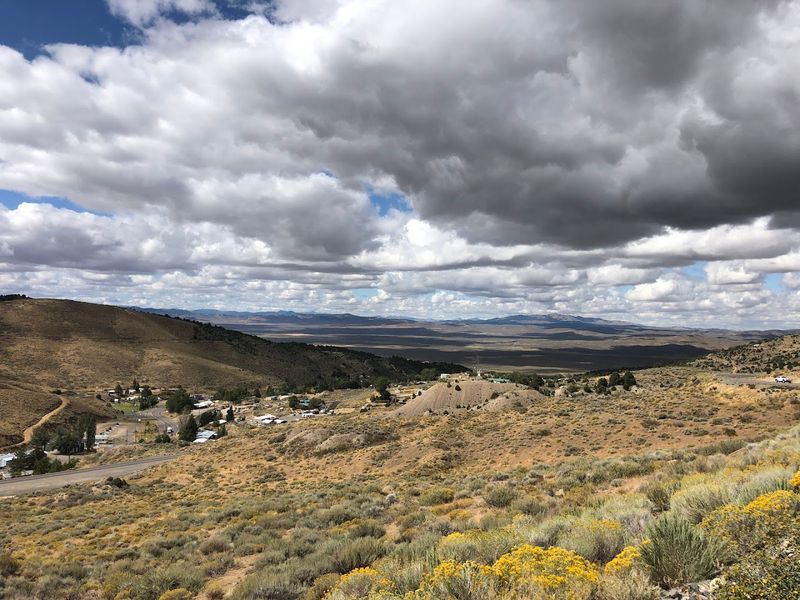
Tucked away in the rugged hills of Lander County, Austin, Nevada is a tiny town with a big personality. Sitting at 6,575 feet on the western slopes of the Toiyabe Range, this historic community is home to just 167 people but offers a wealth of stories, scenery, and surprises.
U.S. Route 50 — famously known as the Loneliest Road in America — runs right through town, making Austin a must-stop for curious travelers.
If you have ever wondered what the true spirit of Nevada looks like, Austin is ready to show you.
The Loneliest Road in America Runs Right Through Town
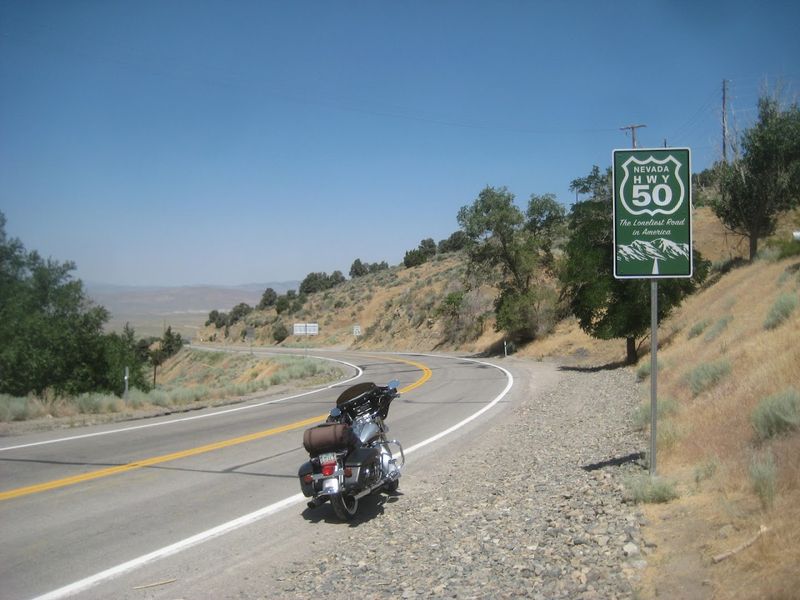
Some roads have nicknames, but very few earn them as honestly as U.S. Route 50.
Life Magazine once called it “the loneliest road in America,” and the stretch passing through Austin, Nevada proves that title every single day. Wide open skies, endless sagebrush, and almost no traffic greet anyone who dares to drive it.
Travelers who make the journey often say the solitude feels oddly refreshing. There are no billboards crowding your view, no fast-food signs begging for your attention.
Just open land, clean air, and a quiet that is hard to find anywhere else in the country.
Austin sits at the heart of this legendary route, making it a natural stopping point. Locals are proud of the road’s reputation and happy to share stories with anyone passing through.
It is the kind of place where the highway itself becomes part of the adventure.
A Silver Rush Town Frozen in Time
Back in 1862, a Pony Express rider accidentally kicked up a piece of silver-laced rock and changed the course of Nevada history forever. That lucky stumble sparked a silver rush that brought thousands of miners flooding into what would become Austin.
Within just a few years, the town had grown into a bustling boomtown full of saloons, newspapers, and ambitious dreamers.
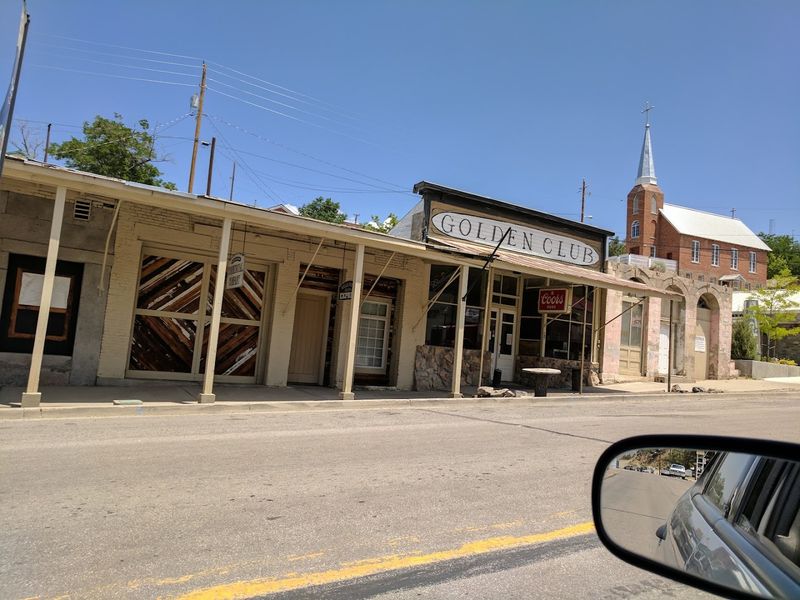
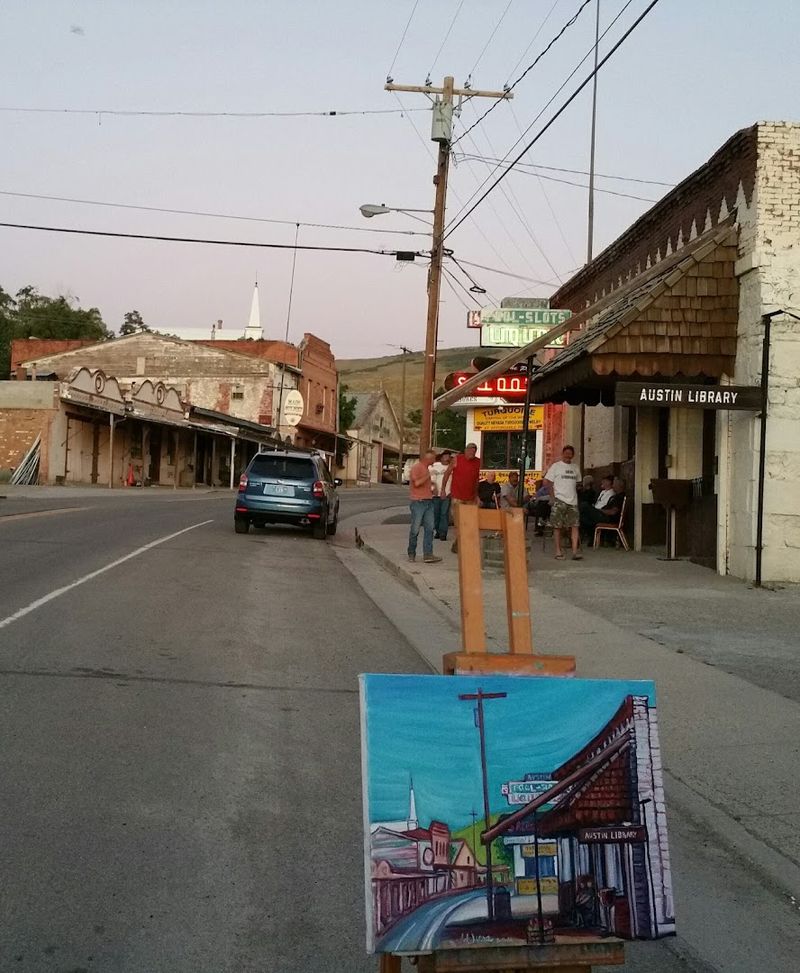
Today, walking through Austin feels like stepping onto a movie set from the Old West. Many of the original stone buildings still stand, quietly whispering stories of the fortune hunters who built them.
The town’s layout has barely changed since those wild early days.
History lovers will find Austin absolutely fascinating. Unlike many boomtowns that vanished when the silver dried up, Austin stuck around.
It shrank dramatically, sure, but it never gave up. That stubborn survival is a huge part of what makes this small town so special.
Stokes Castle — The Most Mysterious Structure in Nevada
Standing alone on a hillside just outside of town, Stokes Castle looks like something that wandered over from a European countryside and never found its way home. Built in 1897 by mining millionaire Anson Phelps Stokes, this three-story granite tower was modeled after Roman villas and used as a summer retreat.
Stokes lived there for only about one month before abandoning it entirely.
Nobody is quite sure why he left so quickly or never returned. The mystery surrounding the castle has fueled local legends for well over a century.
Visitors today can walk right up to the structure and peek through its open windows at the hollow interior.
The views from the castle’s hillside location are stunning, offering sweeping panoramas of the Austin Valley below. It costs nothing to visit, and the short hike up to it is manageable for most ages.
Stokes Castle is easily one of Nevada’s most underrated landmarks.
The Toiyabe Range Offers World-Class Outdoor Adventures
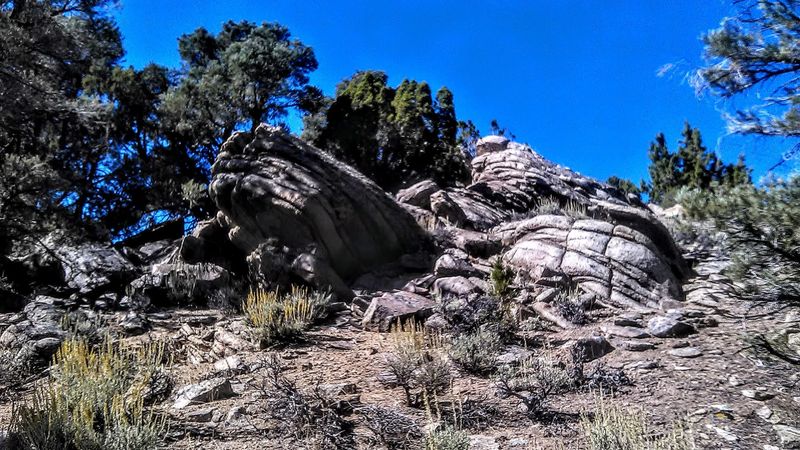
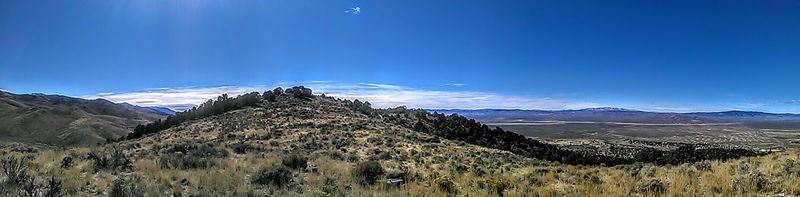
Rising dramatically behind Austin, the Toiyabe Range is a hiker’s dream hiding in plain sight. At over 11,000 feet at its highest peaks, this mountain range offers trails for every skill level, from easy afternoon walks to challenging multi-day backpacking routes.
The contrast between the desert below and the lush mountain terrain above is absolutely breathtaking.
Wildlife sightings are common here. Mule deer, golden eagles, and even the occasional mountain lion call these slopes home.
In spring, wildflowers carpet the meadows in colors so vivid they almost seem unreal.
During winter, the upper elevations receive generous snowfall, attracting snowshoers and cross-country skiers who appreciate having the trails almost entirely to themselves. Austin serves as the perfect base camp for exploring the Toiyabe Range year-round.
Whether you are a casual nature lover or a serious outdoor athlete, these mountains will not disappoint you.
Only 167 People Call This Place Home
With a population of just 167 recorded in the 2020 census, Austin is not a town you could easily get lost in. Everybody pretty much knows everybody, and that closeness creates a community feeling that larger cities spend millions of dollars trying to manufacture.
Neighbors help neighbors here without being asked.
The small population does not mean life feels dull or limited. Residents take enormous pride in their town and work hard to keep its unique character alive.
Community events, local traditions, and a shared love of the land bond people together in meaningful ways.
For visitors, the tiny size of Austin is actually one of its greatest charms. You can walk the entire main street in about ten minutes, chat with a local at the diner, and feel genuinely welcomed rather than just tolerated.
Authentic small-town hospitality is alive and well here, and it never gets old.
Reuel Colt Gridley and the Sandbag That Raised Millions
Few stories from the American West are as heartwarming and quirky as the tale of Reuel Colt Gridley. After losing a bet in 1864 over a local election, Gridley — an Austin merchant — had to carry a 50-pound sack of flour down the main street while a band played music.
Instead of being embarrassed, he turned the moment into something remarkable.
Gridley auctioned off that flour sack repeatedly across the country to raise money for the United States Sanitary Commission, which provided medical supplies to Civil War soldiers. By the time he was done, he had raised over $275,000 — an enormous sum for the era.
Mark Twain himself wrote about Gridley in his famous book “Roughing It,” cementing the story in American literary history. Austin honors this forgotten hero proudly.
His story is proof that even the smallest towns can produce moments of extraordinary generosity and impact.
Austin’s Elevation Makes the Stars Absolutely Unforgettable
At 6,575 feet above sea level and miles away from any major city, Austin sits in one of the darkest night sky zones in the entire United States. When the sun goes down here, the stars do not just appear — they explode across the sky in a display that genuinely stops people in their tracks.
The Milky Way is visible to the naked eye on most clear nights.
Stargazers and amateur astronomers make special trips to central Nevada just for skies like these. Bring a blanket, lay back on the hood of your car, and prepare to feel very, very small.
The experience is humbling in the best possible way.
Because Austin has almost no light pollution, even simple binoculars reveal jaw-dropping detail in nebulae and star clusters. Photographers travel from all over the world to capture shots of this sky.
If you have never truly seen a dark sky before, Austin will change you.
The International Hotel Has Been Serving Guests Since 1859
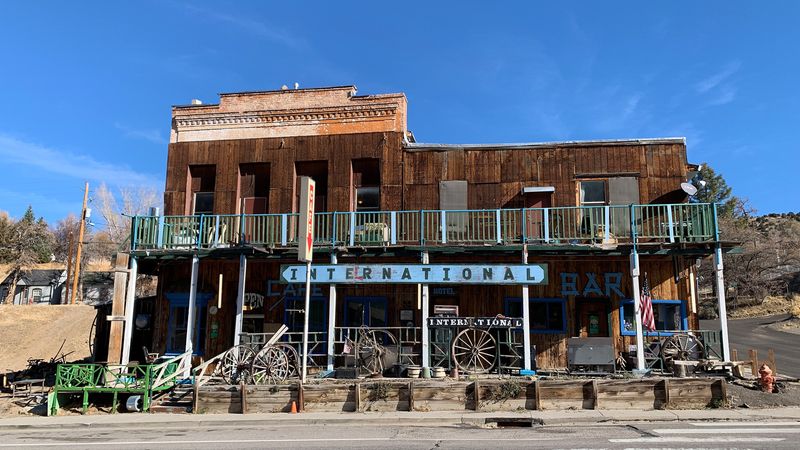
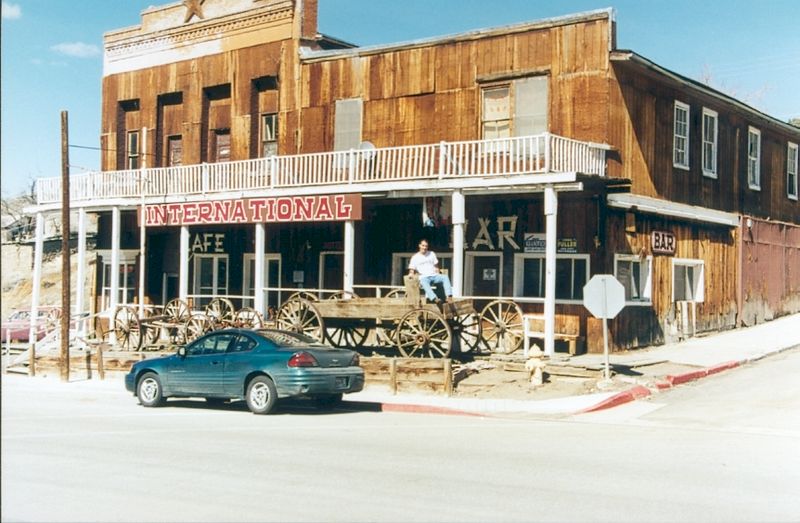
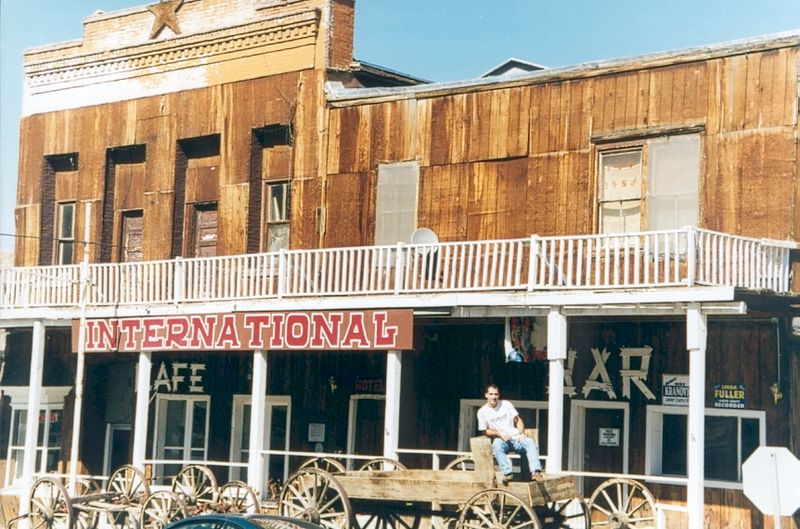
Originally built in Virginia City and physically moved to Austin in 1863, the International Hotel carries more history per square foot than most museums. It is one of the oldest operating hotels in Nevada, and stepping inside feels like being transported back to a time when silver was king and the West was still being written.
The building itself is a marvel of frontier ingenuity.
The hotel has hosted miners, merchants, politicians, and wanderers across more than 160 years of continuous operation. Its walls have absorbed countless conversations, celebrations, and stories that never made it into any history book.
Staying at the International Hotel is not just about finding a place to sleep — it is about connecting with a living piece of American history. The creaky floors and vintage charm are features, not flaws.
For history buffs, booking a night here is practically a requirement when visiting Austin.
Mining History Still Shapes Every Corner of the Town
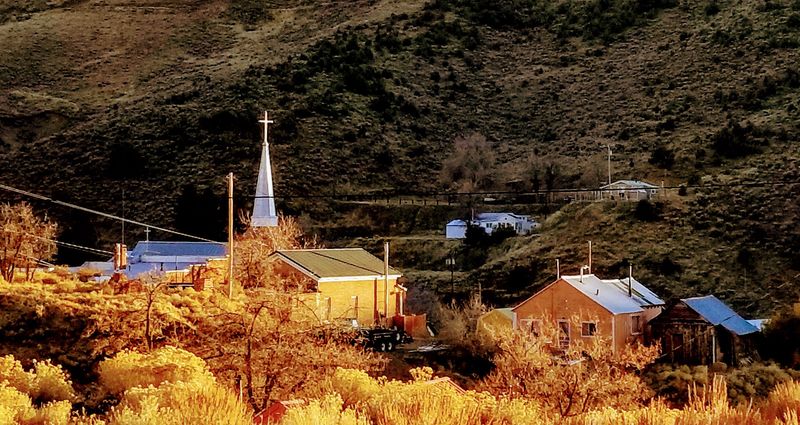
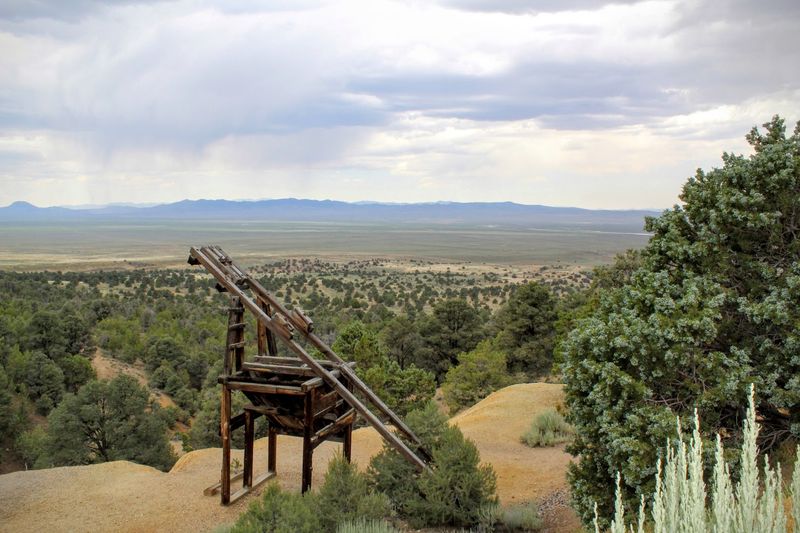
Even after more than 150 years, mining remains the backbone of Austin’s identity. Old mine shafts dot the surrounding hillsides, and remnants of processing mills peek out from the desert scrub like artifacts waiting to be rediscovered.
The land around Austin holds billions of dollars in minerals that were never fully extracted.
Modern mining operations still occasionally fire up in the area, keeping the old tradition alive in a new era. Gold, silver, and turquoise have all been pulled from this ground at various points in history.
Some lucky rockhounds still find interesting specimens poking around the public lands nearby.
The mining heritage is woven into Austin’s personality in ways that go beyond just old buildings. Local conversations, family histories, and even the layout of the town all trace back to those original silver strikes.
Understanding Austin means understanding its mines — and that story is endlessly fascinating to anyone willing to listen.
Trinity Episcopal Church Stands as a Symbol of Frontier Faith
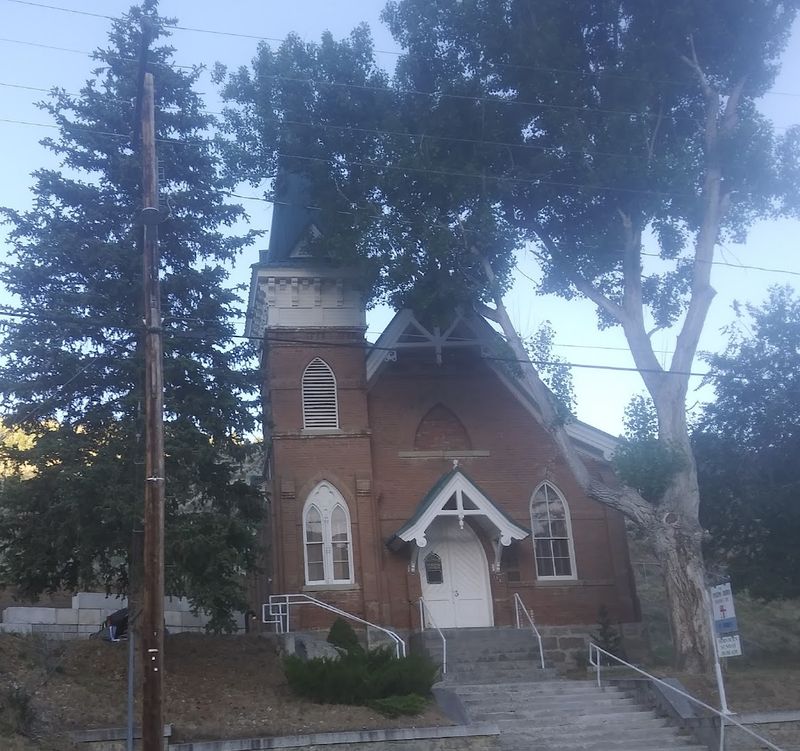
Built in 1867, Trinity Episcopal Church is one of the oldest standing churches in all of Nevada. It is a modest, unpretentious building — exactly the kind of simple structure you might expect frontier settlers to put up when they decided to stay and build a real community rather than just pass through.
Its survival alone is remarkable.
The church has weathered economic collapses, population crashes, and over a century and a half of harsh Nevada winters without losing its dignity. Services are still occasionally held inside its walls, connecting modern residents to the spiritual lives of the pioneers who built it.
For architecture enthusiasts and history lovers alike, Trinity Episcopal Church is a quiet gem. There is something deeply moving about standing inside a building where people have gathered to find comfort and community for more than 150 years.
Austin’s faith, like its fighting spirit, has never completely faded away.
The Pony Express Once Galloped Through This Very Valley
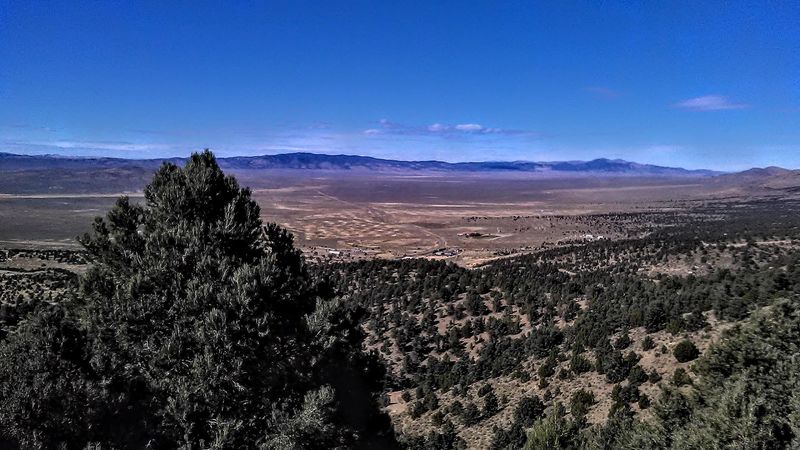
Long before Route 50 earned its lonely nickname, another famous route cut through this same valley. The Pony Express trail passed directly through the Austin area during its legendary 18-month run from 1860 to 1861.
Brave young riders on fast horses carried mail across nearly 2,000 miles of wilderness, and this stretch of Nevada was among the most demanding sections of the journey.
Austin actually owes part of its existence to the Pony Express. The relay stations established along the route helped open up central Nevada to settlers and prospectors who might otherwise never have ventured so far from the established trails.
History markers along Route 50 near Austin point out locations connected to the Pony Express route, giving modern road trippers a tangible link to one of America’s most romanticized chapters. Riding past those markers while imagining a lone rider thundering across the same ground is genuinely thrilling.
The past feels very close in Austin.
Wildlife Watching Around Austin Is Surprisingly Spectacular
Most people do not associate central Nevada with rich wildlife, but the land around Austin tells a very different story. Wild horses roam the open range in bands that have lived here for generations, and spotting a herd at sunrise is one of those experiences that stays with you long after you have gone home.
Pronghorn antelope, the fastest land animal in North America, are also regularly seen darting across the flats.
Bird watchers will find plenty to get excited about as well. Raptors like red-tailed hawks, prairie falcons, and ferruginous hawks patrol the skies above the valley.
The Toiyabe Range above town supports populations of mountain bluebirds and Clark’s nutcrackers that delight anyone paying attention.
Austin’s remote location is actually its greatest wildlife advantage. Without heavy human traffic disturbing the ecosystem, animals behave naturally and are easier to observe up close.
Bring binoculars, move quietly, and be patient — nature here rewards those who slow down and look carefully.
Why Austin Deserves a Spot on Every Nevada Road Trip
Nevada has no shortage of flashy destinations, but Austin offers something that slot machines and neon signs simply cannot — genuine, unfiltered authenticity. This is a place where history did not get polished up for tourists.
The old buildings are real, the stories are real, and the people are as real as it gets. That honesty is refreshing in a world full of manufactured experiences.
Road trippers driving Route 50 who skip Austin are missing the soul of the journey. A stop here does not need to be long to be meaningful.
Even a few hours wandering the main street, visiting Stokes Castle, and chatting with a local over coffee can completely shift your perspective on what Nevada truly is.
Austin reminds us that the most memorable places are rarely the most famous ones. Small towns like this one hold the threads that tie American history together.
Give Austin a chance, and it will absolutely capture your heart.
Enjoyed this story?
Add Fast Food Club as a preferred source to see more of our reporting on Google.