


Gardening in Florida doesn’t require a huge backyard to create something beautiful. Even the smallest patios, narrow side yards, and tiny front beds can burst with color and life when you choose the right plants.
Florida’s warm climate is actually a big advantage, letting you grow lush, tropical-looking plants in very little space. Whether you’re a beginner or a seasoned gardener, these 21 compact plants are tailor-made for tight Florida spaces.
Dwarf Ixora
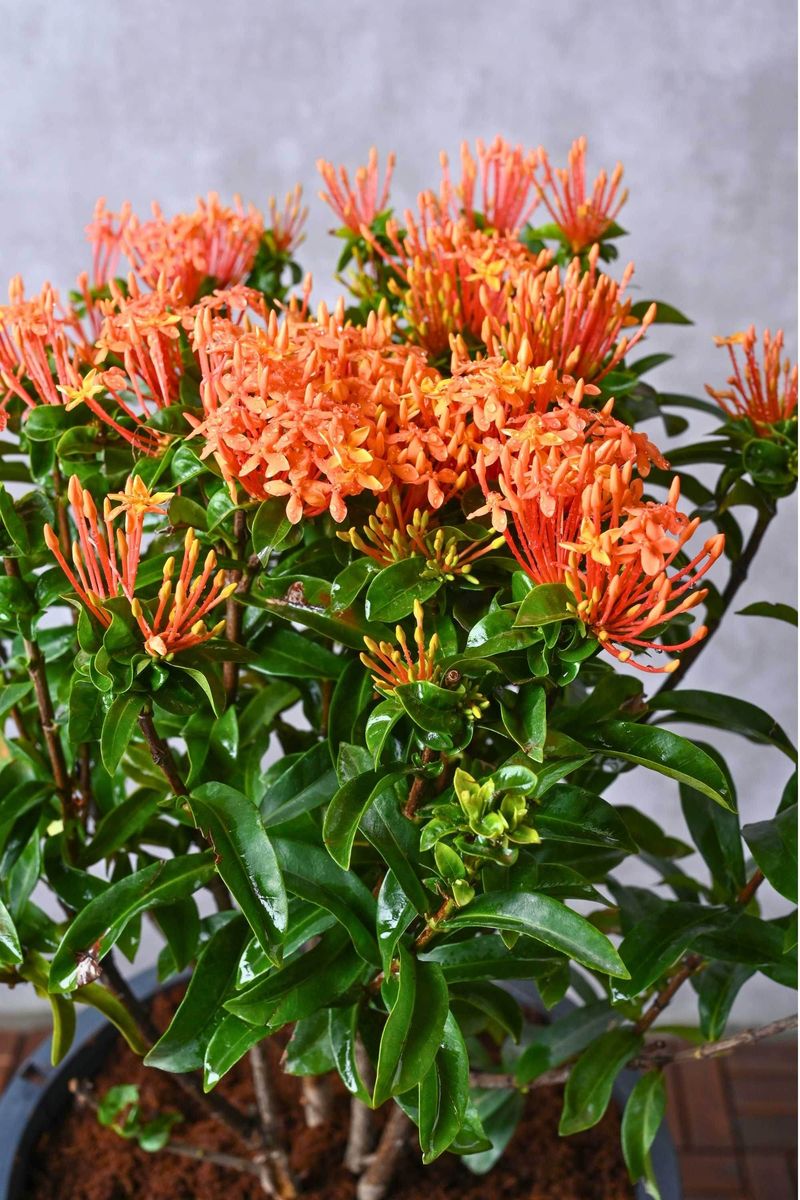
Few plants pack as much color into a small space as dwarf ixora. Its clusters of tiny, flame-colored flowers bloom almost year-round in Florida’s warm climate, making it a showstopper even in the tightest spots.
Growing only 2 to 3 feet tall, it fits neatly along borders or in containers. It loves full sun and slightly acidic soil.
Regular watering during dry spells keeps it blooming at its best throughout the seasons.
Dwarf Yaupon Holly
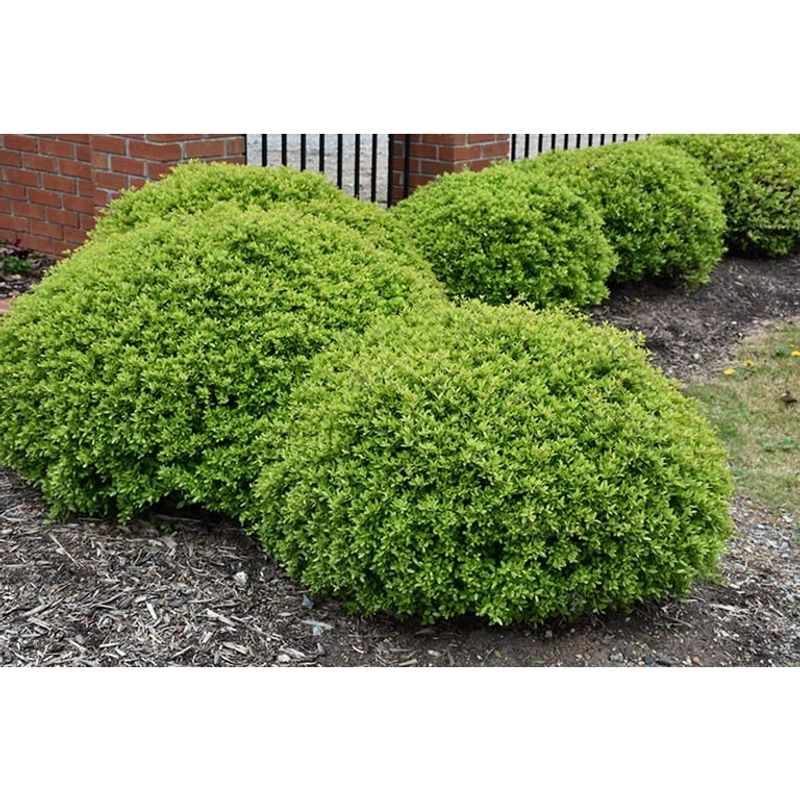
Tough, adaptable, and surprisingly low-maintenance, dwarf yaupon holly is one of Florida’s most reliable compact shrubs. It tolerates drought, salt air, and poor soils without complaining, which makes it a favorite among busy homeowners.
This plant stays naturally rounded without much pruning, usually topping out at 3 to 4 feet. It works beautifully as a border plant or foundation shrub.
The glossy green leaves stay attractive all year long, adding structure even when nothing else is blooming.
Dwarf Firebush
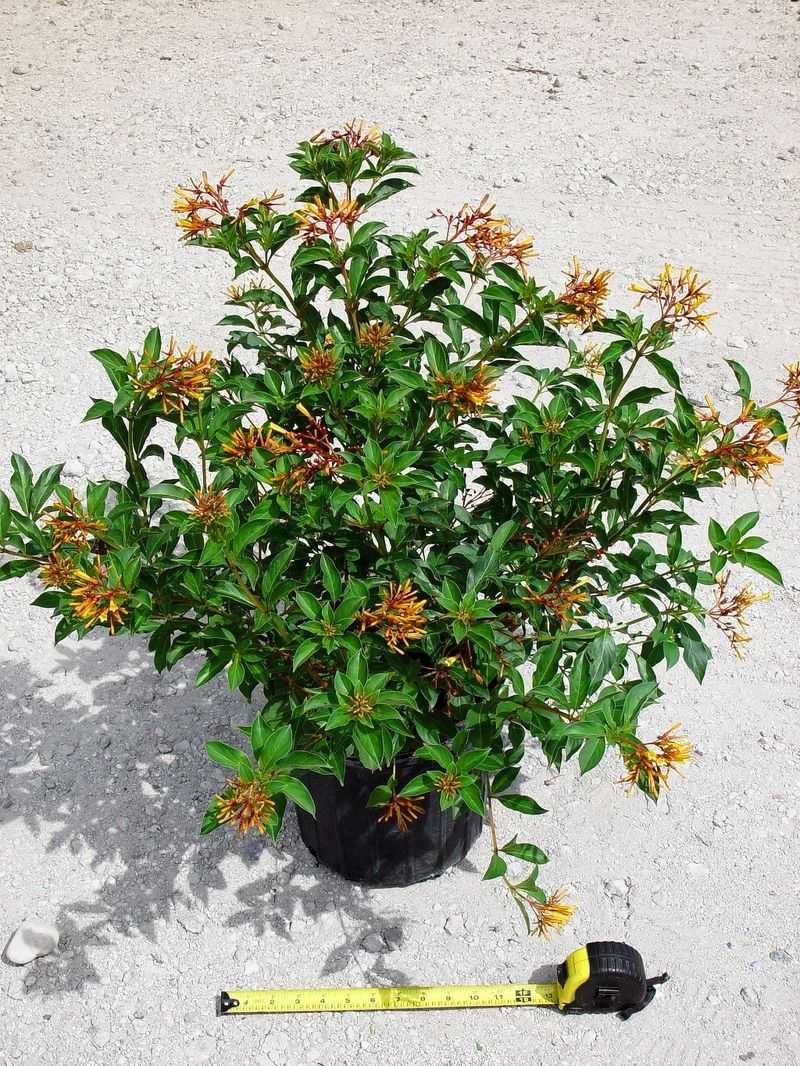
Hummingbirds and butterflies absolutely love dwarf firebush, and honestly, it’s easy to see why. The tubular orange-red flowers pop against the green foliage and keep coming back from spring through fall without much effort from the gardener.
Unlike its full-sized relative, the dwarf version stays under 4 feet, making it ideal for small beds or large containers. It thrives in full sun and handles Florida heat like a champ.
Minimal watering once established keeps it going strong.
Coontie
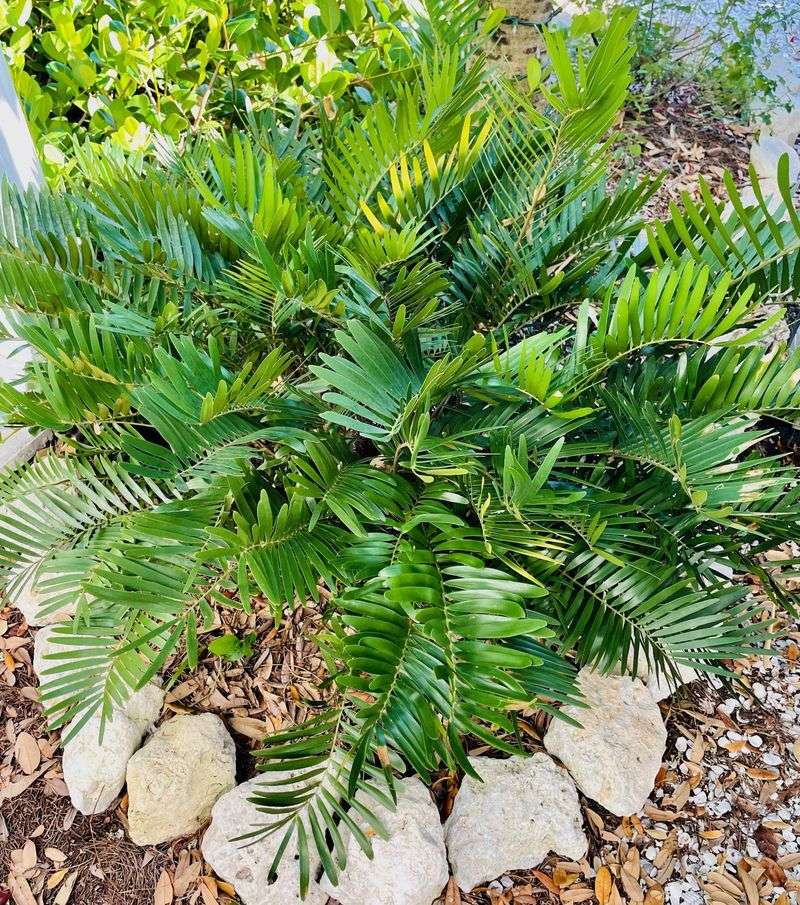
Coontie is Florida’s only native cycad, and it has been growing here long before humans arrived. Its stiff, dark green fronds give any garden a prehistoric, tropical look that feels both bold and elegant at the same time.
Reaching only 2 to 3 feet tall, coontie thrives in shade, part shade, or full sun, making it incredibly versatile. It’s also drought-tolerant once established.
As a bonus, it’s the only host plant for the endangered atala butterfly, so planting it helps local wildlife too.
Dwarf Loropetalum
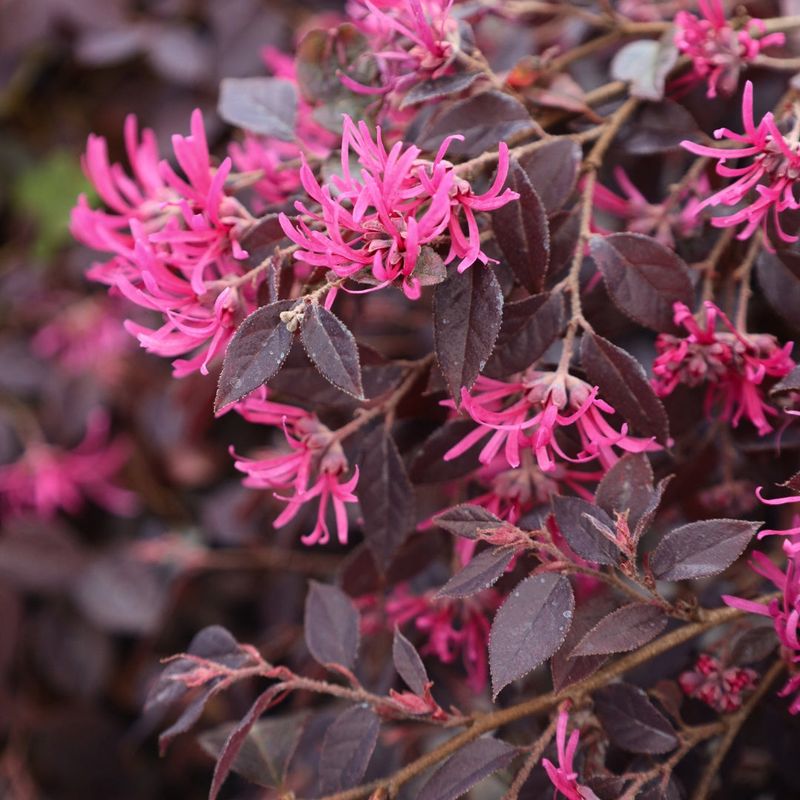
Walk past a dwarf loropetalum in bloom and you’ll stop in your tracks. The deep burgundy foliage combined with wispy pink fringe flowers creates a color combo that feels almost artistic, even without any other plants nearby.
This compact shrub typically grows 2 to 4 feet tall and wide, staying tidy without constant trimming. It handles Florida’s heat and humidity well when planted in well-drained soil.
Use it as a focal point or mass planting for a dramatic, low-effort display.
Society Garlic
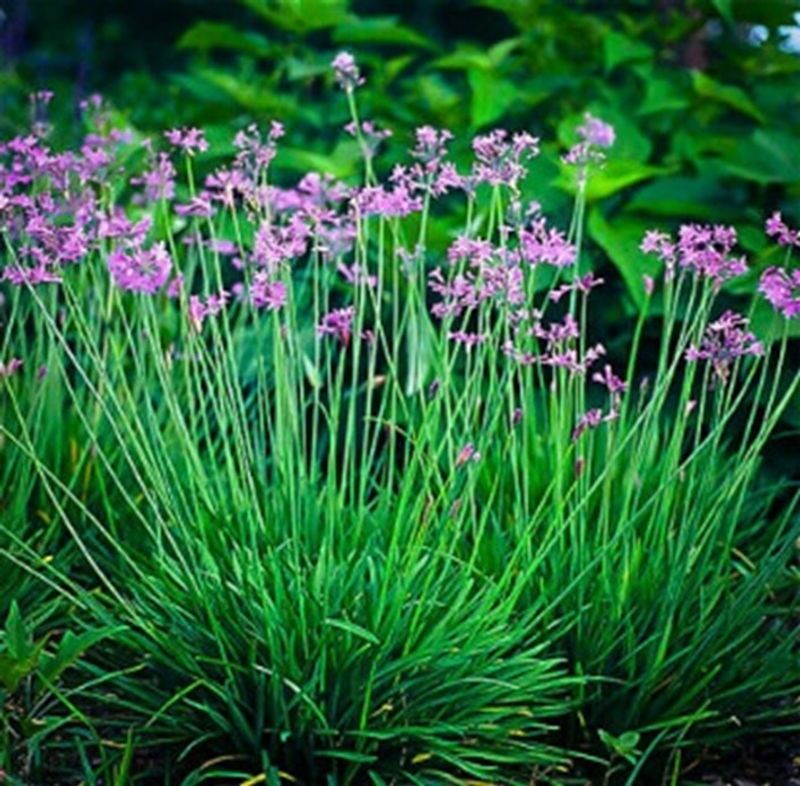
Society garlic has a fun reputation: it smells like garlic when you brush against the leaves, but the flowers are delicate and lovely enough for any formal garden. That quirky combination makes it one of the more memorable plants on this list.
Growing about 1 to 2 feet tall, it produces clusters of lavender-purple blooms on tall stalks throughout warm months. It’s drought-tolerant, deer-resistant, and thrives in full sun.
Container growing works great for patios where space is especially limited.
Blue Daze
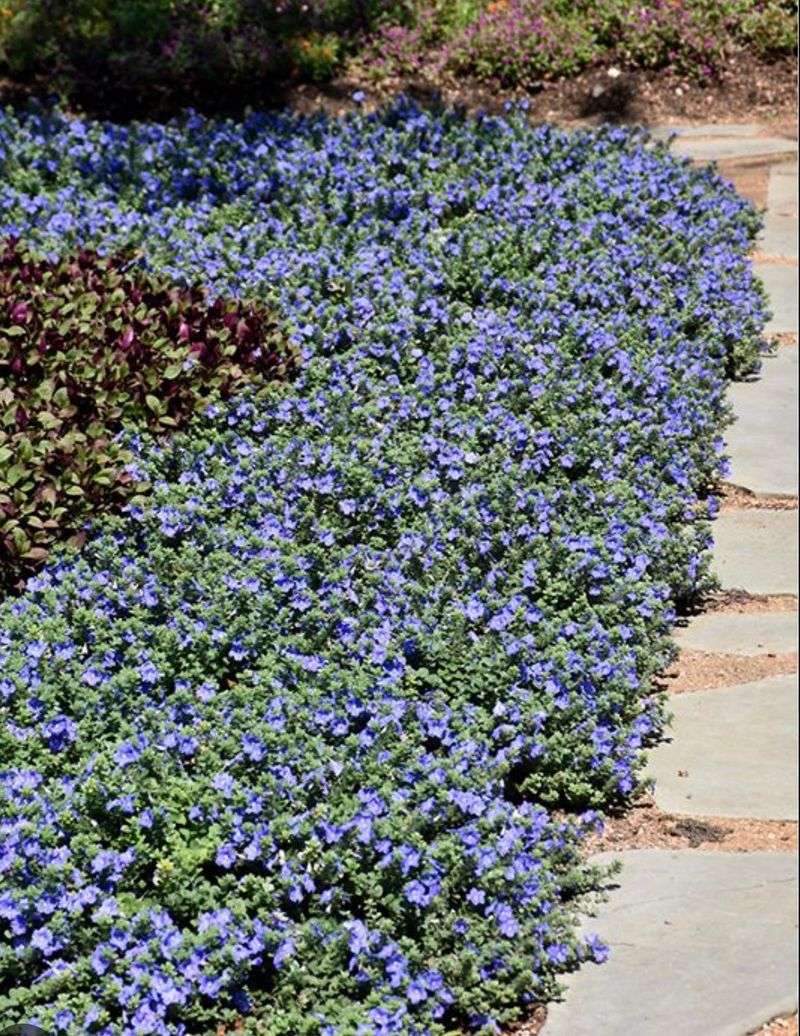
Imagine a carpet of sky-blue flowers hugging the ground from spring through fall. That’s exactly what blue daze delivers, and it does so with almost zero fuss in Florida’s sunny climate.
This low-growing ground cover stays under 12 inches tall, making it perfect for filling gaps between taller plants or spilling over container edges. It loves full sun and well-drained soil.
The flowers close at night and on cloudy days, which feels like a fun little quirk that gardeners always notice and mention.
Dwarf Ruellia
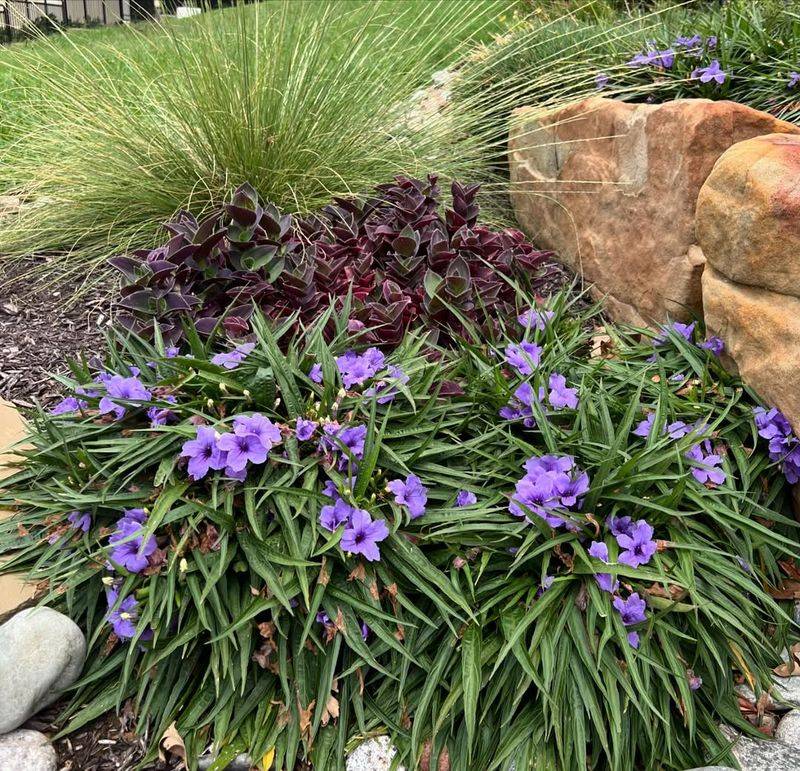
Dwarf ruellia, sometimes called dwarf Mexican petunia, brings a steady parade of purple trumpet-shaped blooms to the garden with almost no maintenance required. It’s the kind of plant that makes a beginner gardener feel like an expert.
Topping out around 12 to 18 inches, it fits easily along walkways, borders, or in containers. It thrives in full sun to partial shade and tolerates dry conditions once established.
Deadheading spent flowers encourages even more blooms throughout Florida’s long growing season.
Dwarf Schefflera
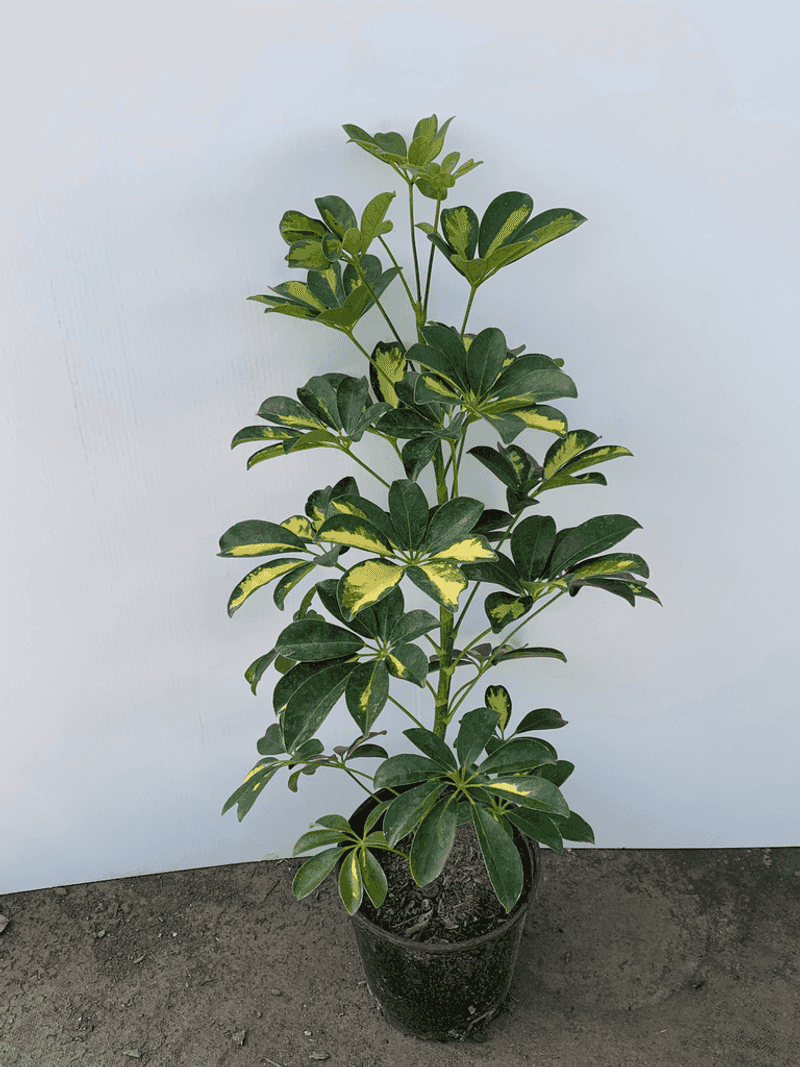
There’s something almost architectural about dwarf schefflera. Its glossy, palm-shaped leaf clusters radiate outward like little green umbrellas, giving any corner of the garden a lush, tropical personality without taking over the space.
Unlike the standard schefflera, the dwarf variety stays under 4 feet in most garden settings. It handles shade beautifully, making it a go-to for covered patios and dim corners.
Keep the soil moist but well-drained, and this easygoing plant will reward you with steady, attractive growth year-round.
Bird’s Nest Sansevieria
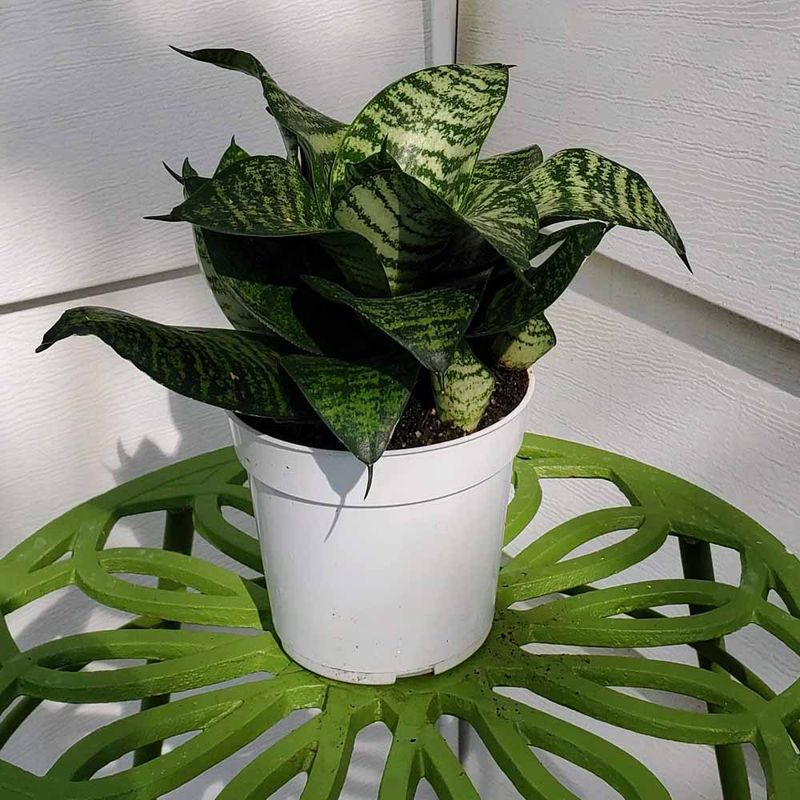
Not every compact plant needs flowers to make a statement. Bird’s nest sansevieria proves that foliage alone can be seriously striking, with its low, swirling rosette of banded green leaves that look almost sculpted by hand.
This slow-growing plant rarely exceeds 8 inches tall, making it one of the smallest options on this list. It thrives in low light to bright indirect sun, indoors or outdoors.
Florida’s warm winters mean you can leave it outside year-round in most parts of the state.
Spider Lily
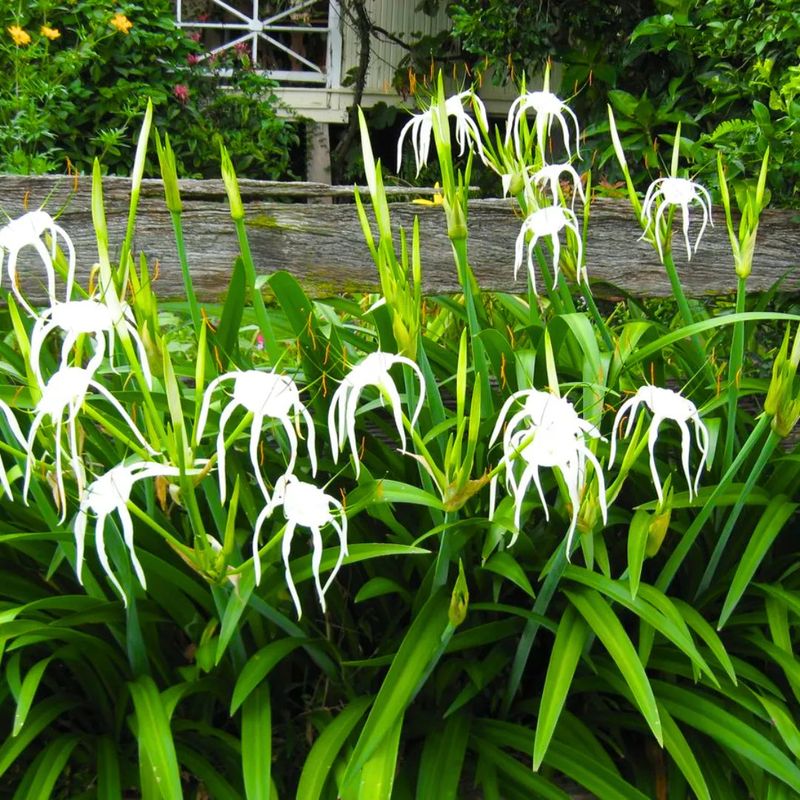
Few flowers turn heads quite like the spider lily. Its long, spidery white petals stretch outward from a central cup like something out of a fantasy garden, yet it grows easily in Florida without any fuss.
Reaching 1 to 2 feet tall, spider lily fits nicely along pond edges, in rain gardens, or in standard borders. It thrives in moist to wet soils and partial shade.
The blooms appear in late summer and fall, giving the garden a fresh burst of interest just as other plants start winding down.
Blue Fescue
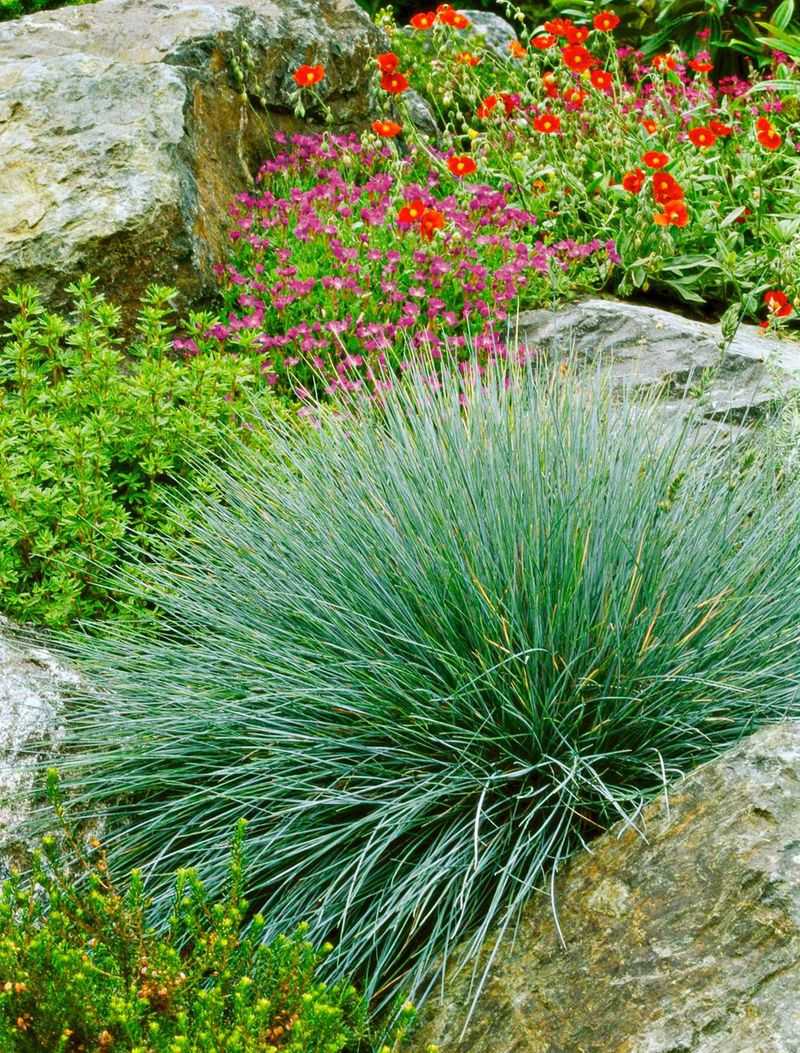
Blue fescue is the ornamental grass world’s answer to jewelry. Its tight, silver-blue tufts catch the sunlight and shimmer in the breeze, adding texture and cool color contrast to Florida garden beds that often run warm and tropical.
Growing just 6 to 12 inches tall, it works beautifully as an edging plant or in rock gardens. It prefers full sun and excellent drainage, so avoid soggy spots.
Dividing clumps every couple of years keeps the plant looking fresh and prevents the center from dying out.
Dwarf Agapanthus
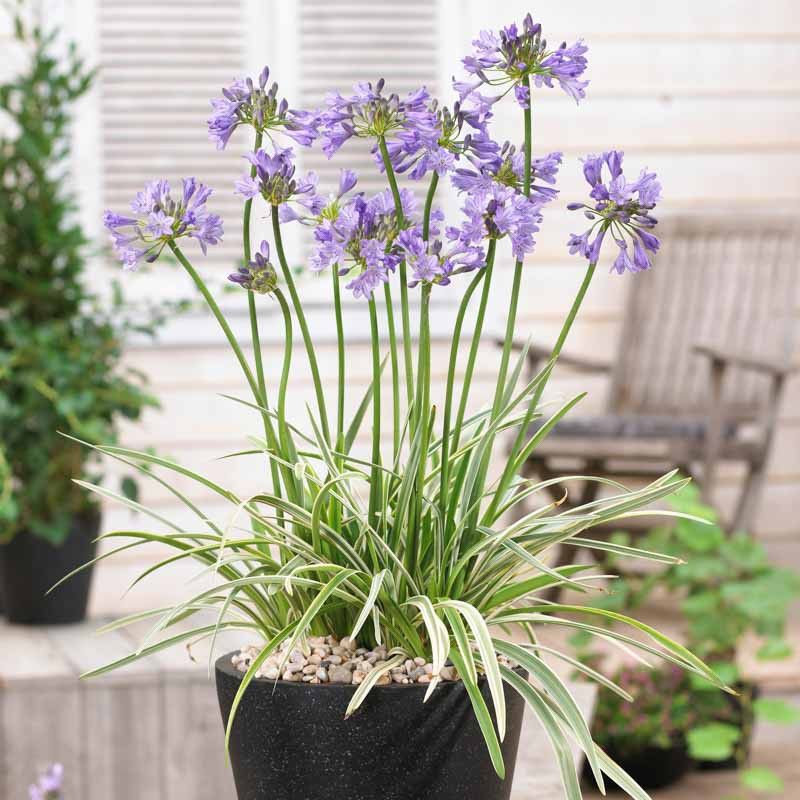
Agapanthus is already a beloved garden plant, but the dwarf variety makes it accessible for even the smallest Florida spaces. Round clusters of blue or white flowers rise above strap-like leaves on slender stalks, creating a clean, elegant display.
Dwarf varieties typically reach 1 to 2 feet in height, making them great for containers or front-of-border planting. They prefer full sun to light shade and moderate watering.
Once established, they’re surprisingly drought-tolerant and come back reliably each season without requiring division very often.
Oyster Plant
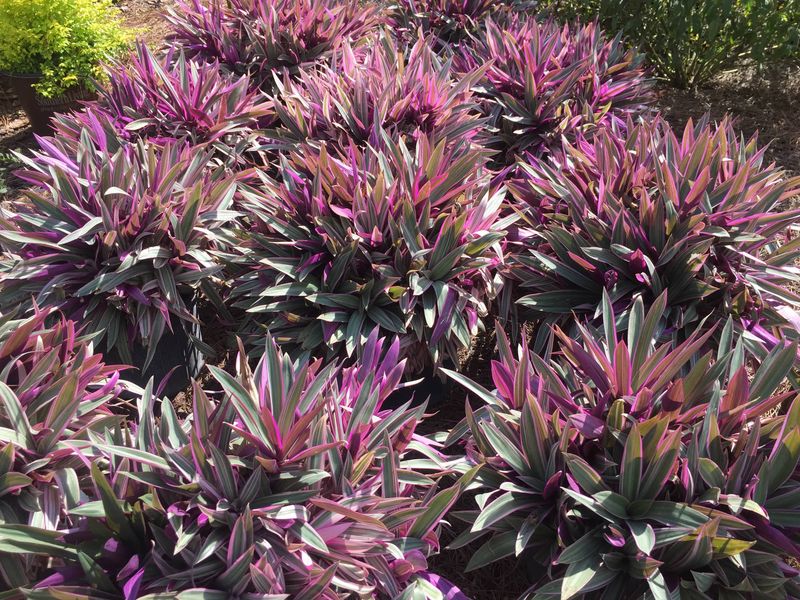
Oyster plant doesn’t need flowers to steal the show. Its sword-shaped leaves are deep green on top and rich purple underneath, creating a two-toned effect that looks stunning whether planted in a container or a shaded garden bed.
Growing 12 to 18 inches tall, it spreads slowly by producing offsets, filling in gaps without becoming invasive. It handles shade, drought, and Florida’s heat with ease.
Small white flowers occasionally appear nestled among the leaves, which is where the quirky name ‘oyster plant’ actually comes from.
Coral Bells
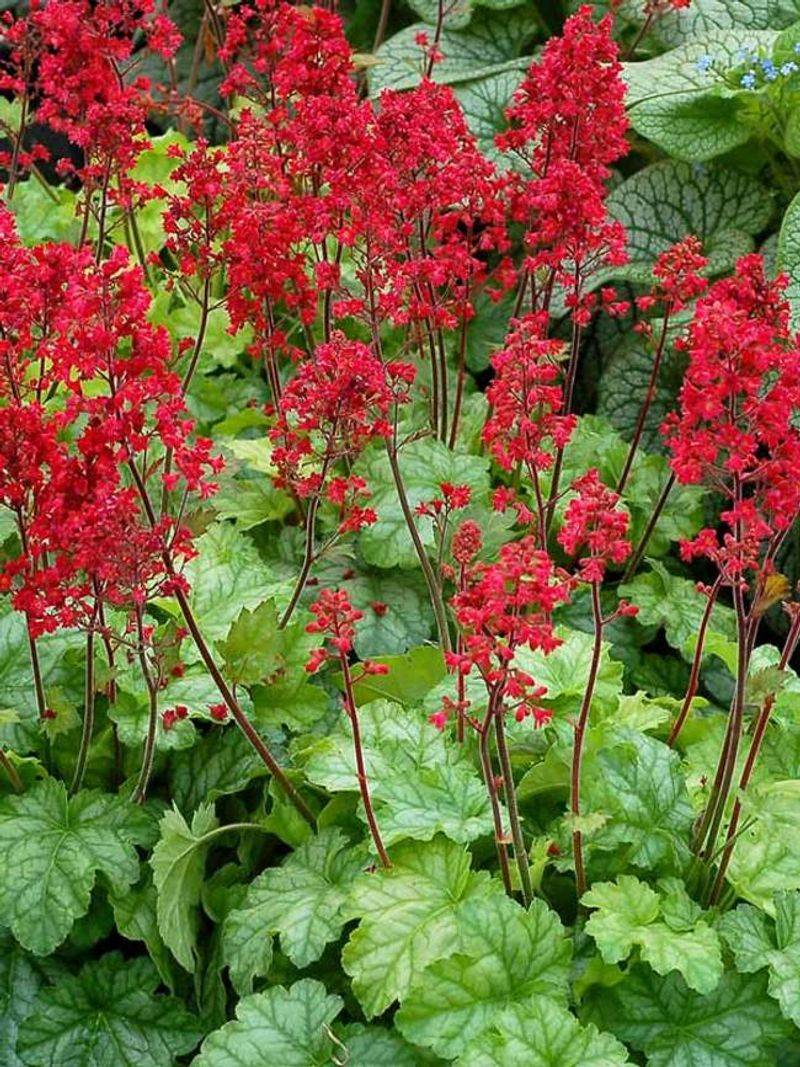
Coral bells are the chameleons of the compact plant world. Leaf colors range from lime green and caramel to deep burgundy and silver, meaning you can pick a variety that matches almost any garden color scheme without breaking a sweat.
Staying around 12 to 18 inches tall, they thrive in partial shade, which is perfect for Florida’s intense afternoon sun. Delicate bell-shaped flowers rise above the foliage on thin stalks in spring.
They work especially well in containers, where their colorful leaves can really take center stage.
Nandina
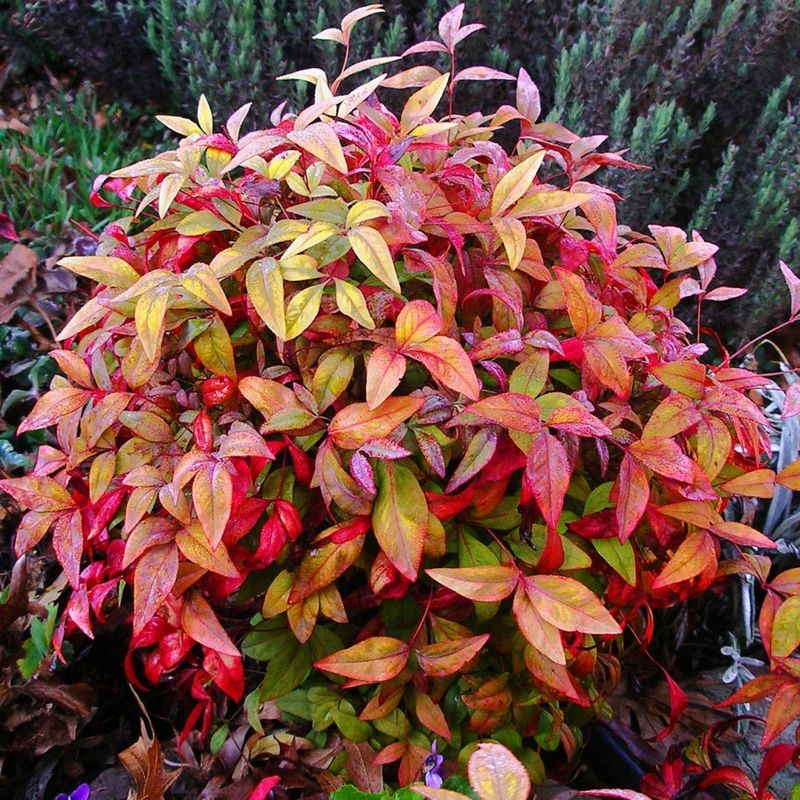
Nandina earns its nickname ‘heavenly bamboo’ by delivering year-round interest in a compact package. New growth emerges reddish-pink, matures to green, then turns fiery red again in cooler months, giving the plant a constantly changing personality through the seasons.
Dwarf varieties stay under 3 feet, making them ideal for small beds or mixed containers. They tolerate sun, shade, drought, and poor soils remarkably well.
Red berries add winter color and attract birds, though gardeners should note that berries are toxic to pets and children.
Dwarf Muhly Grass
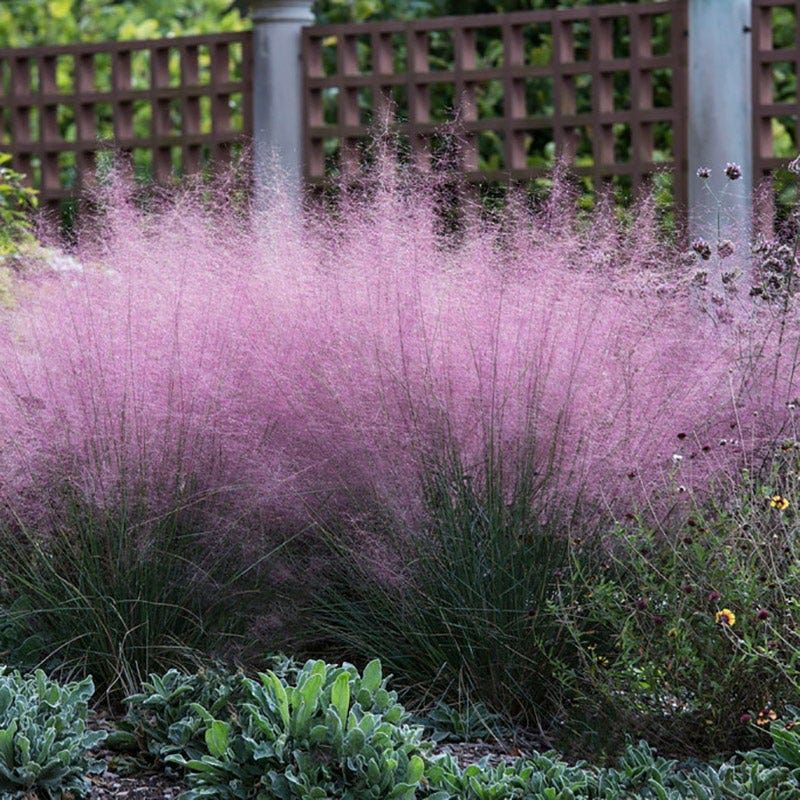
Every fall, dwarf muhly grass puts on a show that stops people in their tracks. The plant erupts in a cloud of soft pink-purple plumes that catch the light and sway gently in the breeze, looking almost like cotton candy floating above the garden.
Growing about 1 to 2 feet tall, it fits easily into small beds, borders, or mass plantings. It thrives in full sun with excellent drainage and is highly drought-tolerant once established.
Cutting it back in late winter keeps it looking tidy and encourages strong new growth each spring.
Liriope
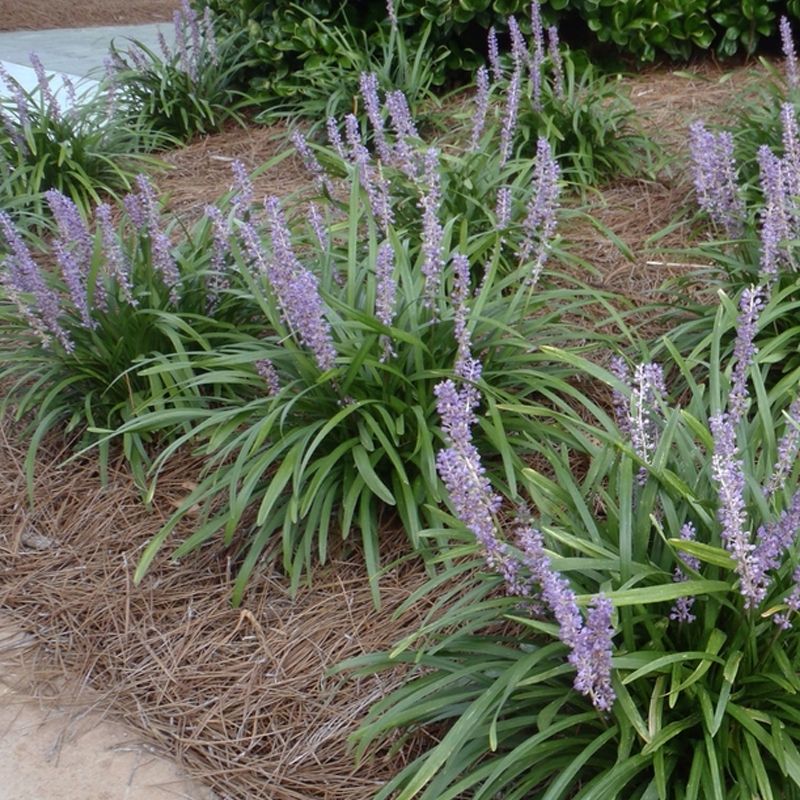
Liriope is one of Florida’s most dependable workhorses. It lines pathways, fills shady corners, and holds slopes together without ever asking for much in return.
Gardeners sometimes call it ‘lilyturf,’ though it’s not a true grass or a lily.
Growing 12 to 18 inches tall, liriope produces spikes of purple or white flowers in late summer, followed by small black berries. It tolerates drought, shade, and salt spray, making it one of the most adaptable plants on this entire list.
Both variegated and solid green forms are widely available in Florida nurseries.
Dwarf Palmetto
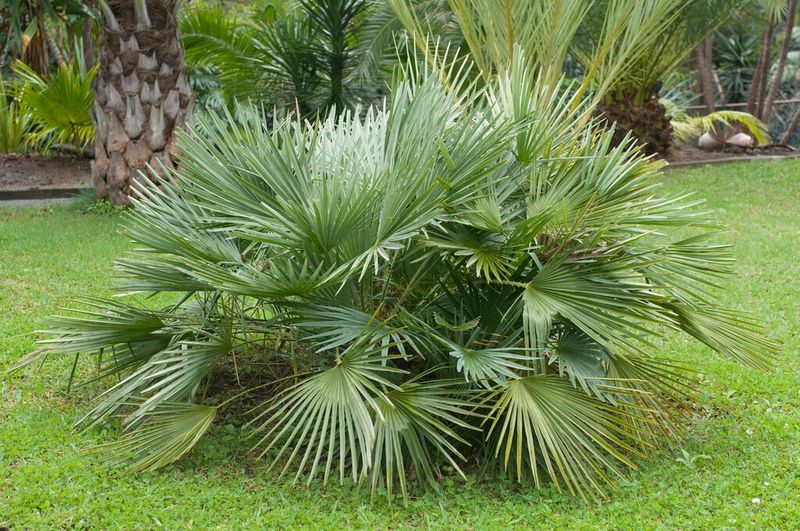
Florida’s state tree may be the sabal palm, but the dwarf palmetto is the one that actually fits in a small yard. This native palm grows so slowly that it often looks like a ground cover, with fan-shaped fronds spreading outward from a nearly invisible trunk.
Reaching just 3 to 6 feet over many years, it handles shade, drought, salt, and poor sandy soils like a true Florida native should. It’s virtually maintenance-free once established.
Planting it alongside other natives creates a cohesive, eco-friendly garden that supports local wildlife.
Cuphea Hyssopifolia
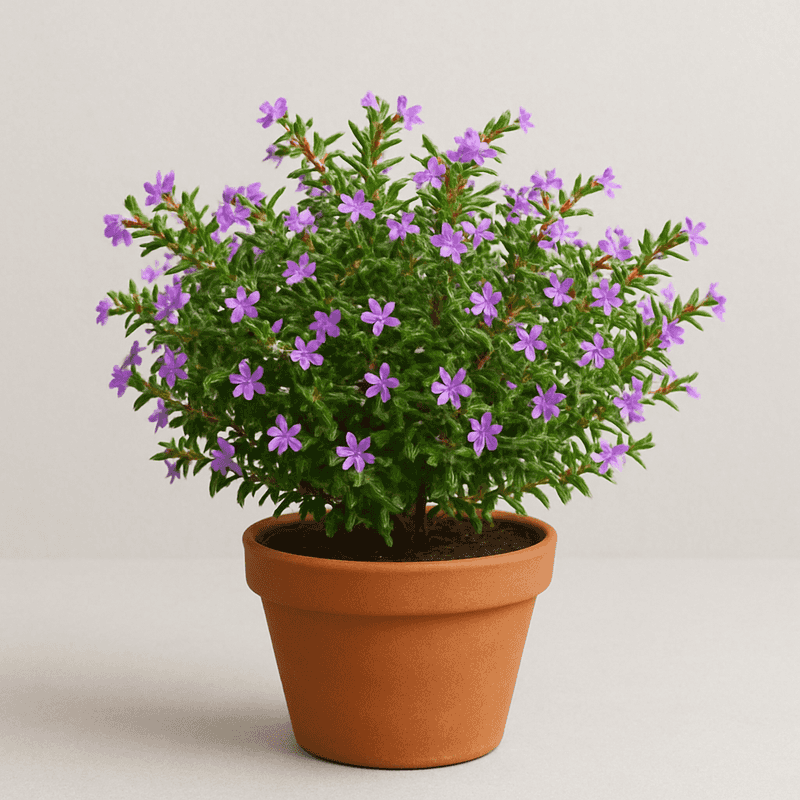
Sometimes called false heather or elfin herb, cuphea hyssopifolia is one of those plants that looks delicate but is actually remarkably tough. Tiny lavender-pink flowers cover the fine-textured foliage almost continuously, creating a soft, airy effect in the garden.
This compact shrub grows just 1 to 2 feet tall and wide, fitting neatly into borders, rock gardens, or containers. It thrives in full sun and handles Florida’s heat and humidity without missing a beat.
Butterflies and bees visit it regularly, so it doubles as a mini pollinator garden all on its own.
Pygmy Date Palm
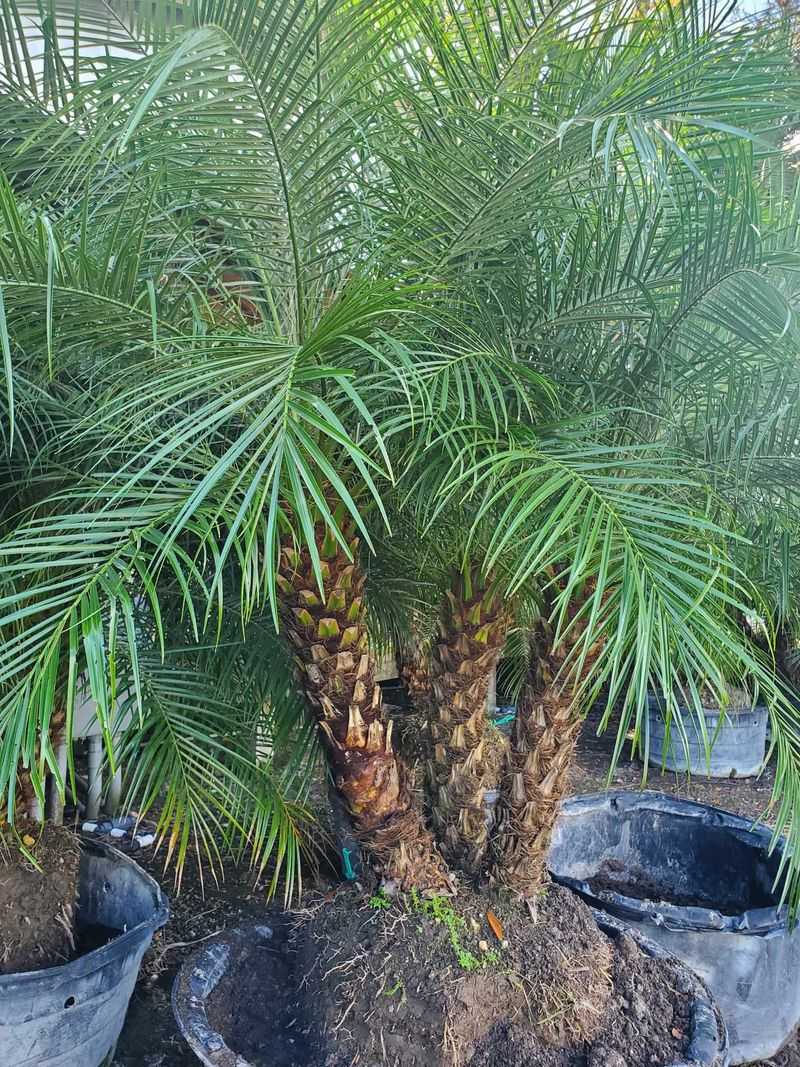
Want the look of a tropical paradise without dedicating half your yard to a towering palm? The pygmy date palm delivers exactly that.
Its graceful, arching fronds and slender trunk create an elegant tropical focal point that fits almost anywhere.
Growing slowly to about 6 to 8 feet over many years, it stays manageable in small Florida gardens or large containers. It prefers full sun to partial shade and well-drained soil.
Grouping two or three together in a cluster creates a lush, resort-style look that feels much grander than the space it actually occupies.
Enjoyed this story?
Add Fast Food Club as a preferred source to see more of our reporting on Google.