


Feeling great after 50 starts in your kitchen. Small, consistent choices can boost energy, protect your heart, and keep joints and digestion running smoothly.
You do not need fancy superfoods or complicated recipes, just simple staples that work hard for you every day. Here are 22 tasty essentials to make healthy aging easier and more satisfying.
Oatmeal
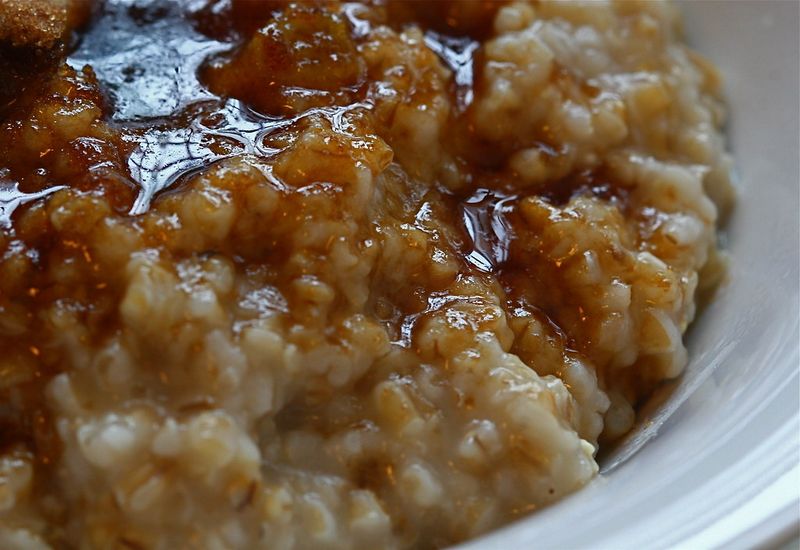
Start your morning with oatmeal to feed your heart, digestion, and energy. Its soluble fiber helps lower LDL cholesterol while keeping blood sugar steadier, which matters more as insulin sensitivity shifts after 50.
Choose old-fashioned or steel-cut oats for a slower release and longer-lasting fullness you can feel.
Boost flavor and benefits by adding cinnamon, chia seeds, or walnuts. You will get minerals like magnesium and iron, plus B vitamins that support metabolism.
If you prefer quick prep, batch-cook and reheat with milk or yogurt. Sweet or savory, oatmeal adapts easily to your routine.
Blueberries
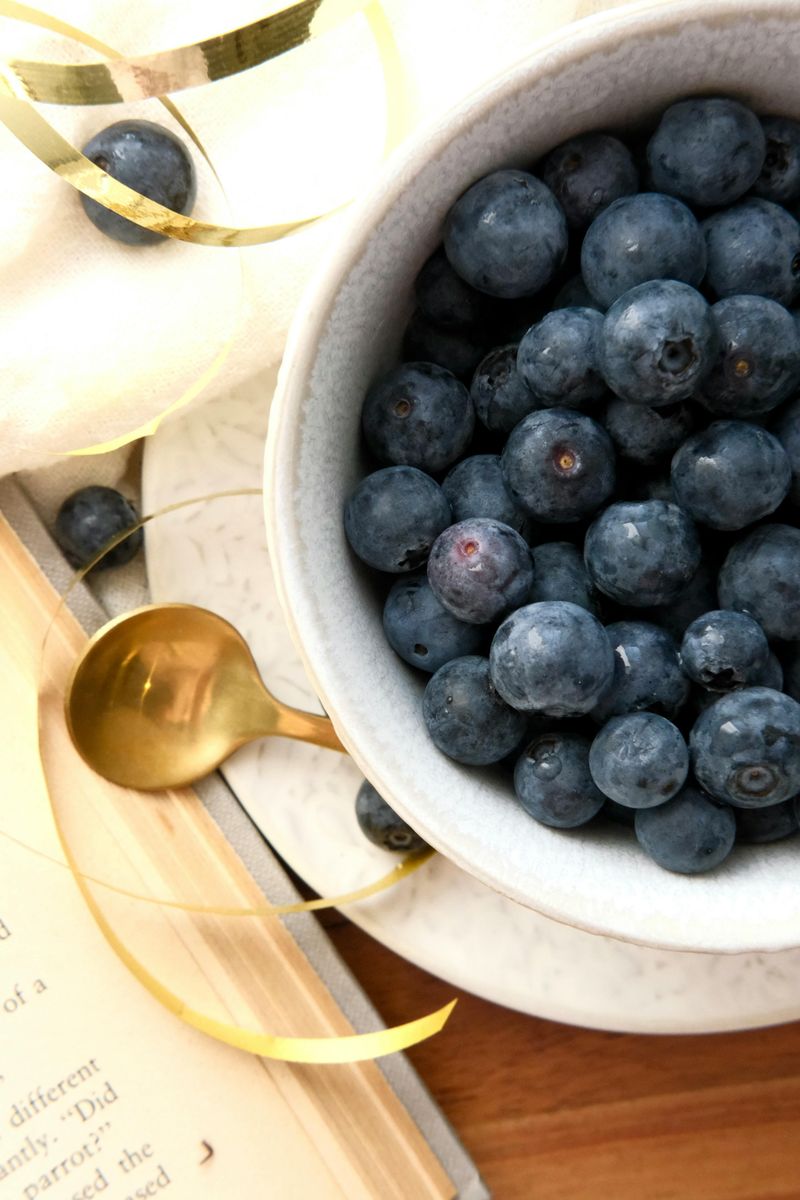
Blueberries deliver powerful antioxidants that help counter everyday oxidative stress. That means better support for brain health, skin resilience, and heart protection as the years add up.
Their natural sweetness satisfies without a blood sugar spike, especially when paired with protein or healthy fats at breakfast or snacks.
Toss them into yogurt, oatmeal, smoothies, or salads. Frozen berries work just as well and are more budget friendly.
You also get fiber, vitamin C, and manganese in every handful. Keep a bag in the freezer so you always have a brain-friendly, glow-supporting boost ready when cravings hit.
Walnuts
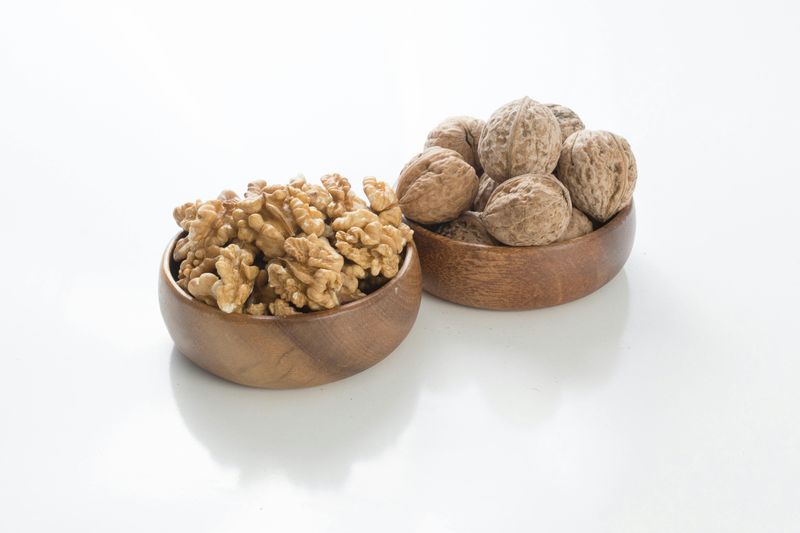
Walnuts are a go-to for plant-based omega-3s that support heart and brain health. As you get older, inflammation management becomes essential, and these crunchy bites deliver ALA plus antioxidants to help.
They also bring protein and fiber for steady energy, making them a smart add-on to salads, yogurt, or oatmeal.
Portion wisely, since they are calorie dense. A small handful goes a long way for satiety and flavor.
Store them in the fridge to keep oils fresh. Lightly toast before using to boost nuttiness and aroma.
Add to pesto or baked goods for a rich, satisfying crunch.
Grilled salmon
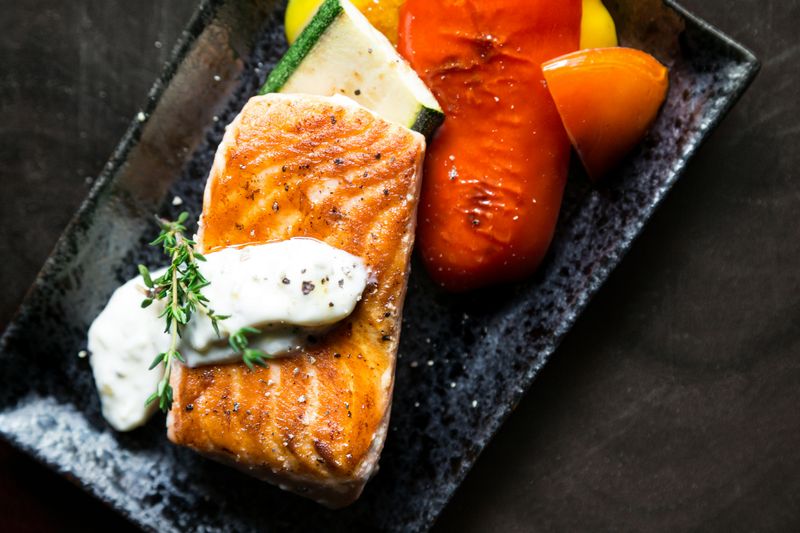
Grilled salmon is a delicious way to get high quality protein and long-chain omega-3s EPA and DHA. Those fats support heart rhythm, brain function, and joint comfort, all valuable after 50.
Grilling keeps it simple while preserving moisture and flavor without heavy sauces. A squeeze of lemon brightens everything.
Choose wild-caught when possible and do not overcook. Pair with leafy greens and whole grains for a balanced plate.
Leftovers flake beautifully into salads or grain bowls for easy lunches. If fish feels new, start with milder varieties like coho or sockeye and build from there.
Olive oil
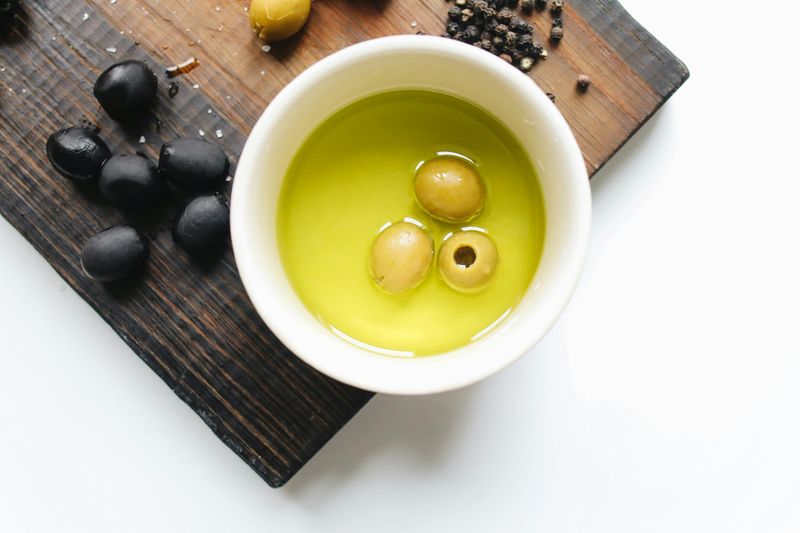
Extra virgin olive oil brings monounsaturated fats and polyphenols that love your heart and blood vessels. Swap it for butter in everyday cooking to help manage cholesterol and support healthy inflammation balance.
Its peppery finish signals freshness and antioxidant punch, especially when used as a finishing drizzle.
Use it on roasted vegetables, salads, and grilled fish. Store tightly sealed away from heat and light to protect flavor.
You can even blend it into sauces or hummus for silky texture. Quality matters, so choose a harvest-dated bottle you will finish in a few months for peak taste.
Garlic
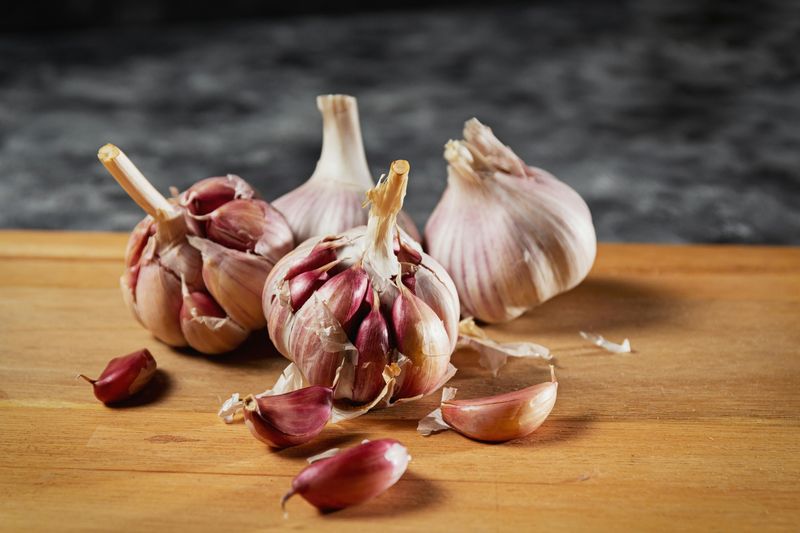
Garlic does more than flavor dinner. Its sulfur compounds, including allicin, support heart health by helping maintain healthy blood pressure and lipids.
As taste buds evolve with age, bold aromatics make lighter cooking satisfying. Roasting mellows sharpness and brings sweetness, perfect for spreading on toast or blending into soups.
Crush or chop and let it sit a minute to activate beneficial compounds. Pair with olive oil, tomatoes, and herbs for an easy Mediterranean edge.
If raw garlic bothers digestion, use cooked or confit versions. Keep a jar ready to stir into beans, greens, or dressings.
Greek yogurt
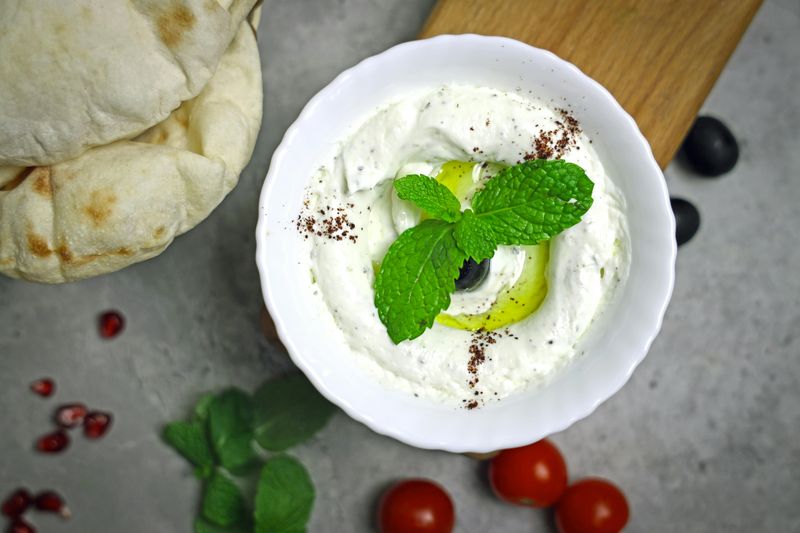
Greek yogurt gives you concentrated protein and calcium in a creamy, versatile package. Protein helps preserve muscle, which naturally declines with age, and calcium supports bones.
Choose plain to avoid added sugars, then sweeten lightly with fruit or a drizzle of honey. It also brings probiotics that support a calmer, more regular gut.
Use it as a base for smoothies, dips, and dressings. Swap for sour cream to lighten comfort foods without losing richness.
If lactose sensitive, try lactose-free or kefir. Keep single-serve cups on hand for quick snacks that balance satiety, convenience, and steady energy throughout the day.
Eggs
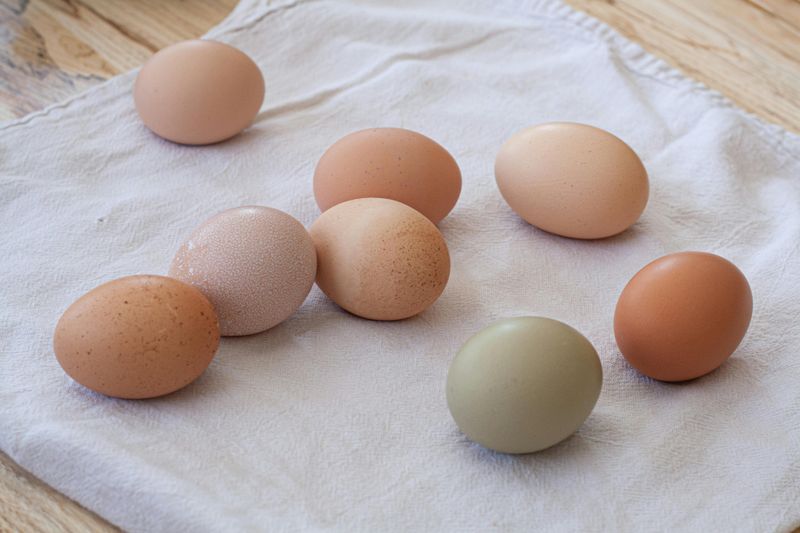
Eggs are a compact source of high quality protein, choline, and B vitamins that support brain function and metabolism. After 50, protein timing matters for muscle maintenance, and eggs make it simple at breakfast, lunch, or dinner.
Do not fear the yolk, which holds most nutrients, including eye-friendly lutein and zeaxanthin.
Hard-boil a batch for ready snacks or salad toppers. Pair with vegetables and whole grains to round out the plate.
If cholesterol is a concern, talk with your clinician, but most people can comfortably include eggs. Versatile cooking methods keep meals interesting without extra effort.
Avocado
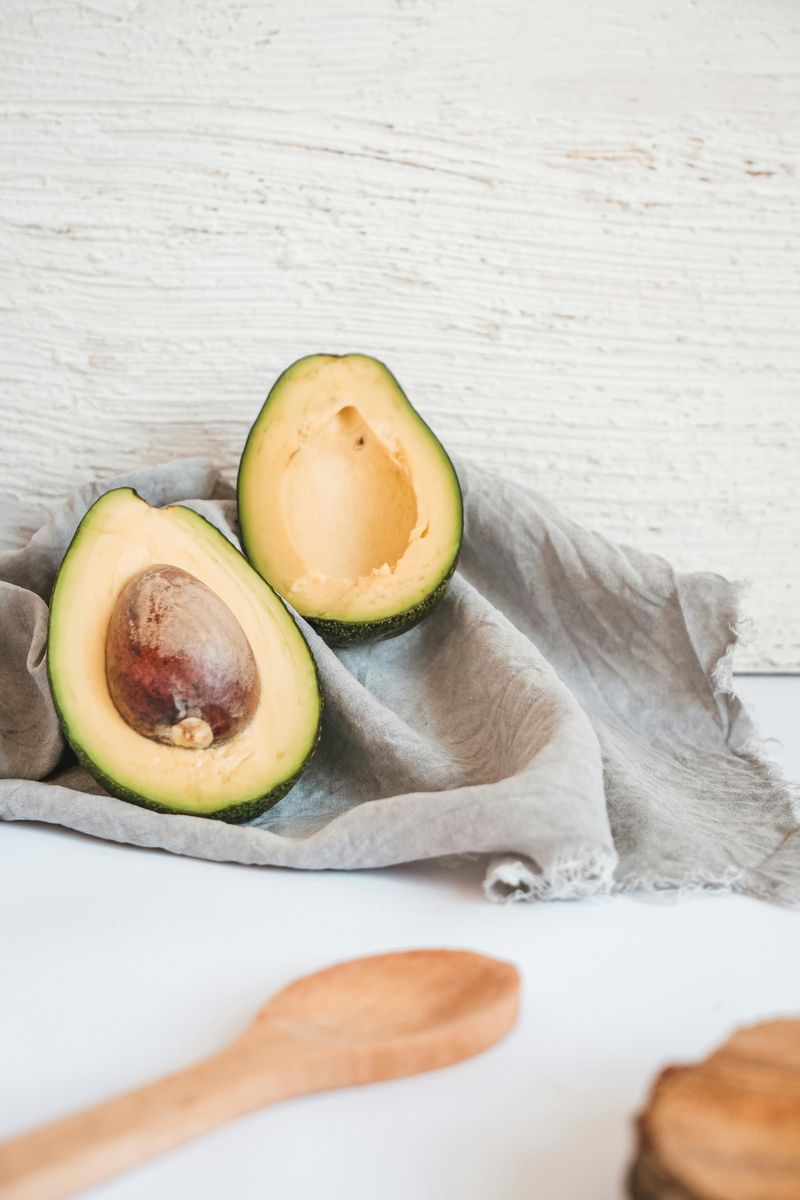
Avocado brings creamy texture with heart-friendly monounsaturated fats and fiber. That combo supports steady energy, comfortable digestion, and healthier cholesterol levels.
After 50, it is smart to favor fats that nourish, and avocado makes it easy. Spread on toast, dice into salads, or blend into smoothies for a lush mouthfeel.
Add a pinch of salt, lemon, or herbs to wake up flavor. Pairing avocado with colorful vegetables helps absorb fat-soluble vitamins like A, D, E, and K.
Watch portions if calories matter, but enjoy regularly. Its versatility turns basic meals into satisfying, nutrient-dense favorites you will crave.
Carrots
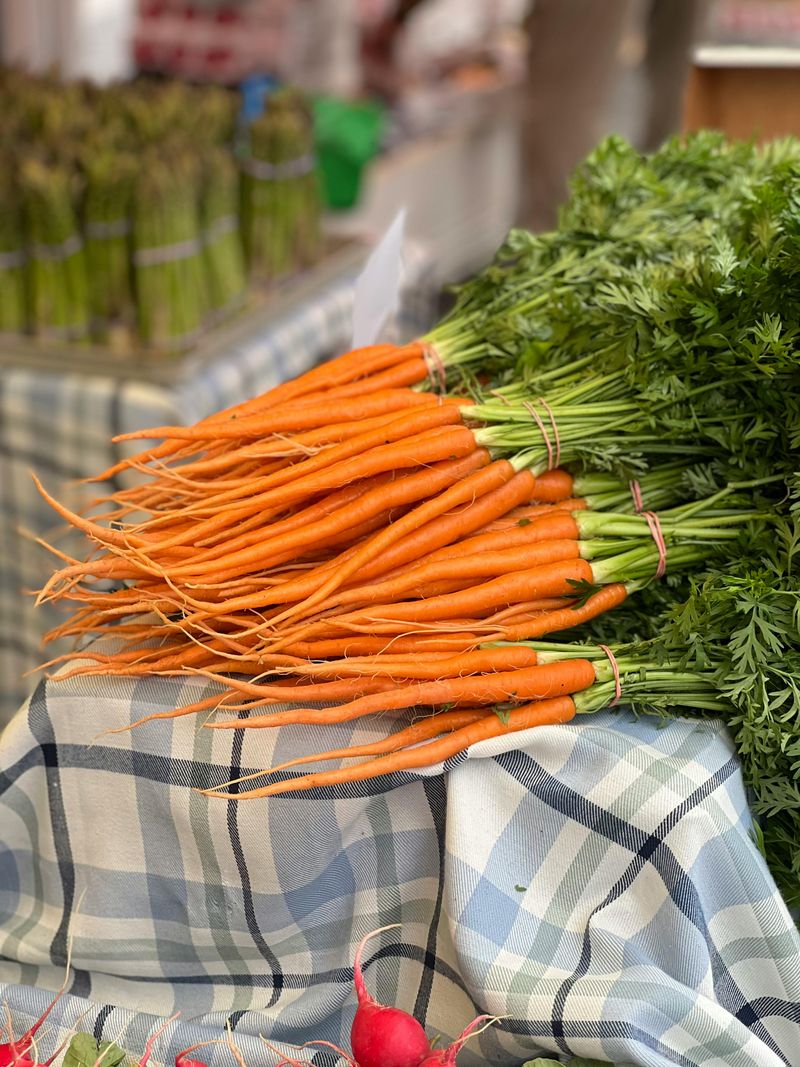
Carrots deliver beta carotene that your body converts to vitamin A, supporting vision and immune function. After 50, eyes appreciate every bit of support, and carrots make it easy and affordable.
Crunch them raw with hummus, roast until caramelized, or simmer into soups. Their natural sweetness satisfies without heavy sugar.
Add olive oil to boost absorption of carotenoids. Purple and yellow varieties bring extra phytonutrients, so mix colors when you can.
Keep prepped sticks in the fridge for effortless snacking. Whether grated into salads or blended into sauces, carrots add comfort, color, and a gentle nutrition lift you will notice.
Tomatoes
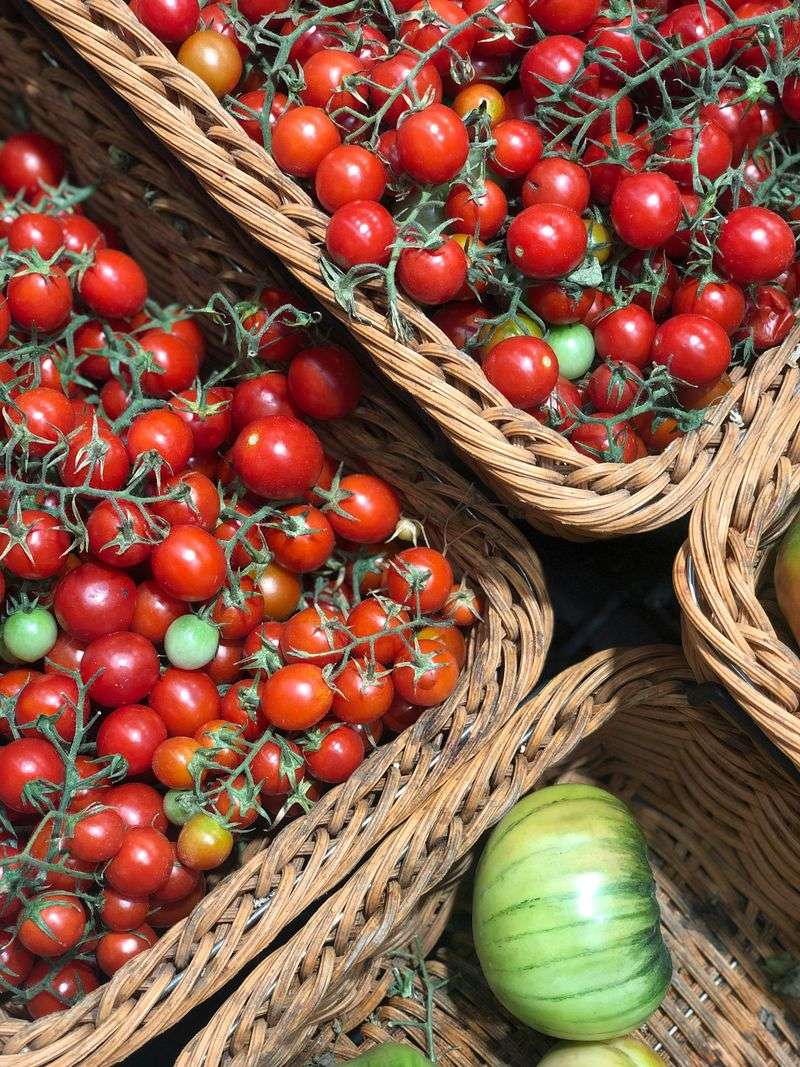
Tomatoes are rich in lycopene, an antioxidant linked with heart and prostate support. Cooking with a little olive oil boosts lycopene absorption, making sauces and roasted tomatoes more than just delicious.
After 50, simple choices like this help stack the deck for long-term wellness without complicated routines.
Choose deeply colored tomatoes for peak flavor. Canned and boxed tomatoes are convenient and nutrient dense, too.
Add them to soups, stews, and shakshuka for easy weeknights. If acidity bothers you, try low-acid varieties or slow roasting to concentrate sweetness.
A sprinkle of fresh herbs brightens every dish effortlessly.
Whole grains
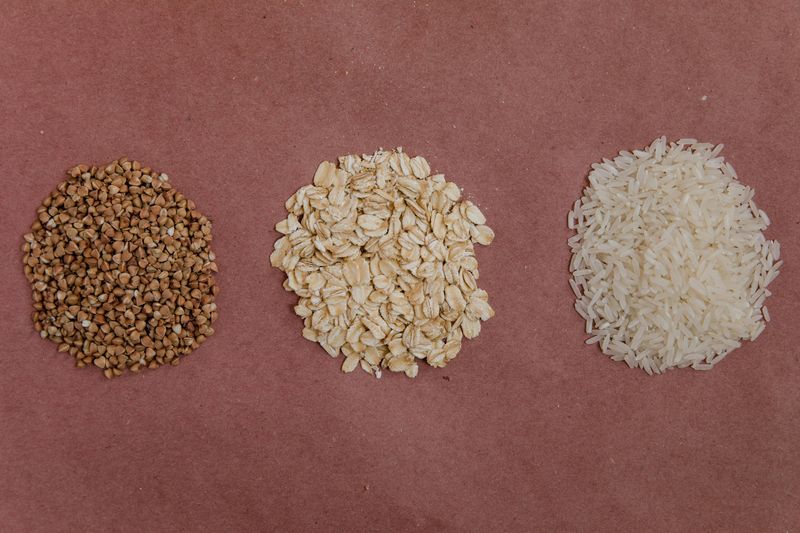
Whole grains offer fiber, B vitamins, and minerals that support energy, digestion, and heart health. After 50, fiber becomes a true friend for blood sugar steadiness and regularity.
Swap refined grains for brown rice, quinoa, farro, or barley to stay fuller longer and keep meals satisfying without extra calories.
Batch-cook and freeze portions for quick bowls. Pair with protein and vegetables to build balanced plates that are easy to repeat weekly.
If gluten is a concern, choose gluten-free options like quinoa or buckwheat. Season with herbs, citrus, and olive oil to make simple grains crave worthy.
Beans
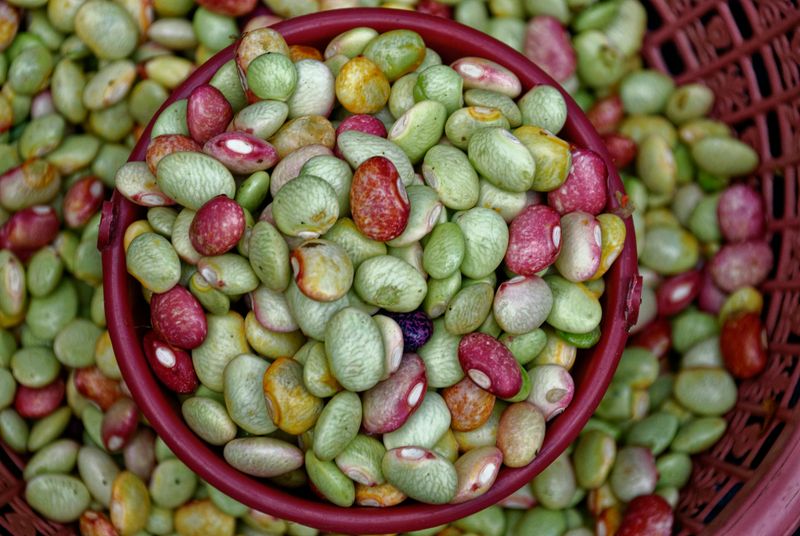
Beans bring plant protein, iron, potassium, and loads of fiber to support cholesterol and blood sugar. After 50, that combination is gold for heart and gut health.
They are budget friendly and endlessly versatile, sliding into salads, soups, dips, and tacos. Rinsing canned beans reduces sodium and makes them ready fast.
Start small if fiber is new and increase gradually with extra water. Pair beans with whole grains for complete protein.
Spice generously with cumin, chili, or garlic to keep flavors bright. Keep a few cans on standby so satisfying, fiber-rich meals are never far away.
Lentils
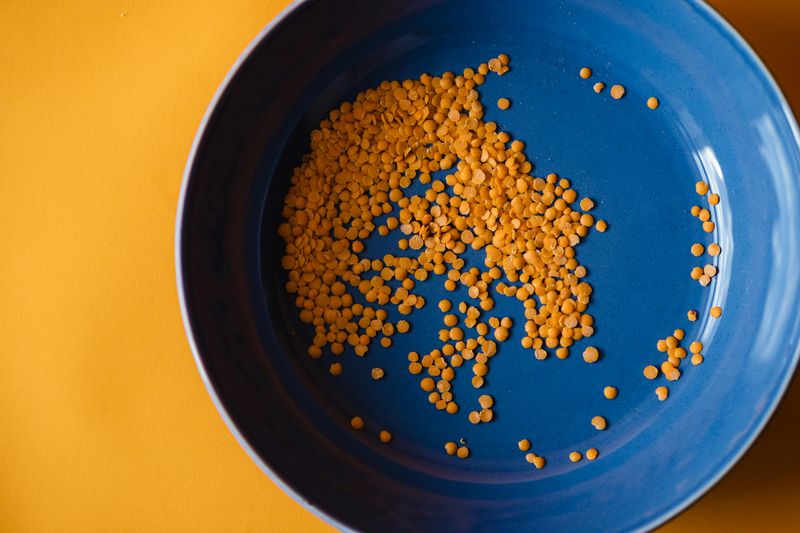
Lentils cook quickly and deliver protein, fiber, and folate in a cozy, comforting package. They help stabilize energy and support heart health, perfect for steady days after 50.
Red lentils break down into creamy soups, while green or black varieties hold shape for salads and bowls. Either way, you win.
Season with curry, garlic, or lemon to keep flavors bright. Batch-cook a pot for easy lunches through the week.
Lentils are gentle on the budget and kind to digestion compared to some legumes. Pair with olive oil and greens for a simple, satisfying, nutrient-dense meal anytime.
Apples
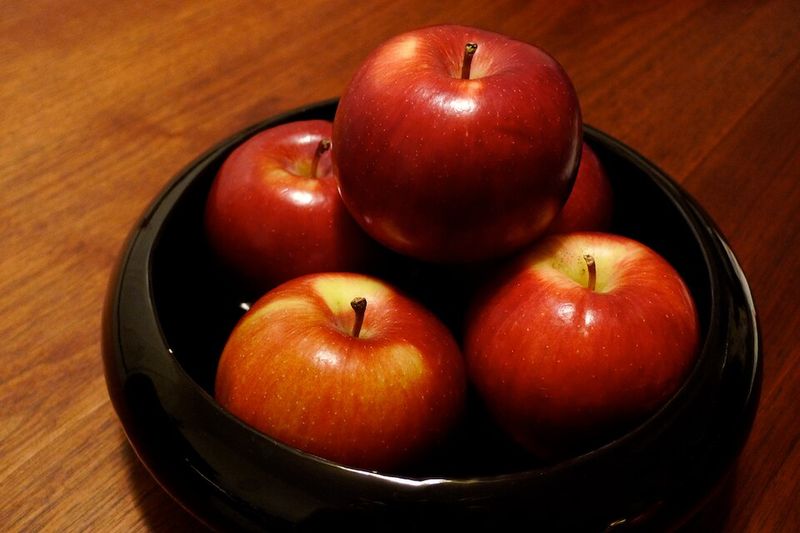
Apples bring pectin, a soluble fiber that supports gut health and helps maintain healthy cholesterol. Their crunch satisfies snack cravings without derailing energy or appetite.
After 50, easy portable fruit like this keeps healthy choices within reach. Pair slices with peanut butter or cheddar for staying power.
Choose a variety you love, from tart Granny Smith to sweet Fuji. Leave the skin on for maximum fiber and antioxidants.
Bake with cinnamon for a warm dessert that still feels light. Keep a bowl on the counter as a visual cue to grab one daily.
Broccoli
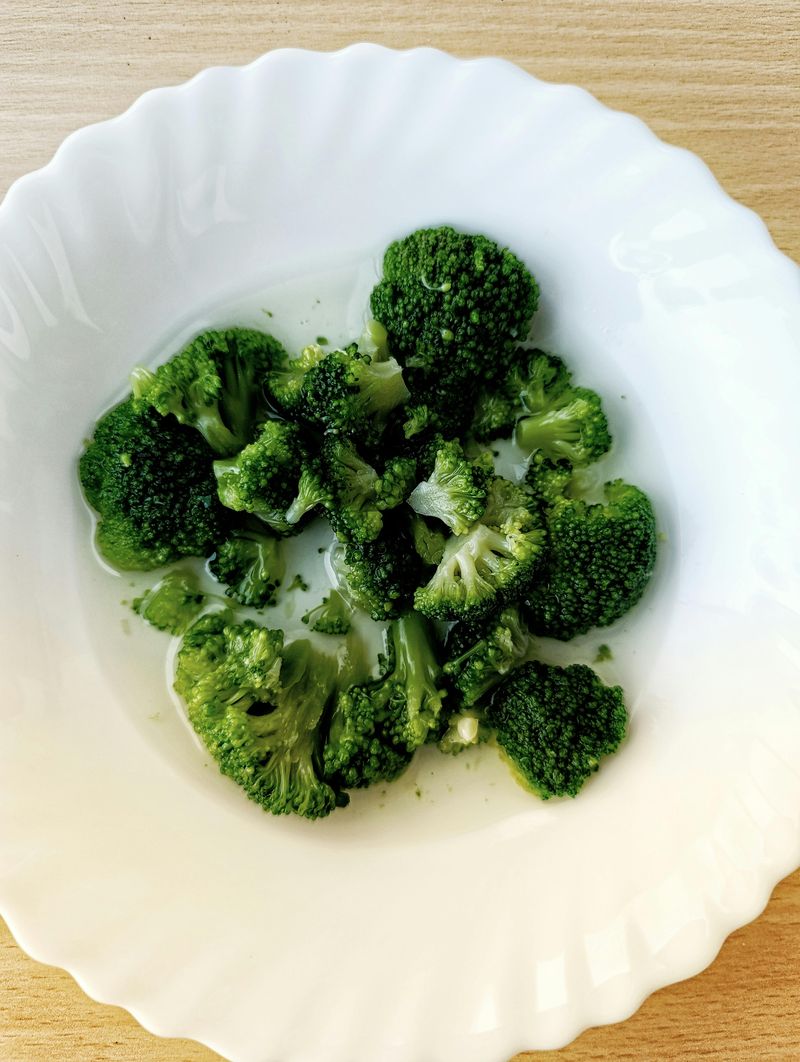
Broccoli delivers fiber, vitamin C, K, and sulforaphane, a compound studied for cellular protection. After 50, prioritizing cruciferous vegetables is a smart move for metabolism and detox support.
Light steaming keeps crunch and preserves nutrients, while roasting adds caramelized edges that make broccoli easier to love every week.
Toss with olive oil, garlic, and lemon for a quick side. Chop finely into eggs or pasta for picky eaters.
Even frozen florets work beautifully when time is tight. Add a sprinkle of nuts or seeds for texture and healthy fats that turn a side into a satisfying dish.
Chicken breast
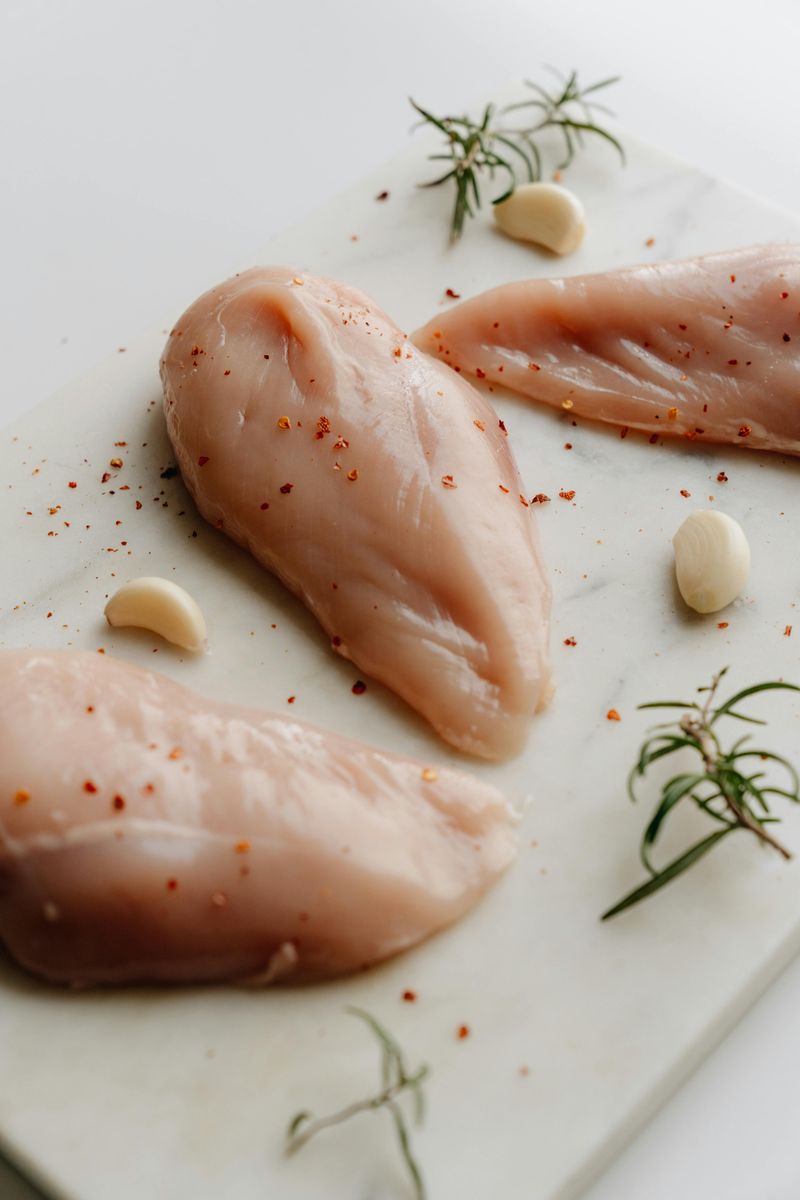
Lean chicken breast offers high quality protein with minimal saturated fat, ideal for maintaining muscle as metabolism shifts. After 50, prioritizing protein at each meal makes a noticeable difference in strength and recovery.
Marinate for tenderness and flavor, then roast, grill, or poach for easy meal prep throughout the week.
Slice into salads, grain bowls, or tacos. Pair with colorful vegetables and whole grains for balance.
If dryness is a concern, try thighs occasionally or finish breast with a light sauce. Cook extra portions so tomorrow’s lunch takes no effort, keeping healthy choices effortlessly within reach.
Fresh spinach
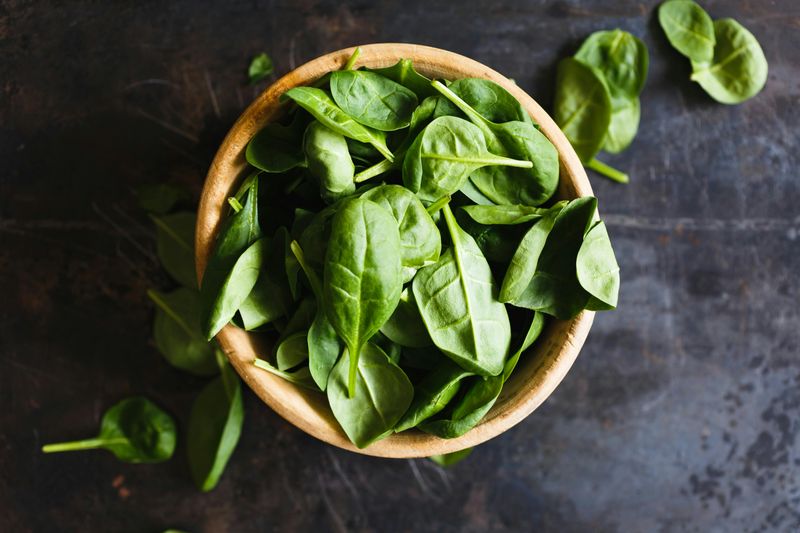
Fresh spinach is loaded with folate, vitamin K, and lutein, a powerful carotenoid for eye health. After 50, supporting vision and bone strength becomes more important, and spinach helps on both fronts.
Its mild taste makes it easy to blend into eggs, smoothies, soups, or quick sautés without overpowering other flavors.
Pair spinach with a little olive oil or avocado to improve absorption of fat-soluble nutrients. Lightly wilting preserves tenderness and keeps prep fast.
You will also get iron and magnesium to support energy and muscles. Keep a bag washed and ready so greens always make the plate.
Almonds
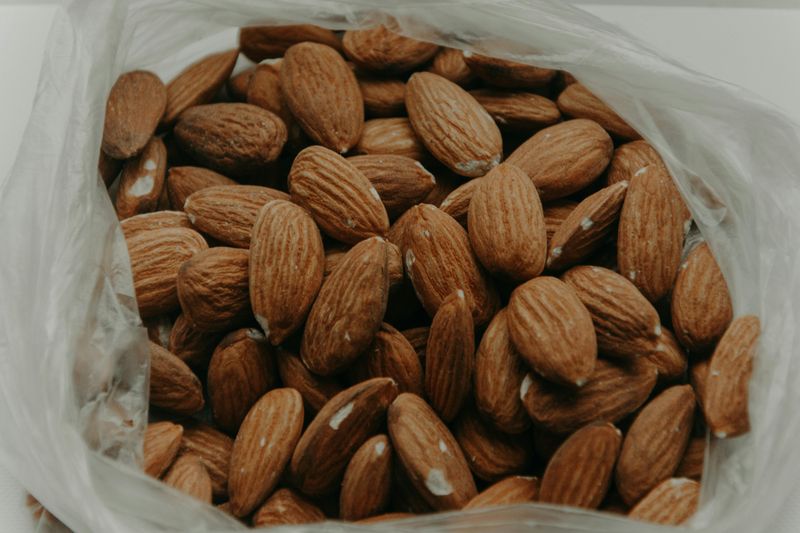
Almonds deliver vitamin E, magnesium, and satisfying crunch that is perfect for on-the-go snacking. After 50, supporting skin, nerves, and muscles feels more important, and almonds help.
They also provide fiber and heart-friendly fats. A small handful curbs cravings and keeps energy steady between meals without a sugar crash.
Buy them raw or lightly roasted, unsalted when possible. Store in airtight containers to keep them fresh.
Add sliced almonds to salads, roasted vegetables, or oatmeal for texture. If chewing is tricky, try almond butter or finely chopped nuts.
Portion into snack bags for easy grab-and-go control.
Cabbage
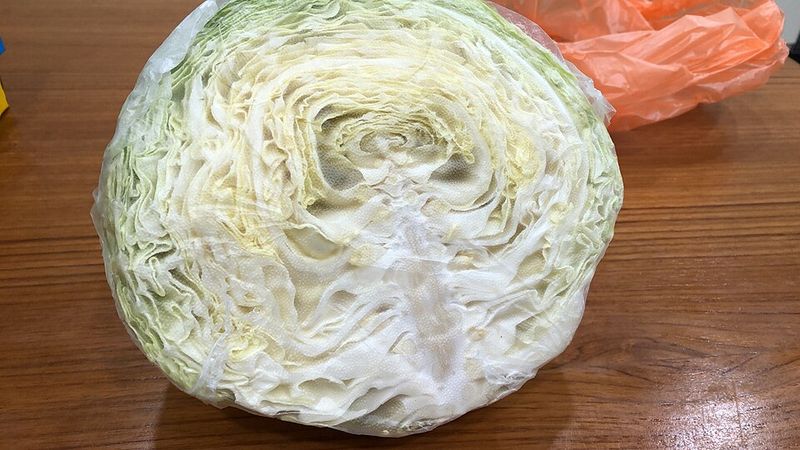
Cabbage is budget friendly, packed with fiber and vitamin C, and surprisingly versatile. After 50, gentle digestion support matters, and cooked cabbage can be easier on the stomach than some raw greens.
Sauté, roast, or stew it until tender and sweet. Red cabbage brings anthocyanins for extra antioxidant support.
Shred into slaws with a light yogurt dressing, or add to soups for bulk and comfort. It keeps well in the fridge, so you can cook once and enjoy twice.
A sprinkle of caraway or apple cider vinegar brightens flavor. Simple, nourishing, and easy to love weekly.
Beets

Beets bring natural nitrates that may support healthy blood flow and stamina. After 50, that can translate to easier walks, workouts, and daily energy.
Roasting concentrates their sweetness and makes them irresistible with olive oil and herbs. They also deliver folate, potassium, and fiber for a well-rounded nutrition boost.
Pair with citrus, goat cheese, or walnuts for balance. If earthy flavor feels strong, try golden beets, which taste milder.
Pre-cooked vacuum-packed beets save time for quick salads. Keep portions moderate if blood sugar is a concern, and enjoy their color and vitality on your plate.
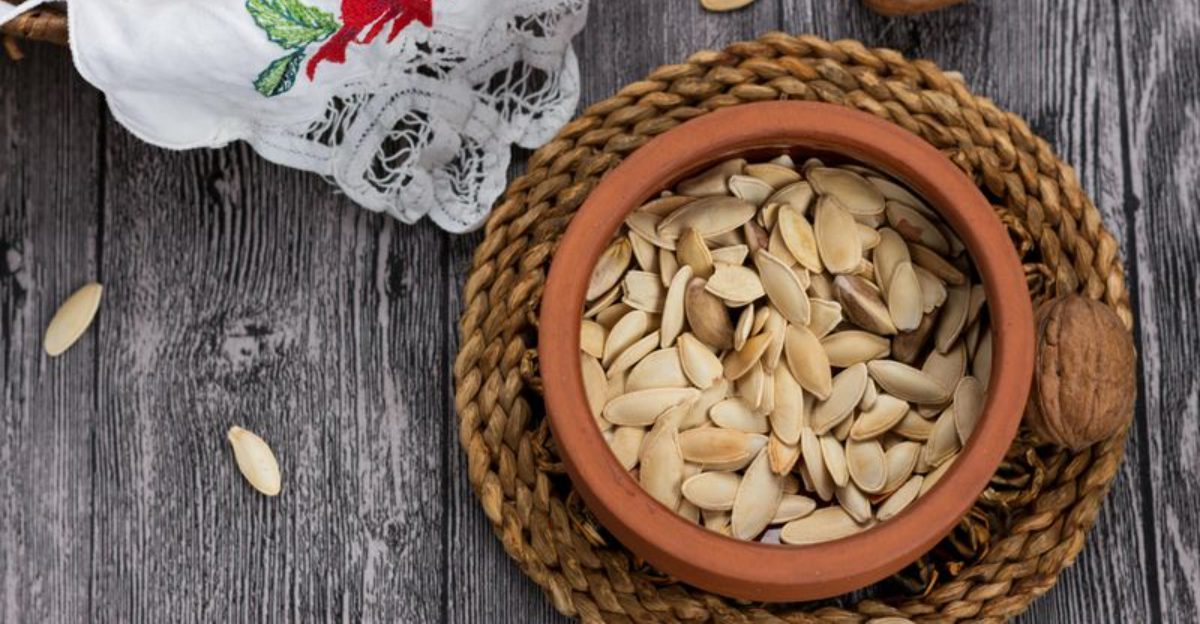
Pumpkin seeds
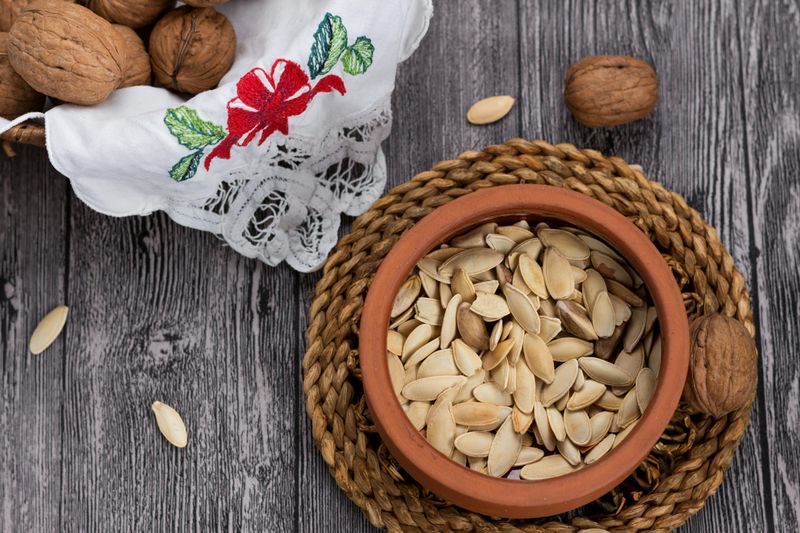
Pumpkin seeds, or pepitas, pack magnesium, zinc, and plant-based iron in a tiny, crunchy package. After 50, magnesium helps with sleep, muscle relaxation, and steady energy.
Sprinkle seeds on salads, oatmeal, or yogurt for nutty flavor and texture. A handful makes a smart afternoon snack that really satisfies.
Choose dry roasted or roast your own with olive oil and spices. Store in the fridge to protect delicate oils.
You will also get some protein and fiber, which team up for lasting fullness. Keep a jar on the counter as a quick, nutrient-dense add-on every day.
Enjoyed this story?
Add Fast Food Club as a preferred source to see more of our reporting on Google.