


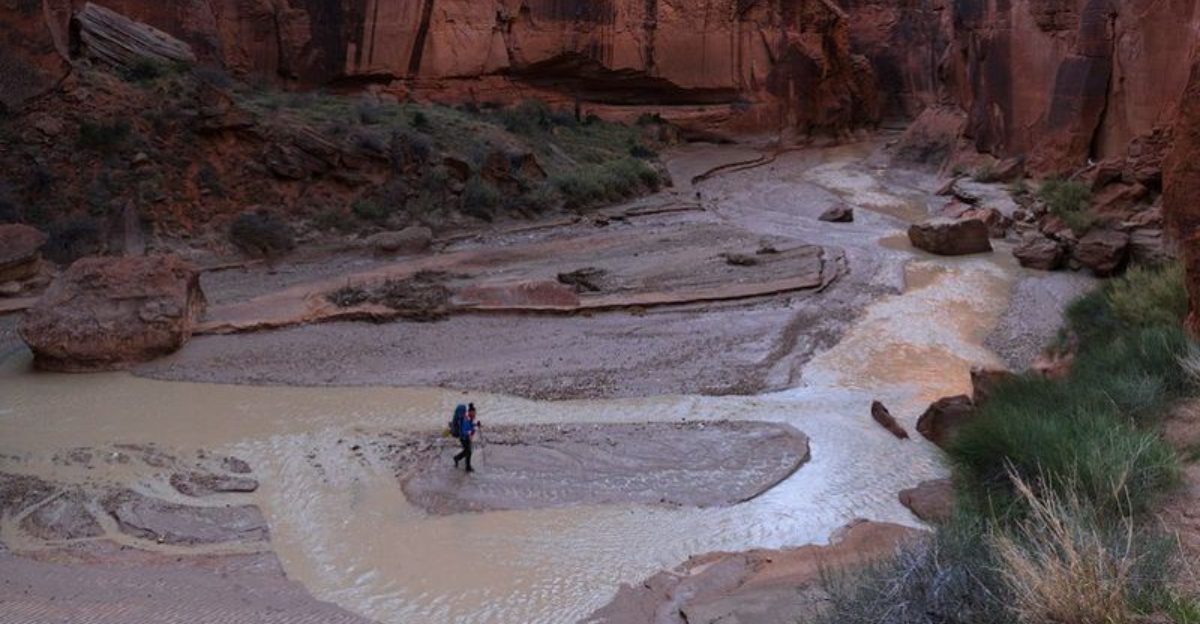
Arizona is home to some of the most jaw-dropping landscapes on Earth, from mile-deep canyons to glowing red rock formations and vast, sun-baked deserts. Whether you are a first-time visitor or a seasoned traveler, the natural wonders of this state have a way of leaving you completely speechless.
From ancient slot canyons carved by water over millions of years to towering saguaro cacti standing like desert sentinels, Arizona offers something truly unforgettable at every turn. Pack your bags and get ready to explore these 17 must-see marvels that deserve a spot on every bucket list.
Grand Canyon National Park – Arizona
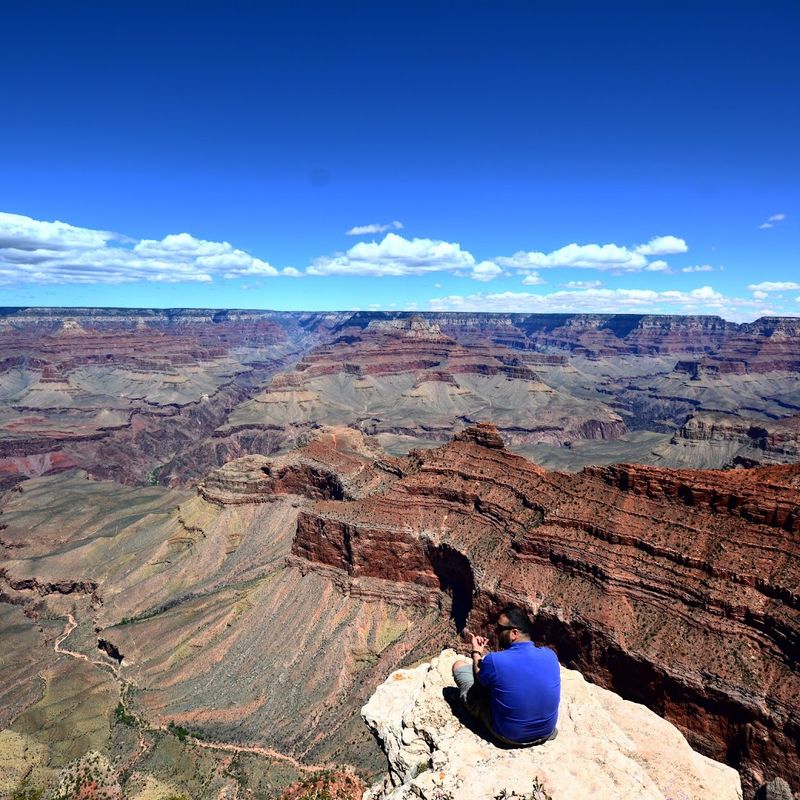
Standing at the rim of the Grand Canyon for the first time feels like the ground has simply dropped away beneath the sky. This iconic chasm stretches 277 miles long, up to 18 miles wide, and over a mile deep.
Scientists estimate it took around 5 to 6 million years for the Colorado River to carve it out.
Hike the Bright Angel Trail, take a mule ride, or just sit at the edge and soak it all in. No photo ever fully captures the real thing.
Antelope Canyon – Arizona
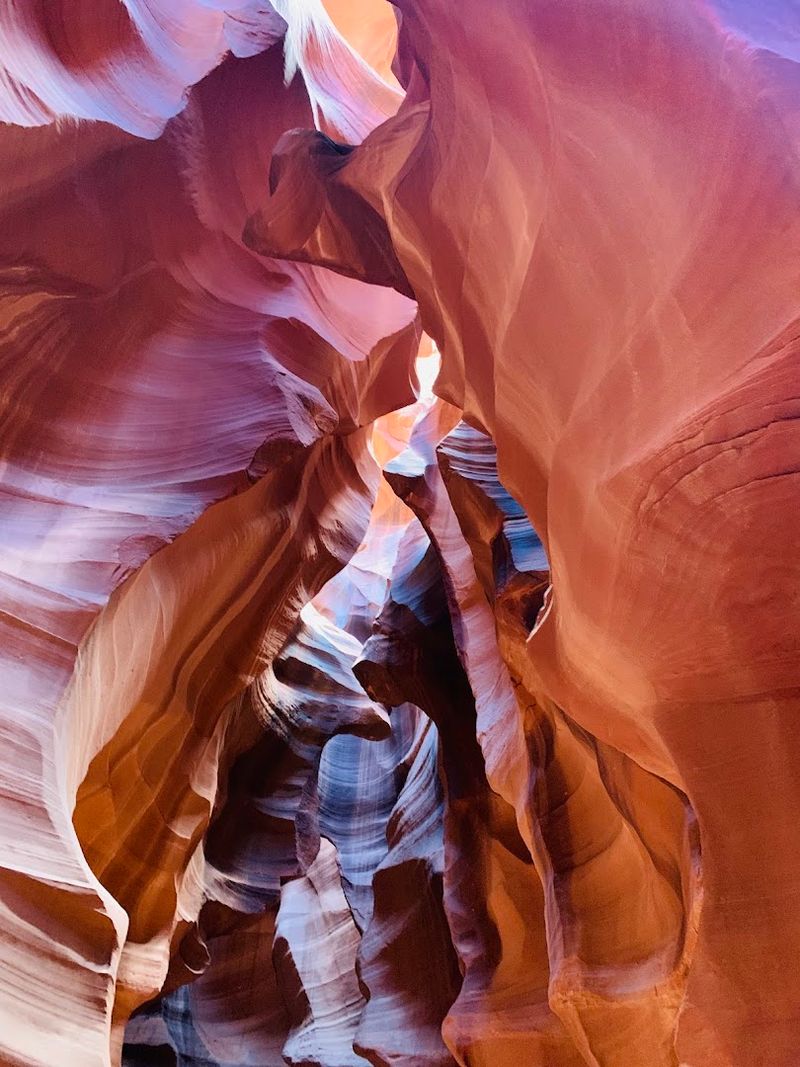
Few places on Earth look as otherworldly as Antelope Canyon, a swirling slot canyon near Page, Arizona. Light beams pour through narrow openings in the rock, painting the walls in warm shades of orange, red, and purple.
It is actually two separate sections: Upper Antelope Canyon and Lower Antelope Canyon.
The Navajo Nation manages access to this sacred site, so guided tours are required. Visiting around midday in summer gives you the best chance to catch those magical light beams everyone photographs.
Horseshoe Bend – Arizona
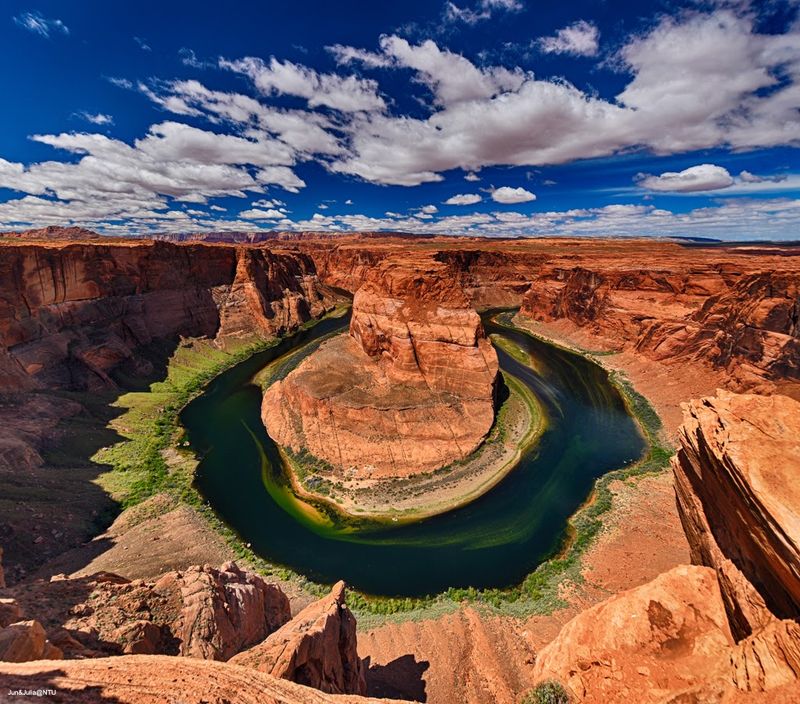
Horseshoe Bend is one of those views that makes your jaw drop the moment you peek over the edge. The Colorado River wraps around a massive sandstone butte in a nearly perfect horseshoe shape, dropping roughly 1,000 feet below the overlook.
Getting here requires only a short 1.5-mile round-trip hike from the parking area.
Sunrise and sunset are the most popular times to visit, but arrive early to beat the crowds. Bring water and wear sturdy shoes since the sandy trail can be tricky.
Canyon de Chelly National Monument – Arizona
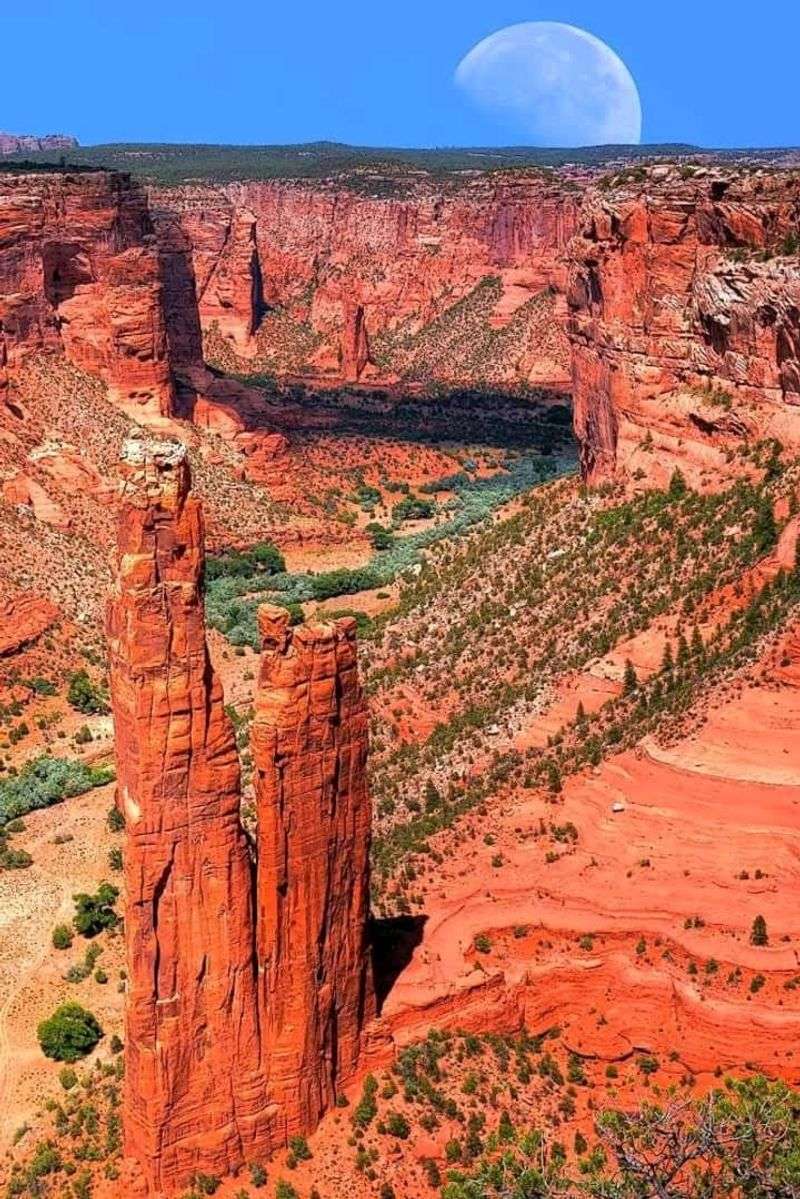
Canyon de Chelly holds layers of history that go back thousands of years. Located in the Navajo Nation in northeastern Arizona, this canyon system contains ancient cliff dwellings built by the Ancestral Puebloan people.
The towering Spider Rock spire, rising 800 feet from the canyon floor, is one of the most photographed spots here.
Unlike most national monuments, you must be accompanied by a Navajo guide to explore inside the canyon. That experience alone makes the visit feel deeply personal and meaningful.
Monument Valley – Arizona
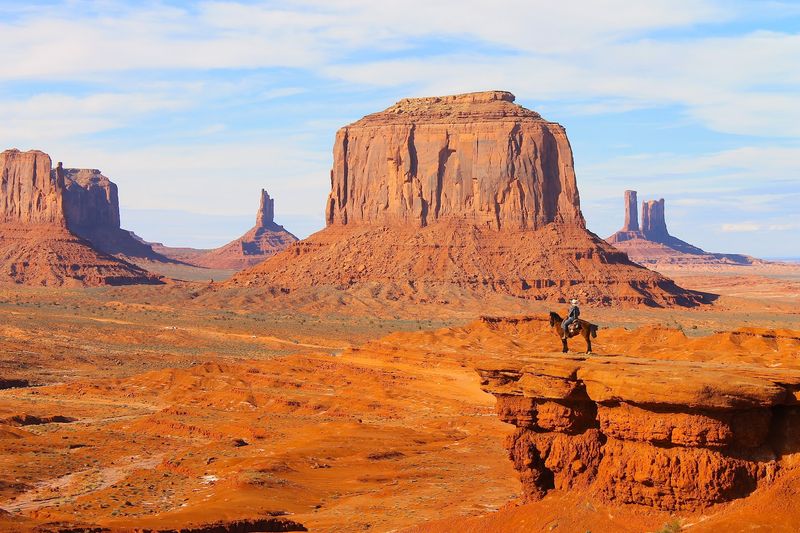
Monument Valley is probably the most recognizable landscape in the American West, thanks to countless Western films and road trip photographs. Those iconic red sandstone mittens rising from the flat desert floor sit within the Navajo Tribal Park on the Arizona-Utah border.
The formations, called buttes and mesas, took millions of years of erosion to shape.
Drive the 17-mile Valley Drive for sweeping views, or book a guided jeep tour with a Navajo guide to access restricted areas and hear fascinating stories about this sacred land.
Red Rock State Park – Sedona, Arizona
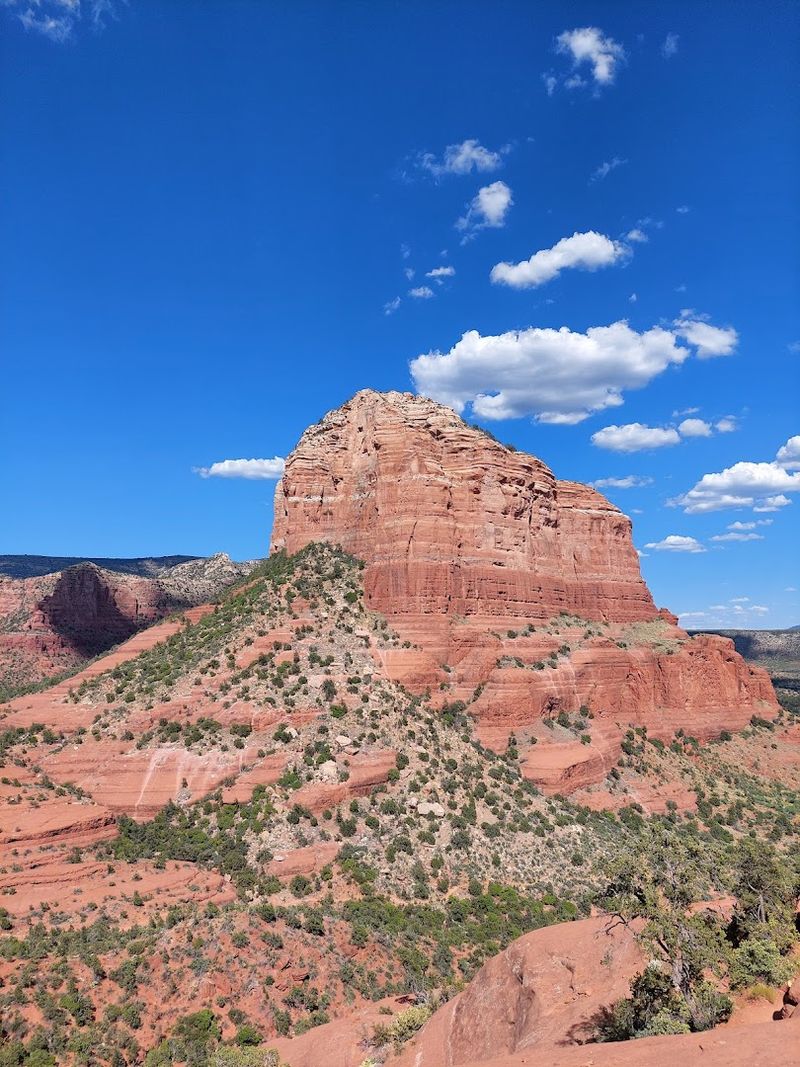
Sedona is famous worldwide for its stunning red rock scenery, and Red Rock State Park puts you right in the middle of it. The park covers about 286 acres along Oak Creek, offering hiking, bird watching, and nature programs throughout the year.
Cathedral Rock, one of the most photographed formations in Arizona, towers majestically in the background.
The park is also known as a spiritual destination, with several nearby energy vortex sites that attract visitors seeking a deeper connection with nature. It is a truly special place.
Petrified Forest National Park – Arizona
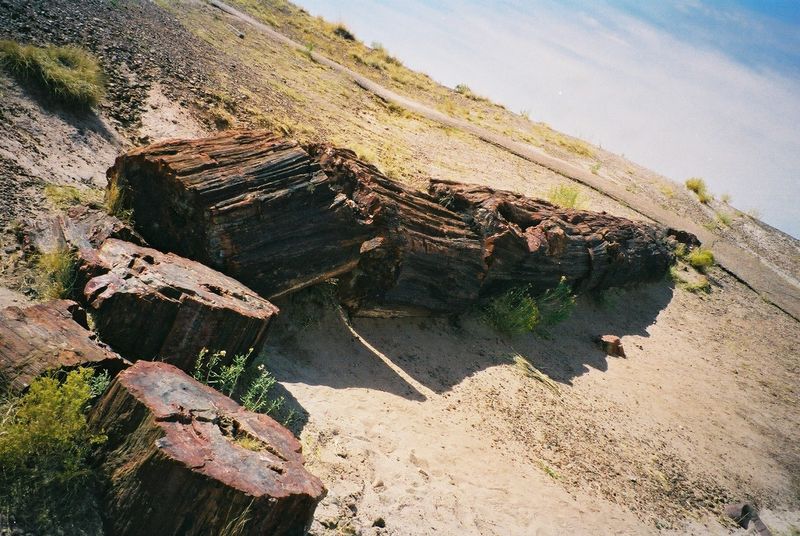
About 225 million years ago, this part of Arizona was a lush tropical forest. Today, Petrified Forest National Park preserves the stunning remains of ancient trees that turned to stone over millions of years.
The logs shimmer with brilliant colors like red, orange, yellow, and purple thanks to minerals that replaced the original wood.
The park also overlaps with the Painted Desert, so visitors get two extraordinary landscapes in one trip. Watch for fossils, ancient petroglyphs, and the occasional roadrunner darting across the trail.
Chiricahua National Monument – Willcox, Arizona
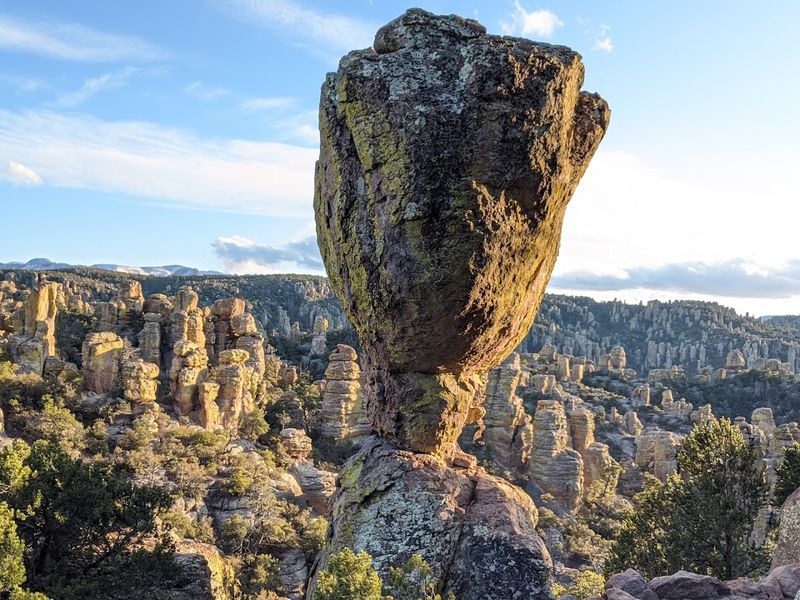
Nicknamed the “Wonderland of Rocks,” Chiricahua National Monument feels like a place dreamed up by a giant. Enormous volcanic rock columns and balancing boulders stack up in gravity-defying formations across southeastern Arizona.
The rocks formed from a massive volcanic eruption about 27 million years ago, and erosion slowly sculpted them into their wild shapes.
Hiking trails wind through the formations at various difficulty levels, making it accessible for most visitors. Early mornings here are magical, with mist rolling through the canyon and birds singing from the pines.
Vermilion Cliffs National Monument – Marble Canyon, Arizona
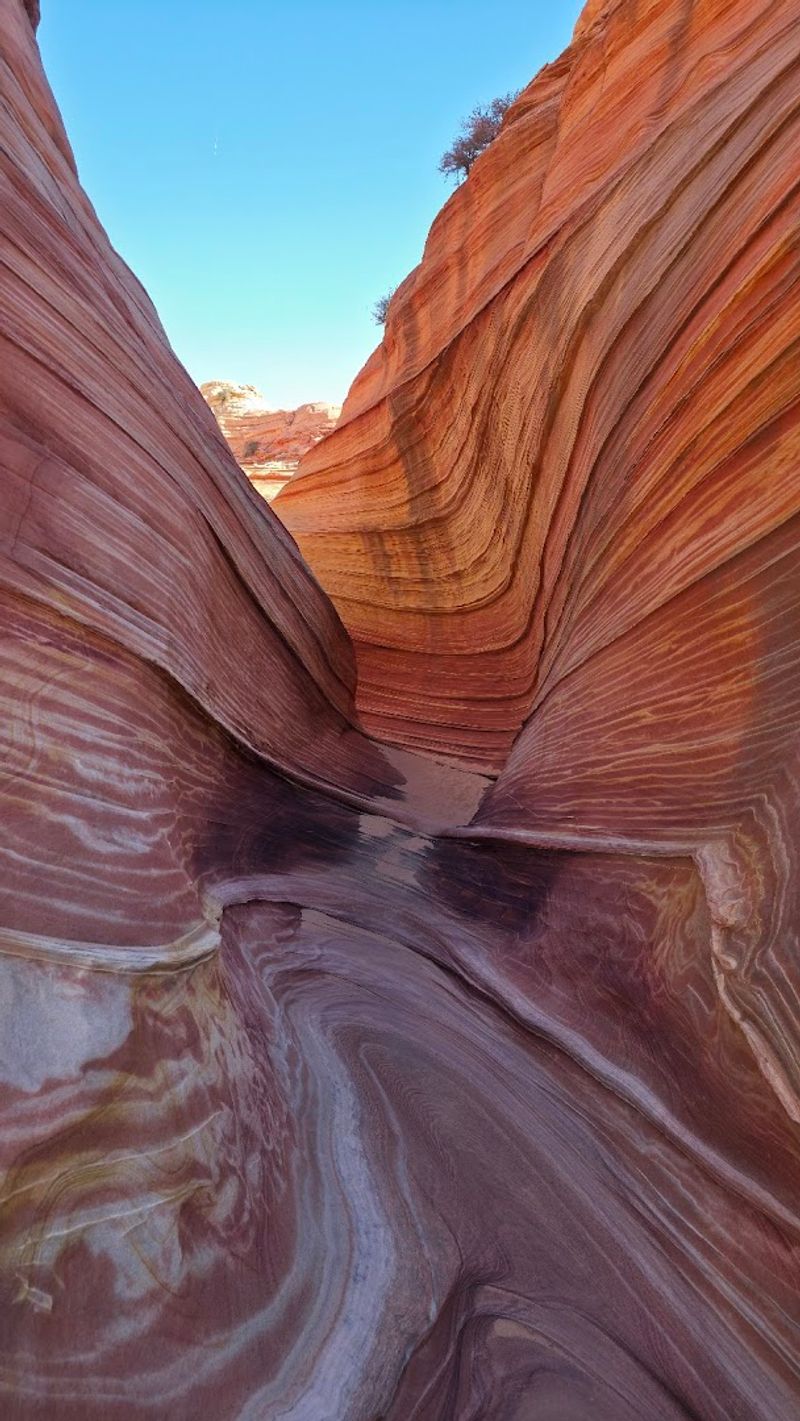
The Vermilion Cliffs are one of Arizona’s best-kept secrets, even though they stretch for nearly 3,000 square miles across the Colorado Plateau. These blazing red and orange sandstone walls tower up to 3,000 feet high, creating a landscape that looks almost too dramatic to be real.
The Wave, a famous swirling sandstone formation, sits within this monument.
Access to many areas, including The Wave, requires a permit lottery due to limited visitor numbers. Planning ahead is absolutely worth the effort for a chance to see this extraordinary place.
Paria Canyon-Vermilion Cliffs Wilderness Area – Marble Canyon, Arizona
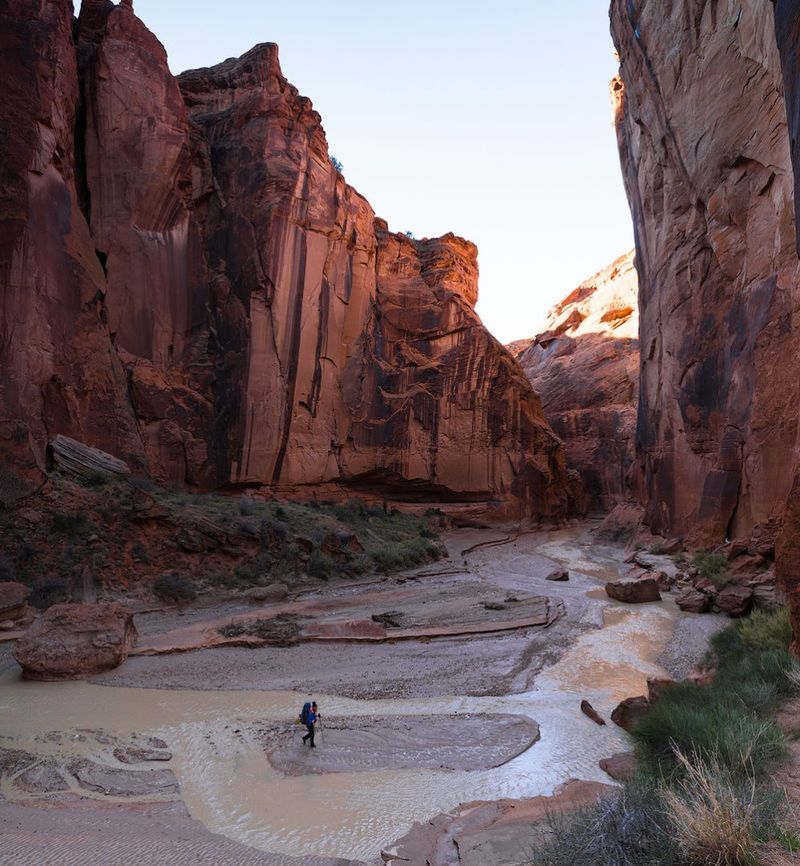
Paria Canyon is a backpacker’s paradise, stretching about 38 miles through narrow slot canyons, wide open desert flats, and colorful sandstone walls. The multi-day hike through this wilderness area is considered one of the finest canyon treks in the entire American Southwest.
Water, wildlife, and stunning geology are constant companions along the trail.
Flash floods can be a serious danger here, so always check the weather before heading out. Permits are required, and group sizes are limited to protect this incredibly fragile and breathtaking landscape.
Organ Pipe Cactus National Monument – Ajo, Arizona
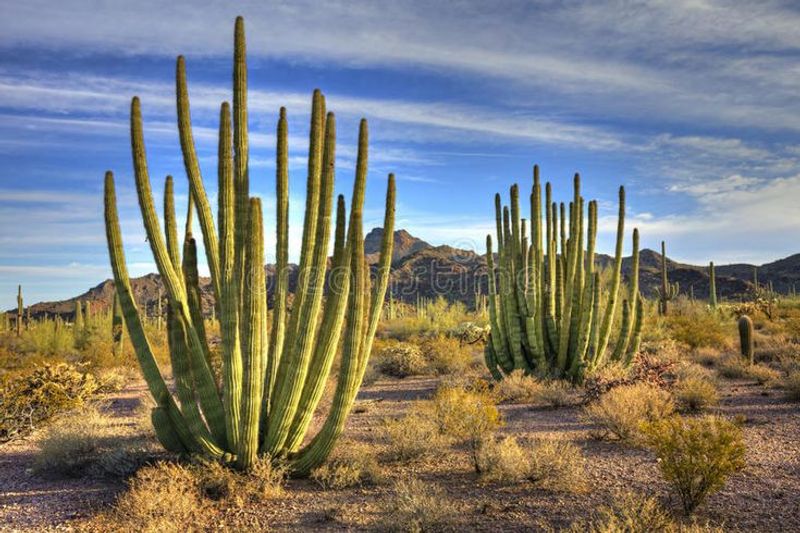
Organ Pipe Cactus National Monument is the only place in the United States where the organ pipe cactus grows wild. These impressive multi-armed cacti can live for 150 years and only bloom at night.
The monument covers over 330,000 acres of pristine Sonoran Desert along the U.S.-Mexico border.
Spring wildflower blooms here are absolutely spectacular, painting the desert floor with brilliant colors. The Ajo Mountain Drive offers a scenic 21-mile loop through the heart of this remarkable desert ecosystem, perfect for all experience levels.
Saguaro National Park – Arizona
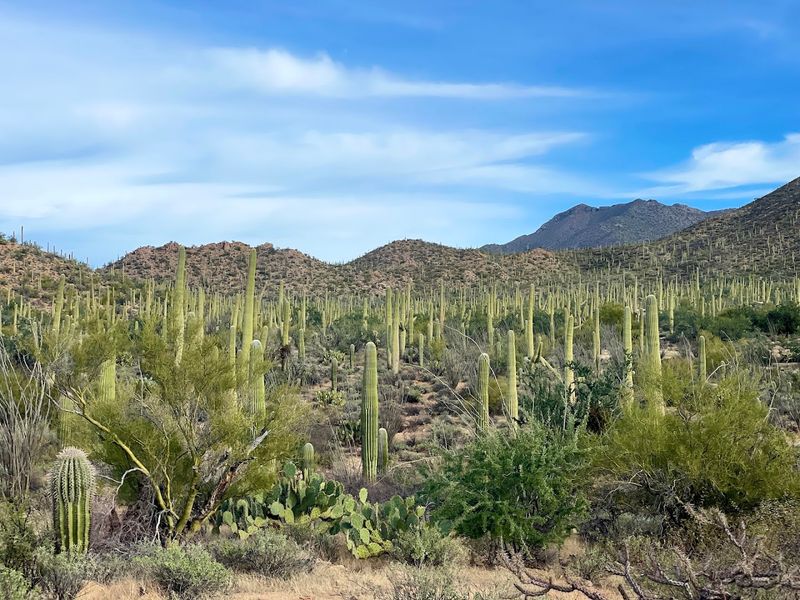
Nothing says Arizona quite like the towering saguaro cactus, and Saguaro National Park near Tucson is the best place to see them in all their glory. These giants can grow up to 40 feet tall and weigh several tons, with some living well over 150 years.
The park is split into two districts on either side of Tucson.
Spring brings stunning wildflower blooms, while summer monsoon storms create dramatic skies perfect for photography. Hiking the Cactus Forest Trail gives visitors a close-up look at this iconic desert ecosystem.
Superstition Mountains – Arizona
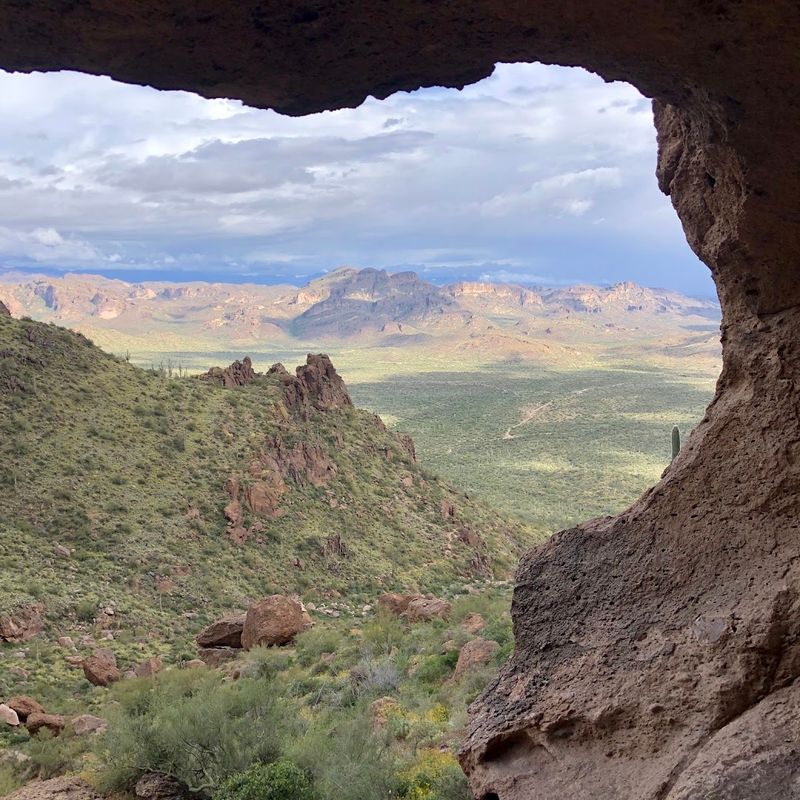
East of Phoenix, the jagged Superstition Mountains rise sharply from the desert floor, shrouded in mystery and legend. According to local lore, a fabled Lost Dutchman’s Gold Mine is hidden somewhere in these craggy peaks, and treasure hunters have searched for it for over a century.
Whether the gold is real or myth, the scenery here is undeniably rich.
The Superstition Wilderness offers excellent hiking, with the Peralta Trail being a popular choice. Breathtaking views of Weaver’s Needle rock formation reward those who make the climb.
Havasu Falls – Arizona
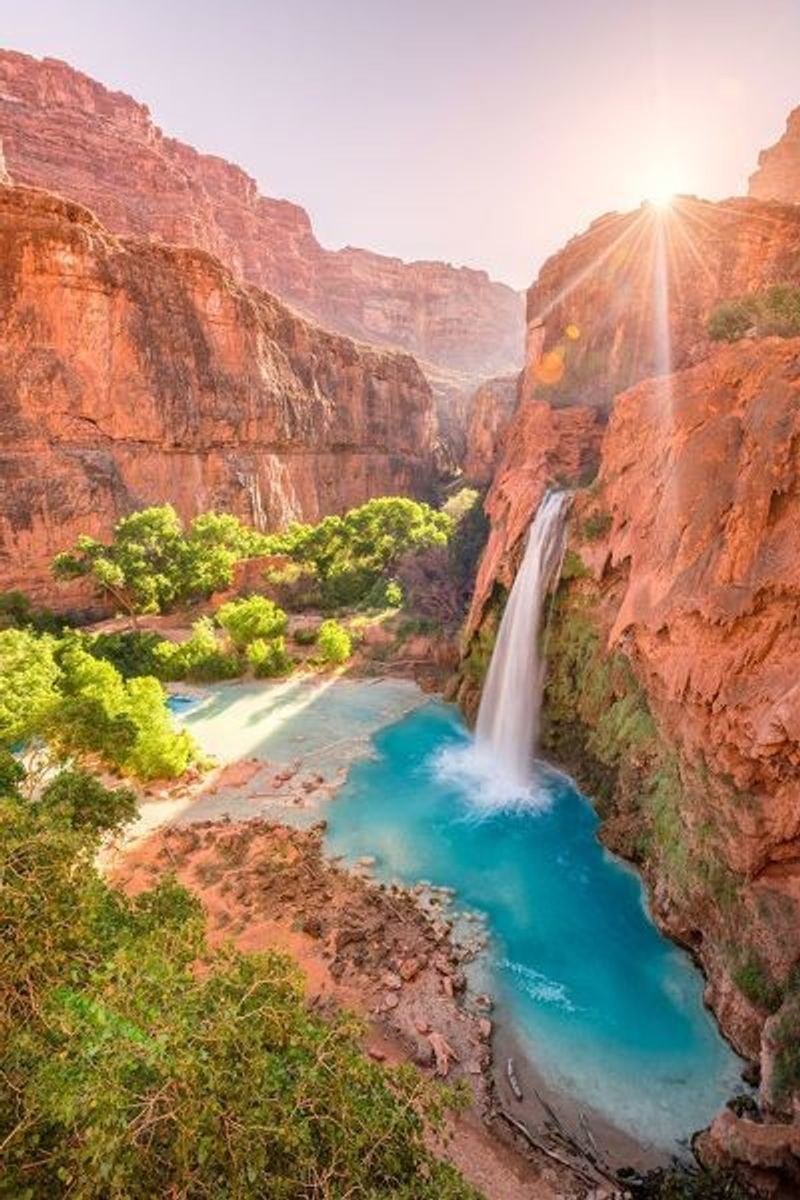
Havasu Falls might be the most stunning waterfall in North America, with its impossibly turquoise water tumbling over red rock ledges deep inside the Grand Canyon. It sits on the Havasupai Tribe’s reservation and is accessible only by a 10-mile hike, horseback ride, or helicopter.
The vivid blue-green color comes from high concentrations of calcium carbonate in the water.
Permits sell out incredibly fast, sometimes within minutes of release. Plan well ahead if you want to camp near the falls and experience this otherworldly oasis firsthand.
Painted Desert – Arizona
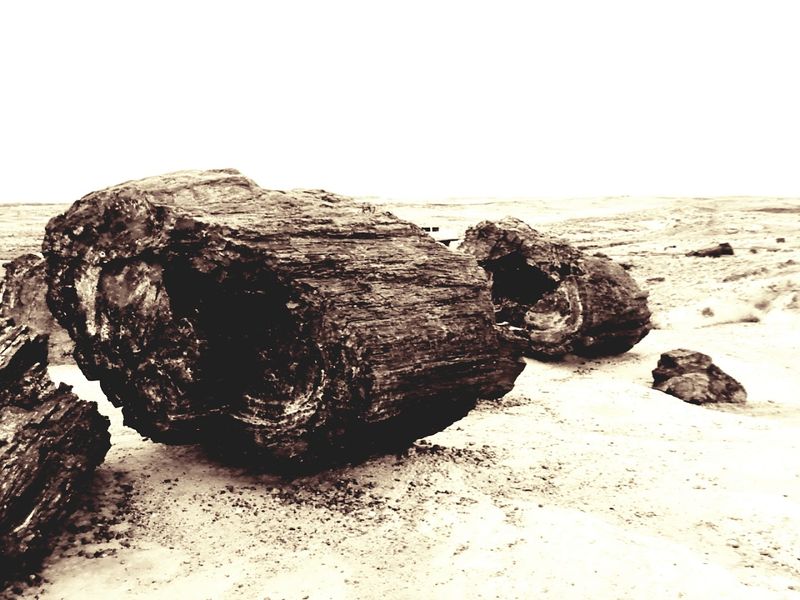
The Painted Desert earns its colorful name honestly, spreading across nearly 93,500 square miles of northern Arizona in vivid shades of purple, red, orange, and pink. The colors shift and deepen throughout the day as sunlight hits the mineral-rich badlands from different angles.
Sunrise and sunset are the absolute best times to witness the full spectrum of hues.
Much of the Painted Desert overlaps with Petrified Forest National Park, making it easy to explore both in a single visit. The overlooks along Historic Route 66 offer some of the most scenic pullouts in the state.
Salt River Canyon – Arizona
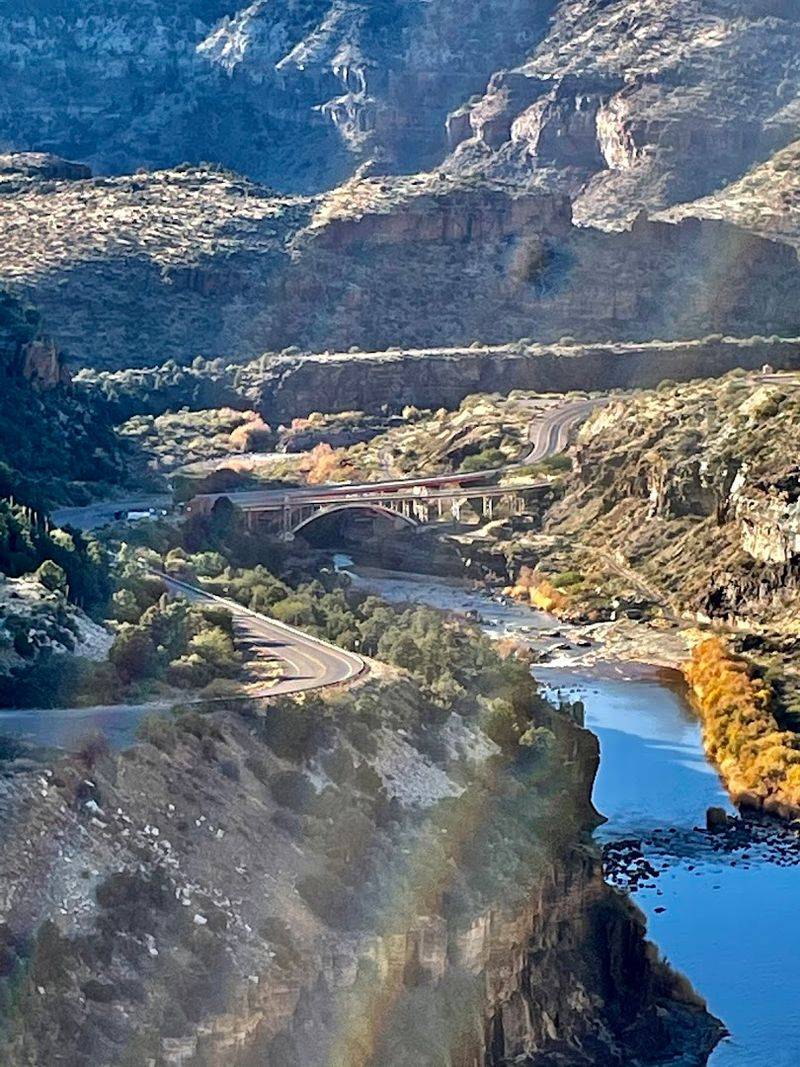
Often called “the mini Grand Canyon,” Salt River Canyon cuts through the mountains of central Arizona along U.S. Highway 60, offering breathtaking roadside views without requiring a long hike.
The canyon drops over 2,000 feet, exposing ancient rock layers that tell the geological story of the region. A small rest area at the canyon bottom lets you dip your feet in the cool river.
White-water rafting on the Salt River is a thrilling option for adventure seekers. Spring runoff makes the rapids especially exciting between January and April each year.
Tonto Natural Bridge State Park – Pine, Arizona
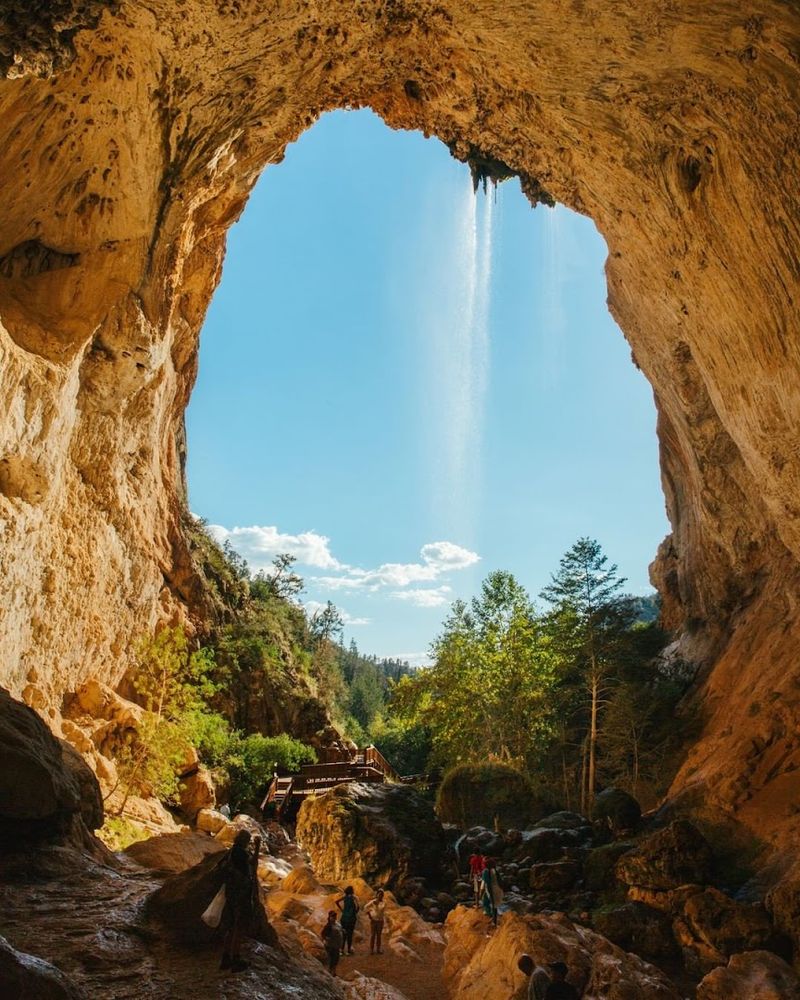
Tonto Natural Bridge holds the impressive title of the world’s largest natural travertine bridge, stretching 183 feet high and spanning 400 feet across a lush, green canyon. Located near the small town of Pine, this hidden gem surprises visitors who expect dry desert and instead find rushing water, mossy walls, and cool shade.
The bridge formed over thousands of years as mineral-rich water deposited layers of travertine rock.
Swimming under the bridge in the natural pools is one of the most refreshing experiences in all of Arizona. Arrive early on summer weekends since parking fills up quickly.
Enjoyed this story?
Add Fast Food Club as a preferred source to see more of our reporting on Google.