


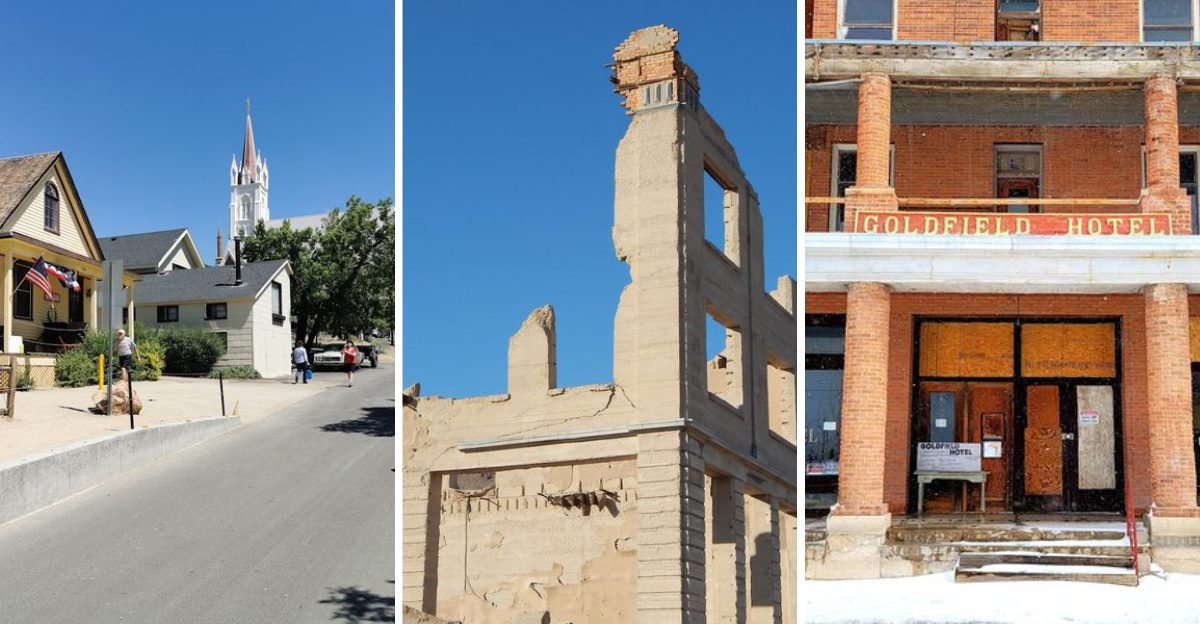
Nevada is more than casinos and neon lights — it’s a state packed with ghost towns, frontier forts, and Wild West history just waiting to be explored. From silver boomtowns that once roared with life to quiet desert ruins frozen in time, the Silver State offers some of the most fascinating historical stops in the American West.
Whether you’re a history buff, road tripper, or curious traveler, these 18 places will take you straight back to another era. Pack your bags and get ready for a journey through Nevada’s remarkable past.
Virginia City, Nevada
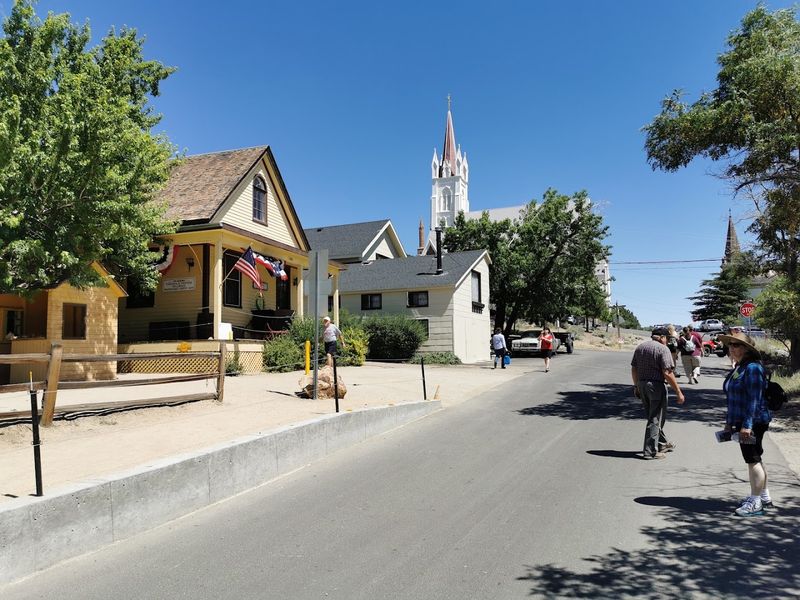
Step onto the wooden boardwalks of Virginia City and you’ll feel like you’ve walked straight into a Western movie set. Once one of the richest cities in America thanks to the Comstock Lode silver strike of 1859, this town still buzzes with history.
Saloons, museums, and old cemeteries line the main street.
The Mark Twain Museum and historic Fourth Ward School are must-sees. Virginia City is one of Nevada’s most complete and lively historic towns — and it’s still very much alive today.
Rhyolite, Nevada
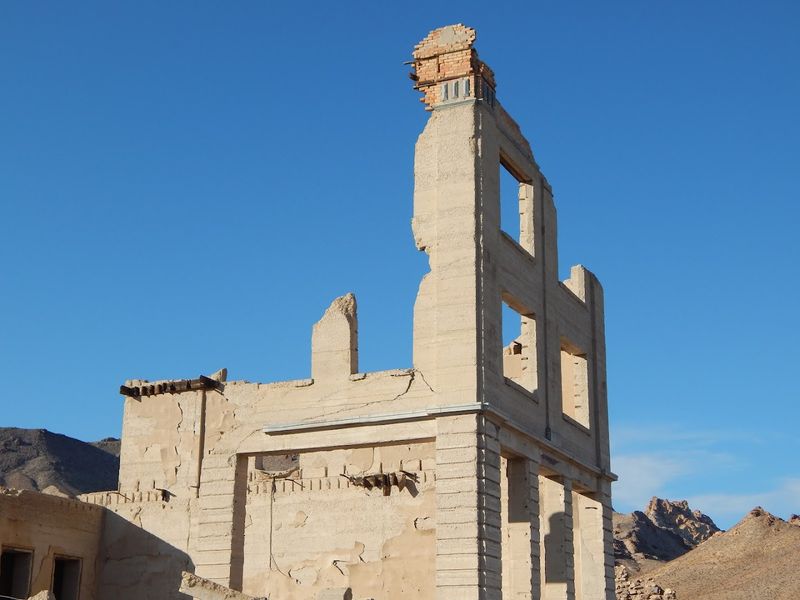
Rhyolite looks like a scene from a post-apocalyptic movie — roofless stone buildings, crumbling walls, and eerie silence stretching across the Mojave desert. Founded in 1904 during a gold rush, the town boomed fast and collapsed even faster, becoming a ghost town by 1920.
The famous Bottle House, built from 50,000 glass bottles, is one of Nevada’s most photographed landmarks. Located near Death Valley, Rhyolite makes a dramatic and unforgettable stop for anyone exploring the region.
Goldfield, Nevada
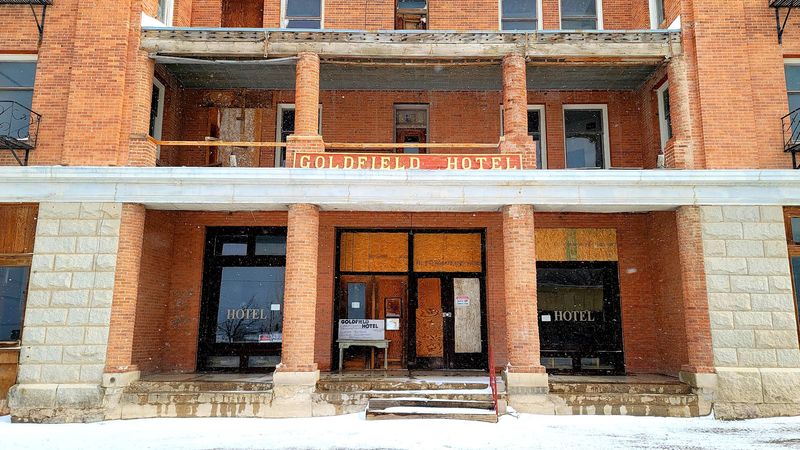
At its peak in 1906, Goldfield was Nevada’s largest city — hard to believe when you see its quiet streets today. Gold discoveries brought 20,000 people rushing in, along with fancy hotels, newspapers, and even a stock exchange.
The stunning Goldfield Hotel still stands, grand and ghostly.
Many buildings from that era survive, giving the town an authentically frozen-in-time feel. Visitors often call Goldfield one of Nevada’s most hauntingly beautiful historic towns, and it’s easy to see why.
Pioche, Nevada
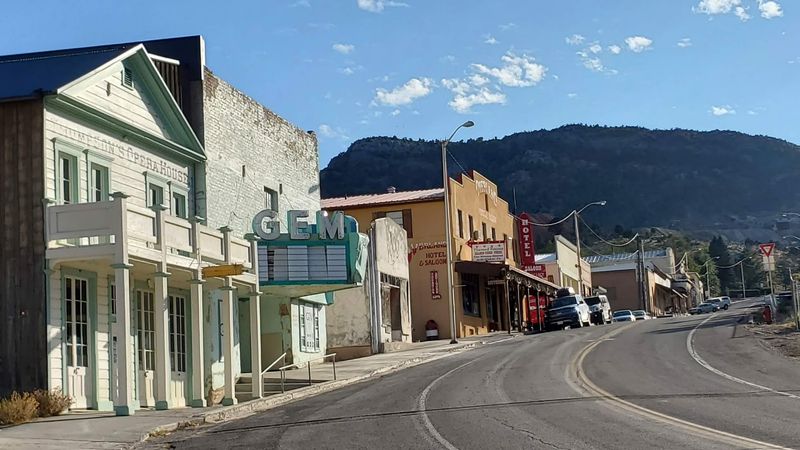
Pioche earned a wild reputation in the 1870s as one of the most violent mining camps in the West — legend says 72 men died violently before anyone died of natural causes there. Silver discoveries in the late 1860s fueled rapid growth and non-stop lawlessness.
Today, the town’s Million Dollar Courthouse and historic cemetery tell that turbulent story. Pioche sits in a gorgeous mountain setting in Lincoln County, making it both a history lesson and a scenic adventure rolled into one.
Eureka, Nevada
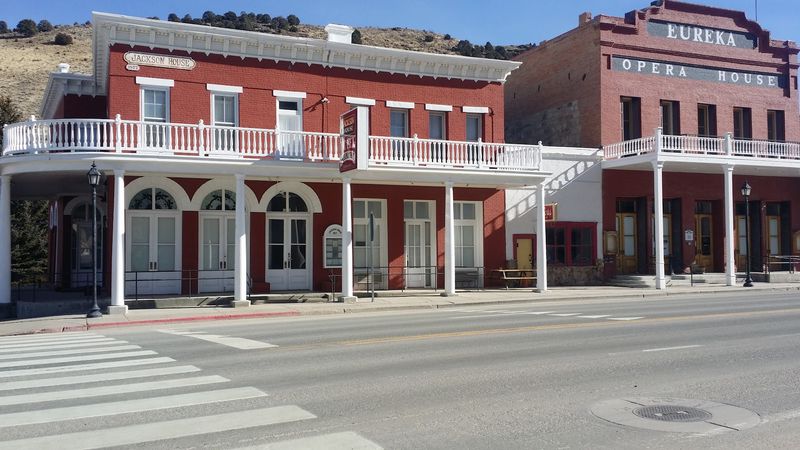
Nicknamed the “Friendliest Town in the Middle of Nowhere,” Eureka sits along US Highway 50 and punches well above its weight in historic charm. Lead and silver mining brought the town to life in the 1860s, and stunning Victorian architecture still lines its main street.
The beautifully restored Eureka Opera House hosts events to this day. The Eureka Sentinel Museum, housed in an 1879 newspaper building, offers a fascinating window into frontier journalism and small-town Nevada life.
Austin, Nevada
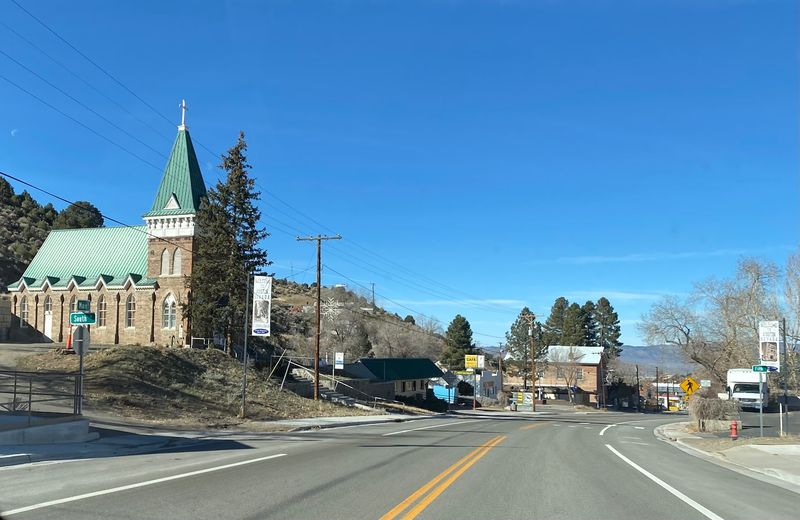
Perched high in the Toiyabe Range, Austin exploded onto the map after a silver discovery in 1862. Within two years, thousands of miners had flooded in, building churches, saloons, and a Wells Fargo office in the middle of the Nevada wilderness.
Three historic stone churches still stand along the main road, giving Austin a surprisingly dignified skyline for such a remote spot. The town also serves as the gateway to Berlin Ichthyosaur State Park and Stokes Castle, making it a great base for exploration.
Genoa, Nevada
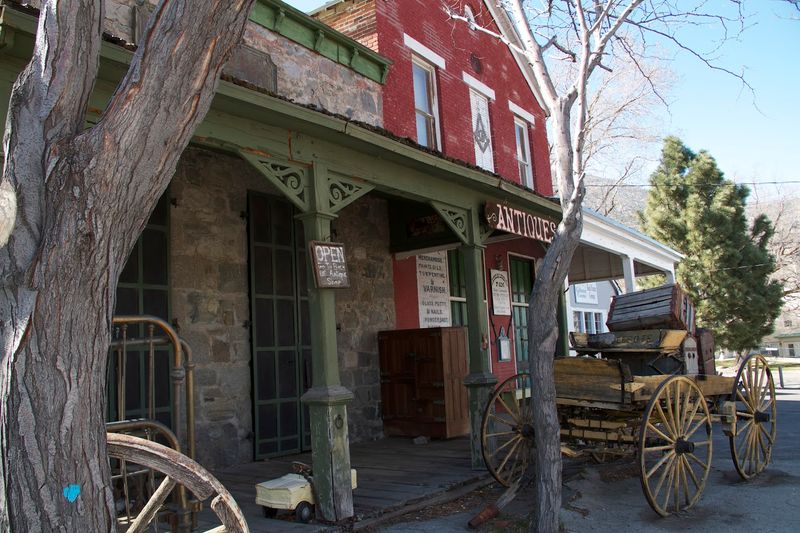
Founded in 1851, Genoa holds the proud title of Nevada’s oldest permanent settlement — a full decade before Nevada even became a state. Nestled at the base of the Sierra Nevada mountains near Lake Tahoe, it’s one of the most scenic historic stops in the state.
The Genoa Courthouse Museum and the famous Genoa Bar, reportedly Nevada’s oldest saloon, are highlights. Every October, the town hosts a lively Candy Dance festival that draws visitors from across the region.
Berlin Ichthyosaur State Park, Austin, Nevada
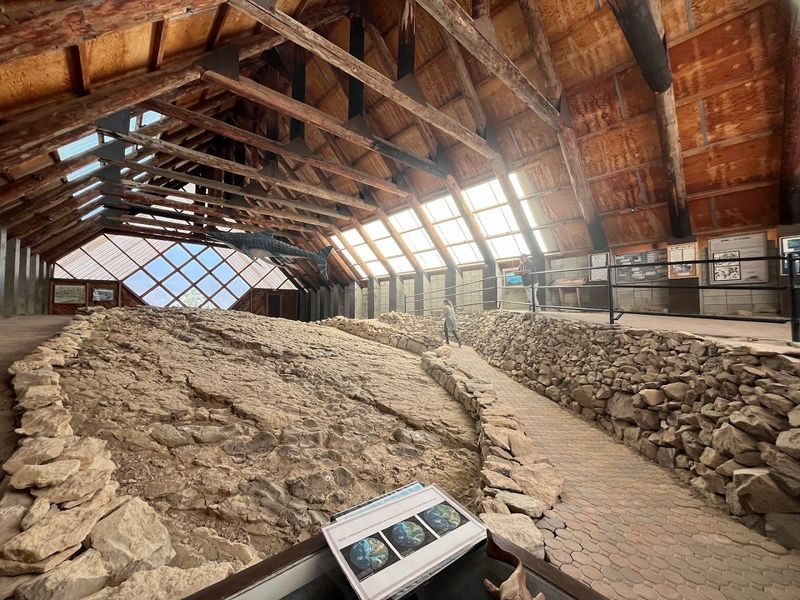
Berlin Ichthyosaur State Park is genuinely one of a kind — where else can you tour a real ghost town and see giant marine reptile fossils in the same afternoon? The ghost town of Berlin, frozen since around 1911, still has original mill buildings and miner’s cabins standing quietly in the desert.
Nearby, a shelter protects some of the world’s largest ichthyosaur fossils, creatures that swam here 225 million years ago. Ranger-guided fossil tours run on weekends during warmer months.
Belmont, Nevada
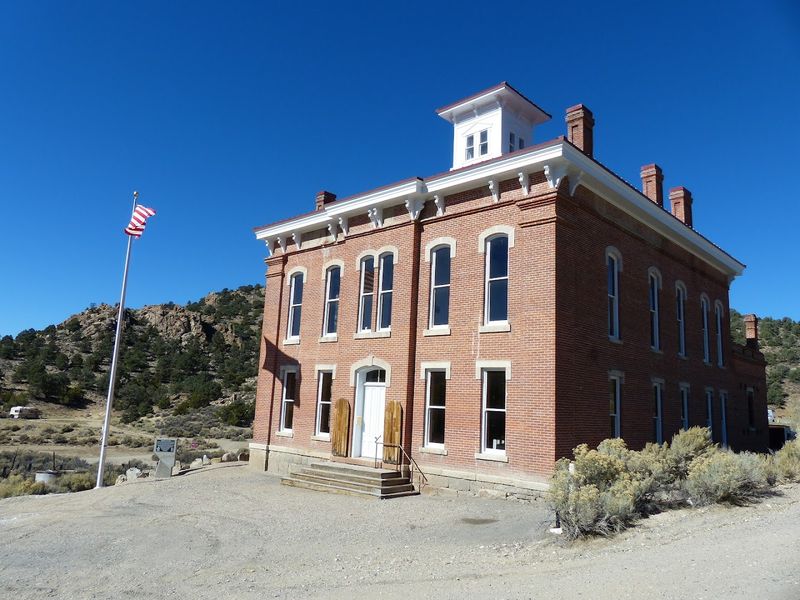
Tucked deep in the Toquima Range north of Tonopah, Belmont is the kind of ghost town that rewards adventurous travelers willing to leave the main highway behind. Silver strikes in 1865 turned this remote valley into a booming county seat almost overnight.
The ruins of the old Nye County Courthouse are the star attraction — dramatic, roofless, and hauntingly photogenic. A nearby historic saloon and mill ruins round out the experience.
Belmont’s isolation only adds to its ghostly, time-capsule atmosphere.
Fort Churchill State Historic Park, Silver Springs, Nevada
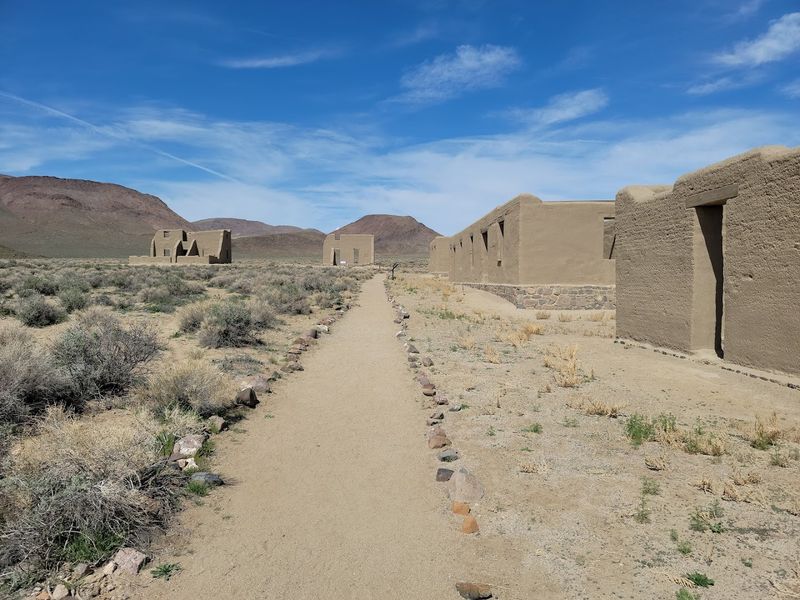
Built in 1860 after conflicts between settlers and the Paiute people, Fort Churchill was Nevada’s first U.S. Army post and an important stop on the Pony Express route.
The fort was abandoned by 1871, and its adobe walls have been slowly melting back into the desert ever since.
What remains is still impressively dramatic — tall, crumbling ruins rising from the high desert floor. A visitor center and shaded campground make Fort Churchill a comfortable and educational stop along the Carson River.
Ward Charcoal Ovens State Historic Park, Ely, Nevada
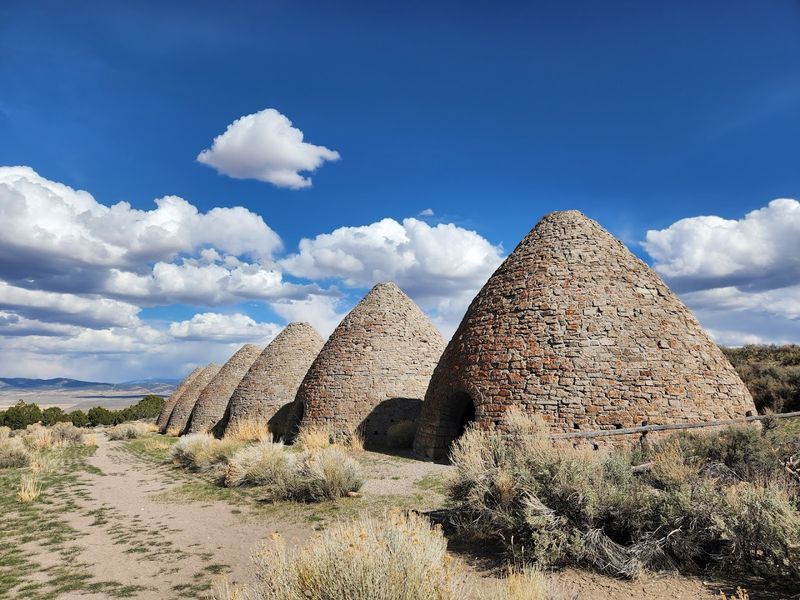
Six perfectly preserved beehive-shaped stone ovens rise from the Nevada desert like something out of an ancient civilization — but they’re actually from the 1870s. Built to produce charcoal for silver smelting operations at the nearby Ward mining district, each oven stands about 30 feet tall.
They’re remarkably well preserved and genuinely impressive up close. Located in a scenic canyon near Ely, the site also draws campers and hikers.
It’s one of Nevada’s most visually striking and underrated historic landmarks.
Nevada State Museum, Carson City, Nevada
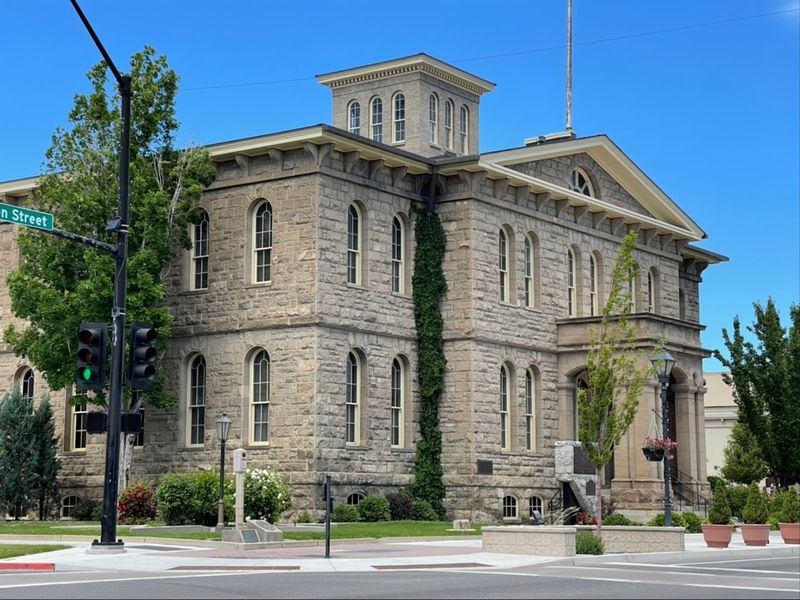
Carson City’s Nevada State Museum is housed inside the old U.S. Branch Mint, which once turned Nevada’s silver and gold into coins from 1870 to 1893.
The building itself is a piece of history, and what’s inside is even better. Exhibits cover everything from prehistoric Nevada life to Native American cultures and the Wild West era.
An underground mine replica lets visitors experience what early mining actually felt like. It’s one of the most thorough and engaging history museums in the entire state.
Nevada Northern Railway Museum, Ely, Nevada
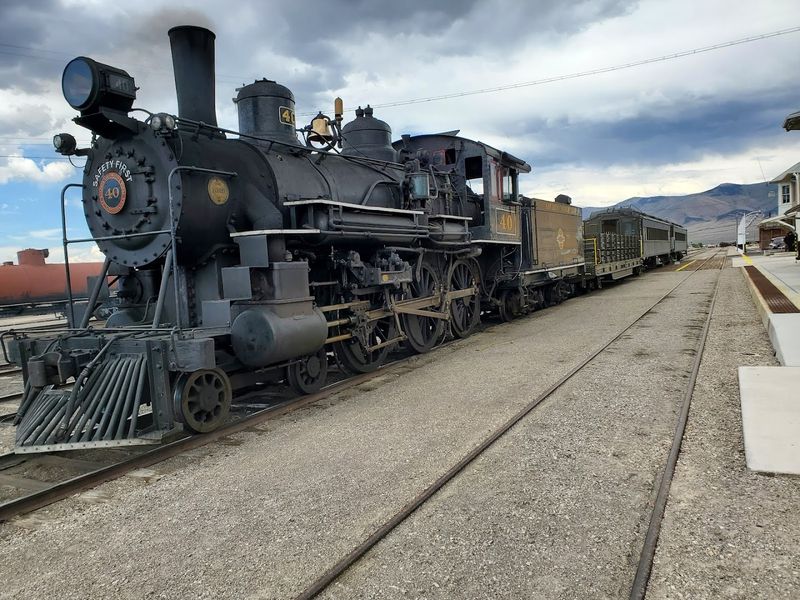
Few places in America let you ride a genuine historic steam train through the same desert landscape it has served for over a century. The Nevada Northern Railway Museum in Ely preserves one of the most complete early 20th-century railroad complexes in the country, including the original 1907 depot, machine shop, and rolling stock.
Weekend steam train excursions are a huge hit with families and rail enthusiasts alike. Ghost Train Halloween rides and special events make this museum a destination worth planning your whole trip around.
Buckland’s Station, Silver Springs, Nevada
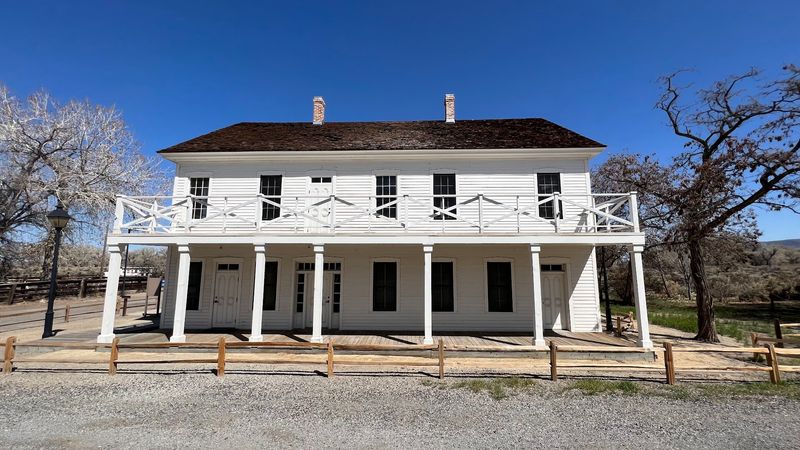
Buckland’s Station played a surprisingly big role in Western history for such a modest-looking spot. Established in 1859 along the Carson River, it served as a trading post, Pony Express relay station, and military supply point all rolled into one.
It was also the eastern starting point for the ill-fated Pyramid Lake War of 1860.
Located near Fort Churchill State Historic Park, the site pairs naturally with a day trip along the Carson River corridor. Historical markers help bring the layered pioneer and military history vividly to life.
Stokes Castle, Austin, Nevada
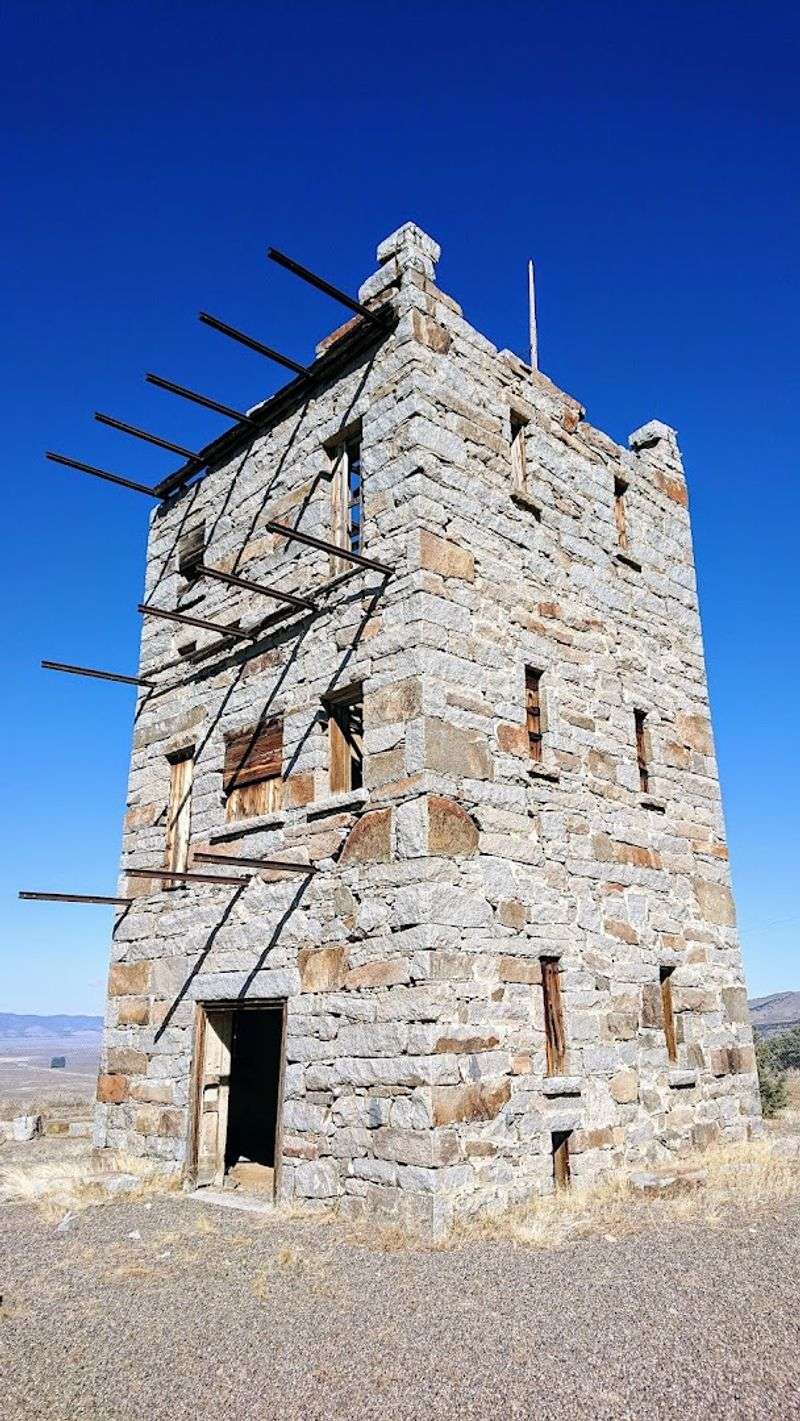
Stokes Castle looks like a medieval tower dropped into the middle of the Nevada desert — and that’s exactly what makes it so memorable. Built in 1897 by mining magnate Anson Phelps Stokes, this three-story granite tower served as a summer retreat and was only used for about two months before being abandoned.
Sitting on a hill just outside Austin, it offers sweeping views of the Reese River Valley. The castle is free to visit and makes for one of Nevada’s most unexpected and photogenic historic stops.
Cold Springs, Fallon, Nevada
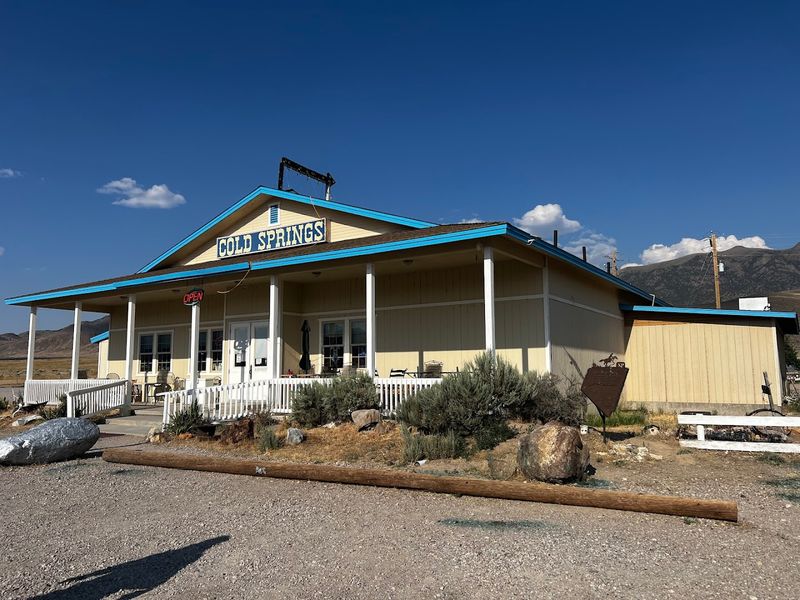
Cold Springs was once a critical Pony Express relay station, where exhausted riders swapped horses and pushed on across the unforgiving Nevada desert. Operating for just 18 months in 1860 and 1861, the Pony Express covered roughly 2,000 miles between Missouri and California — and Cold Springs sat right in the middle of it.
The remote site east of Fallon preserves ruins of the original stone station. Standing here in the wide-open desert silence, it’s easy to imagine the thunder of hoofbeats arriving at full gallop.
Western Folklife Center, Elko, Nevada
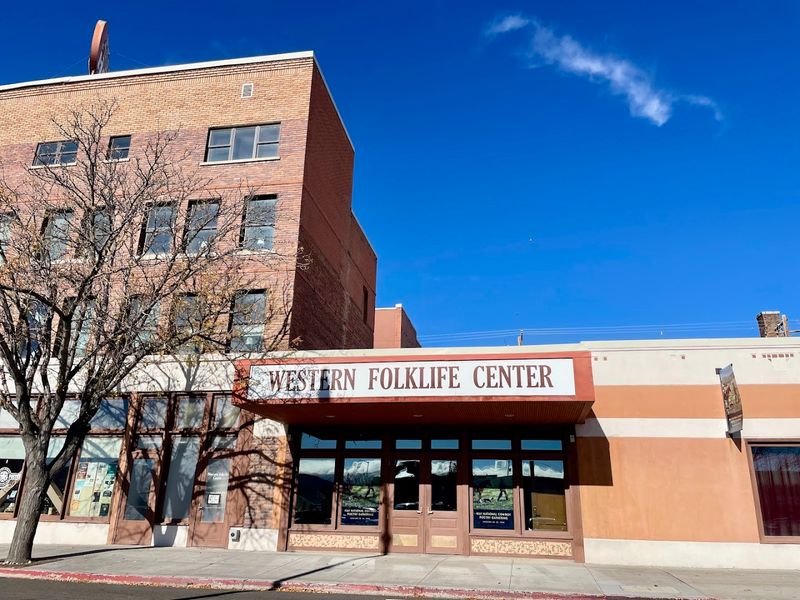
Cowboy culture is alive and thriving at the Western Folklife Center in Elko, a place that takes the living traditions of the American West seriously. Every January, the center hosts the National Cowboy Poetry Gathering, drawing poets, musicians, and ranchers from across the country for a week-long celebration of Western heritage.
The historic Commercial Hotel building that houses the center is itself worth a visit. Year-round exhibits on buckaroo traditions, ranching life, and Great Basin cultures make this one of Nevada’s most culturally rich stops.
Enjoyed this story?
Add Fast Food Club as a preferred source to see more of our reporting on Google.