


Florida’s intense heat, humidity, and sandy soil can make keeping a yard lush and green feel like a real challenge. The good news is that plenty of tough, beautiful shrubs thrive in these conditions without constant babying.
Choosing the right plants means less watering, fewer headaches, and a yard that looks great all year long. Here are 20 heat-resistant shrubs that Florida homeowners swear by for staying green and full no matter the season.
Simpson’s Stopper
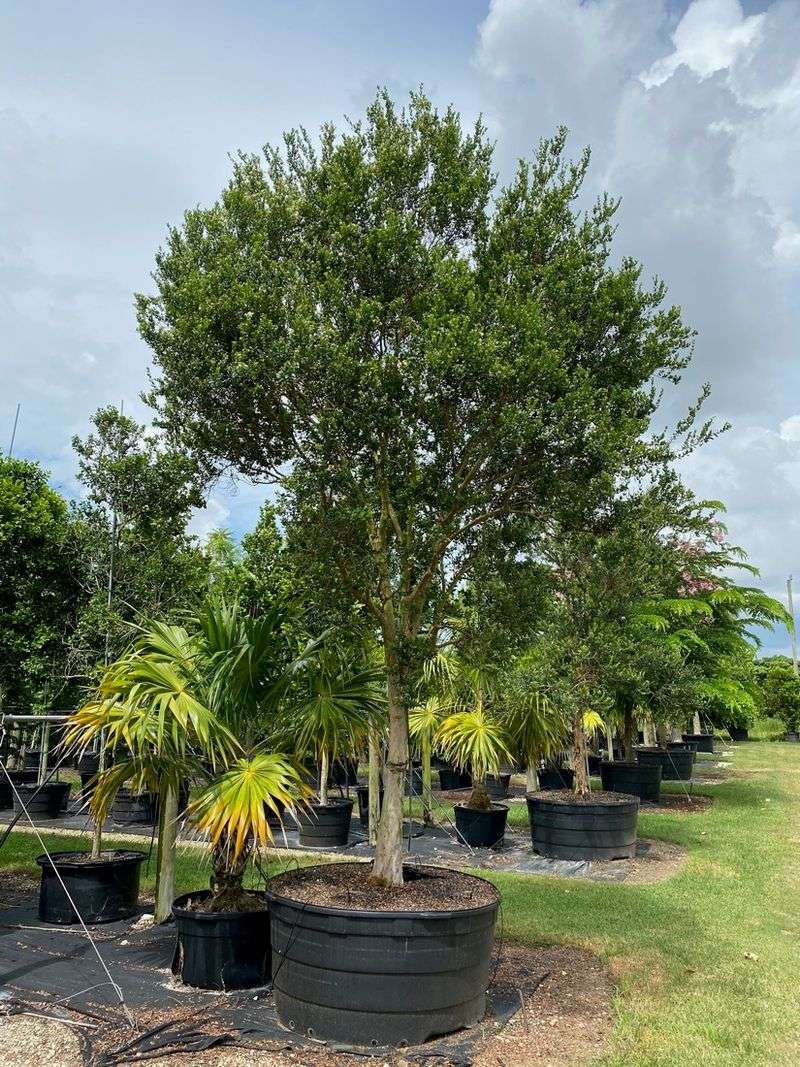
Native to Florida and tough as nails, Simpson’s stopper is a shrub that earns its place in any yard. It produces tiny white flowers and bright red berries that birds absolutely love.
Even during the hottest Florida summers, it stays dense and green without much fuss.
Plant it as a privacy hedge or a standalone accent shrub. It handles full sun and drought once established, making it a smart, low-maintenance choice for busy homeowners.
Cocoplum
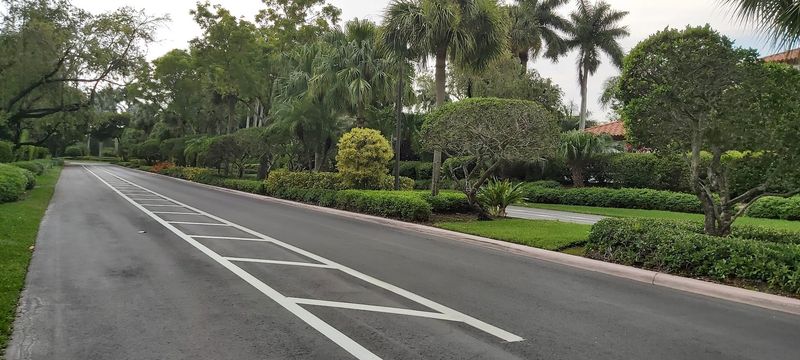
Cocoplum is one of those shrubs that quietly does everything right. Its glossy, rounded leaves stay rich green through scorching summers, and it even produces small edible fruits that wildlife enjoy.
Florida gardeners love it because it tolerates salt spray, making it ideal for coastal yards.
It grows thick and full, working beautifully as a hedge or border plant. Once established, cocoplum needs very little water, which is a huge bonus in Florida’s dry spells.
Wax Myrtle
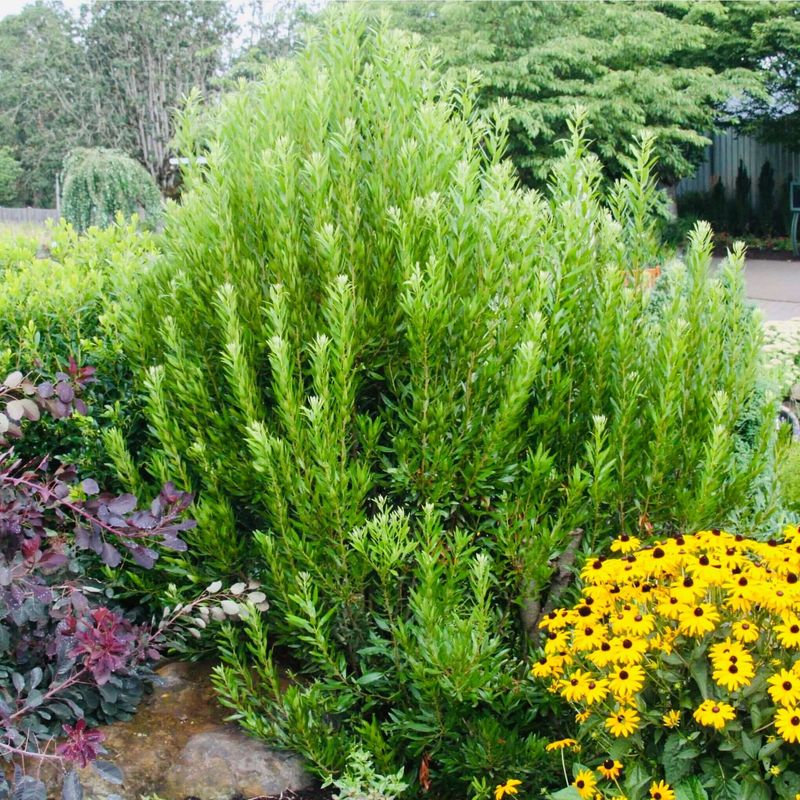
Fast-growing and fiercely independent, wax myrtle is a Florida native that almost takes care of itself. It shoots up quickly to form a thick privacy screen, and its aromatic leaves stay green even through dry, blazing summers.
The small waxy berries attract songbirds, adding life to your yard.
Wax myrtle tolerates wet and dry soils equally well, which is rare. Trim it into a neat hedge or let it grow wild for a natural, relaxed look.
Yaupon Holly
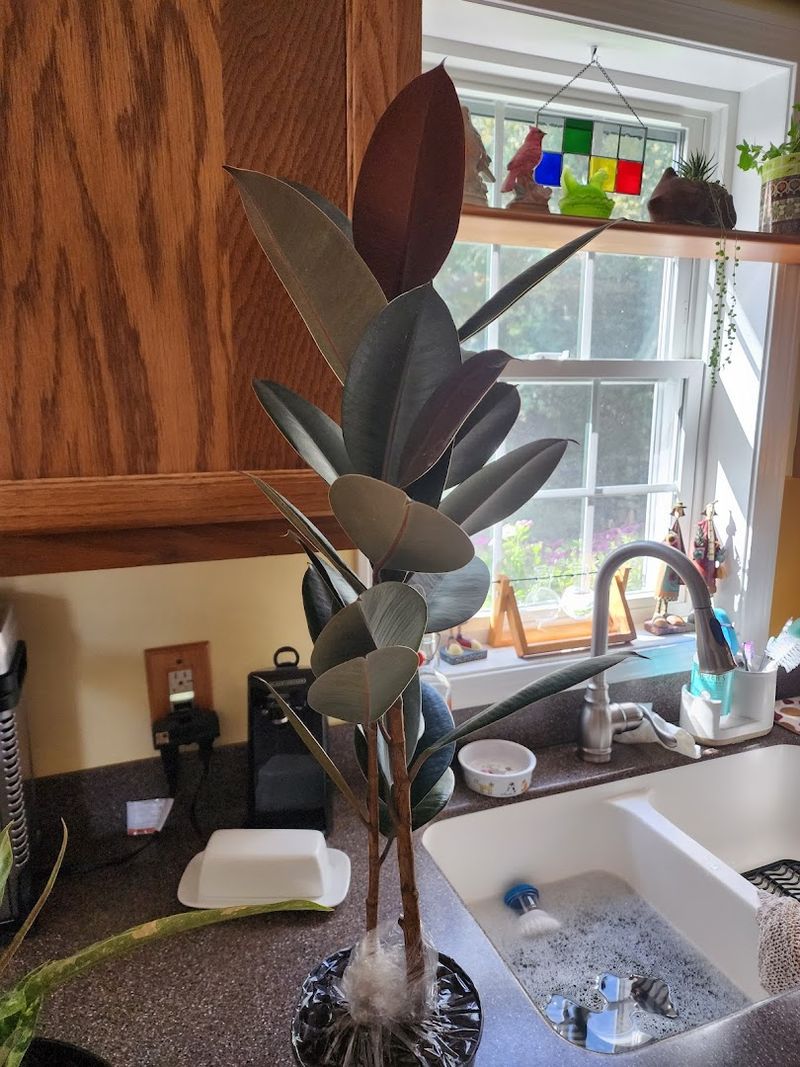
Yaupon holly might just be the most underrated shrub in Florida landscaping. It handles extreme heat, drought, and even occasional flooding without skipping a beat.
The bright red berries add a cheerful pop of color against deep green foliage that stays full year-round.
Fun fact: yaupon holly is the only caffeinated plant native to North America. Beyond its novelty, it is incredibly versatile and works well as a hedge, screen, or ornamental accent shrub in any Florida yard.
Indian Hawthorn
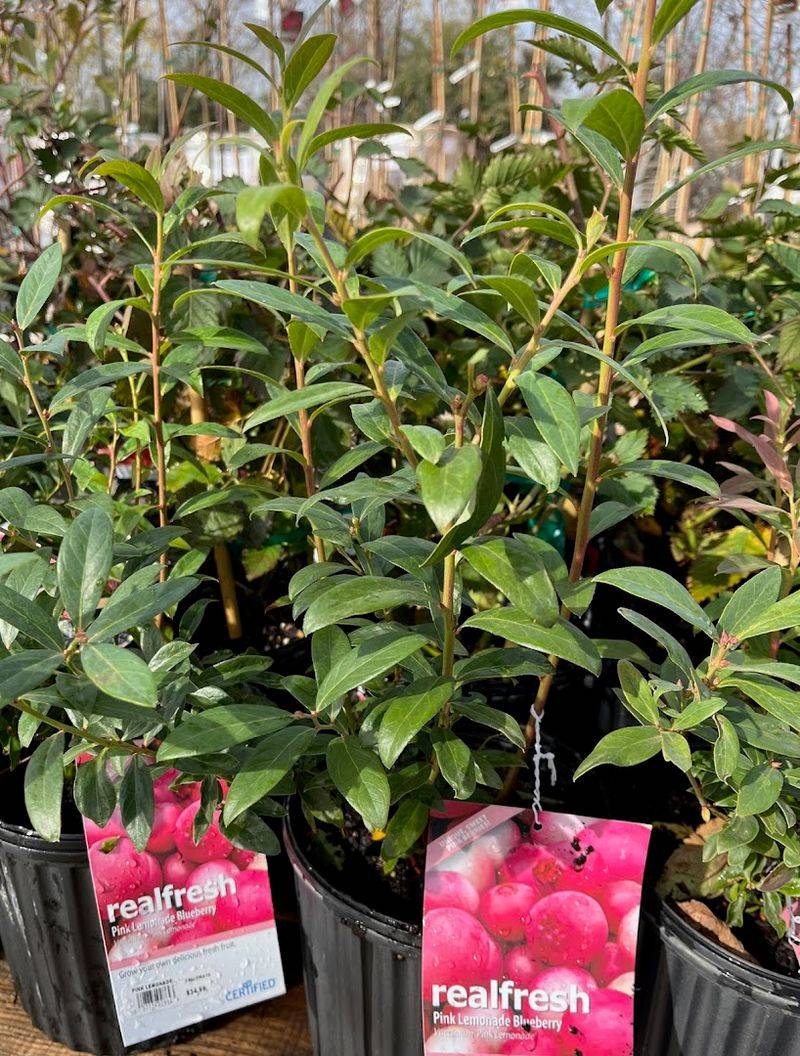
When spring rolls around, Indian hawthorn puts on a show with clusters of pink or white flowers that cover the entire plant. After the blooms fade, dark bluish berries take their place, giving the shrub year-round visual interest.
The leathery leaves hold up beautifully against Florida’s punishing heat and humidity.
It stays compact and tidy, rarely needing heavy pruning. Plant it along walkways, borders, or foundation beds for a polished, low-effort look that impresses visitors every season.
Pittosporum
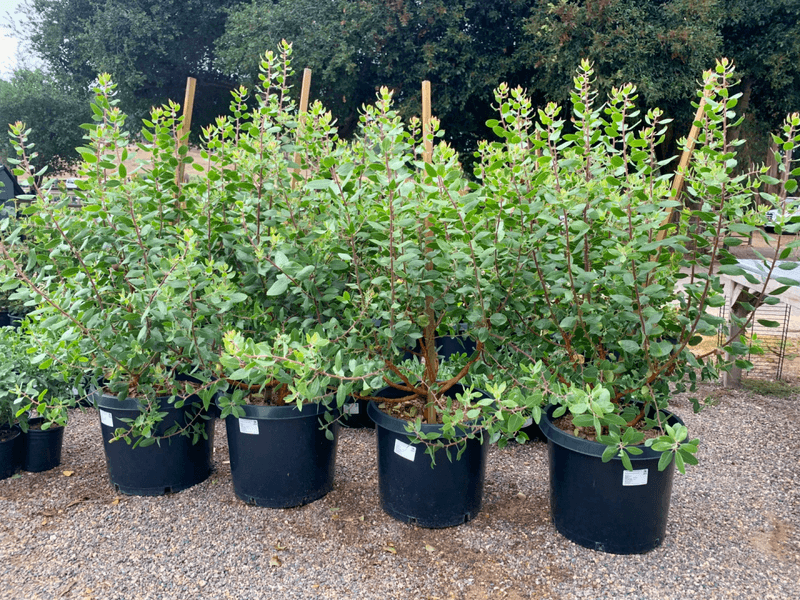
Pittosporum is the hedge plant Florida landscapers reach for when they want something thick, tidy, and reliably green. Its dense foliage responds beautifully to shaping, making it a go-to choice for formal hedges and borders.
Some varieties feature creamy white variegation that brightens shady corners of the yard.
It handles Florida heat well and grows at a steady pace without becoming unruly. Regular light trimming keeps it looking sharp, and it rarely suffers from serious pest or disease problems.
Carolina Cherry Laurel
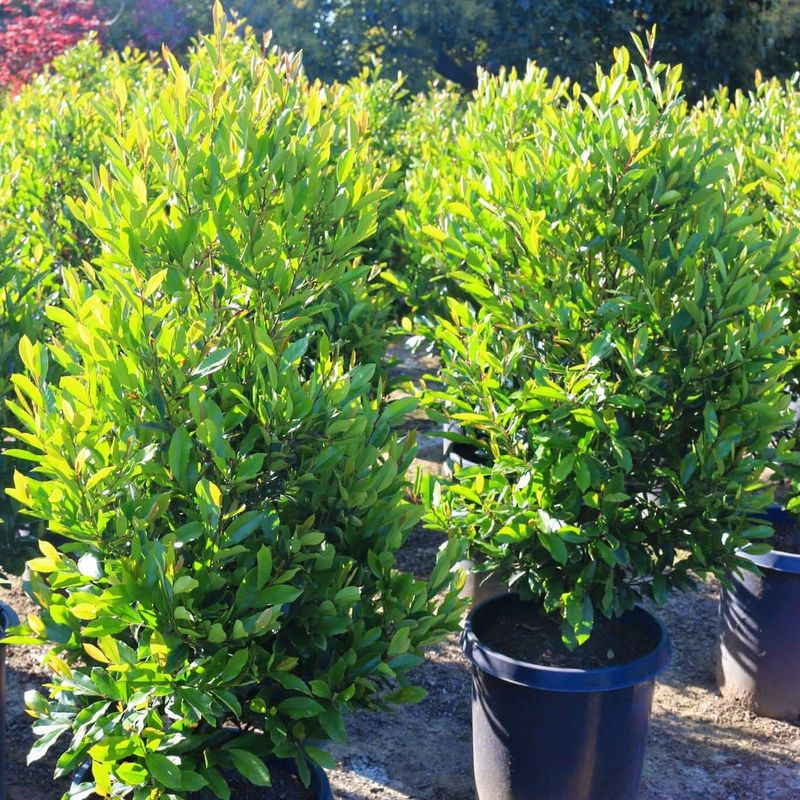
Looking for a fast-growing privacy screen that stays evergreen through Florida summers? Carolina cherry laurel delivers exactly that.
Its long, glossy leaves create a wall of deep green that blocks unwanted views and muffles noise from nearby roads. It grows vigorously once established and tolerates heat without complaint.
Prune it into a formal hedge or let it grow into a small tree shape. Either way, it stays lush and full, giving your yard a clean, structured appearance throughout the year.
Podocarpus
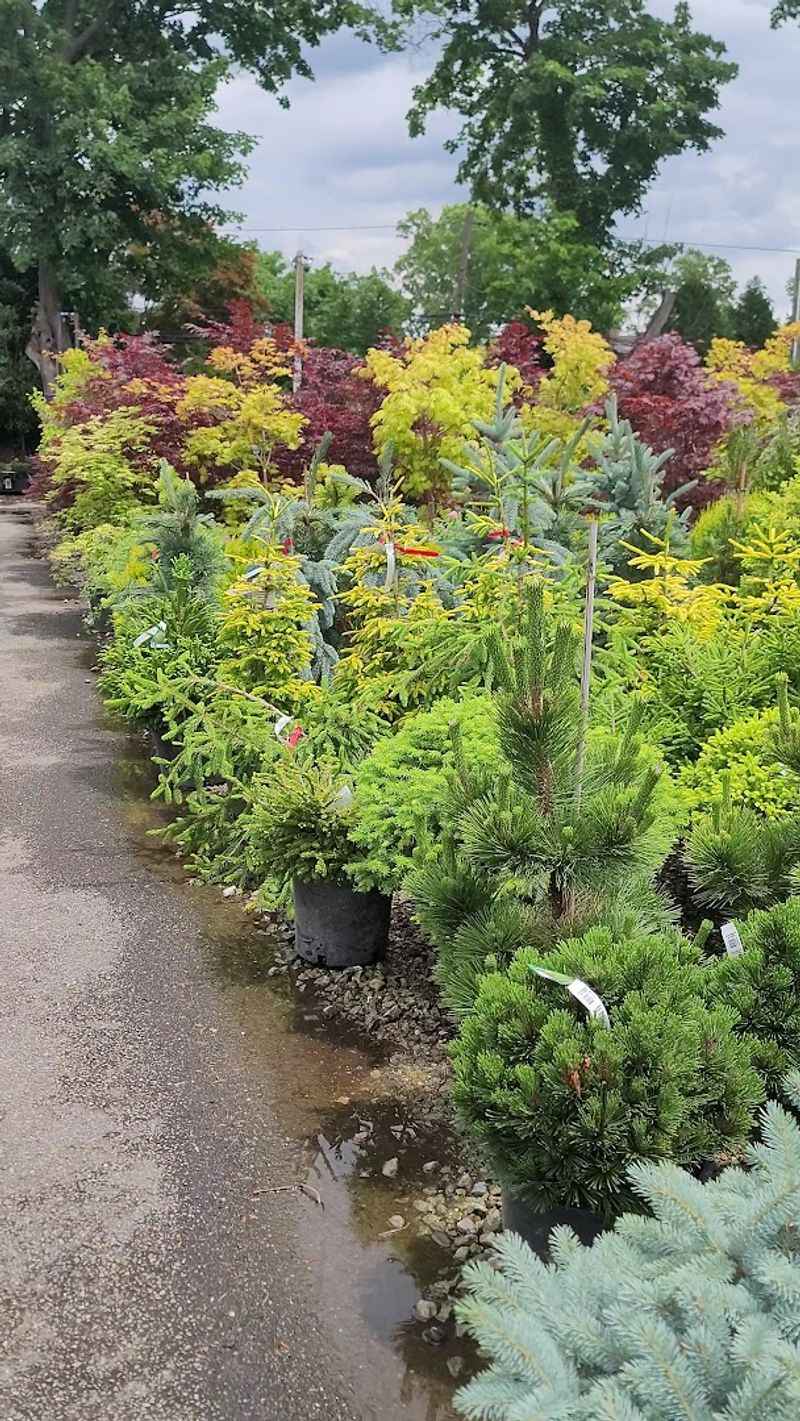
Podocarpus has a sleek, almost architectural look that sets it apart from typical Florida shrubs. Its narrow, dark green leaves give it a fine texture that looks elegant whether trimmed tight or left to grow freely.
Many Florida homeowners use it as a tall privacy hedge along fences and property lines.
It grows in full sun or partial shade and handles the heat without yellowing or dropping leaves. Salt tolerance makes it a reliable option for yards near the coast as well.
Clusia
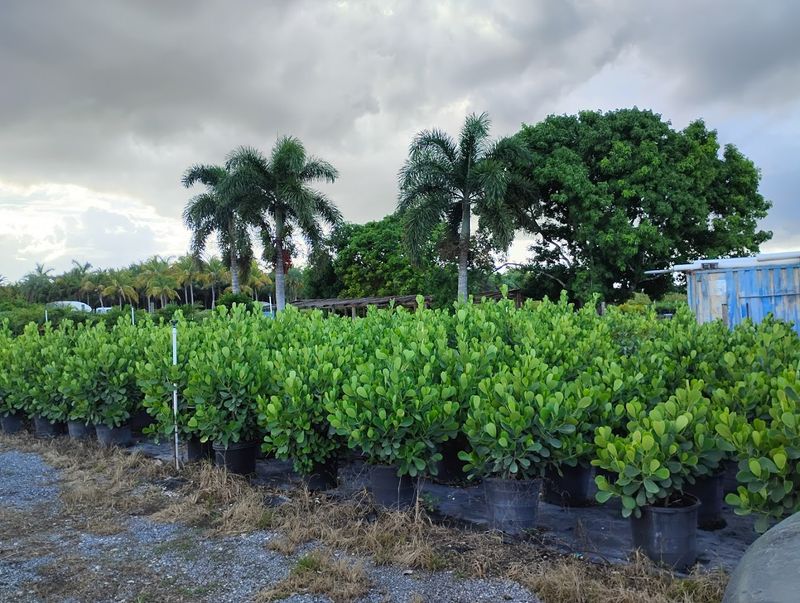
Clusia earns nickname “autograph tree” because you can literally scratch words into its thick, waxy leaves and they stay visible. Beyond that quirky trait, it is one of the toughest privacy shrubs available for Florida yards.
The leaves are so thick they seem almost plastic, and they shrug off heat, salt, and drought without issue.
It grows into a dense, rounded form that requires minimal shaping. Clusia is especially popular near pools and coastal areas where salt spray would damage most other plants.
Silver Buttonwood
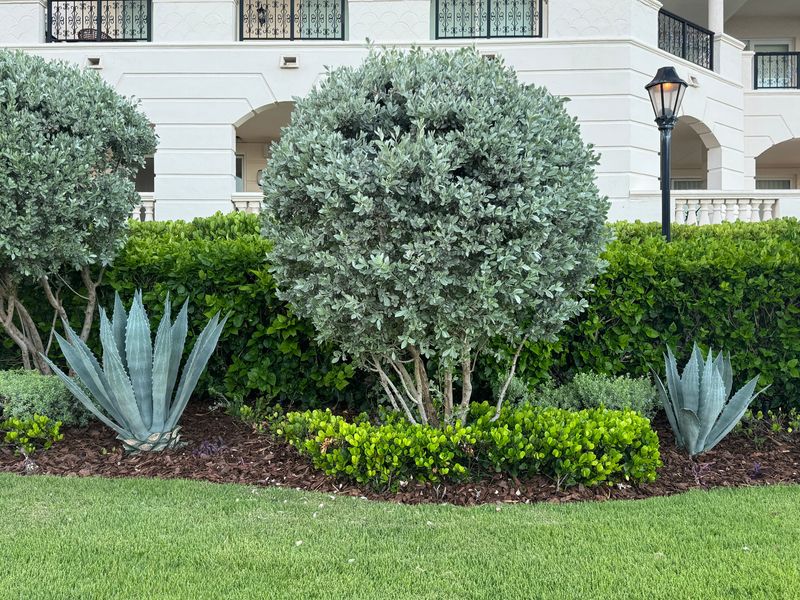
Silver buttonwood brings a color palette that most Florida shrubs simply cannot match. Its leaves shimmer with a silvery, blue-gray tone that creates a striking contrast against darker green plants nearby.
It is native to Florida’s coastal areas and thrives in salty, sunny, and dry conditions that would stress other shrubs.
Use it as a specimen plant or trim it into a formal hedge. Either way, the unusual leaf color makes it a conversation starter that gives any yard a sophisticated, distinctive character.
Green Buttonwood
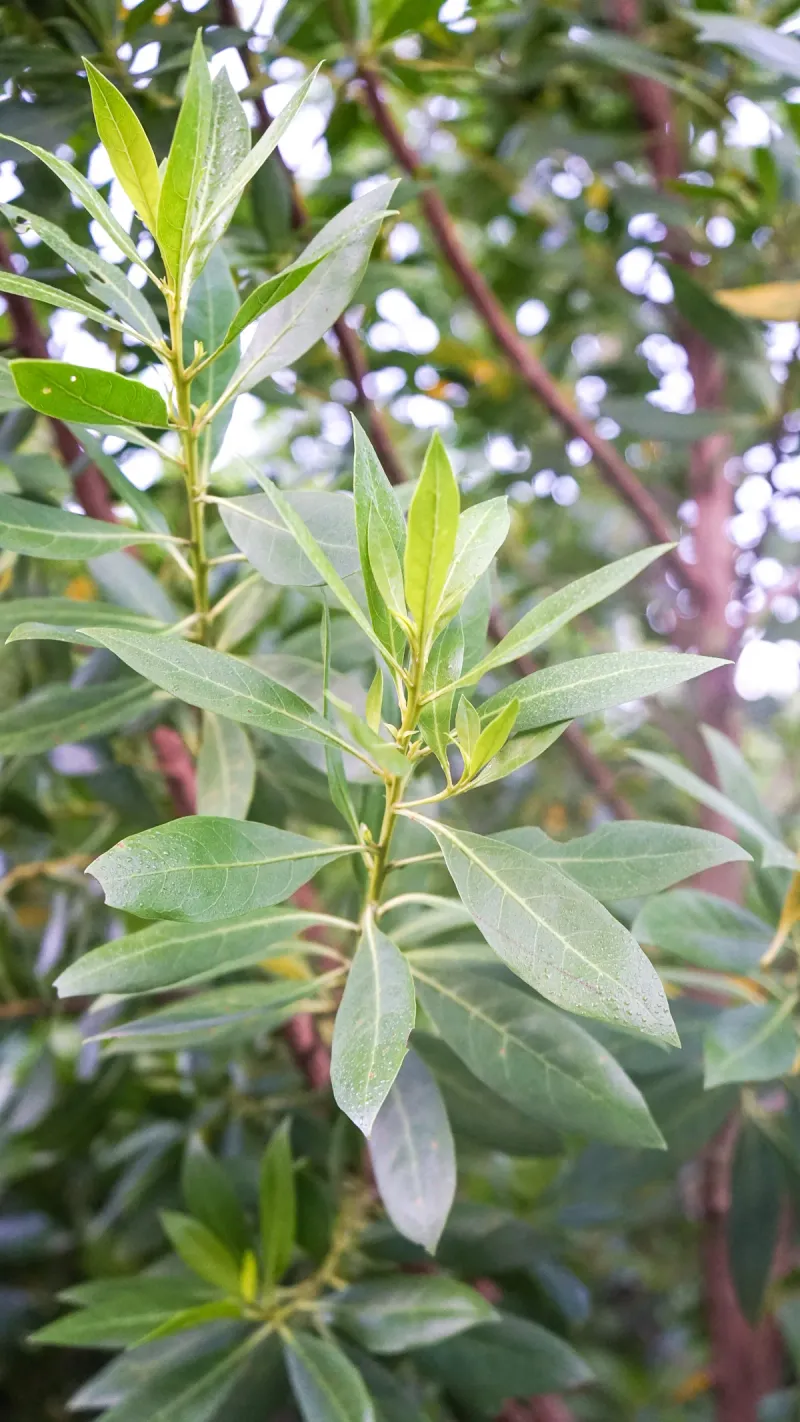
Green buttonwood is the workhorse version of its silver cousin, offering incredible toughness with classic green foliage. It grows naturally along Florida’s coastlines, so salt spray, sandy soil, and relentless sun are no problem at all.
The small, rounded leaves stay dense and full, creating excellent privacy screens and windbreaks.
Trimmed regularly, it forms a tidy, formal hedge. Left to grow naturally, it develops a charming, slightly wild look.
Either way, green buttonwood delivers consistent performance in Florida’s most challenging growing conditions.
Walter’s Viburnum
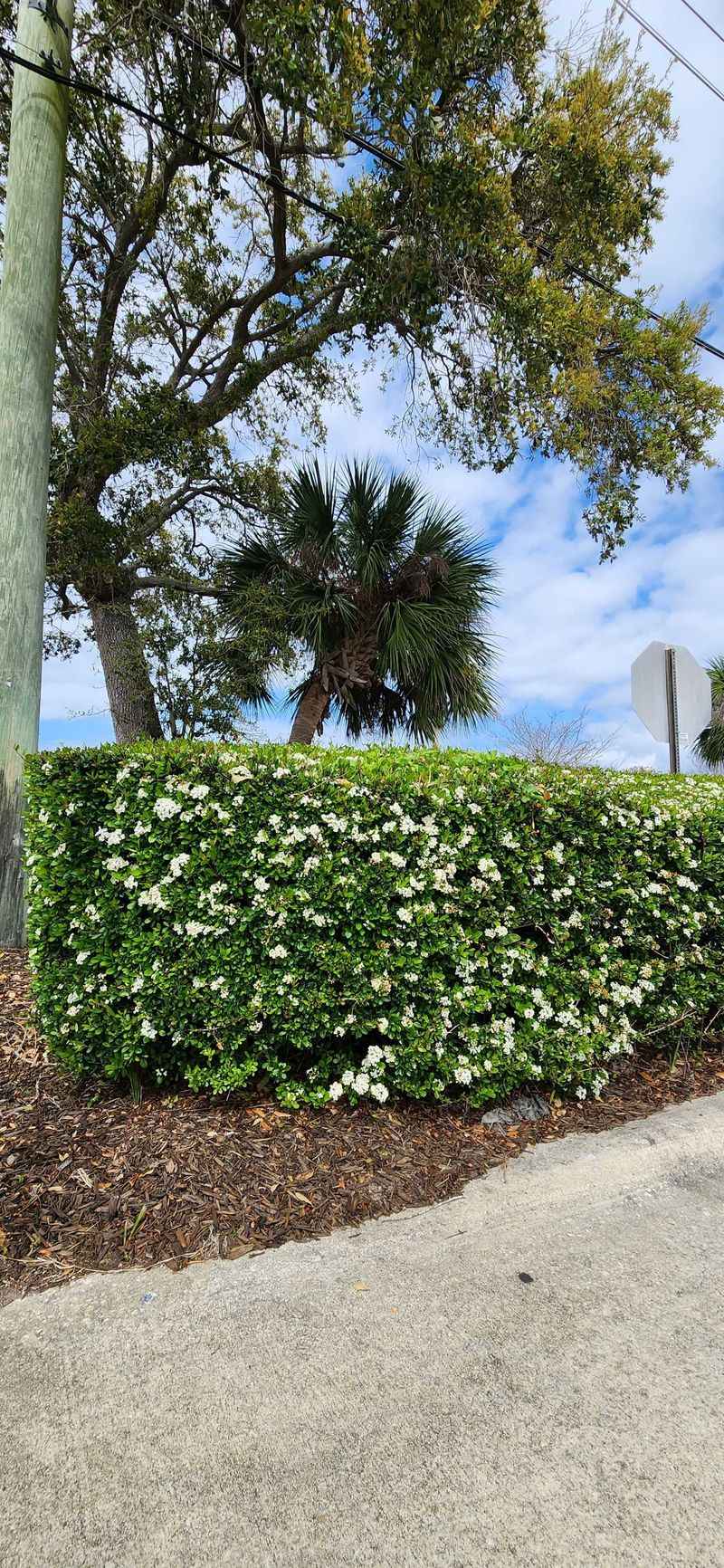
Walter’s viburnum is a Florida native that wildlife absolutely adores. Small white flower clusters bloom in late winter and spring, filling the yard with a light, sweet fragrance.
After the flowers drop, dark blue-black berries appear that birds flock to throughout the fall and winter months.
It grows quickly into a full, rounded shrub and tolerates heat, drought, and various soil types with ease. For homeowners who want a yard that supports local wildlife while staying beautiful, Walter’s viburnum is a perfect pick.
Dahoon Holly
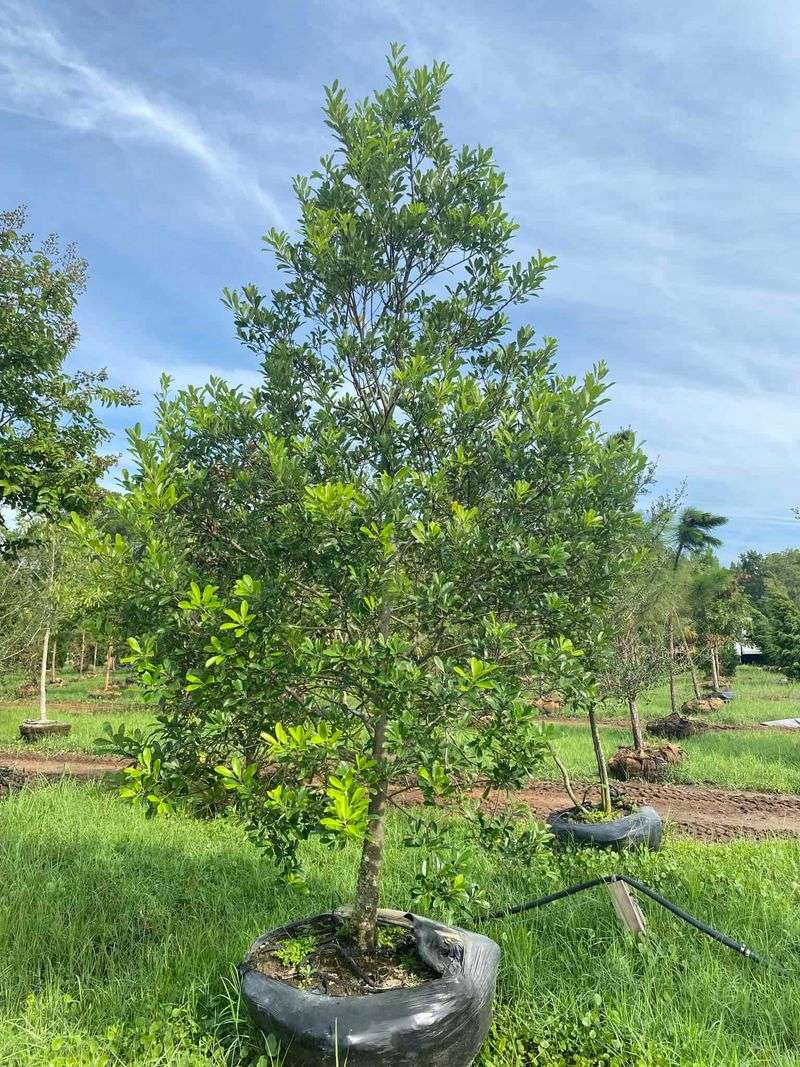
Dahoon holly is one of those plants that looks like it belongs on a holiday card, with clusters of vivid red berries contrasting against slender, dark green leaves. Unlike many hollies, it tolerates wet, poorly drained soils that would rot other shrubs, making it ideal for Florida yards with drainage issues.
Birds devour the berries throughout winter, bringing constant activity to the yard. It grows into a graceful, upright form that works well as a specimen tree or a naturalistic screen planting.
Ligustrum
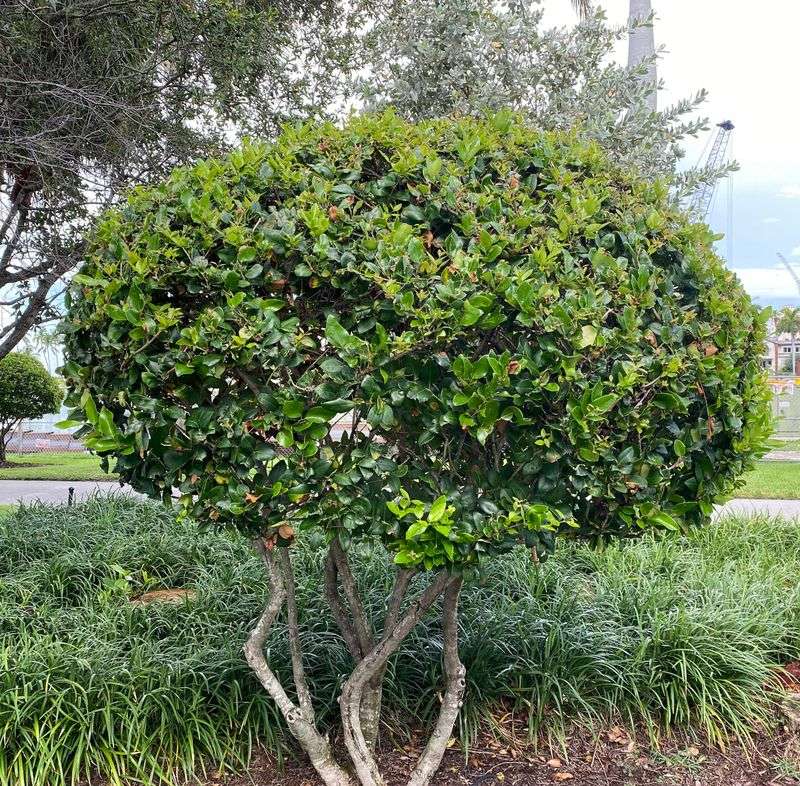
Ligustrum has been a staple in Florida landscaping for decades, and for good reason. It grows fast, stays thick, and tolerates the full force of Florida’s summer heat without complaint.
The glossy leaves create a formal, polished look that works well in traditional and contemporary yard designs alike.
It responds excellently to pruning and can be shaped into just about any form you want. Keep in mind that it can spread aggressively, so occasional trimming keeps it right where you need it.
Japanese Blueberry
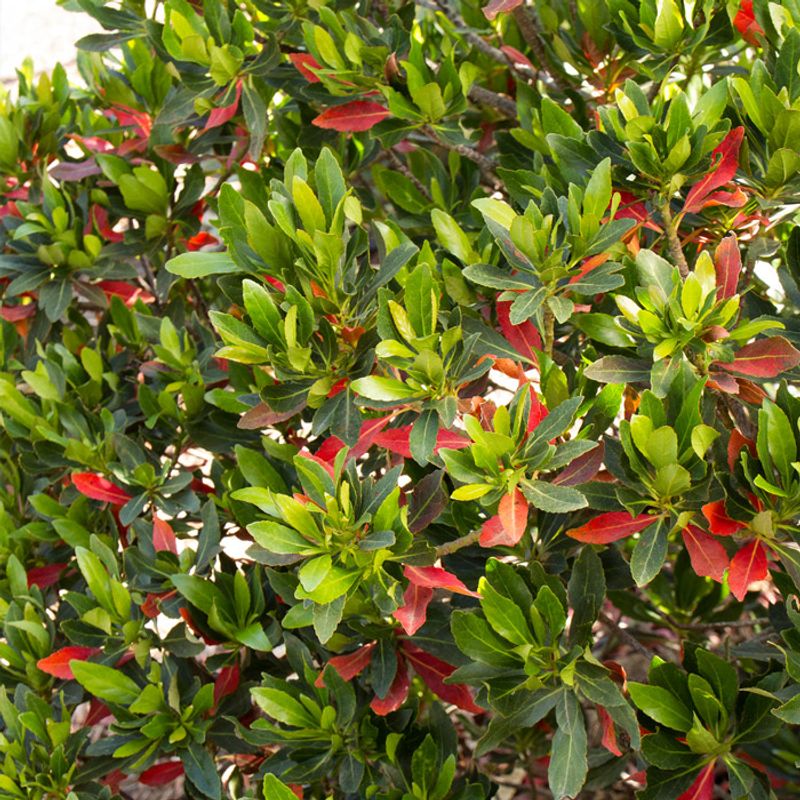
Japanese blueberry has one of the most eye-catching features in Florida landscaping: its new leaf growth emerges in a deep bronze-red before maturing to rich, glossy green. That two-tone effect gives the plant year-round visual interest that goes far beyond what a typical green shrub offers.
It grows into a dense, upright form that works beautifully as a hedge or small specimen tree.
It handles Florida heat and humidity well and stays full without aggressive pruning, making it a low-effort choice with high visual payoff.
Oleander
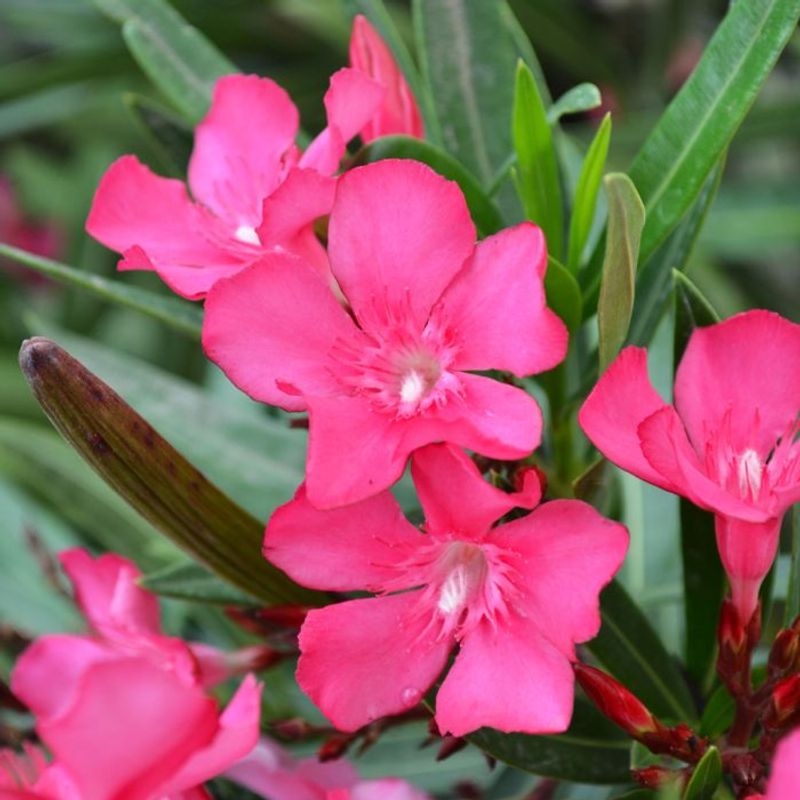
Few shrubs match oleander when it comes to pure flowering drama. Massive clusters of pink, red, white, or yellow blooms cover the plant through the long Florida growing season, putting on a show that is hard to ignore.
It thrives in full sun and blazing heat, growing into a large, bushy form that provides excellent screening.
Keep in mind that all parts of oleander are toxic, so it is best kept away from areas where young children and pets play. Handled responsibly, it is a stunning, heat-loving performer.
Natal Plum
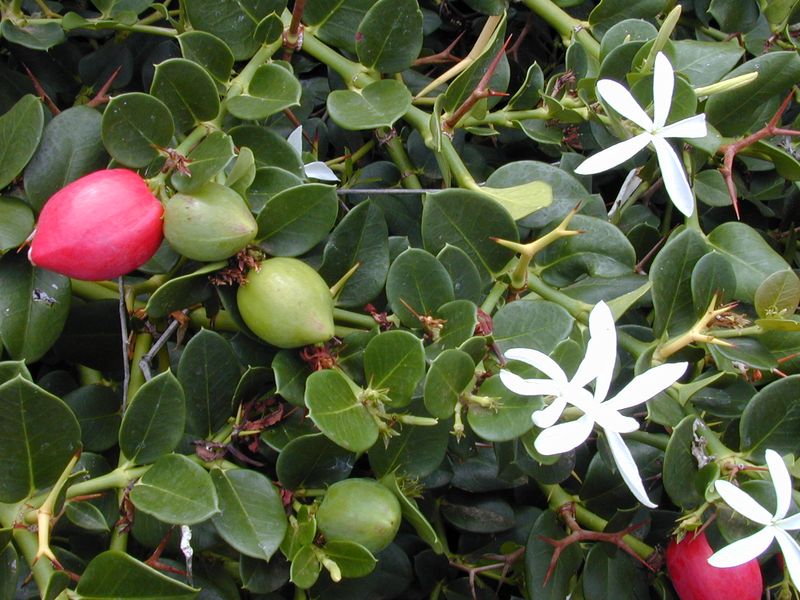
Natal plum brings triple duty to any Florida yard: fragrant white star-shaped flowers, glossy evergreen foliage, and small edible red fruits that taste similar to cranberries. The plant is incredibly tough, shrugging off salt spray, heat, and drought once it gets established.
Sharp thorns along the stems make it an excellent security hedge as well.
It thrives in full sun and sandy coastal soils where other shrubs struggle. The combination of beauty, toughness, and function makes natal plum one of the most practical choices for Florida landscapes.
Hopseed Bush
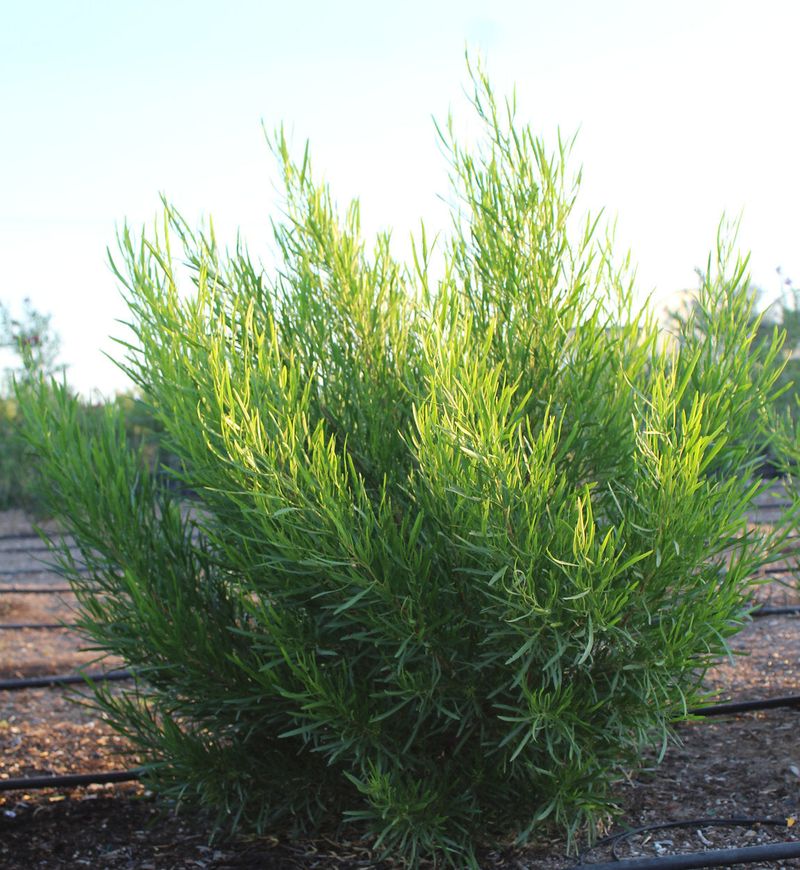
Hopseed bush is a quiet overachiever in Florida yards. It grows into a tall, dense shrub with narrow, deep green leaves that create excellent privacy without needing constant pruning.
The plant is remarkably drought-tolerant once established, making it a smart choice for water-conscious Florida gardeners who want results without a big irrigation bill.
Papery, hop-like seed pods add a subtle decorative touch in summer and fall. It handles full sun and reflected heat from walls and pavement, which makes it well-suited for tough urban planting spots.
Sea Grape
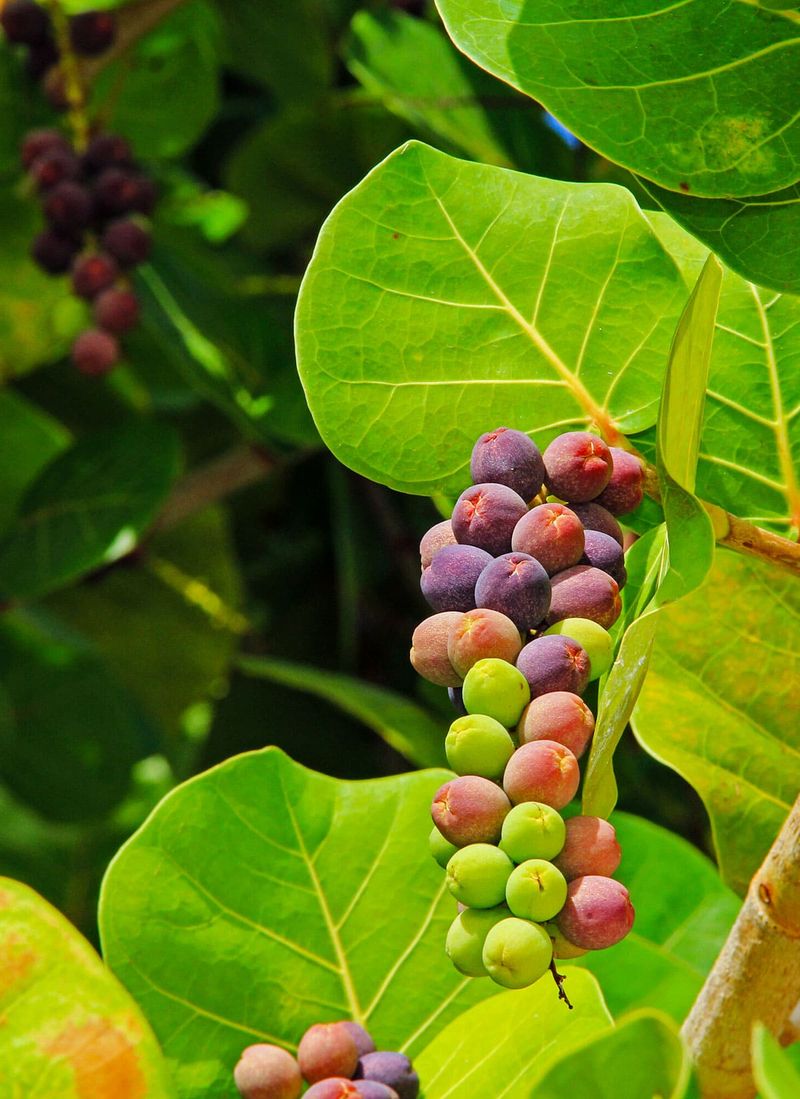
Sea grape is practically synonymous with Florida’s coastal landscape. Its enormous, round, leathery leaves are instantly recognizable, and they turn a beautiful mix of red and burgundy at the edges as they age.
Clusters of purple fruits form in summer, attracting birds and wildlife while adding to the plant’s tropical charm.
It handles salt, wind, sand, and intense heat better than almost any other shrub. Whether used as a sprawling hedge or a dramatic specimen plant, sea grape gives any yard an authentic Florida coastal personality.
Firecracker Bush
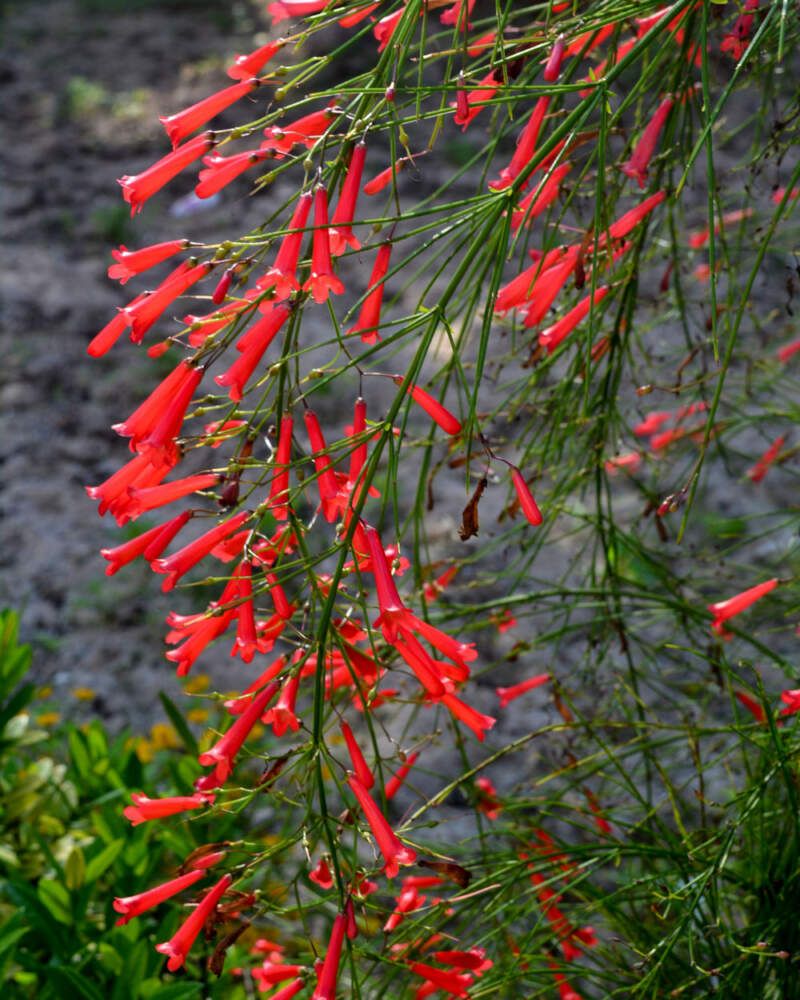
Firecracker bush earns its name every single day it blooms. Hundreds of slender, tubular orange-red flowers cover the plant almost continuously through the warm months, creating a fireworks-like display that hummingbirds and butterflies cannot resist.
It brings nonstop energy and color to Florida yards that most shrubs simply cannot match.
It thrives in full sun and handles heat and dry spells without losing its vigor. Trim it back lightly after heavy blooming cycles to encourage fresh growth and keep the flower show going strong all season.
Enjoyed this story?
Add Fast Food Club as a preferred source to see more of our reporting on Google.