


Florida’s sandy soil might seem like a challenge for gardeners, but plenty of plants actually love it. These tough, beautiful plants have adapted over centuries to handle dry conditions, intense heat, and nutrient-poor ground.
Knowing which plants to choose can save you time, money, and a lot of frustration. Whether you’re a beginner or a seasoned gardener, this list will help you grow a stunning yard with almost zero extra effort.
Gaillardia
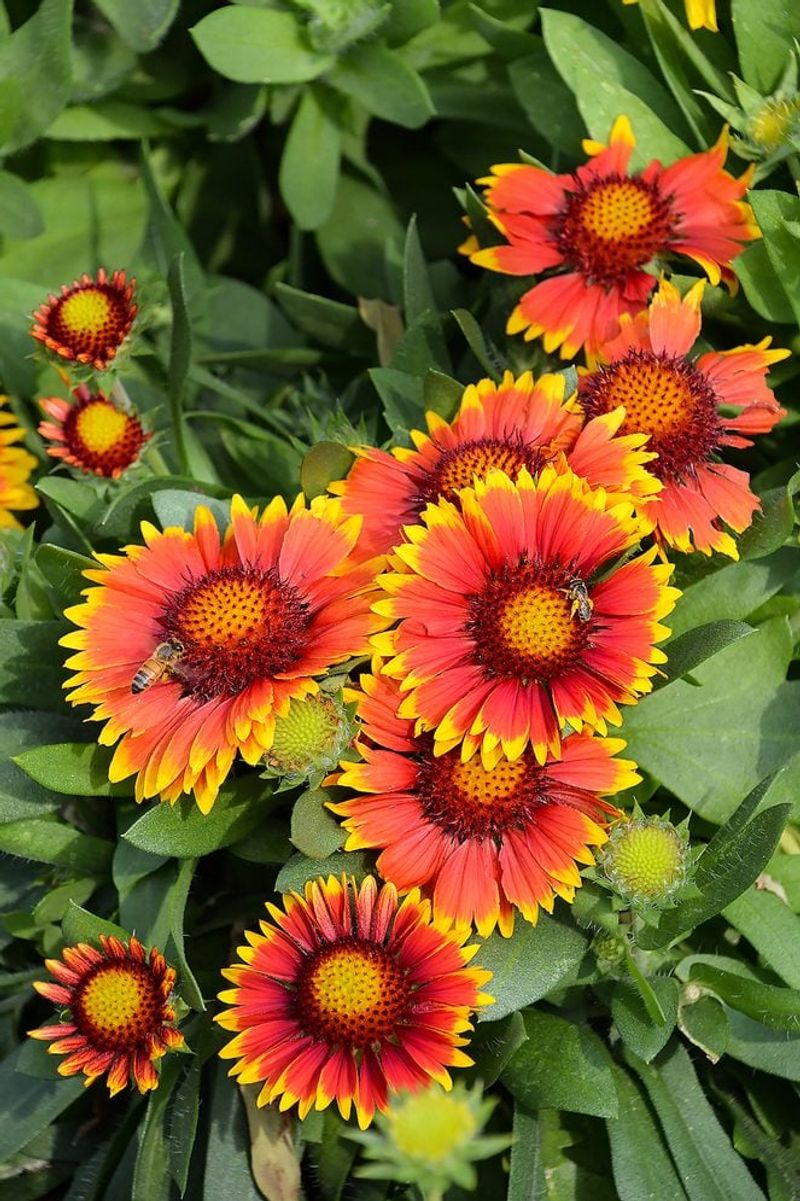
Bold, fiery, and almost impossible to kill, Gaillardia earns its nickname “blanket flower” for good reason. Its red and yellow petals look like a woven Native American blanket spread across the ground.
This wildflower thrives in poor, sandy soil and actually struggles when given too much water or fertilizer.
Plant it in full sun and let it do its thing. Bees and butterflies flock to it, making your yard feel alive all season long.
Coreopsis
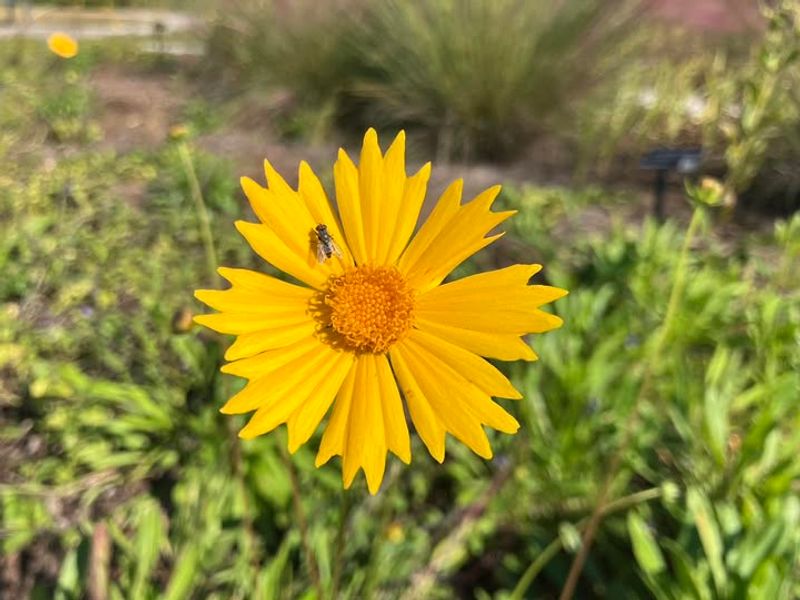
Florida’s official state wildflower, Coreopsis, paints entire roadsides golden yellow every spring. It spreads easily through sandy soil without any help from gardeners, almost like it prefers to be left alone.
Once established, it comes back year after year with very little attention needed.
Plant seeds in fall and watch them explode into color by spring. It attracts pollinators and adds a cheerful, sunny vibe to any garden space effortlessly.
Beach sunflower
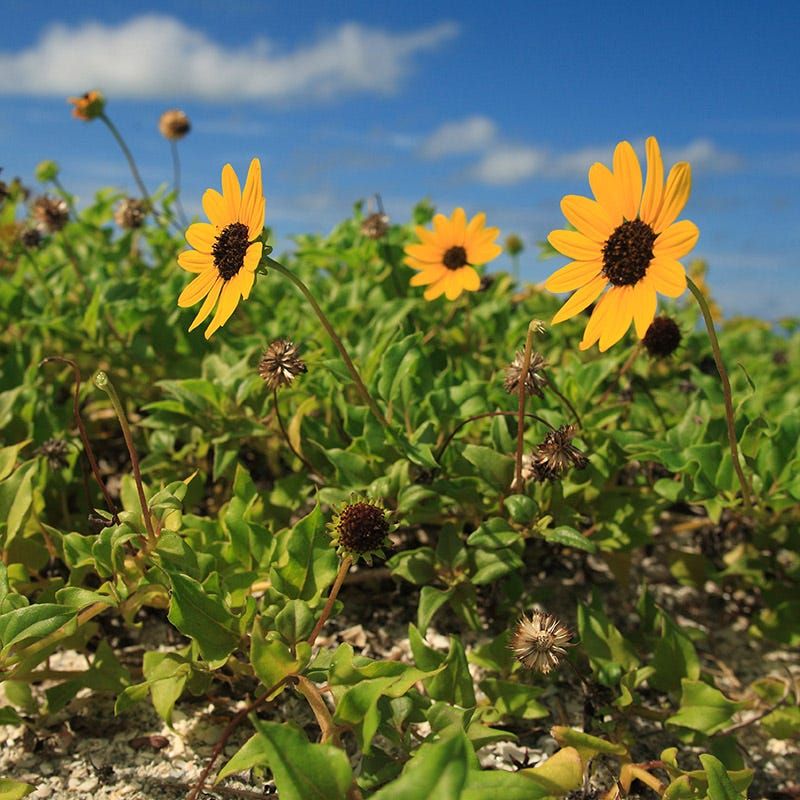
Imagine a tough little sunflower that laughs at salt spray, drought, and sandy soil all at once. That’s exactly what beach sunflower does.
It spreads quickly as a low ground cover, perfect for filling empty spots in your yard without much watering or care.
Hummingbirds and butterflies love visiting its cheerful blooms. It’s also great for controlling erosion near coastal properties, making it both beautiful and surprisingly practical for Florida landscapes.
Muhly grass
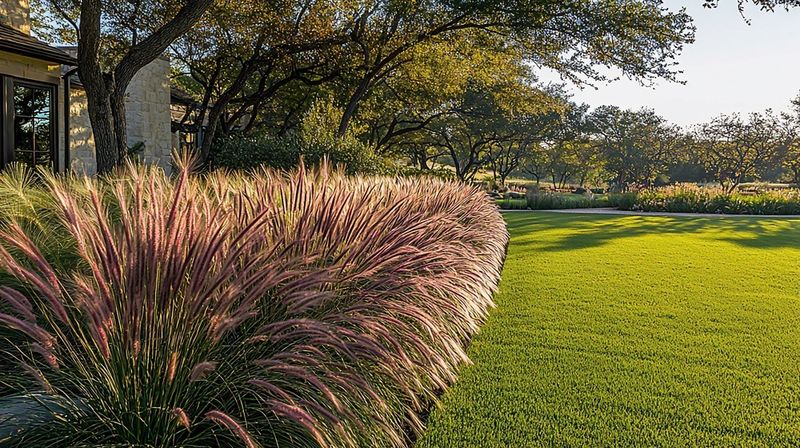
Every fall, Muhly grass puts on a show that stops people in their tracks. Its feathery pink and purple plumes sway dramatically in the breeze, looking almost like clouds hovering just above the ground.
Native to Florida, it handles sandy soil, heat, and drought without breaking a sweat.
Muhly grass needs almost no maintenance once planted. Group several plants together for a breathtaking visual effect that transforms any ordinary yard into something spectacular.
Coontie
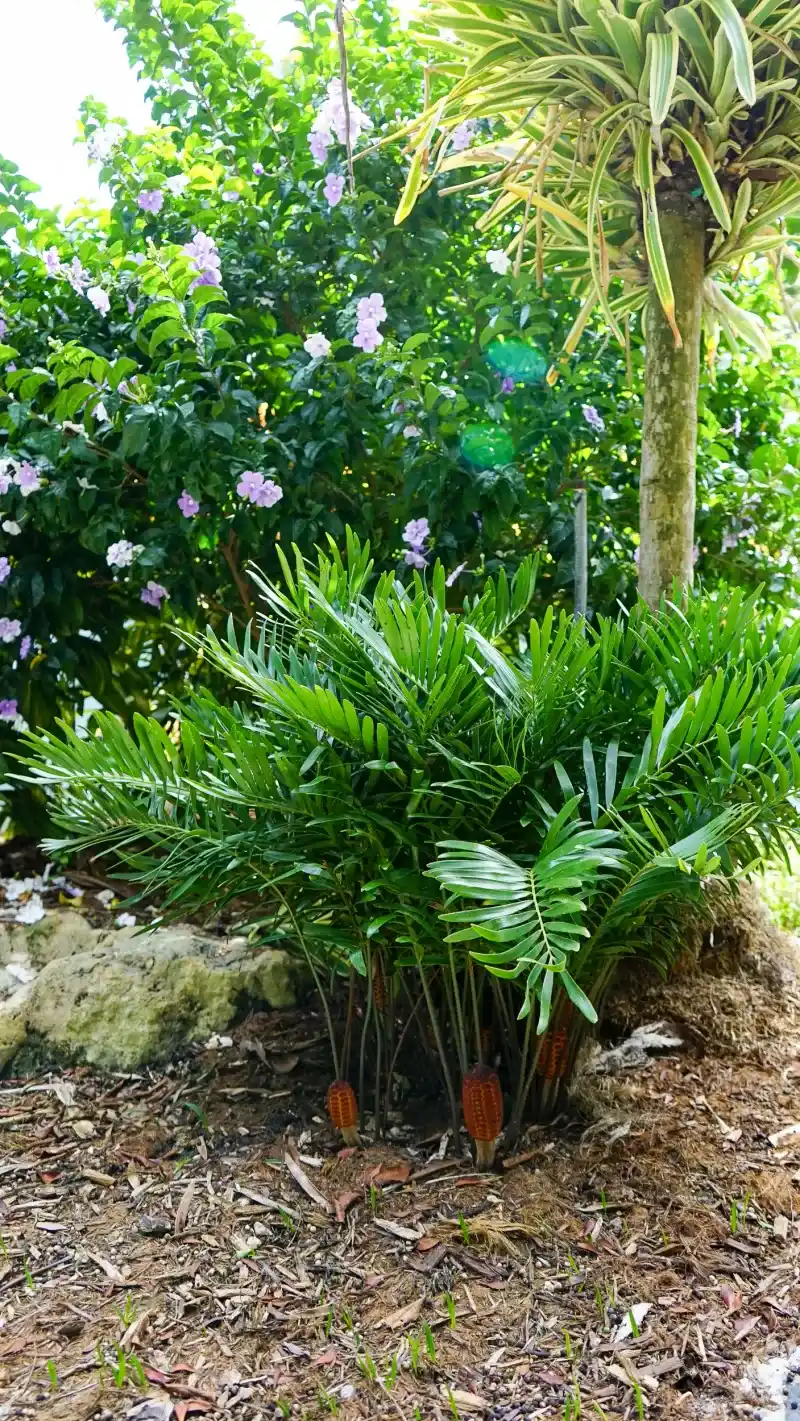
Coontie is one of Florida’s most ancient native plants, surviving here long before humans arrived. It looks like a small palm but is actually a cycad, a prehistoric plant group that has barely changed in millions of years.
Sandy, well-drained soil suits it perfectly, and it handles drought like a champion.
It’s also the only host plant for the rare Atala butterfly, so planting it helps protect an endangered species while beautifying your yard.
Saw palmetto
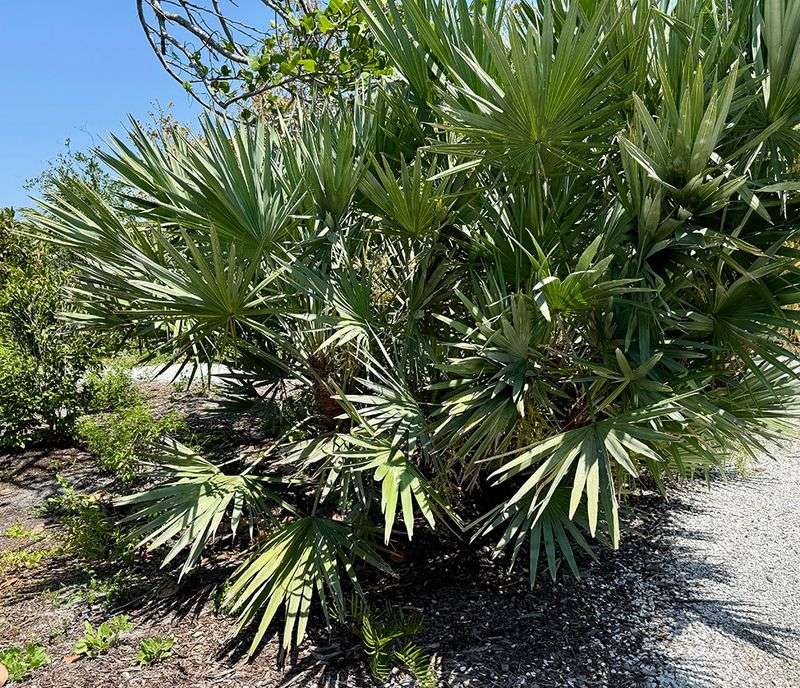
Few plants scream “Florida native” louder than saw palmetto. Its fan-shaped, silvery-green leaves and spiky stems have been part of Florida’s landscape for thousands of years.
Wildlife absolutely depends on it for food and shelter, from bears to scrub jays to gopher tortoises.
Sandy soil is its natural home, and it needs zero irrigation once established. Plant it and basically forget it, since saw palmetto practically takes care of itself with no effort required from you.
Twinflower
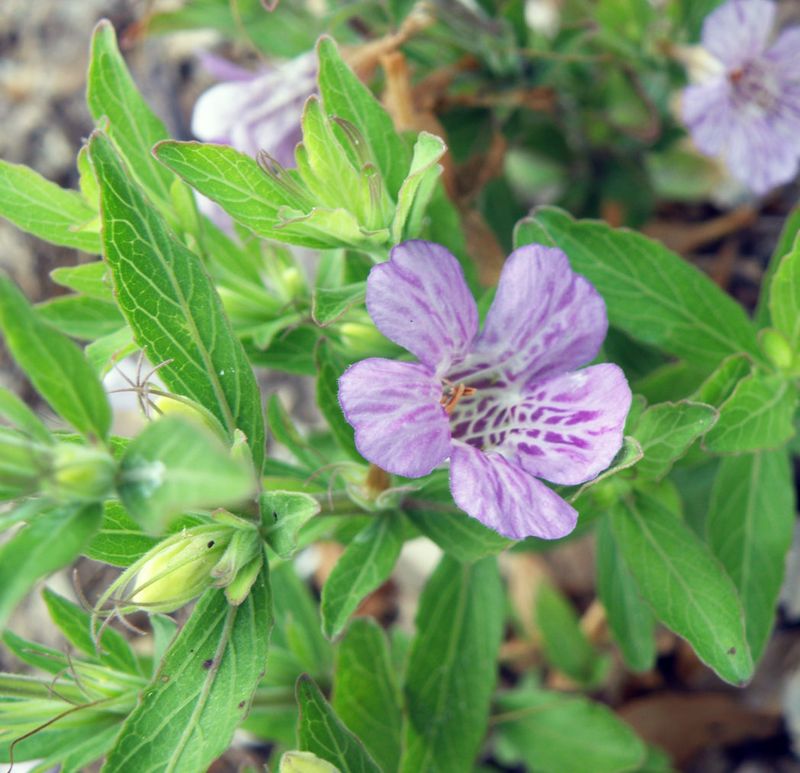
Twinflower might be small, but it packs surprising charm into every tiny bloom. This low-growing native plant hugs the sandy ground and produces pairs of delicate pink flowers that look almost too pretty to be real.
It’s perfectly adapted to Florida’s dry, nutrient-poor soils and needs almost no watering once established.
Gardeners often overlook it in favor of showier plants, but those who plant twinflower quickly discover it adds a delicate, whimsical texture to any native garden bed.
Blanket flower
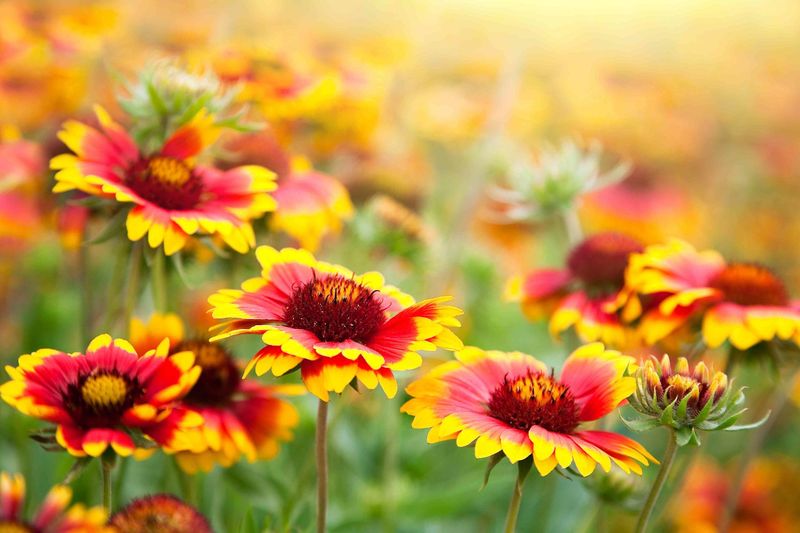
With petals that glow like a sunset, blanket flower brings serious drama to any garden. Related to Gaillardia, this cheerful wildflower loves Florida’s heat and sandy conditions, blooming almost non-stop from spring through fall.
It’s incredibly forgiving, tolerating drought and poor soil without any complaints.
Deadhead spent blooms to encourage more flowers, or just let it go wild for a relaxed, natural look. Either way, pollinators will thank you all season long.
Lantana
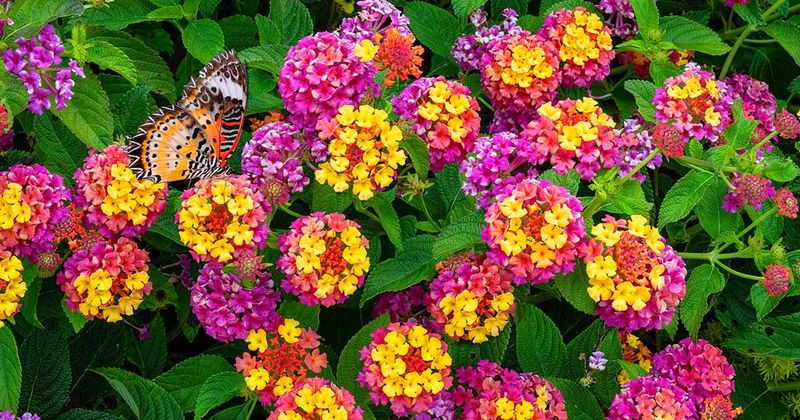
Lantana is basically unstoppable in Florida. Once it gets going in sandy soil, it blooms in wild clusters of orange, yellow, red, and pink all at the same time, creating a kaleidoscope of color.
Butterflies swarm it constantly, turning your yard into a living butterfly garden.
It handles full sun and drought with ease. Just note that the berries are toxic to pets and people, so plant it thoughtfully if you have curious kids or animals nearby.
Rosemary
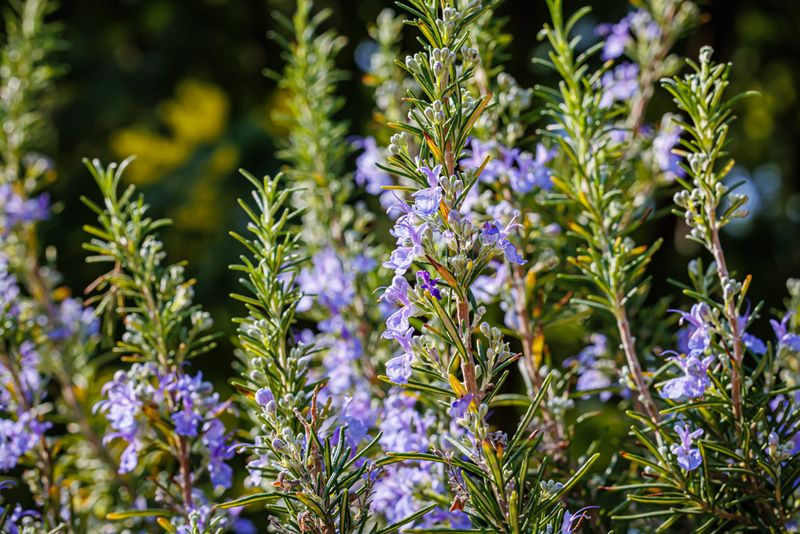
Rosemary isn’t just for cooking. In Florida’s sandy soil, it grows into a full shrub that blooms with tiny blue flowers and fills the air with an amazing herbal fragrance.
It thrives in hot, dry conditions and actually prefers poor, well-drained sandy soil over rich garden beds.
Trim it regularly to keep it bushy and harvest fresh sprigs for your kitchen whenever you want. It’s one of the most rewarding plants you can grow in Florida with almost no effort.
Lavender
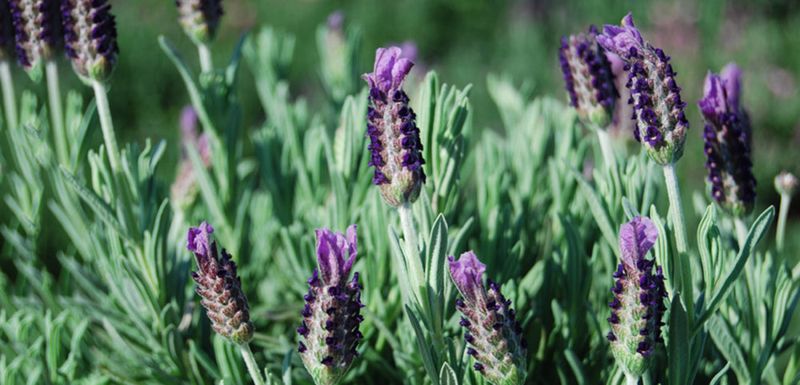
Lavender has a reputation for being fussy, but certain varieties do surprisingly well in Florida’s sandy, fast-draining soil. Spanish lavender and fernleaf lavender are the best bets for Florida gardeners, handling humidity and heat better than classic English lavender varieties.
The key is planting in a spot with excellent drainage and full sun.
Once settled in, lavender rewards you with fragrant purple spikes that attract bees and butterflies while keeping mosquitoes at a distance naturally.
Yucca
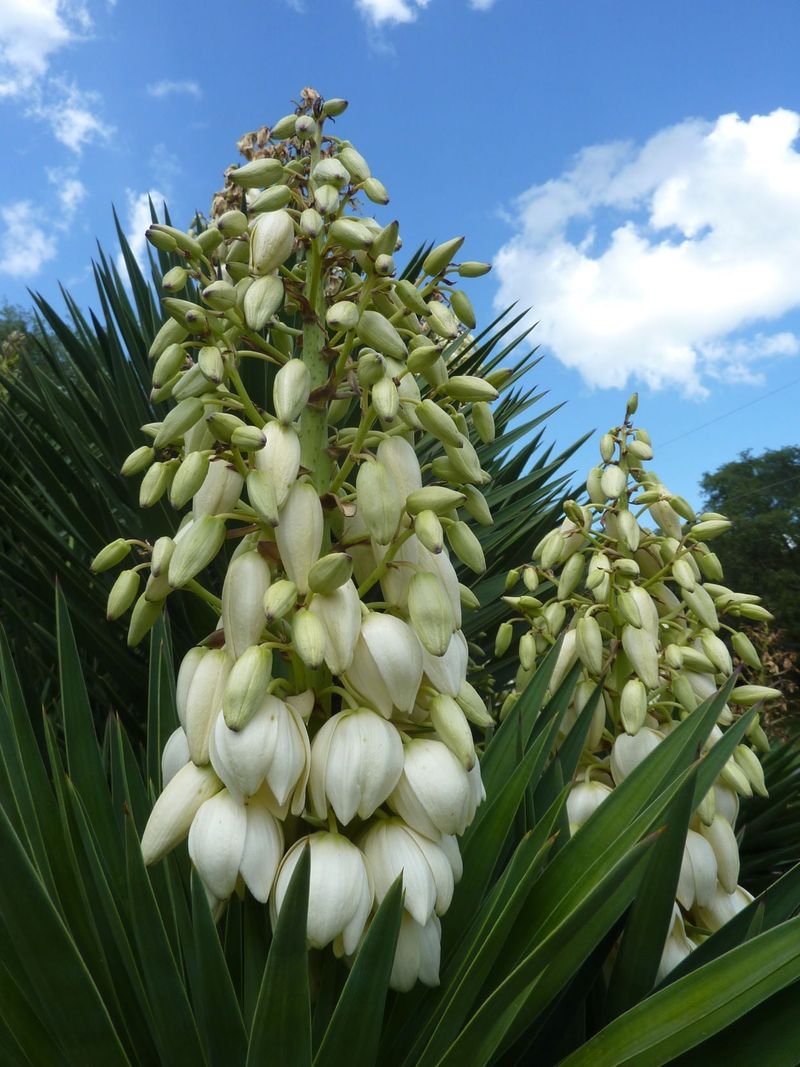
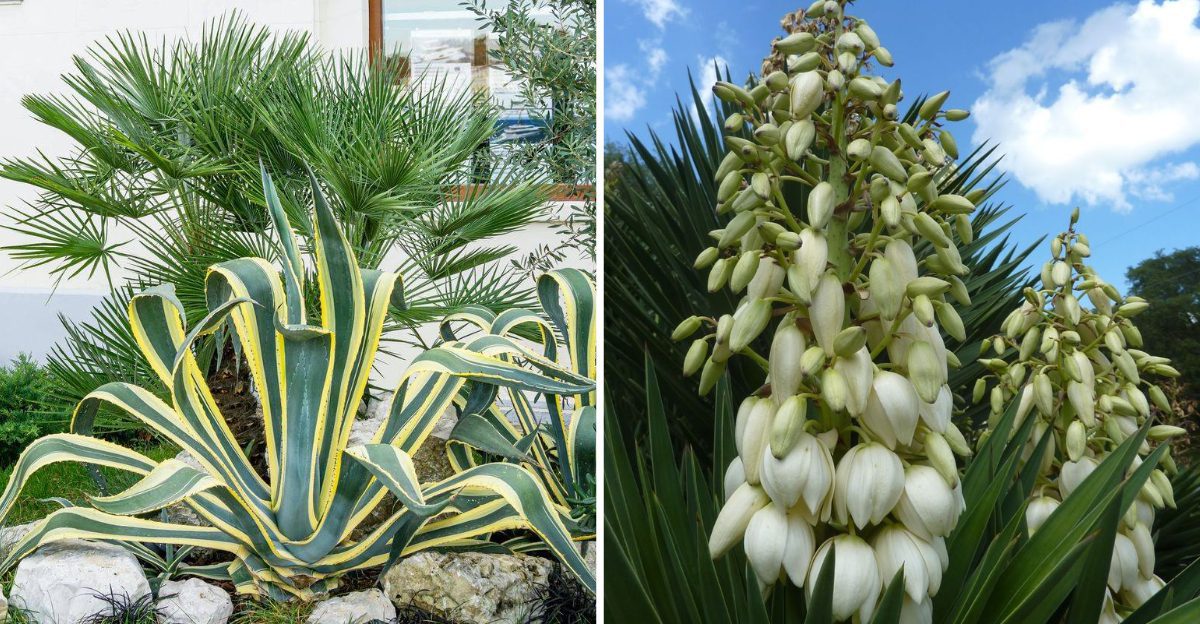
Yucca looks like it belongs in a science fiction movie, with its sharp sword-like leaves and towering white flower stalks. Native to sandy, dry regions, it fits right into Florida’s landscape without needing any extra watering or soil amendments.
It’s nearly indestructible once established and can handle even the most brutal summer heat.
Yucca moths are its exclusive pollinator, creating a fascinating relationship you can observe right in your own yard. Truly a conversation-starting plant.
Agave
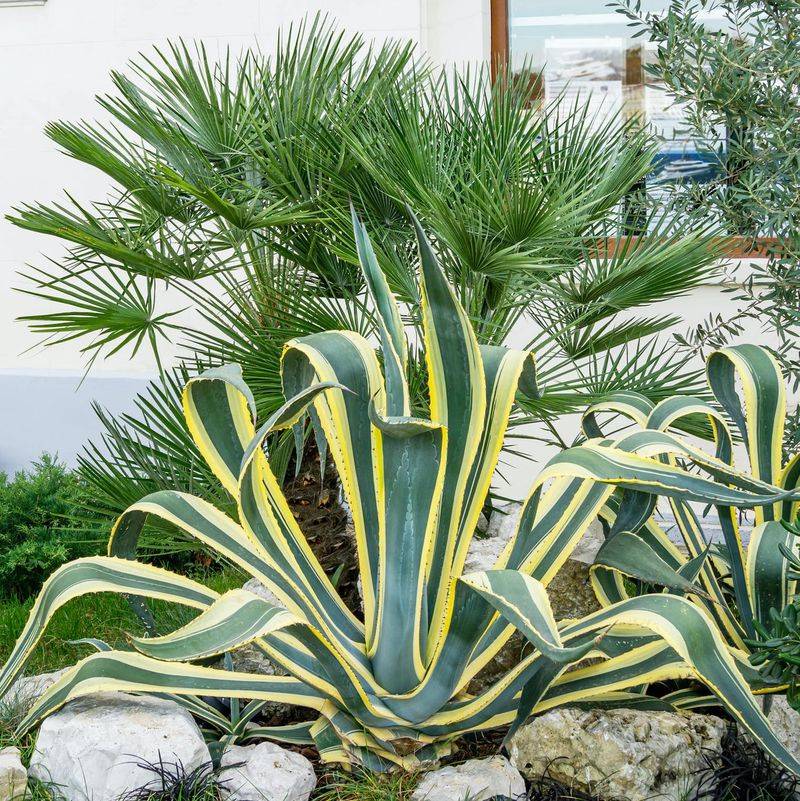
Few plants command attention the way a mature agave does. Its thick, sculptural leaves form a dramatic rosette that can grow enormous over time, making it a bold focal point in any Florida yard.
Agave thrives in sandy, dry soil and rarely needs watering once it’s established in the ground.
Fun fact: most agave plants bloom only once in their lifetime, producing a towering flower spike, then die. However, they leave behind offsets so the plant lives on.
Simpson’s stopper
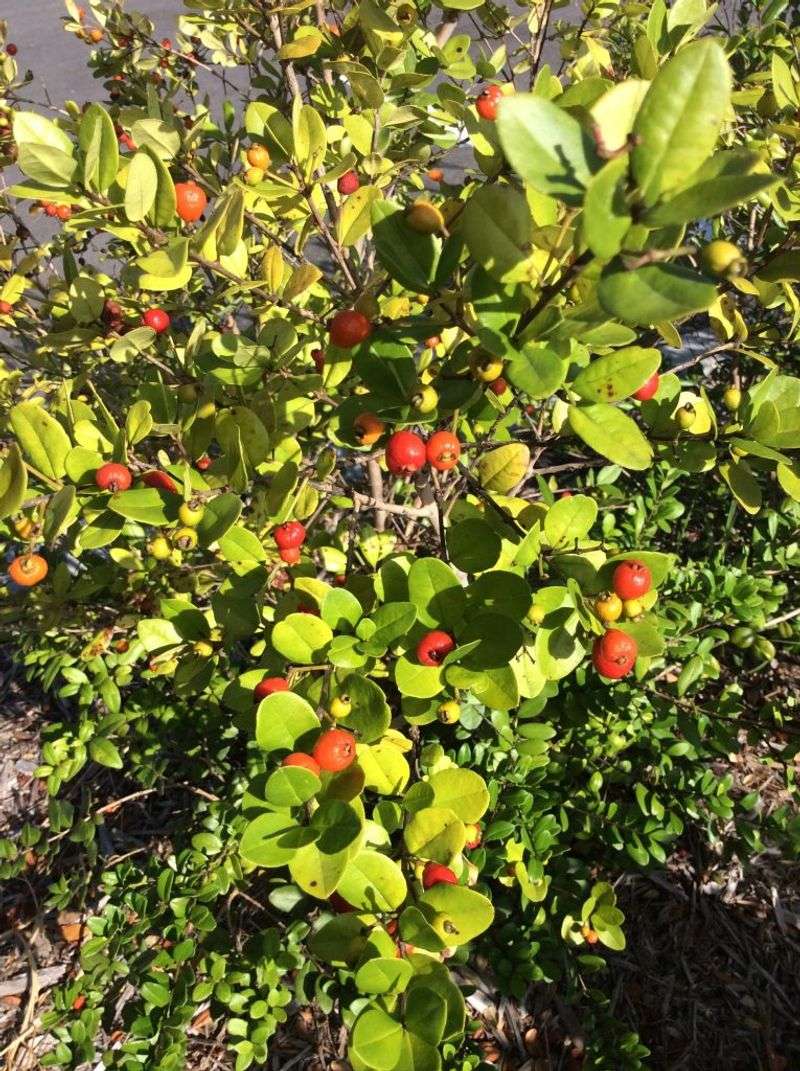
Simpson’s stopper is a Florida native shrub that quietly does everything right. It produces clusters of small white flowers that smell faintly sweet, followed by bright red berries that birds absolutely love.
Sandy soil? No problem.
It’s drought tolerant and grows well in full sun or partial shade.
It makes an excellent privacy hedge or specimen plant in native landscapes. Gardeners who plant it often say it’s one of the easiest and most rewarding shrubs they’ve ever grown in Florida.
Cocoplum
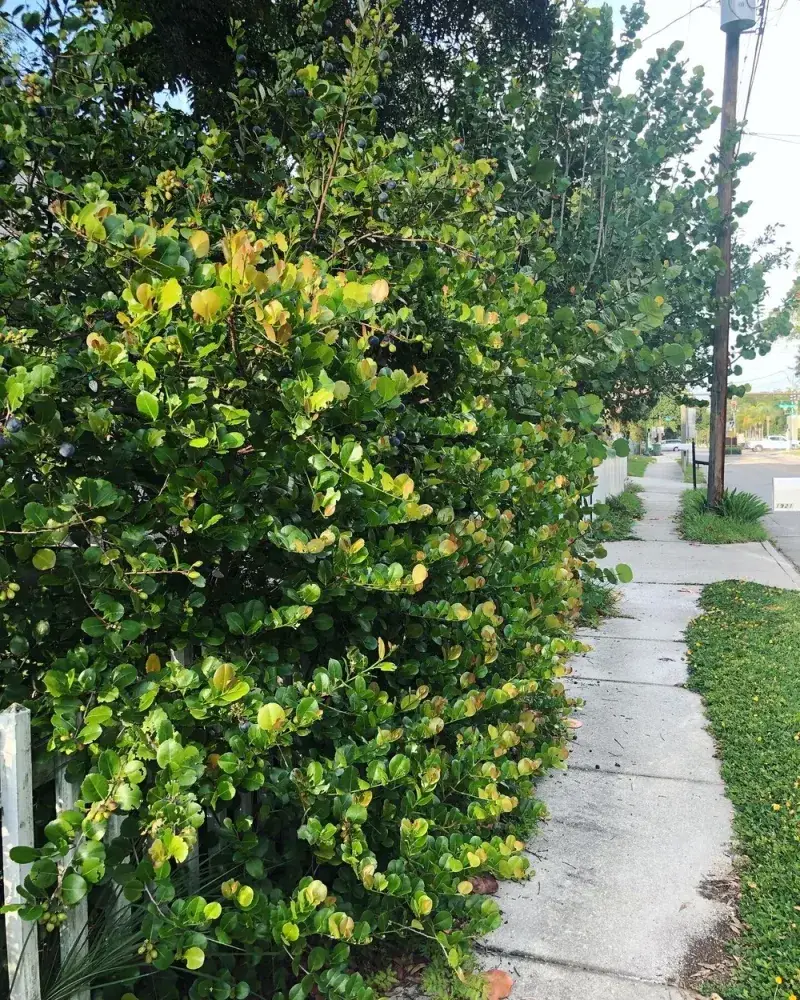
Cocoplum is a tough, salt-tolerant shrub that thrives along Florida’s coasts and sandy inland areas alike. Its glossy, rounded leaves stay lush and green year-round, and it produces small plum-like fruits that wildlife eagerly eat.
It’s a favorite for privacy hedges because it grows dense and full without much pruning.
The fruits are actually edible for humans too, tasting mildly sweet and often used in jams. Planting cocoplum means feeding yourself and local wildlife at the same time.
Sea grape
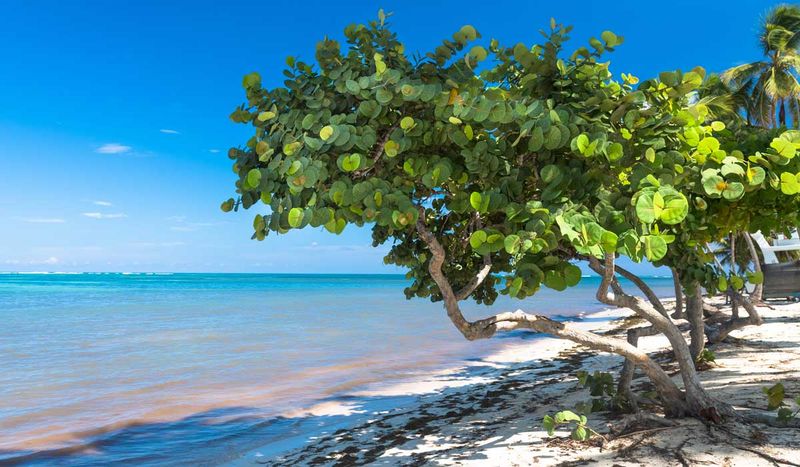
Sea grape is practically synonymous with Florida’s beachside landscape. Its oversized, round, leathery leaves turn red at the edges as they age, creating a beautiful natural color show.
It grows directly in sandy coastal soil, handling salt wind, drought, and heat without flinching.
The clusters of grape-like fruits it produces are edible and can be made into jelly. Birds and wildlife love feasting on them too, making sea grape one of the most ecologically valuable coastal plants in Florida.
Goldenrod
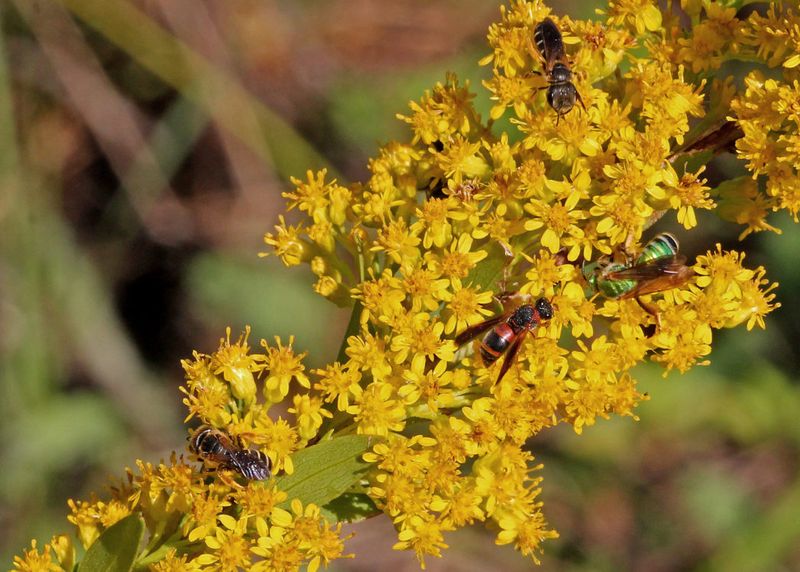
Goldenrod gets blamed unfairly for fall allergies, but here’s the truth: it’s actually wind-pollinated ragweed causing the sneezing, not goldenrod. This brilliant yellow wildflower blooms in late summer and fall, lighting up sandy roadsides and fields across Florida.
It’s incredibly easy to grow and spreads naturally without any help.
Pollinators go absolutely wild for goldenrod, making it one of the most ecologically important fall-blooming plants you can add to a Florida native garden.
Tickseed
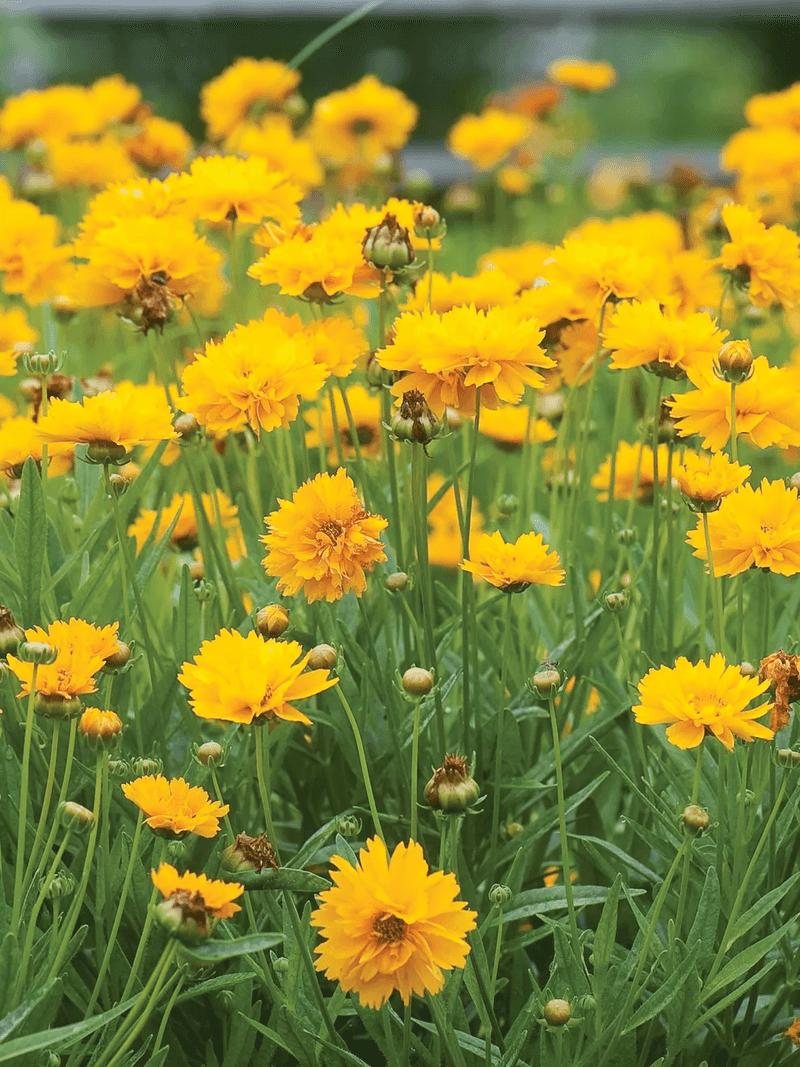
Tickseed is the common name for Florida’s beloved Coreopsis species, and it earns its place on every native plant list. The cheerful yellow flowers bloom abundantly in sandy soil with almost no care, spreading into natural drifts that look stunning in mass plantings.
It reseeds itself year after year, so one planting keeps on giving.
Songbirds feed on the seeds in fall and winter, adding another layer of wildlife value to this already outstanding Florida wildflower.
Firebush
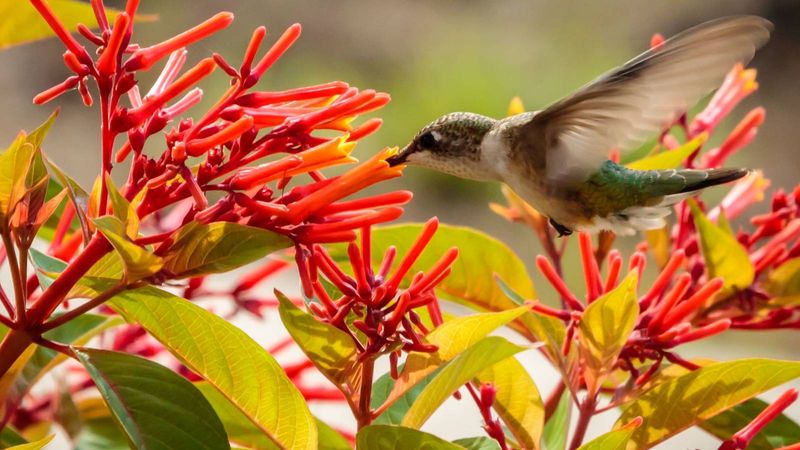
Hummingbirds can spot firebush from what seems like miles away. Its brilliant clusters of orange-red tubular flowers are practically a neon sign saying “free food here” for passing hummingbirds and butterflies.
Native to Florida, firebush explodes with color in summer and fall when many other plants look worn out from the heat.
It grows fast in sandy soil with minimal watering and can be kept as a shrub or allowed to grow into a small tree. Truly a showstopper plant.
Blue porterweed
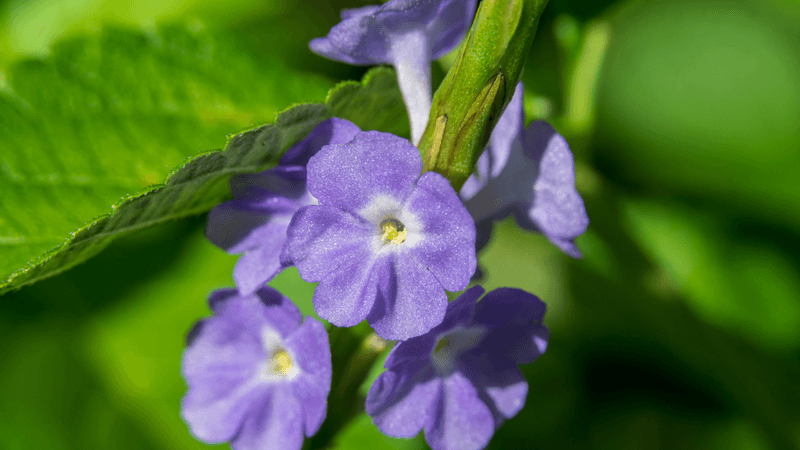
Blue porterweed is a butterfly magnet with personality to spare. Its slender stems carry tiny but vivid blue-purple flowers that bloom almost continuously throughout Florida’s warm months.
It thrives in sandy, well-drained soil and handles heat and drought like a true Florida native should.
Zebra longwing and other native butterflies use it as a host and nectar plant, so adding blue porterweed to your yard is basically rolling out a welcome mat for Florida’s most beautiful winged visitors all year long.
Enjoyed this story?
Add Fast Food Club as a preferred source to see more of our reporting on Google.