


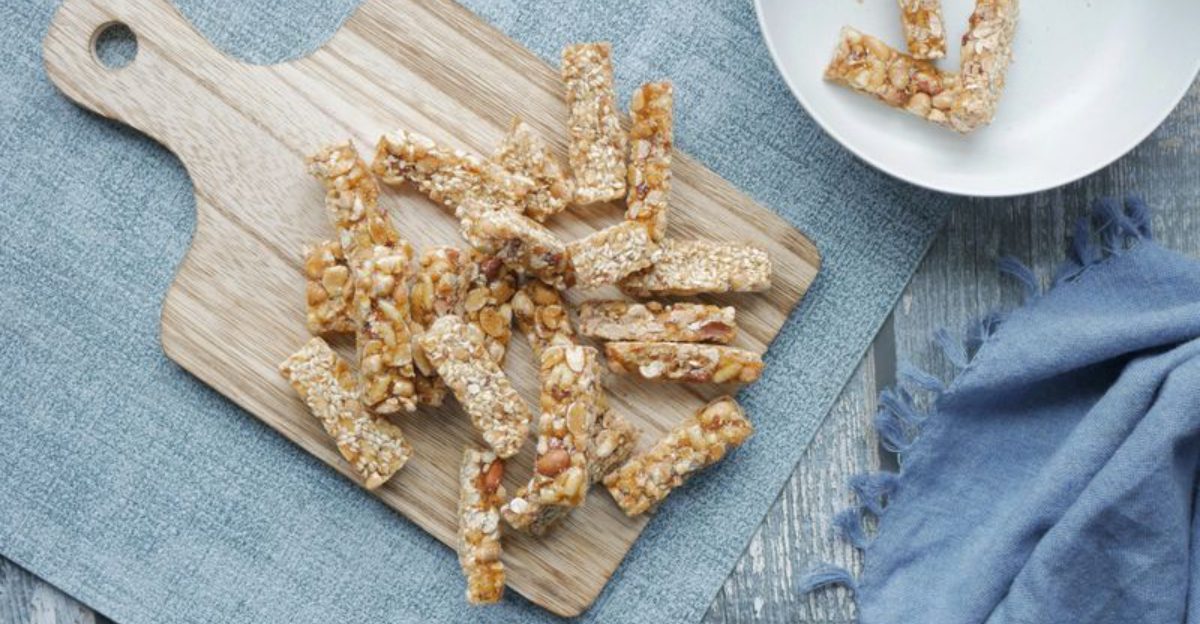
Healthy eating gets confusing fast when foods wear a health halo. Some options you reach for daily are great in small amounts but sneaky when portions creep.
The trick is not avoiding them entirely, but understanding where sugar, fat, and calories quietly pile up. Use this guide to enjoy favorites while keeping energy, hunger, and health on your side.
Granola bars
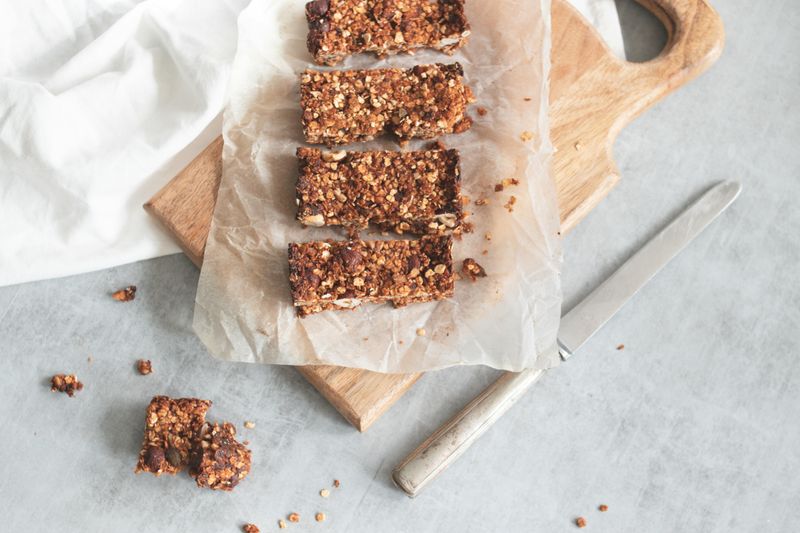
Granola bars seem wholesome, but many pack added sugars, syrups, and chocolate chips. Portion sizes are small, so it is easy to eat two without noticing the calories.
Some also hide refined oils and low fiber grains that do not keep you full.
Choose bars with short ingredient lists, at least three grams of fiber, and limited sweeteners. Pair one bar with water or fruit, and save them for on the go moments.
Better yet, treat granola bars like occasional snacks, not everyday stand ins for meals. Consider making a quick batch at home to control sugar and portion size.
Fruit juice
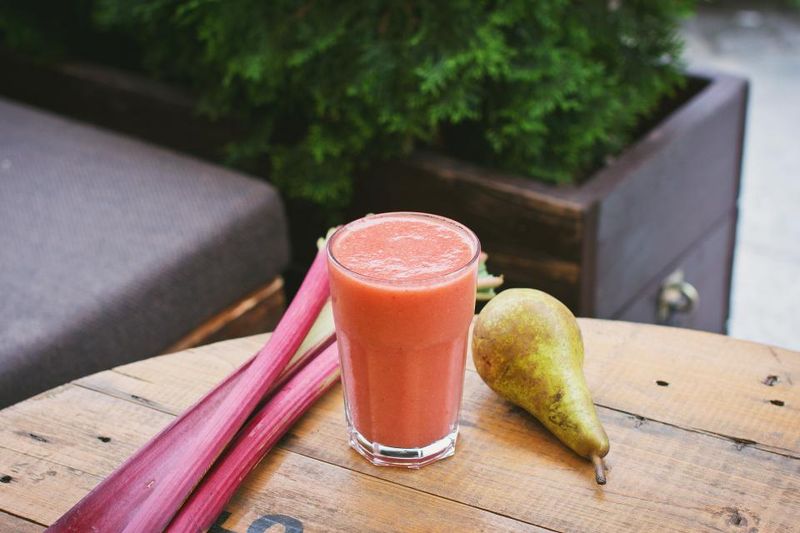
Fruit juice sounds pure, yet most servings concentrate sugar while stripping protective fiber. Even 100 percent juice can spike blood sugar and hunger more than whole fruit.
Large glasses pour in calories quickly, especially when drinking alongside breakfast or snacks.
Choose small portions, dilute with sparkling water, or treat it like a dessert. Better yet, eat fruit and drink water, so you get fiber, chewing, and satisfaction.
If you love juice, limit to four ounces and savor slowly rather than chugging mindlessly. Your teeth and energy levels will thank you for choosing balance over buzz.
Fruit smoothies

Smoothies feel healthy because they include fruit, yogurt, or greens in a quick cup. But blended fruit digests faster, and portions can balloon with juice, honey, or nut butter.
Calories add up when you sip instead of chew, leaving you less satisfied later.
Build smarter by favoring whole fruit, leafy greens, protein powder, and unsweetened milk. Add ice and spices for volume and flavor, and skip the syrups altogether.
Keep it around 300 to 400 calories, drink slowly, and treat it like a meal. That way you enjoy smoothie convenience without accidentally turning it into dessert.
Flavored yogurt
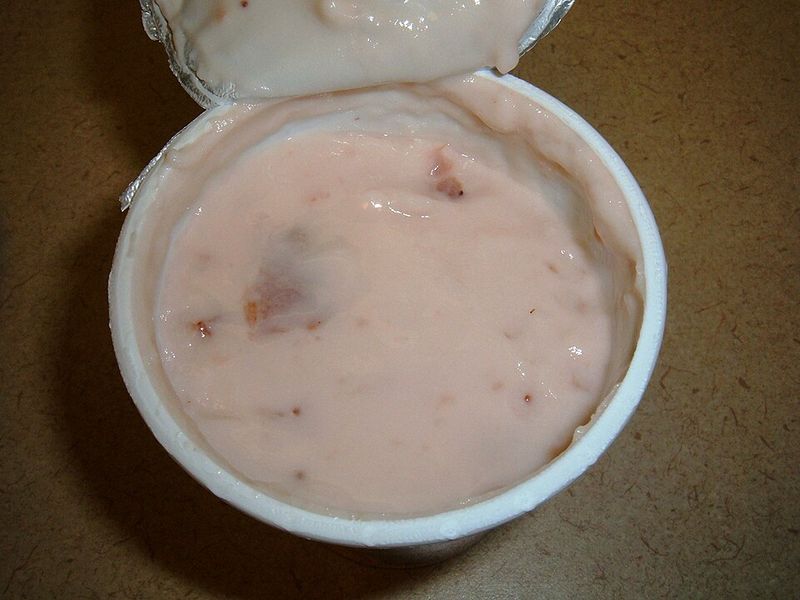
Flavored yogurt offers protein and probiotics, but many cups carry as much sugar as pudding. Portions are small, so toppings like granola and honey can easily double the load.
Artificial flavors and thickeners may boost taste, yet they rarely boost satiety.
Pick plain Greek yogurt, then add berries, cinnamon, and a drizzle of vanilla. For sweetness, mash a ripe banana or thaw frozen fruit instead of syrups.
Portion thoughtfully, eat slowly, and enjoy yogurt as part of a balanced snack. You get creaminess and protein without the sneaky sugar spiral.
Your gut still gets friendly cultures.
Dried fruit
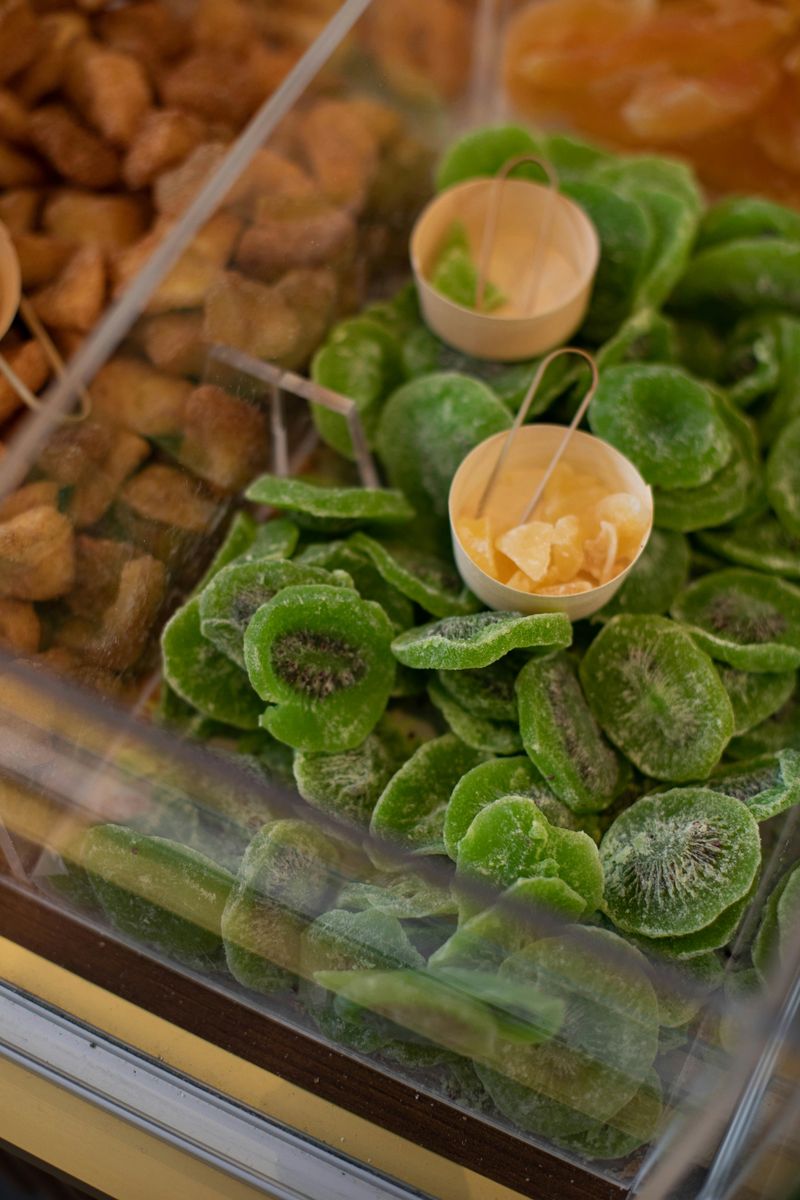
Dried fruit concentrates nutrients, but also concentrates sugar and calories into tiny bites. A handful can equal multiple pieces of fresh fruit, without the water that promotes fullness.
Sticky textures cling to teeth, which can increase cavity risk if eaten frequently.
Choose unsweetened options, watch portions, and pair with nuts for better balance. Chop a little into oatmeal or salads to add flavor without a sugar surge.
If you crave candy, a few chewy apricots may do the trick mindfully. Save big bags for trips, not for grazing beside your desk.
Drink water alongside to protect teeth.
Dark chocolate
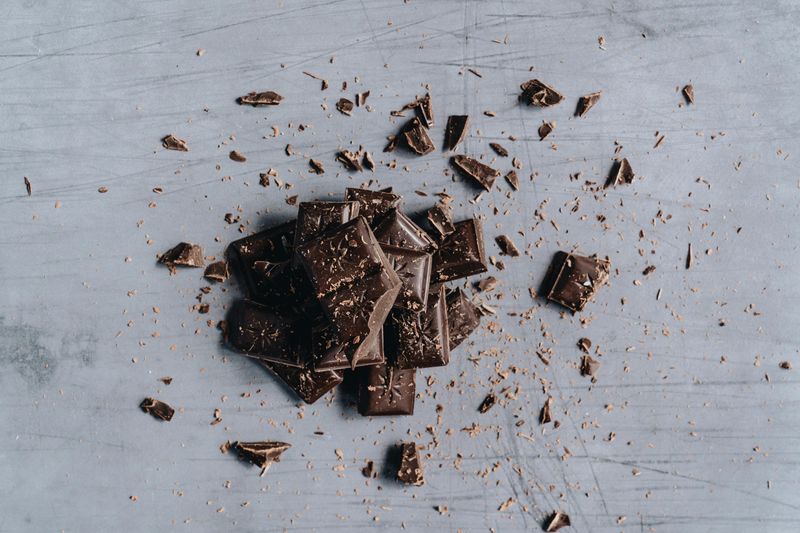
Dark chocolate brings antioxidants and depth, yet it is still calorie dense and easy to overeat. Bars often include added sugar and cocoa butter that increase richness and portion creep.
A few squares can become half the bar while watching shows or working late.
Choose 70 percent cacao or higher, and pre portion two squares on a plate. Savor slowly with tea, letting each piece melt so flavor feels bigger than quantity.
If cravings roar, pair chocolate with berries or yogurt to add volume and fiber. Treat it like a joy, not a health license.
Honey
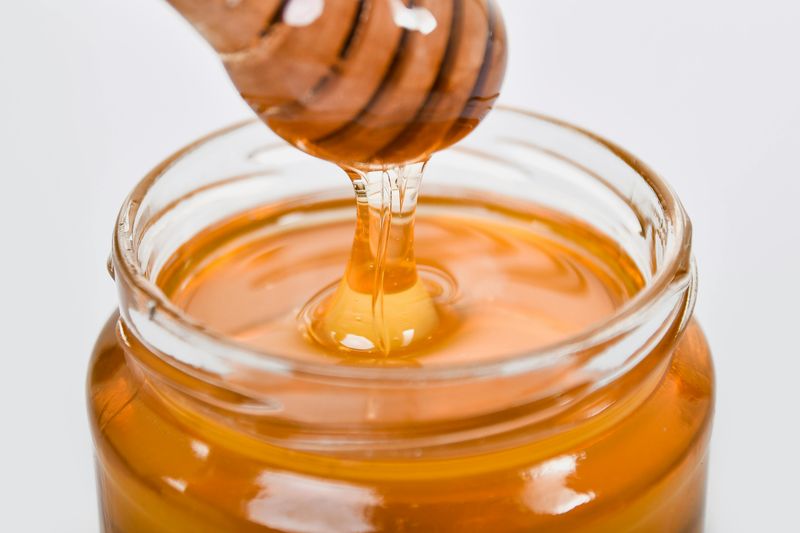
Honey feels natural and nourishing, yet it remains an added sugar with significant calories. Trace antioxidants exist, but they do not offset large squeezes in tea, yogurt, or toast.
Liquid sweetness flows fast, making it simple to pour more than planned.
Measure teaspoons, drizzle lightly, and use fruit or spices for extra flavor. Try cinnamon on oatmeal, or vanilla in coffee, to keep sweetness restrained.
Remember, honey is sugar with marketing; your body treats it similarly. Enjoy the floral notes, just not the free pour.
Use a squeeze bottle to control portions carefully. Taste before adding more.
Peanut butter
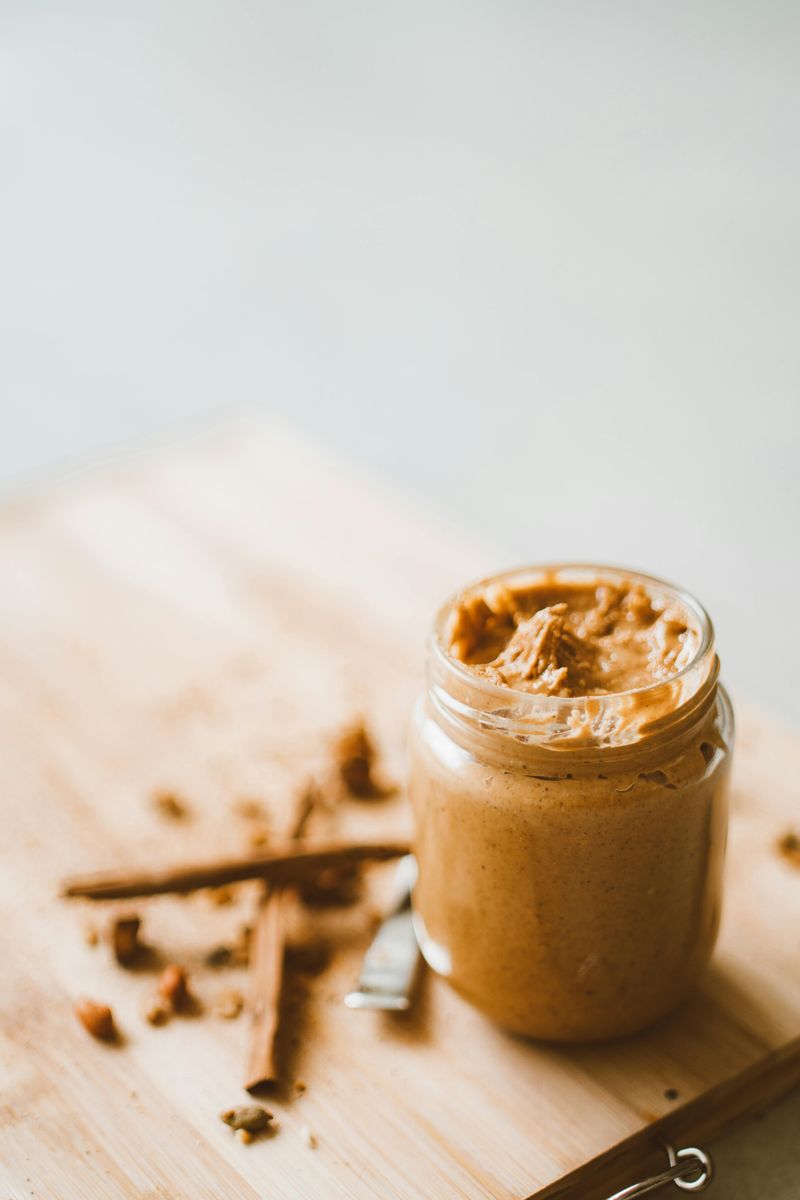
Peanut butter offers protein and healthy fats, but tablespoons hide lots of calories. Spoonfuls spread thick on toast or fruit can easily double a reasonable serving.
Sweetened or reduced fat versions often add sugar and fillers without true benefits.
Choose natural peanut butter with only peanuts and salt, then measure two level teaspoons. Pair it with apple slices or celery, not sugary jams, to maintain balance.
If cravings hit, make peanut sauce for veggies so flavor stretches further. Enjoy the richness mindfully, not as a free scoop from the jar.
Stir well to blend separated oils before serving.
Cheddar cheese
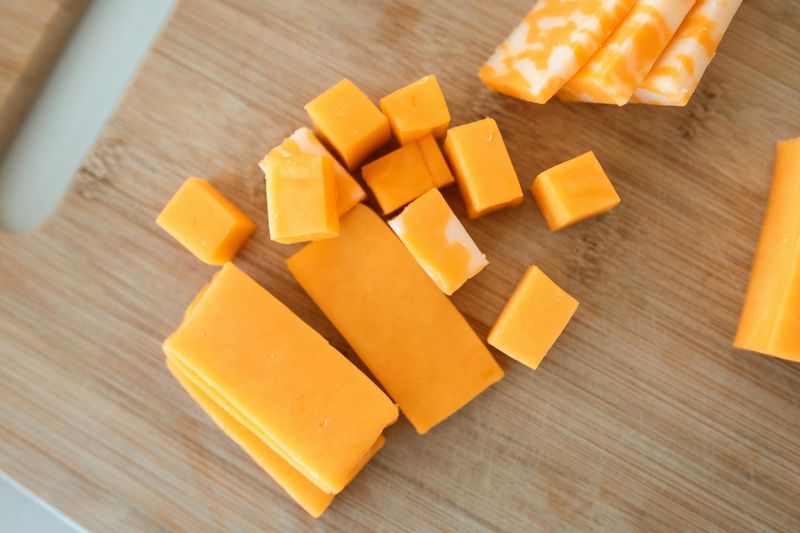
Cheddar is tasty and provides calcium, yet it is high in saturated fat. Slices and shreds add up quickly, especially on burgers, eggs, or casseroles.
Cheese also brings sodium, which can nudge blood pressure upward for some people.
Use bold aged cheddar, grate finely, and measure by ounces, not handfuls. Pair with crunchy vegetables, whole grains, or beans to add fiber and balance.
Try open faced sandwiches so flavor shines without doubling cheese. Enjoy cheese thoughtfully, and give plants most of the plate.
Consider part skim mozzarella for everyday use. Reserve cheddar for moments when sharpness really matters.
Mixed nuts
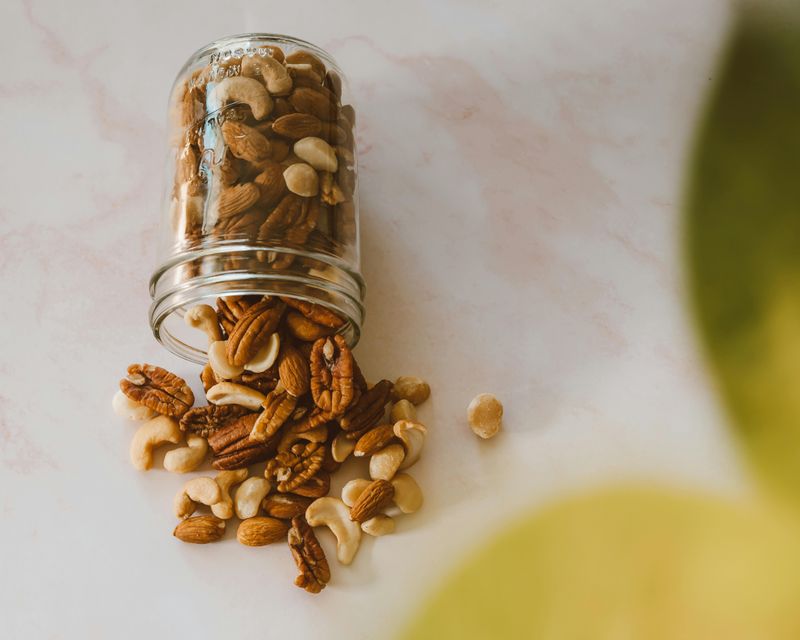
Mixed nuts supply fiber, minerals, and heart healthy fats, but calories are concentrated. A small bowl while chatting can quietly exceed a meal’s worth of energy.
Salted or candied varieties invite mindless munching and thirst that keeps you reaching.
Buy unsalted nuts, mix with seeds and popcorn, and pre portion quarter cup servings. Add dried herbs or smoked paprika for flavor instead of sugar.
Keep the container away from your desk, and refill only after a pause. Nuts are powerful, so let small amounts do the work.
Drink water to slow snacking and support fullness.
Olive oil

Olive oil is heart friendly, yet it is still pure fat with dense calories. A few generous glugs can double a meal’s energy before you notice.
Oil also makes salads slide down fast, which sometimes leaves you less full.
Measure by teaspoon, brush pans lightly, and finish dishes with a small drizzle. Lean on citrus, vinegar, garlic, and herbs to boost flavor without extra oil.
Use broths or water for cooking when possible, saving oil for taste. Olive oil is wonderful, but it still needs mindful boundaries.
Cold pressed varieties have robust flavor, so you can use less.
Whole grain bread
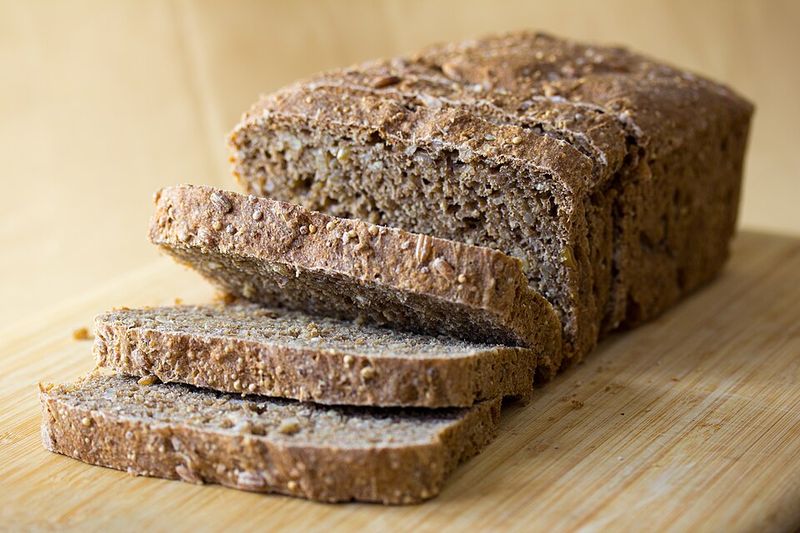
Whole grain bread beats white bread on fiber, yet slices vary widely in nutrition. Thick café cuts can deliver hefty calories, especially once butter or spreads are added.
Even healthy breads can spike hunger if the meal lacks protein and produce.
Check fiber, aim for at least three grams per slice, and watch added sugars. Build sandwiches with lean protein and vegetables, then consider open faced to trim calories.
Toast enhances satisfaction, so smaller slices can feel just right. Bread can absolutely fit, just avoid treating it as free food.
Rotate with wraps or lettuce cups for variety.
Breakfast cereal
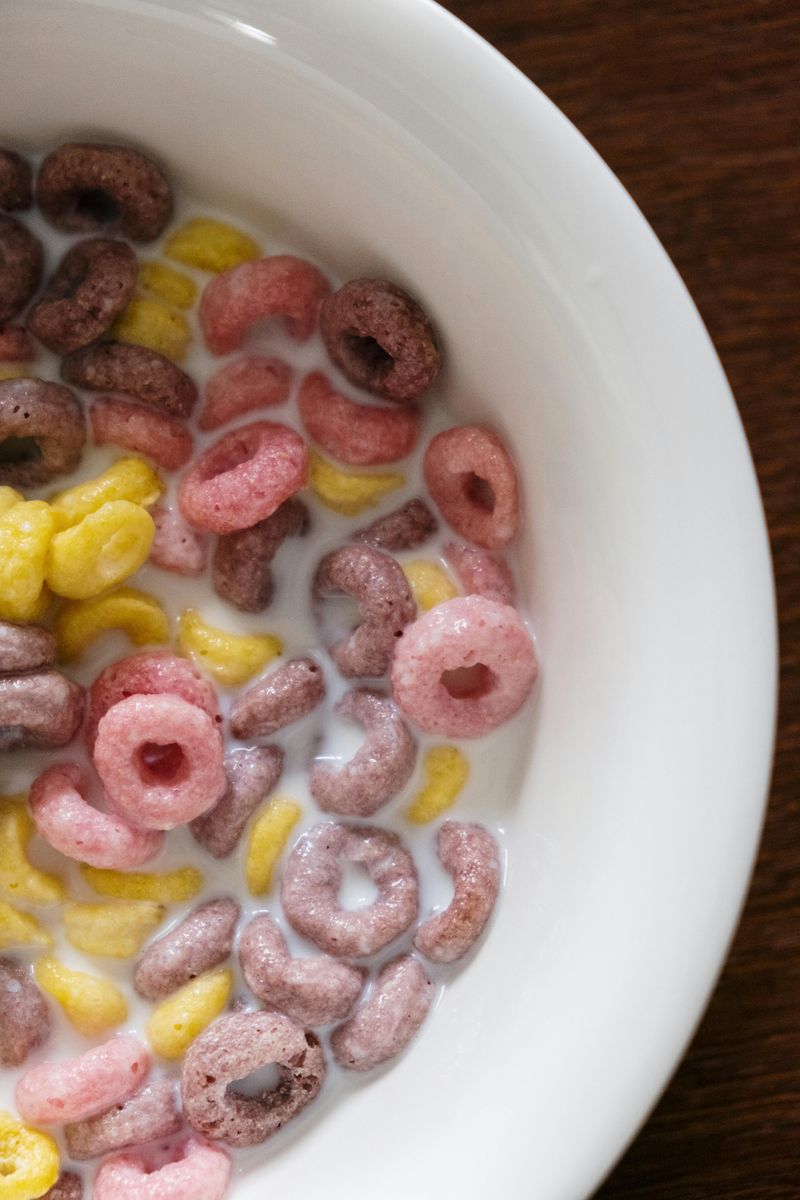
Breakfast cereal often sounds virtuous, but boxes hide sugar, refined grains, and airy portions. A bowl rarely matches the tiny serving size on the label, especially with milk.
You may get a blood sugar spike, then a mid morning crash and snack attack.
Choose cereals with minimal sugar and at least five grams of fiber per serving. Add nuts and berries, and cap the bowl using a measuring cup.
Consider muesli or hot oatmeal, which offer lasting energy with fewer ingredients. Cereal can work, but it benefits from rules and mindful scoops.
Eat slowly and check hunger after ten minutes.
Protein shakes
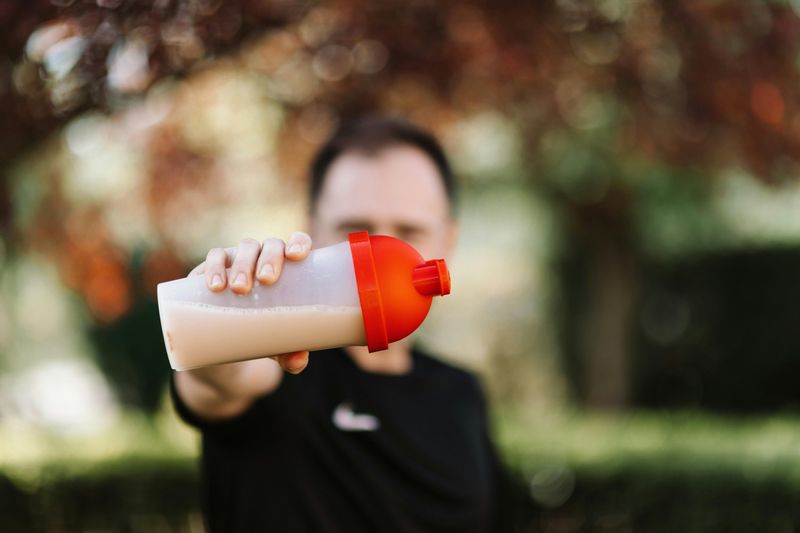
Protein shakes can help recovery, but many are sugary desserts dressed in gym clothes. Even clean powders add calories quickly when blended with milk, fruit, and nut butter.
Large cups slip down fast and can crowd out real meals with fiber.
Pick reputable brands, check for minimal sugar, and measure a single scoop. Blend with water or unsweetened milk, add spinach, and include berries for taste.
If weight loss is the goal, treat the shake like a meal, not a chaser. Sip slowly, then wait before deciding you need more.
Track calories honestly to prevent shake creep.
Coconut oil

Coconut oil gets hype for metabolism perks, yet it is mostly saturated fat. Portions add up fast when sautéing or baking, especially if using heaping spoonfuls.
Claims about miracle benefits often outpace evidence, so moderation protects heart health.
Use small amounts for flavor, and diversify fats with olive oil and avocado. Choose unrefined for aroma, refined for high heat, and measure carefully.
Remember, calories count even when the ingredient feels trendy or natural. Save coconut’s richness for special recipes, not daily cooking.
Lean on spices, citrus, and herbs for flavor without extra fat. Portion spoons help a lot.
Avocado
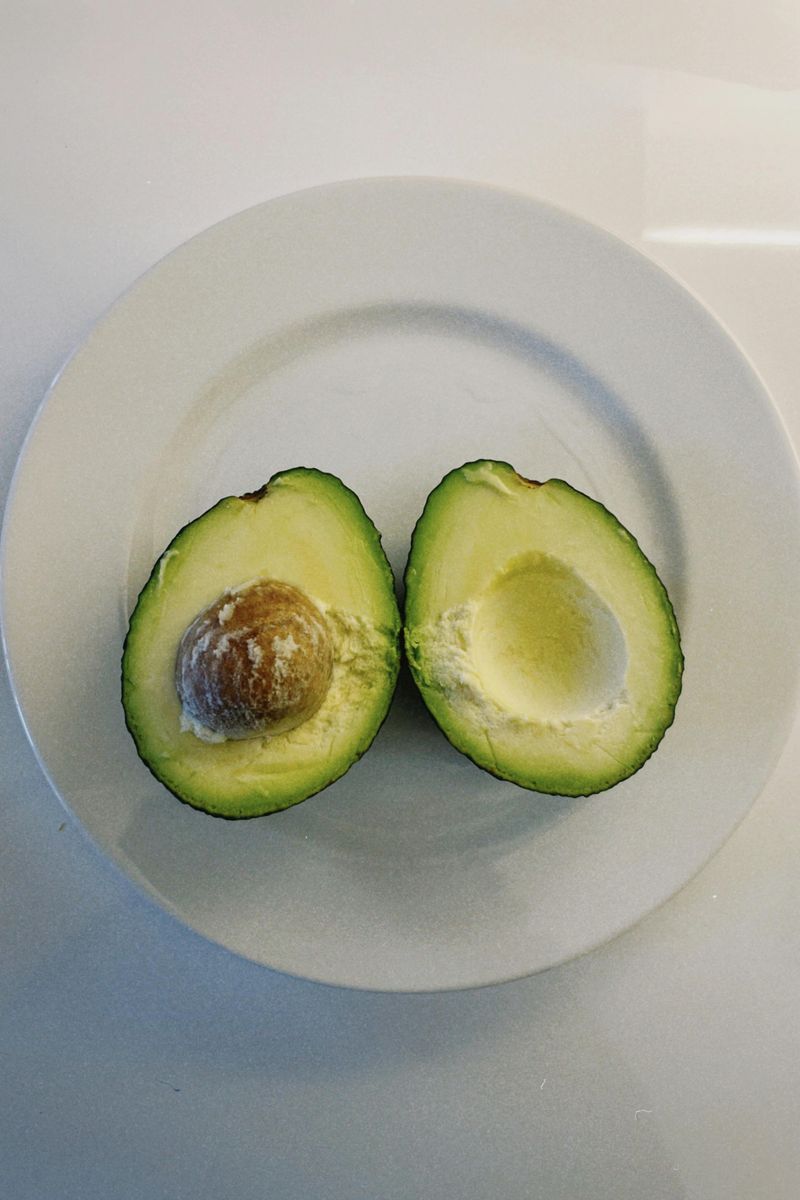
Avocado delivers fiber, potassium, and creamy fats, but calories escalate quickly. Restaurant toasts stack half or whole avocados on thick bread with add ons.
Guacamole with chips disappears fast, often outpacing hunger or mindful portions.
Measure a quarter to half an avocado, and pair with protein and veggies. Use lemon, salt, chili, and herbs to amplify flavor without piling on.
Spread thinly on toast, fold into salads, or top soup for richness. Avocado is great, but it still asks for moderation.
Keep pits in leftovers to slow browning and reduce waste. Slice, do not mash, to manage serving sizes.
Fruit snacks
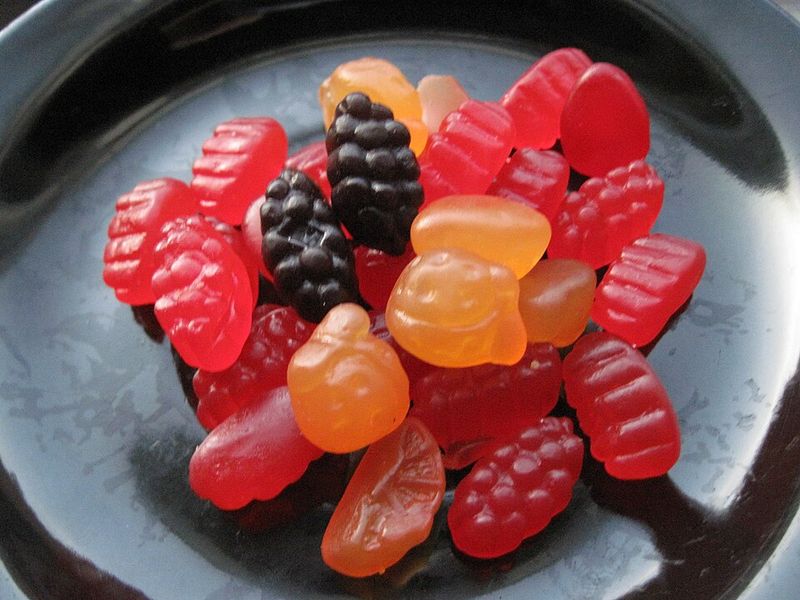
Fruit snacks sound wholesome, but many are candy shaped like fruit with vitamins. They rely on concentrates, gelatin, and sugars that stick to teeth and ramp cravings.
Portion packs disappear in seconds, especially when eaten absentmindedly.
Choose whole fruit, or if you need portable options, try unsweetened dried fruit. Pair with nuts or cheese to slow digestion and improve satisfaction.
If you buy fruit snacks, reserve them for true treats, not daily habits. Your wallet and dentist will be happier.
Read labels and avoid added colorants when possible. Water afterwards helps protect enamel.
Keep them out of sight to reduce temptation.
Yogurt drinks

Yogurt drinks promise probiotics, but many load sugar and flavors into sippable bottles. Liquid calories slip by fast and rarely satisfy like a spoonable cup.
Portions can rival milkshakes, especially with fruit purees and sweetened milk.
Pick plain kefir or low sugar options, and pour into a small glass. Add cinnamon or cocoa, and pair with a handful of nuts for staying power.
Treat these as snacks, not thirst quenchers, and chase with water. Your gut gets benefits without the sugar surge.
Measure portions honestly and avoid drinking straight from the bottle. Cold temperature can blunt sweetness, which helps.
Whole milk
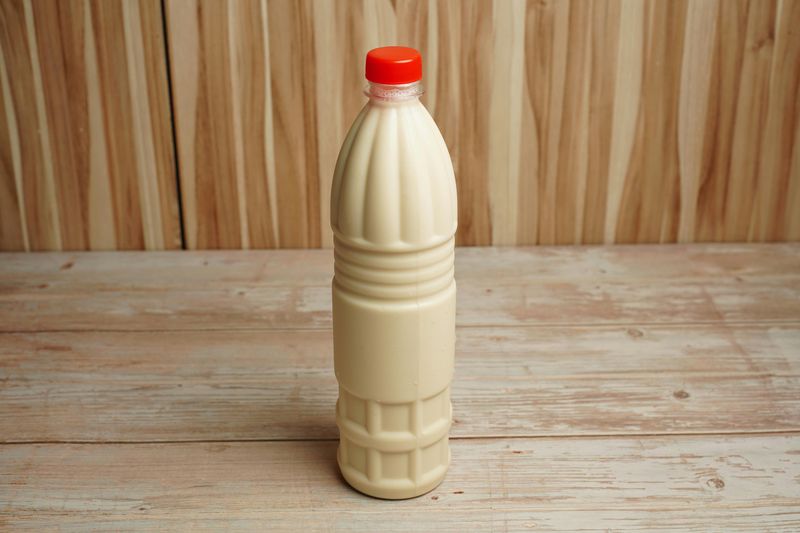
Whole milk is creamy and satisfying, but it raises calories and saturated fat. Large lattes or cereal bowls can turn into full meals without much staying power.
For some, extra dairy fat may crowd out other nutritious foods.
Choose low fat or mix whole with skim to step down gradually. Prioritize plain milk, skipping flavored versions with added sugars.
Use smaller mugs, and treat milk as part of meals, not a beverage default. Calcium counts either way, so manage portions smartly.
Pair with fiber rich foods to help fullness last longer. Check coffee shop nutrition info before ordering.
Smoothie mixes

Smoothie mixes promise convenience, but often include added sugars, fillers, and expensive marketing. Powdered fruit lacks fiber, and premade bases can hide oils and sweeteners.
Portions grow when scoops are heaped and extras like juice or syrups are added.
Read labels, compare sugar per serving, and choose options focused on whole ingredients. DIY frozen kits with fruit, spinach, and protein let you control everything.
Blend with water or milk, add ice, and flavor with spices for sweetness. Convenience is great, but transparency and portions matter more.
Measure scoops level, not heaping, to keep calories consistent. Price does not equal health.
Vegan snacks
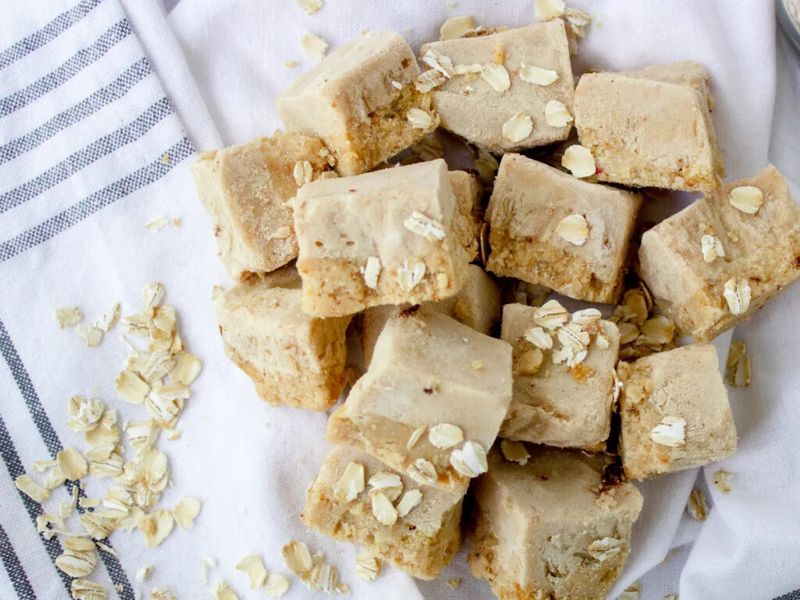
Vegan snacks can still be ultra processed, salty, and sugary despite plant labels. Cookies and chips made from peas or oats may mimic junk, not nutrition.
Calorie density and marketing buzz can nudge overeating when health halos glow brightly.
Scan ingredients for whole foods, fiber, and reasonable sodium, then set a portion. Build snacks using fruit, hummus with vegetables, popcorn, or nuts for balanced staying power.
If craving treats, enjoy them, but do not pretend they are health food. Plants are great; processing is the wildcard to watch closely.
Cook more at home to reduce label surprises.
Breakfast bars
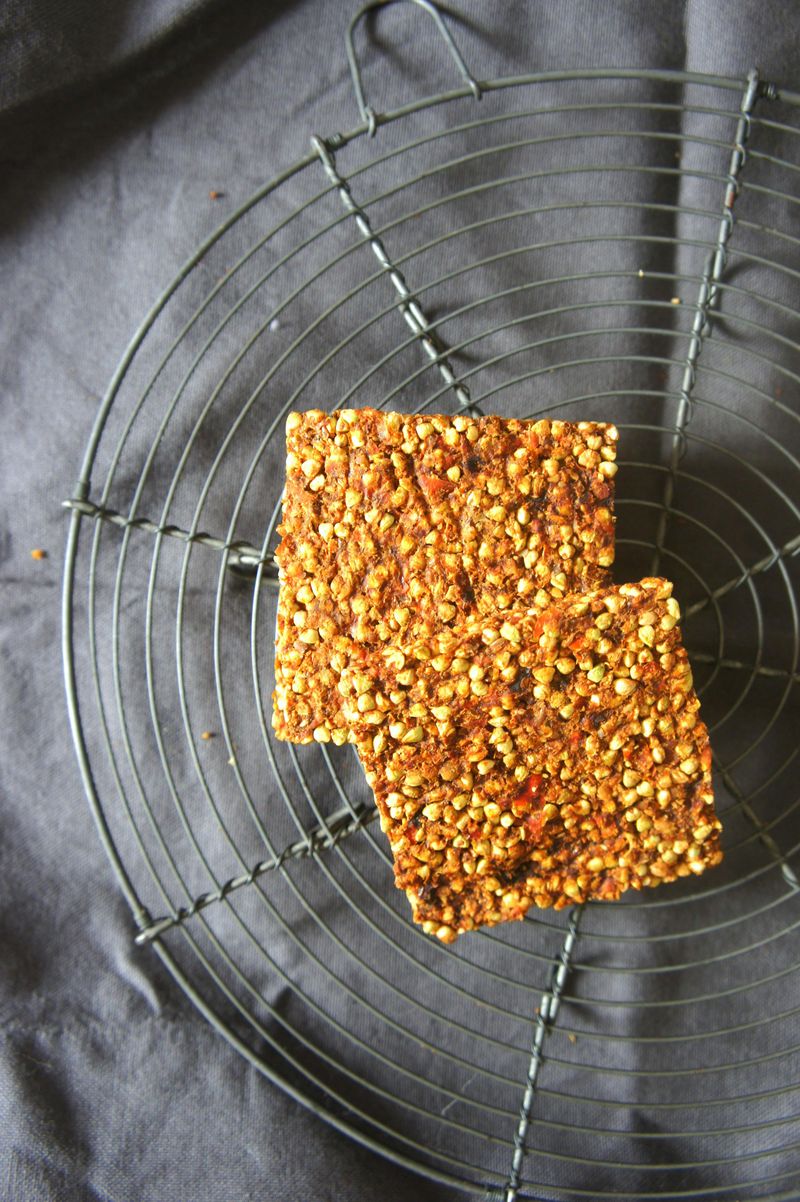
Breakfast bars claim convenience, fiber, and vitamins, but many mirror candy in disguise. They are small, so two can vanish before you feel satisfied.
Glazes and crumble toppings add extra sugars that push hunger later.
Choose bars with nuts, seeds, and minimal sugar, or bake simple batches at home. Pair with fruit and yogurt, and drink water to slow the pace.
Remember, breakfast sets the tone, so aim for protein and fiber. Treat bars like backups, not your primary morning plan.
Eat a real meal when you can to stay fueled longer. Check serving sizes and calories per package carefully.
Energy bars
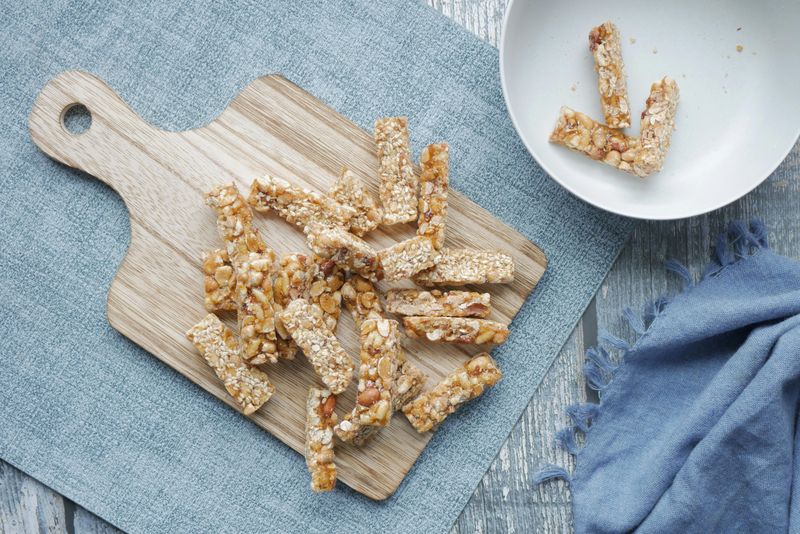
Energy bars target athletes, yet most of us do not need quick sugars. Additives, syrups, and coatings can make them closer to candy than fuel.
They are convenient, which tempts frequent snacking between real meals.
Save bars for hikes, long travel days, or intense workouts when access is limited. Choose options with nuts, fiber, and less sugar, and keep portions modest.
At home, build quick snacks using yogurt, fruit, or whole grain toast. Energy bars are tools, not everyday treats.
Drink water first to check whether you are actually thirsty. Split a bar with a friend when possible.
Enjoyed this story?
Add Fast Food Club as a preferred source to see more of our reporting on Google.