


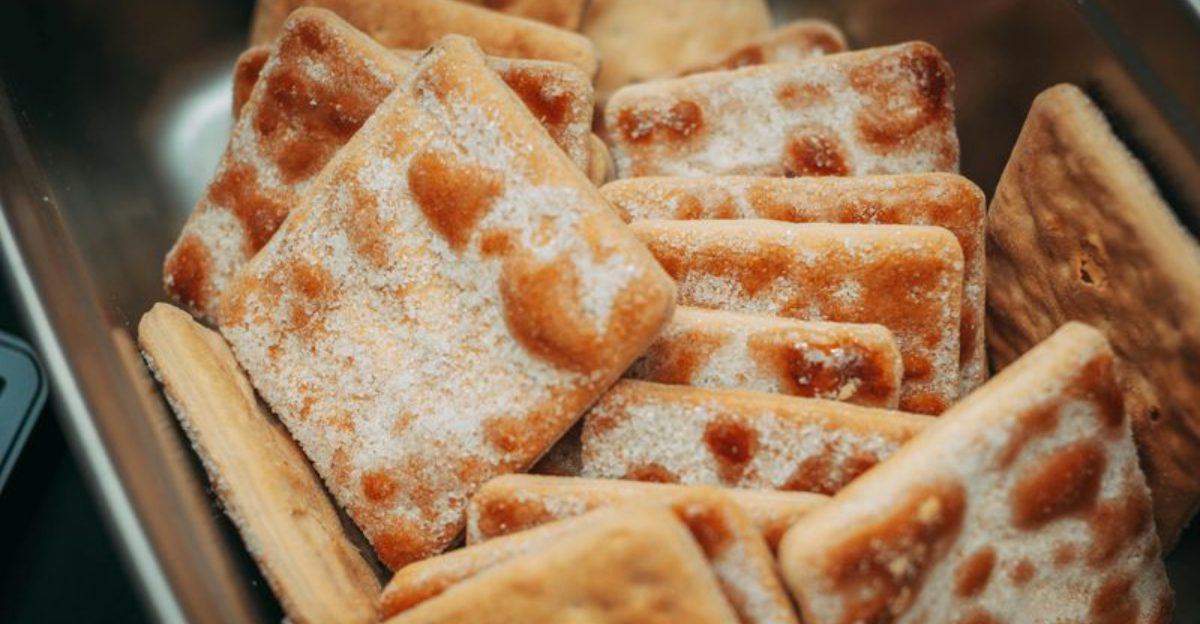
Ever notice how your hand reaches for a snack before your stomach even speaks up? Habit can hijack your appetite, nudging you toward familiar foods when you simply want comfort, distraction, or a quick reward.
If you have wondered why certain bites call your name at the same time every day, you are not alone. Let’s break down the everyday foods people eat out of habit, and how to spot the difference between real hunger and routine.
Chocolate cookies
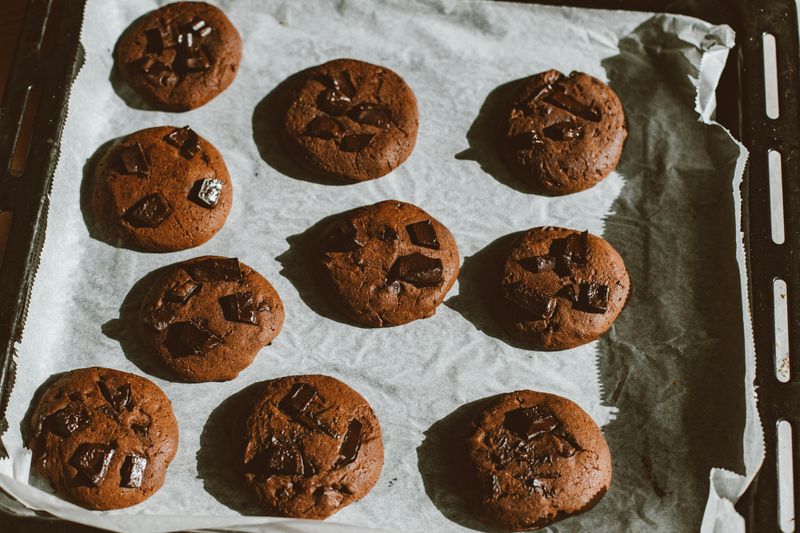
Chocolate cookies often call your name when the day hits a slump. The crunch, sweetness, and routine of dunking are comforting cues, not hunger signals.
You reach because the jar is visible, the smell is familiar, and the habit feels like a tiny reward. Pause and ask, is your stomach asking, or is your mind?
Try placing cookies out of sight and pairing them with an intentional ritual. Decide to enjoy one slowly after dinner instead of mindlessly snacking.
Swap with fruit or tea during work breaks. The more you interrupt the habit loop, the more cookies become a choice, not a reflex.
Potato chips
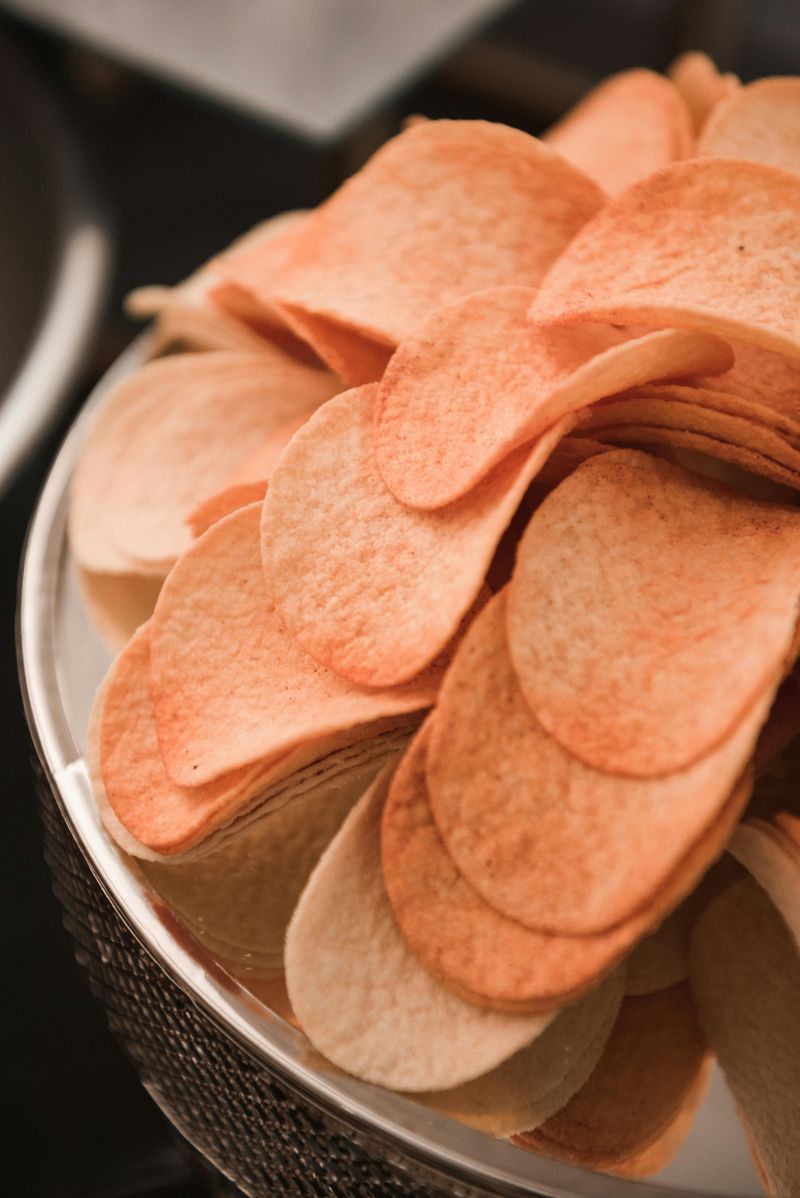
Potato chips are classic couch companions, more about crunch and salt than true hunger. The bag’s rustle, TV time, and stress release create a loop your brain anticipates.
You might eat automatically until the bottom appears. Notice if you are bored, restless, or just matching a familiar script.
Pour a small portion into a bowl and close the bag. Pair the crunch you crave with crunchy veggies or lightly salted popcorn.
If you want chips, taste them slowly, not absently. Building a pause helps you choose your portion, enjoy the flavor, and leave the habit controlling less of your evening.
Hard candy
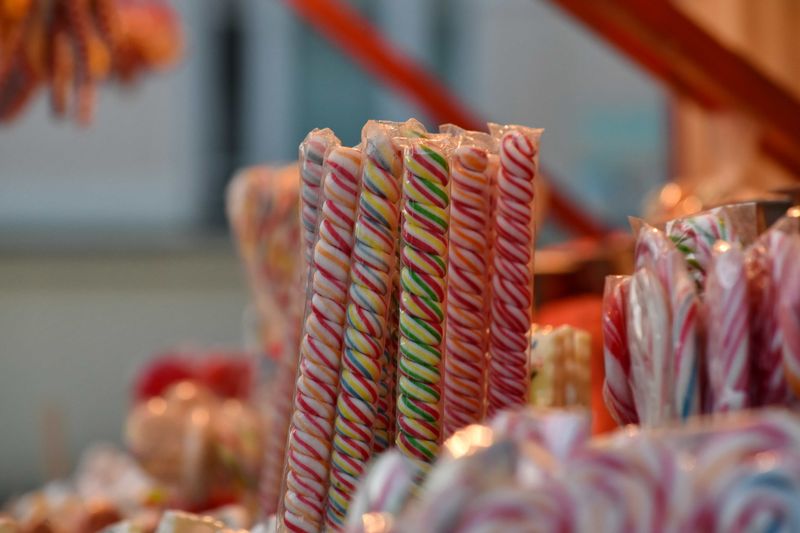
Hard candy often lives on desks and reception counters, whispering, just one. The wrapper crackle, burst of sweetness, and slow dissolve are soothing distractions.
You might grab one when calls pile up or energy dips. But sweetness does not equal satiety.
It is usually a break disguised as a bite.
Try moving the dish out of arm’s reach and set a water or tea cue instead. If you want flavor, choose sugar-free options occasionally.
Even better, stand, stretch, or breathe for a minute. Meet the need for a pause directly, and candy becomes optional, not automatic background noise.
Milk chocolate
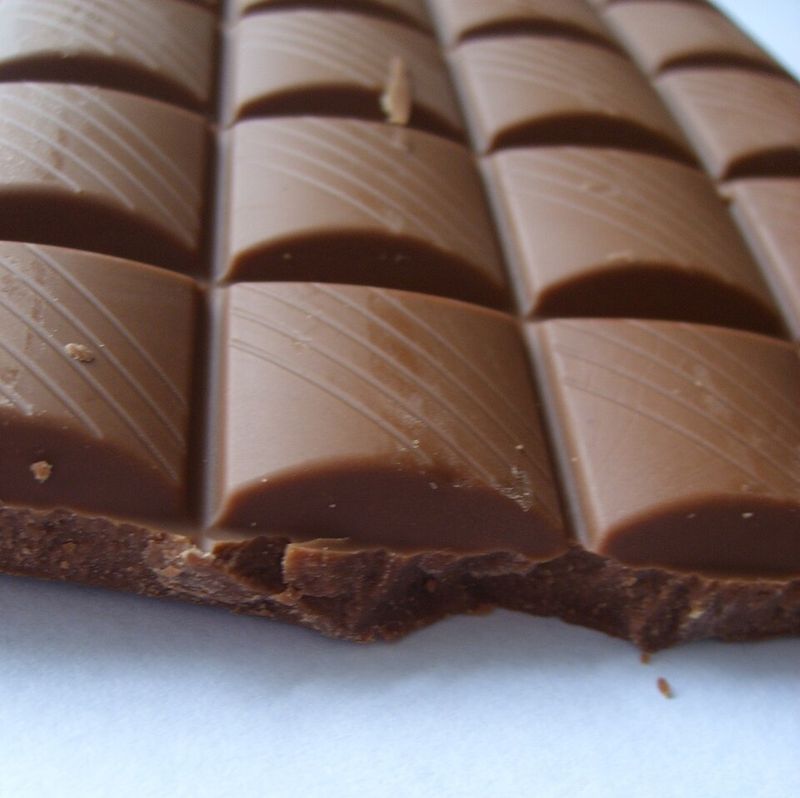
Milk chocolate feels like comfort in a square, smooth and sweet. Often, it is a reward after tasks or a pick-me-up when stress spikes.
You may nibble without checking whether you are physically hungry. The creamy melt is more about mood management than fueling your body.
Try waiting five minutes before unwrapping. If you still want it, savor a square slowly, noticing aroma and texture.
Keep bars portioned into small servings so choice beats impulse. Pair with a handful of nuts for staying power.
When you treat chocolate deliberately, it satisfies better, and the habit loses its grip.
Vanilla ice cream
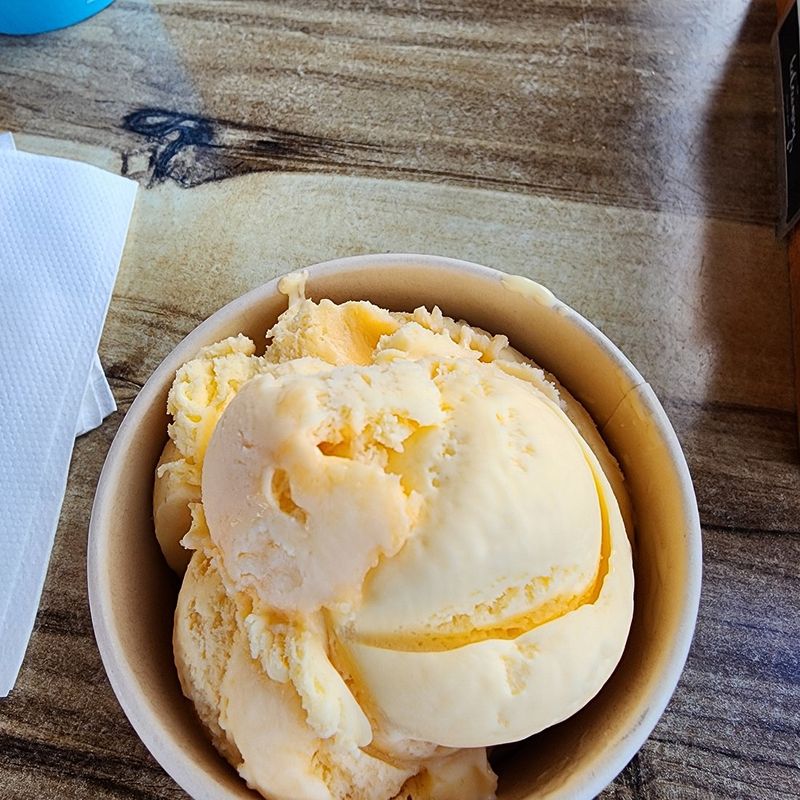
Vanilla ice cream becomes a nightly ritual for many, tied to relaxation, shows, or celebrations. The creamy chill soothes, but it rarely answers hunger.
Often, it is about marking the end of the day. That pattern can keep you reaching for the freezer even when you feel full.
Serve a small scoop in a dish, not from the container. Sit, savor the aroma, and let each bite fully melt.
If the craving is comfort, try herbal tea or a warm bath cue. Make ice cream special by choosing it on purpose, not because the clock struck dessert o’clock.
Sweet pastries
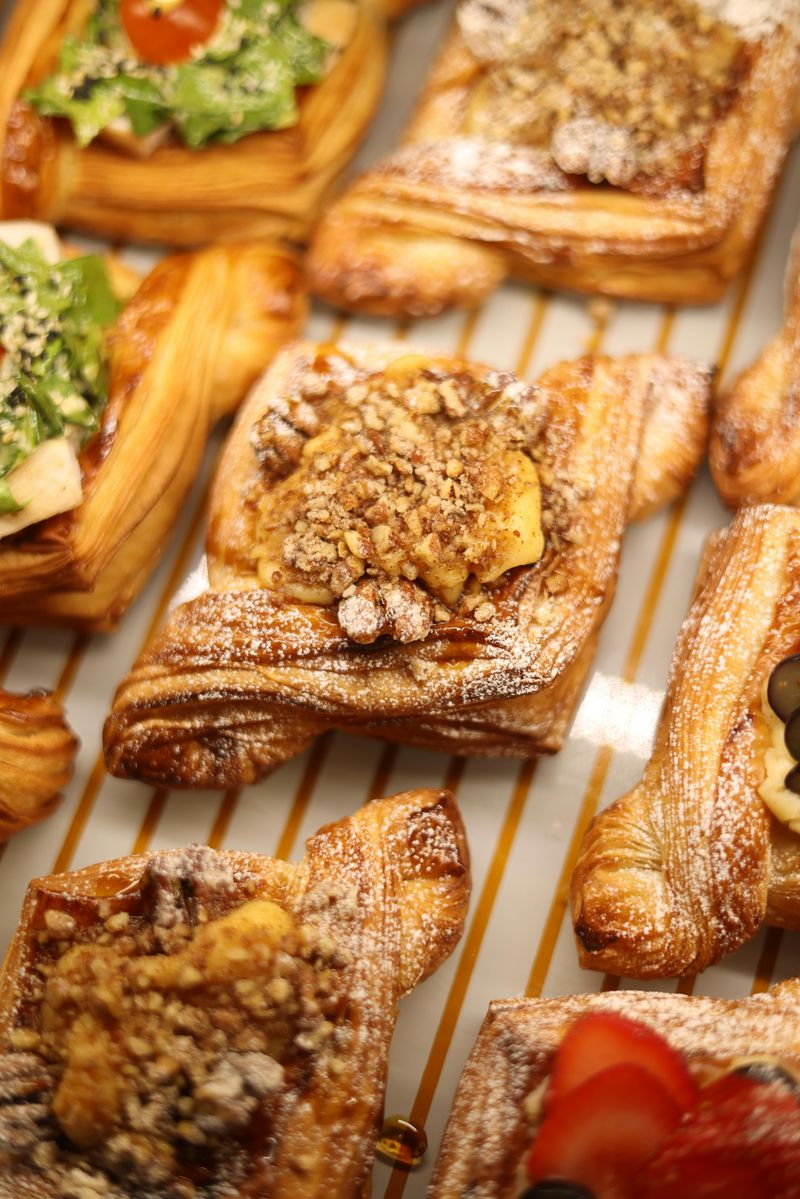
Sweet pastries pair perfectly with morning routines, meetings, and coffee runs. The flaky layers and sugary glaze feel celebratory, even on ordinary days.
But this comfort often replaces a real breakfast. You might reach because it is there, not because your body needs fuel.
When tempted, ask what you actually want: energy or a treat. If energy, aim for protein and fiber first.
If a treat, split one and enjoy mindful bites. Rotate pastry days rather than defaulting daily.
By decoupling pastries from autopilot, you reclaim breakfast as a choice that supports your mood and focus better.
White bread
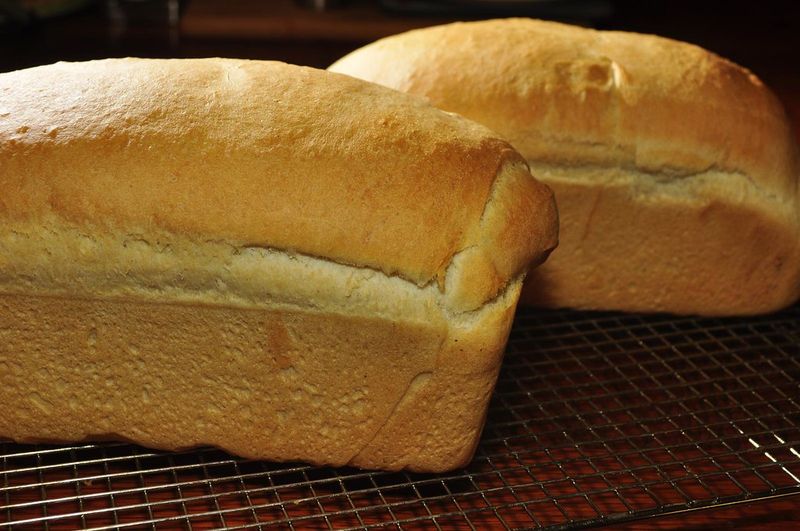
White bread slips into meals by habit because it is soft, neutral, and convenient. It bookends lunches, accompanies soups, and soaks up sauces, often without thought.
You might toast it simply because that is what mornings always looked like. Yet it does not keep you full for long.
Try swapping in whole-grain options a few days a week. If you truly want white bread, pair it with protein and healthy fats for staying power.
Serve a single slice and sit to enjoy. Intention helps you decide when bread enhances a meal, not just fill space on the plate.
Breakfast cereal
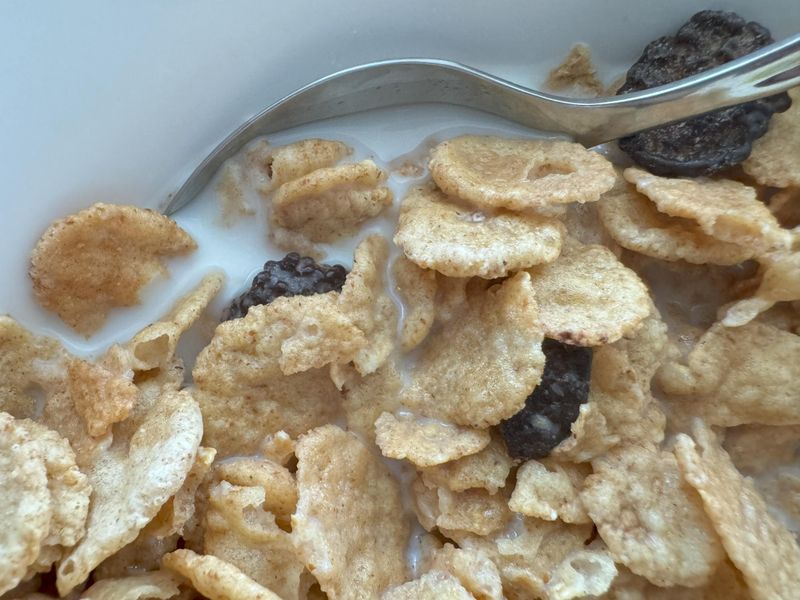
Breakfast cereal feels like childhood ease in a bowl. It is quick, comforting, and predictable, which makes it a default more than a decision.
Sweet varieties nudge you to pour another bowl when the crunch vanishes. Real hunger might ask for protein, but habit reaches for the box.
Right-size your serving by using a smaller bowl and measuring once. Add yogurt, nuts, or eggs on the side to stay full longer.
Rotate with savory breakfasts to break monotony. If cereal is what you love, sit and savor instead of scrolling.
Turning off autopilot transforms cereal from filler into breakfast you actually choose.
Butter popcorn
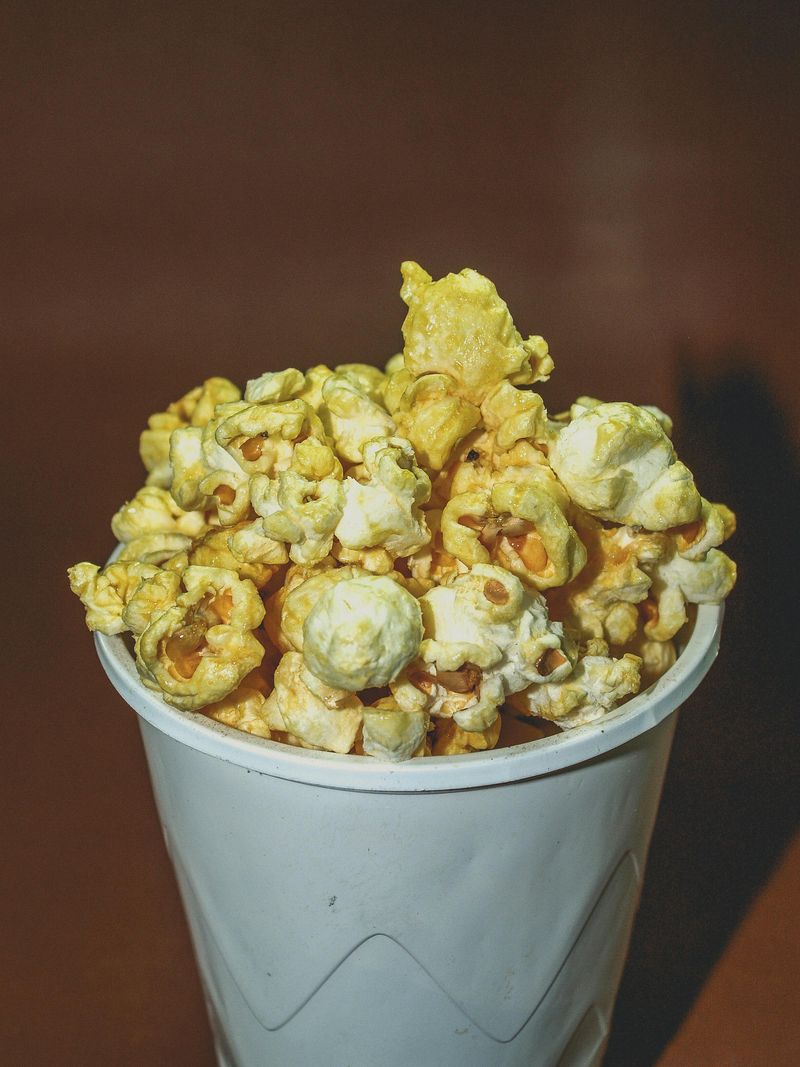
Butter popcorn and screens go hand in hand. The aroma, warm bowl, and repetitive hand-to-mouth motion can eclipse hunger altogether.
It is easy to keep munching through previews and credits, simply because the habit is strong. Salty, buttery notes encourage constant nibbling.
Portion into a medium bowl and set the rest aside. If you want volume, air-pop and add a light sprinkle of butter or nutritional yeast.
Try pausing during scene changes to check in with your stomach. When movie night is intentional, popcorn becomes a treat you notice and enjoy, not a background task.
Fruit yogurt
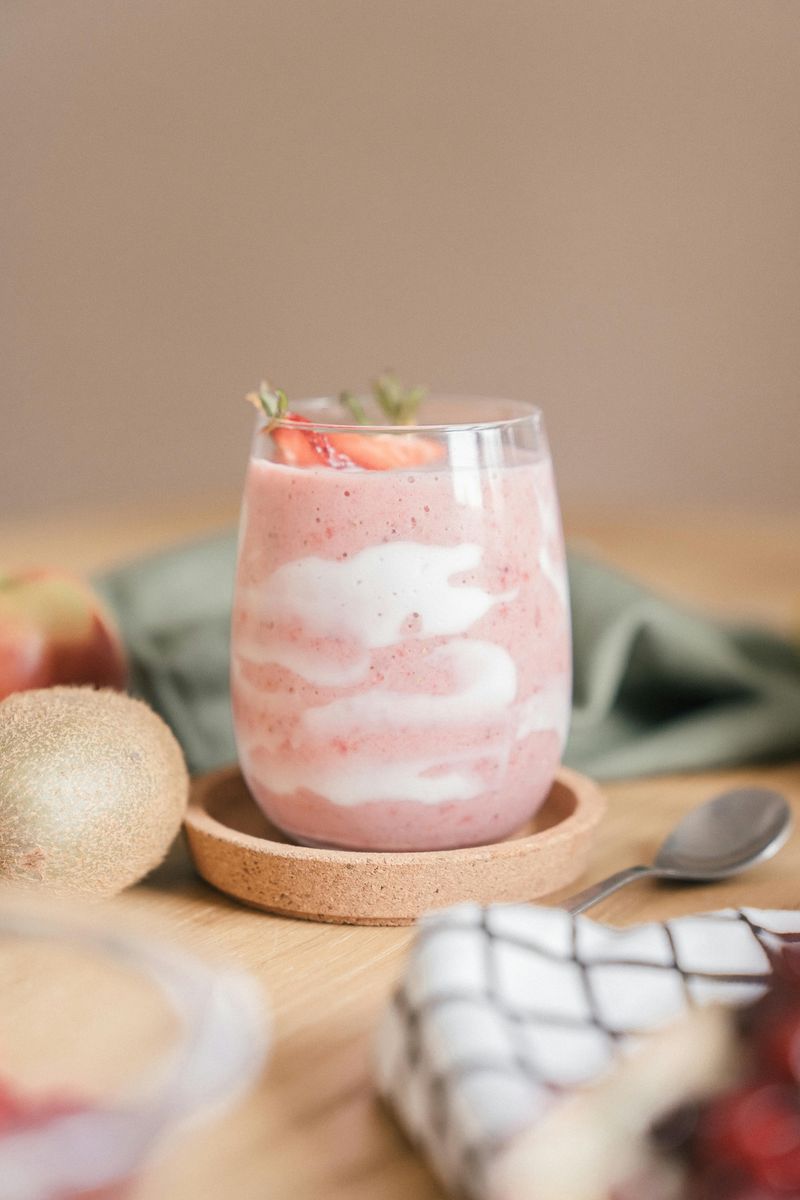
Fruit yogurt tastes like a healthy shortcut, yet sweetened cups can slide into routine more than need. The creamy sweetness scratches a dessert itch at breakfast or midafternoon.
You might grab one because it is portable and familiar. Hunger might prefer something heartier.
Choose plain yogurt and add fresh fruit to control sweetness. Sprinkle nuts or seeds for staying power.
If you want a treat, enjoy the fruit flavor mindfully and call it dessert. Keeping yogurt visible while hiding candy helps, too.
By matching your pick to your purpose, yogurt can shift from autopilot to a satisfying, smart choice.
Fresh fruit
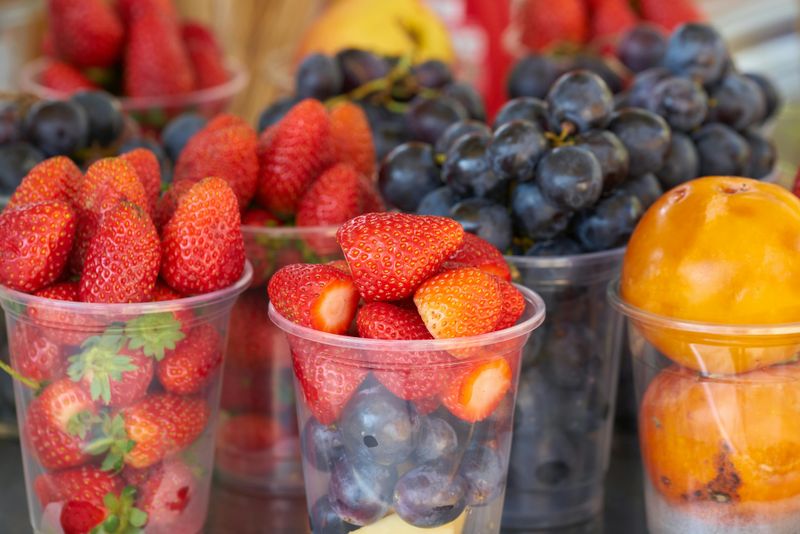
Fresh fruit is nourishing, yet even healthy habits can be automatic. Reaching for a banana out of routine may mask thirst, boredom, or a need for a stretch.
Fruit satisfies best when it answers actual hunger. Otherwise, you might snack and still want something else afterward.
Pair fruit with protein like yogurt, cheese, or peanut butter to make it a mini meal. Check in: do you want sweet, or do you need a break?
Keep washed fruit visible for intentional grabs. When you choose fruit on purpose, it feels vibrant and satisfying, not just another reflexive bite.
Ham sandwiches
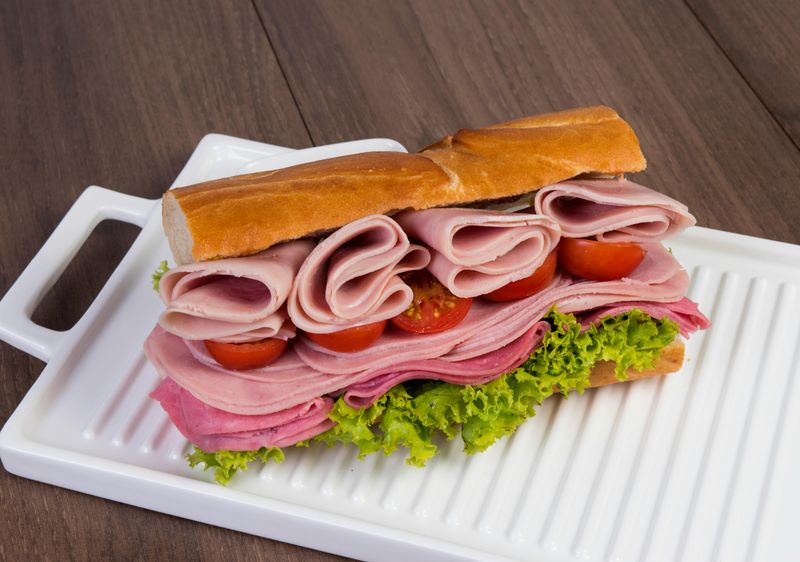
Ham sandwiches often ride the rails of routine. Same bread, same filling, same time of day.
Familiarity is comforting, but it can also dull appetite awareness. You might eat one because it fits the script, not because it suits your true hunger or taste that day.
Refresh the ritual by varying bread, spreads, or adding veggies. Consider open-faced to reduce autopilot chewing.
Ask what you actually want for lunch before assembling. If a sandwich is right, sit and enjoy every bite.
Turning routine into intention keeps lunch satisfying and prevents an afternoon snack spiral that habit can trigger.
Cheddar cheese
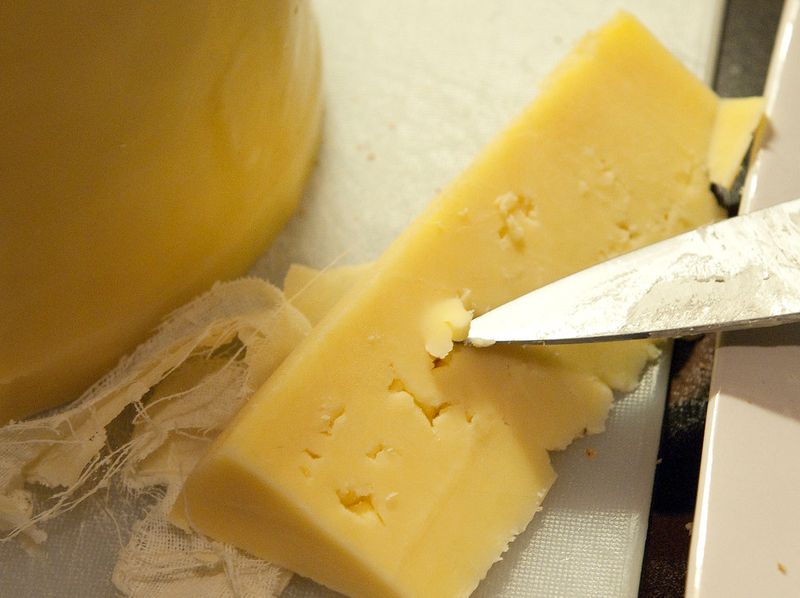
Cheddar cheese is rich, savory, and easy to nibble while cooking or chatting. Small bites add up fast, especially when you slice without thinking.
The habit is about taste and texture comfort, not always hunger. You might keep reaching because the knife is there and the board is inviting.
Pre-cut a few cubes, put the rest away, and sit to eat. Pair with crunchy veggies or apple slices for balance.
If you want a fuller snack, add nuts or whole-grain crackers deliberately. Choosing cheese with pauses lets flavor shine and helps you stop at satisfied instead of surprised.
Snack cakes
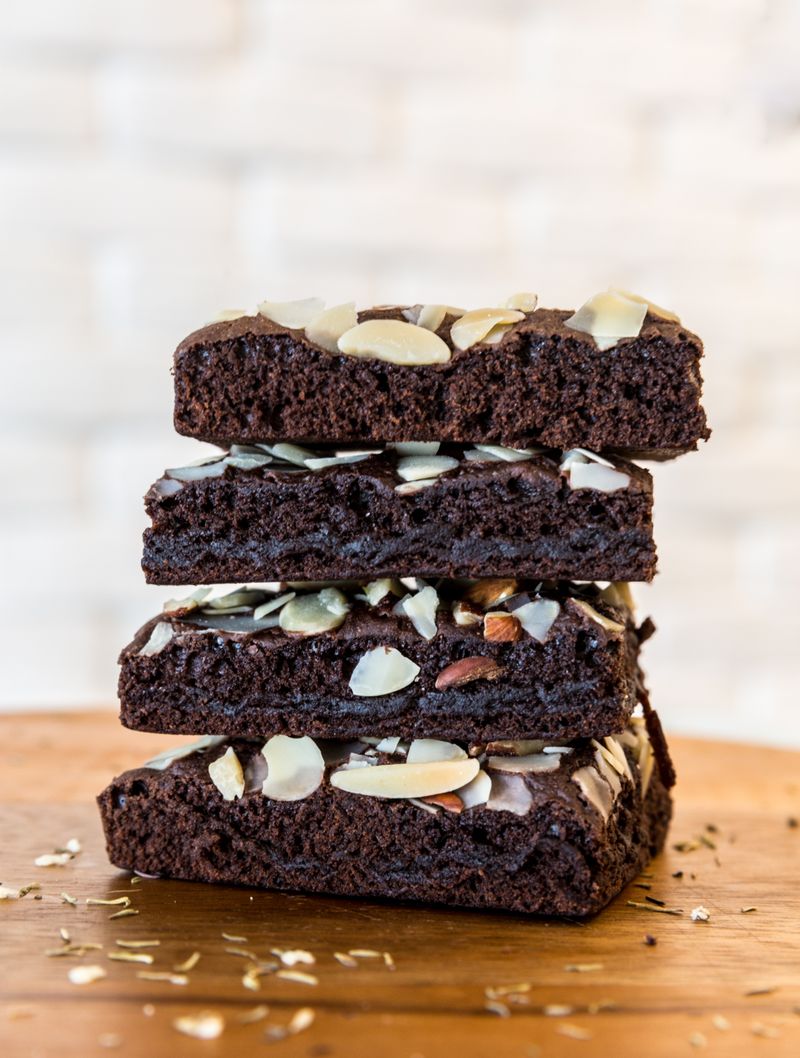
Snack cakes often carry nostalgia and convenience. When the afternoon slump hits, the wrapper promises quick comfort.
But the habit can override hunger cues, leading to an eat now, think later pattern. You might chase another shortly after because sweet and soft rarely satisfy for long.
Keep them out of sight and choose specific treat times. If you want one, plate it and sit down.
Pair with a protein-rich option to stabilize energy. Try fruit or yogurt most days and save cakes for intentional moments.
By naming the treat, you help it feel special, not something you inhale between emails.
Tea biscuits
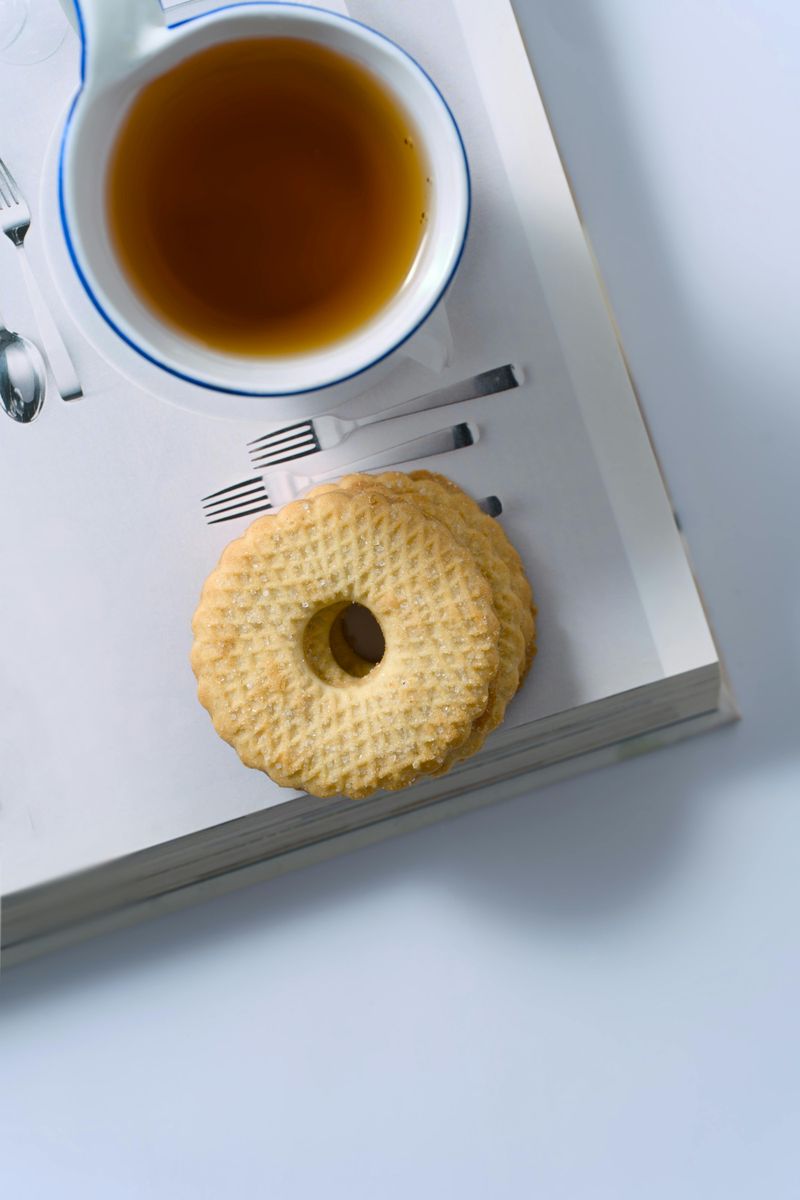
Tea biscuits slip into your cup routine with ease. Dunking feels civilized and soothing, but it is usually about ritual, not hunger.
The light sweetness invites another, then another, because they do not fill you up. Before long, the plate is empty, and you barely remember tasting them.
Decide how many you want before brewing. Choose richer options less often or pair with fruit or cheese for substance.
Savor each dunk slowly, noticing texture. If you simply crave a pause, steep tea and stretch instead.
Turning teatime mindful keeps biscuits delightful, not default.
Sugary drinks
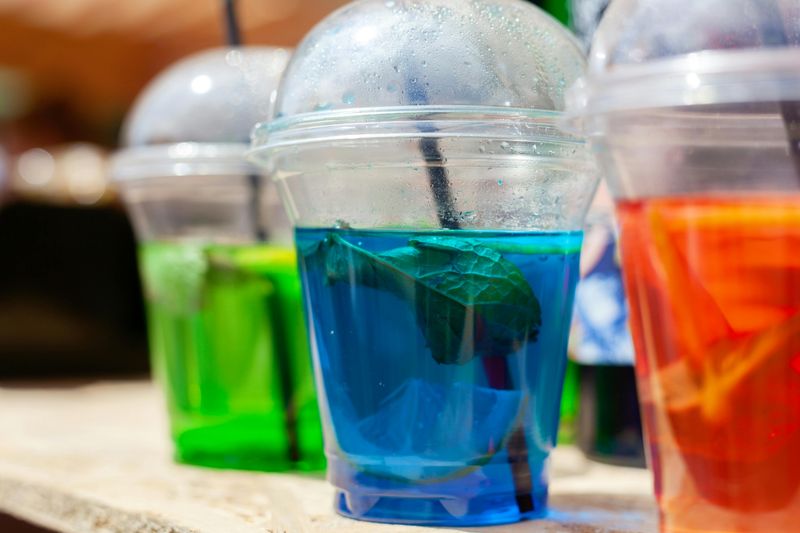
Sugary drinks are habit in a cup. The fizz, chill, and caffeine associations make them feel essential, even when you are not hungry or thirsty.
Sips glide through meetings and commutes without registering. Yet they rarely satisfy cravings, and energy crashes soon follow.
Swap the first drink of the day with sparkling water, iced tea, or diluted juice. Set a limit you can keep and savor the ones you choose.
If you want caffeine, consider coffee with less sugar. Keep water visible on your desk.
Small, consistent swaps reclaim your energy without losing all the pleasure.
Fruit juice
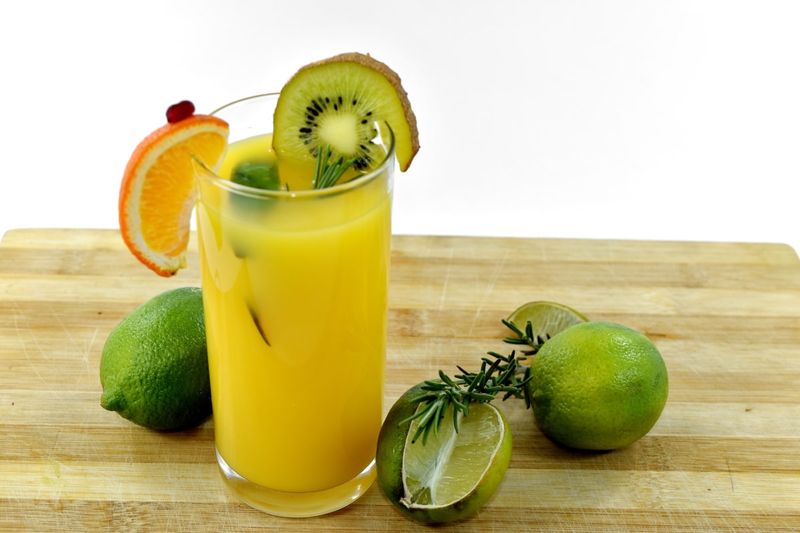
Fruit juice feels wholesome, but it is easy to treat like water. Habitual sipping adds sugar without the fiber that tells your stomach you are full.
You might pour a second glass because it tastes bright and refreshing. Real hunger often wants something to chew.
Try diluting juice with water or seltzer to stretch flavor. Pour a small glass and pair it with a protein-rich breakfast.
If you are just thirsty, water first, juice second. When you give juice a job, like complementing a meal, it becomes intentional refreshment instead of a mindless default.
Chocolate cake
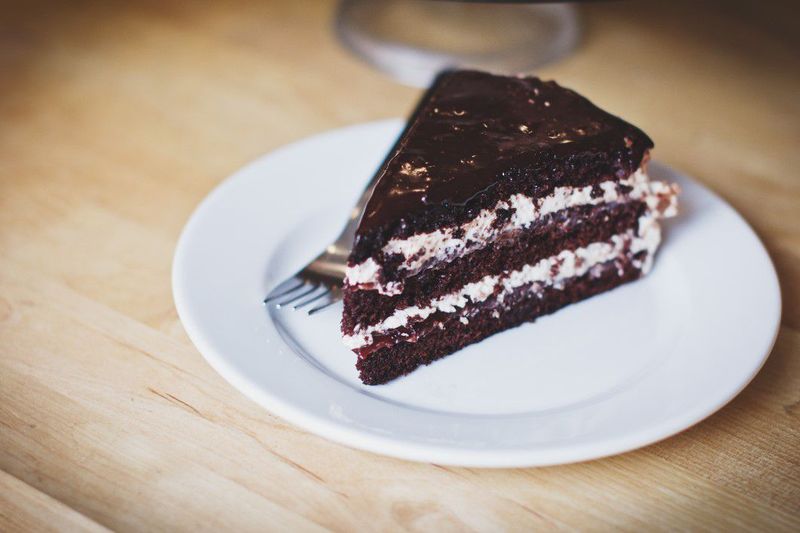
Chocolate cake often signals celebration, but leftovers can turn into nightly tradition. A small slice becomes routine comfort when stress rises.
You might not be hungry at all, just craving relief. The rich sweetness satisfies senses, yet it is easy to overdo when attention drifts.
Designate cake nights or share slices. Plate a portion, sit down, and enjoy without multitasking.
If you want daily sweetness, try berries with whipped cream on other nights. Let cake mark special moments rather than fill every evening.
Choosing on purpose makes each slice feel memorable, not automatic.
Energy bars
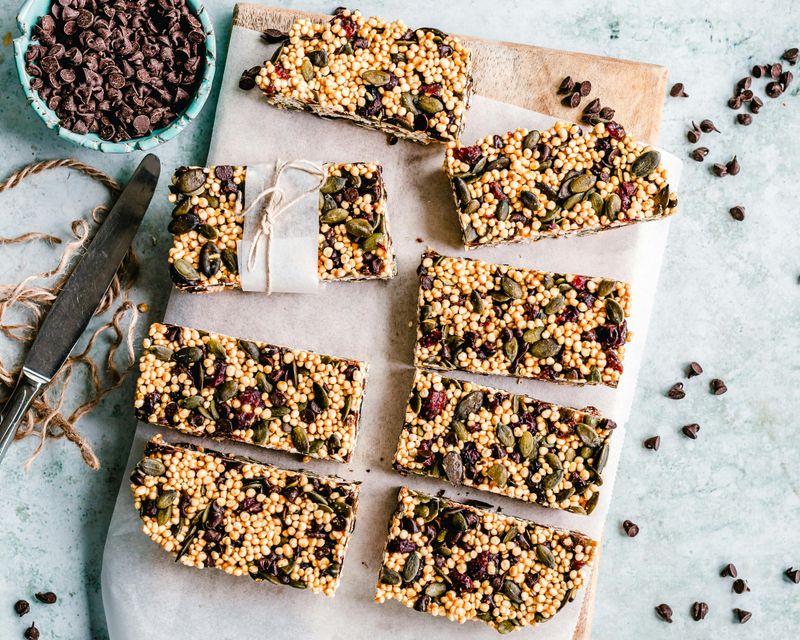
Energy bars promise convenience and fuel, so they slip into bags and routines. Often, you eat one because it is there, not because your body needs it.
Many bars are closer to candy, especially when sitting still at a desk. Habit can confuse preparedness with hunger.
Reserve bars for times you truly cannot sit for a meal or snack. Read labels, choose protein-forward options, and pair with water.
If you are simply peckish, try fruit and nuts. Ask, am I hungry or just busy?
That check-in turns bars from default to helpful backup.
Sweet desserts
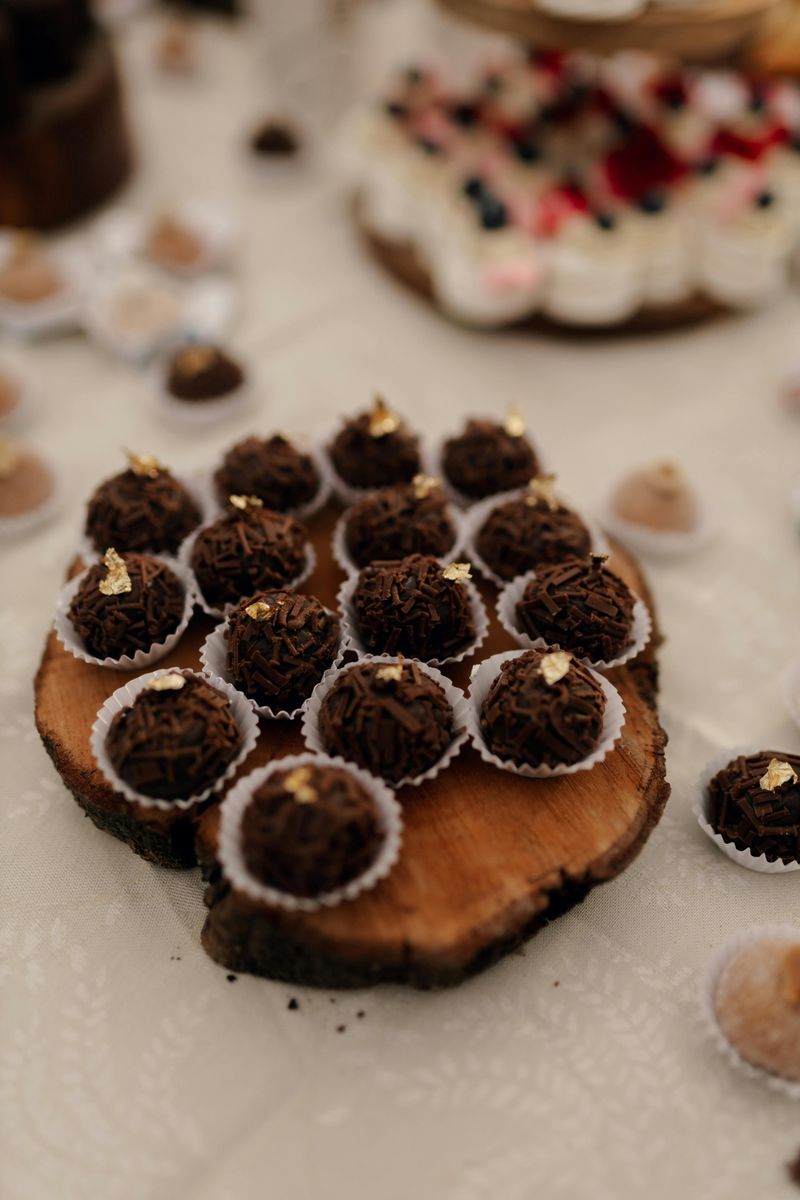
Sweet desserts can cap every meal by force of habit. The ritual feels deserved, but it does not always match hunger.
You might crave closure more than sugar. When dessert becomes automatic, you stop tasting it and start chasing more.
Pick dessert on nights you truly want it. Share, choose mini portions, or plate a single favorite.
On other nights, close dinner with tea, a walk, or fruit. Make sweetness special again.
By separating celebration from compulsion, dessert shifts from constant background noise to a mindful, satisfying finale when it fits.
Mixed nuts
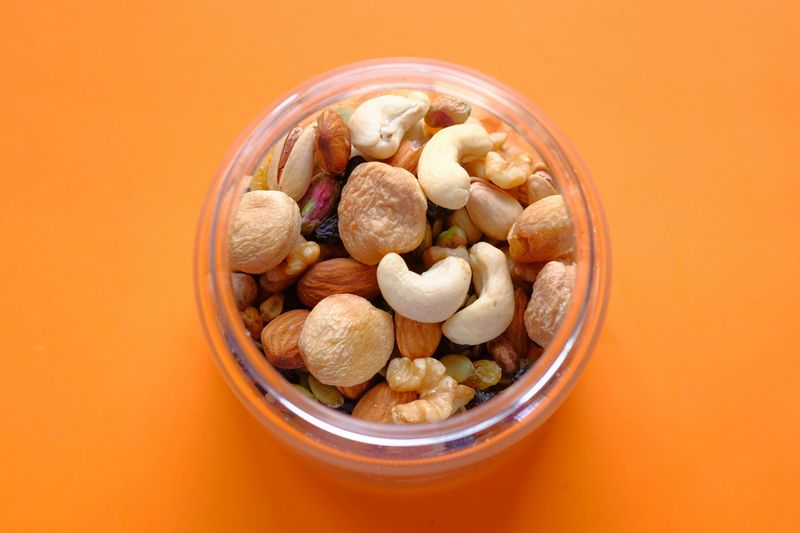
Mixed nuts feel wholesome, but handfuls add up quickly when snacking by habit. The salty crunch is satisfying and easy to eat without awareness.
You may reach during calls, commutes, or while cooking. Even healthy foods can become mindless when bowls are bottomless.
Pre-portion a small handful into a dish. Pair with fruit to slow down and add volume.
If you want the salty crunch, try air-popped popcorn sometimes. When you actually feel hungry, nuts shine as a nourishing choice.
When you are just passing time, pausing helps you stop at enough without feeling deprived or distracted.
Saltine crackers
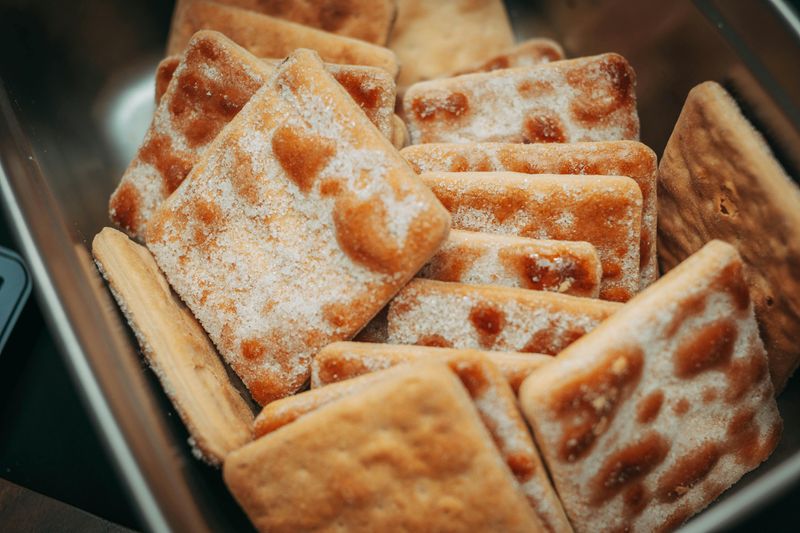
Saltine crackers slide into routines because they are mild, quick, and always around. You might graze while cooking, scrolling, or chatting, not because your stomach asked.
Their light crunch and salt cue another handful. Before you know it, the sleeve disappears without satisfaction.
Pour out a small portion and sit down to eat it. Add protein like cheese or hummus if you are actually hungry, which helps you feel full.
If you only want the crunch, try crunchy veggies or rice cakes. Bringing awareness to servings turns background snacking into an intentional, brief moment that ends.
Enjoyed this story?
Add Fast Food Club as a preferred source to see more of our reporting on Google.