


Eating well doesn’t have to be complicated or boring. The foods you choose every day have a huge impact on how you feel, how well your body works, and even how clearly you think.
Small changes to your diet can lead to big improvements in your energy, mood, and long-term health. Here are some powerhouse foods worth adding to your plate more often.
Spinach
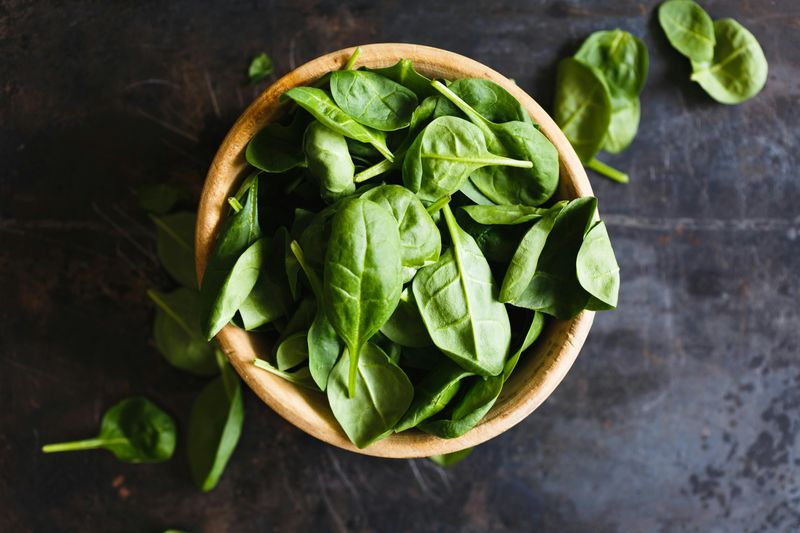
Popeye was onto something. Spinach is one of the most nutrient-packed greens you can eat, loaded with iron, vitamin K, and folate.
Just one cup of raw spinach gives your body a serious nutritional boost without many calories at all.
It blends into smoothies without changing the flavor much, making it easy to sneak in. Toss it into pasta, soups, or scrambled eggs for an effortless upgrade to almost any meal.
Kale
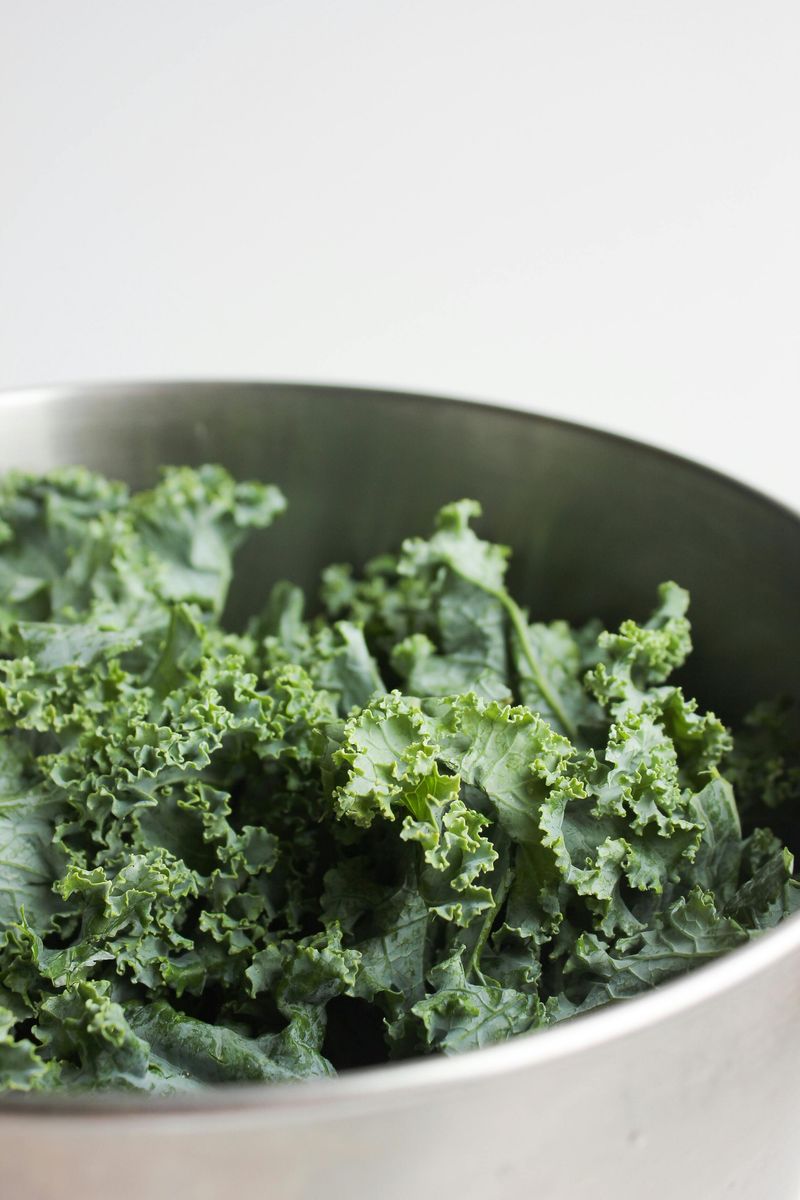
Once a garnish no one actually ate, kale has earned its reputation as a true superfood. It’s packed with vitamins A, C, and K, along with powerful antioxidants that help protect your cells from damage.
Massaging kale with a little olive oil softens it and removes some of the bitterness, making it much more enjoyable raw. Roast it into crispy chips or add it to soups for a hearty, satisfying meal boost.
Broccoli
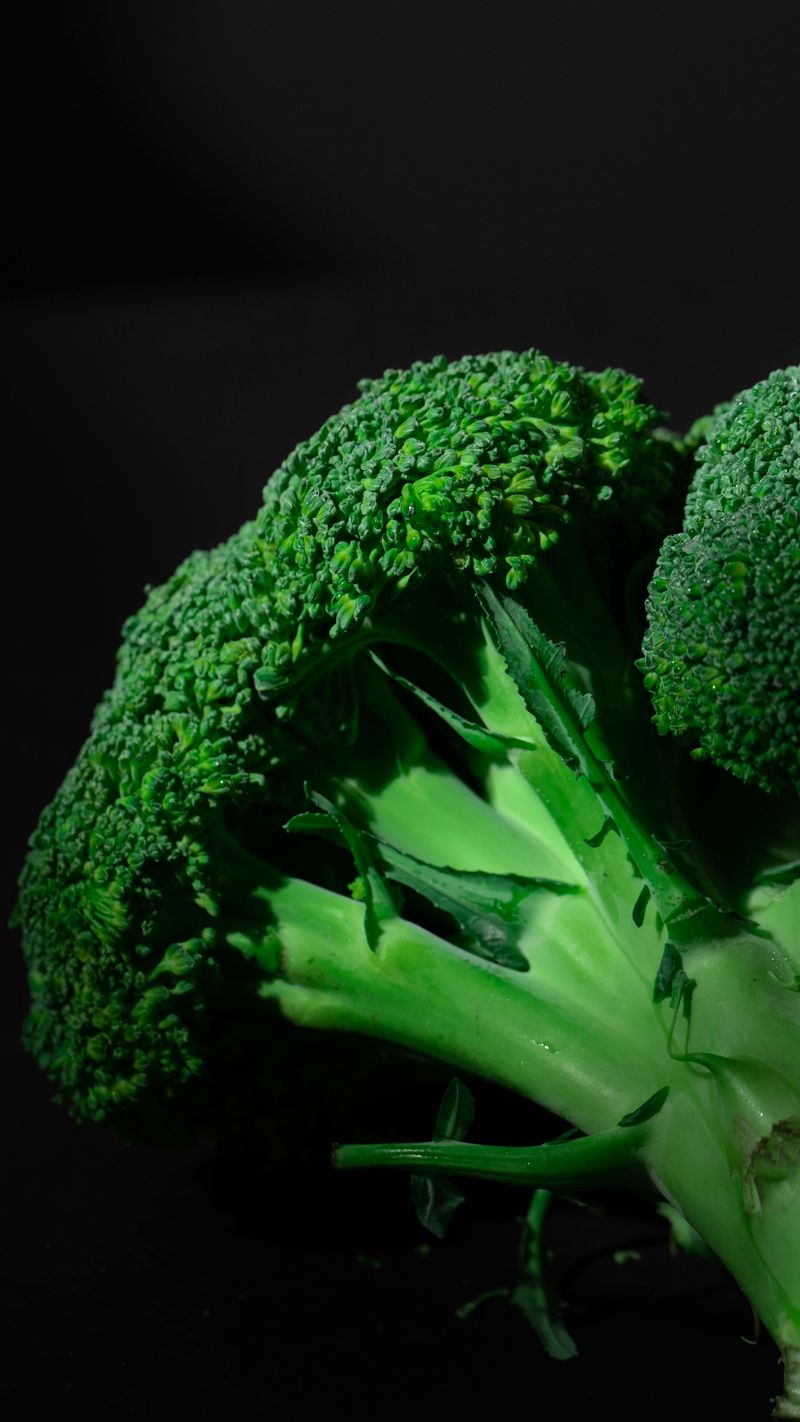
Few vegetables pull as much weight as broccoli does. It contains fiber, vitamin C, vitamin K, and sulforaphane, a compound scientists are actively studying for its potential cancer-fighting properties.
Steaming broccoli lightly keeps more nutrients intact compared to boiling it. Kids and adults alike often enjoy it more when paired with a dipping sauce, roasted until slightly crispy, or mixed into cheesy casseroles and stir-fries.
Blueberries

Tiny but mighty, blueberries pack more antioxidants per serving than almost any other fruit. These little blue gems are especially rich in anthocyanins, which support brain health and may help improve memory over time.
Toss them into oatmeal, blend them into smoothies, or eat them straight from the container as a quick snack. Fresh or frozen, they deliver the same impressive nutritional punch either way.
Avocados
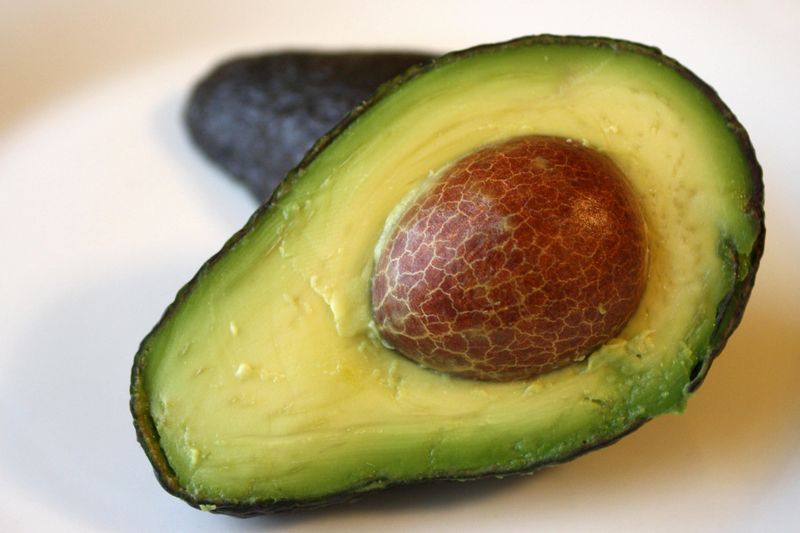
Avocados are one of the rare fruits that are high in healthy fat rather than sugar. The monounsaturated fats found in avocados support heart health, help your body absorb fat-soluble vitamins, and keep you feeling full longer.
Spread avocado on toast, blend it into a creamy salad dressing, or mash it into guacamole for a crowd-pleasing dip. Even just half an avocado a day makes a noticeable difference in how satisfied you feel after meals.
Salmon
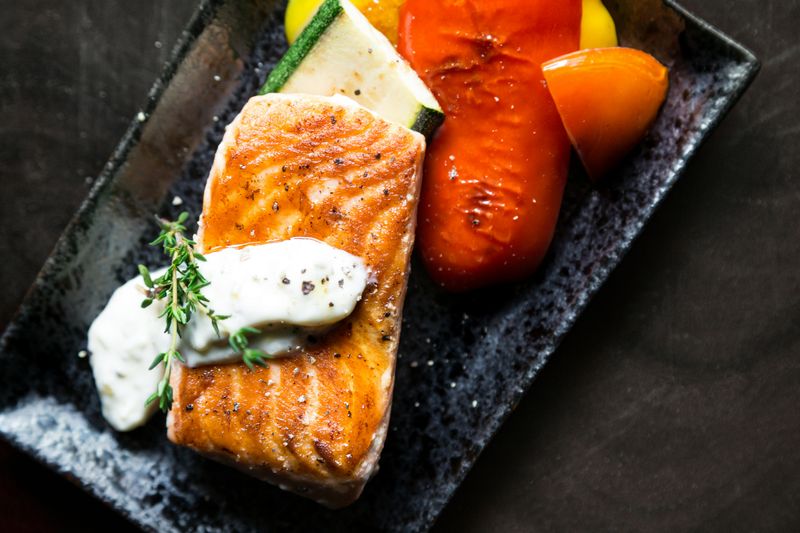
Salmon is one of the best sources of omega-3 fatty acids on the planet. These healthy fats reduce inflammation, support brain development, and are strongly linked to a lower risk of heart disease over time.
Wild-caught salmon tends to have slightly higher omega-3 levels than farmed varieties. Bake it with lemon and garlic, grill it for a smoky flavor, or flake it into salads for an easy, protein-rich meal any day of the week.
Eggs
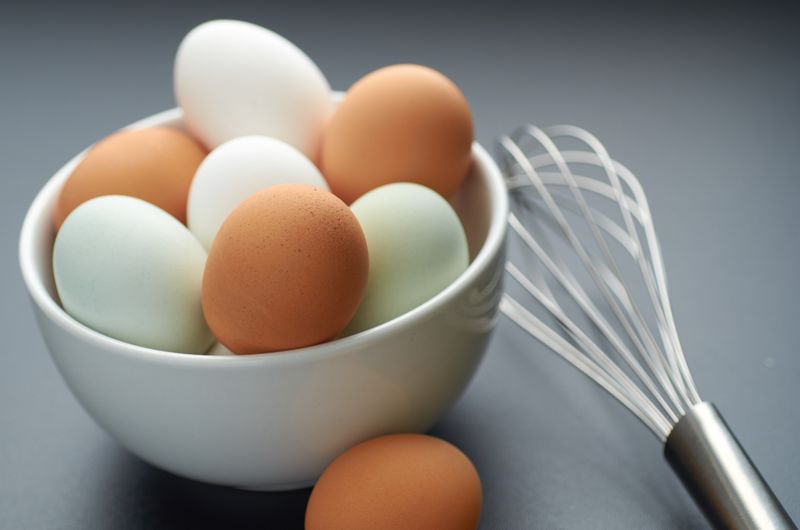
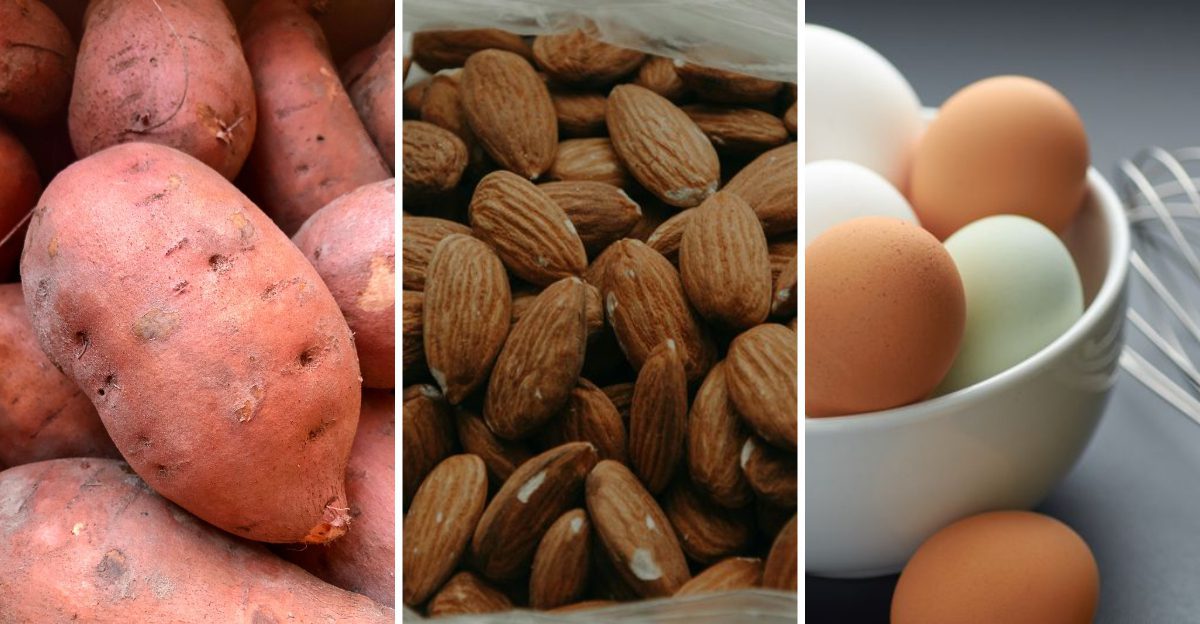
For years eggs got a bad reputation, but research has since cleared their name in a big way. They’re one of the most complete protein sources available, containing all nine essential amino acids your body needs but cannot make on its own.
The yolk is where most of the nutrition hides, including choline, which is critical for brain function. Scrambled, poached, hard-boiled, or baked into dishes, eggs are incredibly versatile and budget-friendly too.
Greek Yogurt
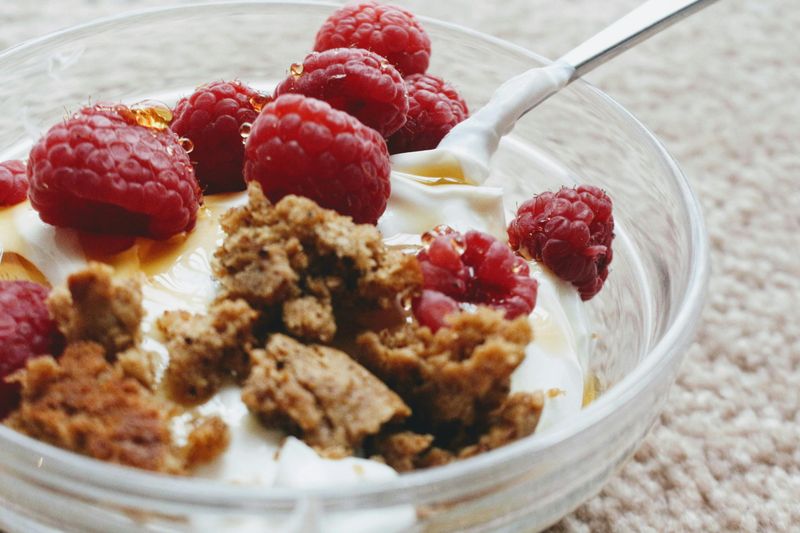
Greek yogurt has about twice the protein of regular yogurt, which makes it a much more filling snack or breakfast option. It’s also packed with probiotics, the beneficial bacteria that keep your gut healthy and your immune system running smoothly.
Choose plain, unsweetened versions to avoid hidden added sugars. Layer it with fruit and granola for a satisfying parfait, use it as a sour cream substitute, or blend it into smoothies for a creamy protein boost.
Oats
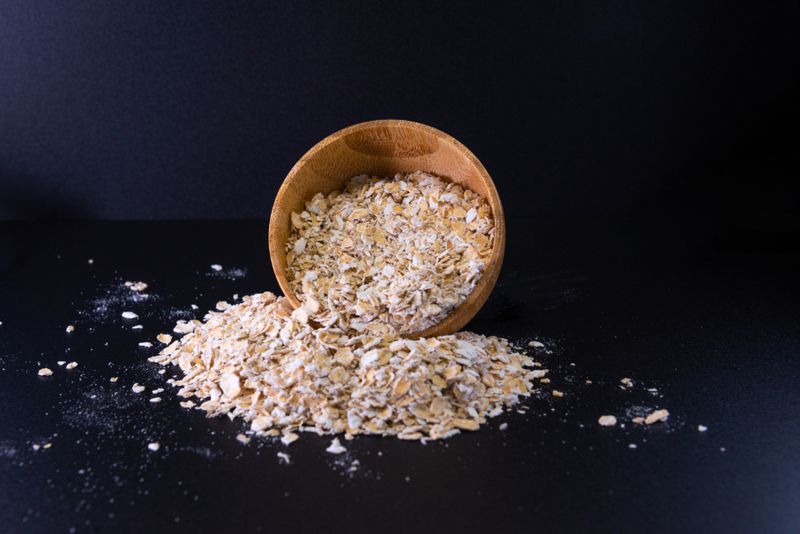
Starting the morning with oats is one of the smartest breakfast moves you can make. Oats are rich in beta-glucan, a type of soluble fiber that slows digestion, stabilizes blood sugar, and helps lower LDL cholesterol levels over time.
Steel-cut oats take longer to cook but have a lower glycemic index than instant varieties. Mix in nut butter, fresh fruit, or a sprinkle of cinnamon to turn a simple bowl of oats into something genuinely enjoyable every morning.
Sweet Potatoes
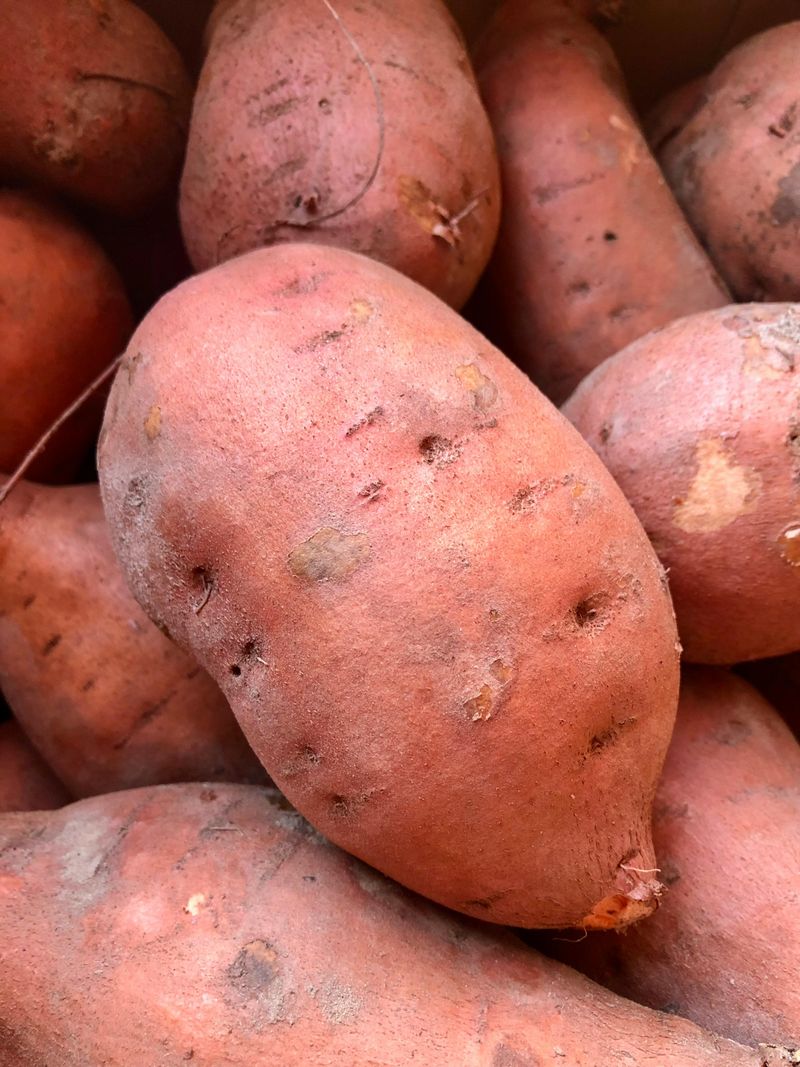
Sweet potatoes are one of nature’s most underrated health foods. One medium sweet potato contains more than 100 percent of your daily recommended vitamin A, which supports vision, immune function, and healthy skin.
Unlike regular potatoes, sweet potatoes have a lower glycemic index, meaning they raise blood sugar more gradually. Roast them whole, mash them with a little cinnamon, or slice them into fries for a nutritious twist on a classic comfort food.
Quinoa
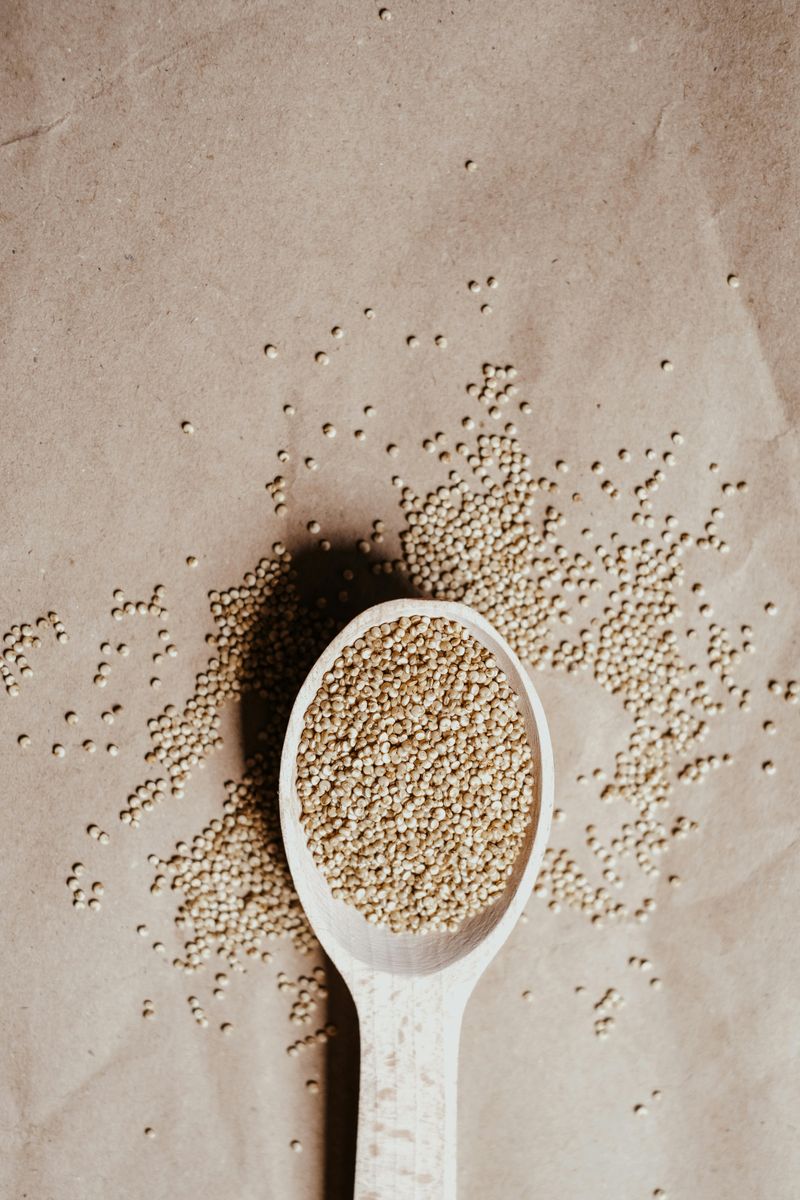
Quinoa is technically a seed, but it cooks and tastes just like a grain. What sets it apart from most other plant foods is that it’s a complete protein, meaning it contains all nine essential amino acids, making it a fantastic choice for vegetarians and vegans.
It cooks in about 15 minutes and has a mild, nutty flavor that pairs well with almost anything. Use it as a rice substitute, toss it into salads, or mix it with roasted veggies for a filling bowl meal.
Lentils
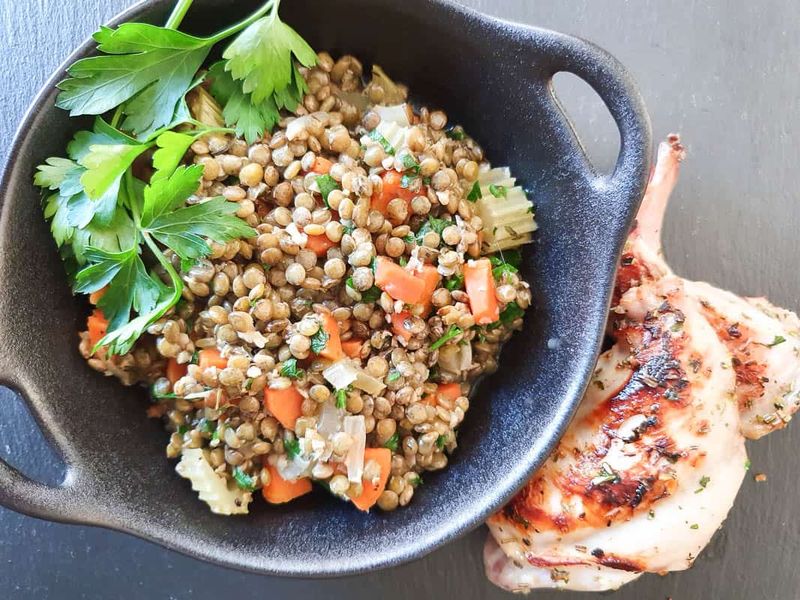
Lentils have been feeding people for thousands of years, and for good reason. They’re loaded with plant-based protein, fiber, iron, and folate, making them one of the most nutritionally dense legumes available at a very low cost.
Just one cup of cooked lentils provides nearly 18 grams of protein and almost half your daily fiber needs. Add them to soups and stews, blend them into dips, or season them with warm spices for a hearty side dish.
Chickpeas
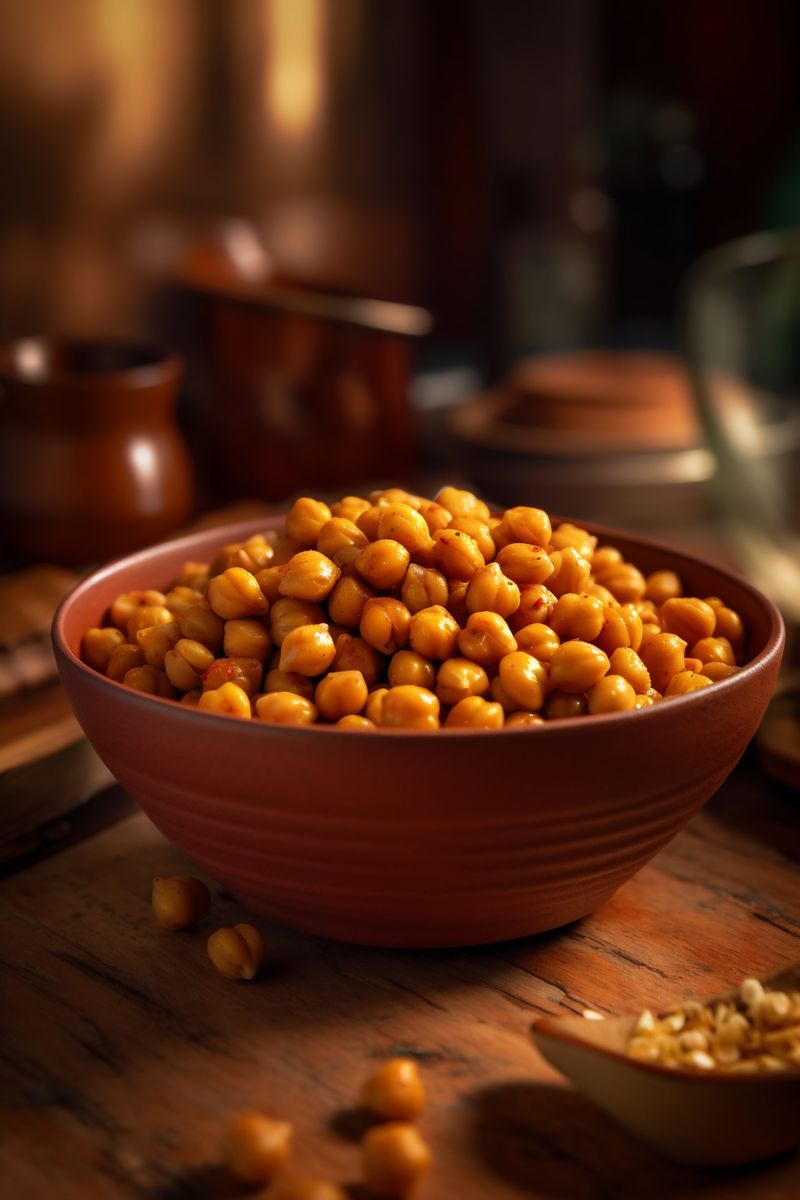
Chickpeas, also called garbanzo beans, are a staple food in cultures around the world for a very good reason. They’re an excellent source of plant protein, complex carbohydrates, and fiber, all of which work together to keep energy levels steady throughout the day.
Roast them with spices for a crunchy, satisfying snack, blend them into smooth hummus, or toss them into curries and grain bowls. Canned chickpeas make healthy eating genuinely convenient on even the busiest weeknights.
Almonds
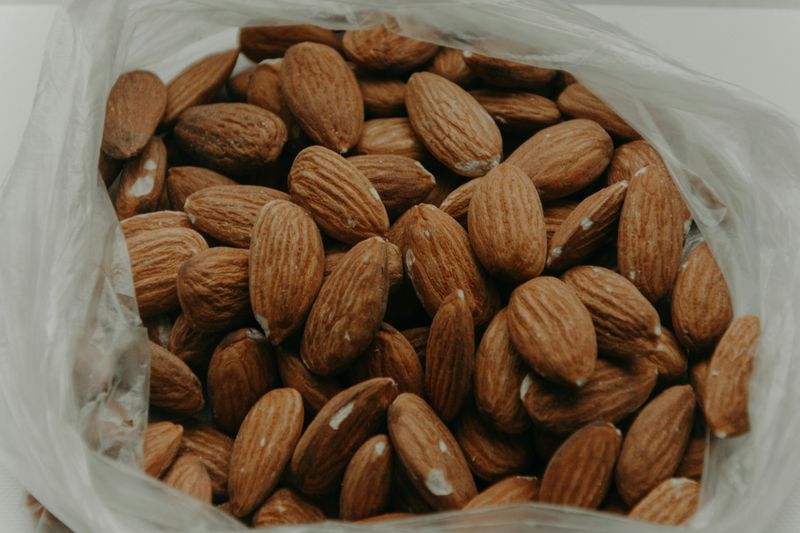
Almonds are one of the most nutrient-dense snacks you can keep on hand. A small handful provides healthy monounsaturated fats, magnesium, vitamin E, and enough protein and fiber to genuinely curb hunger between meals.
Studies suggest that eating almonds regularly can help lower LDL cholesterol and support healthy blood sugar levels. Keep a small bag in your backpack or desk drawer for a no-fuss snack that actually keeps you energized and focused until your next meal.
Walnuts
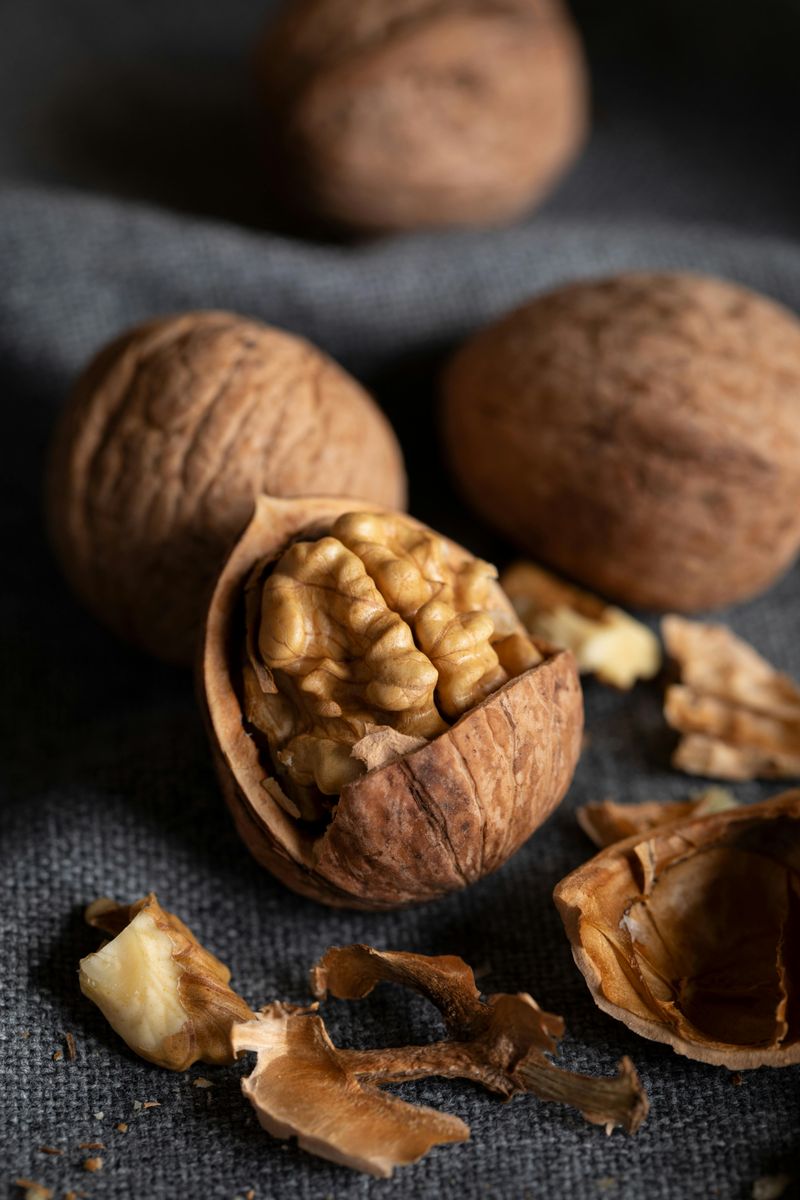
Of all the nuts you could snack on, walnuts stand out for their impressive omega-3 fatty acid content. They’re one of the very few plant sources of ALA, a type of omega-3 that supports heart health and reduces inflammation throughout the body.
Walnuts also contain melatonin and antioxidants that may help improve sleep quality and protect brain cells from aging. Sprinkle them over salads, stir them into oatmeal, or eat them plain as a filling afternoon snack.
Chia Seeds
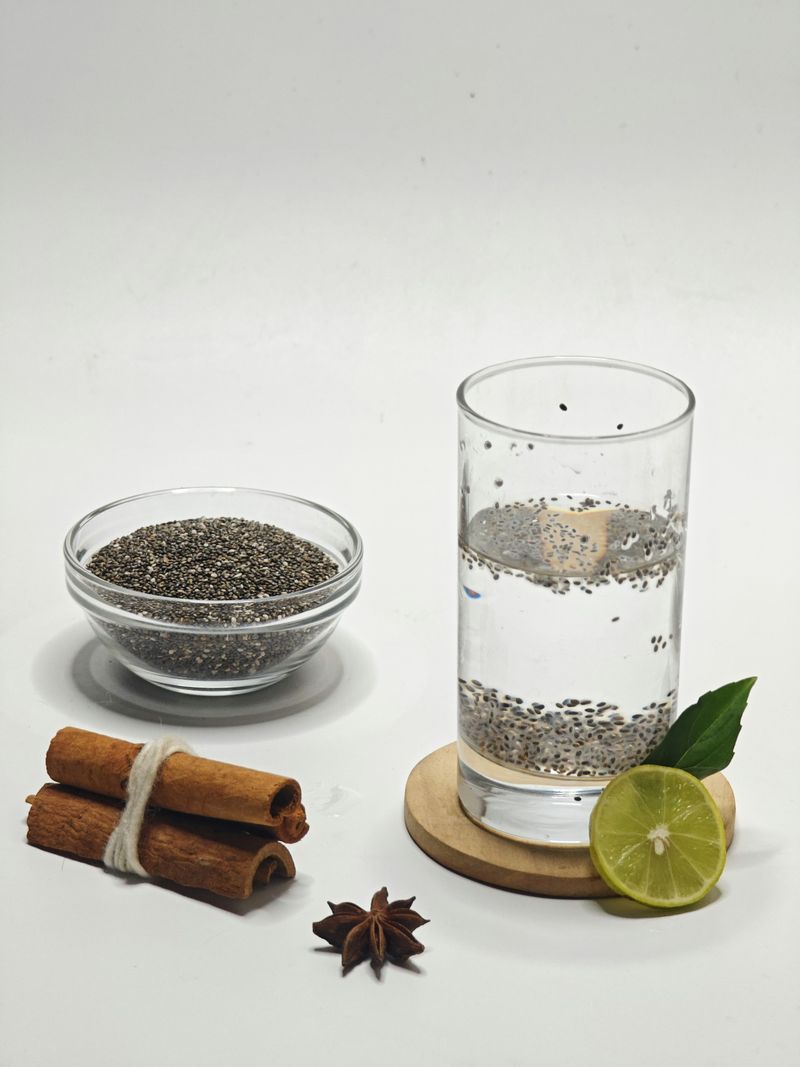
Chia seeds are tiny, but their nutritional profile is seriously impressive for their size. Just two tablespoons deliver about 10 grams of fiber, 5 grams of protein, and a solid dose of omega-3 fatty acids, calcium, and magnesium all at once.
When mixed with liquid, they absorb it and form a thick gel, which makes them perfect for making overnight puddings or thickening smoothies. Sprinkle them over yogurt or salads for an easy, barely noticeable nutritional upgrade.
Flaxseeds
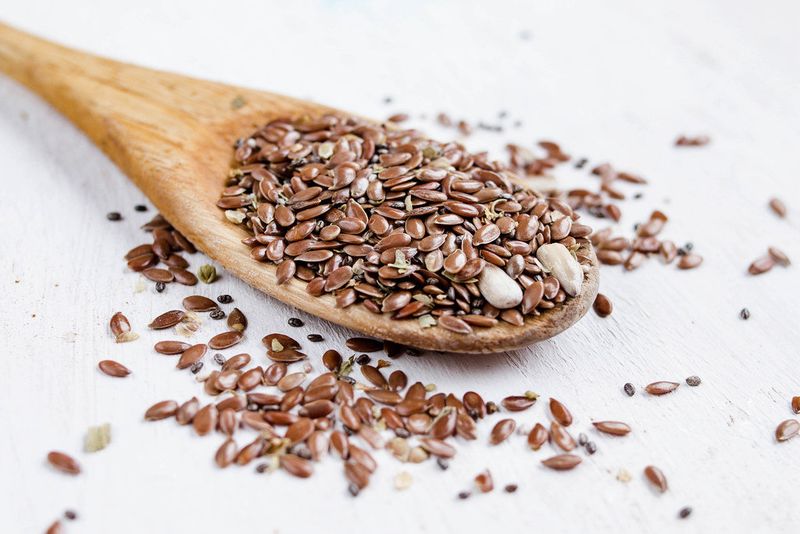
Flaxseeds have been used as a health food for over 6,000 years, making them one of the oldest cultivated superfoods in human history. They’re rich in lignans, plant compounds with antioxidant properties, plus fiber and omega-3 fatty acids that benefit both the heart and digestive system.
Ground flaxseeds are easier for your body to absorb than whole ones. Stir them into oatmeal, blend them into smoothies, or mix them into baked goods like muffins and pancakes for a seamless nutrition boost.
Olive Oil
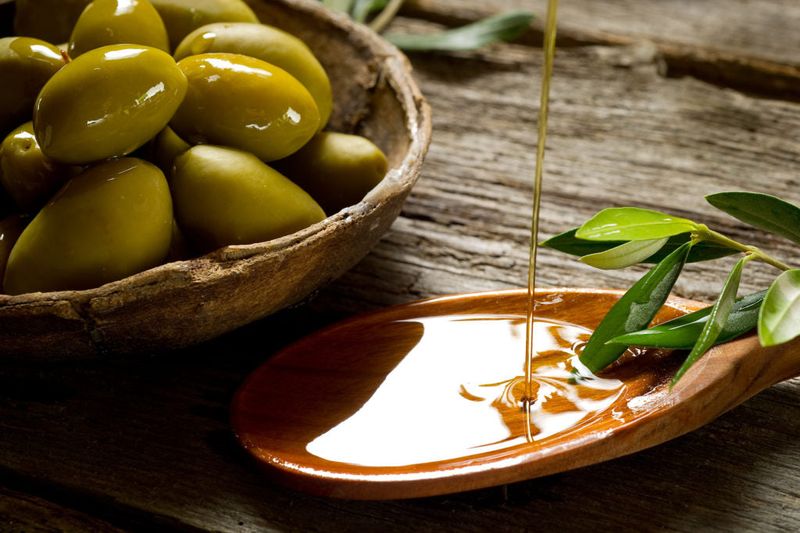
Extra virgin olive oil is the cornerstone of the Mediterranean diet, which is consistently ranked among the healthiest eating patterns in the world. It’s packed with oleocanthal, a natural compound that works similarly to ibuprofen in reducing inflammation throughout the body.
Use it to saute vegetables, drizzle it over salads, or dip crusty bread into it for a simple and satisfying treat. Just a couple tablespoons a day can make a meaningful difference in cardiovascular health over time.
Garlic
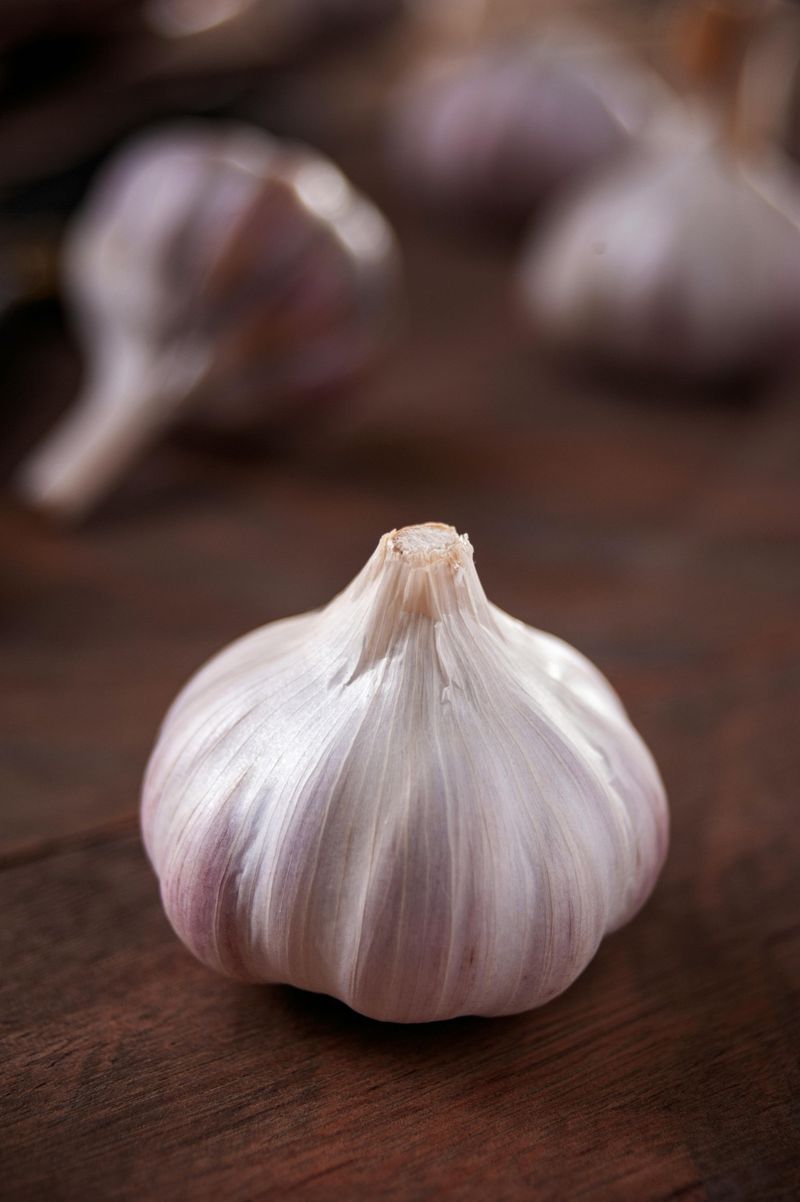
Garlic has been used as both food and medicine for thousands of years across nearly every culture on Earth. Its active compound, allicin, is released when garlic is chopped or crushed and is responsible for many of its impressive health benefits.
Regular garlic consumption is linked to lower blood pressure, improved cholesterol levels, and a stronger immune response. Add it to pasta sauces, roasted vegetables, marinades, and soups to boost both flavor and nutrition with almost zero extra effort.
Green Tea

Green tea has been celebrated in Japanese and Chinese cultures for centuries, and modern science has largely backed up the hype. It’s rich in catechins, a type of antioxidant that helps protect cells, supports metabolism, and may reduce the risk of certain chronic diseases.
Unlike coffee, green tea provides a gentler, steadier energy lift thanks to a combination of caffeine and L-theanine. Swap one of your daily sodas or sugary drinks for a cup of green tea and your body will thank you.
Enjoyed this story?
Add Fast Food Club as a preferred source to see more of our reporting on Google.