


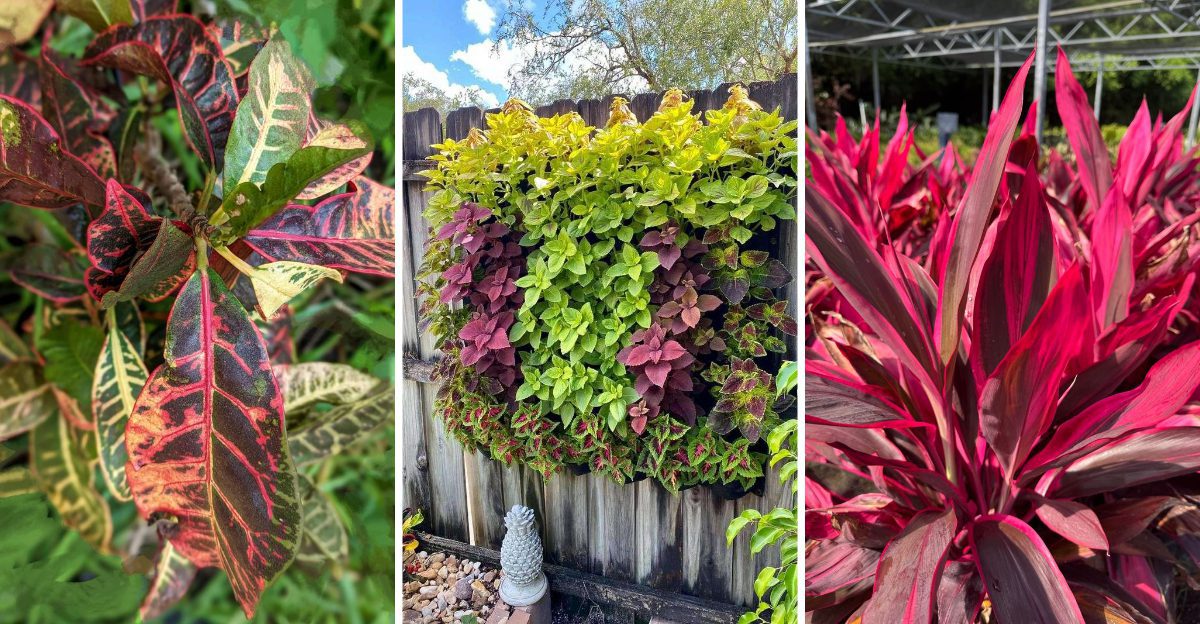
Florida gardeners are lucky to enjoy warm weather almost every month of the year, which means colorful plants can thrive long after other gardens have faded. Foliage plants are a secret weapon in the Sunshine State, offering vibrant leaves in shades of red, gold, purple, and green without relying on flowers alone.
Whether you have a shady corner or a sun-drenched yard, there is a bold leafy plant ready to fill that space with personality. Get ready to discover 21 stunning foliage plants that will keep your Florida garden looking amazing all year long.
Croton
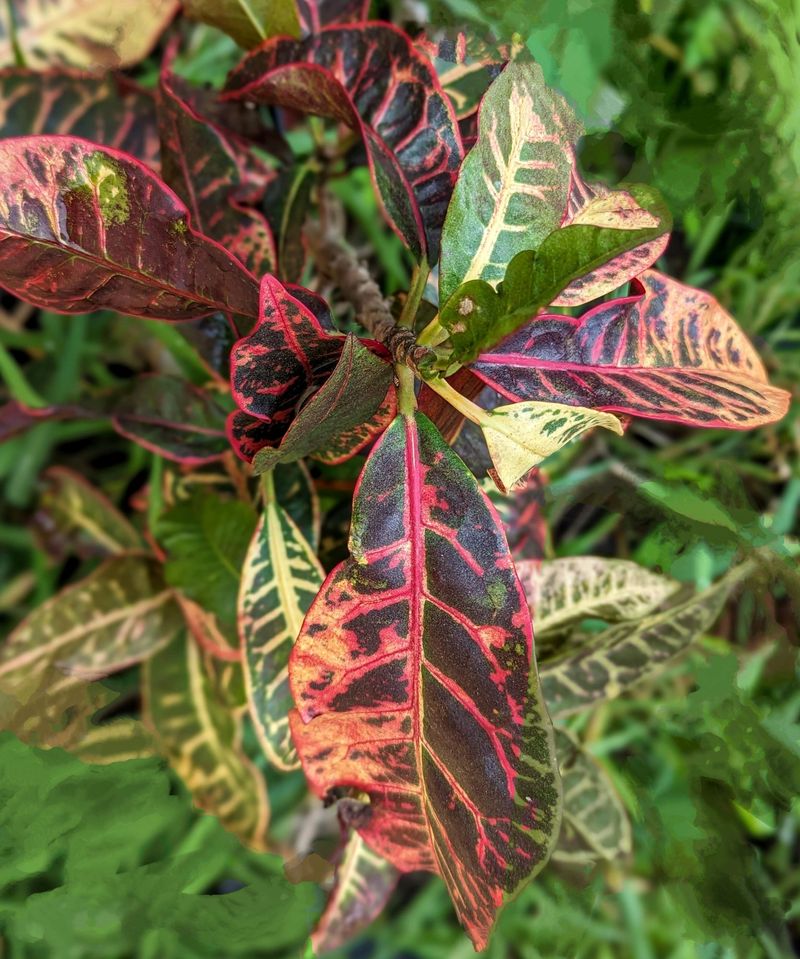
Few plants put on a show quite like croton does. Its leaves explode with color, mixing red, orange, yellow, and green all on the same plant.
Croton loves Florida’s heat and humidity, making it right at home in the Sunshine State.
Plant it in a sunny spot for the most vivid color payoff. The brighter the sunlight, the more intense those jaw-dropping hues become.
It works beautifully as a border plant or a bold container specimen on a patio.
Coleus
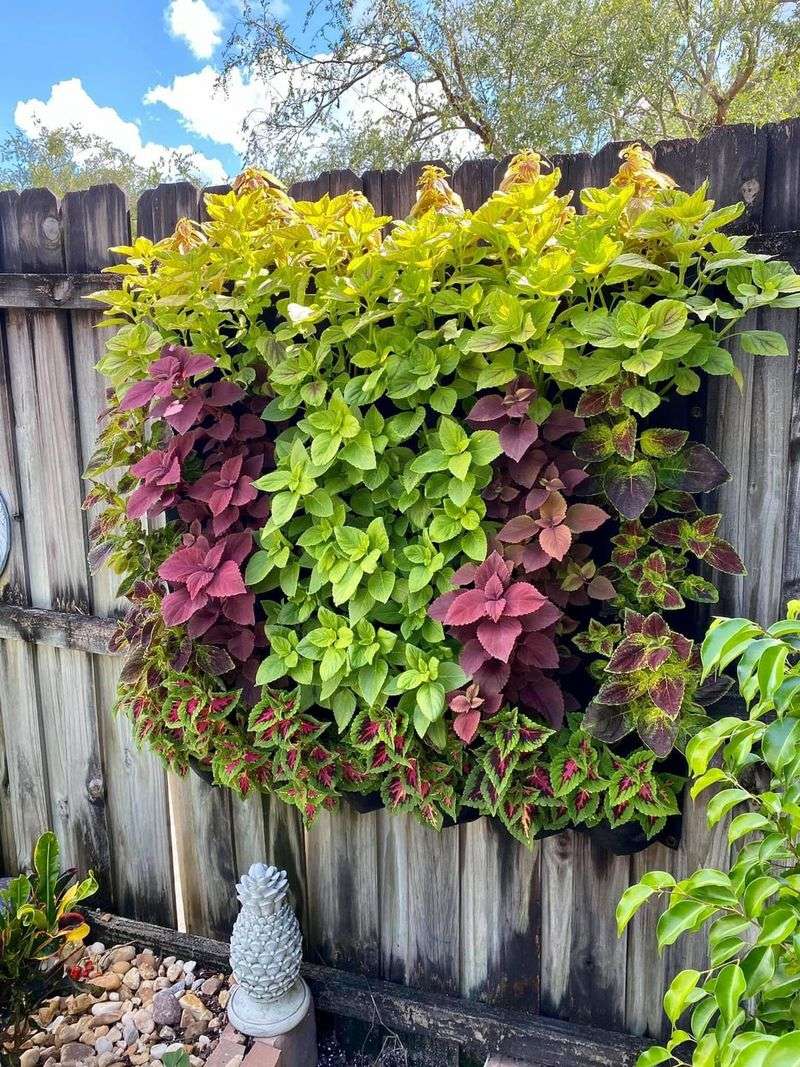
Coleus is one of those plants that makes you do a double-take at the garden center. Its patterned leaves come in nearly every color imaginable, from deep burgundy to neon lime green.
Best of all, it thrives in shady Florida spots where other colorful plants struggle.
Pinch off flower buds as they appear to keep the foliage looking full and lush. Coleus grows quickly and fills garden beds with a tapestry of color that lasts through Florida’s long warm season.
Cordyline
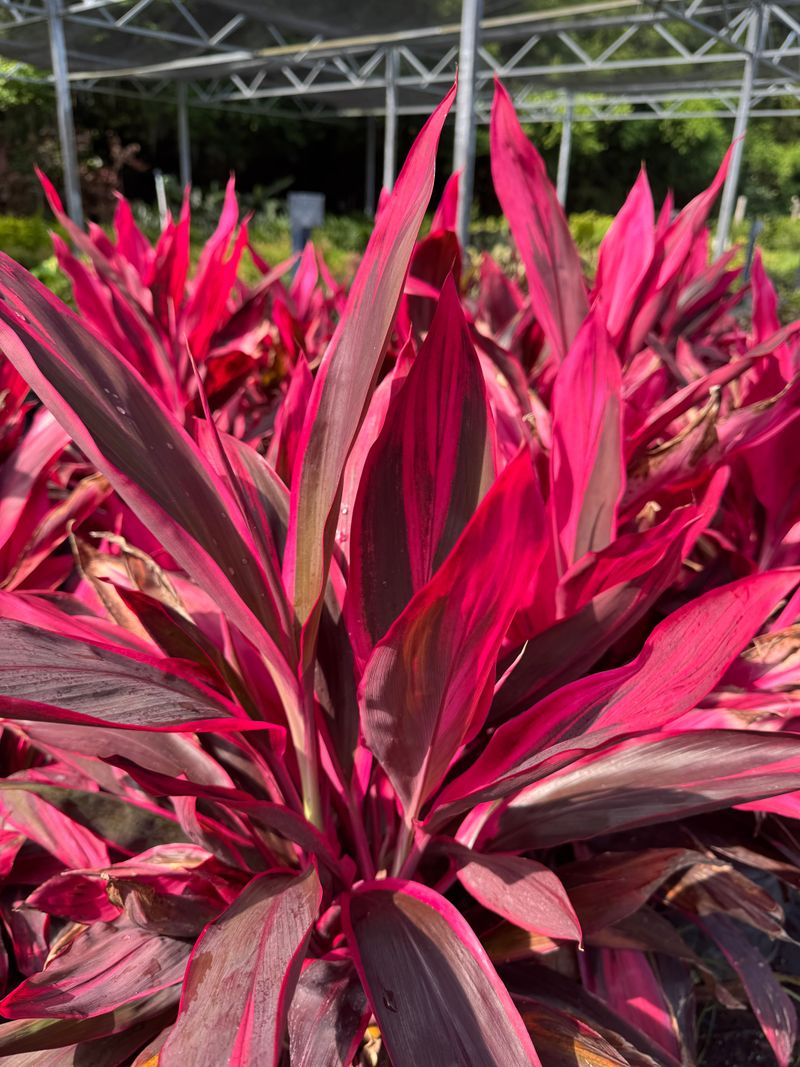
Cordyline brings a dramatic, almost tropical flair to any Florida yard. Its long, arching leaves can range from deep burgundy to bright pink, giving it a bold architectural presence.
Gardeners often use it as a focal point or anchor plant in mixed beds.
It handles Florida’s heat well and tolerates both sun and partial shade. Water regularly when young, but once established, cordyline is surprisingly tough.
Pair it with low-growing ground covers for a stunning layered effect.
Ti Plant
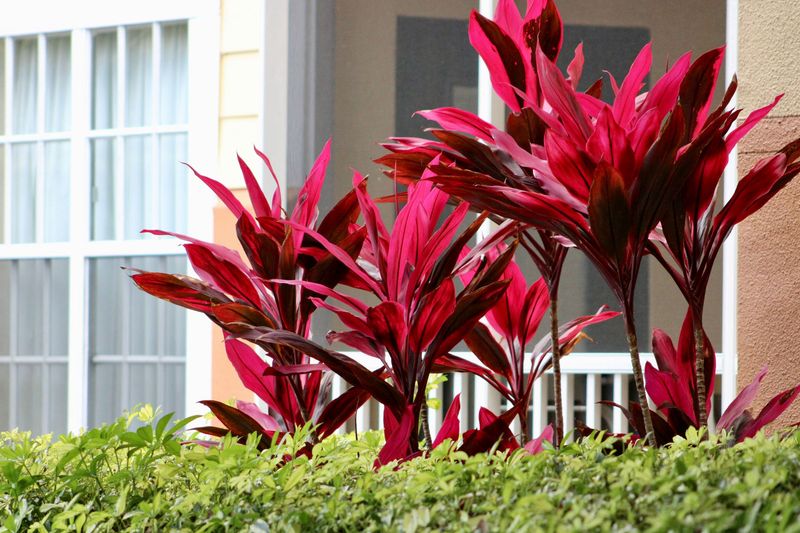
The ti plant has been treasured across Pacific Island cultures for centuries, believed to bring good luck and protection. In Florida, it earns its keep through year-round color and low-maintenance growth.
Broad, glossy leaves in shades of red, pink, and green make it impossible to overlook.
It grows well in both sun and partial shade, though brighter light intensifies leaf color. Ti plant works as a striking hedge, a container plant, or a bold garden accent that holds its own in any season.
Caladium
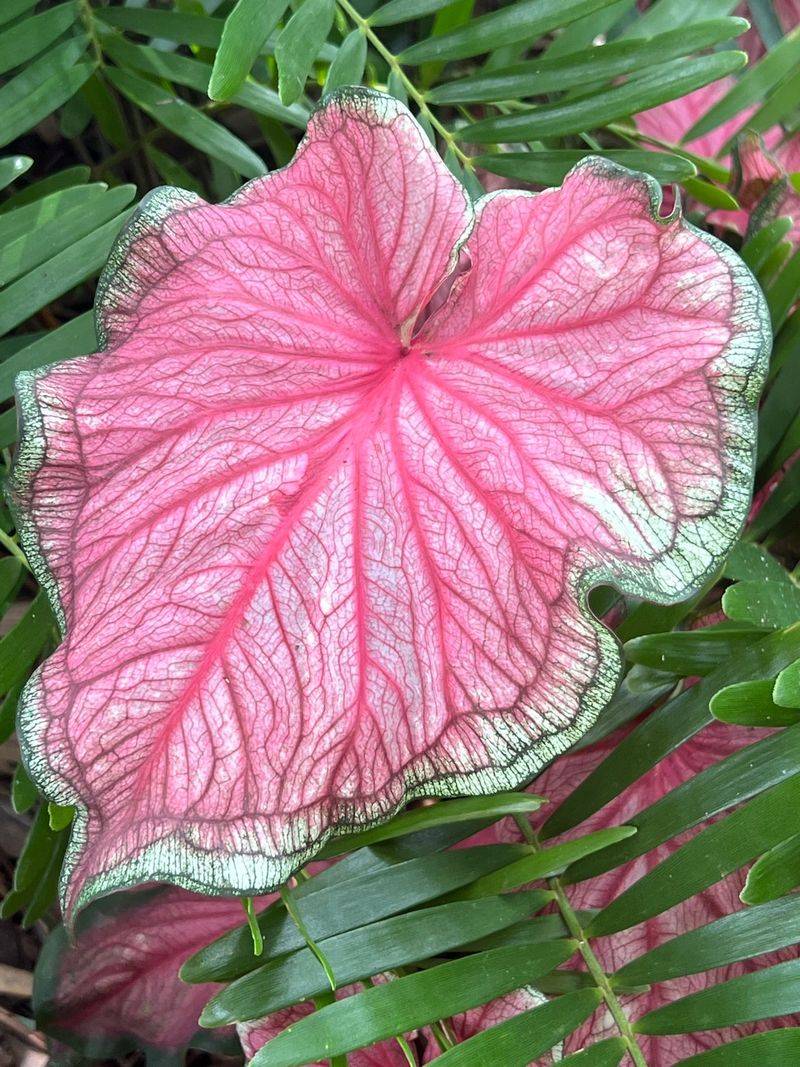
Caladiums are basically nature’s stained glass windows. Their heart-shaped leaves come painted in combinations of white, pink, red, and green that look almost too beautiful to be real.
Florida’s warm, humid summers are basically paradise for these stunning plants.
They prefer shady spots with moist, well-drained soil. Caladiums grow from tubers and can be left in the ground year-round in most parts of Florida.
Use them to brighten up dark corners of the garden where flowering plants refuse to perform.
Alternanthera
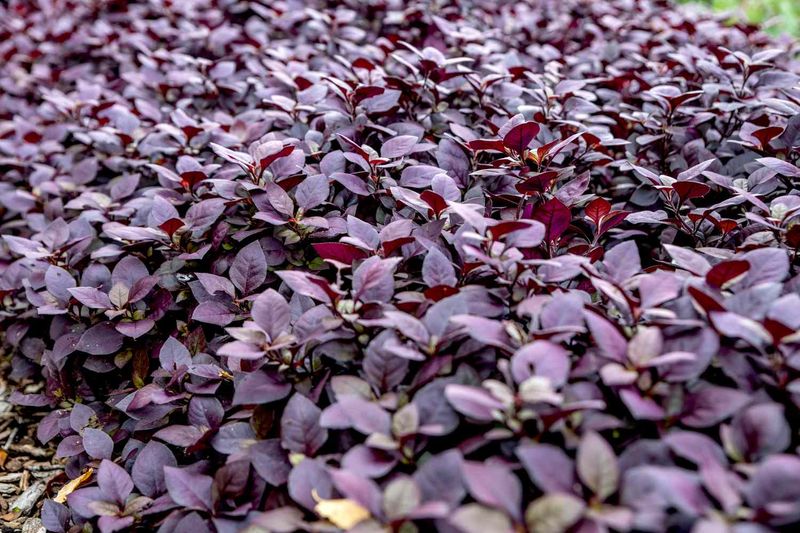
Alternanthera might be small, but it punches way above its weight in the color department. Also called Joseph’s coat in some circles, this low-growing plant produces a dense carpet of leaves in fiery shades of red, orange, and yellow.
It is a favorite for creating intricate garden patterns and borders.
Full sun brings out the richest colors, so pick a bright spot for the best results. It handles Florida’s heat beautifully and stays tidy with occasional trimming.
Try it as an edging plant along walkways or around taller specimens.
Persian Shield
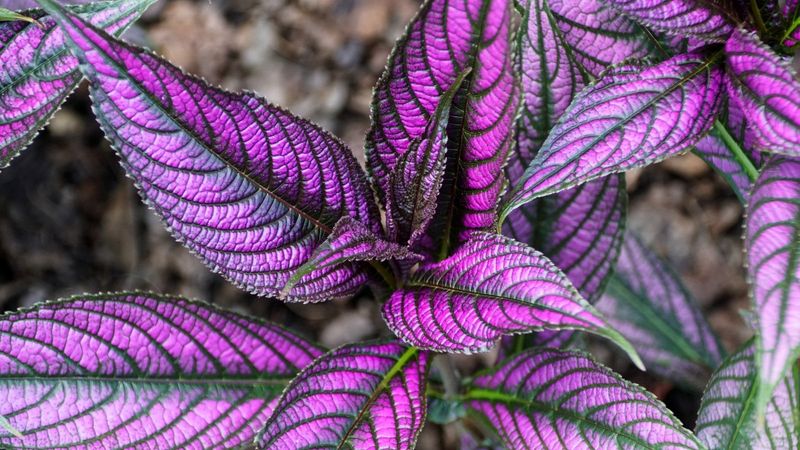
Persian shield is the plant that makes visitors stop mid-conversation to ask, “What IS that?” Its leaves shimmer with an iridescent purple and silver sheen that looks almost metallic in the right light. Native to Myanmar, it has found a happy second home in Florida’s warm climate.
It grows best in partial shade with regular moisture. Too much direct sun can fade that spectacular color, so a spot with morning sun and afternoon shade works perfectly.
Use it alongside green-leafed plants to make the purple pop even more dramatically.
Copperleaf
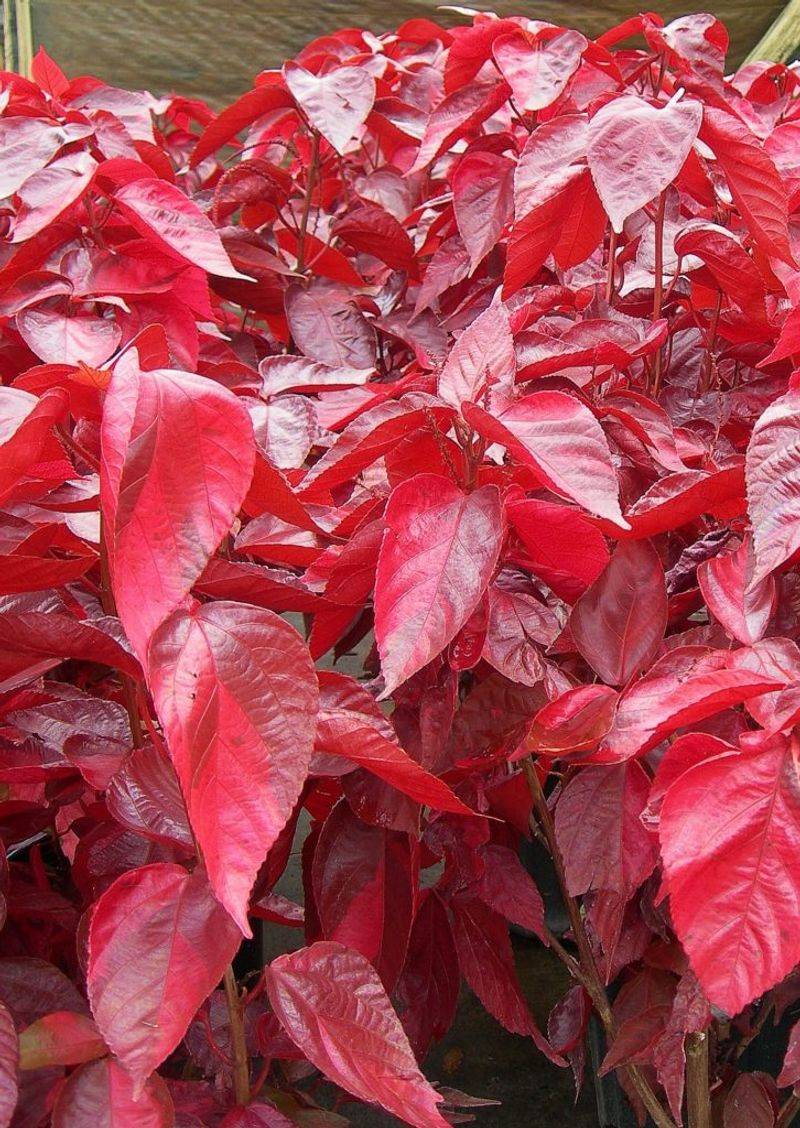
Copperleaf earns its name honestly. Its foliage blazes with warm tones of copper, bronze, and red that glow like embers in the Florida sunshine.
This fast-growing shrub can reach several feet tall, making it a great choice for creating a colorful privacy screen or hedge.
It thrives in full sun and handles heat and drought surprisingly well once established. Regular trimming keeps it bushy and full.
Copperleaf pairs wonderfully with plants that have green or yellow foliage, creating a fiery contrast that catches every eye.
Joseph’s Coat
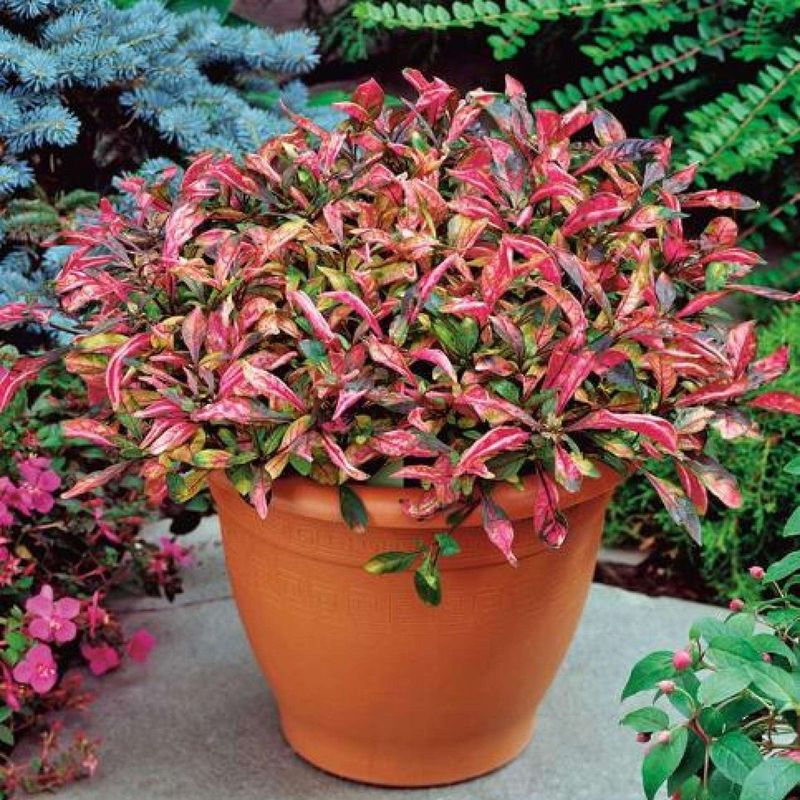
Named after the famous biblical coat of many colors, Joseph’s coat lives up to its legendary reputation. Leaves swirl together in combinations of red, yellow, orange, and green on a single plant.
It has been a staple in tropical and subtropical gardens for generations for good reason.
Plant it in full sun to keep those colors blazing all season long. It stays compact with regular pinching, making it ideal for borders and containers.
In Florida, it performs reliably and brings a festive, cheerful energy to any planting scheme.
Philodendron
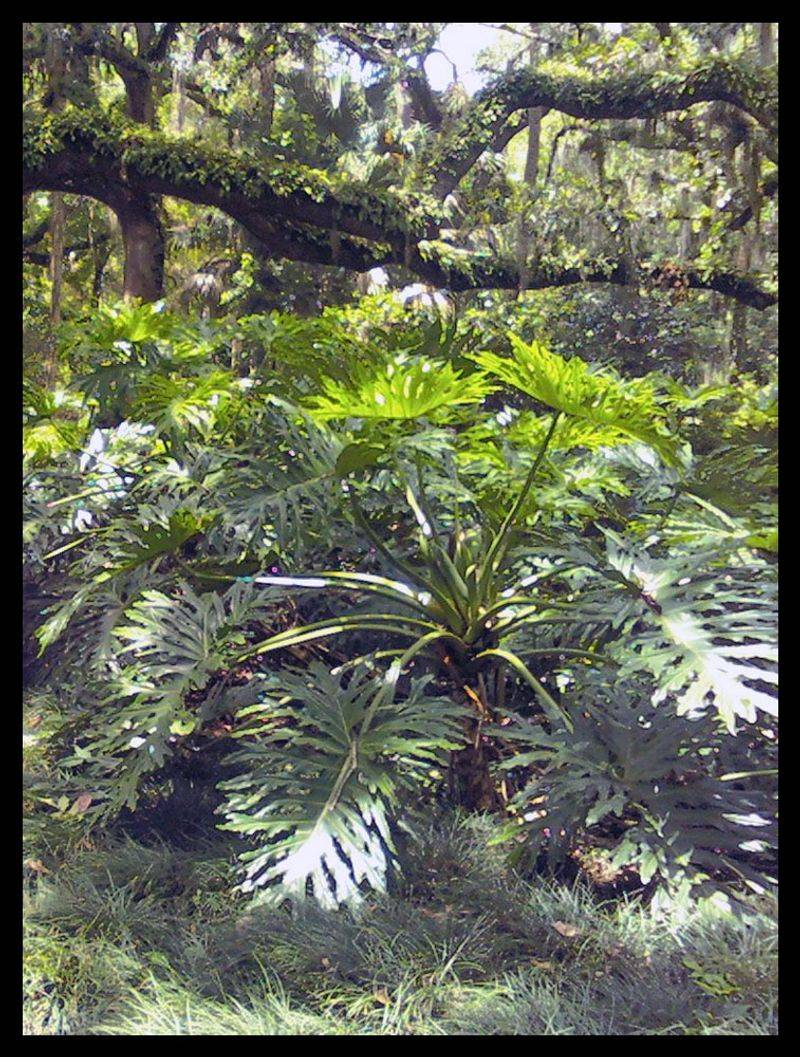
Philodendrons have been beloved houseplants for decades, but in Florida they truly come alive outdoors. Many varieties grow into impressive, lush specimens with oversized leaves that give any garden a genuine jungle feel.
Some types even develop dramatic splits and holes as the leaves mature.
They prefer shaded or partially shaded spots with rich, moist soil. Philodendrons are surprisingly low-maintenance once they settle in.
Whether grown in a container or directly in the ground, they add a lush, tropical richness that is hard to match with any other foliage plant.
Monstera
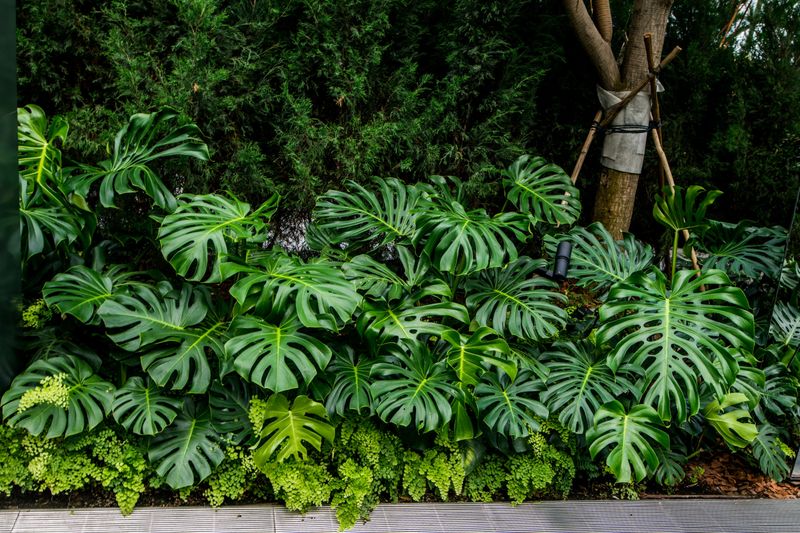
Monstera is arguably the most recognizable tropical plant in the world right now. Those iconic split, perforated leaves have appeared on everything from wallpaper to phone cases.
In Florida, monstera grows outdoors into a genuinely impressive specimen that commands attention.
Partial shade and rich, well-drained soil keep it happy and growing fast. Leaves can grow enormous outdoors, far larger than any houseplant version.
Give it a sturdy support or let it sprawl naturally. Either way, monstera delivers bold, unforgettable tropical drama to any Florida garden space.
Bird’s Nest Fern
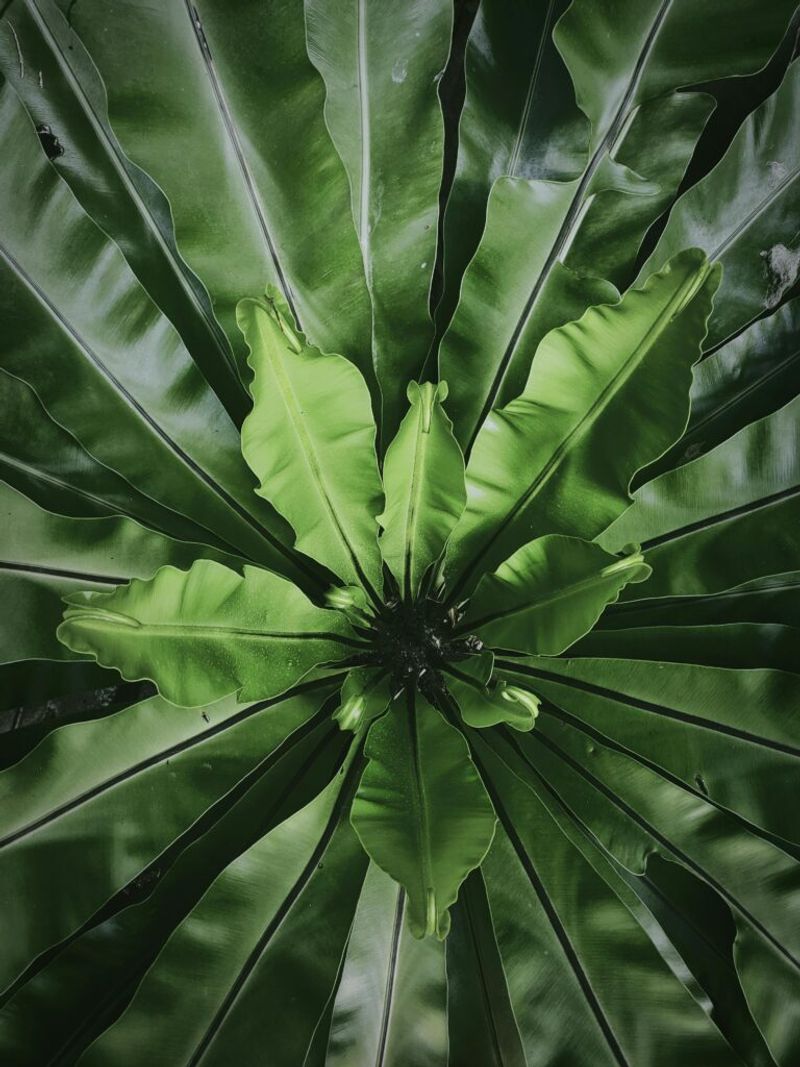
Bird’s nest fern is one of those plants that feels like it belongs in an ancient rainforest. Its broad, wavy fronds unfurl from a central rosette that resembles a bird’s nest, giving it a wonderfully sculptural quality.
The bright, apple-green color stays vibrant even in deep shade.
Florida’s humidity suits it perfectly, and it can even grow as an epiphyte on tree trunks or in hanging baskets. Keep the soil consistently moist but never waterlogged.
It is one of the most reliable plants for adding lush, living texture to shady garden corners.
Dracaena
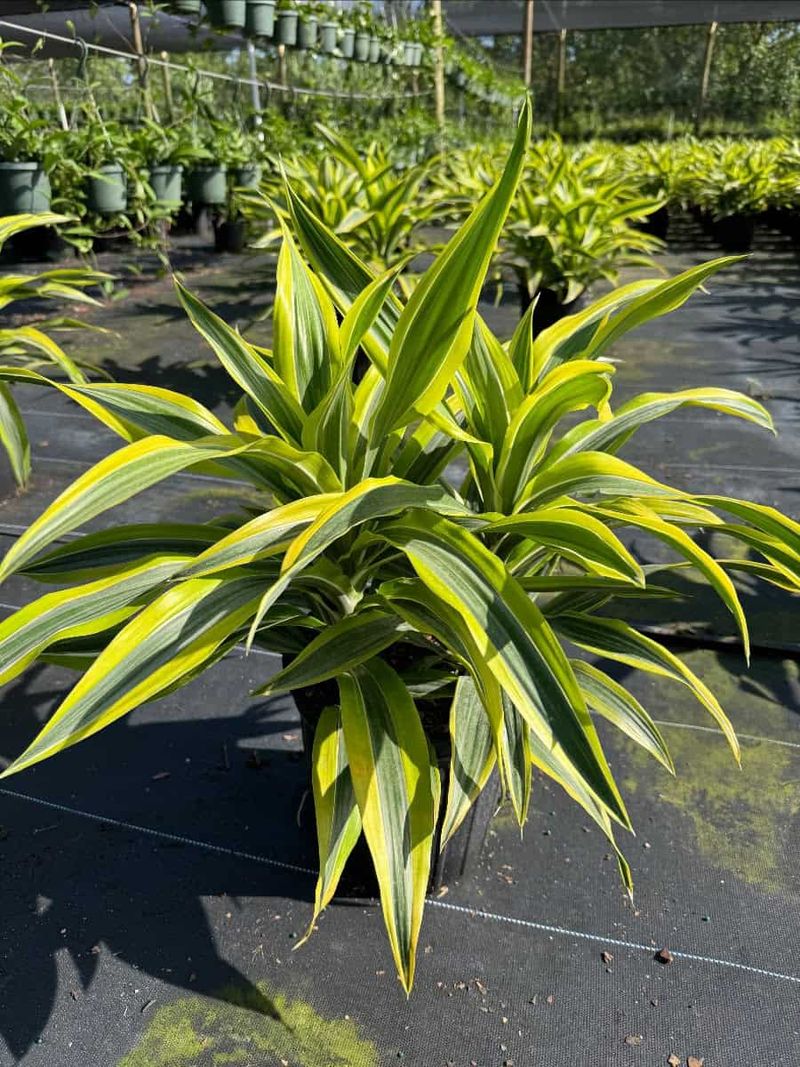
Dracaena has a clean, architectural quality that makes it feel both modern and timeless. Its long, sword-like leaves often feature bold stripes or edges in yellow, red, or cream that contrast beautifully with the base green.
Many varieties grow into tall, tree-like specimens over time.
It tolerates low light, drought, and neglect better than almost any other foliage plant, which makes it a favorite for busy gardeners. In Florida, dracaena thrives outdoors year-round.
Use it as a vertical accent in mixed beds or as a striking standalone container plant on a sunny porch.
Aglaonema
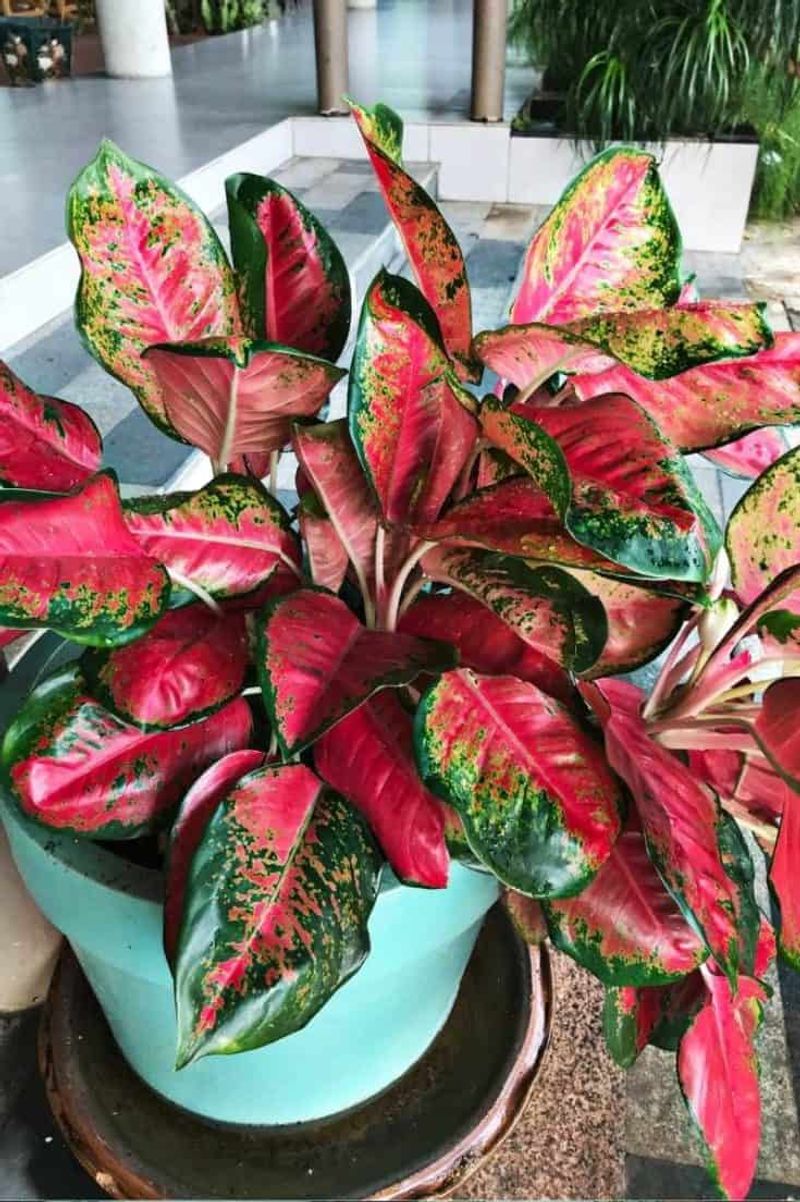
Aglaonema, also called Chinese evergreen, is one of the toughest and most colorful foliage plants available to Florida gardeners. Modern varieties offer leaves splashed with red, pink, silver, and green in combinations that look almost painted.
It is remarkably forgiving of low light and inconsistent watering.
In Florida, it grows beautifully in shaded outdoor beds, covered patios, or as a bold container plant. The colors tend to deepen as the plant matures.
Few foliage plants offer this level of color intensity with this little fuss, making aglaonema a true garden workhorse.
Dieffenbachia
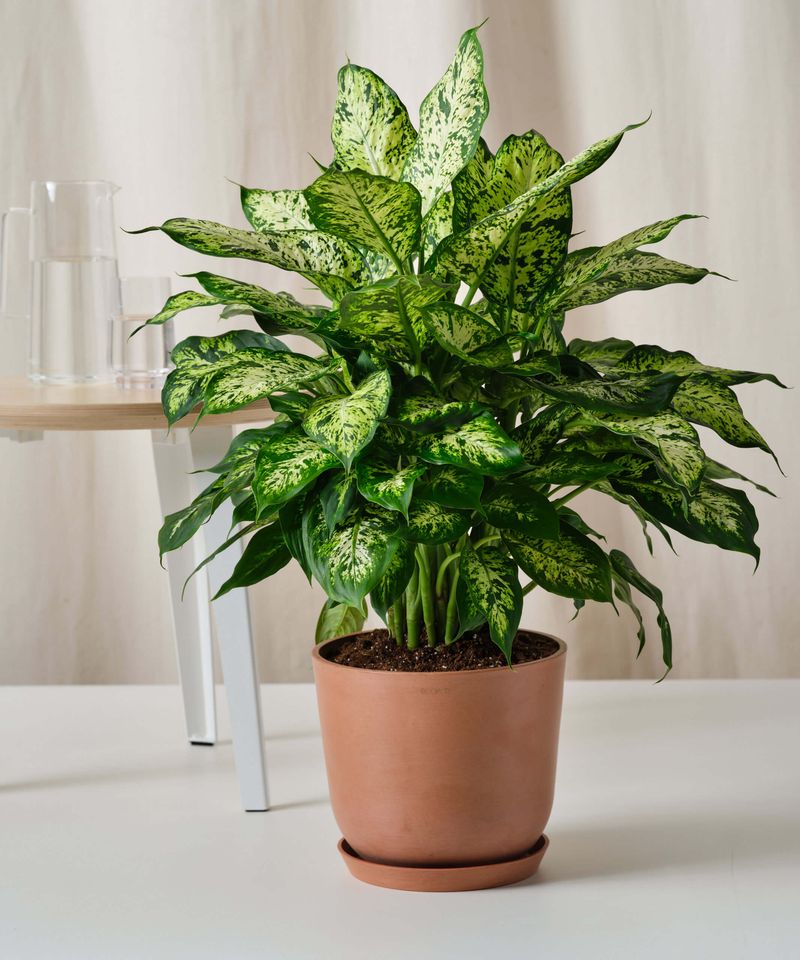
Dieffenbachia is a bold, tropical-looking plant that has been gracing homes and gardens for well over a century. Its large, creamy, variegated leaves give it a lush, exotic appearance that pairs beautifully with darker-leaved companions.
In Florida’s warm climate, it grows vigorously outdoors in shaded spots.
Keep it away from direct harsh afternoon sun, which can scorch those gorgeous leaves. It prefers moist, well-drained soil and occasional fertilizing during the growing season.
One thing to note: the sap is irritating to skin, so wear gloves when pruning or handling this beauty.
Oyster Plant
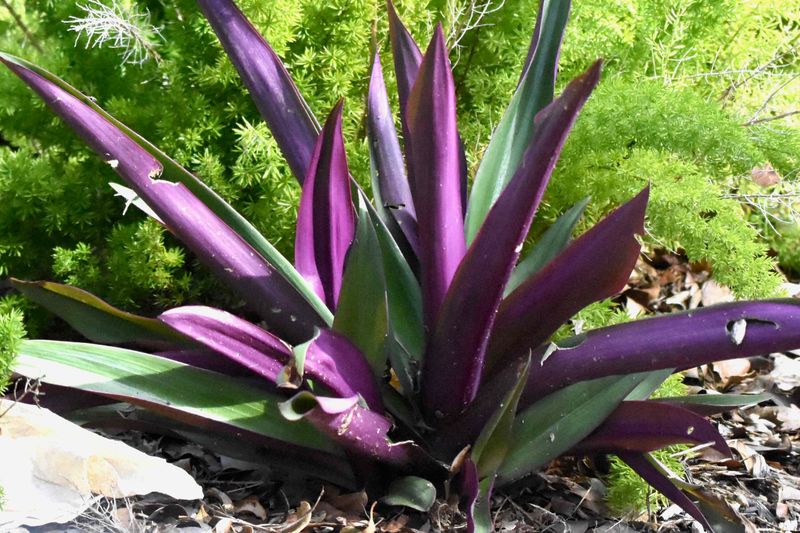
Oyster plant gets its quirky name from the small white flowers that hide inside purple boat-shaped bracts along its stems. But the real star here is the foliage: green on top and rich purple underneath, creating a two-toned effect that shimmers when the breeze moves through it.
It is one of Florida’s most reliable ground covers.
It spreads steadily, filling in bare spots under trees and along garden edges. Full sun or partial shade both work well.
Oyster plant is drought-tolerant once established, making it a smart, low-effort choice for color-hungry Florida gardeners.
Purple Queen
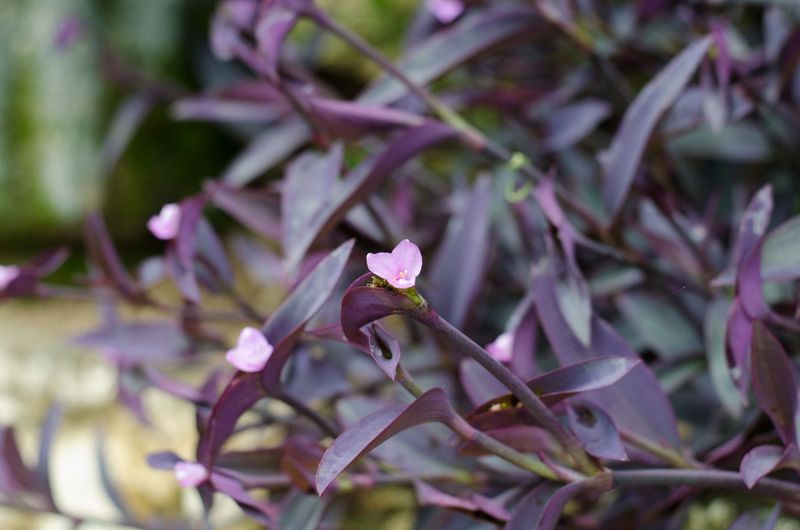
Purple queen is one of those plants that earns a second glance every single time. Every part of this plant, from its lance-shaped leaves to its stems, glows in a rich, deep violet-purple that looks almost unreal in bright sunlight.
It sprawls and trails beautifully, making it a natural for slopes, hanging baskets, and ground covers.
Florida’s heat and humidity suit it perfectly. It tolerates some drought once established, though regular watering keeps it looking lush.
Plant it alongside yellow or orange-flowered plants for a color combination that absolutely sizzles in the Florida sun.
Spider Plant
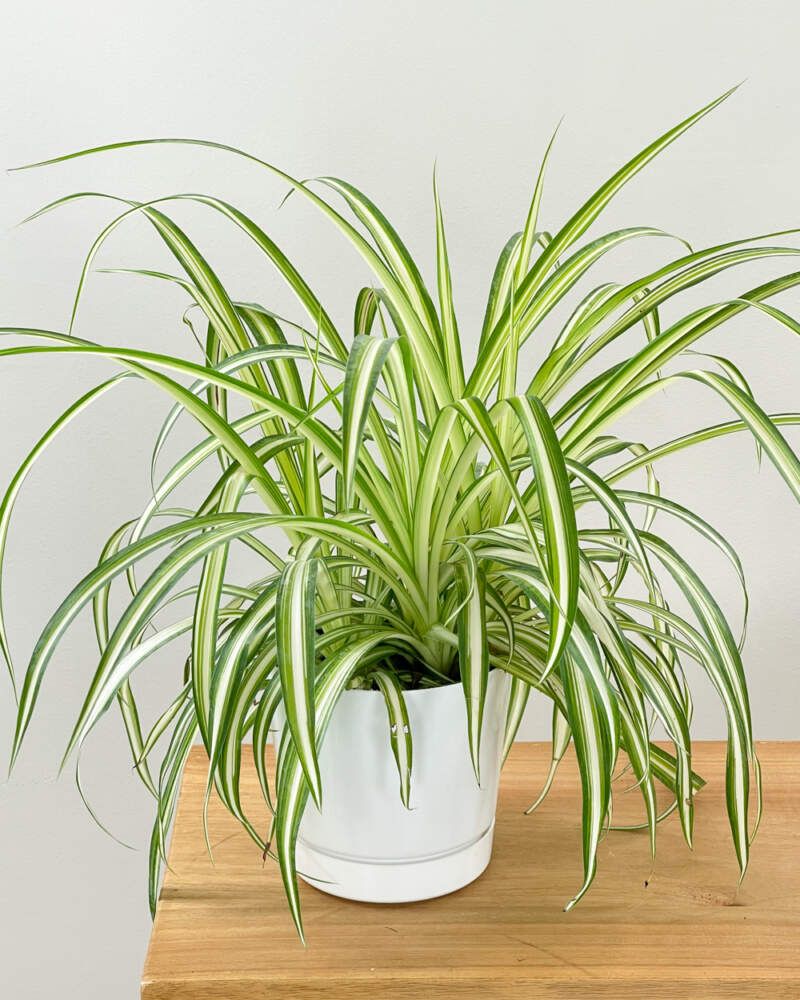
Spider plant is the friendly, easygoing member of the foliage plant family. Its long, arching leaves striped in green and cream have a cheerful, casual look that never feels overdone.
It produces dangling baby plantlets on long runners, which is how it earned its memorable nickname.
In Florida, spider plant grows happily in containers, hanging baskets, or as a ground cover in shaded areas. It handles humidity well and bounces back quickly from dry spells.
Sharing the babies with neighbors and friends is half the fun of growing this generous, charming plant.
Cast Iron Plant
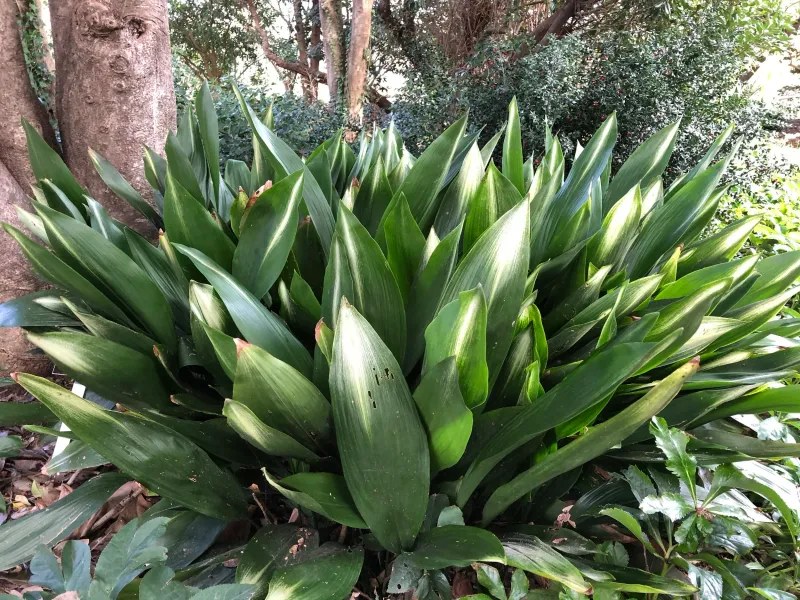
If any plant deserves a medal for toughness, it is the cast iron plant. This slow-growing beauty thrives in deep shade, poor soil, drought, and neglect, conditions that would defeat nearly every other foliage plant.
Its broad, deep green, glossy leaves bring a dignified elegance to the darkest corners of a Florida garden.
It may not dazzle with wild colors, but its dependable, lush greenery anchors mixed plantings beautifully. Cast iron plant grows slowly but lives for decades.
Plant it once under a dense shade tree and enjoy its handsome presence for years to come.
Leopard Plant
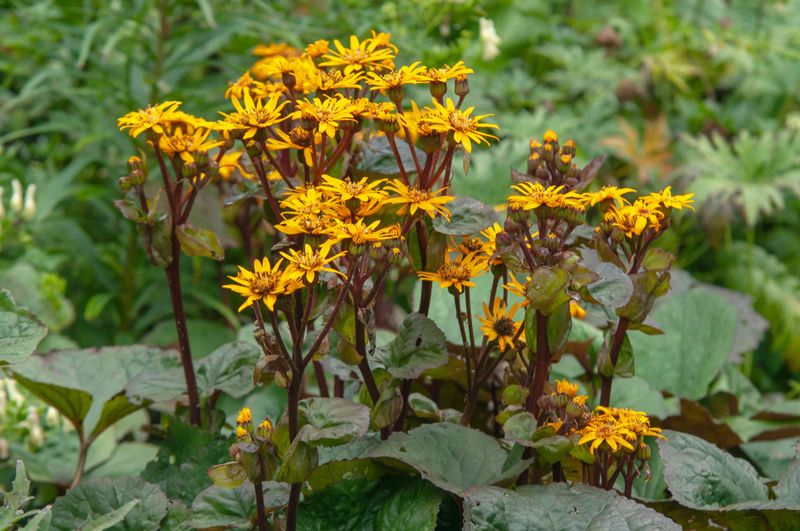
Leopard plant turns heads with its bold, polka-dotted personality. Large, glossy, round leaves are splashed with bright yellow spots, giving it a playful, almost whimsical look that feels right at home in a tropical Florida garden.
It also produces cheerful yellow daisy-like flowers in late summer, adding a seasonal bonus.
It thrives in moist, shaded spots, making it a natural choice near water features or under large trees. Consistent moisture keeps those dramatic leaves looking their best.
Leopard plant grows slowly but steadily into a full, eye-catching clump that becomes a true garden conversation starter.
Japanese Aralia
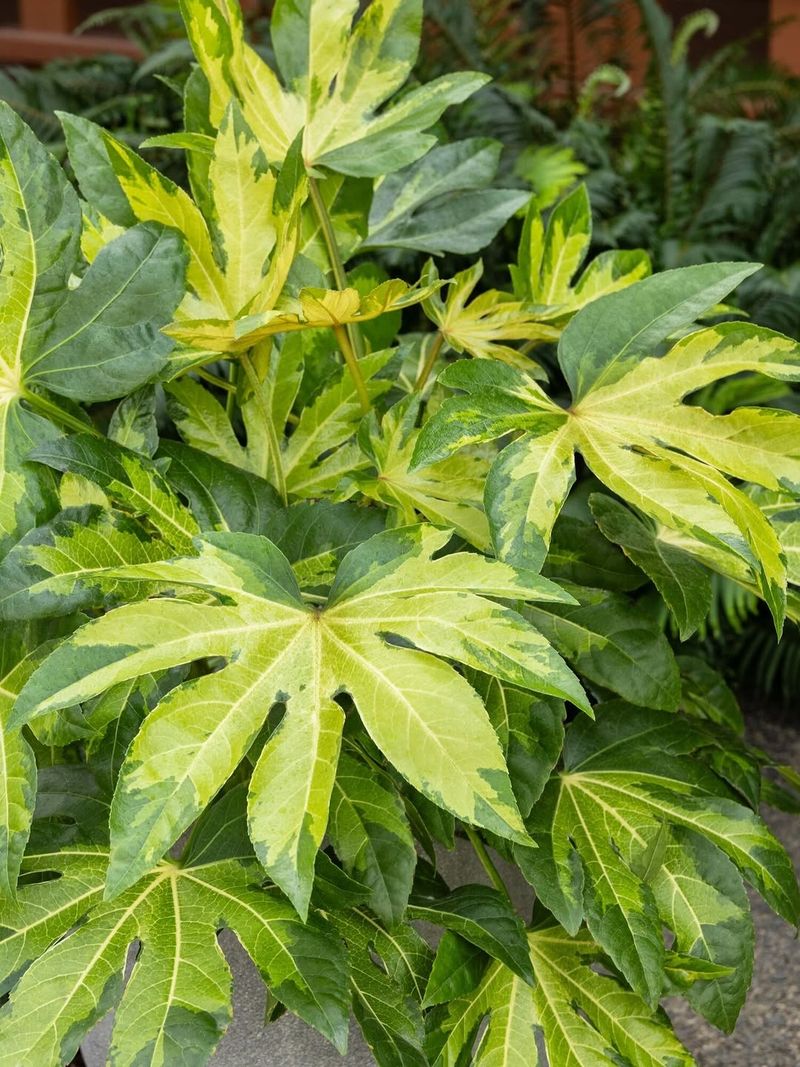
Japanese aralia makes a bold statement with the least amount of effort. Its enormous, deeply lobed, hand-shaped leaves can stretch over a foot across, giving it an almost prehistoric grandeur.
The glossy dark green surface catches and reflects light beautifully, brightening up even the shadiest Florida courtyard or garden corner.
It grows best in shade or partial shade with rich, moist soil. Once established, Japanese aralia is surprisingly resilient.
Use it as a dramatic backdrop for smaller colorful plants, or let it stand alone as a stunning focal point that draws the eye from across the yard.
Enjoyed this story?
Add Fast Food Club as a preferred source to see more of our reporting on Google.