


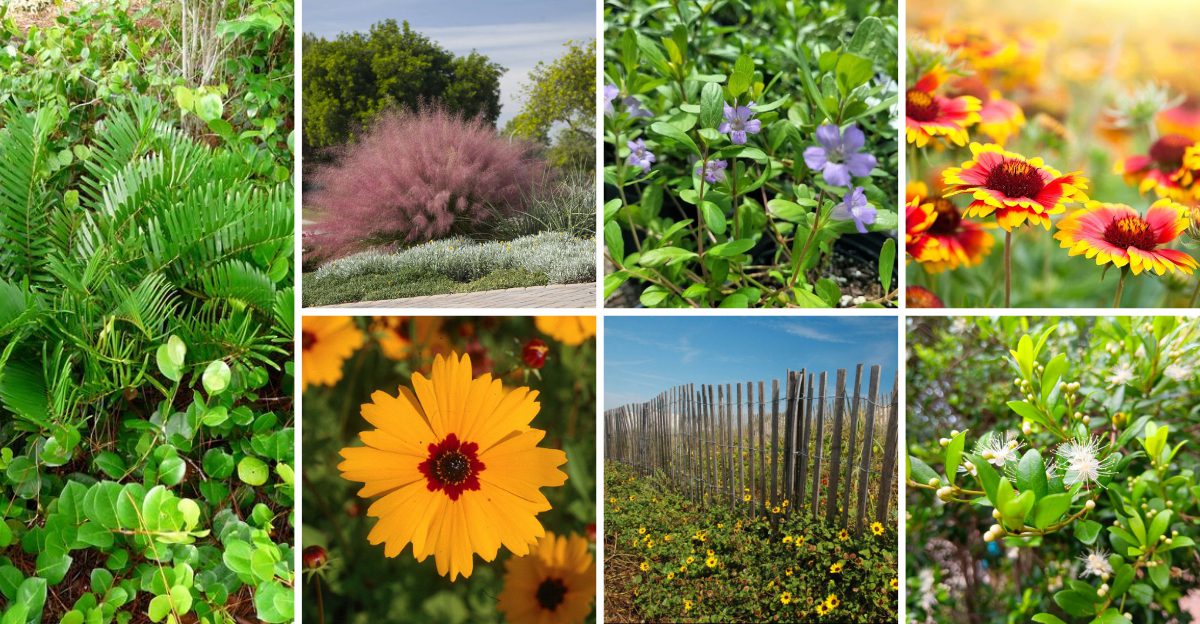
Gardening in Florida can be a joy when you choose the right plants. The Sunshine State has a unique climate with sandy soils, intense heat, and heavy rain that can challenge many traditional garden favorites.
Luckily, plenty of beautiful plants thrive here without needing a lot of extra feeding. Whether you are a beginner or an experienced gardener, these 20 plants will keep your yard looking great with minimal effort.
Coontie
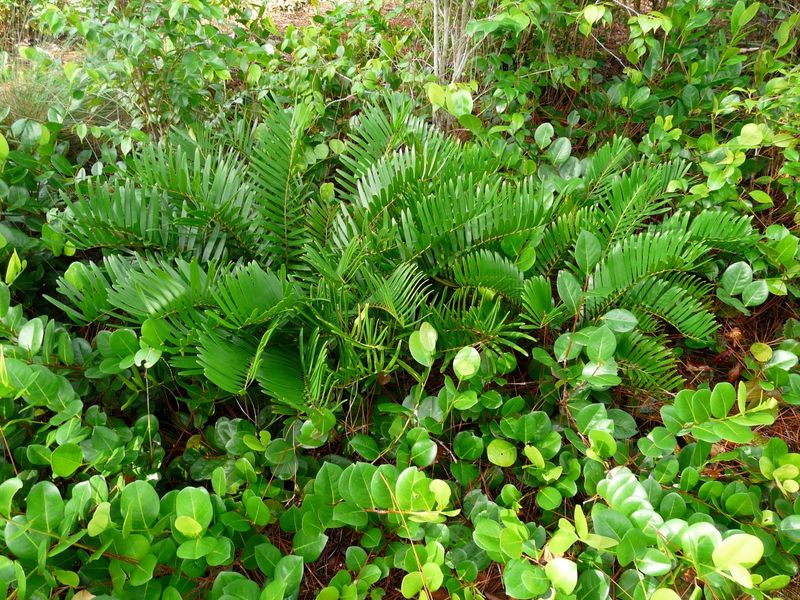
Coontie is one of Florida’s oldest native plants, and it has survived for thousands of years without any help from gardeners. This tough, low-growing cycad thrives in sandy, well-drained soil and handles drought like a champ.
It rarely needs fertilizer because it has adapted perfectly to Florida’s nutrient-poor soils.
Bonus: Coontie is the only host plant for the endangered Atala butterfly, making it a wildlife hero in your backyard.
Muhly Grass
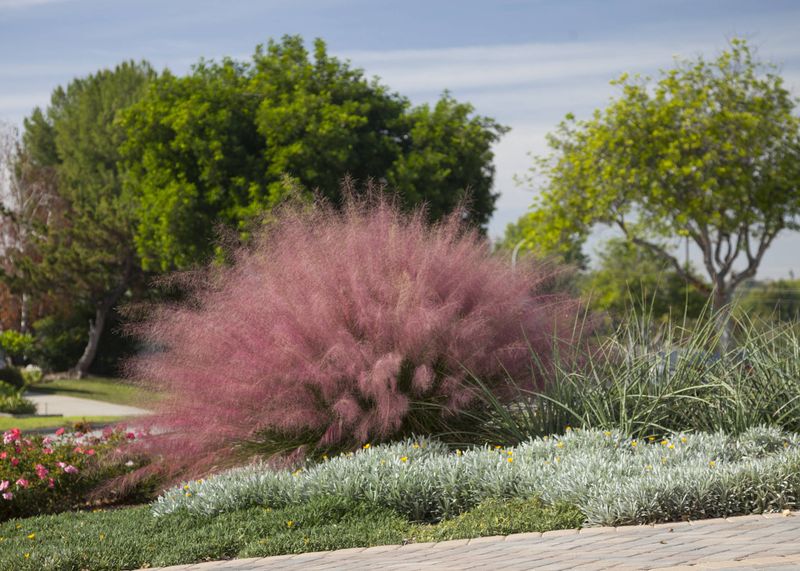
Every fall, Muhly grass puts on a show with stunning pink and purple feathery plumes that look like cotton candy blowing in the wind. This native ornamental grass is incredibly self-sufficient, thriving in sandy soils without needing regular fertilizing.
Plant it in full sun and watch it reward you season after season.
It is also drought-tolerant once established, making it one of the easiest and most eye-catching plants in any Florida garden.
Twinflower
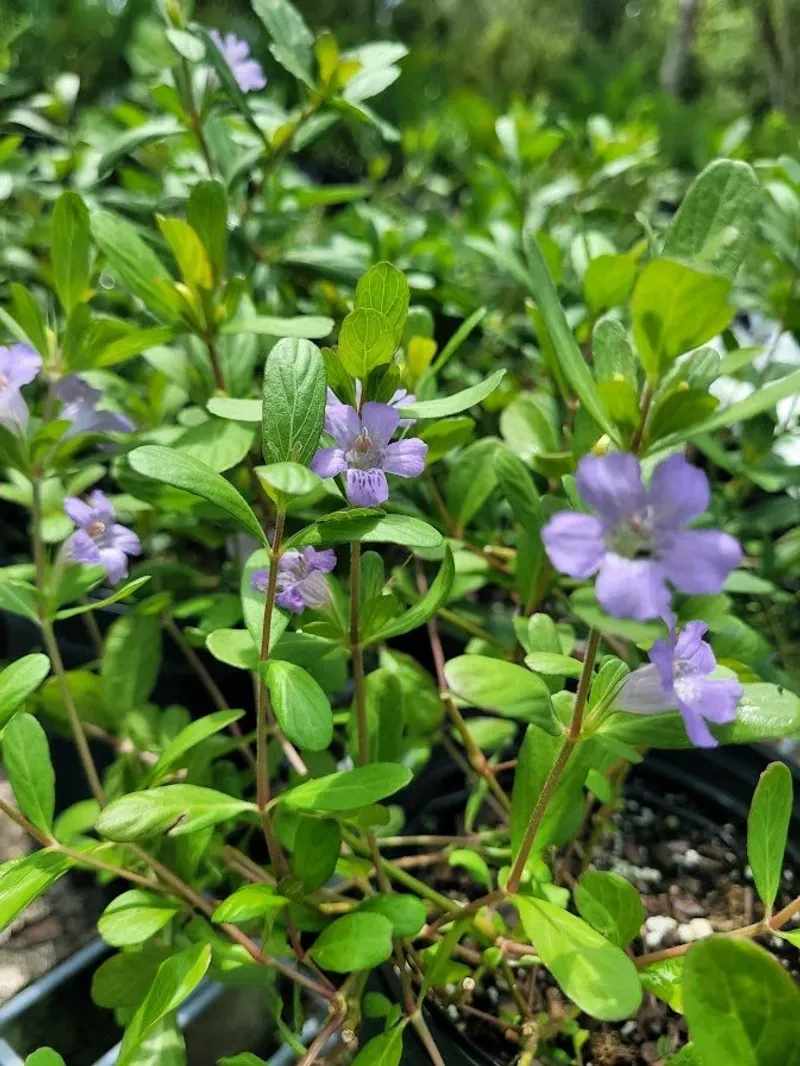
Twinflower is a charming little ground cover that quietly does its job without asking for much in return. Native to Florida’s shady hammocks and woodland edges, it produces delicate pink blooms that attract pollinators all season long.
It grows happily in poor, sandy soils where other plants struggle.
Because it is naturally adapted to Florida’s conditions, it rarely needs fertilizer to stay healthy and flowering throughout the warm months.
Blanket Flower
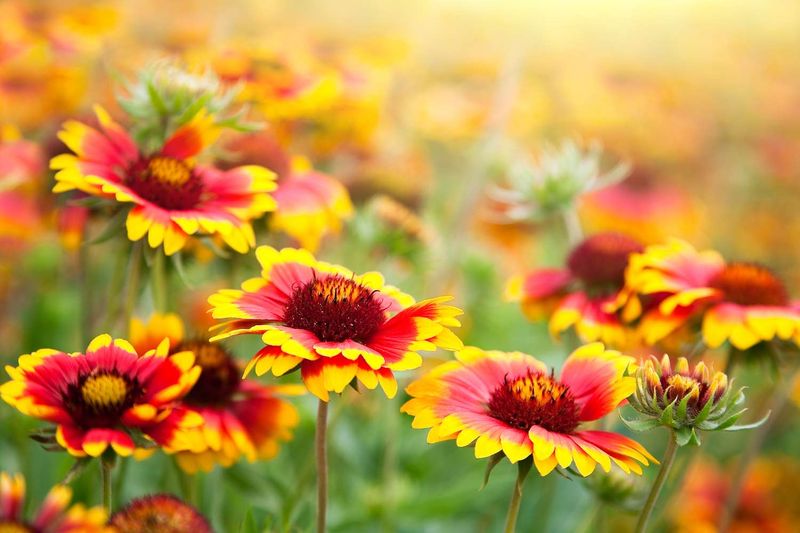
If your garden needs a burst of bold color without a lot of fuss, Blanket flower is your answer. Its fiery red, orange, and yellow petals look like a living sunset and bloom for months on end.
Native to Florida’s coastal areas, it thrives in sandy, dry soil and actually prefers low-nutrient conditions.
Over-fertilizing Blanket flower can make it leggy and reduce blooms, so less really is more with this sun-loving beauty.
Coreopsis
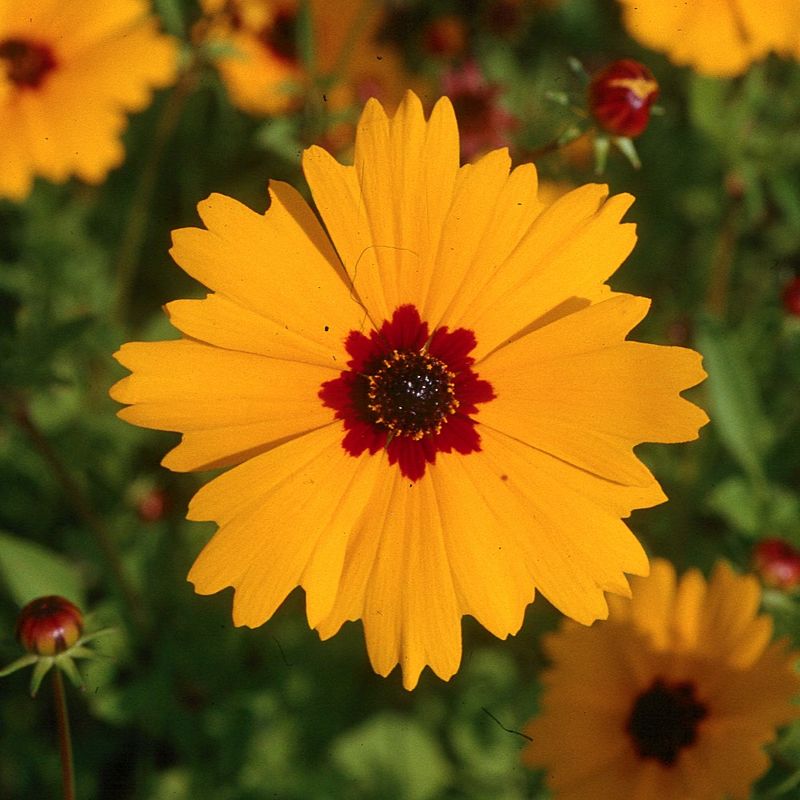
Florida’s official state wildflower, Coreopsis, earns its title by blanketing roadsides and gardens in cheerful yellow every spring. It thrives in poor, sandy soils and actually blooms more abundantly when not over-fed.
Giving it too much fertilizer pushes leafy growth at the expense of those gorgeous golden flowers.
Plant it in full sun, water occasionally during dry spells, and Coreopsis will reward you with weeks of bright blooms year after year.
Beach Sunflower
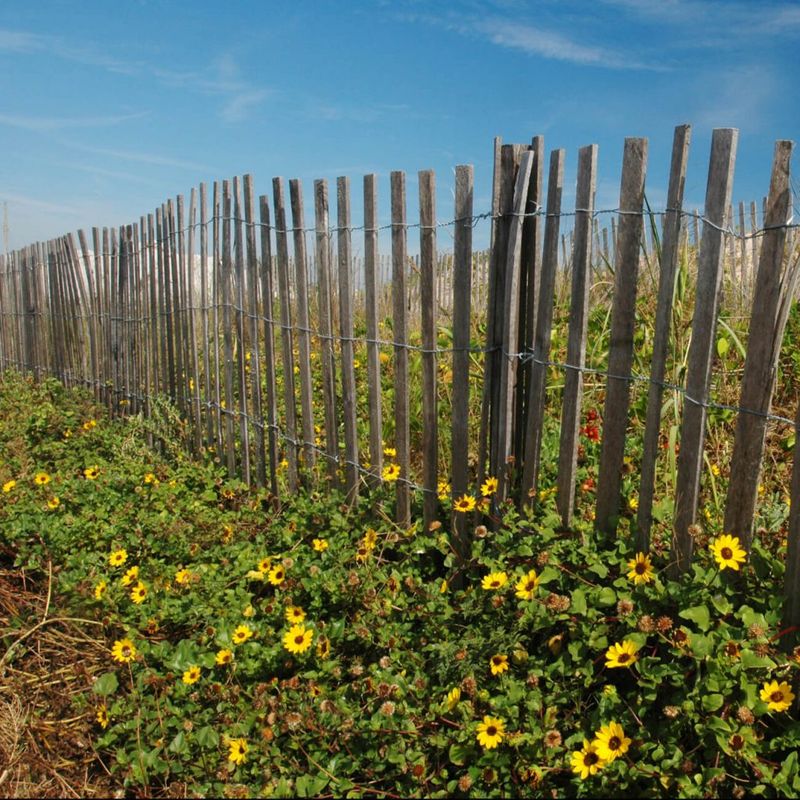
Beach sunflower is practically unstoppable once it gets going. This native ground cover spreads quickly across sandy soil, even in salty coastal conditions where most plants give up.
It produces cheerful yellow flowers almost year-round and requires zero fertilizing to keep blooming.
Gardeners love it for filling in bare spots fast while also controlling erosion along slopes and sandy areas. It is one of the hardest-working, lowest-maintenance plants in the Florida native plant world.
Simpson’s Stopper
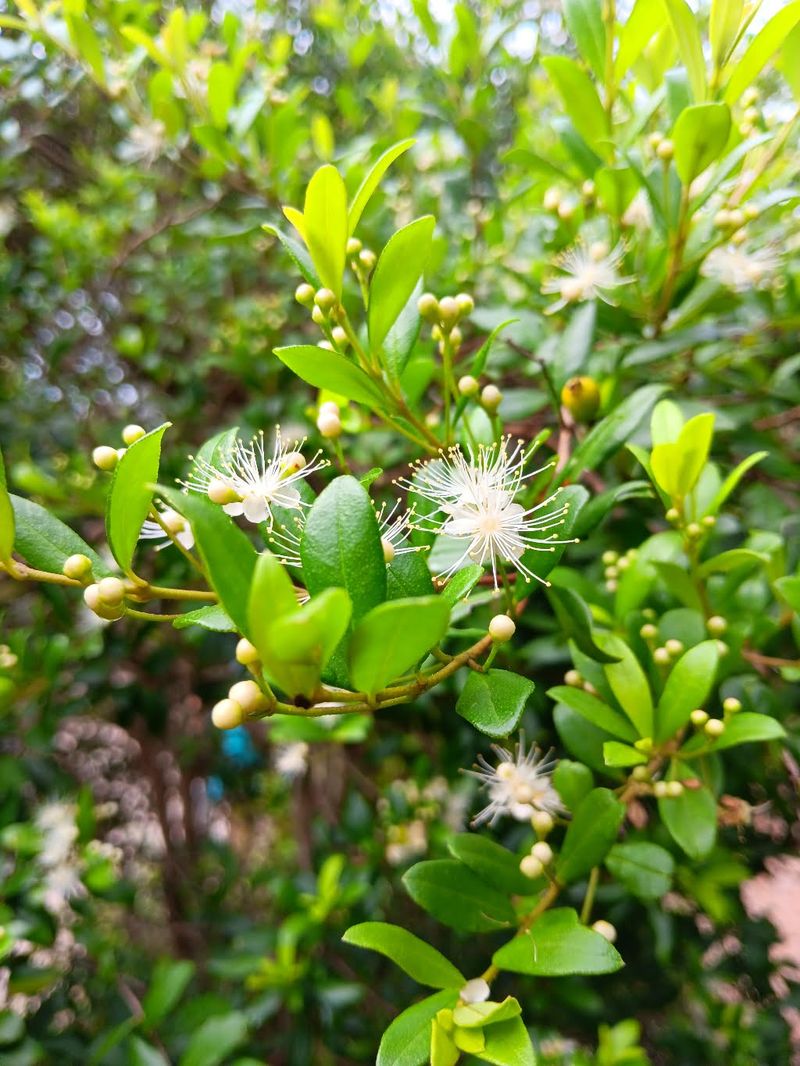
Simpson’s Stopper might have a funny name, but this native shrub is seriously impressive. It produces clusters of tiny white flowers followed by bright orange-red berries that birds absolutely love.
Growing naturally in Florida’s coastal hammocks, it has adapted to sandy, low-nutrient soils and rarely needs fertilizing.
It also works beautifully as a privacy hedge or foundation plant. Once established, it is drought-tolerant and stays tidy with only light pruning, making yard maintenance much simpler.
Cocoplum
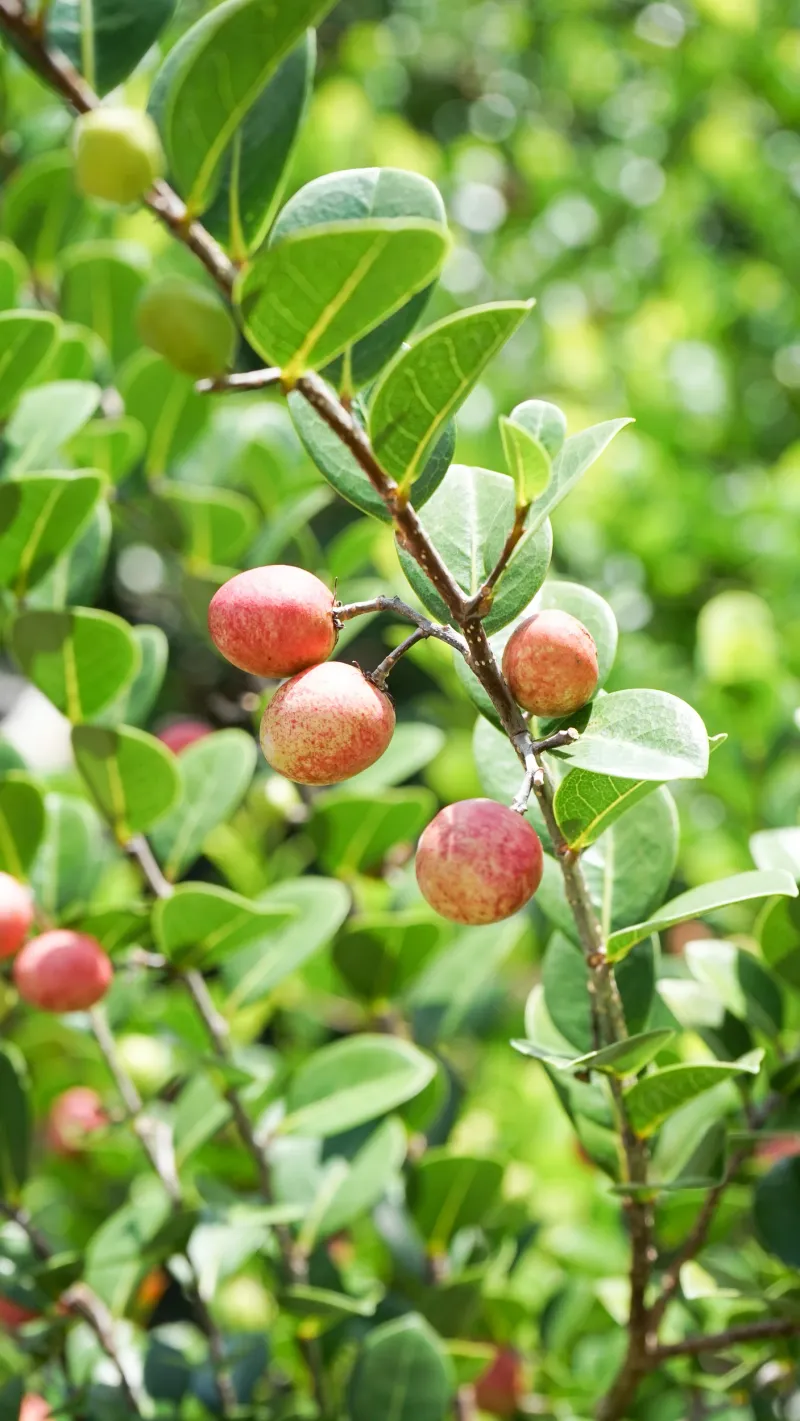
Cocoplum is a Florida native that does triple duty as a privacy hedge, wildlife habitat, and edible fruit producer. Its glossy leaves stay green year-round, and it produces small plum-like fruits that wildlife and humans both enjoy.
It grows naturally in coastal and inland areas without needing extra nutrients.
Because it is so well-adapted to Florida’s soils and climate, routine fertilizing is unnecessary. It is a reliable, attractive choice for low-maintenance South Florida landscapes.
Wax Myrtle
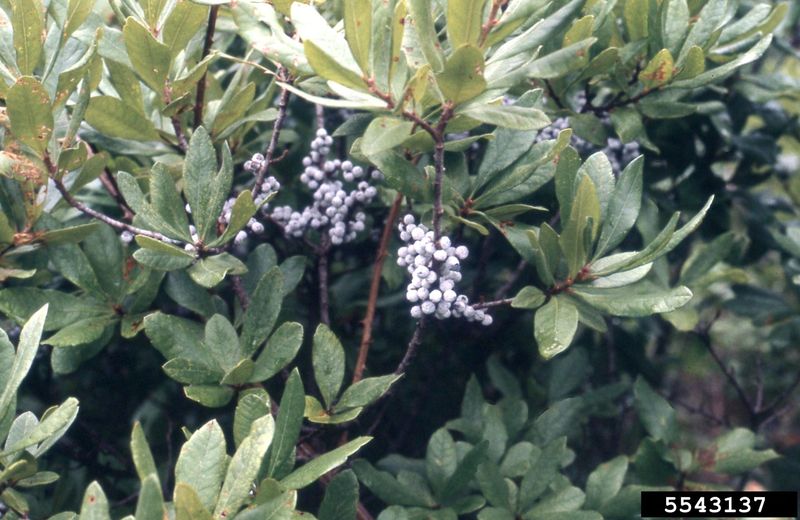
Wax Myrtle has a superpower most shrubs wish they had: it can pull nitrogen right out of the air and use it to feed itself. That means it essentially fertilizes its own roots, making it one of the most self-sufficient plants in Florida.
It grows fast, tolerates wet or dry conditions, and provides excellent wildlife habitat.
Birds flock to its waxy blue berries throughout the year. Plant it as a screen, windbreak, or informal hedge for easy, year-round beauty.
Saw Palmetto
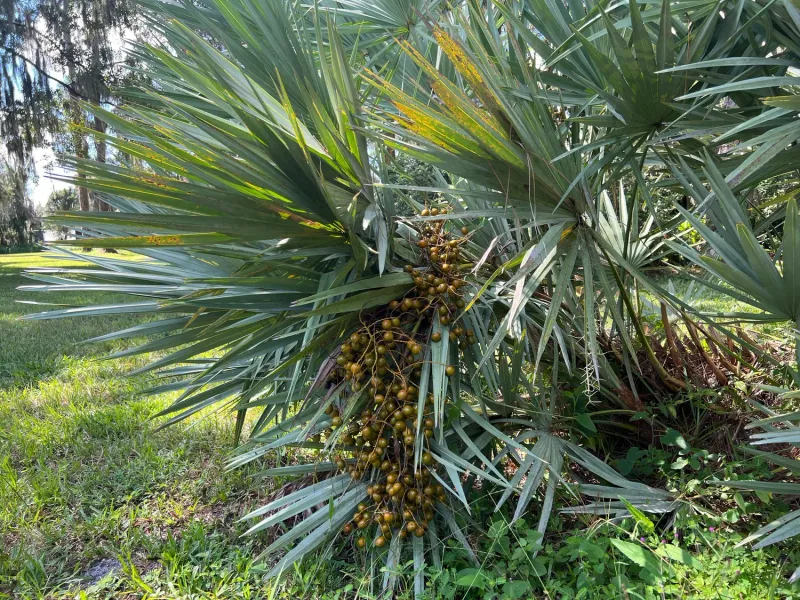
Saw Palmetto has been thriving in Florida for millions of years, long before fertilizer bags existed. This iconic native palm handles drought, poor sandy soil, and even fire with remarkable resilience.
Once established, it needs almost no care at all, making it a top pick for truly hands-off landscaping.
It also produces berries used in herbal supplements, adding an interesting bonus to its rugged character. Wildlife, from bears to songbirds, depend on Saw Palmetto for food and shelter.
Dwarf Palmetto
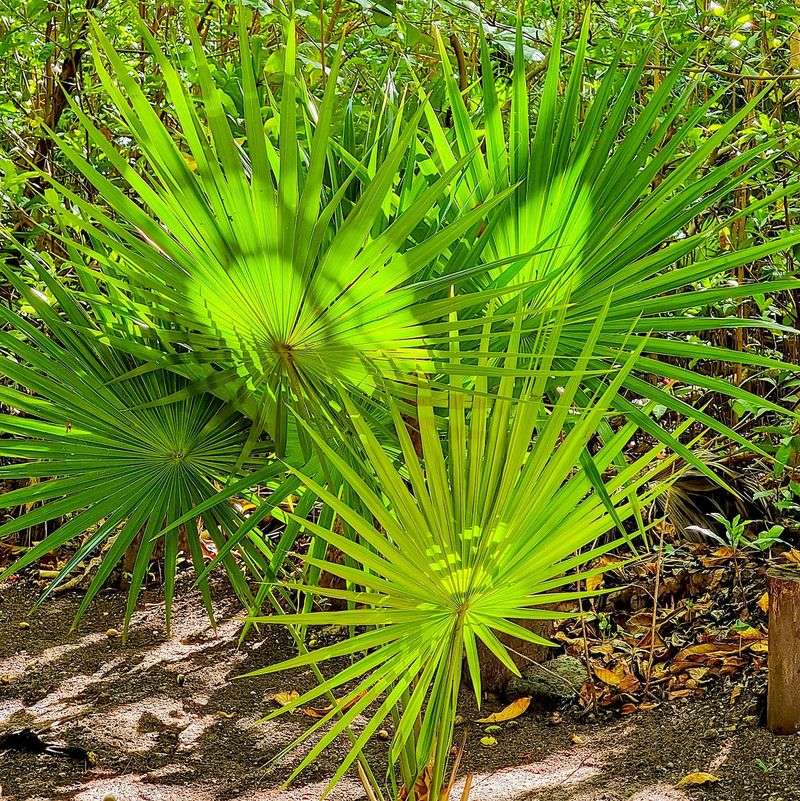
Dwarf Palmetto brings a tropical feel to shady spots where most palms refuse to grow. Unlike taller palms, this native species stays low to the ground and thrives under the canopy of larger trees.
It is perfectly suited to Florida’s natural soils and has no need for supplemental fertilizing once established.
Its broad, fan-shaped fronds add bold texture to garden beds. Slow-growing and incredibly tough, it is a set-it-and-forget-it plant that keeps your landscape looking polished.
Firebush
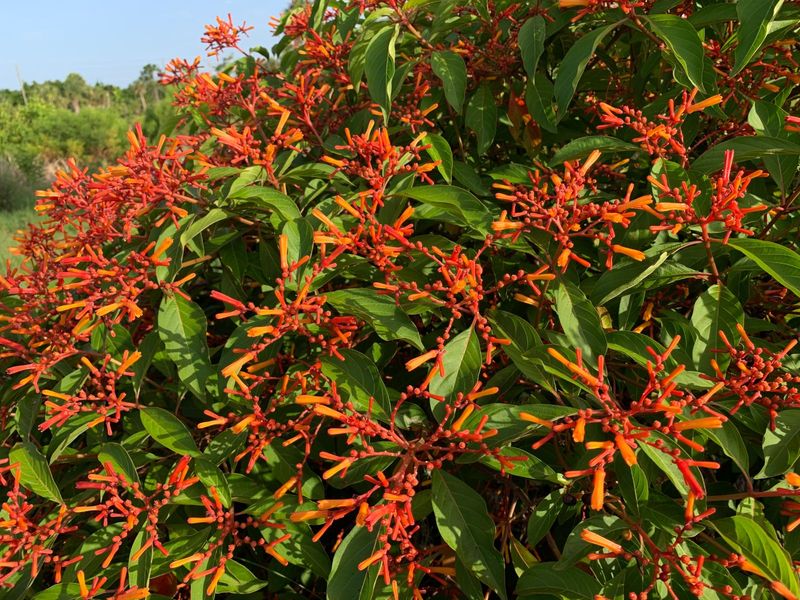
Hummingbirds and butterflies treat Firebush like their favorite restaurant, visiting again and again for its nectar-rich tubular flowers. This native shrub blazes with orange-red blooms for most of the year, bringing constant color and wildlife activity to Florida gardens.
It thrives in full sun to partial shade without needing regular fertilizing.
Firebush is also drought-tolerant once established and bounces back quickly after cold snaps. For a wildlife-friendly, low-maintenance yard, few plants match its energy and appeal.
Goldenrod
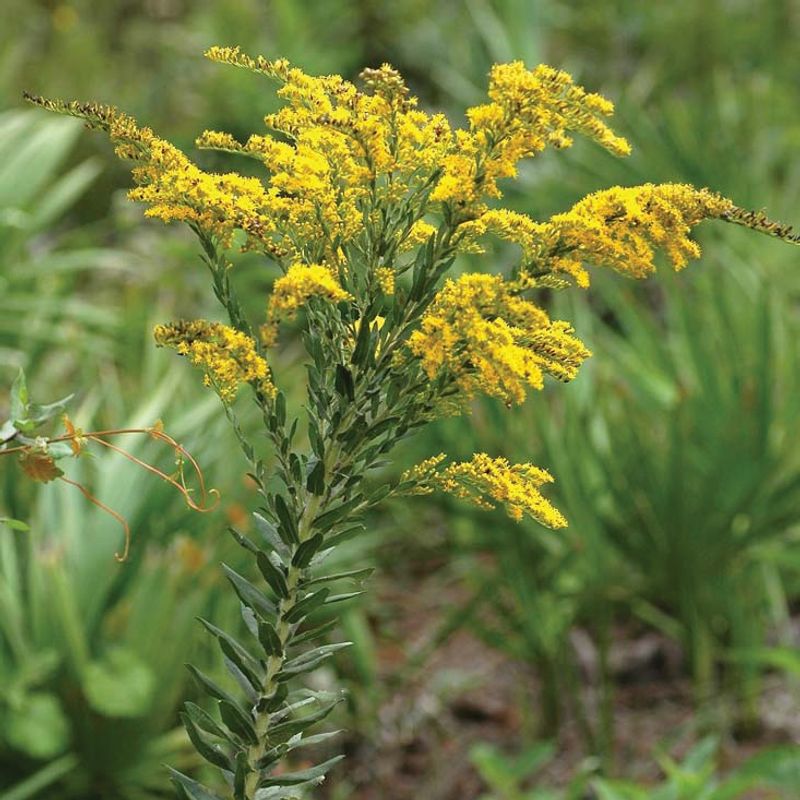
Goldenrod gets unfairly blamed for hay fever, but it is actually a pollen-heavy ragweed that causes seasonal allergies, not this cheerful native. Goldenrod produces brilliant yellow plumes in late summer and fall, attracting dozens of pollinator species.
It grows vigorously in poor, dry soils and needs no fertilizing to perform well.
Florida’s native Goldenrod species are especially well-adapted to local conditions. Plant it at the back of a border or in a wildflower meadow for a dramatic late-season display.
Tickseed
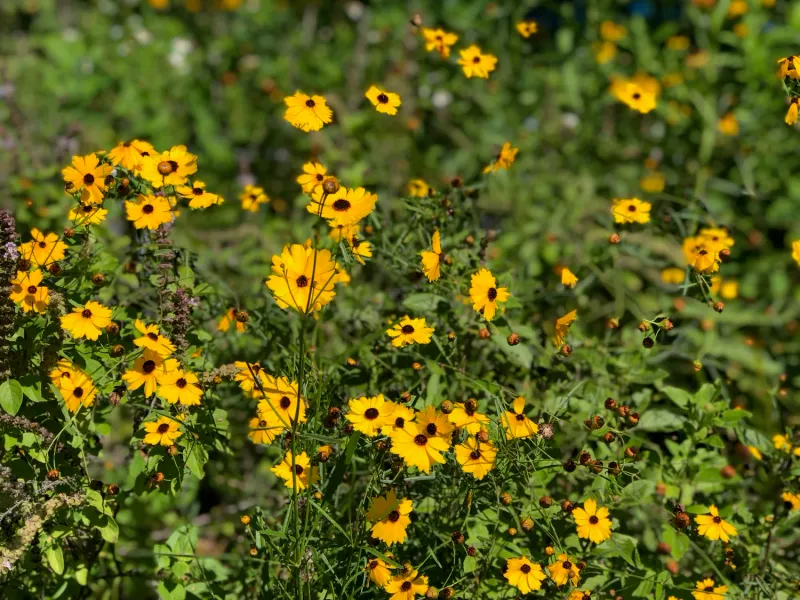
Tickseed is basically Coreopsis in a slightly different outfit, and it shares the same easy-going attitude toward Florida’s tough growing conditions. Small, daisy-like yellow flowers cover this native plant from spring through summer, creating a sea of sunshine in any garden bed.
It thrives in sandy, nutrient-poor soil without any fertilizing needed.
Its low-growing habit makes it a great edging plant or front-of-border choice. Pollinators, especially native bees, are drawn to its cheerful blooms all season long.
Salvia
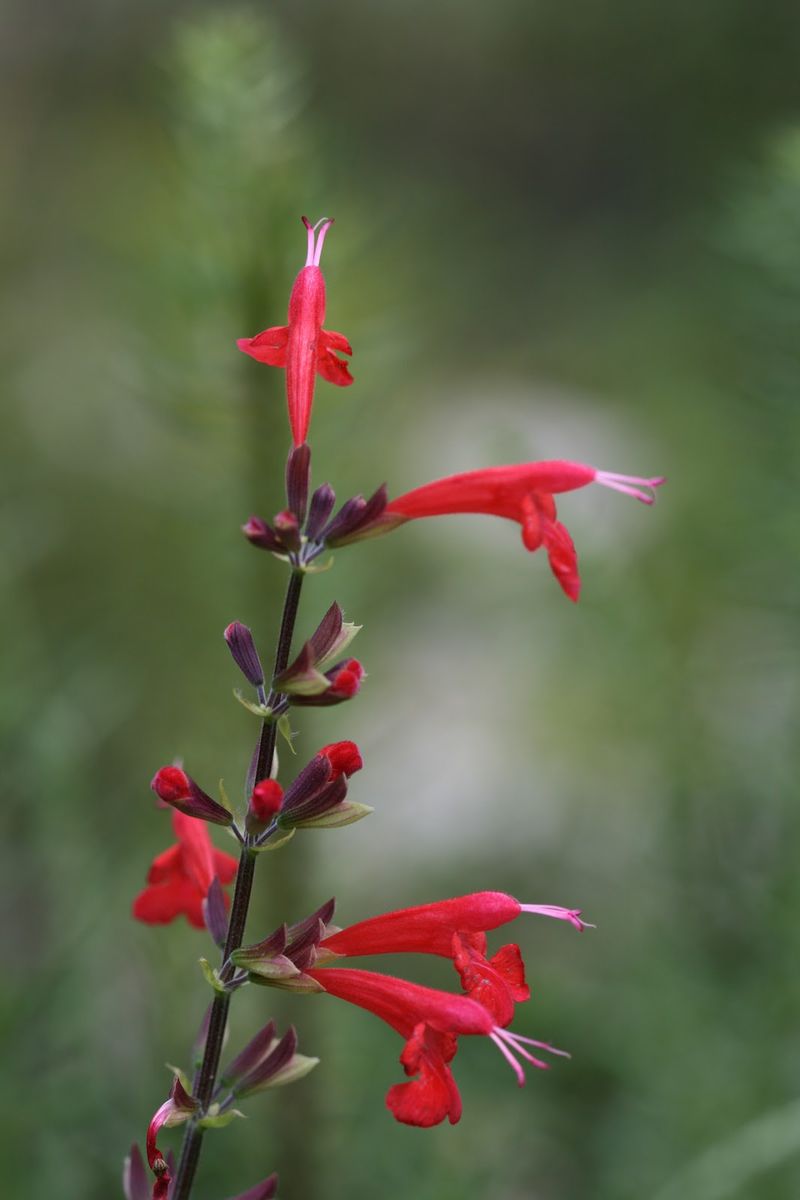
Florida’s native Salvia species are workhorses of the garden world, producing vibrant flower spikes that pollinators simply cannot resist. Whether you choose red, blue, or purple varieties, Salvia delivers bold color with almost no maintenance.
It grows well in average to poor soils and rarely benefits from added fertilizer.
In fact, too much nitrogen can reduce flowering and make plants floppy. Give it full sun, decent drainage, and occasional trimming, and Salvia will thrive season after season.
Lantana
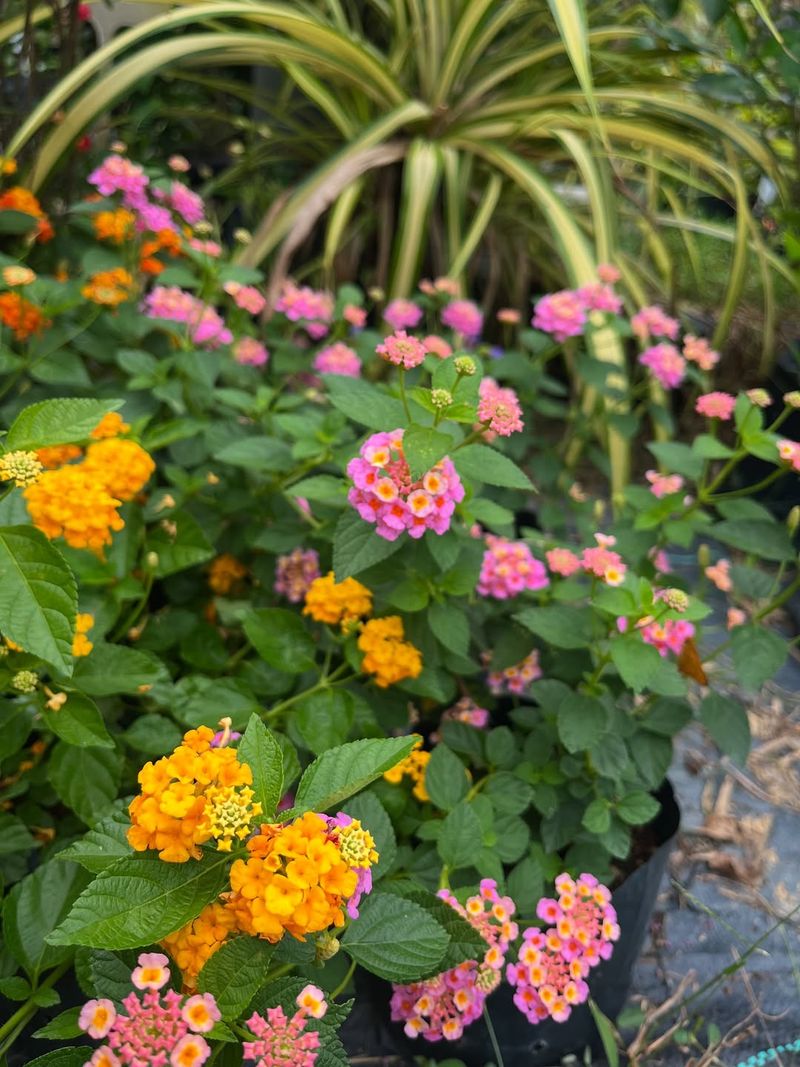
Few plants handle Florida’s blazing summer heat as effortlessly as Lantana. Its multicolored flower clusters shift from yellow to orange to pink as they age, creating a constantly changing patchwork of color.
It thrives in poor, dry soils and actually produces more flowers when not fertilized heavily.
Butterflies treat Lantana like a gathering spot, making it a lively addition to any yard. Choose native varieties over invasive ones to keep your garden eco-friendly and wildlife-welcoming.
Rosemary
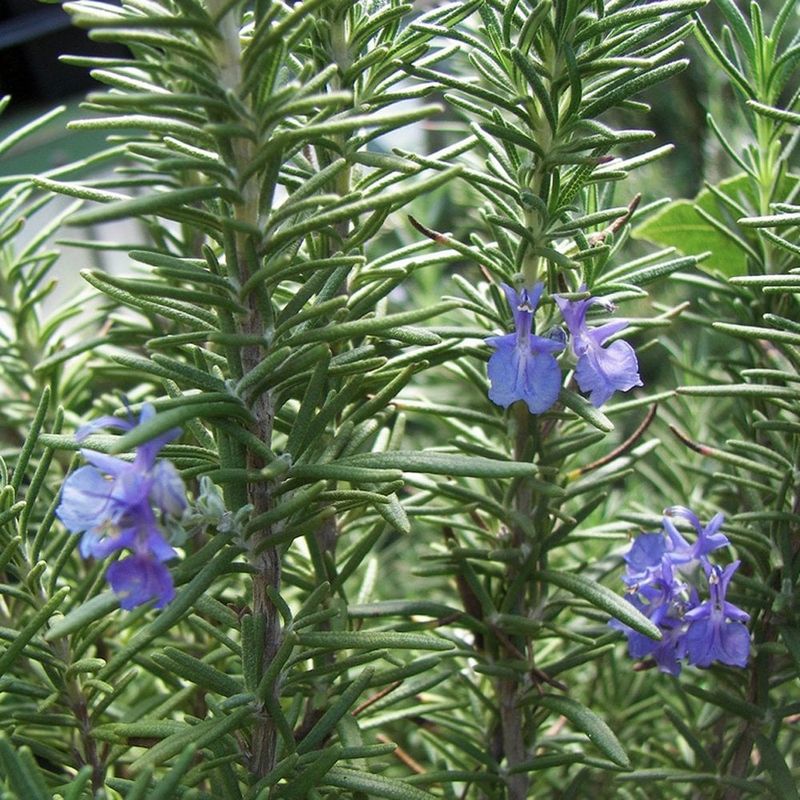
Rosemary is not just for the kitchen, it is also one of the toughest herbs you can grow in Florida. Its woody stems and needle-like leaves are built for heat and drought, thriving in the same sandy, well-drained soils that frustrate other plants.
Fertilizing is rarely needed and can actually harm it by encouraging weak, disease-prone growth.
Plant it near a walkway where brushing against it releases its incredible fragrance. It doubles as a pollinator plant when its small blue flowers appear in cooler months.
Lavender
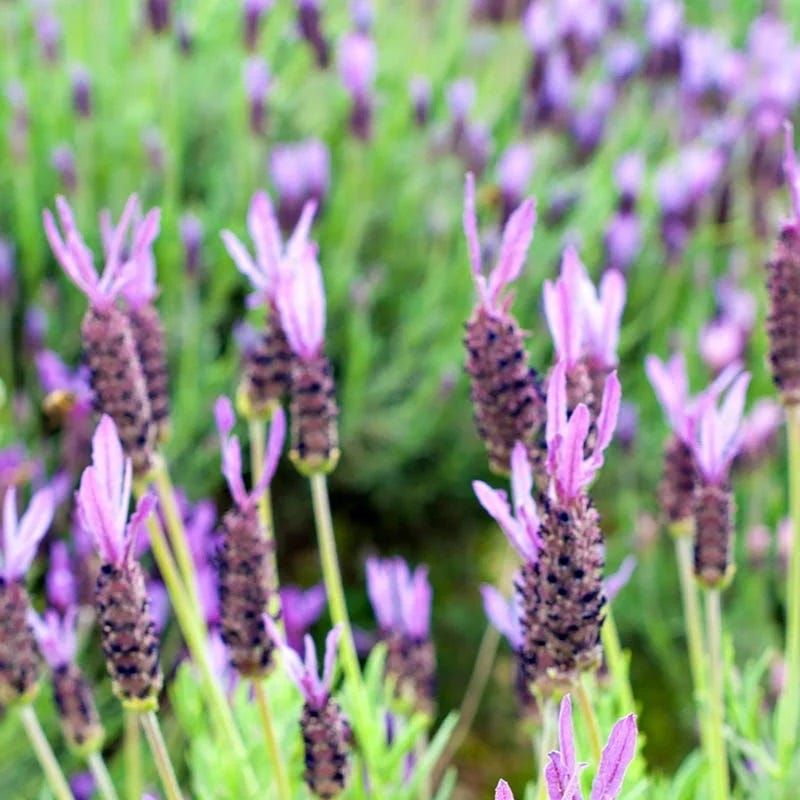
Growing Lavender in Florida requires choosing the right variety, and Spanish Lavender is the top pick for the Sunshine State’s heat and humidity. Once you get the variety right, this aromatic plant is surprisingly low-maintenance.
It prefers lean, sandy soil and poor drainage is its biggest enemy, not lack of fertilizer.
Skip the fertilizer bag and focus on giving it excellent drainage and full sun instead. The reward is fragrant purple spikes that smell amazing and attract bees by the dozen.
Agave
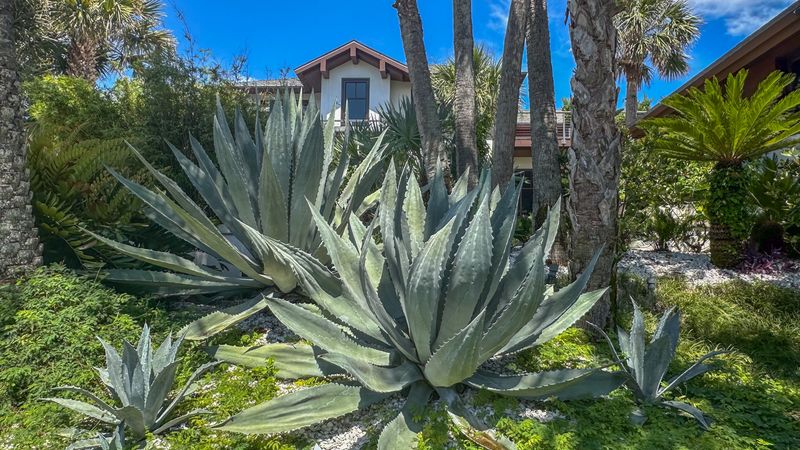
Agave looks like it belongs on another planet, and its alien appearance is part of the appeal. This dramatic succulent stores water in its thick, fleshy leaves, making it nearly immune to drought.
It thrives in Florida’s sandy soils without any fertilizing and can go months without supplemental watering once established.
Agave blooms only once in its lifetime, sending up a towering flower stalk that can reach 20 feet tall. After blooming, it produces offsets, called pups, that carry on in its place.
Yucca
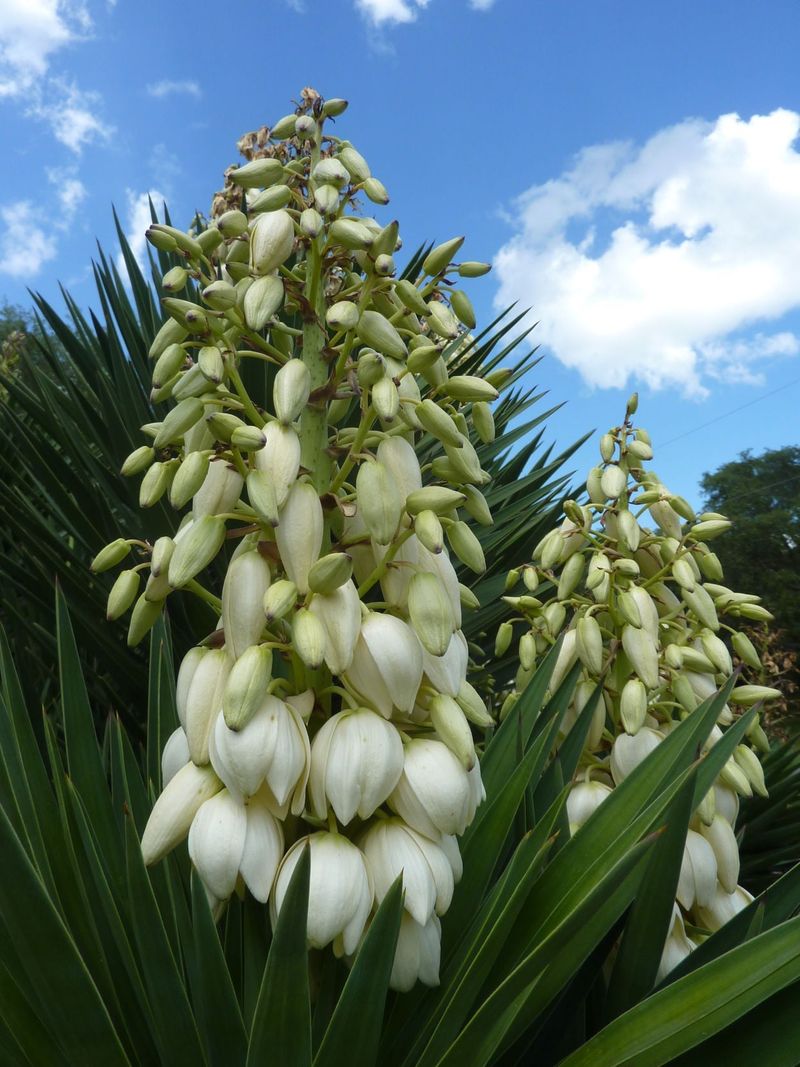
Yucca is the definition of bold and low-maintenance. Its stiff, sword-like leaves create a dramatic focal point in any landscape, and it asks for almost nothing in return.
Sandy, poor soil? No problem.
Drought? It barely notices.
Fertilizer? Totally unnecessary for this tough native plant.
When it does bloom, Yucca sends up a spectacular tall spike covered in creamy white bell-shaped flowers that are pollinated exclusively by Yucca moths. It is a fascinating plant with a fascinating story.
Enjoyed this story?
Add Fast Food Club as a preferred source to see more of our reporting on Google.