


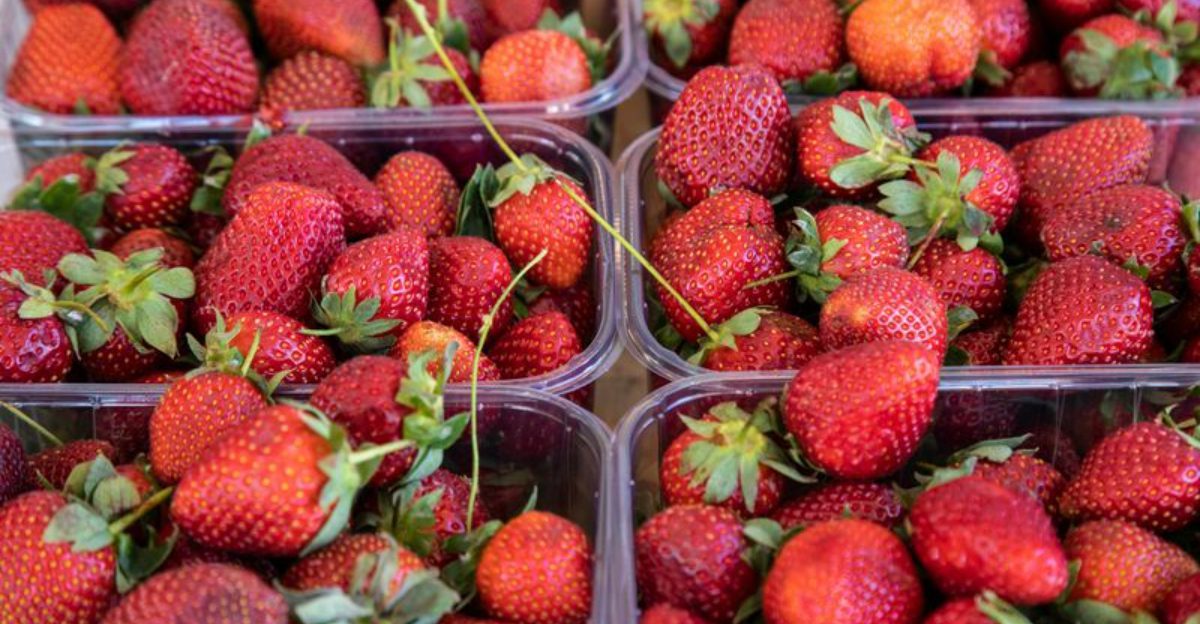
Some everyday foods just do not taste like they used to, and you are not imagining it. From farming shifts to faster processing, flavor often got swapped for convenience.
The good news is there are easy ways to bring that old-school deliciousness back. Let’s revisit the classics and find the small moves that make a big difference.
Tomatoes
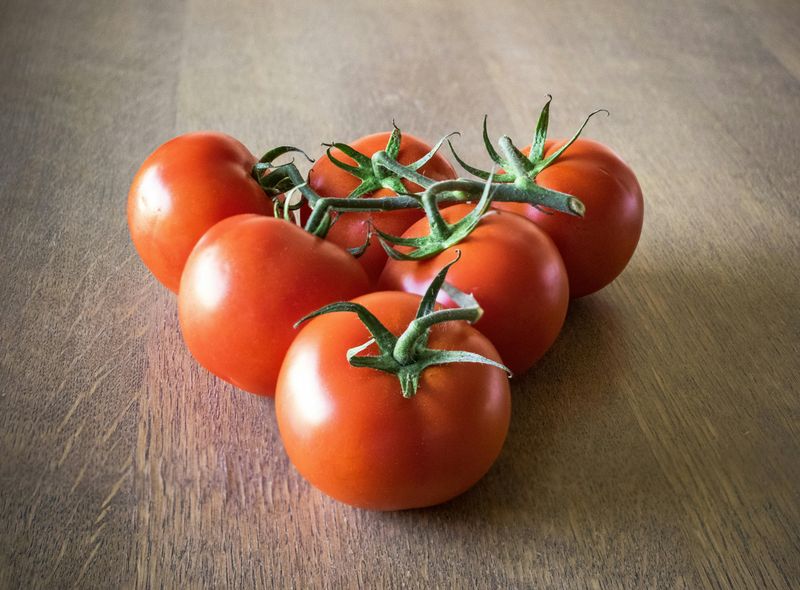
Remember when tomatoes smelled like summer the moment you sliced them open? They dripped with bright acidity and gentle sweetness, not the watery blandness you too often get now.
Many blame supermarket varieties bred for shelf life and transport, not flavor.
Heirloom types still deliver, though they can be pricier and fragile. If you can, buy from farmers who pick ripe, or grow a few plants yourself for salads and sandwiches that sing.
A sprinkle of salt, olive oil, and patience while they warm to room temperature restores a glorious bite. Skip refrigeration to keep texture and aroma intact longer.
Roast chicken
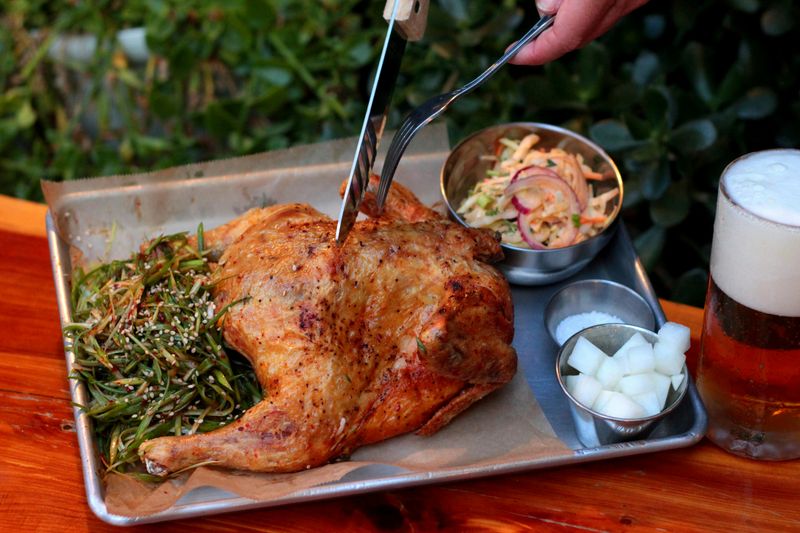
Roast chicken used to taste richer, with savory fat basting the meat as it cooked. Birds were smaller, slower grown, and often dry brined or air chilled.
Today many chickens are pumped with solution, raised fast, and lack that deep barnyard flavor.
You can recapture it by buying air chilled or pasture raised birds and salting early. Roast hot to crisp the skin, then finish lower so juices redistribute and the thighs tenderize.
Save the drippings for gravy and toss in vegetables to caramelize, because that golden pan sauce tastes like Sundays. Leftovers make unbeatable sandwiches and deeply soothing soups.
White bread
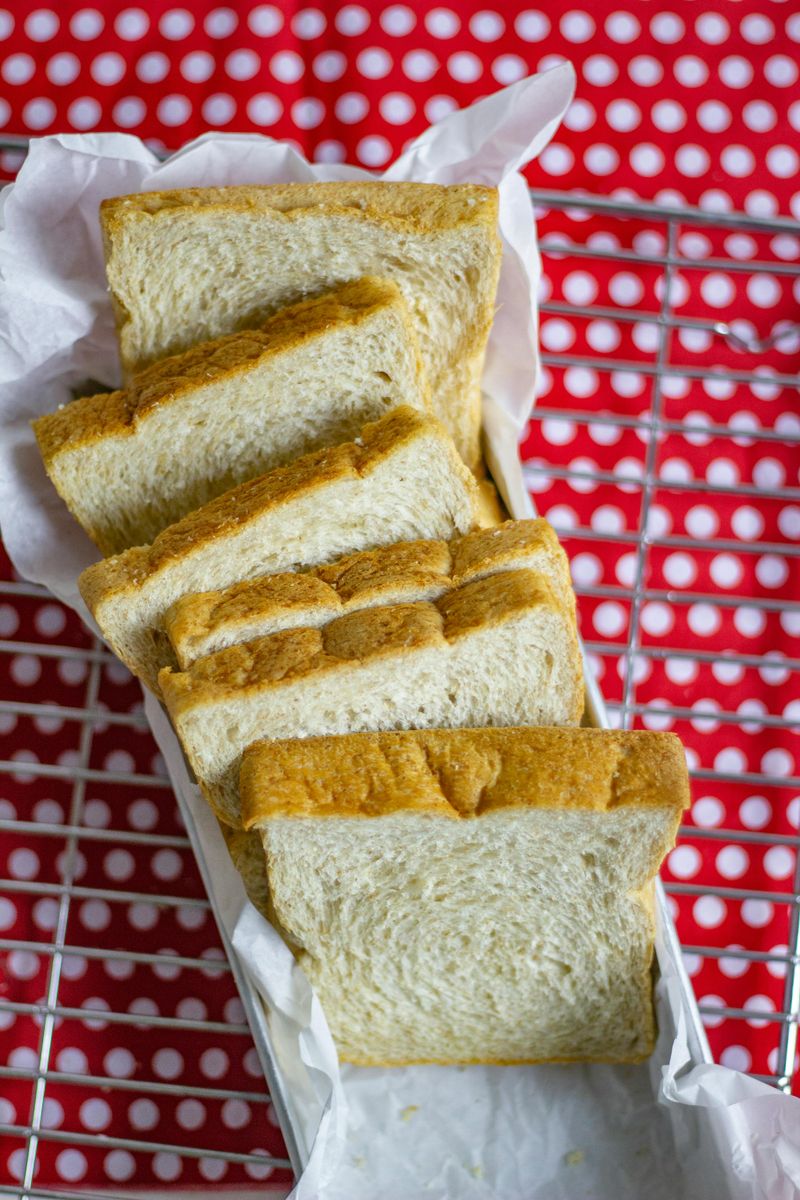
Old school white bread had a tender crumb, milky aroma, and slightly sweet chew. Slices browned beautifully, turning toast into a treat rather than a vehicle.
Modern loaves can taste cottony, overly sweet, or preservative heavy, engineered for softness over flavor and resilience.
For that nostalgic bite, look for slow fermented sandwich loaves or bake at home. Long fermentation builds flavor and keeps slices flexible without additives.
Toast in a cast iron skillet with a pat of butter, and suddenly grilled cheese, cinnamon toast, and late night peanut butter taste remarkable again. Try milk powder for extra tenderness and aroma.
Whole milk

Whole milk used to coat the tongue with creamy sweetness and a grassy echo from local dairies. Before ultra processing, you might taste seasons, pastures, and breed differences.
Homogenization and ultra high heat can mute nuance, even while improving safety and shelf stability.
To nudge flavor back, buy low temperature pasteurized, grass fed milk when possible. Shake the bottle, sip it cold, then try it warmed for cocoa or tea.
You will notice fuller body, a softer finish, and that nostalgic sweetness returning to cereal, coffee, and late night cookies. If available, cream top bottles offer spoonable richness and aroma.
Salted butter
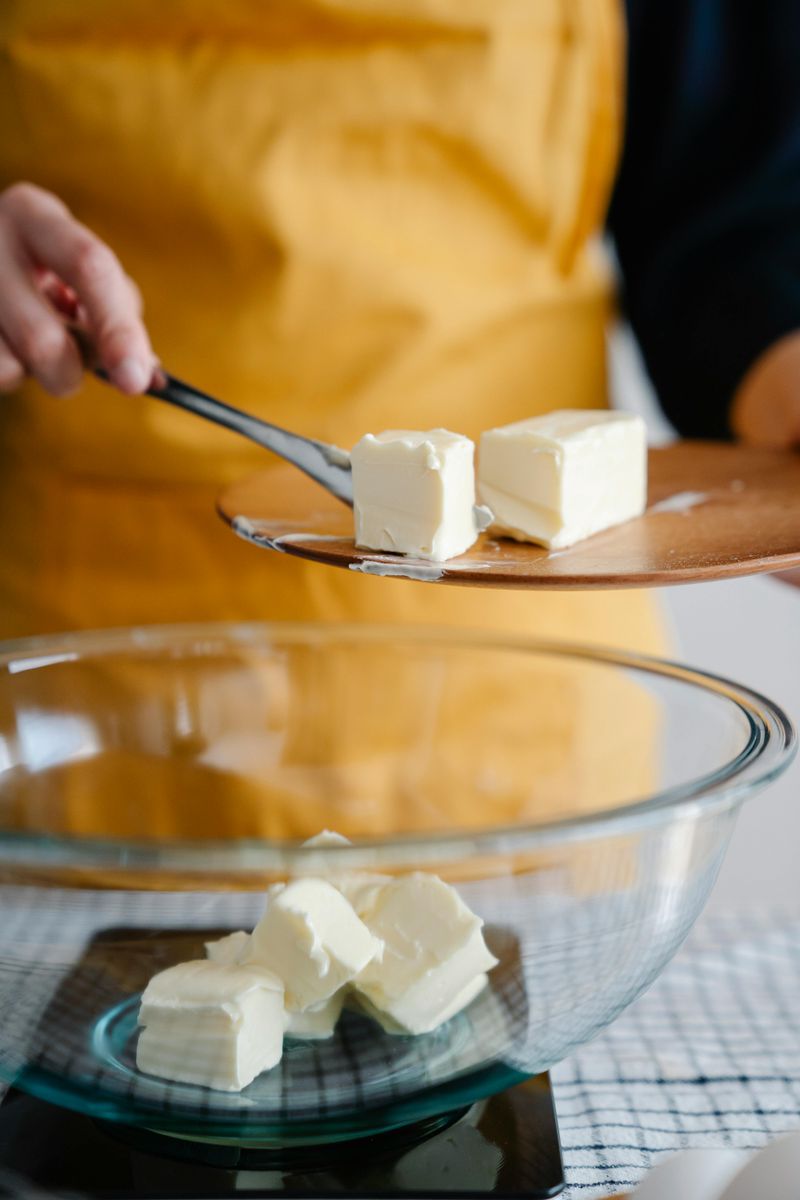
Salted butter once tasted like pasture, with clean salinity lifting the sweetness. Cows grazed widely, and cultures sometimes developed naturally, adding gentle tang.
Standardized cream and quick churning now prioritize consistency, not the layered flavor many remember from farmhouse tables.
For a throwback bite, hunt down cultured, grass fed, or European style sticks. Let it soften, then smear on warm bread so the butter melts into every crumb.
Sprinkle flaky salt and watch simple vegetables, fried eggs, and noodles transform, because good butter makes everyday cooking feel luxurious again. Bake cookies with it to prove the difference immediately to yourself.
Cheddar cheese
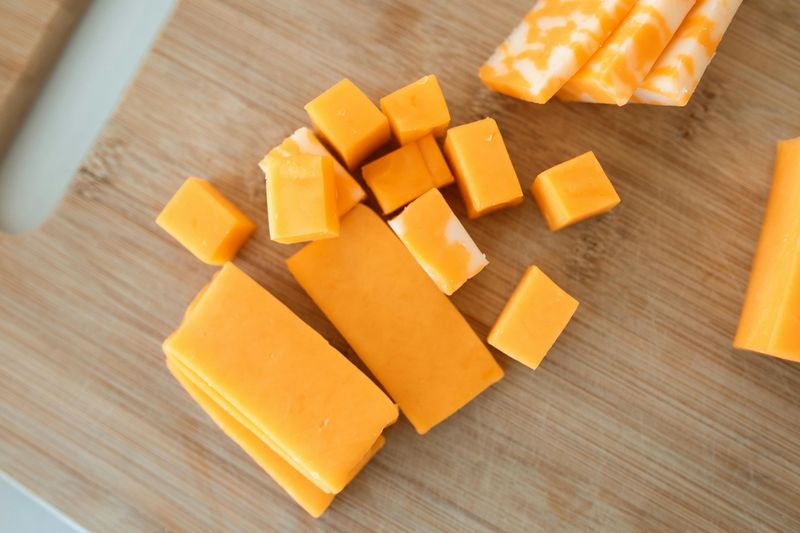
Cheddar once carried sharpness that bloomed into brothy, nutty depth. Longer aging and cloth binding encouraged complexity and subtle crystals.
Many blocks today skew rubbery, dyed brightly, and sealed young, built for melting instead of unfolding layers of flavor.
Find farmhouse producers and ask for clothbound or at least cave aged wedges. Let slices warm slightly, then pair with apples, mustard, and crusty bread.
In macaroni, a blend of mature cheddar and a splash of evaporated milk delivers nostalgic pull, while still tasting like something proudly handcrafted. Grate fresh to release aroma and avoid anti caking starches that dull flavor.
Apples
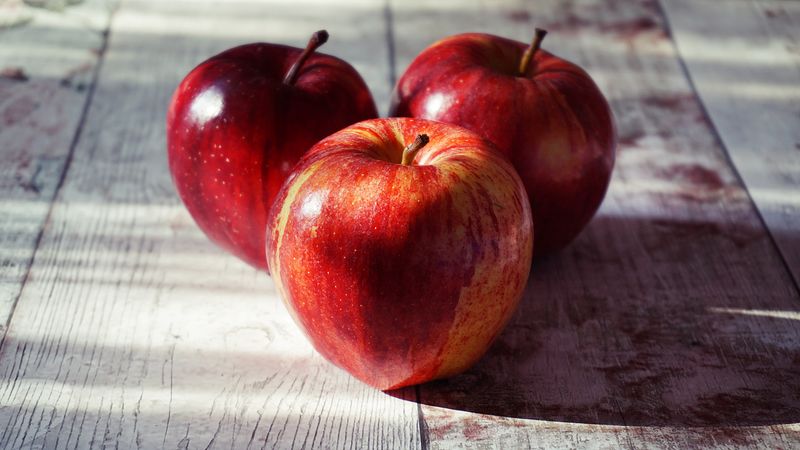
Apples used to crunch, spray juice, and perfume the kitchen bowl. Seasonality mattered, with tart early picks and honeyed late storage fruit.
Breeding for travel, cosmetic perfection, and sweetness sometimes flattened the tangy complexity you probably remember from orchards.
Seek out heritage varieties and buy by smell, not shine. Keep them cold, then let a few warm before eating to open their aromatics.
Bake with a mix of sweet and tart apples, because pies, crisps, and simple slices with cheddar taste better when textures differ and juices caramelize. Ask farmers for seconds that taste amazing despite cosmetic flaws at discounts.
Eggs

Eggs used to have yolks like marigolds and whites that set tender. Freshness and varied chicken diets gave breakfasts a distinct barnyard perfume.
Today many eggs taste neutral, uniform, and a bit watery, especially when stored long.
Visit farmers or choose pasture raised cartons, then cook gently to protect texture. Soft scrambles over low heat with butter showcase flavor, as do jammy eggs for ramen.
Even simple fried eggs improve when you salt early and spoon hot butter on top until the edges lace. Fresh eggs also poach cleaner, holding shape without wispy trails in swirling water at lower simmer.
Plain yogurt
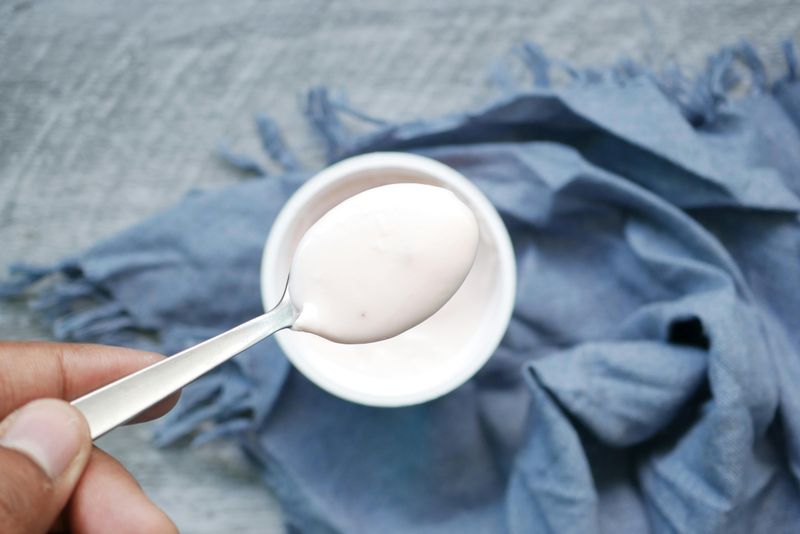
Plain yogurt once tasted alive, tangy, and gently sweet from good milk. Many tubs now read chalky or overly stabilized, with sweetness added to mask lack of culture character.
Texture matters, but so does the lively aroma rising from the spoon.
Seek brands using whole milk and active cultures, or drain for quick labneh. Stir in a pinch of salt, maybe honey, and let it sit to bloom.
With fruit, olive oil, herbs, or toasted nuts, that clean tang returns and breakfast, sauces, and marinades suddenly taste bright and satisfying. Avoid gelatin thickeners when you want pure dairy flavor back.
Milk chocolate
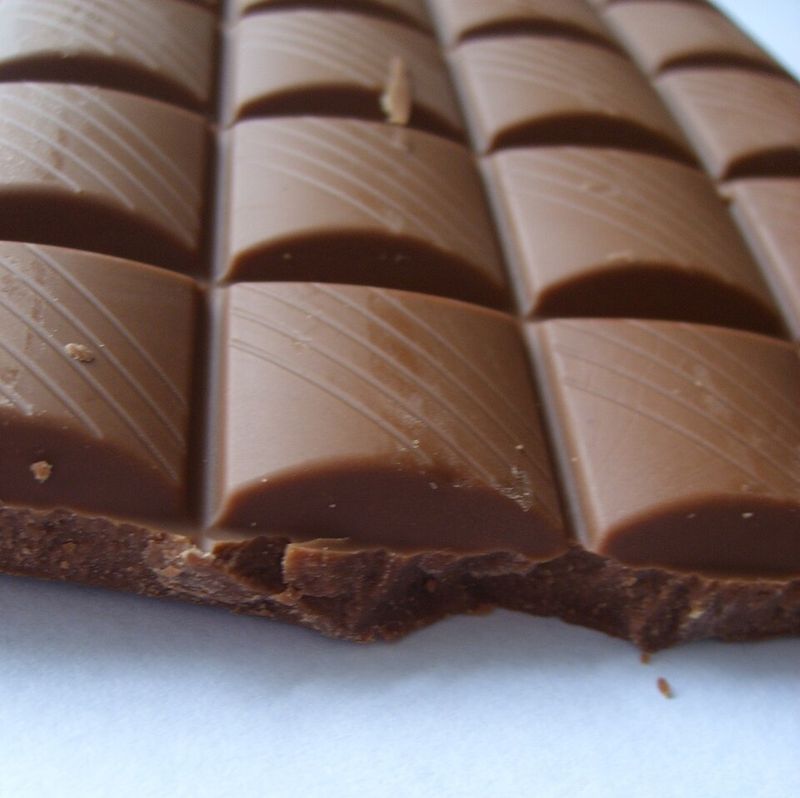
Milk chocolate used to melt silky and taste of caramel, malt, and real cocoa. Reformulations and cheaper fats sometimes leave a waxy finish with less pronounced cocoa notes.
Sugar spikes can overpower the delicate dairy flavors that made childhood bars memorable.
Choose bars listing cocoa butter, not vegetable oils, and a lower sugar percentage. Let pieces rest on your tongue, and notice the lingering malt and toffee.
Paired with nuts, salt, or coffee, good milk chocolate regains balance, turning a simple square into something creamy, nostalgic, and surprisingly grown up. Store cool and dry to protect snap and aroma always.
Vanilla ice cream

Vanilla ice cream used to bloom with specks and a custardy backbone. Many tubs taste fluffy or gummy now, stretched with air and stabilizers that dull dairy notes.
Real vanilla can be scarce, replaced by generic flavor that fades quickly.
Look for higher butterfat and short ingredient lists, or churn a simple custard. Let scoops soften slightly, then you get that creamy slide without ice crystals.
A drizzle of hot fudge, espresso, or honey makes the floral notes sing, turning humble sundaes into something comfortingly old fashioned. Serve with warm pie to relive bake sale and diner memories at home.
Smoked sausage
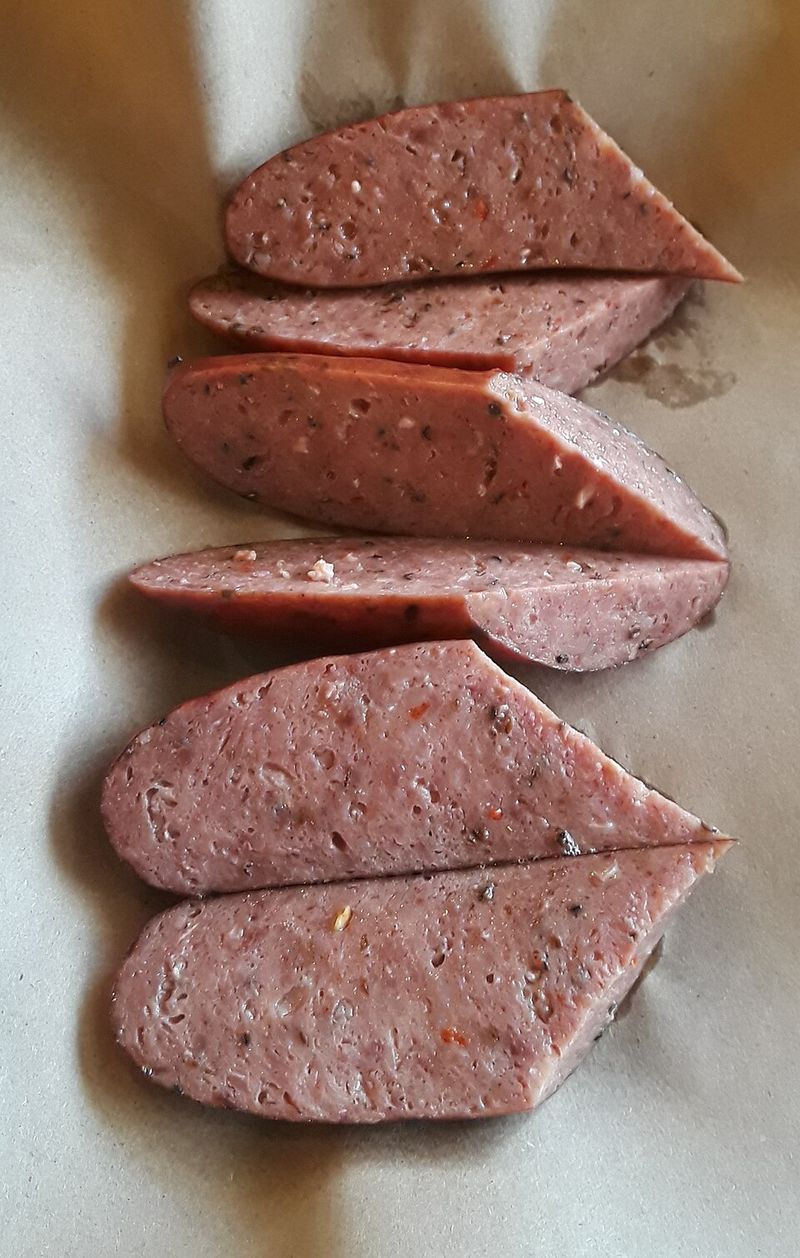
Smoked sausage once snapped and flooded the palate with pepper, garlic, and wood. Shortcuts and liquid smoke can leave a harsh aftertaste, without that slow smolder.
Fat quality matters too, because lean packs often dry out and crumble.
Hunt for links with real wood smoking and visible spice flecks, then simmer gently. Finish on a hot grill or skillet to blister the casing.
Pile into buns with mustard and sauerkraut, or slice into beans and stews, and you will rediscover that deep, campfire comfort in every bite. Quality pork and patience create juiciness that factory shortcuts cannot mimic at all.
Deli ham
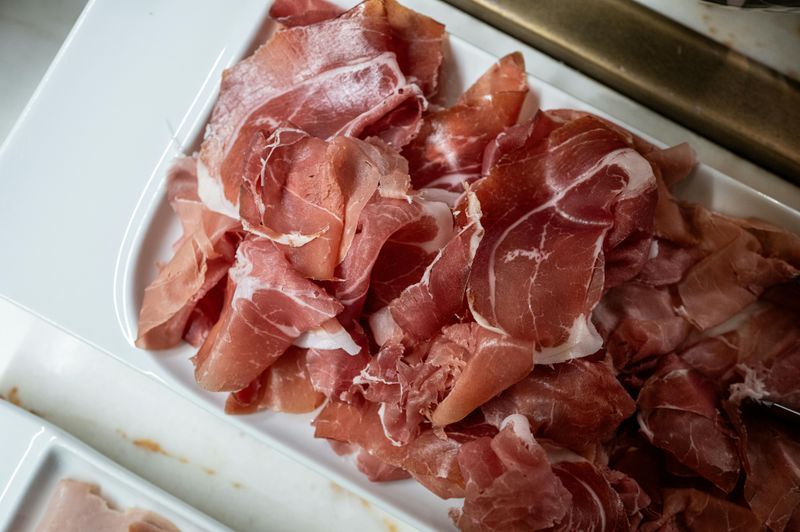
Deli ham used to taste like slow brine, gentle smoke, and rosy pork. Many slices now seem wet, overly sweet, and uniform, with injected solutions masking mildness.
That old sandwich shop savor feels harder to find.
Ask for house roasted hams or thicker cuts from heritage producers. Layer onto crusty bread with sharp mustard and pickles so the balance returns.
Pan sear slices for breakfast, letting edges caramelize, because a little browning concentrates flavor and brings back the diner griddle magic everyone misses. Avoid water added labels and compare sodium levels to dodge sticky sweetness for better everyday lunch satisfaction.
Grilled fish
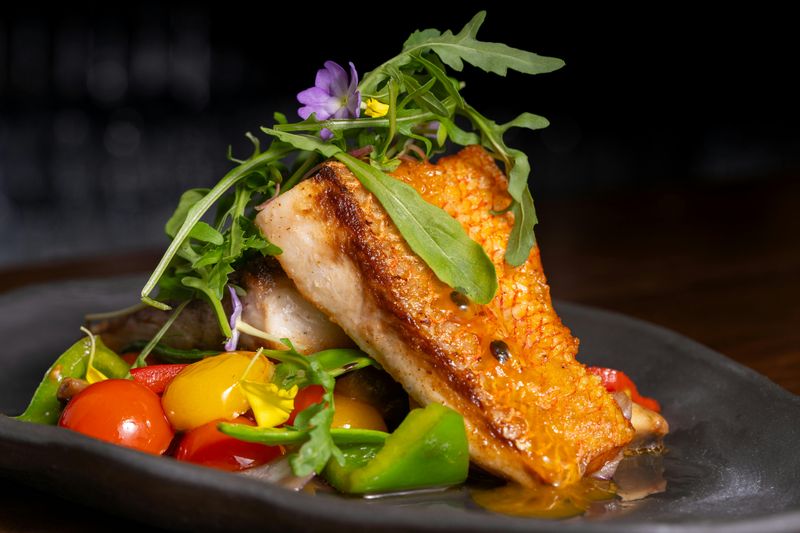
Grilled fish once tasted ocean fresh, with crisped skin and translucent, tender flakes. Overcooking and previously frozen fillets can mute flavor and dry things out quickly.
Strong marinades sometimes hide, rather than highlight, the delicate sweetness of the catch.
Buy fresher fish, pat it dry, and salt early so surfaces sear. Oil the grill, cook hot and fast, and rest briefly to keep juices.
A squeeze of lemon, butter, and herbs revives the timeless dockside vibe, making Tuesday dinner taste like a seaside vacation remembered fondly. Choose species suited for grilling, like salmon, mackerel, trout, or branzino to start confidently.
Potatoes
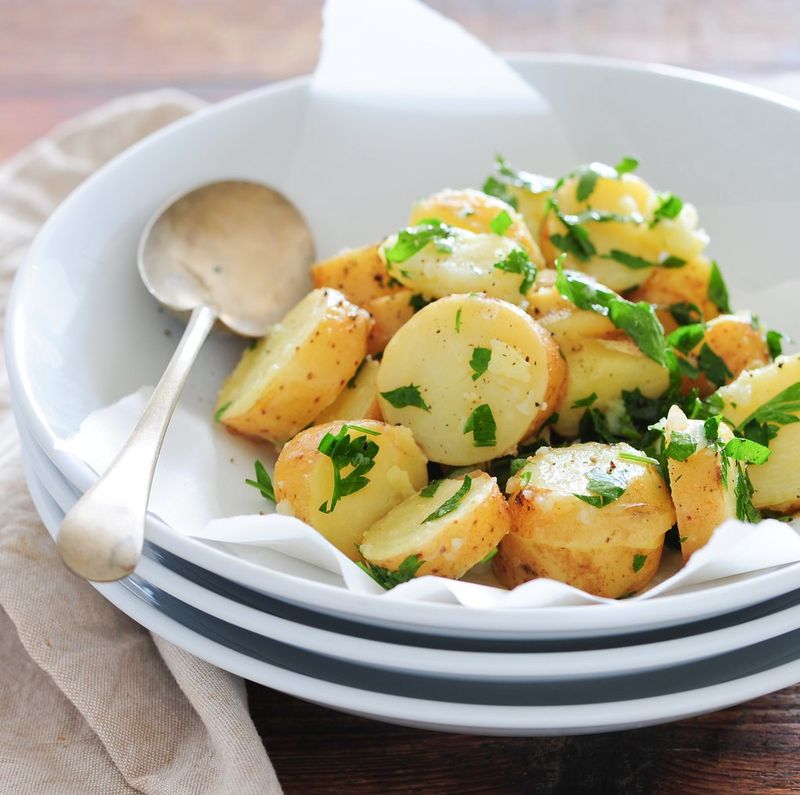
Potatoes used to taste earthier, with dense, creamy texture that crisped beautifully. Some modern varieties are watery, and storage can convert starches to sugar, messing with browning.
Overwashing and plastic wrap suffocate them, blurring that humble, comforting potato aroma.
Buy loose spuds, store cool and dark, and choose types suited to cooking method. Steam before roasting for extra fluff, or fry twice for shatteringly crisp fries.
A dab of beef fat or butter plus salt brings that diner hash vibe roaring back to breakfasts and midnight snacks. Mashed tastes better with russets, warm milk, and plenty salted butter for luxury.
Carrots
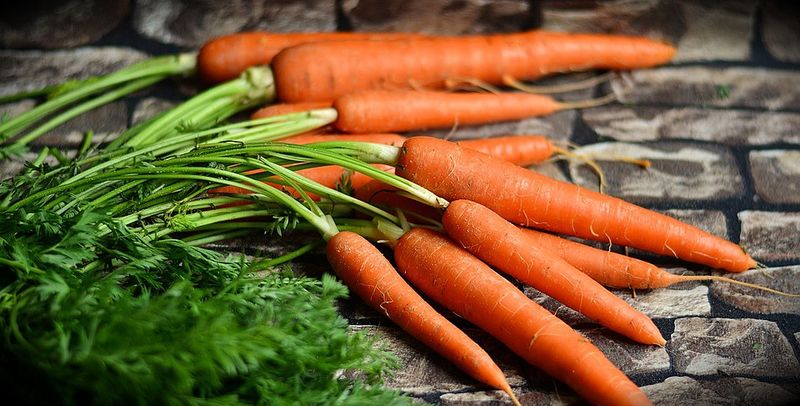
Carrots used to taste sweet, earthy, and a little minty, especially after frost. Bagged babies can taste watery, shaved down from larger roots and stored wet.
Variety and soil shape flavor more than we admit at the supermarket.
Buy bunched carrots with tops for freshness cues, then roast to condense sugars. A quick glaze of butter, salt, and citrus makes the flavor pop.
Shave raw into salads with lemon and olive oil, and suddenly snack plates, soups, and stews regain that garden snap everyone remembers fondly. Purple and yellow varieties offer spice, fruit, and nostalgic farmers market charm as well.
Peas
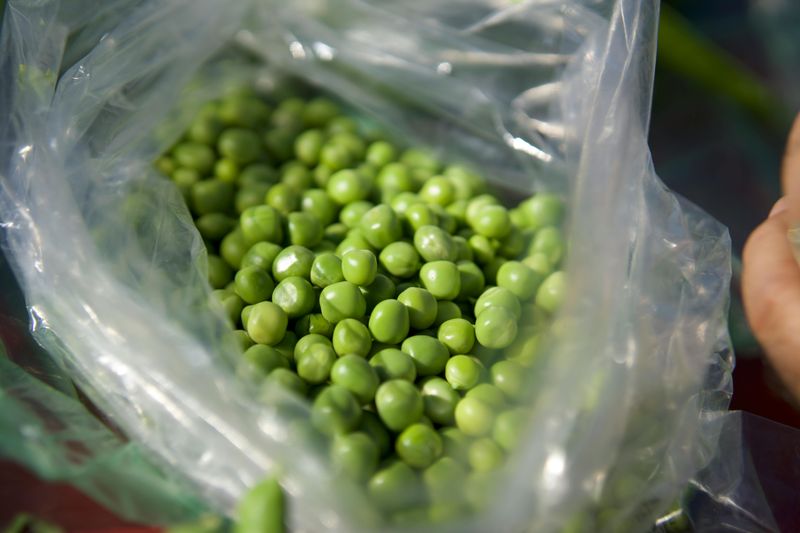
Peas once burst sweet and grassy, seconds after picking. The sugars turn to starch quickly, so long storage steals sparkle.
Canned and overcooked versions gave peas a bad reputation that fresh pods never deserved.
Buy frozen shortly after harvest or shell your own, then cook just until bright. Butter, mint, and lemon transform them into little green candies.
Toss into risotto, pasta, or potato salad, and suddenly the gentle sweetness returns, conjuring spring dinners and backyard barbecues from years that felt simpler. Do not boil hard.
Steam or saute to keep skins tender and flavors vivid for true pea joy.
Corn
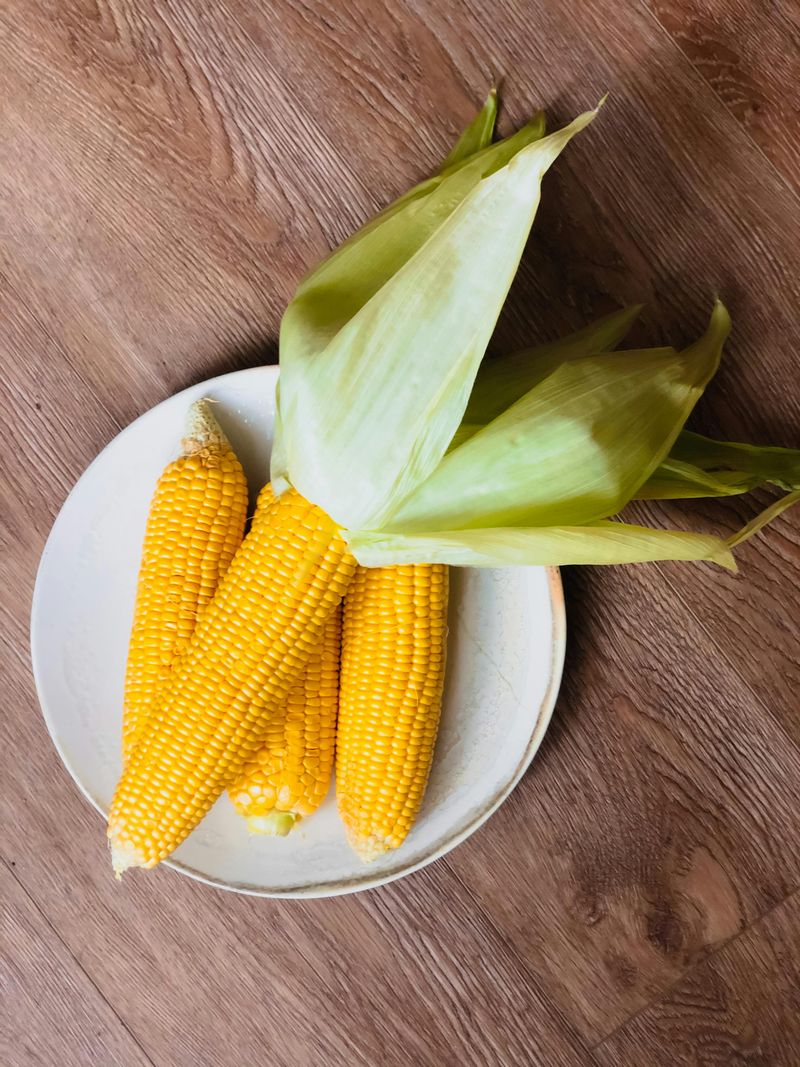
Corn on the cob used to taste like sunshine, dripping with milk and sugar. Freshness is everything, because kernels convert sweetness to starch within hours.
Piled crates at big stores rarely match the flavor of a just picked ear.
Buy from a farm stand, keep it cold, and cook as soon as possible. Grill in husks or boil briefly, then butter and salt generously.
Lime, cotija, and chili powder nudge it toward elote vibes, turning backyard dinners into the kind of summer feast grandparents still talk about. Older varieties may taste fuller than ultra sweet super tender types for balance.
Honey
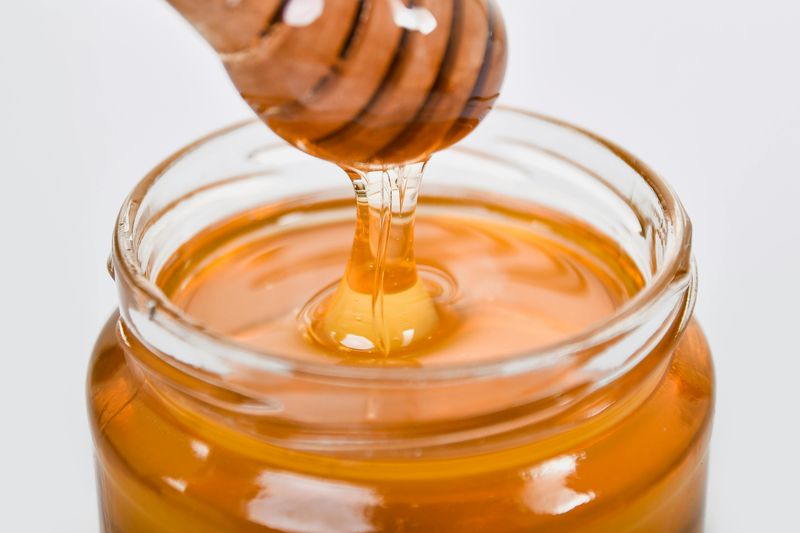
Honey used to vary wildly by season and blossom, with personalities you could taste. Many squeeze bottles are blended and ultra filtered, losing pollen and nuance.
Some even travel far before bottling, dulling the sense of place that makes honey special.
Buy raw, local jars and taste side by side to notice differences. Drizzle on yogurt, biscuits, and cheese, and watch vanilla, citrus, or herb notes bloom.
Stir into tea or dressings gently, because heat can flatten character, and you will reclaim that wildflower complexity people swear used to be standard. Ask beekeepers about forage and seasonal bottlings for nuance.
Black coffee

Black coffee used to taste bold yet sweet, with cocoa, fruit, and toast notes. Dark, stale roasts and scalding water gave cups a bitter edge that many now expect.
Freshness, grind, and water quality decide whether your mug sings or sulks.
Buy recently roasted beans, grind just before brewing, and lower water temperature slightly. Use a scale, filter cleanly, and let the bloom release trapped gas.
Suddenly black coffee tastes chocolatey and bright again, especially with good water, reminding you why those diner refills used to feel bottomless. Try lighter roasts to taste origin, not only roast, and sweetness clearly.
Strawberries
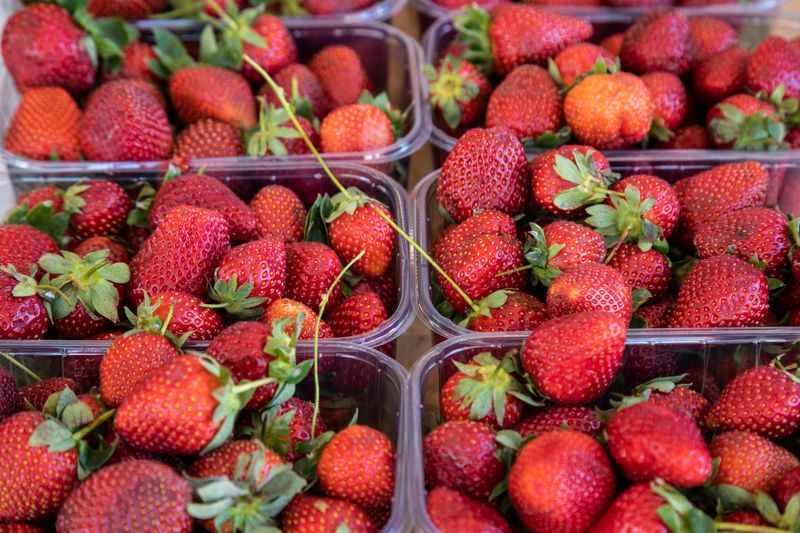
Strawberries once stained fingers with syrupy red and a wild, floral hit. Now they can look perfect yet taste thin, bred for shipping and size.
Harvest timing and variety matter far more than shiny cartons stacked high.
Buy small, fragrant pints from growers who pick ripe, or plant an everbearing patch. Macerate with sugar and a pinch of salt to draw flavor, then add cream.
Suddenly shortcakes, yogurt bowls, and simple toast become special again, reminding you of jammy summers and that concentrated backyard sweetness. Roast with balsamic to intensify, or freeze for smoothies when peak passes at home easily.
Enjoyed this story?
Add Fast Food Club as a preferred source to see more of our reporting on Google.