


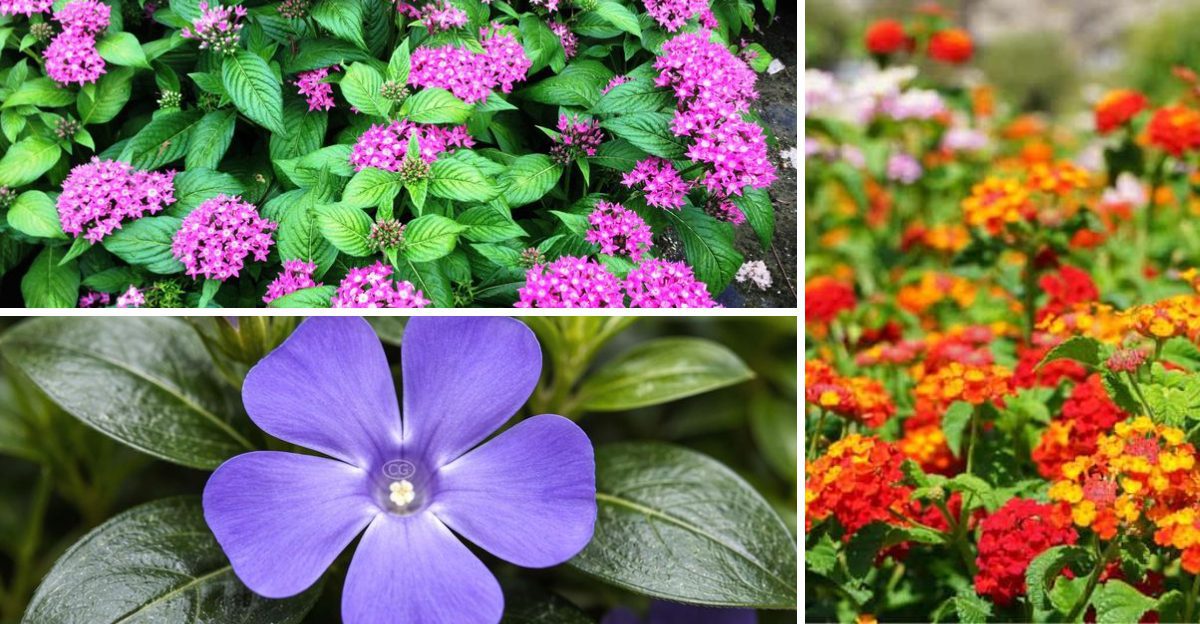
Florida’s sunshine and warm weather create the perfect playground for plants that practically take care of themselves. Whether you have a sprawling backyard or a tiny front yard, the right plants can make your garden look like a pro designed it without the hefty price tag.
The secret is choosing species that thrive in Florida’s heat, humidity, and occasional drought. These 23 plants do all the heavy lifting so you can sit back and enjoy the view.
Pentas
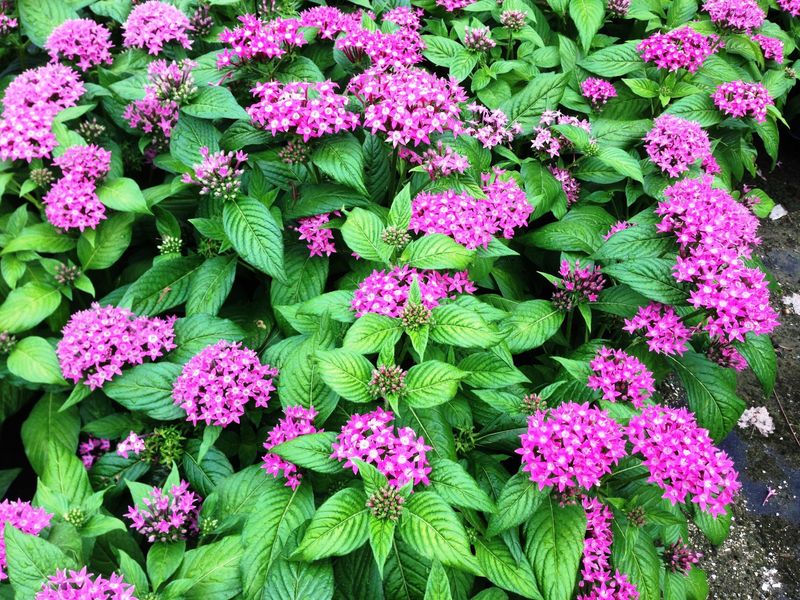
Butterflies practically throw a party every time pentas blooms in your yard. This cheerful plant produces clusters of star-shaped flowers in red, pink, white, and lavender that keep blooming all season long.
Pentas thrives in full sun and handles Florida’s heat without missing a beat. Water it occasionally, give it well-drained soil, and it will reward you with nonstop color.
It is also a favorite nectar source for monarch butterflies and hummingbirds, adding extra life to your garden.
Lantana
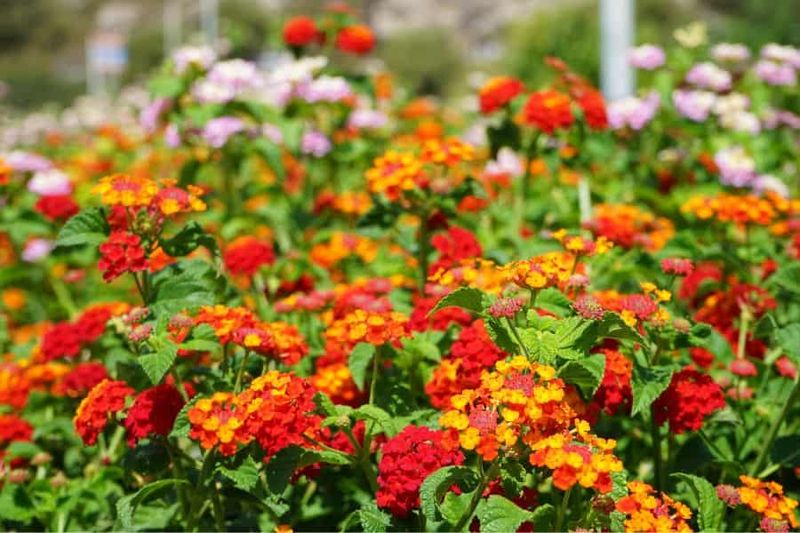
Few plants are as tough and showy as lantana. Once established, it laughs in the face of drought, blazing sun, and sandy Florida soil while pumping out clusters of multicolored blooms season after season.
Lantana comes in trailing and upright varieties, making it useful as a ground cover or a bold accent plant. Butterflies and bees absolutely adore it.
Just note that the berries are toxic to pets, so placement matters if furry friends roam your yard.
Vinca
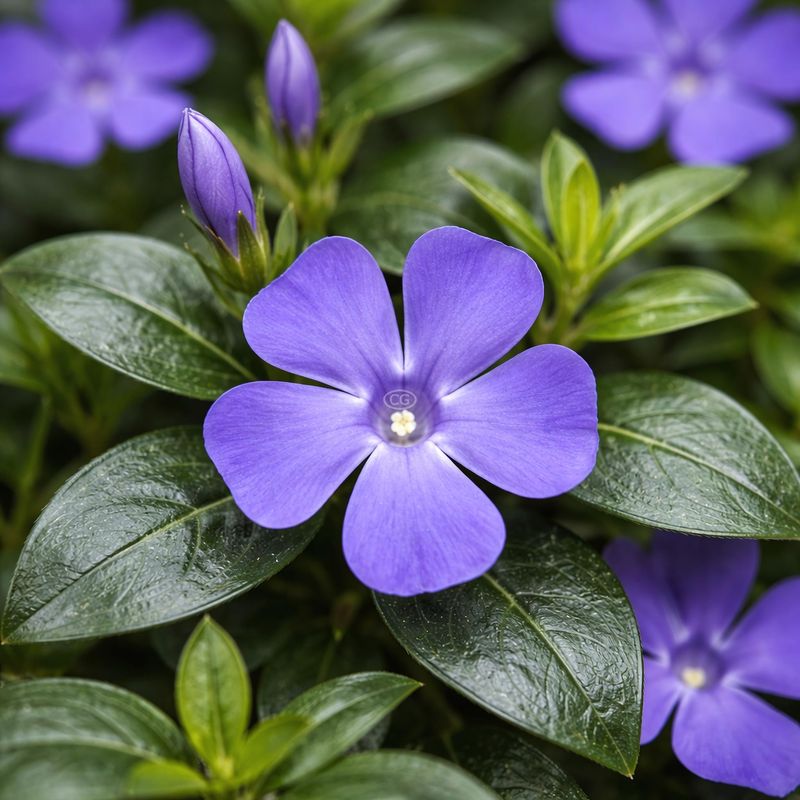
Vinca, also called periwinkle, is one of the most heat-tolerant flowering plants you can grow in Florida. It shrugs off humidity and intense summer sun that would wilt most other annuals.
Plant vinca in well-drained soil and full sun for the best results. It blooms continuously from spring through fall in shades of pink, red, white, and purple.
Minimal watering is needed once it settles in, making it a smart pick for busy gardeners who still want serious color impact.
Angelonia
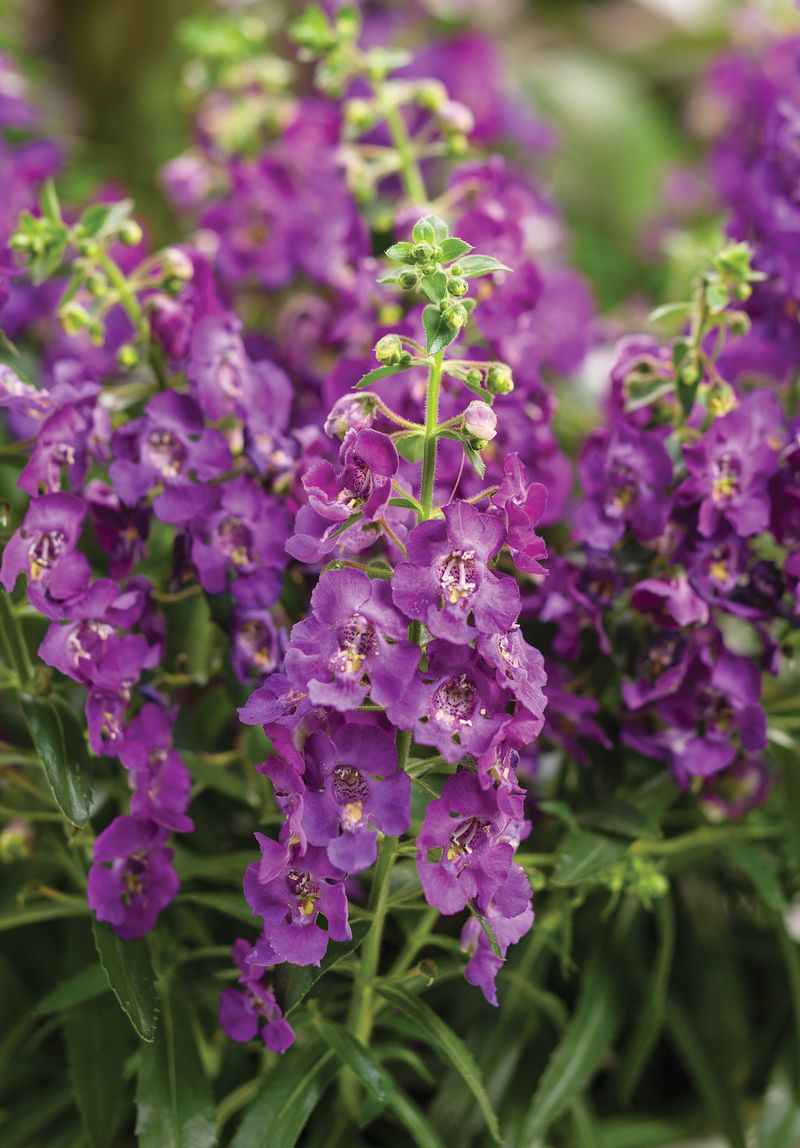
Sometimes called summer snapdragon, angelonia brings an elegant, cottage-garden vibe to Florida yards without demanding much attention. Its tall flower spikes come in purple, pink, white, and bicolors that look stunning in borders or containers.
Angelonia loves full sun and handles heat and humidity like a champ. It has a light, grape-like fragrance that makes it even more delightful up close.
Unlike many annuals, it rarely needs deadheading, so you get beautiful blooms without constant fussing.
Blue Daze
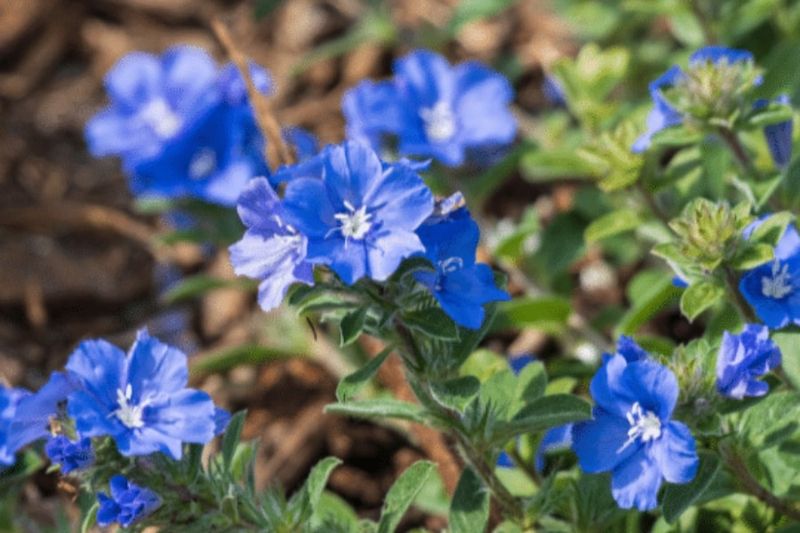
Imagine a plant that covers the ground with a carpet of sky-blue flowers all summer long. That is exactly what blue daze delivers, and it does it with almost zero effort on your part.
This low-growing spreader thrives in full sun and sandy, well-drained soil, which makes it perfectly suited for Florida conditions. The silvery-green leaves add texture even when the flowers take a rest on cloudy days.
Use it as a ground cover, in containers, or along walkways for a polished, professional look.
Firebush
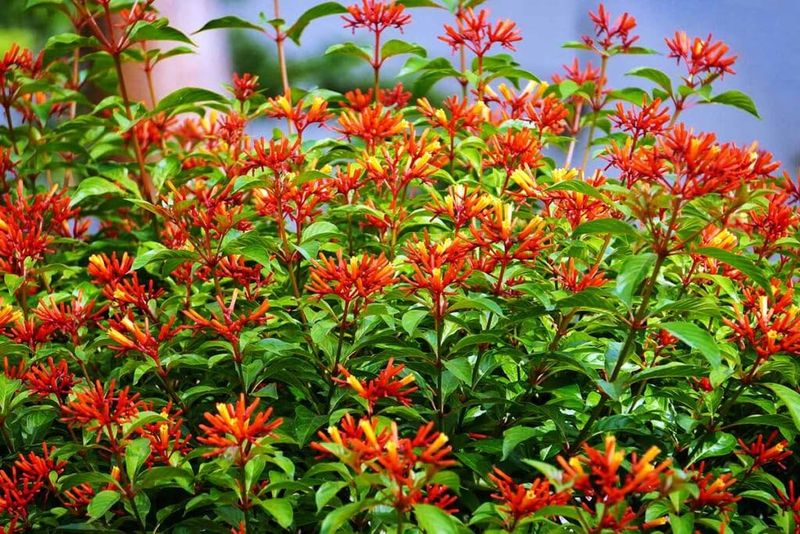
Firebush earns its name with clusters of blazing red-orange tubular flowers that hummingbirds simply cannot resist. Native to Florida, this shrub is as tough as they come and practically grows on its own once established.
It thrives in full sun to part shade and tolerates drought, poor soil, and salt spray near coastal areas. Firebush can grow quite large, so give it room to show off.
In fall, it produces dark berries that birds eagerly snack on, extending its wildlife value well beyond summer.
Plumbago
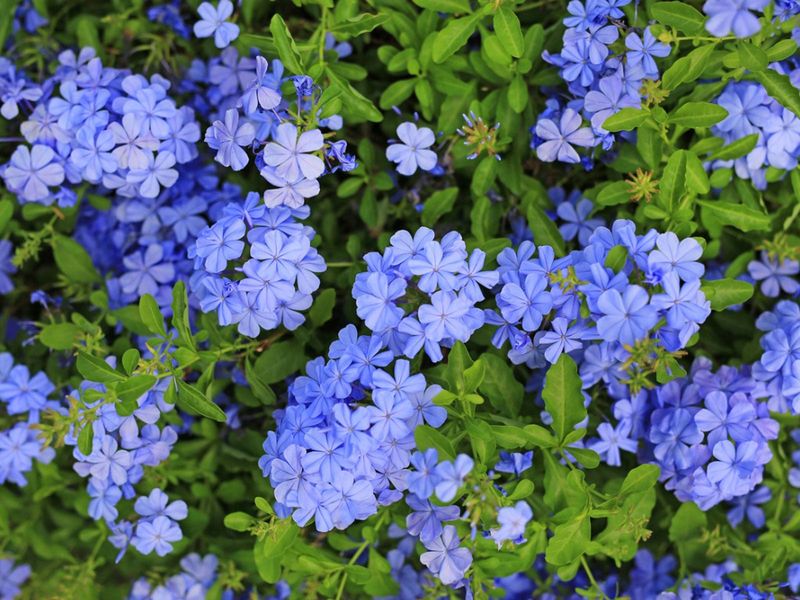
There is something almost magical about plumbago’s soft, powder-blue flowers drifting across a green shrub in the Florida heat. It blooms heavily in spring and fall, with lighter flowering through summer, giving you color across multiple seasons.
Plumbago grows fast and fills in large spaces beautifully, making it ideal for hedges or mass plantings. It handles drought well once established and attracts butterflies regularly.
Occasional hard pruning keeps it tidy and encourages fresh, vigorous growth and even more blooms.
Mexican Heather
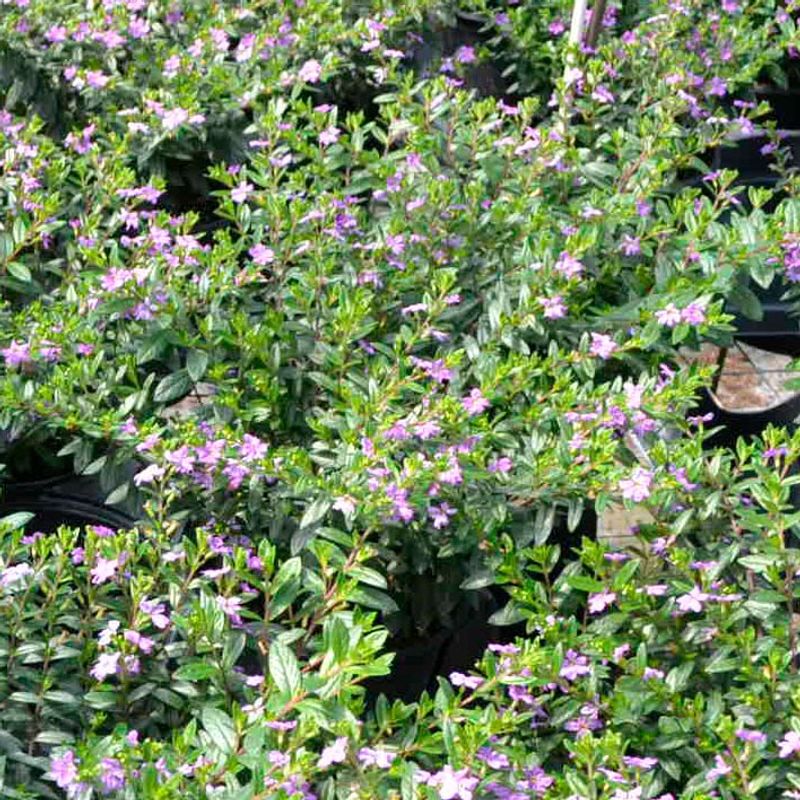
Do not let the delicate appearance of Mexican heather fool you. This compact, fine-textured plant is incredibly tough and blooms almost continuously in Florida’s warm climate with tiny purple or pink flowers.
It works beautifully as a border plant, edging along walkways, or tucked into containers for a refined look. Mexican heather prefers full sun to light shade and moderate watering.
Its lacy texture contrasts nicely with bold-leaved plants nearby, instantly elevating the overall design of any garden bed.
Bulbine
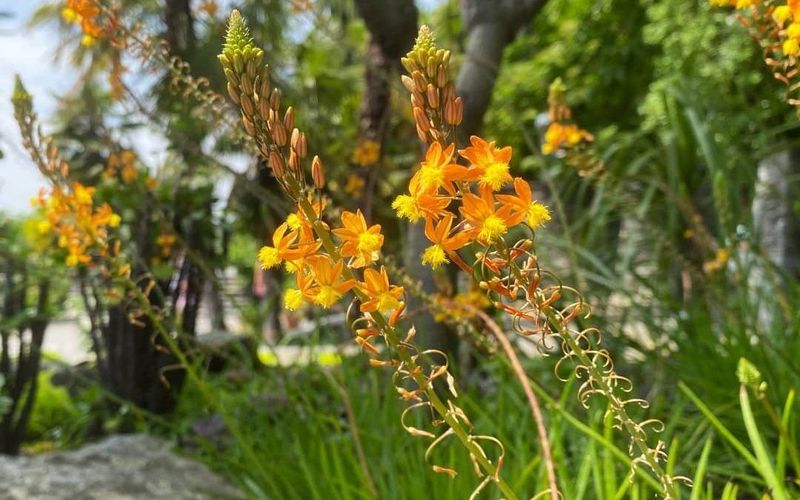
Bulbine is one of those underrated gems that experienced Florida gardeners love to show off. Its succulent-like leaves and cheerful yellow or orange flower stalks create a striking, architectural look in garden beds and rock gardens.
Remarkably drought-tolerant once established, bulbine thrives in well-drained, sandy soil and full sun. It blooms for months at a time and requires very little fertilizing or watering.
For a low-maintenance plant that looks like you put in serious effort, bulbine deserves a top spot in your yard.
Scaevola
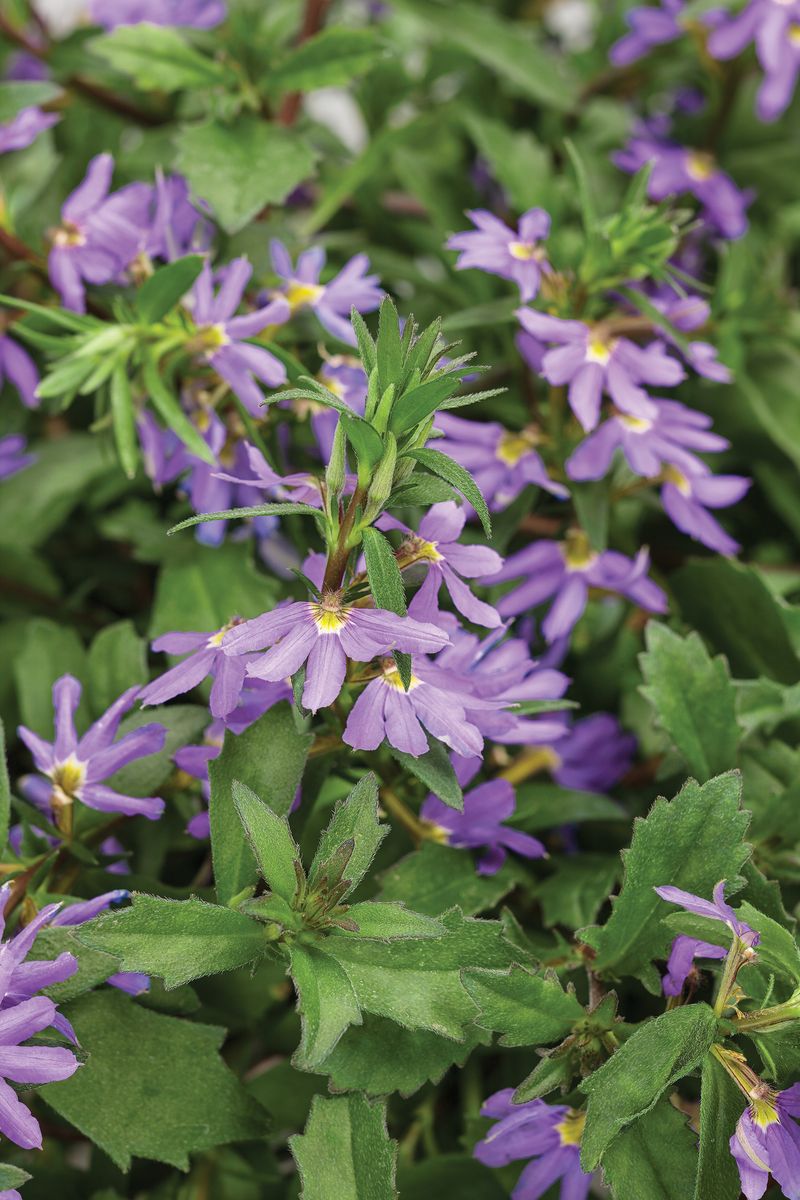
Walk along any Florida beach community and you are likely to spot scaevola thriving in the harsh conditions that would destroy most plants. This coastal native handles salt spray, wind, heat, and sandy soil without skipping a beat.
Scaevola produces unique fan-shaped flowers in lavender-blue or white that bloom nearly year-round. It spreads low and wide, making it an excellent ground cover for slopes, borders, or seaside gardens.
Minimal care is needed beyond occasional trimming to keep it looking neat and full.
Society Garlic
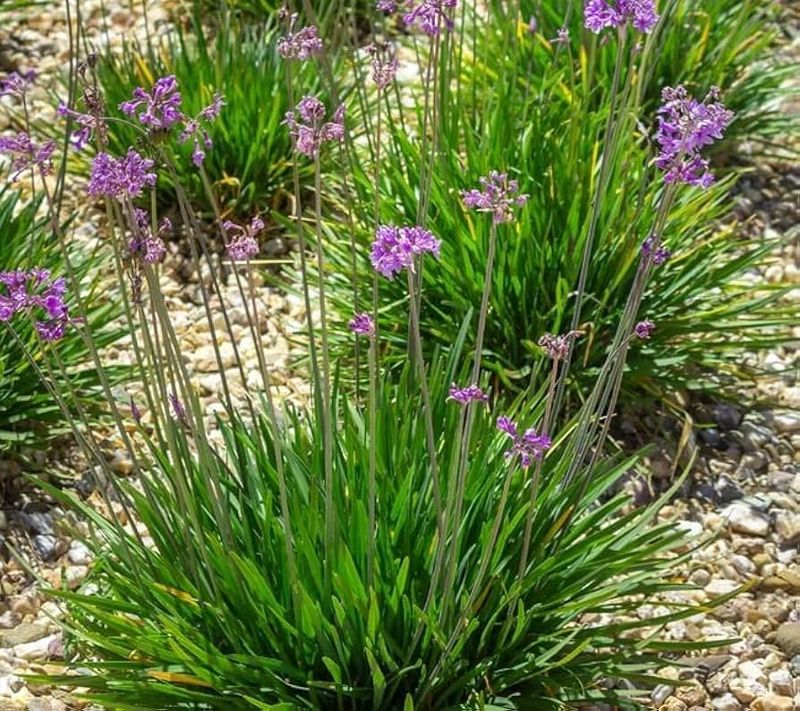
Society garlic gets its quirky name from the idea that eating it leaves less of a garlic odor than true garlic, making you still fit for polite company. Its slender, grass-like leaves and lavender flower clusters bring a soft, naturalistic feel to garden beds.
This plant thrives in full sun and poor, well-drained soil, making it ideal for Florida yards. It is deer-resistant, drought-tolerant, and practically maintenance-free.
The foliage also releases a mild garlic scent when brushed, which can naturally deter some garden pests.
Coreopsis
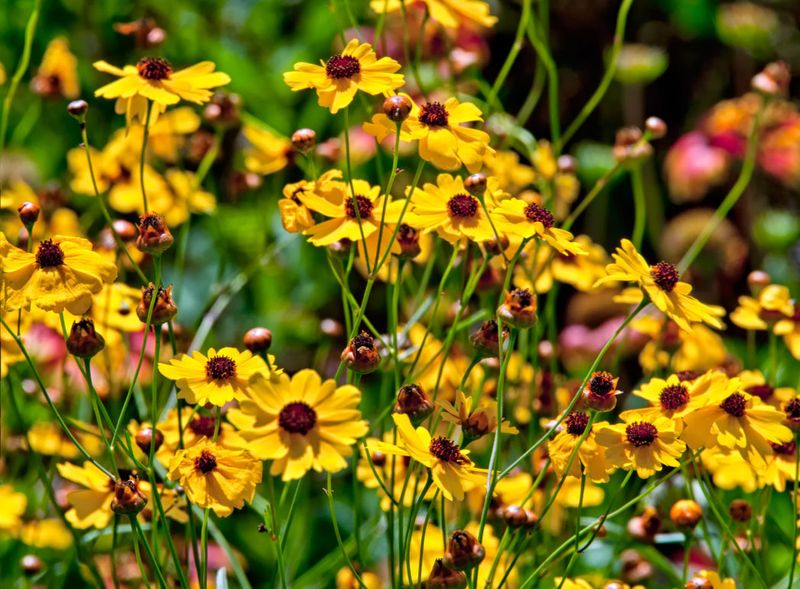
Florida’s official state wildflower, coreopsis, blankets roadsides and meadows with cheerful golden-yellow blooms every spring. Growing it in your own yard brings that same carefree, naturalistic beauty right to your doorstep.
Coreopsis loves full sun and well-drained soil, and it actually thrives when conditions get a bit tough. It self-seeds readily, spreading over time to create impressive drifts of color.
Pollinators swarm to its blooms, and the plant asks for almost nothing in return beyond an occasional trim after flowering to encourage a fresh flush of growth.
Blanket Flower
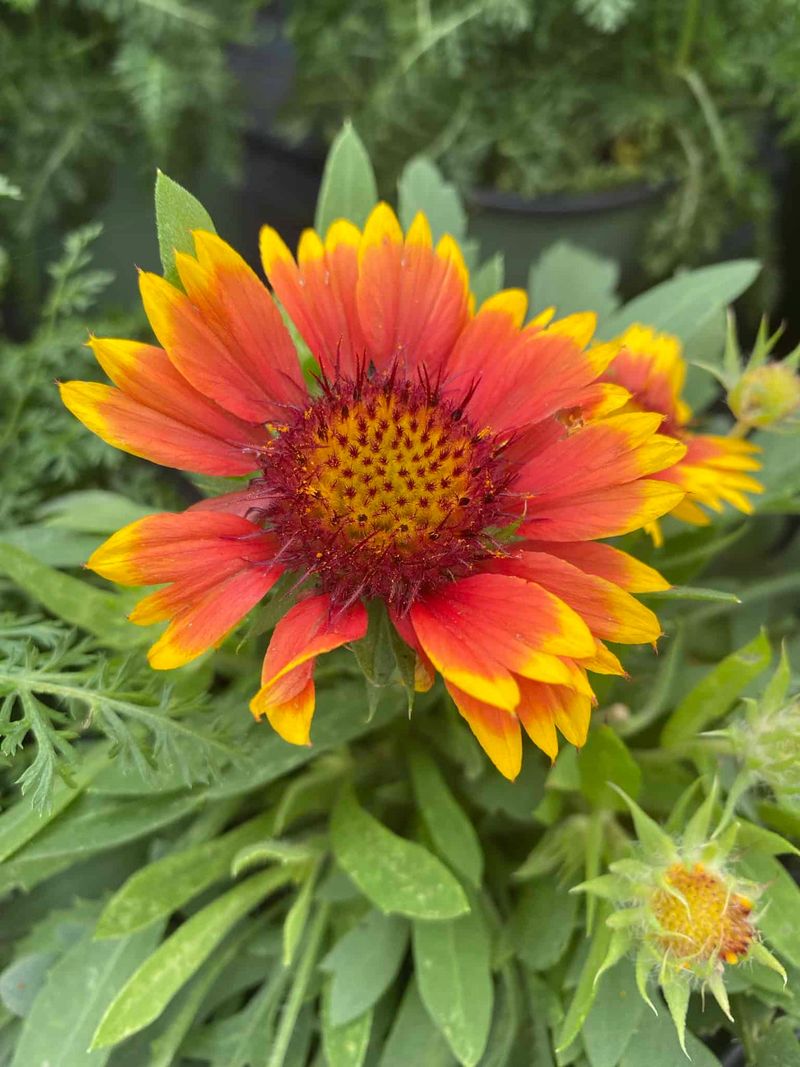
Blanket flower looks like it was painted by an artist, with bold red and yellow petals radiating from a dark center. It brings a wildly colorful, almost festive energy to Florida garden beds and naturalized areas.
Hardy and drought-tolerant, blanket flower handles Florida’s sandy soils and intense summer heat without complaint. It blooms from late spring through fall, and the more you deadhead spent flowers, the more it blooms.
Bees and butterflies love it, turning your garden into a buzzing, fluttering spectacle throughout the warm months.
Salvia
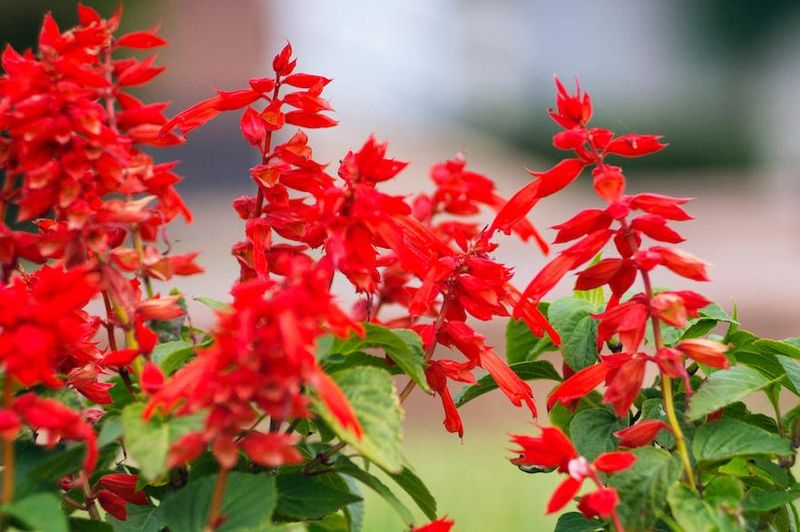
Salvia is the workhorse of the Florida flower garden, delivering tall, colorful spikes of blooms that hummingbirds and butterflies chase all season long. With dozens of varieties available, there is a salvia for nearly every spot in your yard.
Tropical sage, native to Florida, is especially tough and reliable. Most salvias thrive in full sun with minimal watering once established.
They come in fiery red, deep blue, purple, and pink. Cutting them back mid-season encourages a fresh round of blooms that carries right through to fall.
Porterweed
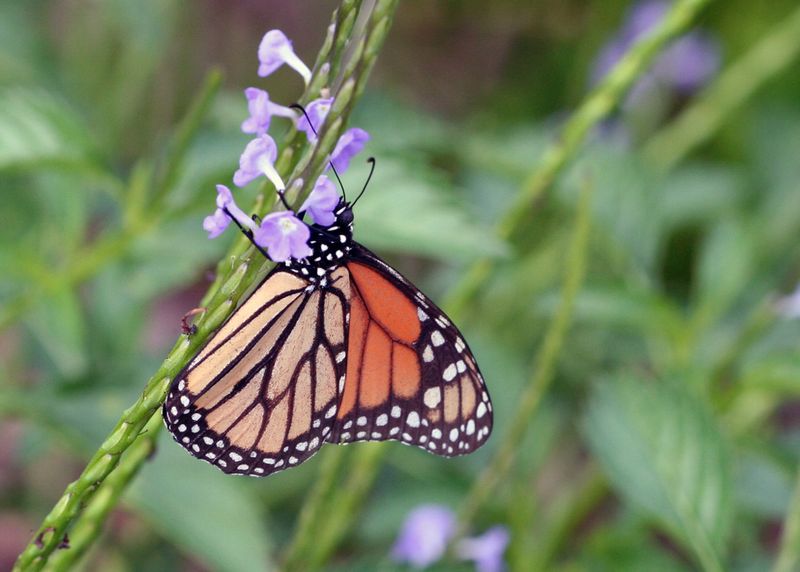
Porterweed is a butterfly magnet that many Florida gardeners are still discovering. Its thin, arching stems are lined with tiny purple-blue or red flowers that open progressively from the base upward, giving butterflies a fresh landing spot every day.
Native blue porterweed is especially well-suited for Florida gardens and needs very little care once planted. It thrives in full sun and tolerates drought and poor soils.
Left to spread naturally, it creates a wild, layered look that pollinators adore and that gives gardens an effortlessly designed feel.
Ruellia
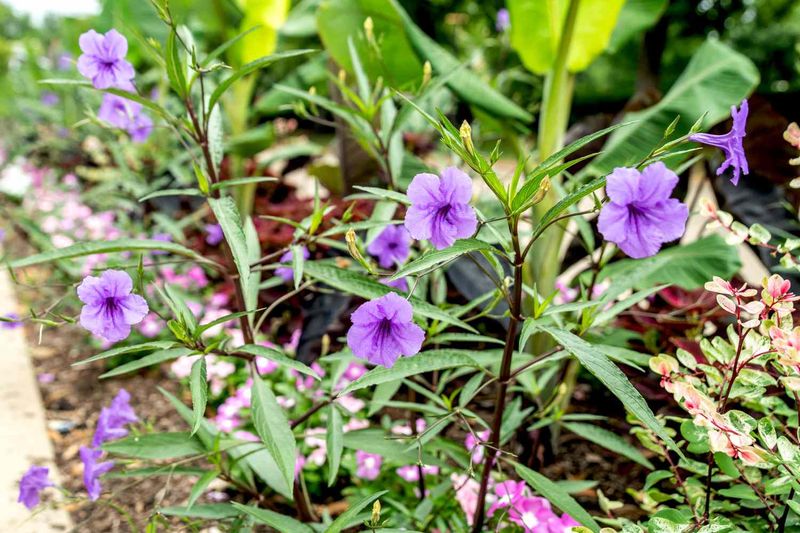
Ruellia, often called Mexican petunia, is the plant that refuses to quit. Once it takes hold in a Florida garden, it blooms continuously with trumpet-shaped purple, pink, or white flowers through heat, rain, and drought alike.
It spreads readily, filling gaps in garden beds quickly, which is great for coverage but worth monitoring so it does not take over. Dwarf varieties are better behaved and perfect for borders.
Butterflies and hummingbirds visit frequently, adding lively movement to whatever corner of the yard you choose to plant it.
Cocoplum
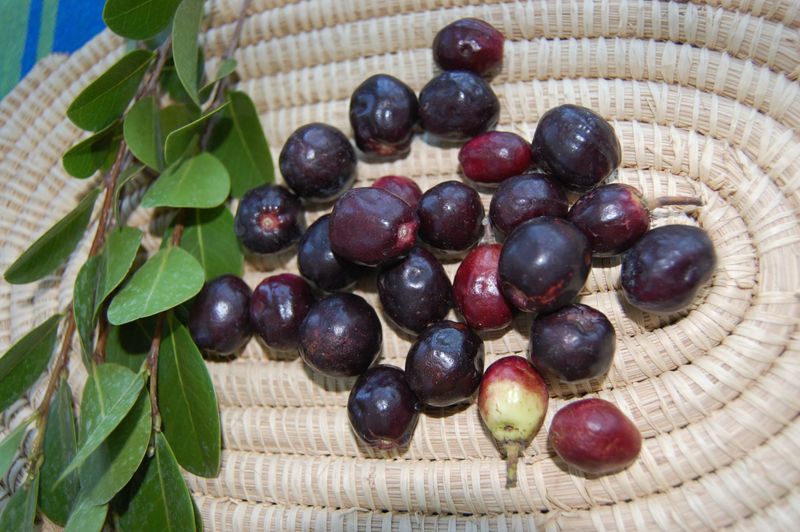
Cocoplum is the go-to shrub for creating lush, formal-looking hedges in South Florida without the constant maintenance. Its glossy, rounded leaves give it a refined, manicured appearance even when you have not touched it in weeks.
This native plant tolerates salt spray, drought, and wet conditions, which makes it incredibly versatile across different Florida landscapes. It produces small edible fruits that wildlife eagerly eat.
Cocoplum grows at a moderate pace and responds well to trimming, so you can shape it into a tight hedge or let it grow naturally as a loose screen.
Simpson’s Stopper
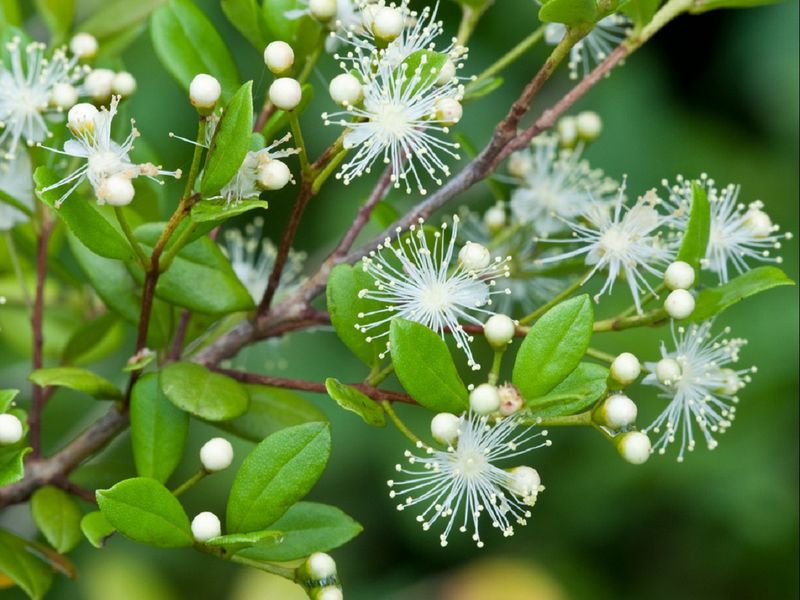
Named after Florida botanist Charles Torrey Simpson, this native shrub is a wildlife powerhouse. Simpson’s stopper produces fragrant white flowers followed by clusters of orange-red berries that birds devour enthusiastically throughout the year.
It grows well in full sun to partial shade and handles drought once established, making it low-maintenance and reliable. The dense, evergreen foliage makes it an excellent privacy screen or specimen plant.
Its natural, layered growth habit adds depth and texture to Florida landscapes without requiring constant shaping or intervention from the gardener.
Muhly Grass
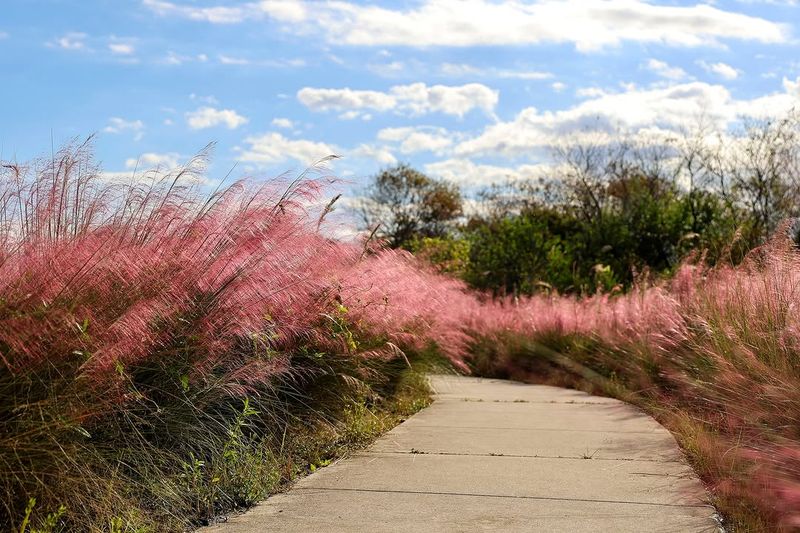
Every October, muhly grass puts on one of Florida’s most dramatic garden shows. Its feathery, pink-purple plumes catch the light and sway in the breeze, creating a soft, dreamy effect that stops people in their tracks.
This native ornamental grass is incredibly low-maintenance, needing only an annual cutback in late winter to keep it tidy. It thrives in full sun and poor, sandy soil and is highly drought-tolerant.
Mass plantings create a breathtaking meadow effect, while single clumps work beautifully as bold accent plants near pathways or entryways.
Coontie
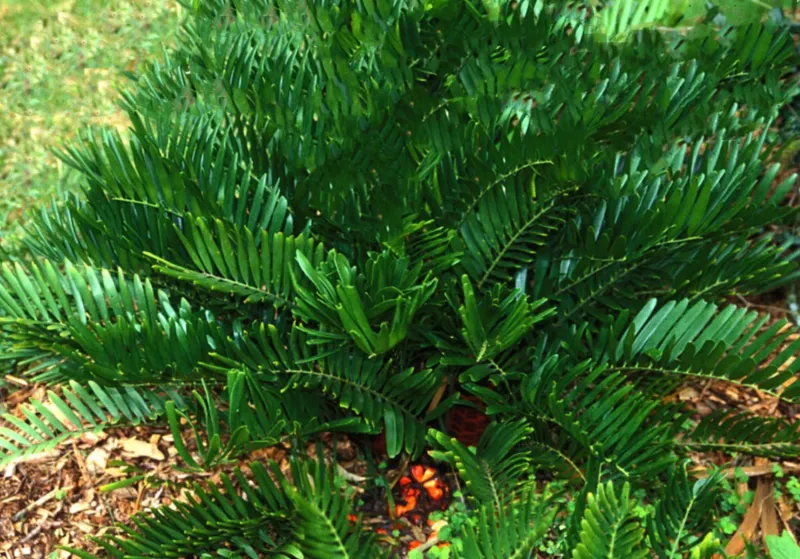
Coontie is Florida’s only native cycad, and it has been growing here since long before humans arrived. Its dark, glossy, feathery fronds give it a prehistoric, architectural quality that instantly adds sophistication to any garden design.
Incredibly tough, coontie tolerates shade, drought, salt, and poor soil, thriving where other plants struggle. It is also the sole host plant for the rare atala butterfly, making it an ecologically important choice.
Slow-growing and tidy, coontie requires virtually no maintenance and looks equally stunning in formal beds or naturalistic Florida-friendly landscapes.
Croton
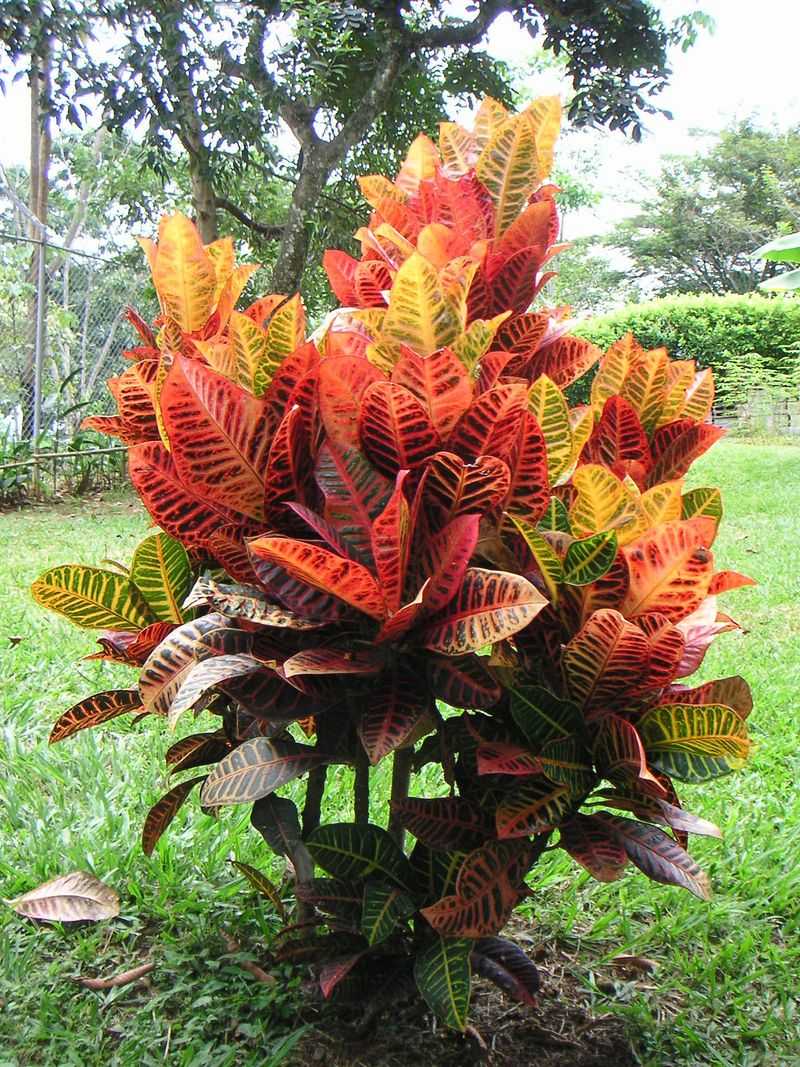
If your garden feels like it needs a jolt of bold, tropical color, croton is the answer. Its leaves come in an almost unbelievable range of colors including red, orange, yellow, green, and purple, often all on the same plant.
Croton thrives in full sun, which intensifies its leaf colors dramatically. It handles Florida heat and humidity well and is relatively drought-tolerant once established.
Use it as a colorful hedge, a specimen plant, or a container accent. Few plants deliver such year-round visual impact with so little effort required from the gardener.
Cordyline
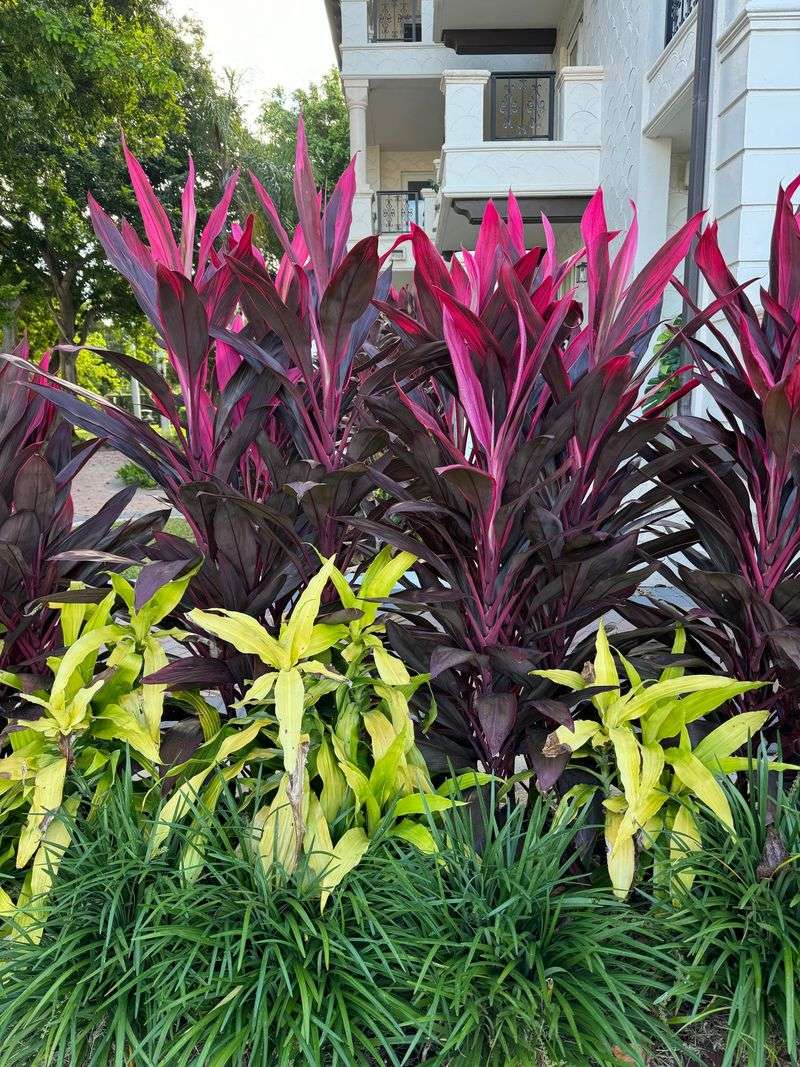
Cordyline brings a bold, architectural drama to Florida gardens that is hard to match. Its long, sword-shaped leaves come in deep red, burgundy, green, and variegated combinations that look striking whether planted solo or grouped with other tropicals.
Also known as ti plant, cordyline grows well in full sun to partial shade and handles Florida’s humidity without issue. It grows upright and tall, making it a natural focal point or statement plant near entryways.
Minimal pruning keeps it looking clean, and it pairs beautifully with flowering annuals planted at its base.
Bird of Paradise
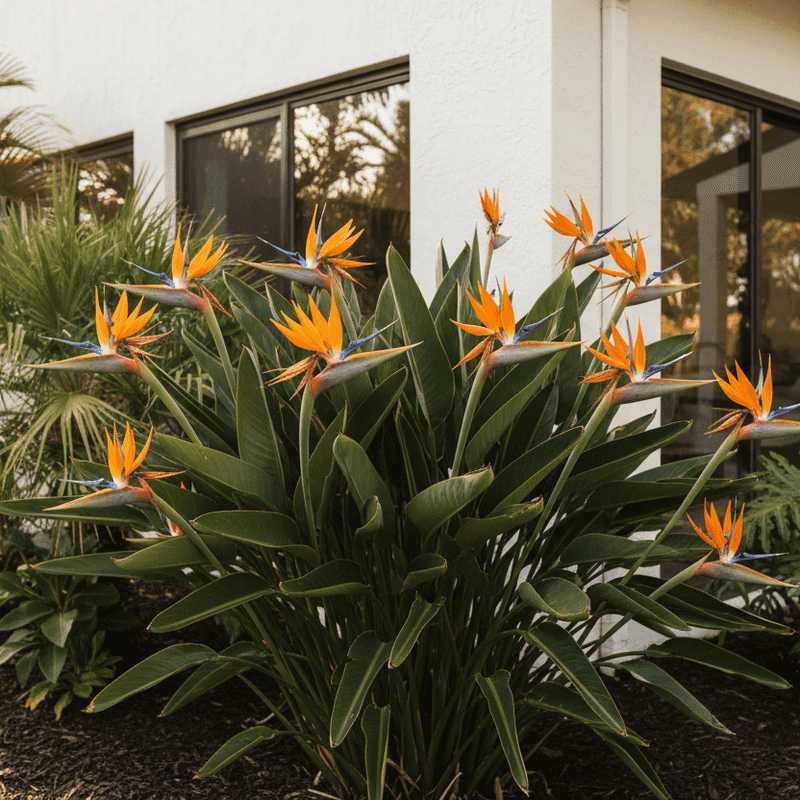
Nothing says tropical paradise quite like bird of paradise in full bloom. Its spectacular orange and blue flowers, shaped like an exotic bird mid-flight, are one of the most recognized and admired blooms in all of Florida gardening.
Bird of paradise grows best in full sun and well-drained soil, rewarding patience with stunning flowers once it matures. It is drought-tolerant and very long-lived, often becoming a permanent garden centerpiece for decades.
The large, paddle-shaped leaves also add bold tropical texture even when the plant is between its spectacular flowering cycles.
Enjoyed this story?
Add Fast Food Club as a preferred source to see more of our reporting on Google.