


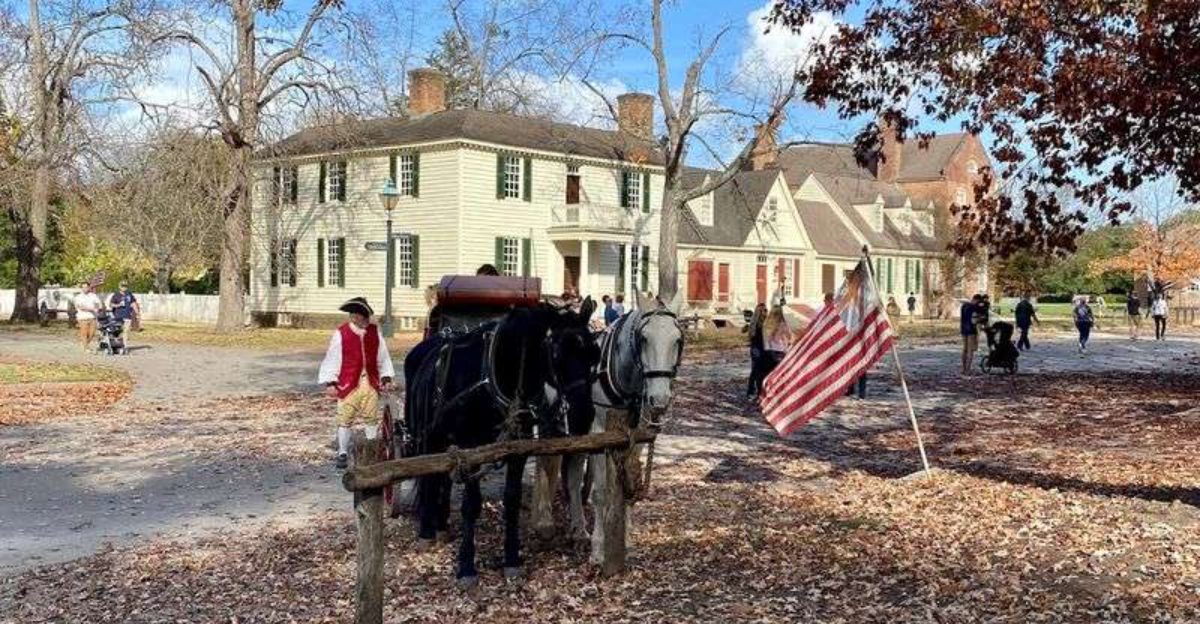
Tucked away in the heart of Virginia, Williamsburg is one of America’s most remarkable living history destinations. Once the capital of the Virginia Colony, this charming city has preserved its 18th-century character so well that walking its streets genuinely feels like time travel.
From costumed actors to cobblestone paths and candlelit taverns, every corner tells a story. Whether you are a history buff, a curious traveler, or a family looking for something truly memorable, Williamsburg delivers an experience unlike anything else.
Colonial Williamsburg: A Living, Breathing History Museum
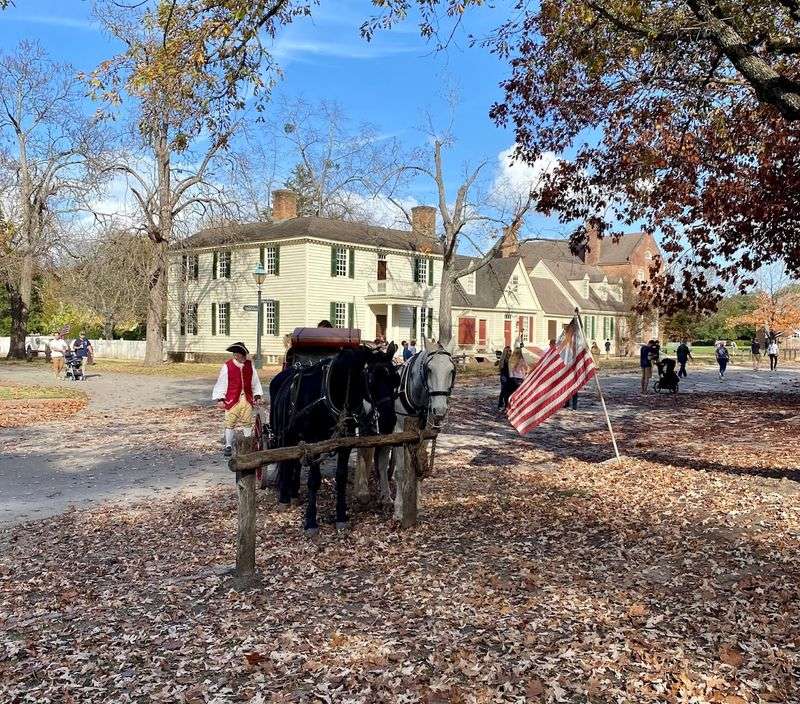
Forget dusty textbooks and static museum displays. Colonial Williamsburg puts history right in front of your eyes, alive and moving.
Spanning 301 acres in the heart of the city, this living-history museum is one of the largest and most ambitious of its kind anywhere in the world.
Costumed interpreters portray blacksmiths, governors, tavern keepers, and everyday colonists with striking authenticity. You can watch a silversmith hammer a teapot into shape or listen to a colonial legislator debate the rights of citizens.
Every building, cobblestone path, and garden bed has been painstakingly restored or reconstructed to reflect life in the 1700s.
Families often say a single day is not nearly enough. Plan for at least two full days to soak it all in.
Tickets include access to dozens of buildings, trade shops, and live demonstrations that make the past feel remarkably present.
The Governor’s Palace: Power, Elegance, and Colonial Ambition
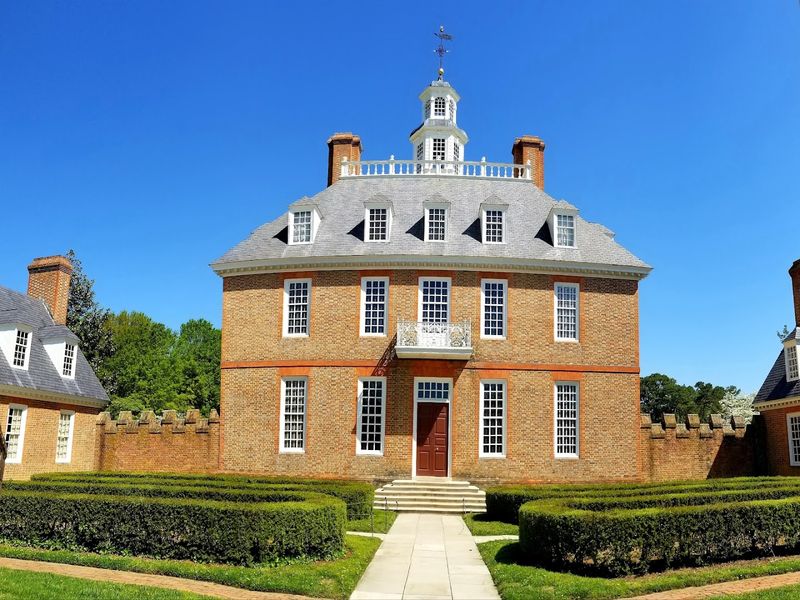
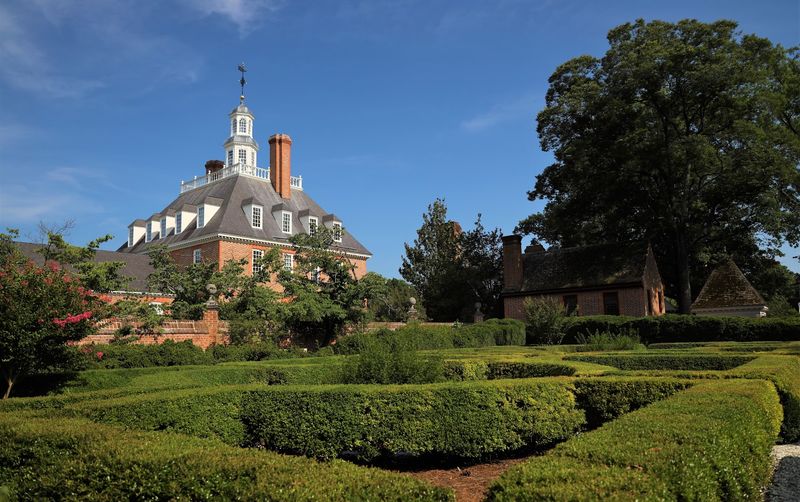
Standing at the end of the Palace Green, the Governor’s Palace is impossible to miss and impossible to forget. Built in the early 1700s, it served as the official residence of seven royal governors and two of Virginia’s first elected governors, including Patrick Henry and Thomas Jefferson.
Step inside and you will find rooms furnished with period-accurate antiques, weaponry displays, and elegant formal dining settings that hint at the power and privilege of colonial leadership. The grand entrance hall, lined with muskets and swords arranged in decorative patterns, makes an immediate impression.
Outside, the formal gardens stretch behind the palace in perfectly manicured rows of hedges, topiaries, and flower beds. A small maze tucked into the garden is a favorite with younger visitors.
The palace was destroyed by fire in 1781 but was fully reconstructed in 1934 using original architectural drawings and archaeological evidence.
Duke of Gloucester Street: The Heartbeat of Old Williamsburg
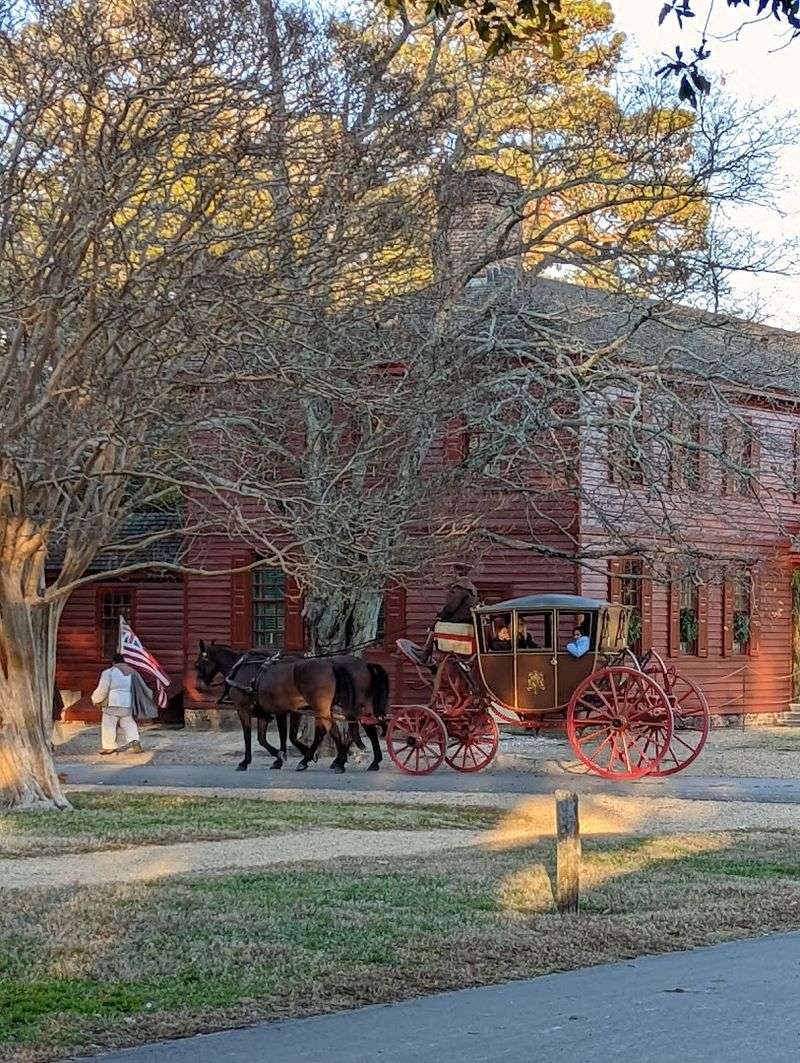
If Colonial Williamsburg had a spine, it would be Duke of Gloucester Street. Stretching nearly a mile from the College of William and Mary to the Capitol building, this broad, tree-shaded avenue is where colonial life played out every single day in the 1700s.
Today, the street buzzes with visitors, costumed interpreters, horse-drawn carriages, and the occasional fife-and-drum corps marching with full colonial fanfare. Shops, taverns, and public buildings line both sides, each one authentically restored to reflect its original purpose.
You might pop into a milliner’s shop one moment and a printing press the next.
What makes this street so special is how effortlessly it blurs the line between past and present. There are no modern storefronts or flashy signs to break the illusion.
Walking its length on a quiet morning, with mist still hanging in the air, genuinely feels like a different century altogether.
Jamestown: Where America’s Story Actually Began
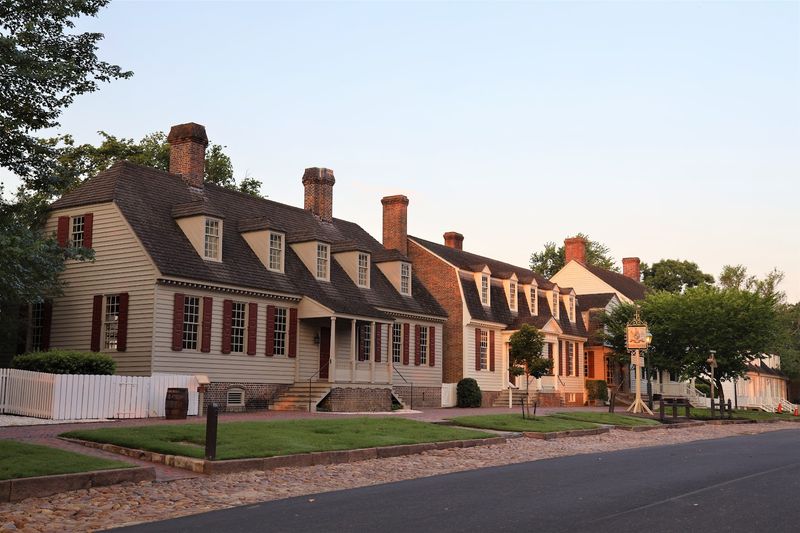
Just a short drive from Williamsburg, Jamestown holds the remarkable distinction of being the first permanent English settlement in America, established in 1607. As part of the Historic Triangle, it is an essential companion to any Williamsburg visit and adds powerful context to everything you see in the colonial city.
Historic Jamestowne is the actual archaeological site where ongoing excavations continue to uncover artifacts from the original settlement. Nearby, the Jamestown Settlement museum features full-scale reconstructions of the fort, Powhatan village, and the three ships that carried the original settlers across the Atlantic Ocean.
Costumed interpreters at the settlement bring early colonial life to life with genuine energy, demonstrating period crafts, weaponry, and cooking techniques. Children especially love climbing aboard the replica ships.
Combining Jamestown with Williamsburg in a single trip creates a sweeping, deeply moving portrait of how this country came to be.
Yorktown: Where the Revolution Came to Its Triumphant End
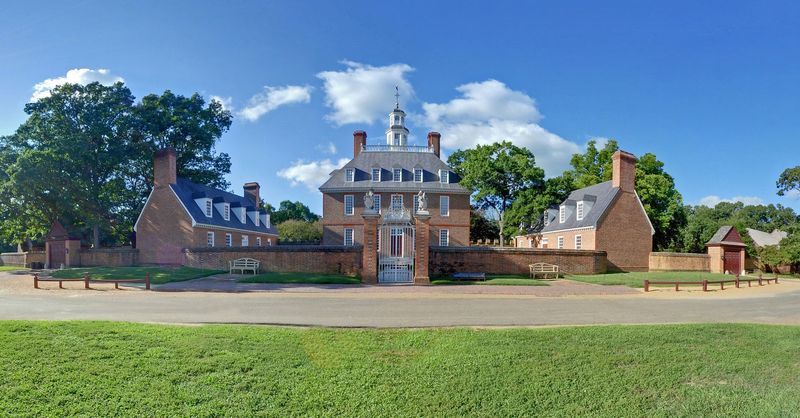
Completing the Historic Triangle, Yorktown is where the American Revolution effectively ended in October 1781, when British General Cornwallis surrendered to George Washington after a decisive siege. Standing on those quiet battlefields today, it is genuinely hard to believe that world-changing history unfolded right beneath your feet.
The Yorktown Battlefield, managed by the National Park Service, offers a self-guided driving tour past earthworks, artillery positions, and the very ground where American and French forces encircled the British army. The visitor center houses an impressive collection of Revolutionary War artifacts, including Washington’s actual campaign tent.
Down by the waterfront, the charming village of Yorktown adds a relaxed, scenic element to the visit. Waterfront restaurants, a riverwalk, and stunning views of the York River make it a lovely place to unwind after a day of history.
Yorktown proves that the end of a war can be a beautiful beginning.
Bruton Parish Church: A Congregation That Predates the Nation
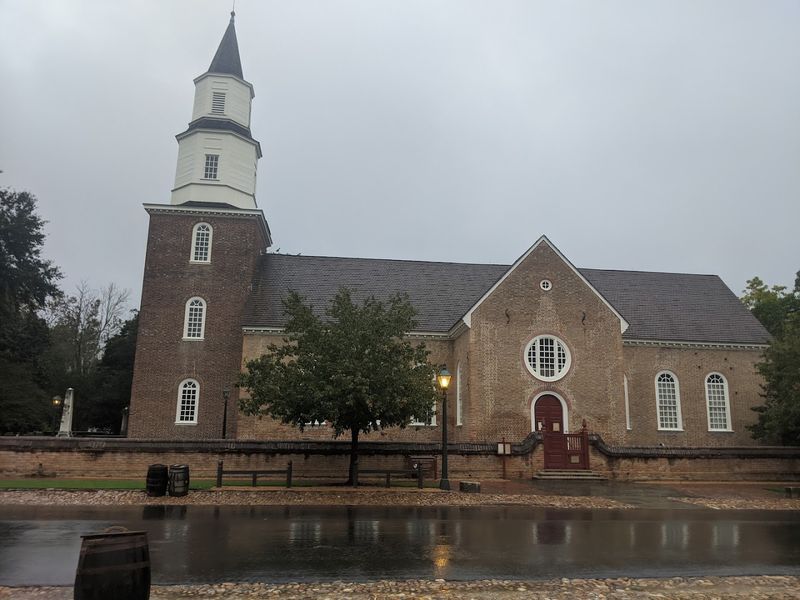
Some buildings carry centuries of quiet dignity within their walls, and Bruton Parish Church is exactly that kind of place. Established in 1674 and rebuilt in its current form in 1715, this Episcopal church has held continuous services for over 300 years, making it one of the oldest active churches in the United States.
George Washington, Thomas Jefferson, and Patrick Henry all worshipped here during their time in Williamsburg. Walking through its doors, you immediately sense the weight of that history.
The simple, whitewashed interior, box pews, and elevated pulpit reflect the austere elegance of colonial Anglican worship.
The churchyard surrounding the building is equally compelling. Weathered headstones dating back to the early 1700s tell quiet stories of colonial life and loss.
Many visitors find this spot unexpectedly moving, a genuine pause from the bustle of the historic district. Attending a Sunday service here is an experience that lingers long after you leave.
Colonial Williamsburg Taverns: Eating Like It’s 1776
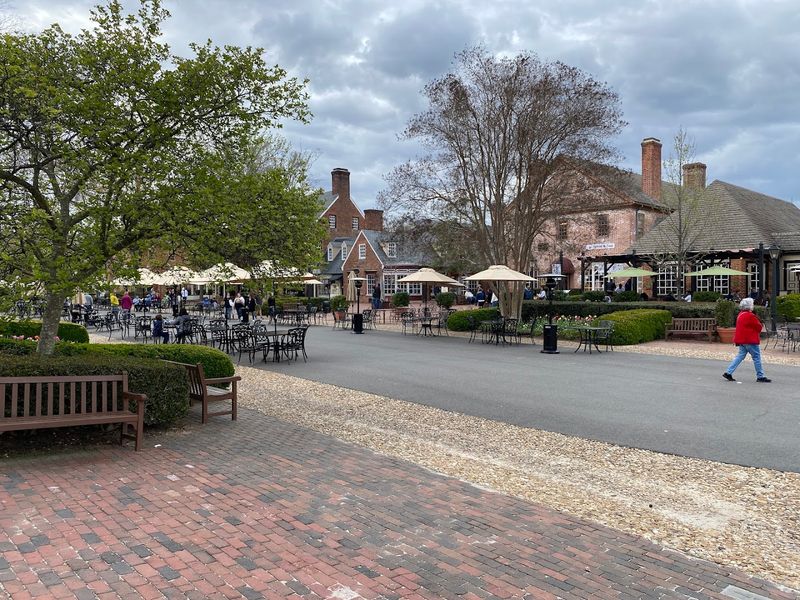
Hungry after a morning of time travel? Colonial Williamsburg’s historic taverns serve up food and atmosphere in equal measure.
Establishments like Shields Tavern, Chowning’s Tavern, and the King’s Arms Tavern have been recreating colonial dining experiences for decades, and they do it with genuine charm and delicious results.
Menus draw from authentic 18th-century recipes, featuring dishes like peanut soup, Sally Lunn bread, roasted meats, and seasonal vegetables prepared with period-inspired techniques. The portions are hearty, the settings are candlelit and cozy, and the servers often stay in character throughout your meal, adding to the immersive atmosphere.
Chowning’s Tavern, in particular, transforms into a rollicking colonial gaming pub on certain evenings, complete with period music, games, and ales. Reservations are strongly recommended, especially during peak tourist seasons.
Dining here turns a simple meal into a memory that guests talk about for years afterward.
The College of William and Mary: America’s Second-Oldest University
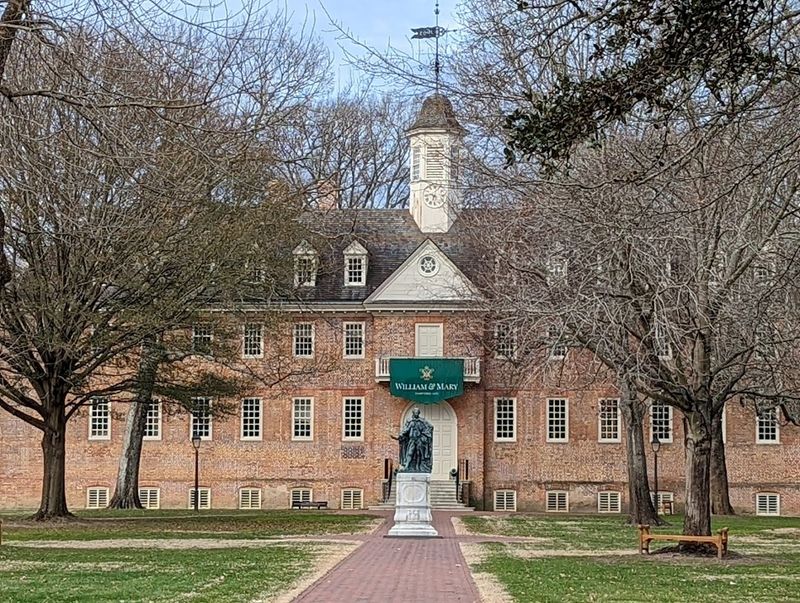
Founded in 1693 by royal charter from King William III and Queen Mary II of England, the College of William and Mary is the second-oldest institution of higher education in the United States, trailing only Harvard. Its presence gives Williamsburg an intellectual energy that complements the historic district beautifully.
The Wren Building, the college’s oldest structure and the oldest academic building still in use in America, anchors the campus with its stately red brick facade and white cupola. Thomas Jefferson studied here.
So did James Monroe. The building has survived three fires and still stands, a symbol of remarkable resilience.
Walking the campus feels like moving through layers of American history. The grounds are open to visitors, and the college regularly hosts public events, lectures, and tours.
Even if higher education is not on your mind, the campus adds a rich intellectual layer to any Williamsburg visit worth exploring.
Colonial Williamsburg Trade Shops: Craftsmanship From Another Era
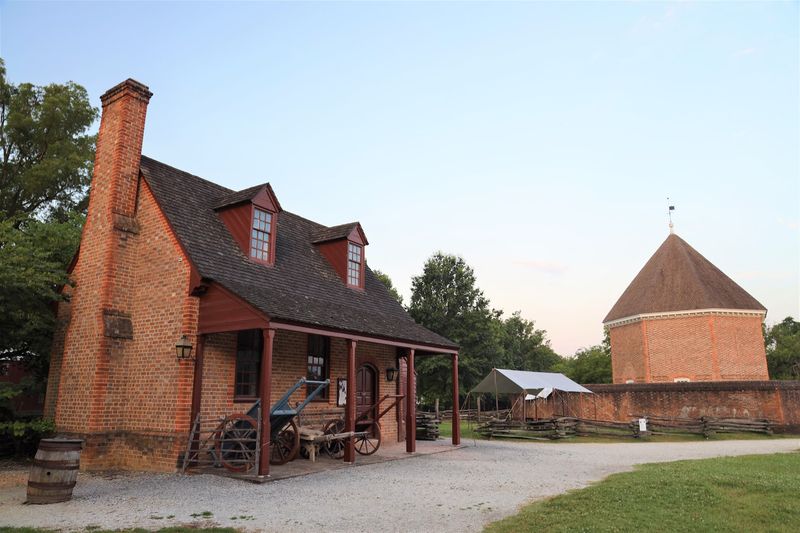
There is something deeply satisfying about watching a skilled craftsperson work with their hands, and Colonial Williamsburg’s trade shops offer that experience in spectacular historical form. From the blacksmith’s forge to the wigmaker’s bench, more than a dozen working trades are demonstrated throughout the historic district every day.
Watch a cooper shape wooden barrels using centuries-old techniques. Visit the gunsmith’s shop where flintlock muskets are carefully assembled by hand.
Step into the apothecary, where an interpreter explains colonial medical practices with a mix of fascination and mild horror. Each shop is staffed by highly trained interpreters who genuinely know their craft.
Many shops sell handcrafted items made on-site, making for uniquely meaningful souvenirs. The shoemaker’s shop, for instance, produces leather shoes using traditional methods.
These demonstrations are not just entertaining performances; they are genuine acts of historical preservation that keep forgotten skills alive for future generations to appreciate and learn from.
The Capitol Building: Where Colonial Democracy Found Its Voice
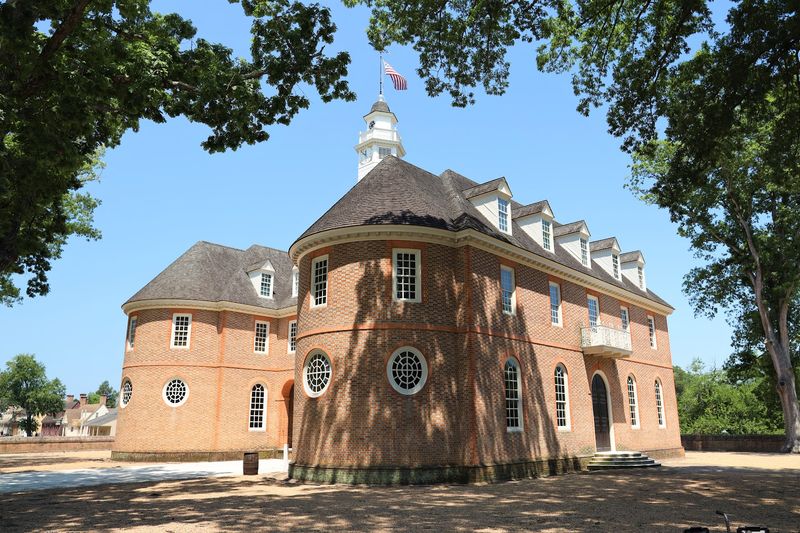
At the eastern end of Duke of Gloucester Street stands the reconstructed Capitol building, one of the most historically significant structures in all of Colonial Williamsburg. This is where Virginia’s General Assembly met, where laws were debated, and where colonial leaders began articulating the ideas that would eventually fuel the American Revolution.
Patrick Henry delivered his famous speech against the Stamp Act here in 1765, a moment that electrified the colonies and helped set the stage for independence. Guided tours of the building bring these dramatic moments to life with vivid storytelling and period-accurate room recreations.
The building was reconstructed in 1934 after the original burned down in 1747. Architectural historians used colonial records and archaeological findings to ensure accuracy in every detail.
Walking through the council chambers and the House of Burgesses room, you can almost hear the heated debates that shaped a nation still finding its identity.
Williamsburg’s Seasonal Events: History Comes Alive All Year Long
One of the best-kept secrets about visiting Williamsburg is that the experience shifts dramatically depending on the season. Colonial Williamsburg hosts a packed calendar of special events throughout the year, each one adding a new dimension to the historic district’s already immersive atmosphere.
During the summer months, military drills, outdoor concerts, and colonial garden tours fill the schedule. Fall brings harvest demonstrations and tavern evenings with period music.
The holiday season, however, is when Williamsburg truly transforms into something magical. The Grand Illumination event in December lights up the entire historic district with thousands of candles and lanterns, accompanied by fireworks and colonial carolers.
Spring offers garden tours when the historic district’s famous boxwood hedges and flower beds burst into color. No matter when you visit, there is almost always something special happening.
Checking the Colonial Williamsburg events calendar before your trip is a smart move that pays off beautifully.
Williamsburg Premium Outlets and Merchant’s Square: Shopping With Character
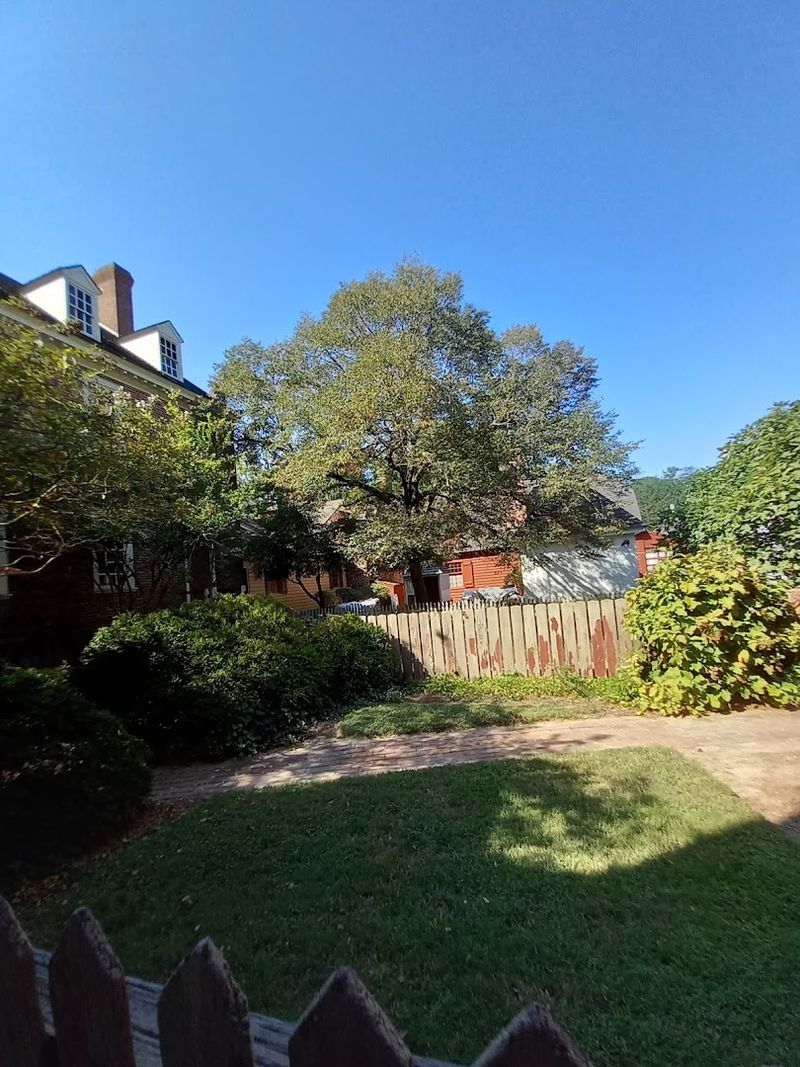
History is the star of the show in Williamsburg, but the city also offers some genuinely enjoyable shopping experiences that feel anything but ordinary. Merchant’s Square, located right at the edge of the Colonial Williamsburg historic district, is a beautifully designed outdoor shopping area with dozens of specialty shops, galleries, and restaurants arranged along brick walkways.
Shops here carry everything from hand-crafted pottery and colonial-style home decor to gourmet foods and locally made jewelry. The ambiance is relaxed and unhurried, with benches, shade trees, and the occasional street musician creating a pleasant backdrop for browsing.
It is the kind of place where you easily lose track of time.
A few miles away, Williamsburg Premium Outlets offers a completely different vibe with over 135 brand-name stores at discounted prices. Many families use it as a practical addition to their trip.
Both shopping destinations prove that Williamsburg has plenty to offer beyond its famous historic boundaries.
Busch Gardens Williamsburg: Thrills Right Next Door to History
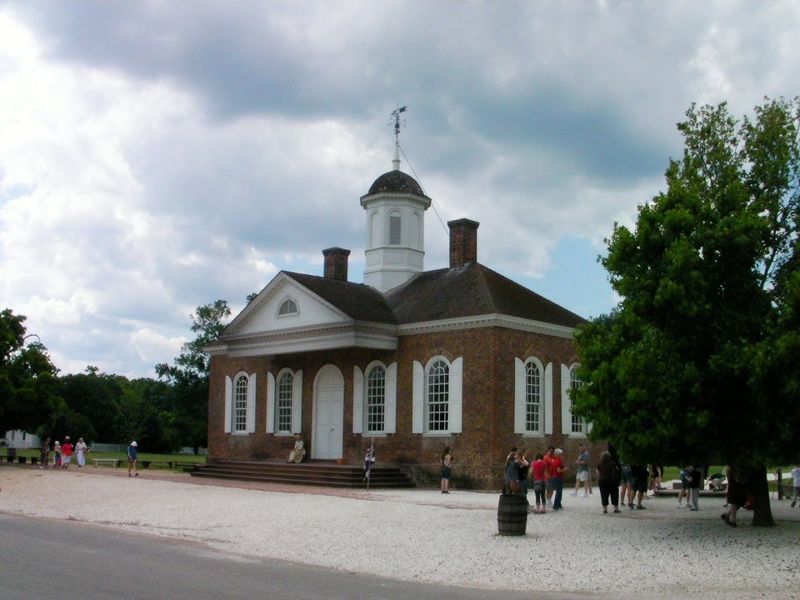
Who says a history trip cannot also include a roller coaster or two? Busch Gardens Williamsburg sits just minutes from the historic district and consistently ranks among the most beautiful theme parks in the entire country.
With its European village theming, towering trees, and world-class rides, it offers a thrilling counterpoint to the colonial calm nearby.
The park is divided into themed areas inspired by countries like England, France, Germany, Scotland, and Italy. Each section features its own rides, shows, dining, and architecture, creating a surprisingly immersive international atmosphere.
Roller coasters like Griffon, Alpengeist, and Loch Ness Monster have built loyal followings over the years.
Combining a day at Busch Gardens with days spent exploring Colonial Williamsburg gives family trips a wonderful balance of education and pure fun. The park also hosts special seasonal events, including the beloved Howl-O-Scream in fall and Christmas Town during the holiday season.
It is a crowd-pleaser for every age group.
Enjoyed this story?
Add Fast Food Club as a preferred source to see more of our reporting on Google.