


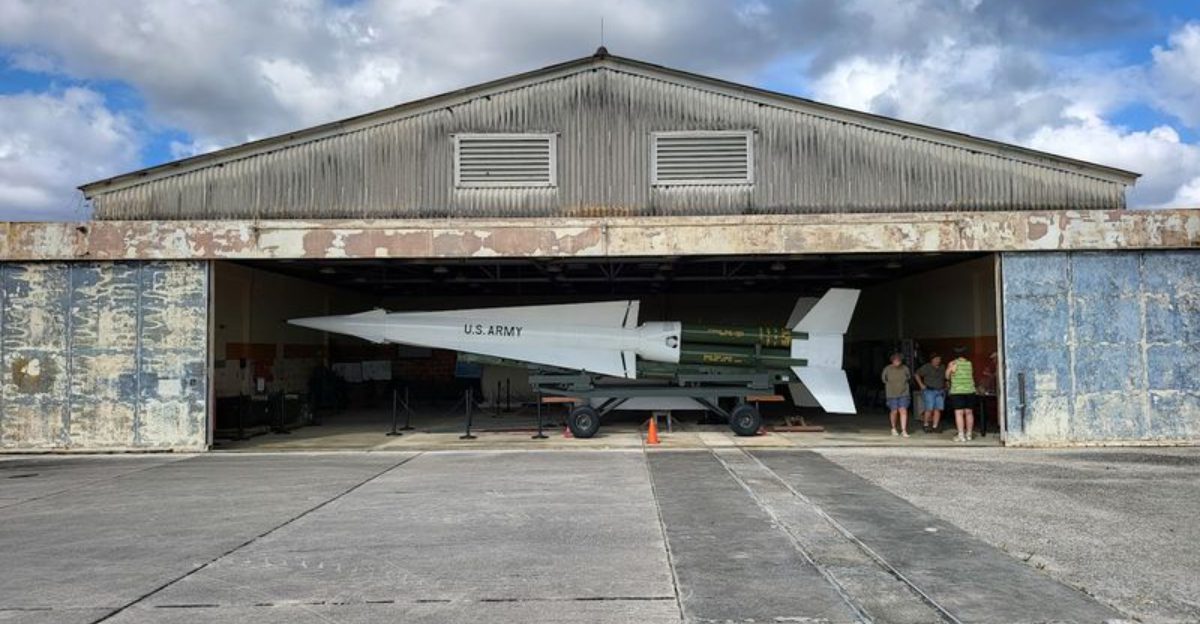
Tucked deep inside Everglades National Park near Homestead, Florida, the HM69 Nike Missile Base is one of the most surprising historical sites you can visit in the entire state. Built during the Cold War in the 1960s, this once top-secret military installation was designed to protect Miami from Soviet air attacks.
Most people drive right past it without ever knowing it exists. If you love American history, military secrets, or just cool hidden places, this site is absolutely worth your time.
A Secret Base Hidden in Plain Sight
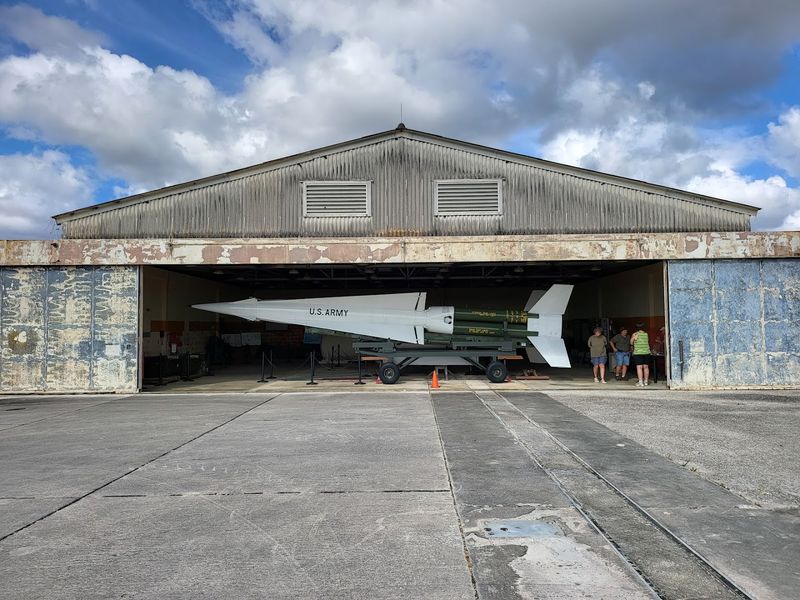
You would never guess a Cold War missile base is hiding inside one of America’s most famous national parks. The HM69 Nike Missile Base sits quietly along Research Road in Homestead, FL, completely surrounded by the wild landscape of the Everglades.
Most visitors to the park never even know it exists.
The base was deliberately built in a remote location to keep it hidden from the public and potential enemies. That secrecy has carried over into the modern era, giving the site an eerie, time-capsule atmosphere that feels unlike anything else in Florida.
Approaching it for the first time genuinely feels like stumbling onto a movie set.
Reviewers consistently describe the setting as having a whole unique vibe. The isolation adds to the experience in a way that no museum replica ever could.
Getting there is part of the adventure.
What the Nike Missile System Was Actually For
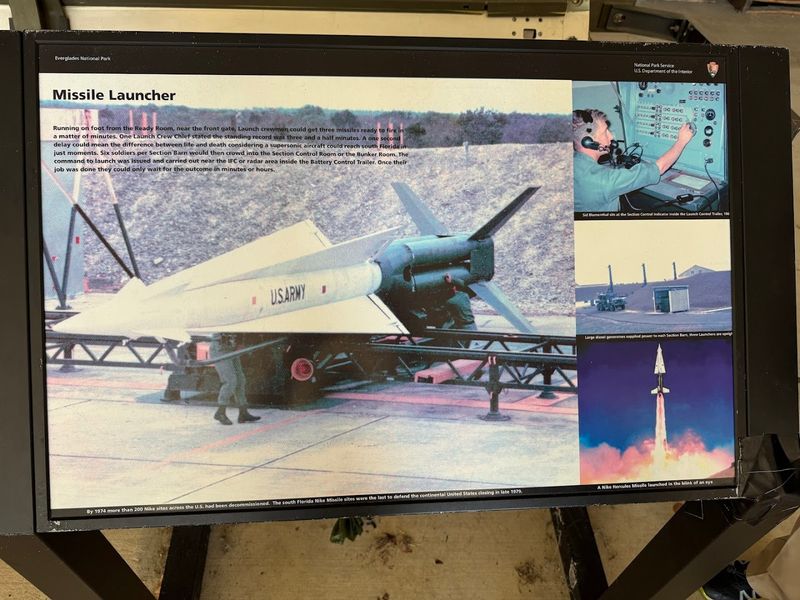
Back in the early 1960s, the United States government was genuinely worried about Soviet bombers flying over American cities. To counter that threat, the Army deployed a network of Nike missile batteries around major population centers, including Miami.
HM69 was one of those defensive shields.
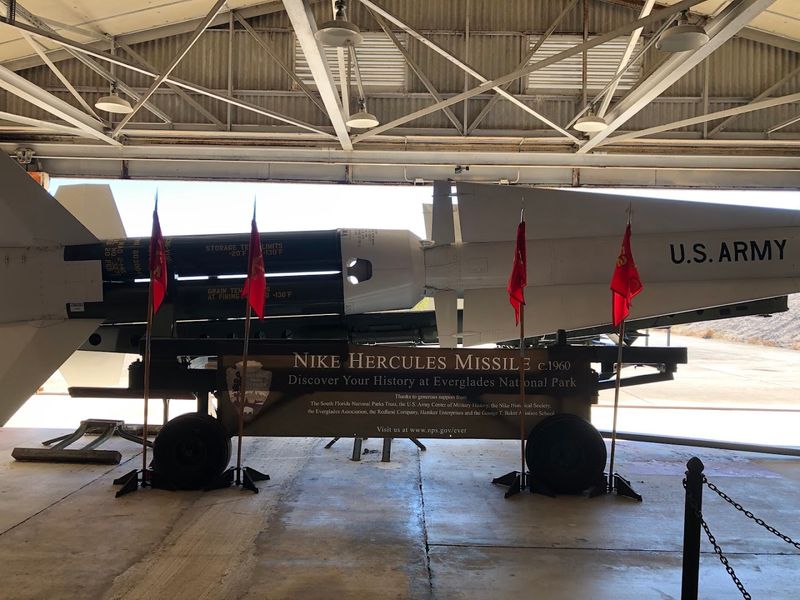
The Nike Hercules missiles stationed here were surface-to-air weapons, meaning they were designed to shoot down enemy aircraft before they could reach their targets. Each of the three underground bunkers at the site could hold up to six missiles, giving the base serious firepower on standby at all times.
Understanding this context makes walking through the site so much more powerful. These were not display pieces — they were loaded, ready weapons pointed at the sky.
The weight of that reality hits differently when you are standing right next to one of the actual missiles.
The Cuban Missile Crisis Connection
Few places in America connect visitors so directly to the Cuban Missile Crisis as HM69 does. In October 1962, when President Kennedy and Soviet Premier Khrushchev faced off in the most dangerous standoff of the Cold War, this base was on full alert.
Soldiers here were ready to fire.
Miami sits just 230 miles from Cuba, making South Florida one of the most vulnerable regions in the entire country during that crisis. The soldiers stationed at HM69 knew exactly what was at stake.
Volunteers at the site share firsthand accounts and stories that bring those terrifying thirteen days back to life in a very real way.
One reviewer described the visit as a look into a top-secret location that takes you right back into the Cold War era. Standing in those bunkers, that description feels completely accurate.
History does not feel distant here at all.
Getting Inside Everglades National Park to Reach It
One thing that surprises many first-time visitors is that reaching HM69 requires entering Everglades National Park and paying the standard entrance fee, currently around $35 per vehicle. That detail catches people off guard if they have not planned ahead.
Checking the National Park Service website before you go is always a smart move.
Once inside the park, the missile base is a solid drive from the main entrance. Reviewers suggest keeping to the right as you follow the road toward the site.
The route takes you through beautiful Everglades scenery, so the drive itself is genuinely enjoyable and worth slowing down for.
A practical tip: combine the missile base visit with a stop at the Royal Palm Visitor Center, which is only about twelve minutes away. Pairing both stops makes for a full, rewarding day inside one of America’s most unique national parks without any wasted driving time.
The Actual Missiles on Display
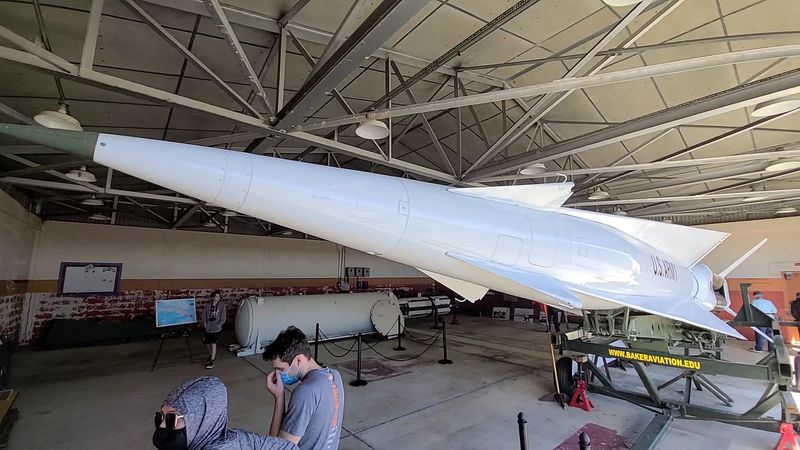
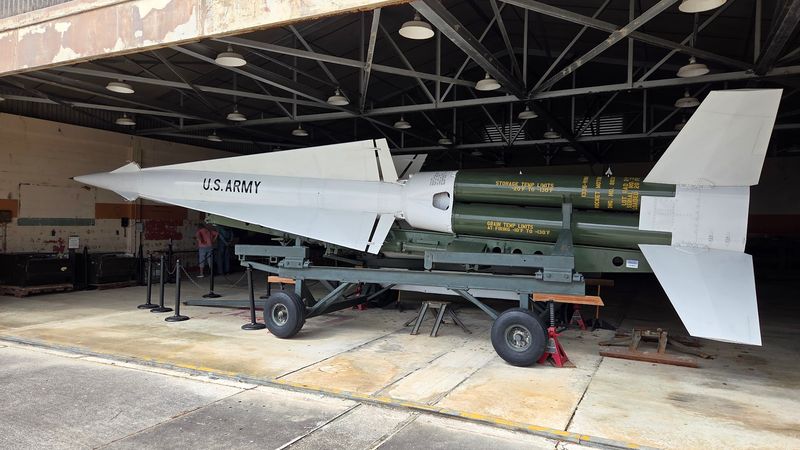
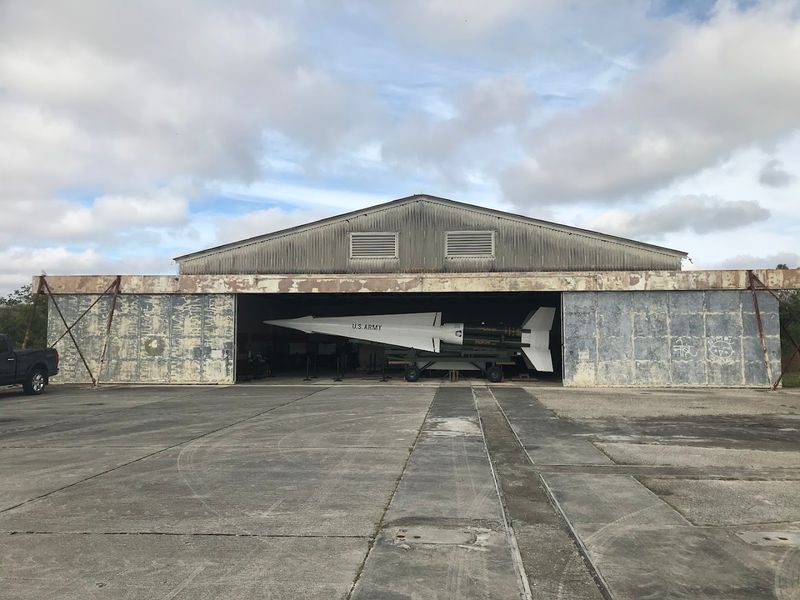
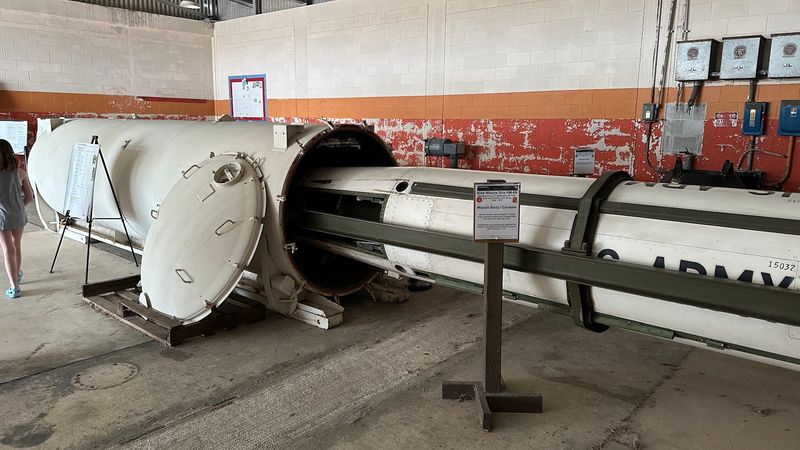
Pulling up to the base might feel underwhelming at first glance — just a few old buildings and some fencing. Then you step inside the first hangar, and there it is: a real Nike Hercules missile, fully assembled and right in front of you.
The sheer size of it is genuinely shocking up close.
The missile is displayed with its inner components visible, so you can actually see the mechanical guts of one of the Cold War era’s most powerful defensive weapons. Control panels, maps, photographs, and equipment from the 1960s fill the surrounding space, creating a rich, layered experience that rewards curious visitors who take their time.
One visitor described it perfectly: it seems a little underwhelming as you pull in, but the moment you see the missile, everything changes. The base only opens one silo at a time, so repeat visits can reveal even more of the story.
Volunteer Guides Who Truly Know Their Stuff
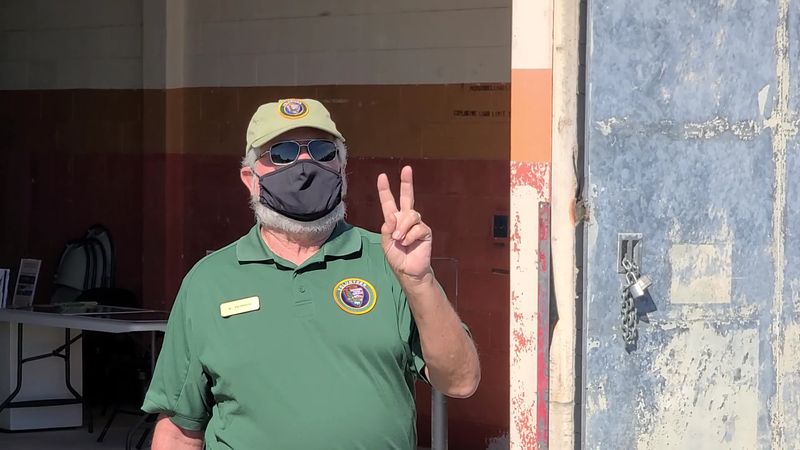
Harry. Max.
Maria. The volunteers at HM69 have names, and visitors remember them.
That personal touch is one of the most talked-about aspects of the entire experience. These are not bored staffers reading from a script — they are passionate historians who genuinely love this place and its story.
Several reviewers mentioned that a volunteer approached them while they were reading the information placards and spontaneously offered even more detail than what was written. One guide shared firsthand accounts of living in South Florida during the Cold War, creating a human connection to history that no exhibit panel can replicate.
The depth of knowledge on display here rivals that of any professional museum. Ask questions freely because the volunteers absolutely welcome them.
Whether you know a lot about the Cold War or nothing at all, these guides have a way of making the history feel immediate and personal.
Understanding the Soldiers Who Lived Here
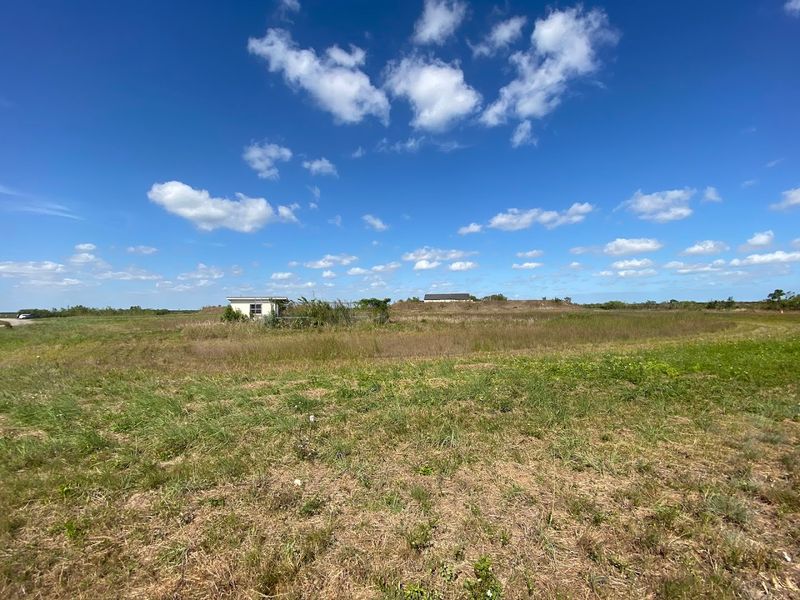
Living at HM69 was not glamorous by any measure. Soldiers stationed here were isolated deep in the Florida Everglades, far from cities, entertainment, and comfort.
The base was surrounded by swamp, heat, and one of the most notorious mosquito populations in the entire country.
Visitors today can actually see the living quarters and imagine what daily life was like for the young men assigned here. The conditions were harsh, and the mission was stressful.
Being on constant alert, knowing that a real Soviet attack could come at any time, created a psychological pressure that is hard to fully appreciate from the comfort of the modern world.
One reviewer noted that the soldiers stationed here absolutely hated the mosquitoes — a small, human detail that somehow makes the whole experience feel more real. These were ordinary people living in extraordinary circumstances, and the base honors that story well.
Hours, Seasons, and Planning Your Visit
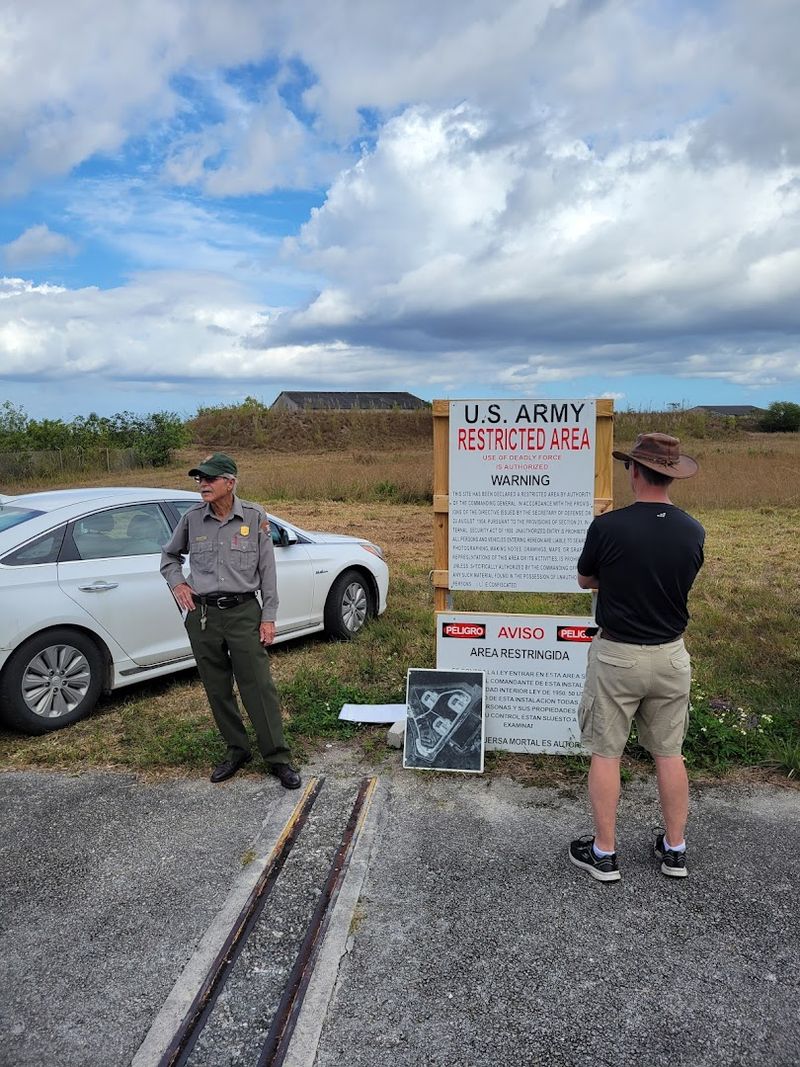
Planning ahead is genuinely important for this one. HM69 operates with limited hours, typically open from 10 AM to 2 PM, and is generally accessible to the public from December through March.
Outside of those months and times, the base is closed, so showing up without checking first can mean a wasted trip.
The site is run by dedicated volunteers rather than full-time park staff, which means hours can occasionally shift without much notice. Multiple reviewers strongly recommend checking the National Park Service website at nps.gov/ever before heading out.
You can also call the park at 305-242-7700 to confirm the schedule on any given day.
Guided tours are sometimes offered at 2 PM, which is a fantastic option if you want the most immersive experience possible. Arriving early gives you more time to explore independently before the tour begins, which many visitors say is the ideal approach.
The Three Underground Missile Silos
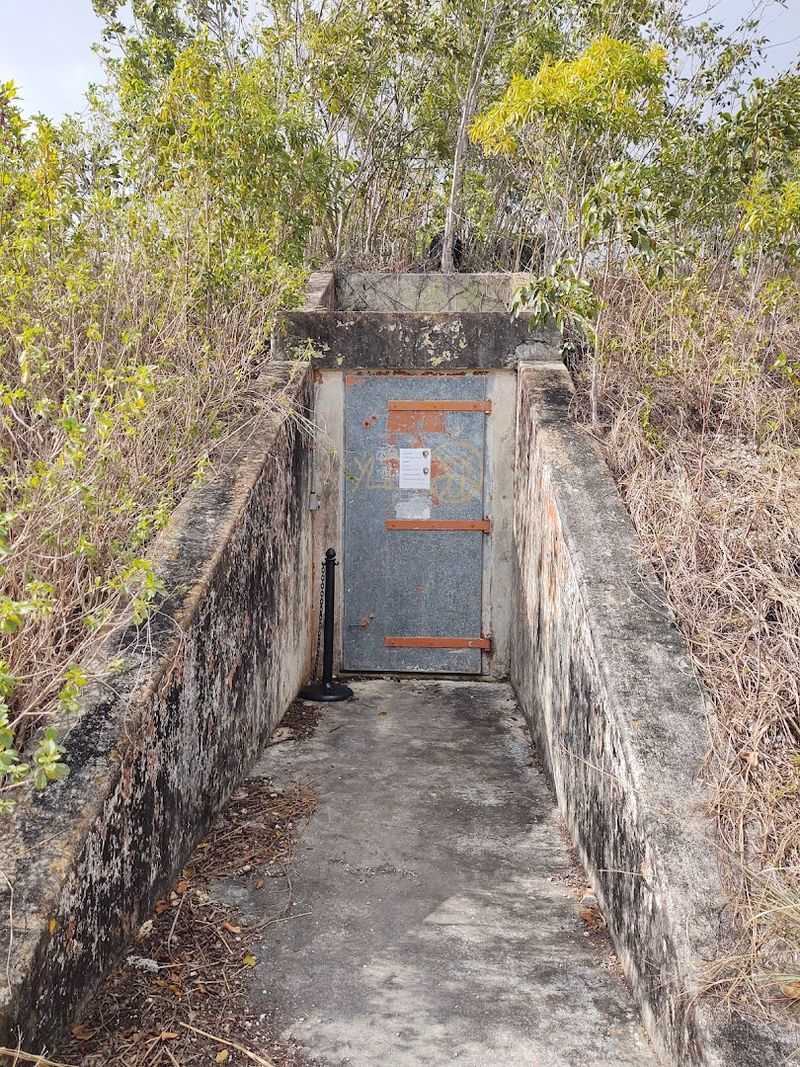
One of the most jaw-dropping features of HM69 is the presence of three original underground missile silos, each designed to hold six Nike Hercules missiles. These were not symbolic structures — they were fully functional launch facilities that remained operational throughout the Cold War period until the base was decommissioned in 1979.
Today, only one silo is typically opened during each visit, which keeps a sense of mystery alive for anyone who returns more than once. Seeing the heavy concrete doors swing open to reveal the dark interior below is one of those moments that genuinely stops people in their tracks.
One reviewer mentioned that their child got to help open the massive hangar doors, and the excitement in that moment was unforgettable.
The engineering required to build these structures in the middle of a swamp during the 1960s was remarkable. Standing above them, it is hard not to feel a deep respect for what was accomplished here.
National Park Service Stamps and Extra Perks
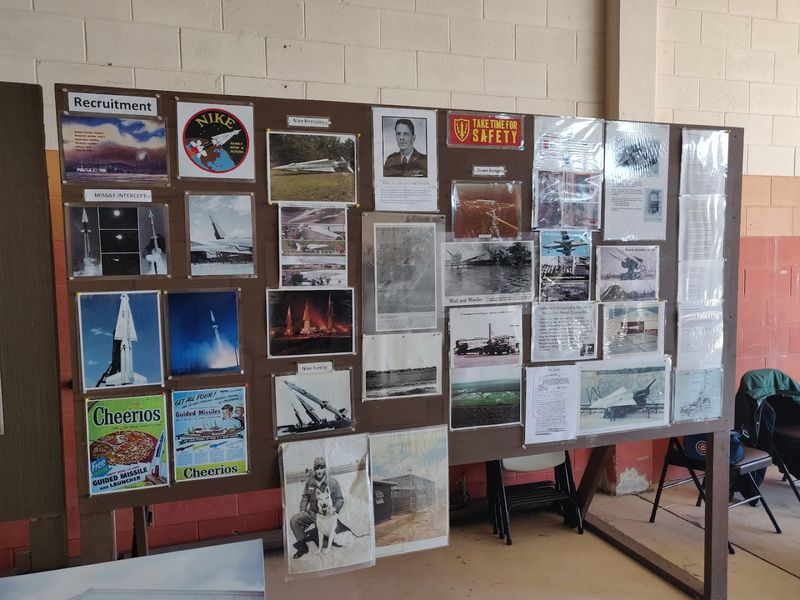
For National Park passport collectors, HM69 offers something genuinely exciting: an official NPS cancellation stamp unique to the missile base. Passport stamp collecting is a beloved hobby among park enthusiasts across the country, and snagging the HM69 stamp is a rare and satisfying addition to any collection.
One reviewer described getting the stamp as the icing on the cake during their visit, and that enthusiasm is easy to understand. It is a small but meaningful souvenir that costs nothing extra and commemorates a visit to one of the most unusual NPS sites in the entire system.
Beyond the stamp, the site offers free parking, informative display placards throughout the grounds, and the chance to explore at your own pace before or after a guided tour. For families, history buffs, or anyone who loves finding unexpected gems, these little extras make HM69 feel like a genuinely complete experience.
Combining HM69 With a Full Everglades Adventure
Smart visitors treat HM69 as one stop on a larger Everglades adventure rather than a standalone destination. Since you are already paying the park entrance fee, making the most of the full experience just makes sense.
The Royal Palm Visitor Center is only about twelve minutes away and offers excellent walking trails through classic Everglades habitat.
Wildlife sightings along the park roads are common, with alligators, herons, and roseate spoonbills frequently spotted even from your car window. Packing a lunch and spending a full day exploring both the natural and historical sides of the park creates a rich, layered Florida experience that most tourists completely miss.
RV travelers in particular have noted that this combination makes for one of the best planned stops in South Florida. The park trails, the missile base, and the scenic drive back out all add up to a day that feels genuinely worthwhile and memorable from start to finish.
Why This Place Matters to American History
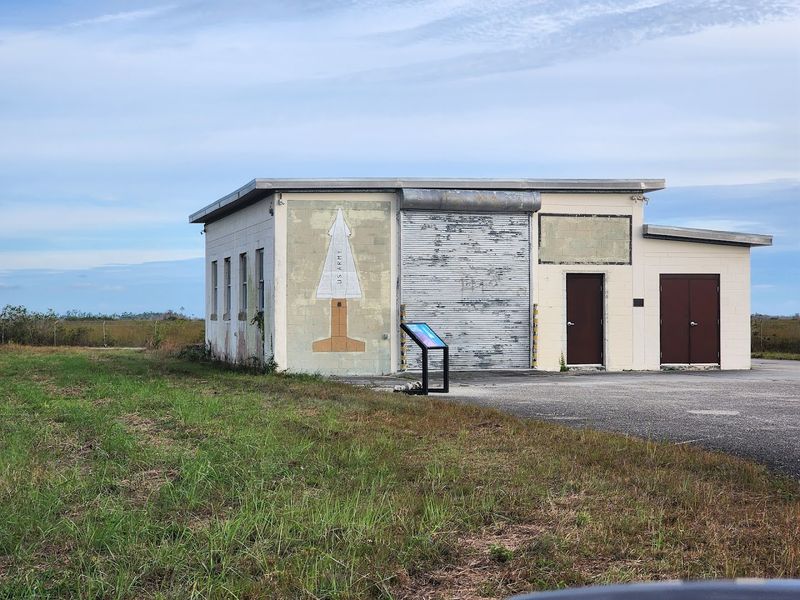
HM69 is not just a cool place to visit — it is a physical reminder of one of the most tense and dangerous periods in American history. The Cold War shaped everything from foreign policy to school safety drills, and this base was a real, functioning piece of that enormous national effort to stay safe and prepared.
Reviewers have called it a remarkable window into a defining chapter of American history and a living reminder of the tension, ingenuity, and resolve that shaped the modern era. Those words carry real weight when you are standing inside the actual control buildings where soldiers once monitored radar screens around the clock.
Preserving sites like HM69 ensures that future generations can understand what was at stake during those decades. History taught from a textbook is one thing.
History felt in your bones while standing inside a real missile bunker is something else entirely.
Tips for First-Time Visitors to HM69
A few practical tips can make your HM69 visit go much more smoothly. Always confirm hours before leaving home by checking nps.gov/ever or calling 305-242-7700 directly.
The base is volunteer-run, and hours can change without much advance notice, so a quick confirmation call is always worth the two minutes it takes.
Budget at least thirty minutes on site, though many visitors find themselves happily staying longer once the volunteers start sharing stories. Wear comfortable shoes and light clothing because the Florida heat and humidity are real factors, especially if you plan to explore the outdoor areas of the base and surrounding grounds.
Bug spray is a wise addition to your bag, particularly if you are visiting outside the dry winter months. The soldiers stationed here famously despised the mosquitoes, and that reputation is well earned.
With a little preparation, HM69 delivers an experience that is equal parts fascinating, educational, and genuinely unforgettable.
Enjoyed this story?
Add Fast Food Club as a preferred source to see more of our reporting on Google.