


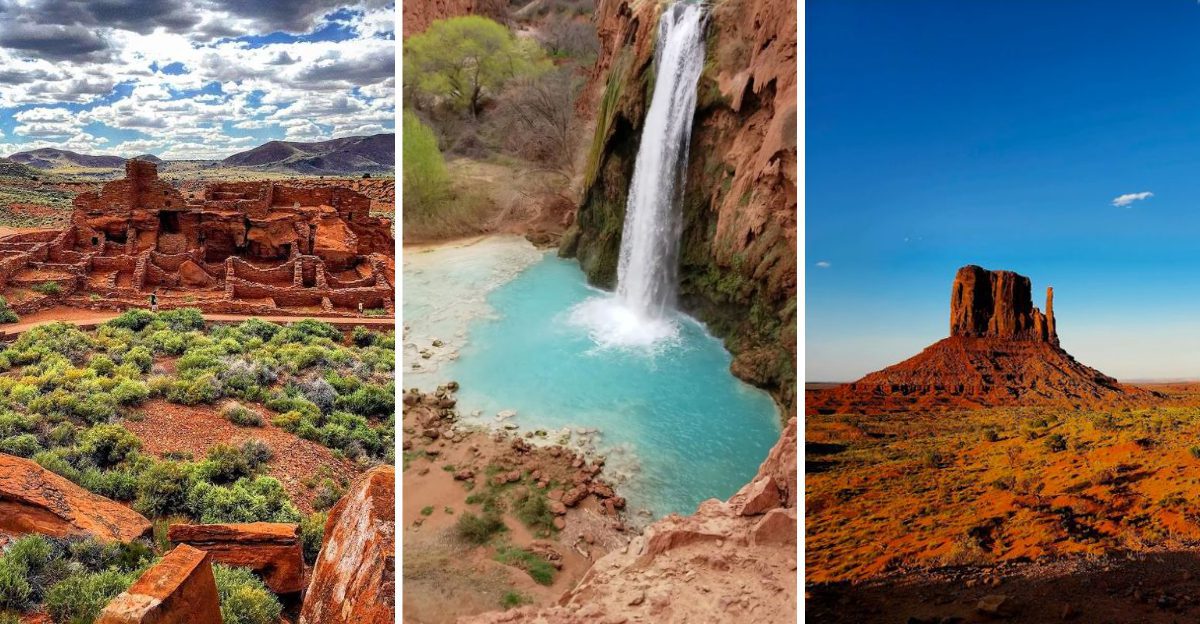
Arizona is home to some of the most jaw-dropping landscapes on the planet, and many of them look like they were pulled straight out of a science fiction movie. From towering red rock formations to glowing slot canyons, the desert Southwest has a way of making you question what is real.
These 18 landmarks prove that nature is the most creative artist of all, and they are all waiting for you to visit.
The Wave, Coyote Buttes North
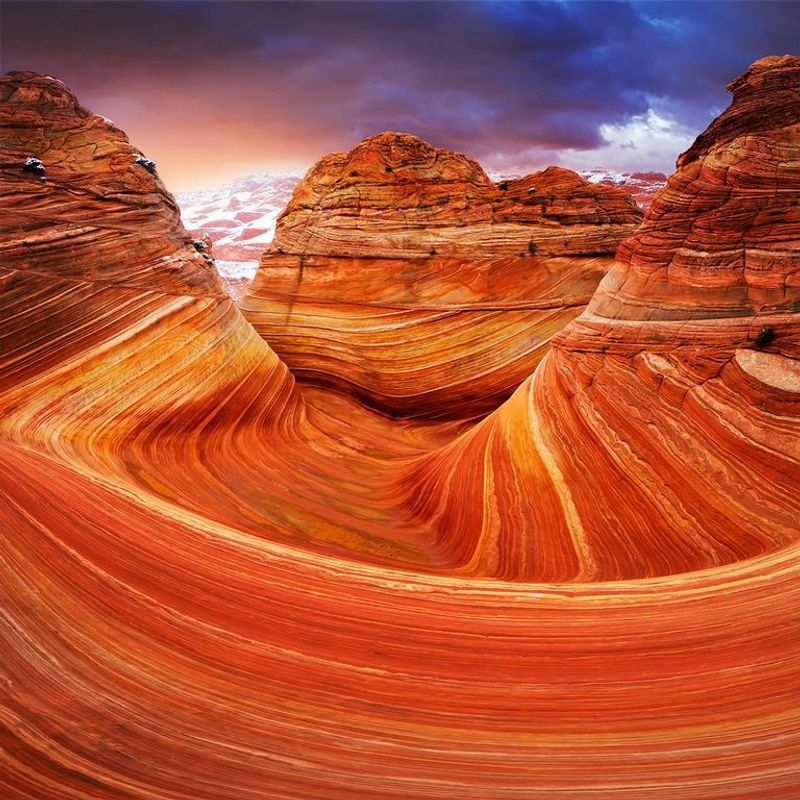
Striped like a psychedelic painting, The Wave is a sandstone rock formation in the Paria Canyon-Vermilion Cliffs Wilderness that looks digitally edited into existence. The swirling layers of red, orange, and pink were carved by wind and water over millions of years.
Only 64 people are allowed to visit per day, so getting a permit feels like winning a lottery. Plan months ahead and bring plenty of water because the hike is remote and unmarked.
Antelope Canyon
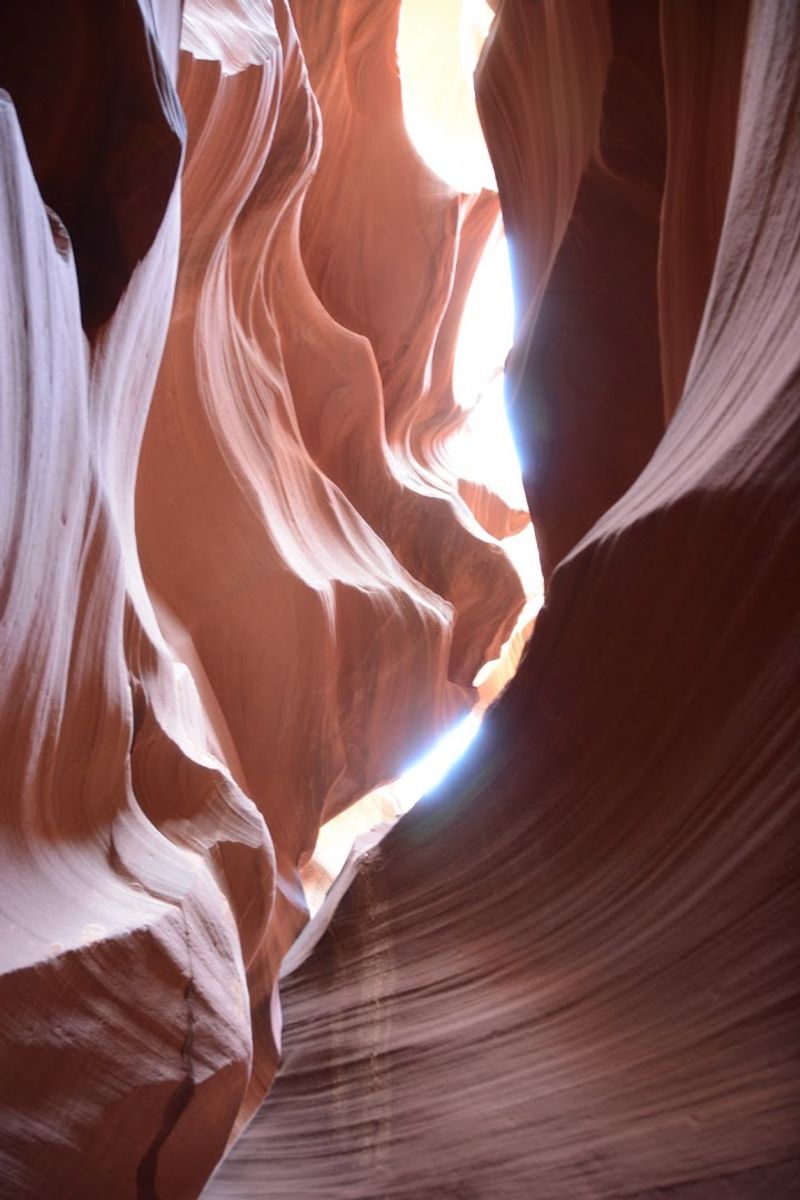
Shafts of golden light pour through narrow openings in the rock, turning the walls of Antelope Canyon into something that resembles a glowing cathedral. Located near Page, Arizona, this slot canyon was carved by flash floods rushing through the Navajo sandstone.
The Upper Canyon is best for light beams, especially around midday in summer. Tours are guided by Navajo Nation members, so visitors learn the cultural history alongside the breathtaking scenery.
Horseshoe Bend
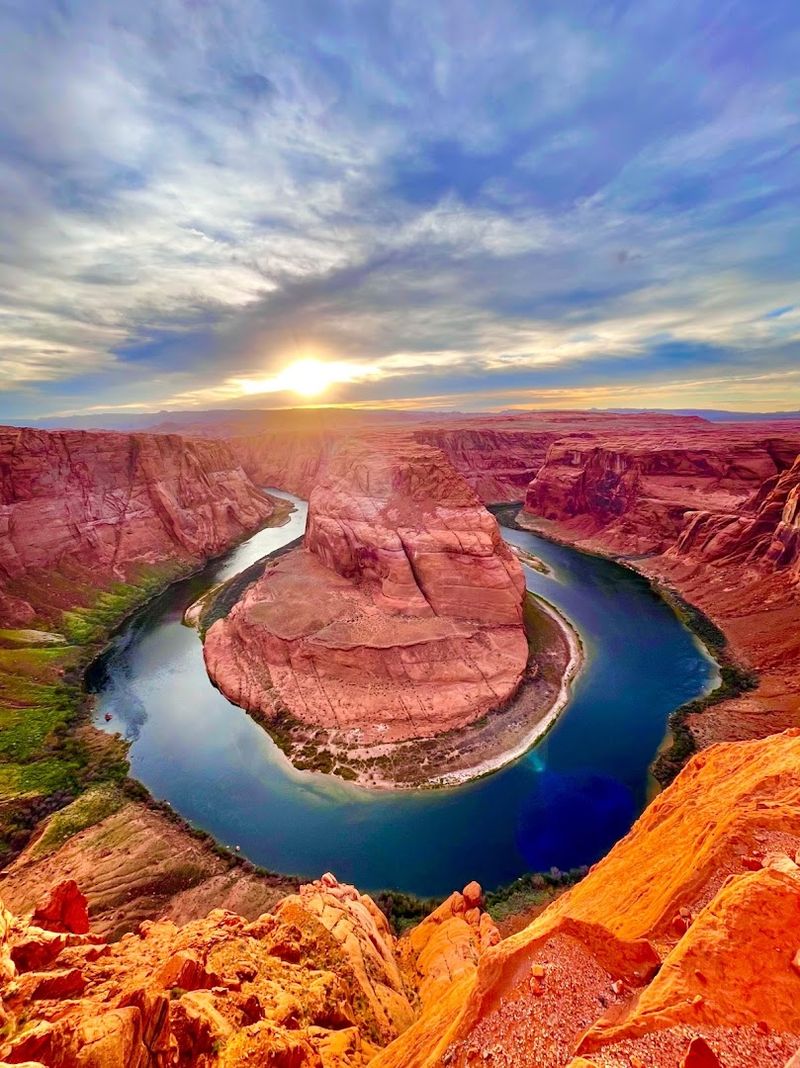
Standing at the edge of Horseshoe Bend feels like looking at a painting someone forgot to finish because it is simply too perfect. The Colorado River wraps around a massive sandstone butte in a near-perfect horseshoe shape, dropping about 1,000 feet below the overlook.
Sunrise and sunset paint the canyon walls in deep amber and violet hues. A short 1.5-mile round-trip hike from the parking area gets you there, making it one of Arizona’s most accessible wonders.
Havasupai Falls
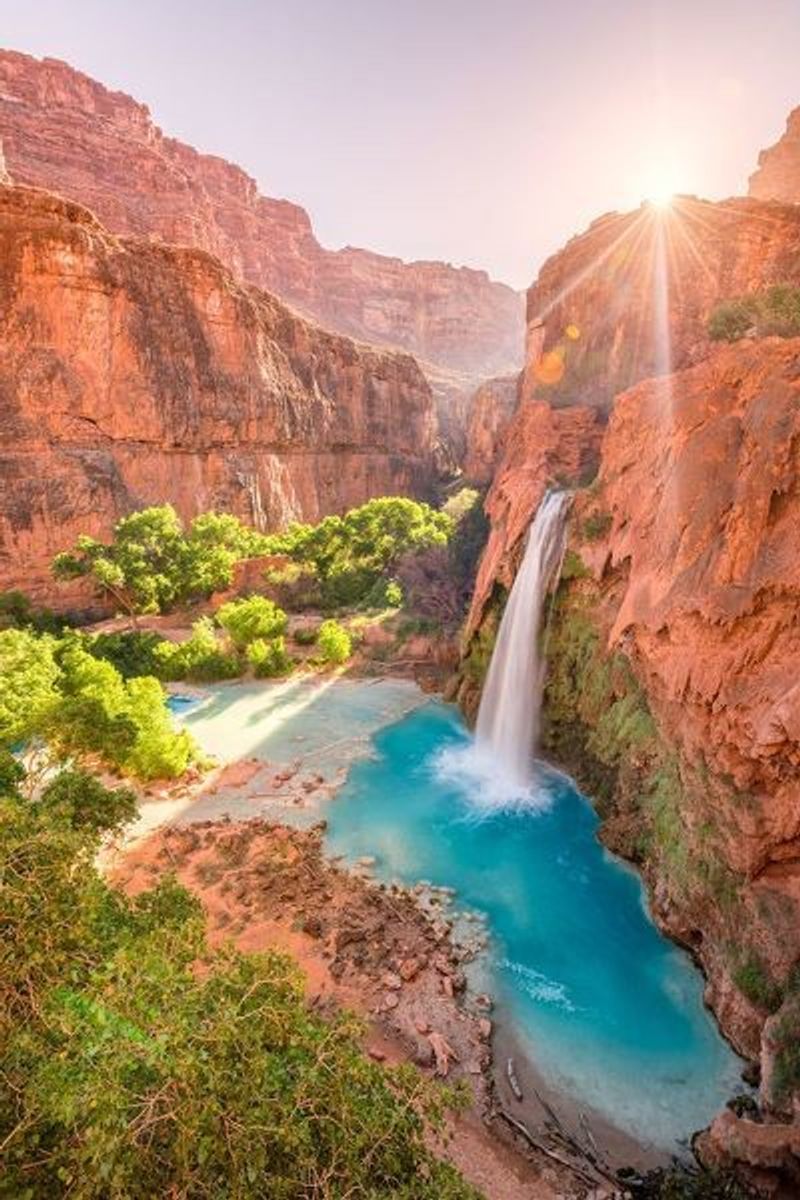
Bright turquoise water tumbling over red canyon walls looks more like a Caribbean dream than a desert reality, yet Havasupai Falls is entirely real and entirely spectacular. Hidden deep within a side canyon of the Grand Canyon, these falls are part of the Havasupai Tribal lands.
Getting there requires a 10-mile hike or horseback ride. The surreal blue-green color comes from high calcium carbonate levels in the water, giving it that almost neon glow.
Monument Valley
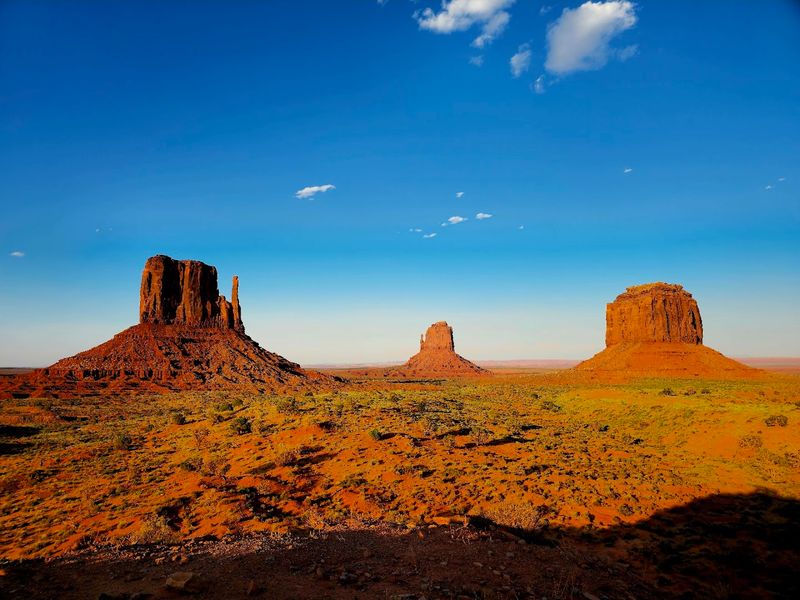
Few landscapes on Earth are more immediately recognizable than Monument Valley, where giant red sandstone buttes called mittens rise dramatically from the flat desert floor. Straddling the Arizona-Utah border, this Navajo Tribal Park has starred in countless Western films.
The Navajo people consider this land sacred and still live within the park boundaries today. Visiting at dawn or dusk transforms the scene into something almost otherworldly, with shadows stretching for miles across the rust-colored earth.
Petrified Forest National Park
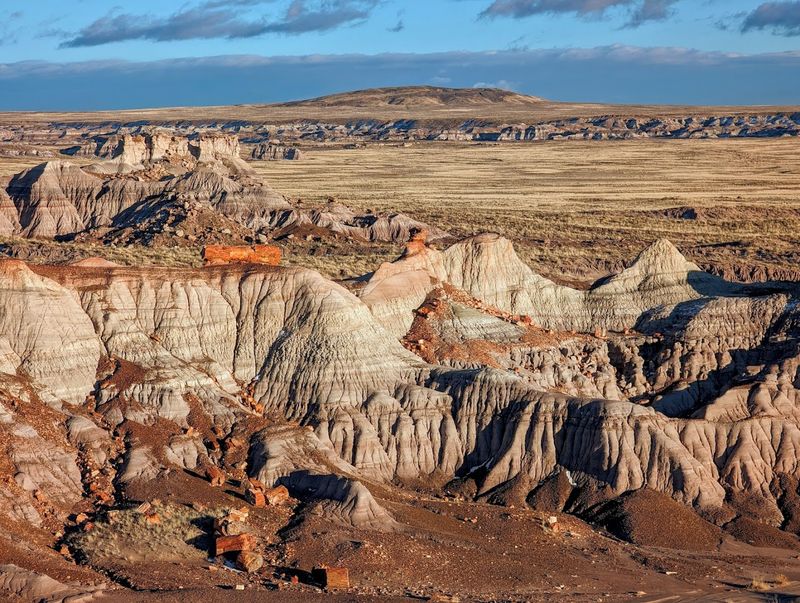
Imagine walking through a forest where every single tree has turned to crystal and stone. That is exactly what Petrified Forest National Park offers, where 225-million-year-old logs lie scattered across a rainbow-colored badlands landscape.
The wood was buried under volcanic ash, and minerals slowly replaced organic material over millions of years, creating logs that sparkle with quartz and amethyst. The painted desert backdrop makes the whole scene feel like another planet entirely.
Cathedral Rock, Sedona
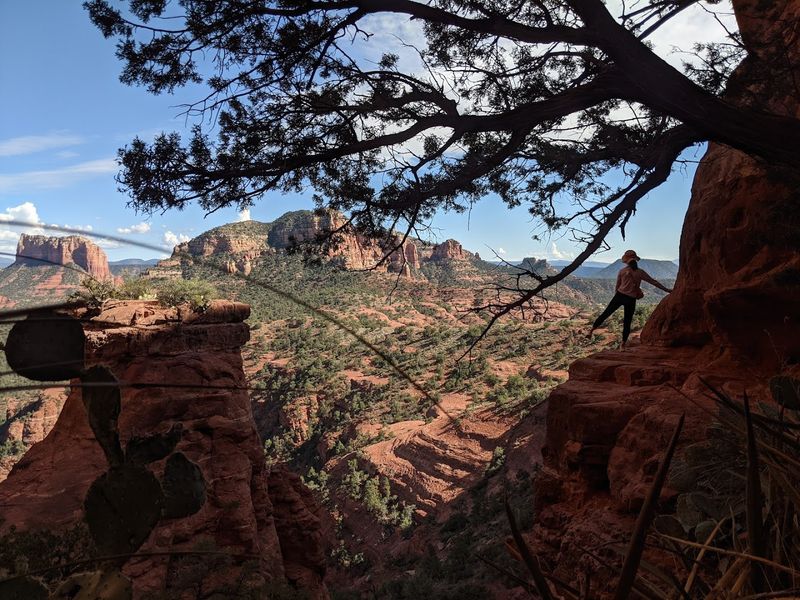
Cathedral Rock is Sedona’s most photographed landmark for good reason. Four towering spires of deep red sandstone rise dramatically above the surrounding desert scrub, and on calm days they reflect perfectly in the waters of Oak Creek below.
Many visitors describe feeling a powerful energy here, as Sedona is famous for its supposed spiritual vortexes. Whether you believe in that or not, the view alone is enough to make you stop, stare, and forget to breathe for a moment.
Chiricahua National Monument
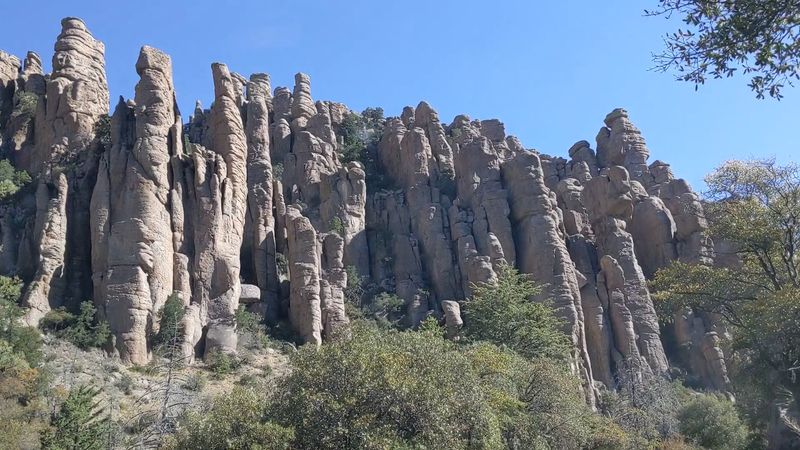
Called the Land of Standing-Up Rocks by the Apache people, Chiricahua National Monument is packed with thousands of towering rock columns and balanced boulders that seem to defy gravity. Volcanic eruptions roughly 27 million years ago created this alien-looking landscape in southeastern Arizona.
Hiking trails wind through the formations, putting you right next to columns that soar 25 feet overhead. The mix of desert and mountain habitats also makes it a paradise for birdwatchers and wildlife enthusiasts.
Vermilion Cliffs National Monument
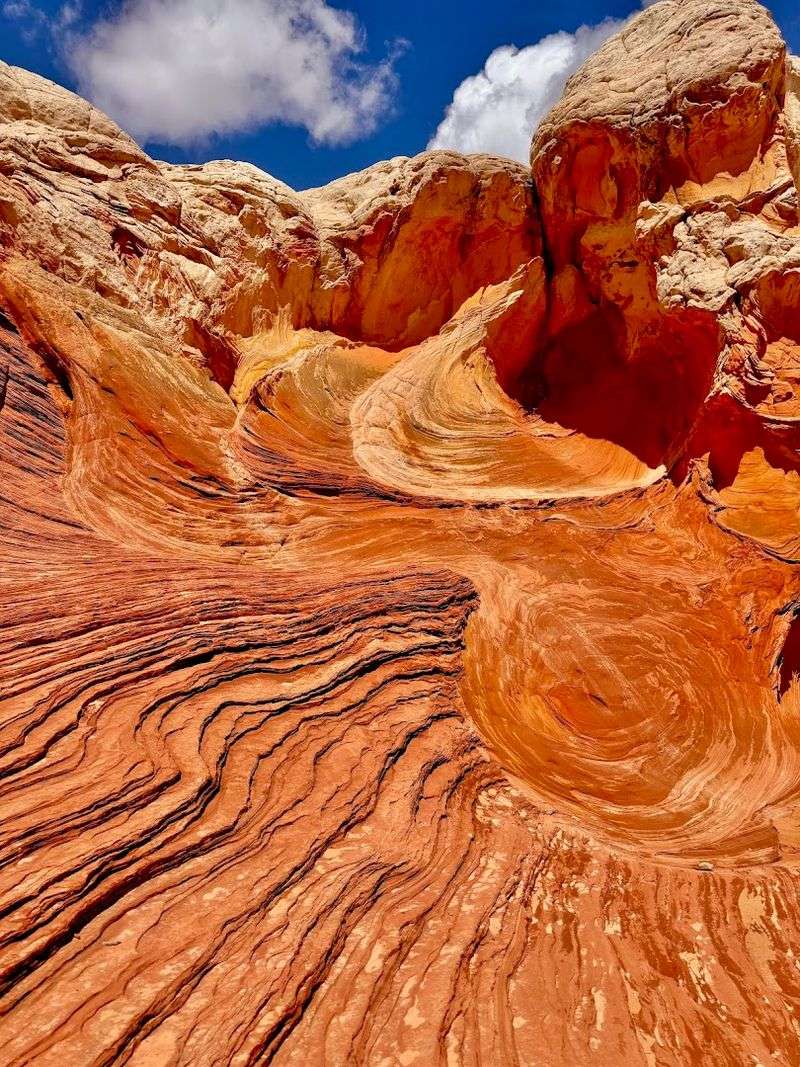
Stretching for nearly 3,000 square miles across northern Arizona, Vermilion Cliffs National Monument looks like a painter went wild with every shade of red and orange available. The towering cliffs reach heights of 3,000 feet and are packed with slot canyons, arches, and strange eroded formations.
This is also where California condors were reintroduced to the wild, so keep an eye on the sky. The remoteness of the area means crowds are rare and the silence is almost deafening.
Saguaro National Park
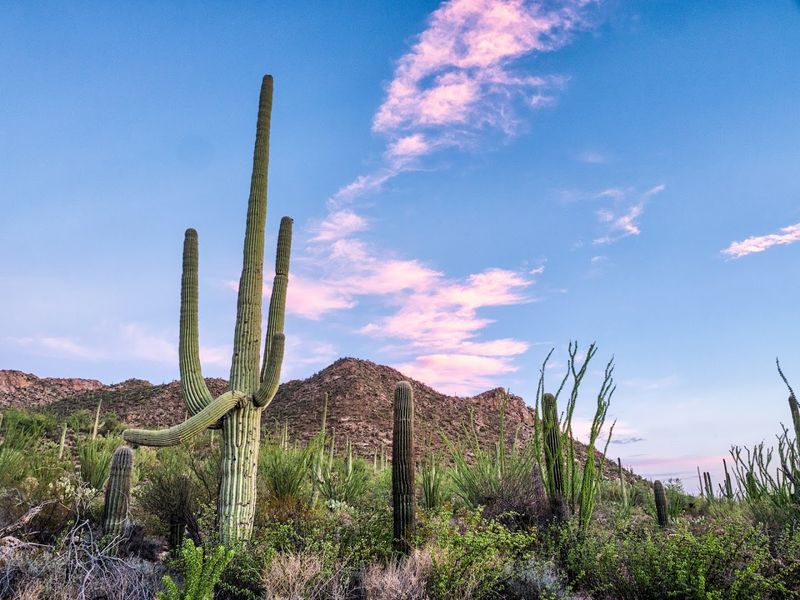
There is something almost cartoon-like about a landscape filled with 40-foot-tall cacti stretching their arms toward the sky, yet Saguaro National Park is completely real. Located near Tucson, the park protects the iconic saguaro cactus, which can live for 150 years or more.
A saguaro does not even grow its first arm until it is about 75 years old. At sunset, thousands of these giants cast long shadows across the Sonoran Desert floor, creating a scene that feels mythical.
White Pocket, Vermilion Cliffs
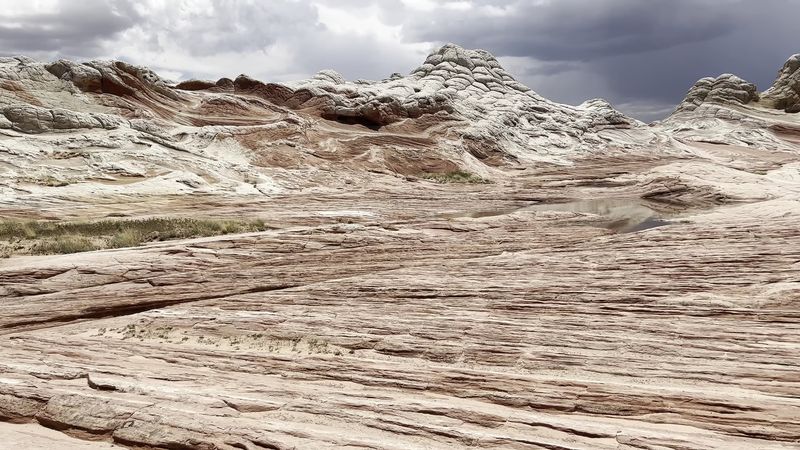
White Pocket looks like someone dropped a giant brain made of rock into the middle of the Arizona desert. The formations here feature wild swirling patterns in white, cream, and rusty red, created by ancient sand dunes that were cemented and then sculpted by erosion.
Getting there requires a high-clearance four-wheel-drive vehicle and some serious navigation skills. Because of its difficulty to reach, White Pocket remains one of Arizona’s best-kept secrets and rewards adventurous visitors with virtually no crowds.
Meteor Crater
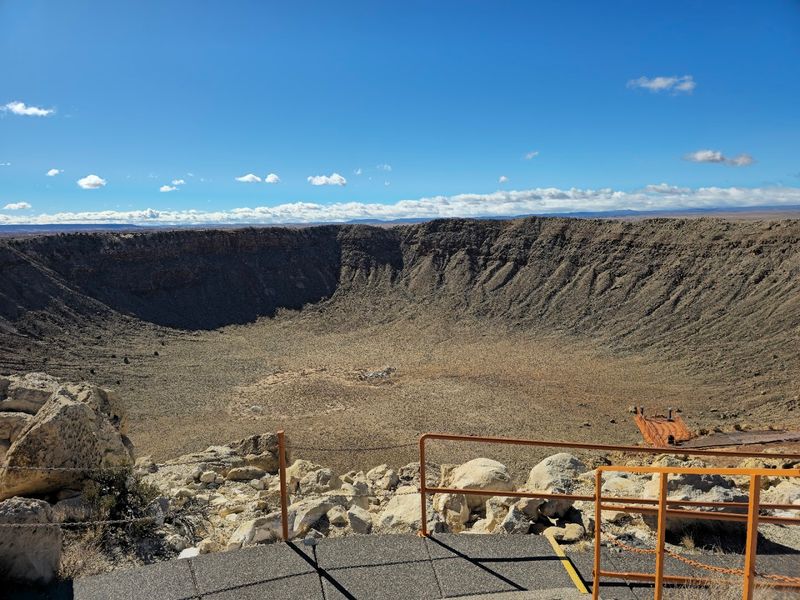
About 50,000 years ago, a 150-foot-wide iron meteorite slammed into the Arizona desert at 26,000 miles per hour, creating a hole nearly a mile wide and 550 feet deep. Meteor Crater near Winslow is the best-preserved impact crater on Earth.
Standing on the rim and looking down is a genuinely disorienting experience because the scale is hard for your brain to process. NASA actually used the crater to train Apollo astronauts, which tells you just how out-of-this-world it really is.
Grand Canyon Skywalk
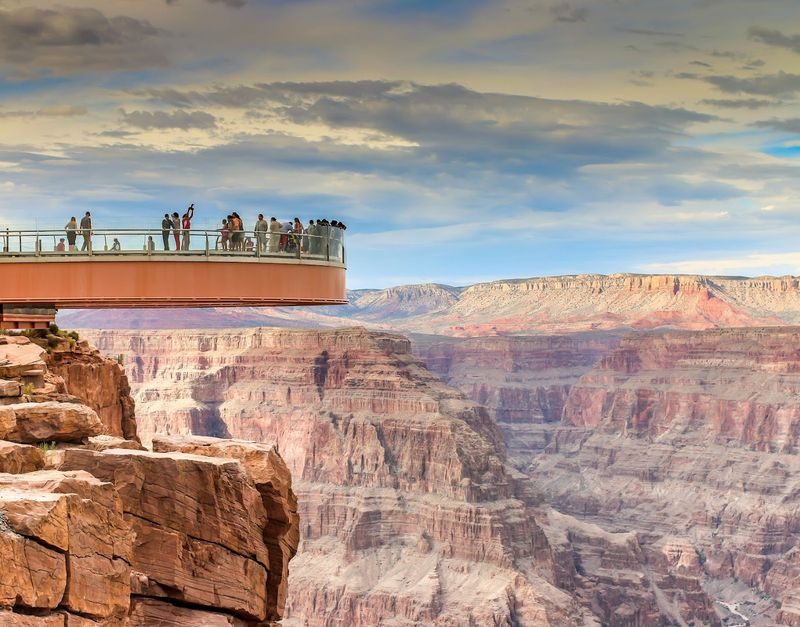
Walking on a glass bridge suspended 4,000 feet above the Colorado River is not something most people expect to do on a vacation, but the Grand Canyon Skywalk makes it possible. Located on the Hualapai Tribal lands on the western rim, this horseshoe-shaped platform juts 70 feet out over the canyon.
Looking straight down through the transparent floor reveals sheer canyon walls dropping thousands of feet. It is thrilling, terrifying, and completely unforgettable, often all at the same time.
Tonto Natural Bridge
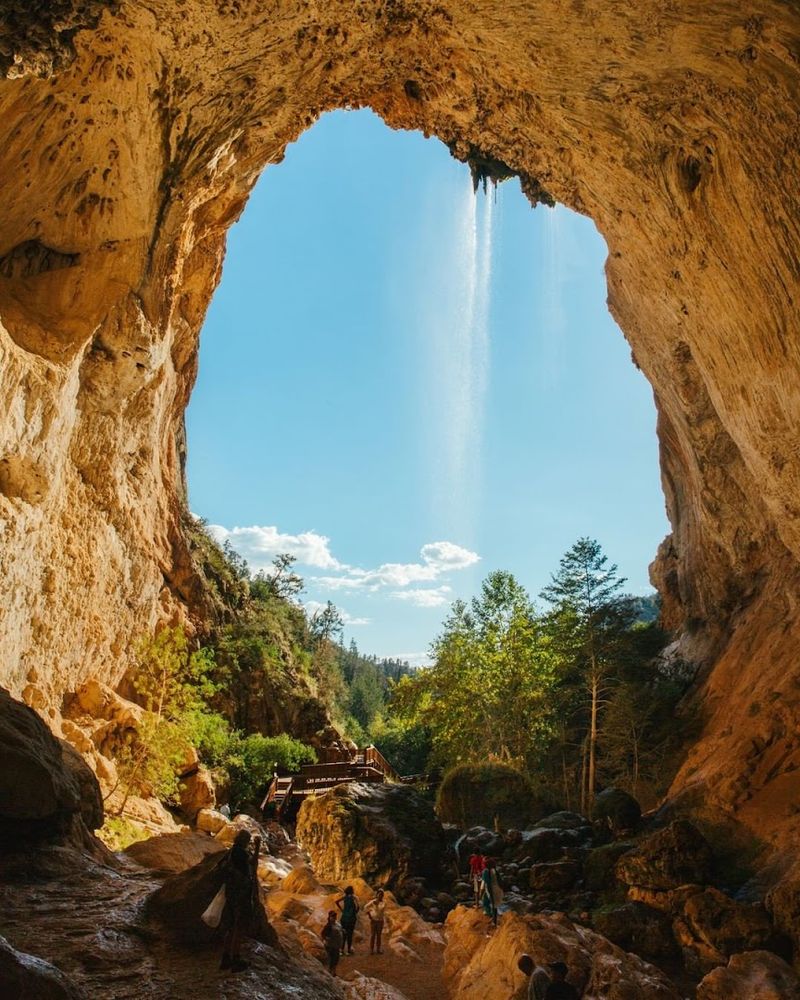
Hidden in the pine country of central Arizona, Tonto Natural Bridge is believed to be the largest natural travertine bridge in the world, stretching 183 feet high and 400 feet long. Mineral-rich water has been building this structure for thousands of years, creating a mossy, dripping archway over a crystal-clear pool.
Swimmers can actually wade into the pool beneath the bridge in warmer months. The contrast between the lush green moss and the golden stone makes every photo look professionally edited.
Wupatki National Monument
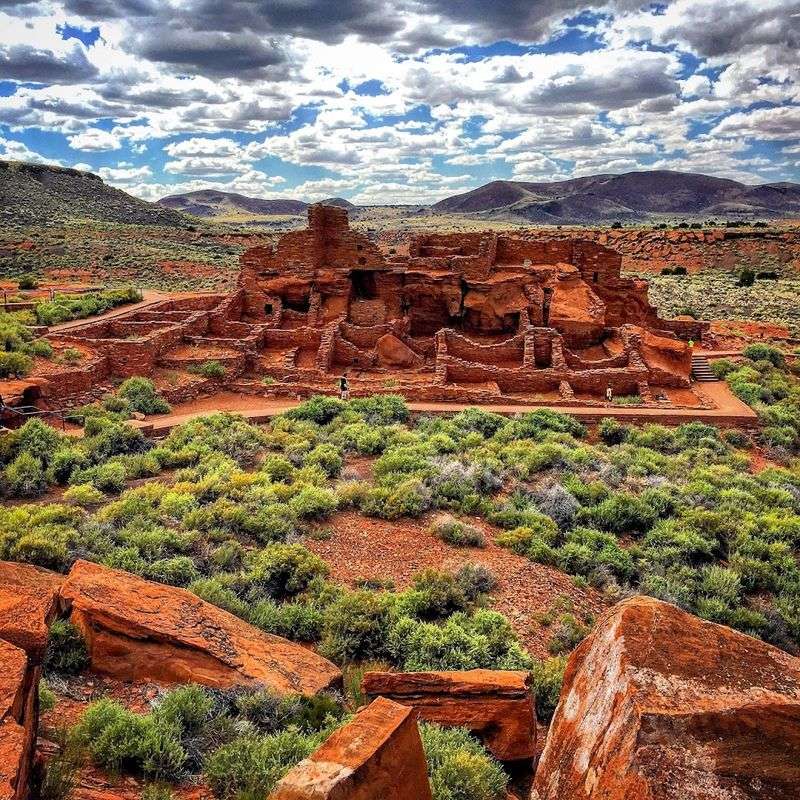
Rising from a volcanic landscape north of Flagstaff, the ancient pueblo ruins at Wupatki National Monument look like they were built by a civilization from another time, because they essentially were. Ancestral Puebloan people constructed these multi-story red rock buildings around 1100 AD.
The largest structure, Wupatki Pueblo, had over 100 rooms and may have housed up to 100 people at its peak. A blowhole in the ground nearby actually breathes air in and out depending on atmospheric pressure, adding to the mystical atmosphere.
Sunset Crater Volcano National Monument
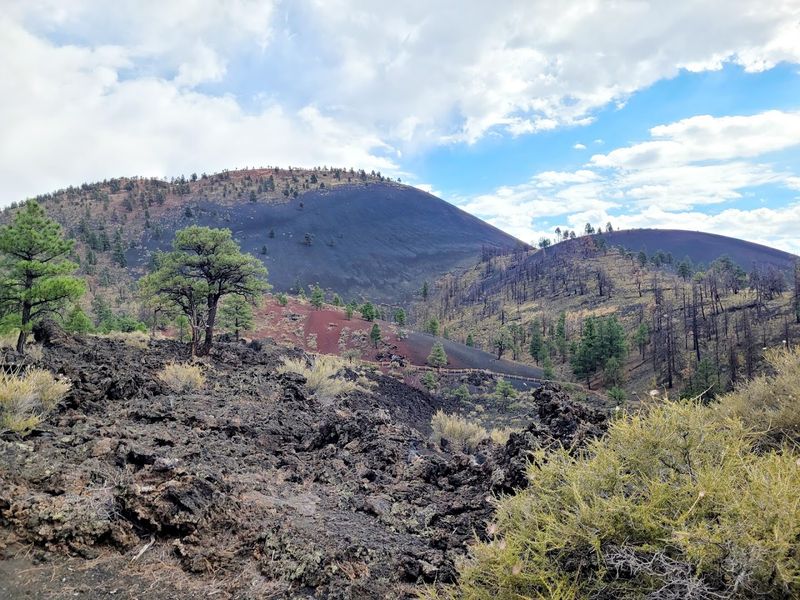
Just under 1,000 years ago, a volcanic eruption tore open the earth north of Flagstaff and left behind Sunset Crater, a 1,000-foot-tall cinder cone surrounded by a field of black lava rock. The crater gets its name from the orange and red minerals that color its upper rim, making it look perpetually lit by a sunset.
The surrounding lava flow is still largely barren, giving the area a haunting, moonlike quality. Nearby lava tubes and spatter cones make this park feel endlessly fascinating to explore.
Painted Desert
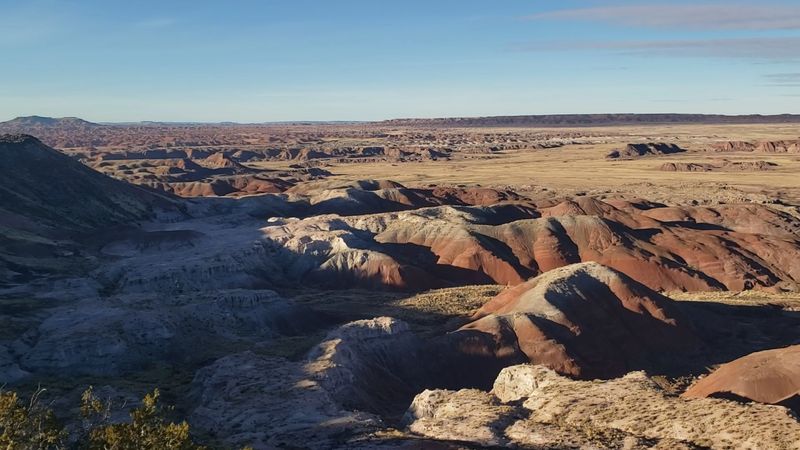
Stretching across nearly 160 miles of northern Arizona, the Painted Desert earns its name from the dizzying range of colors baked into its badlands terrain. Layers of purple, pink, red, orange, and gray tell a 225-million-year geological story written in sediment.
The colors shift dramatically depending on the time of day and weather conditions, meaning no two visits ever look the same. Driving along Route 66 through this landscape at golden hour is one of those experiences that sticks with you for years.
Havasu Falls at Dusk
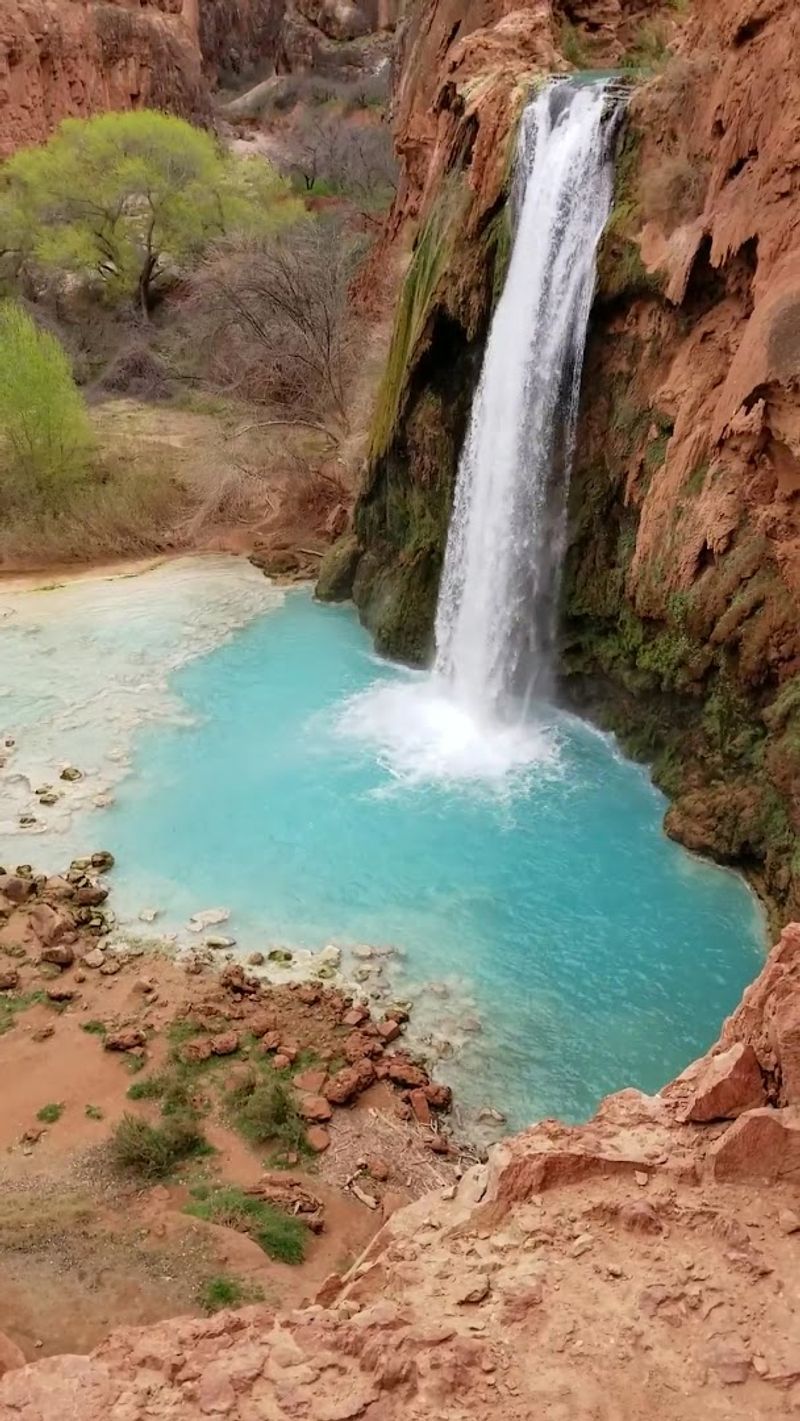
Catching Havasu Falls at dusk is a completely different experience from seeing it in the blazing midday sun. As the light fades, the canyon walls shift from bright red to deep violet and the turquoise water seems to glow from within, creating a scene that feels almost impossible to photograph accurately.
Camping near the falls overnight lets you experience this magical transition firsthand. Waking up to the sound of rushing water echoing off ancient canyon walls is the kind of reset that no spa vacation can match.
Enjoyed this story?
Add Fast Food Club as a preferred source to see more of our reporting on Google.