


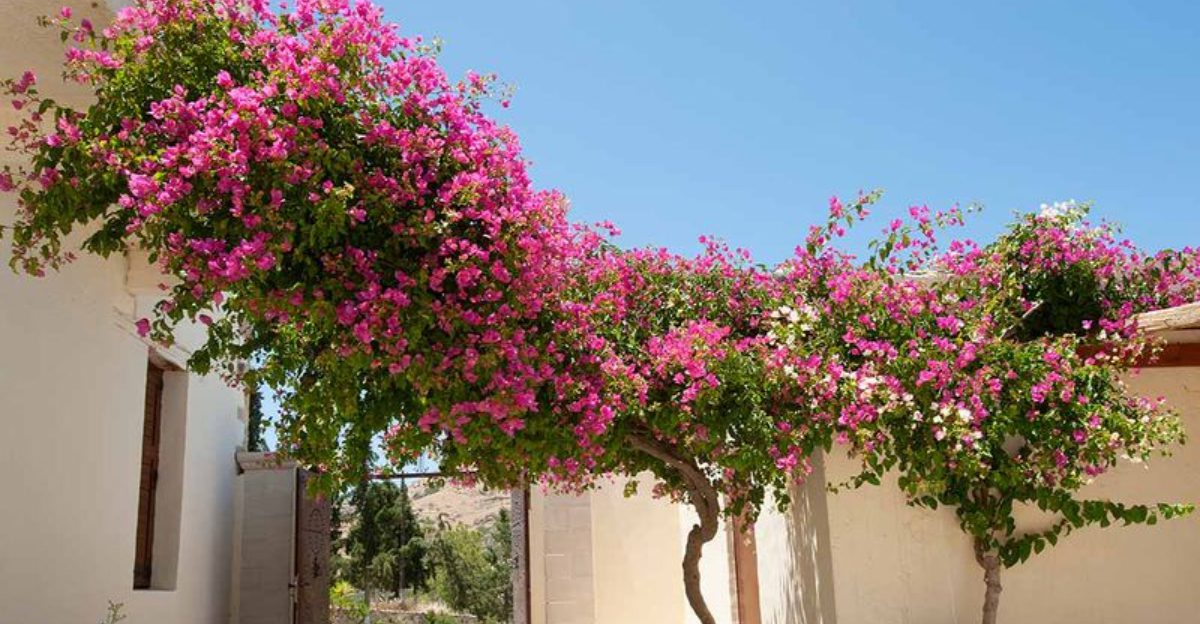
Florida’s warm climate and sticky humidity can be tough on many plants, but flowering vines absolutely love it. From backyard fences to sprawling pergolas, the right vine can turn any outdoor space into a colorful, tropical paradise.
Whether you want fast-growing coverage or show-stopping blooms, there is a vine perfectly suited for Florida’s conditions. Get ready to discover 21 stunning options that will make your garden the envy of the neighborhood.
Bougainvillea
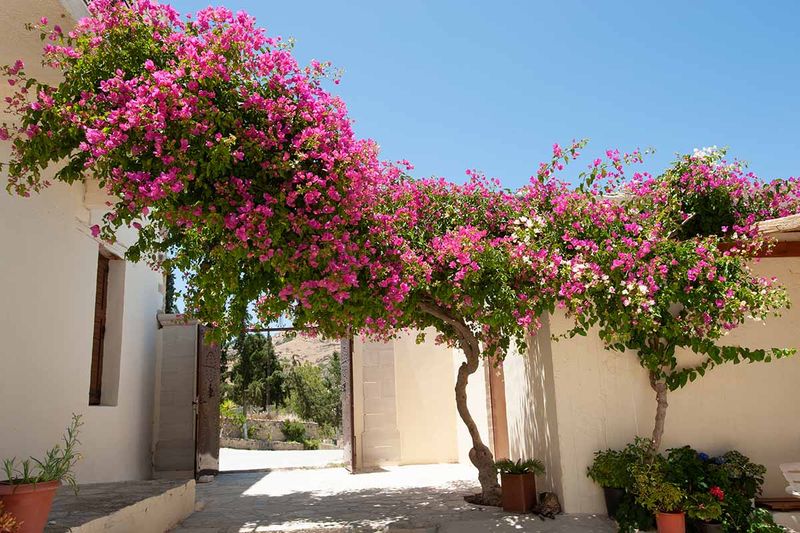
Few plants put on a show quite like bougainvillea. Its papery, vibrant bracts in shades of hot pink, purple, orange, and red make it one of Florida’s most beloved landscape plants.
Once established, it thrives on heat and actually blooms more when slightly stressed by drought.
Plant it in full sun and well-drained soil for the best results. Be careful of its thorns when pruning, but do not let that stop you from growing this spectacular vine.
Passion Vine (Passiflora)
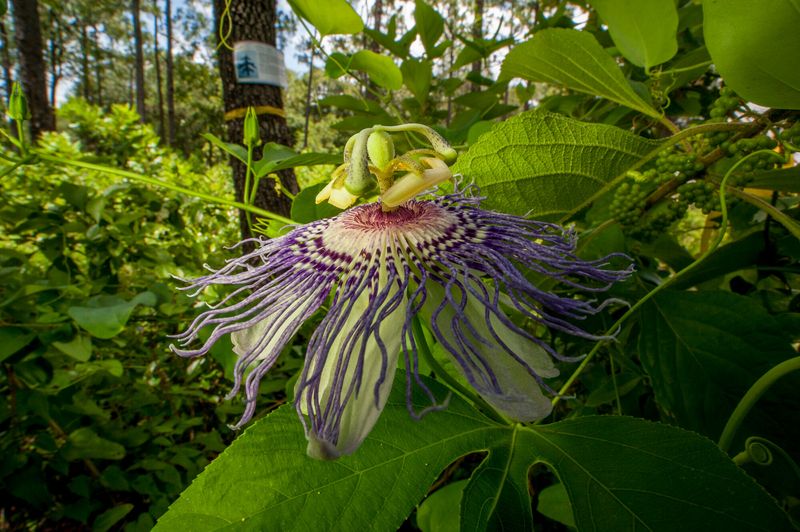
Passionflowers look like something straight out of a science fiction movie, with their intricate, alien-like blooms that stop people in their tracks. Native to the Americas, they grow vigorously in Florida’s heat and are actually a host plant for Gulf fritillary butterflies.
Planting a passion vine means you are also inviting beautiful butterflies into your yard. It grows fast and can cover a fence or trellis in just one season, making it both showy and wildlife-friendly.
Mandevilla
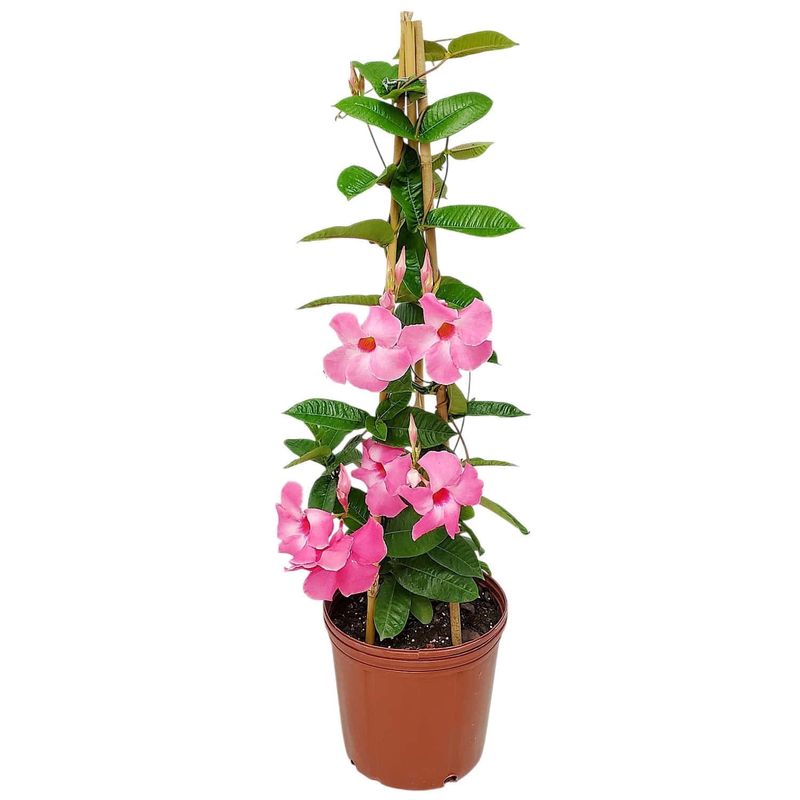
Mandevilla is the vine you plant when you want instant tropical drama. Its trumpet-shaped flowers in bold reds, pinks, and whites bloom almost nonstop throughout Florida’s long warm season, making it a favorite for porches, mailbox posts, and garden trellises.
It loves full sun and regular watering, rewarding you with months of color. In South Florida it can survive year-round, while Central and North Florida gardeners may treat it as an annual or bring it indoors during cold snaps.
Coral Honeysuckle (Lonicera sempervirens)
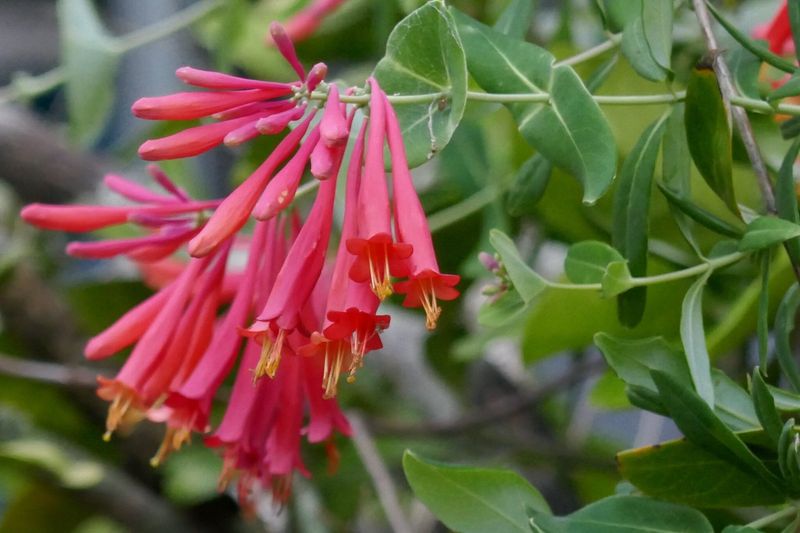
Unlike its invasive Japanese cousin, coral honeysuckle is a well-behaved Florida native that hummingbirds absolutely cannot resist. Its slender, tubular red and orange blooms appear in clusters, creating a fiery display against glossy green leaves.
It blooms most heavily in spring but keeps flowering through summer.
This vine handles both full sun and partial shade, making it a flexible choice for many spots in the yard. It is drought-tolerant once established, which is a big bonus for busy gardeners.
Trumpet Vine (Campsis radicans)
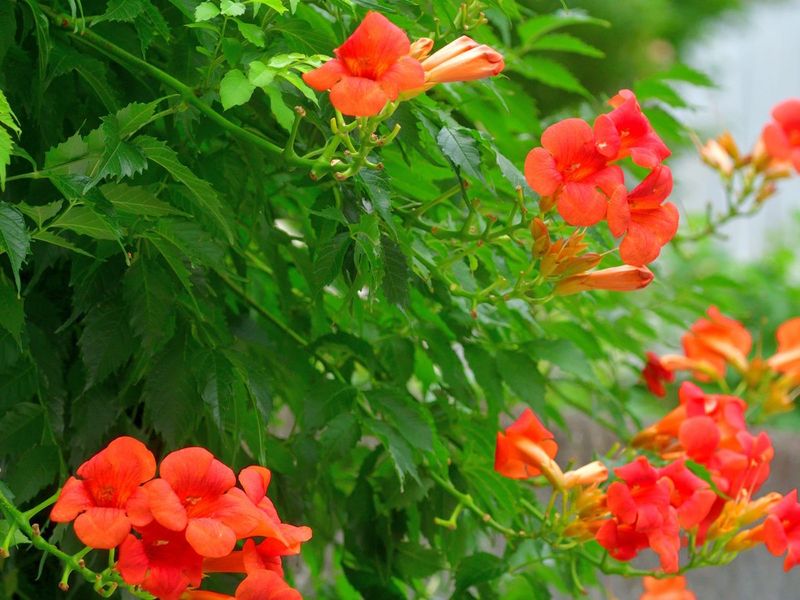
If you want a vine that grows with unstoppable enthusiasm, trumpet vine delivers. Its large, flaring orange or red blooms look like miniature trumpets and draw hummingbirds from surprisingly far away.
It can cover a pergola or fence within a couple of seasons.
Fair warning: this vine is a vigorous grower and can become aggressive if left unchecked. Regular pruning keeps it manageable.
Plant it where you want bold coverage and do not mind doing a little maintenance work each year.
Rangoon Creeper (Combretum indicum)
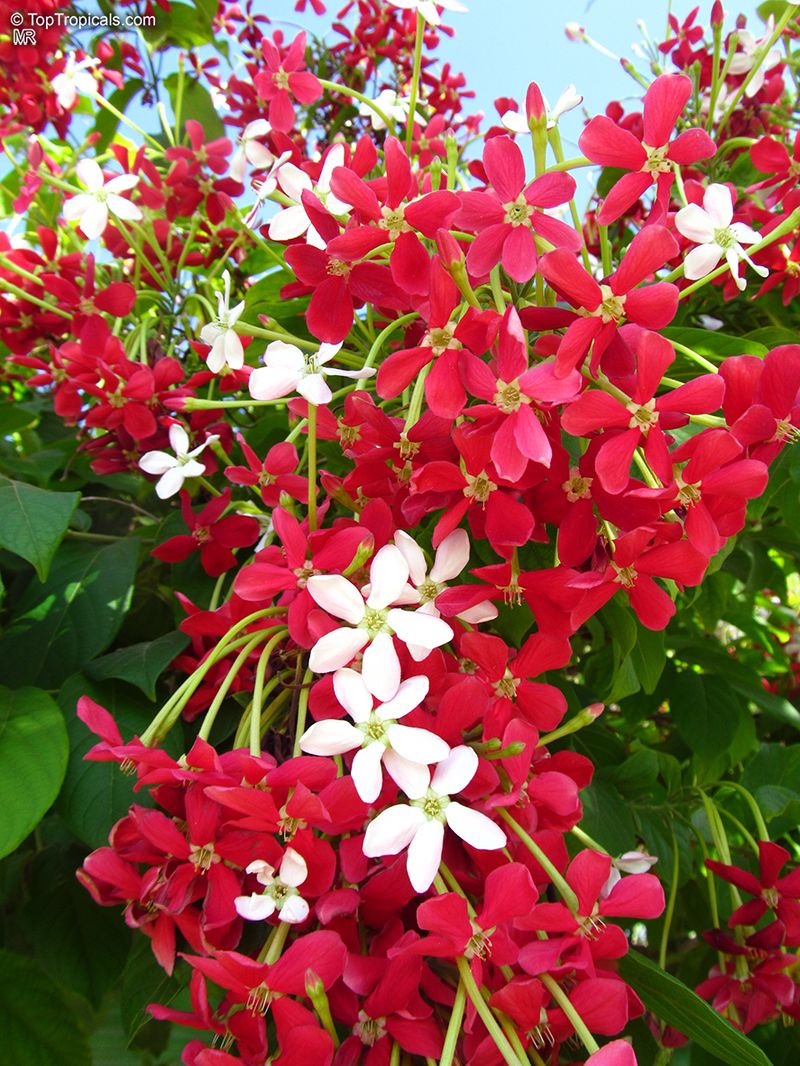
Rangoon creeper is one of those rare plants that changes flower color as it ages, opening white, then turning pink, and finally deepening to red, so a single cluster can show three colors at once. The sweet fragrance in the evening is an added bonus that makes sitting outdoors even more enjoyable.
It thrives in Florida’s heat and grows quickly on fences, pergolas, or arbors. Give it full sun and regular water during the growing season for the most impressive floral display.
Blue Sky Vine (Thunbergia grandiflora)
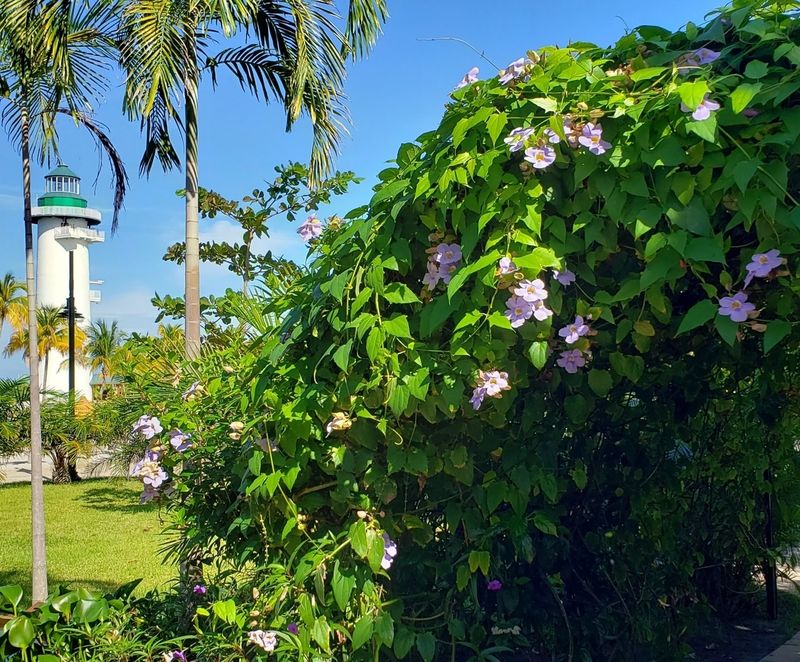
Blue is a rare color in the flowering vine world, which makes blue sky vine a true standout. Its large, lavender-blue blooms with yellow throats cascade down in long clusters, creating a waterfall of cool color even in the hottest summer months.
This vigorous grower loves Florida’s warm, humid conditions and can quickly cover a large structure. It prefers full sun to light shade.
In South Florida it behaves as a perennial, while in North Florida it may die back in winter but return in spring.
Confederate Jasmine (Trachelospermum jasminoides)
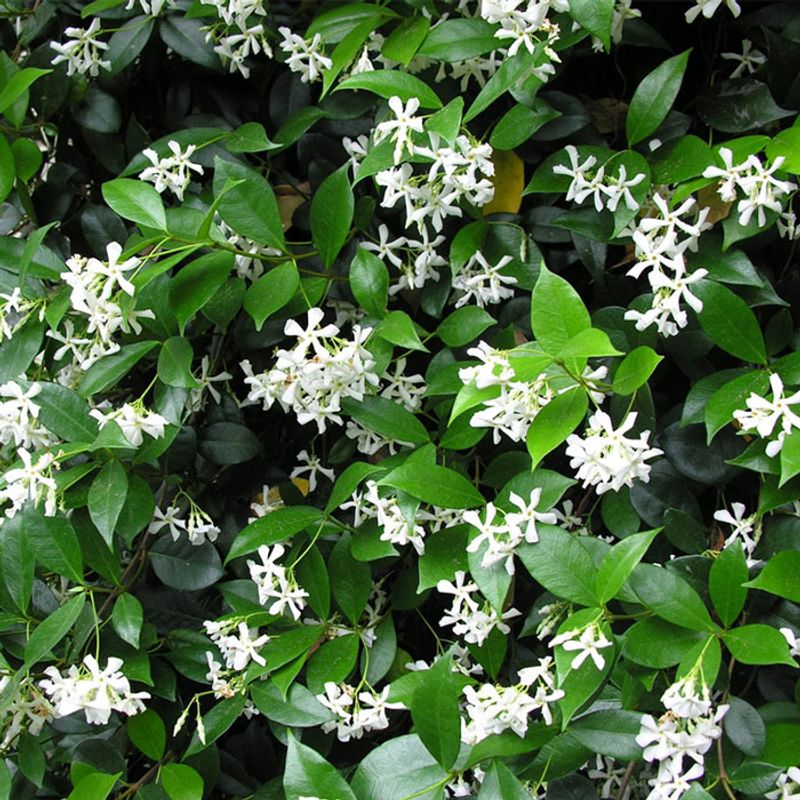
The smell of Confederate jasmine in bloom is enough to make anyone stop and breathe deeply. Those small, pinwheel-shaped white flowers release one of the most intoxicating fragrances in the plant world, especially on warm evenings.
It is a classic choice for fences, arbors, and mailbox posts across Florida.
Despite its delicate appearance, this vine is surprisingly tough and drought-tolerant once established. It handles full sun to partial shade and stays evergreen year-round throughout most of Florida.
Bleeding Heart Vine (Clerodendrum thomsoniae)
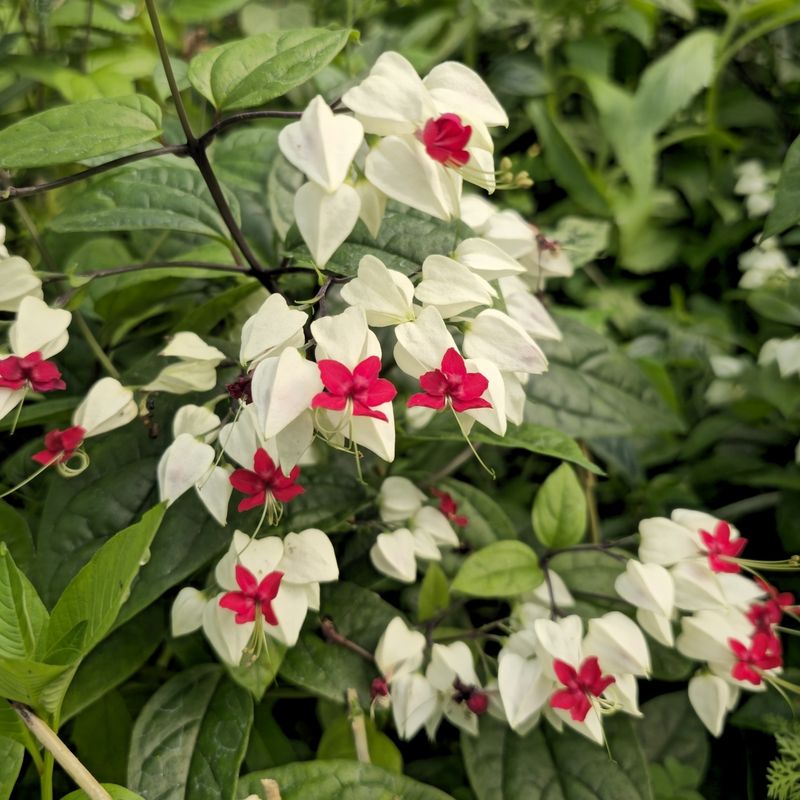
Drama meets elegance with bleeding heart vine. Each flower features a white balloon-like calyx with a bright crimson center peeking out, creating a two-toned effect that looks almost artificial.
It blooms prolifically in warm weather and thrives in Florida’s humid summers.
Unlike many sun-loving vines, this one actually prefers partial shade, making it perfect for shaded patios or the north side of a fence. Keep the soil moist and feed it regularly for the most abundant flowering throughout the growing season.
Flame Vine (Pyrostegia venusta)
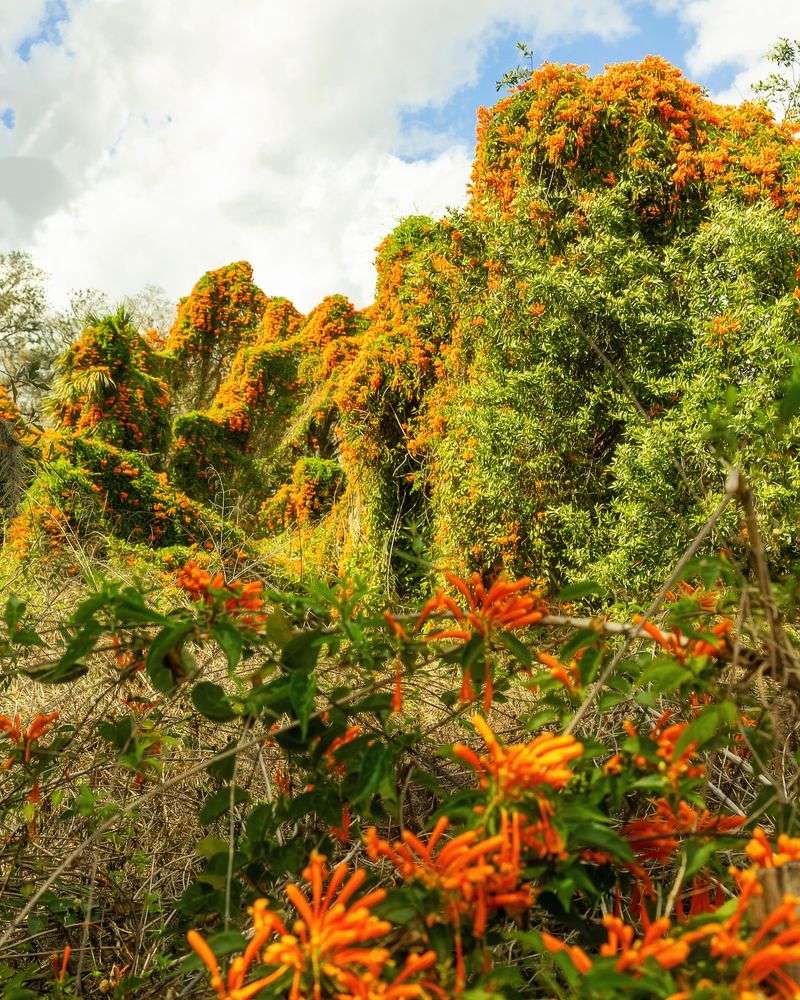
Flame vine earns its name every single winter when it erupts into a breathtaking cascade of neon-orange tubular flowers that seem to glow in the sunlight. Interestingly, it blooms most heavily during Florida’s cooler months, making it a welcome burst of color when other plants slow down.
It is a powerhouse grower that can cover a large fence or wall in just a few years. Plant it in full sun and step back, because once established, this vine needs very little attention to put on its spectacular annual show.
Allamanda (Allamanda cathartica)
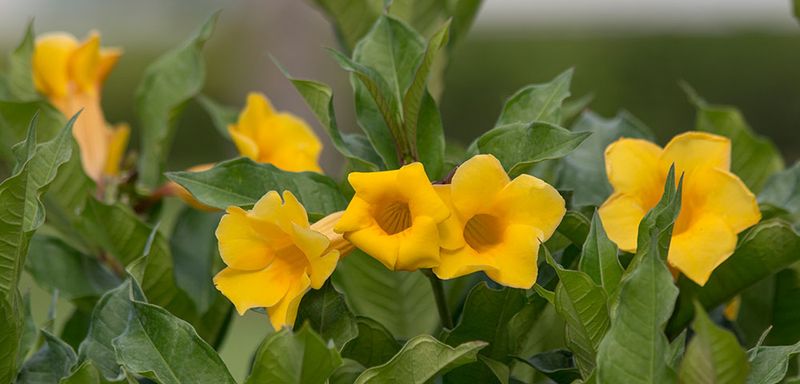
Sunshine yellow and tropical bold, allamanda brings cheerful energy to any Florida garden. Its large, glossy, trumpet-shaped blooms pop against deep green leaves, and the plant flowers almost continuously in warm weather.
It is a staple in South Florida landscapes for good reason.
Allamanda loves full sun and humidity, making it perfectly at home in Florida’s climate. It can be trained as a climbing vine or kept as a sprawling shrub.
Note that all parts of the plant are toxic, so keep it away from children and pets.
Morning Glory (Ipomoea purpurea)
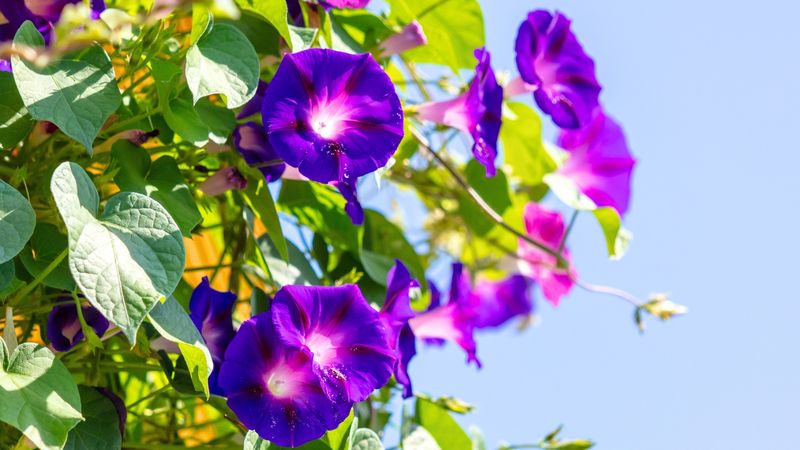
There is something magical about stepping outside on a summer morning to find morning glory blooms freshly opened in shades of purple, blue, pink, or white. True to their name, the flowers open at sunrise and close by afternoon, creating a daily garden ritual worth waking up for.
Morning glories grow incredibly fast from seed and thrive in Florida’s warm, sunny conditions. They self-seed readily, so you may find them popping up in new spots each year.
They are a cheerful, low-maintenance way to add seasonal color to fences and trellises.
Cypress Vine (Ipomoea quamoclit)
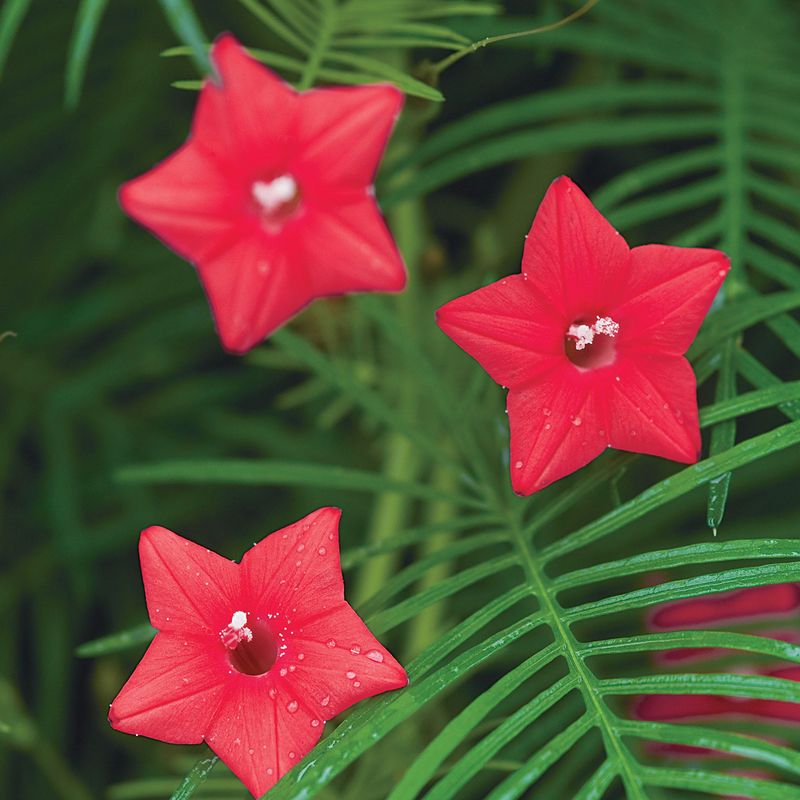
Hummingbird magnet might be the best two-word description of cypress vine. Its tiny, perfectly star-shaped red flowers are irresistible to hummingbirds, and the feathery, fern-like foliage adds a delicate texture that looks surprisingly elegant on a trellis or fence.
It grows quickly from seed and thrives in Florida’s heat with minimal fuss. While it can self-seed aggressively, that just means more free plants next season.
A little deadheading keeps it tidy if you prefer a more controlled look in your garden space.
Sky Flower (Thunbergia erecta)
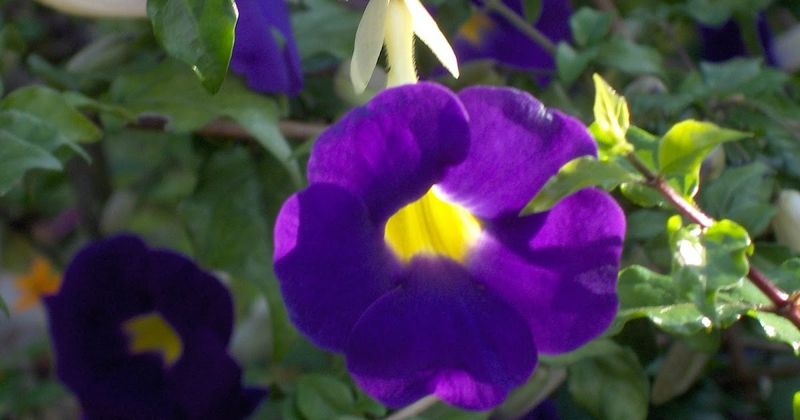
Sky flower punches way above its weight class in the beauty department. The deep purple-blue blooms with bright yellow throats are striking, and the plant produces them reliably through Florida’s warm growing season.
It works beautifully as a vine on a trellis or as a sprawling shrub.
Originally from West Africa, it has adapted wonderfully to Florida’s climate, enjoying the heat and humidity that would stress many other plants. It prefers full sun to partial shade and rewards consistent watering with a near-constant parade of colorful, cheerful flowers.
Moonflower (Ipomoea alba)
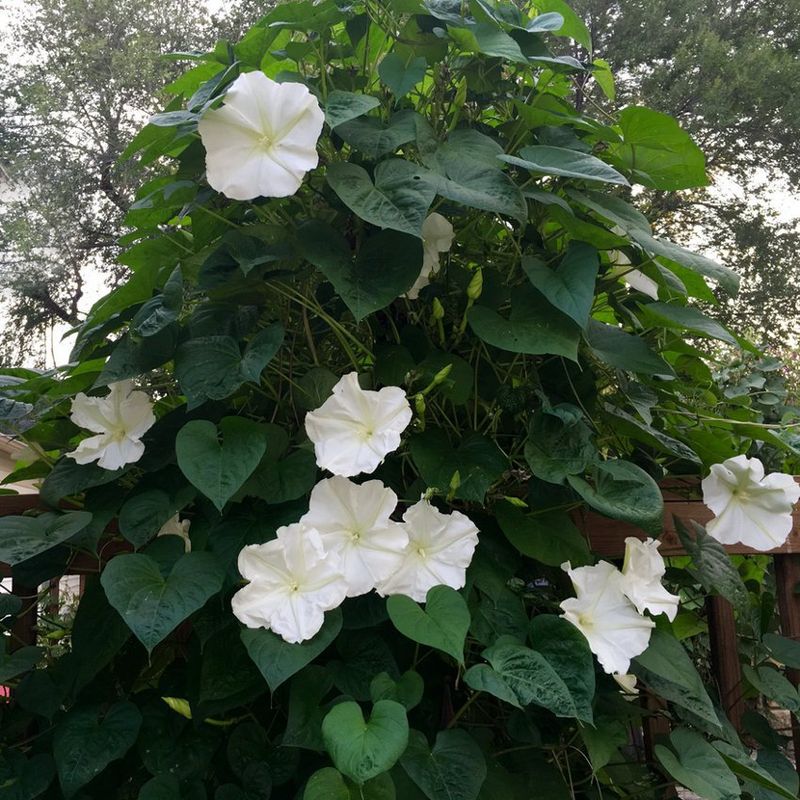
Moonflower is the night owl of the vine world. As the sun sets, its enormous white blooms unfurl with a subtle, sweet fragrance that makes evening time in the garden feel enchanting.
Each flower can reach up to six inches across, making quite an impression in the fading light.
Plant moonflower near a seating area where you can enjoy the nightly show. It loves Florida’s warmth and grows quickly from seed.
Pair it with morning glory on the same trellis for blooms that cover both day and night.
Wisteria (Wisteria frutescens – American)
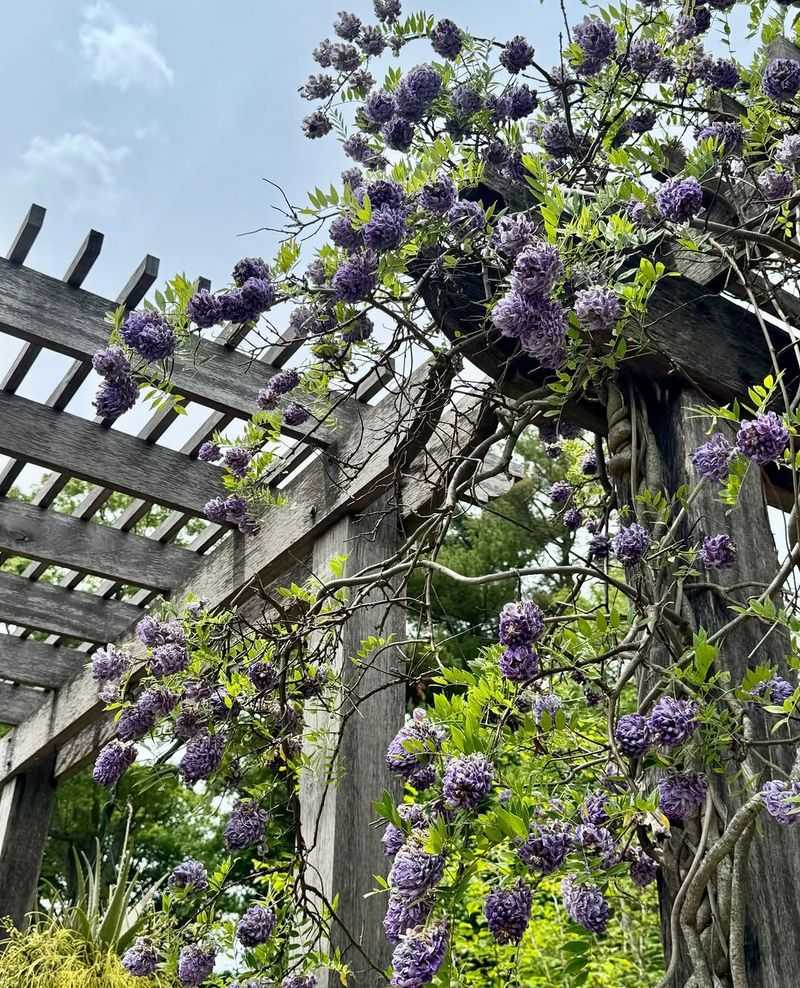
American wisteria is the well-mannered alternative to its aggressive Asian cousins, offering the same cascading purple flower clusters without taking over your entire yard. The drooping lavender blooms have a soft, sweet fragrance that makes spring gardens feel absolutely dreamy.
It performs best in North and Central Florida, where it gets enough of a winter chill to set flower buds properly. Give it a sturdy support structure because the woody stems can get quite heavy over time.
Full sun brings out the most flowers each season.
Cat’s Claw Vine (Dolichandra unguis-cati)
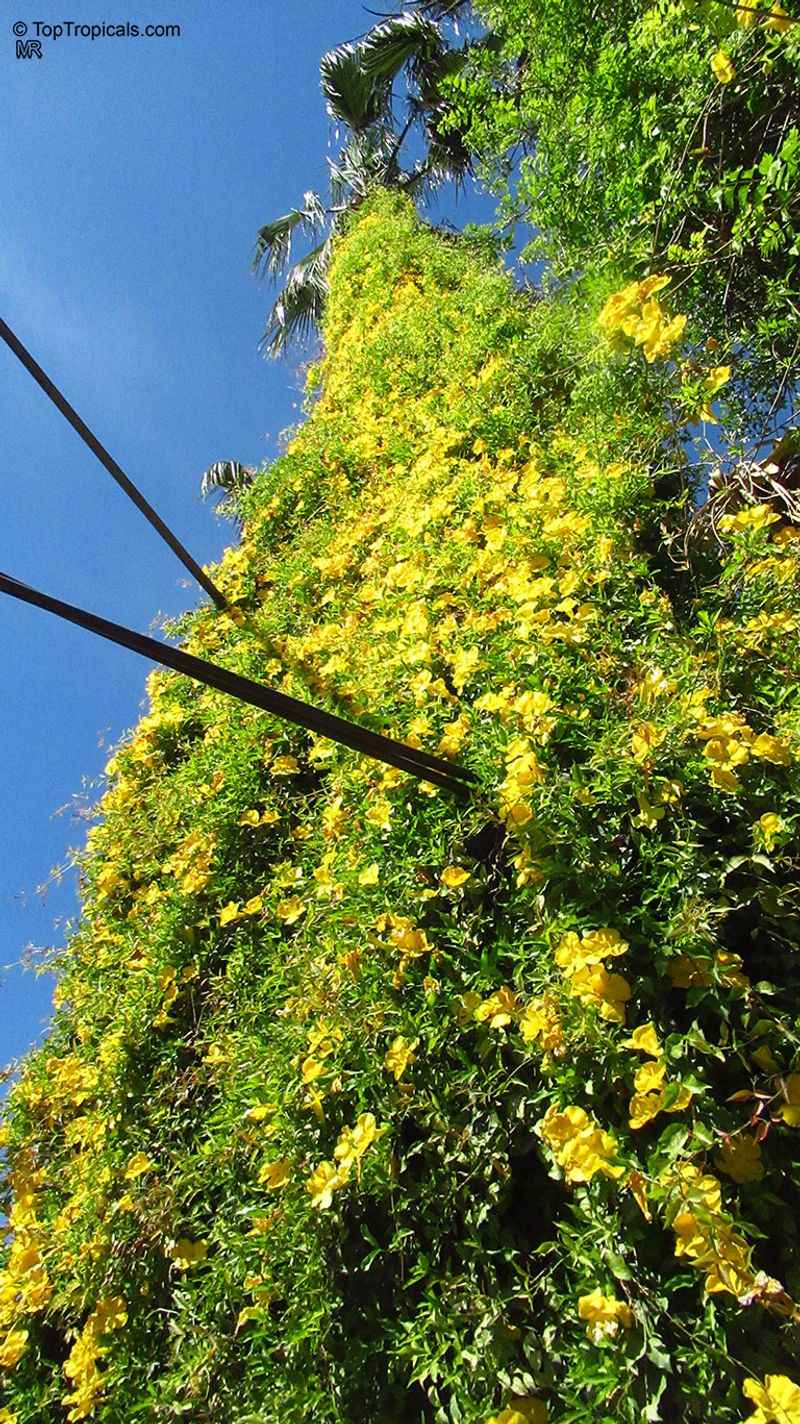
When spring arrives in Florida, cat’s claw vine transforms walls and fences into rivers of yellow almost overnight. The cheerful, trumpet-shaped golden flowers appear in massive quantities, creating one of the most dramatic seasonal displays of any vine in the state.
The tiny claw-like tendrils it uses to climb can grip almost any surface, including masonry and rough wood. Be aware that it can become invasive if not managed, so regular pruning after flowering keeps it from spreading beyond where you want it to grow.
Pink Mandevilla (Mandevilla sanderi)
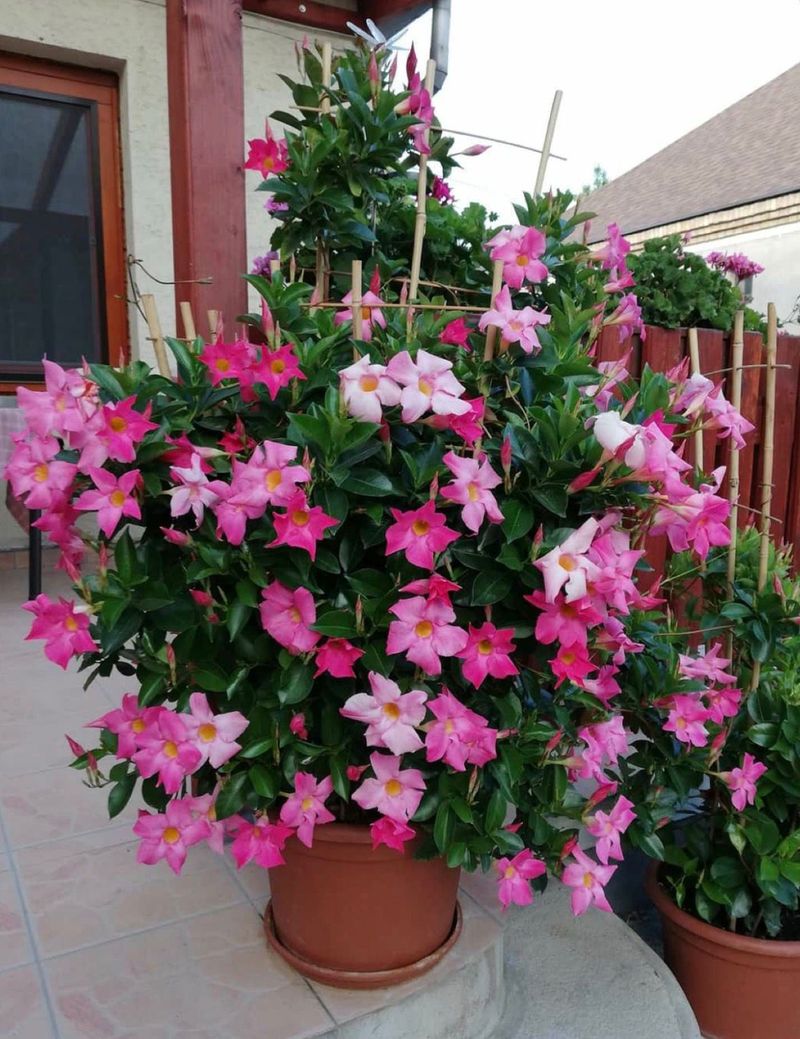
Pink mandevilla brings a softer, more romantic energy than its bold red relative, with blooms in blush and deep rose tones that look gorgeous against its glossy dark green leaves. It flowers generously from spring through fall, making it a reliable performer for Florida gardeners who want consistent color.
It grows well in containers, making it ideal for patios and small spaces where in-ground planting is not an option. Feed it with a bloom-boosting fertilizer every few weeks during the growing season to keep those beautiful pink flowers coming in strong.
Dutchman’s Pipe (Aristolochia gigantea)
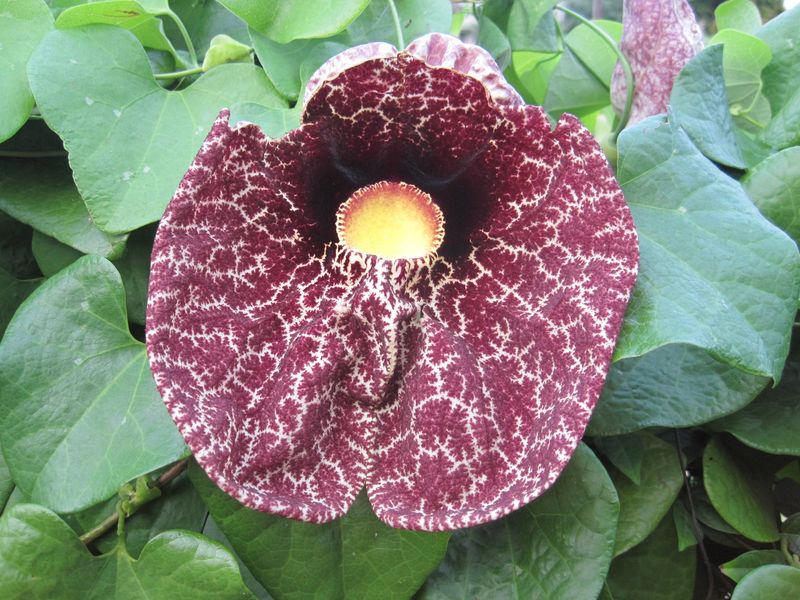
Dutchman’s pipe is for gardeners who love the unusual. Its enormous, pipe-shaped flowers in deep maroon and cream look like something from a prehistoric jungle, and they are genuinely conversation-starting plants.
Beyond looks, they serve as host plants for pipevine swallowtail butterflies.
It grows vigorously in Florida’s humidity and prefers partial shade, which makes it a great choice for covering a shaded pergola or fence. The giant leaves also provide a lush, tropical backdrop that makes any garden feel like a faraway rainforest escape.
Skyblue Clustervine (Jacquemontia pentantha)
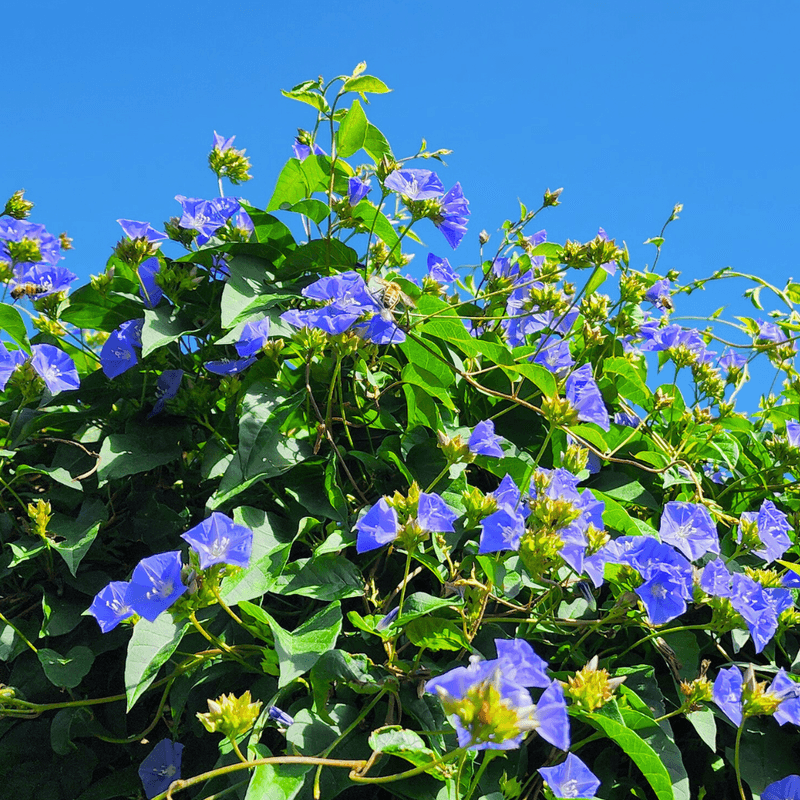
Skyblue clustervine is a Florida native that deserves far more attention than it gets. Its dainty, sky-blue flowers may be small, but they appear in cheerful clusters and bloom prolifically through the warm season, attracting native bees and other beneficial pollinators to the garden.
It handles Florida’s heat, drought, and sandy soils with impressive toughness once established. The slender, twining stems weave beautifully through fences and shrubs.
For gardeners looking to support native ecosystems while adding color, this vine is an underrated gem worth seeking out at local native plant nurseries.
Scarlet Rosemallow Vine (Ipomoea hederifolia)
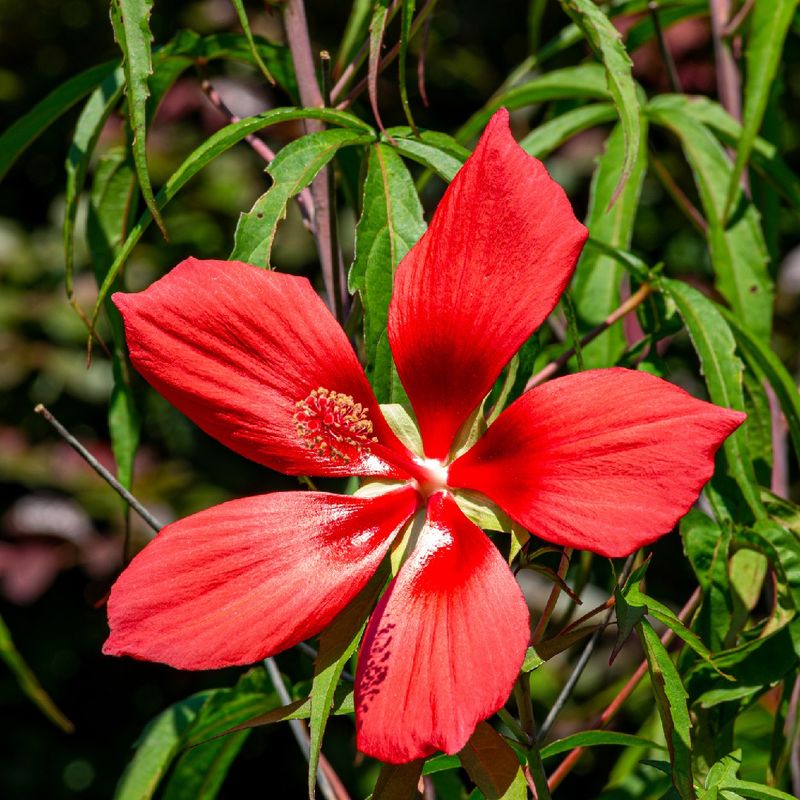
Scarlet rosemallow vine is like a tiny fireworks display running along your fence all summer long. The vivid, scarlet-red tubular flowers are perfectly sized for hummingbirds, who visit them constantly throughout the warm season.
The ivy-shaped leaves add a lovely texture to the overall look.
It grows easily from seed and spreads happily in Florida’s sunny, warm conditions. While it can self-seed freely, it is easy to pull unwanted seedlings.
For low-effort, high-impact hummingbird gardening in Florida, few vines deliver as reliably as this cheerful, fast-growing native beauty.
Enjoyed this story?
Add Fast Food Club as a preferred source to see more of our reporting on Google.