


Gardening in Florida can feel like a battle against the elements. Between the scorching summer heat, sudden downpours, and sandy soil that drains faster than you can water it, many plants simply give up.
But some tough survivors actually thrive in these wild conditions. If you want a beautiful yard without the constant struggle, these 20 plants are exactly what Florida gardeners need.
Saw Palmetto
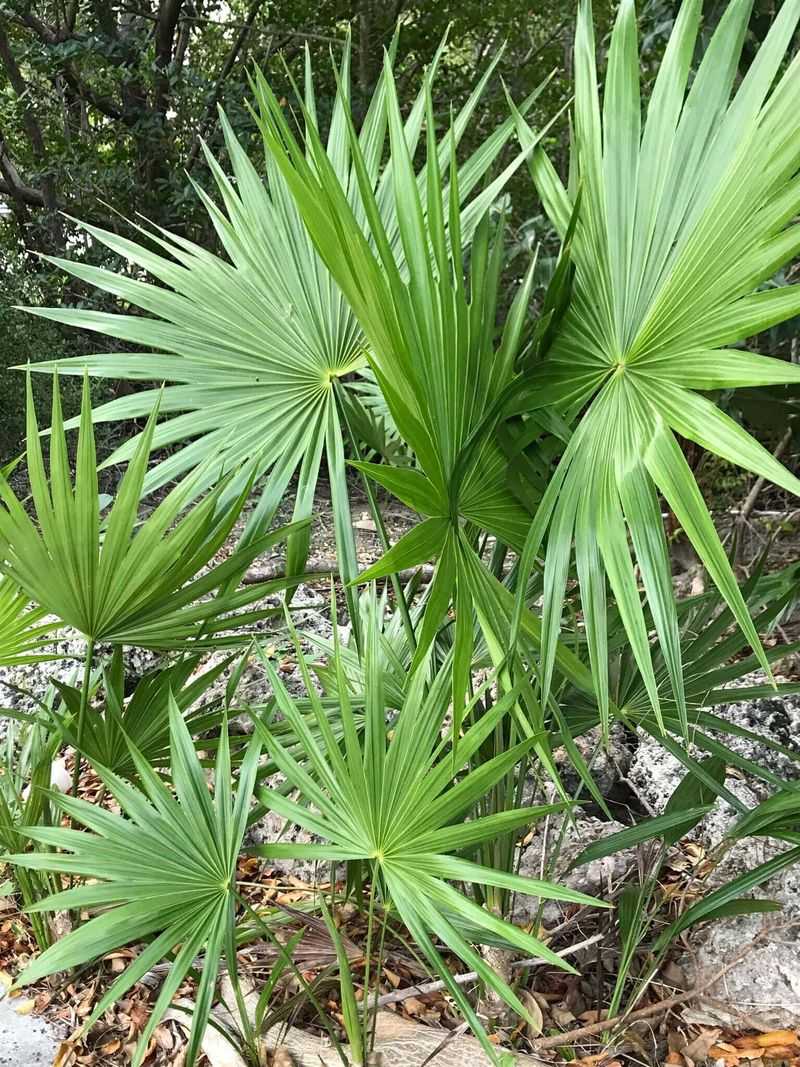
Saw palmetto is basically Florida’s original tough guy. This native shrub has been surviving hurricanes, droughts, and floods long before anyone thought to plant it in a yard.
Its fan-shaped leaves spread low to the ground, making it wind-resistant and sturdy.
Sandy soil? No problem.
Saw palmetto actually prefers it. Once established, it barely needs watering and attracts birds and wildlife too.
For a low-maintenance, Florida-tough landscaping choice, this plant is hard to beat.
Coontie Palm
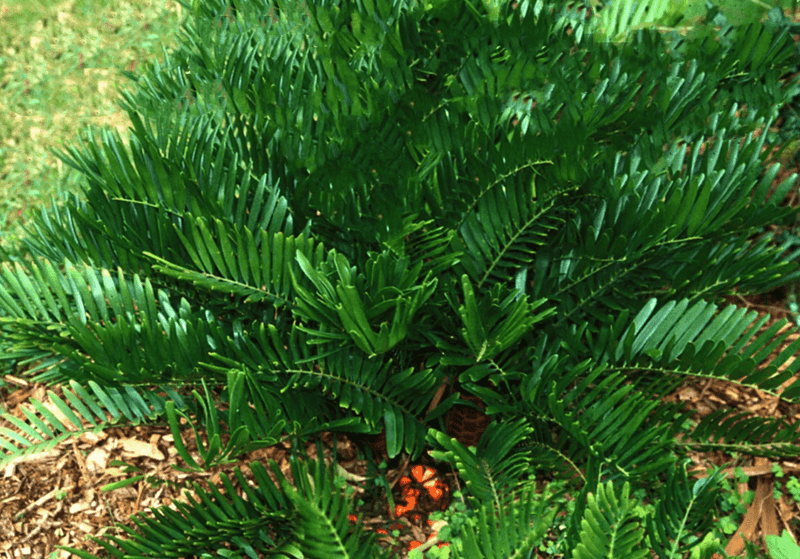
Here is a plant with serious history. Coontie is Florida’s only native cycad, and it has been around since the age of dinosaurs.
That kind of staying power tells you everything about how tough this plant really is.
It handles sandy soil, full sun, and heavy rain without skipping a beat. Bonus: it is the only host plant for the rare atala butterfly, making it a win for wildlife lovers too.
Plant it once and enjoy it for decades.
Firebush
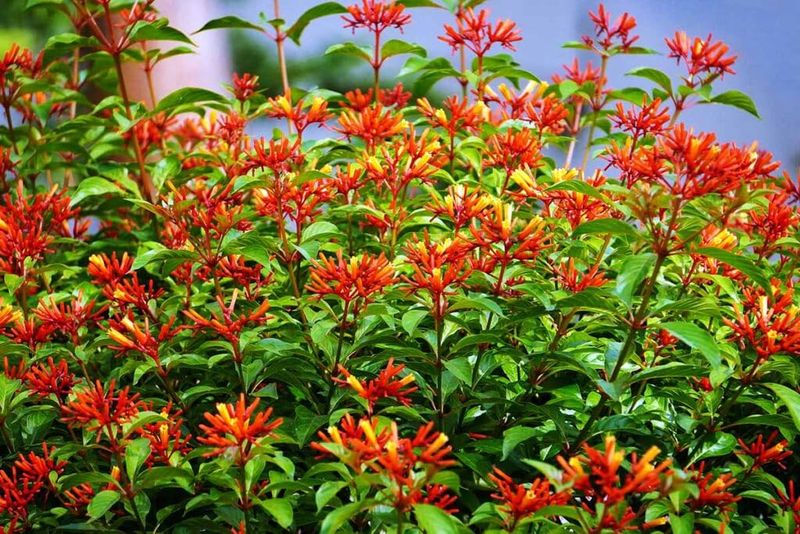
If your yard needs color and toughness at the same time, firebush delivers both without complaint. Those blazing red-orange flowers bloom almost year-round in Florida, and hummingbirds absolutely cannot resist them.
Heat and humidity? Firebush treats both like a light snack.
It grows fast, fills in quickly, and handles sandy, well-drained soil like a champ. Trim it back if it gets too big, but honestly, most gardeners love watching it spread and show off.
Muhly Grass
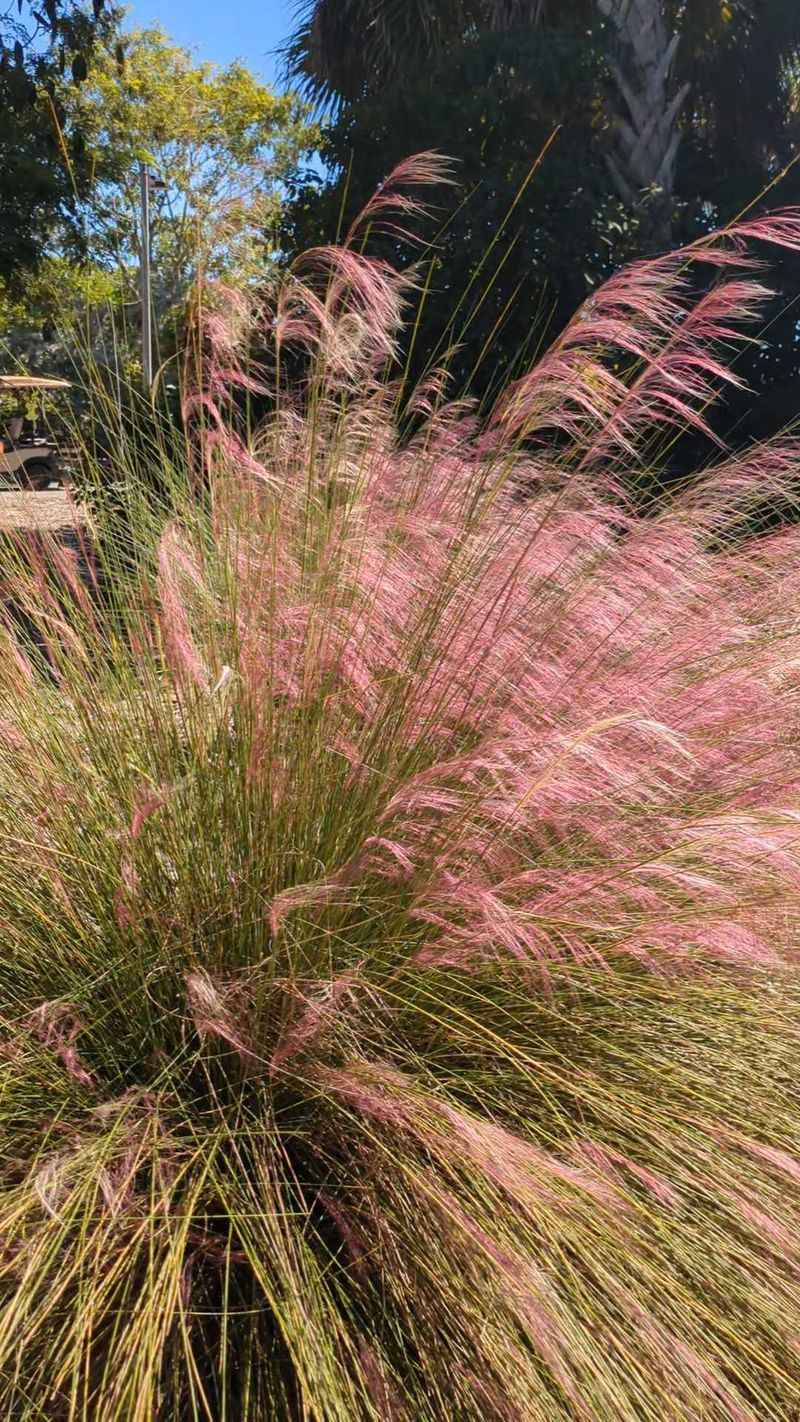
Every fall, muhly grass puts on one of Florida’s most spectacular shows. Clouds of pink-purple feathery plumes rise above the grassy clumps, turning ordinary yards into something almost magical.
And it does all this with almost zero effort from you.
Muhly grass thrives in sandy, poor soil and handles both drought and heavy rain. It is deer-resistant, low-maintenance, and native to Florida.
Plant it in groups for the best visual impact and prepare to get compliments from neighbors.
Gaillardia (Blanket Flower)
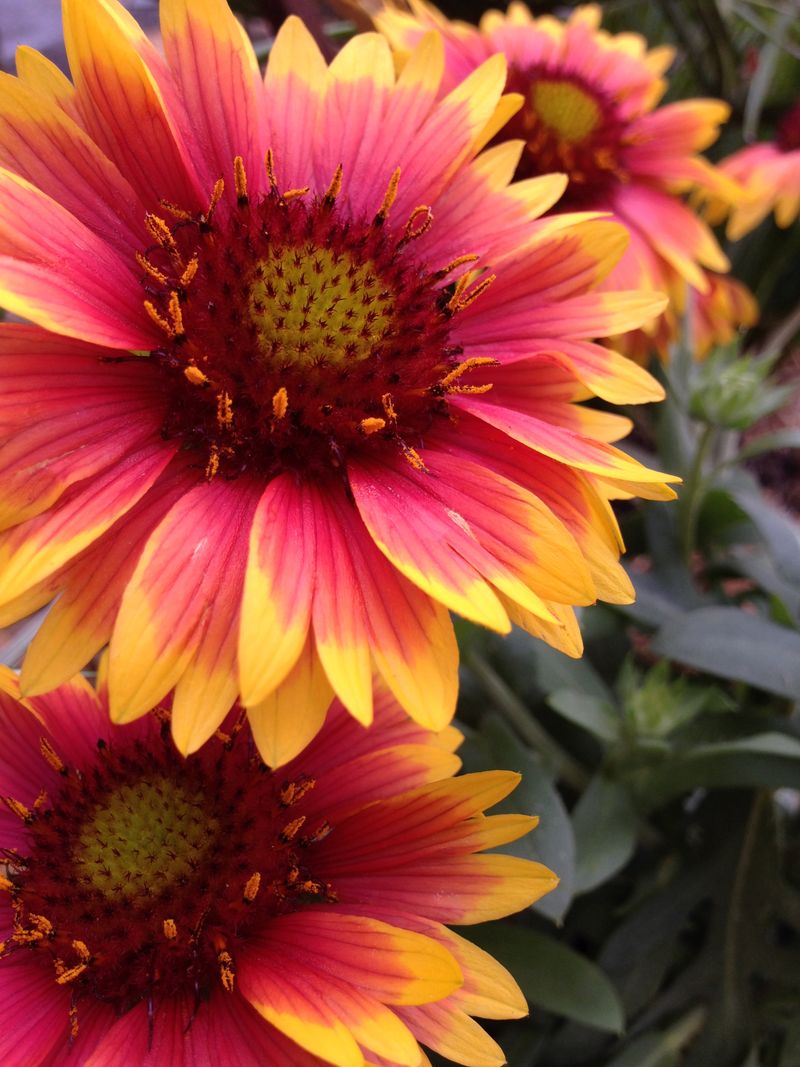
Nicknamed the blanket flower for its warm, patchwork-quilt colors, gaillardia is one tough little wildflower. Red, orange, and yellow petals fan out from each bloom, making it look like something straight out of a painting.
Sandy soil and blazing heat are basically its happy place. Gaillardia is drought-tolerant once established and blooms heavily throughout Florida’s long warm season.
It also reseeds itself, so you might find cheerful little volunteers popping up all over your garden each year.
Simpson’s Stopper
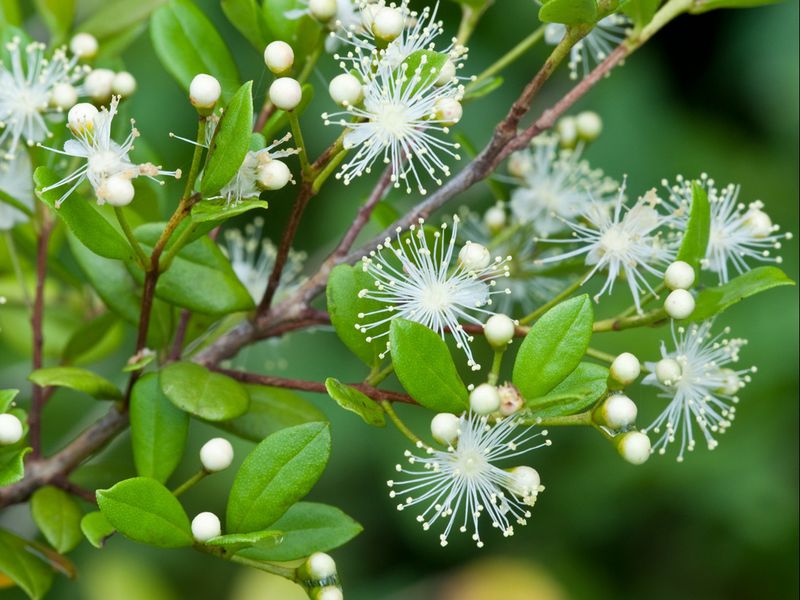
Simpson’s stopper is the kind of shrub that works hard without asking for attention. It produces small, sweetly fragrant white flowers followed by bright orange-red berries that birds go absolutely wild for.
Native to South Florida and the Keys, this plant handles sandy coastal soil, salt spray, and intense heat without flinching. It can be shaped into a hedge or left to grow naturally as a specimen plant.
Either way, wildlife wins and so does your yard.
Lantana
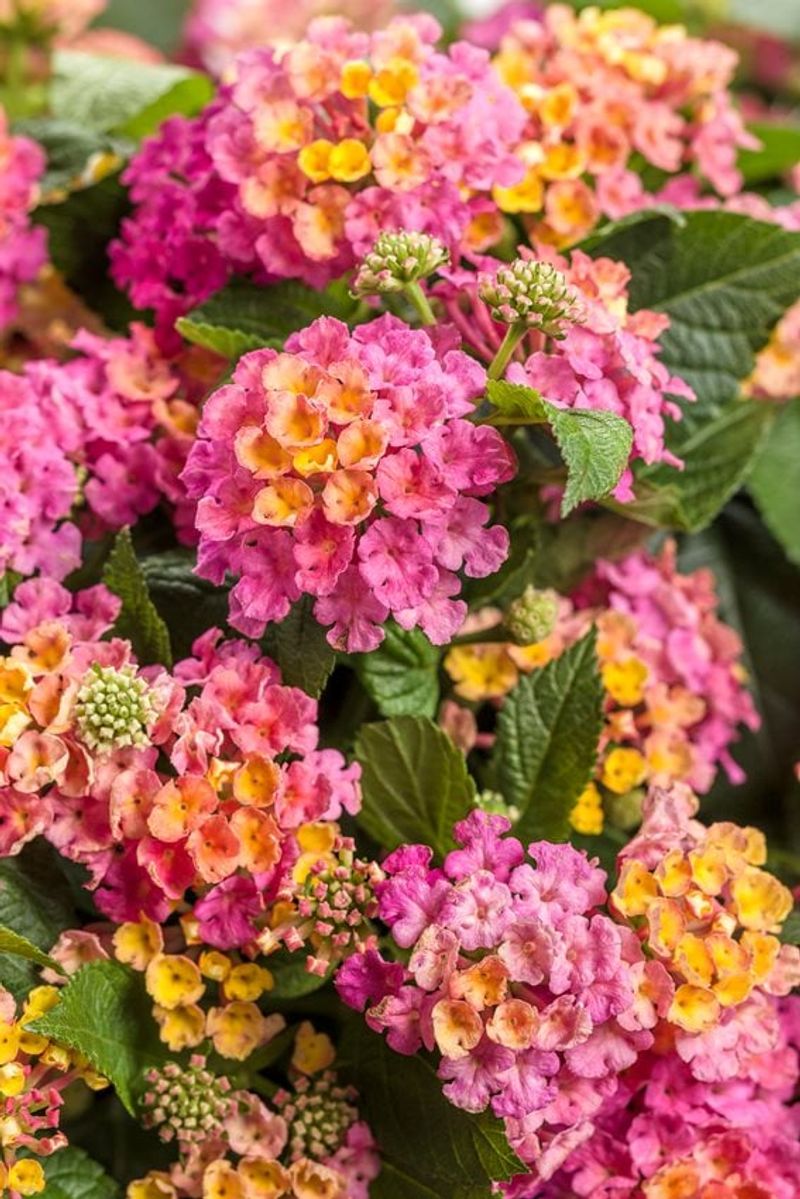
Few plants can match lantana when it comes to sheer toughness and flower power. This sprawling shrub pumps out clusters of tiny multicolored blooms almost constantly, attracting butterflies by the dozens.
Hot weather and sandy soil are exactly the conditions lantana loves most. It is drought-tolerant once established and grows aggressively, so give it room to spread.
Just be aware that the berries are toxic to pets and children, so place it thoughtfully in your landscape.
Beautyberry
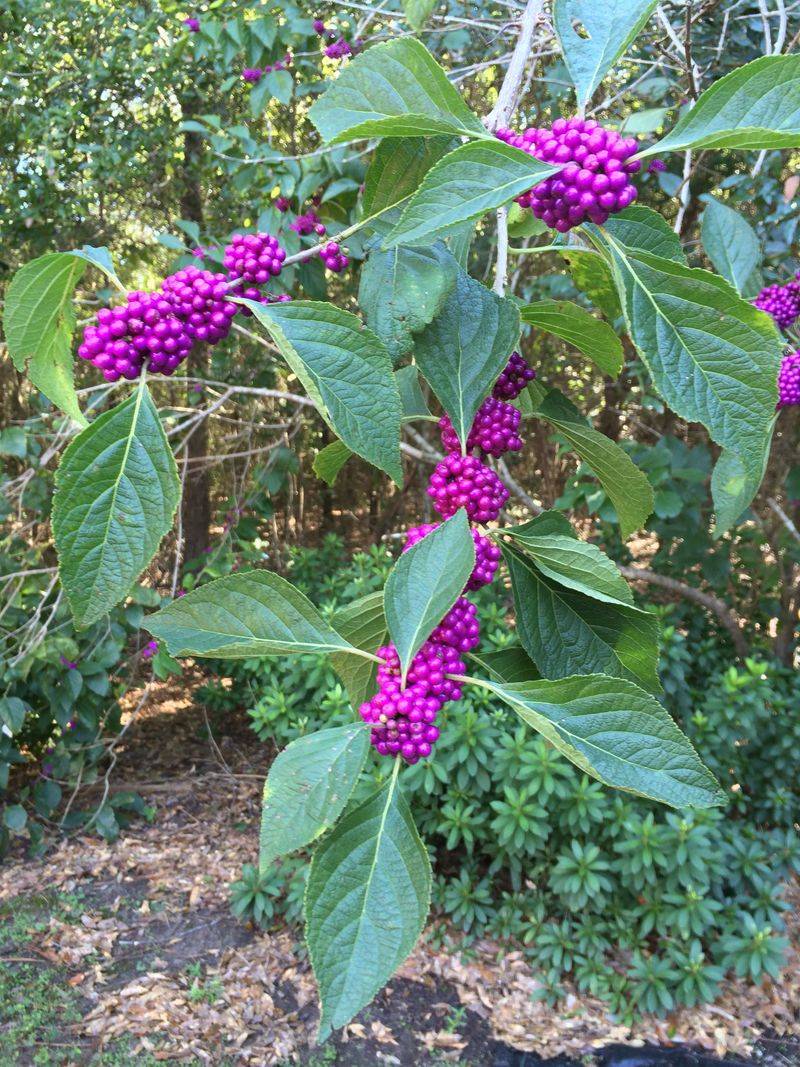
Walk past a beautyberry in fall and you might do a double-take. The clusters of electric purple berries lining each branch look almost too vivid to be real, like someone spray-painted the plant overnight.
American beautyberry is native to Florida and thrives in sandy soils with partial shade or full sun. It handles summer downpours without any fuss and rebounds quickly from pruning.
Birds feast on the berries all winter, so planting one is basically setting up a free bird feeder.
Sparkleberry
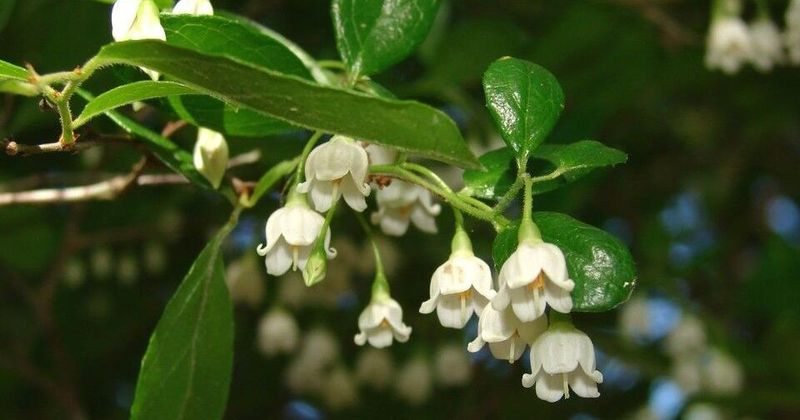
Sparkleberry might sound whimsical, but this native Florida tree is seriously tough. Related to blueberries, it produces small dark fruits that wildlife love, and its white bell-shaped spring flowers are genuinely beautiful up close.
It grows naturally in sandy, acidic soils across Florida’s scrub and woodland edges, which means it is perfectly adapted to conditions that frustrate most gardeners. Give it full sun and well-drained sandy ground, and sparkleberry will reward you for years with minimal care.
Porterweed
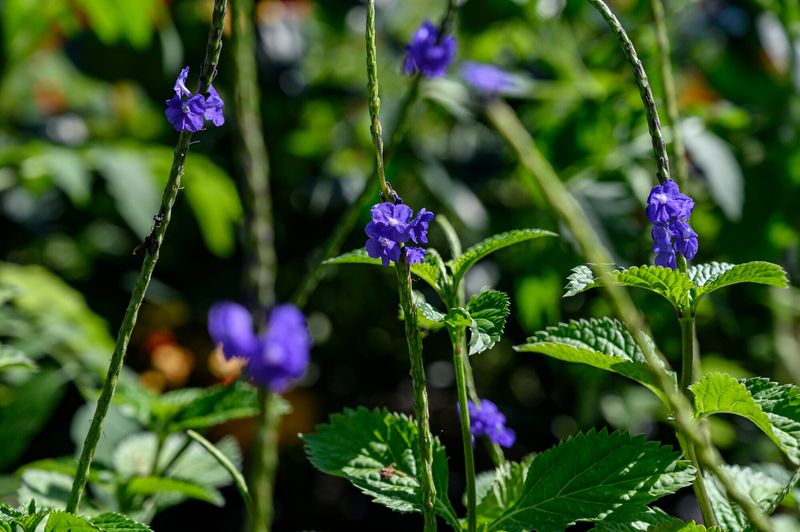
Porterweed is a butterfly magnet that practically takes care of itself. The tall flower spikes studded with tiny violet-blue blooms are irresistible to swallowtails and other pollinators, turning your garden into a lively, fluttering ecosystem.
Native to Florida, porterweed handles heat, humidity, and sandy soil without complaint. It grows quickly and can spread, so a little trimming keeps it tidy.
Plant it near a sunny border or along a fence line and watch the butterfly traffic pick up almost immediately.
Yaupon Holly
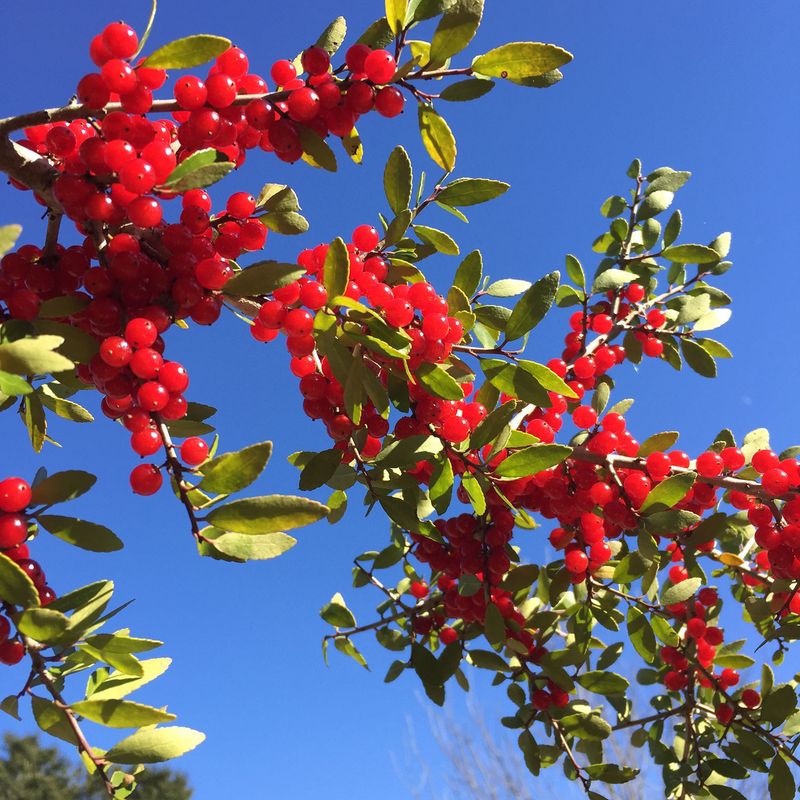
Yaupon holly is the most underrated native plant in Florida’s landscaping world. It handles drought, flooding, sandy soil, and salt spray with equal indifference, growing steadily no matter what the weather throws at it.
The bright red berries light up the plant in fall and winter, giving birds a reliable food source. It can be trimmed into a formal hedge or allowed to grow into a small tree.
Fun fact: yaupon is the only caffeinated plant native to North America.
Tickseed (Coreopsis)
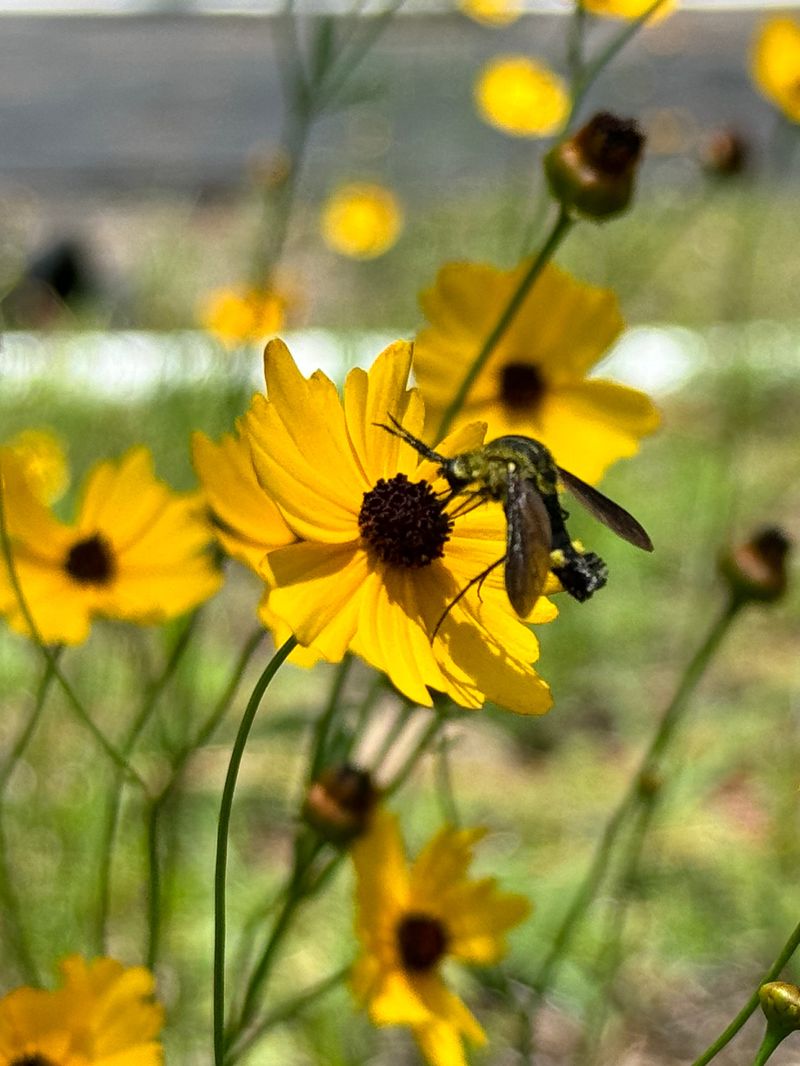
Coreopsis is Florida’s official state wildflower, and it earned that title by being everywhere and thriving effortlessly. Those bright yellow daisy-like blooms pop up along roadsides, in meadows, and in home gardens across the entire state.
Sandy, poor soil is no obstacle for tickseed. It actually struggles in overly rich soil, preferring the lean, fast-draining conditions that defeat other flowers.
Plant it in full sun, water occasionally until established, and then step back and enjoy the golden show all season long.
Wax Myrtle
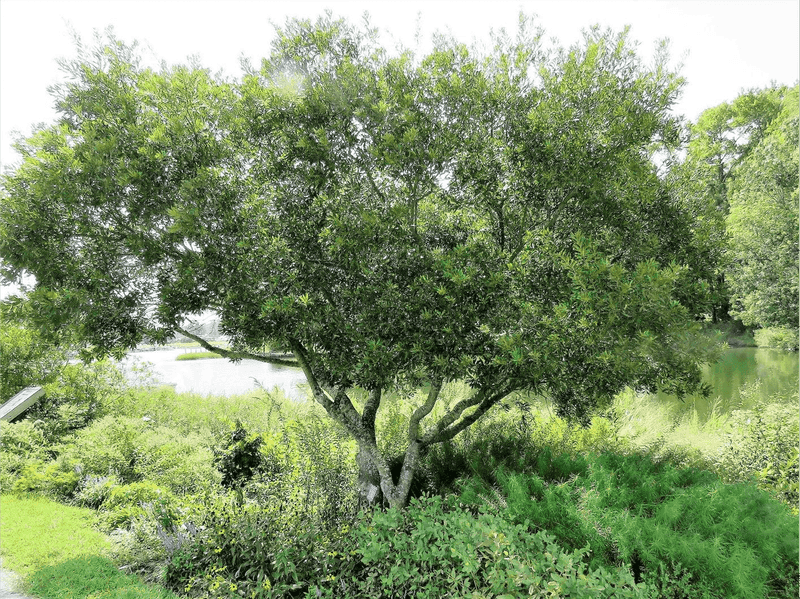
Wax myrtle is one of those plants that does everything right. It grows fast, handles wet and dry conditions equally well, tolerates sandy coastal soils, and provides excellent wildlife habitat all at once.
The waxy blue-gray berries are a favorite food for yellow-rumped warblers and other migratory birds. Its aromatic leaves were historically used to make bayberry candles.
Plant wax myrtle as a privacy screen, windbreak, or naturalized hedge and enjoy a plant that practically runs itself.
Fakahatchee Grass
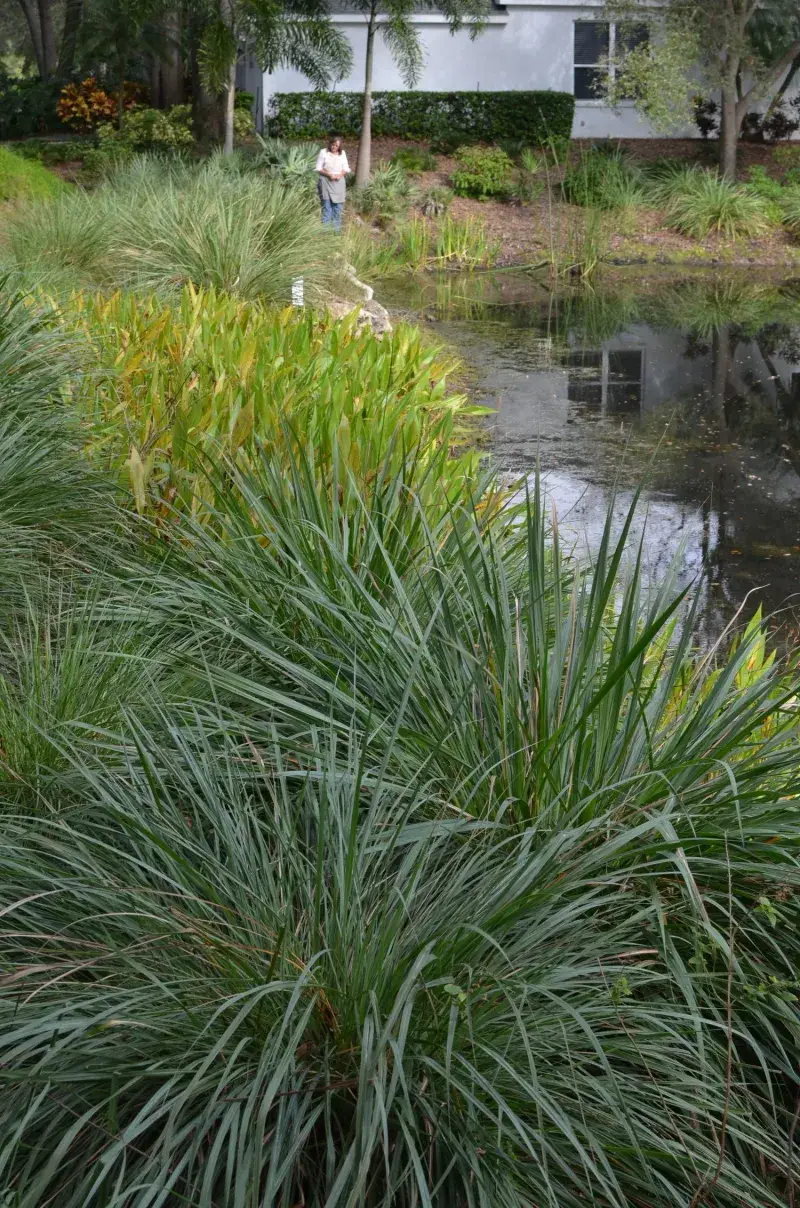
Fakahatchee grass has a name that is fun to say and a performance record that is even better. This native Florida ornamental grass forms large, graceful clumps with arching blades that move beautifully in the breeze.
It tolerates both wet and dry conditions, making it perfect for Florida’s unpredictable rainfall patterns. Sandy soil suits it just fine.
Use it as a bold accent plant, a border specimen, or a natural screen. Low maintenance and high impact sum it up perfectly.
Pentas
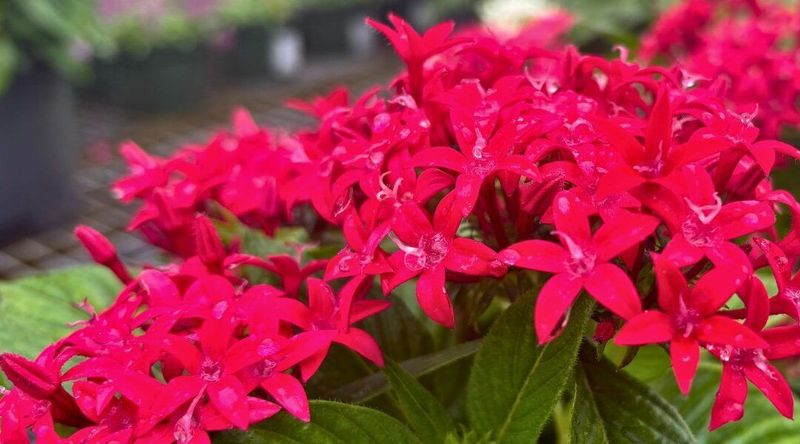
Ask any Florida gardener which flowering plant holds up best in the summer heat, and pentas will come up almost every time. Star-shaped flower clusters in red, pink, white, and lavender bloom relentlessly even during the hottest months of the year.
Pentas loves sandy, well-drained soil and handles Florida’s intense sun without wilting. Butterflies and hummingbirds visit constantly.
It works beautifully in containers, borders, or garden beds. Water it regularly when young, and it will reward you with color from spring straight through to fall.
Muhly Grass
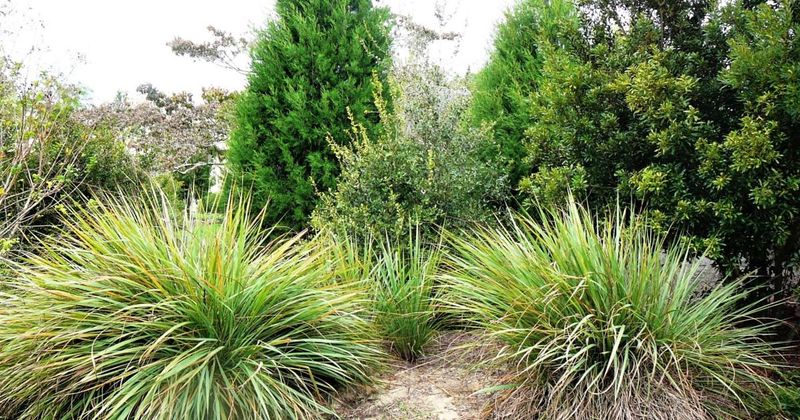
Gamma grass, also called eastern gamma grass, is a powerhouse native grass built for Florida’s toughest conditions. Its deep root system reaches far below the surface, pulling moisture from sandy soil that would leave other plants gasping.
It handles flooding and drought with the same relaxed attitude, making it perfect for Florida’s feast-or-famine rainfall patterns. The tall seed heads attract birds in late summer.
Plant it in a rain garden or a dry slope and let it do exactly what it was born to do.
Seashore Paspalum
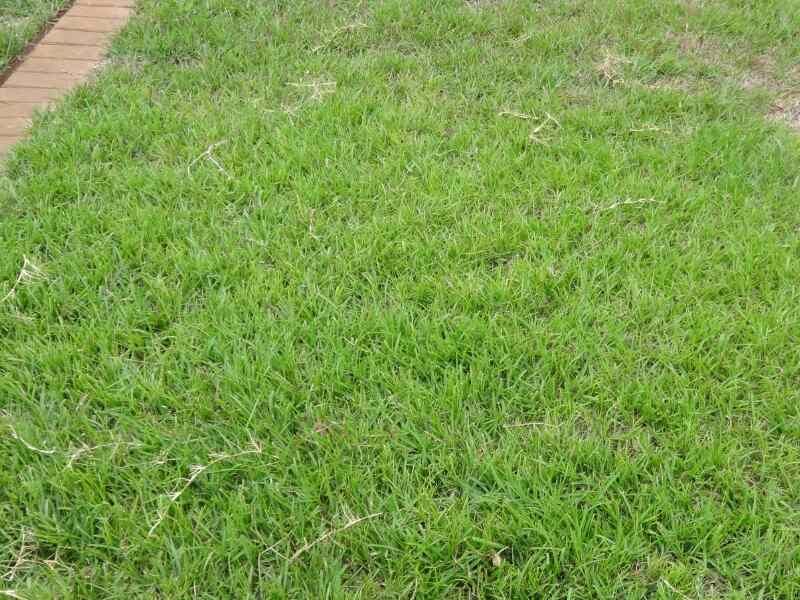
Seashore paspalum is the grass that thrives where other grasses surrender. Salt spray, sandy soil, high humidity, and intense heat are all conditions it handles without complaint, making it a top choice for coastal Florida properties.
It stays green and dense even under tough conditions and requires less fertilizer than most traditional lawn grasses. Environmental managers love it because it filters runoff effectively near water bodies.
If you live near the coast and want a tough, attractive lawn grass, seashore paspalum deserves serious consideration.
Agave
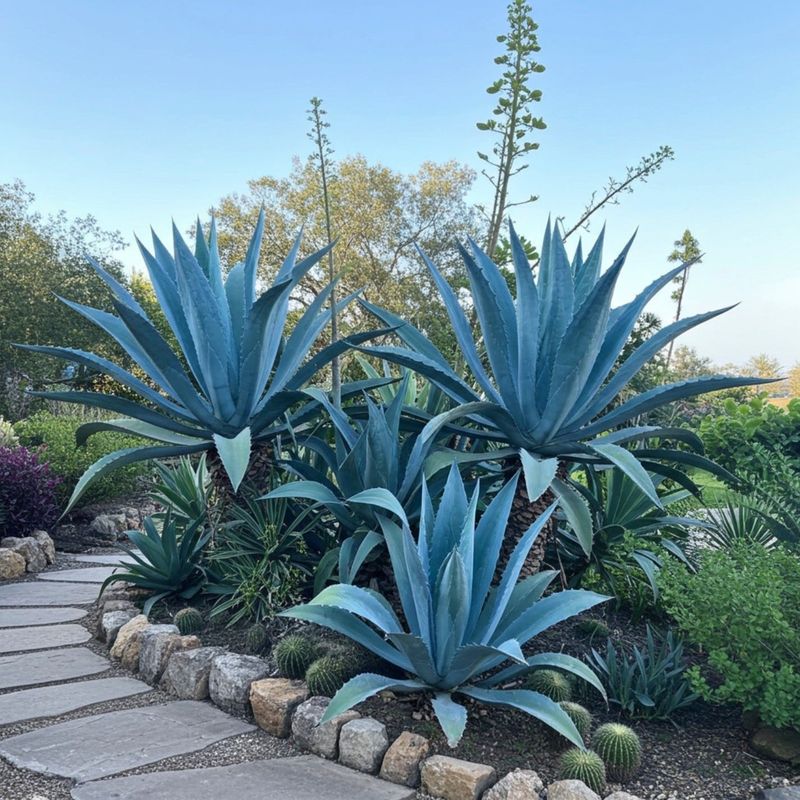
Agave plants look like they were designed by someone who wanted maximum drama with minimum effort. Those thick, pointed, architectural leaves make a bold statement in any landscape, and they do it while practically ignoring the gardener entirely.
Sandy, fast-draining soil is exactly what agave wants, and Florida’s heat suits it perfectly. It is extremely drought-tolerant once established and rarely needs fertilizing.
Some species bloom spectacularly once at the end of their life before producing offsets called pups that carry on the legacy.
Bougainvillea
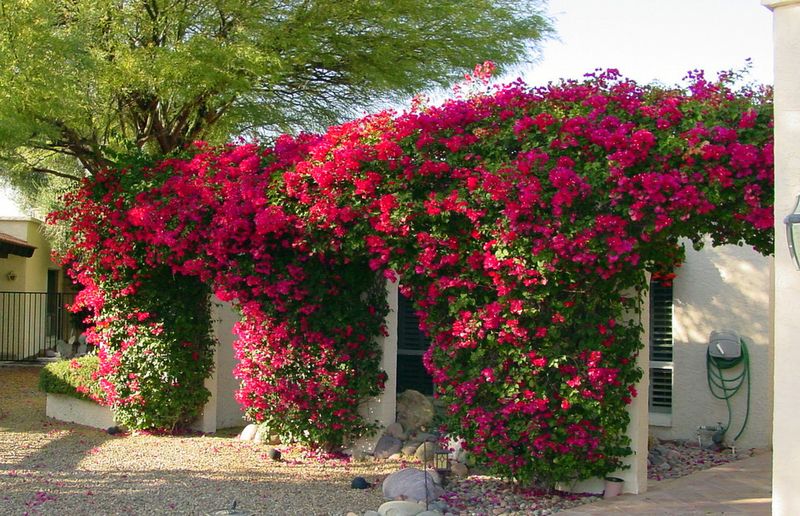
Bougainvillea is the showboat of Florida’s tough-plant world. Those blazing magenta, orange, red, or white bracts cascade over fences, walls, and trellises in waves of color that stop traffic and drop jaws.
Despite looking so extravagant, bougainvillea thrives on neglect. Sandy, well-drained soil and full sun are all it really needs.
Overwatering and over-fertilizing actually reduce blooming. Treat it a little rough, give it heat and sunlight, and bougainvillea rewards you with one of Florida’s most spectacular floral displays all year long.
Gopher Apple
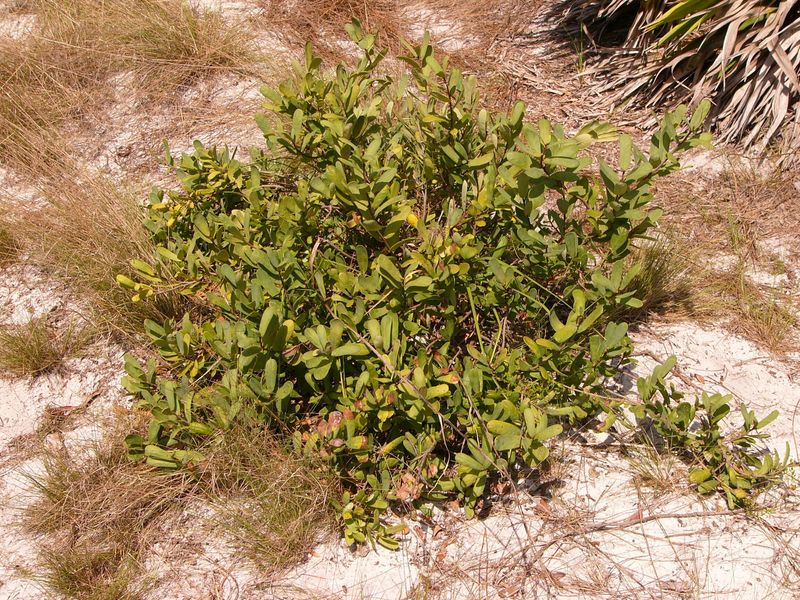
Gopher apple is one of Florida’s best-kept landscaping secrets. This low-growing native groundcover spreads slowly across sandy, dry ground, forming a dense mat that smothers weeds and stabilizes soil beautifully without needing irrigation.
Its small white flowers appear in spring, followed by edible fruits that gopher tortoises, foxes, and birds rely on heavily. It is practically indestructible once established in the right conditions.
For sandy, sun-baked spots where nothing else wants to grow, gopher apple steps in and gets the job done quietly and reliably.
Enjoyed this story?
Add Fast Food Club as a preferred source to see more of our reporting on Google.