


Most people think junk food and healthy eating are total opposites, but that is not always true. Some of your favorite snacks and treats actually pack surprising nutrients and real benefits for your body.
Before you feel guilty about reaching for that bag of popcorn or a square of dark chocolate, check out what science has to say. You might be shocked at how many “bad” foods are secretly doing your body some good.
Popcorn

Forget the movie theater guilt trip. Plain air-popped popcorn is actually a whole grain, which means it carries fiber that helps your digestive system run smoothly.
One serving gives you more antioxidants than some fruits and vegetables, which is pretty wild for a snack most people eat by the handful.
Skip the heavy butter and extra salt to keep it on the healthier side. A light drizzle of olive oil and a pinch of seasoning can make it just as tasty without the downsides.
Dark Chocolate

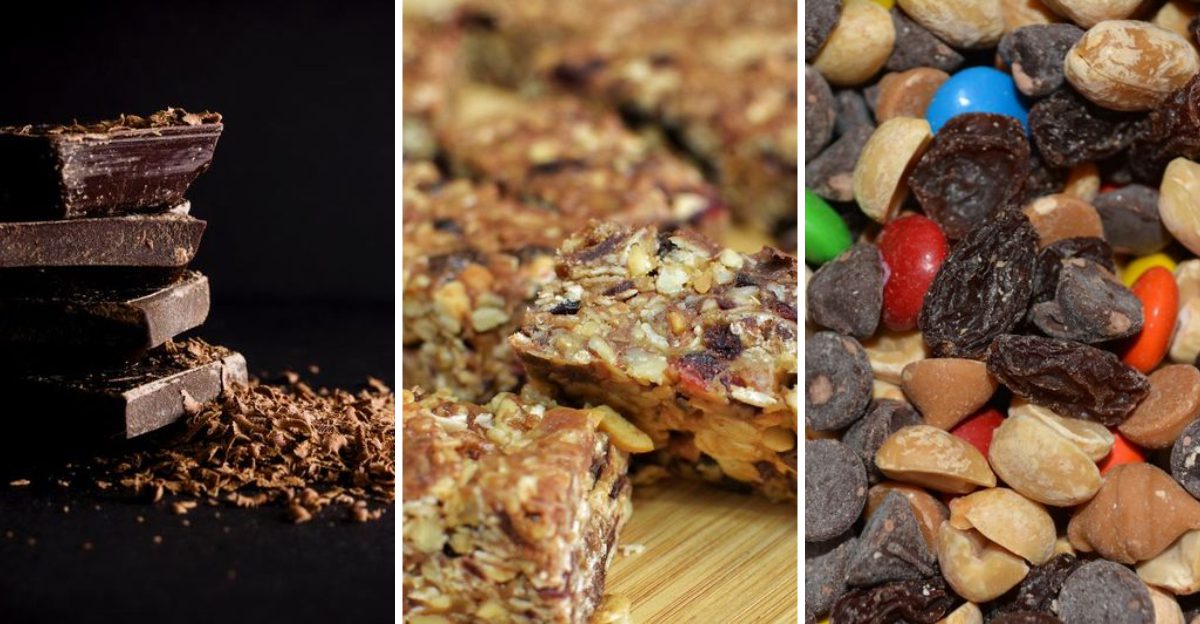
Here is a fun fact that chocolate lovers have been waiting to hear: dark chocolate is loaded with flavonoids, which are plant compounds that support heart health. Studies suggest that eating a small amount regularly may help lower blood pressure and improve blood flow to the brain.
The key is choosing chocolate with at least 70% cocoa content. The darker it is, the less sugar it contains and the more actual health benefits you get per bite.
A little goes a long way.
Peanut Butter
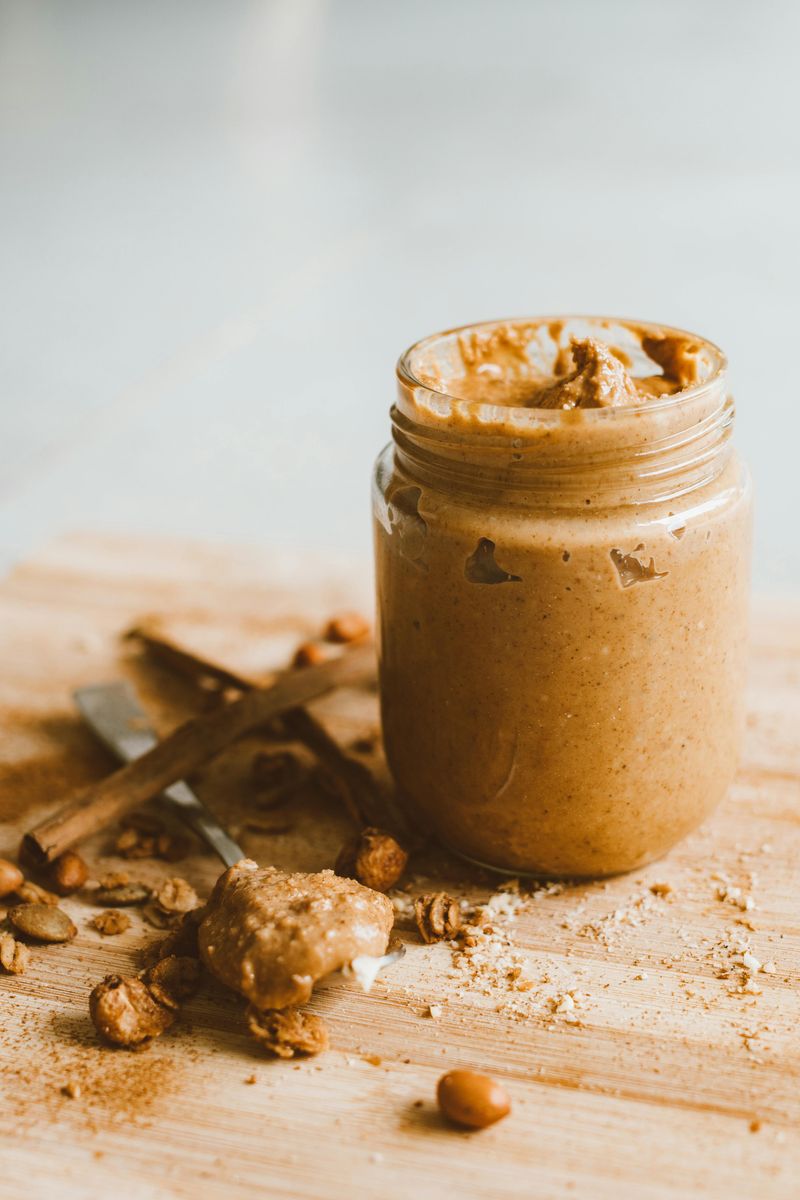
Peanut butter has a reputation for being high in calories, but that thick, creamy spread is also bursting with protein, healthy fats, and magnesium. Magnesium plays a huge role in muscle function and energy production, making peanut butter a surprisingly solid snack for active kids and teens.
Natural peanut butter without added sugar or hydrogenated oils is your best bet. Spread it on apple slices or whole grain crackers for a snack that keeps you full and focused for hours.
Ice Cream

Ice cream might seem like the last thing a nutritionist would recommend, but a small scoop actually delivers calcium and phosphorus, two minerals your growing bones absolutely need. Dairy-based ice cream also contains a bit of protein, which most people never think about when they are digging into a cone.
Portion size is everything here. Sticking to a single scoop and avoiding toppings loaded with artificial syrups lets you enjoy the treat while keeping the sugar from going overboard.
Pizza

Pizza gets a bad reputation, but a slice built on a tomato base is actually delivering lycopene, a powerful antioxidant found in cooked tomatoes. Lycopene has been linked to a reduced risk of certain diseases, including some types of cancer, which makes that marinara sauce more important than it looks.
Choosing a thin crust, loading up on veggie toppings, and going easy on the processed meats can turn pizza night into something your body actually appreciates. Balance makes the difference.
French Fries

Potatoes themselves are genuinely nutritious, packed with potassium, vitamin C, and vitamin B6. The problem with french fries is usually the cooking method, not the potato itself.
Baked or air-fried versions hold onto much more of that original nutritional value without drowning everything in excess oil.
Potassium is especially important for heart and muscle health, and a medium potato delivers more of it than a banana. Swap deep frying for air frying and you keep the crispy satisfaction with far fewer downsides.
Burgers

A beef burger done right is actually a decent source of iron, zinc, and complete protein, all nutrients your body needs for energy, immunity, and building muscle. Iron is especially critical for teenagers whose bodies are growing rapidly and need steady fuel throughout the day.
The trick is choosing lean beef, skipping the processed toppings, and loading on fresh vegetables like lettuce, tomato, and onion. A whole grain bun adds even more fiber to the mix, turning a fast food staple into something more balanced.
Potato Chips

Nobody expected potato chips to show up on a list like this, yet here we are. Baked potato chips made from real potatoes carry small amounts of potassium and vitamin B6, and some brands use minimal ingredients that keep the snack surprisingly clean.
The chip itself is not the villain it is made out to be.
Mindful snacking is the real game-changer. Measuring out a portion instead of eating straight from the bag helps you enjoy the crunch without overdoing the sodium or calories.
Nachos

Nachos might look like pure indulgence, but black beans and salsa are often hiding right there on top, and both bring serious nutritional muscle. Black beans are rich in fiber and plant-based protein, while tomato-based salsa delivers vitamins A and C with almost no calories at all.
Cheese adds calcium to the equation, which supports bone strength. Building your nachos with more beans, fresh salsa, and avocado instead of sour cream swings the nutritional balance in a much more favorable direction without sacrificing flavor.
Granola Bars
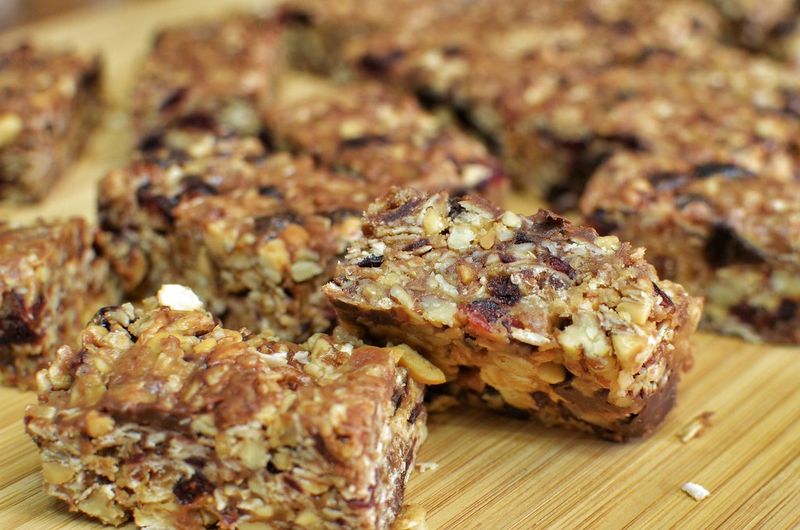
Granola bars have long walked the line between candy bar and health food, and when made with oats, nuts, and minimal sugar, they land firmly on the healthier side. Oats are a fantastic source of beta-glucan, a type of soluble fiber that helps keep cholesterol levels in check and steadies blood sugar after eating.
Reading the label matters more here than almost anywhere else. A bar with whole oats, seeds, and dried fruit listed first is genuinely giving your body energy-sustaining nutrition rather than just a sugar spike in disguise.
Frozen Yogurt

Frozen yogurt carries live and active cultures, the same beneficial bacteria found in regular yogurt that support gut health and digestion. A healthy gut is connected to everything from your immune system to your mood, which makes those tiny cultures surprisingly important for overall wellness.
Compared to regular ice cream, frozen yogurt tends to be lower in fat and calories while still delivering calcium and protein. Topping it with fresh fruit instead of candy pieces keeps the sugar reasonable and adds vitamins your body will actually use.
Milkshakes

A classic milkshake made with real dairy milk and ice cream delivers a notable hit of calcium, vitamin D, and protein in one cold, creamy package. Vitamin D is notoriously hard to get from food alone, so any source that sneaks it in deserves a little credit.
Post-workout recovery is one area where a small milkshake actually makes surprising sense. The combination of protein and carbohydrates helps muscles recover after exercise.
Using low-fat milk and fresh fruit blended in keeps the calorie count from spiraling out of control.
Cheeseburgers

Cheese is the bonus player on a burger that most people overlook nutritionally. A slice of real cheese adds calcium, phosphorus, and a bit of vitamin K2, a nutrient that helps direct calcium to your bones rather than your arteries.
That is a genuinely useful contribution from something you probably added just for flavor.
Choosing quality cheese over processed cheese singles makes a meaningful difference. Pair a lean beef patty with a real cheese slice, fresh toppings, and a whole grain bun for a meal that actually checks several nutritional boxes at once.
Hot Dogs

Hot dogs are one of those foods everyone loves to hate, but they do contain protein and several B vitamins, including B12, which supports healthy nerve function and red blood cell production. B12 is mainly found in animal products, so even a modest source like a hot dog contributes something real.
Choosing chicken or turkey hot dogs with lower sodium content makes them a slightly smarter pick. Pairing one with a whole grain bun and a side of raw vegetables rounds out the meal in a way that balances the processed nature of the meat.
Chocolate Milk

Chocolate milk has actually been studied as a post-exercise recovery drink, and the results are surprisingly positive. The natural ratio of carbohydrates to protein in chocolate milk closely matches what sports scientists recommend for refueling muscles after a tough workout or practice.
Beyond recovery, it delivers calcium, vitamin D, potassium, and magnesium in a single glass. Compared to many sugary sports drinks, chocolate milk made with real dairy provides far more nutrients per serving, making it one of the most underrated drinks in the refrigerator.
Trail Mix
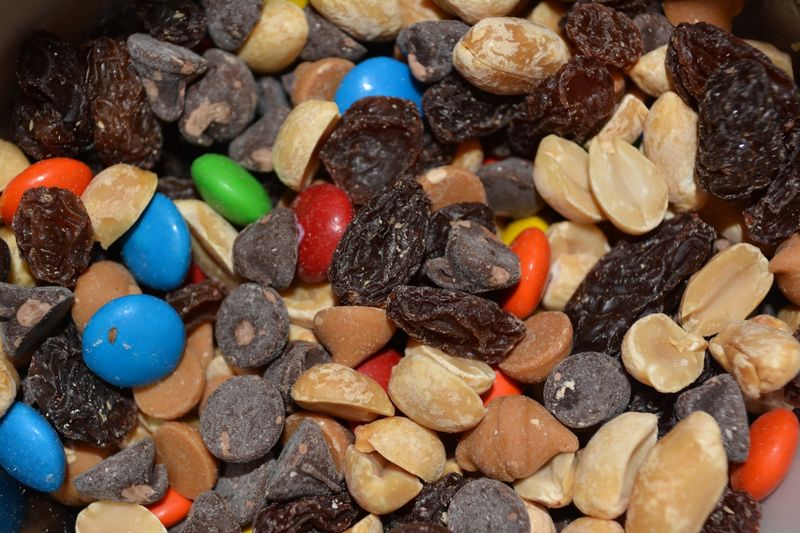
Trail mix sits in an interesting spot because it blurs the line between snack food and actual nutrition. Nuts bring healthy monounsaturated fats, protein, and magnesium, while dried fruit adds iron and potassium.
Even the chocolate chips hiding in the mix contribute antioxidants from the cocoa content.
The calorie count can sneak up quickly, so portioning it into small bags ahead of time keeps snacking in check. A well-built trail mix genuinely sustains energy on long school days, hikes, or afternoons when lunch feels like a distant memory.
Instant Noodles

Instant noodles on their own are pretty basic nutritionally, but they become a different story when you start adding real ingredients on top. Toss in a soft-boiled egg and you immediately add protein and choline, a nutrient important for brain development and memory that most people do not get enough of.
Add spinach, mushrooms, or sliced carrots to the broth and you have turned a packaged shortcut into something genuinely more nourishing. Using only half the seasoning packet also cuts the sodium dramatically without losing all the familiar flavor you love.
Cereal
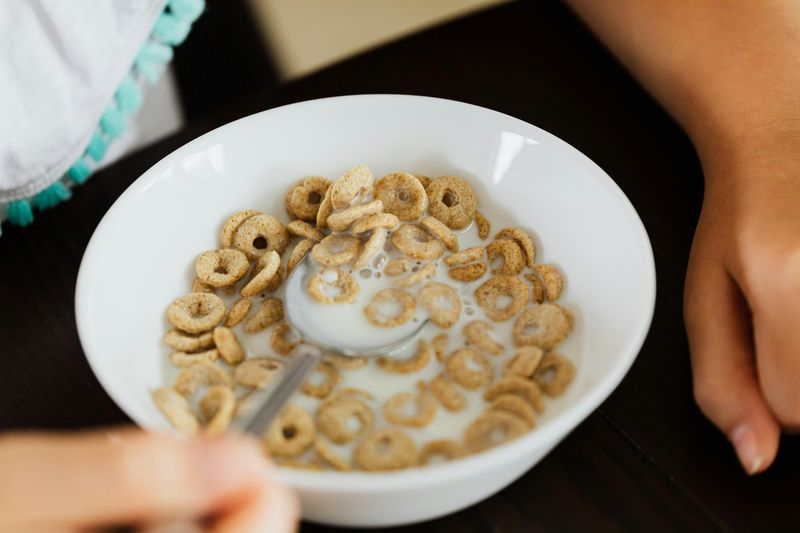
Many cereals are fortified with iron, B vitamins, and folic acid, which means manufacturers have added nutrients that would not naturally be there. For kids who are picky eaters, a fortified cereal with milk in the morning can actually fill some significant nutritional gaps before the school day even starts.
Whole grain cereals with less than 8 grams of sugar per serving are the sweet spot. Pair any cereal with dairy or plant-based milk and fresh fruit to build a breakfast that covers protein, calcium, fiber, and vitamins all at once.
Pancakes

Pancakes made with eggs, milk, and flour are quietly delivering protein, calcium, and B vitamins in every bite. Eggs alone bring in choline, selenium, and high-quality protein that fuels brain activity and keeps energy steady through a long morning of classes or activities.
Swapping some white flour for whole wheat flour boosts the fiber content noticeably. Adding mashed banana or blueberries to the batter sneaks in potassium and antioxidants, turning a beloved weekend breakfast into something that actually supports the busy day ahead.
Waffles

Waffles share a lot of the same nutritional DNA as pancakes, but the crispy grid structure makes them uniquely satisfying in a way that tends to slow down eating, which actually helps with portion control. Taking time to eat means your brain gets the signal that you are full before you have overdone it.
Made with whole grain batter and topped with fresh fruit instead of heavy syrup, waffles deliver fiber, antioxidants, and sustained energy. Greek yogurt as a topping adds a protein punch that keeps hunger away for hours after breakfast.
Enjoyed this story?
Add Fast Food Club as a preferred source to see more of our reporting on Google.