


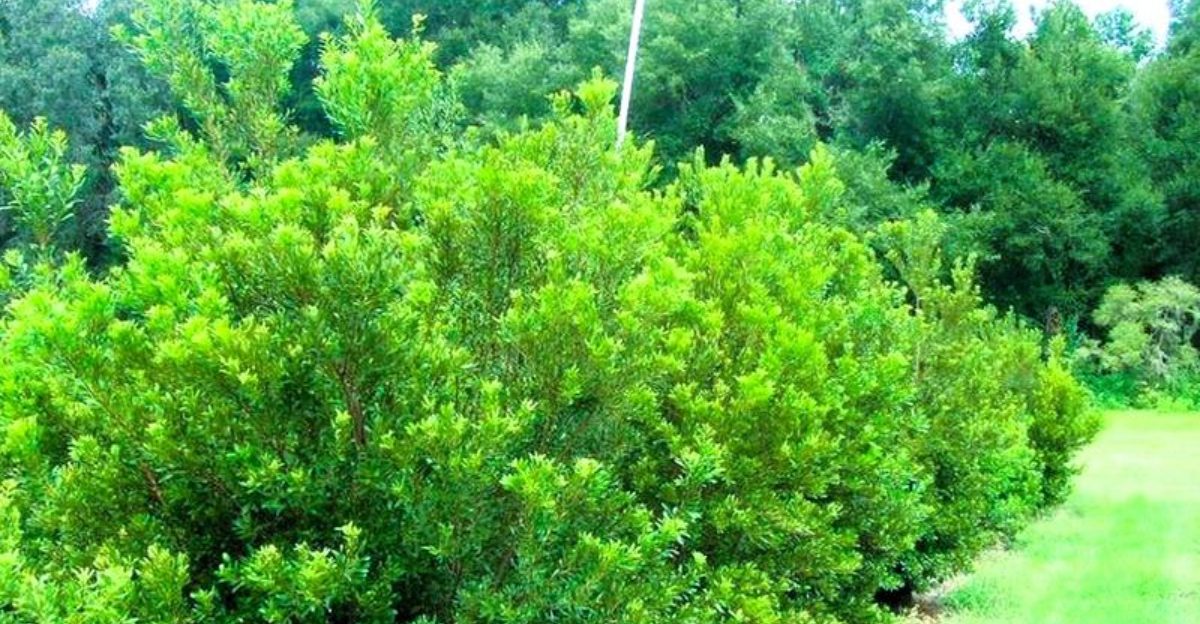
Florida’s warm climate and long growing season make it one of the best places to grow lush, full shrubs. Whether you want privacy, color, or just a yard that looks amazing, the right shrub can make a huge difference.
Some shrubs grow so fast that you can see results within just one season. Here are 20 top picks that will fill out your Florida yard faster than you might expect.
Viburnum odoratissimum
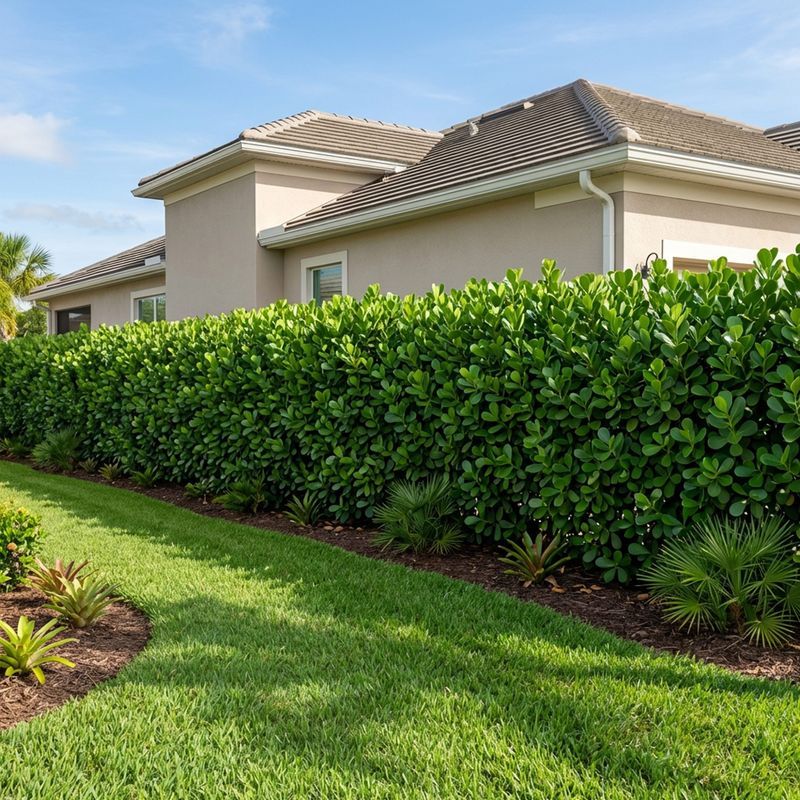
Few shrubs can match the sheer speed and fullness of Viburnum odoratissimum. Known for its thick, glossy leaves, this powerhouse can shoot up several feet in a single growing season under Florida’s sun.
Plant it in a row and you’ll have a lush green wall before you know it. It handles heat, humidity, and occasional drought surprisingly well.
Gardeners love it for privacy screens along fences and property lines.
Sweet viburnum
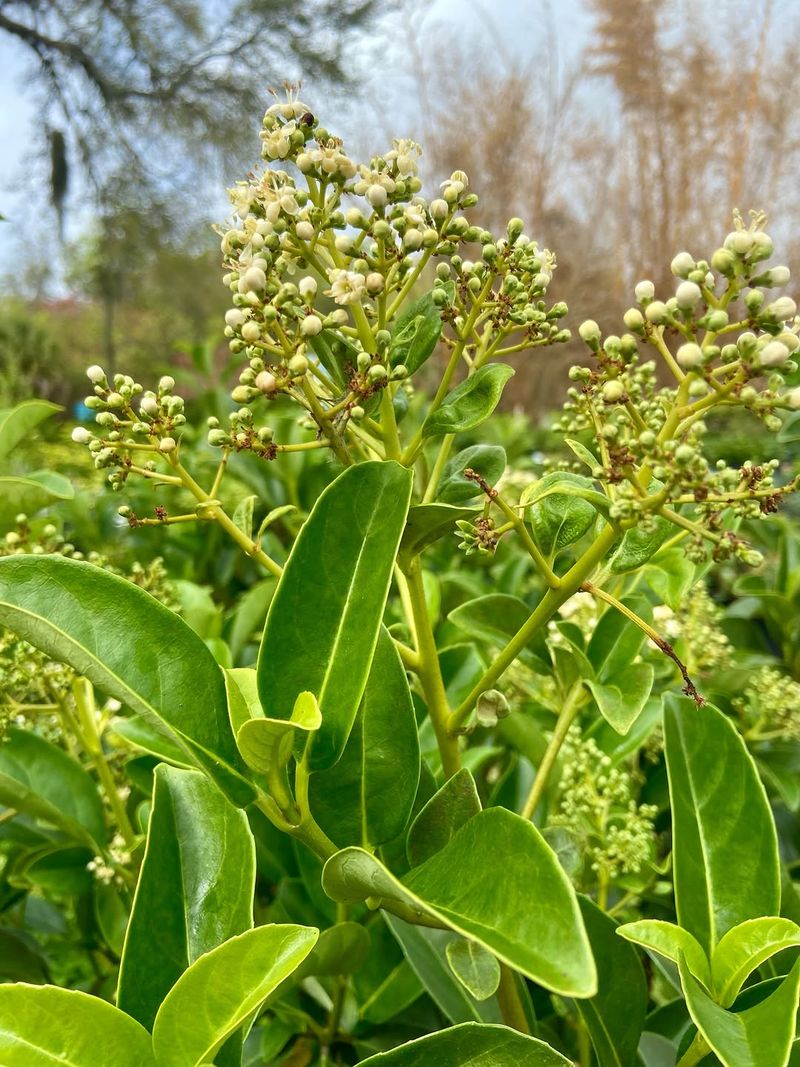
Sweet viburnum earns its name with clusters of tiny, jasmine-scented white flowers that bloom in spring. Beyond the sweet smell, this shrub grows at a remarkable pace, often adding three or more feet each year in Florida’s climate.
It thrives in full sun to partial shade and adapts well to different soil types. Homeowners frequently use it as a tall hedge or a standalone specimen plant that adds year-round beauty to any yard.
Wax myrtle
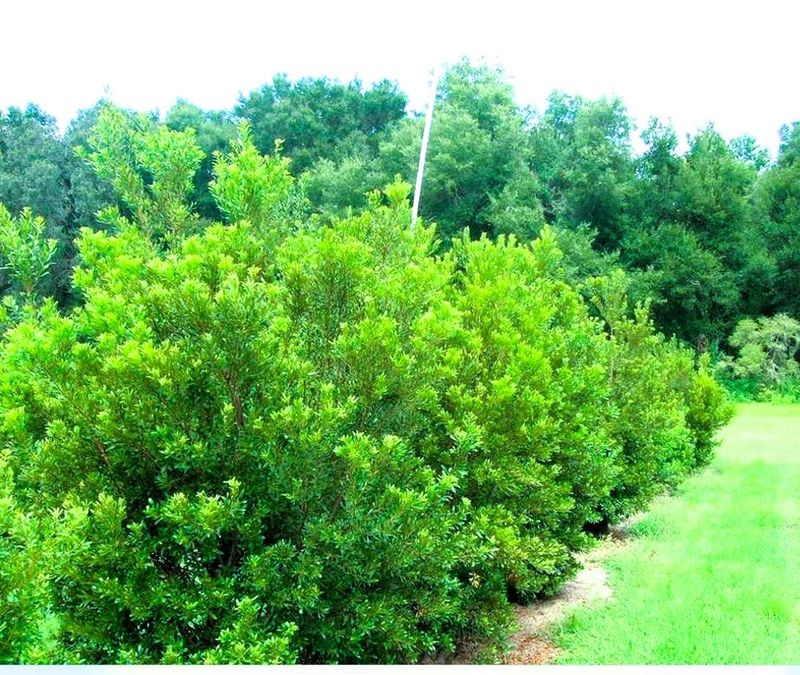
Wax myrtle is a true Florida native that practically thrives on neglect. It rockets upward fast, easily reaching ten feet or taller within a few years, making it one of the most popular screening plants in the state.
Birds absolutely love its small waxy berries, so planting wax myrtle is like setting up a wildlife buffet. It tolerates wet soils, sandy soils, and salt spray, which makes it incredibly versatile across different Florida landscapes.
Clusia
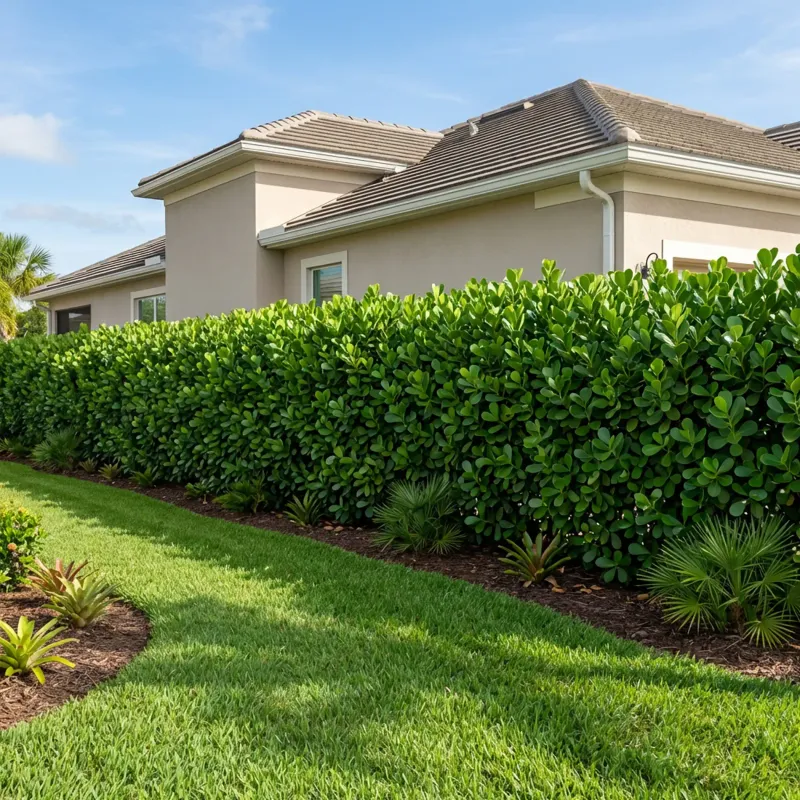
Clusia, sometimes called the autograph tree because you can scratch words into its thick leaves, is one of the toughest hedging shrubs in Florida. It grows quickly and forms a nearly impenetrable wall of dark, leathery foliage.
Salt air, drought, and poor soil barely slow it down. Coastal homeowners especially love clusia because it stands up to harsh conditions that would weaken other shrubs.
Once established, it demands very little attention from the gardener.
Podocarpus
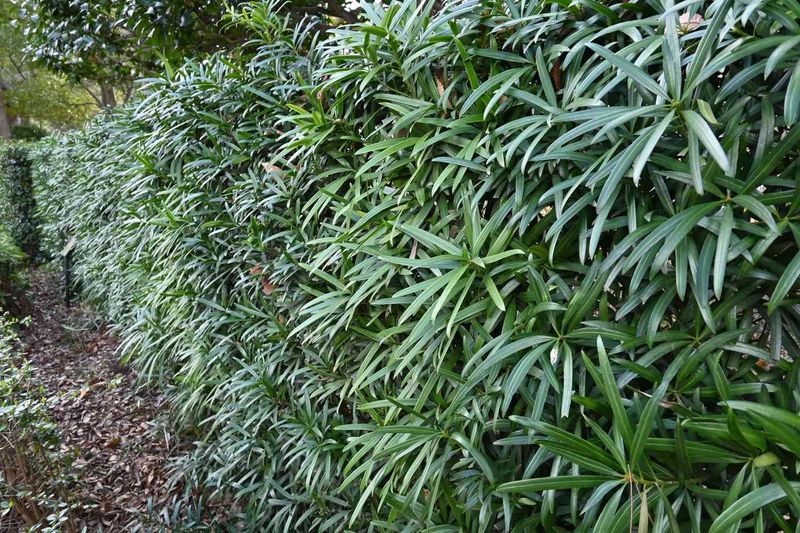
Podocarpus has a reputation as the go-to hedge plant for Florida homeowners who want something tidy and fast. Its fine-textured, dark green needles give it an elegant, almost formal look that works beautifully along driveways and fences.
Growth rates are impressive, especially when the plant gets regular watering and fertilizing during warm months. It tolerates heavy shearing, so you can keep it at exactly the height and shape you want without stunting its vigor.
Cocoplum
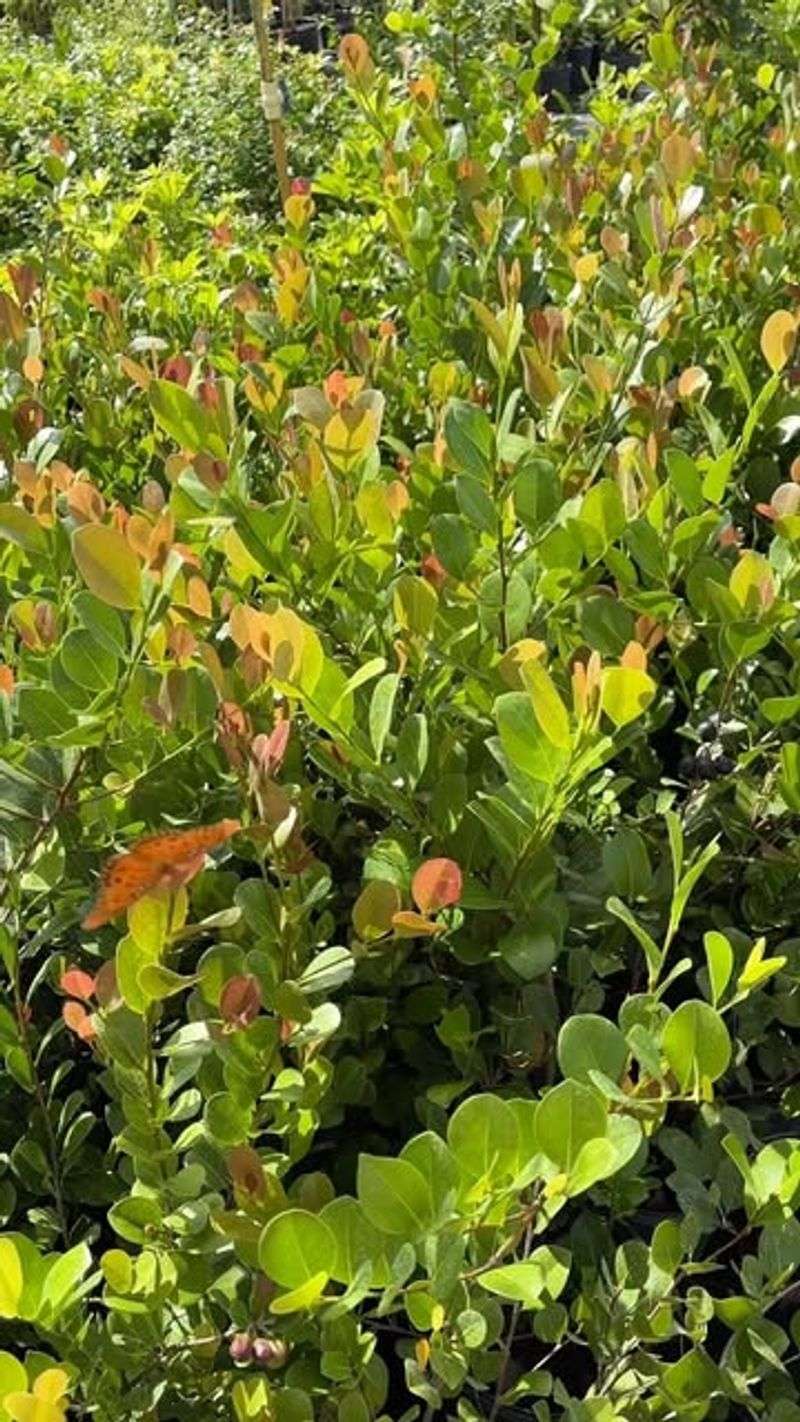
Cocoplum is a South Florida classic with a charming bonus: edible fruit. The small plum-like fruits are sweet enough to eat fresh or turn into jelly, which makes this shrub as useful as it is attractive.
Growth is steady and reliable, forming a dense mounding shape that works well as a hedge or border plant. It handles salty coastal air and loves the heat, thriving in spots where less tough plants might struggle to survive the summer.
Firebush
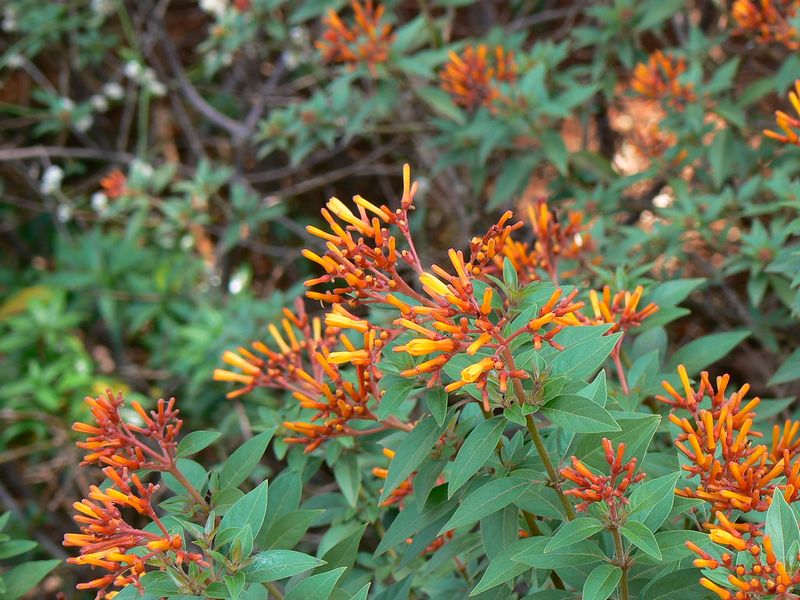
If you want a shrub that looks like it is always on fire, firebush delivers that drama beautifully. Its blazing clusters of orange-red tubular flowers bloom almost nonstop throughout Florida’s warm months, drawing in hummingbirds and butterflies like a magnet.
Growth is rapid in full sun, often reaching six feet or more in a single season. It is a Florida native, so once settled in, it handles heat and short dry spells without missing a beat.
Ligustrum japonicum
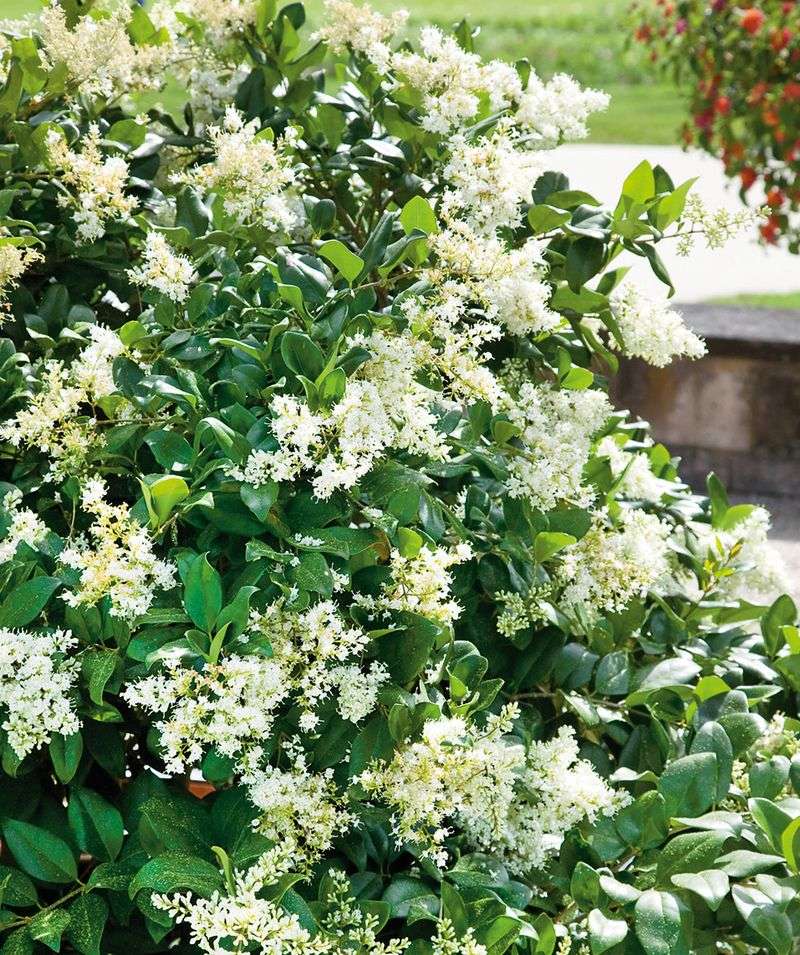
Japanese privet, or Ligustrum japonicum, grows with almost competitive ambition in Florida’s warm climate. Give it a sunny spot and decent soil, and it will fill in fast with glossy, deep green foliage that looks polished year-round.
It responds exceptionally well to pruning, so you can shape it into a formal hedge, a round shrub, or even a small tree. Spring brings clusters of fragrant white flowers that add an unexpected sweetness to the landscape.
Pittosporum
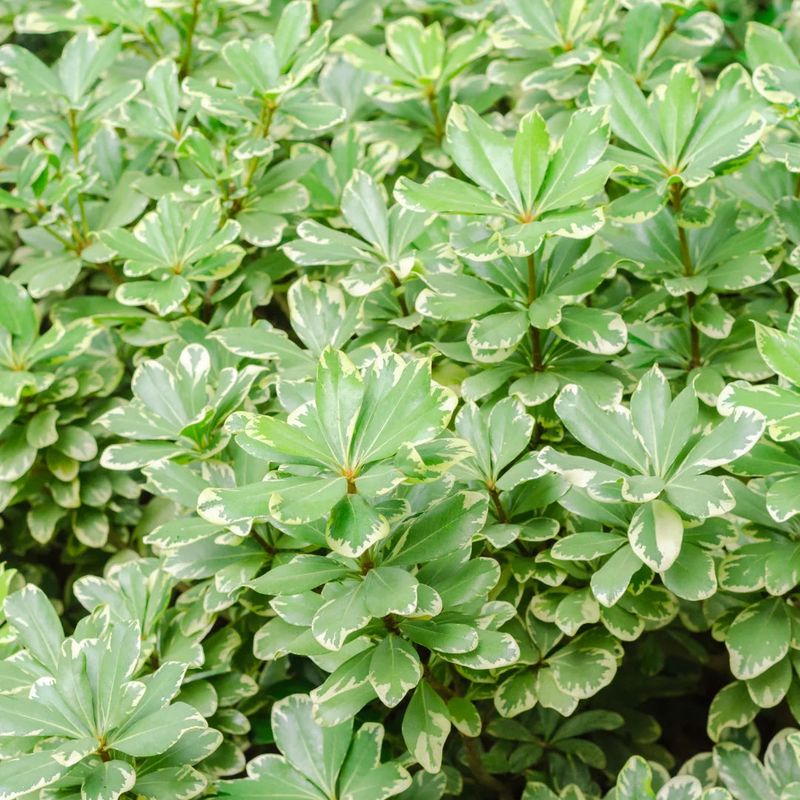
Pittosporum is a workhorse shrub that earns its keep in Florida yards without making you work too hard. It grows quickly into a full, rounded shape and comes in varieties with solid green, variegated, or silvery foliage to suit different design styles.
Small, intensely fragrant flowers appear in late winter or spring, perfuming the whole garden. Pittosporum handles partial shade well, making it a smart choice for spots under trees where many other fast-growing shrubs might slow down.
Simpson’s stopper
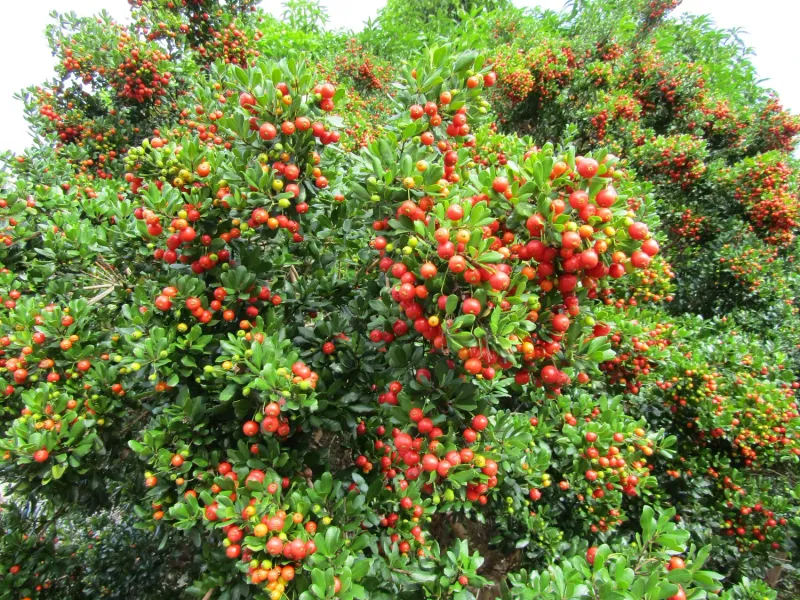
Simpson’s stopper is a Florida native with quiet elegance and a surprisingly fast growth habit for a native plant. Its small, dark green leaves stay on year-round, and it produces delicate white flowers followed by bright red berries that birds eagerly devour.
It works beautifully as a hedge, foundation planting, or wildlife garden centerpiece. Tolerant of drought once established and happy in both sun and light shade, it is one of the most low-maintenance choices on this list.
Walter’s viburnum
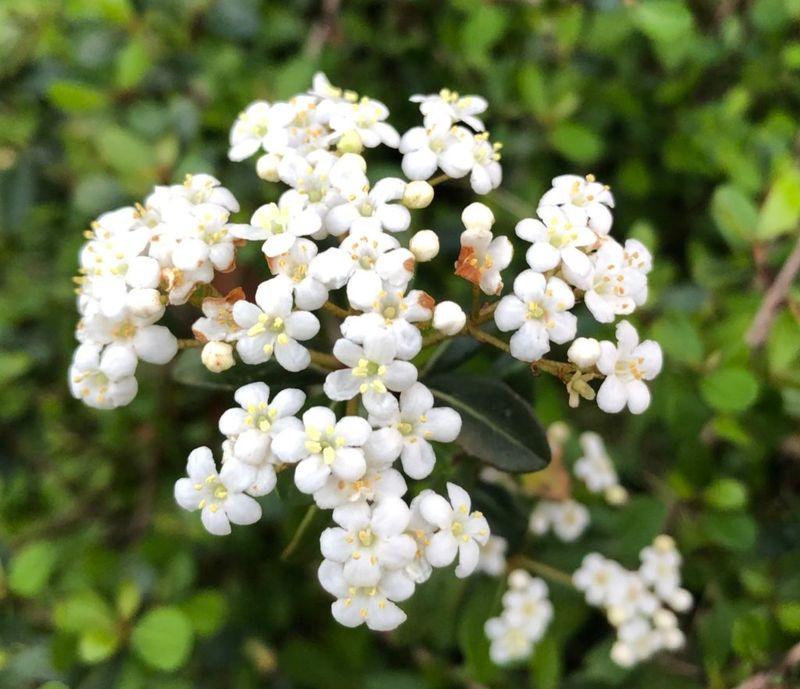
Walter’s viburnum is the wild, free-spirited cousin of the more formal viburnums on this list. Native to Florida’s forests and wetland edges, it grows with a loose, natural shape that looks right at home in cottage gardens or naturalistic landscapes.
White flower clusters appear in late winter, making it one of the earliest bloomers in the yard. It grows quickly in both sun and shade, tolerates wet soils, and provides excellent cover and berries for Florida’s native birds.
Orange jasmine
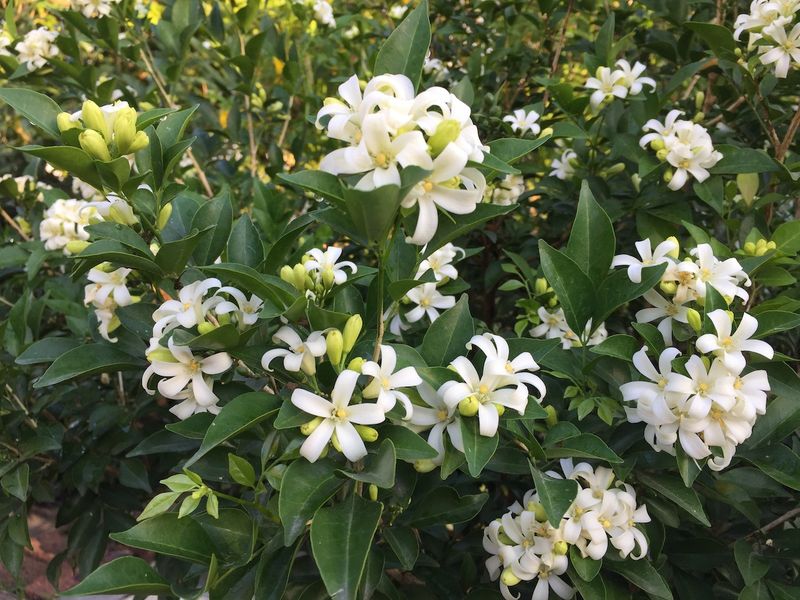
Step outside after an orange jasmine blooms and the fragrance will stop you in your tracks. This tropical shrub produces tiny white flowers with an orange-blossom scent so strong that one plant can perfume an entire patio or garden corner.
It grows at a brisk pace in Florida’s heat and can reach eight feet or more if left unpruned. Regular light trimming keeps it full and bushy.
It works wonderfully as a fragrant hedge or a container plant near entryways.
Gold mound duranta
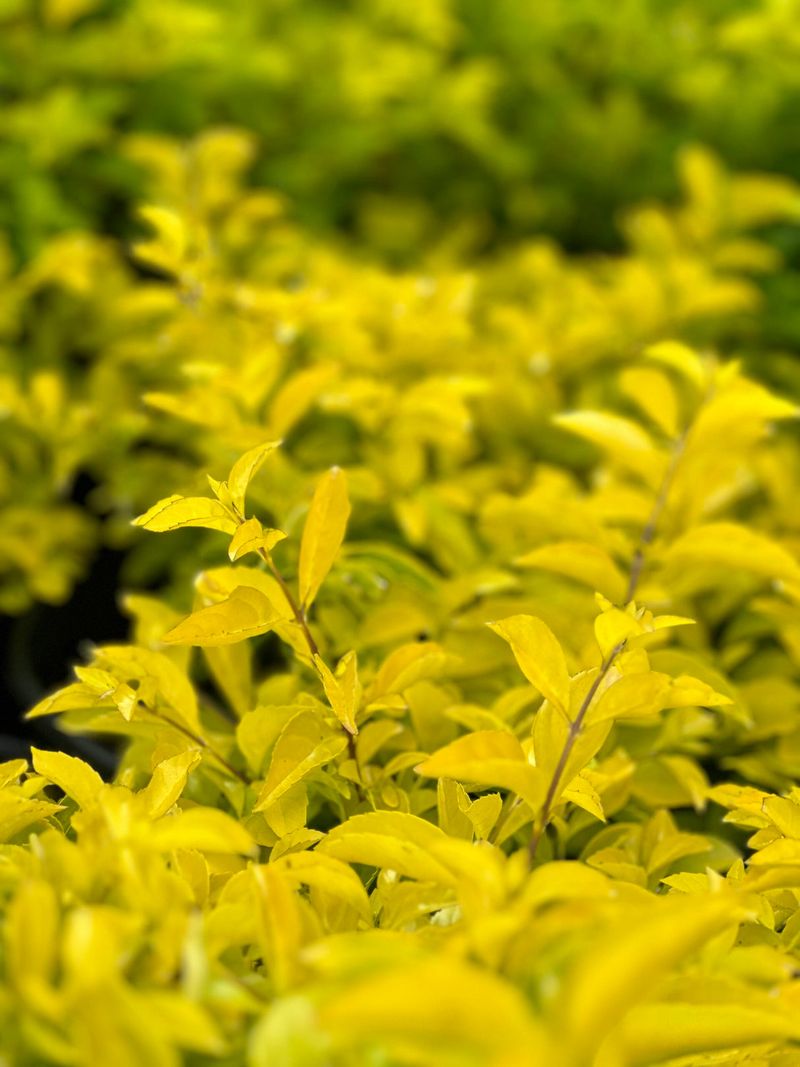
Gold mound duranta brings a burst of sunshine-yellow color that no green shrub can compete with. The chartreuse to golden foliage glows in full sunlight, making it an eye-catching contrast plant next to dark green hedges or flowering perennials.
Growth is quick, especially during Florida’s long warm season, and it stays relatively compact at two to four feet. Tiny purple flowers and orange berries occasionally appear as a bonus.
It thrives in full sun and well-drained soil with minimal fuss.
Thryallis
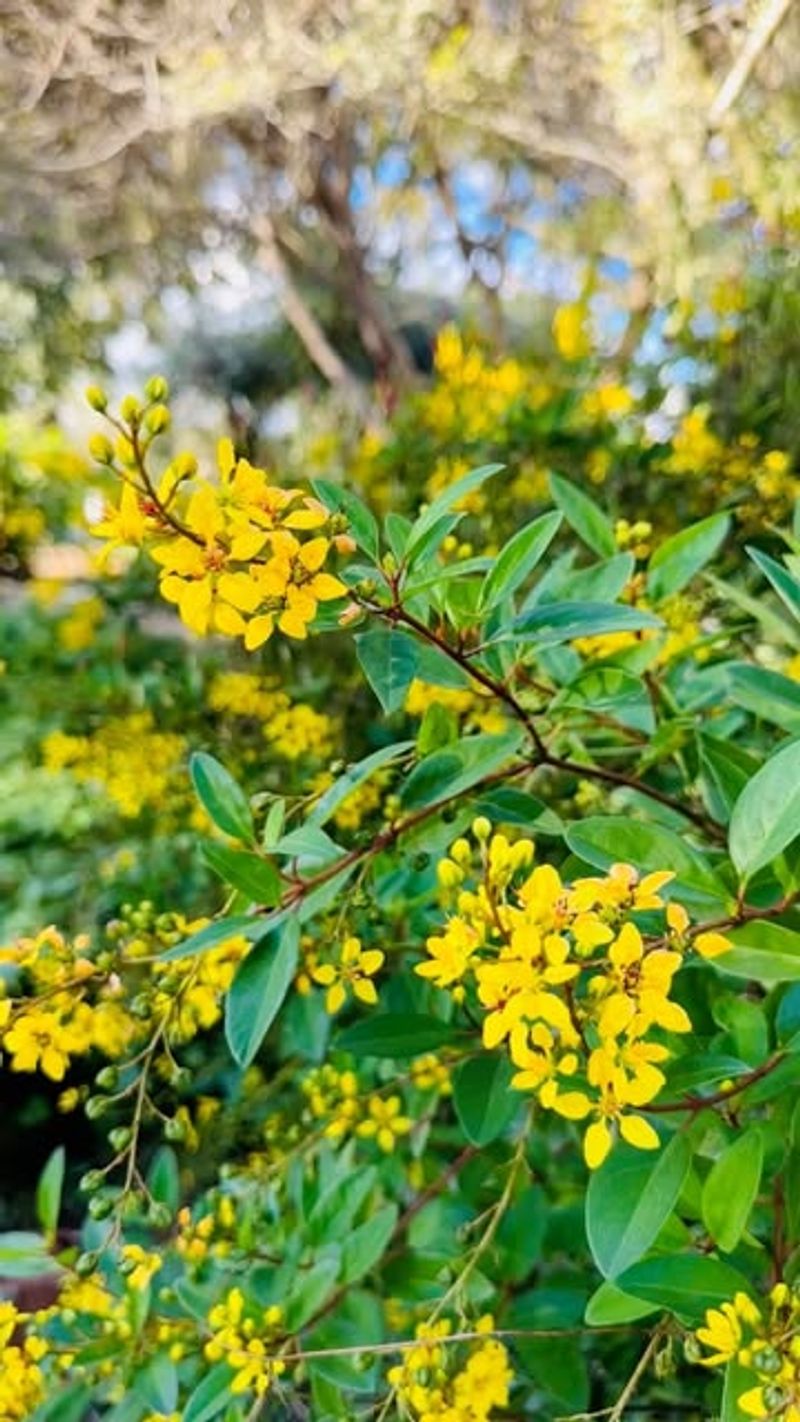
Thryallis is the shrub that never seems to stop blooming. From late spring through fall, it produces cheerful clusters of bright yellow flowers almost continuously, giving Florida yards a steady pop of color through the hottest months of the year.
It grows quickly into a graceful, arching mound about four to six feet tall and wide. Full sun and well-drained soil are its only real demands.
Drought tolerance is excellent once established, making it a smart pick for water-conscious Florida gardeners.
Dwarf firebush
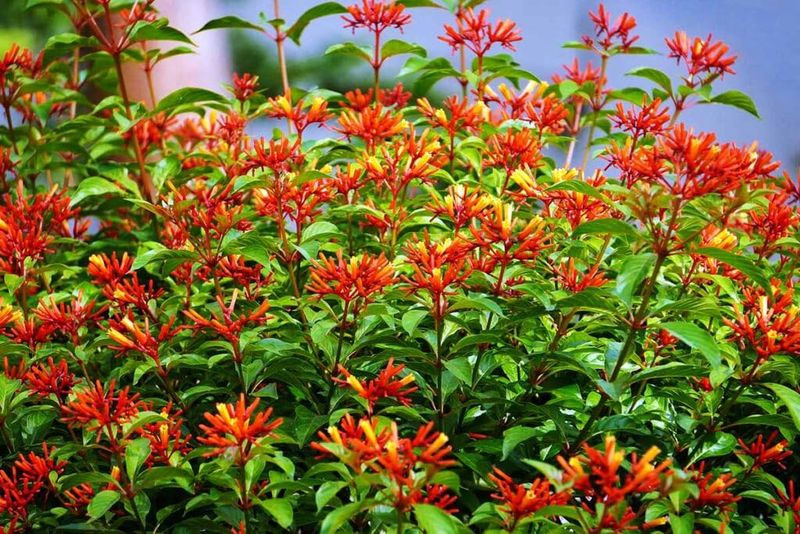
All the fiery beauty of regular firebush packed into a smaller, tidier package: that is exactly what dwarf firebush delivers. It tops out around three feet, making it perfect for borders, foundation plantings, or container gardens on sunny Florida patios.
Hummingbirds and butterflies are drawn to its nonstop orange-red blooms just as enthusiastically as they are to its taller cousin. Being a Florida native, it handles summer heat and humidity without batting an eye, growing vigorously with very little extra care.
Indian hawthorn
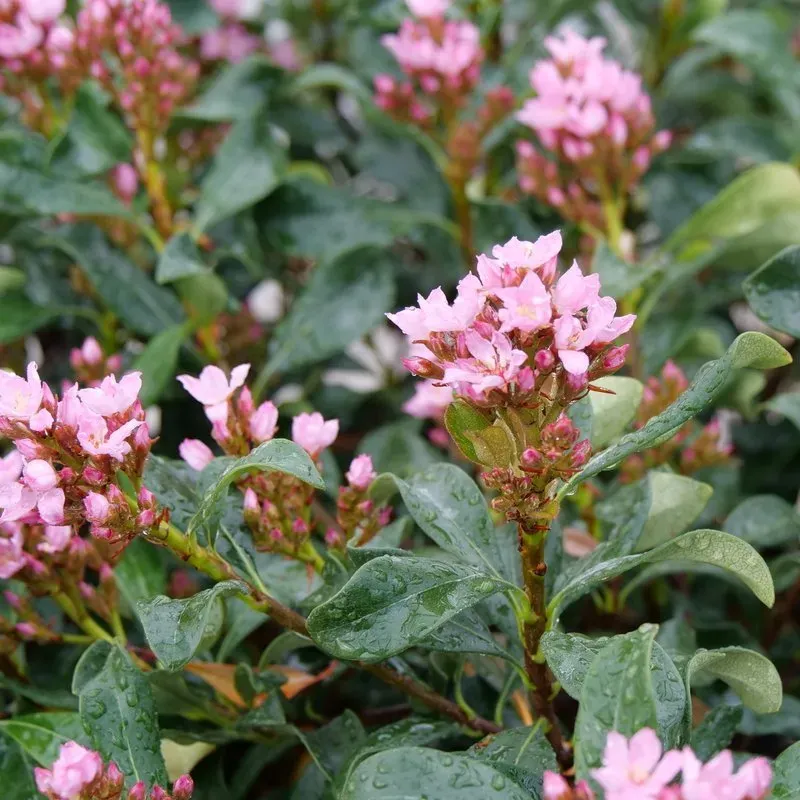
Indian hawthorn has been a Florida landscape staple for decades, and for good reason. In late winter and early spring, it bursts into bloom with clusters of pink or white flowers that make the whole yard feel refreshed after a mild Florida winter.
It grows at a moderate-to-fast pace into a tidy mound, rarely needing much pruning to look neat. Salt tolerance, drought resistance, and the ability to handle poor sandy soils make it a reliable performer across nearly every part of the state.
Natal plum
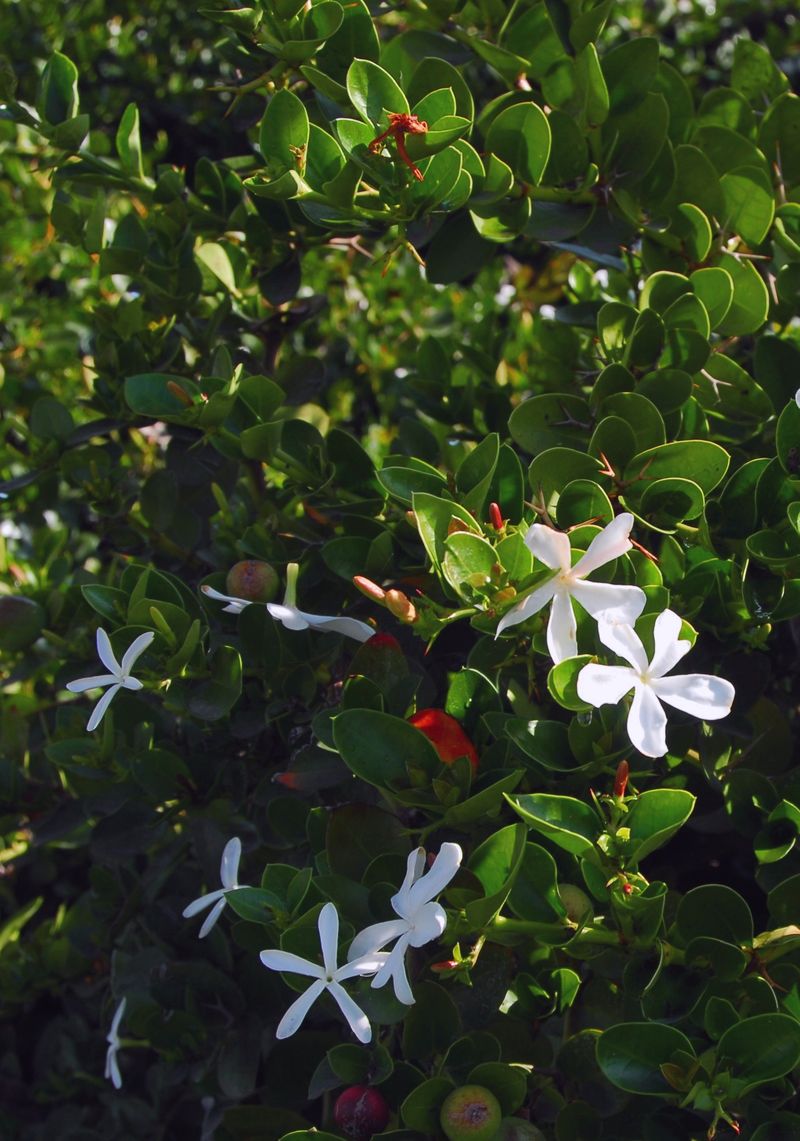
Natal plum is a coastal Florida favorite that packs a lot of personality into one plant. It produces fragrant, star-shaped white flowers that smell like gardenias, followed by bright red fruits that are actually edible and taste somewhat like cranberries.
Sharp thorns make it a fantastic security hedge as well as a beautiful ornamental. Growth is fast in Florida’s heat, and it handles salt spray, drought, and sandy soil with ease.
Few shrubs offer this much beauty and toughness in one package.
Carolina cherry laurel
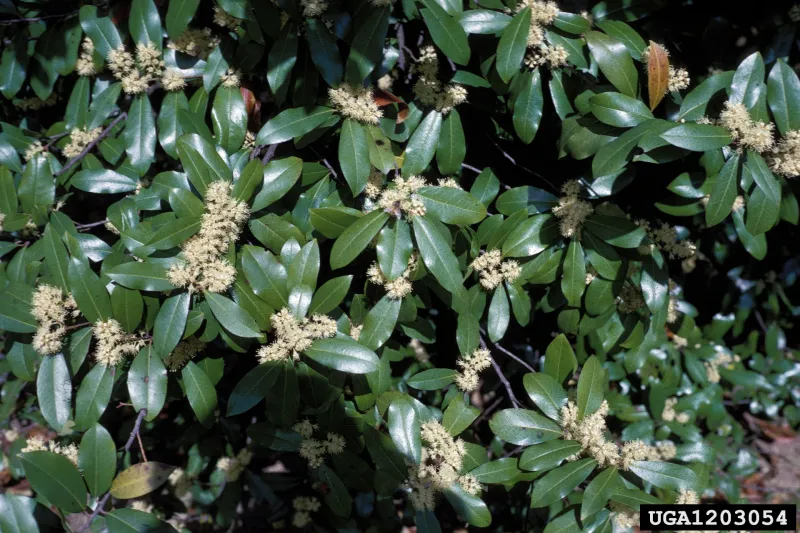
Carolina cherry laurel grows with impressive speed and forms one of the densest, most attractive hedges you can plant in a Florida yard. Its glossy, dark green leaves stay thick and full year-round, giving you complete privacy without gaps.
White flower spikes appear in spring and add a light, honey-like fragrance to the garden. It handles a wide range of soils and tolerates some shade, which makes it adaptable to many different yard conditions across northern and central Florida.
Jatropha
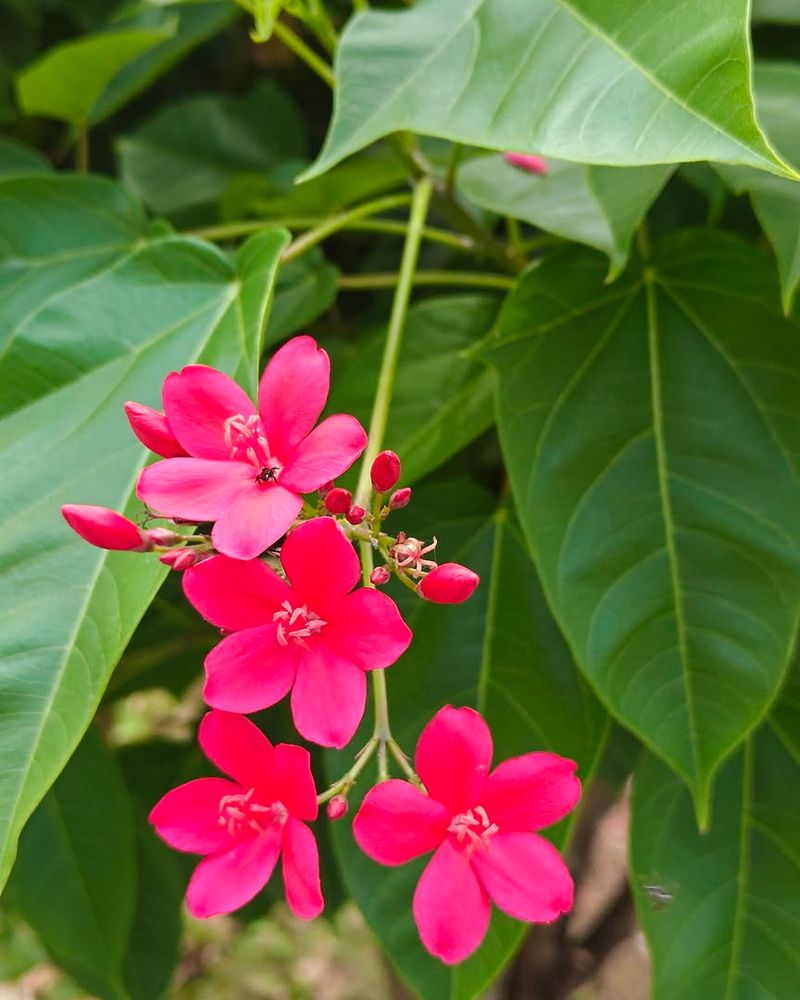
Jatropha is the tropical showstopper of the Florida shrub world. Its clusters of brilliant red flowers bloom on and off throughout the warm months, and the large, lobed leaves give it a bold, exotic appearance that stands out in any landscape.
Growth is rapid in full sun, and it can reach six to ten feet without much effort. Butterflies, especially the zebra longwing, visit the flowers regularly.
A note of caution: all parts of the plant are toxic, so keep it away from pets and young children.
Oleander
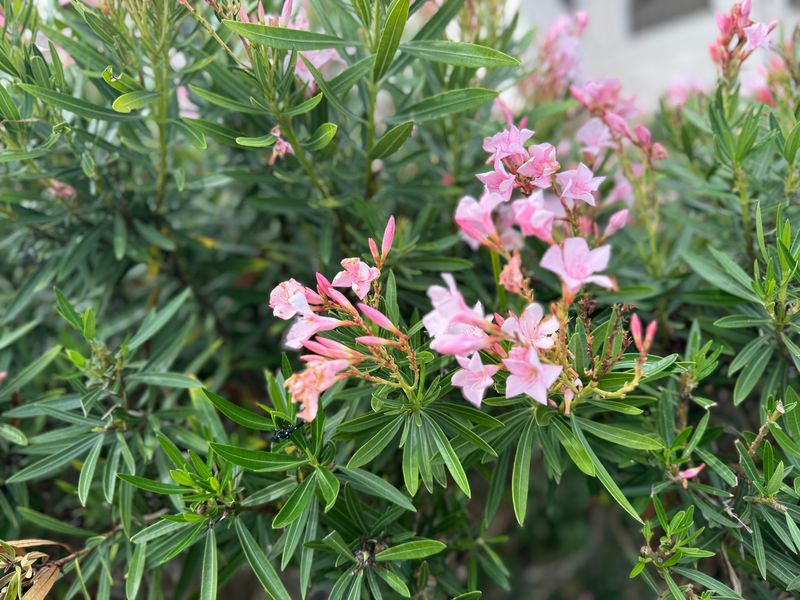
Oleander is a Florida classic that has lined highways, driveways, and beachside gardens for generations. Its clusters of showy flowers come in pink, red, white, or yellow, and they bloom heavily in warm weather with very little encouragement from the gardener.
Growth is fast and vigorous, easily reaching eight to twelve feet if unpruned. It tolerates drought, heat, and salty coastal air remarkably well.
Like jatropha, all parts are toxic, so handle it with care and keep curious pets and kids at a safe distance.
Enjoyed this story?
Add Fast Food Club as a preferred source to see more of our reporting on Google.