


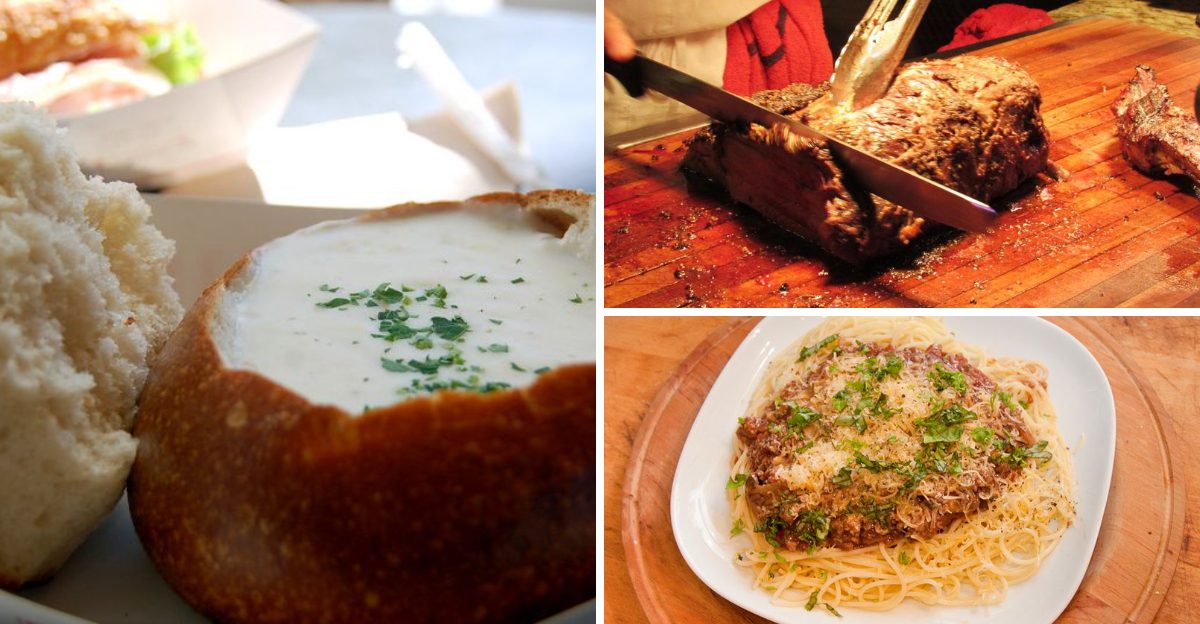
There’s something magical about a dish that takes you straight back to childhood — the kind of meal that felt special just because a restaurant made it. Over the decades, menus have changed a lot, and some classic dishes have quietly disappeared or been replaced by trendier options.
Food experts and longtime diners have noticed that certain beloved recipes just aren’t made the same way anymore. Here’s a look at 20 dishes that once ruled restaurant menus and the stories behind why they’re so deeply missed.
Chicken Pot Pie
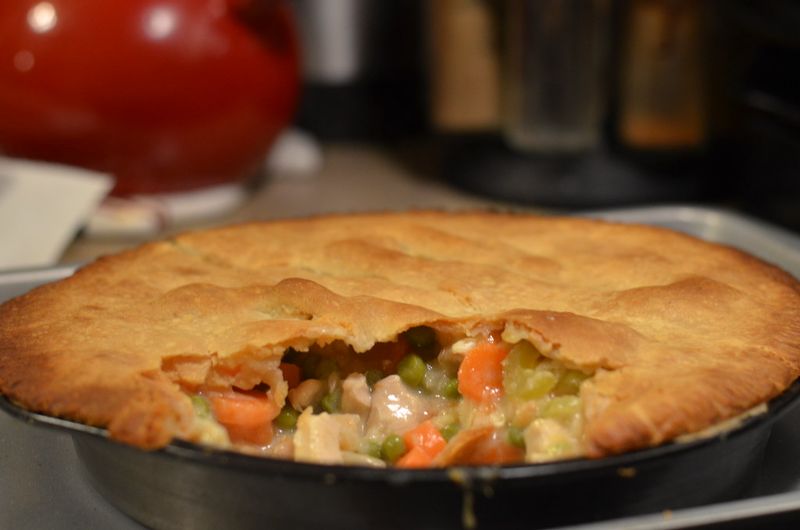
Back when diners and family restaurants ruled the American food scene, chicken pot pie was the ultimate comfort order. A bubbling, golden crust hiding a creamy filling of tender chicken, carrots, and peas — it felt like a hug on a plate.
Today, most versions are rushed or rely on frozen shortcuts. Food experts say the magic was in the slow-cooked broth base and hand-crimped pastry.
Sadly, that kind of patience is rare on modern menus.
Meatloaf with Gravy
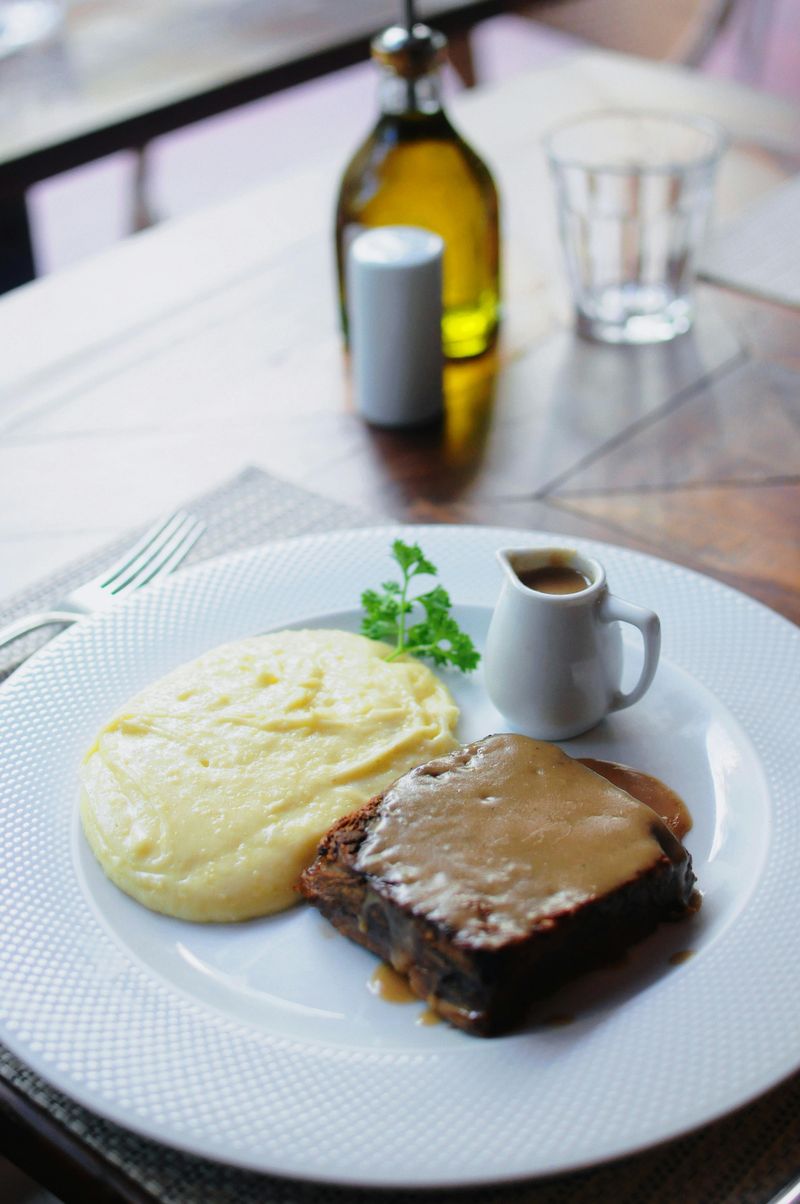
Meatloaf was once a diner staple that hardworking families relied on for an affordable, satisfying meal. Smothered in savory brown gravy and served alongside creamy mashed potatoes, it was hearty, filling, and deeply familiar.
Somewhere along the way, restaurants quietly pulled it from their menus. Chefs note that a proper meatloaf requires careful seasoning and slow baking — a time investment most modern kitchens aren’t willing to make.
The result? A lost classic that home cooks still cherish.
Liver and Onions
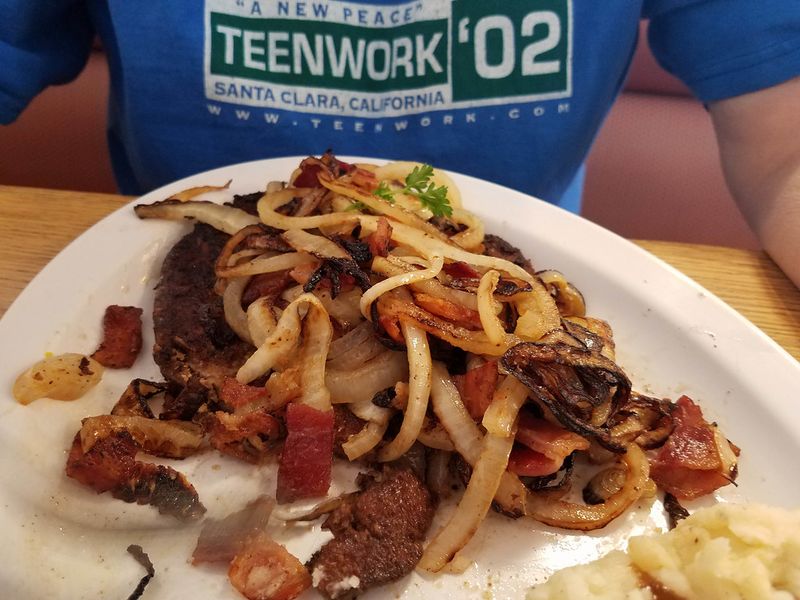
Love it or hate it, liver and onions was once a proud fixture on American restaurant menus, especially in diners and steakhouses. The dish earned its fans through rich, iron-packed flavor and deeply caramelized onions that softened its boldness.
Food historians say its decline came as younger diners grew unfamiliar with organ meats. Preparing it well takes real skill — overcook it by even a minute and it turns rubbery.
That challenge keeps most modern kitchens from even trying.
Salisbury Steak
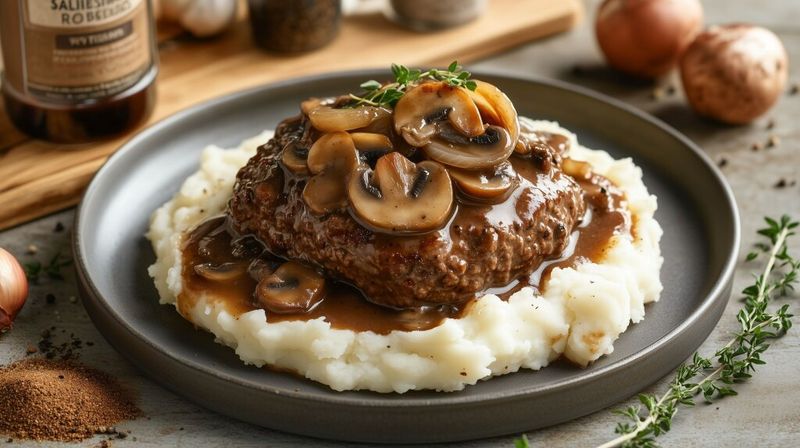
Named after a 19th-century American physician who promoted ground beef as health food, Salisbury steak became a comfort food icon in mid-century diners. That thick, seasoned beef patty swimming in mushroom gravy was pure satisfaction.
Today it mostly survives as a frozen TV dinner, which is a real shame. When made fresh, the gravy clings to each bite and the beef stays juicy.
Experts agree the scratch-made version is a completely different — and far better — experience.
Tuna Noodle Casserole
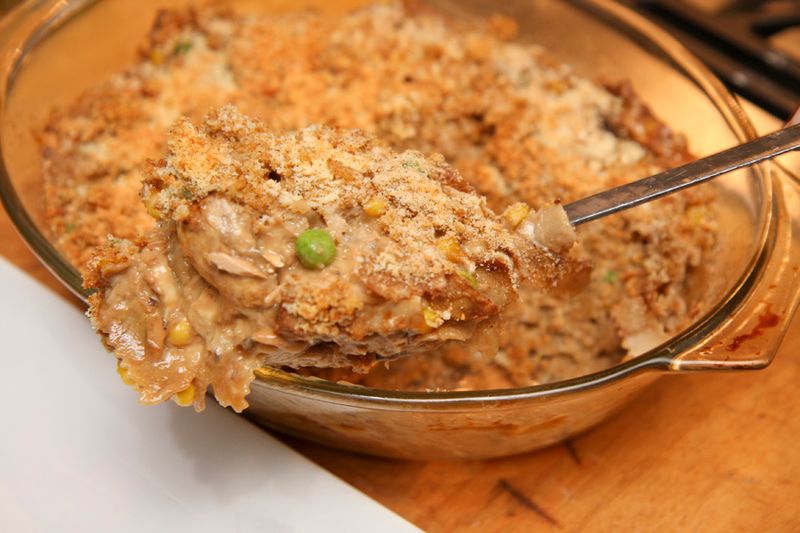
Tuna noodle casserole might be the most underrated comfort dish of the 20th century. Creamy, cheesy, and topped with a satisfying crunch, it showed up on church potluck tables and in family restaurants throughout the 1950s and 60s.
Few restaurants bother with it today, partly because it carries a “budget food” reputation that clashes with modern menu branding. But food writers who grew up on it insist a well-made version — with real cream sauce and crispy topping — is genuinely delicious.
Baked Alaska
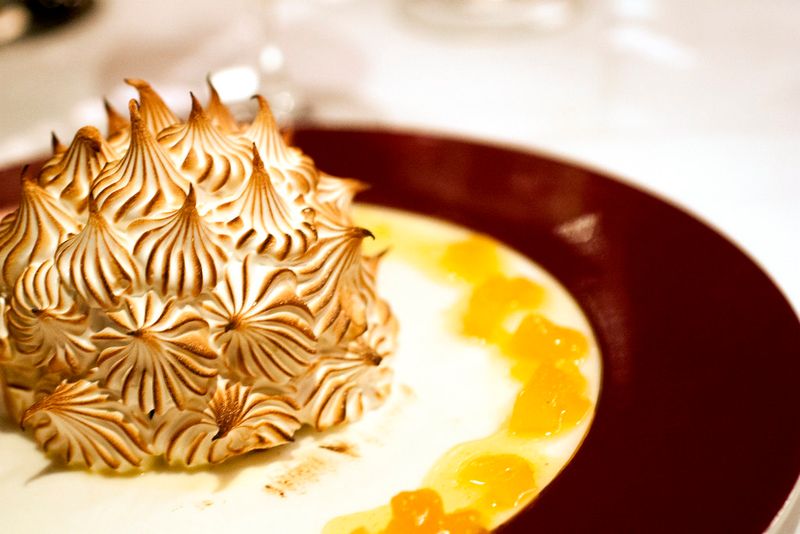
Few desserts have ever matched the pure drama of Baked Alaska arriving at a restaurant table. Ice cream and sponge cake wrapped in toasted meringue — it looked like a science experiment and tasted like a celebration.
It was a showstopper at upscale restaurants throughout the 1960s and 70s. Making it properly requires precise timing and a fearless kitchen team.
As restaurant staffing got leaner and dessert menus got simpler, this theatrical masterpiece quietly vanished from most dining rooms.
Shrimp Cocktail
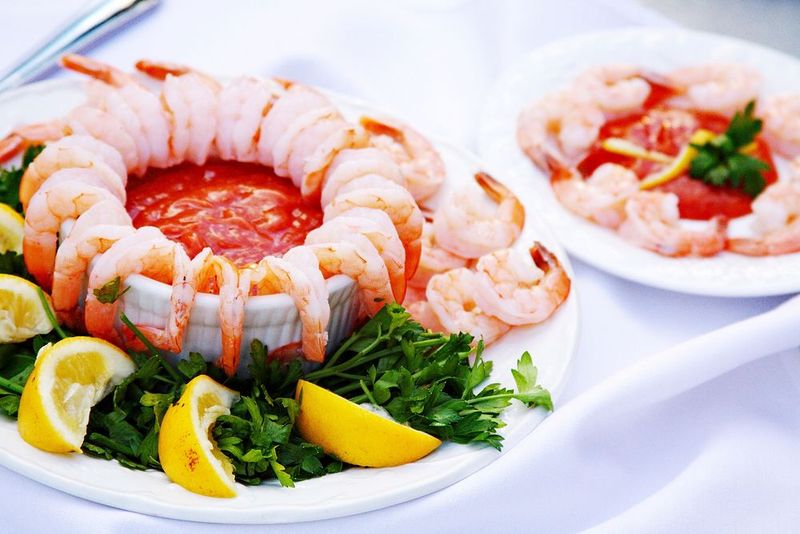
Ordering shrimp cocktail used to feel genuinely fancy — a signal that dinner was going to be a special occasion. Plump, chilled shrimp draped over a frosty glass with zesty cocktail sauce was the gold standard of appetizers for decades.
Modern menus have pushed it aside in favor of trendy starters, but food experts say nothing has quite replaced its elegant simplicity. The problem today is portion size and shrimp quality — both have shrunk considerably compared to the golden-era version.
Prime Rib Carving Station
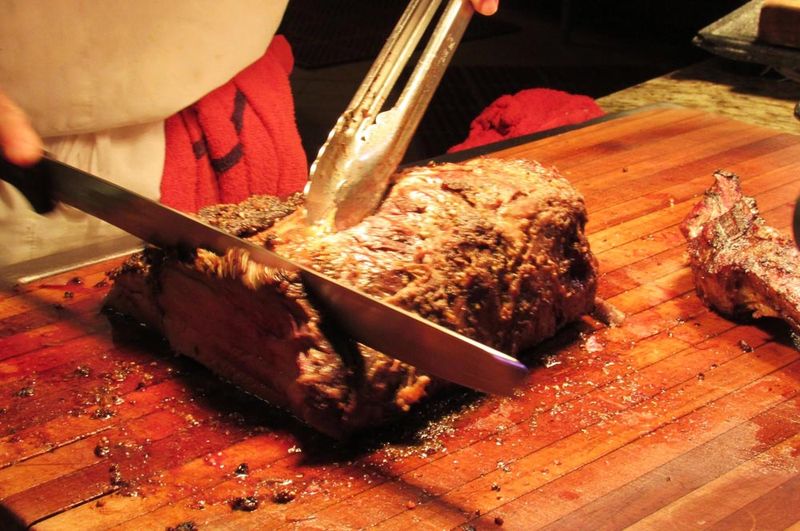
Walking up to a prime rib carving station felt like a true event. A robed chef slicing thick, rosy cuts of slow-roasted beef right in front of you — with a ladle of hot au jus ready to go — was pure old-school luxury.
Sunday brunch buffets and steakhouses built their reputations around this tradition. Rising beef costs and the shift away from buffet-style dining have made these stations increasingly rare.
Food critics mourn the loss of that personalized, tableside theater experience.
Beef Stroganoff
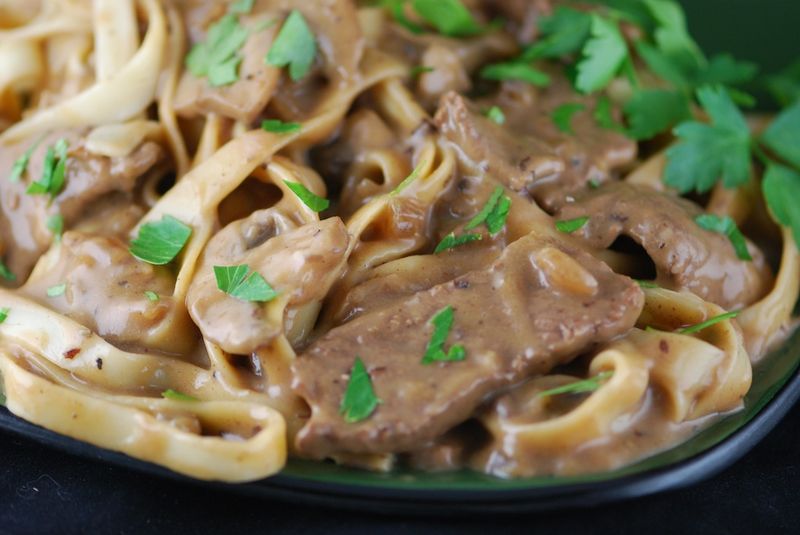
Beef stroganoff had a moment in mid-century America that’s hard to overstate. Strips of tender beef in a silky sour cream and mushroom sauce over egg noodles — it felt both exotic and comforting at the same time.
Its Russian origins gave it a sophisticated edge that appealed to postwar American diners eager to try something new. Restaurants today rarely do it justice, often using inferior cuts and jarred sauce.
A properly made stroganoff, experts say, is still one of the most satisfying dishes ever created.
Chicken à la King
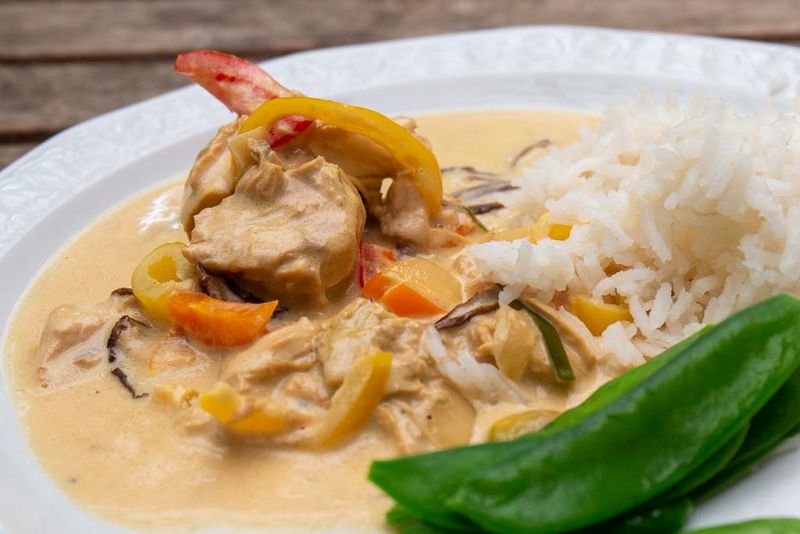
Chicken à la King sounds like royalty — and at one point, it practically was. This creamy, pimento-dotted dish served in a flaky pastry shell or over toast points graced the menus of hotel dining rooms and supper clubs across America.
Its heyday ran from the 1920s through the 1970s before simpler chicken dishes took over. Food historians note it required skilled sauce-making that many modern cooks never learned.
When done right, the velvety cream sauce with tender chicken chunks is genuinely outstanding.
Stuffed Bell Peppers
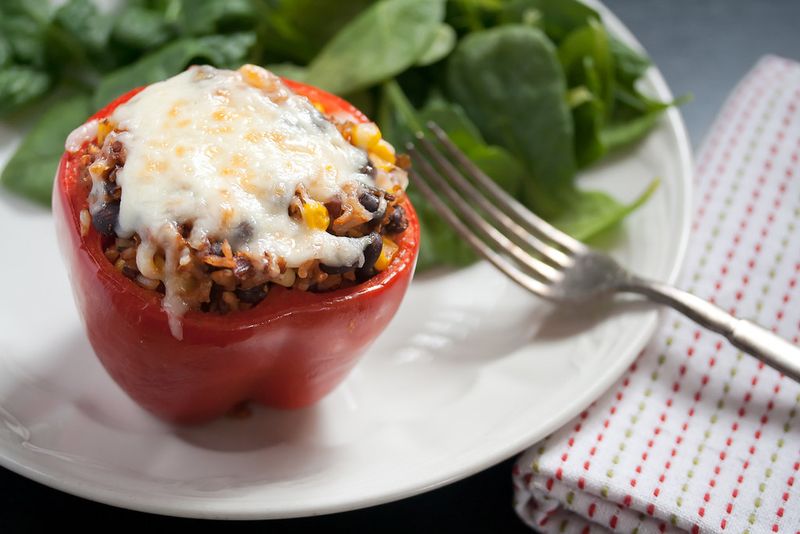
Stuffed bell peppers were a staple of the kind of restaurant where the owner’s mom probably wrote the recipes. Colorful peppers packed with seasoned beef, rice, and tomato sauce, baked until tender — it was thrifty, filling, and genuinely tasty.
They showed up on blue-plate specials and family restaurant menus for decades. Today, they feel almost invisible on commercial menus.
Chefs say the dish fell victim to food trends favoring lighter, faster options — but loyal fans know this classic deserves a serious comeback.
Waldorf Salad
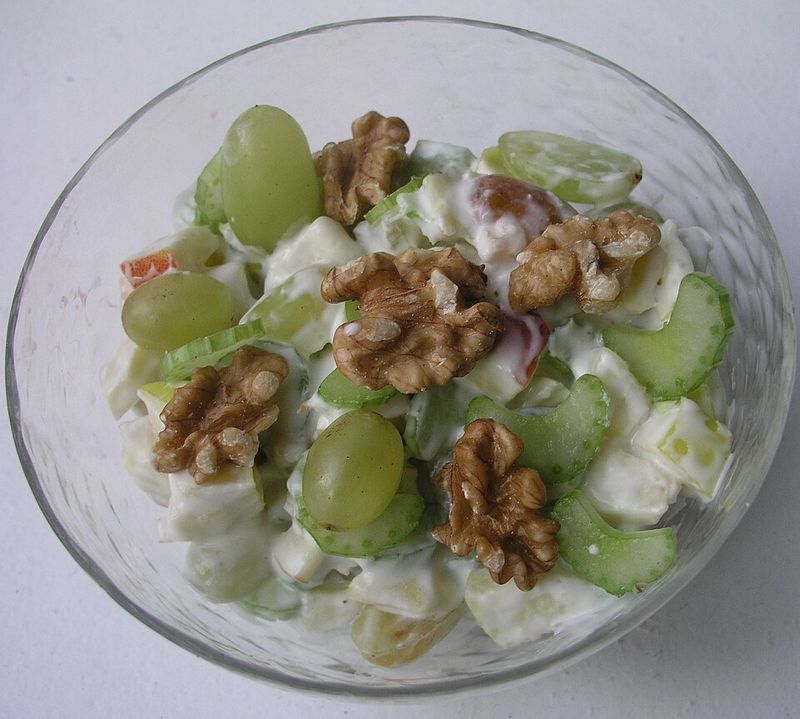
Born at New York’s Waldorf-Astoria Hotel in the 1890s, this salad was the height of sophistication for generations of American diners. Crisp apples, celery, and walnuts tossed in a creamy dressing — it was refreshing, crunchy, and surprisingly satisfying.
For decades it anchored the salad section of upscale menus. As food culture shifted toward greens-heavy salads and bold dressings, the Waldorf quietly faded.
Food writers say it’s a shame — the combination of textures and flavors is genuinely timeless and still holds up beautifully.
Jell-O Molds
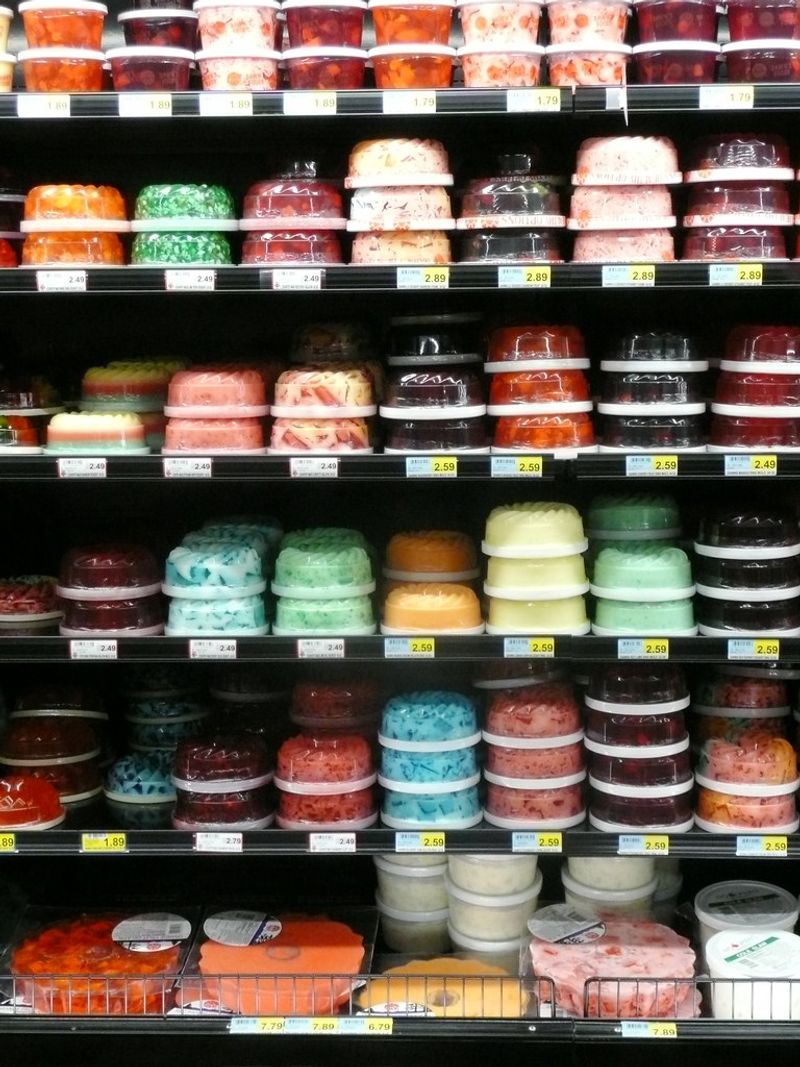
Jell-O molds were the centerpiece of mid-century American restaurant and banquet tables, and they were taken very seriously. Fruit suspended in colorful gelatin, sometimes layered with cream cheese or whipped topping — they were considered both artistic and delicious.
Today they get a lot of laughs, but food historians argue that dismissing them misses the point. At their best, a well-crafted Jell-O mold was a creative, refreshing dish.
The craft and presentation that went into the best versions was genuinely impressive for its time.
Bananas Foster
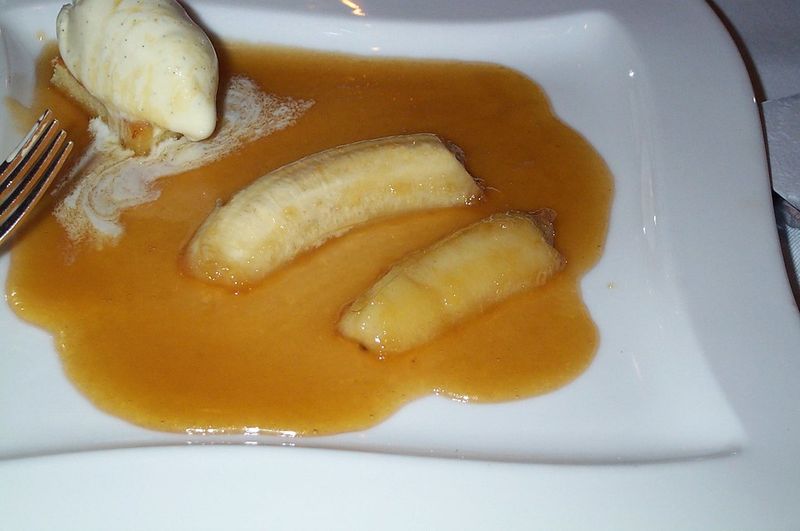
Created in 1951 at Brennan’s Restaurant in New Orleans, Bananas Foster was built for drama. Bananas sauteed in butter, brown sugar, and rum, then set ablaze tableside before being spooned over vanilla ice cream — it was a full sensory experience.
The flambee technique made it memorable, but it also made it labor-intensive and risky for busy kitchens. Most restaurants dropped it as staffing got tighter.
Those lucky enough to have had it made properly say no dessert cart item has ever matched that warm, caramelized magic.
Lobster Newburg
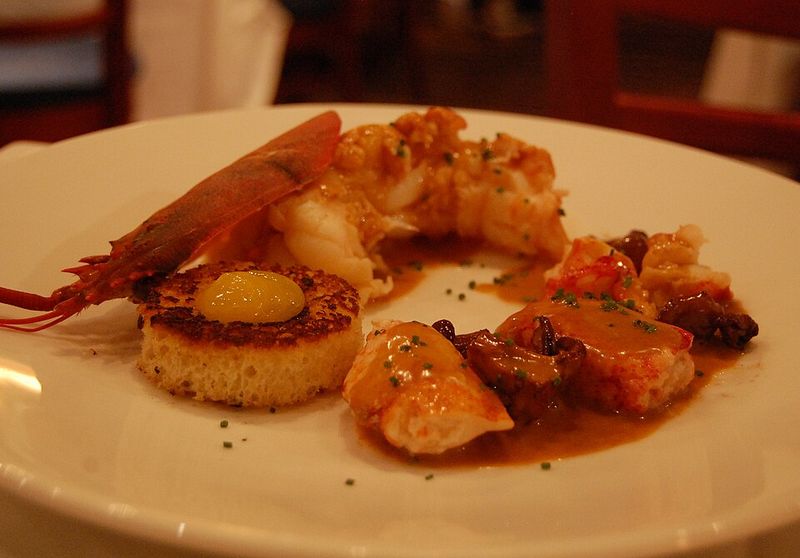
Lobster Newburg is one of those dishes that feels like it belongs in a black-and-white movie — glamorous, rich, and unapologetically indulgent. Chunks of lobster bathed in a sherry-spiked cream sauce, served over toast points or in a pastry shell.
It was a fixture at fine dining establishments throughout the late 1800s and much of the 1900s. As seafood preparation trends shifted toward lighter, simpler methods, this buttery classic lost its place.
Food experts say its disappearance represents a real loss of old-world culinary elegance.
Veal Parmesan
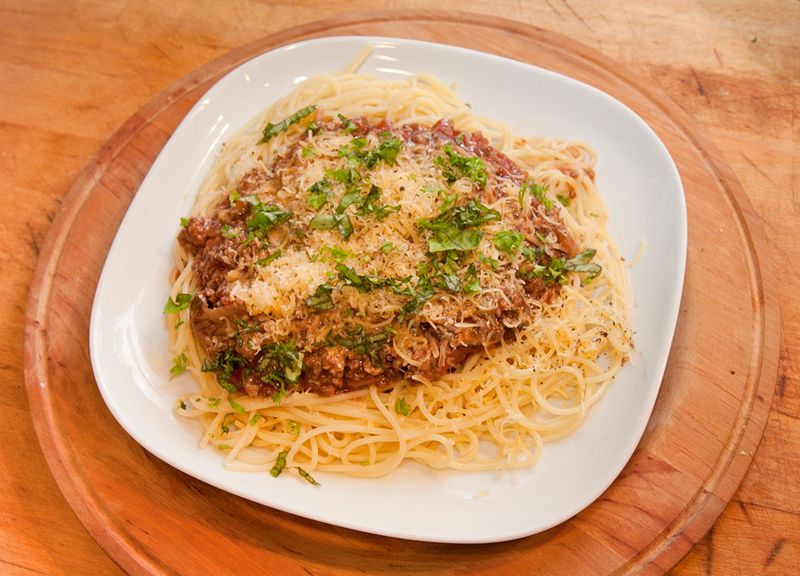
Veal parmesan was the crown jewel of Italian-American restaurant menus for decades. A thin, golden-fried veal cutlet smothered in marinara and bubbling mozzarella — it had a tenderness and flavor that chicken simply can’t replicate, no matter how hard menus try.
Animal welfare concerns and rising veal costs pushed it off most menus starting in the 1980s and 90s. Longtime Italian food lovers mourn its absence deeply.
Chefs who still make it the old-fashioned way say the difference in texture and taste is absolutely worth the effort.
Clam Chowder Bread Bowls
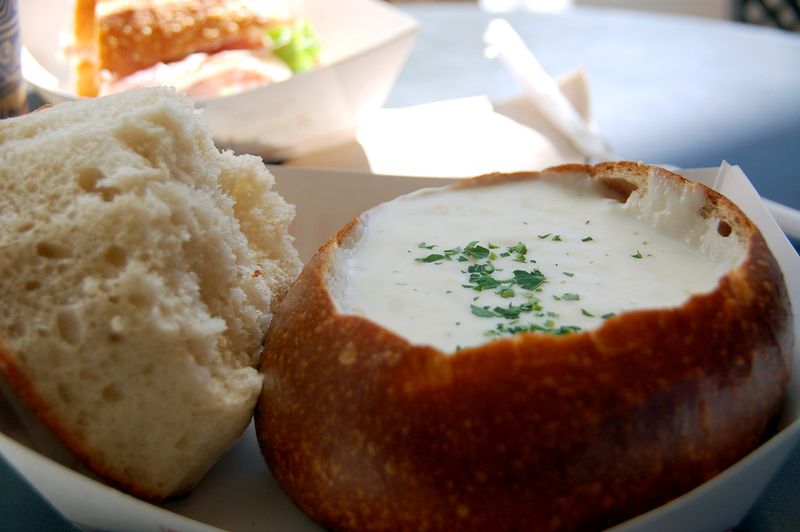
Few things hit harder than a sourdough bread bowl filled to the brim with thick, creamy clam chowder on a cold day. The bread soaks up the chowder as you eat, turning the whole bowl into part of the meal — pure genius, honestly.
While some chains still offer them, food lovers say the quality has dropped significantly. Real clam chowder needs fresh clams, a proper roux, and real cream.
The shortcut versions taste nothing like the original, and that gap is exactly what experts keep pointing out.
Deviled Ham Sandwiches
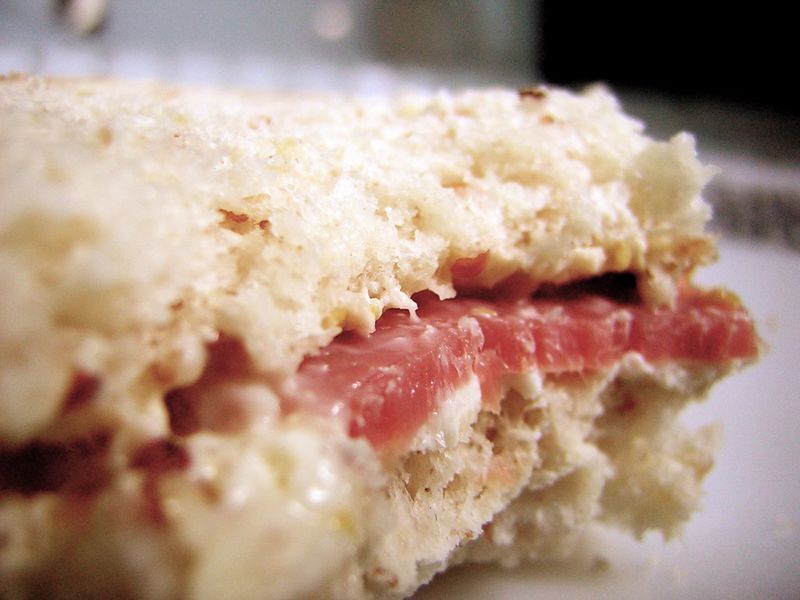
Deviled ham sandwiches might be the most forgotten item on this entire list, but longtime diner fans remember them fondly. Spiced, spreadable ham on soft white bread — simple, sharp, and surprisingly satisfying in a way that felt very specifically American.
They were a lunch counter staple from the 1940s through the 1970s, often paired with a cup of tomato soup. The rise of deli-style sandwiches and gourmet bread options slowly crowded them out.
Food nostalgia bloggers are quietly campaigning for their return, and honestly, the case is pretty strong.
Chicken Fried Steak
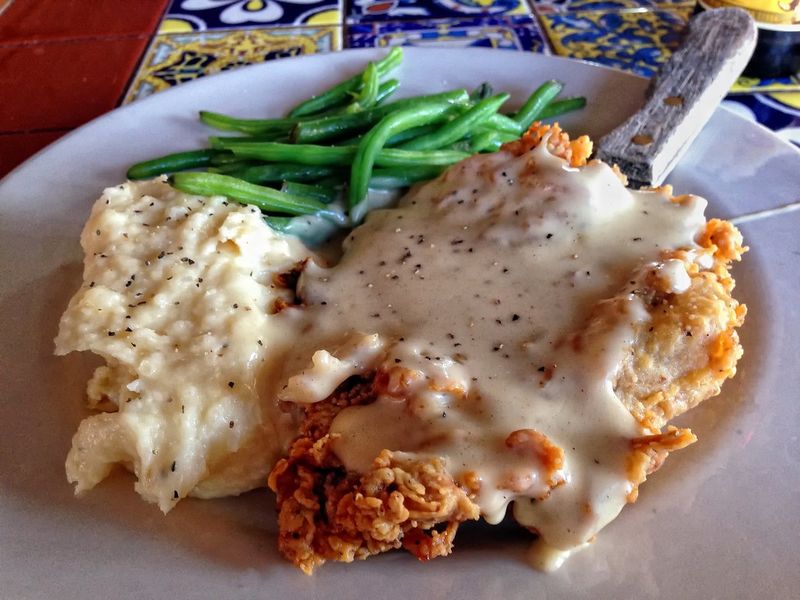
Chicken fried steak is the kind of dish that makes you understand why Southern cooking has such a devoted following. A tenderized beef cutlet fried in seasoned breading, then drowned in peppery white gravy — it’s bold, filling, and completely unapologetic.
It still appears on some menus, but experts say the quality has slipped badly. Thin, pre-breaded patties and instant gravy have replaced the scratch-made versions that built its reputation.
Real chicken fried steak, made from properly tenderized round steak with house-made gravy, is a completely different and far superior dish.
Rice Pudding
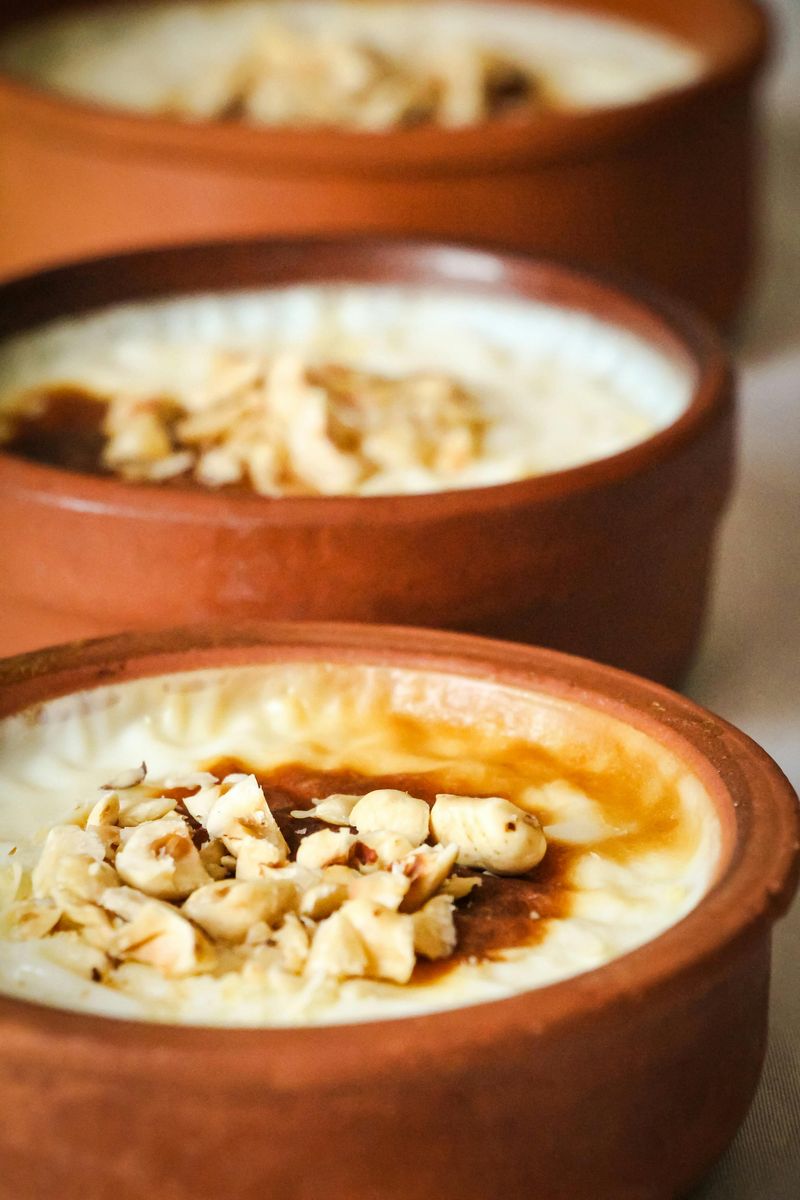
Rice pudding is the kind of dessert that feels like a warm blanket — slow, creamy, and deeply comforting in a way that flashy desserts just can’t touch. Restaurants used to offer it as a humble but satisfying end to a meal.
Somewhere between the rise of molten lava cakes and artisan cheesecakes, rice pudding got left behind. Food writers say that’s a real loss.
When made properly — with whole milk, real vanilla, and a slow simmer — it’s one of the most quietly perfect desserts ever put on a menu.
Enjoyed this story?
Add Fast Food Club as a preferred source to see more of our reporting on Google.