


America is a giant melting pot of flavors, and every region has at least one dish that makes locals fiercely proud. From smoky BBQ pits in Kansas City to fresh seafood shacks along the Maine coast, the country’s food map is endlessly fascinating.
Some of these dishes have been around for over a century, while others are quirky newcomers that somehow became beloved traditions. Get ready to explore 30 of the most unique, mouthwatering, and downright surprising regional foods America has to offer.
Chicago Deep-Dish Pizza – Chicago, Illinois
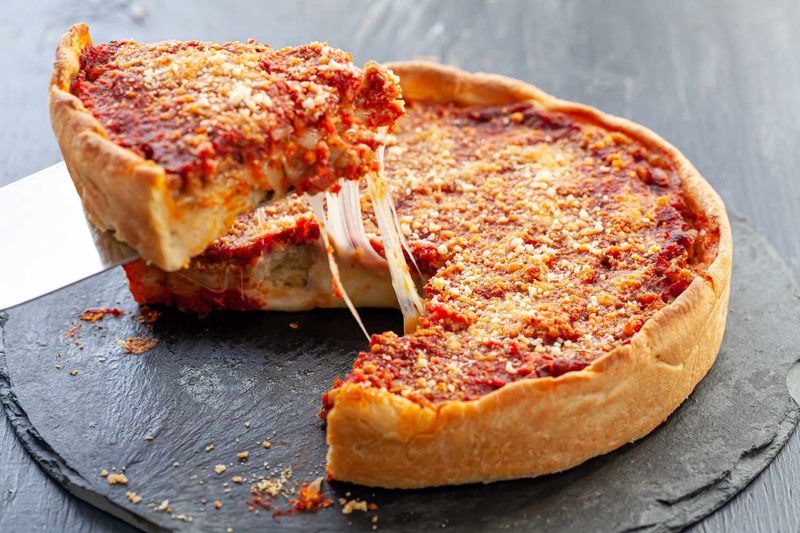
Chicago deep-dish pizza is basically a savory pie disguised as pizza, and Chicagoans will defend it with their whole hearts. The crust rises up like a bowl, holding layers of gooey cheese, chunky tomato sauce, and hearty toppings inside.
Unlike regular pizza, the sauce goes on top here, which keeps everything moist during the long bake. One slice is genuinely filling.
It was invented in 1943 at Pizzeria Uno, and it has sparked debates with New Yorkers ever since.
Philly Cheesesteak – Philadelphia, Pennsylvania
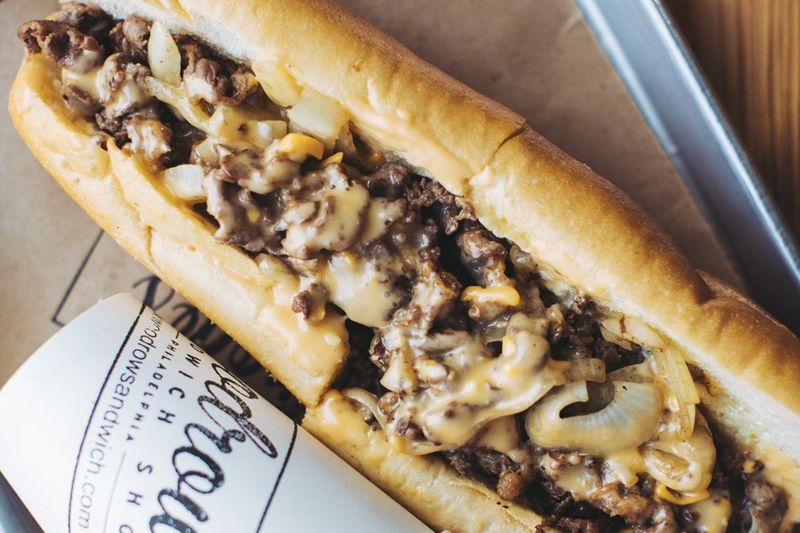
There is something almost magical about a Philly cheesesteak done right. Thinly shaved ribeye steak hits a hot griddle, gets piled into a soft hoagie roll, and gets smothered in melted Cheez Whiz or provolone.
Locals have strong opinions about which cheese belongs on top, and ordering the wrong thing at the wrong spot can get you side-eyed hard. Pat’s King of Steaks and Geno’s Steaks have been rivals since the 1960s, drawing visitors from all over the world.
Lobster Roll – Maine Coast, Maine
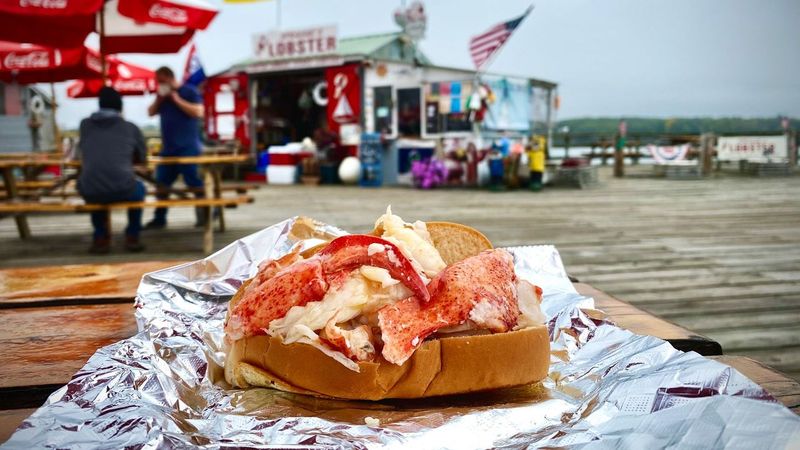
Few summer foods hit as perfectly as a cold lobster roll on the Maine coast. Big chunks of sweet, chilled lobster meat get tossed lightly in mayo and piled into a buttered, toasted split-top bun.
Maine purists keep it simple, and that simplicity is exactly the point. The lobster is so fresh and flavorful that heavy seasoning would only get in the way.
Eating one while sitting near the ocean with the salty breeze around you is a full sensory experience worth the trip.
Gumbo – New Orleans, Louisiana
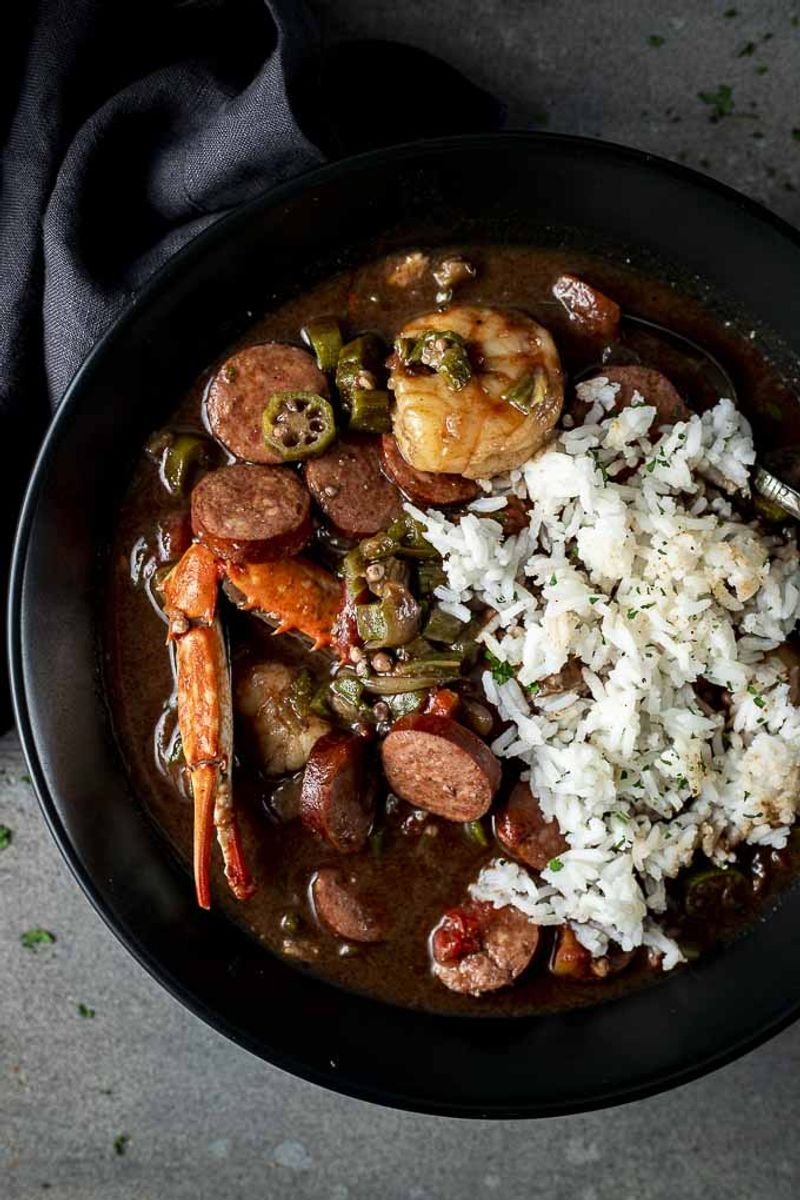
Gumbo is the soul of New Orleans in a bowl. This thick, deeply flavored stew is built on a dark roux, which is flour and fat cooked low and slow until it turns the color of chocolate.
From there, andouille sausage, shrimp, crab, and okra get added in, along with the holy trinity of Creole cooking: onion, celery, and bell pepper. Every family has their own recipe, and every family insists theirs is the best.
Honestly, they might all be right.
Tex-Mex Fajitas – Texas
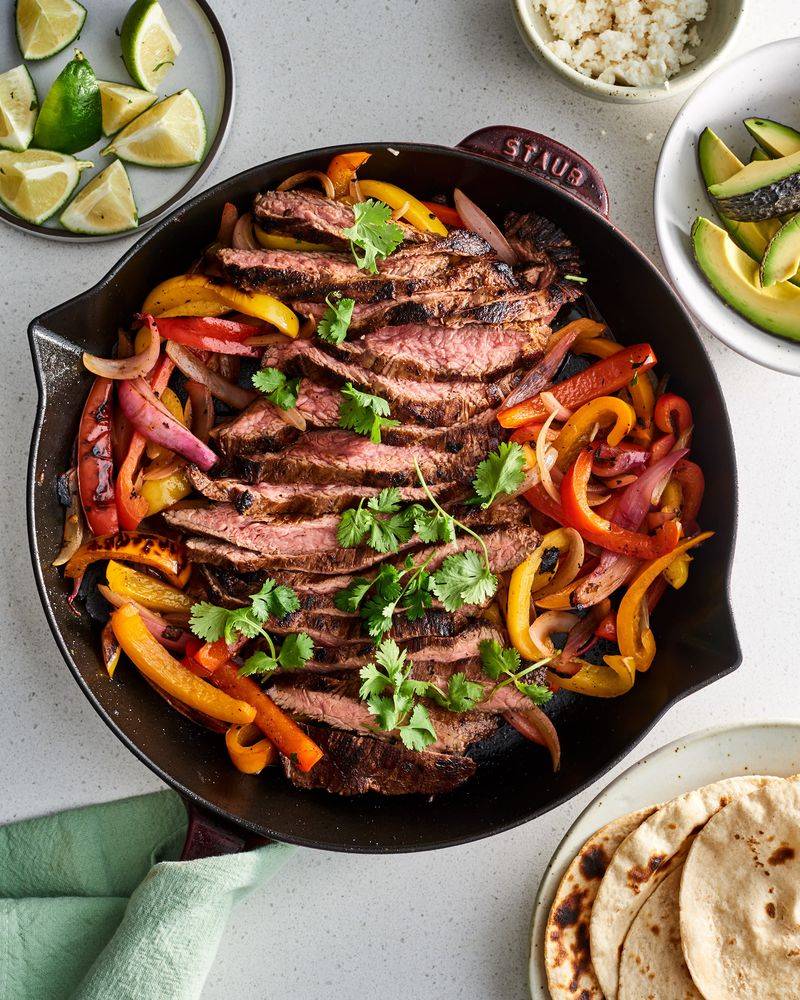
When a sizzling cast-iron skillet comes flying out of a Texas kitchen, the whole restaurant turns to look. Tex-Mex fajitas bring together smoky grilled skirt steak, charred peppers, and onions wrapped in warm flour tortillas.
The dish has roots in ranch culture along the Texas-Mexico border, where cowboys were paid in less desirable beef cuts and made them delicious out of necessity. Today, fajitas are one of the most ordered dishes in America, and Texas still does them better than anyone.
Nashville Hot Chicken – Nashville, Tennessee
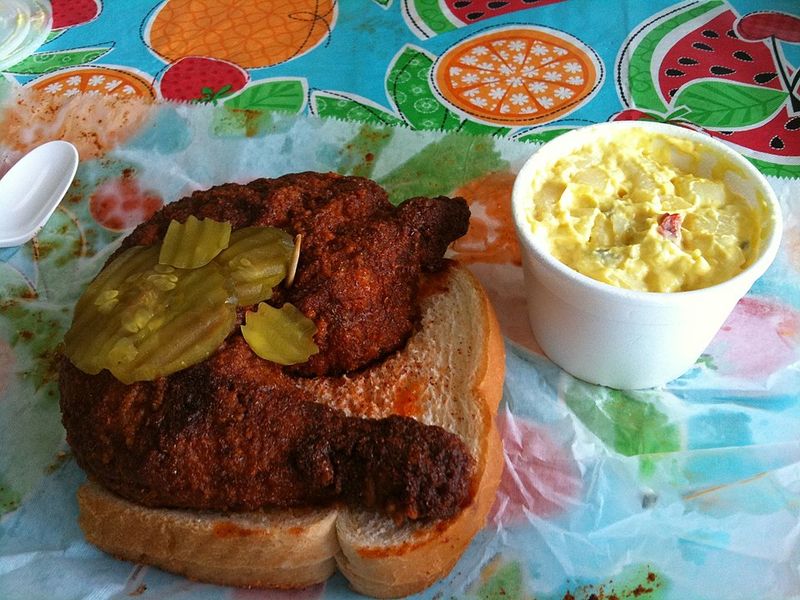
Nashville hot chicken is not for the faint of heart, and that is exactly why people love it. Crispy fried chicken gets painted with a blazing paste of cayenne and spices, then served on white bread with pickle slices to cut the heat.
Legend says the recipe was invented as revenge by a scorned lover, but the man it was meant to punish loved it so much he started selling it. Prince’s Hot Chicken Shack has been the gold standard since the 1940s.
Clam Chowder – New England
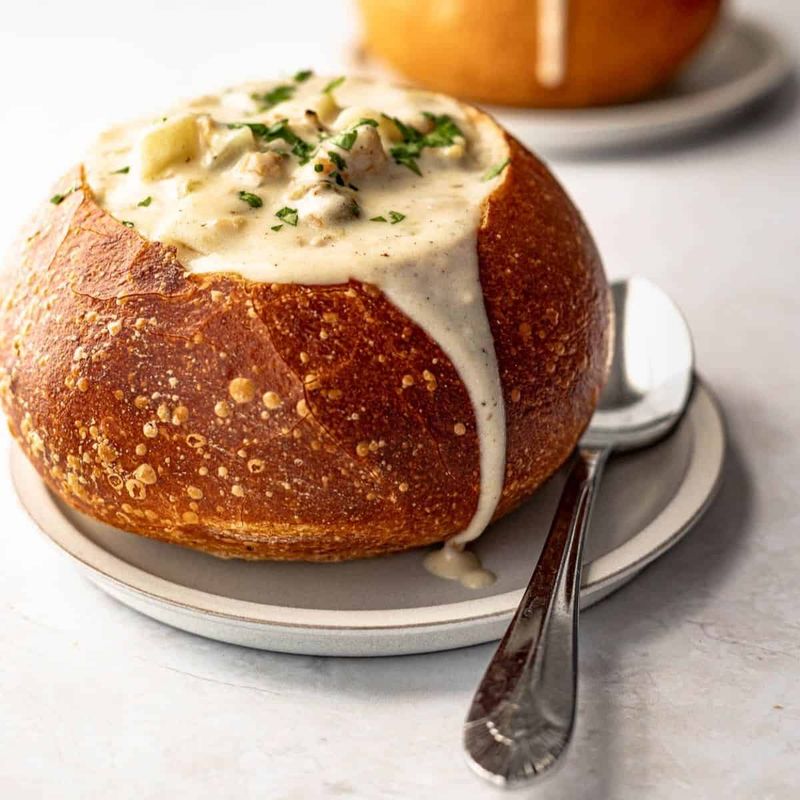
Creamy, thick, and loaded with clams and potatoes, New England clam chowder is the kind of food that feels like a warm hug on a cold day. The base is rich cream, which separates it completely from the tomato-based Manhattan version.
Served in a sourdough bread bowl, it becomes an almost legendary meal. New Englanders take this chowder seriously, and a watery or overly starchy version will earn genuine disapproval.
Friday chowder traditions run deep in Catholic communities throughout the region.
Green Chile Stew – New Mexico
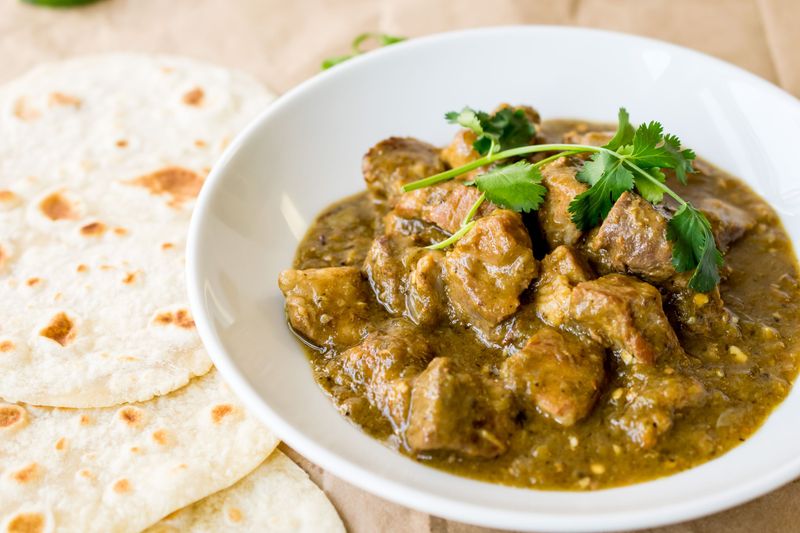
Roasted Hatch green chiles from New Mexico have a flavor so distinct that people ship them across the country just to get a taste of home. Green chile stew takes those roasted peppers and simmers them with pork, potatoes, and garlic into something deeply comforting.
Every fall, the smell of roasting green chiles fills the air across New Mexico like a seasonal tradition. The heat level varies, but real New Mexico green chile has a slow, earthy burn that keeps you coming back for more spoonfuls.
Cincinnati Chili – Cincinnati, Ohio
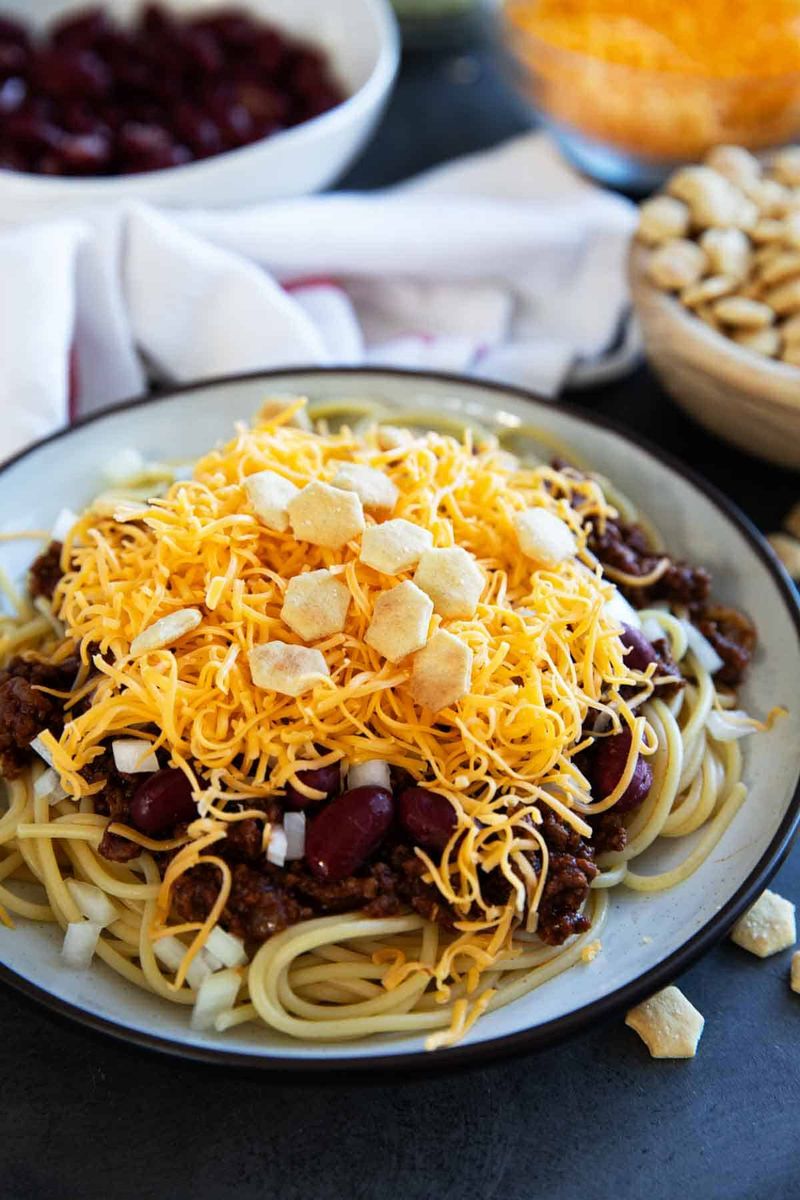
Cincinnati chili breaks every rule you thought you knew about chili, and that is what makes it so fascinating. It is served over spaghetti, topped with a mountain of finely shredded cheddar cheese, and seasoned with unexpected spices like cinnamon and chocolate.
Greek immigrants developed the recipe in the 1920s, blending Mediterranean flavors into an American comfort food framework. Locals order it in a code: a “three-way” means chili, spaghetti, and cheese.
It sounds strange until you try it, and then it just makes sense.
Shrimp and Grits – South Carolina Lowcountry
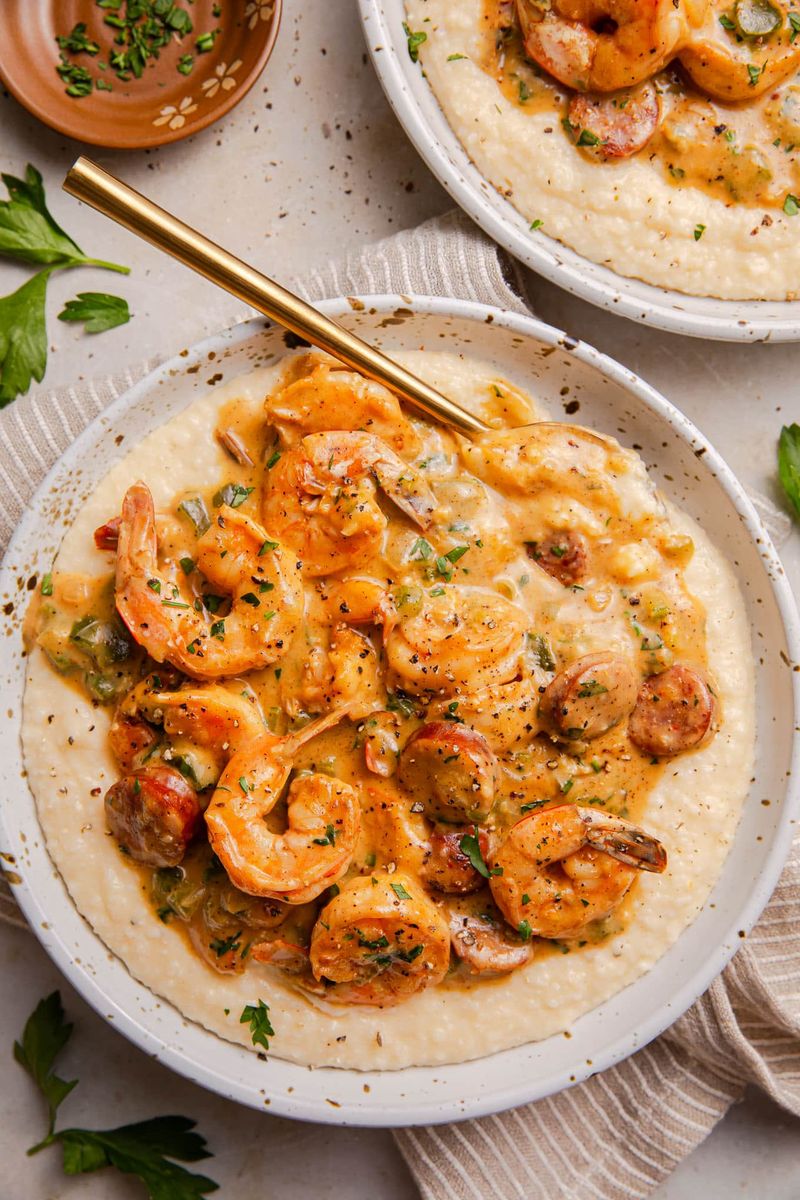
Shrimp and grits started as a humble fisherman’s breakfast along the South Carolina coast, and it has since become one of the most celebrated dishes in all of Southern cooking. Stone-ground white grits get cooked low and slow until they are silky and rich.
Plump shrimp are then sauteed with bacon, tomatoes, and sometimes a splash of white wine before being spooned right on top. The combination of textures and flavors is absolutely knockout.
Charleston restaurants have elevated this dish into an art form without losing its soulful roots.
Po’ Boy Sandwich – Louisiana
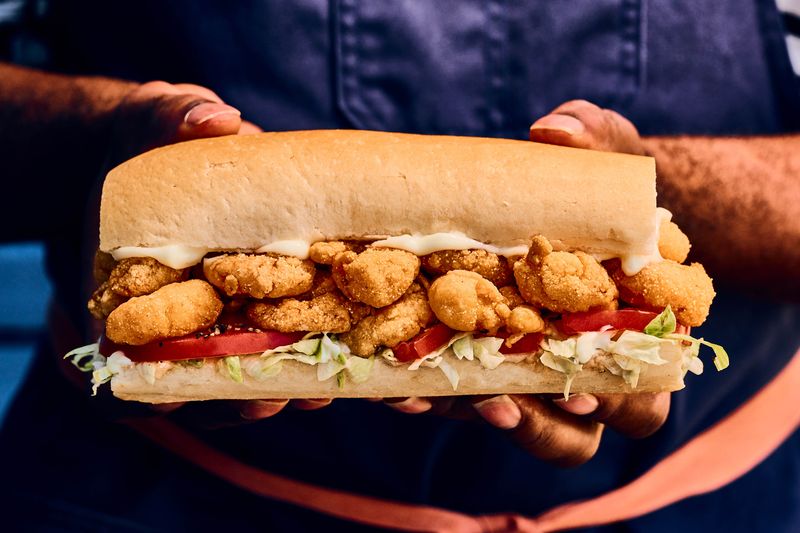
A po’ boy is Louisiana’s answer to the sandwich, and it delivers big flavor in every bite. Long, airy French bread from Louisiana bakeries is the foundation, and it has a crust that shatters when you bite into it in the best possible way.
Fillings range from crispy fried shrimp and oysters to roast beef drenched in brown gravy. The name reportedly came from a 1929 streetcar strike when a restaurant fed striking workers for free, calling them “poor boys” with affection and solidarity.
Kansas City BBQ Ribs – Kansas City, Missouri
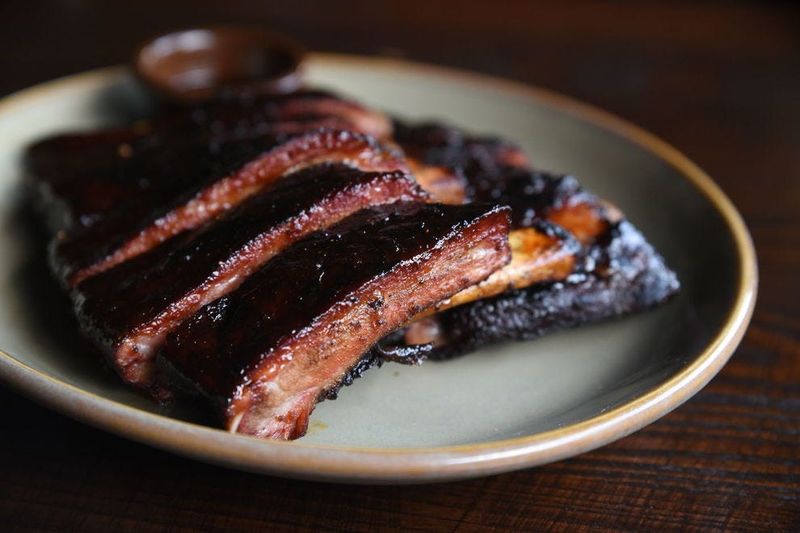
Kansas City is one of the BBQ capitals of the world, and its ribs are the crown jewel of that reputation. Slow-smoked over hickory wood for hours, the meat practically slides off the bone before it even touches your mouth.
What sets KC ribs apart is the thick, sweet, tomato-based sauce that gets brushed on during the last stretch of cooking, creating a sticky, caramelized bark on the outside. Arthur Bryant’s and Joe’s Kansas City Bar-B-Que are legendary stops that BBQ fans plan pilgrimages around.
Buffalo Wings – Buffalo, New York
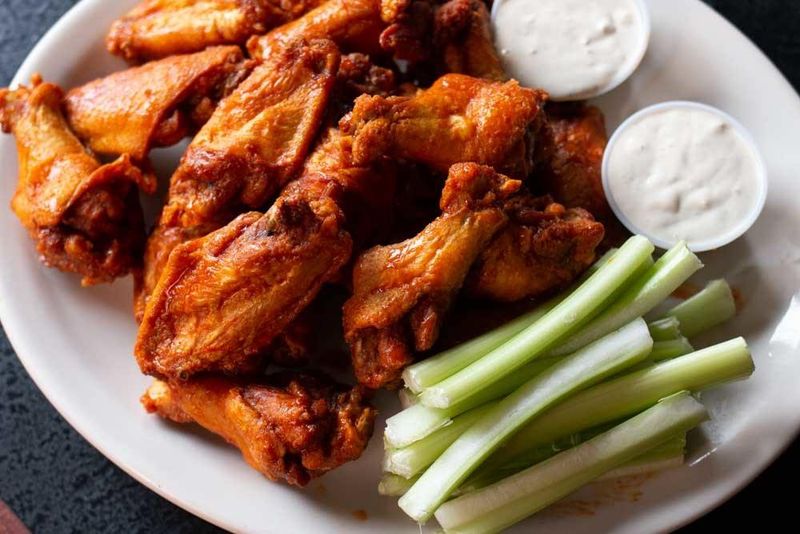
Buffalo wings changed bar food forever, and they were born completely by accident. In 1964, Teressa Bellissimo at the Anchor Bar in Buffalo deep-fried leftover chicken wings and tossed them in hot sauce and butter as a late-night snack for her son’s friends.
The crowd went wild, and a legend was born. Real Buffalo wings are never baked, always fried, and always served with blue cheese and celery, not ranch.
Buffalo locals will correct you on that last point without hesitation.
Jambalaya – Louisiana
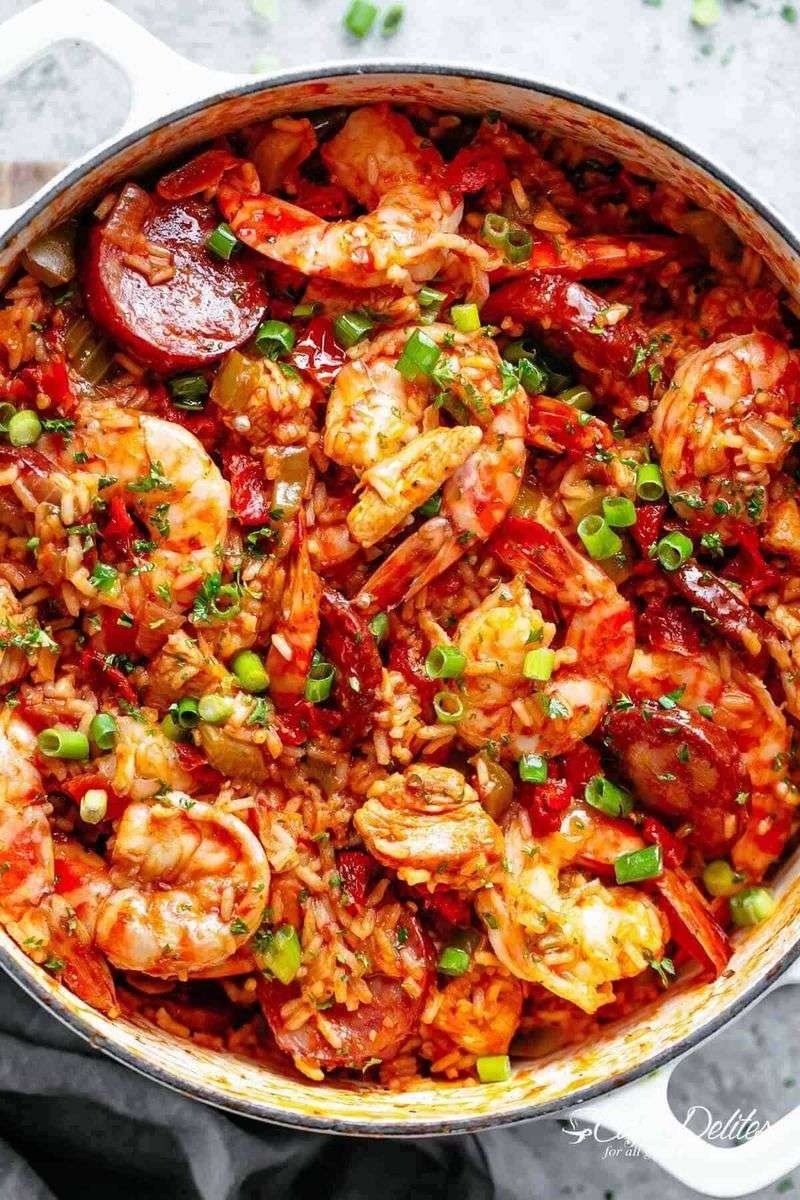
Jambalaya is the kind of one-pot dish that feeds a crowd and makes everyone feel like family. Rice, meat, seafood, and vegetables all cook together in a single pot, soaking up layers of Creole seasoning and smoky sausage flavor.
There are two main styles: Creole jambalaya from New Orleans includes tomatoes and turns the rice red, while Cajun jambalaya skips the tomatoes and gets a darker, smokier finish. Both versions are deeply satisfying, and arguments about which is better are basically a Louisiana tradition at this point.
Hawaiian Poke – Hawaii
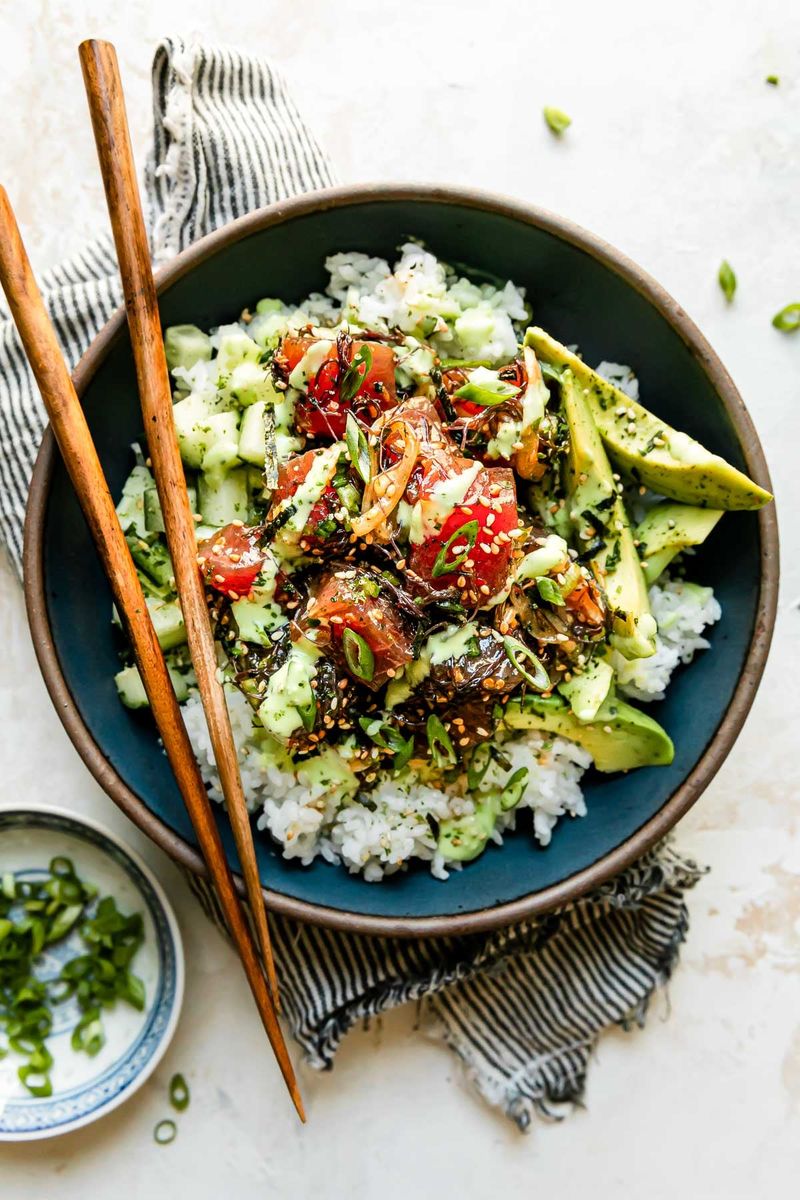
Long before poke bowls became trendy on the mainland, Hawaiian fishermen were seasoning fresh raw fish with sea salt, seaweed, and kukui nuts right on their boats. Poke, which means “to slice” in Hawaiian, is a dish built on freshness and simplicity.
Ahi tuna marinated in soy sauce and sesame oil is the most popular version today, served over rice with colorful toppings. Hawaii’s proximity to the Pacific Ocean means the fish quality is outstanding, making every bowl taste remarkably clean and bright.
Idaho Finger Steaks – Idaho
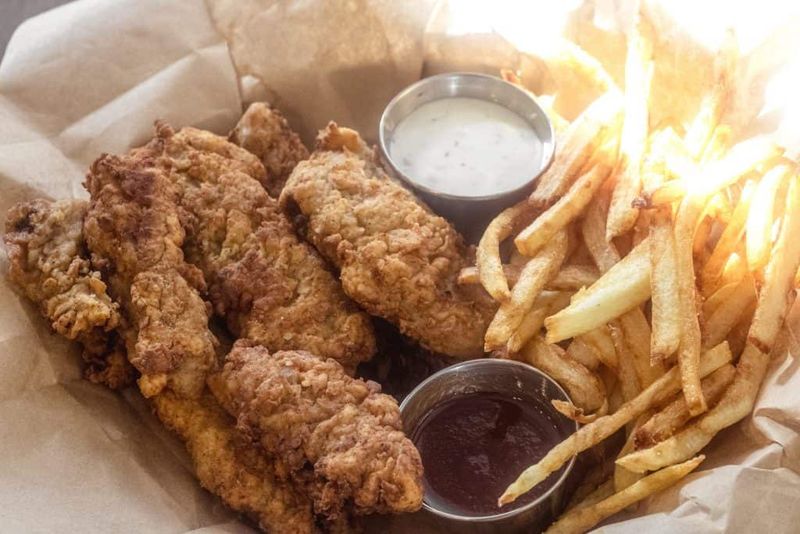
Idaho finger steaks might be the most underrated bar food in the entire country, and most Americans outside the Pacific Northwest have never even heard of them. Thin strips of beef tenderloin get dipped in batter and deep-fried until golden and crunchy.
They are typically served with cocktail sauce or ranch for dipping, which sounds unusual but somehow works brilliantly. The dish has been a staple in Idaho since the 1950s, reportedly invented at a Boise steakhouse looking to use up extra beef trimmings creatively.
Michigan Pasties – Upper Peninsula, Michigan
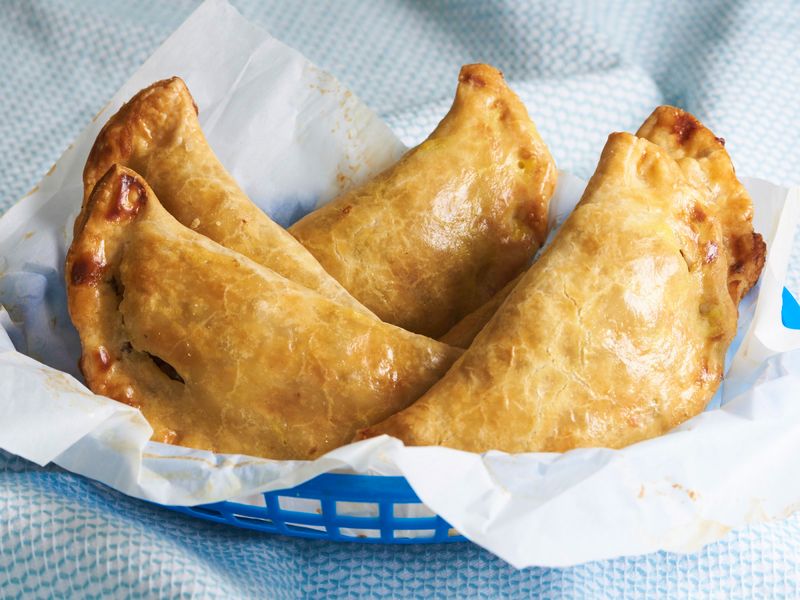
Up in Michigan’s Upper Peninsula, pasties are practically a cultural identity. These hand-held meat pies were brought over by Cornish miners in the 1800s and became the go-to lunch for iron and copper miners who needed something portable and filling underground.
A traditional UP pasty is stuffed with beef, potatoes, rutabaga, and onion, all encased in a thick, flaky crimped crust. Locals eat them with gravy or ketchup, and that choice alone can spark a surprisingly passionate debate at any UP diner.
Vermont Maple Creemee – Vermont
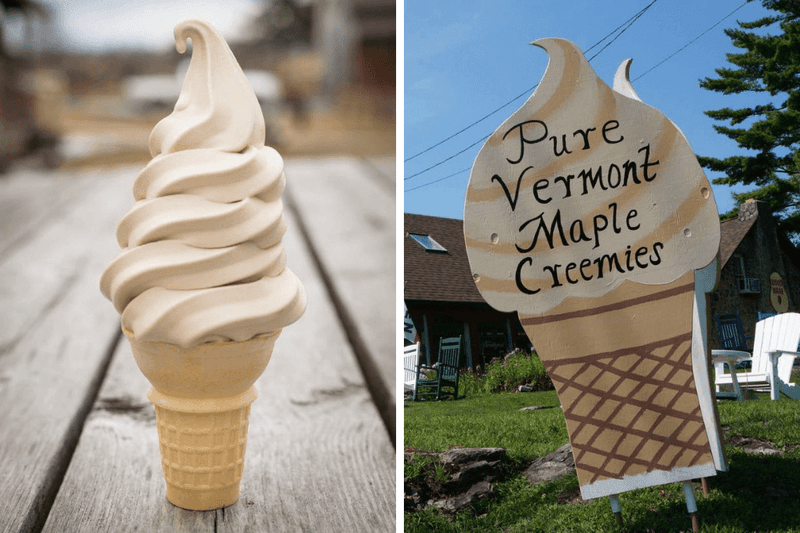
A maple creemee is Vermont’s version of soft-serve ice cream, and once you try one, regular soft-serve feels like a pale imitation. Real Vermont maple syrup gets mixed directly into the soft-serve base, giving it a warm, caramel-like sweetness that no artificial flavoring can copy.
Farm stands and creameries across Vermont sell these during the warmer months, and they develop loyal followings fast. The texture is silkier than standard soft-serve, and the maple flavor lingers in the best way long after the last lick.
Maryland Crab Cakes – Maryland
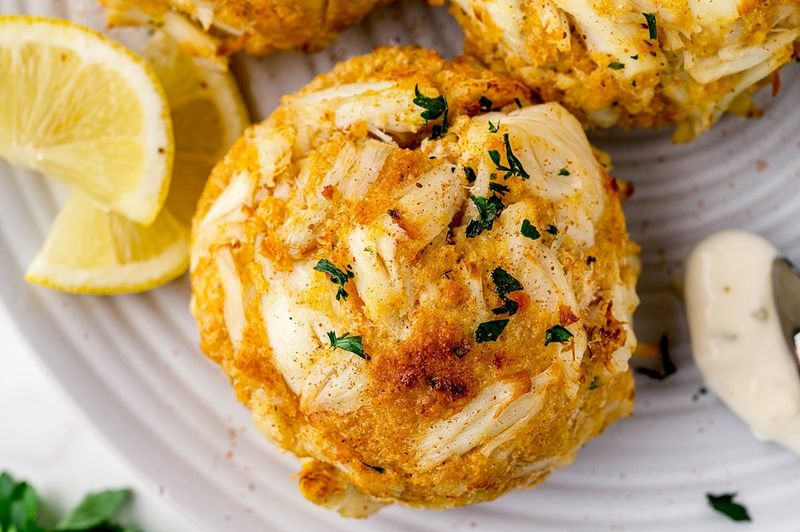
Maryland crab cakes are a point of serious regional pride, and the secret is using as little filler as possible. A true Maryland crab cake is almost entirely jumbo lump blue crab meat, lightly bound with egg and just enough breadcrumb to hold its shape.
Old Bay seasoning is non-negotiable, and the cakes get pan-seared or broiled until golden on the outside. The Chesapeake Bay has long been famous for its blue crabs, and Maryland cooks have perfected the art of letting that sweet, delicate crab flavor shine through.
Wisconsin Cheese Curds – Wisconsin
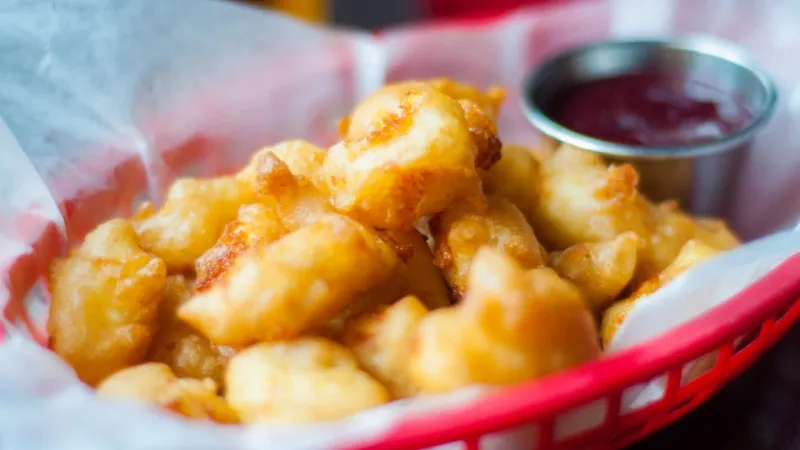
Fresh cheese curds squeak when you bite into them, and in Wisconsin, that squeak is a sign of quality. These bite-sized pieces of young cheddar are a byproduct of the cheesemaking process, and Wisconsin dairy farmers turned them into a beloved snack.
Fried cheese curds, battered and deep-fried until golden and gooey inside, are a county fair staple and a bar menu essential across the state. Wisconsin produces more cheese than any other state, so it makes sense that even the scraps became iconic.
California Fish Tacos – Southern California
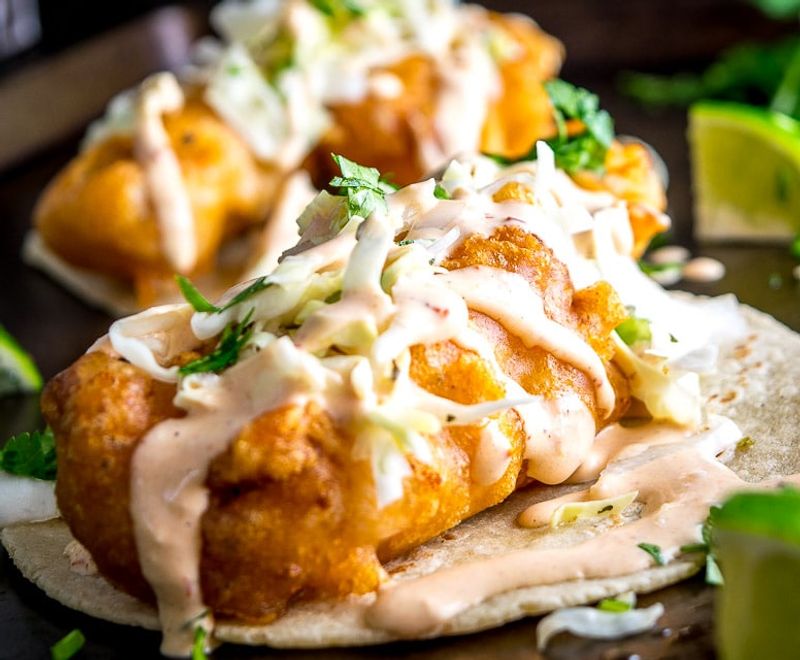
Fish tacos feel like Southern California sunshine in food form. Crispy battered white fish, usually cod or mahi-mahi, gets tucked into a warm corn tortilla and topped with shredded cabbage, pico de gallo, and a tangy white sauce.
The style was popularized in San Diego after surfers discovered fish tacos in Baja California, Mexico, just across the border. Ralph’s Rubio’s Fish Tacos helped bring them mainstream in the 1980s.
Today, a good fish taco stand near the California coast is basically a rite of passage.
Arizona Sonoran Hot Dog – Tucson, Arizona
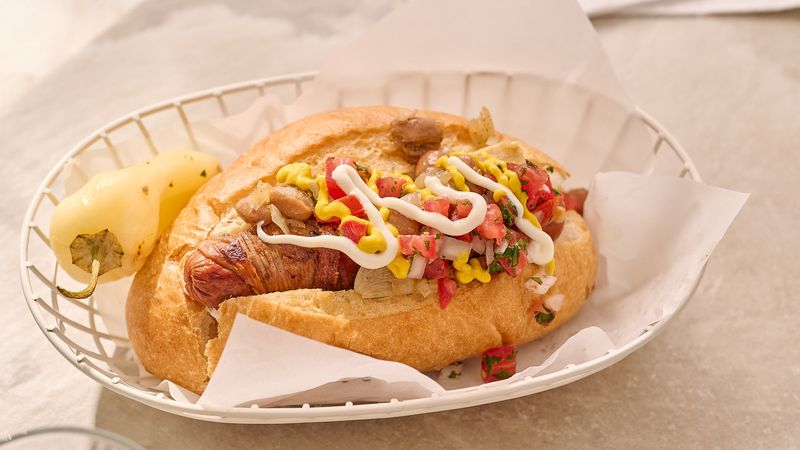
The Sonoran hot dog makes a regular hot dog look seriously underdressed. This Tucson specialty starts with a bacon-wrapped frankfurter grilled until the bacon is crispy and smoky, then it gets tucked into a soft, steamed bolillo-style bun.
From there, the toppings pile on: pinto beans, diced tomatoes, onions, mayonnaise, mustard, and crumbled cotija cheese all land on top. The combination sounds chaotic but tastes completely harmonious.
The tradition crossed over from the Sonora region of Mexico and has become deeply embedded in Tucson’s food culture.
Mississippi Mud Pie – Mississippi
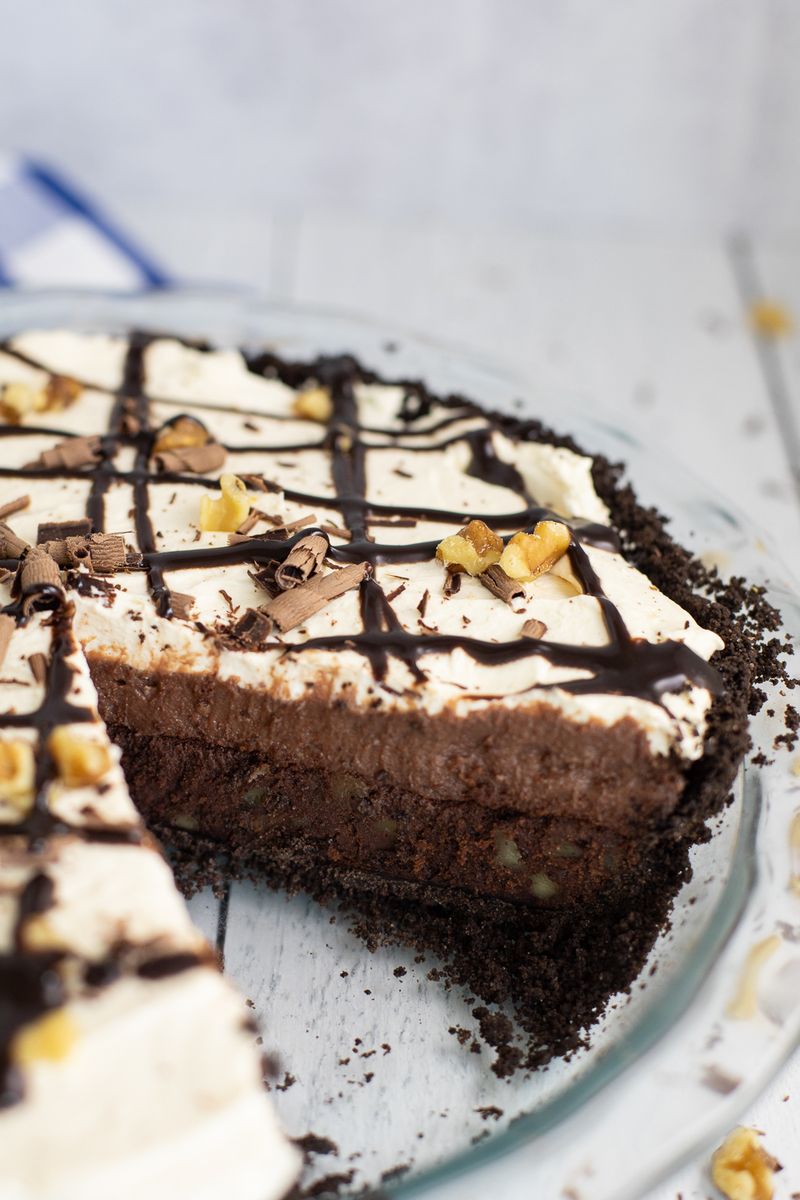
Dark, dense, and unapologetically rich, Mississippi mud pie is named after the thick, murky banks of the Mississippi River, and the resemblance is striking. The base is a fudgy brownie-like layer packed with chocolate, and the top gets covered in marshmallows, pecans, and more chocolate.
Some versions include a chocolate ganache poured over everything while it is still warm, letting it seep into all the crevices. It is the kind of dessert that requires no apology and pairs perfectly with a cold glass of milk or a strong cup of coffee.
Alabama White Sauce BBQ – Alabama
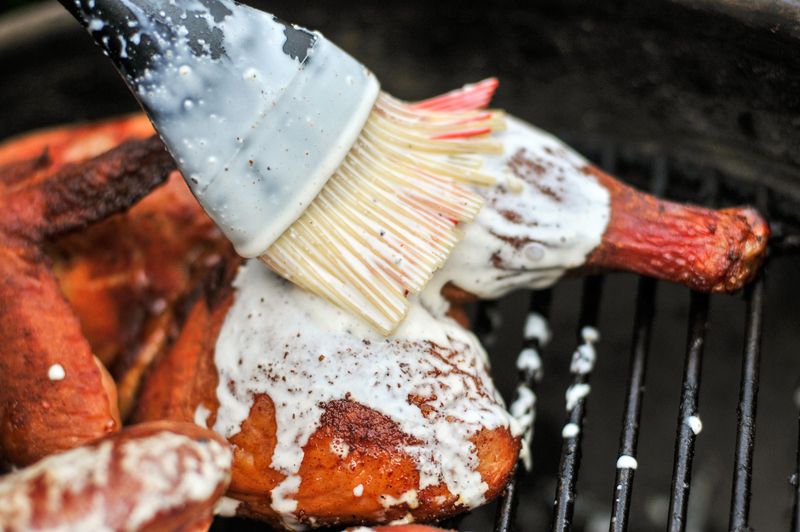
Alabama white sauce is the curveball of the American BBQ world, and it surprises nearly everyone who tries it for the first time. Instead of the sweet, tomato-based sauces most people expect, this sauce is made from mayonnaise, apple cider vinegar, black pepper, and horseradish.
Big Bob Gibson’s BBQ in Decatur, Alabama, invented the sauce in 1925, originally for smoked chicken. The tangy, creamy coating keeps the chicken incredibly moist and adds a brightness that cuts right through the smoke.
It sounds wrong until the first bite proves it absolutely right.
Oklahoma Onion Burger – Oklahoma
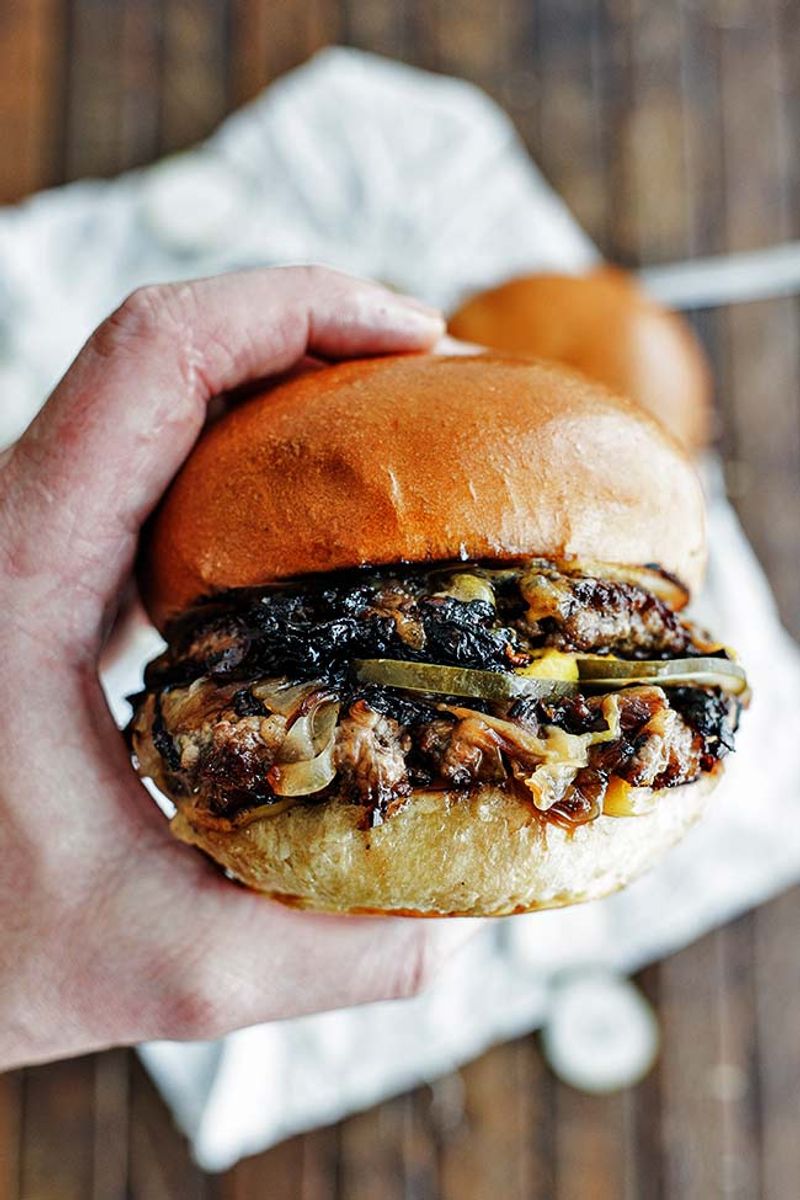
Born out of the Great Depression, the Oklahoma onion burger is one of the most clever and delicious pieces of culinary problem-solving in American food history. Meat was expensive, so diner cooks started smashing thin beef patties directly into piles of thinly sliced onions on the griddle.
The onions caramelize and cook right into the meat, stretching the burger further while adding incredible sweetness and depth of flavor. Sid’s Diner in El Reno, Oklahoma, is considered the gold standard, and the annual Fried Onion Burger Day Festival draws crowds every spring.
Oregon Marionberry Pie – Oregon
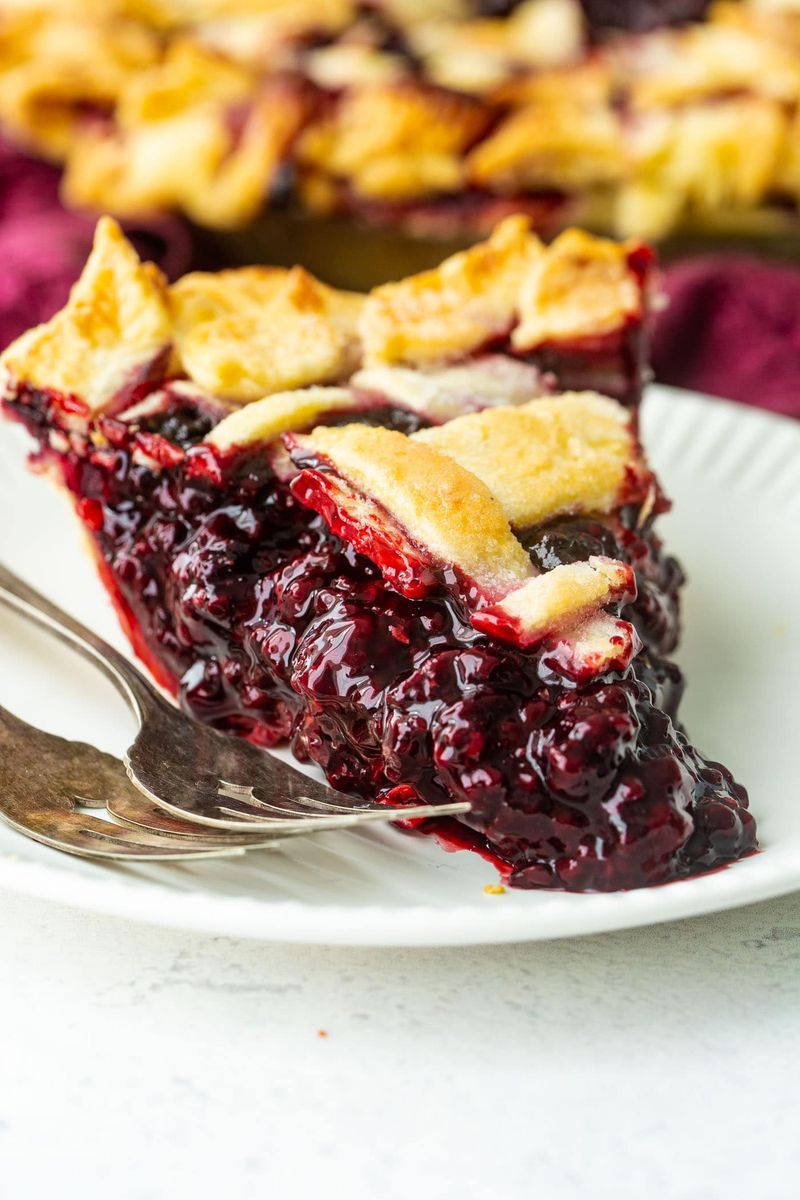
Marionberries are a blackberry hybrid developed right in Oregon by the USDA in the 1940s, and the state has claimed them with full pride ever since. The berries are larger, juicier, and more complex in flavor than regular blackberries, with a perfect balance of sweet and tart.
Marionberry pie showcases those flavors beautifully, with deep purple filling bubbling up through a golden lattice crust. Oregon farm stands sell them all summer long, and local bakeries treat marionberry pie with the same reverence that New England gives to blueberry pie.
South Dakota Chislic – South Dakota
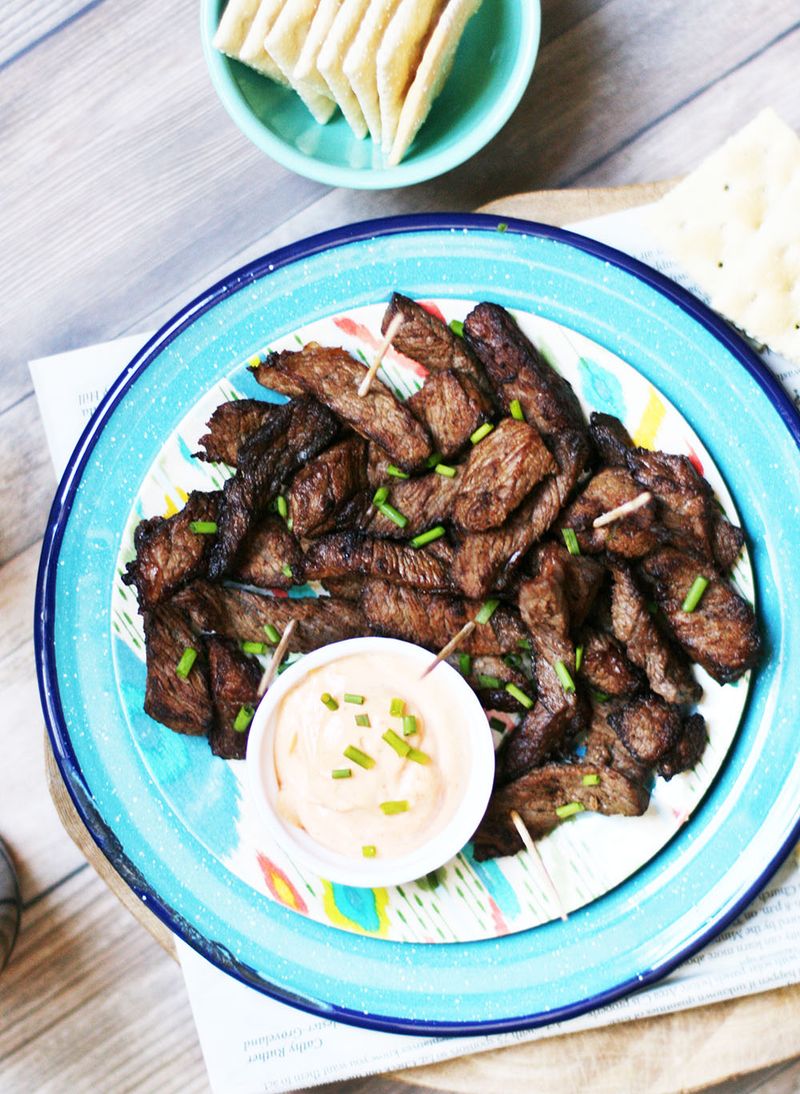
Chislic is South Dakota’s official state nosh, and it is the kind of dish that makes you say “why doesn’t everywhere have this?” Cubed red meat, traditionally lamb or mutton, gets deep-fried or grilled on skewers until crispy on the outside and juicy inside.
It is usually served with saltine crackers and garlic salt, which sounds simple but somehow works perfectly with the rich, savory meat. The dish has roots in the cuisine of Russian-German immigrants who settled the Great Plains in the 1800s, bringing their kebab traditions with them.
North Dakota Knoephla Soup – North Dakota
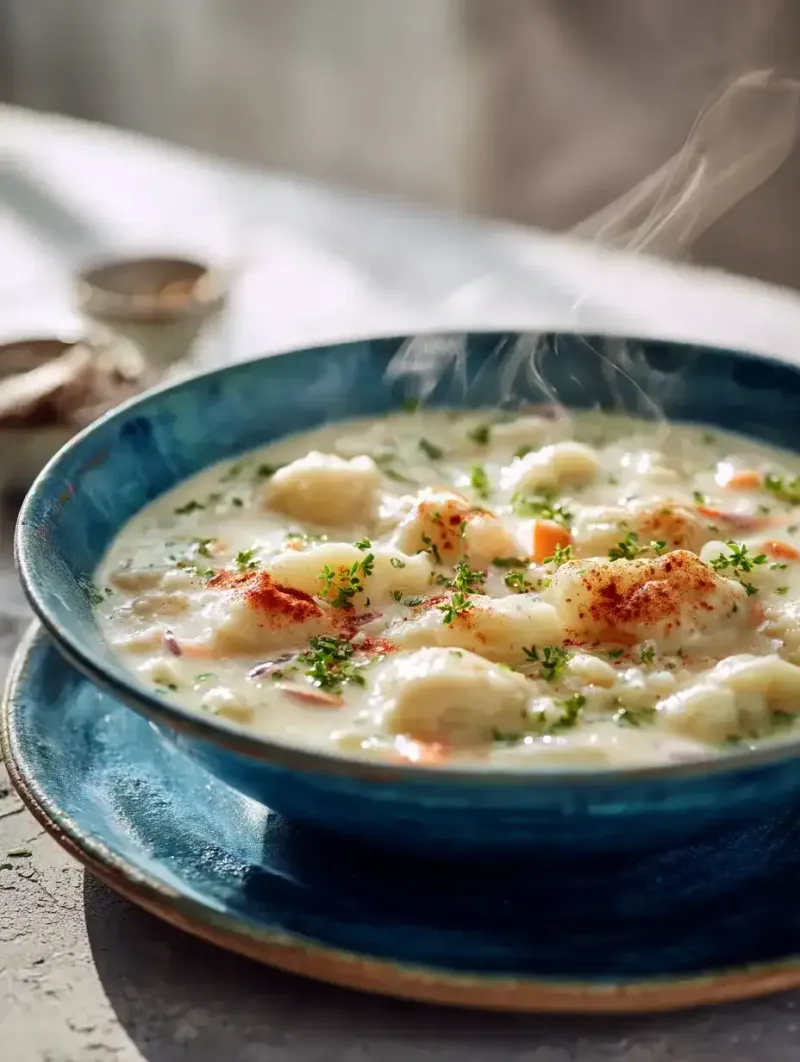
Knoephla soup is the ultimate cold-weather comfort food, and North Dakota winters give people plenty of reason to make it often. This creamy, hearty soup is filled with thick, pillowy German dumplings called knoephla, along with potatoes, carrots, and celery in a rich broth.
German-Russian immigrants brought the recipe to the Northern Plains in the late 1800s, and it has stayed a regional staple ever since. Most North Dakota families have their own version passed down through generations, and it rarely shows up on restaurant menus outside the state.
West Virginia Pepperoni Rolls – West Virginia
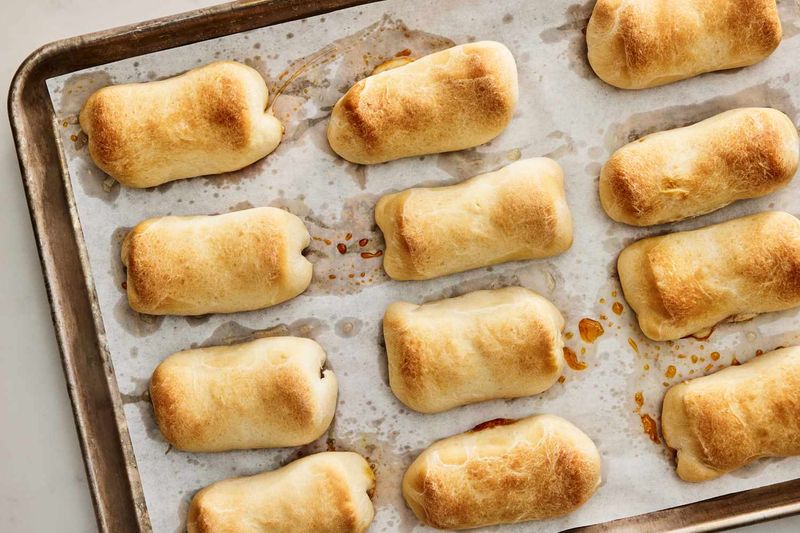
West Virginia pepperoni rolls are one of the most specific and beloved regional foods in America, and they are almost impossible to find outside the state. Soft white bread dough gets wrapped around sticks of pepperoni and baked until the fat renders into the bread, turning it orange and impossibly flavorful.
Italian immigrant coal miners needed portable, no-refrigeration-needed lunches, and this was the genius solution. Country Club Bakery in Fairmont has been making them since 1927 and is widely credited with creating the original version that defined the tradition.
Alaska Reindeer Sausage – Alaska
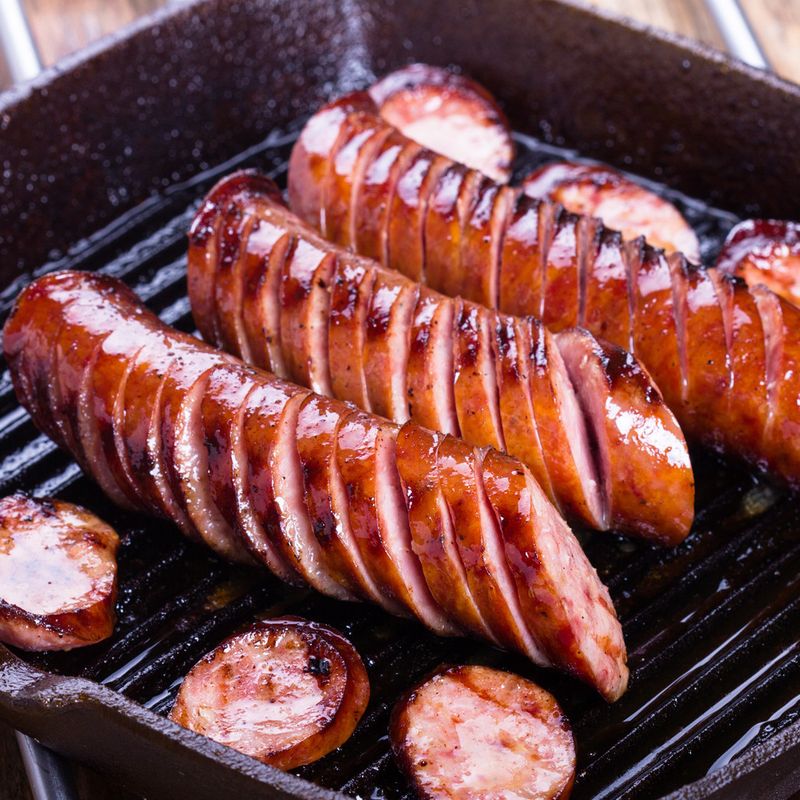
Reindeer sausage might sound like something from a holiday story, but in Alaska it is a genuine everyday food that locals eat year-round. Made from reindeer meat blended with pork, the sausage has a slightly gamey, rich flavor that is more nuanced than regular pork sausage.
In Anchorage, reindeer sausage carts are a beloved street food institution, and the classic order comes in a bun with caramelized onions and cream cheese. The tradition ties directly to Alaska Native and Scandinavian herding cultures that have raised reindeer in Alaska for over a century.
Enjoyed this story?
Add Fast Food Club as a preferred source to see more of our reporting on Google.