



Your gut does a lot more than just digest food — it plays a huge role in your energy, mood, and immune system. When your gut is happy, your whole body tends to feel better.
The good news is that what you eat can make a big difference. Stocking your plate with the right foods can help good bacteria thrive and keep your digestive system running smoothly.
Yogurt

Yogurt might just be the most well-known gut-friendly food out there — and for good reason. It is packed with live bacteria called probiotics, which help balance the microbes living in your digestive system.
Look for labels that say “live and active cultures” to make sure you are getting the real benefit. Greek yogurt is especially popular because it is thick, high in protein, and easy to mix into meals or enjoy as a snack on its own.
Kefir

Kefir is like yogurt’s tangier, drinkable cousin — and it actually contains even more probiotic strains. Made by fermenting milk with special kefir grains, this ancient drink has been enjoyed for thousands of years across Eastern Europe and Central Asia.
Studies suggest kefir may help reduce bloating and improve digestion more effectively than regular yogurt. If you find the taste a little sharp at first, try blending it into a smoothie with fruit for a gentler introduction.
Sauerkraut

Shredded cabbage that has been fermented in salt — sauerkraut sounds simple, but its benefits are anything but. The fermentation process creates a rich colony of beneficial bacteria that support a balanced gut microbiome.
Just one or two forkfuls a day can be enough to give your gut a boost. Go for the refrigerated kind rather than canned versions, since heat processing destroys the live cultures that make sauerkraut so valuable for digestive health.
Kimchi
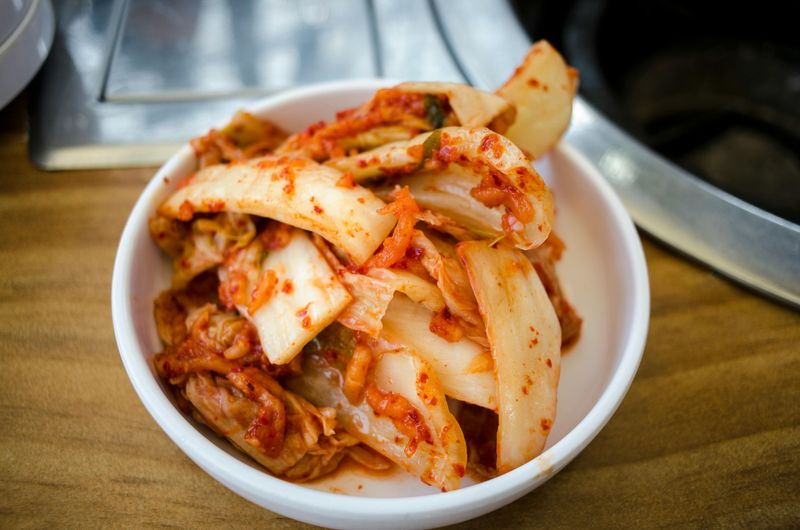
Spicy, crunchy, and bursting with flavor, kimchi is a staple in Korean cuisine that has earned serious respect in the nutrition world. Fermented vegetables — usually cabbage and radishes — are mixed with garlic, ginger, and chili paste to create this probiotic powerhouse.
Research shows kimchi can support healthy gut bacteria and may even help reduce inflammation. Beyond digestion, it delivers a solid dose of vitamins C and K, making it a nutritional all-star worth adding to your meals.
Miso
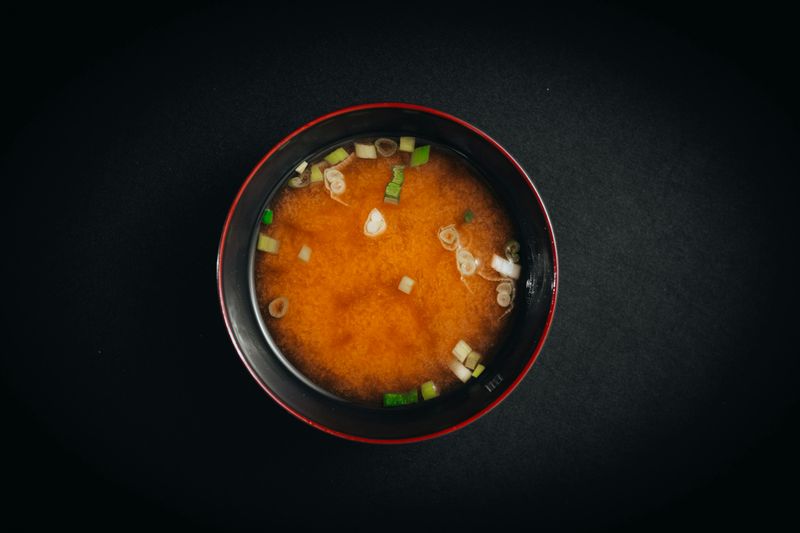
Miso is a traditional Japanese seasoning made by fermenting soybeans with salt and a special mold called koji. The result is a salty, savory paste that adds deep flavor to soups, marinades, and dressings.
Because it is fermented, miso contains beneficial bacteria that support gut health. It is also a source of important minerals like zinc and manganese.
For the best probiotic benefit, stir miso into warm — not boiling — water, since high heat can kill the live cultures.
Tempeh
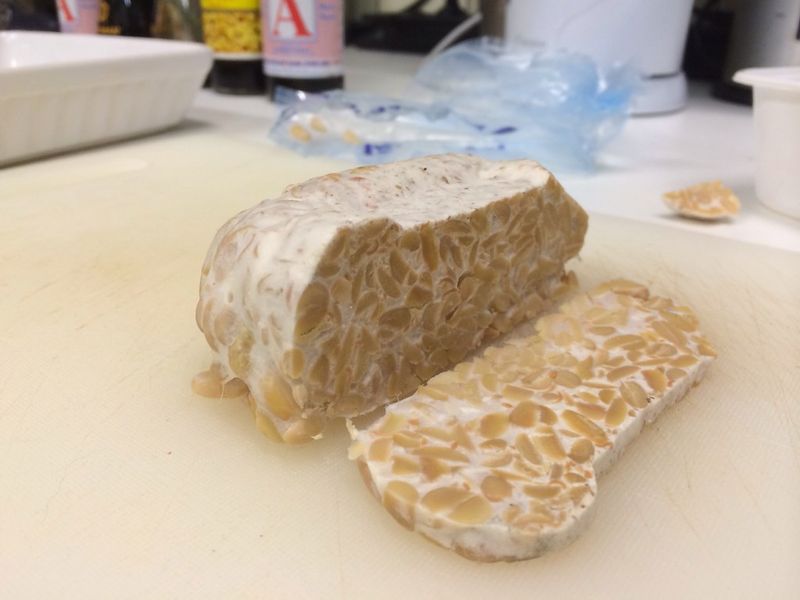
Tempeh originated in Indonesia and has been a dietary staple there for centuries. Made from fermented soybeans pressed into a firm cake, it has a nutty, earthy flavor and a satisfying chewy texture that works well in stir-fries and sandwiches.
Unlike many plant proteins, tempeh is a complete protein, meaning it contains all essential amino acids. The fermentation process also makes its nutrients easier for your body to absorb, while simultaneously delivering gut-friendly bacteria to support digestive balance.
Kombucha

Walk through any grocery store and you will probably spot rows of colorful kombucha bottles. This fizzy, fermented tea drink has exploded in popularity — and for good reason.
Kombucha is made by fermenting sweetened tea with a culture of bacteria and yeast.
The process produces organic acids and probiotics that may support a healthier gut environment. It also contains antioxidants from the tea itself.
Just watch out for brands with high sugar content, as too much sugar can work against your gut health goals.
Pickles

Not all pickles are created equal when it comes to gut health. Pickles made through natural fermentation in saltwater brine — rather than vinegar — are the ones that deliver live probiotic bacteria to your digestive system.
Check the label for “naturally fermented” and look for pickles sold in the refrigerated section of the store. They tend to have a tangier, more complex flavor than their vinegar-brined cousins.
Even a couple of pickle spears can give your gut microbiome a helpful nudge in the right direction.
Apples

An apple a day keeping the doctor away might actually have some scientific backing. Apples are rich in a type of fiber called pectin, which acts as a prebiotic — meaning it feeds the good bacteria already living in your gut rather than adding new ones.
Pectin helps short-chain fatty acids form in the colon, which nourishes the cells lining your intestines. Eating apples with the skin on gives you the most fiber.
Toss one in your bag for an easy, gut-friendly snack anywhere.
Bananas
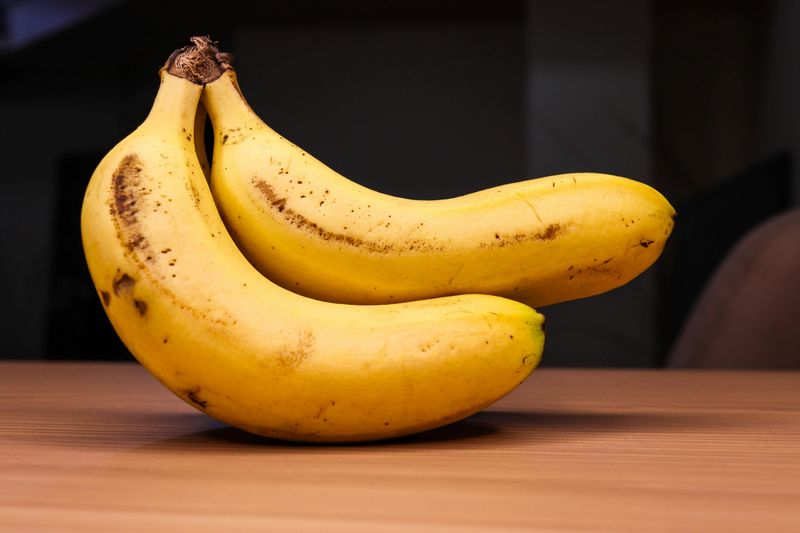
Slightly green bananas are a secret weapon for gut health. They contain a type of resistant starch that your small intestine cannot fully digest — so it travels to the large intestine, where it feeds beneficial bacteria.
Even fully ripe bananas offer gut benefits through their fiber content and natural compounds that soothe the digestive tract. Bananas are also easy on the stomach, making them a smart choice when digestion feels a little off.
They are one of the most accessible gut-friendly foods around.
Oats
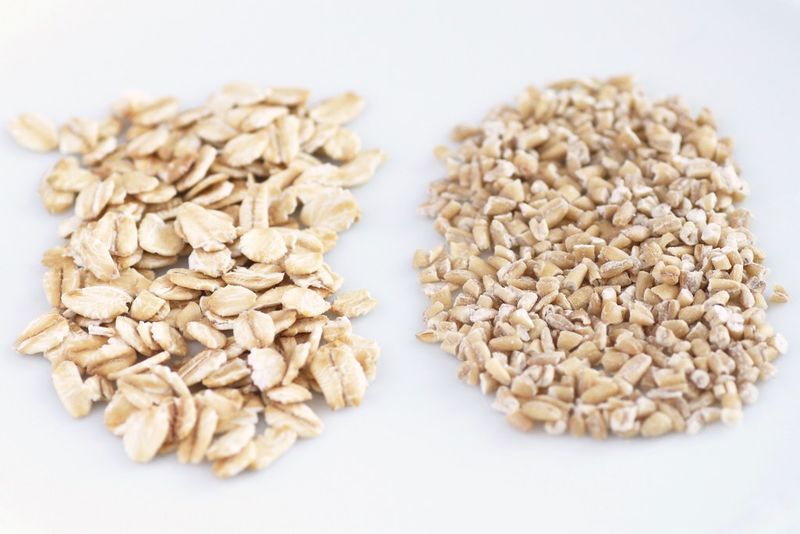
Few breakfast foods can compete with oats when it comes to supporting gut health. Oats contain a powerful soluble fiber called beta-glucan, which forms a gel-like substance in the digestive tract and feeds beneficial gut bacteria.
Beta-glucan has also been shown to help lower cholesterol and stabilize blood sugar levels. Steel-cut and rolled oats tend to retain more of their natural fiber than instant varieties.
A warm bowl of oatmeal in the morning is one of the easiest gut-health habits you can build.
Garlic
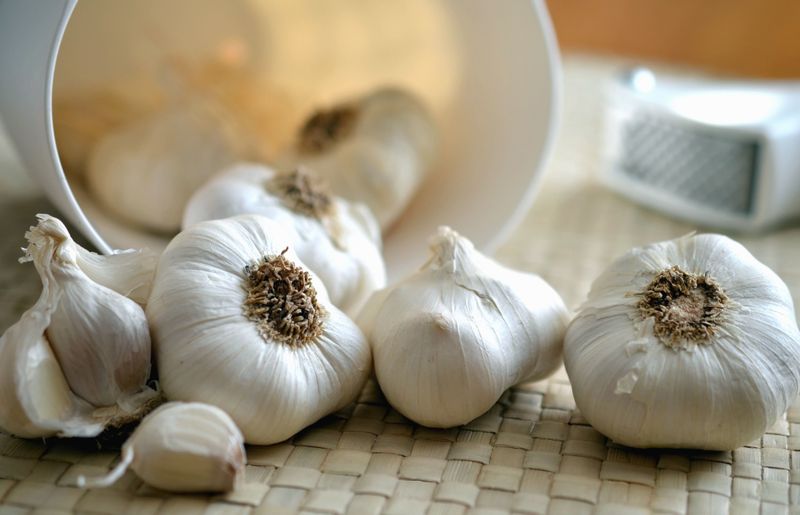
Garlic has been used as both food and medicine for thousands of years, and modern science is catching up to what ancient healers already knew. It contains a compound called inulin, a prebiotic fiber that selectively feeds beneficial gut bacteria like Lactobacillus and Bifidobacterium.
Garlic also has natural antimicrobial properties that may help keep harmful bacteria in check. Raw garlic delivers the strongest benefits, but even cooked garlic contributes meaningfully to gut health.
Adding it to sauces, roasted vegetables, or soups is an effortless upgrade.
Onions
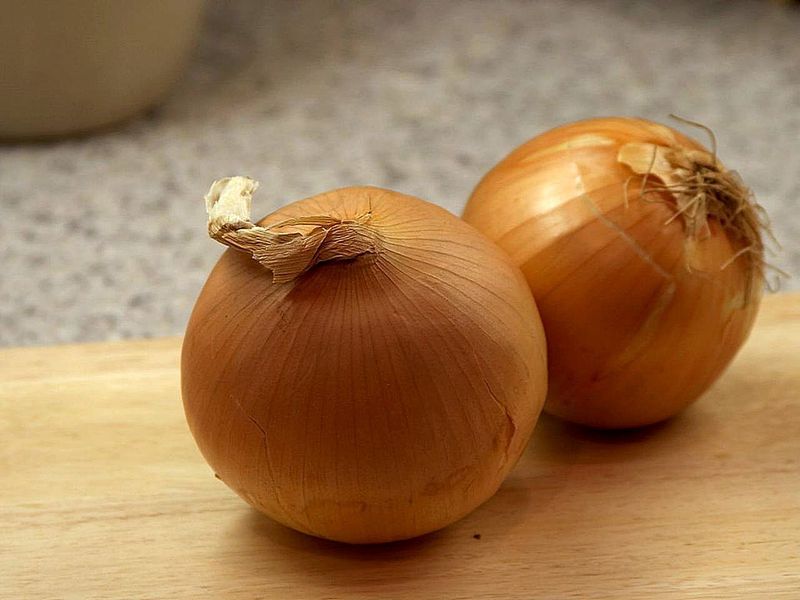
Onions are one of the richest dietary sources of fructooligosaccharides — a type of prebiotic fiber that sounds complicated but simply means it feeds the friendly bacteria in your colon. These bacteria then produce compounds that protect the gut lining and reduce inflammation.
Raw onions pack the biggest prebiotic punch, though cooked onions still offer solid benefits. Whether you slice them into salads, caramelize them on the stove, or stir them into soups, onions are a flavorful and functional addition to any gut-healthy eating plan.
Leeks
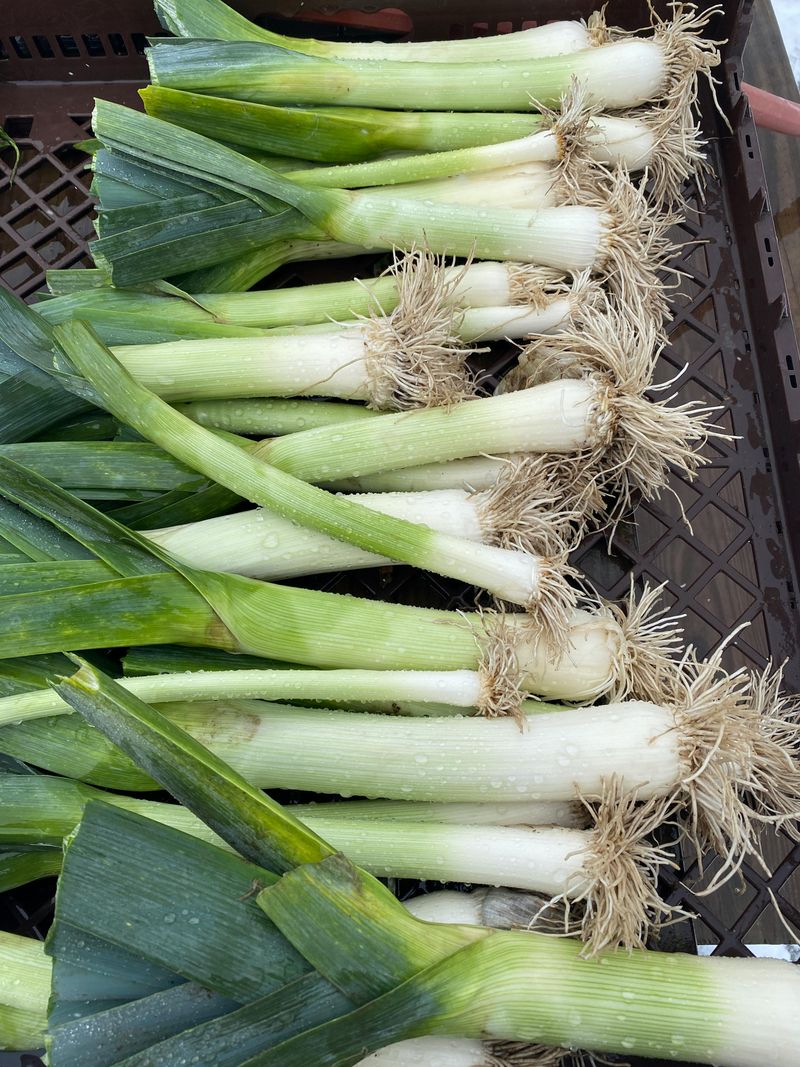
Leeks look like oversized green onions and belong to the same plant family as garlic and onions — which means they share many of the same gut-health superpowers. They are a rich source of inulin, a prebiotic fiber that helps nourish beneficial bacteria in the large intestine.
Beyond their digestive benefits, leeks are packed with vitamins A, K, and folate. They have a mild, slightly sweet flavor that works beautifully in soups, pastas, and quiches.
Swapping regular onions for leeks is a simple and delicious gut-health upgrade.
Asparagus
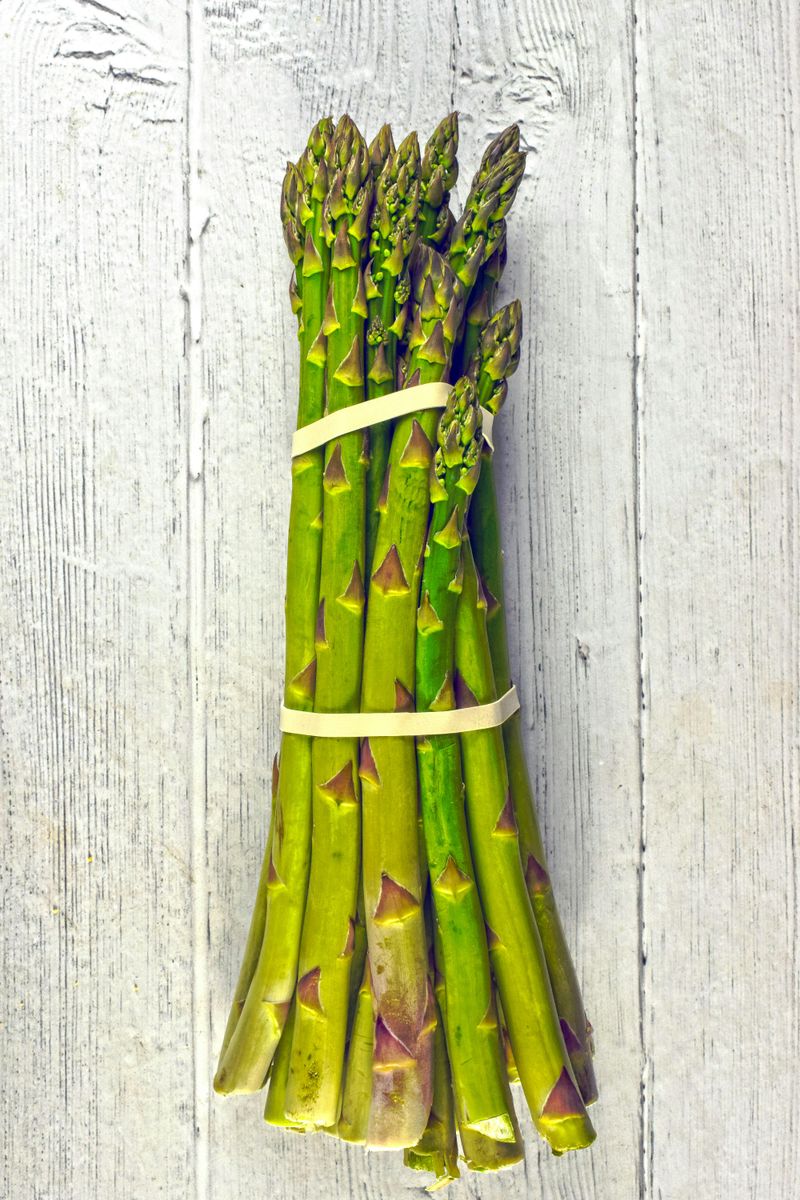
Asparagus has a reputation for being a fancy restaurant vegetable, but it deserves a regular spot in your everyday meals. It is one of the best natural sources of inulin, a prebiotic fiber that fuels the growth of healthy gut bacteria.
Studies have linked asparagus consumption to increased levels of Bifidobacterium and Lactobacillus in the gut — two of the most studied and beneficial bacterial strains. Roasting or steaming asparagus keeps most of its nutrients intact.
Even a small serving a few times a week can support a healthier microbiome.
Chickpeas
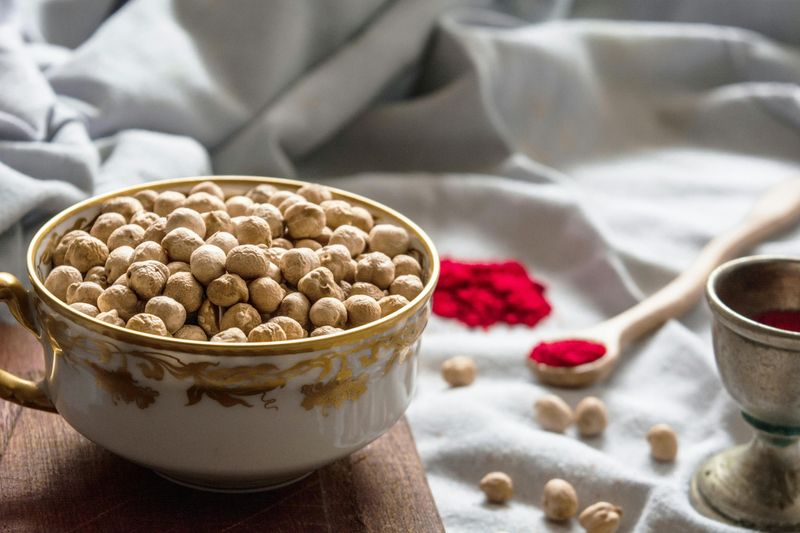
Chickpeas — also called garbanzo beans — are a pantry staple in cuisines from the Middle East to South Asia, and they bring serious gut-health credentials to the table. They are loaded with both soluble and insoluble fiber, which together support healthy digestion and regular bowel movements.
The resistant starch in chickpeas also acts as a prebiotic, feeding good gut bacteria. Whether you blend them into hummus, toss them in salads, or roast them for a crunchy snack, chickpeas are as versatile as they are beneficial.
Lentils
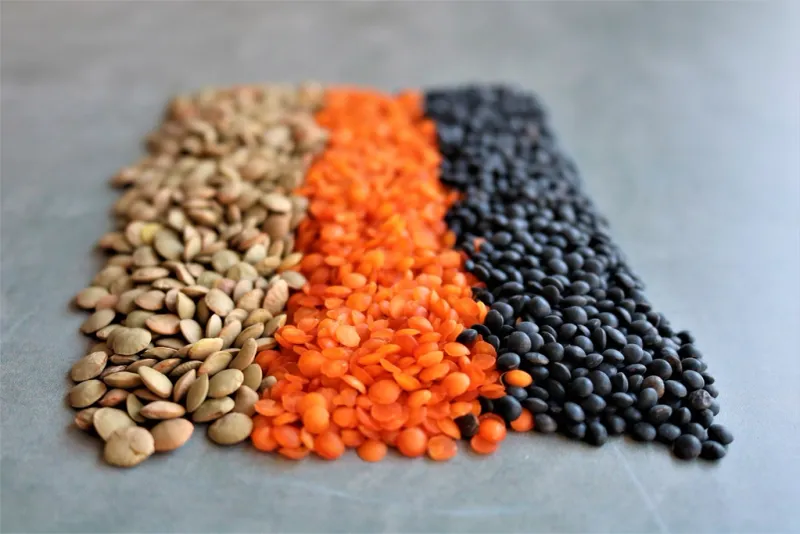
Lentils are one of the most fiber-dense foods on the planet, making them a champion for digestive health. A single cooked cup delivers around 15 grams of fiber — more than half the daily recommended amount for most people.
That fiber feeds beneficial gut bacteria and helps slow digestion, which keeps blood sugar levels steadier throughout the day. Lentils are also budget-friendly, quick to cook, and incredibly versatile.
From soups to salads to curries, there is almost no dish that lentils cannot improve.
Flaxseeds
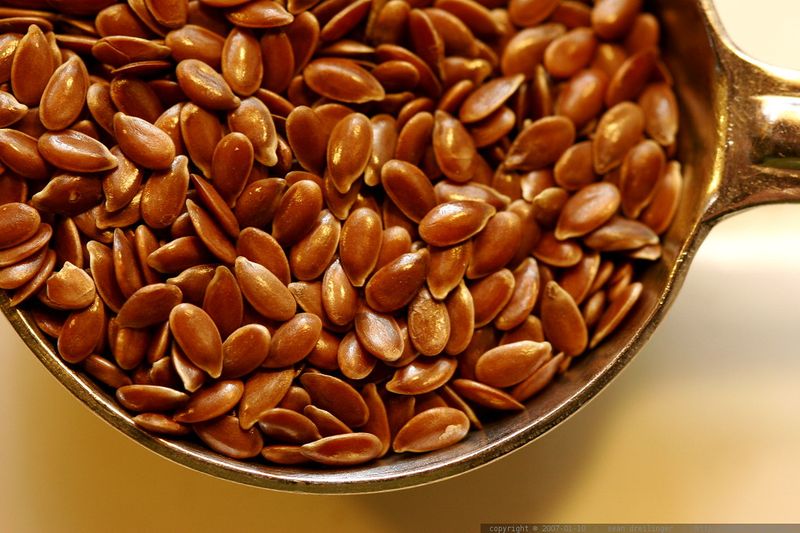
Tiny but mighty, flaxseeds are one of the most nutrient-dense foods you can add to your diet. They are packed with both soluble and insoluble fiber, along with omega-3 fatty acids that help reduce inflammation throughout the body — including the gut.
The soluble fiber in flaxseeds forms a gel in the digestive tract that slows digestion and feeds beneficial bacteria. Grind them before eating for the best absorption, since whole seeds often pass through the body without being fully broken down.
Sprinkle ground flaxseeds on yogurt, oatmeal, or smoothies.
Chia seeds
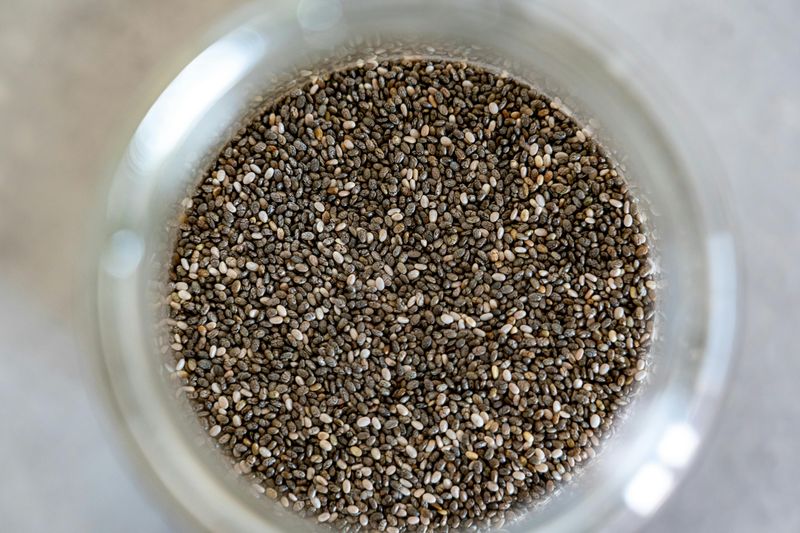
Drop a spoonful of chia seeds into water and watch them transform into a gel-like substance within minutes. That gel is formed by soluble fiber, which does the same thing inside your gut — creating a slow-moving, bacteria-nourishing environment that supports digestive health.
Chia seeds are also one of the best plant-based sources of omega-3 fatty acids and calcium. They are virtually tasteless, so they blend into almost any food without changing the flavor.
Overnight chia pudding is one of the easiest and most gut-friendly breakfasts you can make.
Whole grains
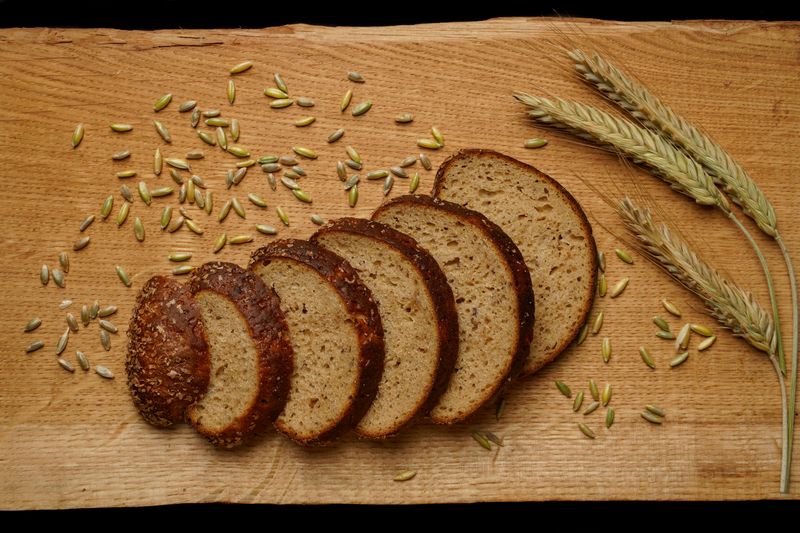
Switching from white bread and white rice to whole grains is one of the most impactful changes you can make for your gut. Whole grains like brown rice, barley, quinoa, and whole wheat retain their outer bran layer, which is where most of the fiber lives.
That fiber feeds beneficial gut bacteria and helps keep digestion moving at a healthy pace. Research shows that people who eat more whole grains tend to have a more diverse gut microbiome — and diversity is a key marker of a healthy gut overall.
Enjoyed this story?
Add Fast Food Club as a preferred source to see more of our reporting on Google.