


America’s oldest restaurants are more than just places to eat — they’re living history. From smoky barbecue joints to white-tablecloth dining rooms that have fed presidents and celebrities, these spots have stood the test of time.
Every state has at least one legendary eatery that locals swear by and visitors travel miles to experience. Get ready to take a delicious road trip through some of the most iconic, beloved, and downright unforgettable restaurants the country has to offer.
Bright Star Restaurant – Bessemer, Alabama
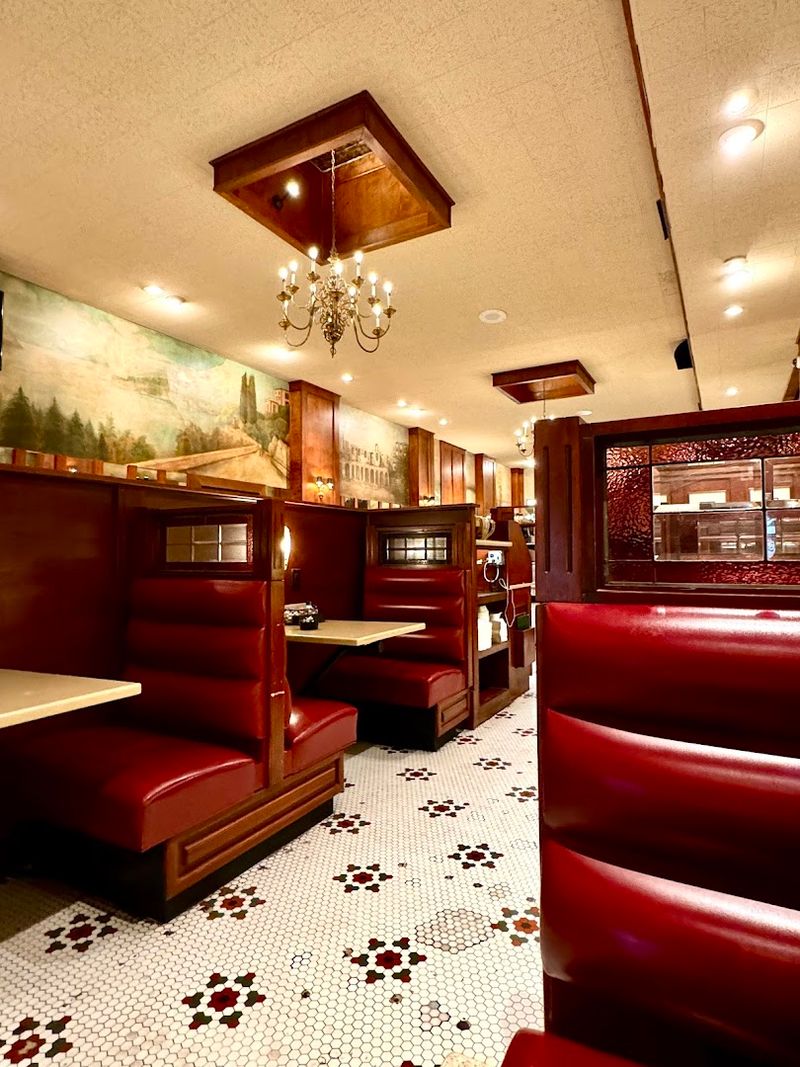
Open since 1907, the Bright Star Restaurant in Bessemer is one of the oldest and most beloved eateries in the entire South. Greek immigrants founded it, and the family tradition has carried on for over a century.
The menu leans heavily on Southern seafood and comfort food — think broiled snapper, fried shrimp, and homemade pies. Locals treat it like a second home, and first-time visitors always leave planning their return trip.
Club Paris – Anchorage, Alaska
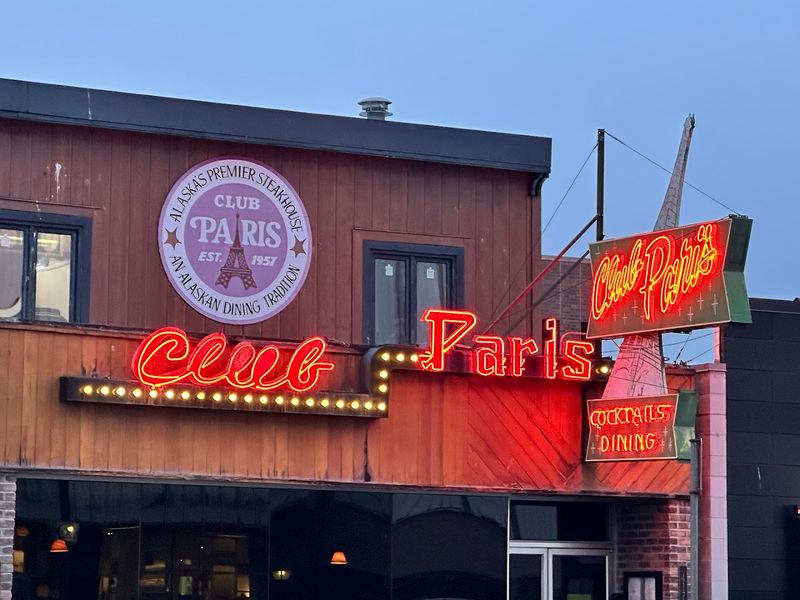
Club Paris has been serving Anchorage since 1957, making it one of Alaska’s oldest continuously operating restaurants. Tucked beneath street level, it has the feel of a time capsule — dark wood, red leather, and the kind of ambiance that whispers “old money.”
The steaks are legendary, aged and cooked to perfection. Many Alaskans have celebrated milestones here for generations, making it far more than just a steakhouse — it’s a cultural landmark.
El Charro Café Downtown – Tucson, Arizona
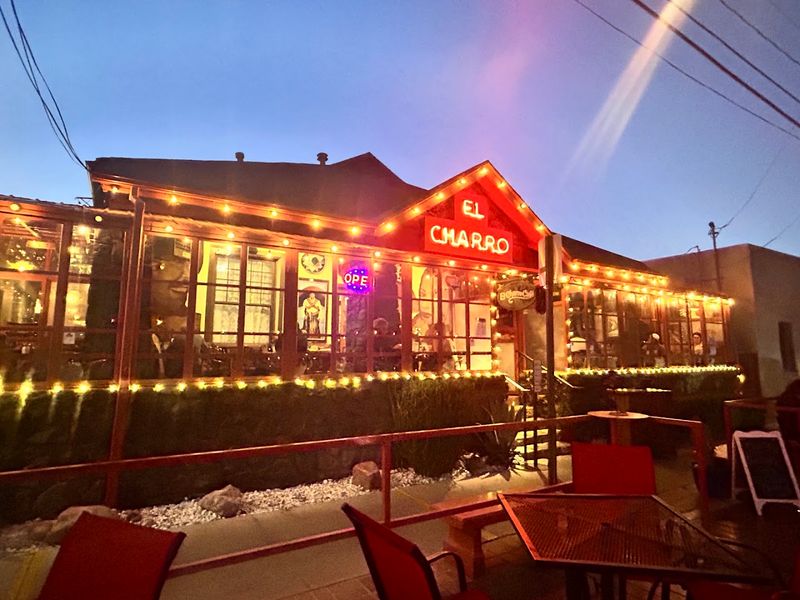
El Charro Café holds the title of the oldest Mexican restaurant in the U.S. still operated by the same family — a record that stretches back to 1922. Founded by Monica Flin, it became the birthplace of the chimichanga, or so the legend goes.
Sitting in the original adobe building downtown feels genuinely special. The food is bold, the history is rich, and every plate carries a story that spans more than 100 years of Tucson tradition.
Ozark Cafe – Jasper, Arkansas
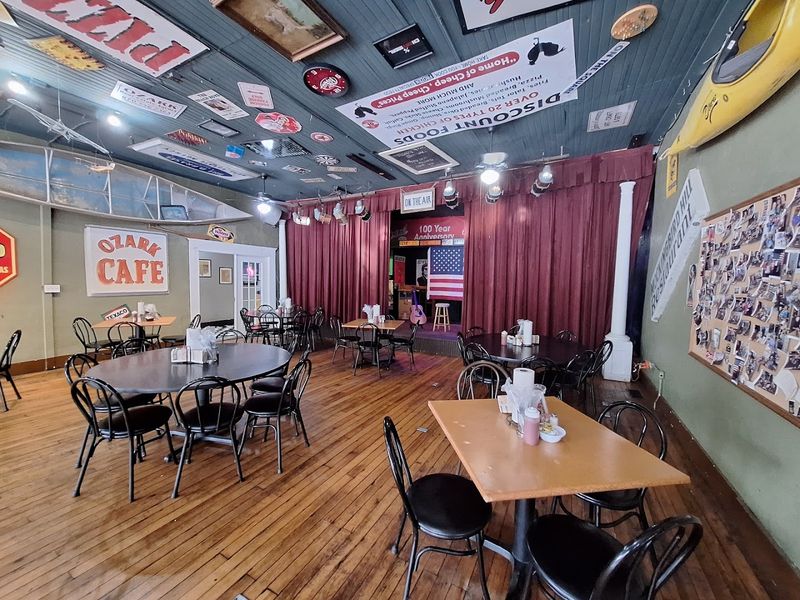
Nestled in the heart of the Arkansas Ozarks, the Ozark Cafe in Jasper has been feeding locals and road-trippers since 1909. Few restaurants anywhere in the country can claim that kind of staying power in such a small town.
The menu is pure comfort — country ham, biscuits, and homestyle plates that warm you from the inside out. Travelers passing through the Buffalo River area make this a must-stop, and it never disappoints.
Real food, real history, real Arkansas.
Tadich Grill – San Francisco, California
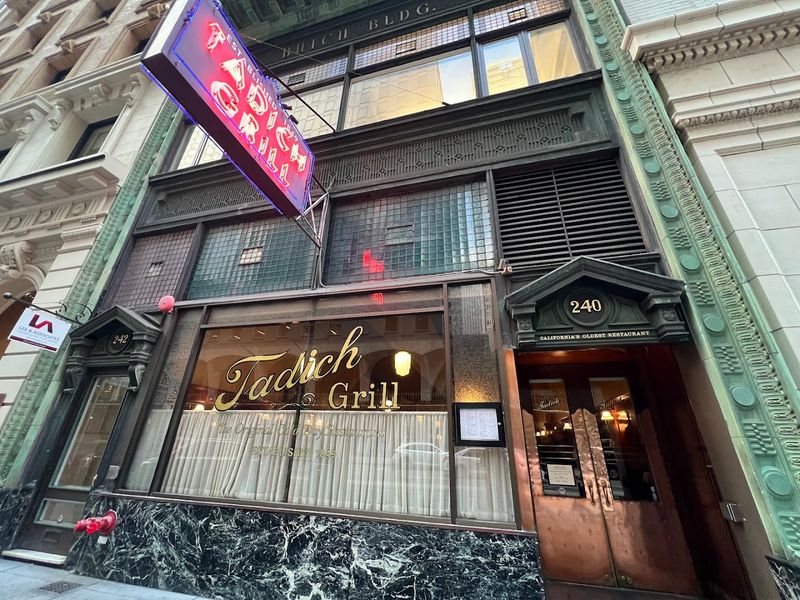
California’s oldest restaurant, Tadich Grill, has been open since 1849 — yes, that’s Gold Rush era. Originally a coffee stand, it evolved into one of San Francisco’s most iconic seafood destinations, famous for its cioppino and sand dabs.
The long wooden counter, the no-frills service, and the bustling lunch crowd give it an energy that feels completely authentic. No reservations are taken, so expect a wait — but regulars will tell you it’s absolutely worth every minute.
Buckhorn Exchange – Denver, Colorado
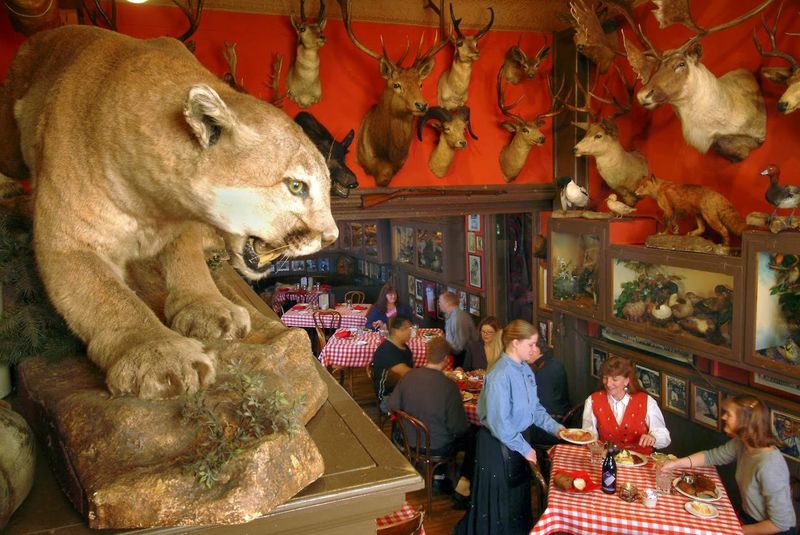
Denver’s Buckhorn Exchange earned Colorado Liquor License No. 1 back in 1893, and it has never looked back. The walls are covered with over 500 mounted animals, giving it the wildest dining room decor you’ll ever encounter.
Buffalo, elk, and rattlesnake regularly appear on the menu alongside classic steaks. Teddy Roosevelt reportedly dined here, adding to the restaurant’s legendary reputation.
Adventurous eaters love it, history buffs adore it, and everyone leaves with a story worth telling.
The Griswold Inn – Essex, Connecticut
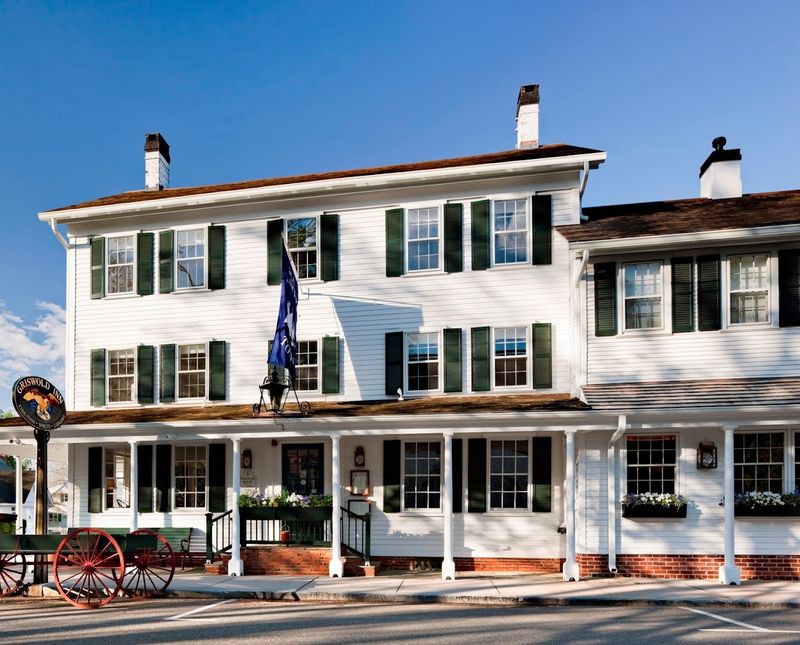
The Griswold Inn has been welcoming guests in Essex since 1776, making it one of the oldest continuously operating inns and restaurants in America. The taproom alone — with its potbelly stove and antique firearms — feels like stepping into colonial New England.
Hunt breakfasts, steamship rounds, and traditional New England chowder are menu staples. Live entertainment has been a Saturday night tradition for decades.
It’s the kind of place where history isn’t just on the walls — it’s in every bite.
Mrs. Robino’s Restaurant – Wilmington, Delaware
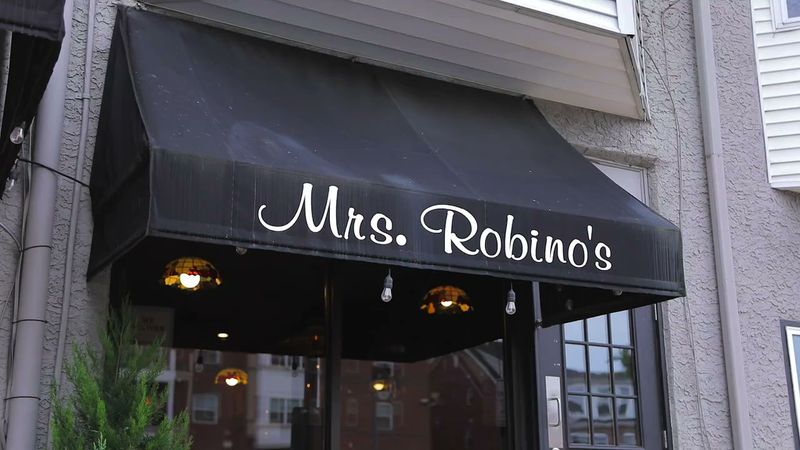
Mrs. Robino’s has been a Wilmington institution since 1940, serving hearty Italian-American food in a warm, no-frills setting that feels like Sunday dinner at grandma’s house. The Little Italy neighborhood spot has changed very little over the decades.
Homemade pasta, meatballs, and red sauce are the stars of the show. Generations of Delaware families have celebrated birthdays and anniversaries here.
The loyal customer base is a testament to how consistently good the food has always been.
Columbia Restaurant – Tampa, Florida
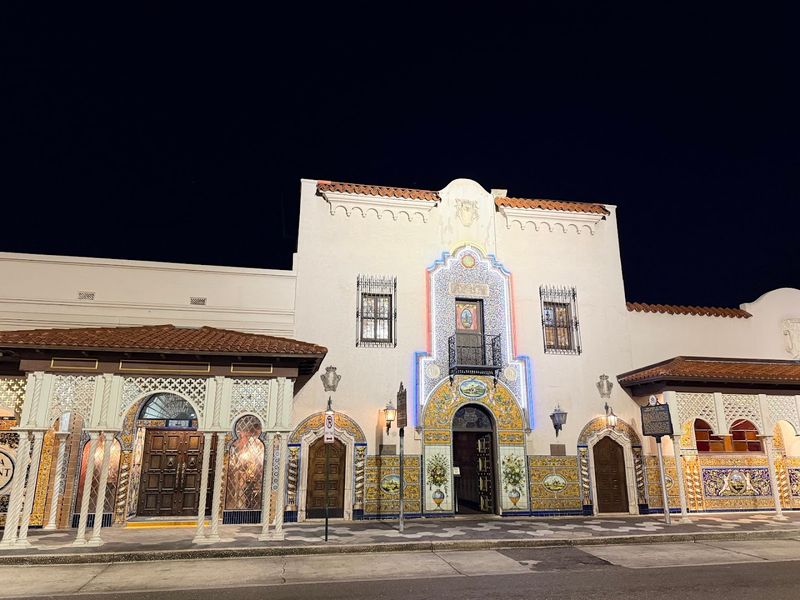
Florida’s oldest restaurant, the Columbia, opened in Tampa’s Ybor City in 1905. Spanish and Cuban influences fill every corner — from the handmade tiles to the flamenco dancers who perform tableside most evenings.
The 1905 Salad, mixed at your table with flair, is a signature experience no visitor should skip. Spanning an entire city block with multiple dining rooms, the Columbia is genuinely grand.
It has fed celebrities, politicians, and generations of Tampa families with equal enthusiasm and grace.
The Varsity – Atlanta, Georgia
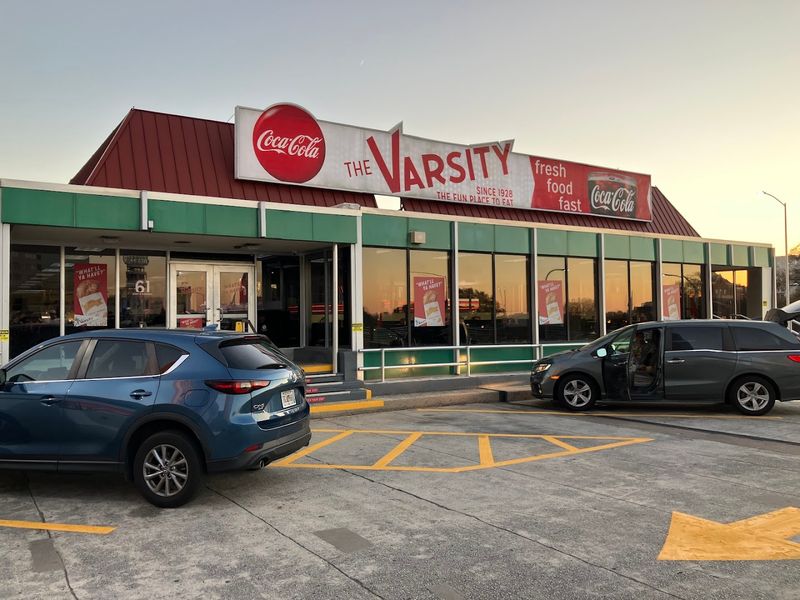
“What’ll ya have?” — that famous greeting has echoed through The Varsity since 1928. Atlanta’s beloved drive-in is the world’s largest, capable of serving over 30,000 people on a busy football Saturday.
Chili dogs, frosted oranges, and onion rings are the menu legends. Georgia Tech students have fueled up here for nearly a century.
The energy is fast, loud, and wonderfully chaotic in the best possible way. There’s truly nothing else quite like it anywhere in the American South.
Mama’s Fish House – Paia, Hawaii
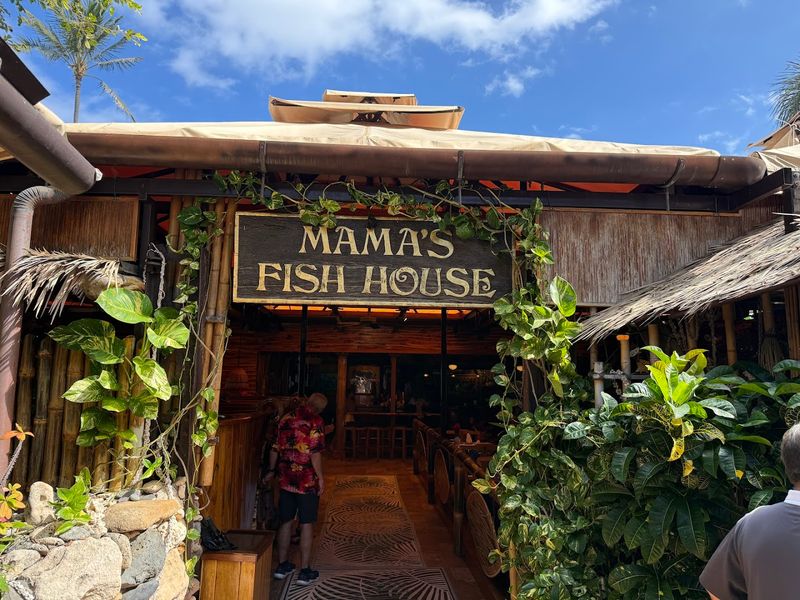
Perched on Maui’s north shore since 1973, Mama’s Fish House is the kind of place that makes you feel like you’ve discovered a secret — even though everyone seems to know about it. Reservations book out months in advance for good reason.
Each menu item names the local fisherman who caught your fish that day, a charming touch that speaks to the restaurant’s deep community roots. The setting is breathtaking, the fish is impossibly fresh, and the vibe is pure old-school Hawaiian aloha.
The Snake Pit – Kingston, Idaho
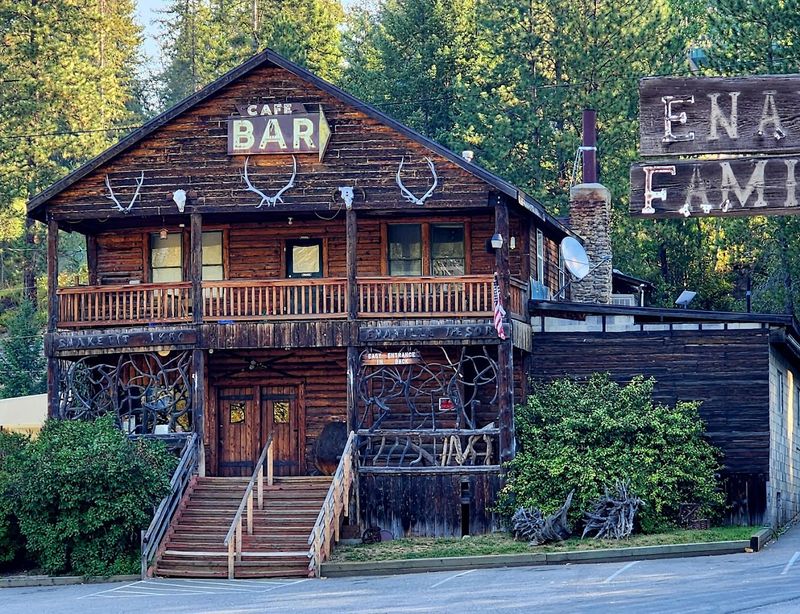
Hidden in the Silver Valley of northern Idaho, The Snake Pit in Kingston is the kind of roadside gem that road-trip dreams are made of. It’s been serving cold drinks and hearty food to miners, locals, and curious travelers for decades.
The atmosphere is wonderfully rough around the edges — pool tables, mounted heads on the walls, and a jukebox that means business. Burgers and steaks keep regulars coming back.
If authenticity is what you’re after, this tiny Idaho tavern delivers it without any pretense.
Lou Mitchell’s – Chicago, Illinois
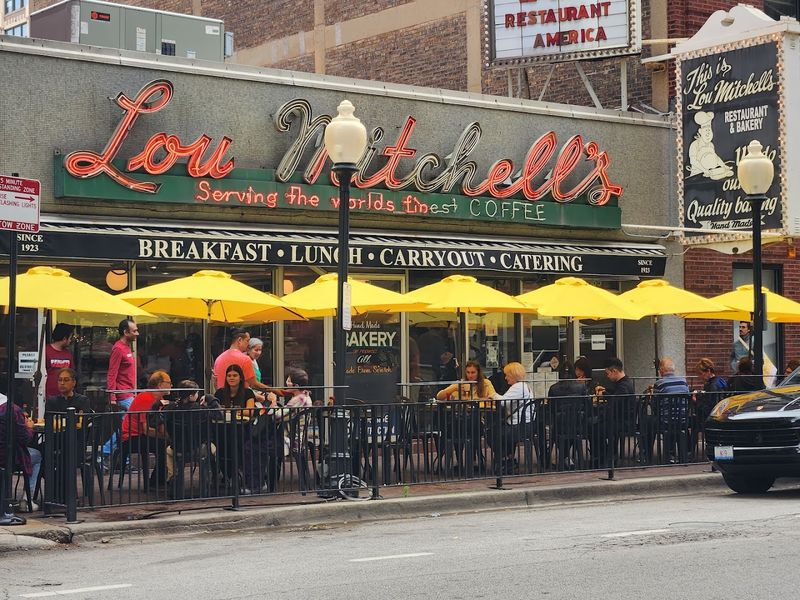
Lou Mitchell’s has been greeting early risers near Chicago’s Union Station since 1923. Travelers, commuters, and locals all line up for the double-yolk eggs, thick-cut French toast, and homemade marmalade that have made this diner a Chicago institution.
The staff hands out Milk Duds and donut holes to those waiting in line — a charming tradition that sets the mood perfectly. Everything about this place feels warm and genuine.
It’s the kind of breakfast spot that makes you slow down and actually enjoy the morning.
St. Elmo Steak House – Indianapolis, Indiana
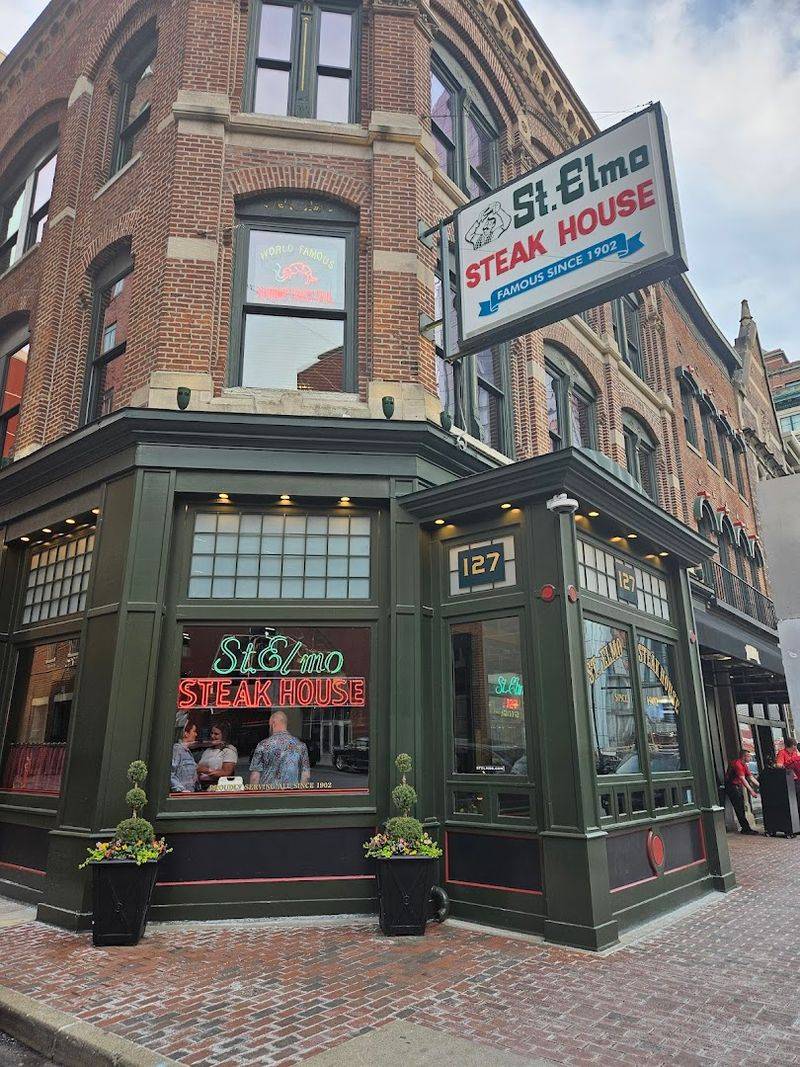
St. Elmo Steak House opened in downtown Indianapolis in 1902 and has been famous ever since for one thing above all else: the shrimp cocktail. The house horseradish sauce is so potent it has made grown adults tear up — in the best possible way.
Perfectly aged steaks follow, and the classic steakhouse atmosphere feels timeless. Sports legends, politicians, and business executives have all claimed their favorite booths here.
It’s one of those rare restaurants where the reputation is fully earned with every single visit.
Archie’s Waeside – Le Mars, Iowa
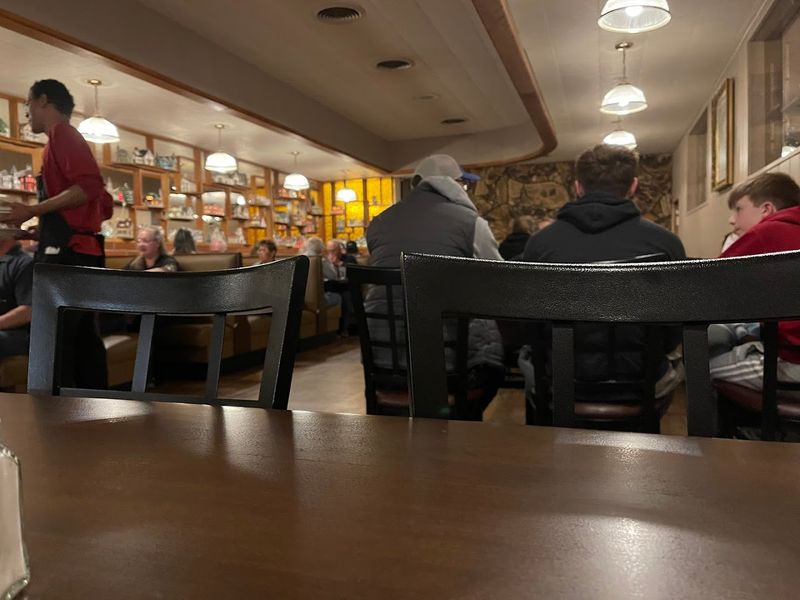
Le Mars, Iowa calls itself the Ice Cream Capital of the World, but Archie’s Waeside is the town’s other claim to fame. Open since 1949, this family-owned steakhouse has built a rock-solid reputation on hand-cut beef and no-nonsense Midwestern hospitality.
The dining room is classic supper club — dim lighting, big booths, and a menu that doesn’t need to be trendy because it’s already perfect. James Beard recognized Archie’s as an American Classic, which only confirmed what locals have known for generations.
Hays House 1857 Restaurant & Tavern – Council Grove, Kansas
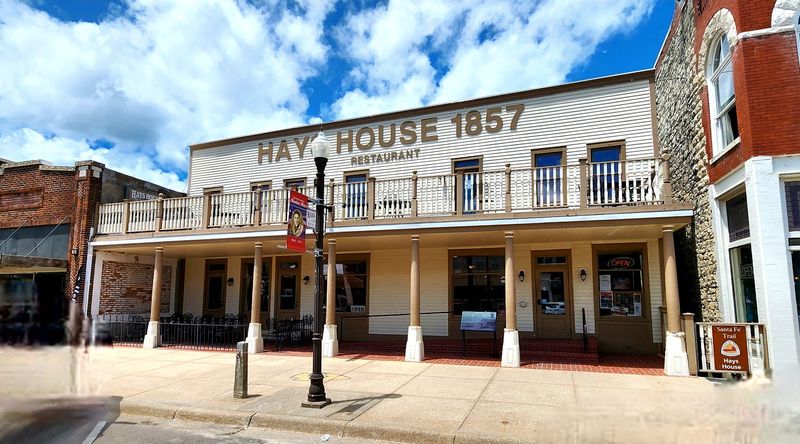
Built in 1857 along the Santa Fe Trail, Hays House in Council Grove is one of the oldest continuously operating restaurants west of the Mississippi River. Jesse James reportedly ate here, and the building’s stone walls still carry that frontier-era energy.
Kansas comfort food — chicken fried steak, fresh pie, and hearty soups — anchors the menu. The historic dining rooms feel genuinely old, not artificially nostalgic.
Visiting Hays House is like having lunch inside a living piece of American Western history.
The Old Talbott Tavern – Bardstown, Kentucky
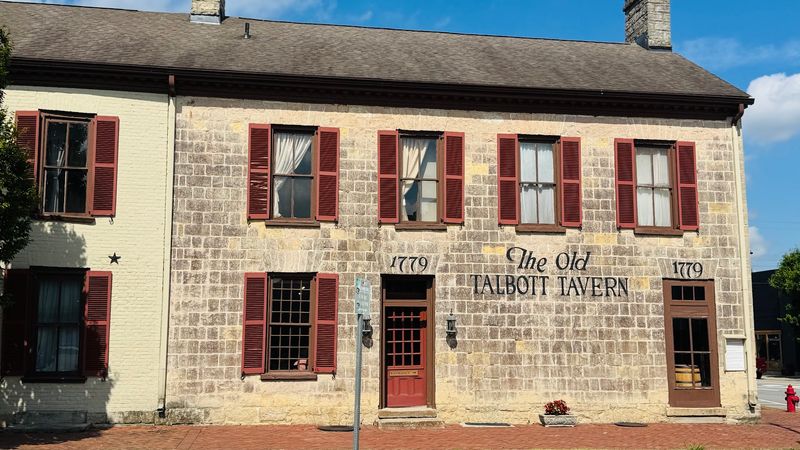
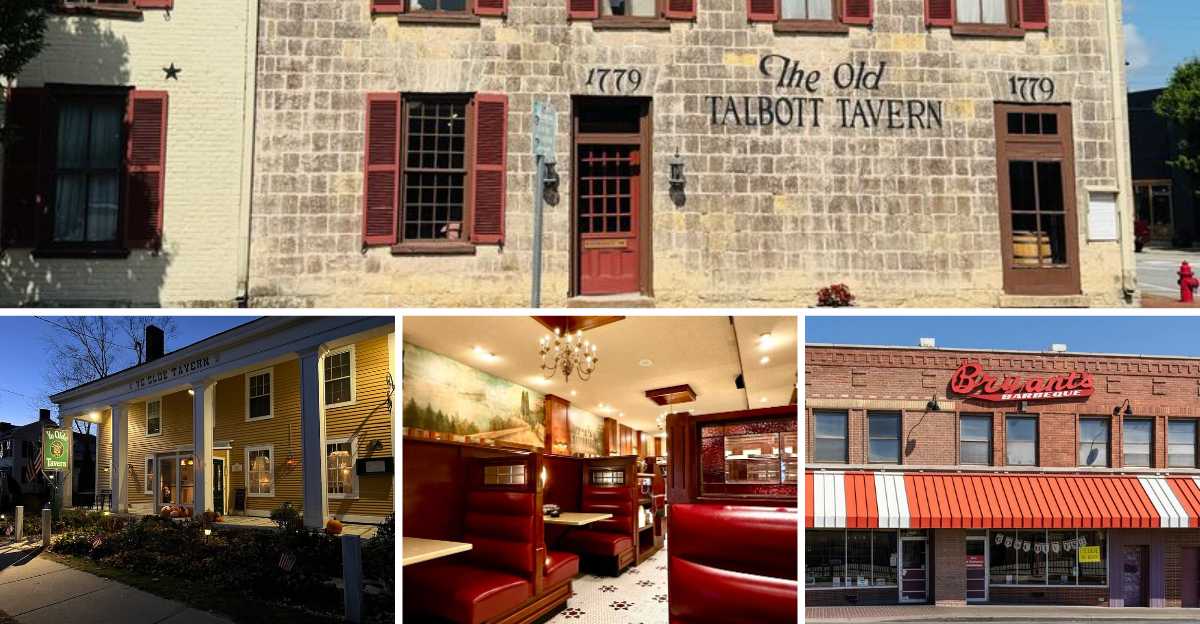
Dating back to around 1779, The Old Talbott Tavern in Bardstown is believed to be the oldest Western stagecoach stop still in operation in America. Abraham Lincoln’s family reportedly stayed here during his childhood years.
Sitting in the Bourbon Capital of the World, the tavern naturally pours an impressive selection of Kentucky whiskey. The menu features Southern classics like burgoo and country ham.
History practically seeps through the thick stone walls, making every meal feel like a genuine journey back in time.
Antoine’s Restaurant – New Orleans, Louisiana
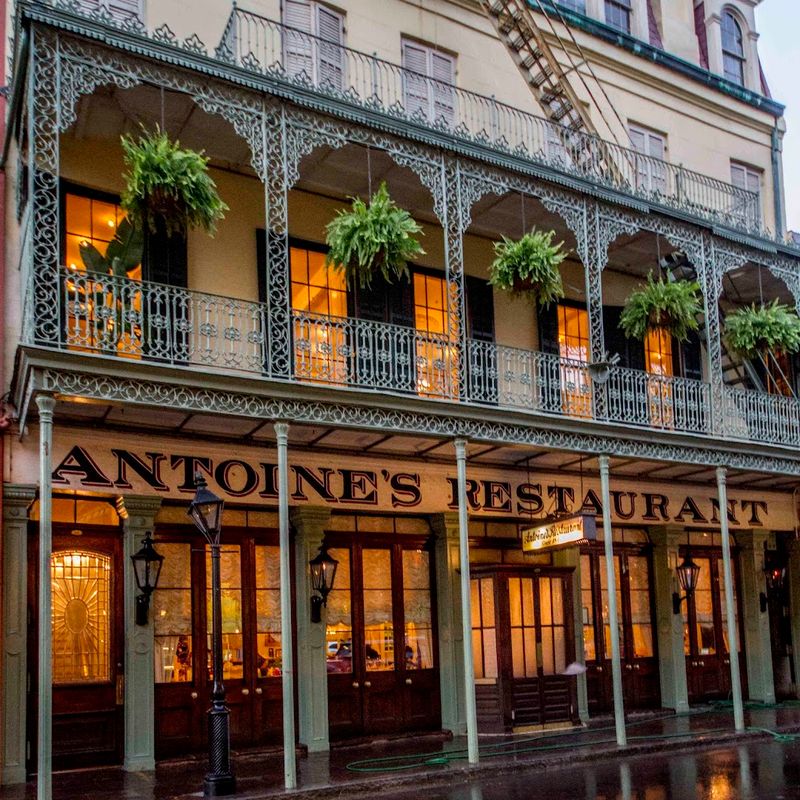
Antoine’s has been serving French Creole cuisine in the heart of New Orleans since 1840, making it the oldest family-run restaurant in the entire United States. The menu hasn’t changed dramatically over the years, and that’s exactly the point.
Oysters Rockefeller was invented here — a dish now famous worldwide. The maze of private dining rooms, each with its own story, makes Antoine’s feel more like a mansion than a restaurant.
Eating here isn’t just dinner; it’s participating in living American culinary history.
Moody’s Diner – Waldoboro, Maine
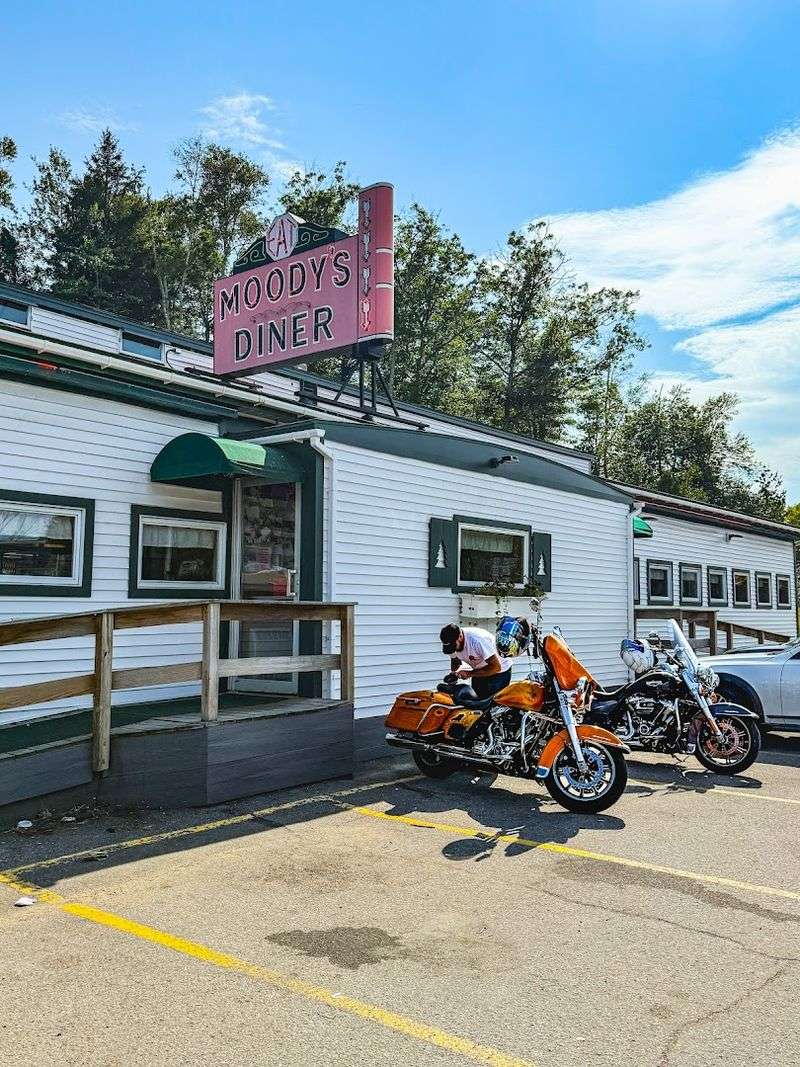
Since 1927, Moody’s Diner has been a landmark on Route 1 in Waldoboro, Maine. Generations of road-trippers heading up the coast have stopped in for blueberry pie, whoopie pies, and hearty breakfasts that stick with you all day.
The diner is unpretentious and proud of it — formica counters, friendly service, and prices that won’t make your jaw drop. The Moody family has kept the spirit alive for nearly a century.
On a foggy Maine morning, there’s truly nowhere better to warm up and fuel up.
The Prime Rib – Baltimore, Maryland
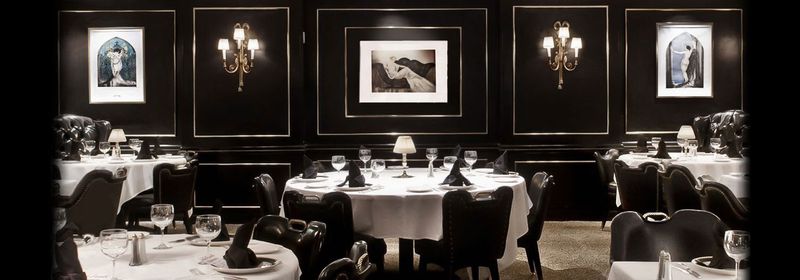
The Prime Rib in Baltimore opened in 1965 and immediately set the gold standard for old-school elegance on the East Coast. Tuxedoed waiters, a live pianist, leopard-print carpet, and impeccable prime rib have made it a Baltimore treasure for over five decades.
The restaurant’s black and gold color scheme gives it a glamorous, almost cinematic atmosphere. This is the place Baltimoreans bring out-of-town guests to impress them — and it never fails.
Ordering the prime rib here is less a meal choice and more a rite of passage.
Union Oyster House – Boston, Massachusetts
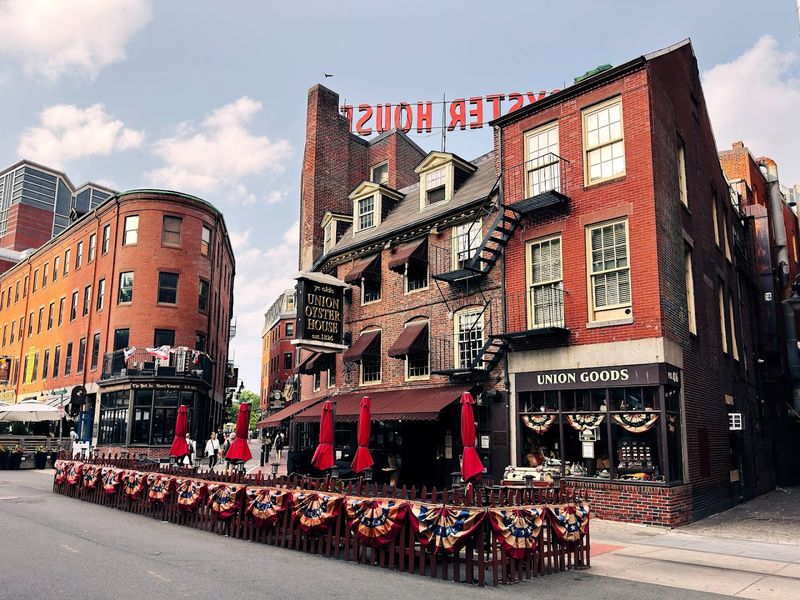
Established in 1826, the Union Oyster House is the oldest continuously operating restaurant in America — a title it wears with well-earned pride. Located steps from the Freedom Trail, it has served Daniel Webster, John F.
Kennedy, and countless history lovers over the years.
Raw oysters at the curved wooden bar remain the signature experience. The low ceilings and creaking floors feel authentically colonial, not manufactured.
Eating here while Boston buzzes outside the windows is one of those rare travel moments that genuinely stays with you.
Zingerman’s Delicatessen – Ann Arbor, Michigan
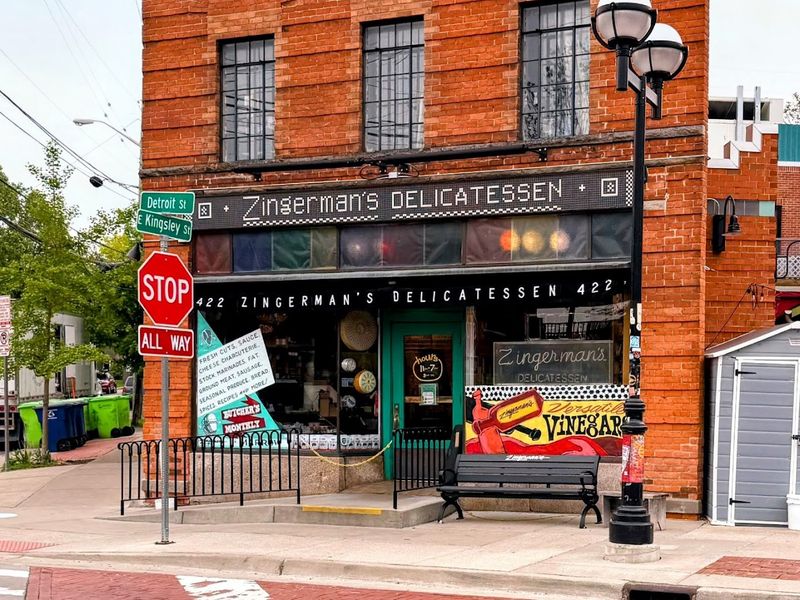
Zingerman’s opened in Ann Arbor in 1982 — young by this list’s standards, but its cultural impact is enormous. The deli has become a national model for how to do food with passion, community, and obsessive quality all at once.
Towering Reuben sandwiches, imported cheeses, and house-baked breads have earned it a James Beard Award and a fiercely devoted following. University of Michigan students, professors, and visitors from across the country all squeeze in together.
It’s chaotic, delicious, and completely irreplaceable in the Michigan food landscape.
Murray’s – Minneapolis, Minnesota
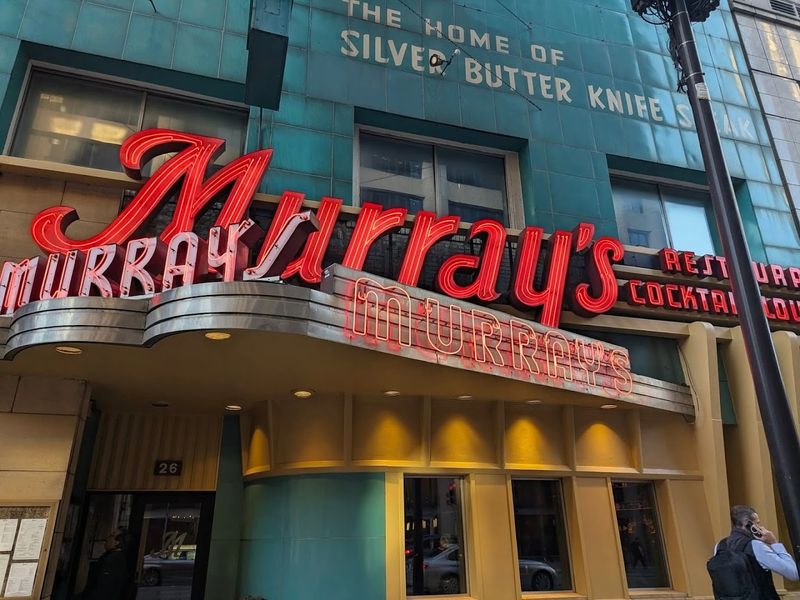
Murray’s has been a Minneapolis institution since 1946, famous above all for the Silver Butter Knife Steak — a tenderloin so perfectly aged and cooked it can be cut with a butter knife. That’s not a marketing gimmick; it’s a genuine promise kept for nearly 80 years.
The dining room feels like the 1950s never left — red leather booths, low lighting, and tuxedo-clad servers who actually know what hospitality means. Minneapolitans have celebrated every imaginable life milestone here, and the restaurant has never once let them down.
Weidmann’s – Meridian, Mississippi
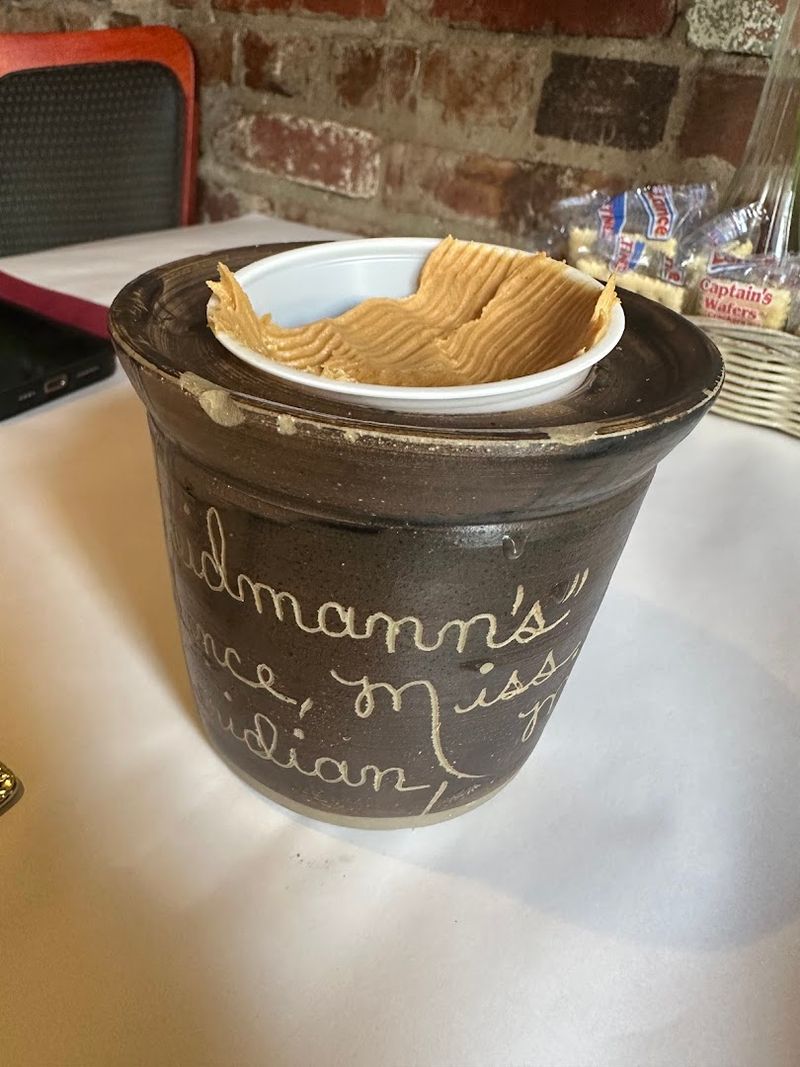
Weidmann’s in Meridian has been feeding Mississippians since 1870, earning its reputation as one of the South’s most beloved old-school restaurants. The black-eyed pea soup and peanut butter on crackers — a quirky house tradition — have become legendary among regulars.
Southern staples like catfish, fried chicken, and pecan pie fill out a menu that feels timeless and deeply regional. After closing for years, the restaurant has been revived, giving a new generation the chance to experience a piece of Mississippi culinary heritage that deserves to live on.
Arthur Bryant’s Barbeque – Kansas City, Missouri
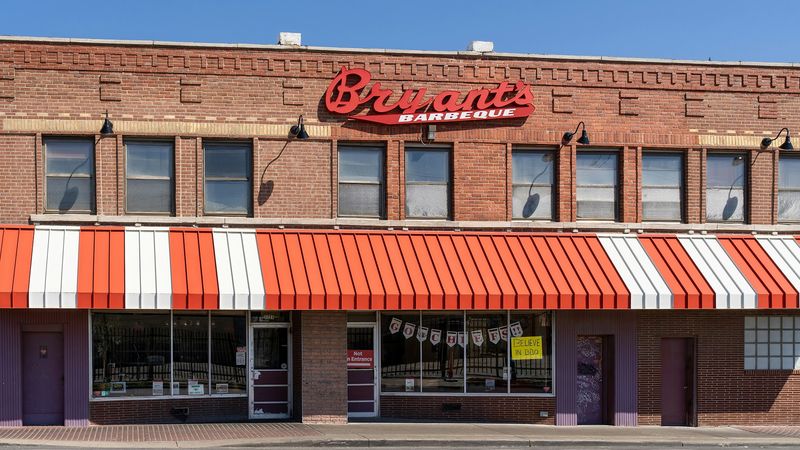
Arthur Bryant’s is not just a restaurant — it’s a Kansas City institution that helped define American barbecue culture. Open since the 1930s, it has served presidents, celebrities, and everyday folks with equal portions of smoky, saucy perfection.
The burnt ends are legendary, the sauce is unlike anything else in the world, and the no-frills cafeteria-style setup is part of the charm. Calvin Trillin once called it “possibly the greatest restaurant in the world.” Whether you agree or not, one visit makes it very hard to argue against.
Pekin Cafe and Lounge Inc. – Butte, Montana
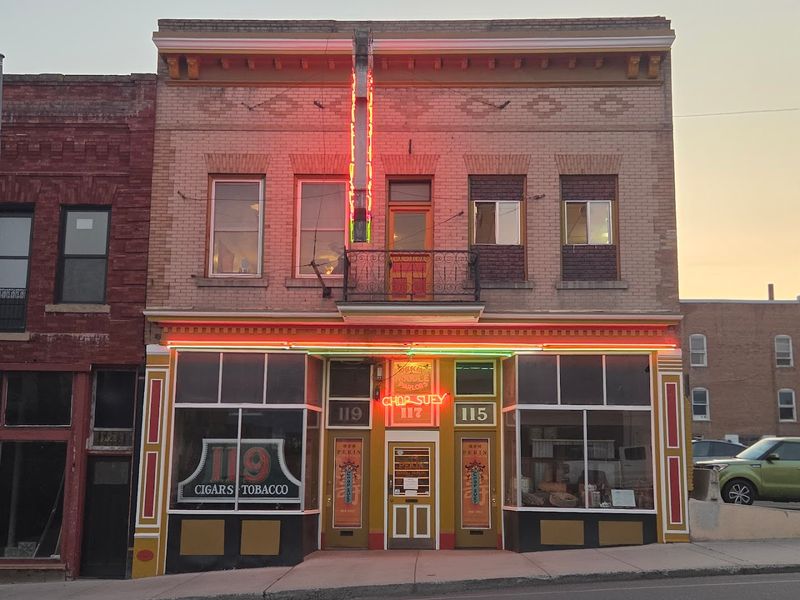
Butte, Montana has a rich immigrant history tied to its mining boom, and the Pekin Cafe reflects that beautifully. One of the oldest Chinese-American restaurants in the Northwest, it has served Butte’s multicultural community for well over a century.
The menu blends classic Chinese-American dishes with a distinctly Montana sensibility — hearty, unpretentious, and satisfying. Walking through the door feels like stepping back into Butte’s rowdy, hard-working past.
It’s a reminder that American food history is wonderfully diverse and far more interesting than most people realize.
Johnny’s Cafe – Omaha, Nebraska
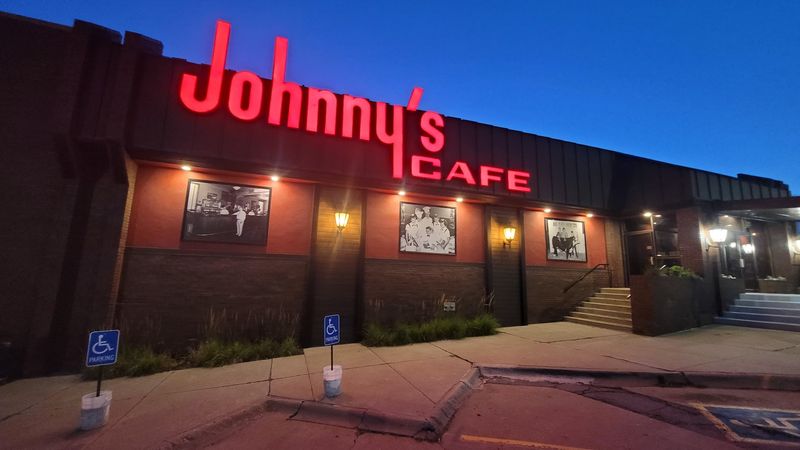
Johnny’s Cafe has been a fixture near Omaha’s historic stockyards since 1922. As one of the country’s great cattle-country steakhouses, it built its reputation on the simple idea that great beef, simply prepared, needs nothing else to shine.
The dark wood paneling, the photos of ranchers and livestock on the walls, and the no-nonsense service all tell the story of Nebraska’s agricultural heritage. Locals have been celebrating special occasions here for generations.
It’s a steak lover’s paradise rooted firmly in the Midwest’s proud ranching tradition.
Golden Steer Steakhouse Las Vegas – Las Vegas, Nevada
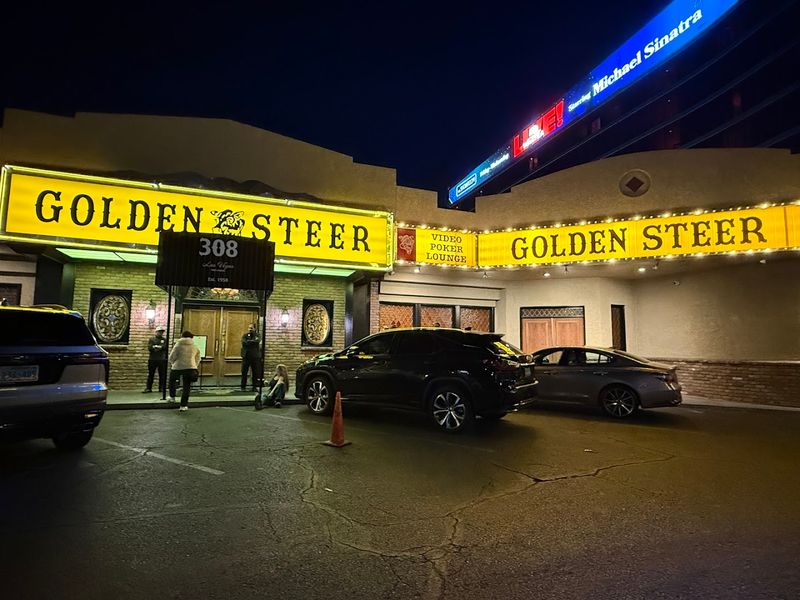
Las Vegas may be known for flashy buffets and celebrity chef restaurants, but the Golden Steer has been quietly doing things right since 1958. Frank Sinatra, Dean Martin, and Marilyn Monroe all had their favorite booths here — and those booths still carry their names.
Aged steaks, classic cocktails, and a dimly lit dining room that oozes Rat Pack glamour make this the most romantic old-school spot on the Strip’s fringes. It’s the antidote to Vegas excess — intimate, timeless, and genuinely excellent in every way that matters.
The Common Man Ashland – Ashland, New Hampshire
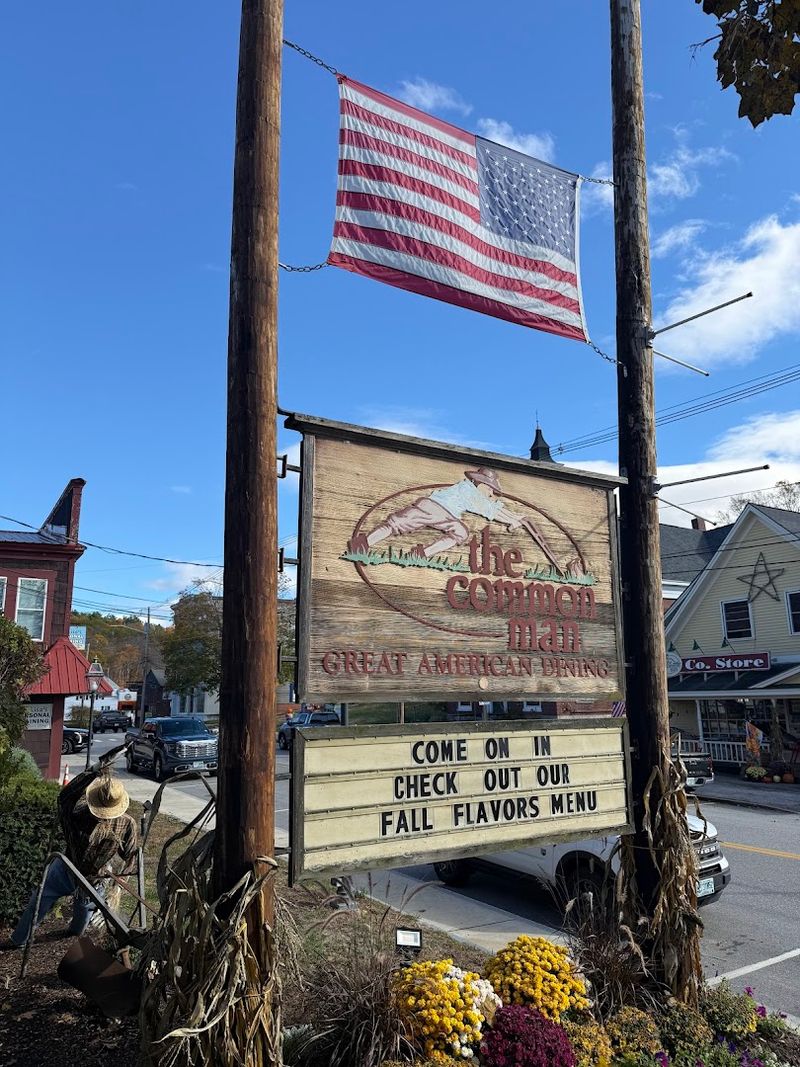
The Common Man in Ashland has been a New Hampshire staple since 1971, built on the philosophy that good food should be approachable, generous, and made with pride. The restaurant’s cozy, rustic atmosphere makes every guest feel genuinely welcome.
New England classics — chowder, prime rib, and fresh seafood — anchor a menu designed to satisfy rather than impress. The walls are covered with antique memorabilia that sparks conversation.
Generations of Granite State families have made The Common Man their go-to for celebrations, and that loyalty speaks volumes.
White House Subs – Atlantic City, New Jersey
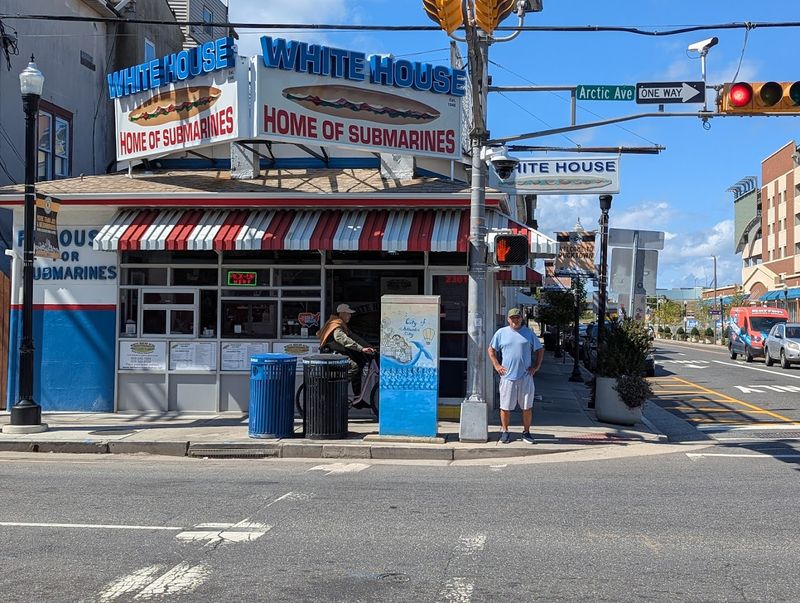
White House Subs has been stacking legendary hoagies in Atlantic City since 1946. The shop is famously no-frills — paper on the tables, orders called out loud, and sandwiches so stuffed they barely stay together — and that’s exactly why people love it.
Frank Sinatra was a devoted fan and reportedly had subs flown to him on tour. The Italian cold cut combo remains the gold standard.
Locals will argue passionately that no other sub shop in New Jersey — maybe anywhere — comes close to matching what White House has always delivered.
The Shed – Santa Fe, New Mexico
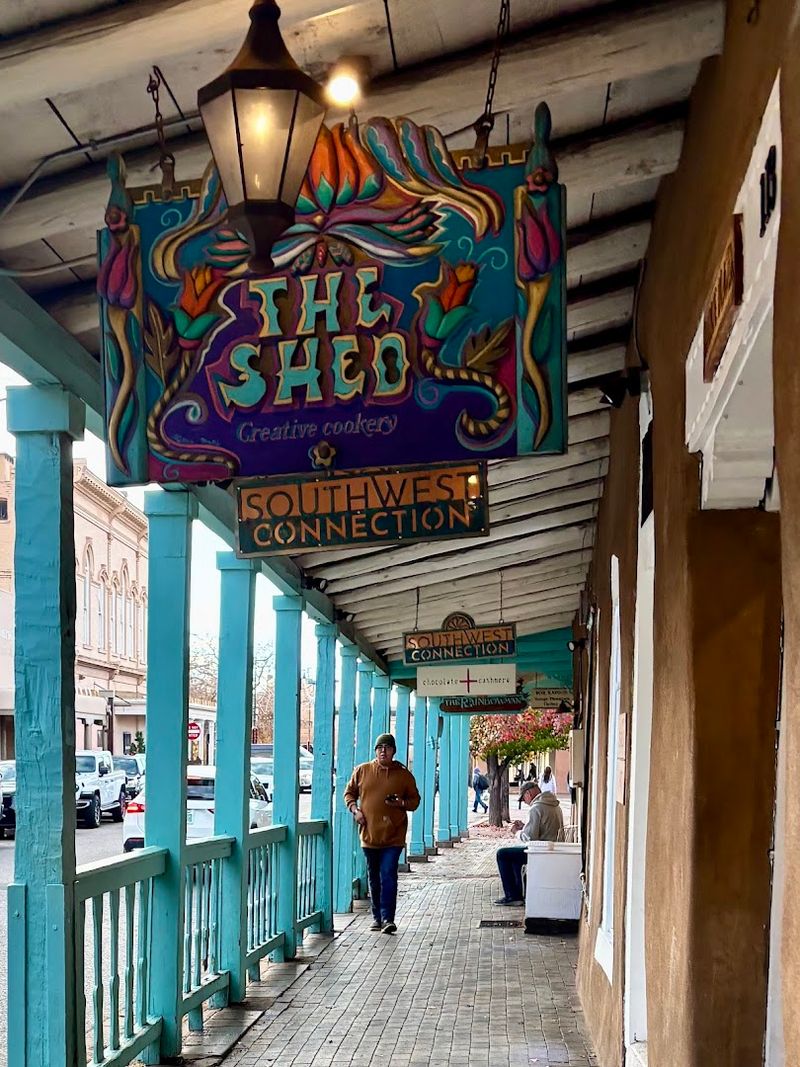
Tucked into a 17th-century hacienda in downtown Santa Fe, The Shed has been serving New Mexican cuisine since 1953. The building itself is a landmark, but the food is what keeps people coming back year after year.
Red and green chile sauces are the stars, smothered generously over enchiladas, tamales, and posole. The James Beard Foundation has recognized The Shed as an American Classic, a title that fits perfectly.
Every bite carries the warmth and depth of New Mexico’s rich culinary traditions, refined over seven decades of family ownership.
Katz’s Delicatessen – New York, New York
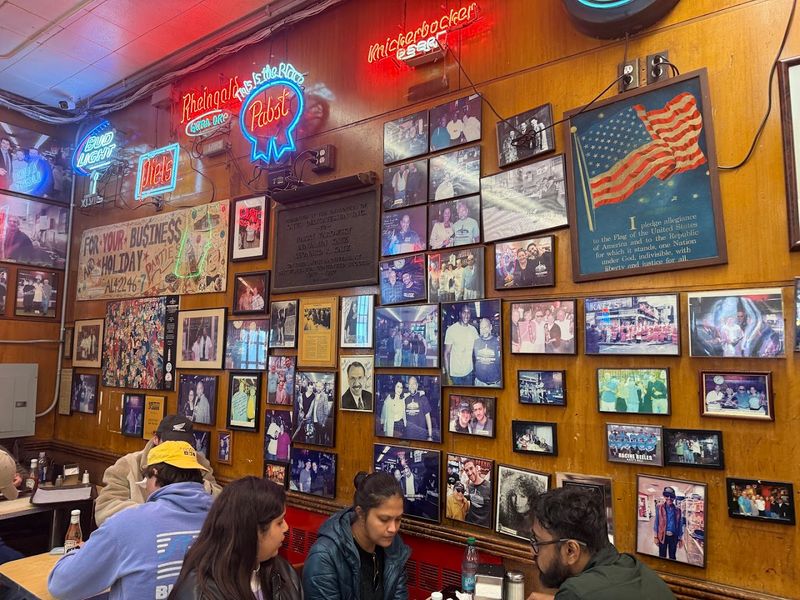
“Send a salami to your boy in the Army” — that slogan, born during World War II, helped make Katz’s Delicatessen a New York City legend. Open since 1888 on the Lower East Side, it’s the most famous Jewish deli in the world.
The pastrami sandwich is a masterpiece — hand-carved, piled impossibly high, and served on rye with mustard. The scene from When Harry Met Sally was filmed here, cementing its pop culture status forever.
Katz’s is loud, crowded, and absolutely essential to understanding New York’s food soul.
Lexington Barbecue – Lexington, North Carolina
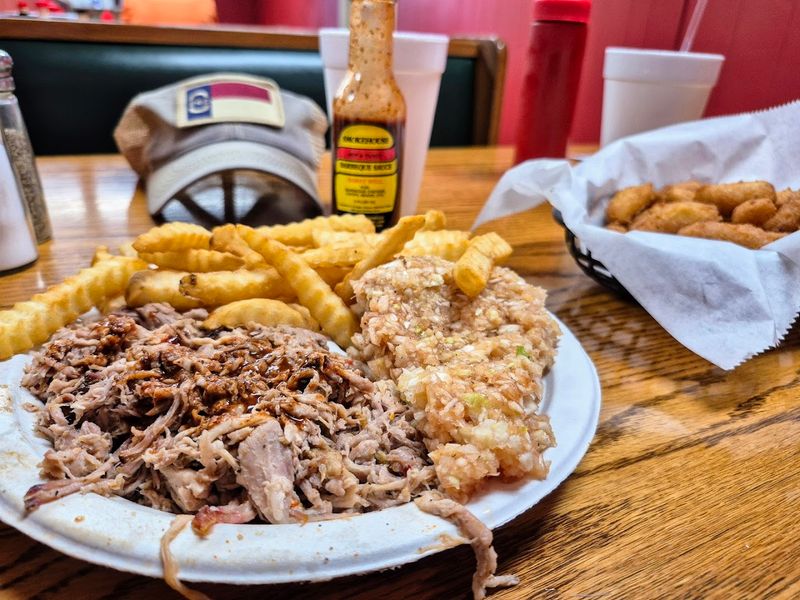
Lexington, North Carolina takes its barbecue so seriously that the town hosts an annual Barbecue Festival drawing over 100,000 people. At the center of it all is Lexington Barbecue, open since 1962 and widely considered the gold standard of Piedmont-style ‘cue.
Pork shoulders are smoked low and slow over hickory wood, then served with a tangy, tomato-tinged vinegar sauce unique to this region. The hushpuppies and red slaw round out a plate that barbecue pilgrims travel hundreds of miles to taste.
This is North Carolina’s most important restaurant, full stop.
Kroll’s Diner – Fargo, North Dakota
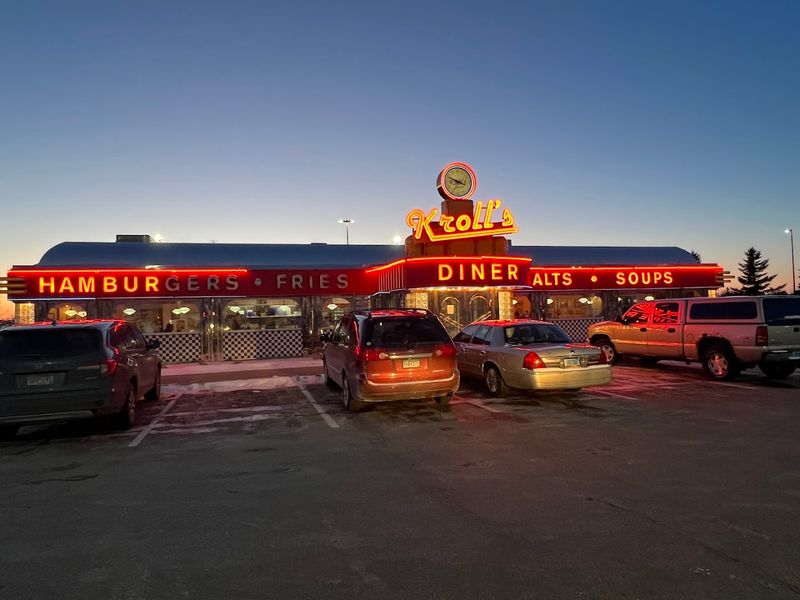
Kroll’s Diner has been a Fargo fixture since 1956, serving classic Midwestern diner food with the kind of warmth and consistency that keeps people loyal for a lifetime. The knoephla soup alone — a German-Russian cream-based potato and dumpling soup — is worth the trip.
Fleischkuekle, a deep-fried meat pastry unique to the region’s German-Russian heritage, is another must-try that you won’t easily find elsewhere. Kroll’s captures the soul of North Dakota’s immigrant food traditions beautifully.
It’s homey, affordable, and genuinely delicious in a way that no trendy restaurant could ever replicate.
Schmidt’s Sausage Haus Restaurant – Columbus, Ohio
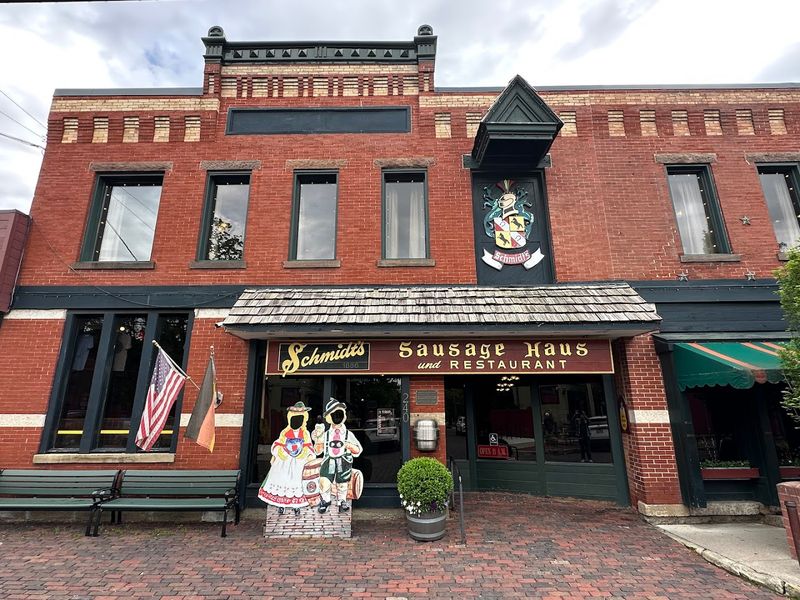
Schmidt’s Sausage Haus has been a cornerstone of Columbus’s German Village neighborhood since 1886. The Bahama Mama sausage — a smoked, mildly spiced pork and beef sausage — is a regional icon that people drive hours to eat.
The jumbo cream puffs are equally famous, served in portions that defy belief and taste even better than they look. Accordion music, lederhosen-clad staff, and a festive atmosphere make Schmidt’s feel like Oktoberfest every single day.
Ohio’s German heritage has no better or more delicious ambassador than this beloved Columbus landmark.
Cattlemen’s Steakhouse – Oklahoma City, Oklahoma
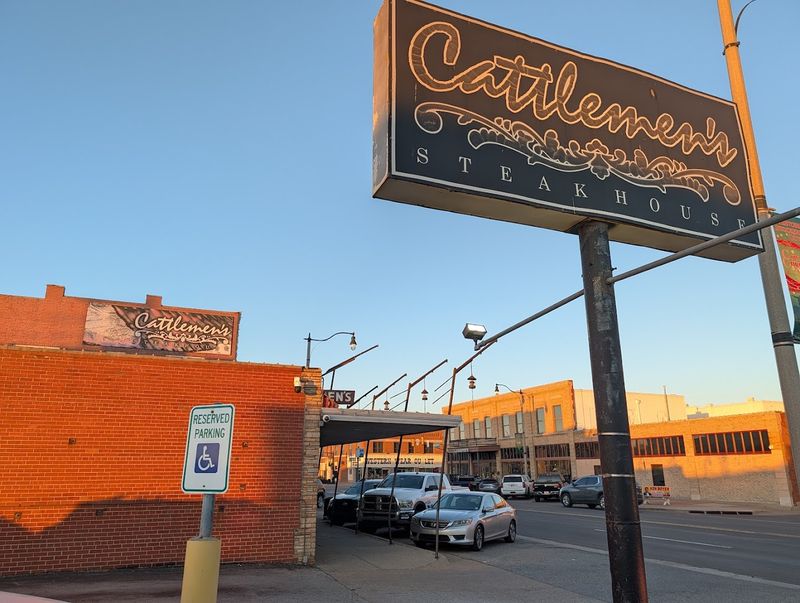
Cattlemen’s Steakhouse has been operating in Oklahoma City’s historic Stockyards City since 1910. Legend has it the restaurant was won in a card game, which is exactly the kind of Wild West origin story this place deserves.
Lamb fries — a local delicacy — sit alongside perfectly grilled steaks and classic sides on a menu that honors Oklahoma’s ranching culture. Breakfast is served early for the actual cattle workers who still come through the stockyards.
Cattlemen’s isn’t performing history; it’s still actively living it every single day.
Huber’s Cafe – Portland, Oregon
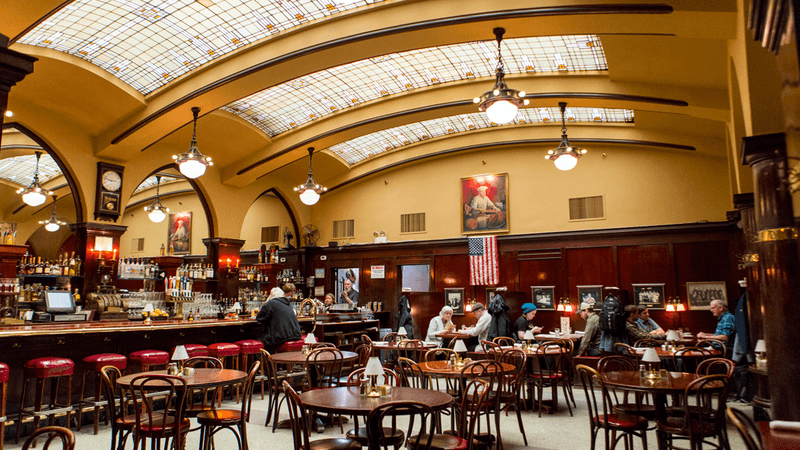
Portland’s oldest restaurant, Huber’s Cafe, has been open since 1879. The Spanish coffee — prepared tableside with flaming rum, triple sec, and coffee — is one of the most theatrical and delicious drinks in the Pacific Northwest.
The mahogany bar, stained glass ceiling, and carved wooden booths create an atmosphere that feels genuinely Victorian, not artificially restored. Roast turkey is the unexpected menu star, served year-round to devoted regulars.
Huber’s proves that Portland’s food culture runs much deeper than its modern reputation for trendy, avant-garde dining might suggest.
Dante & Luigi’s – Philadelphia, Pennsylvania
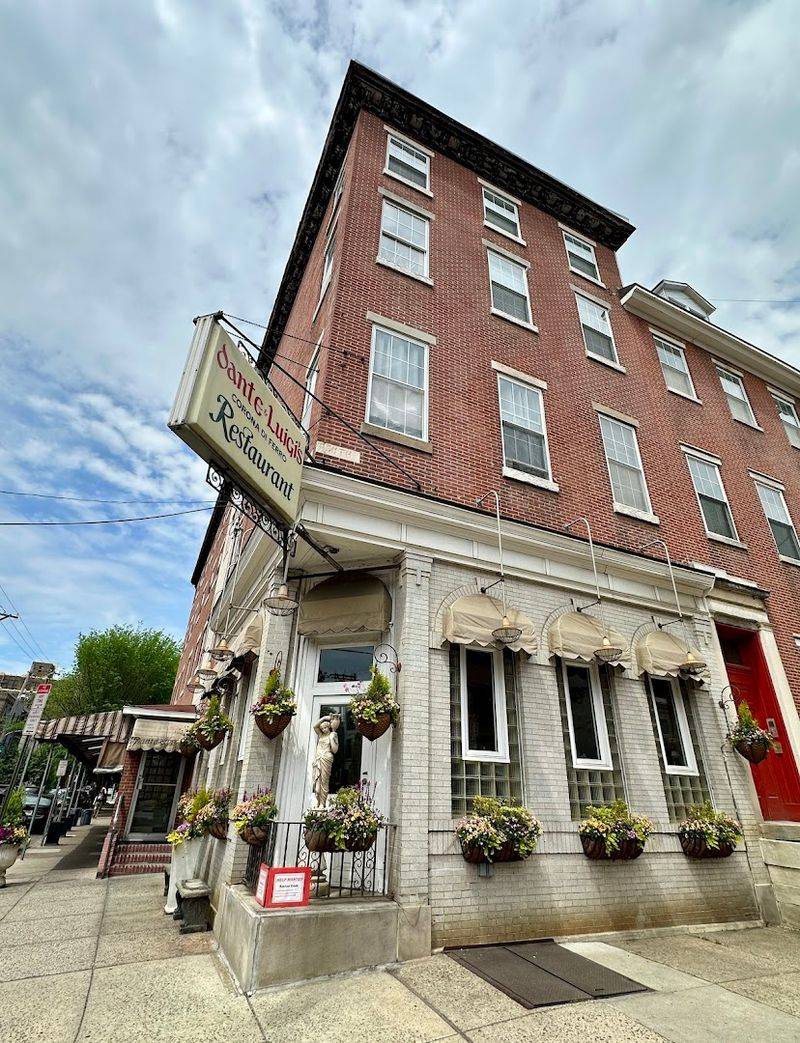
Dante & Luigi’s has been serving old-school Italian-American food in South Philadelphia since 1899, making it one of the oldest Italian restaurants in the entire country. The neighborhood has changed around it, but the restaurant has stayed beautifully consistent.
Veal dishes, handmade pasta, and rich red sauces are the backbone of a menu that feels like a love letter to Southern Italian cooking. The dining room is intimate and unpretentious.
Locals treat it with a reverence usually reserved for family — which, in many ways, is exactly what Dante & Luigi’s has become.
White Horse Tavern – Newport, Rhode Island
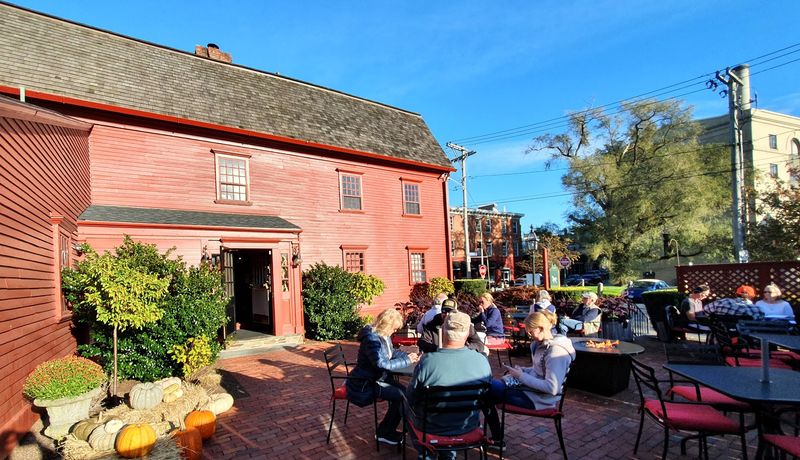
Built in 1673, the White Horse Tavern in Newport holds the title of America’s oldest tavern still in operation. Colonial legislators, British soldiers, and pirates all reportedly passed through its doors over the centuries — making its guest list arguably the most colorful in American history.
Today the menu is refined New England cuisine — lobster bisque, rack of lamb, and classic New England chowder — served in low-ceilinged rooms with massive fireplaces. Dining here is genuinely transportive.
Few restaurants in America carry this much authentic, verifiable history within their walls.
Bowens Island Restaurant – Charleston, South Carolina
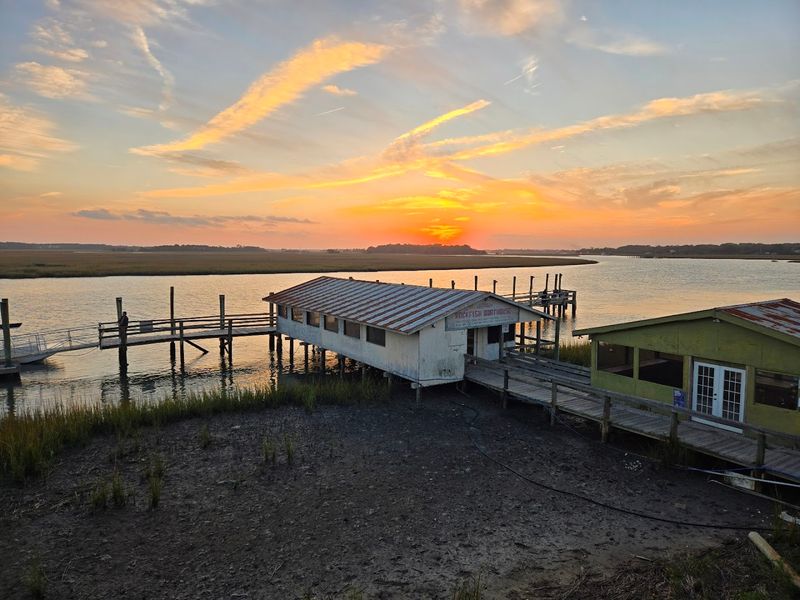
Bowens Island Restaurant sits on a tidal creek just outside Charleston, and it has been serving steamed oysters since 1946 in a setting that is gloriously, stubbornly unchanged. The walls of the cinder-block building are covered in decades of carved names and graffiti.
Oysters are shoveled onto tables straight from the steamer, eaten with crackers and hot sauce while the marsh air drifts in. It’s messy, communal, and absolutely perfect.
The James Beard Foundation called it an American Classic, recognizing what Lowcountry locals have always known: this place is irreplaceable.
Alpine Inn – Hill City, South Dakota
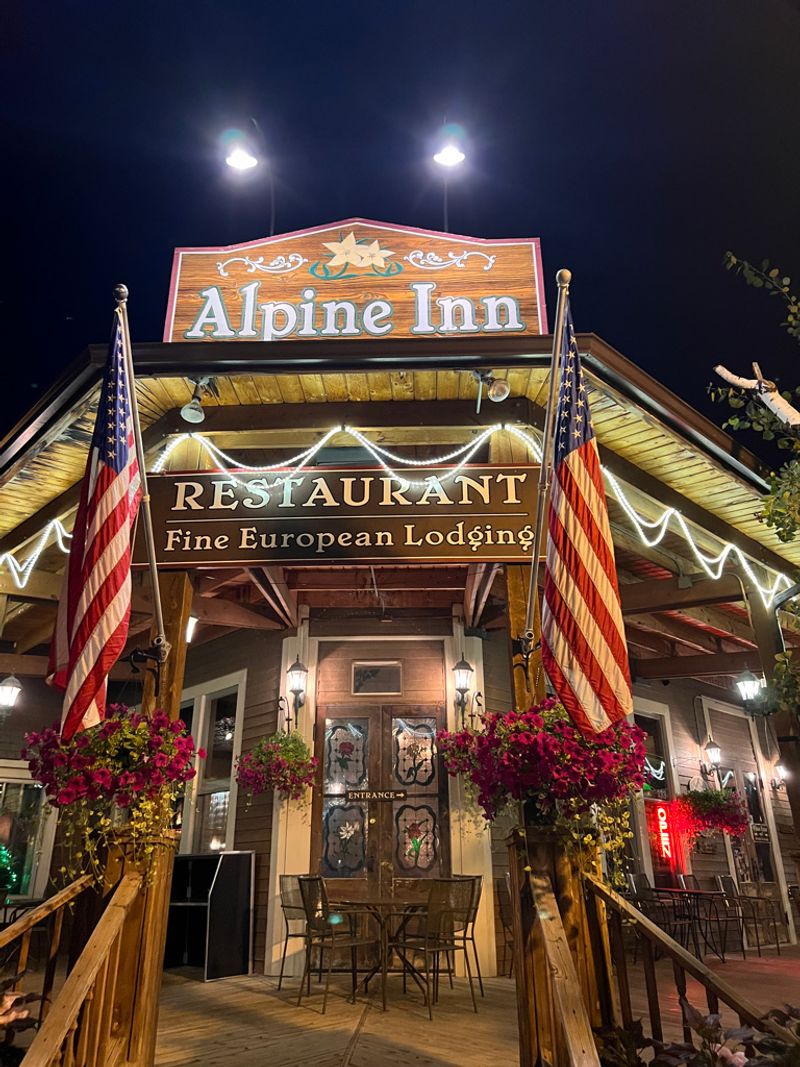
Tucked into the Black Hills of South Dakota, the Alpine Inn in Hill City has been serving travelers and locals since 1886. The menu is famously simple — filet mignon is the only entree, and it comes with a salad and bread.
That’s it. No substitutions.
The stripped-down approach is completely intentional, and the result is a perfectly cooked steak every single time. The prices remain surprisingly affordable, which makes the quality feel even more remarkable.
Visitors to Mount Rushmore and Custer State Park regularly make the Alpine Inn their most memorable meal of the trip.
The Loveless Cafe – Nashville, Tennessee
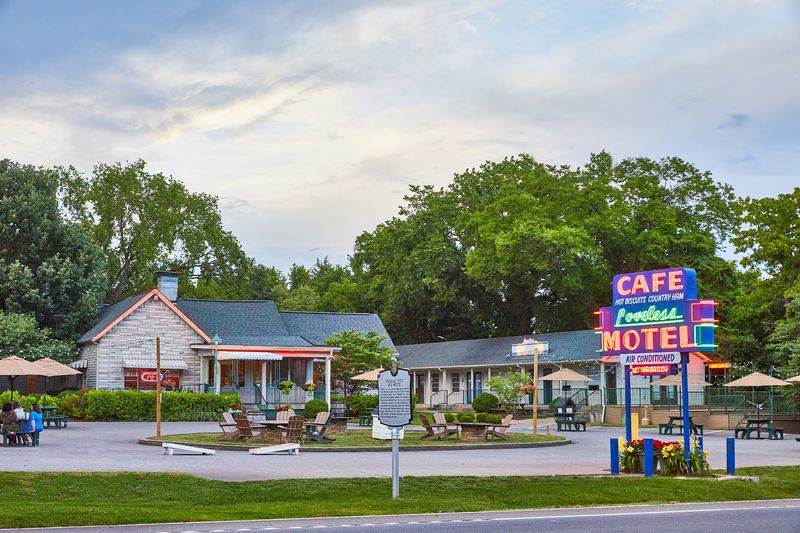
The Loveless Cafe has been a Nashville landmark since 1951, beloved for biscuits so good that people have genuinely planned road trips around eating them. The recipe, made fresh throughout the day, has never changed — and never needed to.
Country ham, red-eye gravy, and fruit preserves round out a breakfast spread that feels like pure Southern soul. Dolly Parton, Jimmy Carter, and countless others have slid into the checkered-tablecloth booths over the years.
It’s warm, unpretentious, and deeply Tennessee in every possible way.
The Original Ninfa’s on Navigation – Houston, Texas
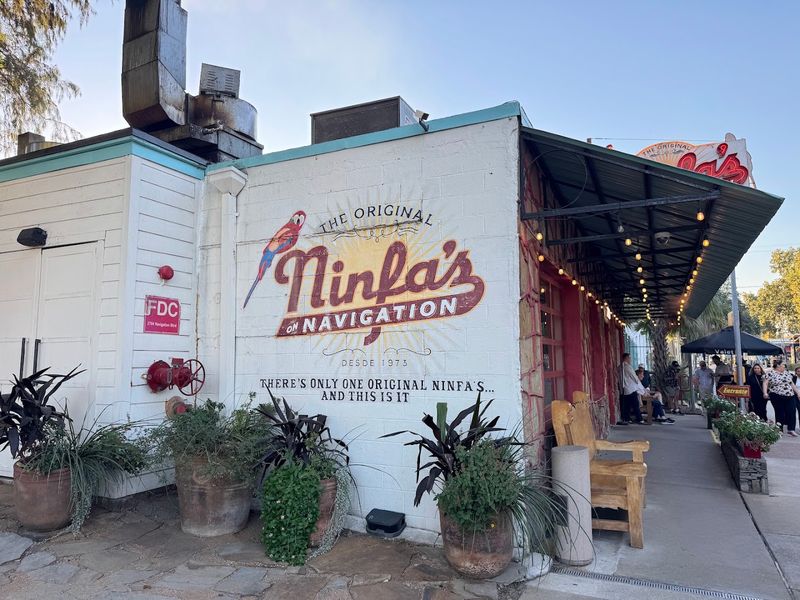
Mama Ninfa Laurenzo opened her restaurant on Navigation Boulevard in Houston in 1973, and in doing so, she is widely credited with introducing fajitas to the American mainstream. That single contribution to food culture would be enough to secure her legacy forever.
The original tacos al carbon — grilled skirt steak with handmade tortillas and fresh guacamole — remain the dish to order. The atmosphere is festive and family-driven, honoring Ninfa’s spirit.
Houston’s East End neighborhood has grown and changed enormously, but this restaurant anchors it with history, flavor, and genuine heart.
Lion House Pantry – Salt Lake City, Utah
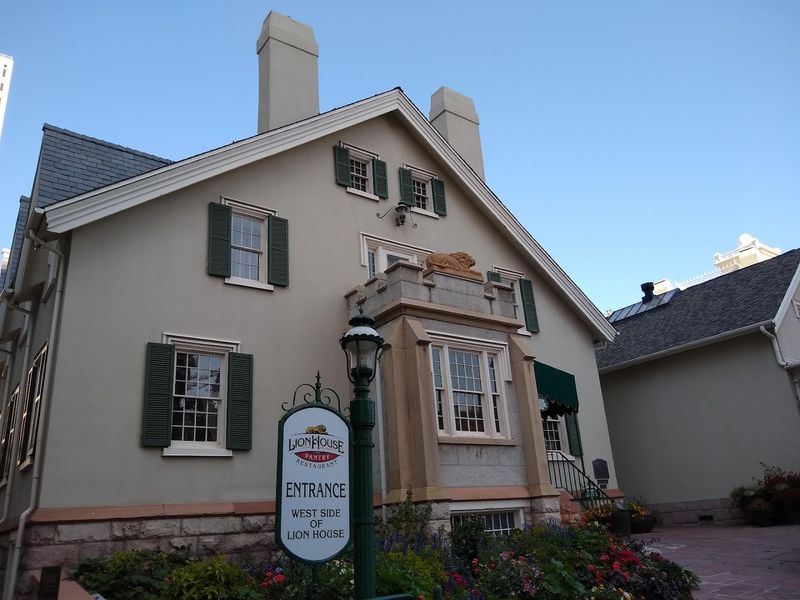
The Lion House in Salt Lake City was once the home of Brigham Young, and today its lower level operates as a beloved cafeteria-style restaurant serving homestyle Mormon pioneer cooking. It has been feeding locals and tourists since the 1960s.
Pot roast, funeral potatoes, fresh rolls, and homemade pies are the stars of a rotating menu that changes daily. The atmosphere is wholesome and welcoming in a way that feels completely unique to Utah.
Eating at the Lion House Pantry is a genuine cultural experience wrapped in the most comforting food imaginable.
Ye Olde Tavern – Manchester Center, Vermont
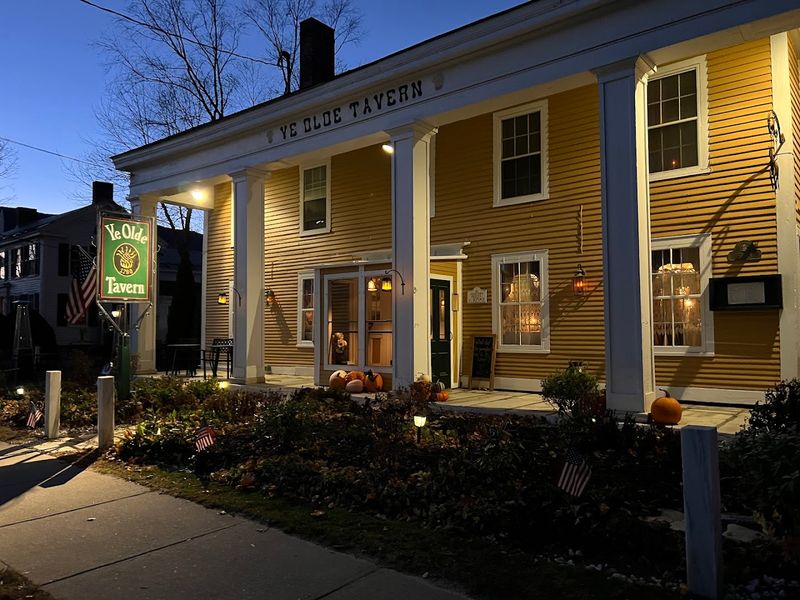
Ye Olde Tavern in Manchester Center has been welcoming guests since 1790, making it one of Vermont’s oldest continuously operating dining establishments. The colonial-era building exudes authentic New England character that no amount of interior design can manufacture.
Vermont comfort food — roasted meats, hearty soups, and locally sourced sides — fills a menu that feels perfectly suited to a chilly Green Mountain evening. The fireplaces crackle, the wide-plank floors creak, and the whole experience feels wonderfully removed from the modern world.
It’s Vermont hospitality at its most genuine and enduring.
The Inn at Little Washington – Washington, Virginia
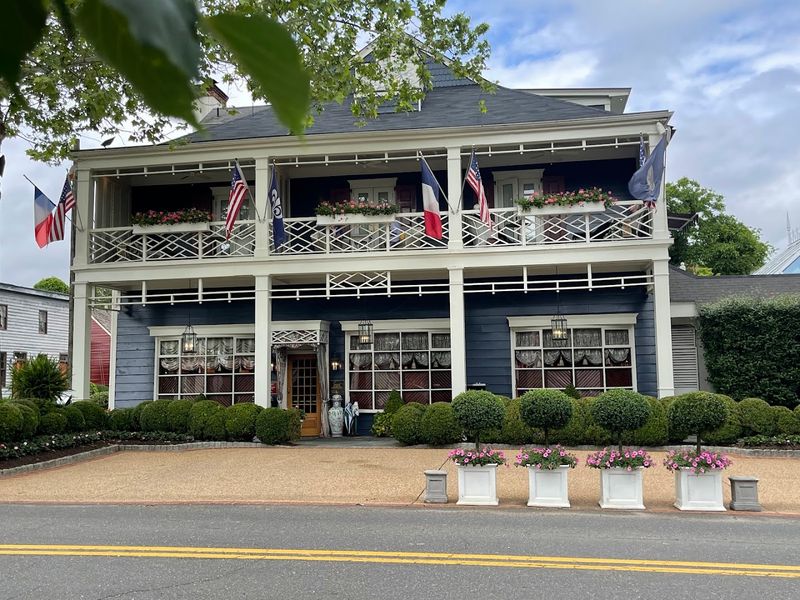
Patrick O’Connell opened The Inn at Little Washington in a former garage in 1978, and it has since become one of the most celebrated restaurants in America — the first inn outside a major city to earn three Michelin stars. The transformation is staggering.
Every detail of the dining experience is considered, theatrical, and deeply personal. The menu changes with the seasons and reflects the best of Virginia’s farms and waters.
Dining here is a full evening event, not just a meal. It’s extraordinary in every sense, and has been from nearly the very beginning.
Ivar’s Acres of Clams – Seattle, Washington
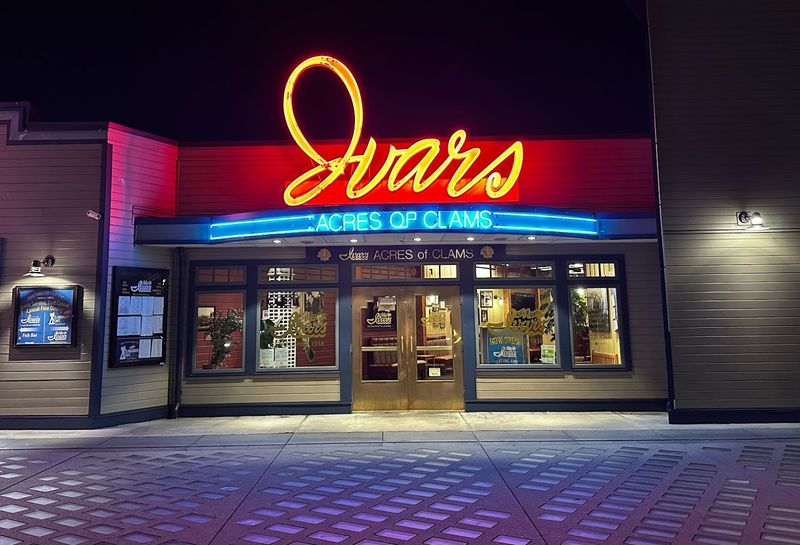
Ivar Haglund opened Ivar’s Acres of Clams on Seattle’s waterfront in 1938, turning a quirky aquarium side business into the city’s most iconic seafood restaurant. His motto — “Keep Clam” — perfectly captures the laid-back, lovable personality of the place.
Clam chowder, fish and chips, and fresh Dungeness crab anchor a menu that celebrates the Pacific Northwest’s incredible seafood bounty. Seagulls hover hopefully outside, ferries glide past on Puget Sound, and the whole scene feels quintessentially Seattle.
Ivar’s is not just a restaurant — it’s a beloved piece of the city’s soul.
The Main Dining Room at The Greenbrier – White Sulphur Springs, West Virginia
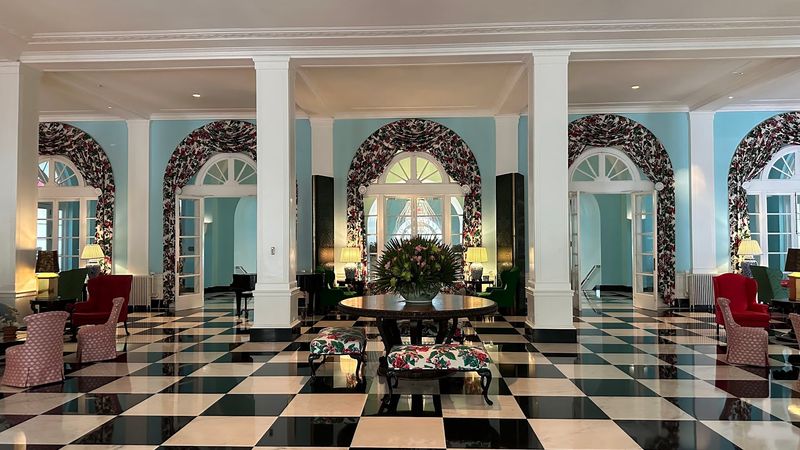
The Greenbrier resort has hosted U.S. presidents and royalty since 1778, and its Main Dining Room remains one of the most grand and storied dining experiences in America. Dorothy Draper’s bold, colorful interior design makes the room feel like a stage set for a glamorous 1950s film.
Formal attire is still encouraged at dinner, which feels refreshingly old-fashioned. The menu showcases classic American and Continental cuisine prepared with meticulous care.
Dining here is an occasion, not just a meal — a reminder that some of the most special experiences in life involve sitting down, dressing up, and savoring every bite.
The Old Fashioned – Madison, Wisconsin
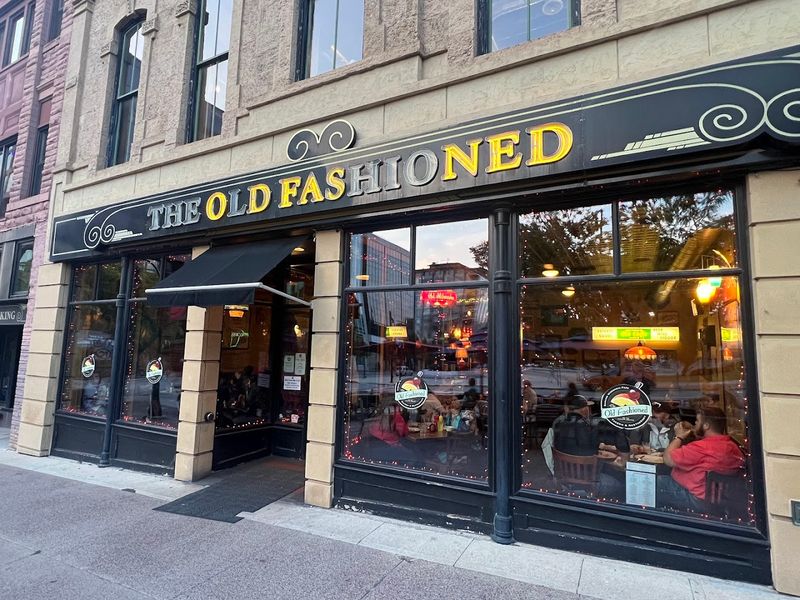
The Old Fashioned in Madison opened in 2005, but it was built from the ground up to celebrate and preserve Wisconsin’s beloved supper club tradition. The name pays tribute to the brandy old fashioned — Wisconsin’s unofficial state cocktail — which is made here with serious care.
Cheese curds, fish fry, bratwurst, and Friday night fish fries are menu staples that feel deeply, authentically Wisconsin. The bar program is exceptional, and the atmosphere is convivial and welcoming.
Madison locals have embraced it fully as a cultural institution, proving that honoring tradition is always worth celebrating.
Virginian Restaurant – Jackson, Wyoming
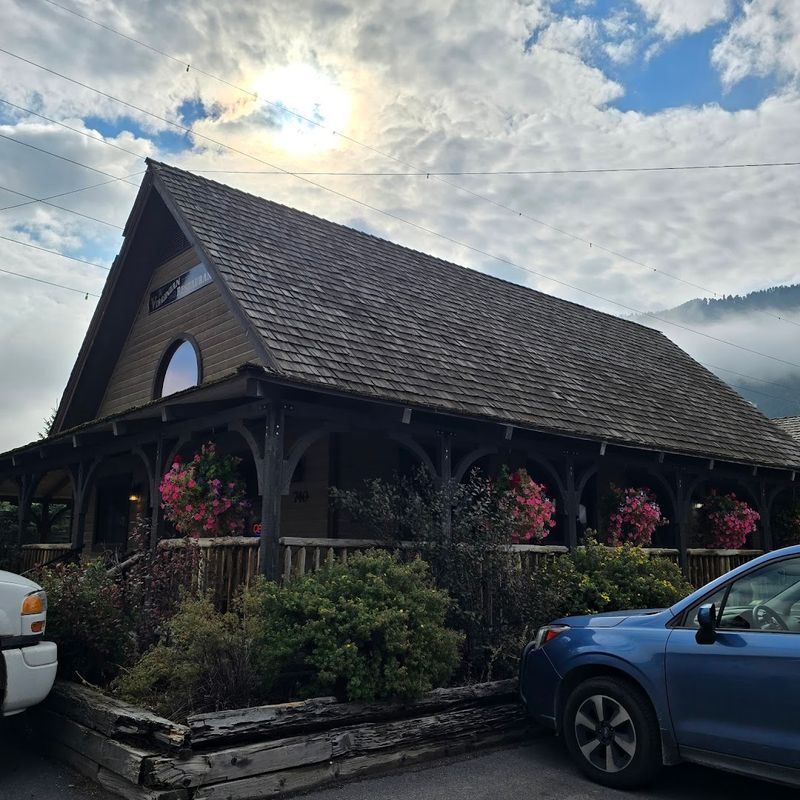
The Virginian in Jackson has been part of Wyoming’s landscape since 1907, serving cowboys, tourists, and everyone in between with equal Western hospitality. Named after Owen Wister’s famous novel set in Wyoming, the restaurant carries its literary namesake’s rugged spirit proudly.
Burgers, steaks, and hearty Western plates fuel the outdoor adventurers who pass through Jackson on their way to Grand Teton and Yellowstone. The saloon atmosphere is genuine and unpretentious.
In a town that has grown increasingly upscale, the Virginian remains a grounding, authentic reminder of what Wyoming has always truly been about.
Enjoyed this story?
Add Fast Food Club as a preferred source to see more of our reporting on Google.